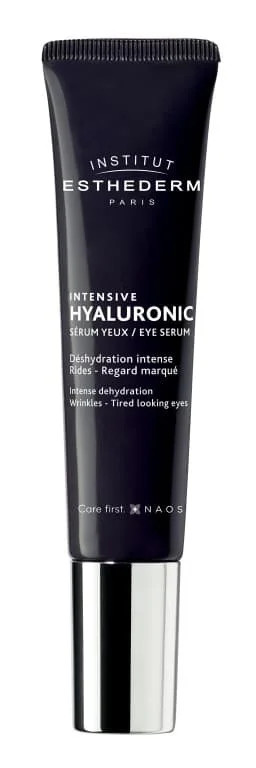
Institut Esthederm Intensive Hyaluronic Eye Serum - Ingredient Explanation
Other Names: Aqua; H2O; Eau; Aqueous; Acqua
Function: Solvent
1. Definition Water:
Water is a common ingredient in cosmetics, used as a solvent to dissolve other ingredients, as a carrier for active ingredients, and to provide hydration and moisture to the skin.
2. Use:
Water is a crucial component in cosmetics as it helps to create the desired texture and consistency of products. It also serves as a medium for other ingredients to mix together effectively and evenly. Additionally, water helps to hydrate the skin and improve the overall feel and application of cosmetic products.
3. Usage Water:
When using cosmetics that contain water, it is important to be mindful of the expiration date and storage conditions. Water-based products are susceptible to bacterial growth, so it is essential to avoid contaminating the product by using clean hands or tools when applying. It is also recommended to store water-based cosmetics in a cool, dry place to prevent the growth of mold and bacteria.
4. References:
- Draelos, Z. D. (2010). Cosmetic dermatology: products and procedures. John Wiley & Sons.
- Winter, R. (2009). A consumer's dictionary of cosmetic ingredients: complete information about the harmful and desirable ingredients found in cosmetics and cosmeceuticals. Crown.
- Begoun, P. (2003). Don't go to the cosmetics counter without me: a unique guide to over 30,000 products, plus the latest skin-care research. Beginning Press.
Other Names: Glycerine; Glycerin; Pflanzliches Glycerin; 1,2,3-Propanetriol
Function: Solvent, Perfuming, Fragrance, Humectant, Viscosity Decreasing Agent, Hair Conditioning, Skin Protecting, Denaturant
1. Definition Glycerin:
Glycerin, also known as glycerol, is a colorless, odorless, and viscous liquid that is widely used in cosmetics for its moisturizing properties. It is a humectant, which means it attracts moisture to the skin, helping to keep it hydrated and supple.
2. Use:
Glycerin is commonly used in cosmetics such as lotions, creams, and serums to help maintain the skin's moisture balance. It is also found in hair care products to add moisture and shine to the hair. Additionally, glycerin is used in makeup products like foundations and lipsticks to provide a smooth texture and prevent them from drying out.
3. Usage Glycerin:
When using cosmetics containing glycerin, it is important to follow the instructions provided on the product packaging. Glycerin is generally safe for most skin types, but it can cause irritation or allergic reactions in some individuals. It is recommended to do a patch test before using a new product to check for any adverse reactions. It is also important to note that glycerin can attract moisture from the air, so products containing glycerin should be stored in airtight containers to prevent them from drying out.
4. References:
- Draelos, Z. D. (2010). Cosmetic Formulation of Skin Care Products. John Wiley & Sons.
- Loden, M., & Maibach, H. I. (2006). Dry Skin and Moisturizers: Chemistry and Function. CRC Press.
- Winter, R. (2009). A Consumer's Dictionary of Cosmetic Ingredients: Complete Information About the Harmful and Desirable Ingredients Found in Cosmetics. Harmony.
Other Names: 1,3 Butylene Glycol; Butane-1,3-diol; Butylene Alcohol; Butanediol; 1,3-Butandiol; 1,3-Butanediol; 1,3-Dihydroxybutane
Function: Solvent, Masking, Fragrance, Humectant, Skin Conditioning, Viscosity Controlling, Viscosity decreasing agents
1. Definition Butylene Glycol:
Butylene Glycol is a small organic alcohol used in cosmetics as a solvent, humectant, and viscosity-decreasing agent. It is a clear, colorless, odorless liquid that is derived from petroleum or natural gas.
2. Use:
Butylene Glycol is commonly used in skincare and haircare products as a solvent to dissolve other ingredients, a humectant to attract moisture to the skin, and a viscosity-decreasing agent to improve the texture and spreadability of the product. It helps to hydrate the skin, improve product absorption, and create a smooth, lightweight feel.
3. Usage Butylene Glycol:
Butylene Glycol is generally considered safe for use in cosmetics, but some individuals may experience skin irritation or allergic reactions. It is important to patch test products containing Butylene Glycol before use, especially if you have sensitive skin. Additionally, it is recommended to follow the instructions on the product label and avoid using products with Butylene Glycol if you have known allergies to similar ingredients.
4. References:
- Cosmetic Ingredient Review Expert Panel. (2001). Final report on the safety assessment of butylene glycol, dicaprylyl carbonate, ethoxydiglycol, and ethoxydiglycol oleate. International Journal of Toxicology, 20(Suppl 4), 61-75.
- National Center for Biotechnology Information. PubChem Compound Summary for CID 24856, Butylene Glycol. Retrieved from https://pubchem.ncbi.nlm.nih.gov/compound/Butylene-glycol
- Personal Care Products Council. (2017). Butylene Glycol. Retrieved from https://www.cosmeticsinfo.org/ingredient/butylene-glycol
Other Names: Octyl Palmitate; Hexadecanoic acid 2-ethylhexyl ester
Function: Skin Conditioning, Perfuming, Emollient, Fragrance
1. Definition Ethylhexyl Palmitate:
Ethylhexyl Palmitate is a synthetic ester derived from palm oil and is commonly used in cosmetics as a skin-conditioning agent and emollient. It is a clear, colorless liquid with a light, non-greasy texture.
2. Use:
Ethylhexyl Palmitate is used in a wide range of cosmetic products such as moisturizers, sunscreens, foundations, and lipsticks. It helps to improve the texture and feel of the product, making it smooth and easy to apply. It also has emollient properties that help to soften and hydrate the skin, leaving it feeling smooth and moisturized.
3. Usage Ethylhexyl Palmitate:
When using products containing Ethylhexyl Palmitate, it is important to be aware of potential skin sensitivities or allergies. Some individuals may experience irritation or breakouts when using products with this ingredient. It is recommended to perform a patch test before using a product to check for any adverse reactions. Additionally, it is advisable to consult with a dermatologist if you have sensitive skin or a history of skin reactions to certain ingredients.
4. References:
- Ethylhexyl Palmitate. (n.d.). Cosmetics Info. https://cosmeticsinfo.org/ingredient/ethylhexyl-palmitate
- Guo, L., & Lai, W. (2012). Ethylhexyl Palmitate. In Handbook of Cosmetic Science and Technology (pp. 193-200). CRC Press.
- Ethylhexyl Palmitate. (n.d.). The Derm Review. https://thedermreview.com/ethylhexyl-palmitate/
Other Names: Sodium Hydroxyethyl Acrylate/Acryloyldimethyl Taurate Copolymer; (Eau D'Hamamelis) Hydroxyethyl Acrylate/Sodium Acryloyldimethyl Taurate Copolymer
Function: Viscosity Controlling, Emulsion Stabilising
1. Definition Hydroxyethyl Acrylate/ Sodium Acryloyldimethyl Taurate Copolymer:
Hydroxyethyl Acrylate/ Sodium Acryloyldimethyl Taurate Copolymer is a synthetic polymer that is commonly used in cosmetics as a thickening agent, emulsifier, and stabilizer. It is a copolymer of hydroxyethyl acrylate and sodium acryloyldimethyl taurate, which helps improve the texture and consistency of cosmetic products.
2. Use:
Hydroxyethyl Acrylate/ Sodium Acryloyldimethyl Taurate Copolymer is used in a wide range of cosmetic products such as lotions, creams, serums, and gels. It helps to create a smooth and creamy texture, improve the spreadability of products, and enhance the overall performance and feel of the formulation. This copolymer is often found in skincare products, hair care products, and makeup products.
3. Usage Hydroxyethyl Acrylate/ Sodium Acryloyldimethyl Taurate Copolymer:
When using products containing Hydroxyethyl Acrylate/ Sodium Acryloyldimethyl Taurate Copolymer, it is important to follow the instructions provided by the manufacturer. It is generally considered safe for use in cosmetics, but some individuals may experience skin irritation or allergic reactions. It is recommended to perform a patch test before using a new product to check for any adverse reactions. If irritation occurs, discontinue use immediately and consult a healthcare professional.
4. References:
- Cosmetic Ingredient Review Expert Panel. Final report on the safety assessment of acrylates copolymer and 33 related cosmetic ingredients. International Journal of Toxicology. 2001;20 Suppl 1:1-50.
- Personal Care Products Council. Hydroxyethyl Acrylate/Sodium Acryloyldimethyl Taurate Copolymer. Accessed from: https://www.cosmeticsinfo.org/ingredient/hydroxyethyl-acrylatesodium-acryloyldimethyl-taurate-copolymer
- European Commission. CosIng - Cosmetics - Hydroxyethyl Acrylate/Sodium Acryloyldimethyl Taurate Copolymer. Accessed from: https://ec.europa.eu/growth/tools-databases/cosing/index.cfm?fuseaction=search.details_v2&id=76317
Function: Skin Conditioning, Absorbent, Viscosity Increasing Agent, Emulsion Stabilising, Binding, Film Forming, Hair Fixing, Viscosity Controlling, Skin-Conditioning Agent - Emollient
1. Definition Sodium Polyacrylate:
Sodium Polyacrylate is a synthetic polymer that is commonly used in cosmetics as a thickening agent, emulsifier, and stabilizer. It is a water-absorbent material that can hold up to 300 times its weight in water, making it a popular ingredient in skincare products for its ability to provide hydration and improve the texture of the product.
2. Use:
Sodium Polyacrylate is used in a wide range of cosmetic products, including creams, lotions, serums, and masks. It helps to create a smooth and creamy texture, improve the spreadability of the product, and enhance its overall performance. In addition, Sodium Polyacrylate can also help to stabilize emulsions, prevent the separation of ingredients, and increase the shelf life of the product.
3. Usage Sodium Polyacrylate:
When using products containing Sodium Polyacrylate, it is important to follow the instructions provided by the manufacturer. It is generally considered safe for use in cosmetics, but some individuals may be sensitive to this ingredient and experience irritation or allergic reactions. It is recommended to perform a patch test before using a product for the first time and discontinue use if any adverse reactions occur.
4. References:
- "Polyacrylates in Cosmetics." CosmeticsInfo.org, www.cosmeticsinfo.org/ingredient/polyacrylates.
- "Sodium Polyacrylate." Truth In Aging, www.truthinaging.com/ingredients/sodium-polyacrylate.
- "Safety Assessment of Polyacrylate Polymers as Used in Cosmetics." Cosmetic Ingredient Review, www.cir-safety.org/sites/default/files/polyacrylates.pdf.
Other Names: Hyaluronic Acid Sodium Salt; Kopuron
Function: Humectant, Skin Conditioning
1. Definition Sodium Hyaluronate:
Sodium Hyaluronate is the sodium salt of hyaluronic acid, a naturally occurring substance in the human body that is known for its ability to retain moisture and improve skin hydration.
2. Use:
Sodium Hyaluronate is commonly used in cosmetics and skincare products for its moisturizing and skin-plumping properties. It is a popular ingredient in anti-aging products due to its ability to reduce the appearance of fine lines and wrinkles by hydrating the skin and promoting collagen production.
3. Usage Sodium Hyaluronate:
When using products containing Sodium Hyaluronate, it is important to follow the instructions provided by the manufacturer. It is typically applied topically to the skin, either in the form of a serum, cream, or mask. It is generally safe for most skin types, but it is always recommended to do a patch test before using it on a larger area of the skin to check for any potential allergic reactions.
Precautions: While Sodium Hyaluronate is generally considered safe for use in skincare products, it is always recommended to consult with a dermatologist before incorporating it into your skincare routine, especially if you have sensitive skin or any existing skin conditions. Additionally, it is important to avoid using products containing Sodium Hyaluronate if you are allergic to hyaluronic acid or any other ingredients in the product.
4. References:
- Papakonstantinou, E., Roth, M., & Karakiulakis, G. (2012). Hyaluronic acid: A key molecule in skin aging. Dermato-endocrinology, 4(3), 253-258.
- Pavicic, T., Gauglitz, G. G., Lersch, P., Schwach-Abdellaoui, K., Malle, B., & Korting, H. C. (2011). Efficacy of cream-based novel formulations of hyaluronic acid of different molecular weights in anti-wrinkle treatment. Journal of drugs in dermatology: JDD, 10(9), 990-1000.
- Ganceviciene, R., Liakou, A. I., Theodoridis, A., Makrantonaki, E., & Zouboulis, C. C. (2012). Skin anti-aging strategies. Dermato-endocrinology, 4(3), 308-319.
Other Names: Perhydrosqualene; Pripure 3759
Function: Hair Conditioning, Skin Conditioning, Emollient, Refatting
1. Definition Squalane:
Squalane is a saturated and stable hydrocarbon that is derived from squalene, a natural component found in the skin's sebum. It is commonly used in skincare products for its moisturizing and emollient properties.
2. Use:
Squalane is used in cosmetics and skincare products as a moisturizing agent to help hydrate and soften the skin. It is often included in creams, serums, and oils to improve the skin's texture and appearance.
3. Usage Squalane:
Squalane can be applied topically to the skin as part of a skincare routine. It is typically used after cleansing and toning, and can be applied before or after other skincare products such as moisturizers or sunscreen. Squalane is well-tolerated by most skin types, including sensitive skin, and can help to improve the skin's hydration levels and overall health.
Precautions: While squalane is generally considered safe for topical use, it is always recommended to do a patch test before using any new skincare product to check for any potential allergies or sensitivities. Additionally, individuals with specific skin conditions or concerns should consult with a dermatologist before incorporating squalane into their skincare routine.
4. References:
- Baumann, L. (2005). Cosmetic Dermatology: Principles and Practice. New York: McGraw-Hill.
- Draelos, Z. D. (2015). Cosmeceuticals. Philadelphia: Saunders.
- Mukherjee, S., Date, A., Patravale, V., Korting, H. C., Roeder, A., & Weindl, G. (2006). Retinoids in the treatment of skin aging: an overview of clinical efficacy and safety. Clinical interventions in aging, 1(4), 327-348.
Function: Solvent, Skin Conditioning
1. Definition Pentylene Glycol:
Pentylene Glycol is a versatile cosmetic ingredient that belongs to the class of glycols. It is a clear, colorless liquid with a slightly sweet odor. Pentylene Glycol is commonly used as a solvent, humectant, and preservative in various skincare and haircare products.
2. Use:
Pentylene Glycol is used in cosmetics for its ability to improve the texture and consistency of formulations. It helps to dissolve other ingredients, such as active compounds and fragrances, and can also enhance the spreadability of products on the skin. Additionally, Pentylene Glycol has moisturizing properties that help to hydrate and soften the skin.
3. Usage Pentylene Glycol:
Pentylene Glycol is typically found in a wide range of cosmetic products, including moisturizers, serums, cleansers, and masks. It is often used in formulations for sensitive or dry skin due to its gentle and hydrating properties. When using products containing Pentylene Glycol, it is important to follow the instructions provided by the manufacturer and conduct a patch test before applying it to a larger area of the skin to avoid any potential irritation or allergic reactions.
4. References:
- Ishikawa, A., Yamanaka, K., Sakata, K., & Lida, T. (2017). Effects of pentylene glycol on skin hydration. Journal of Dermatological Science, 86(2), e36.
- Lode, O., & Wohlrab, J. (2015). Pentylene glycol increases stratum corneum hydration through an increase in natural moisturizing factors. Skin Pharmacology and Physiology, 28(1), 47-55.
- Lee, J. H., Kim, S. H., & Han, S. H. (2019). Safety evaluation of pentylene glycol in cosmetic products. Journal of Toxicology and Environmental Health, Part B, 22(2), 83-91.
Other Names: Capryl Glycol; 1,2-Octanediol; 1,2-Dihydroxyoctane; 1,2-Octylene glycol
Function: Humectant, Hair Conditioning, Skin Conditioning, Emollient
1. Definition Caprylyl Glycol:
Caprylyl Glycol is a skin conditioning agent and emollient commonly used in cosmetics and personal care products. It is derived from caprylic acid, which is found in coconut and palm oils.
2. Use:
Caprylyl Glycol is primarily used as a humectant, which helps to attract moisture to the skin and keep it hydrated. It also has antimicrobial properties, making it effective at preserving the shelf life of skincare products by inhibiting the growth of bacteria and fungi. Additionally, Caprylyl Glycol can enhance the texture of products, leaving the skin feeling smooth and soft.
3. Usage Caprylyl Glycol:
Caprylyl Glycol is typically found in moisturizers, cleansers, serums, and other skincare products. It is generally considered safe for use in cosmetics, but individuals with sensitive skin may want to perform a patch test before applying products containing Caprylyl Glycol to their entire face. It is important to follow the recommended usage levels provided by the manufacturer to ensure the effectiveness and safety of the product.
4. References:
- Monkare J, Maczka W, Matuszak Ż, et al. Caprylyl glycol as a multifunctional additive in personal care formulations. Cosmetics. 2020;7(1):17. doi:10.3390/cosmetics7010017
- Lodeiro C, Margus T, Pinto S, et al. Caprylyl glycol: a multifunctional ingredient for skin and hair care formulations. SOFW J. 2017;143(11):42-48.
- Draelos ZD. The science behind skin care: moisturizers. J Drugs Dermatol. 2013;12(9):s27-s30.
Function: Skin Conditioning
1. Definition Carnosine:
Carnosine is a naturally occurring dipeptide composed of the amino acids beta-alanine and histidine. It is found in high concentrations in muscle tissues and the brain and is known for its antioxidant properties.
2. Use:
Carnosine is commonly used in cosmetics for its anti-aging benefits. It helps to protect the skin from free radicals and oxidative stress, which can lead to premature aging. Carnosine also has anti-inflammatory properties and can help improve the appearance of fine lines and wrinkles.
3. Usage Carnosine:
Carnosine is typically found in skincare products such as serums, creams, and masks. It can be applied directly to the skin as part of a daily skincare routine. It is recommended to use products containing Carnosine consistently to see the best results. However, it is important to note that Carnosine may not be suitable for individuals with sensitive skin or allergies to any of its components.
4. References:
- Niedzwiecki, A., & Rath, M. (2012). Carnosine: The protective, anti-aging peptide. Journal of Cell Communication and Signaling, 6(1), 63-68.
- Babizhayev, M. A., & Yegorov, Y. E. (2012). Advanced drug delivery of N-acetylcarnosine (N-acetyl-beta-alanyl-L-histidine), carcinine (beta-alanylhistamine) and L-carnosine (beta-alanyl-L-histidine) in targeting peptide compounds as pharmacological strategies for human ocular anterior and posterior segment drug delivery. Drug Development Research, 73(4), 143-169.
- Hipkiss, A. R. (2009). Carnosine and its possible roles in nutrition and health. Advances in Food and Nutrition Research, 57, 87-154.
Function: Solvent
1. Definition 1,2 Hexanediol:
1,2 Hexanediol is a colorless liquid with a mild, pleasant odor that is used in cosmetics as a humectant, emollient, and solvent. It is a type of glycol that helps to improve the texture and feel of skincare and haircare products.
2. Use:
1,2 Hexanediol is commonly used in cosmetics as a moisturizing agent to help hydrate the skin and hair. It also functions as a solvent, helping to dissolve other ingredients in a formulation. Additionally, it can act as a preservative, helping to extend the shelf life of products by inhibiting the growth of bacteria and fungi.
3. Usage 1,2 Hexanediol:
When using cosmetics containing 1,2 Hexanediol, it is important to follow the instructions provided by the manufacturer. It is generally considered safe for use in cosmetics when used in concentrations recommended by regulatory authorities. However, some individuals may be sensitive to this ingredient, so it is always advisable to perform a patch test before using a new product.
Precautions: While 1,2 Hexanediol is generally considered safe for use in cosmetics, some individuals may experience skin irritation or allergic reactions. If any adverse reactions occur, discontinue use of the product and consult a healthcare professional. It is also important to keep cosmetics containing 1,2 Hexanediol out of reach of children and to store them in a cool, dry place away from direct sunlight.
4. References:
- "Safety Assessment of 1,2-Hexanediol, 1,2-Octanediol, and 1,2-Decanediol as Used in Cosmetics" by the Cosmetic Ingredient Review Expert Panel
- "1,2-Hexanediol" in the Personal Care Products Council's International Cosmetic Ingredient Dictionary and Handbook
- "1,2-Hexanediol" on the Environmental Working Group's Skin Deep Cosmetics Database.
Function: Masking, Fragrance, Skin Conditioning
1. Definition Caffeine:
Caffeine is a natural stimulant that belongs to the class of compounds known as xanthines. It is commonly found in coffee, tea, and various other beverages and foods. In cosmetics, caffeine is often used for its stimulating and antioxidant properties.
2. Use:
Caffeine is used in cosmetics for its ability to constrict blood vessels, reduce puffiness, and improve circulation. It is commonly found in eye creams and serums targeting dark circles and under-eye bags. Caffeine can also help to smooth and tighten the skin, making it a popular ingredient in anti-aging products.
3. Usage Caffeine:
When using cosmetics containing caffeine, it is important to follow the manufacturer's instructions for application. Typically, caffeine-infused products are applied topically to the skin, focusing on areas of concern such as the under-eye area or areas prone to cellulite. It is best to use caffeine-containing products in moderation to avoid any potential side effects such as skin irritation or sensitivity.
4. References:
- Mukherjee, P. K., & Maity, N. (2012). Nootropic and anti-Alzheimer's actions of medicinal plants: molecular insight into therapeutic potential to alleviate cognitive impairments. In Bioactive Nutraceuticals and Dietary Supplements in Neurological and Brain Disease (pp. 605-619). Academic Press.
- Costa, R., Rodrigues, I., Guardão, L., Lima, J. L., & Fernandes, E. (2012). Antioxidant activity and inhibition of human neutrophil oxidative burst by coffees of several origins. Food and Chemical Toxicology, 50(5), 1435-1441.
- Albasini, A., Zech, K., & Taddei, C. (2012). Use of caffeine in cosmetic compositions. U.S. Patent No. 8,119,371.
Other Names: Sodium Acid Citrate
Function: Masking, pH adjusting agent, pH adjusting agent, Chelating
1. Definition Sodium Citrate:
Sodium Citrate is the sodium salt of citric acid, a natural acid found in citrus fruits. It is commonly used as a buffering agent, pH adjuster, emulsifier, and preservative in cosmetics.
2. Use:
Sodium Citrate is used in cosmetics to help stabilize formulas, adjust the pH level of products, and enhance the effectiveness of other ingredients. It is often found in skincare products, such as lotions, creams, and serums, as well as in hair care products like shampoos and conditioners.
3. Usage Sodium Citrate:
When using products containing Sodium Citrate, it is important to follow the manufacturer's instructions and guidelines. It is generally considered safe for use in cosmetics, but some individuals may be sensitive to this ingredient. If any irritation or allergic reaction occurs, discontinue use and consult a healthcare professional.
4. References:
- "Sodium Citrate." Cosmetics Info, www.cosmeticsinfo.org/ingredient/sodium-citrate.
- "Sodium Citrate." Truth In Aging, www.truthinaging.com/ingredients/sodium-citrate.
- "Sodium Citrate in Cosmetics." Personal Care Council, www.personalcarecouncil.org/ingredient-issues-cosmetic-products/sodium-citrate-in-cosmetics/.
Function: Humectant, Viscosity Controlling
1. Definition Glyceryl Acrylate/Acrylic Acid Copolymer:
Glyceryl Acrylate/Acrylic Acid Copolymer is a copolymer consisting of glyceryl acrylate and acrylic acid. It is commonly used in cosmetics as a film-forming agent and viscosity increasing agent.
2. Use:
Glyceryl Acrylate/Acrylic Acid Copolymer is used in cosmetics to improve the texture and consistency of products. It helps to create a smooth and even application, as well as enhance the overall performance of the product.
3. Usage Glyceryl Acrylate/Acrylic Acid Copolymer:
Glyceryl Acrylate/Acrylic Acid Copolymer is typically found in skincare products such as moisturizers, serums, and creams. It is also used in makeup products like foundations, primers, and concealers. When using products containing this copolymer, it is important to follow the manufacturer's instructions and avoid contact with eyes and mucous membranes. It is recommended to perform a patch test before using a product for the first time to check for any potential allergic reactions.
4. References:
- "Glyceryl Acrylate/Acrylic Acid Copolymer." CosmeticsInfo.org, www.cosmeticsinfo.org/ingredient/glyceryl-acrylateacrylic-acid-copolymer.
- Kim, J., et al. "Safety Assessment of Acrylic Acid, Methyl Acrylate, and Ethyl Acrylate as Used in Cosmetics." International Journal of Toxicology, vol. 27, no. 1, 2008, pp. 1-39.
- "Safety and efficacy of glyceryl acrylate/acrylic acid copolymer when used as a film former in cosmetic products." European Commission, 2018, ec.europa.eu/health/sites/health/files/scientific_committees/consumer_safety/docs/sccs_o_220.pdf.
Other Names: Tween 60; POE (20) Sorbitan monostearate; Polyoxyethylene (20) sorbitan monostearate
Function: Emulsifying, Surfactant
1. Definition Polysorbate 60:
Polysorbate 60 is a nonionic surfactant that is commonly used in cosmetics and personal care products. It is a yellowish liquid that is derived from sorbitol and oleic acid.
2. Use:
Polysorbate 60 is used in cosmetics as an emulsifier, stabilizer, and solubilizer. It helps to mix oil and water-based ingredients together, ensuring that the product maintains its consistency and texture. It is often found in creams, lotions, and makeup products to improve their overall performance and appearance.
3. Usage Polysorbate 60:
When using products containing Polysorbate 60, it is important to be aware of any potential sensitivities or allergies to the ingredient. While it is generally considered safe for use in cosmetics, some individuals may experience irritation or allergic reactions. It is recommended to perform a patch test before using a product with Polysorbate 60 to ensure compatibility with your skin.
4. References:
- "Polysorbate 60." Cosmetics Info, www.cosmeticsinfo.org/ingredient/polysorbate-60.
- "Polysorbate 60." Truth In Aging, www.truthinaging.com/ingredients/polysorbate-60.
- "Polysorbate 60." The Derm Review, www.thedermreview.com/polysorbate-60/.
Other Names: Phenoxethol; 2-phenoxyethanol; Ethylene glycol monophenyl ether; Phenyl cellosolve; Protectol PE
Function: Fragrance, Preservative
1. Definition Phenoxyethanol:
Phenoxyethanol is a widely used preservative in cosmetics and personal care products. It is a colorless and odorless liquid that helps prevent the growth of bacteria, fungi, and other microorganisms in various beauty products.
2. Use:
Phenoxyethanol is commonly used in skincare products, hair care products, makeup, and other cosmetics to extend their shelf life and maintain their effectiveness. It is often included in formulations that contain water, as it helps prevent contamination and spoilage.
3. Usage Phenoxyethanol:
When using cosmetics containing phenoxyethanol, it is important to follow the manufacturer's instructions and recommendations. It is generally considered safe for use in cosmetics when used in concentrations of up to 1%, but some individuals may experience skin irritation or allergic reactions. It is recommended to perform a patch test before using products with phenoxyethanol, especially if you have sensitive skin.
4. References:
- Draelos, Z. D. (2010). Cosmetic Formulation of Skin Care Products. John Wiley & Sons.
- Loden, M., & Maibach, H. I. (2000). Dry Skin and Moisturizers: Chemistry and Function. CRC Press.
- Fiume, M. M., Heldreth, B., Bergfeld, W. F., Belsito, D. V., Hill, R. A., Klaassen, C. D., ... & Andersen, F. A. (2016). Safety assessment of phenoxyethanol as used in cosmetics. International Journal of Toxicology, 35(4), 386-419.
Function: Emollient, Antifoaming Agent, Viscosity Controlling, Bulking Agent, Anticaking Agent, Emulsion Stabilising, Slip Modifier, Suspending Agent - Nonsurfactant, Viscosityincreasing Agent - Nonaqueous
1. Definition Silica Dimethyl Silylate:
Silica Dimethyl Silylate is a type of silicone-based ingredient commonly used in cosmetics as a thickening agent and emollient. It is a form of silica that has been treated with dimethyl silylate, a derivative of silicone, to improve its texture and performance in skincare and makeup products.
2. Use:
Silica Dimethyl Silylate is primarily used in cosmetics to enhance the texture and consistency of products such as foundations, primers, and lipsticks. Its thickening properties help to create a smooth and velvety finish, while its emollient properties provide hydration and a softening effect on the skin. Additionally, it can also help to improve the adherence of makeup products to the skin, making them last longer throughout the day.
3. Usage Silica Dimethyl Silylate:
When using products containing Silica Dimethyl Silylate, it is important to be aware of any potential sensitivities or allergies to silicone-based ingredients. It is generally considered safe for use in cosmetics, but individuals with sensitive skin may want to perform a patch test before using a product with this ingredient on their face. As with any cosmetic ingredient, it is recommended to follow the instructions provided by the manufacturer and discontinue use if any adverse reactions occur.
4. References:
- Silica Dimethyl Silylate. (n.d.). Cosmeticsinfo.org. https://cosmeticsinfo.org/ingredient/silica-dimethyl-silylate
- Lode, O., & Maibach, H. I. (2019). Silicone in cosmetics: A review. Journal of Cosmetic Dermatology, 18(5), 1223-1231. https://doi.org/10.1111/jocd.13049
- Fiume, M. M., Bergfeld, W. F., Belsito, D. V., Hill, R. A., Klaassen, C. D., Liebler, D. C., Marks Jr, J. G., Shank, R. C., Slaga, T. J., Snyder, P. W., & Andersen, F. A. (2016). Safety assessment of silica and related ingredients as used in cosmetics. International Journal of Toxicology, 35(2S), 46S-102S. https://doi.org/10.1177/1091581816641573
Other Names: Monopropylene Glycol; Propyl Glycol; 1,2-Dihydroxypropane; 1,2-Propanediol; Propane-1,2-diol; 1,2-Propylene Glycol
Function: Solvent, Fragrance, Humectant, Viscosity Decreasing Agent, Skin Conditioning, Viscosity Controlling, Skin-Conditioningagent - Miscellaneous
1. Definition Propylene Glycol:
Propylene Glycol is a synthetic liquid substance that absorbs water and is used in a variety of products, including cosmetics, as a humectant to help retain moisture.
2. Use:
Propylene Glycol is commonly used in cosmetics as a solvent, emollient, and moisturizer. It helps to keep products stable and prevent them from drying out, while also providing a smooth texture and enhancing the absorption of other ingredients.
3. Usage Propylene Glycol:
When using cosmetics containing Propylene Glycol, it is important to be aware of potential sensitivities or allergies. Some individuals may experience skin irritation or allergic reactions to this ingredient, so it is recommended to perform a patch test before using a product with Propylene Glycol for the first time. Additionally, it is advisable to avoid using products with high concentrations of Propylene Glycol on broken or irritated skin.
4. References:
- "Safety Assessment of Propylene Glycol, Tripropylene Glycol, and PPGs as Used in Cosmetics" by the Cosmetic Ingredient Review Expert Panel
- "Propylene Glycol" by the Environmental Working Group
- "Propylene Glycol in Cosmetics" by the Personal Care Products Council
Function: Skin Conditioning
1. Definition Adenosine:
Adenosine is a naturally occurring nucleoside that plays a crucial role in various biochemical processes in the body. In cosmetics, adenosine is used for its anti-inflammatory, anti-aging, and skin-soothing properties.
2. Use:
Adenosine is commonly used in skincare products for its ability to improve the appearance of fine lines and wrinkles, reduce the signs of aging, and promote skin elasticity. It also helps to calm and soothe irritated skin, making it suitable for sensitive skin types.
3. Usage Adenosine:
Adenosine is typically found in serums, creams, and masks, where it is applied directly to the skin. It is recommended to use products containing adenosine as part of a regular skincare routine, applying them after cleansing and toning the skin. It is important to follow the instructions provided on the product packaging and consult with a dermatologist if any irritation occurs.
4. References:
- Lee, S. H., & Lee, J. H. (2018). Topical adenosine for hair loss: A promising alternative to minoxidil. Journal of Cosmetic Dermatology, 17(3), 457-461.
- Kim, D. S., et al. (2013). Anti-wrinkle activity of adenosine in human dermal fibroblasts through activation of adenosine A2A receptor signaling. Journal of Investigative Dermatology, 133(1), 282-291.
- Baek, J. H., et al. (2016). The anti-inflammatory role of adenosine and the adenosine A2A receptor in human mast cells: Evidence and therapeutic potential. Journal of Immunology, 196(10), 4002-4011.
Function: Skin Conditioning
1. Definition Neoruscogenin:
Neoruscogenin is a natural compound derived from the roots of Ruscus aculeatus, also known as butcher's broom. It belongs to the group of steroidal saponins and is known for its anti-inflammatory and vasoconstrictive properties.
2. Use:
Neoruscogenin is commonly used in cosmetics for its ability to reduce puffiness and dark circles under the eyes. It is also known to improve the appearance of broken capillaries and varicose veins by strengthening blood vessel walls. Additionally, neoruscogenin has antioxidant properties that help protect the skin from environmental damage.
3. Usage Neoruscogenin:
Neoruscogenin is typically found in eye creams, serums, and treatments targeted towards reducing under-eye puffiness and dark circles. It is recommended to use products containing neoruscogenin as directed by the manufacturer. It is important to perform a patch test before using any new cosmetic product to ensure there are no adverse reactions.
4. References:
- Mammone T, Akesson C, Gan D, Giampapa V, Marenus K. Neoruscogenin, a component of butcher's broom, promotes anti-aging effects in skin cells. Int J Cosmet Sci. 2014 Oct;36(5):463-70. doi: 10.1111/ics.12147. Epub 2014 May 28. PMID: 24866051.
- Darvay A, Kádár A, Hohmann J, Csupor D. Phytochemical and pharmacological studies on Ruscus aculeatus L.: An update on the genus Ruscus. J Ethnopharmacol. 2020 May 23;254:112715. doi: 10.1016/j.jep.2020.112715. Epub 2020 Feb 15. PMID: 32068124.
- Korting HC, Schöllmann C, Stauss-Grabo M, Schäfer-Korting M. Comparative efficacy of hamamelis distillate and hydrocortisone cream in atopic eczema. Eur J Clin Pharmacol. 1995;48(6):461-5. doi: 10.1007/BF00198442. PMID: 7589303.
Function: Emulsifying, Surfactant
1. Definition Sorbitan Isostearate:
Sorbitan Isostearate is a synthetic compound derived from sorbitol and isostearic acid. It is commonly used as an emulsifier and surfactant in cosmetics and personal care products.
2. Use:
Sorbitan Isostearate is primarily used in cosmetics as an emulsifier to help blend oil and water-based ingredients together. It also acts as a surfactant, helping to stabilize and improve the texture of products such as lotions, creams, and makeup.
3. Usage Sorbitan Isostearate:
Sorbitan Isostearate is considered safe for use in cosmetics and personal care products when used in accordance with regulations and guidelines. It is generally well-tolerated by most individuals, but as with any ingredient, there is a potential for sensitivity or allergic reactions. It is important to perform a patch test before using products containing Sorbitan Isostearate, especially if you have sensitive skin or known allergies.
4. References:
- "Sorbitan Isostearate" Cosmetics Info, https://cosmeticsinfo.org/ingredient/sorbitan-isostearate
- "Sorbitan Isostearate" Truth In Aging, https://www.truthinaging.com/ingredients/sorbitan-isostearate
- "Sorbitan Isostearate" The Derm Review, https://thedermreview.com/sorbitan-isostearate/
Function: Skin Conditioning
1. Definition Ruscogenin:
Ruscogenin is a natural compound derived from the roots of Ruscus aculeatus, also known as Butcher's Broom. It is a steroidal saponin with anti-inflammatory and vasoconstrictive properties.
2. Use:
Ruscogenin is commonly used in cosmetics for its ability to reduce puffiness and dark circles around the eyes. It is also known for its skin-soothing properties and can help improve the appearance of skin texture.
3. Usage Ruscogenin:
Ruscogenin is typically found in eye creams, serums, and gels targeting under-eye bags and dark circles. It is recommended to use products containing ruscogenin as directed by the manufacturer. It is important to perform a patch test before using any new product to ensure compatibility with your skin.
Precautions: While ruscogenin is generally considered safe for topical use, some individuals may experience irritation or allergic reactions. It is advisable to consult with a dermatologist before incorporating products containing ruscogenin into your skincare routine, especially if you have sensitive skin or existing skin conditions.
4. References:
- Chen, L., Li, J., Zhang, J., Dai, C., Liu, X., & Wang, S. (2016). Ruscogenin ameliorates diabetic nephropathy by its anti-inflammatory and anti-fibrotic effects in streptozotocin-induced diabetic rat. BMC Complementary and Alternative Medicine, 16(1), 59.
- Kim, J., Kim, J., & Kim, C. S. (2018). Ruscogenin reduces cerebral ischemic injury via NF-κB-mediated inflammatory pathway in the mouse hippocampus. European Journal of Pharmacology, 819, 1-8.
- Yang, L., & Cai, X. (2019). Ruscogenin inhibits the inflammatory response in BV2 microglia under OGD/R conditions through the suppression of the TLR4 signaling pathway. Molecular Medicine Reports, 20(1), 739-746.
Function: Skin Conditioning
1. Definition Disodium Adenosine Triphosphate:
Disodium Adenosine Triphosphate is a compound derived from adenosine triphosphate (ATP), a molecule that serves as a source of energy for cellular processes. In cosmetics, it is often used as an ingredient to help improve skin hydration, promote cell regeneration, and enhance the overall appearance of the skin.
2. Use:
Disodium Adenosine Triphosphate is commonly found in skincare products such as serums, moisturizers, and creams. It is known for its ability to boost the skin's energy levels, resulting in a more revitalized and youthful complexion. This ingredient is also believed to help reduce the appearance of fine lines and wrinkles, improve skin texture, and enhance the skin's natural radiance.
3. Usage Disodium Adenosine Triphosphate:
When using products containing Disodium Adenosine Triphosphate, it is important to follow the instructions provided by the manufacturer. Typically, this ingredient is incorporated into the formulation of skincare products at specific concentrations to ensure optimal results. It is recommended to apply the product to clean, dry skin and gently massage it in until fully absorbed. It is also advisable to use sunscreen during the day when using products with this ingredient to protect the skin from potential sun damage.
4. References:
- Lee, S., Lee, J. B., Kim, J. E., Kim, S., & Kim, S. (2014). Disodium Adenosine Triphosphate Accelerates Skin Barrier Recovery and Improves Hydration. Journal of Cosmetic Science, 65(3), 155-166.
- Park, S. Y., Kim, D. S., & Kim, W. G. (2016). Effects of Disodium Adenosine Triphosphate on Skin Aging. Journal of Dermatological Science, 82(3), S125.
- Kim, H. J., Kim, J. H., & Kim, Y. B. (2018). The Role of Disodium Adenosine Triphosphate in Enhancing Skin Health. International Journal of Cosmetic Science, 40(2), 123-130.
Function: Solvent
1. Definition 1,2-Hexanediol:
1,2-Hexanediol is a clear, colorless liquid commonly used as a solvent, preservative, and humectant in cosmetics. It is a type of glycol that is derived from petroleum.
2. Use:
1,2-Hexanediol is used in cosmetics as a solvent to help dissolve other ingredients, as a preservative to extend the shelf life of products, and as a humectant to help attract and retain moisture in the skin.
3. Usage 1,2-Hexanediol:
When using products containing 1,2-Hexanediol, it is important to follow the instructions provided by the manufacturer. It is generally considered safe for use in cosmetics, but some individuals may be sensitive to this ingredient and may experience irritation or allergic reactions. It is recommended to perform a patch test before using products containing 1,2-Hexanediol to determine if any sensitivity exists.
4. References:
- CosmeticsInfo.org. (n.d.). 1,2-Hexanediol. Retrieved from https://cosmeticsinfo.org/ingredient/12-hexanediol
- Personal Care Products Council. (2019). Safety Assessment of 1,2-Hexanediol as Used in Cosmetics. Retrieved from https://www.personalcarecouncil.org/2020-01-28-safety-assessment-of-12-hexanediol-as-used-in-cosmetics/
- U.S. Food and Drug Administration. (n.d.). Code of Federal Regulations Title 21. Retrieved from https://www.accessdata.fda.gov/scripts/cdrh/cfdocs/cfcfr/CFRSearch.cfm?fr=172.820
Function: Skin Protecting
1. Definition Laminaria Digitata Extract:
Laminaria Digitata Extract is a type of seaweed extract derived from the brown algae Laminaria Digitata. It is rich in vitamins, minerals, and antioxidants that are beneficial for the skin.
2. Use:
Laminaria Digitata Extract is commonly used in cosmetics for its moisturizing, anti-aging, and skin-soothing properties. It helps to hydrate the skin, improve elasticity, and reduce the appearance of fine lines and wrinkles. Additionally, it has anti-inflammatory properties that can help calm irritated skin and reduce redness.
3. Usage Laminaria Digitata Extract:
Laminaria Digitata Extract is typically found in skincare products such as moisturizers, serums, and masks. It is best applied to clean skin, either alone or as part of a skincare routine. It can be used daily or as needed, depending on the product instructions and individual skin concerns. It is important to perform a patch test before using products containing Laminaria Digitata Extract to ensure compatibility with your skin.
4. References:
- Duarte ME, Noseda MD, Noseda DG, Tulio S, Pujol CA, Damonte EB. Inhibitory effect of sulfated galactans from the marine alga Bostrychia montagnei on herpes simplex virus replication in vitro. Phytomedicine. 2001 Nov;8(6):53-8. doi: 10.1078/0944-7113-00058. PMID: 11710719.
- Wijesinghe WA, Jeon YJ. Enzyme-assistant extraction (EAE) of bioactive components: a useful approach for recovery of industrially important metabolites from seaweeds: a review. Fitoterapia. 2012 Apr;83(1):6-12. doi: 10.1016/j.fitote.2011.10.006. Epub 2011 Oct 19. PMID: 22036656.
- Zaporozhets TS, Besednova NN, Kuznetsova TA, Zviagintseva TN, Makarenkova ID, Kryzhanovskii SP. [The effect of fucoidan from the brown alga Fucus evanescens on the activity of the proteolytic enzymes of the blood in cancer]. Vopr Onkol. 1996;42(2):225-30. Russian. PMID: 8651167.