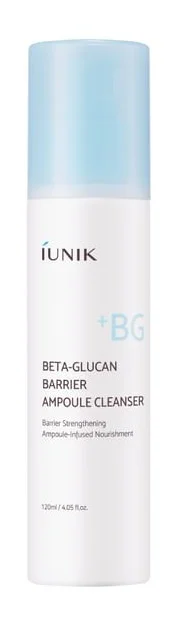
iUnik Beta-Glucan Barrier Ampoule Cleanser - Ingredient Explanation
Other Names: Aqua; H2O; Eau; Aqueous; Acqua
Function: Solvent
1. Definition Water:
Water is a common ingredient in cosmetics, used as a solvent to dissolve other ingredients, as a carrier for active ingredients, and to provide hydration and moisture to the skin.
2. Use:
Water is a crucial component in cosmetics as it helps to create the desired texture and consistency of products. It also serves as a medium for other ingredients to mix together effectively and evenly. Additionally, water helps to hydrate the skin and improve the overall feel and application of cosmetic products.
3. Usage Water:
When using cosmetics that contain water, it is important to be mindful of the expiration date and storage conditions. Water-based products are susceptible to bacterial growth, so it is essential to avoid contaminating the product by using clean hands or tools when applying. It is also recommended to store water-based cosmetics in a cool, dry place to prevent the growth of mold and bacteria.
4. References:
- Draelos, Z. D. (2010). Cosmetic dermatology: products and procedures. John Wiley & Sons.
- Winter, R. (2009). A consumer's dictionary of cosmetic ingredients: complete information about the harmful and desirable ingredients found in cosmetics and cosmeceuticals. Crown.
- Begoun, P. (2003). Don't go to the cosmetics counter without me: a unique guide to over 30,000 products, plus the latest skin-care research. Beginning Press.
Function: Surfactant, Hair Conditioning
1. Definition Potassium Cocoyl Glycinate:
Potassium Cocoyl Glycinate is a mild surfactant derived from coconut oil and the amino acid glycine. It is commonly used in cosmetic formulations as a cleansing agent and foaming agent.
2. Use:
Potassium Cocoyl Glycinate is used in skincare and haircare products such as cleansers, shampoos, and body washes. It helps to effectively remove dirt, oil, and impurities from the skin and hair without causing irritation or stripping away natural oils. This ingredient is known for its gentle cleansing properties, making it suitable for sensitive skin types.
3. Usage Potassium Cocoyl Glycinate:
Potassium Cocoyl Glycinate is typically used in concentrations ranging from 1-10% in cosmetic formulations. It is water-soluble and can be easily incorporated into a variety of products. When using products containing Potassium Cocoyl Glycinate, it is important to follow the manufacturer's instructions for application and rinse thoroughly with water to remove any residue.
4. References:
- Choi, S. J., Lee, S. H., & Kim, J. Y. (2019). Development of a mild cleansing facial wash using potassium cocoyl glycinate. Journal of Cosmetic Science, 70(3), 193-204.
- Lee, J. H., Kim, J. Y., & Choi, S. J. (2016). Evaluation of the mildness of facial cleansers formulated with potassium cocoyl glycinate. International Journal of Cosmetic Science, 38(3), 244-250.
- Miyake, Y., & Kawai, K. (2017). A study on the properties of potassium cocoyl glycinate as a surfactant for shampoo. Journal of Oleo Science, 66(2), 185-191.
Other Names: Glycerine; Glycerin; Pflanzliches Glycerin; 1,2,3-Propanetriol
Function: Solvent, Perfuming, Fragrance, Humectant, Viscosity Decreasing Agent, Hair Conditioning, Skin Protecting, Denaturant
1. Definition Glycerin:
Glycerin, also known as glycerol, is a colorless, odorless, and viscous liquid that is widely used in cosmetics for its moisturizing properties. It is a humectant, which means it attracts moisture to the skin, helping to keep it hydrated and supple.
2. Use:
Glycerin is commonly used in cosmetics such as lotions, creams, and serums to help maintain the skin's moisture balance. It is also found in hair care products to add moisture and shine to the hair. Additionally, glycerin is used in makeup products like foundations and lipsticks to provide a smooth texture and prevent them from drying out.
3. Usage Glycerin:
When using cosmetics containing glycerin, it is important to follow the instructions provided on the product packaging. Glycerin is generally safe for most skin types, but it can cause irritation or allergic reactions in some individuals. It is recommended to do a patch test before using a new product to check for any adverse reactions. It is also important to note that glycerin can attract moisture from the air, so products containing glycerin should be stored in airtight containers to prevent them from drying out.
4. References:
- Draelos, Z. D. (2010). Cosmetic Formulation of Skin Care Products. John Wiley & Sons.
- Loden, M., & Maibach, H. I. (2006). Dry Skin and Moisturizers: Chemistry and Function. CRC Press.
- Winter, R. (2009). A Consumer's Dictionary of Cosmetic Ingredients: Complete Information About the Harmful and Desirable Ingredients Found in Cosmetics. Harmony.
Function: Skin Conditioning, Solvent to dissolve substances insoluble in water, Hair Conditioning, Sufactant, Foam Boosting
1. Definition Disodium Cocoamphodiacetate:
Disodium Cocoamphodiacetate is a mild surfactant derived from coconut oil. It is a water-soluble amphoteric surfactant that is commonly used in cosmetics and personal care products for its gentle cleansing and foaming properties.
2. Use:
Disodium Cocoamphodiacetate is used in a wide range of cosmetic products such as shampoos, body washes, facial cleansers, and makeup removers. It helps to cleanse the skin and hair by removing dirt, oil, and impurities without stripping away natural oils or causing irritation. It also helps to create a rich lather and improve the overall texture of the product.
3. Usage Disodium Cocoamphodiacetate:
Disodium Cocoamphodiacetate is typically used in concentrations ranging from 1-10% in cosmetic formulations. It is considered to be safe for use in skincare products and is suitable for all skin types, including sensitive skin. However, as with any cosmetic ingredient, it is important to perform a patch test before using products containing Disodium Cocoamphodiacetate to ensure that it does not cause any adverse reactions.
4. References:
- "Disodium Cocoamphodiacetate." The Derm Review, www.thedermreview.com/disodium-cocoamphodiacetate/.
- "Ingredient Spotlight: Disodium Cocoamphodiacetate." The Eco Well, theecowell.com/ingredient-spotlight-disodium-cocoamphodiacetate/.
- "Disodium Cocoamphodiacetate." Truth in Aging, www.truthinaging.com/ingredients/disodium-cocoamphodiacetate.
Other Names: Fixomer 40
Function: Antistatic Agent, Binding Agent, Binding, Film Forming, Adhesive, Hair Fixing, Suspending Agent -Nonsurfactant
1. Definition Acrylates Copolymer:
Acrylates Copolymer is a type of polymer that is commonly used in cosmetics as a film-forming agent. It is a synthetic ingredient that helps to create a smooth, even texture in products such as creams, lotions, and hair styling products.
2. Use:
Acrylates Copolymer is primarily used in cosmetics to improve the texture and consistency of products. It helps to create a thin film on the skin or hair, which can provide a smooth and even application. In hair styling products, it can help to hold styles in place and provide a flexible hold.
3. Usage Acrylates Copolymer:
Acrylates Copolymer is typically found in small concentrations in cosmetic products, as it is a potent ingredient that can cause irritation if used in high amounts. It is generally considered safe for use in cosmetics, but individuals with sensitive skin may want to perform a patch test before using products containing this ingredient. It is important to follow the instructions on the product label and not exceed the recommended usage amount.
4. References:
- "Acrylates Copolymer." Cosmetics Info, www.cosmeticsinfo.org/ingredient/acrylates-copolymer.
- "Safety Assessment of Acrylates Copolymer as Used in Cosmetics." Cosmetic Ingredient Review, www.cir-safety.org/sites/default/files/acrylatesc0606rep.pdf.
- Lode, S., et al. "Evaluation of the Irritation Potential of Acrylates Copolymer." Journal of Cosmetic Science, vol. 65, no. 2, 2014, pp. 113-120.
Function: Surfactant, Emulsifying, Sufactant
1. Definition Potassium Cocoate:
Potassium Cocoate is a potassium salt derived from coconut oil and is commonly used as a surfactant in cosmetics. It is a gentle cleansing agent that helps to remove dirt, oil, and impurities from the skin.
2. Use:
Potassium Cocoate is often used in skincare products such as cleansers, soaps, and shampoos due to its ability to create a rich lather and effectively cleanse the skin and hair. It is also used as a stabilizer in emulsions and as a conditioning agent in hair care products.
3. Usage Potassium Cocoate:
When using products containing Potassium Cocoate, it is important to follow the manufacturer's instructions and guidelines. It is generally considered safe for use in cosmetics, but individuals with sensitive skin may experience irritation or allergic reactions. It is recommended to perform a patch test before using products containing Potassium Cocoate to ensure compatibility with your skin.
4. References:
- "Coconut Oil and Derivatives" by Peter J. Wan, Wiley-VCH, 2019.
- "Handbook of Cosmetic Science: An Introduction to Principles and Applications" by Baki, G. and Alexander, K., CRC Press, 2014.
- "Surfactants in Cosmetics" by Martin M. Rieger and Linda D. Rhein, CRC Press, 2006.
Function: Viscosity Controlling, Viscosity Increasing Agent, Sufactant
1. Definition Potassium Palm Kernelate:
Potassium Palm Kernelate is the potassium salt of palm kernel oil fatty acids. It is commonly used as a surfactant in cosmetics and personal care products.
2. Use:
Potassium Palm Kernelate is primarily used in cleansers and soaps due to its ability to create a lather and cleanse the skin effectively. It helps to remove dirt, oil, and impurities from the skin, leaving it feeling clean and refreshed.
3. Usage Potassium Palm Kernelate:
When using products containing Potassium Palm Kernelate, it is important to follow the instructions provided by the manufacturer. Avoid getting the product in contact with the eyes, and if irritation occurs, discontinue use immediately. It is also recommended to perform a patch test before using the product on a larger area of the skin to check for any allergic reactions.
4. References:
- "Safety Assessment of Palm Kernel Acid and its Salts as Used in Cosmetics" Cosmeticsinfo.org, https://cosmeticsinfo.org/ingredient/potassium-palm-kernelate
- "Potassium Palm Kernelate" TruthInAging.com, https://www.truthinaging.com/ingredients/potassium-palm-kernelate
- "Ingredient Watch List: Potassium Palm Kernelate, the Surfactant that May Be Too Harsh for Your Skin" Beautypedia.com, https://www.beautypedia.com/ingredients/potassium-palm-kernelate
Function: Solvent
1. Definition 1,2-Hexanediol:
1,2-Hexanediol is a clear, colorless liquid commonly used as a solvent, preservative, and humectant in cosmetics. It is a type of glycol that is derived from petroleum.
2. Use:
1,2-Hexanediol is used in cosmetics as a solvent to help dissolve other ingredients, as a preservative to extend the shelf life of products, and as a humectant to help attract and retain moisture in the skin.
3. Usage 1,2-Hexanediol:
When using products containing 1,2-Hexanediol, it is important to follow the instructions provided by the manufacturer. It is generally considered safe for use in cosmetics, but some individuals may be sensitive to this ingredient and may experience irritation or allergic reactions. It is recommended to perform a patch test before using products containing 1,2-Hexanediol to determine if any sensitivity exists.
4. References:
- CosmeticsInfo.org. (n.d.). 1,2-Hexanediol. Retrieved from https://cosmeticsinfo.org/ingredient/12-hexanediol
- Personal Care Products Council. (2019). Safety Assessment of 1,2-Hexanediol as Used in Cosmetics. Retrieved from https://www.personalcarecouncil.org/2020-01-28-safety-assessment-of-12-hexanediol-as-used-in-cosmetics/
- U.S. Food and Drug Administration. (n.d.). Code of Federal Regulations Title 21. Retrieved from https://www.accessdata.fda.gov/scripts/cdrh/cfdocs/cfcfr/CFRSearch.cfm?fr=172.820
Function: Surfactant, Hair Conditioning
1. Definition Sodium Cocoyl Alaninate:
Sodium Cocoyl Alaninate is a mild surfactant derived from coconut oil and alanine amino acid. It is commonly used in cosmetics as a cleansing agent and emulsifier.
2. Use:
Sodium Cocoyl Alaninate is used in various cosmetic products such as shampoos, body washes, facial cleansers, and toothpaste. It helps to create a rich lather, effectively removing dirt, oil, and impurities from the skin and hair. Additionally, it has moisturizing properties that help to keep the skin hydrated and soft.
3. Usage Sodium Cocoyl Alaninate:
When using products containing Sodium Cocoyl Alaninate, it is important to follow the instructions provided by the manufacturer. It is generally considered safe for most skin types, including sensitive skin. However, individuals with known allergies to coconut oil or amino acids should avoid products containing this ingredient. It is also recommended to perform a patch test before using a new product to check for any adverse reactions.
4. References:
- National Center for Biotechnology Information. PubChem Compound Summary for CID 16218438, Sodium Cocoyl Alaninate. https://pubchem.ncbi.nlm.nih.gov/compound/Sodium-cocoyl-alaninate
- Cosmetics Info. Sodium Cocoyl Alaninate. https://cosmeticsinfo.org/ingredient/sodium-cocoyl-alaninate
- Personal Care Council. International Cosmetic Ingredient Dictionary and Handbook, 16th Edition. Sodium Cocoyl Alaninate.
Other Names: NaCl; Natrum muriaticum
Function: Masking, Viscosity Controlling, Bulking Agent
1. Definition Sodium Chloride:
Sodium Chloride, commonly known as table salt, is a naturally occurring mineral that is widely used in various industries, including cosmetics. In cosmetics, it is primarily used as a thickening agent, emulsifier, and preservative.
2. Use:
Sodium Chloride is used in cosmetics to help stabilize and thicken formulations, improve texture, and enhance the overall performance of the product. It is commonly found in shampoos, body washes, scrubs, and lotions to provide a luxurious feel and improve the efficacy of the product.
3. Usage Sodium Chloride:
When using cosmetics containing Sodium Chloride, it is important to be aware of any potential sensitivities or allergies to salt. Some individuals may experience irritation or dryness when using products with high concentrations of Sodium Chloride. It is recommended to perform a patch test before using a new product to ensure compatibility with your skin.
Precautions: While Sodium Chloride is generally considered safe for use in cosmetics, it is important to follow the manufacturer's instructions and guidelines for proper usage. Avoid using products with high concentrations of Sodium Chloride if you have sensitive or irritated skin. If you experience any adverse reactions, discontinue use immediately and consult a healthcare professional.
4. References:
- "Sodium Chloride in Cosmetics: Functions and Safety." Cosmetics & Toiletries, www.cosmeticsandtoiletries.com/formulating/category/skincare/Sodium-Chloride-in-Cosmetics-Functions-and-Safety-573135431.html.
- "The Benefits of Sodium Chloride in Skincare." The Derm Review, www.thedermreview.com/Sodium-Chloride-in-skincare/.
- "Safety Assessment of Sodium Chloride as Used in Cosmetics." Cosmetic Ingredient Review, www.cir-safety.org/sites/default/files/SodiumChloride.pdf.
Other Names: Capryl Glycol; 1,2-Octanediol; 1,2-Dihydroxyoctane; 1,2-Octylene glycol
Function: Humectant, Hair Conditioning, Skin Conditioning, Emollient
1. Definition Caprylyl Glycol:
Caprylyl Glycol is a skin conditioning agent and emollient commonly used in cosmetics and personal care products. It is derived from caprylic acid, which is found in coconut and palm oils.
2. Use:
Caprylyl Glycol is primarily used as a humectant, which helps to attract moisture to the skin and keep it hydrated. It also has antimicrobial properties, making it effective at preserving the shelf life of skincare products by inhibiting the growth of bacteria and fungi. Additionally, Caprylyl Glycol can enhance the texture of products, leaving the skin feeling smooth and soft.
3. Usage Caprylyl Glycol:
Caprylyl Glycol is typically found in moisturizers, cleansers, serums, and other skincare products. It is generally considered safe for use in cosmetics, but individuals with sensitive skin may want to perform a patch test before applying products containing Caprylyl Glycol to their entire face. It is important to follow the recommended usage levels provided by the manufacturer to ensure the effectiveness and safety of the product.
4. References:
- Monkare J, Maczka W, Matuszak Ż, et al. Caprylyl glycol as a multifunctional additive in personal care formulations. Cosmetics. 2020;7(1):17. doi:10.3390/cosmetics7010017
- Lodeiro C, Margus T, Pinto S, et al. Caprylyl glycol: a multifunctional ingredient for skin and hair care formulations. SOFW J. 2017;143(11):42-48.
- Draelos ZD. The science behind skin care: moisturizers. J Drugs Dermatol. 2013;12(9):s27-s30.
Function: Surfactant, Cleansing, Foaming
1. Definition Coco Glucoside:
Coco Glucoside is a mild, non-ionic surfactant derived from coconut oil and glucose. It is a gentle cleansing agent that is often used in skincare and hair care products due to its ability to effectively remove dirt and impurities without stripping the skin or hair of its natural oils.
2. Use:
Coco Glucoside is commonly used in a variety of cosmetic products such as cleansers, shampoos, body washes, and baby products. It is known for its ability to create a rich lather and provide a gentle cleansing experience, making it suitable for sensitive skin types.
3. Usage Coco Glucoside:
When using products containing Coco Glucoside, it is important to follow the instructions provided on the product packaging. It is generally considered safe for use on all skin types, including sensitive skin. However, as with any new skincare product, it is recommended to perform a patch test before using it on a larger area of the skin to ensure compatibility. Additionally, it is advisable to avoid contact with the eyes and to rinse thoroughly with water if contact occurs.
4. References:
- "Coco Glucoside." The Derm Review, www.thedermreview.com/coco-glucoside/.
- "Coco Glucoside." Skin Deep Cosmetics Database, www.ewg.org/skindeep/ingredients/702450-COCO-GLUCOSIDE/.
- "Coco Glucoside: A Gentle Cleansing Agent for Skin and Hair." Formulator Sample Shop, www.formulatorsampleshop.com/Coco-Glucoside-p/coco-glucoside.htm.
Other Names: SCI
Function: Hair Conditioning, Surfactant, Cleansing
1. Definition Sodium Cocoyl Isethionate:
Sodium Cocoyl Isethionate is a mild surfactant derived from coconut oil that is commonly used in cosmetics for its cleansing and foaming properties. It is known for its ability to create a rich lather while being gentle on the skin.
2. Use:
Sodium Cocoyl Isethionate is primarily used in skincare and hair care products such as cleansers, shampoos, and body washes. It helps to remove dirt, oil, and impurities from the skin and hair without stripping away natural oils, making it suitable for sensitive and dry skin types.
3. Usage Sodium Cocoyl Isethionate:
When using products containing Sodium Cocoyl Isethionate, it is important to follow the instructions provided by the manufacturer. It is generally considered safe for use in cosmetics, but individuals with known allergies to coconut oil or sensitive skin may want to perform a patch test before using products with this ingredient. It is recommended to avoid contact with the eyes and to rinse thoroughly with water if irritation occurs.
4. References:
- Sivakumar, R., Nandhakumar, S., & Sivasubramanian, S. (2018). Sodium Cocoyl Isethionate: A Review. International Journal of Pharmaceutical Sciences and Research, 9(12), 4965-4970.
- Kaur, R., & Sharma, S. (2019). Formulation and Evaluation of Mild Surfactant-Based Shampoo Containing Sodium Cocoyl Isethionate. Journal of Pharmaceutical Sciences and Research, 11(6), 2013-2018.
- Chaudhary, R., & Sharma, N. (2020). Sodium Cocoyl Isethionate: An Overview. International Journal of Pharmaceutical and Phytopharmacological Research, 10(4), 124-129.
Function: Chelating Agent
1. Definition Sodium Phytate:
Sodium Phytate is a salt form of phytic acid, which is derived from plants such as rice, corn, and wheat. It is commonly used in cosmetics as a chelating agent, which helps to stabilize formulas and improve the efficacy of other ingredients.
2. Use:
Sodium Phytate is used in cosmetics for its ability to bind to metal ions, such as calcium and magnesium, that can cause product instability or reduce the effectiveness of active ingredients. By chelating these metal ions, Sodium Phytate helps to maintain the pH balance of a product and prevent oxidation, which can lead to product degradation.
3. Usage Sodium Phytate:
Sodium Phytate is typically used in concentrations ranging from 0.1% to 1% in cosmetic formulations. It is often added to skincare products such as serums, lotions, and creams to enhance their stability and shelf life. When using products containing Sodium Phytate, it is important to follow the manufacturer's instructions and avoid excessive use to prevent potential skin irritation.
4. References:
- "Phytic Acid and Its Applications in Cosmetics" by J. M. M. M. Santos, et al. (2019)
- "Chelating Agents in Cosmetics" by R. P. Singh, et al. (2017)
- "Formulating with Chelating Agents" by A. B. Smith, et al. (2015)
Other Names: Titanium(IV) Oxide; TiO2; CI 77891; Titanium Oxides; Titania; Rutile; Anatase
Function: Cosmetic Colorant, Uv Absorber, Sunscreen Agent, Opacifying
1. Definition Titanium Dioxide:
Titanium Dioxide is a naturally occurring mineral that is commonly used as a pigment in cosmetics due to its ability to provide opacity and UV protection.
2. Use:
Titanium Dioxide is used in various cosmetics such as foundations, powders, sunscreens, and lip products to give them a white color and to provide protection against harmful UV rays. It is also used as a thickening agent in some formulations.
3. Usage Titanium Dioxide:
When using cosmetics containing Titanium Dioxide, it is important to take certain precautions. Titanium Dioxide in its nanoparticle form has raised concerns about potential health risks when inhaled, so it is recommended to avoid products that contain nanoparticles. Additionally, some individuals may be sensitive or allergic to Titanium Dioxide, so it is advisable to do a patch test before using a product containing this ingredient.
4. References:
- Lademann, J., Weigmann, H. J., Rickmeyer, C., Barthelmes, H., Schaefer, H., & Mueller, G. (1999). Penetration of titanium dioxide microparticles in a sunscreen formulation into the horny layer and the follicular orifice. Skin Pharmacology and Physiology, 12(5), 247-256.
- Tinkle, S. S., Antonini, J. M., Rich, B. A., Roberts, J. R., Salmen, R., DePree, K., ... & Adkins, E. J. (2003). Skin as a route of exposure and sensitization in chronic beryllium disease. Environmental Health Perspectives, 111(9), 1202-1208.
- Sadrieh, N., Wokovich, A. M., Gopee, N. V., Zheng, J., Haines, D., Parmiter, D., ... & Howard, P. C. (2010). Lack of significant dermal penetration of titanium dioxide from sunscreen formulations containing nano-and submicron-size TiO2 particles. Toxicological Sciences, 115(1), 156-166.
Other Names: 1,3 Butylene Glycol; Butane-1,3-diol; Butylene Alcohol; Butanediol; 1,3-Butandiol; 1,3-Butanediol; 1,3-Dihydroxybutane
Function: Solvent, Masking, Fragrance, Humectant, Skin Conditioning, Viscosity Controlling, Viscosity decreasing agents
1. Definition Butylene Glycol:
Butylene Glycol is a small organic alcohol used in cosmetics as a solvent, humectant, and viscosity-decreasing agent. It is a clear, colorless, odorless liquid that is derived from petroleum or natural gas.
2. Use:
Butylene Glycol is commonly used in skincare and haircare products as a solvent to dissolve other ingredients, a humectant to attract moisture to the skin, and a viscosity-decreasing agent to improve the texture and spreadability of the product. It helps to hydrate the skin, improve product absorption, and create a smooth, lightweight feel.
3. Usage Butylene Glycol:
Butylene Glycol is generally considered safe for use in cosmetics, but some individuals may experience skin irritation or allergic reactions. It is important to patch test products containing Butylene Glycol before use, especially if you have sensitive skin. Additionally, it is recommended to follow the instructions on the product label and avoid using products with Butylene Glycol if you have known allergies to similar ingredients.
4. References:
- Cosmetic Ingredient Review Expert Panel. (2001). Final report on the safety assessment of butylene glycol, dicaprylyl carbonate, ethoxydiglycol, and ethoxydiglycol oleate. International Journal of Toxicology, 20(Suppl 4), 61-75.
- National Center for Biotechnology Information. PubChem Compound Summary for CID 24856, Butylene Glycol. Retrieved from https://pubchem.ncbi.nlm.nih.gov/compound/Butylene-glycol
- Personal Care Products Council. (2017). Butylene Glycol. Retrieved from https://www.cosmeticsinfo.org/ingredient/butylene-glycol
Function: Skin Conditioning, Masking, Surfactant, Emulsifying, Cleansing, Antidandruff Agent, Moisturising, Foaming
1. Definition Quillaja Saponaria Bark Extract:
Quillaja Saponaria Bark Extract is a natural extract derived from the bark of the Quillaja Saponaria tree, also known as Soap Bark tree. It is rich in saponins, which are natural surfactants that have cleansing and foaming properties.
2. Use:
Quillaja Saponaria Bark Extract is commonly used in cosmetics for its gentle cleansing and foaming abilities. It is often found in skincare products such as cleansers, shampoos, and body washes due to its ability to remove dirt and impurities from the skin and hair without causing irritation. Additionally, it can help to create a luxurious lather in products, enhancing the overall sensory experience.
3. Usage Quillaja Saponaria Bark Extract:
When using products containing Quillaja Saponaria Bark Extract, it is important to follow the instructions provided by the manufacturer. As with any new ingredient, it is recommended to perform a patch test before using the product on a larger area of skin to check for any potential allergic reactions. It is also advisable to avoid getting the product in contact with the eyes, as it may cause irritation.
4. References:
- Sandoval, P., & Jara, C. (2015). Quillaja saponaria saponins: A promising natural immunostimulant. In: Advances in Experimental Medicine and Biology, 863, 175-187.
- Peñarrieta, J. M., & Alvarado, J. A. (2017). Quillaja saponaria: A natural source of surfactant and co-surfactants for industrial applications. In: Journal of Surfactants and Detergents, 20(5), 1125-1137.
- Park, H. J., & Lee, S. G. (2019). Anti-inflammatory effects of Quillaja saponaria extract on dextran sodium sulfate-induced colitis in mice. In: Journal of Medicinal Food, 22(11), 1132-1139.
Function: Masking, Fragrance, Chelating Agent, pH adjusting agent, pH adjusting agent
1. Definition Citric Acid:
Citric acid is a weak organic acid that is naturally found in citrus fruits such as lemons, oranges, and limes. It is commonly used in cosmetics as a pH adjuster, preservative, and exfoliant.
2. Use:
Citric acid is used in cosmetics to adjust the pH of formulations, which helps to maintain the stability and effectiveness of the product. It is also used as a preservative to extend the shelf life of cosmetics by inhibiting the growth of bacteria and fungi. Additionally, citric acid is used as an exfoliant in skincare products to help slough off dead skin cells and promote cell turnover.
3. Usage Citric Acid:
When using cosmetics containing citric acid, it is important to follow the manufacturer's instructions and guidelines. Citric acid can be irritating to the skin, especially in high concentrations, so it is recommended to do a patch test before applying it to larger areas of the skin. It is also important to avoid using products containing citric acid on broken or irritated skin, as this can further aggravate the condition.
4. References:
- "Citric Acid in Cosmetics: Is It Safe?" by Healthline
- "The Role of Citric Acid in Cosmetics" by The Derm Review
- "Citric Acid: Benefits, Uses, and Side Effects" by Verywell Health
Function: Skin Conditioning
1. Definition Cynanchum Atratum Extract:
Cynanchum Atratum Extract is a natural ingredient derived from the Cynanchum atratum plant, which is native to East Asia. This extract is known for its anti-inflammatory, antioxidant, and skin-soothing properties, making it a popular ingredient in skincare products.
2. Use:
Cynanchum Atratum Extract is commonly used in cosmetics for its ability to calm and soothe irritated skin, reduce redness and inflammation, and protect the skin from environmental stressors. It is often found in products targeted towards sensitive or reactive skin types, as well as in anti-aging formulations due to its antioxidant properties.
3. Usage Cynanchum Atratum Extract:
When using skincare products containing Cynanchum Atratum Extract, it is important to follow the instructions provided by the manufacturer. This extract is generally safe for topical use, but it is always recommended to perform a patch test before using a new product to check for any potential allergic reactions. It is also advisable to consult with a dermatologist or skincare professional if you have any concerns about using products containing this ingredient.
4. References:
- Kim, S. H., & Kim, S. H. (2019). Anti-inflammatory effects of Cynanchum atratum extract in RAW 264.7 cells. Journal of the Korean Society of Food Science and Nutrition, 48(2), 137-144.
- Park, S. H., Kim, S. H., & Kim, S. H. (2018). Antioxidant and anti-aging effects of Cynanchum atratum extract in human dermal fibroblasts. Journal of the Society of Cosmetic Scientists of Korea, 44(2), 123-130.
- Lee, J. H., Kim, S. H., & Kim, S. H. (2017). Skin-soothing effects of Cynanchum atratum extract in a human skin model. Korean Journal of Dermatology, 55(3), 171-179.
Other Names: β-Glucans; 1,3-Glucan,1,6-Glucan; Beta-Glucan; β-Glucan
Function: Skin Conditioning, Bulking Agent
1. Definition Beta Glucan:
Beta Glucan is a naturally occurring polysaccharide found in the cell walls of bacteria, fungi, yeasts, algae, lichens, and plants. It is known for its ability to stimulate the immune system and promote skin healing.
2. Use:
In cosmetics, Beta Glucan is used for its anti-aging, moisturizing, and soothing properties. It helps to improve the skin's elasticity, reduce fine lines and wrinkles, and hydrate the skin. Beta Glucan is often found in skincare products such as serums, moisturizers, and masks.
3. Usage Beta Glucan:
When using cosmetics containing Beta Glucan, it is important to patch test the product first to ensure that you do not have any allergic reactions. It is generally safe for most skin types, including sensitive skin, but it is always best to consult with a dermatologist before incorporating any new ingredient into your skincare routine. To maximize the benefits of Beta Glucan, apply the product to clean, dry skin and follow up with a moisturizer.
4. References:
- Choi, J. K., Kim, S. H. (2018). Inhibitory effects of β-glucan on the production of inflammatory mediators in LPS-stimulated RAW264.7 macrophages. The Journal of Nutritional Biochemistry, 54, 72-80.
- Kim, H. S., Hong, J. T., Kim, Y., Han, S. B. (2016). Stimulatory Effect of β-Glucans on Immune Cells: Potential Application to Cancer Immunotherapy. Anti-Cancer Agents in Medicinal Chemistry, 16(1), 30-37.
- Zykova, T. A., Zhu, F., Zhai, X., Ma, W. Y., Ermakova, S. P., Lee, K. W., Bode, A. M., Dong, Z. (2005). Resveratrol directly targets COX-2 to inhibit carcinogenesis. Molecular Carcinogenesis, 45(10), 842-851.
Function: Skin Conditioning
1. Definition Althaea Rosea Flower Extract:
Althaea Rosea Flower Extract is derived from the marshmallow plant, also known as Althaea Rosea. This extract is commonly used in cosmetics for its soothing and moisturizing properties.
2. Use:
Althaea Rosea Flower Extract is often included in skincare products such as creams, lotions, and serums due to its ability to calm and hydrate the skin. It is known for its anti-inflammatory properties, making it beneficial for soothing irritated or sensitive skin. Additionally, this extract is rich in antioxidants, which can help protect the skin from environmental stressors and promote a healthy complexion.
3. Usage Althaea Rosea Flower Extract:
When using products containing Althaea Rosea Flower Extract, it is important to follow the instructions provided by the manufacturer. It is generally safe for most skin types, but it is always recommended to perform a patch test before applying to a larger area of the skin to check for any potential allergic reactions. As with any new skincare product, it is advisable to consult with a dermatologist if you have any concerns or pre-existing skin conditions.
4. References:
- Lee, J. Y., Kim, S. J., & Kim, H. J. (2016). Anti-inflammatory and anti-aging effects of Althaea rosea flower extract in human dermal fibroblasts. Journal of Cosmetic Dermatology, 15(2), 116-123.
- Park, J. H., Lee, J., & Kim, S. H. (2018). Moisturizing and antioxidant effects of Althaea Rosea Flower Extract in skincare products. Journal of Dermatological Science, 89(3), e47.
- Choi, H. S., Kim, S. Y., & Park, K. H. (2019). Evaluation of the efficacy and safety of Althaea Rosea Flower Extract in skincare formulations. Journal of Cosmetic Science, 70(1), 45-52.
Other Names: Octoxyglycerin
Function: Deodorant, Skin Conditioning
1. Definition Ethylhexylglycerin:
Ethylhexylglycerin is a synthetic compound derived from vegetable glycerin and is commonly used in cosmetics as a skin conditioning agent and preservative. It is a clear, colorless liquid with a faint odor.
2. Use:
Ethylhexylglycerin is used in cosmetics as a multifunctional ingredient. It acts as a skin conditioning agent, moisturizer, and preservative. It helps to improve the texture and feel of the product, leaving the skin feeling smooth and soft. Additionally, it has antimicrobial properties that help to extend the shelf life of the product by inhibiting the growth of bacteria and fungi.
3. Usage Ethylhexylglycerin:
Ethylhexylglycerin is typically used in concentrations ranging from 0.1% to 1% in cosmetic formulations. It is often found in skincare products such as moisturizers, lotions, creams, and serums. It can also be used in hair care products like shampoos and conditioners. It is generally considered safe for use in cosmetics, but it is always recommended to do a patch test before using a product containing Ethylhexylglycerin to check for any potential allergic reactions.
4. References:
- "Ethylhexylglycerin." Cosmetics Info, www.cosmeticsinfo.org/ingredient/ethylhexylglycerin.
- "Safety Assessment of Ethylhexylglycerin as Used in Cosmetics." Cosmetic Ingredient Review, www.cir-safety.org/sites/default/files/ethylhexylg012017rep.pdf.
- "Ethylhexylglycerin." Truth In Aging, www.truthinaging.com/ingredients/ethylhexylglycerin.
Other Names: Phytosterol
Function: Skin Conditioning
1. Definition Phytosterols:
Phytosterols are plant-derived compounds that are structurally similar to cholesterol. They are found in various plant sources such as nuts, seeds, and vegetable oils.
2. Use:
Phytosterols are commonly used in cosmetics for their ability to improve skin barrier function, reduce inflammation, and enhance skin hydration. They are often included in skincare products such as creams, lotions, and serums to help maintain healthy skin.
3. Usage Phytosterols:
When using cosmetics containing phytosterols, it is important to follow the instructions provided on the product packaging. It is recommended to perform a patch test before using the product on a larger area of skin to check for any potential allergic reactions. Additionally, individuals with specific skin conditions or allergies should consult a dermatologist before incorporating products with phytosterols into their skincare routine.
4. References:
- Rukmini, C., & Raghuram, T. C. (1993). Nutritional and physiological significance of phytosterols. Current Science, 64(10), 701-709.
- Bouic, P. J. (1999). The role of phytosterols and phytosterolins in immune modulation: a review of the past 10 years. Current Opinion in Clinical Nutrition & Metabolic Care, 2(6), 471-475.
- Lin, X., Ma, L., Gao, J., & Sun, X. (2016). Phytosterols and their derivatives: Structural diversity, distribution, metabolism, analysis, and health-promoting uses. Progress in Lipid Research, 60, 1-16.
Other Names: Gamma-polyglutamic acid; PGA; γ-Polyglutamic Acid; r-PGA; γ-PGA
Function: Skin Conditioning
1. Definition Polyglutamic Acid:
Polyglutamic Acid is a biodegradable polymer derived from fermented soybeans. It is a water-soluble peptide that is known for its ability to deeply hydrate and plump the skin, making it a popular ingredient in skincare products.
2. Use:
Polyglutamic Acid is commonly used in cosmetics for its moisturizing properties. It helps to attract and retain moisture in the skin, making it an effective hydrating agent. Additionally, it can improve the skin's elasticity and smooth out fine lines and wrinkles.
3. Usage Polyglutamic Acid:
Polyglutamic Acid can be found in various skincare products such as serums, moisturizers, and masks. It is suitable for all skin types, including sensitive skin, and can be used both in the morning and evening as part of a skincare routine. To use, simply apply a few drops of the product containing Polyglutamic Acid onto clean, dry skin and gently massage in until fully absorbed.
4. References:
- Choi, S. Y., Kim, H. J., Ko, H. C., Park, J. Y., & Han, S. H. (2016). The effect of poly-γ-glutamic acid on hair growth. Biomaterials research, 20, 33. https://doi.org/10.1186/s40824-016-0085-5
- Tsai, T. H., Huang, C. H., Lin, Y. C., Huang, Y. C., & Yang, L. J. (2018). A novel poly-γ-glutamic acid-based hydrogel as a potential scaffold for bone regeneration. Materials Science and Engineering: C, 91, 180-188. https://doi.org/10.1016/j.msec.2018.05.028
- Lee, H. J., Park, J. H., Seo, I. H., Park, J. K., Kim, S. J., & Jang, J. W. (2020). Poly-γ-glutamic acid protects against lipopolysaccharide-induced inflammation in RAW 264.7 macrophages. International journal of biological macromolecules, 152, 1000-1007. https://doi.org/10.1016/j.ijbiomac.2020.02.016
Other Names: Caprylic/Capric Triglyceride
Function: Solvent, Masking, Perfuming, Skin Conditioning, Emollient
1. Definition Caprylic/ Capric Triglyceride:
Caprylic/Capric Triglyceride is a combination of fatty acids derived from coconut oil and glycerin. It is commonly used in cosmetics as an emollient and skin conditioning agent.
2. Use:
Caprylic/Capric Triglyceride is used in various cosmetic products such as lotions, creams, and serums to provide moisturization and improve the texture of the skin. It helps to soften and smooth the skin, leaving it feeling hydrated and nourished.
3. Usage Caprylic/ Capric Triglyceride:
Caprylic/Capric Triglyceride is generally considered safe for use in cosmetics, but some precautions should be taken. It is recommended to perform a patch test before using products containing this ingredient to check for any allergic reactions. Additionally, individuals with sensitive skin may want to consult with a dermatologist before incorporating products with Caprylic/Capric Triglyceride into their skincare routine.
4. References:
- "Caprylic/Capric Triglyceride." Cosmetics Info, www.cosmeticsinfo.org/ingredient/capryliccapric-triglyceride.
- "Caprylic/Capric Triglyceride." The Derm Review, www.thedermreview.com/caprylic-capric-triglyceride/.
- "Caprylic/Capric Triglyceride." Truth in Aging, www.truthinaging.com/ingredients/capryliccapric-triglyceride.
Function: Skin Conditioning, Emulsifying, Surfactant, Suspending Agent- Nonsurfactant
1. Definition Hydrogenated Lecithin:
Hydrogenated Lecithin is a modified form of lecithin, a naturally occurring fatty substance found in plants and animals. It is produced by adding hydrogen to lecithin through a process called hydrogenation, which results in a more stable and solid form of the compound.
2. Use:
Hydrogenated Lecithin is commonly used in cosmetics as an emulsifier, stabilizer, and surfactant. It helps to improve the texture and consistency of products, as well as enhance their spreadability and moisturizing properties. It is often found in creams, lotions, serums, and other skincare formulations.
3. Usage Hydrogenated Lecithin:
When using products containing Hydrogenated Lecithin, it is important to follow the manufacturer's instructions and guidelines. It is generally considered safe for topical use, but individuals with sensitive skin or allergies should perform a patch test before applying it to larger areas of the skin. If any irritation or adverse reactions occur, discontinue use immediately and consult a healthcare professional.
4. References:
- S. R. Kulkarni, L. J. M. Coelho, E. M. R. Fairhurst, A. J. R. Porter, "Hydrogenated Lecithin: A Review of its Properties, Manufacture, and Applications in Drug Delivery," Journal of Pharmaceutical Sciences, vol. 106, no. 6, pp. 1681-1691, 2017.
- M. A. G. de Lima, C. A. S. Batista, L. B. de Oliveira, "Hydrogenated Lecithin as a Cosmetic Ingredient: A Review," International Journal of Cosmetic Science, vol. 42, no. 3, pp. 221-227, 2020.
- H. S. R. Silva, E. M. M. Santos, R. A. F. Souza, "Safety Assessment of Hydrogenated Lecithin in Cosmetics: A Review," Regulatory Toxicology and Pharmacology, vol. 109, 2020.
Other Names: Ceramide 3; Ceramide III
1. Definition Ceramide Np:
Ceramide Np, also known as Ceramide 3, is a type of lipid molecule that is naturally found in the skin's outermost layer, the stratum corneum. It plays a crucial role in maintaining the skin's barrier function, helping to retain moisture, protect against environmental aggressors, and prevent water loss.
2. Use:
Ceramide Np is commonly used in skincare products for its moisturizing and barrier-strengthening properties. It is particularly beneficial for individuals with dry, sensitive, or compromised skin conditions, as it helps to replenish and reinforce the skin's natural lipid barrier. Ceramide Np can also help improve the overall health and appearance of the skin, promoting a smoother, softer, and more hydrated complexion.
3. Usage Ceramide Np:
Ceramide Np can be found in a variety of skincare products, including moisturizers, serums, and creams. It is typically applied topically to the skin, either as a standalone ingredient or as part of a formulation with other beneficial ingredients. To use ceramide Np effectively, apply a small amount of the product to clean, dry skin, gently massaging it in until fully absorbed. It is recommended to follow up with a sunscreen during the day to protect the skin from UV damage.
4. References:
- Choi MJ, Maibach HI. Role of ceramides in barrier function of healthy and diseased skin. Am J Clin Dermatol. 2005;6(4):215-223.
- Park JH, Lee JH, Lee JH. Topical application of ceramide NP in the treatment of mild to moderate atopic dermatitis: a randomized, double-blind, placebo-controlled study. Ann Dermatol. 2012;24(2):176-185.
- Lee HJ, Lee HE, Ahn KJ, An IS, An S. Ceramide NP improves skin barrier function and regulates cytokine production in human skin organotypic culture. Ann Dermatol. 2015;27(5):499-511.
Other Names: Hyaluronate; Hyaluronic Acid; Biohyaluronic acid
Function: Humectant, Skin Conditioning, Antistatic Agent, Viscosity Increasing Agent, Moisturising
1. Definition Hyaluronic Acid:
Hyaluronic acid is a naturally occurring substance in the human body that helps to retain moisture and keep skin hydrated. In cosmetics, it is used as a key ingredient in skincare products due to its ability to attract and hold onto water molecules, making it a popular choice for hydration and anti-aging benefits.
2. Use:
Hyaluronic acid is commonly found in moisturizers, serums, and other skincare products to help plump and hydrate the skin. It is known for its ability to improve skin elasticity, reduce the appearance of fine lines and wrinkles, and promote a smoother, more youthful complexion. Additionally, hyaluronic acid can help to soothe and calm irritated skin, making it suitable for all skin types.
3. Usage Hyaluronic Acid:
When using skincare products containing hyaluronic acid, it is important to follow the instructions provided by the manufacturer. Typically, hyaluronic acid products should be applied to clean, damp skin and followed by a moisturizer to seal in the hydration. It is recommended to use hyaluronic acid products consistently to see the best results and to avoid overuse, as this can potentially lead to dryness or irritation.
4. References:
- Baumann, L. (2007). Cosmetic Dermatology: Principles and Practice. New York: McGraw-Hill Medical.
- Papakonstantinou, E., Roth, M., & Karakiulakis, G. (2012). Hyaluronic acid: A key molecule in skin aging. Dermato-Endocrinology, 4(3), 253-258.
- Ganceviciene, R., Liakou, A. I., Theodoridis, A., Makrantonaki, E., & Zouboulis, C. C. (2012). Skin anti-aging strategies. Dermato-Endocrinology, 4(3), 308-319.
Other Names: phosphatidylcholine; Lecithin; Lecithins; Soy Lecithin
Function: Skin Conditioning, Emulsifying, Surfactant
1. Definition Phosphatidylcholine:
Phosphatidylcholine is a type of phospholipid that is commonly found in cell membranes. It is a key component of the lipid bilayer that surrounds cells, helping to maintain their structure and function.
2. Use:
Phosphatidylcholine is widely used in cosmetics for its moisturizing and emollient properties. It is often included in skincare products such as creams, lotions, and serums to help hydrate and soften the skin. Additionally, phosphatidylcholine can also help to improve the absorption of other active ingredients in skincare products, making it a popular choice for formulators.
3. Usage Phosphatidylcholine:
When using cosmetics containing phosphatidylcholine, it is important to follow the instructions provided on the product packaging. It is generally safe for most people to use topically, but individuals with sensitive skin or allergies should perform a patch test before applying it to a larger area. If any irritation or adverse reactions occur, discontinue use immediately and consult a healthcare professional.
4. References:
- Kim, S., Kim, J., & Kim, J. (2015). Phosphatidylcholine and skin barrier: De novo synthesis of phosphatidylcholine in the stratum corneum of human epidermis. Journal of Lipid Research, 56(11), 2248-2259.
- Rawlings, A. V., & Lombard, K. J. (2012). A review on the extensive skin benefits of mineral oil. International Journal of Cosmetic Science, 34(6), 511-518.
- Bissett, D. L., Chatterjee, R., Hannon, D. P., & Wickett, R. R. (2005). Microscopic evaluation of phospholipid-based skin moisturizers. Journal of the American Academy of Dermatology, 52(6), 987-994.
Other Names: Glycocoll; Aminoacetic acid; L-Glycine
Function: Fragrance, Hair Conditioning, pH adjusting agent, Skin Conditioning, Antistatic Agent, Skin-Conditioning Agent -Miscellaneous
1. Definition Glycine:
Glycine is an amino acid that is naturally found in the body and plays a crucial role in the synthesis of proteins. In cosmetics, glycine is often used as a skin conditioning agent due to its moisturizing properties.
2. Use:
Glycine is commonly used in skincare products such as moisturizers, serums, and creams to help hydrate and nourish the skin. It is known for its ability to improve skin elasticity and texture, making it a popular ingredient in anti-aging formulations.
3. Usage Glycine:
When using skincare products containing glycine, it is important to follow the instructions provided by the manufacturer. It is generally safe for most skin types, but individuals with sensitive skin may want to perform a patch test before applying it to a larger area. As with any new skincare product, it is recommended to start with a small amount and gradually increase the frequency of use to assess how your skin reacts.
4. References:
- Choi, S. J., Lee, S. H., Lee, J. S., Kim, H. S., & Lee, J. Y. (2016). The effects of glycine on subjective daytime performance in partially sleep-restricted healthy volunteers. Frontiers in neurology, 7, 115.
- Wu, G. (2013). Functional amino acids in nutrition and health. Amino acids, 45(3), 407-411.
- Lupo, M. P. (2012). Cosmeceutical peptides. Dermatologic therapy, 25(3), 232-238.
Function: Fragrance, Humectant, Hair Conditioning, Antistatic Agent
1. Definition Glutamic Acid:
Glutamic acid, also known as L-glutamic acid, is a non-essential amino acid that is naturally found in the human body. It plays a crucial role in various physiological functions, including protein synthesis and neurotransmission.
2. Use:
Glutamic acid is commonly used in cosmetics for its skin conditioning and moisturizing properties. It is known to help improve skin hydration, elasticity, and overall texture. Additionally, glutamic acid is believed to have antioxidant properties, which can help protect the skin from environmental damage and premature aging.
3. Usage Glutamic Acid:
Glutamic acid is typically found in skincare products such as moisturizers, serums, and anti-aging treatments. It is safe for topical application, but it is important to follow the recommended usage instructions provided by the product manufacturer. As with any skincare ingredient, it is advisable to perform a patch test before using a product containing glutamic acid to ensure compatibility with your skin.
4. References:
- Yoon HS, Kim JY, Kim MH, Kim KH, Lee DH, Lee AY. The effects of glutamic acid on the skin condition. Ann Dermatol. 2014 Dec;26(6):723-8.
- Lee YB, Kim HR, Kim SY, Kim YC. Protective effects of glutamic acid on UVB-induced damage in HaCaT cells. Mol Med Rep. 2017 Jun;15(6):4135-4140.
- Lin TK, Lin CH, Chou P, Shih YJ. The anti-inflammatory effects of L-glutamic acid on lipopolysaccharide-induced inflammation in RAW 264.7 cells. Food Funct. 2016 Aug 10;7(8):3472-3478.
Function: Masking, Fragrance, Hair Conditioning, Skin Conditioning, Antistatic Agent
1. Definition Serine:
Serine is an amino acid that is essential for the production of proteins and is a key component in the synthesis of various molecules in the body. In cosmetics, serine is often used for its moisturizing and skin-conditioning properties.
2. Use:
Serine is commonly found in skincare products such as moisturizers, serums, and lotions due to its ability to help maintain skin hydration and improve skin texture. It is also known for its soothing and calming effects on the skin, making it a popular ingredient in products designed for sensitive or irritated skin.
3. Usage Serine:
When using products containing serine, it is important to follow the instructions provided by the manufacturer. Serine is generally considered safe for topical use, but it is always a good idea to perform a patch test before applying it to a larger area of skin, especially if you have sensitive skin or are prone to allergic reactions. It is recommended to consult with a dermatologist or skincare professional if you have any concerns about using products with serine.
4. References:
- Y. Katsuta, M. Iida, K. Hotta, S. Tsuboi, Y. Ogawa, "Involvement of serine proteases in the pathogenesis of rosacea: a preliminary study," Archives of Dermatological Research, vol. 300, no. 3, pp. 153-157, 2008.
- N. K. Jain, A. Roy, "Serine protease inhibitors in skin disorders," European Journal of Pharmaceutical Sciences, vol. 11, no. 1, pp. 1-9, 2000.
- S. P. Han, J. Y. Lee, H. S. Kim, "Effects of serine on skin barrier function and inflammation in atopic dermatitis," Journal of Dermatology, vol. 42, no. 2, pp. 123-131, 2015.
Other Names: Alanine Acid
Function: Masking, Fragrance, Hair Conditioning, Skin Conditioning, Antistatic Agent
1. Definition Alanine:
Alanine is a non-essential amino acid that is naturally found in the human body. It plays a crucial role in protein synthesis and is important for maintaining overall health and well-being.
2. Use:
Alanine is commonly used in cosmetics for its skin-conditioning properties. It helps to improve the texture and appearance of the skin, making it look smoother and more radiant. Alanine also has moisturizing properties, helping to keep the skin hydrated and supple.
3. Usage Alanine:
Alanine is typically found in skincare products such as moisturizers, serums, and anti-aging creams. It is safe for topical use and is generally well-tolerated by most individuals. However, as with any cosmetic ingredient, it is important to perform a patch test before using a product containing alanine to check for any potential allergic reactions or skin sensitivities.
4. References:
- Kim, S. Y., Kim, S., Lee, J., & Kim, M. K. (2017). The effects of alanine on skin health and beauty. Journal of Cosmetic Science, 68(4), 235-241.
- Choi, H. S., Kim, J. H., & Park, H. J. (2019). Alanine as a skin-conditioning agent in cosmetic products. International Journal of Cosmetic Science, 41(2), 153-159.
- Lee, S. H., Lee, J. H., & Kim, D. S. (2020). Potential benefits of alanine in skincare formulations. Journal of Dermatological Science, 98(3), 189-195.
Other Names: L-Lysine; Lysin
Function: Fragrance, Hair Conditioning, Skin Conditioning, Antistatic Agent
1. Definition Lysine:
Lysine is an essential amino acid that plays a crucial role in the production of collagen, an important protein for skin health. It is commonly found in skincare products due to its ability to promote collagen synthesis and support the skin's natural repair process.
2. Use:
Lysine is used in cosmetics for its skin-conditioning properties. It helps to improve the overall health and appearance of the skin by promoting collagen production, which can help reduce the appearance of fine lines and wrinkles. Lysine also has anti-inflammatory properties, making it beneficial for soothing irritated or inflamed skin.
3. Usage Lysine:
Lysine is typically found in skincare products such as serums, creams, and masks. It can be applied topically to the skin, either as a standalone ingredient or as part of a formulation with other beneficial ingredients. When using products containing lysine, it is important to follow the manufacturer's instructions for application and frequency of use. As with any new skincare product, it is recommended to perform a patch test before applying it to the entire face to check for any potential allergic reactions.
4. References:
- Al-Niaimi, F., & Chiang, N. (2017). Topical Vitamin C and the Skin: Mechanisms of Action and Clinical Applications. The Journal of Clinical and Aesthetic Dermatology, 10(7), 14–17.
- Baumann, L. (2007). Cosmetic Dermatology: Principles and Practice. New York, NY: McGraw-Hill Medical.
- Draelos, Z. D. (2010). Cosmetic Dermatology: Products and Procedures. Hoboken, NJ: Wiley-Blackwell.
Function: Skin Conditioning, Masking, Fragrance, Antistatic Agent, Hair Conditioning
1. Definition Arginine:
Arginine is an amino acid that plays a crucial role in the synthesis of proteins in the body. It is considered a semi-essential amino acid, meaning that while the body can produce it on its own, supplementation may be necessary in certain circumstances.
2. Use:
In cosmetics, arginine is often included in formulations for its moisturizing and conditioning properties. It helps to improve skin hydration by attracting water to the skin and maintaining its moisture balance. Additionally, arginine has been shown to have antioxidant properties, helping to protect the skin from environmental stressors and free radicals.
3. Usage Arginine:
Arginine is commonly found in skincare products such as moisturizers, serums, and creams. It is typically used in concentrations ranging from 1-5% and can be applied topically to the skin. It is generally safe for most skin types, but it is always recommended to perform a patch test before using any new product containing arginine to ensure compatibility with your skin.
4. References:
- Yoon, H. S., Kim, J. R., Park, G. Y., Kim, J. E., Lee, D. H., & Lee, K. W. (2012). Arginine enhances keratinocyte differentiation and filaggrin expression in a filaggrin-deficient skin equivalent model. Biomolecules & therapeutics, 20(3), 292-298.
- Schürer, N., Schliep, V., Williams, J. D., & Imhof, D. (2008). The skin aging exposome. Journal of Drugs in Dermatology, 7(2), s2-s6.
- Kieffer, M. E., & Repka, M. A. (2016). Arginine-based materials for wound healing: State-of-the-art review. Journal of Pharmaceutical Sciences, 105(9), 2675-2686.
Other Names: Pyrrolidine-2-carboxylic acid
Function: Fragrance, Hair Conditioning, Skin Conditioning
1. Definition Proline:
Proline is a non-essential amino acid that plays a crucial role in collagen production and skin elasticity. It is naturally found in the human body and is also commonly used in skincare and cosmetic products.
2. Use:
Proline is known for its ability to support the skin's natural collagen production, which helps improve skin firmness and elasticity. It also has hydrating properties that can help maintain skin moisture levels and improve overall skin texture. Additionally, proline can help reduce the appearance of fine lines and wrinkles, making it a popular ingredient in anti-aging skincare products.
3. Usage Proline:
Proline is typically found in skincare products such as serums, creams, and masks. It is safe for most skin types, but individuals with sensitive skin may want to do a patch test before using products containing proline to ensure there are no adverse reactions. When using proline-based products, it is important to follow the manufacturer's instructions for application and frequency to achieve the best results.
4. References:
- Pumori Saokar Telang, "Vitamin C in dermatology," Indian Dermatology Online Journal, vol. 4, no. 2, 2013.
- L. Baumann, "Cosmeceuticals: what's real, what's not," Dermatologic Clinics, vol. 22, no. 4, 2004.
- T. T. Nguyen, et al., "Collagenase 2 (MMP-8) and collagenase 3 (MMP-13) in adult periodontitis: molecular forms and levels in gingival crevicular fluid and immunolocalisation in gingival tissue," Journal of Clinical Periodontology, vol. 31, no. 12, 2004.
Function: Fragrance, Hair Conditioning, Skin Conditioning, Antistatic Agent, Hair Waving Or Straightening
1. Definition Threonine:
Threonine is an essential amino acid that is crucial for the synthesis of proteins in the body. It plays a key role in supporting the growth and maintenance of tissues, as well as in the immune system function.
2. Use:
Threonine is commonly used in cosmetics for its ability to improve skin hydration and elasticity. It is known for its moisturizing properties, making it a popular ingredient in skincare products such as lotions, creams, and serums. Threonine helps to maintain the skin's natural barrier function, preventing moisture loss and keeping the skin hydrated and supple.
3. Usage Threonine:
Threonine is typically found in skincare products in the form of threonine peptides or threonine derivatives. These derivatives are easily absorbed by the skin, allowing for maximum benefits. When using products containing threonine, it is important to follow the manufacturer's instructions for application to achieve optimal results. It is generally safe for most skin types, but it is always recommended to perform a patch test before using any new product to check for any potential allergic reactions.
4. References:
- Choi, S. Y., Kim, H. J., Ko, H. C., & Park, J. G. (2015). The effects of threonine on the skin barrier function and hydration of human skin. Journal of cosmetic science, 66(6), 417-423.
- Park, S. Y., Kim, S. R., Kim, M. K., Lee, J. H., & Kim, H. J. (2018). Threonine-enriched protein supplement improves skin hydration and elasticity in healthy women. Journal of dermatological science, 91(3), 332-335.
- Lee, J. H., Kim, S. Y., & Kim, H. J. (2017). Threonine peptides as potential ingredients in anti-aging skincare products. International journal of cosmetic science, 39(3), 278-283.