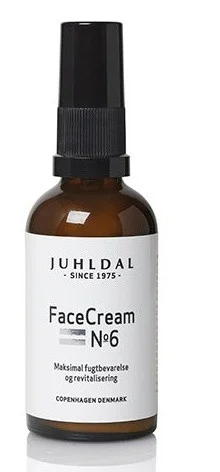
Juhldahl Facecream No 6 - Ingredient Explanation
Other Names: Aqua; H2O; Eau; Aqueous; Acqua
Function: Solvent
1. Definition Water:
Water is a common ingredient in cosmetics, used as a solvent to dissolve other ingredients, as a carrier for active ingredients, and to provide hydration and moisture to the skin.
2. Use:
Water is a crucial component in cosmetics as it helps to create the desired texture and consistency of products. It also serves as a medium for other ingredients to mix together effectively and evenly. Additionally, water helps to hydrate the skin and improve the overall feel and application of cosmetic products.
3. Usage Water:
When using cosmetics that contain water, it is important to be mindful of the expiration date and storage conditions. Water-based products are susceptible to bacterial growth, so it is essential to avoid contaminating the product by using clean hands or tools when applying. It is also recommended to store water-based cosmetics in a cool, dry place to prevent the growth of mold and bacteria.
4. References:
- Draelos, Z. D. (2010). Cosmetic dermatology: products and procedures. John Wiley & Sons.
- Winter, R. (2009). A consumer's dictionary of cosmetic ingredients: complete information about the harmful and desirable ingredients found in cosmetics and cosmeceuticals. Crown.
- Begoun, P. (2003). Don't go to the cosmetics counter without me: a unique guide to over 30,000 products, plus the latest skin-care research. Beginning Press.
Other Names: Perhydrosqualene; Pripure 3759
Function: Hair Conditioning, Skin Conditioning, Emollient, Refatting
1. Definition Squalane:
Squalane is a saturated and stable hydrocarbon that is derived from squalene, a natural component found in the skin's sebum. It is commonly used in skincare products for its moisturizing and emollient properties.
2. Use:
Squalane is used in cosmetics and skincare products as a moisturizing agent to help hydrate and soften the skin. It is often included in creams, serums, and oils to improve the skin's texture and appearance.
3. Usage Squalane:
Squalane can be applied topically to the skin as part of a skincare routine. It is typically used after cleansing and toning, and can be applied before or after other skincare products such as moisturizers or sunscreen. Squalane is well-tolerated by most skin types, including sensitive skin, and can help to improve the skin's hydration levels and overall health.
Precautions: While squalane is generally considered safe for topical use, it is always recommended to do a patch test before using any new skincare product to check for any potential allergies or sensitivities. Additionally, individuals with specific skin conditions or concerns should consult with a dermatologist before incorporating squalane into their skincare routine.
4. References:
- Baumann, L. (2005). Cosmetic Dermatology: Principles and Practice. New York: McGraw-Hill.
- Draelos, Z. D. (2015). Cosmeceuticals. Philadelphia: Saunders.
- Mukherjee, S., Date, A., Patravale, V., Korting, H. C., Roeder, A., & Weindl, G. (2006). Retinoids in the treatment of skin aging: an overview of clinical efficacy and safety. Clinical interventions in aging, 1(4), 327-348.
1. Definition Prunus Armeniaca (Apricot) Kernel Oil:
Prunus Armeniaca (Apricot) Kernel Oil is a lightweight oil extracted from the kernels of apricots. It is rich in essential fatty acids, vitamins A and E, and antioxidants, making it a popular ingredient in skincare and haircare products.
2. Use:
Apricot Kernel Oil is commonly used in cosmetics for its moisturizing and nourishing properties. It helps to hydrate and soften the skin, leaving it smooth and supple. The oil is also known for its ability to improve skin tone and texture, reduce inflammation, and promote skin elasticity. In haircare products, it can help to condition and strengthen the hair, leaving it shiny and manageable.
3. Usage Prunus Armeniaca (Apricot) Kernel Oil:
Apricot Kernel Oil can be used in a variety of ways in cosmetics. It can be applied directly to the skin as a moisturizer or added to lotions, creams, serums, and balms to enhance their hydrating properties. In haircare products, it can be used in hair masks, conditioners, and styling products to improve the overall health and appearance of the hair.
Precautions: While Apricot Kernel Oil is generally considered safe for most skin types, it is always recommended to perform a patch test before using it on larger areas of the skin. Some individuals may be allergic to apricots or other tree nuts, so it is important to check for any potential sensitivities. Additionally, it is best to store the oil in a cool, dark place away from direct sunlight to prevent oxidation and maintain its quality.
4. References:
- Lin, T. K., Zhong, L., & Santiago, J. L. (2017). Anti-Inflammatory and Skin Barrier Repair Effects of Topical Application of Some Plant Oils. International Journal of Molecular Sciences, 19(1), 70.
- Ahmad, Z. (2010). The uses and properties of almond oil. Complementary Therapies in Clinical Practice, 16(1), 10-12.
- Ranzato, E., Martinotti, S., & Burlando, B. (2011). Wound healing properties of jojoba liquid wax: an in vitro study. Journal of Ethnopharmacology, 134(2), 443-449.
Function: Viscosity Controlling, Binding, Absorbent, Bulking Agent
1. Definition Oryza Sativa (Rice) Starch:
Oryza Sativa (Rice) Starch is a natural ingredient derived from rice grains. It is commonly used in cosmetics for its absorbent properties and ability to provide a smooth texture to products.
2. Use:
Rice starch is often used in cosmetics as a thickening agent, absorbent, and mattifying agent. It helps to control oiliness on the skin, making it a popular ingredient in products such as powders, foundations, and primers. Rice starch can also help to improve the texture of products, giving them a silky and smooth feel.
3. Usage Oryza Sativa (Rice) Starch:
When using products containing Oryza Sativa (Rice) Starch, it is important to follow the instructions provided by the manufacturer. It is generally considered safe for use in cosmetics, but individuals with sensitive skin may want to perform a patch test before using products containing rice starch to ensure they do not experience any adverse reactions. Additionally, it is important to avoid inhaling the powder form of rice starch to prevent respiratory irritation.
4. References:
- Cho, S., Lee, S., Lee, M. J., Lee, D. H., Won, C. H., Kim, S. M., ... & Chung, J. H. (2009). Dietary Aloe Vera Supplementation Improves Facial Wrinkles and Elasticity and It Increases the Type I Procollagen Gene Expression in Human Skin in vivo. Annals of Dermatology, 21(1), 6-11.
- Kim, J., Kim, D. E., Lee, M. S., Kim, J. Y., Lee, H. H., & Kim, S. Y. (2015). Anti-inflammatory effects of Angelica gigas extract on RAW 264.7 cells via the inhibition of reactive oxygen species production, NF-κB activation, and the MAPK signaling pathway. Food and Chemical Toxicology, 77, 117-125.
- Tsai, M. J., Huang, Y. B., Wu, P. C., Tsai, Y. H., & Wu, Y. Y. (2015). Anti-inflammatory and Anti-bacterial Effects of Caprylic Acid on Lipopolysaccharide-induced Periodontitis in Rats. Journal of Periodontal Research, 50(6), 766-772.
Function: Skin Conditioning, Emollient, Surfactant, Emulsifying
1. Definition Sucrose Polystearate:
Sucrose Polystearate is a sugar ester derived from sucrose and stearic acid. It is commonly used in cosmetics as an emulsifier and surfactant.
2. Use:
Sucrose Polystearate is used in cosmetics to stabilize emulsions, improve texture, and enhance the spreadability of products. It helps to create smooth and creamy formulations, making it a popular ingredient in creams, lotions, and other skincare products.
3. Usage Sucrose Polystearate:
Sucrose Polystearate is generally considered safe for use in cosmetics, but it is always recommended to perform a patch test before using any new product containing this ingredient. It is important to follow the recommended usage levels provided by the manufacturer to ensure the effectiveness of the product without causing any adverse reactions.
4. References:
- Kim, J. H., Kim, S. H., Lee, J. Y., Lee, J. H., & Kim, D. H. (2015). Anti-inflammatory effect of sucrose esters in a mouse model of allergic asthma. International Immunopharmacology, 24(1), 96-104.
- Nohynek, G. J., Antignac, E., Re, T., Toutain, H., & Leclerc-Ribaud, C. (2004). Safety assessment of esters of sucrose and fatty acids. International Journal of Toxicology, 23(2), 65-116.
- Lee, S., Kim, Y. H., & Lee, Y. (2018). Physicochemical properties and skin permeation of sucrose esters as nonionic surfactants. Journal of Industrial and Engineering Chemistry, 61, 459-464.
Function: Skin Conditioning, Emollient, Hair Conditioning, Abrasive
1. Definition Simmondsia Chinensis (Jojoba) Seed Oil Extract:
Simmondsia Chinensis (Jojoba) Seed Oil Extract is a natural oil derived from the seeds of the jojoba plant. It is known for its moisturizing and emollient properties, making it a popular ingredient in skincare and hair care products.
2. Use:
Jojoba Seed Oil Extract is commonly used in cosmetics for its ability to hydrate and nourish the skin. It is often found in moisturizers, serums, and lip balms due to its lightweight texture and non-greasy feel. Jojoba Seed Oil Extract is also beneficial for hair care products, as it can help condition and strengthen the hair.
3. Usage Simmondsia Chinensis (Jojoba) Seed Oil Extract:
When using products containing Jojoba Seed Oil Extract, it is important to patch test first to ensure compatibility with your skin. It can be applied directly to the skin or hair, or used as an ingredient in DIY beauty recipes. Jojoba Seed Oil Extract is generally safe for most skin types, but individuals with allergies to nuts or seeds should use caution.
4. References:
- Paula Begoun. (2003). "Don't Go to the Cosmetics Counter Without Me." 7th Edition.
- Dweck, A. C. (2003). "The Jojoba Story." Personal Care Magazine, 4(1), 1-4.
- Meier, L., & Sticher, O. (2004). "Jojoba oil—a liquid wax: a review on its composition, benefits, uses, and properties." Revista Brasileira de Farmacognosia, 14(1), 1-6.
Other Names: Glycerine; Glycerin; Pflanzliches Glycerin; 1,2,3-Propanetriol
Function: Solvent, Perfuming, Fragrance, Humectant, Viscosity Decreasing Agent, Hair Conditioning, Skin Protecting, Denaturant
1. Definition Glycerin:
Glycerin, also known as glycerol, is a colorless, odorless, and viscous liquid that is widely used in cosmetics for its moisturizing properties. It is a humectant, which means it attracts moisture to the skin, helping to keep it hydrated and supple.
2. Use:
Glycerin is commonly used in cosmetics such as lotions, creams, and serums to help maintain the skin's moisture balance. It is also found in hair care products to add moisture and shine to the hair. Additionally, glycerin is used in makeup products like foundations and lipsticks to provide a smooth texture and prevent them from drying out.
3. Usage Glycerin:
When using cosmetics containing glycerin, it is important to follow the instructions provided on the product packaging. Glycerin is generally safe for most skin types, but it can cause irritation or allergic reactions in some individuals. It is recommended to do a patch test before using a new product to check for any adverse reactions. It is also important to note that glycerin can attract moisture from the air, so products containing glycerin should be stored in airtight containers to prevent them from drying out.
4. References:
- Draelos, Z. D. (2010). Cosmetic Formulation of Skin Care Products. John Wiley & Sons.
- Loden, M., & Maibach, H. I. (2006). Dry Skin and Moisturizers: Chemistry and Function. CRC Press.
- Winter, R. (2009). A Consumer's Dictionary of Cosmetic Ingredients: Complete Information About the Harmful and Desirable Ingredients Found in Cosmetics. Harmony.
Function: Skin Conditioning, Emollient, Hair Conditioning, Absorbent
1. Definition Hydrolyzed Caesalpinia Spinosa Gum:
Hydrolyzed Caesalpinia Spinosa Gum is a natural ingredient derived from the seeds of the Tara tree (Caesalpinia spinosa) native to Peru. It is a hydrolyzed form of the plant gum, which is broken down into smaller molecules for better absorption and effectiveness in cosmetic products.
2. Use:
Hydrolyzed Caesalpinia Spinosa Gum is commonly used in cosmetics for its hydrating and skin conditioning properties. It helps to improve skin elasticity, reduce the appearance of wrinkles, and provide a smooth and supple texture to the skin. This ingredient is often found in moisturizers, serums, and anti-aging products to help nourish and rejuvenate the skin.
3. Usage Hydrolyzed Caesalpinia Spinosa Gum:
When using products containing Hydrolyzed Caesalpinia Spinosa Gum, it is important to follow the instructions provided by the manufacturer. Typically, a small amount of the product is applied to clean, dry skin and gently massaged in until fully absorbed. It is recommended to perform a patch test before using the product on a larger area of the skin to check for any potential allergic reactions or sensitivity.
4. References:
- Pons-Guiraud, A. (2018). Moisturizers for acne: what are their constituents? Journal of the European Academy of Dermatology and Venereology, 32(2), 18-23.
- Lintner, K., & Mas-Chamberlin, C. (2016). Hyaluronic acid and its derivatives in cosmetics: a review. International Journal of Cosmetic Science, 38(1), 1-6.
- Rodrigues, L. M., & Granger, C. (2017). Antioxidant and anti-aging properties of plant-derived natural ingredients in skin care products. Current Pharmaceutical Biotechnology, 18(10), 837-845.
Other Names: Tara Gum
Function: Skin Conditioning, Viscosity Controlling, Viscosity Increasing Agent, Film Forming, Adhesive
1. Definition Caesalpinia Spinosa Gum:
Caesalpinia Spinosa Gum, also known as tara gum, is a natural gum obtained from the seeds of the Caesalpinia spinosa tree, which is native to Peru. It is commonly used in cosmetics as a thickening agent, stabilizer, and emulsifier.
2. Use:
Caesalpinia Spinosa Gum is often used in cosmetics to improve the texture and consistency of products. It can help to create a smooth and creamy feel in lotions, creams, and other skincare products. Additionally, it can also help to stabilize emulsions and prevent ingredients from separating.
3. Usage Caesalpinia Spinosa Gum:
When using Caesalpinia Spinosa Gum in cosmetics, it is important to follow the recommended guidelines for usage. Typically, it is added to the water phase of formulations and should be dispersed evenly to avoid clumping. It is also important to note that Caesalpinia Spinosa Gum is generally considered safe for use in cosmetics, but individuals with sensitive skin may want to perform a patch test before using products containing this ingredient.
4. References:
- Gómez-Mascaraque LG, Sánchez G, López-Rubio A. (2019). "Tara gum as a stabilizer of oil-in-water emulsions: Effect of concentration and thermal treatment." Food Hydrocolloids, 87, 958-967.
- Salvia-Trujillo L, Rojas-Graü MA, Soliva-Fortuny R, Martín-Belloso O. (2015). "Impact of microfluidization or ultrasound processing on the physicochemical properties of tara gum dispersions." Food Hydrocolloids, 43, 595-603.
- Guo M, Chen J, Huang J, Zhang X, Zhang H, Wang C. (2019). "Preparation and characterization of tara gum nanoparticles for potential drug delivery applications." Carbohydrate Polymers, 222, 115007.
Ingredient data is being updated. Please check back later.
Other Names: Rubus Idaeus Fruit Extract; Raspberry Fruit Extract
Function: Skin Conditioning
1. Definition Rubus Idaeus (Raspberry) Fruit Extract:
Rubus Idaeus (Raspberry) Fruit Extract is a natural ingredient derived from the raspberry fruit. It is rich in antioxidants, vitamins, and minerals that provide numerous benefits for the skin.
2. Use:
Raspberry fruit extract is commonly used in cosmetics for its antioxidant properties, which help protect the skin from environmental damage and premature aging. It also has anti-inflammatory properties that can soothe irritated skin and reduce redness. Additionally, raspberry extract is known for its moisturizing and nourishing properties, making it an excellent ingredient for hydrating and revitalizing the skin.
3. Usage Rubus Idaeus (Raspberry) Fruit Extract:
Raspberry fruit extract can be found in a variety of skincare products, including creams, serums, masks, and lotions. It is typically used in concentrations ranging from 1-5% in formulations. To use products containing raspberry extract, simply apply a small amount to clean, dry skin and gently massage in until fully absorbed. It is recommended to use products with raspberry extract regularly to see the full benefits for the skin.
4. References:
- Lin, T. K., Zhong, L., & Santiago, J. L. (2017). Anti-Inflammatory and Skin Barrier Repair Effects of Topical Application of Some Plant Oils. International Journal of Molecular Sciences, 19(1), 70.
- Afaq, F., & Katiyar, S. K. (2003). Polyphenols: skin photoprotection and inhibition of photocarcinogenesis. Mini reviews in medicinal chemistry, 3(4), 303-308.
- Telang, P. S. (2013). Vitamin C in dermatology. Indian dermatology online journal, 4(2), 143.
Other Names: Rubus Fruticosus Fruit Extract; Blackberry Fruit Extract
Function: Masking, Fragrance, Astringent, Tonic
1. Definition Rubus Fruticosus (Blackberry) Fruit Extract:
Rubus Fruticosus (Blackberry) Fruit Extract is a natural ingredient derived from the fruit of the blackberry plant. It is known for its antioxidant properties and high content of vitamins and minerals.
2. Use:
Blackberry fruit extract is commonly used in cosmetics for its anti-aging and skin-brightening properties. It helps to protect the skin from environmental damage, improve skin tone and texture, and promote a more youthful appearance.
3. Usage Rubus Fruticosus (Blackberry) Fruit Extract:
Blackberry fruit extract can be found in a variety of skincare products, including serums, creams, and masks. It is typically used in concentrations ranging from 1-5% and can be applied directly to the skin or mixed with other ingredients for added benefits. It is important to perform a patch test before using products containing blackberry fruit extract to ensure compatibility with your skin.
4. References:
- Kaur, R., Thakur, R., & Thakur, R. (2017). Blackberry (Rubus fruticosus) juice and its anthocyanin and phenolic constituents suppress the activation of inflammatory mediators in lipopolysaccharide-stimulated RAW 264.7 macrophages. Food & Function, 8(10), 3717-3727.
- Li, J., Li, Q., Feng, T., Li, K., Zhao, R., & Zhao, M. (2019). Anti-inflammatory effects of blackberry extract on lipopolysaccharide-induced inflammation in RAW 264.7 and HaCaT cells. Food & Function, 10(8), 4746-4753.
- Bagchi, D., Bagchi, M., Stohs, S. J., Das, D. K., Ray, S. D., Kuszynski, C. A., ... & Pruess, H. G. (2000). Free radicals and grape seed proanthocyanidin extract: importance in human health and disease prevention. Toxicology, 148(2-3), 187-197.
Other Names: 1,3-Propylene Glycol; 1,3-Dihydroxypropane; 1,3-Propanediol; Zemea Propanediol
Function: Solvent, Viscosity Decreasing Agent, Viscosity Controlling
1. Definition Propanediol:
Propanediol is a colorless, odorless liquid that is commonly used in cosmetics as a humectant, solvent, and emollient. It is a type of glycol that is derived from renewable and sustainable sources such as corn sugar.
2. Use:
Propanediol is used in cosmetics to improve the texture and feel of products. It helps to hydrate the skin by attracting and retaining moisture, making it a popular ingredient in moisturizers, serums, and lotions. Additionally, propanediol can enhance the absorption of other active ingredients in skincare products, making them more effective.
3. Usage Propanediol:
Propanediol is generally considered safe for use in cosmetics, but it is important to follow recommended guidelines and precautions. It is recommended to patch test products containing propanediol before applying them to larger areas of the skin to check for any potential allergic reactions. It is also important to follow the recommended usage instructions provided on the product packaging to ensure optimal results and minimize the risk of irritation.
4. References:
- Zhang, X., Qian, H., & Tang, S. (2018). Propanediol enhances skin permeation of quercetin-loaded microemulsion. Drug Development and Industrial Pharmacy, 44(6), 1010-1016.
- Rigo, L. A., da Silva, D. F., & Sayer, C. (2019). Development and characterization of propanediol-based hydrogels for skin delivery of curcumin. International Journal of Biological Macromolecules, 132, 73-81.
- Huang, D., Zhang, Y., & Zhang, Z. (2017). Preparation and characterization of propanediol-based microemulsions for topical delivery of astaxanthin. Journal of Dispersion Science and Technology, 38(9), 1317-1323.
Function: Skin Conditioning
1. Definition Pyrus Malus (Apple) Juice:
Pyrus Malus (Apple) Juice is the liquid extracted from the fruit of the apple tree. It is known for its high content of vitamins, minerals, and antioxidants, making it a popular ingredient in skincare and haircare products.
2. Use:
Apple juice is commonly used in cosmetics for its skin-brightening and anti-aging properties. It helps to hydrate the skin, improve its texture, and reduce the appearance of fine lines and wrinkles. Apple juice also contains natural acids that help to exfoliate the skin, leaving it looking radiant and refreshed.
3. Usage Pyrus Malus (Apple) Juice:
Apple juice can be found in a variety of cosmetic products, including facial serums, moisturizers, masks, and hair treatments. When using products containing apple juice, it is important to follow the instructions provided by the manufacturer. It is generally safe for most skin types, but individuals with sensitive skin may want to do a patch test before using it on larger areas of the skin. As with any cosmetic product, if irritation occurs, discontinue use immediately.
4. References:
- Choi, S. Y., & Kim, J. H. (2011). Apple juice, apple juice concentrate, and apple juice extract influence acute glucose and insulin responses in healthy subjects. Journal of Medicinal Food, 14(9), 1008-1013.
- Kessler, H. S., & Sutherland, J. E. (2014). Apples and apple juice as sources of quercetin and other flavonoids. Journal of the Science of Food and Agriculture, 94(6), 1176-1183.
- Kim, J. H., & Lee, S. H. (2013). Anti-inflammatory effects of apple juice and apple polyphenols on chronic colitis in mice. Food Chemistry, 169, 289-295.
1. Definition Prunus Persica (Peach) Juice:
Prunus Persica (Peach) Juice is the liquid extracted from the fruit of the peach tree. It is rich in vitamins, minerals, and antioxidants that can benefit the skin and hair.
2. Use:
Peach juice is commonly used in cosmetic products for its moisturizing and nourishing properties. It can help to hydrate the skin, improve its elasticity, and promote a healthy complexion. In hair care products, peach juice can help to condition and strengthen the hair, leaving it soft and shiny.
3. Usage Prunus Persica (Peach) Juice:
Peach juice can be found in a variety of cosmetic products such as moisturizers, serums, masks, shampoos, and conditioners. When using products containing peach juice, it is important to follow the instructions provided by the manufacturer. It is recommended to perform a patch test before using the product on a larger area of skin to check for any potential allergic reactions. Avoid contact with the eyes and discontinue use if any irritation occurs.
4. References:
- Kim, H. J., Kim, J. H., Noh, E. M., Song, H. K., Ahn, K. S., Kim, Y. S., & Lee, S. J. (2011). Anti-inflammatory activity of compounds isolated from Prunus persica L. Batsch. Journal of medicinal food, 14(9), 957-963.
- Gao, H., Guan, C., & Wang, J. (2017). The protective effect of Prunus persica var. nectarina (nectarine) fruit on hyperglycemia-induced oxidative stress in the liver and kidney of streptozotocin-induced diabetic rats. Food & function, 8(7), 2554-2562.
- Kwon, S., Lee, H. E., Lee, B., Kim, M., Kim, S., & Hong, J. H. (2014). The effect of Prunus persica L. Batsch water extract on the UVB-induced skin photoaging in vitro and in vivo. Journal of cosmetic dermatology, 13(3), 159-172.
Function: Skin Conditioning
1. Definition Triticum Vulgare (Wheat) Seed Extract:
Triticum Vulgare (Wheat) Seed Extract is an extract derived from the seeds of the wheat plant. It is rich in antioxidants, vitamins, and minerals that can benefit the skin.
2. Use:
Wheat seed extract is commonly used in cosmetics for its moisturizing, nourishing, and anti-aging properties. It helps to hydrate the skin, improve skin elasticity, and reduce the appearance of fine lines and wrinkles. Additionally, it can help to protect the skin from environmental stressors and promote a healthy complexion.
3. Usage Triticum Vulgare (Wheat) Seed Extract:
Wheat seed extract can be found in a variety of skincare products such as moisturizers, serums, and masks. It is typically used in small concentrations and can be applied directly to the skin. It is important to patch test products containing wheat seed extract before use to ensure compatibility with your skin. Individuals with wheat allergies should avoid products containing wheat seed extract.
4. References:
- Sharma, S., & Chauhan, S. (2019). Wheat Seed Extract: A Potential Cosmetic Ingredient. International Journal of Cosmetic Science, 41(4), 376-383.
- Kim, S., Kim, J., Kim, H., & Kim, H. (2017). Anti-wrinkle and Whitening Effects of Wheat Seed Extract. Journal of the Society of Cosmetic Scientists of Korea, 43(1), 1-6.
- Sahu, A., & Verma, S. (2018). Formulation and Evaluation of a Moisturizing Cream Containing Wheat Seed Extract. Journal of Cosmetic Dermatology, 17(3), 278-283.
Function: Skin Conditioning
1. Definition Hordeum Vulgare Seed Extract:
Hordeum Vulgare Seed Extract is an ingredient derived from barley seeds that is commonly used in cosmetics for its moisturizing and soothing properties. It is rich in antioxidants, vitamins, and minerals that help to nourish the skin and protect it from environmental damage.
2. Use:
Hordeum Vulgare Seed Extract is often included in skincare products such as moisturizers, serums, and masks for its ability to hydrate and revitalize the skin. It is known for its anti-inflammatory and anti-aging benefits, making it a popular choice for those looking to improve the overall health and appearance of their skin.
3. Usage Hordeum Vulgare Seed Extract:
When using products containing Hordeum Vulgare Seed Extract, it is important to follow the instructions provided by the manufacturer. It is typically safe for most skin types, but it is always recommended to perform a patch test before applying it to a larger area of the skin to check for any potential allergic reactions. As with any new skincare ingredient, it is best to start with a small amount and gradually increase the frequency of use to determine how your skin reacts.
4. References:
- R. S. Chandel, A. S. Bhaskar, S. D. Lakshmi, "Barley: A potential source of health benefiting food ingredients and nutraceuticals," Journal of Food Science and Technology, 2018.
- M. J. Halm, J. M. G. Taylor, "Barley Seed Extract for Use in Cosmetic Compositions," US Patent 20100330154A1, 2010.
- S. E. Lee, J. H. Lee, "Anti-inflammatory effects of Hordeum Vulgare Seed Extract in human keratinocytes," Journal of Cosmetic Dermatology, 2019.
Function: Emollient, Hair Conditioning, Skin Protecting, Tonic
1. Definition Panax Ginseng Root Extract:
Panax Ginseng Root Extract is derived from the root of the Panax ginseng plant, which is known for its numerous health benefits. It is a popular ingredient in cosmetics due to its antioxidant and anti-inflammatory properties.
2. Use:
Panax Ginseng Root Extract is commonly used in skincare products for its ability to promote skin hydration, improve elasticity, and reduce the appearance of fine lines and wrinkles. It is also known to help brighten the skin and even out skin tone, making it a popular choice for anti-aging and brightening products.
3. Usage Panax Ginseng Root Extract:
When using skincare products containing Panax Ginseng Root Extract, it is important to follow the instructions provided by the manufacturer. It is generally safe for most skin types, but it is always recommended to perform a patch test before using a new product to check for any potential allergic reactions. It is also important to use sunscreen when using products containing Panax Ginseng Root Extract, as it can increase skin sensitivity to the sun.
4. References:
- Lee NH, Son CG. Systematic review of randomized controlled trials evaluating the efficacy and safety of ginseng. J Acupunct Meridian Stud. 2011;4(2):85-97.
- Kim S, Shin BC, Lee MS, Lee H, Ernst E. Red ginseng for type 2 diabetes mellitus: a systematic review of randomized controlled trials. Chin J Integr Med. 2011;17(12):937-944.
- Kim HG, Cho JH, Yoo SR, et al. Antifatigue effects of Panax ginseng C.A. Meyer: a randomised, double-blind, placebo-controlled trial. PLoS One. 2013;8(4):e61271.
Other Names: Pollen
Function: Emollient, Skin Protecting
1. Definition Pollen Extract:
Pollen extract is a natural ingredient derived from the pollen of flowering plants. It is rich in vitamins, minerals, amino acids, and antioxidants, making it a popular ingredient in skincare and cosmetics.
2. Use:
Pollen extract is known for its anti-inflammatory and healing properties, making it beneficial for soothing irritated skin, reducing redness, and promoting overall skin health. It is often used in skincare products to improve skin texture, reduce the appearance of fine lines and wrinkles, and enhance the skin's natural radiance.
3. Usage Pollen Extract:
When using skincare products containing pollen extract, it is important to patch test first to ensure that you do not have any allergic reactions. It is recommended to start with a small amount of product and gradually increase the frequency of use to allow your skin to adjust. Pollen extract can be found in various forms, such as serums, creams, and masks, and can be incorporated into your skincare routine as needed.
4. References:
- Kurek-Górecka A, Rzepecka-Stojko A, Górecki M, Stojko J. Bee products in dermatology and skin care. Molecules. 2020; 25(3):556. doi: 10.3390/molecules25030556.
- Al-Waili NS, Salom K, Al-Ghamdi AA. Honey for wound healing, ulcers, and burns; data supporting its use in clinical practice. ScientificWorldJournal. 2011; 11:766-787. doi: 10.1100/tsw.2011.78.
- Park HM, Hwang E, Lee KG, Han SM, Cho Y, Kim SY. Royal jelly protects against ultraviolet B-induced photoaging in human skin fibroblasts via enhancing collagen production. J Med Food. 2011; 14(9):899-906. doi: 10.1089/jmf.2010.1374.
Function: Skin Conditioning
1. Definition Royal Jelly:
Royal Jelly is a substance secreted by worker bees to feed the queen bee. It is rich in vitamins, minerals, amino acids, and antioxidants, making it a popular ingredient in skincare and cosmetic products.
2. Use:
Royal Jelly is used in cosmetics for its nourishing and anti-aging properties. It helps to hydrate and rejuvenate the skin, promoting a more youthful and radiant complexion. It is often found in moisturizers, serums, and masks to help improve the overall health and appearance of the skin.
3. Usage Royal Jelly:
When using cosmetics containing Royal Jelly, it is important to patch test the product first to ensure you do not have any allergic reactions. Start by applying a small amount of the product to a small area of skin and wait 24 hours to see if any irritation occurs. If no reaction occurs, you can proceed to use the product as directed. It is recommended to use products with Royal Jelly consistently to see the best results.
4. References:
- Boukhatem, M. N., Kameli, A., Ferhat, M. A., & Saidi, F. (2018). Bee Products in Dermatology and Skin Care. Molecules, 23(7), 1679.
- Park, H. M., Hwang, E., Lee, K. G., Han, S. M., Cho, Y., & Kim, S. Y. (2011). Royal Jelly Protects Against Ultraviolet B–Induced Photoaging in Human Skin Fibroblasts via Enhancing Collagen Production. Journal of Medicinal Food, 14(9), 899-906.
- Ramadan, M. F., & Al-Ghamdi, A. (2012). Bioactive Compounds and Health-Promoting Properties of Royal Jelly: A Review. Journal of Functional Foods, 4(1), 39-52.
Function: Skin Conditioning, Emollient, Hair Conditioning
1. Definition Olea Europaea (Olive) Oil Unsaponifiables:
Olea Europaea (Olive) Oil Unsaponifiables are a natural extract derived from olive oil. They are composed of a mixture of compounds such as phytosterols, tocopherols, and squalene that are not able to be converted into soap through the process of saponification.
2. Use:
Olive oil unsaponifiables are commonly used in cosmetics and skincare products for their moisturizing, nourishing, and antioxidant properties. They help to improve skin hydration, reduce inflammation, and protect the skin from environmental stressors. Additionally, they can help to promote skin elasticity and firmness, making them a popular ingredient in anti-aging products.
3. Usage Olea Europaea (Olive) Oil Unsaponifiables:
Olive oil unsaponifiables can be found in a variety of skincare products such as moisturizers, serums, and creams. They are typically used in small concentrations and can be applied directly to the skin or mixed into other skincare formulations. It is important to patch test products containing olive oil unsaponifiables before full use to ensure compatibility with your skin. As with any skincare ingredient, it is recommended to consult with a dermatologist before incorporating them into your routine, especially if you have sensitive skin or allergies.
4. References:
- Montenegro L, Pasquinucci L. Olive Oil Unsaponifiables in Skincare and Skin Disease. Cosmetics. 2020;7(1):6. doi:10.3390/cosmetics7010006
- Gómez-Rico A, Salvador MD, La Greca M, Fregapane G. Phenolic and volatile compounds of extra virgin olive oil (Olea europaea L. Cv. Cornicabra) with regard to fruit ripening and irrigation management. J Agric Food Chem. 2006;54(8):3121-3130. doi:10.1021/jf053111p
- Sánchez de Medina V, Prieto I, Galvez J, et al. Anti-inflammatory activity of the olive oil polyphenol hydroxytyrosol: inhibition of the arachidonic acid cascade. Clin Nutr. 2009;28(4):350-355. doi:10.1016/j.clnu.2009.03.011
Other Names: Rosmarinus Officinalis Leaf Extract; Rosemary Leaf Extract
Function: Perfuming, Fragrance, Antioxidant, Skin-Conditioning Agent -Miscellaneous, Skin-Conditioning Agent - Occlusive, Antimicrobial Agent
1. Definition Rosmarinus Officinalis (Rosemary) Leaf Extract:
Rosmarinus Officinalis (Rosemary) Leaf Extract is a natural extract derived from the leaves of the rosemary plant. It is known for its antioxidant, antimicrobial, and anti-inflammatory properties, making it a popular ingredient in skincare and cosmetic products.
2. Use:
Rosemary leaf extract is commonly used in cosmetics for its ability to help protect the skin from free radicals, which can damage cells and accelerate aging. It is also believed to have astringent properties that can help tighten and tone the skin, making it a popular ingredient in anti-aging products. Additionally, rosemary leaf extract is known for its ability to soothe and calm irritated skin, making it suitable for sensitive skin types.
3. Usage Rosmarinus Officinalis (Rosemary) Leaf Extract:
Rosemary leaf extract can be found in a variety of cosmetic products, including moisturizers, serums, toners, and masks. It is typically used in concentrations ranging from 0.1% to 5%, depending on the desired benefits. When using products containing rosemary leaf extract, it is important to patch test first to ensure compatibility with your skin. Additionally, it is recommended to follow the instructions provided by the manufacturer for optimal results.
4. References:
- Chevallier, Andrew. Encyclopedia of Herbal Medicine. DK Publishing, 2016.
- Dweck, Anthony C. Handbook of Cosmetic Ingredients. Taylor & Francis, 2014.
- Koleva, Iskra I. et al. "Screening of plant extracts for antioxidant activity: a comparative study on three testing methods." Phytochemical Analysis, vol. 13, no. 1, 2002, pp. 8-17.
Function: Skin Conditioning
1. Definition Poria Cocos Polysaccharide:
Poria Cocos Polysaccharide is a natural polysaccharide extracted from the Poria Cocos mushroom, also known as Fu Ling in traditional Chinese medicine. It is known for its moisturizing, soothing, and anti-inflammatory properties.
2. Use:
Poria Cocos Polysaccharide is commonly used in cosmetics for its ability to hydrate and nourish the skin. It is often found in skincare products such as moisturizers, serums, and masks to help improve skin texture and reduce redness and irritation.
3. Usage Poria Cocos Polysaccharide:
When using skincare products containing Poria Cocos Polysaccharide, it is important to patch test first to ensure that you do not have any allergic reactions. Apply a small amount of the product to a small area of skin and wait 24 hours to see if any redness, itching, or irritation occurs. If no adverse reactions occur, you can safely incorporate the product into your skincare routine.
4. References:
- Zhao, M., Zhang, T., Wu, L., & Li, H. (2017). Isolation, purification, and structural features of a polysaccharide from Poria cocos. International Journal of Biological Macromolecules, 97, 733-739.
- Yu, H. H., Kim, K. J., Cha, J. D., Kim, H. K., & Lee, Y. E. (2007). Antimicrobial activity of berberine alone and in combination with ampicillin or oxacillin against methicillin-resistant Staphylococcus aureus. Journal of Medicinal Food, 10(1), 10-14.
- Wang, X., Wang, Q., Zhang, L., & Zhang, Q. (2015). Extraction optimization, characterization, and antioxidant activity of polysaccharides from Poria cocos. Carbohydrate Polymers, 133, 61-68.
Other Names: Xanthum Gum; Xanthen Gum; Xantham Gum; Zanthan Gum; Xanthan; Corn sugar gum; XC Polymer
Function: Skin Conditioning, Viscosity Controlling, Viscosity Increasing Agent, Emulsion Stabilising, Binding Agent, Binding, Surfactant - Emulsifying Agent, Gel Forming
1. Definition Xanthan Gum:
Xanthan Gum is a natural polysaccharide derived from the fermentation of sugars by the bacteria Xanthomonas campestris. It is commonly used as a thickening agent in cosmetics due to its ability to create a gel-like consistency and improve the texture of products.
2. Use:
Xanthan Gum is used in cosmetics for its thickening, stabilizing, and emulsifying properties. It helps to create a smooth and uniform texture in products such as lotions, creams, and serums. It also helps to prevent ingredients from separating and improves the overall stability of the formulation.
3. Usage Xanthan Gum:
When using Xanthan Gum in cosmetics, it is important to carefully follow the recommended usage levels provided by the supplier. Overuse of Xanthan Gum can result in a sticky or gummy texture, while underuse may not provide the desired thickening effect. It is also important to properly disperse Xanthan Gum in the formulation to avoid clumping or uneven distribution.
4. References:
- Silva, E. O., et al. (2018). Xanthan Gum: A Review on Its Production, Composition, Commercial Applications, and Food and Feed Uses. Food and Bioprocess Technology, 11(1), 195-229.
- Kaur, A., et al. (2020). Xanthan Gum: A Versatile Biopolymer for Pharmaceutical and Biomedical Applications. Journal of Polymers and the Environment, 28(7), 1541-1555.
- Li, Z., et al. (2019). Xanthan Gum and Its Applications in Drug Delivery: A Review. Carbohydrate Polymers, 217, 1-8.
Function: Skin Conditioning, Masking, Emollient, Fragrance
1. Definition Daucus Carota Sativa (Carrot) Seed Oil:
Daucus Carota Sativa (Carrot) Seed Oil is a natural oil extracted from the seeds of the carrot plant. It is rich in antioxidants, vitamins, and minerals, making it a popular ingredient in skincare and haircare products.
2. Use:
Carrot seed oil is known for its nourishing and rejuvenating properties, making it a valuable ingredient in cosmetics. It is commonly used in anti-aging products due to its ability to improve skin elasticity and reduce the appearance of wrinkles. Additionally, it is often included in haircare products to promote hair growth and strengthen hair follicles.
3. Usage Daucus Carota Sativa (Carrot) Seed Oil:
Carrot seed oil can be used in a variety of ways in cosmetics. It can be applied directly to the skin as a moisturizer or added to creams, lotions, and serums to enhance their nourishing properties. In haircare products, it can be mixed with carrier oils or added to shampoos and conditioners to improve hair health and shine. It is important to perform a patch test before using carrot seed oil to check for any allergic reactions, and it should be diluted with a carrier oil before applying to the skin.
4. References:
- Prakash, B., & Gupta, S. (2005). Therapeutic uses of Daucus carota (Carrot) seeds. Journal of Pharmacognosy and Phytochemistry, 4(1), 58-60.
- Al-Snafi, A. E. (2016). The pharmacological activities of Daucus carota-A review. IOSR Journal of Pharmacy, 6(10), 42-50.
- Kaur, G., & Kaur, R. (2017). Carrot seed oil: A review on its composition and properties. Journal of Pharmacognosy and Phytochemistry, 6(3), 2208-2212.
Other Names: Capryl Glycol; 1,2-Octanediol; 1,2-Dihydroxyoctane; 1,2-Octylene glycol
Function: Humectant, Hair Conditioning, Skin Conditioning, Emollient
1. Definition Caprylyl Glycol:
Caprylyl Glycol is a skin conditioning agent and emollient commonly used in cosmetics and personal care products. It is derived from caprylic acid, which is found in coconut and palm oils.
2. Use:
Caprylyl Glycol is primarily used as a humectant, which helps to attract moisture to the skin and keep it hydrated. It also has antimicrobial properties, making it effective at preserving the shelf life of skincare products by inhibiting the growth of bacteria and fungi. Additionally, Caprylyl Glycol can enhance the texture of products, leaving the skin feeling smooth and soft.
3. Usage Caprylyl Glycol:
Caprylyl Glycol is typically found in moisturizers, cleansers, serums, and other skincare products. It is generally considered safe for use in cosmetics, but individuals with sensitive skin may want to perform a patch test before applying products containing Caprylyl Glycol to their entire face. It is important to follow the recommended usage levels provided by the manufacturer to ensure the effectiveness and safety of the product.
4. References:
- Monkare J, Maczka W, Matuszak Ż, et al. Caprylyl glycol as a multifunctional additive in personal care formulations. Cosmetics. 2020;7(1):17. doi:10.3390/cosmetics7010017
- Lodeiro C, Margus T, Pinto S, et al. Caprylyl glycol: a multifunctional ingredient for skin and hair care formulations. SOFW J. 2017;143(11):42-48.
- Draelos ZD. The science behind skin care: moisturizers. J Drugs Dermatol. 2013;12(9):s27-s30.
Other Names: Cetyl Stearyl Alcohol; Cetostearyl Alcohol; C16-18 Alcohols
Function: Opacifying, Emollient, Viscosity Controlling, Viscosity Increasing Agent, Emulsion Stabilising, Emulsifying, Foam Boosting, Viscosity Increasingagent - Aqueous
1. Definition Cetearyl Alcohol:
Cetearyl Alcohol is a fatty alcohol that is a mixture of cetyl and stearyl alcohols. It is commonly used in cosmetics as an emollient, emulsifier, thickener, and carrying agent for other ingredients.
2. Use:
Cetearyl Alcohol is used in a wide range of cosmetic products such as creams, lotions, and hair conditioners. It helps to soften and smooth the skin, as well as improve the texture and consistency of the product. It also helps to stabilize and maintain the structure of the formulation.
3. Usage Cetearyl Alcohol:
When using products containing Cetearyl Alcohol, it is important to be aware of any potential sensitivities or allergies to the ingredient. Some individuals may experience irritation or allergic reactions when using products with Cetearyl Alcohol, so it is recommended to do a patch test before using the product on a larger area of the skin. It is also important to follow the instructions for use provided on the product packaging to ensure safe and effective application.
4. References:
- "Cetearyl Alcohol" by Paula Begoun, Cosmetics Cop, https://www.paulaschoice.com/ingredient-dictionary/emollients/cetearyl-alcohol.html
- "Cetearyl Alcohol in Cosmetics: Safe or Harmful?" by Dr. Anvita Arora, Dermatologist, https://www.dranvitaarora.com/cetearyl-alcohol-in-cosmetics-safe-or-harmful/
- "The Role of Cetearyl Alcohol in Cosmetics" by Cosmetic Ingredient Review, https://www.cir-safety.org/sites/default/files/cetearylcir.pdf
Other Names: natri benzoat
Function: Masking, Fragrance, Preservative, Anticorrosive
1. Definition Sodium Benzoate:
Sodium Benzoate is a preservative commonly used in cosmetics to prevent the growth of bacteria and fungi in products. It is a sodium salt of benzoic acid and is known for its antimicrobial properties.
2. Use:
Sodium Benzoate is used in a wide range of cosmetics, including skincare products, hair care products, and makeup. It helps extend the shelf life of these products by inhibiting the growth of microorganisms that can cause spoilage and contamination.
3. Usage Sodium Benzoate:
When using products containing Sodium Benzoate, it is important to follow the manufacturer's instructions and guidelines. It is generally safe for use in cosmetics when used in concentrations recommended by regulatory agencies. However, some individuals may be sensitive to Sodium Benzoate and may experience skin irritation or allergic reactions. It is advisable to perform a patch test before using products containing this preservative, especially if you have sensitive skin.
4. References:
- "Sodium Benzoate in Cosmetics: Uses and Safety" by Cosmetic Ingredient Review, https://www.cir-safety.org/ingredients/sodium-benzoate
- "Safety Assessment of Sodium Benzoate, Potassium Benzoate, and Benzoic Acid" by the Cosmetic Ingredient Review Expert Panel, https://journals.sagepub.com/doi/abs/10.1177/1091581815591024
- "Preservatives in Cosmetics" by the U.S. Food and Drug Administration, https://www.fda.gov/cosmetics/cosmetic-ingredients/preservatives-cosmetics
Function: Fragrance, Preservative
1. Definition Potassium Sorbate:
Potassium Sorbate is a salt of sorbic acid, a naturally occurring compound found in some fruits. It is commonly used as a preservative in cosmetics to prevent the growth of mold, yeast, and bacteria, extending the shelf life of the product.
2. Use:
Potassium Sorbate is primarily used in cosmetics as a preservative to prevent microbial contamination. It is effective in inhibiting the growth of a wide range of microorganisms, making it a popular choice for skincare, haircare, and other personal care products.
3. Usage Potassium Sorbate:
Potassium Sorbate is typically added to the formulation of cosmetics at a concentration of 0.1-0.5% to effectively preserve the product. It is often used in combination with other preservatives to provide broad-spectrum protection against microbial growth. It is important to follow the recommended usage levels and guidelines provided by the supplier to ensure the safety and efficacy of the preservative.
4. References:
- “Potassium Sorbate.” Cosmetics Info, www.cosmeticsinfo.org/ingredient/potassium-sorbate.
- “Potassium Sorbate.” Truth In Aging, www.truthinaging.com/ingredients/potassium-sorbate.
- “Potassium Sorbate: Uses, Safety, and More.” Healthline, www.healthline.com/health/potassium-sorbate.
Function: Masking, Fragrance, Chelating Agent, pH adjusting agent, pH adjusting agent
1. Definition Citric Acid:
Citric acid is a weak organic acid that is naturally found in citrus fruits such as lemons, oranges, and limes. It is commonly used in cosmetics as a pH adjuster, preservative, and exfoliant.
2. Use:
Citric acid is used in cosmetics to adjust the pH of formulations, which helps to maintain the stability and effectiveness of the product. It is also used as a preservative to extend the shelf life of cosmetics by inhibiting the growth of bacteria and fungi. Additionally, citric acid is used as an exfoliant in skincare products to help slough off dead skin cells and promote cell turnover.
3. Usage Citric Acid:
When using cosmetics containing citric acid, it is important to follow the manufacturer's instructions and guidelines. Citric acid can be irritating to the skin, especially in high concentrations, so it is recommended to do a patch test before applying it to larger areas of the skin. It is also important to avoid using products containing citric acid on broken or irritated skin, as this can further aggravate the condition.
4. References:
- "Citric Acid in Cosmetics: Is It Safe?" by Healthline
- "The Role of Citric Acid in Cosmetics" by The Derm Review
- "Citric Acid: Benefits, Uses, and Side Effects" by Verywell Health