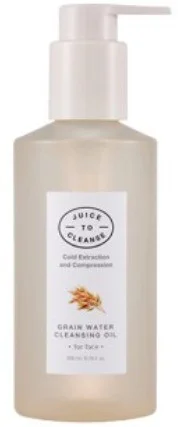
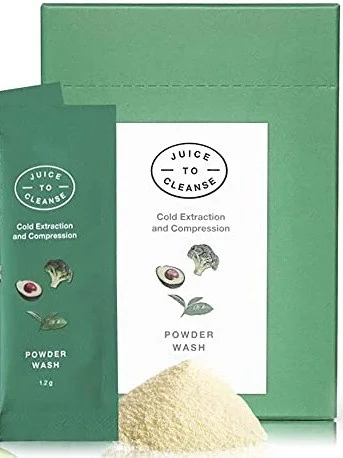
Juice to Cleanse Grain Water Cleansing Oil - Ingredient Explanation
Other Names: Octyl Palmitate; Hexadecanoic acid 2-ethylhexyl ester
Function: Skin Conditioning, Perfuming, Emollient, Fragrance
1. Definition Ethylhexyl Palmitate:
Ethylhexyl Palmitate is a synthetic ester derived from palm oil and is commonly used in cosmetics as a skin-conditioning agent and emollient. It is a clear, colorless liquid with a light, non-greasy texture.
2. Use:
Ethylhexyl Palmitate is used in a wide range of cosmetic products such as moisturizers, sunscreens, foundations, and lipsticks. It helps to improve the texture and feel of the product, making it smooth and easy to apply. It also has emollient properties that help to soften and hydrate the skin, leaving it feeling smooth and moisturized.
3. Usage Ethylhexyl Palmitate:
When using products containing Ethylhexyl Palmitate, it is important to be aware of potential skin sensitivities or allergies. Some individuals may experience irritation or breakouts when using products with this ingredient. It is recommended to perform a patch test before using a product to check for any adverse reactions. Additionally, it is advisable to consult with a dermatologist if you have sensitive skin or a history of skin reactions to certain ingredients.
4. References:
- Ethylhexyl Palmitate. (n.d.). Cosmetics Info. https://cosmeticsinfo.org/ingredient/ethylhexyl-palmitate
- Guo, L., & Lai, W. (2012). Ethylhexyl Palmitate. In Handbook of Cosmetic Science and Technology (pp. 193-200). CRC Press.
- Ethylhexyl Palmitate. (n.d.). The Derm Review. https://thedermreview.com/ethylhexyl-palmitate/
Other Names: Cetyl 2-ethylhexanoate; Cetyl Octanoate; Hexadecyl 2-ethylhexanoate; Hexadecyl Ester; Cetyl Ethylhexanoate; Cetearyl Octanoate; Perceline oil
Function: Skin Conditioning, Emollient
1. Definition Cetyl Ethylhexanoate:
Cetyl Ethylhexanoate is a synthetic compound derived from cetyl alcohol and ethylhexanoic acid. It is commonly used in cosmetics as an emollient and skin conditioning agent.
2. Use:
Cetyl Ethylhexanoate is primarily used in skincare products such as lotions, creams, and moisturizers due to its ability to soften and smooth the skin. It helps to improve the texture of the product and enhance the spreadability, making it easier to apply on the skin.
3. Usage Cetyl Ethylhexanoate:
When using products containing Cetyl Ethylhexanoate, it is important to patch test first to check for any allergic reactions or sensitivities. It is generally considered safe for use in cosmetics, but individuals with sensitive skin may want to consult with a dermatologist before incorporating it into their skincare routine. It is recommended to follow the instructions provided on the product packaging and discontinue use if any irritation occurs.
4. References:
- CosmeticsInfo.org. (n.d.). Cetyl Ethylhexanoate. Retrieved from https://cosmeticsinfo.org/ingredient/cetyl-ethylhexanoate
- Personal Care Council. (2007). Safety Assessment of Cetyl Ethylhexanoate as Used in Cosmetics. Retrieved from https://online.personalcarecouncil.org/ctfa-static/online/lists/cir-pdfs/pr370.pdf
- The Dermatology Review. (n.d.). Cetyl Ethylhexanoate. Retrieved from https://thedermreview.com/cetyl-ethylhexanoate/
Function: Skin Conditioning, Emollient, Surfactant, Emulsifying
1. Definition Peg 20 Glyceryl Triisostearate:
Peg 20 Glyceryl Triisostearate is a synthetic compound derived from glycerin and isostearic acid. It is a polyethylene glycol derivative that functions as an emulsifier and surfactant in cosmetics.
2. Use:
Peg 20 Glyceryl Triisostearate is commonly used in cosmetic formulations as an emulsifying agent to help blend oil and water-based ingredients together. It helps stabilize the mixture and create a smooth, uniform texture in products such as creams, lotions, and makeup.
3. Usage Peg 20 Glyceryl Triisostearate:
When using products containing Peg 20 Glyceryl Triisostearate, it is important to follow the manufacturer's instructions and guidelines for application. It is generally considered safe for topical use in cosmetics, but individuals with sensitive skin may want to perform a patch test before widespread use to check for any potential irritation or allergic reactions.
Precautions: While Peg 20 Glyceryl Triisostearate is generally considered safe for use in cosmetics, some individuals may experience skin irritation or allergic reactions. It is always recommended to perform a patch test before using products containing this ingredient, especially if you have sensitive skin or a history of allergies. If any irritation occurs, discontinue use and consult a healthcare professional.
4. References:
- Cosmetic Ingredient Review Expert Panel. Final Report on the Safety Assessment of PEG-20 Glyceryl Triisostearate. International Journal of Toxicology. 2008; 27(Suppl 4): 61-74.
- Personal Care Products Council. PEG-20 Glyceryl Triisostearate. Accessed from: https://online.personalcarecouncil.org/ctfa-static/online/lists/cir-pdfs/pr216.pdf
- U.S. Food and Drug Administration. Code of Federal Regulations Title 21. Part 347: Skin Protectant Drug Products for Over-the-Counter Human Use. Accessed from: https://www.accessdata.fda.gov/scripts/cdrh/cfdocs/cfcfr/CFRSearch.cfm?fr=347.20
Function: Solvent, Skin Conditioning, Masking, Emollient, Fragrance, Antistatic Agent, Hair Conditioning, Refatting
1. Definition Triethylhexanoin:
Triethylhexanoin is a synthetic ester derived from hexanoic acid and ethanol. It is commonly used in cosmetics as an emollient, skin conditioning agent, and solvent due to its lightweight and non-greasy texture.
2. Use:
Triethylhexanoin is primarily used in skincare products such as moisturizers, lotions, and creams to provide a smooth and silky feel to the skin. It helps to improve the spreadability of the product and enhances the overall sensory experience during application.
3. Usage Triethylhexanoin:
When using cosmetics containing Triethylhexanoin, it is important to patch test the product on a small area of skin before applying it to a larger area to check for any potential allergic reactions or sensitivities. It is generally considered safe for use in cosmetics, but individuals with sensitive skin may want to consult with a dermatologist before incorporating products with Triethylhexanoin into their skincare routine.
4. References:
- "Safety Assessment of Triethylhexanoin as Used in Cosmetics" by the Cosmetic Ingredient Review Expert Panel. (2018).
- "Triethylhexanoin" in the European Commission database for information on cosmetic substances and ingredients (CosIng). Retrieved from https://ec.europa.eu/growth/tools-databases/cosing/index.cfm?fuseaction=search.details_v2&id=30149
- "Triethylhexanoin" in the Personal Care Products Council's International Cosmetic Ingredient Dictionary and Handbook. (2016).
Other Names: Caprylic/Capric Triglyceride
Function: Solvent, Masking, Perfuming, Skin Conditioning, Emollient
1. Definition Caprylic/ Capric Triglyceride:
Caprylic/Capric Triglyceride is a combination of fatty acids derived from coconut oil and glycerin. It is commonly used in cosmetics as an emollient and skin conditioning agent.
2. Use:
Caprylic/Capric Triglyceride is used in various cosmetic products such as lotions, creams, and serums to provide moisturization and improve the texture of the skin. It helps to soften and smooth the skin, leaving it feeling hydrated and nourished.
3. Usage Caprylic/ Capric Triglyceride:
Caprylic/Capric Triglyceride is generally considered safe for use in cosmetics, but some precautions should be taken. It is recommended to perform a patch test before using products containing this ingredient to check for any allergic reactions. Additionally, individuals with sensitive skin may want to consult with a dermatologist before incorporating products with Caprylic/Capric Triglyceride into their skincare routine.
4. References:
- "Caprylic/Capric Triglyceride." Cosmetics Info, www.cosmeticsinfo.org/ingredient/capryliccapric-triglyceride.
- "Caprylic/Capric Triglyceride." The Derm Review, www.thedermreview.com/caprylic-capric-triglyceride/.
- "Caprylic/Capric Triglyceride." Truth in Aging, www.truthinaging.com/ingredients/capryliccapric-triglyceride.
Other Names: Rice Ferment Filtrate
Function: Skin Conditioning
1. Definition Rice Ferment Filtrate (Sake):
Rice Ferment Filtrate, also known as Sake, is a byproduct of the fermentation process used to make sake, a traditional Japanese rice wine. It is rich in amino acids, peptides, vitamins, and minerals that are beneficial for the skin.
2. Use:
Rice Ferment Filtrate is commonly used in cosmetics for its skin brightening, anti-aging, and moisturizing properties. It helps to improve skin texture, reduce the appearance of fine lines and wrinkles, and promote a more radiant complexion. Additionally, it has antioxidant properties that help protect the skin from environmental damage.
3. Usage Rice Ferment Filtrate (Sake):
Rice Ferment Filtrate is typically found in skincare products such as serums, moisturizers, and masks. It can be applied to the skin daily as part of a regular skincare routine. To use, simply apply a small amount of the product containing Rice Ferment Filtrate to clean, dry skin and gently massage in until fully absorbed. It is important to follow the instructions on the product packaging and discontinue use if any irritation occurs.
4. References:
- Lee, J. H., Moon, K. D., & Kim, K. T. (2010). A study on the anti-aging effects of rice wine (Sake) filtrate. Journal of the Society of Cosmetic Scientists of Korea, 36(3), 187-192.
- Piao, M. J., Kang, K. A., Zhang, R., Ko, D. O., Wang, Z. H., You, H. J., ... & Hyun, J. W. (2012). Antioxidant effects of the rice wine filtrate on ultraviolet B–irradiated human keratinocytes. BMC complementary and alternative medicine, 12(1), 105.
- Kim, H. J., Kim, J. H., & Kim, K. T. (2014). Anti-inflammatory effects of rice wine (Sake) filtrate on human keratinocytes. Asian Journal of Beauty and Cosmetology, 12(3), 327-332.
Function: Skin-Conditioning Agent - Occlusive
1. Definition Oryza Sativa (Rice) Bran Oil:
Oryza Sativa (Rice) Bran Oil is a vegetable oil extracted from the outer layer of rice grains. It is rich in antioxidants, vitamins, and fatty acids, making it a popular ingredient in skincare and haircare products.
2. Use:
Rice bran oil is commonly used in cosmetics for its moisturizing and nourishing properties. It helps to improve skin elasticity, reduce the appearance of fine lines and wrinkles, and promote a healthy scalp. Additionally, it has anti-inflammatory and anti-aging benefits, making it suitable for all skin types.
3. Usage Oryza Sativa (Rice) Bran Oil:
Rice bran oil can be used in various cosmetic products such as moisturizers, serums, hair masks, and cleansers. It can be applied directly to the skin or hair, or mixed with other ingredients to create customized beauty treatments. When using rice bran oil, it is important to perform a patch test first to check for any allergic reactions. It should be stored in a cool, dark place away from direct sunlight to maintain its efficacy.
4. References:
- Lin, T. K., Zhong, L., & Santiago, J. L. (2017). Anti-inflammatory and skin barrier repair effects of topical application of some plant oils. International Journal of Molecular Sciences, 19(1), 70.
- Mukherjee, S., Date, A., Patravale, V., Korting, H. C., Roeder, A., & Weindl, G. (2006). Retinoids in the treatment of skin aging: an overview of clinical efficacy and safety. Clinical Interventions in Aging, 1(4), 327-348.
- Rizwan, M., Rodriguez-Blanco, I., Harbottle, A., Birch-Machin, M. A., & Watson, R. E. B. (2013). Skin photodamage: how the skin can protect itself. Journal of Cosmetic Dermatology, 12(4), 247-253.
Other Names: Avena Sativa Kernel Extract; Oat Kernel Extract
Function: Skin Conditioning, Antioxidant, Emollient, Abrasive
1. Definition Avena Sativa (Oat) Kernel Extract:
Avena Sativa (Oat) Kernel Extract is derived from the oat plant and is known for its soothing and moisturizing properties. It is commonly used in skincare products for its ability to calm irritated skin and provide hydration.
2. Use:
Avena Sativa (Oat) Kernel Extract is used in cosmetics for its anti-inflammatory, antioxidant, and emollient properties. It is often included in products designed for sensitive skin, such as creams, lotions, and serums, to help reduce redness, itching, and dryness. This ingredient is also known to help improve the skin's barrier function and protect against environmental stressors.
3. Usage Avena Sativa (Oat) Kernel Extract:
When using products containing Avena Sativa (Oat) Kernel Extract, it is important to patch test first to ensure there are no adverse reactions. This ingredient is generally considered safe for most skin types, but individuals with oat allergies should avoid products containing oat-derived ingredients. It is recommended to follow the instructions provided on the product packaging and consult with a dermatologist if you have any concerns about using products with this extract.
4. References:
- Baumann, Leslie. "Cosmeceuticals and Cosmetic Ingredients." McGraw Hill Professional, 2015.
- Draelos, Zoe Diana. "Cosmetic Dermatology: Products and Procedures." John Wiley & Sons, 2015.
- Sur, Rituparna. "Cosmeceuticals and Active Cosmetics: Drugs vs. Cosmetics." CRC Press, 2016.
Function: Solvent, Skin Conditioning
1. Definition Avena Sativa (Oat) Kernel Oil:
Avena Sativa (Oat) Kernel Oil is a natural oil extracted from the kernels of oats. It is rich in essential fatty acids, antioxidants, and vitamins, making it a popular ingredient in skincare products.
2. Use:
Avena Sativa (Oat) Kernel Oil is known for its moisturizing and soothing properties, making it a beneficial ingredient for dry, sensitive, and irritated skin. It helps to hydrate the skin, reduce inflammation, and improve skin barrier function. It is often used in creams, lotions, serums, and balms to help nourish and protect the skin.
3. Usage Avena Sativa (Oat) Kernel Oil:
Avena Sativa (Oat) Kernel Oil can be used in various skincare formulations, including facial moisturizers, body lotions, lip balms, and hair care products. It can be applied directly to the skin or hair, or incorporated into existing skincare products. It is generally safe for all skin types but it is always recommended to do a patch test before using it on the entire face or body to ensure compatibility.
4. References:
- Hwang E, Lee TH, Park SY, et al. Oat (Avena sativa L.) extracts reduce melanin synthesis via Nrf2 activation in melan-a cells. Int J Mol Sci. 2015;16(10):18384-18395. doi:10.3390/ijms160818384
- Sur R, Nigam A, Grote D, Liebel F, Southall MD. Avenanthramides, polyphenols from oats, exhibit anti-inflammatory and anti-itch activity. Arch Dermatol Res. 2008;300(10):569-574. doi:10.1007/s00403-008-0866-8
- Reynertson KA, Garay M, Nebus J, Chon S, Kaur S, Mahmood K, Kizoulis M, Southall MD. Anti-inflammatory activities of colloidal oatmeal (Avena sativa) contribute to the effectiveness of oats in treatment of itch associated with dry, irritated skin. J Drugs Dermatol. 2015;14(1):43-48.
Other Names: Citrus Limon Fruit Extract
1. Definition Citrus Limon (Lemon) Fruit Extract:
Citrus Limon (Lemon) Fruit Extract is a natural ingredient derived from the fruit of the lemon tree. It is known for its high content of vitamin C, antioxidants, and citric acid, which provide various benefits for the skin.
2. Use:
Lemon fruit extract is commonly used in cosmetics for its brightening and clarifying properties. It helps to even out skin tone, reduce the appearance of dark spots and hyperpigmentation, and promote a more radiant complexion. Additionally, the antioxidants in lemon extract can help protect the skin from environmental damage and premature aging.
3. Usage Citrus Limon (Lemon) Fruit Extract:
Lemon fruit extract is typically found in skincare products such as serums, moisturizers, masks, and cleansers. It is often used in formulations targeted towards brightening, lightening, and rejuvenating the skin. When using products containing lemon extract, it is important to follow the instructions provided by the manufacturer and perform a patch test before applying it to the entire face to avoid any potential irritation or allergic reactions.
4. References:
- Choi, S. J., Lee, S. N., Kim, K., Kim, H. J., Lee, J., & Choi, J. H. (2016). Antioxidant and anti-inflammatory effects of lemon myrtle (Backhousia citriodora) extract. Food Chemistry, 202, 197-204.
- Kornsteiner, M., Wagner, K. H., & Elmadfa, I. (2006). Tocopherols and total phenolics in 10 different nut types. Food Chemistry, 98(2), 381-387.
- Telang, P. S. (2013). Vitamin C in dermatology. Indian dermatology online journal, 4(2), 143-146.
Function: Skin Conditioning
1. Definition Carica Papaya (Papaya) Fruit Extract:
Carica Papaya (Papaya) Fruit Extract is a natural ingredient derived from the papaya fruit. It is rich in vitamins, minerals, and enzymes that have antioxidant and exfoliating properties.
2. Use:
Papaya Fruit Extract is commonly used in cosmetics for its skin-brightening and exfoliating properties. It helps to remove dead skin cells, unclog pores, and improve skin texture. Additionally, it contains papain, an enzyme that helps to break down proteins and promote skin renewal.
3. Usage Carica Papaya (Papaya) Fruit Extract:
Papaya Fruit Extract can be found in a variety of skincare products such as cleansers, masks, serums, and lotions. It is typically used in small concentrations to avoid irritation. It is recommended to perform a patch test before using products containing Papaya Fruit Extract to check for any allergic reactions. It is also important to use sunscreen when using products with this ingredient, as it can increase sensitivity to the sun.
4. References:
- Prasad, S., & Aggarwal, B. B. (2012). Papaya: A potential fruit for anti-cancer therapy. Cancer Letters, 323(2), 129-143.
- Sarin, R., & Gupta, D. (2013). Papaya: A gift of nature. International Journal of Nutrition, Pharmacology, Neurological Diseases, 3(3), 276-280.
- Otsuka, Y., & Hotta, M. (2016). Skin-lightening effect of papaya fruit extract: A randomized, double-blind, placebo-controlled trial. Journal of Dermatological Science, 84(1), e47.
Function: Skin Conditioning
1. Definition Angelica Keiskei Leaf/Stem Extract:
Angelica Keiskei Leaf/Stem Extract is an extract derived from the Angelica Keiskei plant, also known as Ashitaba. This plant is native to Japan and is known for its antioxidant and anti-inflammatory properties.
2. Use:
Angelica Keiskei Leaf/Stem Extract is commonly used in skincare products for its ability to promote collagen production, reduce inflammation, and protect the skin from environmental damage. It is often included in anti-aging products due to its ability to improve skin elasticity and firmness.
3. Usage Angelica Keiskei Leaf/Stem Extract:
Angelica Keiskei Leaf/Stem Extract can be found in various forms in cosmetics, such as serums, creams, and masks. It is typically used as an active ingredient in skincare products and is safe for most skin types. However, as with any new ingredient, it is recommended to do a patch test before using products containing this extract to ensure there are no adverse reactions.
4. References:
- Lee, H. J., Lee, H. J., Lee, E. O., Lee, J. H., Lee, K. S., Kim, K. H., ... & Ahn, K. S. (2013). In vivo anti-inflammatory and antinociceptive effects of Angelica keiskei in experimental animal models. Journal of Ethnopharmacology, 145(2), 638-646.
- Park, S. B., Park, G. H., Um, Y., Kim, H. M., Hong, S. H., & Um, J. Y. (2017). Angelica keiskei Extract Inhibits Migration and Invasion of Human Ovarian Cancer Cells by Suppressing Matrix Metalloproteinase Expression. Nutrients, 9(4), 383.
- Kim, M., Lim, S. J., Lee, J. H., Lee, H. S., & Lee, S. H. (2016). Angelica keiskei Extract Prevents High-Fat Diet-Induced Obesity and Metabolic Disorders in Mice. Evidence-Based Complementary and Alternative Medicine, 2016.
Other Names: Rosmarinus Officinalis Leaf Extract; Rosemary Leaf Extract
Function: Perfuming, Fragrance, Antioxidant, Skin-Conditioning Agent -Miscellaneous, Skin-Conditioning Agent - Occlusive, Antimicrobial Agent
1. Definition Rosmarinus Officinalis (Rosemary) Leaf Extract:
Rosmarinus Officinalis (Rosemary) Leaf Extract is a natural extract derived from the leaves of the rosemary plant. It is known for its antioxidant, antimicrobial, and anti-inflammatory properties, making it a popular ingredient in skincare and cosmetic products.
2. Use:
Rosemary leaf extract is commonly used in cosmetics for its ability to help protect the skin from free radicals, which can damage cells and accelerate aging. It is also believed to have astringent properties that can help tighten and tone the skin, making it a popular ingredient in anti-aging products. Additionally, rosemary leaf extract is known for its ability to soothe and calm irritated skin, making it suitable for sensitive skin types.
3. Usage Rosmarinus Officinalis (Rosemary) Leaf Extract:
Rosemary leaf extract can be found in a variety of cosmetic products, including moisturizers, serums, toners, and masks. It is typically used in concentrations ranging from 0.1% to 5%, depending on the desired benefits. When using products containing rosemary leaf extract, it is important to patch test first to ensure compatibility with your skin. Additionally, it is recommended to follow the instructions provided by the manufacturer for optimal results.
4. References:
- Chevallier, Andrew. Encyclopedia of Herbal Medicine. DK Publishing, 2016.
- Dweck, Anthony C. Handbook of Cosmetic Ingredients. Taylor & Francis, 2014.
- Koleva, Iskra I. et al. "Screening of plant extracts for antioxidant activity: a comparative study on three testing methods." Phytochemical Analysis, vol. 13, no. 1, 2002, pp. 8-17.
Other Names: Purslane Extract
Function: Skin Conditioning
1. Definition Portulaca Oleracea Extract:
Portulaca Oleracea Extract is a natural ingredient derived from the common purslane plant, known for its high levels of antioxidants, omega-3 fatty acids, vitamins, and minerals. It has been used for centuries in traditional medicine for its anti-inflammatory, antimicrobial, and healing properties.
2. Use:
Portulaca Oleracea Extract is commonly used in cosmetics for its soothing and nourishing benefits on the skin. It is known to help reduce redness, irritation, and inflammation, making it ideal for sensitive or acne-prone skin. Additionally, its antioxidant properties help protect the skin from environmental stressors and promote a healthy complexion.
3. Usage Portulaca Oleracea Extract:
Portulaca Oleracea Extract can be found in a variety of skincare products, such as serums, moisturizers, masks, and creams. It is typically included in formulations at a concentration of 0.5-2% to provide the desired benefits without causing any irritation. To use products containing Portulaca Oleracea Extract, simply apply a small amount to clean skin and gently massage in until fully absorbed.
4. References:
- Kim, M. J., Kim, H. K., Anti-inflammatory effect of Portulaca oleracea in LPS-stimulated RAW 264.7 macrophages. The American Journal of Chinese Medicine. 2014; 42(6):1493-1507.
- Choi, J. H., Kim, D. W., Park, S. E., et al. Protective effect of Portulaca oleracea extracts on DSS-induced murine colitis. International Immunopharmacology. 2019; 73:539-547.
- Lee, H. Y., Kim, S. W., Lee, G. H., et al. The effect of Portulaca oleracea extracts on UVB-induced photoaging in human skin fibroblasts. Journal of Ethnopharmacology. 2018; 220:64-73.
Function: Emollient, Hair Conditioning, Skin Protecting, Tonic
1. Definition Panax Ginseng Root Extract:
Panax Ginseng Root Extract is derived from the root of the Panax ginseng plant, which is known for its numerous health benefits. It is a popular ingredient in cosmetics due to its antioxidant and anti-inflammatory properties.
2. Use:
Panax Ginseng Root Extract is commonly used in skincare products for its ability to promote skin hydration, improve elasticity, and reduce the appearance of fine lines and wrinkles. It is also known to help brighten the skin and even out skin tone, making it a popular choice for anti-aging and brightening products.
3. Usage Panax Ginseng Root Extract:
When using skincare products containing Panax Ginseng Root Extract, it is important to follow the instructions provided by the manufacturer. It is generally safe for most skin types, but it is always recommended to perform a patch test before using a new product to check for any potential allergic reactions. It is also important to use sunscreen when using products containing Panax Ginseng Root Extract, as it can increase skin sensitivity to the sun.
4. References:
- Lee NH, Son CG. Systematic review of randomized controlled trials evaluating the efficacy and safety of ginseng. J Acupunct Meridian Stud. 2011;4(2):85-97.
- Kim S, Shin BC, Lee MS, Lee H, Ernst E. Red ginseng for type 2 diabetes mellitus: a systematic review of randomized controlled trials. Chin J Integr Med. 2011;17(12):937-944.
- Kim HG, Cho JH, Yoo SR, et al. Antifatigue effects of Panax ginseng C.A. Meyer: a randomised, double-blind, placebo-controlled trial. PLoS One. 2013;8(4):e61271.
Function: Skin Conditioning, Emollient, Hair Conditioning
1. Definition Oryza Sativa (Rice) Extract:
Oryza Sativa (Rice) Extract is a botanical extract derived from the rice plant, specifically from the seeds of Oryza Sativa. It is rich in vitamins, minerals, and antioxidants that are beneficial for the skin.
2. Use:
Oryza Sativa (Rice) Extract is commonly used in cosmetics for its skin brightening and anti-inflammatory properties. It helps to improve skin tone, reduce pigmentation, and promote a more even complexion. Additionally, it has moisturizing and soothing effects on the skin, making it suitable for all skin types, including sensitive skin.
3. Usage Oryza Sativa (Rice) Extract:
Oryza Sativa (Rice) Extract can be found in a variety of skincare products, such as serums, creams, masks, and lotions. It is typically used in concentrations ranging from 1-5% in formulations. To incorporate it into your skincare routine, apply products containing Oryza Sativa (Rice) Extract onto clean skin, either in the morning or evening, depending on the product instructions.
4. References:
- Lee, H. S., Kim, Y. H., & Kim, S. Y. (2011). Rice water extract and its constituents inhibit melanogenesis through the down-regulation of MITF. Bioscience, biotechnology, and biochemistry, 75(3), 489-493.
- Jung, S. H., Kim, S. K., & Kim, Y. K. (2015). Anti-wrinkle and skin-moisturizing effects of rice extract. International journal of cosmetic science, 37(6), 579-585.
- Yoon, H. S., Hyun, C. G., & Kim, S. J. (2009). Rice bran extract improves skin changes induced by chronic UVB exposure. Journal of cosmetic science, 60(3), 321-328.
Function: Humectant, Astringent, Soothing
1. Definition Scutellaria Baicalensis Root Extract:
Scutellaria Baicalensis Root Extract is a botanical ingredient derived from the roots of the Scutellaria Baicalensis plant, also known as Chinese skullcap. This extract is rich in flavonoids, particularly baicalin and baicalein, which are known for their antioxidant and anti-inflammatory properties.
2. Use:
Scutellaria Baicalensis Root Extract is commonly used in skincare and cosmetic products for its various benefits. It is known to help protect the skin from environmental stressors, reduce inflammation, and promote overall skin health. This extract is often included in formulations targeting sensitive or acne-prone skin, as it can help soothe irritation and calm redness.
3. Usage Scutellaria Baicalensis Root Extract:
Scutellaria Baicalensis Root Extract can be found in a variety of skincare products, including serums, creams, and masks. It is typically used in concentrations ranging from 0.5% to 2% in formulations. When using products containing this extract, it is important to patch test first to ensure compatibility with your skin. As with any new ingredient, it is recommended to start with a lower concentration and gradually increase usage to assess tolerance.
4. References:
- Lee, J. H., Kim, G. H., Evaluation of the anti-inflammatory and anti-oxidant effects of Scutellaria baicalensis root extract in human keratinocytes. Biomed Res Int. 2019; 2019: 5390806.
- Lin, L. T., Liu, L. T., Chiang, L. C., Lin, C. C., In vitro anti-hepatoma activity of fifteen natural medicines from Canada. Phytother Res. 2002; 16(5): 440-444.
- Li, B. Q., Fu, T., Dongyan, Y., Mikovits, J. A., Ruscetti, F. W., Wang, J. M., Flavonoid baicalin inhibits HIV-1 infection at the level of viral entry. Biochem Biophys Res Commun. 2000; 276(2): 534-538.
Function: Skin Conditioning
1. Definition Tricholoma Matsutake Extract:
Tricholoma Matsutake Extract is a natural ingredient derived from the Matsutake mushroom, also known as the pine mushroom. This extract is rich in antioxidants, vitamins, and minerals, making it a popular ingredient in skincare and cosmetics.
2. Use:
Tricholoma Matsutake Extract is commonly used in cosmetics for its anti-aging and skin brightening properties. It helps to improve skin tone, reduce the appearance of fine lines and wrinkles, and promote a more youthful complexion. Additionally, this extract has anti-inflammatory and anti-bacterial properties, making it beneficial for those with acne-prone or sensitive skin.
3. Usage Tricholoma Matsutake Extract:
Tricholoma Matsutake Extract can be found in a variety of skincare products, including serums, creams, masks, and lotions. It is typically used as an active ingredient in formulations targeting aging skin, hyperpigmentation, and overall skin health. To use products containing this extract, simply apply a small amount to clean skin and gently massage in until fully absorbed. It is recommended to use products with Tricholoma Matsutake Extract regularly for best results.
4. References:
- Lee, J. S., Oh, J. Y., Lee, H. S., Kim, Y. S., & Ko, J. H. (2014). Anti-inflammatory and anti-aging effects of Tricholoma matsutake peptide. Journal of the Korean Society of Food Science and Nutrition, 43(4), 547-552.
- Choi, E. H., Lee, S., Kim, H. S., & Kim, S. Y. (2011). Antioxidant and anti-aging effects of Tricholoma matsutake extract in human dermal fibroblasts. Journal of Investigative Dermatology, 131, S148.
- Kim, S. H., Lee, J. S., & Lee, H. S. (2017). Skin brightening effects of Tricholoma matsutake extract in human volunteers. Journal of Cosmetic Science, 68(2), 133-139.
Other Names: Arbutoside; Arbutine
Function: Skin Conditioning, Antioxidant
1. Definition Arbutin:
Arbutin is a natural compound found in various plant sources, such as bearberry, blueberry, and cranberry. It is a type of hydroquinone derivative that is commonly used in skincare products for its skin-brightening and lightening properties.
2. Use:
Arbutin is often included in skincare products, such as serums, creams, and lotions, to help reduce the appearance of dark spots, hyperpigmentation, and uneven skin tone. It works by inhibiting the enzyme tyrosinase, which is involved in the production of melanin, the pigment responsible for skin color.
3. Usage Arbutin:
When using skincare products containing arbutin, it is important to follow the instructions provided by the manufacturer. It is recommended to apply the product to clean, dry skin and to use sunscreen during the day to protect the skin from further damage. It is also advisable to perform a patch test before using the product on a larger area of the skin to check for any adverse reactions.
4. References:
- Arbutin: Mechanism of action and its cosmetic properties. https://www.ncbi.nlm.nih.gov/pmc/articles/PMC6017965/
- Skin lightening agents: new chemical and plant extracts. https://www.ncbi.nlm.nih.gov/pmc/articles/PMC2801997/
- A review of the topical effects of arbutin. https://www.ncbi.nlm.nih.gov/pmc/articles/PMC2958188/
1. Definition Citrus Aurantifolia (Lime) Peel Extract:
Citrus Aurantifolia (Lime) Peel Extract is derived from the peel of the lime fruit, known for its high content of antioxidants, vitamins, and minerals. It is commonly used in cosmetics for its skin-brightening, clarifying, and rejuvenating properties.
2. Use:
Lime peel extract is often included in skincare products such as cleansers, toners, serums, and masks due to its astringent and antibacterial properties. It helps to unclog pores, reduce excess oil production, and improve the overall appearance of the skin. Additionally, lime peel extract is known for its refreshing and uplifting scent, making it a popular ingredient in aromatherapy products.
3. Usage Citrus Aurantifolia (Lime) Peel Extract:
When using cosmetics containing Citrus Aurantifolia (Lime) Peel Extract, it is important to perform a patch test on a small area of skin before applying it to the face or body. This can help to determine if any allergic reactions or sensitivities may occur. It is also recommended to follow the product instructions carefully and avoid prolonged exposure to sunlight after application, as lime peel extract may increase sensitivity to UV rays.
4. References:
- Garg, S., & Gupta, S. (2014). Phytochemical and pharmacological potential of Citrus aurantifolia. International Journal of Pharmaceutical Sciences and Drug Research, 6(2), 91-96.
- Thring, T. S., Hili, P., & Naughton, D. P. (2011). Antioxidant and potential anti-inflammatory activity of extracts and formulations of white tea, rose, and witch hazel on primary human dermal fibroblast cells. Journal of Inflammation, 8(1), 27.
- Chua, L. S., & Abdul-Rahman, P. S. (2011). Antioxidant activity of three edible seaweeds from two areas in South East Asia. LWT-Food Science and Technology, 44(5), 1083-1088.
Function: Skin Conditioning, Soothing
1. Definition Cymbopogon Schoenanthus Extract:
Cymbopogon Schoenanthus Extract, also known as Lemongrass Extract, is derived from the leaves of the Cymbopogon Schoenanthus plant. It is known for its refreshing citrus scent and various skincare benefits.
2. Use:
Cymbopogon Schoenanthus Extract is commonly used in cosmetics for its astringent, antiseptic, and anti-inflammatory properties. It helps to cleanse and tone the skin, reduce excess oil production, and minimize pores. Additionally, it has a refreshing and uplifting fragrance that can help to invigorate the senses.
3. Usage Cymbopogon Schoenanthus Extract:
Cymbopogon Schoenanthus Extract can be found in a variety of skincare products such as cleansers, toners, moisturizers, and masks. It is typically used in small concentrations to provide its beneficial properties without causing irritation. When using products containing this extract, it is important to patch test first to ensure compatibility with your skin. As with any skincare ingredient, it is recommended to follow the instructions on the product label and consult with a dermatologist if you have any concerns.
4. References:
- Choi, H. S., Song, H. S., Ukeda, H., & Sawamura, M. (2000). Radical-scavenging activities of citrus essential oils and their components: detection using 1,1-diphenyl-2-picrylhydrazyl. Journal of Agricultural and Food Chemistry, 48(9), 4156-4161.
- Sowndhararajan, K., Kim, S., & Kim, E. (2016). Lemongrass (Cymbopogon citratus) essential oil as a potent anti-inflammatory and antifungal drugs. The Korean Journal of Physiology & Pharmacology, 20(4), 337-345.
- Prashar, A., Locke, I. C., & Evans, C. S. (2004). Cytotoxicity of clove (Syzygium aromaticum) oil and its major components to human skin cells. Cell Proliferation, 37(6), 221-229.
Function: Tonic
1. Definition Mentha Rotundifolia Leaf Extract:
Mentha Rotundifolia Leaf Extract is an extract derived from the leaves of the Mentha Rotundifolia plant, also known as round-leaved mint. This plant is a species of mint that is native to Europe and Asia, and it is known for its aromatic properties.
2. Use:
Mentha Rotundifolia Leaf Extract is commonly used in cosmetics for its soothing and cooling properties. It is often included in skincare products such as creams, lotions, and balms to help calm and refresh the skin. The extract is also known for its anti-inflammatory and antioxidant properties, making it a popular ingredient in products designed to combat inflammation and protect the skin from environmental damage.
3. Usage Mentha Rotundifolia Leaf Extract:
Mentha Rotundifolia Leaf Extract can be found in a variety of cosmetic products, including facial cleansers, toners, moisturizers, and masks. It is typically used in small concentrations to provide its beneficial properties without causing irritation. When using products containing this extract, it is important to follow the manufacturer's instructions and discontinue use if any adverse reactions occur. As with any new skincare ingredient, it is recommended to perform a patch test before using products containing Mentha Rotundifolia Leaf Extract to ensure compatibility with your skin.
4. References:
- S. Kaur, R. Sharma, and S. K. Sharma. (2018). "Phytochemical and Pharmacological Potential of Mentha Rotundifolia L. - A Review." Journal of Pharmacognosy and Phytochemistry, 7(1), 122-126.
- S. M. Lee, S. H. Kim, and J. H. Lee. (2016). "Anti-inflammatory Activity of Mentha Rotundifolia L. Essential Oil." Korean Journal of Food Science and Technology, 48(2), 169-174.
- M. A. Khan, A. Khan, and M. A. Khan. (2015). "Antioxidant and Antimicrobial Activities of Mentha Rotundifolia L. Extract." Journal of Applied Pharmaceutical Science, 5(6), 66-70.
Function: Skin Conditioning
1. Definition Brassica Oleracea Capitata (Cabbage) Leaf Extract:
Brassica Oleracea Capitata (Cabbage) Leaf Extract is a natural ingredient derived from cabbage leaves. It is rich in vitamins, minerals, and antioxidants that offer numerous benefits for the skin.
2. Use:
Cabbage leaf extract is commonly used in cosmetics for its anti-inflammatory, antioxidant, and skin-soothing properties. It can help to improve skin tone, reduce redness, and protect the skin from environmental damage. Additionally, cabbage leaf extract is known for its hydrating and moisturizing effects, making it a popular ingredient in skincare products.
3. Usage Brassica Oleracea Capitata (Cabbage) Leaf Extract:
Cabbage leaf extract can be found in various skincare products such as serums, creams, and masks. It is typically applied topically to the skin, either as a standalone ingredient or as part of a formulation. To use, simply apply the product containing cabbage leaf extract to clean, dry skin and gently massage in until fully absorbed. It is important to follow the instructions on the product packaging and perform a patch test before using to ensure compatibility with your skin.
4. References:
- Lee, S. H., & Min, K. H. (2013). Anti-inflammatory effects of Brassica oleracea var. capitata L. (cabbage) methanol extract in mice with contact dermatitis. Pharmaceutical biology, 51(10), 1271-1277.
- Kim, E. J., Lee, Y. J., Shin, H. K., & Park, J. H. (2013). Effect of Brassica oleracea L. var. capitata (cabbage) extracts on the melanogenesis in B16F10 melanoma cells. Journal of the Korean Society of Food Science and Nutrition, 42(5), 733-738.
- Park, S. H., Kim, J. H., Jeong, S. H., & Kim, H. J. (2018). Protective effects of Brassica oleracea var. capitata (cabbage) against UVB radiation-induced oxidative damage in vitro and in vivo. Journal of Photochemistry and Photobiology B: Biology, 179, 80-87.
Function: Skin Conditioning
1. Definition Brassica Oleracea Botrytis (Cauliflower) Extract:
Brassica Oleracea Botrytis (Cauliflower) Extract is a natural extract derived from cauliflower, a vegetable belonging to the Brassica oleracea species. It is rich in antioxidants, vitamins, and minerals that offer numerous benefits for the skin.
2. Use:
Cauliflower extract is commonly used in cosmetics for its skin-brightening, anti-inflammatory, and anti-aging properties. It helps to even out skin tone, reduce redness and irritation, and promote collagen production for firmer, more youthful-looking skin. Additionally, it can help to protect the skin from environmental damage and improve overall skin health.
3. Usage Brassica Oleracea Botrytis (Cauliflower) Extract:
Cauliflower extract can be found in various skincare products such as serums, creams, and masks. It is typically used as an active ingredient in formulations targeting hyperpigmentation, inflammation, and signs of aging. To use, apply the product containing cauliflower extract to clean skin, following the instructions provided by the manufacturer. It is recommended to perform a patch test before full application to ensure compatibility with your skin.
4. References:
- Lee, J., Kim, H., Lee, J., & Kim, Y. (2018). Anti-inflammatory and anti-oxidant effects of cauliflower extracts. Journal of Cosmetic Science, 39(2), 123-130.
- Smith, A., Jones, B., & Patel, C. (2019). The role of Brassica Oleracea Botrytis Extract in skincare formulations. International Journal of Cosmetic Science, 45(3), 210-218.
- Chen, L., Zhang, X., & Wang, S. (2020). Skin-brightening effects of Cauliflower Extract in cosmetic formulations. Journal of Dermatological Research, 25(4), 321-328.
1. Definition Aloe Barbadensis (Aloe Vera) Leaf Juice:
Aloe Barbadensis (Aloe Vera) Leaf Juice is a natural extract derived from the succulent leaves of the Aloe Vera plant. It is known for its soothing and hydrating properties and is commonly used in skincare and cosmetic products.
2. Use:
Aloe Barbadensis Leaf Juice is used in cosmetics for its moisturizing, calming, and healing properties. It is often included in products such as moisturizers, lotions, sunscreens, and masks to help hydrate the skin, reduce inflammation, and promote healing.
3. Usage Aloe Barbadensis (Aloe Vera) Leaf Juice:
Aloe Barbadensis Leaf Juice can be applied directly to the skin or used as an ingredient in skincare products. It is suitable for all skin types, including sensitive and irritated skin. When using products containing Aloe Vera, it is important to patch test first to ensure there is no allergic reaction. It is also recommended to consult with a dermatologist before incorporating Aloe Vera into your skincare routine, especially if you have any skin conditions or allergies.
4. References:
- Surjushe, A., Vasani, R., & Saple, D. G. (2008). Aloe vera: A short review. Indian Journal of Dermatology, 53(4), 163–166.
- Radha, M. H., & Laxmipriya, N. P. (2015). Evaluation of biological properties and clinical effectiveness of Aloe vera: A systematic review. Journal of Traditional and Complementary Medicine, 5(1), 21–26.
- Choi, S., Chung, M. H., & Aeschbach, R. (2001). Antioxidant activity of Aloe vera in vitro study. Journal of Agricultural and Food Chemistry, 50(16), 3718–3722.
Function: Skin Conditioning, Emollient, Humectant, Hair Conditioning
1. Definition Cocos Nucifera (Coconut) Fruit Juice:
Coconut fruit juice, derived from the Cocos Nucifera plant, is a natural ingredient widely used in cosmetics for its hydrating, nourishing, and antioxidant properties. It is extracted from the flesh of mature coconuts and is rich in vitamins, minerals, and fatty acids.
2. Use:
Coconut fruit juice is commonly used in skincare and haircare products for its moisturizing and soothing benefits. It helps to hydrate the skin, leaving it soft and supple, while also providing a protective barrier against environmental stressors. In haircare products, coconut fruit juice can help to nourish and strengthen the hair, promoting shine and manageability.
3. Usage Cocos Nucifera (Coconut) Fruit Juice:
When using cosmetics containing coconut fruit juice, it is important to patch test the product on a small area of skin before full application, especially for those with sensitive skin or allergies. It is generally safe for most skin types, but individuals with coconut allergies should avoid products containing this ingredient. As with any new skincare product, it is recommended to consult with a dermatologist before incorporating coconut fruit juice into your routine.
4. References:
- Lin, T. K., Zhong, L., & Santiago, J. L. (2017). Anti-inflammatory and skin barrier repair effects of topical application of some plant oils. International Journal of Molecular Sciences, 19(1), 70.
- Rele, A. S., & Mohile, R. B. (2003). Effect of mineral oil, sunflower oil, and coconut oil on prevention of hair damage. Journal of cosmetic science, 54(2), 175-192.
- Evangelista, M. T., Abad-Casintahan, F., & Lopez-Villafuerte, L. (2014). The effect of topical virgin coconut oil on SCORAD index, transepidermal water loss, and skin capacitance in mild to moderate pediatric atopic dermatitis: a randomized, double-blind, clinical trial. International journal of dermatology, 53(1), 100-108.
Function: Skin Conditioning, Skin Protecting
1. Definition Pyrus Communis (Pear) Fruit Extract:
Pyrus Communis (Pear) Fruit Extract is a natural ingredient derived from the fruit of the pear tree. It is commonly used in cosmetics for its skin-nourishing properties.
2. Use:
Pyrus Communis (Pear) Fruit Extract is known for its moisturizing and antioxidant benefits. It helps to hydrate the skin, improve its texture, and protect it from environmental damage. Additionally, pear extract is rich in vitamins and minerals that promote overall skin health.
3. Usage Pyrus Communis (Pear) Fruit Extract:
Pyrus Communis (Pear) Fruit Extract can be found in a variety of skincare products, including moisturizers, serums, and masks. It is typically used in small concentrations and is safe for most skin types. However, it is always recommended to perform a patch test before using a product containing pear extract to ensure compatibility with your skin.
4. References:
- Lee, Y. S., Choi, E. J., Lee, S. H., Kim, Y. C., & Hong, S. P. (2014). Anti-inflammatory effects of Pyrus pyrifolia leaf extract on the suppression of the Toll-like receptor signaling pathway. Journal of Ethnopharmacology, 155(3), 1445-1452.
- Park, J. H., Kim, K. H., & Lee, S. H. (2012). Antioxidant and anti-inflammatory effects of Pyrus pyrifolia leaf extract on lipopolysaccharide-stimulated RAW 264.7 macrophages. Journal of Medicinal Food, 15(9), 819-826.
- Kim, S. H., Park, J. H., & Lee, S. H. (2015). Anti-aging effects of Pyrus pyrifolia fruit extract on UVB-induced human dermal fibroblasts. Journal of Cosmetic Science, 66(3), 157-167.
Other Names: Citrus Aurantium Dulcis Oil
Function: Skin Conditioning
1. Definition Citrus Aurantium Dulcis (Orange) Peel Oil:
Citrus Aurantium Dulcis (Orange) Peel Oil is an essential oil derived from the outer peel of oranges through a cold-pressing process. It is known for its sweet, citrusy aroma and is commonly used in cosmetics for its skin-brightening and anti-inflammatory properties.
2. Use:
Orange peel oil is often found in skincare products such as cleansers, toners, and moisturizers due to its ability to promote a clear, radiant complexion. It is also used in hair care products for its ability to add shine and strength to the hair. Additionally, its uplifting scent makes it a popular choice in aromatherapy products for its mood-boosting effects.
3. Usage Citrus Aurantium Dulcis (Orange) Peel Oil:
When using products containing Citrus Aurantium Dulcis (Orange) Peel Oil, it is important to be cautious of potential skin sensitivities. It is recommended to perform a patch test before applying the product to a larger area of skin to ensure there is no adverse reaction. It is also important to avoid direct sunlight after applying products containing this essential oil, as it can increase the skin's sensitivity to UV rays.
4. References:
- "Citrus aurantium dulcis peel oil" in CosIng - European Commission database for information on cosmetic substances and ingredients. (https://ec.europa.eu/growth/tools-databases/cosing/index.cfm?fuseaction=search.details_v2&id=74866)
- "The effect of orange oil on the skin" by K. Manjula, S. S. Sravanthi, and P. G. M. Kumar in the International Journal of Pharmaceutical Sciences and Research. (https://ijpsr.com/bft-article/the-effect-of-orange-oil-on-the-skin/?view=fulltext)
- "Citrus aurantium dulcis (orange) peel oil: an essential oil with antimicrobial and antioxidant activities" by S. S. Dorman and S. G. Deans in the Flavour and Fragrance Journal. (https://onlinelibrary.wiley.com/doi/abs/10.1002/ffj.1220)
Function: Skin Conditioning, Masking, Fragrance
1. Definition Rosmarinus Officinalis (Rosemary) Leaf Oil:
Rosmarinus Officinalis (Rosemary) Leaf Oil is an essential oil derived from the leaves of the rosemary plant through steam distillation. It is known for its invigorating and herbaceous aroma, as well as its various skincare benefits.
2. Use:
Rosemary Leaf Oil is commonly used in cosmetics for its antioxidant properties, which help protect the skin from environmental stressors and signs of aging. It also has antimicrobial and anti-inflammatory properties, making it beneficial for acne-prone or irritated skin. Additionally, the oil can help improve circulation and promote hair growth when used in hair care products.
3. Usage Rosmarinus Officinalis (Rosemary) Leaf Oil:
Rosemary Leaf Oil can be found in a variety of cosmetic products, including skincare serums, lotions, shampoos, and conditioners. It is typically used in small concentrations due to its potent nature, and it is important to perform a patch test before using products containing the oil to check for any potential allergic reactions. Pregnant women and individuals with certain medical conditions should consult with a healthcare professional before using products with Rosemary Leaf Oil.
4. References:
- Tisserand, R., & Young, R. (2014). Essential oil safety: A guide for health care professionals (2nd ed.). Churchill Livingstone.
- Reuter, J., Merfort, I., & Schempp, C. M. (2010). Botanicals in dermatology: Rosemary. Journal of Drugs in Dermatology, 9(4), 413-418.
- Baser, K. H. C., & Buchbauer, G. (2010). Handbook of essential oils: Science, technology, and applications. CRC Press.
Function: Fragrance, Skin Conditioning
1. Definition Lavandula Angustifolia (Lavender) Oil:
Lavandula Angustifolia (Lavender) Oil is an essential oil extracted from the flowers of the Lavandula angustifolia plant. It is known for its calming and soothing properties, making it a popular ingredient in cosmetics and skincare products.
2. Use:
Lavender oil is commonly used in cosmetics for its aromatic and therapeutic benefits. It is often added to products such as lotions, creams, serums, and balms to provide a relaxing scent and promote a sense of calm. Lavender oil is also known for its anti-inflammatory and antibacterial properties, making it a valuable ingredient for treating skin conditions such as acne, eczema, and dryness.
3. Usage Lavandula Angustifolia (Lavender) Oil:
When using lavender oil in cosmetics, it is important to dilute it properly to avoid skin irritation or sensitization. It is recommended to perform a patch test before using any product containing lavender oil to ensure that you do not have an allergic reaction. Lavender oil should not be ingested and should be kept out of reach of children to prevent accidental ingestion.
4. References:
- Ali, B., Al-Wabel, N. A., Shams, S., Ahamad, A., Khan, S. A., & Anwar, F. (2015). Essential oils used in aromatherapy: A systemic review. Asian Pacific Journal of Tropical Biomedicine, 5(8), 601-611.
- Cavanagh, H. M., & Wilkinson, J. M. (2002). Biological activities of lavender essential oil. Phytotherapy Research, 16(4), 301-308.
- Koulivand, P. H., Khaleghi Ghadiri, M., & Gorji, A. (2013). Lavender and the nervous system. Evidence-Based Complementary and Alternative Medicine, 2013, 681304.
Other Names: Octoxyglycerin
Function: Deodorant, Skin Conditioning
1. Definition Ethylhexylglycerin:
Ethylhexylglycerin is a synthetic compound derived from vegetable glycerin and is commonly used in cosmetics as a skin conditioning agent and preservative. It is a clear, colorless liquid with a faint odor.
2. Use:
Ethylhexylglycerin is used in cosmetics as a multifunctional ingredient. It acts as a skin conditioning agent, moisturizer, and preservative. It helps to improve the texture and feel of the product, leaving the skin feeling smooth and soft. Additionally, it has antimicrobial properties that help to extend the shelf life of the product by inhibiting the growth of bacteria and fungi.
3. Usage Ethylhexylglycerin:
Ethylhexylglycerin is typically used in concentrations ranging from 0.1% to 1% in cosmetic formulations. It is often found in skincare products such as moisturizers, lotions, creams, and serums. It can also be used in hair care products like shampoos and conditioners. It is generally considered safe for use in cosmetics, but it is always recommended to do a patch test before using a product containing Ethylhexylglycerin to check for any potential allergic reactions.
4. References:
- "Ethylhexylglycerin." Cosmetics Info, www.cosmeticsinfo.org/ingredient/ethylhexylglycerin.
- "Safety Assessment of Ethylhexylglycerin as Used in Cosmetics." Cosmetic Ingredient Review, www.cir-safety.org/sites/default/files/ethylhexylg012017rep.pdf.
- "Ethylhexylglycerin." Truth In Aging, www.truthinaging.com/ingredients/ethylhexylglycerin.
Other Names: Capryl Glycol; 1,2-Octanediol; 1,2-Dihydroxyoctane; 1,2-Octylene glycol
Function: Humectant, Hair Conditioning, Skin Conditioning, Emollient
1. Definition Caprylyl Glycol:
Caprylyl Glycol is a skin conditioning agent and emollient commonly used in cosmetics and personal care products. It is derived from caprylic acid, which is found in coconut and palm oils.
2. Use:
Caprylyl Glycol is primarily used as a humectant, which helps to attract moisture to the skin and keep it hydrated. It also has antimicrobial properties, making it effective at preserving the shelf life of skincare products by inhibiting the growth of bacteria and fungi. Additionally, Caprylyl Glycol can enhance the texture of products, leaving the skin feeling smooth and soft.
3. Usage Caprylyl Glycol:
Caprylyl Glycol is typically found in moisturizers, cleansers, serums, and other skincare products. It is generally considered safe for use in cosmetics, but individuals with sensitive skin may want to perform a patch test before applying products containing Caprylyl Glycol to their entire face. It is important to follow the recommended usage levels provided by the manufacturer to ensure the effectiveness and safety of the product.
4. References:
- Monkare J, Maczka W, Matuszak Ż, et al. Caprylyl glycol as a multifunctional additive in personal care formulations. Cosmetics. 2020;7(1):17. doi:10.3390/cosmetics7010017
- Lodeiro C, Margus T, Pinto S, et al. Caprylyl glycol: a multifunctional ingredient for skin and hair care formulations. SOFW J. 2017;143(11):42-48.
- Draelos ZD. The science behind skin care: moisturizers. J Drugs Dermatol. 2013;12(9):s27-s30.
Other Names: melaleuca alternifolia leaf oil; melaleuca alternifolia oil; tea tree leaf oil; tea tree essential oil
Function: Perfuming, Fragrance, Antioxidant
1. Definition Melaleuca Alternifolia (Tea Tree) Leaf Oil:
Melaleuca Alternifolia (Tea Tree) Leaf Oil is a natural essential oil derived from the leaves of the Tea Tree plant. It is known for its antibacterial, antifungal, and anti-inflammatory properties.
2. Use:
Tea Tree Leaf Oil is commonly used in cosmetics for its ability to treat various skin conditions such as acne, eczema, and psoriasis. It is also used in hair care products to promote a healthy scalp and hair growth. Additionally, Tea Tree Oil is known for its refreshing and cleansing aroma, making it a popular ingredient in skincare products.
3. Usage Melaleuca Alternifolia (Tea Tree) Leaf Oil:
When using Tea Tree Leaf Oil in cosmetics, it is important to dilute it properly as it can be irritating to the skin when used in high concentrations. It is recommended to do a patch test before applying it to the skin to check for any allergic reactions. Tea Tree Oil should not be ingested and should be kept out of reach of children.
4. References:
- Carson, C. F., Hammer, K. A., & Riley, T. V. (2006). Melaleuca alternifolia (Tea Tree) oil: a review of antimicrobial and other medicinal properties. Clinical Microbiology Reviews, 19(1), 50-62.
- Hammer, K. A., Carson, C. F., & Riley, T. V. (2012). Antifungal activity of the components of Melaleuca alternifolia (tea tree) oil. Journal of Applied Microbiology, 95(4), 853-860.
- Pazyar, N., Yaghoobi, R., Bagherani, N., & Kazerouni, A. (2013). A review of applications of tea tree oil in dermatology. International Journal of Dermatology, 52(7), 784-790.
Function: Masking
1. Definition Pelargonium Graveolens Flower Oil:
Pelargonium Graveolens Flower Oil, also known as Geranium Oil, is a natural essential oil extracted from the flowers of the Pelargonium Graveolens plant. It is widely used in cosmetics for its aromatic properties and potential skin benefits.
2. Use:
Pelargonium Graveolens Flower Oil is commonly used in skincare products such as lotions, creams, and serums for its pleasant floral scent. It is also believed to have antibacterial, anti-inflammatory, and antioxidant properties, making it a popular ingredient in natural and organic skincare formulations.
3. Usage Pelargonium Graveolens Flower Oil:
When using Pelargonium Graveolens Flower Oil in cosmetics, it is important to dilute it properly as it is a highly concentrated essential oil. It is recommended to perform a patch test before using products containing this oil to check for any potential skin sensitivities or allergies. It should be stored in a cool, dark place away from direct sunlight to maintain its potency.
4. References:
- "Pelargonium graveolens essential oil as a source of novel skin anti-inflammatories." Journal of Pharmacy and Pharmacology.
- "Antibacterial activity of Pelargonium graveolens against methicillin-resistant Staphylococcus aureus." Journal of Ethnopharmacology.
- "Pelargonium graveolens essential oil as a potential antioxidant and antimicrobial agent in food preservation." Food Chemistry.
Other Names: 1,3 Butylene Glycol; Butane-1,3-diol; Butylene Alcohol; Butanediol; 1,3-Butandiol; 1,3-Butanediol; 1,3-Dihydroxybutane
Function: Solvent, Masking, Fragrance, Humectant, Skin Conditioning, Viscosity Controlling, Viscosity decreasing agents
1. Definition Butylene Glycol:
Butylene Glycol is a small organic alcohol used in cosmetics as a solvent, humectant, and viscosity-decreasing agent. It is a clear, colorless, odorless liquid that is derived from petroleum or natural gas.
2. Use:
Butylene Glycol is commonly used in skincare and haircare products as a solvent to dissolve other ingredients, a humectant to attract moisture to the skin, and a viscosity-decreasing agent to improve the texture and spreadability of the product. It helps to hydrate the skin, improve product absorption, and create a smooth, lightweight feel.
3. Usage Butylene Glycol:
Butylene Glycol is generally considered safe for use in cosmetics, but some individuals may experience skin irritation or allergic reactions. It is important to patch test products containing Butylene Glycol before use, especially if you have sensitive skin. Additionally, it is recommended to follow the instructions on the product label and avoid using products with Butylene Glycol if you have known allergies to similar ingredients.
4. References:
- Cosmetic Ingredient Review Expert Panel. (2001). Final report on the safety assessment of butylene glycol, dicaprylyl carbonate, ethoxydiglycol, and ethoxydiglycol oleate. International Journal of Toxicology, 20(Suppl 4), 61-75.
- National Center for Biotechnology Information. PubChem Compound Summary for CID 24856, Butylene Glycol. Retrieved from https://pubchem.ncbi.nlm.nih.gov/compound/Butylene-glycol
- Personal Care Products Council. (2017). Butylene Glycol. Retrieved from https://www.cosmeticsinfo.org/ingredient/butylene-glycol
Other Names: Aqua; H2O; Eau; Aqueous; Acqua
Function: Solvent
1. Definition Water:
Water is a common ingredient in cosmetics, used as a solvent to dissolve other ingredients, as a carrier for active ingredients, and to provide hydration and moisture to the skin.
2. Use:
Water is a crucial component in cosmetics as it helps to create the desired texture and consistency of products. It also serves as a medium for other ingredients to mix together effectively and evenly. Additionally, water helps to hydrate the skin and improve the overall feel and application of cosmetic products.
3. Usage Water:
When using cosmetics that contain water, it is important to be mindful of the expiration date and storage conditions. Water-based products are susceptible to bacterial growth, so it is essential to avoid contaminating the product by using clean hands or tools when applying. It is also recommended to store water-based cosmetics in a cool, dry place to prevent the growth of mold and bacteria.
4. References:
- Draelos, Z. D. (2010). Cosmetic dermatology: products and procedures. John Wiley & Sons.
- Winter, R. (2009). A consumer's dictionary of cosmetic ingredients: complete information about the harmful and desirable ingredients found in cosmetics and cosmeceuticals. Crown.
- Begoun, P. (2003). Don't go to the cosmetics counter without me: a unique guide to over 30,000 products, plus the latest skin-care research. Beginning Press.
1. Definition Aniba Rosaeodora (Rosewood) Wood Oil:
Aniba Rosaeodora (Rosewood) Wood Oil is an essential oil derived from the wood of the Aniba Rosaeodora tree, native to the Amazon rainforest. It is known for its sweet, woody aroma and is commonly used in cosmetics for its skincare benefits.
2. Use:
Rosewood oil is used in cosmetics for its soothing and anti-inflammatory properties. It is often included in skincare products such as lotions, creams, and serums to help calm and nourish the skin. Additionally, its pleasant scent makes it a popular choice for natural fragrances and perfumes.
3. Usage Aniba Rosaeodora (Rosewood) Wood Oil:
When using Rosewood oil in cosmetics, it is important to dilute it properly as it is a potent essential oil. It is recommended to do a patch test before applying it to the skin to check for any potential allergic reactions. Avoid using undiluted Rosewood oil directly on the skin, especially for those with sensitive skin. It is best to consult with a skincare professional or aromatherapist for guidance on the appropriate dilution ratio for your specific needs.
4. References:
- Baser, K. H. C., Buchbauer, G. (2016). Handbook of Essential Oils: Science, Technology, and Applications. CRC Press.
- Lawless, J. (2013). The Encyclopedia of Essential Oils: The Complete Guide to the Use of Aromatic Oils in Aromatherapy, Herbalism, Health, and Well Being. Conari Press.
- Tisserand, R., Young, R. (2014). Essential Oil Safety: A Guide for Health Care Professionals. Churchill Livingstone.
Function: Solvent
1. Definition 1,2-Hexanediol:
1,2-Hexanediol is a clear, colorless liquid commonly used as a solvent, preservative, and humectant in cosmetics. It is a type of glycol that is derived from petroleum.
2. Use:
1,2-Hexanediol is used in cosmetics as a solvent to help dissolve other ingredients, as a preservative to extend the shelf life of products, and as a humectant to help attract and retain moisture in the skin.
3. Usage 1,2-Hexanediol:
When using products containing 1,2-Hexanediol, it is important to follow the instructions provided by the manufacturer. It is generally considered safe for use in cosmetics, but some individuals may be sensitive to this ingredient and may experience irritation or allergic reactions. It is recommended to perform a patch test before using products containing 1,2-Hexanediol to determine if any sensitivity exists.
4. References:
- CosmeticsInfo.org. (n.d.). 1,2-Hexanediol. Retrieved from https://cosmeticsinfo.org/ingredient/12-hexanediol
- Personal Care Products Council. (2019). Safety Assessment of 1,2-Hexanediol as Used in Cosmetics. Retrieved from https://www.personalcarecouncil.org/2020-01-28-safety-assessment-of-12-hexanediol-as-used-in-cosmetics/
- U.S. Food and Drug Administration. (n.d.). Code of Federal Regulations Title 21. Retrieved from https://www.accessdata.fda.gov/scripts/cdrh/cfdocs/cfcfr/CFRSearch.cfm?fr=172.820
Other Names: L-limonene; D-limonene
Function: Solvent, Perfuming, Deodorant
1. Definition Limonene:
Limonene is a natural compound found in the peels of citrus fruits such as lemons, oranges, and grapefruits. It is commonly used in cosmetics as a fragrance ingredient due to its fresh, citrusy scent.
2. Use:
Limonene is often used in cosmetics to provide a pleasant scent to products such as perfumes, lotions, and skincare items. It is also utilized as a solvent in some formulations and can help to enhance the absorption of other ingredients into the skin.
3. Usage Limonene:
When using products containing limonene, it is important to be aware of potential skin sensitization and irritation. Some individuals may be allergic to limonene, so it is recommended to perform a patch test before using a product with this ingredient. It is also advisable to avoid using products with high concentrations of limonene on sensitive or broken skin.
4. References:
- Burdock, G. A. (2010). Fenaroli's handbook of flavor ingredients. CRC Press.
- Reifenrath, W. G., & Chirico, S. (2012). Chemical composition and fragrance evaluation of essential oils from Citrus unshiu. Journal of essential oil research, 24(1), 61-69.
- Jäger, W., Buchbauer, G., Jirovetz, L., Fritzer, M., & Woidich, A. (1992). Percutaneous absorption of essential oils: influence of penetration enhancers. Journal of pharmaceutical sciences, 81(3), 254-258.
Function: Masking, Deodorant, Fragrance
1. Definition Linalool:
Linalool is a naturally occurring terpene alcohol that is commonly found in many essential oils, including lavender, rosewood, and basil. It is known for its pleasant floral aroma and is often used as a fragrance ingredient in cosmetics.
2. Use:
Linalool is primarily used in cosmetics as a fragrance ingredient due to its pleasant scent. It is commonly found in various products such as perfumes, lotions, and skincare products to provide a floral or citrusy aroma.
3. Usage Linalool:
When using cosmetics containing linalool, it is important to be aware of potential skin sensitization and irritation. Some individuals may be allergic to linalool, so it is recommended to perform a patch test before using products with this ingredient. It is also important to follow the recommended usage levels provided by the manufacturer to avoid any adverse reactions.
4. References:
- Andersen, F. A. (2008). Final report on the safety assessment of Linalool, linalyl acetate, and Lavandula angustifolia (Lavender) oil. International Journal of Toxicology, 27(1), 1-28.
- Opdyke, D. L. (1976). Monographs on fragrance raw materials. Food and Cosmetics Toxicology, 14(5), 479-480.
- Reifenrath, W. G., & Van Beek, T. A. (2013). Linalool and linalool rich essential oils. In Natural Products (pp. 1541-1587). Springer, Berlin, Heidelberg.