


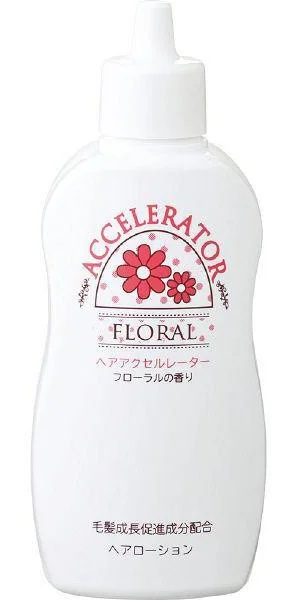
Analysis locked
How well does your skin match with KAMINOMOTO Girl Hair Accelerator Floral?
Login to see detailsOr continue via
Quick 1-minute survey • Completely free
Ingredients
Analysis results of Ingredients


Ingredient List
| EWG | CIR | Ingredient Name & Cosmetic Function | Notes |
|---|---|---|---|
| - | - | Pyridoxine Hydrochloride | |
| 1 3 | B | (Masking, Fragrance, Hair Conditioning, Denaturant , Preservative, Skin Conditioning, Exfoliant, Antidandruff Agent, Antiacne Agent, Keratolytic, Corn/Callus/Wart Remover) |   |
| 1 | A | (Skin Conditioning) | |
| 1 2 | - | (Fragrance, Antistatic Agent, Hair Conditioning) | |


KAMINOMOTO Girl Hair Accelerator Floral - Ingredient Explanation
Pyridoxine Hydrochloride
Ingredient data is being updated. Please check back later.
Salicylic Acid
1. Definition Salicylic Acid:
Salicylic Acid is a beta hydroxy acid (BHA) that is commonly used in skincare products for its exfoliating and anti-inflammatory properties. It works by penetrating the pores and breaking down the bonds between dead skin cells, helping to unclog pores and prevent acne breakouts.
2. Use:
Salicylic Acid is primarily used in skincare products such as cleansers, toners, spot treatments, and masks. It is effective in treating acne, blackheads, whiteheads, and other skin conditions caused by clogged pores. Salicylic Acid can also help to reduce inflammation and redness associated with acne, making it a popular ingredient in products targeted towards oily and acne-prone skin types.
3. Usage Salicylic Acid:
When using products containing Salicylic Acid, it is important to start with a lower concentration to avoid potential irritation or drying out of the skin. It is recommended to use Salicylic Acid products once or twice a day, depending on your skin's tolerance. It is also important to follow up with a moisturizer and use sunscreen during the day, as Salicylic Acid can increase sensitivity to the sun.
4. References:
- Kornhauser, A., Coelho, S. G., & Hearing, V. J. (2010). Applications of hydroxy acids: classification, mechanisms, and photoactivity. Clinical, Cosmetic and Investigational Dermatology, 3, 135–142. https://doi.org/10.2147/CCID.S9042
- Arif, T. (2015). Salicylic acid as a peeling agent: a comprehensive review. Clinical, Cosmetic and Investigational Dermatology, 8, 455–461. https://doi.org/10.2147/CCID.S84765
- Chien, A. L., Qi, J., Rainer, B., & Sachs, D. L. (2018). Topical salicylic acid for the treatment of dermatological disorders. Journal of Drugs in Dermatology, 17(6), 725–730. https://jddonline.com/articles/dermatology/S1545961618P0725X/1
Glycyrrhetinic Acid
1. Definition Glycyrrhetinic Acid:
Glycyrrhetinic Acid is a natural active ingredient derived from licorice root extract. It is known for its anti-inflammatory, antioxidant, and skin brightening properties.2. Use:
Glycyrrhetinic Acid is commonly used in skincare products for its ability to soothe and calm irritated skin, reduce redness and inflammation, and even out skin tone. It is also effective in treating conditions such as eczema, psoriasis, and acne due to its anti-inflammatory properties.3. Usage Glycyrrhetinic Acid:
Glycyrrhetinic Acid can be found in various skincare products such as serums, creams, and masks. It is typically used in concentrations ranging from 0.1% to 2%. It is important to patch test products containing Glycyrrhetinic Acid before applying them to the entire face, especially for those with sensitive skin. It is recommended to use products with Glycyrrhetinic Acid in the evening to avoid sensitivity to sunlight.4. References:
- Armanini, D., Fiore, C., Mattarello, M. J., Bielenberg, J., & Palermo, M. (2002). History of the endocrine effects of licorice. Experimental and clinical endocrinology & diabetes, 110(6), 257-261.
- Asl, M. N., & Hosseinzadeh, H. (2008). Review of pharmacological effects of Glycyrrhiza sp. and its bioactive compounds. Phytotherapy Research, 22(6), 709-724.
- Choi, H. J., Kim, E. J., Shin, J. A., Kim, J. S., & Park, E. M. (2012). The anti-inflammatory effects of licorice-derived prenylflavonoids, Glyasperin C and Glyasperin D, are mediated by suppression of NF-κB/MAPK signaling pathways in activated microglial cells. International immunopharmacology, 12(1), 460-467.
Hinokitiol
1. Definition Hinokitiol:
Hinokitiol is a natural compound extracted from the wood of Chamaecyparis obtusa, also known as Hinoki cypress. It is known for its antimicrobial, anti-inflammatory, and antioxidant properties, making it a popular ingredient in skincare products.2. Use:
Hinokitiol is commonly used in cosmetics for its ability to combat acne-causing bacteria, reduce inflammation, and protect the skin from environmental damage. It is often found in products targeted towards acne-prone skin, as well as anti-aging formulations due to its ability to promote collagen production and improve skin elasticity.3. Usage Hinokitiol:
When using cosmetics containing Hinokitiol, it is important to follow the instructions provided on the product packaging. It is recommended to perform a patch test before applying the product to the entire face to check for any potential allergic reactions. Hinokitiol is generally considered safe for topical use, but individuals with sensitive skin may experience irritation. It is best to consult with a dermatologist before incorporating products containing Hinokitiol into your skincare routine.4. References:
- Kim, J. Y., Kim, J. H., Baek, S. H., Kim, M. R., Lee, J. H., Park, J. S., ... & Lee, J. (2013). Hinokitiol inhibits cell growth through induction of S-phase arrest and apoptosis in human colon cancer cells and suppresses tumor growth in a mouse xenograft experiment. Journal of Natural Products, 76(12), 2195-2202.
- Nishino, T., Usami, M., Awazu, S., Ohki, K., Tsujino, Y., Suzuki, K., ... & Kondo, H. (1994). Antimicrobial action of natural substances on oral bacteria. Bulletin of Tokyo Dental College, 35(1), 23-29.
- Kawai, K., Tsuno, N. H., Matsuhashi, M., Kitayama, J., Osada, T., Yamada, J., ... & Nagawa, H. (2008). Hinokitiol, a selective inhibitor of the platelet-type isozyme of arachidonate 12-lipoxygenase. Biochemical Pharmacology, 76(4), 426-435.
Review

Didn't find
the information you need?




Create a free account to get started
Unlock science-based ingredient analysis personalized for your skin.
Already have an account? Log in
We protect your privacy. We never send spam.