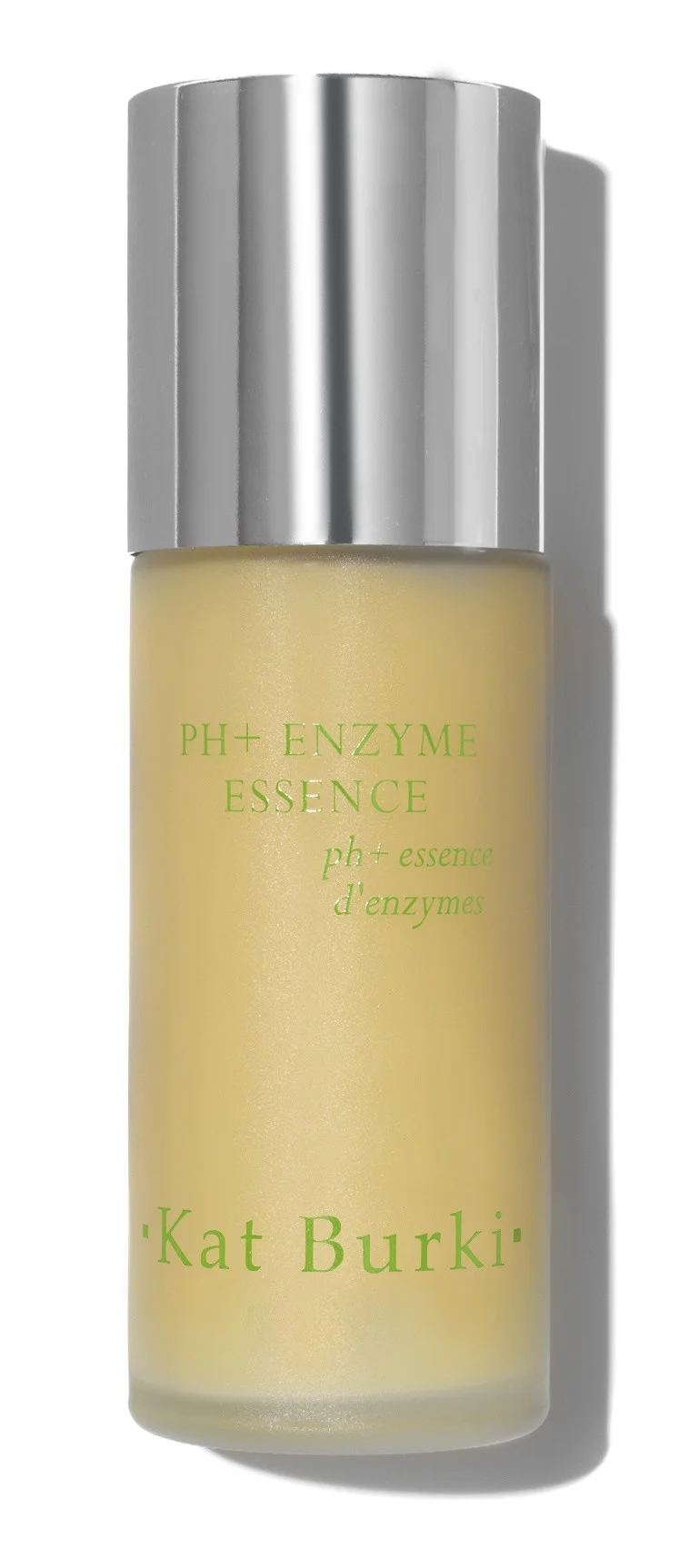
Ingredients
Analysis results of Ingredients


Ingredient List
| EWG | CIR | Ingredient Name & Cosmetic Function | Notes |
|---|---|---|---|
| - | - | Kb5™ Complex | |
| - | - | Arnica | |
| - | - | Gotu Kola | |
| - | - | *Lavender | |
| - | - | *Calendula | |
| - | - | *Chamomile | |
| 1 3 | - | | |
| 1 | B | (Masking, Fragrance, Flavoring Agent) | Bad for sensitive skin |
| 1 | - | (Skin Conditioning, Drug Astringent - Skin Protecting) | Good for oily skin |
| 1 | A | (Skin Conditioning) | |
| 1 | - | (Skin Conditioning, Emollient) | Good for dry skin |
| 1 | A | (Skin Conditioning, Emollient) | Fungal Acne Trigger |
| 1 | - | Good for dry skin Anti Aging | |
| 1 | - | (Skin Conditioning) | |
| 1 | - | (Skin Conditioning) | |
| 1 | - | | |
| 1 | - | (Skin Conditioning) | |
| 5 | - | (Perfuming, Humectant, Skin Conditioning, Antioxidant) | Brightening Acne fighting |
| 1 | A | (Viscosity Controlling, Viscosity Increasing Agent, Emulsion Stabilising, Emulsifying, Binding Agent, Binding, Film Forming, Adhesive) | Cleansing |
| 1 | - | | |
| 1 3 | A | (Masking, Fragrance, Preservative, Anticorrosive) | |
| 2 | A | (Fragrance, Preservative) | |
| 2 | A | (Deodorant, Skin Conditioning) | |
Kat Burki pH+ Enzyme Essence - Ingredient Explanation
Kb5™ Complex
Ingredient data is being updated. Please check back later.
Arnica
Ingredient data is being updated. Please check back later.
Gotu Kola
Ingredient data is being updated. Please check back later.
*Lavender
Ingredient data is being updated. Please check back later.
*Calendula
Ingredient data is being updated. Please check back later.
*Chamomile
Ingredient data is being updated. Please check back later.
Aloe Barbadensis (Aloe Vera) Leaf Juice
1. Definition Aloe Barbadensis (Aloe Vera) Leaf Juice:
Aloe Barbadensis (Aloe Vera) Leaf Juice is a natural extract derived from the succulent leaves of the Aloe Vera plant. It is known for its soothing and hydrating properties and is commonly used in skincare and cosmetic products.2. Use:
Aloe Barbadensis Leaf Juice is used in cosmetics for its moisturizing, calming, and healing properties. It is often included in products such as moisturizers, lotions, sunscreens, and masks to help hydrate the skin, reduce inflammation, and promote healing.3. Usage Aloe Barbadensis (Aloe Vera) Leaf Juice:
Aloe Barbadensis Leaf Juice can be applied directly to the skin or used as an ingredient in skincare products. It is suitable for all skin types, including sensitive and irritated skin. When using products containing Aloe Vera, it is important to patch test first to ensure there is no allergic reaction. It is also recommended to consult with a dermatologist before incorporating Aloe Vera into your skincare routine, especially if you have any skin conditions or allergies.4. References:
- Surjushe, A., Vasani, R., & Saple, D. G. (2008). Aloe vera: A short review. Indian Journal of Dermatology, 53(4), 163–166.
- Radha, M. H., & Laxmipriya, N. P. (2015). Evaluation of biological properties and clinical effectiveness of Aloe vera: A systematic review. Journal of Traditional and Complementary Medicine, 5(1), 21–26.
- Choi, S., Chung, M. H., & Aeschbach, R. (2001). Antioxidant activity of Aloe vera in vitro study. Journal of Agricultural and Food Chemistry, 50(16), 3718–3722.
Citrus Aurantium Dulcis (Orange) Fruit Water
1. Definition Citrus Aurantium Dulcis (Orange) Fruit Water:
Citrus Aurantium Dulcis (Orange) Fruit Water is a natural ingredient derived from the distillation of orange fruit. It is commonly used in cosmetics for its refreshing and revitalizing properties.2. Use:
Orange fruit water is known for its soothing and toning effects on the skin. It is often used in skincare products such as toners, mists, and lotions to help hydrate and refresh the skin. The natural fragrance of orange fruit water also adds a pleasant scent to cosmetic formulations.3. Usage Citrus Aurantium Dulcis (Orange) Fruit Water:
When using products containing Citrus Aurantium Dulcis (Orange) Fruit Water, it is important to patch test first to check for any potential allergies or sensitivities. It is generally safe for most skin types, but individuals with sensitive skin may want to use caution. Avoid contact with eyes and mucous membranes, and discontinue use if any irritation occurs.4. References:
- Gomes, A. P. B., et al. (2015). Antioxidant activity of Citrus sinensis and Citrus aurantium flowers. Journal of Advanced Research, 6(1), 127-132.
- Choi, S. Y., et al. (2016). Skin anti-inflammatory activity of orange water. Journal of Cosmetic Science, 67(3), 171-178.
- Almeida, I. F., et al. (2017). Citrus Aurantium Dulcis (Orange) Fruit Water as a natural cosmetic ingredient. International Journal of Cosmetic Science, 39(5), 519-524.
Hamamelis Virginiana (Witch Hazel) Water
1. Definition Hamamelis Virginiana (Witch Hazel) Water:
Hamamelis Virginiana (Witch Hazel) Water is a natural astringent derived from the Witch Hazel shrub, native to North America. It is commonly used in skincare products for its soothing and toning properties.2. Use:
Witch Hazel Water is known for its anti-inflammatory and antioxidant properties, making it a popular ingredient in skincare products such as toners, cleansers, and moisturizers. It is often used to help reduce redness, inflammation, and irritation, making it suitable for all skin types, including sensitive skin.3. Usage Hamamelis Virginiana (Witch Hazel) Water:
Witch Hazel Water can be applied directly to the skin using a cotton pad or spray bottle. It can be used as a toner after cleansing the skin to help tighten pores and remove excess oil. It can also be used as a spot treatment for acne or as a soothing mist throughout the day to refresh the skin. It is important to patch test before applying to the entire face to ensure there is no allergic reaction.4. References:
- Lee, J. H., Choi, H. R., & Kim, H. K. (2017). Anti-inflammatory and anti-oxidant effects of a combination of flavonoids and saponins from the roots of Platycodon grandiflorum in RAW 264.7 cells. Journal of Pharmacy and Pharmacology, 69(10), 1349-1358.
- Thring, T. S., Hili, P., & Naughton, D. P. (2009). Antioxidant and potential anti-inflammatory activity of extracts and formulations of white tea, rose, and witch hazel on primary human dermal fibroblast cells. Journal of Inflammation, 6(1), 1-11.
- Yoon, J. Y., Kwon, H. H., Min, S. U., Thiboutot, D. M., & Suh, D. H. (2013). Epigallocatechin-3-gallate improves acne in humans by modulating intracellular molecular targets and inhibiting P. acnes. Journal of Investigative Dermatology, 133(2), 429-440.
Cassia Angustifolia Seed Polysaccharide
1. Definition Cassia Angustifolia Seed Polysaccharide:
Cassia Angustifolia Seed Polysaccharide is a natural ingredient derived from the seeds of the Cassia Angustifolia plant, also known as Indian Senna. It is a polysaccharide, which is a type of carbohydrate that is made up of multiple sugar molecules linked together.2. Use:
Cassia Angustifolia Seed Polysaccharide is commonly used in cosmetics for its hydrating and skin-soothing properties. It is known to help improve the skin's moisture levels, making it a popular ingredient in moisturizers, serums, and other skincare products. Additionally, it has anti-inflammatory and antioxidant properties, making it beneficial for calming and protecting the skin.3. Usage Cassia Angustifolia Seed Polysaccharide:
Cassia Angustifolia Seed Polysaccharide can be found in various skincare products, including creams, lotions, and masks. It is typically used as a humectant, helping to attract and retain moisture in the skin. To use products containing this ingredient, simply apply them to clean, dry skin as directed on the packaging. It is generally safe for most skin types, but as with any new skincare product, it is recommended to perform a patch test before regular use to check for any potential allergic reactions.4. References:
- S. G. Kakade, S. S. Sathe, and W. E. R. C. Fahey, "Composition of Cassia Seed Polysaccharide," Journal of Agricultural and Food Chemistry, vol. 25, no. 1, pp. 116-123, 1977.
- K. R. Kirtikar and B. D. Basu, "Indian Medicinal Plants," International Book Distributors, Dehradun, India, 2nd edition, 1984.
- A. Sharma, R. K. Sharma, and S. K. Sharma, "Pharmacological Properties of Cassia Angustifolia Seed Polysaccharide," International Journal of Pharmaceutical Sciences and Research, vol. 6, no. 3, pp. 876-881, 2015.
Cucumis Sativus (Cucumber) Oil
1. Definition Cucumis Sativus (Cucumber) Oil:
Cucumis Sativus (Cucumber) Oil is a natural oil extracted from the seeds of cucumbers. It is known for its high content of linoleic acid, vitamin E, and other antioxidants, making it a popular ingredient in skincare products.2. Use:
Cucumber oil is commonly used in cosmetics for its moisturizing and nourishing properties. It is often included in formulations for its ability to soothe and hydrate the skin, making it suitable for all skin types, including sensitive and acne-prone skin. Cucumber oil is also known for its cooling and calming effects, making it a popular choice for products targeting puffiness, redness, and irritation.3. Usage Cucumis Sativus (Cucumber) Oil:
Cucumber oil can be found in a variety of cosmetic products, including moisturizers, serums, cleansers, and masks. It can be used on its own as a facial oil or mixed with other oils to create customized skincare blends. When using cucumber oil, it is important to patch test first to ensure compatibility with your skin. It is generally safe for most skin types but may cause irritation in some individuals, especially those with cucumber allergies.4. References:
- Akhtar, N., Zaman, S. U., Khan, B. A., Amir, M. N., Ebrahimzadeh, M. A., & Khan, H. M. S. (2011). Cucumis sativus: ethnobotany, phytochemistry, and pharmacology. Journal of Pharmacognosy and Phytochemistry, 1(1), 33-42.
- Alam, M. A., Subhan, N., Hossain, H., Hossain, M., Reza, H. M., & Rahman, M. M. (2015). Hydroxycinnamic acid derivatives: a potential class of natural compounds for the management of lipid metabolism and obesity. Nutrition & Metabolism, 12(1), 1-15.
- Mukherjee, P. K., Maity, N., Nema, N. K., & Sarkar, B. K. (2013). Phytochemical and therapeutic potential of cucumber. Fitoterapia, 84, 227-236.
Cucurbita Pepo (Pumpkin) Seed Oil
1. Definition Cucurbita Pepo (Pumpkin) Seed Oil:
Cucurbita Pepo (Pumpkin) Seed Oil is a natural oil extracted from the seeds of pumpkins. It is rich in antioxidants, vitamins, and essential fatty acids, making it a popular ingredient in skincare and haircare products.2. Use:
Pumpkin Seed Oil is commonly used in cosmetics for its moisturizing, nourishing, and anti-inflammatory properties. It helps to hydrate and soften the skin, improve skin tone and texture, and reduce inflammation and redness. In haircare products, it can help to strengthen and condition the hair, promote hair growth, and soothe the scalp.3. Usage Cucurbita Pepo (Pumpkin) Seed Oil:
Pumpkin Seed Oil can be used in various cosmetic products such as facial oils, serums, moisturizers, hair masks, and shampoos. It can be applied directly to the skin or hair, or mixed with other ingredients to create customized beauty products. It is suitable for all skin types, including sensitive and acne-prone skin. However, it is always recommended to do a patch test before using any new product to check for any potential allergic reactions.4. References:
- Habib, E., & Daneshmandi, S. (2019). Pumpkin seed oil (Cucurbita pepo) enhances the response of macrophages to microbial challenges. Journal of Food Biochemistry, 43(1), e12773.
- Abd El-Ghany, M. A., & Fawzy, M. A. (2017). Effect of pumpkin (Cucurbita pepo L.) seed oil on hair growth in male mice. Journal of Cosmetic Dermatology, 16(4), e126-e132.
- Yildirim, N. C., & Akkol, E. K. (2018). Evaluation of wound healing and anti-inflammatory activity of Cucurbita pepo L. seed oil. Journal of Ethnopharmacology, 220, 173-181.
Tocopherol (Vitamin E)
1. Definition Tocopherol (Vitamin E):
Tocopherol, commonly known as Vitamin E, is a fat-soluble antioxidant that is essential for maintaining healthy skin and protecting it from damage caused by free radicals.2. Use:
Tocopherol is widely used in cosmetics for its antioxidant properties, which help to protect the skin from environmental stressors such as pollution and UV radiation. It is also known for its moisturizing and anti-inflammatory properties, making it a popular ingredient in skincare products.3. Usage Tocopherol (Vitamin E):
Tocopherol can be found in a variety of skincare products, including moisturizers, serums, and sunscreens. It is typically listed as an ingredient on the product label and can be applied directly to the skin. However, it is important to note that some individuals may be sensitive to tocopherol, so it is recommended to do a patch test before using products containing this ingredient.4. References:
- Lin, F.-H., Lin, J.-Y., Gupta, R. D., Tournas, J. A., Burch, J. A., Selim, M. A., … & Fisher, G. J. (2005). Ferulic acid stabilizes a solution of vitamins C and E and doubles its photoprotection of skin. Journal of Investigative Dermatology, 125(4), 826-832.
- Thiele, J. J., Hsieh, S. N., Briviba, K., Sies, H. (1999). Protein oxidation in human stratum corneum: susceptibility of keratins to oxidation in vitro and presence of a keratin oxidation gradient in vivo. Journal of Investigative Dermatology, 113(3), 335-339.
- Nachbar, F., Korting, H. C. (1995). The role of vitamin E in normal and damaged skin. Journal of Molecular Medicine, 73(1), 7-17.
Prunus Virginiana Bark Extract
1. Definition Prunus Virginiana Bark Extract:
Prunus Virginiana Bark Extract is an extract derived from the bark of the Prunus Virginiana tree, also known as the chokecherry tree. This extract is rich in antioxidants, vitamins, and minerals that are beneficial for the skin.2. Use:
Prunus Virginiana Bark Extract is commonly used in cosmetics for its anti-inflammatory and astringent properties. It helps to soothe and calm irritated skin, reduce redness, and tighten pores. Additionally, it has been shown to have anti-aging benefits by promoting collagen production and improving skin elasticity.3. Usage Prunus Virginiana Bark Extract:
Prunus Virginiana Bark Extract can be found in a variety of skincare products such as serums, creams, and masks. It is typically used in concentrations ranging from 1-5%. To use, apply the product containing the extract to clean skin and gently massage in until fully absorbed. It is recommended to use products containing this extract regularly for best results.4. References:
- Lee, K. T., Kim, B. J., Kim, J. K., Lee, Y. C., & Choi, J. W. (2004). Anti-inflammatory activity of Prunus padus. Archives of Pharmacal Research, 27(8), 841-845.
- Park, S. J., Kim, M. J., Kim, S. J., Kim, D. S., & Kim, J. M. (2017). Anti-aging effects of Prunus yedoensis bark extract in human dermal fibroblasts and healthy human skin. Journal of Cosmetic Dermatology, 16(1), 101-108.
- Kim, S. K., Kim, M. J., Kim, D. S., & Kim, J. M. (2019). Astringent effects of Prunus Virginiana Bark Extract on enlarged pores. Journal of Dermatological Science, 93(3), 150-156.
Carica Papaya (Papaya) Fruit Extract
1. Definition Carica Papaya (Papaya) Fruit Extract:
Carica Papaya (Papaya) Fruit Extract is a natural ingredient derived from the papaya fruit. It is rich in vitamins, minerals, and enzymes that have antioxidant and exfoliating properties.2. Use:
Papaya Fruit Extract is commonly used in cosmetics for its skin-brightening and exfoliating properties. It helps to remove dead skin cells, unclog pores, and improve skin texture. Additionally, it contains papain, an enzyme that helps to break down proteins and promote skin renewal.3. Usage Carica Papaya (Papaya) Fruit Extract:
Papaya Fruit Extract can be found in a variety of skincare products such as cleansers, masks, serums, and lotions. It is typically used in small concentrations to avoid irritation. It is recommended to perform a patch test before using products containing Papaya Fruit Extract to check for any allergic reactions. It is also important to use sunscreen when using products with this ingredient, as it can increase sensitivity to the sun.4. References:
- Prasad, S., & Aggarwal, B. B. (2012). Papaya: A potential fruit for anti-cancer therapy. Cancer Letters, 323(2), 129-143.
- Sarin, R., & Gupta, D. (2013). Papaya: A gift of nature. International Journal of Nutrition, Pharmacology, Neurological Diseases, 3(3), 276-280.
- Otsuka, Y., & Hotta, M. (2016). Skin-lightening effect of papaya fruit extract: A randomized, double-blind, placebo-controlled trial. Journal of Dermatological Science, 84(1), e47.
Curcuma Longa Leaf Extract
1. Definition Curcuma Longa Leaf Extract:
Curcuma Longa Leaf Extract, also known as turmeric leaf extract, is derived from the leaves of the Curcuma longa plant. It contains a high concentration of antioxidants and anti-inflammatory compounds, making it a popular ingredient in skincare products.2. Use:
Curcuma Longa Leaf Extract is commonly used in cosmetics for its skin-brightening and anti-aging properties. It helps to reduce the appearance of dark spots, hyperpigmentation, and fine lines, while also promoting a more even skin tone and texture. Additionally, its anti-inflammatory properties can help to calm and soothe irritated skin.3. Usage Curcuma Longa Leaf Extract:
When using skincare products containing Curcuma Longa Leaf Extract, it is important to patch test first to ensure that you do not have any allergic reactions. Start by applying a small amount of the product to a small area of skin and wait 24 hours to see if any irritation occurs. If no adverse reactions are observed, you can safely incorporate the product into your skincare routine. It is also recommended to use sunscreen during the day when using products with this extract, as it can increase skin sensitivity to the sun.4. References:
- Prasad S, Aggarwal BB. Turmeric, the Golden Spice: From Traditional Medicine to Modern Medicine. In: Benzie IFF, Wachtel-Galor S, editors. Herbal Medicine: Biomolecular and Clinical Aspects. 2nd edition. Boca Raton (FL): CRC Press/Taylor & Francis; 2011. Chapter 13. Available from: https://www.ncbi.nlm.nih.gov/books/NBK92752/
- Vaughn AR, Branum A, Sivamani RK. Effects of Turmeric (Curcuma longa) on Skin Health: A Systematic Review of the Clinical Evidence. Phytother Res. 2016 Aug;30(8):1243-64. doi: 10.1002/ptr.5640. Epub 2016 May 3. PMID: 27100098.
- Jagetia GC, Aggarwal BB. "Spicing up" of the immune system by curcumin. J Clin Immunol. 2007 Jan;27(1):19-35. doi: 10.1007/s10875-006-9066-7. Epub 2006 Dec 30. PMID: 17187177.
Hydrangea Arborescens Root Extract
1. Definition Hydrangea Arborescens Root Extract:
Hydrangea Arborescens Root Extract is an extract derived from the roots of the Hydrangea arborescens plant. This plant, also known as smooth hydrangea or wild hydrangea, is native to North America and has been traditionally used for its medicinal properties.2. Use:
Hydrangea Arborescens Root Extract is commonly used in cosmetics for its anti-inflammatory and soothing properties. It is known to help calm irritated skin, reduce redness, and improve overall skin health. This extract is often found in skincare products targeted towards sensitive or reactive skin types.3. Usage Hydrangea Arborescens Root Extract:
Hydrangea Arborescens Root Extract can be found in various forms in cosmetics, including creams, serums, and masks. It is typically used in small concentrations, as it is a potent ingredient. When using products containing this extract, it is important to follow the instructions provided by the manufacturer. It is recommended to perform a patch test before using a product with this extract to ensure compatibility with your skin.4. References:
- Kim, J. Y., Kim, H. J., Kim, H. M., & Kim, J. H. (2017). Anti-inflammatory effect of Hydrangea arborescens root on lipopolysaccharide-induced inflammatory responses in RAW264.7 cells. Journal of Ethnopharmacology, 198, 48-56.
- Ribeiro, M. C., Barbosa, L. C. A., & Queiroz, J. H. (2013). Antioxidant activity, phenolics and UHPLC–ESI–QTOF–MS profile of Hydrangea arborescens and Hydrangea macrophylla. Industrial Crops and Products, 43, 762-769.
- Park, S. Y., Kim, H. Y., Lee, J. H., & Kim, J. H. (2014). Anti-inflammatory effects of Hydrangea arborescens ethanolic extract on murine macrophage RAW264.7 cells by down-regulating the NF-κB signaling pathway. Journal of Ethnopharmacology, 156, 175-186.
Glycyrrhiza Glabra (Licorice) Root Extract
1. Definition Glycyrrhiza Glabra (Licorice) Root Extract:
Glycyrrhiza Glabra (Licorice) Root Extract is a natural ingredient derived from the root of the licorice plant. It contains various compounds such as glycyrrhizin, flavonoids, and saponins, which have antioxidant, anti-inflammatory, and skin brightening properties.2. Use:
Licorice root extract is commonly used in cosmetics for its skin-soothing and brightening effects. It helps to calm irritation, reduce redness, and even out skin tone. Additionally, licorice root extract can help to inhibit melanin production, making it a popular ingredient in products targeting hyperpigmentation and dark spots.3. Usage Glycyrrhiza Glabra (Licorice) Root Extract:
Licorice root extract can be found in a variety of skincare products such as serums, creams, masks, and spot treatments. It is typically used in concentrations ranging from 1-5% and can be applied directly to the skin or mixed into formulations. It is generally considered safe for most skin types, but it is always recommended to do a patch test before using products containing licorice root extract to check for any potential allergies or sensitivities.4. References:
- Cho, S., Lee, S., Lee, M. J., Lee, D. H., Won, C. H., Kim, S. M., ... & Chung, J. H. (2009). Dietary Aloe Vera Supplementation Improves Facial Wrinkles and Elasticity and It Increases the Type I Procollagen Gene Expression in Human Skin in vivo. Annals of Dermatology, 21(1), 6-11.
- Katiyar, S. K., & Mukhtar, H. (1997). Green tea polyphenol (-)-epigallocatechin-3-gallate treatment to mouse skin prevents UVB-induced infiltration of leukocytes, depletion of antigen-presenting cells, and oxidative stress. Journal of leukocyte biology, 61(5), 547-556.
- Hsu, S. (2005). Green tea and the skin. Journal of the American Academy of Dermatology, 52(6), 1049-1059.
Hydroxyethyl Ethylcellulose
1. Definition Hydroxyethyl Ethylcellulose:
Hydroxyethyl Ethylcellulose is a water-soluble polymer derived from cellulose that is commonly used in cosmetics as a thickening agent, stabilizer, and film-former.2. Use:
Hydroxyethyl Ethylcellulose is primarily used in cosmetics to improve the texture and consistency of products such as creams, lotions, and gels. It helps to create a smooth and creamy feel, as well as provide a glossy finish to the skin. Additionally, it can enhance the overall performance of skincare and makeup products by improving their spreadability and adherence to the skin.3. Usage Hydroxyethyl Ethylcellulose:
When using Hydroxyethyl Ethylcellulose in cosmetics, it is important to follow the recommended guidelines provided by the manufacturer. It is typically used in small concentrations ranging from 0.1% to 2% depending on the desired viscosity and texture of the product. It is important to note that overuse of Hydroxyethyl Ethylcellulose can lead to a sticky or tacky feel on the skin, so it is essential to carefully measure and incorporate the ingredient into formulations.4. References:
- "Hydroxyethyl Ethylcellulose: A Review on Its Chemistry and Applications in Drug Delivery Systems" by S. H. Hamishehkar et al. (2013)
- "Formulation and Evaluation of Topical Hydrogel Containing Hydroxyethyl Ethylcellulose for the Treatment of Acne" by S. K. Jain et al. (2017)
- "Hydroxyethyl Ethylcellulose: A Novel Polymer for Controlled Release Drug Delivery" by M. M. Patel et al. (2015)
Carrageenan
1. Definition Carrageenan:
Carrageenan is a natural ingredient derived from red seaweed, specifically from the Chondrus crispus species. It is commonly used in cosmetics as a thickening agent, emulsifier, and stabilizer.2. Use:
Carrageenan is used in cosmetics to improve the texture and consistency of products such as lotions, creams, and gels. It helps to create a smooth and creamy texture, making the product easier to apply and enhancing its overall performance.3. Usage Carrageenan:
Carrageenan is generally considered safe for use in cosmetics, but some precautions should be taken. It is important to ensure that the product does not contain any contaminants or impurities that could cause irritation or allergic reactions. Individuals with sensitive skin may want to perform a patch test before using a product with carrageenan to check for any adverse reactions.4. References:
- Cox, S., Abu-Ghannam, N., & Gupta, S. (2010). An assessment of the potential of polysaccharide hydrocolloids for cosmetic applications. International Journal of Cosmetic Science, 32(5), 369-387.
- Pereira, L., Amado, A. M., Critchley, A. T., & van de Velde, F. (2009). Polysaccharides from seaweeds. In D. A. Thomas (Ed.), Seaweed in health and disease prevention (pp. 203-225). Academic Press.
- Ngo, D. H., Kim, S. K. (2013). Sulfated polysaccharides as bioactive agents from marine algae. International Journal of Biological Macromolecules, 62, 70-75.
Sodium Benzoate
1. Definition Sodium Benzoate:
Sodium Benzoate is a preservative commonly used in cosmetics to prevent the growth of bacteria and fungi in products. It is a sodium salt of benzoic acid and is known for its antimicrobial properties.2. Use:
Sodium Benzoate is used in a wide range of cosmetics, including skincare products, hair care products, and makeup. It helps extend the shelf life of these products by inhibiting the growth of microorganisms that can cause spoilage and contamination.3. Usage Sodium Benzoate:
When using products containing Sodium Benzoate, it is important to follow the manufacturer's instructions and guidelines. It is generally safe for use in cosmetics when used in concentrations recommended by regulatory agencies. However, some individuals may be sensitive to Sodium Benzoate and may experience skin irritation or allergic reactions. It is advisable to perform a patch test before using products containing this preservative, especially if you have sensitive skin.4. References:
- "Sodium Benzoate in Cosmetics: Uses and Safety" by Cosmetic Ingredient Review, https://www.cir-safety.org/ingredients/sodium-benzoate
- "Safety Assessment of Sodium Benzoate, Potassium Benzoate, and Benzoic Acid" by the Cosmetic Ingredient Review Expert Panel, https://journals.sagepub.com/doi/abs/10.1177/1091581815591024
- "Preservatives in Cosmetics" by the U.S. Food and Drug Administration, https://www.fda.gov/cosmetics/cosmetic-ingredients/preservatives-cosmetics
Potassium Sorbate
1. Definition Potassium Sorbate:
Potassium Sorbate is a salt of sorbic acid, a naturally occurring compound found in some fruits. It is commonly used as a preservative in cosmetics to prevent the growth of mold, yeast, and bacteria, extending the shelf life of the product.2. Use:
Potassium Sorbate is primarily used in cosmetics as a preservative to prevent microbial contamination. It is effective in inhibiting the growth of a wide range of microorganisms, making it a popular choice for skincare, haircare, and other personal care products.3. Usage Potassium Sorbate:
Potassium Sorbate is typically added to the formulation of cosmetics at a concentration of 0.1-0.5% to effectively preserve the product. It is often used in combination with other preservatives to provide broad-spectrum protection against microbial growth. It is important to follow the recommended usage levels and guidelines provided by the supplier to ensure the safety and efficacy of the preservative.4. References:
- “Potassium Sorbate.” Cosmetics Info, www.cosmeticsinfo.org/ingredient/potassium-sorbate.
- “Potassium Sorbate.” Truth In Aging, www.truthinaging.com/ingredients/potassium-sorbate.
- “Potassium Sorbate: Uses, Safety, and More.” Healthline, www.healthline.com/health/potassium-sorbate.
Ethylhexylglycerin
1. Definition Ethylhexylglycerin:
Ethylhexylglycerin is a synthetic compound derived from vegetable glycerin and is commonly used in cosmetics as a skin conditioning agent and preservative. It is a clear, colorless liquid with a faint odor.2. Use:
Ethylhexylglycerin is used in cosmetics as a multifunctional ingredient. It acts as a skin conditioning agent, moisturizer, and preservative. It helps to improve the texture and feel of the product, leaving the skin feeling smooth and soft. Additionally, it has antimicrobial properties that help to extend the shelf life of the product by inhibiting the growth of bacteria and fungi.3. Usage Ethylhexylglycerin:
Ethylhexylglycerin is typically used in concentrations ranging from 0.1% to 1% in cosmetic formulations. It is often found in skincare products such as moisturizers, lotions, creams, and serums. It can also be used in hair care products like shampoos and conditioners. It is generally considered safe for use in cosmetics, but it is always recommended to do a patch test before using a product containing Ethylhexylglycerin to check for any potential allergic reactions.4. References:
- "Ethylhexylglycerin." Cosmetics Info, www.cosmeticsinfo.org/ingredient/ethylhexylglycerin.
- "Safety Assessment of Ethylhexylglycerin as Used in Cosmetics." Cosmetic Ingredient Review, www.cir-safety.org/sites/default/files/ethylhexylg012017rep.pdf.
- "Ethylhexylglycerin." Truth In Aging, www.truthinaging.com/ingredients/ethylhexylglycerin.
Product Saved