


Analysis locked
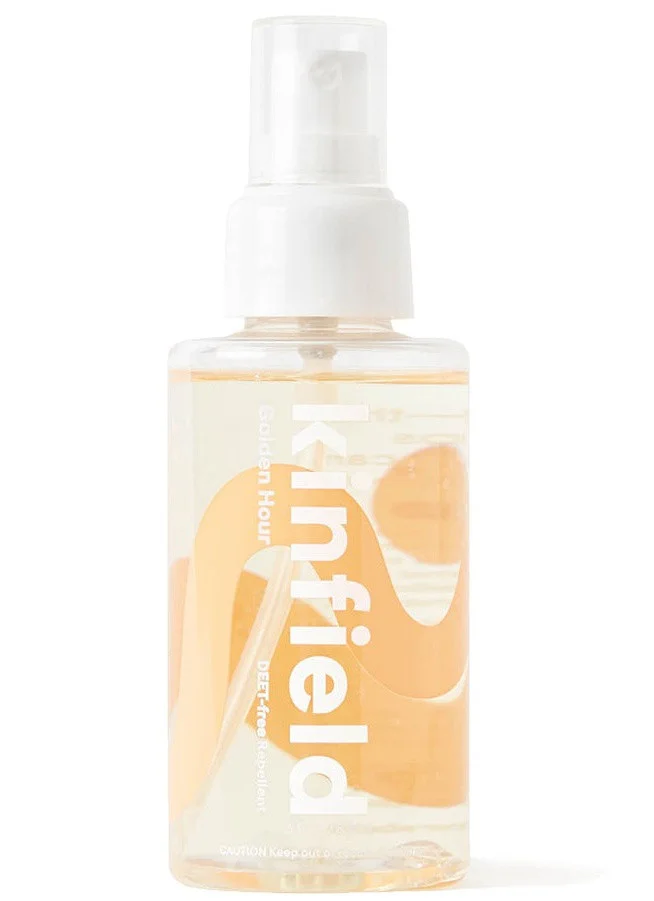
How well does your skin match with Kinfield Golden Hour?
Login to see detailsOr continue via
Quick 1-minute survey • Completely free
Ingredients
Analysis results of Ingredients


Ingredient List
| EWG | CIR | Ingredient Name & Cosmetic Function | Notes |
|---|---|---|---|
| 1 | - | | |
| - | - | Lemongrass Oil | |
| - | - | Clove Oil | |
| 2 | A | (Solvent, Perfuming, Fragrance, Viscosity Decreasing Agent, Antifoaming Agent, Viscosity Controlling) |    |



Kinfield Golden Hour - Ingredient Explanation
Citronella Oil
1. Definition Citronella Oil:
Citronella oil is a natural essential oil derived from the leaves and stems of the citronella plant, Cymbopogon nardus or Cymbopogon winterianus. It is known for its strong, citrus-like aroma and is commonly used in insect repellents, perfumes, and aromatherapy products.2. Use:
Citronella oil is primarily used for its insect-repelling properties. It is often found in outdoor candles, sprays, and lotions to help deter mosquitoes and other biting insects. In addition to its insect-repelling abilities, citronella oil is also used in cosmetics for its refreshing scent and potential skin benefits.3. Usage Citronella Oil:
When using citronella oil in cosmetics, it is important to dilute it properly as it can cause skin irritation in its undiluted form. It is recommended to mix citronella oil with a carrier oil, such as coconut or jojoba oil, before applying it to the skin. Citronella oil should be used in moderation and a patch test should be performed before using it on larger areas of the skin to ensure there is no adverse reaction.4. References:
- Pitasawat, B., Champakaew, D., Choochote, W., Jitpakdi, A., Chaithong, U., Kanjanapothi, D., & Rattanachanpichai, E. (2007). Aromatic plant-derived essential oil: an alternative larvicide for mosquito control. Fitoterapia, 78(3), 205-210.
- Maia, M. F., & Moore, S. J. (2011). Plant-based insect repellents: a review of their efficacy, development and testing. Malaria Journal, 10(1), S11.
- Kim, S. I., Roh, J. Y., Kim, D. H., Lee, H. S., & Ahn, Y. J. (2002). Insecticidal activities of aromatic plant extracts and essential oils against Sitophilus oryzae and Callosobruchus chinensis. Journal of Stored Products Research, 38(4), 403-409.
Lemongrass Oil
Ingredient data is being updated. Please check back later.
Clove Oil
Ingredient data is being updated. Please check back later.
Isopropyl Alcohol
1. Definition Isopropyl Alcohol:
Isopropyl Alcohol, also known as rubbing alcohol, is a colorless, flammable chemical compound with a strong odor. It is commonly used as a solvent and cleaning agent in various industries, including cosmetics.2. Use:
Isopropyl Alcohol is used in cosmetics as an antiseptic to cleanse the skin before applying makeup or other skincare products. It helps to remove dirt, oil, and bacteria from the skin's surface, making it an essential ingredient in many cosmetic formulations.3. Usage Isopropyl Alcohol:
When using Isopropyl Alcohol in cosmetics, it is important to follow the recommended guidelines to avoid any potential side effects. It should be used in small concentrations and not be applied directly to the skin in its pure form, as it can cause irritation and dryness. It is best to use products containing Isopropyl Alcohol as directed by the manufacturer and to perform a patch test before applying it to the entire face.4. References:
- "Isopropyl Alcohol in Cosmetics: Uses and Precautions." CosmeticsInfo.org, www.cosmeticsinfo.org/ingredient/isopropyl-alcohol.
- "Isopropyl Alcohol Safety Data Sheet." ScienceLab.com, www.sciencelab.com/msds.php?msdsId=9926483.
- "The Role of Isopropyl Alcohol in Cosmetics." DermNet NZ, www.dermnetnz.org/topics/isopropyl-alcohol/.
Review








Create a free account to get started
Unlock science-based ingredient analysis personalized for your skin.
Already have an account? Log in
We protect your privacy. We never send spam.