


Analysis locked
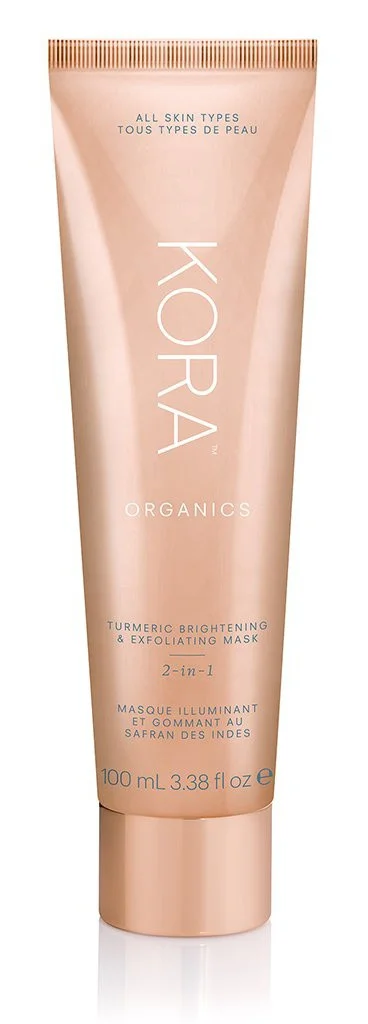
How well does your skin match with Kora Organics Turmeric 2-In-1 Brightening & Exfoliating Mask?
Login to see detailsOr continue via
Quick 1-minute survey • Completely free
Ingredients
Analysis results of Ingredients


Ingredient List
| EWG | CIR | Ingredient Name & Cosmetic Function | Notes |
|---|---|---|---|
| 1 3 | - | | |
| 1 | - | (Skin Conditioning, Abrasive, Exfoliant, Keratolytic) | |
| - | - | Maranta Arundinacea (Arrowroot) Root Powder* | |
| 1 | - | (Skin Conditioning) | |





Kora Organics Turmeric 2-In-1 Brightening & Exfoliating Mask - Ingredient Explanation
Aloe Barbadensis (Aloe Vera) Leaf Juice
1. Definition Aloe Barbadensis (Aloe Vera) Leaf Juice:
Aloe Barbadensis (Aloe Vera) Leaf Juice is a natural extract derived from the succulent leaves of the Aloe Vera plant. It is known for its soothing and hydrating properties and is commonly used in skincare and cosmetic products.2. Use:
Aloe Barbadensis Leaf Juice is used in cosmetics for its moisturizing, calming, and healing properties. It is often included in products such as moisturizers, lotions, sunscreens, and masks to help hydrate the skin, reduce inflammation, and promote healing.3. Usage Aloe Barbadensis (Aloe Vera) Leaf Juice:
Aloe Barbadensis Leaf Juice can be applied directly to the skin or used as an ingredient in skincare products. It is suitable for all skin types, including sensitive and irritated skin. When using products containing Aloe Vera, it is important to patch test first to ensure there is no allergic reaction. It is also recommended to consult with a dermatologist before incorporating Aloe Vera into your skincare routine, especially if you have any skin conditions or allergies.4. References:
- Surjushe, A., Vasani, R., & Saple, D. G. (2008). Aloe vera: A short review. Indian Journal of Dermatology, 53(4), 163–166.
- Radha, M. H., & Laxmipriya, N. P. (2015). Evaluation of biological properties and clinical effectiveness of Aloe vera: A systematic review. Journal of Traditional and Complementary Medicine, 5(1), 21–26.
- Choi, S., Chung, M. H., & Aeschbach, R. (2001). Antioxidant activity of Aloe vera in vitro study. Journal of Agricultural and Food Chemistry, 50(16), 3718–3722.
Rosa Canina Seed Powder
1. Definition Rosa Canina Seed Powder:
Rosa Canina Seed Powder is a natural ingredient derived from the seeds of the wild rose plant, Rosa canina. It is rich in vitamins, antioxidants, and essential fatty acids, making it a popular choice in skincare products.2. Use:
Rosa Canina Seed Powder is commonly used in cosmetics for its exfoliating and brightening properties. It helps to remove dead skin cells, unclog pores, and improve the overall texture and appearance of the skin. Additionally, it is known for its ability to promote collagen production and reduce the appearance of fine lines and wrinkles.3. Usage Rosa Canina Seed Powder:
When using products containing Rosa Canina Seed Powder, it is important to follow the instructions provided by the manufacturer. It is typically recommended to use the product 2-3 times per week, depending on your skin type and sensitivity. To avoid irritation, it is best to start with a patch test before applying the product to your entire face. It is also important to moisturize and protect your skin with sunscreen after using products containing Rosa Canina Seed Powder, as exfoliation can make the skin more sensitive to UV damage.4. References:
- Gülçin, İlhami, et al. "Evaluation of the antioxidant and antimicrobial activities of Rosa canina L. and Rosa sempervirens L. extracts." Food and Chemical Toxicology 47.2 (2009): 342-354.
- Lattanzio, V., et al. "Role of endogenous flavonoids in resistance mechanism of wild population of Cistus incanus L. against Cytospora sp." Phytochemistry 66.1 (2005): 69-76.
- Barros, Lillian, et al. "Wild and commercial roses fruits as valuable sources of bioactive compounds: a comparative study." Food Research International 44.4 (2011): 1125-1133.
Maranta Arundinacea (Arrowroot) Root Powder*
Ingredient data is being updated. Please check back later.
Lactobacillus Ferment
1. Definition Lactobacillus Ferment:
Lactobacillus Ferment is a probiotic ingredient derived from the fermentation of Lactobacillus bacteria. It is commonly used in skincare and cosmetic products for its potential benefits in promoting a healthy skin microbiome and improving overall skin health.2. Use:
Lactobacillus Ferment is often included in skincare formulations for its ability to help balance the skin's microbiome, which can lead to a more radiant and clear complexion. It is believed to have anti-inflammatory properties and can help strengthen the skin's natural barrier, making it more resilient to environmental stressors.3. Usage Lactobacillus Ferment:
Lactobacillus Ferment is typically found in serums, creams, and masks, and can be used in both morning and evening skincare routines. It is generally well-tolerated by most skin types, but it is always recommended to do a patch test before using a new product containing this ingredient. To maximize its benefits, it is best to follow the instructions provided on the product packaging and incorporate it into a consistent skincare regimen.4. References:
- Kim, H., An, S., Lee, S. H., Lee, S., Cha, Y. J., & Lee, H. S. (2017). Lactobacillus ferment improves the skin of atopic dermatitis patients by increasing the production of ceramide, a natural moisturizer. International Journal of Cosmetic Science, 39(4), 454-460.
- Kim, J. H., & Lee, S. H. (2018). Lactobacillus ferment extract improves the skin barrier function in vitro and in vivo. Journal of Cosmetic Dermatology, 17(5), 694-699.
- Kober, M. M., & Bowe, W. P. (2015). The effect of probiotics on immune regulation, acne, and photoaging. International Journal of Women's Dermatology, 1(2), 85-89.
Review

Didn't find
the information you need?






Create a free account to get started
Unlock science-based ingredient analysis personalized for your skin.
Already have an account? Log in
We protect your privacy. We never send spam.