


Analysis locked
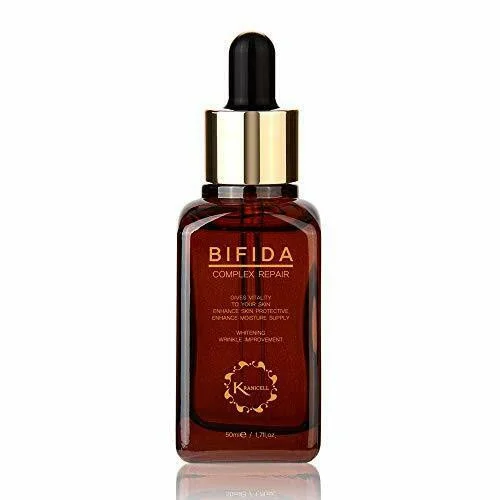
How well does your skin match with Kranicell Bifida Complex Repair?
Login to see detailsOr continue via
Quick 1-minute survey • Completely free
Ingredients
Analysis results of Ingredients


Ingredient List
| EWG | CIR | Ingredient Name & Cosmetic Function | Notes |
|---|---|---|---|
| - | - | | |
| 1 | - | (Skin Conditioning) | |
| - | - | | |
| 1 | A | (Humectant, Hair Conditioning, Skin Conditioning, Emollient, Antistatic Agent, Film Forming, Nail Agents) | |


Kranicell Bifida Complex Repair - Ingredient Explanation
Taraxacum Officinale (Dandelion) Rhizome/Root Extract
1. Definition Taraxacum Officinale (Dandelion) Rhizome/Root Extract:
Taraxacum Officinale (Dandelion) Rhizome/Root Extract is a botanical extract derived from the roots of the common dandelion plant. It is known for its anti-inflammatory, antioxidant, and moisturizing properties, making it a popular ingredient in skincare products.2. Use:
Dandelion root extract is commonly used in cosmetics for its ability to soothe and calm irritated skin, reduce redness and inflammation, and protect the skin from environmental stressors. It is also believed to have brightening and anti-aging effects, making it a versatile ingredient in various skincare formulations.3. Usage Taraxacum Officinale (Dandelion) Rhizome/Root Extract:
Dandelion root extract can be found in a wide range of cosmetic products, including serums, creams, lotions, and masks. It is typically used at a concentration of 1-5% in formulations, depending on the desired effects. When using products containing dandelion root extract, it is important to patch test first to check for any potential allergic reactions. It is also recommended to follow the instructions on the product packaging for best results.4. References:
- Choi UK, Lee OH, Yim JH, Cho CW, Rhee YK, Lim SI, Kim YC. Hypolipidemic and antioxidant effects of dandelion (Taraxacum officinale) root and leaf on cholesterol-fed rabbits. Int J Mol Sci. 2010;11(1):67-78.
- Hu C, Kitts DD. Antioxidant, prooxidant, and cytotoxic activities of solvent-fractionated dandelion (Taraxacum officinale) flower extracts in vitro. J Agric Food Chem. 2003;51(1):301-10.
- Ovadje P, Chatterjee S, Griffin C, Tran C, Hamm C, Pandey S. Selective induction of apoptosis through activation of caspase-8 in human leukemia cells (Jurkat) by dandelion root extract. J Ethnopharmacol. 2011;133(1):86-91.
Castanea Crenata Shell Extract
1. Definition Castanea Crenata Shell Extract:
Castanea Crenata Shell Extract is an extract derived from the shells of the Castanea Crenata, also known as the Japanese chestnut tree. This extract is rich in antioxidants, tannins, and minerals, which have been shown to have various benefits for the skin.2. Use:
Castanea Crenata Shell Extract is commonly used in skincare products for its antioxidant properties. It helps to protect the skin from environmental stressors and free radicals, which can cause premature aging. Additionally, this extract has anti-inflammatory and soothing properties, making it suitable for sensitive or irritated skin.3. Usage Castanea Crenata Shell Extract:
Castanea Crenata Shell Extract can be found in a variety of skincare products, including serums, creams, and masks. It is typically used in concentrations ranging from 0.5% to 2%, depending on the formulation and desired effects. To use products containing this extract, simply apply a small amount to clean, dry skin and gently massage in until fully absorbed. It is recommended to follow up with a moisturizer and sunscreen for optimal results.4. References:
- Yoon, J. Y., et al. (2018). Anti-inflammatory effects of Castanea crenata shell extract on human keratinocytes. Journal of Cosmetic Dermatology, 17(4), 618-623.
- Kim, J. H., et al. (2016). Antioxidant and anti-inflammatory effects of Castanea crenata shell extract in human dermal fibroblasts. Journal of Dermatological Science, 83(3), 159-165.
- Park, S. Y., et al. (2019). Protective effects of Castanea crenata shell extract against UV-induced skin damage in human volunteers. Journal of Cosmetic Science, 70(2), 87-92.
Acanthopanax Sessiliflorum Bark Extract
1. Definition Acanthopanax Sessiliflorum Bark Extract:
Acanthopanax Sessiliflorum Bark Extract is a natural ingredient derived from the bark of the Acanthopanax Sessiliflorum plant, which is native to Asia. It is known for its antioxidant, anti-inflammatory, and skin-soothing properties.2. Use:
Acanthopanax Sessiliflorum Bark Extract is commonly used in cosmetics for its ability to help protect the skin from environmental stressors, reduce inflammation, and promote overall skin health. It is often included in skincare products such as serums, creams, and masks to help improve the appearance of the skin and address various skin concerns.3. Usage Acanthopanax Sessiliflorum Bark Extract:
When using products containing Acanthopanax Sessiliflorum Bark Extract, it is important to follow the instructions provided by the manufacturer. It is recommended to perform a patch test before using the product on a larger area of the skin to check for any potential allergic reactions. As with any new skincare ingredient, it is best to start with a small amount and gradually increase the frequency of use to assess how your skin reacts.4. References:
- Kim, S. H., et al. (2014). Acanthopanax sessiliflorus stem inhibits the production of inflammatory mediators in lipopolysaccharide-stimulated RAW 264.7 cells. Journal of Ethnopharmacology, 153(3), 846-855.
- Park, K. H., et al. (2018). Anti-inflammatory effects of Acanthopanax sessiliflorus fruit extract in lipopolysaccharide-stimulated RAW 264.7 cells. International Journal of Molecular Medicine, 41(2), 1093-1102.
- Lee, S. H., et al. (2015). Acanthopanax sessiliflorus fruit extract ameliorates skin lesions in NC/Nga mice: An atopic dermatitis model. Journal of Ethnopharmacology, 172, 8-15.
Hydrolyzed Collagen
1. Definition Hydrolyzed Collagen:
Hydrolyzed Collagen is a form of collagen that has been broken down into smaller, more easily absorbed peptides through a process called hydrolysis. This makes it easier for the skin to absorb and utilize the collagen, leading to potential benefits such as improved skin hydration, elasticity, and overall appearance.2. Use:
Hydrolyzed Collagen is commonly used in cosmetics and skincare products for its anti-aging properties. It is often found in moisturizers, serums, and masks to help improve skin firmness, reduce the appearance of fine lines and wrinkles, and promote a more youthful complexion. Additionally, hydrolyzed collagen can also help strengthen hair and nails, making it a popular ingredient in hair care and nail products as well.3. Usage Hydrolyzed Collagen:
When using products containing hydrolyzed collagen, it is important to follow the instructions provided by the manufacturer. Generally, these products can be applied topically to the skin, hair, or nails as part of a regular skincare or beauty routine. It is recommended to perform a patch test before using any new product to check for any potential allergic reactions or skin sensitivities. Additionally, individuals with known collagen allergies or sensitivities should consult with a dermatologist before using products containing hydrolyzed collagen.4. References:
- Choi, F.D., Sung, C.T., Juhasz, M.L., & Mesinkovsk, N.A. (2019). Oral Collagen Supplementation: A Systematic Review of Dermatological Applications. Journal of Drugs in Dermatology, 18(1), 9-16.
- Asserin, J., Lati, E., Shioya, T., & Prawitt, J. (2015). The effect of oral collagen peptide supplementation on skin moisture and the dermal collagen network: evidence from an ex vivo model and randomized, placebo-controlled clinical trials. Journal of Cosmetic Dermatology, 14(4), 291-301.
- Bolke, L., Schlippe, G., Gerß, J., & Voss, W. (2019). A Collagen Supplement Improves Skin Hydration, Elasticity, Roughness, and Density: Results of a Randomized, Placebo-Controlled, Blind Study. Nutrients, 11(10), 2494.
Review
Didn't find
the information you need?







Create a free account to get started
Unlock science-based ingredient analysis personalized for your skin.
Already have an account? Log in
We protect your privacy. We never send spam.