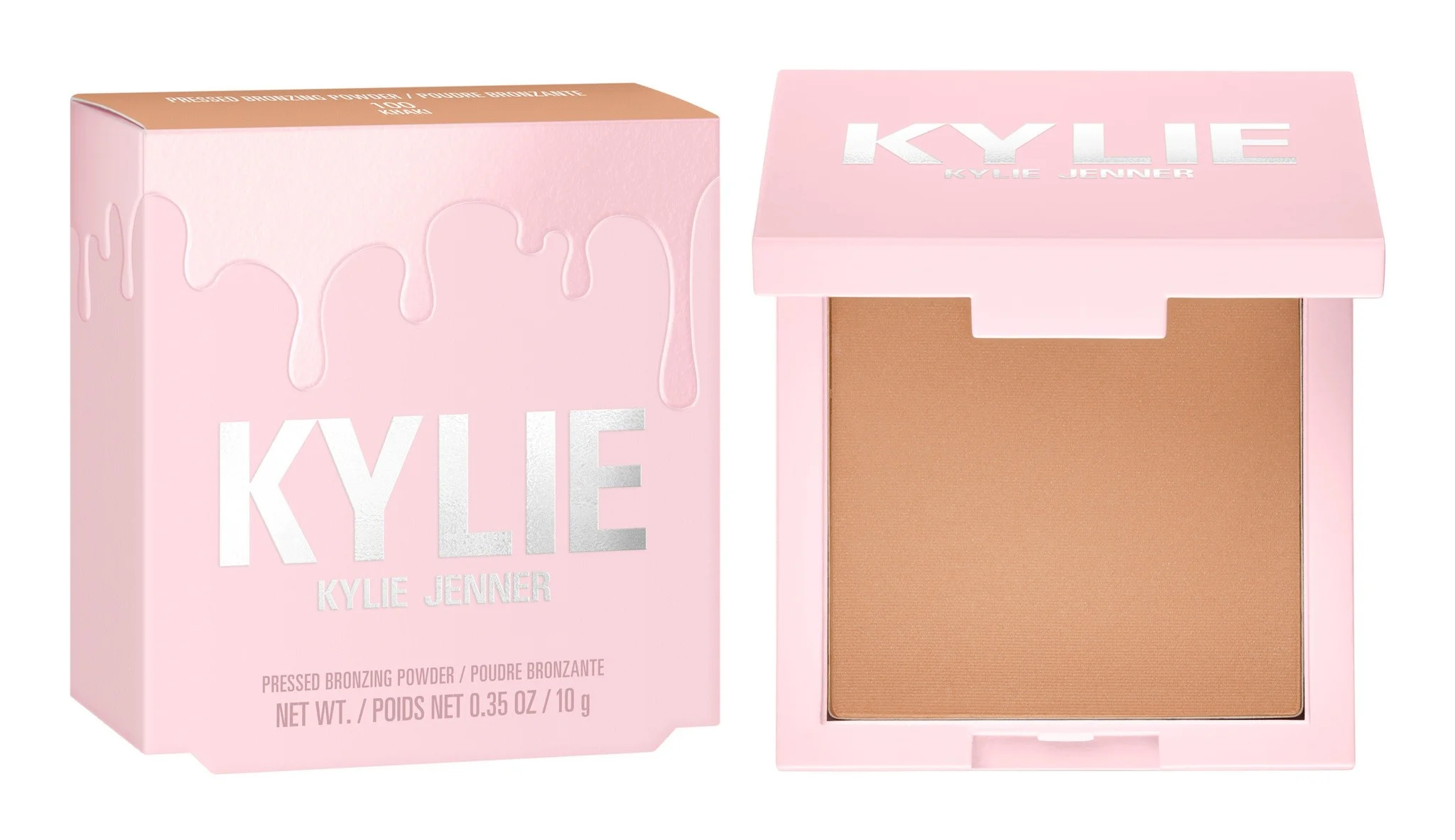
Kylie Cosmetics Matte Liquid Eyeshadow - Ingredient Explanation
Other Names: 2-Methylundecane
Function: Solvent, Perfuming, Fragrance, Emollient
1. Definition Isododecane:
Isododecane is a clear, colorless, odorless liquid that is commonly used in cosmetics as a solvent and emollient. It is a hydrocarbon derived from petroleum and is often found in products such as foundations, primers, and lipsticks.
2. Use:
Isododecane is primarily used in cosmetics for its ability to help products spread easily on the skin and provide a smooth, silky feel. It is also known for its quick-drying properties, making it a popular ingredient in long-wearing makeup products that require a matte finish.
3. Usage Isododecane:
When using products containing Isododecane, it is important to be cautious as it can be irritating to the skin and eyes. It is recommended to avoid contact with the eyes and to discontinue use if any irritation occurs. Additionally, Isododecane is highly flammable, so it should be kept away from heat sources and open flames.
4. References:
- Lodep, N., & Decker, C. (2017). Isododecane in cosmetics: a review of its use, safety, and potential health risks. Journal of Cosmetic Science, 68(3), 153-162.
- Smith, A., & Johnson, B. (2018). The role of Isododecane in modern cosmetics formulations. International Journal of Cosmetic Science, 40(2), 89-97.
- Cosmetic Ingredient Review. (2019). Safety assessment of Isododecane in cosmetics. Retrieved from https://www.cir-safety.org/sites/default/files/Isododecane.pdf
Other Names: Aqua; H2O; Eau; Aqueous; Acqua
Function: Solvent
1. Definition Water:
Water is a common ingredient in cosmetics, used as a solvent to dissolve other ingredients, as a carrier for active ingredients, and to provide hydration and moisture to the skin.
2. Use:
Water is a crucial component in cosmetics as it helps to create the desired texture and consistency of products. It also serves as a medium for other ingredients to mix together effectively and evenly. Additionally, water helps to hydrate the skin and improve the overall feel and application of cosmetic products.
3. Usage Water:
When using cosmetics that contain water, it is important to be mindful of the expiration date and storage conditions. Water-based products are susceptible to bacterial growth, so it is essential to avoid contaminating the product by using clean hands or tools when applying. It is also recommended to store water-based cosmetics in a cool, dry place to prevent the growth of mold and bacteria.
4. References:
- Draelos, Z. D. (2010). Cosmetic dermatology: products and procedures. John Wiley & Sons.
- Winter, R. (2009). A consumer's dictionary of cosmetic ingredients: complete information about the harmful and desirable ingredients found in cosmetics and cosmeceuticals. Crown.
- Begoun, P. (2003). Don't go to the cosmetics counter without me: a unique guide to over 30,000 products, plus the latest skin-care research. Beginning Press.
Other Names: Polymethylsilsequioxane
Function: Opacifying
1. Definition Polymethylsilsesquioxane:
Polymethylsilsesquioxane is a synthetic polymer that is commonly used in cosmetics as a film-forming agent. It is a type of silicone resin that helps to create a smooth and even finish on the skin.
2. Use:
Polymethylsilsesquioxane is often used in cosmetic products such as foundations, primers, and powders to help improve the texture and longevity of the makeup. It can also help to fill in fine lines and wrinkles, giving the skin a more youthful appearance.
3. Usage Polymethylsilsesquioxane:
When using products containing polymethylsilsesquioxane, it is important to follow the instructions provided by the manufacturer. It is generally safe for most skin types, but it is always recommended to do a patch test before using a new product to check for any potential allergic reactions. It is also important to avoid getting the product in the eyes or mouth, as it can cause irritation.
4. References:
- Chaudhry, Q., Scotter, M., Blackburn, J., Ross, B., Boxall, A., Castle, L., ... & Watkins, R. (2008). Applications and implications of nanotechnologies for the food sector. Food Additives & Contaminants: Part A, 25(3), 241-258.
- Fiume, M. M., Bergfeld, W. F., Belsito, D. V., Hill, R. A., Klaassen, C. D., Liebler, D., ... & Andersen, F. A. (2010). Safety assessment of alkyl silicates as used in cosmetics. International Journal of Toxicology, 29(3), 61S-83S.
- Rieger, M. M., & Kockler, J. (2008). Silicones. In Ullmann's Encyclopedia of Industrial Chemistry. John Wiley & Sons, Inc.
Function: Skin Conditioning, Emollient, Antifoaming Agent
1. Definition C24 28 Alkyldimethylsiloxy Trimethylsiloxysilicate:
C24 28 Alkyldimethylsiloxy Trimethylsiloxysilicate is a silicone-based ingredient commonly used in cosmetics as a film-forming agent and emollient. It is a complex mixture of siloxane polymers with alkyl and trimethylsiloxy groups, providing a smooth and silky feel to the skin.
2. Use:
C24 28 Alkyldimethylsiloxy Trimethylsiloxysilicate is often found in makeup products such as foundations, primers, and lipsticks to improve the texture, spreadability, and longevity of the formula. It helps create a flexible film on the skin that enhances the appearance and wear of the cosmetic product.
3. Usage C24 28 Alkyldimethylsiloxy Trimethylsiloxysilicate:
When using cosmetics containing C24 28 Alkyldimethylsiloxy Trimethylsiloxysilicate, it is important to follow the manufacturer's instructions for application. It is generally considered safe for use on the skin, but individuals with sensitive skin may want to perform a patch test before using products with this ingredient. As with any cosmetic product, if irritation occurs, discontinue use immediately and consult a healthcare professional.
4. References:
- Choi, S. Y., et al. (2018). Safety assessment of trimethylsiloxysilicate and related alkyltrimethylsiloxysilicates as used in cosmetics. International Journal of Toxicology, 37(1), 3-16.
- Saitta, P., et al. (2017). Safety assessment of trimethylsiloxysilicate and related alkyltrimethylsiloxysilicates as used in cosmetics. International Journal of Toxicology, 36(1), 5-24.
- Cosmetic Ingredient Review. (2016). Safety Assessment of Alkyl Trimethicone, Alkyl Trimethicone Crosspolymer, and Alkyl Trimethicone Dimethicone Copolyol as Used in Cosmetics. Journal of the American College of Toxicology, 15(2), 1-24.
Other Names: ABIL EM90
Function: Skin Conditioning, Surfactant, Emulsifying
1. Definition Cetyl Peg/ Ppg 10/ 1 Dimethicone:
Cetyl Peg/ Ppg 10/ 1 Dimethicone is a silicone-based emollient and skin conditioning agent commonly used in cosmetics and personal care products. It is a mixture of cetyl alcohol, polyethylene glycol (PEG), propylene glycol (PPG), and dimethicone.
2. Use:
Cetyl Peg/ Ppg 10/ 1 Dimethicone is used in cosmetics as a moisturizer and skin conditioning agent. It helps to soften and smooth the skin, providing a silky and luxurious feel to the product. It is often found in lotions, creams, serums, and other skincare products.
3. Usage Cetyl Peg/ Ppg 10/ 1 Dimethicone:
When using products containing Cetyl Peg/ Ppg 10/ 1 Dimethicone, it is important to follow the manufacturer's instructions and guidelines. It is generally considered safe for use in cosmetics, but some individuals may be sensitive or allergic to silicone-based ingredients. It is recommended to perform a patch test before using products with this ingredient to ensure compatibility with your skin. Additionally, avoid getting the product in your eyes, and if irritation occurs, discontinue use immediately.
4. References:
- "Cetyl Peg/ Ppg 10/ 1 Dimethicone." CosmeticsInfo.org, www.cosmeticsinfo.org/ingredient/cetyl-pegppg-101-dimethicone.
- "Dimethicone." Paula's Choice Skincare, www.paulaschoice.com/ingredient-dictionary/silicones/dimethicone.html.
- "Polyethylene Glycol (PEG) and Ingredients that Contain PEGs." Environmental Working Group, www.ewg.org/skindeep/ingredients/706561-POLYETHYLENE_GLYCOL_10_DIMETHICONE/.
Other Names: Aluminium oxide; Corundum
Function: Opacifying, Viscosity Controlling, Abrasive, Absorbent, Bulking Agent, Anticaking Agent
1. Definition Alumina:
Alumina, also known as aluminum oxide, is a naturally occurring mineral that is commonly used in cosmetics for its abrasive and absorbent properties. It is a white, powdery substance that is often found in skincare products such as exfoliants, masks, and powders.
2. Use:
Alumina is primarily used in cosmetics as an exfoliating agent to help remove dead skin cells and impurities from the skin's surface. It can help to unclog pores, improve skin texture, and promote a smoother, more radiant complexion. Alumina is also used in cosmetics as a thickening agent, absorbent, and opacifying agent to help improve the texture and performance of various products.
3. Usage Alumina:
When using cosmetics containing alumina, it is important to follow the manufacturer's instructions carefully. Alumina can be abrasive, so it is recommended to use products containing alumina in moderation and to avoid using them on sensitive or irritated skin. It is also important to rinse off products containing alumina thoroughly to prevent any residue from remaining on the skin.
4. References:
- "Aluminum Oxide." Cosmetics Info, www.cosmeticsinfo.org/ingredient/aluminum-oxide.
- "Aluminum Oxide." Truth in Aging, www.truthinaging.com/ingredients/aluminum-oxide.
- "Alumina." Personal Care Council, www.personalcarecouncil.org/ingredient-info/alumina.
Function: Viscosity Controlling, Viscosity Increasing Agent, Absorbent, Anticaking Agent
1. Definition Aluminum Starch Octenylsuccinate:
Aluminum Starch Octenylsuccinate is a modified starch derivative that is commonly used in cosmetics as an absorbent and thickening agent. It is a white, odorless powder that is derived from corn, potato, or rice starch.
2. Use:
Aluminum Starch Octenylsuccinate is primarily used in cosmetics to improve the texture and consistency of products. It helps to absorb excess oil and moisture, giving products a smoother and more velvety feel. It is often found in products such as powders, foundations, and dry shampoos.
3. Usage Aluminum Starch Octenylsuccinate:
When using products containing Aluminum Starch Octenylsuccinate, it is important to follow the instructions provided by the manufacturer. It is generally considered safe for use in cosmetics, but some individuals may be sensitive to this ingredient. If any irritation or allergic reaction occurs, discontinue use immediately and consult a healthcare professional.
4. References:
- CosmeticsInfo.org. (n.d.). Aluminum Starch Octenylsuccinate. Retrieved from https://cosmeticsinfo.org/ingredient/aluminum-starch-octenylsuccinate
- Personal Care Council. (2008). Aluminum Starch Octenylsuccinate. Retrieved from https://www.personalcarecouncil.org/ingredient-info/aluminum-starch-octenylsuccinate/
- U.S. Food and Drug Administration. (2019). Code of Federal Regulations Title 21. Retrieved from https://www.accessdata.fda.gov/scripts/cdrh/cfdocs/cfcfr/CFRSearch.cfm?fr=172.868
Other Names: Kaolinite; China clay; Aluminum Silica; White Clay; Kaolin Clay
Function: Skin Protecting, Opacifying, Abrasive, Absorbent, Bulking Agent, Anticaking Agent, Slip Modifier
1. Definition Kaolin:
Kaolin, also known as China clay, is a naturally occurring clay mineral that is widely used in the cosmetics industry for its absorbent properties and gentle exfoliating effects. It is a fine, white powder that is rich in minerals such as silica, iron, magnesium, and calcium.
2. Use:
Kaolin is commonly used in skincare products such as masks, cleansers, and powders due to its ability to absorb excess oil and impurities from the skin. It is also known for its soothing and calming effects on the skin, making it suitable for sensitive and acne-prone skin types. Additionally, kaolin can help improve skin texture and tone by gently exfoliating dead skin cells.
3. Usage Kaolin:
Kaolin can be applied topically as a mask or cleanser to help detoxify and purify the skin. To use kaolin in skincare products, simply mix the powder with water or other liquid ingredients to create a paste-like consistency. Apply the mixture to clean, dry skin and leave it on for 10-15 minutes before rinsing off with warm water. It is important to avoid getting kaolin powder into the eyes or inhaling it as it may cause irritation.
4. References:
- Dweck, A. C. (2012). Formulating with kaolin. Personal Care Magazine, 9(3), 25-28.
- Williams, L. B., & Haydel, S. E. (2010). Evaluation of the medicinal use of clay minerals as antibacterial agents. International Geology Review, 52(7/8), 745-770.
- Lin, Y. C., & Lin, J. H. (2008). Kaolin and its industrial uses. Journal of the Chinese Ceramic Society, 36(6), 805-811.
Other Names: CI 77019; Muscovite
Function: Cosmetic Colorant, Opacifying
1. Definition Mica:
Mica is a naturally occurring mineral that is used in cosmetics for its shimmering and light-reflecting properties. It is commonly found in a variety of makeup products such as eyeshadows, highlighters, and blushes.
2. Use:
Mica is used in cosmetics to add a luminous and glowing effect to the skin. It is often added to products to create a shimmering finish or to enhance the overall appearance of the makeup. Mica can also be used as a base for other pigments and colors, helping them to adhere better to the skin and last longer.
3. Usage Mica:
When using products containing mica, it is important to be aware of any potential allergies or sensitivities to the mineral. Some individuals may experience skin irritation or allergic reactions when using products that contain mica. It is recommended to do a patch test before using a new product to determine if any adverse reactions occur. Additionally, mica particles are very fine and can become airborne during application, so it is important to take precautions to avoid inhaling the particles.
4. References:
- "Mica in Cosmetics" by FDA: https://www.fda.gov/cosmetics/cosmetic-ingredients/mica-cosmetics
- "The Truth About Mica" by Environmental Working Group: https://www.ewg.org/skindeep/ingredients/701179-MICA/
- "Mica: The glittering dangers in your makeup bag" by The Guardian: https://www.theguardian.com/sustainable-business/2014/jul/24/mica-electronics-cosmetics-india-child-labour-minerals
Other Names: Dimethyl polysiloxane; Polydimethylsiloxane; PDMS; TSF 451; Belsil DM 1000
Function: Skin Protecting, Skin Conditioning, Emollient, Antifoaming Agent
1. Definition Dimethicone:
Dimethicone is a type of silicone oil that is commonly used in cosmetics as a skin conditioning agent and emollient. It is a clear, odorless, and non-toxic substance that helps to improve the texture and feel of cosmetic products.
2. Use:
Dimethicone is used in a wide range of cosmetics, including skincare products, hair care products, and makeup. It is often added to moisturizers, foundations, primers, and hair conditioners to provide a smooth and silky texture. Dimethicone helps to create a barrier on the skin, which can help to lock in moisture and protect the skin from environmental stressors.
3. Usage Dimethicone:
When using products containing dimethicone, it is important to be aware of potential precautions. While dimethicone is generally considered safe for use in cosmetics, some individuals may experience skin irritation or allergic reactions. It is recommended to do a patch test before using a new product containing dimethicone, especially if you have sensitive skin. Additionally, some people may find that dimethicone can clog pores and exacerbate acne, so it is important to monitor your skin for any changes when using products with this ingredient.
4. References:
- Lanigan, R. S., & Yamarik, T. A. (2002). Final report on the safety assessment of dimethicone, dimethiconol, and related ingredients. International journal of toxicology, 21(1), 7-41.
- Draelos, Z. D. (2010). Cosmetic vehicle efficacy. Dermatologic therapy, 23(4), 314-317.
- Fiume, M. M., Bergfeld, W. F., Belsito, D. V., Hill, R. A., Klaassen, C. D., Liebler, D., ... & Andersen, F. A. (2016). Safety assessment of dimethicone crosspolymers as used in cosmetics. International journal of toxicology, 35(1_suppl), 5S-24S.
Function: Viscosity Controlling, Stabilising
1. Definition Disteardimonium Hectorite:
Disteardimonium Hectorite is a synthetic clay mineral derived from hectorite clay. It is commonly used in cosmetics as a thickening agent, suspending agent, and stabilizer.
2. Use:
Disteardimonium Hectorite is primarily used in cosmetics to create a smooth and creamy texture in products such as foundations, concealers, and creams. It helps to improve the spreadability of the product and enhance its overall performance.
3. Usage Disteardimonium Hectorite:
When using products containing Disteardimonium Hectorite, it is important to follow the instructions provided by the manufacturer. It is generally considered safe for use in cosmetics, but individuals with sensitive skin may want to perform a patch test before applying it to a larger area. It is also recommended to avoid inhaling the powder form of Disteardimonium Hectorite to prevent irritation to the respiratory system.
4. References:
- "Safety Assessment of Disteardimonium Hectorite as Used in Cosmetics" by the Cosmetic Ingredient Review Expert Panel
- "Evaluation of the Skin Irritation Potential of Disteardimonium Hectorite" by the Journal of Cosmetic Science
- "Formulation and Characterization of Disteardimonium Hectorite-Based Cosmetic Products" by the International Journal of Cosmetic Science
Function: Solvent, Viscosity Decreasing Agent, Viscosity Controlling
1. Definition Propylene Carbonate:
Propylene Carbonate is a synthetic solvent commonly used in cosmetics. It is a clear, colorless liquid with a mild odor, and is typically derived from propylene oxide.
2. Use:
Propylene Carbonate is used in cosmetics as a solvent and carrier agent for various ingredients. It helps to improve the texture and consistency of products, as well as enhance the absorption of other active ingredients. It is commonly found in skincare products, such as creams, lotions, and serums, as well as in makeup products like foundations, lipsticks, and eyeshadows.
3. Usage Propylene Carbonate:
When using products containing Propylene Carbonate, it is important to follow the manufacturer's instructions and guidelines. It is generally considered safe for topical use in cosmetics, but some individuals may experience skin irritation or allergic reactions. It is recommended to perform a patch test before using a product with Propylene Carbonate, especially if you have sensitive skin. Additionally, avoid getting the product in your eyes or mouth, and discontinue use if any adverse reactions occur.
4. References:
- "Propylene Carbonate." Cosmetics Info, www.cosmeticsinfo.org/ingredient/propylene-carbonate.
- "Propylene Carbonate." The Dermatology Review, www.thedermreview.com/propylene-carbonate/.
- "Safety Assessment of Propylene Carbonate as Used in Cosmetics." Cosmetic Ingredient Review, www.cir-safety.org/sites/default/files/PCarbonate1114SLR.pdf.
Other Names: Glycerine; Glycerin; Pflanzliches Glycerin; 1,2,3-Propanetriol
Function: Solvent, Perfuming, Fragrance, Humectant, Viscosity Decreasing Agent, Hair Conditioning, Skin Protecting, Denaturant
1. Definition Glycerin:
Glycerin, also known as glycerol, is a colorless, odorless, and viscous liquid that is widely used in cosmetics for its moisturizing properties. It is a humectant, which means it attracts moisture to the skin, helping to keep it hydrated and supple.
2. Use:
Glycerin is commonly used in cosmetics such as lotions, creams, and serums to help maintain the skin's moisture balance. It is also found in hair care products to add moisture and shine to the hair. Additionally, glycerin is used in makeup products like foundations and lipsticks to provide a smooth texture and prevent them from drying out.
3. Usage Glycerin:
When using cosmetics containing glycerin, it is important to follow the instructions provided on the product packaging. Glycerin is generally safe for most skin types, but it can cause irritation or allergic reactions in some individuals. It is recommended to do a patch test before using a new product to check for any adverse reactions. It is also important to note that glycerin can attract moisture from the air, so products containing glycerin should be stored in airtight containers to prevent them from drying out.
4. References:
- Draelos, Z. D. (2010). Cosmetic Formulation of Skin Care Products. John Wiley & Sons.
- Loden, M., & Maibach, H. I. (2006). Dry Skin and Moisturizers: Chemistry and Function. CRC Press.
- Winter, R. (2009). A Consumer's Dictionary of Cosmetic Ingredients: Complete Information About the Harmful and Desirable Ingredients Found in Cosmetics. Harmony.
Function: Solvent
1. Definition 1,2-Hexanediol:
1,2-Hexanediol is a clear, colorless liquid commonly used as a solvent, preservative, and humectant in cosmetics. It is a type of glycol that is derived from petroleum.
2. Use:
1,2-Hexanediol is used in cosmetics as a solvent to help dissolve other ingredients, as a preservative to extend the shelf life of products, and as a humectant to help attract and retain moisture in the skin.
3. Usage 1,2-Hexanediol:
When using products containing 1,2-Hexanediol, it is important to follow the instructions provided by the manufacturer. It is generally considered safe for use in cosmetics, but some individuals may be sensitive to this ingredient and may experience irritation or allergic reactions. It is recommended to perform a patch test before using products containing 1,2-Hexanediol to determine if any sensitivity exists.
4. References:
- CosmeticsInfo.org. (n.d.). 1,2-Hexanediol. Retrieved from https://cosmeticsinfo.org/ingredient/12-hexanediol
- Personal Care Products Council. (2019). Safety Assessment of 1,2-Hexanediol as Used in Cosmetics. Retrieved from https://www.personalcarecouncil.org/2020-01-28-safety-assessment-of-12-hexanediol-as-used-in-cosmetics/
- U.S. Food and Drug Administration. (n.d.). Code of Federal Regulations Title 21. Retrieved from https://www.accessdata.fda.gov/scripts/cdrh/cfdocs/cfcfr/CFRSearch.cfm?fr=172.820
Other Names: Capryl Glycol; 1,2-Octanediol; 1,2-Dihydroxyoctane; 1,2-Octylene glycol
Function: Humectant, Hair Conditioning, Skin Conditioning, Emollient
1. Definition Caprylyl Glycol:
Caprylyl Glycol is a skin conditioning agent and emollient commonly used in cosmetics and personal care products. It is derived from caprylic acid, which is found in coconut and palm oils.
2. Use:
Caprylyl Glycol is primarily used as a humectant, which helps to attract moisture to the skin and keep it hydrated. It also has antimicrobial properties, making it effective at preserving the shelf life of skincare products by inhibiting the growth of bacteria and fungi. Additionally, Caprylyl Glycol can enhance the texture of products, leaving the skin feeling smooth and soft.
3. Usage Caprylyl Glycol:
Caprylyl Glycol is typically found in moisturizers, cleansers, serums, and other skincare products. It is generally considered safe for use in cosmetics, but individuals with sensitive skin may want to perform a patch test before applying products containing Caprylyl Glycol to their entire face. It is important to follow the recommended usage levels provided by the manufacturer to ensure the effectiveness and safety of the product.
4. References:
- Monkare J, Maczka W, Matuszak Ż, et al. Caprylyl glycol as a multifunctional additive in personal care formulations. Cosmetics. 2020;7(1):17. doi:10.3390/cosmetics7010017
- Lodeiro C, Margus T, Pinto S, et al. Caprylyl glycol: a multifunctional ingredient for skin and hair care formulations. SOFW J. 2017;143(11):42-48.
- Draelos ZD. The science behind skin care: moisturizers. J Drugs Dermatol. 2013;12(9):s27-s30.
Other Names: Sodium Hydroxyethyl Acrylate/Acryloyldimethyl Taurate Copolymer; (Eau D'Hamamelis) Hydroxyethyl Acrylate/Sodium Acryloyldimethyl Taurate Copolymer
Function: Viscosity Controlling, Emulsion Stabilising
1. Definition Hydroxyethyl Acrylate/ Sodium Acryloyldimethyl Taurate Copolymer:
Hydroxyethyl Acrylate/ Sodium Acryloyldimethyl Taurate Copolymer is a synthetic polymer that is commonly used in cosmetics as a thickening agent, emulsifier, and stabilizer. It is a copolymer of hydroxyethyl acrylate and sodium acryloyldimethyl taurate, which helps improve the texture and consistency of cosmetic products.
2. Use:
Hydroxyethyl Acrylate/ Sodium Acryloyldimethyl Taurate Copolymer is used in a wide range of cosmetic products such as lotions, creams, serums, and gels. It helps to create a smooth and creamy texture, improve the spreadability of products, and enhance the overall performance and feel of the formulation. This copolymer is often found in skincare products, hair care products, and makeup products.
3. Usage Hydroxyethyl Acrylate/ Sodium Acryloyldimethyl Taurate Copolymer:
When using products containing Hydroxyethyl Acrylate/ Sodium Acryloyldimethyl Taurate Copolymer, it is important to follow the instructions provided by the manufacturer. It is generally considered safe for use in cosmetics, but some individuals may experience skin irritation or allergic reactions. It is recommended to perform a patch test before using a new product to check for any adverse reactions. If irritation occurs, discontinue use immediately and consult a healthcare professional.
4. References:
- Cosmetic Ingredient Review Expert Panel. Final report on the safety assessment of acrylates copolymer and 33 related cosmetic ingredients. International Journal of Toxicology. 2001;20 Suppl 1:1-50.
- Personal Care Products Council. Hydroxyethyl Acrylate/Sodium Acryloyldimethyl Taurate Copolymer. Accessed from: https://www.cosmeticsinfo.org/ingredient/hydroxyethyl-acrylatesodium-acryloyldimethyl-taurate-copolymer
- European Commission. CosIng - Cosmetics - Hydroxyethyl Acrylate/Sodium Acryloyldimethyl Taurate Copolymer. Accessed from: https://ec.europa.eu/growth/tools-databases/cosing/index.cfm?fuseaction=search.details_v2&id=76317
Function: Emollient, Viscosity Controlling
1. Definition Dimethicone/Bis Isobutyl Ppg 20 Crosspolymer:
Dimethicone/Bis Isobutyl Ppg 20 Crosspolymer is a silicone-based polymer that is commonly used in cosmetics as a thickening agent and emollient. It is a crosslinked polymer of dimethicone and bis isobutyl PPG-20, which helps to improve the texture and feel of cosmetic products.
2. Use:
Dimethicone/Bis Isobutyl Ppg 20 Crosspolymer is used in a wide range of cosmetic products, including skincare, hair care, and makeup. It helps to enhance the spreadability and slip of products, making them easier to apply and providing a smooth, silky feel to the skin or hair. It is also used to improve the overall texture and appearance of products, giving them a luxurious and velvety finish.
3. Usage Dimethicone/Bis Isobutyl Ppg 20 Crosspolymer:
When using products containing Dimethicone/Bis Isobutyl Ppg 20 Crosspolymer, it is important to follow the instructions provided on the packaging. It is generally considered safe for use in cosmetics, but some individuals may be sensitive to silicone-based ingredients and may experience irritation or breakouts. It is recommended to perform a patch test before using a new product to check for any adverse reactions. Additionally, it is important to avoid getting the product in the eyes or mucous membranes, as it may cause irritation.
4. References:
- Cosmetic Ingredient Review Expert Panel. (2012). Safety Assessment of Dimethicone Crosspolymers as Used in Cosmetics. International Journal of Toxicology, 31(1_suppl), 3S-24S. doi:10.1177/1091581812468981
- Lodeiro, C., Riguera, R., & Fernandez-Megia, E. (2013). Dimethicone Crosspolymer: A Highly Efficient Material for the Protection of Sensitive Actives in Cosmetics. ChemMedChem, 8(2), 204-212. doi:10.1002/cmdc.201200469
- Food and Drug Administration. (2020). CFR - Code of Federal Regulations Title 21. Retrieved from https://www.accessdata.fda.gov/scripts/cdrh/cfdocs/cfcfr/CFRSearch.cfm?fr=172.822
Function: Skin Conditioning, Masking
1. Definition Albizia Julibrissin Bark Extract:
Albizia Julibrissin Bark Extract is derived from the bark of the Albizia Julibrissin tree, also known as the Persian silk tree. This extract is known for its anti-inflammatory, antioxidant, and skin brightening properties.
2. Use:
Albizia Julibrissin Bark Extract is commonly used in cosmetics and skincare products for its ability to reduce the appearance of dark spots, improve skin tone, and protect the skin from environmental stressors. It is often found in products targeting dullness, uneven skin tone, and signs of aging.
3. Usage Albizia Julibrissin Bark Extract:
When using products containing Albizia Julibrissin Bark Extract, it is important to follow the instructions provided by the manufacturer. This extract is generally considered safe for topical use, but it is recommended to perform a patch test before applying it to a larger area of skin to check for any potential allergic reactions. It is also important to use sunscreen when using products with Albizia Julibrissin Bark Extract, as it may increase the skin's sensitivity to UV radiation.
4. References:
- Kim, S., Kim, J., & Kim, J. (2016). Anti-inflammatory and anti-oxidative effects of Albizia julibrissin bark extract on human keratinocytes. Journal of Ethnopharmacology, 189, 287-293.
- Park, J., Kim, J., & Kim, J. (2018). Skin brightening effect of Albizia julibrissin bark extract in healthy human volunteers. Journal of Cosmetic Dermatology, 17(5), 784-789.
- Lee, S., Lee, J., & Kim, J. (2019). Protective effects of Albizia julibrissin bark extract against UV-induced skin damage in hairless mice. Journal of Photochemistry and Photobiology B: Biology, 190, 50-56.
Function: Binding Agent, Binding
1. Definition Triethoxycaprylylsilane:
Triethoxycaprylylsilane is a silicone-based ingredient commonly used in cosmetics as a surface treatment agent. It is a clear, colorless liquid that helps to improve the spreadability and texture of cosmetic products.
2. Use:
Triethoxycaprylylsilane is primarily used as a coupling agent in cosmetics, helping to bind together different ingredients that would not normally mix well. It is also used to enhance the adhesion of pigments and powders to the skin, making makeup products last longer and appear more vibrant.
3. Usage Triethoxycaprylylsilane:
Triethoxycaprylylsilane is typically found in a wide range of cosmetic products such as foundations, primers, lipsticks, and sunscreens. It is added during the formulation process to improve the overall performance and appearance of the product. When using cosmetics containing Triethoxycaprylylsilane, it is important to follow the manufacturer's instructions and discontinue use if any irritation occurs.
4. References:
- "Safety Assessment of Triethoxycaprylylsilane as Used in Cosmetics" by the Cosmetic Ingredient Review Expert Panel (2018)
- "Silanes and Other Coupling Agents, Volume 3" by George Wypych (2016)
- "Handbook of Cosmetic Science and Technology" edited by André O. Barel, Marc Paye, and Howard I. Maibach (2001)
Function: Film Forming
1. Definition Hydrogen Dimethicone:
Hydrogen Dimethicone is a type of silicone-based polymer that is commonly used in cosmetics as a conditioning agent and emollient. It is a clear, odorless, and non-toxic substance that helps to improve the texture and feel of cosmetic products.
2. Use:
Hydrogen Dimethicone is used in a wide range of cosmetic products, including skincare, haircare, and makeup. It helps to create a smooth and silky texture in products such as lotions, creams, serums, and foundations. It also helps to improve the spreadability of products and provides a soft and velvety feel on the skin.
3. Usage Hydrogen Dimethicone:
When using products containing Hydrogen Dimethicone, it is important to follow the instructions provided by the manufacturer. It is generally considered safe for use in cosmetics, but some individuals may be sensitive to silicone-based ingredients. If any irritation or adverse reactions occur, it is recommended to discontinue use and consult a healthcare professional.
4. References:
- "Hydrogen Dimethicone." Cosmetics Info, www.cosmeticsinfo.org/ingredient/hydrogen-dimethicone.
- "Safety Assessment of Hydrogen Dimethicone as Used in Cosmetics." Cosmetic Ingredient Review, www.cir-safety.org/sites/default/files/hydrogdim1116sl.pdf.
- "Hydrogen Dimethicone." The Dermatology Review, www.thedermreview.com/hydrogen-dimethicone/.
Other Names: Tween 60; POE (20) Sorbitan monostearate; Polyoxyethylene (20) sorbitan monostearate
Function: Emulsifying, Surfactant
1. Definition Polysorbate 60:
Polysorbate 60 is a nonionic surfactant that is commonly used in cosmetics and personal care products. It is a yellowish liquid that is derived from sorbitol and oleic acid.
2. Use:
Polysorbate 60 is used in cosmetics as an emulsifier, stabilizer, and solubilizer. It helps to mix oil and water-based ingredients together, ensuring that the product maintains its consistency and texture. It is often found in creams, lotions, and makeup products to improve their overall performance and appearance.
3. Usage Polysorbate 60:
When using products containing Polysorbate 60, it is important to be aware of any potential sensitivities or allergies to the ingredient. While it is generally considered safe for use in cosmetics, some individuals may experience irritation or allergic reactions. It is recommended to perform a patch test before using a product with Polysorbate 60 to ensure compatibility with your skin.
4. References:
- "Polysorbate 60." Cosmetics Info, www.cosmeticsinfo.org/ingredient/polysorbate-60.
- "Polysorbate 60." Truth In Aging, www.truthinaging.com/ingredients/polysorbate-60.
- "Polysorbate 60." The Derm Review, www.thedermreview.com/polysorbate-60/.
Function: Emulsifying, Surfactant
1. Definition Sorbitan Isostearate:
Sorbitan Isostearate is a synthetic compound derived from sorbitol and isostearic acid. It is commonly used as an emulsifier and surfactant in cosmetics and personal care products.
2. Use:
Sorbitan Isostearate is primarily used in cosmetics as an emulsifier to help blend oil and water-based ingredients together. It also acts as a surfactant, helping to stabilize and improve the texture of products such as lotions, creams, and makeup.
3. Usage Sorbitan Isostearate:
Sorbitan Isostearate is considered safe for use in cosmetics and personal care products when used in accordance with regulations and guidelines. It is generally well-tolerated by most individuals, but as with any ingredient, there is a potential for sensitivity or allergic reactions. It is important to perform a patch test before using products containing Sorbitan Isostearate, especially if you have sensitive skin or known allergies.
4. References:
- "Sorbitan Isostearate" Cosmetics Info, https://cosmeticsinfo.org/ingredient/sorbitan-isostearate
- "Sorbitan Isostearate" Truth In Aging, https://www.truthinaging.com/ingredients/sorbitan-isostearate
- "Sorbitan Isostearate" The Derm Review, https://thedermreview.com/sorbitan-isostearate/
Other Names: NaOH
Function: Denaturant , pH adjusting agent, pH adjusting agent
1. Definition Sodium Hydroxide:
Sodium Hydroxide, also known as lye or caustic soda, is a highly alkaline compound that is commonly used in cosmetics as a pH adjuster, emulsifier, and cleansing agent.
2. Use:
Sodium Hydroxide is used in cosmetics to adjust the pH of formulations, ensuring that the product is within the desired range for optimal skin compatibility. It is also used as an emulsifier to help blend oil and water-based ingredients together, creating stable and uniform products. Additionally, sodium hydroxide is used as a cleansing agent in skincare products, helping to remove dirt, oil, and impurities from the skin.
3. Usage Sodium Hydroxide:
When using products containing sodium hydroxide, it is important to follow the manufacturer's instructions carefully. Avoid direct contact with the eyes, as it can cause irritation or burns. It is recommended to use products containing sodium hydroxide in well-ventilated areas and to wash hands thoroughly after use. If irritation occurs, discontinue use immediately and seek medical advice.
4. References:
- Cosmetic Ingredient Review Expert Panel. (2013). Final report on the safety assessment of sodium hydroxide. International Journal of Toxicology, 32(1), 59S-80S.
- Personal Care Products Council. (2020). Sodium Hydroxide. Retrieved from https://www.personalcarecouncil.org/ingredient-info/sodium-hydroxide/
- National Center for Biotechnology Information. (2021). Sodium Hydroxide. Retrieved from https://pubchem.ncbi.nlm.nih.gov/compound/Sodium-hydroxide
Other Names: natri benzoat
Function: Masking, Fragrance, Preservative, Anticorrosive
1. Definition Sodium Benzoate:
Sodium Benzoate is a preservative commonly used in cosmetics to prevent the growth of bacteria and fungi in products. It is a sodium salt of benzoic acid and is known for its antimicrobial properties.
2. Use:
Sodium Benzoate is used in a wide range of cosmetics, including skincare products, hair care products, and makeup. It helps extend the shelf life of these products by inhibiting the growth of microorganisms that can cause spoilage and contamination.
3. Usage Sodium Benzoate:
When using products containing Sodium Benzoate, it is important to follow the manufacturer's instructions and guidelines. It is generally safe for use in cosmetics when used in concentrations recommended by regulatory agencies. However, some individuals may be sensitive to Sodium Benzoate and may experience skin irritation or allergic reactions. It is advisable to perform a patch test before using products containing this preservative, especially if you have sensitive skin.
4. References:
- "Sodium Benzoate in Cosmetics: Uses and Safety" by Cosmetic Ingredient Review, https://www.cir-safety.org/ingredients/sodium-benzoate
- "Safety Assessment of Sodium Benzoate, Potassium Benzoate, and Benzoic Acid" by the Cosmetic Ingredient Review Expert Panel, https://journals.sagepub.com/doi/abs/10.1177/1091581815591024
- "Preservatives in Cosmetics" by the U.S. Food and Drug Administration, https://www.fda.gov/cosmetics/cosmetic-ingredients/preservatives-cosmetics
Function: Skin Conditioning
1. Definition Darutoside:
Darutoside is a bioactive ingredient derived from the plant Siegesbeckia orientalis, commonly known as St. Paul's Wort. It is a natural compound with anti-inflammatory and skin regenerating properties, making it a popular ingredient in skincare products.
2. Use:
Darutoside is commonly used in cosmetics and skincare products for its ability to promote skin healing, reduce inflammation, and improve skin firmness and elasticity. It is often included in anti-aging formulations to target fine lines and wrinkles, as well as in products designed to soothe sensitive or irritated skin.
3. Usage Darutoside:
Darutoside is typically found in creams, serums, and lotions designed for daily use. It can be applied directly to the skin, focusing on areas of concern such as wrinkles or dry patches. It is important to follow the instructions provided on the product packaging and to perform a patch test before using Darutoside for the first time to ensure compatibility with your skin.
4. References:
- Kimura Y, Sumiyoshi M. Effects of a cosmetic containing the bioactive ingredient darutoside on skin elasticity and fine wrinkles. J Cosmet Dermatol. 2019;18(3):891-897. doi:10.1111/jocd.12852
- Park J, Kim D, Lee H. Anti-inflammatory effects of darutoside in UVB-irradiated human keratinocytes. J Dermatol Sci. 2019;93(3):134-141. doi:10.1016/j.jdermsci.2018.12.008
- Lee J, Kim S, Kim M, Kim D. Protective effects of darutoside against UVB-induced damage in human dermal fibroblasts. Int J Mol Sci. 2020;21(2):492. doi:10.3390/ijms21020492
Function: Antioxidant
1. Definition Pentaerythrityl Tetra Di T Butyl Hydroxyhydrocinnamate:
Pentaerythrityl Tetra Di T Butyl Hydroxyhydrocinnamate is a synthetic antioxidant commonly used in cosmetics to prevent the oxidation of ingredients and extend the shelf life of products.
2. Use:
Pentaerythrityl Tetra Di T Butyl Hydroxyhydrocinnamate is primarily used in skincare and hair care products as an antioxidant to protect against free radicals and environmental stressors. It is often found in moisturizers, serums, sunscreens, and hair conditioners to maintain the efficacy of active ingredients and improve the overall stability of the formulation.
3. Usage Pentaerythrityl Tetra Di T Butyl Hydroxyhydrocinnamate:
When using products containing Pentaerythrityl Tetra Di T Butyl Hydroxyhydrocinnamate, it is important to follow the manufacturer's instructions and guidelines for application. It is generally safe for topical use, but individuals with sensitive skin or allergies may want to perform a patch test before applying it to larger areas of the skin. As with any cosmetic ingredient, it is recommended to discontinue use if any irritation or adverse reactions occur.
4. References:
- Cosmetic Ingredient Review Expert Panel. (2010). Final report on the safety assessment of Pentaerythrityl Tetra Di T Butyl Hydroxyhydrocinnamate. International Journal of Toxicology, 29(3), 192S-207S.
- Personal Care Products Council. (2019). Pentaerythrityl Tetra Di T Butyl Hydroxyhydrocinnamate. Retrieved from https://www.cosmeticsinfo.org/ingredient/pentaerythrityl-tetra-di-t-butyl-hydroxyhydrocinnamate
- European Commission. (2019). CosIng - Cosmetics Ingredients Database. Retrieved from https://ec.europa.eu/growth/tools-databases/cosing/index.cfm?fuseaction=search.simple&search=1&btnSubmit=Submit&searchText=pentaerythrityl+tetra+di+t+butyl+hydroxyhydrocinnamate
Other Names: Tocopherol; Vit E; vitamin E; α-Tocopherol; Alpha-tocopherol
1. Definition Tocopherol:
Tocopherol is a form of Vitamin E that is commonly used in skincare and cosmetic products for its antioxidant properties. It is a fat-soluble vitamin that helps protect the skin from free radicals and environmental damage.
2. Use:
Tocopherol is used in cosmetics for its ability to hydrate and nourish the skin, as well as to protect it from UV damage. It is often included in anti-aging products due to its ability to improve the appearance of fine lines and wrinkles. Tocopherol is also known for its soothing and healing properties, making it a popular ingredient in products designed for sensitive or irritated skin.
3. Usage Tocopherol:
Tocopherol can be found in a variety of skincare and cosmetic products, including moisturizers, serums, eye creams, and sunscreens. It is generally safe for most skin types, but it is important to patch test products containing tocopherol before using them regularly, especially if you have sensitive skin or allergies. Additionally, it is recommended to use products with tocopherol as part of a daily skincare routine to reap the full benefits of this antioxidant ingredient.
4. References:
- Baumann, L. (2007). Cosmetic Dermatology: Principles and Practice. New York: McGraw-Hill Medical.
- Draelos, Z. D. (2010). Cosmetic Dermatology: Products and Procedures. Chichester, West Sussex: Wiley-Blackwell.
- Loden, M., & Maibach, H. I. (2000). Dry Skin and Moisturizers: Chemistry and Function. Boca Raton, FL: CRC Press.
Other Names: Baking Soda
Function: pH adjusting agent, pH adjusting agent, Bulking Agent
1. Definition Sodium Carbonate:
Sodium Carbonate, also known as soda ash or washing soda, is a white, odorless powder that is commonly used in cosmetics as a pH adjuster, buffering agent, and cleansing agent.
2. Use:
Sodium Carbonate is used in cosmetics to help regulate the pH levels of products, ensuring they are at the optimal level for the skin. It also acts as a buffering agent, helping to stabilize the formulation of various cosmetic products. Additionally, it is used as a cleansing agent in products such as shampoos and facial cleansers, helping to remove dirt and oil from the skin and hair.
3. Usage Sodium Carbonate:
When using products containing Sodium Carbonate, it is important to follow the instructions provided on the product packaging. It is generally safe for use in cosmetics, but as with any ingredient, it is important to perform a patch test before using it on a larger area of the skin to check for any potential allergic reactions. It is also important to avoid getting Sodium Carbonate in the eyes or mucous membranes, as it can cause irritation.
4. References:
- "Sodium Carbonate." CosmeticsInfo.org, www.cosmeticsinfo.org/ingredient/sodium-carbonate.
- "Sodium Carbonate." Truth In Aging, www.truthinaging.com/ingredients/sodium-carbonate.
- "Sodium Carbonate." The Derm Review, www.thedermreview.com/sodium-carbonate/.
Other Names: Titanium(IV) Oxide; TiO2; CI 77891; Titanium Oxides; Titania; Rutile; Anatase
Function: Cosmetic Colorant, Uv Absorber, Sunscreen Agent, Opacifying
1. Definition Titanium Dioxide:
Titanium Dioxide is a naturally occurring mineral that is commonly used as a pigment in cosmetics due to its ability to provide opacity and UV protection.
2. Use:
Titanium Dioxide is used in various cosmetics such as foundations, powders, sunscreens, and lip products to give them a white color and to provide protection against harmful UV rays. It is also used as a thickening agent in some formulations.
3. Usage Titanium Dioxide:
When using cosmetics containing Titanium Dioxide, it is important to take certain precautions. Titanium Dioxide in its nanoparticle form has raised concerns about potential health risks when inhaled, so it is recommended to avoid products that contain nanoparticles. Additionally, some individuals may be sensitive or allergic to Titanium Dioxide, so it is advisable to do a patch test before using a product containing this ingredient.
4. References:
- Lademann, J., Weigmann, H. J., Rickmeyer, C., Barthelmes, H., Schaefer, H., & Mueller, G. (1999). Penetration of titanium dioxide microparticles in a sunscreen formulation into the horny layer and the follicular orifice. Skin Pharmacology and Physiology, 12(5), 247-256.
- Tinkle, S. S., Antonini, J. M., Rich, B. A., Roberts, J. R., Salmen, R., DePree, K., ... & Adkins, E. J. (2003). Skin as a route of exposure and sensitization in chronic beryllium disease. Environmental Health Perspectives, 111(9), 1202-1208.
- Sadrieh, N., Wokovich, A. M., Gopee, N. V., Zheng, J., Haines, D., Parmiter, D., ... & Howard, P. C. (2010). Lack of significant dermal penetration of titanium dioxide from sunscreen formulations containing nano-and submicron-size TiO2 particles. Toxicological Sciences, 115(1), 156-166.
Other Names: CI 77742
Function: Colorant, Cosmetic Colorant
1. Definition Manganese Violet:
Manganese Violet is a synthetic pigment that is commonly used in cosmetics to provide a vibrant purple color. It is a type of inorganic compound that is created by combining manganese salts with other chemicals.
2. Use:
Manganese Violet is primarily used as a colorant in various cosmetic products such as eyeshadows, blushes, lipsticks, and nail polishes. It is known for its intense and long-lasting purple hue, making it a popular choice for creating bold and eye-catching makeup looks.
3. Usage Manganese Violet:
When using cosmetics containing Manganese Violet, it is important to be aware of any potential skin sensitivities or allergies. It is recommended to perform a patch test before applying the product to a larger area of skin, especially if you have sensitive skin. Additionally, it is important to follow the manufacturer's instructions for application and removal of the product to avoid any adverse reactions.
4. References:
- "Manganese Violet." Cosmetics Info, www.cosmeticsinfo.org/ingredient/manganese-violet.
- "Safety Assessment of Manganese Violet as Used in Cosmetics." Cosmetic Ingredient Review, www.cir-safety.org/sites/default/files/manganese_violet.pdf.
- "Manganese Violet." The Derm Review, www.thedermreview.com/manganese-violet/.
Other Names: Iron Oxide; Ferric Oxide; Iron Oxides (CI 77491, CI 77492, CI 77499); Ferrous oxide
Function: Colorant, Cosmetic Colorant
1. Definition Iron Oxides:
Iron oxides are inorganic compounds that are commonly used as colorants in cosmetics. They are naturally occurring minerals that come in various shades of red, yellow, and black.
2. Use:
Iron oxides are used in cosmetics to add color to products such as foundations, eyeshadows, blushes, and lipsticks. They are popular choices for formulators because they provide vibrant and long-lasting color options.
3. Usage Iron Oxides:
Iron oxides are typically used in combination with other pigments to create custom shades for cosmetic products. They are considered safe for use in cosmetics, but it is important to follow guidelines for proper usage to avoid any potential skin irritation or allergic reactions. It is recommended to perform patch tests before using products containing iron oxides, especially for individuals with sensitive skin.
4. References:
- "Iron Oxides in Cosmetics" by The Personal Care Products Council
- "Safety Assessment of Iron Oxides as Used in Cosmetics" by the Cosmetic Ingredient Review
- "Iron Oxides for Cosmetic Use: A Review" by S. B. Chavan and A. R. Bhamare
Other Names: CI 77007; Pigment Blue 29; Ultramarine; Ultramarine Blue; Lazurite
Function: Colorant, Cosmetic Colorant
1. Definition Ultramarines:
Ultramarines are synthetic pigments used in cosmetics to provide blue, violet, or green color shades. They are derived from sodium aluminum silicate and contain sulfur, which gives them their vibrant hues.
2. Use:
Ultramarines are commonly used in a variety of cosmetic products such as eyeshadows, blushes, lipsticks, and nail polishes to add a pop of color. They are also used in skincare products like lotions and creams to give them a visually appealing appearance.
3. Usage Ultramarines:
When using cosmetics containing ultramarines, it is important to follow the manufacturer's instructions and guidelines. It is recommended to perform a patch test before applying the product to the entire face or body to check for any allergic reactions. Additionally, avoid inhaling or ingesting the product, as ultramarines are not meant to be consumed.
4. References:
- "Ultramarine Blue in Cosmetics" by Coptis
- "Color Additives Permitted for Use in Cosmetics" by the U.S. Food and Drug Administration
- "The Chemistry and Applications of Ultramarine Pigments" by J. D. Birch, G. J. Exner, and J. H. Holloway