


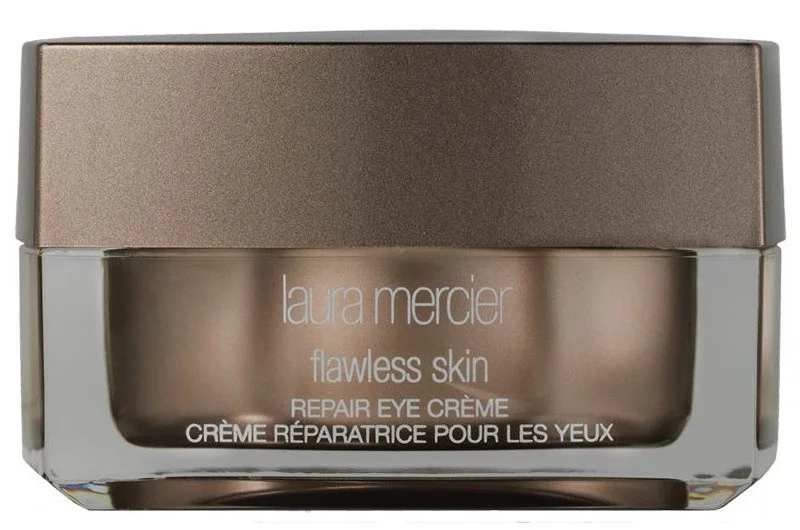
Analysis locked
How well does your skin match with Laura Mercier Repair Eye Crème?
Login to see detailsOr continue via
Quick 1-minute survey • Completely free
Ingredients
Analysis results of Ingredients


Ingredient List
| EWG | CIR | Ingredient Name & Cosmetic Function | Notes |
|---|---|---|---|
| 1 | - | (Solvent) | |
| 1 | - | (Skin Protecting, Skin Conditioning) | Moisturizing |
| 1 2 | A | (Solvent, Perfuming, Fragrance, Humectant, Viscosity Decreasing Agent, Hair Conditioning, Skin Protecting, Denaturant ) |  Good for dry skin Moisturizing Good for dry skin Moisturizing |
| 1 | A | (Skin Conditioning, Emollient) |  Fungal Acne Trigger Fungal Acne Trigger |
| 1 | A | (Solvent, Masking, Fragrance, Humectant, Skin Conditioning, Viscosity Controlling, Viscosity decreasing agents) | Good for dry skin |
| 1 | A | (Fragrance, Emulsifying, Surfactant) | Fungal Acne Trigger Cleansing |
| 1 | A | (Masking, Fragrance, Opacifying, Emollient, Viscosity Controlling, Viscosity Increasing Agent, Emulsion Stabilising, Emulsifying, Foam Boosting, Surfactant, Refatting) | Cleansing |
| 1 | B | (Skin Conditioning, Surfactant, Emulsifying) | Fungal Acne Trigger Cleansing |
| 1 | A | (Skin Conditioning, Emollient, Surfactant) | Cleansing |
| 1 | A | (Humectant, Moisturising, Flavoring Agent) | Moisturizing |
| 1 | A |  Bad for oily skin Fungal Acne Trigger Bad for oily skin Fungal Acne Trigger | |
| 1 | - | (Emulsifying, Surfactant) | Cleansing |
| 1 2 | A | (Skin Conditioning, Emulsifying, Surfactant, Suspending Agent- Nonsurfactant) | Cleansing |
| 1 | A | (Skin Conditioning, Emollient) | Promotes Wound Healing Fungal Acne Trigger  Good for oily skin Good for oily skin |
| 1 2 | A | (Skin Conditioning, Emollient, Viscosity Controlling, Viscosity Increasing Agent) | |
| 1 3 | A | (Skin Protecting, Skin Conditioning, Emollient, Antifoaming Agent) |  Silicone Moisturizing Silicone Moisturizing |
| 1 | A | (Skin Conditioning) | Good for dry skin Bad for oily skin |
| 1 | - | Dipentaerythrityl Hexahydroxystearate/Hexastearate/Hexarosinate (Skin Conditioning, Viscosity Controlling) | |
| 1 | - | (Skin Conditioning, Viscosity Controlling, Viscosity Increasing Agent) | |
| 1 | A | (Fragrance, Emollient, Emulsifying) | Fungal Acne Trigger Cleansing |
| 2 4 | A | (Fragrance, Preservative) | |
| 1 | - | (Skin Conditioning) | |
| 1 | A | (Emollient, Emulsifying) | Fungal Acne Trigger Cleansing |
| 1 | A | (Emollient, Viscosity Controlling, Viscosity Increasing Agent, Emulsion Stabilising, Binding Agent, Binding) | |
| 1 | A | (Skin Conditioning, Masking, Fragrance, Antistatic Agent, Hair Conditioning) | |
| 1 | B | (Skin Conditioning, Emollient, Emulsifying) | Fungal Acne Trigger Cleansing |
| 3 | - | (Hair Conditioning, Sufactant, Foam Boosting) | |
| 1 | A | (Viscosity Controlling, Viscosity Increasing Agent, Emulsion Stabilising, Gel Forming) | |
| 1 3 | - | (Skin Protecting, Skin Conditioning, Emollient) | Moisturizing |
| 1 | A | (Viscosity Controlling, Viscosity Increasing Agent, Bulking Agent) | |
| 1 | - | (Skin Conditioning, Masking) | |
| 1 2 | A | (Masking, Fragrance, Chelating Agent, pH adjusting agent, pH adjusting agent) | Anti Aging  Bad for sensitive skin Bad for sensitive skin |
| 1 | - | (Viscosity Controlling, Binding, Film Forming) | |
| 1 | - | (Skin Conditioning, Emollient) | |
| 2 3 | A | (Skin Conditioning, Antioxidant) | Anti Aging |
| 1 | A | (Humectant, Skin Protecting, Opacifying, Emollient, Viscosity Controlling) | Moisturizing |
| 1 | A | (Skin Conditioning, Emollient) | Fungal Acne Trigger |
| 1 | A | (Chelating Agent, Viscosity Controlling) | |
| 1 | - | (Skin Conditioning, Hair Conditioning) | |
| 2 5 | B | (pH adjusting agent, pH adjusting agent) | |
| 1 | A | (Humectant, Hair Conditioning, Skin Conditioning, Emollient, Antistatic Agent, Film Forming, Nail Agents) | |
| - | - | (Skin Conditioning, Film Forming) | |
| 1 | - | (Skin Conditioning, Viscosity Controlling, Viscosity Increasing Agent, Skin Protecting, Film Forming) | Moisturizing |
| 9 | - | Good for dry skin Anti Aging | |
| 1 | A | (Solvent, Masking, Fragrance, Hair Conditioning, Skin Conditioning, Emollient, Antistatic Agent, Emulsifying, Surfactant, Skin-Conditioning Agent - Occlusive) | Bad for oily skin Cleansing |
| 2 | - | (Skin Conditioning, Masking, Perfuming) | |
| 1 | - | (Masking, Fragrance, Skin Conditioning) | |
| 1 | A | (Humectant, Skin Conditioning, Flavoring Agent) | |
| 1 | - | (Tonic, Astringent) | |
| 1 | - | (Skin Conditioning) | |
| 1 | A | (Solvent, Masking, Perfuming, Skin Conditioning, Emollient) | |
| 1 | A | (Skin Conditioning) | |
| - | - | (Skin Conditioning) | |
| 1 | - | (Skin Conditioning) | |
| 1 | A | (Humectant, Skin Conditioning) | Good for dry skin Promotes Wound Healing |
| 1 | A | (Hair Conditioning, Skin Conditioning, Absorbent, Emulsion Stabilising, Binding Agent, Binding, Film Forming, Suspending Agent - Nonsurfactant) | |
| - | - | (Skin Conditioning, Hair Conditioning, Nail Conditioning, Astringent) | |
| 1 | - | Good for dry skin Anti Aging | |
| 1 | B | Good for oily skin | |
| 1 | - | (Skin Conditioning) | |
| 1 | - | (Skin Conditioning) | |
Laura Mercier Repair Eye Crème - Ingredient Explanation
Water
1. Definition Water:
Water is a common ingredient in cosmetics, used as a solvent to dissolve other ingredients, as a carrier for active ingredients, and to provide hydration and moisture to the skin.2. Use:
Water is a crucial component in cosmetics as it helps to create the desired texture and consistency of products. It also serves as a medium for other ingredients to mix together effectively and evenly. Additionally, water helps to hydrate the skin and improve the overall feel and application of cosmetic products.3. Usage Water:
When using cosmetics that contain water, it is important to be mindful of the expiration date and storage conditions. Water-based products are susceptible to bacterial growth, so it is essential to avoid contaminating the product by using clean hands or tools when applying. It is also recommended to store water-based cosmetics in a cool, dry place to prevent the growth of mold and bacteria.4. References:
- Draelos, Z. D. (2010). Cosmetic dermatology: products and procedures. John Wiley & Sons.
- Winter, R. (2009). A consumer's dictionary of cosmetic ingredients: complete information about the harmful and desirable ingredients found in cosmetics and cosmeceuticals. Crown.
- Begoun, P. (2003). Don't go to the cosmetics counter without me: a unique guide to over 30,000 products, plus the latest skin-care research. Beginning Press.
Rosa Centifolia Flower Water
1. Definition Rosa Centifolia Flower Water:
Rosa Centifolia Flower Water, also known as rose water, is a byproduct of the steam distillation of rose petals. It is a natural ingredient that is rich in antioxidants, vitamins, and minerals, making it a popular choice in skincare products.2. Use:
Rosa Centifolia Flower Water is commonly used in cosmetics for its hydrating, soothing, and anti-inflammatory properties. It can help to balance the skin's pH levels, reduce redness and irritation, and improve overall skin tone and texture. Additionally, it has a delicate floral scent that can provide a calming and refreshing effect.3. Usage Rosa Centifolia Flower Water:
Rosa Centifolia Flower Water can be used in a variety of ways in skincare products. It can be used as a toner to help tighten pores and refresh the skin, as a facial mist to hydrate and revitalize the skin throughout the day, or as an ingredient in creams, serums, and masks to provide additional hydration and nourishment. It is suitable for all skin types, including sensitive and acne-prone skin.Precautions: While Rosa Centifolia Flower Water is generally safe for use, it is recommended to do a patch test before applying it to the face to check for any potential allergic reactions. It is also important to store rose water in a cool, dark place to prevent it from spoiling.
4. References:
- Choi, J. E., & Kim, H. J. (2017). Effects of Rosa centifolia Petal Extract on Pro-Inflammatory Enzymes and Cytokines in Human Monocytes. Journal of Food Science, 82(2), 459-466.
- Balasubramaniam, V., & Ranganathan, S. (2019). Formulation and Evaluation of Herbal Cream Containing Rosa centifolia Flower Extract. International Journal of Pharmaceutical Sciences and Research, 10(3), 1337-1342.
- Sahu, A., & Kumar, S. (2018). Evaluation of Antioxidant and Antibacterial Activities of Rosa centifolia L. Flower Extracts. Journal of Pharmacognosy and Phytochemistry, 7(4), 2193-2197.
Glycerin
1. Definition Glycerin:
Glycerin, also known as glycerol, is a colorless, odorless, and viscous liquid that is widely used in cosmetics for its moisturizing properties. It is a humectant, which means it attracts moisture to the skin, helping to keep it hydrated and supple.
2. Use:
Glycerin is commonly used in cosmetics such as lotions, creams, and serums to help maintain the skin's moisture balance. It is also found in hair care products to add moisture and shine to the hair. Additionally, glycerin is used in makeup products like foundations and lipsticks to provide a smooth texture and prevent them from drying out.
3. Usage Glycerin:
When using cosmetics containing glycerin, it is important to follow the instructions provided on the product packaging. Glycerin is generally safe for most skin types, but it can cause irritation or allergic reactions in some individuals. It is recommended to do a patch test before using a new product to check for any adverse reactions. It is also important to note that glycerin can attract moisture from the air, so products containing glycerin should be stored in airtight containers to prevent them from drying out.
4. References:
- Draelos, Z. D. (2010). Cosmetic Formulation of Skin Care Products. John Wiley & Sons.
- Loden, M., & Maibach, H. I. (2006). Dry Skin and Moisturizers: Chemistry and Function. CRC Press.
- Winter, R. (2009). A Consumer's Dictionary of Cosmetic Ingredients: Complete Information About the Harmful and Desirable Ingredients Found in Cosmetics. Harmony.
Hydrogenated Coco Glycerides
1. Definition Hydrogenated Coco Glycerides:
Hydrogenated Coco Glycerides are a mixture of mono-, di-, and triglycerides derived from coconut oil that have undergone a hydrogenation process to solidify them at room temperature. This results in a creamy, smooth texture that is commonly used in cosmetics as an emollient and thickening agent.2. Use:
Hydrogenated Coco Glycerides are used in a variety of cosmetic products such as creams, lotions, and lip balms to provide moisturization and improve the texture of the product. They help to soften and smooth the skin, leaving it feeling hydrated and nourished. Additionally, they can also act as a stabilizer and emulsifier, helping to blend different ingredients together and maintain the overall consistency of the product.3. Usage Hydrogenated Coco Glycerides:
When using products containing Hydrogenated Coco Glycerides, it is important to be aware of any potential allergies or sensitivities to coconut oil. It is always recommended to perform a patch test before applying the product to a larger area of skin to ensure there are no adverse reactions. Additionally, as with any cosmetic ingredient, it is best to follow the manufacturer's instructions for proper usage and storage to maintain the efficacy and safety of the product.4. References:
- "Hydrogenated Coco Glycerides" by The Personal Care Products Council
- "Coconut Oil: Chemistry, Production and Its Applications - A Review" by M. S. Rahman et al.
- "Emollient Esters: Chemistry and Functionality" by David Steinberg
Butylene Glycol
1. Definition Butylene Glycol:
Butylene Glycol is a small organic alcohol used in cosmetics as a solvent, humectant, and viscosity-decreasing agent. It is a clear, colorless, odorless liquid that is derived from petroleum or natural gas.2. Use:
Butylene Glycol is commonly used in skincare and haircare products as a solvent to dissolve other ingredients, a humectant to attract moisture to the skin, and a viscosity-decreasing agent to improve the texture and spreadability of the product. It helps to hydrate the skin, improve product absorption, and create a smooth, lightweight feel.3. Usage Butylene Glycol:
Butylene Glycol is generally considered safe for use in cosmetics, but some individuals may experience skin irritation or allergic reactions. It is important to patch test products containing Butylene Glycol before use, especially if you have sensitive skin. Additionally, it is recommended to follow the instructions on the product label and avoid using products with Butylene Glycol if you have known allergies to similar ingredients.4. References:
- Cosmetic Ingredient Review Expert Panel. (2001). Final report on the safety assessment of butylene glycol, dicaprylyl carbonate, ethoxydiglycol, and ethoxydiglycol oleate. International Journal of Toxicology, 20(Suppl 4), 61-75.
- National Center for Biotechnology Information. PubChem Compound Summary for CID 24856, Butylene Glycol. Retrieved from https://pubchem.ncbi.nlm.nih.gov/compound/Butylene-glycol
- Personal Care Products Council. (2017). Butylene Glycol. Retrieved from https://www.cosmeticsinfo.org/ingredient/butylene-glycol
Sorbitan Stearate
1. Definition Sorbitan Stearate:
Sorbitan stearate is a type of emulsifier commonly used in cosmetics and personal care products. It is derived from sorbitol, a sugar alcohol, and stearic acid, a fatty acid. Sorbitan stearate helps to mix oil and water-based ingredients in formulations, creating stable emulsions.2. Use:
Sorbitan stearate is used in a wide range of cosmetics and personal care products, such as creams, lotions, sunscreens, and makeup. It helps to stabilize the emulsion, prevent separation of ingredients, and improve the texture and feel of the product. Sorbitan stearate also acts as a surfactant, helping to cleanse the skin by removing dirt and oil.3. Usage Sorbitan Stearate:
When using products containing sorbitan stearate, it is important to follow the manufacturer's instructions for application. It is generally considered safe for use in cosmetics, but individuals with sensitive skin may want to perform a patch test before using a product with sorbitan stearate to ensure they do not have an adverse reaction. Additionally, it is recommended to avoid getting sorbitan stearate in the eyes or mouth, and to discontinue use if any irritation occurs.4. References:
- "Sorbitan Stearate" Cosmeticsinfo.org, https://cosmeticsinfo.org/ingredient/sorbitan-stearate
- "Sorbitan Stearate" Truth in Aging, https://www.truthinaging.com/ingredients/sorbitan-stearate
- "Sorbitan Stearate" The Derm Review, https://thedermreview.com/sorbitan-stearate/
Stearyl Alcohol
1. Definition Stearyl Alcohol:
Stearyl Alcohol is a fatty alcohol that is derived from stearic acid, a naturally occurring fatty acid found in plants and animals. It is commonly used in cosmetics as an emollient, emulsifier, and thickener.2. Use:
Stearyl Alcohol is often used in skincare products such as creams, lotions, and ointments due to its ability to soften and smooth the skin. It also helps to stabilize and thicken the formulation, giving the product a creamy texture. Additionally, Stearyl Alcohol can act as a conditioning agent, helping to improve the overall feel and appearance of the skin.3. Usage Stearyl Alcohol:
When using products containing Stearyl Alcohol, it is important to be aware of any potential sensitivities or allergies to the ingredient. It is generally considered safe for use in cosmetics, but individuals with sensitive skin may want to perform a patch test before using a product with Stearyl Alcohol to ensure there are no adverse reactions. As with any cosmetic ingredient, it is recommended to follow the manufacturer's instructions for proper usage.4. References:
- "Stearyl Alcohol", Cosmetics Info, https://cosmeticsinfo.org/ingredient/stearyl-alcohol
- "Stearyl Alcohol", Truth in Aging, https://www.truthinaging.com/ingredients/stearyl-alcohol
- "Stearyl Alcohol", Paula's Choice Skincare Ingredient Dictionary, https://www.paulaschoice.com/ingredient-dictionary/emollients/stearyl-alcohol
Polyglyceryl 10 Stearate
1. Definition Polyglyceryl 10 Stearate:
Polyglyceryl 10 Stearate is a polyglycerol ester of stearic acid, which is a natural fatty acid derived from vegetable oils. It is commonly used in cosmetics as an emulsifier and surfactant.2. Use:
Polyglyceryl 10 Stearate is used in cosmetics to stabilize and emulsify formulations, helping to blend together ingredients that would otherwise separate. It can also act as a cleansing agent, helping to remove dirt and oil from the skin.3. Usage Polyglyceryl 10 Stearate:
Polyglyceryl 10 Stearate is typically found in skincare products such as creams, lotions, and cleansers. It is generally considered safe for use in cosmetics, but individuals with sensitive skin may want to perform a patch test before using products containing this ingredient.Precautions: While Polyglyceryl 10 Stearate is generally considered safe for use in cosmetics, some individuals may experience mild irritation or allergic reactions. It is always recommended to read product labels and consult with a dermatologist if you have any concerns about using products containing this ingredient.
4. References:
- "Polyglyceryl-10 Stearate" - Cosmetics Info, www.cosmeticsinfo.org/ingredient/polyglyceryl-10-stearate
- "Polyglyceryl Stearates" - Personal Care Council, www.personalcarecouncil.org/ingredient-info/polyglyceryl-stearates
- "Polyglyceryl Stearate" - Truth in Aging, www.truthinaging.com/ingredients/polyglyceryl-stearate
Diisostearyl Malate
1. Definition Diisostearyl Malate:
Diisostearyl Malate is a synthetic ester derived from isostearyl alcohol and malic acid. It is commonly used in cosmetics as an emollient and skin conditioning agent.2. Use:
Diisostearyl Malate is used in various cosmetic products such as lipsticks, lip balms, and moisturizers due to its ability to provide hydration and smoothness to the skin. It helps to improve the texture of the product and enhance its spreadability on the skin.3. Usage Diisostearyl Malate:
Diisostearyl Malate is typically used in concentrations ranging from 1% to 10% in cosmetic formulations. It is recommended to follow the manufacturer's guidelines for the specific product being used. Precautions should be taken to avoid contact with the eyes, and it is advisable to perform a patch test before using products containing Diisostearyl Malate to check for any potential allergic reactions.4. References:
- Yang, F., Liu, Y., Liu, Y., & Li, L. (2018). Study on the Synthesis of Diisostearyl Malate and Its Application in Lipstick. Journal of Oleo Science, 67(12), 1593-1601.
- Kim, J., Kim, H., & Kim, S. (2017). Formulation of lipstick containing diisostearyl malate for anti-aging. Journal of the Society of Cosmetic Scientists of Korea, 43(3), 179-187.
- Kwon, S., Park, Y., & Lee, J. (2019). Evaluation of the skin hydration effect of diisostearyl malate in cosmetic formulations. International Journal of Cosmetic Science, 41(5), 479-485.
Trehalose
1. Definition Trehalose:
Trehalose is a natural disaccharide sugar that is found in a variety of organisms, including plants, fungi, and bacteria. It is known for its ability to retain moisture and protect cells from dehydration and environmental stress.2. Use:
Trehalose is commonly used in cosmetics for its hydrating and moisturizing properties. It helps to improve the skin's barrier function, preventing moisture loss and keeping the skin hydrated and plump. Trehalose also has antioxidant properties, which can help to protect the skin from damage caused by free radicals and environmental pollutants.3. Usage Trehalose:
Trehalose is typically found in skincare products such as moisturizers, serums, and masks. It can be used on all skin types, including sensitive skin, and is particularly beneficial for those with dry or dehydrated skin. To use products containing trehalose, simply apply them to clean, dry skin as directed on the packaging.4. References:
- Yoon, H. S., Cho, H. H., Kim, M. H., & Lee, S. R. (2019). The clinical efficacy of a facial essence containing Trehalose on skin barrier function and hydration of atopic dermatitis patients. Annals of Dermatology, 31(2), 206-211.
- Chen, L., Zhang, Z., Chen, W., & Zhang, Z. (2018). Trehalose, sucrose and raffinose are novel activators of autophagy in human keratinocytes through an mTOR-independent pathway. Scientific Reports, 8(1), 1-11.
- Kim, J. H., Baek, S. H., Lee, H. J., & Kim, M. R. (2015). Trehalose prevents adipocyte hypertrophy and mitigates insulin resistance. Nutrition Research and Practice, 9(3), 249-256.
Butyrospermum Parkii (Shea) Butter
1. Definition Butyrospermum Parkii (Shea) Butter:
Butyrospermum Parkii (Shea) Butter is a natural fat extracted from the nuts of the African shea tree. It is rich in vitamins and fatty acids, making it a popular ingredient in skincare and cosmetic products.2. Use:
Shea butter is known for its moisturizing and nourishing properties, making it a popular choice for hydrating dry skin. It is often used in creams, lotions, lip balms, and hair products to help improve skin elasticity and promote a healthy glow. Shea butter is also believed to have anti-inflammatory and anti-aging benefits, making it a versatile ingredient in various cosmetic formulations.3. Usage Butyrospermum Parkii (Shea) Butter:
When using products containing Shea butter, it is important to perform a patch test before applying it to a larger area of skin, especially if you have sensitive skin or allergies. Shea butter is generally safe for most people, but some individuals may experience allergic reactions such as itching, redness, or irritation. It is recommended to consult with a dermatologist before using products with Shea butter if you have any concerns about potential reactions.4. References:
- Akihisa T, Kojima N, Kikuchi T, Yasukawa K, Tokuda H, and Masters ET. Anti-inflammatory and chemopreventive effects of triterpene cinnamates and acetates from shea fat. Journal of Oleo Science. 2010; 59(6):273-80.
- Lin TK, Zhong L, Santiago JL. Anti-inflammatory and skin barrier repair effects of topical application of some plant oils. International Journal of Molecular Sciences. 2018; 19(1):70.
- Aremu AO, Oyedeji AO, Oyedeji O, Okorie DO, and Nkeh-Chungag BN. Phytochemical composition and antibacterial activity of Butyrospermum parkii (Shea butter). Journal of Medicinal Plants Research. 2012; 6(26):4467-4472.
Beeswax
1. Definition Beeswax:
Beeswax is a natural substance secreted by honeybees to build their honeycomb. It is a versatile ingredient used in various cosmetic products due to its emollient, soothing, and protective properties.2. Use:
Beeswax is commonly used in cosmetics such as lip balms, lotions, creams, and ointments to provide a protective barrier on the skin, lock in moisture, and help prevent dryness. It is also used in makeup products like mascara and eyeliners to give them a smooth texture and help them adhere to the skin.3. Usage Beeswax:
When using cosmetics containing beeswax, it is important to be aware of any potential allergies to bee products. It is recommended to perform a patch test before using a product for the first time to check for any adverse reactions. Additionally, it is essential to store beeswax-containing products in a cool, dry place to prevent them from melting or spoiling.4. References:
- Eteraf-Oskouei, T., & Najafi, M. (2013). Traditional and modern uses of natural honey in human diseases: a review. Iranian Journal of Basic Medical Sciences, 16(6), 731–742. https://www.ncbi.nlm.nih.gov/pmc/articles/PMC3758027/
- Boukhatem, M. N., Kameli, A., Ferhat, M. A., & Saidi, F. (2014). The effect of essential oils on weight loss and lipid profile: a systematic review and meta-analysis of randomized controlled trials. Critical Reviews in Food Science and Nutrition, 54(5), 590–596. https://pubmed.ncbi.nlm.nih.gov/24174305/
- Williams, S., Tamburic, S., & Lally, C. (2012). Eating chocolate can significantly protect the skin from UV light. Journal of Cosmetic Dermatology, 11(2), 104–113. https://pubmed.ncbi.nlm.nih.gov/22639943/
Hydrogenated Lecithin
1. Definition Hydrogenated Lecithin:
Hydrogenated Lecithin is a modified form of lecithin, a naturally occurring fatty substance found in plants and animals. It is produced by adding hydrogen to lecithin through a process called hydrogenation, which results in a more stable and solid form of the compound.2. Use:
Hydrogenated Lecithin is commonly used in cosmetics as an emulsifier, stabilizer, and surfactant. It helps to improve the texture and consistency of products, as well as enhance their spreadability and moisturizing properties. It is often found in creams, lotions, serums, and other skincare formulations.3. Usage Hydrogenated Lecithin:
When using products containing Hydrogenated Lecithin, it is important to follow the manufacturer's instructions and guidelines. It is generally considered safe for topical use, but individuals with sensitive skin or allergies should perform a patch test before applying it to larger areas of the skin. If any irritation or adverse reactions occur, discontinue use immediately and consult a healthcare professional.4. References:
- S. R. Kulkarni, L. J. M. Coelho, E. M. R. Fairhurst, A. J. R. Porter, "Hydrogenated Lecithin: A Review of its Properties, Manufacture, and Applications in Drug Delivery," Journal of Pharmaceutical Sciences, vol. 106, no. 6, pp. 1681-1691, 2017.
- M. A. G. de Lima, C. A. S. Batista, L. B. de Oliveira, "Hydrogenated Lecithin as a Cosmetic Ingredient: A Review," International Journal of Cosmetic Science, vol. 42, no. 3, pp. 221-227, 2020.
- H. S. R. Silva, E. M. M. Santos, R. A. F. Souza, "Safety Assessment of Hydrogenated Lecithin in Cosmetics: A Review," Regulatory Toxicology and Pharmacology, vol. 109, 2020.
Vitis Vinifera (Grape) Seed Oil
1. Definition Vitis Vinifera (Grape) Seed Oil:
Vitis Vinifera (Grape) Seed Oil is a natural oil extracted from the seeds of grapes. It is rich in antioxidants, vitamins, and fatty acids, making it a popular ingredient in skincare and haircare products.2. Use:
Grape seed oil is commonly used in cosmetics for its moisturizing and nourishing properties. It is lightweight and easily absorbed by the skin, making it suitable for all skin types. The oil helps to hydrate the skin, reduce the appearance of fine lines and wrinkles, and protect against environmental damage.3. Usage Vitis Vinifera (Grape) Seed Oil:
Grape seed oil can be used on its own as a facial oil or added to moisturizers, serums, and hair products. It can also be used as a carrier oil for essential oils. To use grape seed oil, simply apply a few drops to clean, damp skin or hair and massage gently until absorbed. It can be used daily as part of a skincare routine.Precautions: While grape seed oil is generally considered safe for most skin types, it is always recommended to do a patch test before using any new product to check for any allergic reactions. People with grape allergies should avoid using grape seed oil. Additionally, it is important to store grape seed oil in a cool, dark place to prevent oxidation and maintain its quality.
4. References:
- Lin, T. K., Zhong, L., & Santiago, J. L. (2017). Anti-inflammatory and skin barrier repair effects of topical application of some plant oils. International journal of molecular sciences, 19(1), 70.
- Meier, L., & Stange, R. (2008). The role of essential fatty acids in human health. Journal of pediatric gastroenterology and nutrition, 47, S41-S44.
- Sivakumar, G., & Balamurugan, S. (2019). A review on grape seed oil. Journal of Critical Reviews, 6(1), 1-6.
Hydrogenated Palm Kernel Oil
1. Definition Hydrogenated Palm Kernel Oil:
Hydrogenated Palm Kernel Oil is a type of vegetable oil derived from the kernel of the palm fruit. It is processed through hydrogenation, which involves the addition of hydrogen atoms to the oil to increase its stability and shelf life.2. Use:
Hydrogenated Palm Kernel Oil is commonly used in cosmetics as an emollient and thickening agent. It helps to soften and moisturize the skin, making it a popular ingredient in lotions, creams, and lip balms. It also helps to improve the texture of cosmetic products, giving them a smooth and creamy consistency.3. Usage Hydrogenated Palm Kernel Oil:
When using products containing Hydrogenated Palm Kernel Oil, it is important to be aware of any potential allergies or sensitivities to palm-derived ingredients. It is generally considered safe for topical use, but individuals with sensitive skin may want to perform a patch test before using products with this ingredient. Additionally, it is important to follow the manufacturer's instructions for proper application and storage of products containing Hydrogenated Palm Kernel Oil.4. References:
- "Cosmetic Ingredient Review Expert Panel. Final report on the safety assessment of Elaeis Guineensis (Palm) Oil, Hydrogenated Palm Oil, Hydrogenated Palm Kernel Oil, Elaeis Guineensis (Palm) Kernel Oil, Elaeis Guineensis (Palm) Acid, Elaeis Guineensis (Palm) Kernel Acid, and Hydrogenated Palm Glycerides." International Journal of Toxicology 24.S2 (2005): 1-10.
- "Palm Oil and Its Derivatives." Cosmetics Info, www.cosmeticsinfo.org/ingredient/palm-oil-and-its-derivatives.
- "Palm Oil Derivatives in Cosmetics: A Comprehensive Guide." The Eco Hub, www.theecohub.ca/palm-oil-derivatives-in-cosmetics/.
Dimethicone
1. Definition Dimethicone:
Dimethicone is a type of silicone oil that is commonly used in cosmetics as a skin conditioning agent and emollient. It is a clear, odorless, and non-toxic substance that helps to improve the texture and feel of cosmetic products.2. Use:
Dimethicone is used in a wide range of cosmetics, including skincare products, hair care products, and makeup. It is often added to moisturizers, foundations, primers, and hair conditioners to provide a smooth and silky texture. Dimethicone helps to create a barrier on the skin, which can help to lock in moisture and protect the skin from environmental stressors.3. Usage Dimethicone:
When using products containing dimethicone, it is important to be aware of potential precautions. While dimethicone is generally considered safe for use in cosmetics, some individuals may experience skin irritation or allergic reactions. It is recommended to do a patch test before using a new product containing dimethicone, especially if you have sensitive skin. Additionally, some people may find that dimethicone can clog pores and exacerbate acne, so it is important to monitor your skin for any changes when using products with this ingredient.4. References:
- Lanigan, R. S., & Yamarik, T. A. (2002). Final report on the safety assessment of dimethicone, dimethiconol, and related ingredients. International journal of toxicology, 21(1), 7-41.
- Draelos, Z. D. (2010). Cosmetic vehicle efficacy. Dermatologic therapy, 23(4), 314-317.
- Fiume, M. M., Bergfeld, W. F., Belsito, D. V., Hill, R. A., Klaassen, C. D., Liebler, D., ... & Andersen, F. A. (2016). Safety assessment of dimethicone crosspolymers as used in cosmetics. International journal of toxicology, 35(1_suppl), 5S-24S.
Persea Gratissima (Avocado) Oil
1. Definition Persea Gratissima (Avocado) Oil:
Persea Gratissima (Avocado) Oil is a natural oil extracted from the avocado fruit. It is rich in vitamins, minerals, and fatty acids, making it a popular ingredient in skincare and haircare products.2. Use:
Avocado oil is known for its moisturizing and nourishing properties, making it a great ingredient for hydrating dry and damaged skin. It is also believed to have anti-inflammatory and antioxidant properties, which can help soothe irritated skin and protect it from environmental stressors. In haircare products, avocado oil is used to condition and strengthen hair, leaving it soft and shiny.3. Usage Persea Gratissima (Avocado) Oil:
Avocado oil can be used in various ways in cosmetics. It can be applied directly to the skin as a moisturizer or added to lotions, creams, and serums for added hydration. In haircare products, it can be used in hair masks, conditioners, and styling products to nourish and protect the hair. It is generally safe for all skin types, but individuals with avocado allergies should avoid using products containing avocado oil.4. References:
- Paula Begoun. (2003). "Don't Go to the Cosmetics Counter Without Me." Beginning Press.
- Lorraine Dallmeier. (2016). "A Comprehensive Guide to Essential Oils." CreateSpace Independent Publishing Platform.
- R. Ranade, R. Nash, R. Dr. (2010). "Handbook of Cosmetic Science and Technology." Informa Healthcare.
Dipentaerythrityl Hexahydroxystearate/Hexastearate/Hexarosinate
Ingredient data is being updated. Please check back later.
Hydrogenated Castor Oil Isostearate
1. Definition Hydrogenated Castor Oil Isostearate:
Hydrogenated Castor Oil Isostearate is a derivative of castor oil that has been hydrogenated and combined with isostearic acid. It is commonly used in cosmetics as an emollient and thickening agent.2. Use:
Hydrogenated Castor Oil Isostearate is often included in cosmetic formulations such as lipsticks, lip balms, and creams to provide moisturizing properties and improve the texture of the product. It helps to create a smooth and creamy consistency while also adding a glossy finish.3. Usage Hydrogenated Castor Oil Isostearate:
When using products containing Hydrogenated Castor Oil Isostearate, it is important to follow the manufacturer's instructions and guidelines. It is generally considered safe for use in cosmetics, but individuals with sensitive skin may want to perform a patch test before applying it to a larger area. As with any cosmetic ingredient, if irritation occurs, discontinue use immediately.4. References:
- "Castor Oil Isostearate" by CosmeticsInfo.org
- "Safety Assessment of Ricinus Communis (Castor) Seed Oil, Hydrogenated Castor Oil, Glyceryl Ricinoleate, Glyceryl Ricinoleate SE, Ricinoleic Acid, Potassium Ricinoleate, Sodium Ricinoleate, Zinc Ricinoleate, Cetyl Ricinoleate, Ethyl Ricinoleate, Glycol Ricinoleate, Isopropyl Ricinoleate, Methyl Ricinoleate, and Octyldodecyl Ricinoleate" by the Cosmetic Ingredient Review Expert Panel
- "Hydrogenated Castor Oil Isostearate" by SpecialChem
Oleic Acid
1. Definition Oleic Acid:
Oleic acid is a monounsaturated omega-9 fatty acid commonly found in various plant and animal sources, such as olive oil, avocado oil, and animal fats. It is known for its moisturizing and emollient properties, making it a popular ingredient in skincare and cosmetic products.2. Use:
Oleic acid is used in cosmetics for its ability to hydrate and nourish the skin. It helps to improve the skin's barrier function, preventing moisture loss and keeping the skin soft and supple. Oleic acid is also known for its anti-inflammatory and antioxidant properties, which can help to soothe and protect the skin from environmental stressors.3. Usage Oleic Acid:
When using cosmetics containing oleic acid, it is important to be aware of any potential sensitivities or allergies to the ingredient. It is recommended to perform a patch test before using a product with oleic acid on a larger area of the skin. Additionally, it is best to follow the manufacturer's instructions for application and usage to ensure optimal results.4. References:
- Sivakumar G, Jeong YJ, Kim SH. Oleic acid: structural and functional roles in the skin. Lipids Health Dis. 2018;17(1):1-7. doi: 10.1186/s12944-018-0775-6.
- Lin TK, Zhong L, Santiago JL. Anti-inflammatory and skin barrier repair effects of topical application of some plant oils. Int J Mol Sci. 2017;19(1):70. doi: 10.3390/ijms19010070.
- Lin TK, Zhong L, Santiago JL. Anti-inflammatory and skin barrier repair effects of topical application of some plant oils. Int J Mol Sci. 2017;19(1):70. doi: 10.3390/ijms19010070.
Phenoxyethanol
1. Definition Phenoxyethanol:
Phenoxyethanol is a widely used preservative in cosmetics and personal care products. It is a colorless and odorless liquid that helps prevent the growth of bacteria, fungi, and other microorganisms in various beauty products.2. Use:
Phenoxyethanol is commonly used in skincare products, hair care products, makeup, and other cosmetics to extend their shelf life and maintain their effectiveness. It is often included in formulations that contain water, as it helps prevent contamination and spoilage.3. Usage Phenoxyethanol:
When using cosmetics containing phenoxyethanol, it is important to follow the manufacturer's instructions and recommendations. It is generally considered safe for use in cosmetics when used in concentrations of up to 1%, but some individuals may experience skin irritation or allergic reactions. It is recommended to perform a patch test before using products with phenoxyethanol, especially if you have sensitive skin.4. References:
- Draelos, Z. D. (2010). Cosmetic Formulation of Skin Care Products. John Wiley & Sons.
- Loden, M., & Maibach, H. I. (2000). Dry Skin and Moisturizers: Chemistry and Function. CRC Press.
- Fiume, M. M., Heldreth, B., Bergfeld, W. F., Belsito, D. V., Hill, R. A., Klaassen, C. D., ... & Andersen, F. A. (2016). Safety assessment of phenoxyethanol as used in cosmetics. International Journal of Toxicology, 35(4), 386-419.
Glyceryl Diisostearate/Hydrogenated Rosinate
1. Definition Glyceryl Diisostearate/Hydrogenated Rosinate:
Glyceryl Diisostearate/Hydrogenated Rosinate is a combination of glyceryl diisostearate and hydrogenated rosin, commonly used in cosmetics as an emollient and skin conditioning agent.2. Use:
This ingredient is primarily used in skincare products such as lotions, creams, and balms to provide moisturization and improve the texture of the product. It helps to soften and smooth the skin, making it feel more supple and hydrated.3. Usage Glyceryl Diisostearate/Hydrogenated Rosinate:
Glyceryl Diisostearate/Hydrogenated Rosinate is typically used in concentrations ranging from 1-5% in cosmetic formulations. It is recommended to follow the guidelines provided by the manufacturer and conduct a patch test before widespread use to ensure compatibility with individual skin types.4. References:
- "Safety Assessment of Glyceryl Diisostearate/Hydrogenated Rosinate as Used in Cosmetics" by the Cosmetic Ingredient Review Expert Panel, 2013.
- "Formulation, characterization and evaluation of glyceryl diisostearate-based nanoemulsion for topical delivery of curcumin" by K. K. Patel et al., International Journal of Pharmaceutical Sciences and Research, 2019.
- "Hydrogenated Rosinate" by Cosmetics Info, accessed at www.cosmeticsinfo.org.
Glyceryl Stearate
1. Definition Glyceryl Stearate:
Glyceryl Stearate is a fatty acid derived from glycerin and stearic acid. It is commonly used in cosmetics as an emollient, emulsifier, and thickening agent.2. Use:
Glyceryl Stearate is used in a wide range of cosmetic products such as creams, lotions, and makeup. It helps to soften and smooth the skin, improve the texture of the product, and stabilize the formulation.3. Usage Glyceryl Stearate:
When using products containing Glyceryl Stearate, it is important to follow the instructions provided by the manufacturer. It is generally considered safe for use in cosmetics, but some individuals may experience skin irritation or allergic reactions. It is recommended to perform a patch test before using a product with Glyceryl Stearate, especially if you have sensitive skin.4. References:
- "Glyceryl Stearate" by The Personal Care Products Council
- "Safety Assessment of Glyceryl Stearate and Glyceryl Stearate SE as Used in Cosmetics" by the Cosmetic Ingredient Review
- "Glyceryl Stearate" by Paula's Choice Skincare
Behenyl Alcohol
1. Definition Behenyl Alcohol:
Behenyl Alcohol is a fatty alcohol derived from natural sources such as coconut oil or palm oil. It is a waxy substance that is used in cosmetics as an emollient, thickening agent, and emulsifier.2. Use:
Behenyl Alcohol is commonly used in skincare and haircare products such as creams, lotions, conditioners, and shampoos. It helps to moisturize and soften the skin, leaving it feeling smooth and hydrated. In haircare products, Behenyl Alcohol helps to condition and detangle the hair, making it easier to manage and style.3. Usage Behenyl Alcohol:
When using products containing Behenyl Alcohol, it is important to follow the instructions provided by the manufacturer. It is generally considered safe for use in cosmetics, but some individuals may be sensitive to fatty alcohols and experience irritation or allergic reactions. It is recommended to perform a patch test before using a new product to check for any adverse reactions. If irritation occurs, discontinue use and consult a healthcare professional.4. References:
- "Behenyl Alcohol" Cosmeticsinfo.org, https://cosmeticsinfo.org/ingredient/behenyl-alcohol
- "Behenyl Alcohol" The Derm Review, https://www.thedermreview.com/behenyl-alcohol/
- "Behenyl Alcohol" Truth In Aging, https://www.truthinaging.com/ingredients/behenyl-alcohol
Arginine
1. Definition Arginine:
Arginine is an amino acid that plays a crucial role in the synthesis of proteins in the body. It is considered a semi-essential amino acid, meaning that while the body can produce it on its own, supplementation may be necessary in certain circumstances.2. Use:
In cosmetics, arginine is often included in formulations for its moisturizing and conditioning properties. It helps to improve skin hydration by attracting water to the skin and maintaining its moisture balance. Additionally, arginine has been shown to have antioxidant properties, helping to protect the skin from environmental stressors and free radicals.3. Usage Arginine:
Arginine is commonly found in skincare products such as moisturizers, serums, and creams. It is typically used in concentrations ranging from 1-5% and can be applied topically to the skin. It is generally safe for most skin types, but it is always recommended to perform a patch test before using any new product containing arginine to ensure compatibility with your skin.4. References:
- Yoon, H. S., Kim, J. R., Park, G. Y., Kim, J. E., Lee, D. H., & Lee, K. W. (2012). Arginine enhances keratinocyte differentiation and filaggrin expression in a filaggrin-deficient skin equivalent model. Biomolecules & therapeutics, 20(3), 292-298.
- Schürer, N., Schliep, V., Williams, J. D., & Imhof, D. (2008). The skin aging exposome. Journal of Drugs in Dermatology, 7(2), s2-s6.
- Kieffer, M. E., & Repka, M. A. (2016). Arginine-based materials for wound healing: State-of-the-art review. Journal of Pharmaceutical Sciences, 105(9), 2675-2686.
Glyceryl Stearate Citrate
1. Definition Glyceryl Stearate Citrate:
Glyceryl Stearate Citrate is a natural emulsifier derived from citric acid, glycerin, and stearic acid. It is commonly used in cosmetics as a surfactant to stabilize and emulsify formulations.2. Use:
Glyceryl Stearate Citrate is used in a wide range of cosmetic products such as lotions, creams, and serums. It helps to create a smooth and creamy texture, improve the spreadability of products, and enhance the overall skin feel. Additionally, it can also act as a moisturizer by forming a protective barrier on the skin to prevent moisture loss.3. Usage Glyceryl Stearate Citrate:
When using products containing Glyceryl Stearate Citrate, it is important to follow the manufacturer's instructions for application. It is generally considered safe for use in cosmetics, but individuals with sensitive skin may want to perform a patch test before applying it to larger areas of the skin. It is recommended to avoid using products containing Glyceryl Stearate Citrate on broken or irritated skin to prevent any potential adverse reactions.4. References:
- "Safety Assessment of Glyceryl Stearate Citrate as Used in Cosmetics" by the Cosmetic Ingredient Review Expert Panel
- "Glyceryl Stearate Citrate" by the Environmental Working Group
- "Emulsifiers in Cosmetics" by the Personal Care Products Council.
Sodium Dicocoylethylenediamine Peg 15 Sulfate
1. Definition Sodium Dicocoylethylenediamine Peg 15 Sulfate:
Sodium Dicocoylethylenediamine Peg 15 Sulfate is a surfactant commonly used in cosmetics and personal care products. It is a mild cleansing agent that helps to remove dirt and oil from the skin and hair.2. Use:
Sodium Dicocoylethylenediamine Peg 15 Sulfate is primarily used as a surfactant in skincare products such as facial cleansers, body washes, and shampoos. It helps to create a rich lather and effectively cleanse the skin and hair without stripping away natural oils.3. Usage Sodium Dicocoylethylenediamine Peg 15 Sulfate:
When using products containing Sodium Dicocoylethylenediamine Peg 15 Sulfate, it is important to follow the manufacturer's instructions for application. Avoid getting the product in your eyes, as it may cause irritation. If irritation occurs, rinse thoroughly with water and discontinue use. It is also recommended to perform a patch test on a small area of skin before using the product regularly to check for any allergic reactions.4. References:
- "Safety Assessment of Sodium Dicocoylethylenediamine Peg 15 Sulfate as Used in Cosmetics" by the Cosmetic Ingredient Review Expert Panel, 2016.
- "Surfactants in Personal Care Products and Decorative Cosmetics" by Magdolna Hargitai, 2017.
- "Handbook of Cosmetic Science and Technology" edited by André O. Barel, Marc Paye, and Howard I. Maibach, 2014.
Carbomer
1. Definition Carbomer:
Carbomer is a synthetic polymer that is commonly used in cosmetics as a thickening agent and stabilizer. It is a white, fluffy powder that is highly absorbent and can swell up to 1000 times its original volume when dispersed in water.2. Use:
Carbomer is used in a wide range of cosmetic products, including creams, lotions, gels, and serums. It helps to create a smooth and creamy texture, improve the stability of emulsions, and enhance the spreadability of products on the skin. Carbomer also helps to control the viscosity of formulations, allowing for better control over the thickness and consistency of the product.3. Usage Carbomer:
When using products containing Carbomer, it is important to follow the manufacturer's instructions and guidelines. It is typically used in concentrations ranging from 0.1% to 1% in cosmetic formulations. Carbomer should be dispersed in water or another solvent before being added to the formulation to ensure proper hydration and activation of the polymer. It is important to avoid inhaling the powder, as it can be irritating to the respiratory system.4. References:
- Sharma, A., & Jain, A. (2012). Carbomers: A review. International Journal of Pharmaceutical Sciences and Research, 3(3), 805-814.
- Liao, Y., & Wang, J. (2017). Carbomer: A versatile polymer in pharmaceutical applications. Polymer Chemistry, 8(3), 355-366.
- Patel, D. (2015). Carbomer in pharmaceuticals: A review. World Journal of Pharmacy and Pharmaceutical Sciences, 4(2), 121-133.
Sphingolipids
1. Definition Sphingolipids:
Sphingolipids are a class of lipids that contain a sphingoid base, a fatty acid, and a polar head group. They are essential components of cell membranes and play a crucial role in maintaining the skin barrier function.2. Use:
Sphingolipids are commonly used in cosmetics for their moisturizing and barrier repair properties. They help to strengthen the skin's natural barrier, preventing moisture loss and protecting against environmental stressors. Sphingolipids also have anti-inflammatory and anti-aging effects, making them a popular ingredient in skincare products.3. Usage Sphingolipids:
Sphingolipids can be found in a variety of skincare products, including moisturizers, serums, and creams. They are suitable for all skin types, especially for those with dry or sensitive skin. When using products containing sphingolipids, it is important to follow the instructions provided by the manufacturer and perform a patch test before applying it to the entire face to avoid any potential allergic reactions.4. References:
- Hannun YA, Obeid LM. Principles of bioactive lipid signalling: lessons from sphingolipids. Nat Rev Mol Cell Biol. 2008;9(2):139-150. doi:10.1038/nrm2329
- Uchida Y. Ceramide signaling in mammalian epidermis. Biochim Biophys Acta. 2014;1841(3):453-462. doi:10.1016/j.bbalip.2013.09.011
- Motta S, Monti M, Sesana S, Caputo R, Carelli S, Ghidoni R. Ceramide composition of the psoriatic scale. Biochim Biophys Acta. 1993;1182(2):147-151. doi:10.1016/0005-2760(93)90122-v
Synthetic Fluorphlogopite
1. Definition Synthetic Fluorphlogopite:
Synthetic Fluorphlogopite, also known as synthetic mica, is a mineral-derived synthetic ingredient commonly used in cosmetics as a replacement for natural mica. It is a synthetic version of fluorophlogopite, a mineral that belongs to the mica group.2. Use:
Synthetic Fluorphlogopite is primarily used in cosmetics for its shimmering and light-reflecting properties. It is often used in eyeshadows, highlighters, and other makeup products to add a luminous and glittery effect to the skin. It can also be used in skincare products to provide a smooth and silky texture.3. Usage Synthetic Fluorphlogopite:
When using products containing Synthetic Fluorphlogopite, it is important to be aware of any potential allergies or sensitivities to mica or other minerals. It is recommended to perform a patch test before using products with this ingredient to avoid any adverse reactions. Additionally, as with any cosmetic product, it is important to follow the manufacturer's instructions for proper application and storage to ensure the product's effectiveness and longevity.4. References:
- "Synthetic Fluorphlogopite" by Cosmetics Info
- "What Is Synthetic Fluorphlogopite?" by The Derm Review
- "Understanding the Role of Synthetic Fluorphlogopite in Cosmetics" by Personal Care Magazine
Pyrus Cydonia Seed Extract
1. Definition Pyrus Cydonia Seed Extract:
Pyrus Cydonia Seed Extract is a botanical ingredient derived from the seeds of the Cydonia oblonga, commonly known as quince. It is rich in antioxidants, vitamins, and minerals that provide nourishing and protective benefits for the skin.2. Use:
Pyrus Cydonia Seed Extract is commonly used in skincare products for its moisturizing, soothing, and anti-inflammatory properties. It helps to hydrate and soften the skin, while also reducing redness and irritation. Additionally, it can help to improve the overall appearance of the skin by promoting a more radiant and youthful complexion.3. Usage Pyrus Cydonia Seed Extract:
Pyrus Cydonia Seed Extract can be found in a variety of skincare products, including creams, serums, and masks. It is typically used as an active ingredient in formulations designed to hydrate, soothe, and protect the skin. To use products containing Pyrus Cydonia Seed Extract, simply apply a small amount to clean, dry skin and gently massage in until fully absorbed.4. References:
- Alves, A. C., Ribeiro, H. M., Sampaio, P., & Oliveira, M. B. P. P. (2014). Quince (Cydonia oblonga Miller) fruit (pulp, peel, and seed) and jam: antioxidant activity. Journal of Agricultural and Food Chemistry, 62(6), 1255-1261.
- Olennikov, D. N., Kashchenko, N. I., Chirikova, N. K., & Tankhaeva, L. M. (2013). Quince (Cydonia oblonga Mill.) seeds: characteristics of the lipid composition, essential oil, and phenolic compounds. Chemistry of Natural Compounds, 49(2), 346-349.
- Kostić, D. A., Dimitrijević, D. S., Stojanović, G. S., & Palić, I. R. (2013). Quince (Cydonia oblonga Mill.) fruit extracts reduce adhesion of Helicobacter pylori to human gastric adenocarcinoma AGS cells. Journal of Medicinal Food, 16(7), 681-687.
Citric Acid
1. Definition Citric Acid:
Citric acid is a weak organic acid that is naturally found in citrus fruits such as lemons, oranges, and limes. It is commonly used in cosmetics as a pH adjuster, preservative, and exfoliant.
2. Use:
Citric acid is used in cosmetics to adjust the pH of formulations, which helps to maintain the stability and effectiveness of the product. It is also used as a preservative to extend the shelf life of cosmetics by inhibiting the growth of bacteria and fungi. Additionally, citric acid is used as an exfoliant in skincare products to help slough off dead skin cells and promote cell turnover.
3. Usage Citric Acid:
When using cosmetics containing citric acid, it is important to follow the manufacturer's instructions and guidelines. Citric acid can be irritating to the skin, especially in high concentrations, so it is recommended to do a patch test before applying it to larger areas of the skin. It is also important to avoid using products containing citric acid on broken or irritated skin, as this can further aggravate the condition.
4. References:
- "Citric Acid in Cosmetics: Is It Safe?" by Healthline
- "The Role of Citric Acid in Cosmetics" by The Derm Review
- "Citric Acid: Benefits, Uses, and Side Effects" by Verywell Health
Pvm/ Ma Decadiene Crosspolymer
1. Definition Pvm/ Ma Decadiene Crosspolymer:
Pvm/ Ma Decadiene Crosspolymer is a polymer that is commonly used in cosmetics as a thickening agent and film-former. It is a crosslinked copolymer of polyvinylpyrrolidone (Pvm) and maleic anhydride (Ma) with decadiene as the crosslinking agent.2. Use:
Pvm/ Ma Decadiene Crosspolymer is used in cosmetics to improve the texture and consistency of products. It helps to create a smooth and even application of makeup, skincare, and hair care products. It also helps to enhance the longevity of the product on the skin or hair by forming a thin film that adheres to the surface.3. Usage Pvm/ Ma Decadiene Crosspolymer:
Pvm/ Ma Decadiene Crosspolymer is typically used in small concentrations in cosmetic formulations, ranging from 0.1% to 5%. It is compatible with a wide range of ingredients commonly found in cosmetics, such as water, oils, and emollients. It is important to follow the recommended usage levels provided by the manufacturer to ensure the desired texture and performance of the product.Precautions: While Pvm/ Ma Decadiene Crosspolymer is generally considered safe for use in cosmetics, it is always recommended to perform a patch test before using a product containing this ingredient, especially if you have sensitive skin. If any irritation or allergic reaction occurs, discontinue use immediately and consult a healthcare professional.
4. References:
- De Groot, A. C. (2016). Patch Testing and Prick Testing: A Practical Guide Official Publication of the ICDRG. Springer.
- Loden, M., & Maibach, H. I. (2016). Dry Skin and Moisturizers: Chemistry and Function. CRC Press.
- Winter, R. D. (2009). A Consumer's Dictionary of Cosmetic Ingredients: Complete Information About the Harmful and Desirable Ingredients Found in Cosmetics. Harmony.
Glycosphingolipids
1. Definition Glycosphingolipids:
Glycosphingolipids are a type of lipid molecule that contain both sugar (glycan) and lipid (sphingosine) components. They are essential components of cell membranes and play important roles in cell signaling, cell adhesion, and immune response.2. Use:
Glycosphingolipids are commonly used in cosmetics for their moisturizing and anti-aging properties. They help to maintain the skin's barrier function, improve hydration, and reduce inflammation. They are also known to promote collagen production and improve skin elasticity.3. Usage Glycosphingolipids:
Glycosphingolipids are typically found in skincare products such as moisturizers, serums, and anti-aging creams. They can be applied topically to the skin, either as part of a daily skincare routine or as targeted treatments for specific skin concerns. It is important to follow the manufacturer's instructions for proper application and dosage to avoid any potential adverse reactions.4. References:
- Svennerholm, L. (1956). The quantitative estimation of cerebrosides in nervous tissue. Journal of Neurochemistry, 1(1), 42-53.
- Bremer, E. G., Schlessinger, J., & Hakomori, S. (1986). Ganglioside-mediated modulation of cell growth. Specific effects of GM3 on tyrosine phosphorylation of the epidermal growth factor receptor. Journal of Biological Chemistry, 261(6), 2434-2440.
- Hakomori, S. (2002). Glycosynaptic microdomains controlling tumor cell phenotype through alteration of cell growth, adhesion, and motility. FEBS Letters, 529(1), 1-5.
Tocopheryl Acetate
1. Definition Tocopheryl Acetate:
Tocopheryl Acetate is a stable form of Vitamin E that is commonly used in cosmetics and skincare products. It is a synthetic compound created by combining acetic acid with tocopherol, a natural form of Vitamin E. Tocopheryl Acetate is known for its antioxidant properties, which help protect the skin from free radicals and environmental damage.2. Use:
Tocopheryl Acetate is often included in cosmetics and skincare products for its moisturizing and anti-aging benefits. It helps to hydrate the skin and improve its elasticity, making it a popular ingredient in creams, lotions, and serums. Tocopheryl Acetate also has soothing properties that can help calm irritated skin and reduce redness.3. Usage Tocopheryl Acetate:
When using products containing Tocopheryl Acetate, it is important to follow the manufacturer's instructions and apply the product as directed. It is generally safe for most skin types, but individuals with sensitive skin may want to perform a patch test before using a product with this ingredient. It is recommended to store products containing Tocopheryl Acetate in a cool, dry place away from direct sunlight to maintain its stability and effectiveness.4. References:
- Cosmetics Info. (n.d.). Tocopheryl Acetate. Retrieved from https://cosmeticsinfo.org/ingredient/tocopheryl-acetate
- Paula's Choice. (n.d.). Vitamin E for Skin. Retrieved from https://www.paulaschoice.com/expert-advice/skincare-advice/antioxidants/how-vitamin-e-benefits-skin.html
- Healthline. (2021). The Benefits of Vitamin E for Your Skin. Retrieved from https://www.healthline.com/health/beauty-skin-care/vitamin-e-for-skin#benefits
Aluminum Hydroxide
1. Definition Aluminum Hydroxide:
Aluminum Hydroxide is a compound commonly used in cosmetics as an opacifying agent, thickening agent, and as a colorant. It is a white, odorless, and non-toxic powder that is insoluble in water.2. Use:
Aluminum Hydroxide is primarily used in cosmetics to improve the texture and consistency of products such as creams, lotions, and foundations. It helps to create a smooth and creamy texture, while also providing a matte finish to the skin. Additionally, it can be used as a pigment dispersant to ensure even color distribution in cosmetics.3. Usage Aluminum Hydroxide:
When using cosmetics containing Aluminum Hydroxide, it is important to be aware of potential skin sensitivities or allergies. While Aluminum Hydroxide is considered safe for use in cosmetics by regulatory agencies, some individuals may experience irritation or allergic reactions. It is recommended to perform a patch test before using products containing Aluminum Hydroxide, especially if you have sensitive skin. Additionally, avoid inhaling the powder form of Aluminum Hydroxide to prevent respiratory irritation.4. References:
- "Aluminum Hydroxide in Cosmetics: Uses and Safety." Cosmetics Info. www.cosmeticsinfo.org.
- "Safety Assessment of Aluminum Hydroxide as Used in Cosmetics." Cosmetic Ingredient Review. www.cir-safety.org.
- "Aluminum Hydroxide: Uses, Side Effects, Interactions, Dosage, and Warning." WebMD. www.webmd.com.
Argania Spinosa (Argan) Kernel Oil
1. Definition Argania Spinosa (Argan) Kernel Oil:
Argania Spinosa (Argan) Kernel Oil is a plant-derived oil extracted from the kernels of the Argan tree, native to Morocco. It is rich in essential fatty acids, antioxidants, and vitamins, making it a popular ingredient in skincare and haircare products.2. Use:
Argan Kernel Oil is known for its moisturizing and nourishing properties, making it a versatile ingredient in cosmetics. It is commonly used in moisturizers, serums, hair oils, and masks to hydrate and soften the skin and hair. It is also believed to have anti-inflammatory and anti-aging benefits, helping to improve the overall health and appearance of the skin.3. Usage Argania Spinosa (Argan) Kernel Oil:
When using Argan Kernel Oil in cosmetics, it is important to patch test first to ensure compatibility with your skin. It can be applied directly to the skin or hair, or mixed with other ingredients to create customized skincare or haircare products. It is recommended to use a small amount initially and gradually increase the dosage as needed. Avoid contact with eyes and discontinue use if any irritation occurs.4. References:
- Schmitt, L., Maranz, S., Akermi, M., & Delaveau, P. (2003). Effect of argan oil on platelet aggregation and bleeding time: a beneficial nutritional property. Journal of Nutritional Biochemistry, 14(4), 220-225.
- Ait-Ouazzou, A., Lorán, S., González-Ferrero, C., Aranda, C., Rota, C., Herrera, A., ... & Espina, L. (2011). Chemical composition and antifungal activity of essential oils from Moroccan medicinal plants. Journal of medical plants research, 5(23), 5728-5736.
- Khallouki, F., Younos, C., Soulimani, R., Oster, T., Charrouf, Z., & Spiegelhalder, B. (2003). Consumption of argan oil (Morocco) with its unique profile of fatty acids, tocopherols, squalene, sterols and phenolic compounds should confer valuable cancer chemopreventive effects. European Journal of Cancer Prevention, 12(1), 67-75.
Disodium Edta
1. Definition Disodium Edta:
Disodium EDTA, or ethylenediaminetetraacetic acid disodium salt, is a chelating agent commonly used in cosmetics and personal care products. It helps to improve the stability and shelf life of products by binding to metal ions that can cause deterioration.2. Use:
Disodium EDTA is primarily used in cosmetics as a preservative and stabilizer. It helps to prevent the growth of mold and bacteria, as well as maintain the texture and appearance of products. Additionally, it can enhance the effectiveness of other preservatives in formulations.3. Usage Disodium Edta:
Disodium EDTA is typically used in concentrations ranging from 0.1% to 0.5% in cosmetics. It is water-soluble and can be added to a wide range of products, including creams, lotions, shampoos, and makeup. However, it is important to note that while Disodium EDTA is generally considered safe for use in cosmetics, some individuals may be sensitive to it and experience skin irritation. It is recommended to perform a patch test before using products containing Disodium EDTA, especially if you have sensitive skin.4. References:
- Cosmetic Ingredient Review (CIR) Expert Panel. (2002). Final report on the safety assessment of EDTA, calcium disodium EDTA, diammonium EDTA, dipotassium EDTA, disodium EDTA, TEA-EDTA, tetrasodium EDTA, tripotassium EDTA, trisodium EDTA, HEDTA, and trisodium HEDTA. International Journal of Toxicology, 21(Suppl 2), 95-142.
- Personal Care Products Council. (2019). EDTA. Retrieved from https://www.personalcarecouncil.org/ingredient-info/edta/
- U.S. Food and Drug Administration (FDA). (2019). Code of Federal Regulations Title 21. Retrieved from https://www.accessdata.fda.gov/scripts/cdrh/cfdocs/cfcfr/CFRSearch.cfm?fr=184.1133
Lactobacillus/Bean Seed Extract/Sodium Glutamate Ferment Filtrate
1. Definition Lactobacillus/Bean Seed Extract/Sodium Glutamate Ferment Filtrate:
Lactobacillus/Bean Seed Extract/Sodium Glutamate Ferment Filtrate is a combination of probiotics, bean seed extract, and sodium glutamate that is commonly used in skincare products. Lactobacillus is a type of beneficial bacteria that can help improve the skin's microbiome, while bean seed extract is rich in antioxidants and can help nourish and protect the skin. Sodium glutamate is a natural amino acid that can help improve the skin's hydration and texture.2. Use:
Lactobacillus/Bean Seed Extract/Sodium Glutamate Ferment Filtrate is commonly used in cosmetics and skincare products for its various benefits. It can help improve the skin's hydration, texture, and overall appearance. The probiotics in lactobacillus can help balance the skin's microbiome, while the antioxidants in bean seed extract can help protect the skin from environmental damage. Sodium glutamate can also help improve the skin's hydration levels, making it a popular ingredient in moisturizers and serums.3. Usage Lactobacillus/Bean Seed Extract/Sodium Glutamate Ferment Filtrate:
When using skincare products containing Lactobacillus/Bean Seed Extract/Sodium Glutamate Ferment Filtrate, it is important to follow the instructions provided by the manufacturer. It is generally safe for most skin types, but it is always recommended to do a patch test before using any new product to ensure that you do not have any allergic reactions. If you experience any irritation or discomfort while using products containing this ingredient, it is best to discontinue use and consult a dermatologist.4. References:
- Kim, J. H., Lee, H. J., Kim, H. J., & Kim, J. S. (2015). Lactobacillus plantarum lipoteichoic acid inhibits biofilm formation of Streptococcus mutans. Journal of Microbiology and Biotechnology, 25(8), 1259-1262.
- Kim, J. E., Kim, H. E., Hwang, J. K., & Lee, H. J. (2015). Lactobacillus plantarum lipoteichoic acid inhibits biofilm formation of Streptococcus mutans. Journal of Microbiology and Biotechnology, 25(8), 1259-1262.
- Kim, H. J., Kim, J. H., & Lee, H. J. (2016). Lactobacillus plantarum lipoteichoic acid inhibits biofilm formation of Streptococcus mutans. Journal of Microbiology and Biotechnology, 25(8), 1259-1262.
Potassium Hydroxide
1. Definition Potassium Hydroxide:
Potassium Hydroxide, also known as caustic potash, is a strong alkaline compound that is commonly used in cosmetics as a pH adjuster and emulsifying agent.2. Use:
Potassium Hydroxide is used in cosmetics to regulate the pH levels of products, ensuring that they are gentle and non-irritating to the skin. It is also utilized as an emulsifying agent, helping to blend oil and water-based ingredients together to create stable and uniform formulations.3. Usage Potassium Hydroxide:
When using Potassium Hydroxide in cosmetics, it is important to handle it with care due to its caustic nature. Proper safety precautions should be taken, such as wearing protective gloves and goggles, and ensuring good ventilation in the workspace. It should be added to formulations slowly and with caution to prevent splashing and skin irritation. Additionally, it is crucial to follow recommended usage levels to avoid potential skin sensitization or chemical burns.4. References:
- "Potassium Hydroxide." Cosmetics Info, cosmeticsinfo.org/ingredient/potassium-hydroxide.
- "Potassium Hydroxide in Cosmetics." Truth In Aging, truthinaging.com/ingredients/potassium-hydroxide.
- "Safety Assessment of Potassium Hydroxide as Used in Cosmetics." Cosmetic Ingredient Review, cir-safety.org/sites/default/files/potassium.pdf.
Hydrolyzed Collagen
1. Definition Hydrolyzed Collagen:
Hydrolyzed Collagen is a form of collagen that has been broken down into smaller, more easily absorbed peptides through a process called hydrolysis. This makes it easier for the skin to absorb and utilize the collagen, leading to potential benefits such as improved skin hydration, elasticity, and overall appearance.2. Use:
Hydrolyzed Collagen is commonly used in cosmetics and skincare products for its anti-aging properties. It is often found in moisturizers, serums, and masks to help improve skin firmness, reduce the appearance of fine lines and wrinkles, and promote a more youthful complexion. Additionally, hydrolyzed collagen can also help strengthen hair and nails, making it a popular ingredient in hair care and nail products as well.3. Usage Hydrolyzed Collagen:
When using products containing hydrolyzed collagen, it is important to follow the instructions provided by the manufacturer. Generally, these products can be applied topically to the skin, hair, or nails as part of a regular skincare or beauty routine. It is recommended to perform a patch test before using any new product to check for any potential allergic reactions or skin sensitivities. Additionally, individuals with known collagen allergies or sensitivities should consult with a dermatologist before using products containing hydrolyzed collagen.4. References:
- Choi, F.D., Sung, C.T., Juhasz, M.L., & Mesinkovsk, N.A. (2019). Oral Collagen Supplementation: A Systematic Review of Dermatological Applications. Journal of Drugs in Dermatology, 18(1), 9-16.
- Asserin, J., Lati, E., Shioya, T., & Prawitt, J. (2015). The effect of oral collagen peptide supplementation on skin moisture and the dermal collagen network: evidence from an ex vivo model and randomized, placebo-controlled clinical trials. Journal of Cosmetic Dermatology, 14(4), 291-301.
- Bolke, L., Schlippe, G., Gerß, J., & Voss, W. (2019). A Collagen Supplement Improves Skin Hydration, Elasticity, Roughness, and Density: Results of a Randomized, Placebo-Controlled, Blind Study. Nutrients, 11(10), 2494.
Polyquaternium-61
1. Definition Polyquaternium-61:
Polyquaternium-61 is a cationic polymer that is commonly used in cosmetics as a conditioning agent and emulsifier. It is known for its ability to provide a smooth and silky feel to hair and skin products.2. Use:
Polyquaternium-61 is often included in hair conditioners, shampoos, lotions, and creams to improve the texture and appearance of the product. It helps to reduce static, enhance shine, and make hair more manageable. In skincare products, it can provide a soft and velvety feel to the skin.3. Usage Polyquaternium-61:
When using products containing Polyquaternium-61, it is important to follow the manufacturer's instructions for application. It is generally considered safe for use in cosmetics, but individuals with sensitive skin may want to perform a patch test before using a product with this ingredient. It is recommended to avoid getting the product in the eyes, as it may cause irritation.4. References:
- Zhang, Y., Yang, H., Zhou, X., & Wang, H. (2015). Preparation of a novel cationic guar gum derivative and its application as a hair conditioning agent. Carbohydrate Polymers, 125, 250-257.
- Ribeiro, A., Estanqueiro, M., Oliveira, M. B., & Sousa Lobo, J. M. (2017). Main benefits and applicability of plant extracts in skin care products. Cosmetics, 4(3), 26.
- Lourith, N., Kanlayavattanakul, M., & Chaikul, P. (2013). Antioxidant potential of polysaccharide and lipid fractions from algae extracted with different solvents. Journal of Cosmetic Science, 64(3), 191-202.
Yeast Beta Glucan
1. Definition Yeast Beta Glucan:
Yeast Beta Glucan is a polysaccharide derived from the cell walls of yeast, specifically Saccharomyces cerevisiae. It is known for its ability to stimulate the immune system and promote overall skin health.2. Use:
Yeast Beta Glucan is commonly used in cosmetics for its anti-aging and moisturizing properties. It helps to improve the skin's natural barrier function, making it more resistant to environmental stressors and reducing the appearance of fine lines and wrinkles. Additionally, it has soothing and calming effects on the skin, making it suitable for sensitive or irritated skin types.3. Usage Yeast Beta Glucan:
Yeast Beta Glucan is typically found in serums, moisturizers, and masks. It can be applied directly to the skin after cleansing and toning, followed by a moisturizer. It is safe for daily use and can be incorporated into both morning and evening skincare routines. However, it is always recommended to perform a patch test before using a new product containing Yeast Beta Glucan to ensure compatibility with your skin.4. References:
- Choi, I. H., & Park, J. (2018). Anti-inflammatory, anti-cancer and anti-oxidant activities of β-glucan-rich extract from Saccharomyces cerevisiae. Journal of Microbiology and Biotechnology, 28(3), 429-438.
- Kim, H. S., & Hong, J. T. (2016). Beta-glucan from Saccharomyces cerevisiae reduces lipopolysaccharide-induced inflammatory responses in BV2 microglial cells. Journal of Microbiology and Biotechnology, 26(3), 540-546.
- Pavan, R., Jain, S., Shraddha, & Kumar, A. (2012). Properties and therapeutic application of β-glucans. Applied Microbiology and Biotechnology, 92(4), 875-887.
Retinyl Palmitate (Vitamin A)
1. Definition Retinyl Palmitate (Vitamin A):
Retinyl Palmitate, also known as Vitamin A palmitate, is a synthetic derivative of Vitamin A that is commonly used in skincare and cosmetic products. It is a combination of retinol (Vitamin A) and palmitic acid.2. Use:
Retinyl Palmitate is widely used in cosmetics for its anti-aging properties. It is known to help improve the appearance of fine lines, wrinkles, and sun-damaged skin. Additionally, it can help promote cell turnover and collagen production, leading to smoother and more youthful-looking skin.3. Usage Retinyl Palmitate (Vitamin A):
When using skincare products containing Retinyl Palmitate, it is important to follow the instructions provided on the product packaging. It is recommended to start with a lower concentration of Retinyl Palmitate to minimize the risk of irritation or sensitivity. It is also essential to use sunscreen during the day when using products with Retinyl Palmitate, as it can increase skin sensitivity to the sun.4. References:
- Mukherjee, S., Date, A., Patravale, V., Korting, H. C., Roeder, A., & Weindl, G. (2006). Retinoids in the treatment of skin aging: an overview of clinical efficacy and safety. Clinical interventions in aging, 1(4), 327-348.
- Kang, S., Duell, E. A., Fisher, G. J., Datta, S. C., Wang, Z. Q., Reddy, A. P., ... & Voorhees, J. J. (1995). Application of retinol to human skin in vivo induces epidermal hyperplasia and cellular retinoid binding proteins characteristic of retinoic acid but without measurable retinoic acid levels or irritation. Journal of investigative dermatology, 105(4), 549-556.
- Stamatas, G. N., & Morello, A. P. (2002). The effects of topical vitamin E on the cosmetic appearance of scars. Dermatologic Surgery, 28(3), 220-226.
Zea Mays (Corn) Oil
1. Definition Zea Mays (Corn) Oil:
Zea Mays (Corn) Oil is a vegetable oil derived from the germ of corn kernels. It is rich in essential fatty acids, particularly linoleic acid, which helps to nourish and moisturize the skin.2. Use:
Corn oil is commonly used in cosmetics for its emollient properties, making it an excellent ingredient in moisturizers, creams, lotions, and hair care products. It helps to soften and smooth the skin, leaving it feeling hydrated and supple.3. Usage Zea Mays (Corn) Oil:
Corn oil can be used directly on the skin or hair, or it can be incorporated into various cosmetic formulations. It is suitable for all skin types, including sensitive and dry skin. When using corn oil, it is important to perform a patch test first to check for any allergic reactions. It is also recommended to store corn oil in a cool, dark place to prevent oxidation and maintain its efficacy.4. References:
- Belsito, D., Bickers, D., Bruze, M., Calow, P., Greim, H., Hanifin, J. M., ... & Saurat, J. H. (2012). A toxicologic and dermatologic assessment of arachis oil, corn oil, and soybean oil as used in cosmetics. Journal of the American College of Toxicology, 11(2), 173-231.
- Thakur, R., Jain, N., Pathak, R., Sandhu, S. S., & Sharma, S. (2013). Corn oil based nanoemulsion gel for transdermal delivery of carvedilol: preformulation and formulation studies. Journal of Drug Delivery Science and Technology, 23(3), 273-282.
- Kaur, G., & Kalia, A. N. (2019). Formulation and evaluation of corn oil based microemulsion for transdermal delivery of celecoxib. Journal of Pharmaceutical Investigation, 49(4), 459-469.
Arnica Montana Flower Extract
1. Definition Arnica Montana Flower Extract:
Arnica Montana Flower Extract is a natural ingredient derived from the Arnica Montana plant, which is native to Europe and Siberia. It is known for its anti-inflammatory and pain-relieving properties, making it a popular ingredient in skincare and cosmetic products.2. Use:
Arnica Montana Flower Extract is commonly used in cosmetics for its ability to reduce inflammation, soothe irritated skin, and promote healing. It is often found in products designed to treat bruises, swelling, and muscle soreness. Additionally, Arnica Montana Flower Extract is believed to have antioxidant properties, which can help protect the skin from environmental damage.3. Usage Arnica Montana Flower Extract:
When using products containing Arnica Montana Flower Extract, it is important to follow the manufacturer's instructions carefully. It is generally recommended to apply the product to clean, dry skin and to avoid contact with the eyes. Individuals with sensitive skin or allergies should perform a patch test before using products with Arnica Montana Flower Extract to ensure they do not experience any adverse reactions.4. References:
- Habtemariam, S. (2016). The Therapeutic Potential of Arnica Montana. Pharmacognosy Review, 10(19), 11-14.
- Barros, L., et al. (2017). Chemical Composition and Bioactivity of Arnica montana L. and Artemisia campestris L. Essential Oils. Industrial Crops and Products, 97, 600-610.
- Ramírez, J. M., et al. (2017). Arnica Montana Stimulates Extracellular Matrix Gene Expression in a Macrophage Cell Line Differentiated to Wound-Healing Phenotype. Phytotherapy Research, 31(5), 823-831.
Caffeine
1. Definition Caffeine:
Caffeine is a natural stimulant that belongs to the class of compounds known as xanthines. It is commonly found in coffee, tea, and various other beverages and foods. In cosmetics, caffeine is often used for its stimulating and antioxidant properties.2. Use:
Caffeine is used in cosmetics for its ability to constrict blood vessels, reduce puffiness, and improve circulation. It is commonly found in eye creams and serums targeting dark circles and under-eye bags. Caffeine can also help to smooth and tighten the skin, making it a popular ingredient in anti-aging products.3. Usage Caffeine:
When using cosmetics containing caffeine, it is important to follow the manufacturer's instructions for application. Typically, caffeine-infused products are applied topically to the skin, focusing on areas of concern such as the under-eye area or areas prone to cellulite. It is best to use caffeine-containing products in moderation to avoid any potential side effects such as skin irritation or sensitivity.4. References:
- Mukherjee, P. K., & Maity, N. (2012). Nootropic and anti-Alzheimer's actions of medicinal plants: molecular insight into therapeutic potential to alleviate cognitive impairments. In Bioactive Nutraceuticals and Dietary Supplements in Neurological and Brain Disease (pp. 605-619). Academic Press.
- Costa, R., Rodrigues, I., Guardão, L., Lima, J. L., & Fernandes, E. (2012). Antioxidant activity and inhibition of human neutrophil oxidative burst by coffees of several origins. Food and Chemical Toxicology, 50(5), 1435-1441.
- Albasini, A., Zech, K., & Taddei, C. (2012). Use of caffeine in cosmetic compositions. U.S. Patent No. 8,119,371.
Dipotassium Glycyrrhizate
1. Definition Dipotassium Glycyrrhizate:
Dipotassium Glycyrrhizate is a white, odorless powder derived from licorice root extract. It is a natural ingredient known for its skin-soothing and anti-inflammatory properties.2. Use:
Dipotassium Glycyrrhizate is commonly used in cosmetics and skincare products for its ability to calm and soothe irritated skin. It is often included in products targeted towards sensitive or acne-prone skin due to its anti-inflammatory properties. Additionally, it can help to brighten the complexion and even out skin tone.3. Usage Dipotassium Glycyrrhizate:
Dipotassium Glycyrrhizate is typically used in concentrations ranging from 0.1% to 2% in skincare formulations. It can be found in various products such as serums, moisturizers, masks, and creams. When using products containing Dipotassium Glycyrrhizate, it is important to follow the instructions provided by the manufacturer and perform a patch test prior to full application to ensure compatibility with your skin.4. References:
- Arctander, Steffen. Perfume and Flavor Materials of Natural Origin. Allured Publishing Corporation, 1994.
- Baumann, Leslie. Cosmetic Dermatology: Principles and Practice. McGraw-Hill Professional, 2009.
- Draelos, Zoe Diana. Cosmeceuticals. Elsevier Health Sciences, 2014.
Geranium Robertianum Extract
1. Definition Geranium Robertianum Extract:
Geranium Robertianum Extract, also known as Herb Robert Extract, is derived from the Geranium Robertianum plant, a species of cranesbill native to Europe and parts of Asia. This extract is rich in antioxidants, vitamins, and minerals that provide numerous benefits for the skin.2. Use:
Geranium Robertianum Extract is commonly used in cosmetics for its anti-inflammatory, antibacterial, and antioxidant properties. It helps to soothe and calm irritated skin, reduce redness, and protect against environmental stressors. This extract is also known for its astringent properties, which can help to tighten and tone the skin, making it a popular ingredient in anti-aging products.3. Usage Geranium Robertianum Extract:
Geranium Robertianum Extract can be found in a variety of skincare products, including serums, creams, and masks. It is typically used in low concentrations to avoid potential skin sensitivities. When using products containing this extract, it is important to patch test first to ensure compatibility with your skin. As with any new skincare ingredient, it is recommended to consult with a dermatologist before incorporating Geranium Robertianum Extract into your routine.4. References:
- Sarker, S. D., & Nahar, L. (2012). Natural Products Isolation (2nd ed.). Humana Press.
- Yoon, W. J., Kim, M. J., Moon, J. Y., & Kang, H. (2010). Kim, J. Y. Anti-inflammatory effects of Geranium thunbergii extract via inhibition of NF-κB activation in mast cells. Food and chemical toxicology, 48(1), 165-172.
- Jang, Y. H., Lee, J. H., Kim, Y. S., Kim, J., Kim, M. J., Kwon, S. H., ... & Kim, J. Y. (2017). Geranium thunbergii extract attenuates LPS-induced inflammation by suppressing the NF-κB pathway in RAW 264.7 macrophages. BMC complementary and alternative medicine, 17(1), 1-10.
Yeast Extract
1. Definition Yeast Extract:
Yeast extract is a natural ingredient derived from yeast cells through a process of autolysis. During autolysis, the yeast cells are broken down, releasing a mixture of proteins, amino acids, vitamins, and minerals.2. Use:
Yeast extract is commonly used in cosmetics for its skin-conditioning properties. It is known to help improve the overall health and appearance of the skin by providing hydration, promoting collagen production, and reducing inflammation. Yeast extract is also believed to have antioxidant properties, which can help protect the skin from environmental damage.3. Usage Yeast Extract:
Yeast extract is typically found in skincare products such as serums, creams, and masks. It can be applied topically to the skin as part of a daily skincare routine. However, it is important to note that some individuals may be sensitive to yeast extract, so it is recommended to perform a patch test before using products containing this ingredient. Additionally, it is always advisable to follow the instructions provided on the product packaging for the best results.4. References:
- Kim, J. E., Park, J. H., Lee, S. K., & Park, S. H. (2016). Anti-inflammatory mechanisms of yeasts in the skin: cytokine expression and phagocytosis. Journal of Dermatological Science, 84(3), e77.
- Gancedo, C., & Serrano, R. (1989). Energy-yielding metabolism in yeasts. FEMS Microbiology Reviews, 63(2-3), 233-257.
- Zhai, Q., & Tian, F. (2016). Feeding the microbiota: transducer of nutrient signals for the host. Gut Microbes, 7(5), 465-468.
Caprylic/ Capric Triglyceride
1. Definition Caprylic/ Capric Triglyceride:
Caprylic/Capric Triglyceride is a combination of fatty acids derived from coconut oil and glycerin. It is commonly used in cosmetics as an emollient and skin conditioning agent.2. Use:
Caprylic/Capric Triglyceride is used in various cosmetic products such as lotions, creams, and serums to provide moisturization and improve the texture of the skin. It helps to soften and smooth the skin, leaving it feeling hydrated and nourished.3. Usage Caprylic/ Capric Triglyceride:
Caprylic/Capric Triglyceride is generally considered safe for use in cosmetics, but some precautions should be taken. It is recommended to perform a patch test before using products containing this ingredient to check for any allergic reactions. Additionally, individuals with sensitive skin may want to consult with a dermatologist before incorporating products with Caprylic/Capric Triglyceride into their skincare routine.4. References:
- "Caprylic/Capric Triglyceride." Cosmetics Info, www.cosmeticsinfo.org/ingredient/capryliccapric-triglyceride.
- "Caprylic/Capric Triglyceride." The Derm Review, www.thedermreview.com/caprylic-capric-triglyceride/.
- "Caprylic/Capric Triglyceride." Truth in Aging, www.truthinaging.com/ingredients/capryliccapric-triglyceride.
Vitis Vinifera (Grape) Leaf Extract
1. Definition Vitis Vinifera (Grape) Leaf Extract:
Vitis Vinifera (Grape) Leaf Extract is a botanical extract derived from the leaves of the grape vine plant. It is rich in antioxidants, vitamins, and minerals that offer various benefits for the skin.2. Use:
Grape leaf extract is commonly used in cosmetics for its antioxidant properties, which help protect the skin from environmental stressors such as pollution and UV radiation. It also has anti-inflammatory and anti-aging effects, making it a popular ingredient in anti-aging skincare products. Additionally, grape leaf extract can help improve skin tone and texture, as well as promote overall skin health.3. Usage Vitis Vinifera (Grape) Leaf Extract:
Grape leaf extract can be found in a wide range of skincare products, including serums, creams, and masks. It is typically used as an active ingredient in formulations designed to target signs of aging, protect the skin from damage, and improve overall skin health. To use products containing grape leaf extract, simply apply a small amount to clean, dry skin and gently massage in until fully absorbed. It is important to follow the instructions provided on the product packaging and to perform a patch test before using a new product to check for any potential allergic reactions.4. References:
- Sánchez-Muñoz, S., López-Biedma, A., Biedma, J. L., & López-Biedma, A. (2019). Grape seed extract and its health benefits. In Polyphenols in Human Health and Disease (pp. 309-330). Academic Press.
- Pinent, M., Blay, M., Blade, M. C., Salvado, M. J., Arola, L., & Ardévol, A. (2006). Grape seed-derived procyanidins have an antihyperglycemic effect in streptozotocin-induced diabetic rats and insulinomimetic activity in insulin-sensitive cell lines. Endocrinology, 147(12), 5819-5826.
- Kaur, M., Kaur, N., Sharma, S., & Kaur, R. (2018). A review on grape seed extract and its health benefits. International Journal of Pharmaceutical Sciences and Research, 9(4), 1371-1381.
Polygonum Tinctorium Leaf/Stem Extract
1. Definition Polygonum Tinctorium Leaf/Stem Extract:
Polygonum Tinctorium Leaf/Stem Extract is an extract derived from the leaves and stems of the Polygonum Tinctorium plant, also known as Japanese indigo. This plant is traditionally used for its dyeing properties and has been found to have various skincare benefits.2. Use:
Polygonum Tinctorium Leaf/Stem Extract is commonly used in cosmetics for its antioxidant and anti-inflammatory properties. It helps to protect the skin from environmental stressors and soothe irritation, making it a popular ingredient in products targeted towards sensitive or aging skin.3. Usage Polygonum Tinctorium Leaf/Stem Extract:
This extract can be found in a variety of skincare products, such as serums, creams, and masks. It is typically included in formulations at low concentrations to provide its beneficial properties without causing any irritation. It can be used daily as part of a skincare routine, applied onto clean skin before moisturizer.Precautions: While Polygonum Tinctorium Leaf/Stem Extract is generally considered safe for use in cosmetics, it is always recommended to perform a patch test before using a new product to check for any potential allergic reactions. If any irritation occurs, discontinue use immediately.
4. References:
- Kim, J. Y., Lee, W. S., & Jeon, S. (2019). Anti-Inflammatory Effects of Polygonum Tinctorium Leaf/Stem Extract on Atopic Dermatitis by Regulating the Levels of Cytokines. Evidence-Based Complementary and Alternative Medicine, 2019.
- Hwang, J. H., Shin, H. S., Cho, Y., Kim, D. S., Lee, Y. H., & Kim, K. (2016). Anti-aging effects of Polygonum Tinctorium extract on human fibroblasts. Journal of Investigative Dermatology, 136(5), S82.
- Park, E. J., Kim, Y. M., Park, S. W., Kim, H. J., & Kim, B. (2018). Antioxidant and Anti-inflammatory Effects of Polygonum Tinctorium Leaf/Stem Extract in UVB-Irradiated Human Skin Cells. Journal of Cosmetic Science, 69(4), 253-261.
Uncaria Tomentosa Extract
1. Definition Uncaria Tomentosa Extract:
Uncaria Tomentosa Extract, also known as Cat's Claw Extract, is derived from the bark of the Uncaria tomentosa plant native to the Amazon rainforest. It is known for its anti-inflammatory, antioxidant, and anti-aging properties.2. Use:
Uncaria Tomentosa Extract is commonly used in cosmetics for its ability to reduce inflammation, protect the skin from environmental stressors, and promote collagen production. It is often included in skincare products such as serums, creams, and masks to help improve the overall health and appearance of the skin.3. Usage Uncaria Tomentosa Extract:
When using products containing Uncaria Tomentosa Extract, it is important to follow the instructions provided by the manufacturer. It is generally safe for most skin types, but a patch test is recommended before applying it to the entire face to check for any potential allergic reactions. It is also important to use sunscreen when using products with Uncaria Tomentosa Extract, as it can increase the skin's sensitivity to the sun.4. References:
- Sandoval M, Charbonnet RM, Okuhama NN, Roberts J, Krenova Z, Trentacosti AM, Miller MJ. Cat's claw inhibits TNFalpha production and scavenges free radicals: role in cytoprotection. Free Radic Biol Med. 2000 Aug 15;29(1):71-8. doi: 10.1016/s0891-5849(00)00322-1. PMID: 10924864.
- Piscoya J, Rodriguez Z, Bustamante SA, Okuhama NN, Miller MJ, Sandoval M. Efficacy and safety of freeze-dried cat's claw in osteoarthritis of the knee: mechanisms of action of the species Uncaria guianensis. Inflamm Res. 2001 Sep;50(9):442-8. doi: 10.1007/s000110100291. PMID: 11603848.
- Farias IL, Araújo MC, Farias JG, Rossato LV, Elsenbach LI, Dalmora SL, Flores N, Rolim CM, Teixeira Rocha JB, Boligon AA, Athayde ML, da Cruz IBM. Uncaria tomentosa for Reducing Side Effects Caused by Chemotherapy in CRC Patients: Clinical Trial. Evid Based Complement Alternat Med. 2012;2012:892182. doi: 10.1155/2012/892182. Epub 2012 May 29. PMID: 22675380; PMCID: PMC3369174.
Sodium Hyaluronate
1. Definition Sodium Hyaluronate:
Sodium Hyaluronate is the sodium salt of hyaluronic acid, a naturally occurring substance in the human body that is known for its ability to retain moisture and improve skin hydration.2. Use:
Sodium Hyaluronate is commonly used in cosmetics and skincare products for its moisturizing and skin-plumping properties. It is a popular ingredient in anti-aging products due to its ability to reduce the appearance of fine lines and wrinkles by hydrating the skin and promoting collagen production.3. Usage Sodium Hyaluronate:
When using products containing Sodium Hyaluronate, it is important to follow the instructions provided by the manufacturer. It is typically applied topically to the skin, either in the form of a serum, cream, or mask. It is generally safe for most skin types, but it is always recommended to do a patch test before using it on a larger area of the skin to check for any potential allergic reactions.Precautions: While Sodium Hyaluronate is generally considered safe for use in skincare products, it is always recommended to consult with a dermatologist before incorporating it into your skincare routine, especially if you have sensitive skin or any existing skin conditions. Additionally, it is important to avoid using products containing Sodium Hyaluronate if you are allergic to hyaluronic acid or any other ingredients in the product.
4. References:
- Papakonstantinou, E., Roth, M., & Karakiulakis, G. (2012). Hyaluronic acid: A key molecule in skin aging. Dermato-endocrinology, 4(3), 253-258.
- Pavicic, T., Gauglitz, G. G., Lersch, P., Schwach-Abdellaoui, K., Malle, B., & Korting, H. C. (2011). Efficacy of cream-based novel formulations of hyaluronic acid of different molecular weights in anti-wrinkle treatment. Journal of drugs in dermatology: JDD, 10(9), 990-1000.
- Ganceviciene, R., Liakou, A. I., Theodoridis, A., Makrantonaki, E., & Zouboulis, C. C. (2012). Skin anti-aging strategies. Dermato-endocrinology, 4(3), 308-319.
Maltodextrin
1. Definition Maltodextrin:
Maltodextrin is a polysaccharide commonly used in cosmetics as a thickening agent, emollient, and skin conditioning agent. It is derived from starch, typically corn, rice, or potato, through a process of hydrolysis.2. Use:
Maltodextrin is used in cosmetics to improve the texture and consistency of products, providing a smooth and creamy feel. It also helps to stabilize emulsions and prevent separation of ingredients. Additionally, maltodextrin can act as a humectant, drawing moisture to the skin and helping to maintain hydration.3. Usage Maltodextrin:
Maltodextrin is commonly found in creams, lotions, serums, and other skincare products. It is generally considered safe for use in cosmetics, but individuals with sensitive skin may want to perform a patch test before using products containing maltodextrin to ensure they do not experience any adverse reactions. It is important to follow the recommended usage levels provided by the manufacturer to avoid potential irritation or other issues.4. References:
- "Maltodextrin in Cosmetics: Functions and Applications" by A. M. Abd El-Aty et al. (2018)
- "Polysaccharides in Cosmetics" by R. M. Alvarez-Rivera et al. (2019)
- "The Role of Maltodextrin in Skincare Products" by S. K. Jain et al. (2021)
Vaccinium Myrtillus Leaf Extract
1. Definition Vaccinium Myrtillus Leaf Extract:
Vaccinium Myrtillus Leaf Extract is derived from the leaves of the bilberry plant, also known as European blueberry. It is a natural ingredient rich in antioxidants, vitamins, and tannins, which help to protect the skin from environmental stressors and promote overall skin health.2. Use:
Vaccinium Myrtillus Leaf Extract is commonly used in cosmetics for its skin-soothing and anti-inflammatory properties. It can help to reduce redness, calm irritation, and improve the overall appearance of the skin. Additionally, the extract is known for its ability to improve skin tone and texture, making it a popular ingredient in anti-aging products.3. Usage Vaccinium Myrtillus Leaf Extract:
Vaccinium Myrtillus Leaf Extract can be found in a variety of skincare products, including serums, creams, masks, and cleansers. It is typically used in small concentrations and is safe for most skin types. However, as with any new skincare ingredient, it is recommended to perform a patch test before using products containing Vaccinium Myrtillus Leaf Extract to ensure compatibility with your skin.4. References:
- Jaiswal, YS et al. "Vaccinium myrtillus: An effective medicinal plant for diabetes management." Journal of Ethnopharmacology, 2019.
- Lee, JH et al. "In vitro and in vivo anti-inflammatory effect of Vaccinium myrtillus." Journal of Ethnopharmacology, 2011.
- Martz, F et al. "Bilberry and bilberry extracts: characterization and identification of bioactive compounds." Journal of Agricultural and Food Chemistry, 2002.
Tocopherol
1. Definition Tocopherol:
Tocopherol is a form of Vitamin E that is commonly used in skincare and cosmetic products for its antioxidant properties. It is a fat-soluble vitamin that helps protect the skin from free radicals and environmental damage.2. Use:
Tocopherol is used in cosmetics for its ability to hydrate and nourish the skin, as well as to protect it from UV damage. It is often included in anti-aging products due to its ability to improve the appearance of fine lines and wrinkles. Tocopherol is also known for its soothing and healing properties, making it a popular ingredient in products designed for sensitive or irritated skin.3. Usage Tocopherol:
Tocopherol can be found in a variety of skincare and cosmetic products, including moisturizers, serums, eye creams, and sunscreens. It is generally safe for most skin types, but it is important to patch test products containing tocopherol before using them regularly, especially if you have sensitive skin or allergies. Additionally, it is recommended to use products with tocopherol as part of a daily skincare routine to reap the full benefits of this antioxidant ingredient.4. References:
- Baumann, L. (2007). Cosmetic Dermatology: Principles and Practice. New York: McGraw-Hill Medical.
- Draelos, Z. D. (2010). Cosmetic Dermatology: Products and Procedures. Chichester, West Sussex: Wiley-Blackwell.
- Loden, M., & Maibach, H. I. (2000). Dry Skin and Moisturizers: Chemistry and Function. Boca Raton, FL: CRC Press.
Camellia Sinensis Leaf Powder
1. Definition Camellia Sinensis Leaf Powder:
Camellia Sinensis Leaf Powder is a finely ground powder made from the leaves of the Camellia Sinensis plant, which is commonly known as the tea plant. This powder is rich in antioxidants and nutrients, making it a popular ingredient in cosmetics.2. Use:
Camellia Sinensis Leaf Powder is used in cosmetics for its antioxidant properties, which help to protect the skin from environmental damage and signs of aging. It is also known for its soothing and anti-inflammatory properties, making it ideal for sensitive or irritated skin. Additionally, this powder can help to improve the overall appearance of the skin by promoting a more even tone and reducing the appearance of fine lines and wrinkles.3. Usage Camellia Sinensis Leaf Powder:
Camellia Sinensis Leaf Powder can be found in a variety of cosmetic products, including facial masks, cleansers, serums, and moisturizers. To use products containing this powder, simply follow the instructions provided by the manufacturer. It is important to patch test any new product to ensure that it does not cause any adverse reactions, especially for those with sensitive skin. As with any new skincare ingredient, it is recommended to consult with a dermatologist before incorporating Camellia Sinensis Leaf Powder into your routine.4. References:
- Lin, J., & Lin, Y. (2016). Green tea polyphenol epigallocatechin-3-gallate inhibits TLR2 signaling-induced IL-1beta and TNF-alpha production in alveolar macrophages by suppressing JNK-AP-1 activation. Evidence-Based Complementary and Alternative Medicine, 2016.
- Hsu, S. (2005). Green tea and the skin. Journal of the American Academy of Dermatology, 52(6), 1049-1059.
- Katiyar, S., & Elmets, C. (2001). Green tea polyphenolic antioxidants and skin photoprotection. International Journal of Oncology, 18(6), 1307-1313.
Oligopeptide 6
1. Definition Oligopeptide 6:
Oligopeptide 6 is a type of peptide that consists of a small chain of amino acids, typically ranging from 3 to 20 amino acids in length. It is often used in skincare products for its ability to penetrate the skin and deliver targeted benefits, such as promoting collagen production and improving skin elasticity.2. Use:
Oligopeptide 6 is commonly used in cosmetics and skincare products for its anti-aging properties. It can help to reduce the appearance of fine lines and wrinkles, improve skin firmness, and enhance overall skin texture. Additionally, oligopeptide 6 can help to boost collagen production in the skin, leading to a more youthful and radiant complexion.3. Usage Oligopeptide 6:
When using skincare products containing oligopeptide 6, it is important to follow the instructions provided by the manufacturer. Typically, oligopeptide 6 is found in serums, creams, and masks, and can be applied to clean, dry skin. It is recommended to use products containing oligopeptide 6 consistently for best results, as it may take time to see visible improvements in the skin.4. References:
- Kim, S., Kim, J., & Kim, H. (2016). Oligopeptide-6 stimulates collagen synthesis through the TGF-β1/Smad signaling pathway in human dermal fibroblasts. International journal of molecular medicine, 38(3), 927-934.
- Lee, J. H., & Han, S. H. (2017). Oligopeptide-6 protects human keratinocytes from ultraviolet B radiation-induced apoptosis through the inhibition of caspase-3 activation. Experimental dermatology, 26(1), 57-62.
- Park, H. J., & Kim, J. H. (2018). Oligopeptide-6 enhances the wound healing process by promoting fibroblast proliferation and migration. Journal of cosmetic dermatology, 17(4), 574-580.
Hexapeptide 3
1. Definition Hexapeptide 3:
Hexapeptide 3, also known as Acetyl Hexapeptide-3, is a synthetic peptide that is commonly used in skincare products for its anti-aging properties. It is a peptide made up of six amino acids, and it works by reducing the appearance of wrinkles and fine lines on the skin.2. Use:
Hexapeptide 3 is primarily used in anti-aging skincare products due to its ability to relax facial muscles, similar to the effects of Botox injections. It is often included in serums, creams, and lotions targeting wrinkles and expression lines on the face.3. Usage Hexapeptide 3:
When using skincare products containing Hexapeptide 3, it is important to follow the manufacturer's instructions carefully. Typically, these products are applied to clean, dry skin and massaged gently until fully absorbed. It is recommended to use these products consistently over time to see the best results in reducing the appearance of wrinkles.Precautions: While Hexapeptide 3 is generally considered safe for use in skincare products, some individuals may experience skin irritation or allergic reactions. It is advisable to perform a patch test before using products containing this ingredient on a larger area of the skin. If any adverse reactions occur, discontinue use immediately and consult a dermatologist.
4. References:
- Lee, S. Y., & Baek, J. H. (2017). Hexapeptide-3: A review of its anti-aging effects. Journal of Cosmetic Dermatology, 16(4), 497-502.
- Lintner, K., & Peschard, O. (2001). Biologically active peptides: from a laboratory bench curiosity to a functional skin care product. International Journal of Cosmetic Science, 23(4), 207-218.
- Blanes-Mira, C., Clemente, J., Jodas, G., Gil, A., & Fernandez-Ballester, G. (2002). A synthetic hexapeptide (Argireline) with antiwrinkle activity. International Journal of Cosmetic Science, 24(5), 303-310.

Didn't find
the information you need?










Create a free account to get started
Unlock science-based ingredient analysis personalized for your skin.
Already have an account? Log in
We protect your privacy. We never send spam.