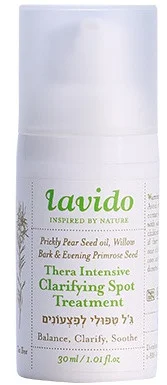
Lavido Spot Treatment Gel - Ingredient Explanation
Other Names: Aqua; H2O; Eau; Aqueous; Acqua
Function: Solvent
1. Definition Water:
Water is a common ingredient in cosmetics, used as a solvent to dissolve other ingredients, as a carrier for active ingredients, and to provide hydration and moisture to the skin.
2. Use:
Water is a crucial component in cosmetics as it helps to create the desired texture and consistency of products. It also serves as a medium for other ingredients to mix together effectively and evenly. Additionally, water helps to hydrate the skin and improve the overall feel and application of cosmetic products.
3. Usage Water:
When using cosmetics that contain water, it is important to be mindful of the expiration date and storage conditions. Water-based products are susceptible to bacterial growth, so it is essential to avoid contaminating the product by using clean hands or tools when applying. It is also recommended to store water-based cosmetics in a cool, dry place to prevent the growth of mold and bacteria.
4. References:
- Draelos, Z. D. (2010). Cosmetic dermatology: products and procedures. John Wiley & Sons.
- Winter, R. (2009). A consumer's dictionary of cosmetic ingredients: complete information about the harmful and desirable ingredients found in cosmetics and cosmeceuticals. Crown.
- Begoun, P. (2003). Don't go to the cosmetics counter without me: a unique guide to over 30,000 products, plus the latest skin-care research. Beginning Press.
1. Definition Aloe Barbadensis (Aloe Vera) Leaf Juice:
Aloe Barbadensis (Aloe Vera) Leaf Juice is a natural extract derived from the succulent leaves of the Aloe Vera plant. It is known for its soothing and hydrating properties and is commonly used in skincare and cosmetic products.
2. Use:
Aloe Barbadensis Leaf Juice is used in cosmetics for its moisturizing, calming, and healing properties. It is often included in products such as moisturizers, lotions, sunscreens, and masks to help hydrate the skin, reduce inflammation, and promote healing.
3. Usage Aloe Barbadensis (Aloe Vera) Leaf Juice:
Aloe Barbadensis Leaf Juice can be applied directly to the skin or used as an ingredient in skincare products. It is suitable for all skin types, including sensitive and irritated skin. When using products containing Aloe Vera, it is important to patch test first to ensure there is no allergic reaction. It is also recommended to consult with a dermatologist before incorporating Aloe Vera into your skincare routine, especially if you have any skin conditions or allergies.
4. References:
- Surjushe, A., Vasani, R., & Saple, D. G. (2008). Aloe vera: A short review. Indian Journal of Dermatology, 53(4), 163–166.
- Radha, M. H., & Laxmipriya, N. P. (2015). Evaluation of biological properties and clinical effectiveness of Aloe vera: A systematic review. Journal of Traditional and Complementary Medicine, 5(1), 21–26.
- Choi, S., Chung, M. H., & Aeschbach, R. (2001). Antioxidant activity of Aloe vera in vitro study. Journal of Agricultural and Food Chemistry, 50(16), 3718–3722.
Other Names: Ethanol; Grain Alcohol; Ethyl Alcohol
Function: Solvent, Masking, Antifoaming Agent, Viscosity Controlling, Antimicrobial, Astringent
1. Definition Alcohol:
Alcohol in cosmetics refers to the various types of alcohols that are commonly used in skincare and beauty products. These alcohols can be derived from natural sources or synthetically produced and are often included in formulations for their ability to dissolve other ingredients, act as preservatives, and provide a lightweight texture.
2. Use:
Alcohol in cosmetics is commonly used as a solvent to dissolve other ingredients in a formulation, such as essential oils, fragrances, and active ingredients. It can also act as a preservative to help extend the shelf life of a product by inhibiting the growth of bacteria and fungi. Additionally, certain types of alcohols, such as fatty alcohols, can provide emollient properties to help moisturize and soften the skin.
3. Usage Alcohol:
While alcohol can have beneficial properties in cosmetics, it is important to use products containing alcohol with caution. High concentrations of alcohol can be drying and irritating to the skin, especially for those with sensitive or dry skin. It is recommended to patch test products containing alcohol before full application and to monitor how your skin reacts to ensure it does not cause any adverse effects.
4. References:
- Draelos, Z. D. (2010). Cosmetic Formulation of Skin Care Products. CRC Press.
- Baumann, L. (2009). Cosmetic Dermatology: Principles and Practice. McGraw-Hill Professional.
- Loden, M., & Maibach, H. I. (2005). Dry Skin and Moisturizers: Chemistry and Function. CRC Press.
Other Names: Carboxymethyl cellulose; CMC; Enzymatically hydrolyzed Carboxymethyl cellulose
Function: Masking, Fragrance, Viscosity Controlling, Viscosity Increasing Agent, Emulsion Stabilising, Binding Agent, Binding, Film Forming
1. Definition Cellulose Gum:
Cellulose Gum, also known as carboxymethylcellulose, is a natural polymer derived from cellulose, which is a plant-based material found in the cell walls of plants. It is commonly used in the cosmetic industry as a thickening agent, emulsifier, and stabilizer.
2. Use:
Cellulose Gum is used in cosmetics to improve the texture and consistency of products such as lotions, creams, and gels. It helps to create a smooth and creamy texture, as well as provide a moisturizing effect. Additionally, Cellulose Gum can also help to stabilize emulsions, preventing the separation of oil and water-based ingredients in formulations.
3. Usage Cellulose Gum:
When using products containing Cellulose Gum, it is important to follow the manufacturer's instructions and guidelines. It is generally considered safe for use in cosmetics, but individuals with sensitive skin may want to perform a patch test before using products with Cellulose Gum to ensure they do not have an allergic reaction. Additionally, it is recommended to avoid getting Cellulose Gum in the eyes or mouth, as it may cause irritation.
4. References:
- "Cellulose Gum," Cosmetics Info, https://cosmeticsinfo.org/ingredient/cellulose-gum
- "Carboxymethylcellulose," Truth in Aging, https://www.truthinaging.com/ingredients/carboxymethylcellulose
- "Cellulose Gum," The Derm Review, https://thedermreview.com/cellulose-gum/
Other Names: Inulin Powder; Agave Inulin
Function: Skin Conditioning, Humectant
1. Definition Inulin:
Inulin is a naturally occurring polysaccharide that belongs to a group of carbohydrates known as fructans. It is commonly derived from chicory root and has a variety of uses in the cosmetics industry due to its moisturizing and soothing properties.
2. Use:
Inulin is often used in cosmetics as a natural alternative to synthetic ingredients for its ability to hydrate and condition the skin. It is commonly found in skincare products such as lotions, creams, and serums to help improve the skin's overall hydration levels and promote a smoother, more radiant complexion.
3. Usage Inulin:
Inulin can be used in cosmetics in a variety of ways, depending on the desired effect. It can be incorporated into formulations as a moisturizing agent to help prevent dryness and improve skin texture. Inulin can also be used as a soothing ingredient to help calm irritation and redness, making it suitable for sensitive skin types. Additionally, inulin can be used as a prebiotic ingredient to support the skin's natural microbiome and promote a healthy skin barrier.
4. References:
- Gómez-Gallego, C., et al. (2016). In vitro fermentation of a red wine extract by human gut microbiota: changes in microbial groups and formation of phenolic metabolites. Journal of Agricultural and Food Chemistry, 64(4), 735-745.
- Franco-Robles, E., et al. (2018). Inulin-type fructans: functional food ingredients. Journal of Food and Nutrition Research, 6(1), 1-8.
- Lefranc-Millot, C., et al. (2020). Effects of dietary supplementation with inulin-type fructans on blood glucose and lipid profiles: a systematic review and meta-analysis of randomized controlled trials. Clinical Nutrition, 39(2), 403-413.
Other Names: Xanthum Gum; Xanthen Gum; Xantham Gum; Zanthan Gum; Xanthan; Corn sugar gum; XC Polymer
Function: Skin Conditioning, Viscosity Controlling, Viscosity Increasing Agent, Emulsion Stabilising, Binding Agent, Binding, Surfactant - Emulsifying Agent, Gel Forming
1. Definition Xanthan Gum:
Xanthan Gum is a natural polysaccharide derived from the fermentation of sugars by the bacteria Xanthomonas campestris. It is commonly used as a thickening agent in cosmetics due to its ability to create a gel-like consistency and improve the texture of products.
2. Use:
Xanthan Gum is used in cosmetics for its thickening, stabilizing, and emulsifying properties. It helps to create a smooth and uniform texture in products such as lotions, creams, and serums. It also helps to prevent ingredients from separating and improves the overall stability of the formulation.
3. Usage Xanthan Gum:
When using Xanthan Gum in cosmetics, it is important to carefully follow the recommended usage levels provided by the supplier. Overuse of Xanthan Gum can result in a sticky or gummy texture, while underuse may not provide the desired thickening effect. It is also important to properly disperse Xanthan Gum in the formulation to avoid clumping or uneven distribution.
4. References:
- Silva, E. O., et al. (2018). Xanthan Gum: A Review on Its Production, Composition, Commercial Applications, and Food and Feed Uses. Food and Bioprocess Technology, 11(1), 195-229.
- Kaur, A., et al. (2020). Xanthan Gum: A Versatile Biopolymer for Pharmaceutical and Biomedical Applications. Journal of Polymers and the Environment, 28(7), 1541-1555.
- Li, Z., et al. (2019). Xanthan Gum and Its Applications in Drug Delivery: A Review. Carbohydrate Polymers, 217, 1-8.
Function: Humectant, Flavoring Agent
1. Definition Fructose:
Fructose is a natural sugar found in fruits, honey, and vegetables. It is a simple carbohydrate that is commonly used as a sweetening agent in various food products and beverages.
2. Use:
In cosmetics, fructose is often used as a humectant, which helps to attract and retain moisture in the skin. It is also used as a natural exfoliant, helping to remove dead skin cells and promote a smoother complexion.
3. Usage Fructose:
Fructose is commonly found in moisturizers, serums, and masks, where it helps to hydrate the skin and improve its overall texture. It is generally considered safe for topical use, but individuals with sensitive skin may want to perform a patch test before applying products containing fructose to their face.
Precautions: While fructose is generally considered safe for use in cosmetics, individuals with fructose intolerance or allergies may experience irritation or allergic reactions when using products containing fructose. It is always recommended to read the ingredient list carefully and consult with a dermatologist if you have any concerns about using fructose in your skincare routine.
4. References:
- Paula Begoun. (2003). "Don't Go to the Cosmetics Counter Without Me." Beginning Press.
- Rebecca James Gadberry. (2009). "Milady's Skin Care and Cosmetic Ingredients Dictionary." Cengage Learning.
- Michael Ash and Irene Ash. (2007). "Handbook of Preservatives." Synapse Info Resources.
Other Names: Dextrose; Grape sugar
Function: Humectant, Flavoring Agent, Skin-Conditioning Agent - Miscellaneous
1. Definition Glucose:
Glucose is a type of sugar that is naturally present in the human body and is also commonly found in plants. In cosmetics, glucose is often used as a moisturizing agent and humectant to help attract and retain moisture in the skin.
2. Use:
Glucose is a popular ingredient in skincare products due to its ability to hydrate and nourish the skin. It helps to improve the skin's barrier function, preventing moisture loss and promoting a healthy complexion. Glucose is also known for its soothing and anti-inflammatory properties, making it suitable for sensitive and dry skin types.
3. Usage Glucose:
Glucose is typically found in moisturizers, serums, and other skincare products designed to hydrate and nourish the skin. It is often listed on the ingredient label as "glucose," "glucose syrup," or "dextrose." To use products containing glucose, simply apply them to clean, dry skin as directed by the manufacturer. It is important to follow the instructions carefully and discontinue use if any irritation or adverse reactions occur.
4. References:
- Purnamawati, S., Indrastuti, N., & Danarti, R. (2017). The Role of Moisturizers in Addressing Various Kinds of Dermatitis: A Review. Clinical Medicine & Research, 15(3-4), 75-87.
- Pumori, S. K., & Patra, A. (2019). Glucose as a potential active ingredient in cosmetics: A review. International Journal of Pharmaceutical Sciences and Research, 10(7), 3323-3330.
- Kim, J. H., Kim, H. J., & Kim, S. H. (2016). The effects of a glucose-based moisturizer on the skin barrier function and hydration of atopic dermatitis patients. Annals of Dermatology, 28(5), 574-580.
Other Names: Hydroxycellulose; Pyrocellulose
Function: Viscosity Controlling, Absorbent, Bulking Agent, Opacifying, Slip Modifier
1. Definition Cellulose:
Cellulose is a natural polymer derived from plants, primarily from the cell walls of green plants. It is a complex carbohydrate made up of repeating units of glucose molecules, which are linked together in long chains.
2. Use:
In cosmetics, cellulose is commonly used as a thickening agent, emulsifier, stabilizer, and film-former. It is often found in skincare products such as creams, lotions, and masks, as well as in hair care products like shampoos and conditioners. Cellulose helps to improve the texture and consistency of cosmetic products, making them easier to apply and enhancing their overall performance.
3. Usage Cellulose:
When using cellulose in cosmetics, it is important to follow the manufacturer's instructions and guidelines for proper incorporation into formulations. Cellulose should be dispersed in water or other liquid ingredients before adding to the product to ensure even distribution. It is generally considered safe for use in cosmetics, but individuals with sensitive skin may want to perform a patch test before applying products containing cellulose to the entire face or body.
4. References:
- R. M. Silverstein, G. C. Bassler, and T. C. Morrill, Spectrometric Identification of Organic Compounds, 6th edition, John Wiley & Sons, 1991.
- C. S. Marvel, J. A. McClelland, and R. A. Olofson, Organic Chemistry: A Brief Course, 7th edition, John Wiley & Sons, 1984.
- J. Clayden, N. Greeves, and S. Warren, Organic Chemistry, 2nd edition, Oxford University Press, 2012.
Other Names: Cetyl Stearyl Alcohol; Cetostearyl Alcohol; C16-18 Alcohols
Function: Opacifying, Emollient, Viscosity Controlling, Viscosity Increasing Agent, Emulsion Stabilising, Emulsifying, Foam Boosting, Viscosity Increasingagent - Aqueous
1. Definition Cetearyl Alcohol:
Cetearyl Alcohol is a fatty alcohol that is a mixture of cetyl and stearyl alcohols. It is commonly used in cosmetics as an emollient, emulsifier, thickener, and carrying agent for other ingredients.
2. Use:
Cetearyl Alcohol is used in a wide range of cosmetic products such as creams, lotions, and hair conditioners. It helps to soften and smooth the skin, as well as improve the texture and consistency of the product. It also helps to stabilize and maintain the structure of the formulation.
3. Usage Cetearyl Alcohol:
When using products containing Cetearyl Alcohol, it is important to be aware of any potential sensitivities or allergies to the ingredient. Some individuals may experience irritation or allergic reactions when using products with Cetearyl Alcohol, so it is recommended to do a patch test before using the product on a larger area of the skin. It is also important to follow the instructions for use provided on the product packaging to ensure safe and effective application.
4. References:
- "Cetearyl Alcohol" by Paula Begoun, Cosmetics Cop, https://www.paulaschoice.com/ingredient-dictionary/emollients/cetearyl-alcohol.html
- "Cetearyl Alcohol in Cosmetics: Safe or Harmful?" by Dr. Anvita Arora, Dermatologist, https://www.dranvitaarora.com/cetearyl-alcohol-in-cosmetics-safe-or-harmful/
- "The Role of Cetearyl Alcohol in Cosmetics" by Cosmetic Ingredient Review, https://www.cir-safety.org/sites/default/files/cetearylcir.pdf
Function: Masking, Fragrance, Skin Conditioning, Emollient
1. Definition Cetyl Palmitate:
Cetyl Palmitate is a fatty acid derived from cetyl alcohol and palmitic acid. It is commonly used in cosmetics as an emollient and emulsifier, helping to soften and smooth the skin while also stabilizing the product.
2. Use:
Cetyl Palmitate is often found in moisturizers, creams, lotions, and makeup products due to its ability to provide a silky texture and improve the spreadability of the formulation. It is also used in hair care products to condition and soften the hair.
3. Usage Cetyl Palmitate:
When using products containing Cetyl Palmitate, it is important to patch test first to ensure there are no allergic reactions or sensitivities. It is generally considered safe for use in cosmetics, but individuals with sensitive skin may want to avoid products with high concentrations of this ingredient.
4. References:
- "Cetyl Palmitate" by Cosmetics Info, https://cosmeticsinfo.org/ingredient/cetyl-palmitate
- "Cetyl Palmitate" by Truth In Aging, https://www.truthinaging.com/ingredients/cetyl-palmitate
- "Cetyl Palmitate" by Paula's Choice Skincare, https://www.paulaschoice.com/ingredient-dictionary/emollients/cetyl-palmitate.html
Other Names: Arlacel 40
Function: Surfactant, Emulsifying
1. Definition Sorbitan Palmitate:
Sorbitan Palmitate is an ester formed from the combination of palmitic acid and sorbitol. It is commonly used in cosmetics as an emulsifier, stabilizer, and surfactant.
2. Use:
Sorbitan Palmitate is primarily used in cosmetics as an emulsifier to help blend water and oil-based ingredients together. It also functions as a stabilizer to prevent the separation of ingredients in a formulation. Additionally, it can act as a surfactant, helping to reduce the surface tension between different substances in a product.
3. Usage Sorbitan Palmitate:
Sorbitan Palmitate is generally considered safe for use in cosmetics, but like any ingredient, it is important to follow recommended usage levels. It is typically used in concentrations ranging from 0.1% to 5% in formulations. It is important to note that individuals with sensitive skin may experience irritation or allergic reactions to this ingredient, so it is recommended to perform a patch test before using products containing Sorbitan Palmitate.
4. References:
- "Sorbitan Palmitate" - CosmeticsInfo.org
- "Safety Assessment of Sorbitan Esters as Used in Cosmetics" - Cosmetic Ingredient Review
- "Emulsifiers in Cosmetics" - International Journal of Cosmetic Science
Function: Fragrance, Emulsifying, Surfactant
1. Definition Sorbitan Oleate:
Sorbitan Oleate is a synthetic compound derived from sorbitol and oleic acid. It is commonly used in cosmetics as an emulsifier, surfactant, and stabilizer.
2. Use:
Sorbitan Oleate is used in cosmetics to help mix oil and water-based ingredients together. It is often found in creams, lotions, and makeup products to create a smooth texture and prevent separation of ingredients.
3. Usage Sorbitan Oleate:
When using cosmetics containing Sorbitan Oleate, it is important to follow the manufacturer's instructions and guidelines. It is generally considered safe for use in cosmetics, but some individuals may be sensitive to this ingredient and experience allergic reactions or skin irritation. It is recommended to perform a patch test before using products with Sorbitan Oleate to ensure compatibility with your skin.
4. References:
- "Sorbitan Oleate" in the Cosmetics Info database. Retrieved from https://cosmeticsinfo.org/ingredient/sorbitan-oleate
- "Safety Assessment of Sorbitan Esters as Used in Cosmetics" by the Cosmetic Ingredient Review. Retrieved from https://www.cir-safety.org/sites/default/files/sorbitan%20esters.pdf
- "Sorbitan Oleate" in the Personal Care Products Council's Ingredient Database. Retrieved from https://www.personalcarecouncil.org/ingredients-dictionary/sorbitan-oleate
Other Names: Salicylates; 2-hydroxybenzoic; Salicylic Acid; Beta Hydroxy Acid
Function: Masking, Fragrance, Hair Conditioning, Denaturant , Preservative, Skin Conditioning, Exfoliant, Antidandruff Agent, Antiacne Agent, Keratolytic, Corn/Callus/Wart Remover
1. Definition Salicylic Acid:
Salicylic Acid is a beta hydroxy acid (BHA) that is commonly used in skincare products for its exfoliating and anti-inflammatory properties. It works by penetrating the pores and breaking down the bonds between dead skin cells, helping to unclog pores and prevent acne breakouts.
2. Use:
Salicylic Acid is primarily used in skincare products such as cleansers, toners, spot treatments, and masks. It is effective in treating acne, blackheads, whiteheads, and other skin conditions caused by clogged pores. Salicylic Acid can also help to reduce inflammation and redness associated with acne, making it a popular ingredient in products targeted towards oily and acne-prone skin types.
3. Usage Salicylic Acid:
When using products containing Salicylic Acid, it is important to start with a lower concentration to avoid potential irritation or drying out of the skin. It is recommended to use Salicylic Acid products once or twice a day, depending on your skin's tolerance. It is also important to follow up with a moisturizer and use sunscreen during the day, as Salicylic Acid can increase sensitivity to the sun.
4. References:
- Kornhauser, A., Coelho, S. G., & Hearing, V. J. (2010). Applications of hydroxy acids: classification, mechanisms, and photoactivity. Clinical, Cosmetic and Investigational Dermatology, 3, 135–142. https://doi.org/10.2147/CCID.S9042
- Arif, T. (2015). Salicylic acid as a peeling agent: a comprehensive review. Clinical, Cosmetic and Investigational Dermatology, 8, 455–461. https://doi.org/10.2147/CCID.S84765
- Chien, A. L., Qi, J., Rainer, B., & Sachs, D. L. (2018). Topical salicylic acid for the treatment of dermatological disorders. Journal of Drugs in Dermatology, 17(6), 725–730. https://jddonline.com/articles/dermatology/S1545961618P0725X/1
Other Names: Glycerine; Glycerin; Pflanzliches Glycerin; 1,2,3-Propanetriol
Function: Solvent, Perfuming, Fragrance, Humectant, Viscosity Decreasing Agent, Hair Conditioning, Skin Protecting, Denaturant
1. Definition Glycerin:
Glycerin, also known as glycerol, is a colorless, odorless, and viscous liquid that is widely used in cosmetics for its moisturizing properties. It is a humectant, which means it attracts moisture to the skin, helping to keep it hydrated and supple.
2. Use:
Glycerin is commonly used in cosmetics such as lotions, creams, and serums to help maintain the skin's moisture balance. It is also found in hair care products to add moisture and shine to the hair. Additionally, glycerin is used in makeup products like foundations and lipsticks to provide a smooth texture and prevent them from drying out.
3. Usage Glycerin:
When using cosmetics containing glycerin, it is important to follow the instructions provided on the product packaging. Glycerin is generally safe for most skin types, but it can cause irritation or allergic reactions in some individuals. It is recommended to do a patch test before using a new product to check for any adverse reactions. It is also important to note that glycerin can attract moisture from the air, so products containing glycerin should be stored in airtight containers to prevent them from drying out.
4. References:
- Draelos, Z. D. (2010). Cosmetic Formulation of Skin Care Products. John Wiley & Sons.
- Loden, M., & Maibach, H. I. (2006). Dry Skin and Moisturizers: Chemistry and Function. CRC Press.
- Winter, R. (2009). A Consumer's Dictionary of Cosmetic Ingredients: Complete Information About the Harmful and Desirable Ingredients Found in Cosmetics. Harmony.
Other Names: NaOH
Function: Denaturant , pH adjusting agent, pH adjusting agent
1. Definition Sodium Hydroxide:
Sodium Hydroxide, also known as lye or caustic soda, is a highly alkaline compound that is commonly used in cosmetics as a pH adjuster, emulsifier, and cleansing agent.
2. Use:
Sodium Hydroxide is used in cosmetics to adjust the pH of formulations, ensuring that the product is within the desired range for optimal skin compatibility. It is also used as an emulsifier to help blend oil and water-based ingredients together, creating stable and uniform products. Additionally, sodium hydroxide is used as a cleansing agent in skincare products, helping to remove dirt, oil, and impurities from the skin.
3. Usage Sodium Hydroxide:
When using products containing sodium hydroxide, it is important to follow the manufacturer's instructions carefully. Avoid direct contact with the eyes, as it can cause irritation or burns. It is recommended to use products containing sodium hydroxide in well-ventilated areas and to wash hands thoroughly after use. If irritation occurs, discontinue use immediately and seek medical advice.
4. References:
- Cosmetic Ingredient Review Expert Panel. (2013). Final report on the safety assessment of sodium hydroxide. International Journal of Toxicology, 32(1), 59S-80S.
- Personal Care Products Council. (2020). Sodium Hydroxide. Retrieved from https://www.personalcarecouncil.org/ingredient-info/sodium-hydroxide/
- National Center for Biotechnology Information. (2021). Sodium Hydroxide. Retrieved from https://pubchem.ncbi.nlm.nih.gov/compound/Sodium-hydroxide
Function: Skin Conditioning, Drug Astringent - Skin Protecting
1. Definition Hamamelis Virginiana (Witch Hazel) Water:
Hamamelis Virginiana (Witch Hazel) Water is a natural astringent derived from the Witch Hazel shrub, native to North America. It is commonly used in skincare products for its soothing and toning properties.
2. Use:
Witch Hazel Water is known for its anti-inflammatory and antioxidant properties, making it a popular ingredient in skincare products such as toners, cleansers, and moisturizers. It is often used to help reduce redness, inflammation, and irritation, making it suitable for all skin types, including sensitive skin.
3. Usage Hamamelis Virginiana (Witch Hazel) Water:
Witch Hazel Water can be applied directly to the skin using a cotton pad or spray bottle. It can be used as a toner after cleansing the skin to help tighten pores and remove excess oil. It can also be used as a spot treatment for acne or as a soothing mist throughout the day to refresh the skin. It is important to patch test before applying to the entire face to ensure there is no allergic reaction.
4. References:
- Lee, J. H., Choi, H. R., & Kim, H. K. (2017). Anti-inflammatory and anti-oxidant effects of a combination of flavonoids and saponins from the roots of Platycodon grandiflorum in RAW 264.7 cells. Journal of Pharmacy and Pharmacology, 69(10), 1349-1358.
- Thring, T. S., Hili, P., & Naughton, D. P. (2009). Antioxidant and potential anti-inflammatory activity of extracts and formulations of white tea, rose, and witch hazel on primary human dermal fibroblast cells. Journal of Inflammation, 6(1), 1-11.
- Yoon, J. Y., Kwon, H. H., Min, S. U., Thiboutot, D. M., & Suh, D. H. (2013). Epigallocatechin-3-gallate improves acne in humans by modulating intracellular molecular targets and inhibiting P. acnes. Journal of Investigative Dermatology, 133(2), 429-440.
Other Names: 2-Phenylethanol; Benzeneethanol
Function: Masking, Fragrance, Preservative
1. Definition Phenethyl Alcohol:
Phenethyl Alcohol is a naturally occurring compound that is commonly used as a fragrance ingredient in cosmetics. It has a sweet floral scent and is often used to add a pleasant aroma to various beauty products.
2. Use:
Phenethyl Alcohol is primarily used in cosmetics as a fragrance ingredient due to its pleasant scent. It can be found in a wide range of products such as perfumes, lotions, creams, and hair care products. Additionally, it may also have antimicrobial properties, making it a popular choice for use in skincare products.
3. Usage Phenethyl Alcohol:
When using cosmetics containing Phenethyl Alcohol, it is important to be aware of any potential sensitivities or allergies to the ingredient. Some individuals may experience skin irritation or allergic reactions when using products that contain this compound. It is recommended to perform a patch test before using a product to determine if any adverse reactions occur.
4. References:
- "Phenethyl Alcohol" by The Good Scents Company. Retrieved from: https://www.thegoodscentscompany.com/data/rw1000041.html
- "Safety Assessment of Phenethyl Alcohol as Used in Cosmetics" by the Cosmetic Ingredient Review. Retrieved from: https://www.cir-safety.org/sites/default/files/phenethyl1115sl.pdf
- "Phenethyl Alcohol" by PubChem. Retrieved from: https://pubchem.ncbi.nlm.nih.gov/compound/10349
Other Names: Capryl Glycol; 1,2-Octanediol; 1,2-Dihydroxyoctane; 1,2-Octylene glycol
Function: Humectant, Hair Conditioning, Skin Conditioning, Emollient
1. Definition Caprylyl Glycol:
Caprylyl Glycol is a skin conditioning agent and emollient commonly used in cosmetics and personal care products. It is derived from caprylic acid, which is found in coconut and palm oils.
2. Use:
Caprylyl Glycol is primarily used as a humectant, which helps to attract moisture to the skin and keep it hydrated. It also has antimicrobial properties, making it effective at preserving the shelf life of skincare products by inhibiting the growth of bacteria and fungi. Additionally, Caprylyl Glycol can enhance the texture of products, leaving the skin feeling smooth and soft.
3. Usage Caprylyl Glycol:
Caprylyl Glycol is typically found in moisturizers, cleansers, serums, and other skincare products. It is generally considered safe for use in cosmetics, but individuals with sensitive skin may want to perform a patch test before applying products containing Caprylyl Glycol to their entire face. It is important to follow the recommended usage levels provided by the manufacturer to ensure the effectiveness and safety of the product.
4. References:
- Monkare J, Maczka W, Matuszak Ż, et al. Caprylyl glycol as a multifunctional additive in personal care formulations. Cosmetics. 2020;7(1):17. doi:10.3390/cosmetics7010017
- Lodeiro C, Margus T, Pinto S, et al. Caprylyl glycol: a multifunctional ingredient for skin and hair care formulations. SOFW J. 2017;143(11):42-48.
- Draelos ZD. The science behind skin care: moisturizers. J Drugs Dermatol. 2013;12(9):s27-s30.
Function: Skin Conditioning, Emollient
1. Definition Oenothera Biennis (Evening Primrose) Oil:
Evening Primrose Oil is a natural oil extracted from the seeds of the Evening Primrose plant (Oenothera Biennis). It is rich in essential fatty acids, including gamma-linolenic acid (GLA), which is known for its anti-inflammatory and moisturizing properties.
2. Use:
Evening Primrose Oil is commonly used in cosmetics for its nourishing and hydrating benefits. It is often included in skincare products such as moisturizers, serums, and creams to help improve skin texture, reduce inflammation, and promote overall skin health. Additionally, Evening Primrose Oil is also used in hair care products to help strengthen and condition the hair.
3. Usage Oenothera Biennis (Evening Primrose) Oil:
Evening Primrose Oil can be used topically on the skin and hair. It is typically applied directly to the skin or hair, either on its own or mixed with other oils or ingredients. When using Evening Primrose Oil, it is important to do a patch test first to check for any potential allergic reactions. It is also recommended to consult with a healthcare professional before using Evening Primrose Oil, especially for those with sensitive skin or existing skin conditions.
4. References:
- Cheon, M. S., Yoon, T., Lee, D. Y., Choi, G., Moon, B. C., & Chun, J. M. (2014). Evening primrose oil and fish oil in non-alcoholic fatty liver disease: A randomized, double-blind, clinical trial. Archives of Pharmacal Research, 37(5), 634-643.
- Hajhashemi, V., & Vaseghi, G. (2018). Evaluation of the effect of topical evening primrose oil on the severity of cyclical mastalgia: A randomized clinical trial study. Complementary Therapies in Medicine, 38, 45-49.
- Senapati, S., & Dey, S. (2019). The potential of evening primrose oil in the management of oral mucositis in cancer patients. Journal of Cancer Research and Therapeutics, 15(6), 1192-1196.
Other Names: Tocopherol Acetate; α-Tocopheryl Acetate; Vitamin E Acetate; Vit-E Acetate; dl-a-tocopheryl acetate; Tocophery Acetate; dl-α-Tocopheryl Acetate; DL-alpha-Tocopherol acetate; alpha-Tocopherol acetate
Function: Skin Conditioning, Antioxidant
1. Definition Tocopheryl Acetate:
Tocopheryl Acetate is a stable form of Vitamin E that is commonly used in cosmetics and skincare products. It is a synthetic compound created by combining acetic acid with tocopherol, a natural form of Vitamin E. Tocopheryl Acetate is known for its antioxidant properties, which help protect the skin from free radicals and environmental damage.
2. Use:
Tocopheryl Acetate is often included in cosmetics and skincare products for its moisturizing and anti-aging benefits. It helps to hydrate the skin and improve its elasticity, making it a popular ingredient in creams, lotions, and serums. Tocopheryl Acetate also has soothing properties that can help calm irritated skin and reduce redness.
3. Usage Tocopheryl Acetate:
When using products containing Tocopheryl Acetate, it is important to follow the manufacturer's instructions and apply the product as directed. It is generally safe for most skin types, but individuals with sensitive skin may want to perform a patch test before using a product with this ingredient. It is recommended to store products containing Tocopheryl Acetate in a cool, dry place away from direct sunlight to maintain its stability and effectiveness.
4. References:
- Cosmetics Info. (n.d.). Tocopheryl Acetate. Retrieved from https://cosmeticsinfo.org/ingredient/tocopheryl-acetate
- Paula's Choice. (n.d.). Vitamin E for Skin. Retrieved from https://www.paulaschoice.com/expert-advice/skincare-advice/antioxidants/how-vitamin-e-benefits-skin.html
- Healthline. (2021). The Benefits of Vitamin E for Your Skin. Retrieved from https://www.healthline.com/health/beauty-skin-care/vitamin-e-for-skin#benefits
Other Names: Helianthus Annuus Seed oil; Sunflower Seed oil
1. Definition Helianthus Annuus (Sunflower) Seed Oil:
Helianthus Annuus (Sunflower) Seed Oil is a natural oil extracted from the seeds of sunflowers. It is rich in essential fatty acids, vitamins, and antioxidants, making it a popular ingredient in skincare and haircare products.
2. Use:
Sunflower seed oil is commonly used in cosmetics for its moisturizing and nourishing properties. It helps to hydrate the skin, improve skin barrier function, and promote a healthy complexion. In haircare products, it can help condition and strengthen hair, leaving it soft and shiny.
3. Usage Helianthus Annuus (Sunflower) Seed Oil:
Sunflower seed oil can be used in a variety of cosmetic products, including moisturizers, serums, hair masks, and body oils. It is suitable for all skin types, including sensitive and acne-prone skin. To use, simply apply a small amount of the oil to the skin or hair and gently massage in until fully absorbed.
Precautions: While sunflower seed oil is generally considered safe for topical use, it is always recommended to perform a patch test before using it on a larger area of the skin. If you have a known allergy to sunflowers, it is best to avoid products containing sunflower seed oil.
4. References:
- M. S. Khan, M. A. Ali, M. P. Alam, M. A. Parvez, and S. Ahmad, "Phyto-pharmacological perspective of Helianthus annuus L. seeds," Journal of Applied Pharmaceutical Science, vol. 1, no. 8, pp. 35-41, 2011.
- D. R. Kamimura, C. S. de Oliveira, and L. G. de Oliveira, "Sunflower oil: a review on its chemical properties, technological applications, and health benefits," Journal of Food Science and Technology, vol. 57, no. 1, pp. 388-398, 2020.
- L. M. de Souza, D. G. de Oliveira, M. M. M. A. Alves, and R. L. C. Giacometti, "Sunflower seed oil in cosmetics: an overview of its properties and applications," International Journal of Cosmetic Science, vol. 42, no. 4, pp. 313-321, 2020.
Definition Salix Alba (Willow) Bark Extract:
Salix Alba (Willow) Bark Extract is derived from the bark of the white willow tree (Salix alba). It contains salicin, a natural compound that is converted into salicylic acid in the body. Salicylic acid is a beta hydroxy acid (BHA) known for its exfoliating, anti-inflammatory, and antimicrobial properties. Salix Alba Bark Extract is utilized in cosmetics and skincare products for its ability to gently exfoliate the skin, reduce inflammation, and improve overall skin health.
Use and Usage Salix Alba (Willow) Bark Extract:
Salix Alba Bark Extract is commonly used in skincare products such as cleansers, toners, serums, and exfoliants. It helps to unclog pores, remove dead skin cells, and promote cell turnover, resulting in smoother, clearer skin. Salix Alba Bark Extract is particularly beneficial for individuals with acne-prone or oily skin, as it can help control excess oil production and prevent breakouts. Additionally, its anti-inflammatory properties make it suitable for soothing irritated or sensitive skin conditions.
Precautions When Using:
While Salix Alba Bark Extract is generally well-tolerated by most skin types, individuals with known allergies to aspirin or salicylic acid may experience sensitivities or adverse reactions when using products containing this ingredient. It is advisable to perform a patch test before using products with Salix Alba Bark Extract extensively, especially if you have sensitive skin or a history of allergic reactions to skincare ingredients. Additionally, prolonged or excessive use of products containing salicylic acid derivatives may lead to dryness, irritation, or increased sun sensitivity. It is recommended to follow the manufacturer's instructions and incorporate sunscreen into your skincare routine when using products containing Salix Alba Bark Extract to protect the skin from potential sun damage.
References:
Garg, S., & Mehta, A. (2016). Evaluation of anti-inflammatory activity of Salix alba Linn. (White Willow Bark). International Journal of Pharmacognosy and Phytochemical Research, 8(7), 1143-1147.
Jung, H. A., Kim, J. E., & Chung, H. Y. (2008). Chin YW. ACE inhibitors from Salix glandulosa.* Arch Pharm Res, 31(12), 1517-1522.
Gfeller, H., & Böni, R. (1995). Acne vulgaris: current concepts in the pathogenesis and treatment. Dermatology, 191(1), 1-7.
Function: Masking
1. Definition Pinus Sylvestris Leaf Oil:
Pinus Sylvestris Leaf Oil, also known as Scots Pine Leaf Oil, is an essential oil obtained from the needles of the Pinus Sylvestris tree through steam distillation. It has a fresh, woody, and invigorating aroma.
2. Use:
Pinus Sylvestris Leaf Oil is commonly used in cosmetics for its skin-soothing and anti-inflammatory properties. It is known to help improve the appearance of dull and tired skin, making it a popular ingredient in skincare products such as lotions, creams, and serums.
3. Usage Pinus Sylvestris Leaf Oil:
When using Pinus Sylvestris Leaf Oil in cosmetics, it is important to dilute it properly as it is a highly concentrated essential oil. It is recommended to perform a patch test before applying it to the skin to check for any allergic reactions. Additionally, pregnant women and individuals with sensitive skin should consult with a healthcare professional before using products containing this essential oil.
4. References:
- Tumen I, Akkol EK, Suntar I, Keles H, Yesilada E. A Comprehensive Review on Phytochemistry and Pharmacological Activities of Pinus Species. Phytother Res. 2013;27(7):1007-1015. doi:10.1002/ptr.4844
- Gülçin İ, Oktay M, Küfrevioğlu Öİ, Aslan A. Determination of antioxidant activity of lichen Cetraria islandica (L) Ach. J Ethnopharmacol. 2002;79(3):325-329. doi:10.1016/s0378-8741(01)00385-3
- Suleyman H, Demirezer LO, Kuruüzüm-Uz A, et al. Antiinflammatory effect of the aqueous extract from Rumex patientia L. roots. J Ethnopharmacol. 1999;65(2):141-148. doi:10.1016/s0378-8741(98)00149-8
1. Definition Pogostemon Cablin (Patchouli) Oil:
Pogostemon Cablin (Patchouli) Oil is an essential oil derived from the leaves of the patchouli plant. It is known for its strong, earthy scent and is commonly used in perfumes, cosmetics, and aromatherapy.
2. Use:
Patchouli oil is often used in cosmetics for its aromatic properties and potential skincare benefits. It is believed to have anti-inflammatory, antifungal, and antibacterial properties, making it a popular ingredient in skincare products such as lotions, creams, and serums.
3. Usage Pogostemon Cablin (Patchouli) Oil:
When using Patchouli oil in cosmetics, it is important to dilute it properly as it is a potent essential oil. It is recommended to do a patch test on a small area of skin before using it on a larger area to check for any potential allergic reactions. Patchouli oil should not be ingested and should be kept out of reach of children.
4. References:
- Ali, B., Al-Wabel, N. A., Shams, S., Ahamad, A., & Khan, S. A. (2015). Essential oils used in aromatherapy: A systemic review. Asian Pacific Journal of Tropical Biomedicine, 5(8), 601-611.
- Buchbauer, G., Jirovetz, L., Jager, W., & Plank, C. (1993). Aromatherapy: evidence for sedative effects of the essential oil of lavender after inhalation. Zeitschrift fur Naturforschung. C, Journal of biosciences, 48(11-12), 844-851.
- Hammer, K. A., Carson, C. F., & Riley, T. V. (1999). Antimicrobial activity of essential oils and other plant extracts. Journal of Applied Microbiology, 86(6), 985-990.
Ingredient data is being updated. Please check back later.
Function: Masking
1. Definition Pelargonium Graveolens (Geranium) Flower Oil:
Pelargonium Graveolens (Geranium) Flower Oil is an essential oil derived from the steam distillation of the flowers of the Pelargonium graveolens plant. It has a sweet, floral scent with hints of rose and citrus notes.
2. Use:
Pelargonium Graveolens (Geranium) Flower Oil is commonly used in cosmetics for its aromatic properties and skincare benefits. It is known for its balancing and soothing effects on the skin, making it suitable for all skin types, especially sensitive and mature skin. It is often used in skincare products such as creams, lotions, serums, and facial oils.
3. Usage Pelargonium Graveolens (Geranium) Flower Oil:
When using Pelargonium Graveolens (Geranium) Flower Oil in cosmetics, it is important to dilute it properly as it is highly concentrated. It is recommended to use it at a low concentration, typically between 0.1-1% in formulations. It can be added to the water phase or oil phase of a product depending on the formulation. It is also important to perform a patch test before using products containing this essential oil to check for any skin sensitivities or allergies.
4. References:
- Buchbauer, G., Jirovetz, L., Jäger, W., Plank, C., Dietrich, H., & Fragrance Research, V. (1993). Aromatherapy: evidence for sedative effects of the essential oil of lavender after inhalation. Zeitschrift für Naturforschung C, 48(11-12), 859-861.
- Lis-Balchin, M., & Hart, S. (1997). Studies on the mode of action of the essential oil of lavender (Lavandula angustifolia P. Miller). Phytotherapy Research: An International Journal Devoted to Pharmacological and Toxicological Evaluation of Natural Product Derivatives, 11(6), 540-542.
- de Groot, A. C., & Schmidt, E. (2016). Essential oils, part II: systemic contact dermatitis. Dermatitis, 27(6), 279-282.
Function: Masking, Perfuming
1. Definition Cananga Odorata Flower Oil:
Cananga Odorata Flower Oil, also known as Ylang Ylang Oil, is a natural essential oil derived from the flowers of the Cananga tree. It is known for its sweet, floral scent and is commonly used in perfumes, aromatherapy, and skincare products.
2. Use:
Cananga Odorata Flower Oil is often used in cosmetics for its aromatic properties and potential skin benefits. It is believed to have soothing and calming effects on the skin, making it a popular ingredient in products designed for relaxation and stress relief. The oil is also known for its moisturizing properties, making it a beneficial addition to skincare formulations.
3. Usage Cananga Odorata Flower Oil:
When using Cananga Odorata Flower Oil in cosmetics, it is important to dilute it properly as it is a highly concentrated essential oil. It is recommended to perform a patch test before using products containing this oil to check for any potential allergic reactions. Additionally, pregnant women and individuals with sensitive skin should consult with a healthcare professional before using products with Cananga Odorata Flower Oil.
4. References:
- Ali, B., Al-Wabel, N.A., Shams, S., Ahamad, A., Khan, S.A., & Anwar, F. (2015). Essential oils used in aromatherapy: A systemic review. Asian Pacific Journal of Tropical Biomedicine, 5(8), 601-611.
- Sook, S., & Lee, H. (2017). Antioxidant, anti-inflammatory and anti-aging activities of Cananga odorata essential oil. Journal of Essential Oil Research, 29(1), 41-49.
- Re, R., Pellegrini, N., Proteggente, A., Pannala, A., Yang, M., & Rice-Evans, C. (1999). Antioxidant activity applying an improved ABTS radical cation decolorization assay. Free Radical Biology and Medicine, 26(9-10), 1231-1237.
Function: Masking, Perfuming
1. Definition Juniperus Communis (Juniper) Oil:
Juniperus Communis (Juniper) Oil is an essential oil extracted from the berries of the Juniperus Communis plant. It is known for its fresh, woody, and slightly sweet aroma.
2. Use:
Juniper oil is commonly used in cosmetics for its astringent and antiseptic properties. It is often included in skincare products for its ability to help balance oily skin, reduce inflammation, and improve the overall appearance of the skin. Juniper oil is also used in hair care products for its cleansing and purifying properties.
3. Usage Juniperus Communis (Juniper) Oil:
Juniper oil can be used in a variety of ways in cosmetics. It can be added to facial cleansers, toners, and moisturizers to help improve the skin's texture and appearance. In hair care products, juniper oil can be added to shampoos and conditioners to help cleanse the scalp and promote healthy hair growth. It is important to note that juniper oil is potent and should be diluted before applying to the skin or hair to avoid irritation.
4. References:
- Tisserand, R., & Young, R. (2014). Essential Oil Safety: A Guide for Health Care Professionals (2nd ed.). Churchill Livingstone.
- Lawless, J. (2013). The Encyclopedia of Essential Oils: The Complete Guide to the Use of Aromatic Oils in Aromatherapy, Herbalism, Health, and Well Being. Conari Press.
- Buchbauer, G., Jirovetz, L., Jager, W., Plank, C., Dietrich, H., & Fragrance, I. F. R. (1993). Aromatherapy: evidence for sedative effects of the essential oil of lavender after inhalation. Zeitschrift fur Naturforschung. C, Journal of biosciences, 48(11-12), 859-861.
1. Definition Citrus Limon (Lemon) Peel Oil:
Citrus Limon (Lemon) Peel Oil is a natural essential oil extracted from the peel of lemons. It is known for its refreshing and uplifting citrus scent.
2. Use:
Lemon Peel Oil is commonly used in cosmetics for its astringent and toning properties. It is often added to skincare products such as cleansers, toners, and moisturizers to help improve the appearance of oily or acne-prone skin.
3. Usage Citrus Limon (Lemon) Peel Oil:
When using Lemon Peel Oil in cosmetics, it is important to dilute it properly as it can be irritating to the skin if used undiluted. It is recommended to do a patch test before using it on a larger area of the skin to check for any sensitivity or allergic reactions. Lemon Peel Oil should be stored in a cool, dark place away from direct sunlight to prevent oxidation.
4. References:
- "Lemon Peel Oil: Benefits, Uses, and Side Effects." Healthline, www.healthline.com/health/lemon-peel-oil.
- "Citrus Limon (Lemon) Peel Oil." The Dermatology Review, www.thedermreview.com/citrus-limon-lemon-peel-oil.
- "Lemon Peel Oil." Cosmetics Info, www.cosmeticsinfo.org/ingredient/lemon-peel-oil.
Function: Emollient
1. Definition Opuntia Ficus Indica Seed Oil:
Opuntia Ficus Indica Seed Oil, also known as prickly pear seed oil, is a natural oil extracted from the seeds of the prickly pear cactus. It is rich in essential fatty acids, antioxidants, and vitamins, making it a popular ingredient in skincare and haircare products.
2. Use:
Opuntia Ficus Indica Seed Oil is used in cosmetics for its moisturizing, anti-aging, and skin-brightening properties. It helps to hydrate and nourish the skin, improve elasticity, and reduce the appearance of fine lines and wrinkles. Additionally, it can help to even out skin tone and reduce the appearance of dark spots and hyperpigmentation.
3. Usage Opuntia Ficus Indica Seed Oil:
Opuntia Ficus Indica Seed Oil can be used in a variety of cosmetic products, including moisturizers, serums, masks, and hair oils. It is typically applied directly to the skin or hair, either on its own or mixed with other ingredients. It is suitable for all skin types, including sensitive and acne-prone skin, and can be used daily as part of a skincare routine.
4. References:
- Eddouks, M., Maghrani, M., & Lemhadri, A. (2005). Hypoglycemic effect of Opuntia ficus-indica L. in streptozotocin-induced diabetic rats. Journal of Ethnopharmacology, 99(2), 239-244.
- Kim, S., Jin, Y., Choi, Y. H., Park, J., & Lee, S. (2014). Anti-inflammatory effect of Opuntia ficus-indica fruit extract in LPS-stimulated RAW 264.7 macrophages. Preventive Nutrition and Food Science, 19(4), 258-264.
- Stintzing, F. C., Carle, R., & Schieber, A. (2001). Phytochemical and nutritional significance of cactus pear. European Food Research and Technology, 212(4), 396-407.
Other Names: KEIHI EKISU
Function: Masking, Hair Conditioning
1. Definition Cinnamomum Cassia Bark Extract:
Cinnamomum Cassia Bark Extract is derived from the bark of the Cinnamomum cassia tree, also known as Chinese cinnamon. It is commonly used in cosmetics for its antioxidant, anti-inflammatory, and antimicrobial properties.
2. Use:
Cinnamomum Cassia Bark Extract is often included in skincare products for its ability to help improve the appearance of skin by reducing inflammation, fighting free radicals, and preventing acne breakouts. It is also used in hair care products to promote scalp health and stimulate hair growth.
3. Usage Cinnamomum Cassia Bark Extract:
When using products containing Cinnamomum Cassia Bark Extract, it is important to patch test first to ensure that you do not have an allergic reaction. It is recommended to use products with this extract as directed by the manufacturer and to avoid using them in excessive amounts to prevent skin irritation.
4. References:
- Lee, J. H., Kim, Y. G., & Lee, J. (2008). Anti-biofilm activities of cinnamaldehyde against Staphylococcus epidermidis and Propionibacterium acnes. Journal of Microbiology and Biotechnology, 18(10), 1719-1722.
- Wang, W., Li, N., Luo, M., Zu, Y., & Efferth, T. (2012). Antibacterial activity and anticancer activity of Rosmarinus officinalis L. essential oil compared to that of its main components. Molecules, 17(3), 2704-2713.
- Kim, D. S., Kim, J. H., Lee, G. H., Kim, H. T., & Lee, J. S. (2011). Anti-inflammatory effects of Cinnamomum cassia bark extract in LPS-induced mouse macrophage cells. Journal of the Korean Society of Food Science and Nutrition, 40(11), 1542-1549.
Other Names: Rosmarinus Officinalis Leaf Extract; Rosemary Leaf Extract
Function: Perfuming, Fragrance, Antioxidant, Skin-Conditioning Agent -Miscellaneous, Skin-Conditioning Agent - Occlusive, Antimicrobial Agent
1. Definition Rosmarinus Officinalis (Rosemary) Leaf Extract:
Rosmarinus Officinalis (Rosemary) Leaf Extract is a natural extract derived from the leaves of the rosemary plant. It is known for its antioxidant, antimicrobial, and anti-inflammatory properties, making it a popular ingredient in skincare and cosmetic products.
2. Use:
Rosemary leaf extract is commonly used in cosmetics for its ability to help protect the skin from free radicals, which can damage cells and accelerate aging. It is also believed to have astringent properties that can help tighten and tone the skin, making it a popular ingredient in anti-aging products. Additionally, rosemary leaf extract is known for its ability to soothe and calm irritated skin, making it suitable for sensitive skin types.
3. Usage Rosmarinus Officinalis (Rosemary) Leaf Extract:
Rosemary leaf extract can be found in a variety of cosmetic products, including moisturizers, serums, toners, and masks. It is typically used in concentrations ranging from 0.1% to 5%, depending on the desired benefits. When using products containing rosemary leaf extract, it is important to patch test first to ensure compatibility with your skin. Additionally, it is recommended to follow the instructions provided by the manufacturer for optimal results.
4. References:
- Chevallier, Andrew. Encyclopedia of Herbal Medicine. DK Publishing, 2016.
- Dweck, Anthony C. Handbook of Cosmetic Ingredients. Taylor & Francis, 2014.
- Koleva, Iskra I. et al. "Screening of plant extracts for antioxidant activity: a comparative study on three testing methods." Phytochemical Analysis, vol. 13, no. 1, 2002, pp. 8-17.
Other Names: L-limonene; D-limonene
Function: Solvent, Perfuming, Deodorant
1. Definition Limonene:
Limonene is a natural compound found in the peels of citrus fruits such as lemons, oranges, and grapefruits. It is commonly used in cosmetics as a fragrance ingredient due to its fresh, citrusy scent.
2. Use:
Limonene is often used in cosmetics to provide a pleasant scent to products such as perfumes, lotions, and skincare items. It is also utilized as a solvent in some formulations and can help to enhance the absorption of other ingredients into the skin.
3. Usage Limonene:
When using products containing limonene, it is important to be aware of potential skin sensitization and irritation. Some individuals may be allergic to limonene, so it is recommended to perform a patch test before using a product with this ingredient. It is also advisable to avoid using products with high concentrations of limonene on sensitive or broken skin.
4. References:
- Burdock, G. A. (2010). Fenaroli's handbook of flavor ingredients. CRC Press.
- Reifenrath, W. G., & Chirico, S. (2012). Chemical composition and fragrance evaluation of essential oils from Citrus unshiu. Journal of essential oil research, 24(1), 61-69.
- Jäger, W., Buchbauer, G., Jirovetz, L., Fritzer, M., & Woidich, A. (1992). Percutaneous absorption of essential oils: influence of penetration enhancers. Journal of pharmaceutical sciences, 81(3), 254-258.
Function: Masking, Fragrance
1. Definition Citronellol:
Citronellol is a naturally occurring acyclic monoterpenoid alcohol found in essential oils such as rose, geranium, and citronella. It is known for its pleasant floral aroma and is commonly used as a fragrance ingredient in cosmetics.
2. Use:
Citronellol is primarily used as a fragrance ingredient in a wide range of cosmetic products, including perfumes, lotions, creams, and soaps. Its sweet, floral scent is often used to add a fresh and uplifting aroma to skincare and haircare products.
3. Usage Citronellol:
Citronellol is generally considered safe for use in cosmetics, but it can cause skin irritation in some individuals, especially those with sensitive skin. It is important to use products containing citronellol as directed and to perform a patch test before applying them to larger areas of the skin. Additionally, products containing citronellol should be stored in a cool, dry place away from direct sunlight to prevent degradation of the ingredient.
4. References:
- Scientific Committee on Consumer Safety (SCCS). (2013). Opinion on citronellol. European Commission.
- Cosmetic Ingredient Review (CIR) Expert Panel. (2008). Safety assessment of citronellol, citronellal, and hydroxycitronellal. International Journal of Toxicology, 27(1), 21-44.
- Fragrance Materials Association. (2019). Citronellol safety assessment. FMA.
Function: Masking, Fragrance, Tonic
1. Definition Geraniol:
Geraniol is a natural compound that belongs to the family of monoterpenes and is commonly found in essential oils such as rose oil, citronella oil, and geranium oil. It has a sweet, floral scent and is often used in the fragrance industry.
2. Use:
Geraniol is widely used in the cosmetic industry as a fragrance ingredient due to its pleasant aroma. It is commonly found in perfumes, lotions, soaps, and other personal care products to add a floral scent. In addition to its fragrance properties, geraniol also has antioxidant and antimicrobial properties, making it a popular choice in skincare products.
3. Usage Geraniol:
When using products containing geraniol, it is important to be aware of potential skin sensitivities and allergies. Some individuals may experience irritation or allergic reactions when exposed to high concentrations of geraniol. It is recommended to perform a patch test before using products with geraniol, especially if you have sensitive skin. Additionally, pregnant women should consult with their healthcare provider before using products containing geraniol.
4. References:
- Burdock, G. A. (2010). Safety assessment of Geraniol as a food ingredient. Food and Chemical Toxicology, 48(2), 29-34.
- Rastogi, S. C., & Heydorn, S. (2001). Fragrance allergens in commercial products. Contact Dermatitis, 45(5), 221-226.
- Menz, J., & Kistler, A. (2015). Fragrance allergens in cosmetics – a review. Journal of the German Society of Dermatology, 13(6), 625-632.
Function: Masking, Deodorant, Fragrance
1. Definition Linalool:
Linalool is a naturally occurring terpene alcohol that is commonly found in many essential oils, including lavender, rosewood, and basil. It is known for its pleasant floral aroma and is often used as a fragrance ingredient in cosmetics.
2. Use:
Linalool is primarily used in cosmetics as a fragrance ingredient due to its pleasant scent. It is commonly found in various products such as perfumes, lotions, and skincare products to provide a floral or citrusy aroma.
3. Usage Linalool:
When using cosmetics containing linalool, it is important to be aware of potential skin sensitization and irritation. Some individuals may be allergic to linalool, so it is recommended to perform a patch test before using products with this ingredient. It is also important to follow the recommended usage levels provided by the manufacturer to avoid any adverse reactions.
4. References:
- Andersen, F. A. (2008). Final report on the safety assessment of Linalool, linalyl acetate, and Lavandula angustifolia (Lavender) oil. International Journal of Toxicology, 27(1), 1-28.
- Opdyke, D. L. (1976). Monographs on fragrance raw materials. Food and Cosmetics Toxicology, 14(5), 479-480.
- Reifenrath, W. G., & Van Beek, T. A. (2013). Linalool and linalool rich essential oils. In Natural Products (pp. 1541-1587). Springer, Berlin, Heidelberg.
Other Names: CINNAMAL; Cinnamic aldehyde
Function: Masking, Fragrance, Flavoring Agent, Denaturant
1. Definition Cinnamal:
Cinnamal, also known as cinnamaldehyde, is a natural organic compound that is derived from cinnamon bark. It is commonly used in cosmetics for its pleasant aroma and flavor.
2. Use:
Cinnamal is used in cosmetics as a fragrance ingredient to impart a warm, spicy scent reminiscent of cinnamon. It is often found in perfumes, lotions, and other scented products.
3. Usage Cinnamal:
When using products containing cinnamal, it is important to be aware of potential skin sensitization or irritation. It is recommended to perform a patch test before using a product with cinnamal to check for any adverse reactions. Additionally, cinnamal can be a potential allergen for some individuals, so it is advisable to avoid products containing this ingredient if you have a known sensitivity to cinnamon or related compounds.
4. References:
- Burdock, G. A. (Ed.). (2005). Fenaroli's Handbook of Flavor Ingredients. CRC Press.
- Cosmetic Ingredient Review. (2010). Final report on the safety assessment of cinnamal. International Journal of Toxicology, 29(4), 247S-275S.
- SCCS (Scientific Committee on Consumer Safety). (2011). Opinion on Cinnamal. European Commission, Health & Consumer Protection Directorate-General.
Function: Solvent, Masking, Fragrance, Antimicrobial
1. Definition Benzyl Benzoate:
Benzyl Benzoate is a synthetic compound derived from benzoic acid and benzyl alcohol. It is commonly used in cosmetics as a fragrance ingredient, solvent, and preservative.
2. Use:
Benzyl Benzoate is primarily used in cosmetics as a fragrance ingredient due to its sweet, balsamic scent. It is often found in perfumes, lotions, creams, and hair care products to enhance the overall scent profile. Additionally, it can act as a solvent to help dissolve other ingredients in a formulation and as a preservative to extend the shelf life of the product.
3. Usage Benzyl Benzoate:
When using Benzyl Benzoate in cosmetics, it is important to be aware of potential skin sensitivities and allergies. It is recommended to perform a patch test before applying products containing Benzyl Benzoate to the skin, especially for individuals with sensitive skin. In high concentrations, Benzyl Benzoate may cause irritation or allergic reactions, so it is advised to use products containing this ingredient in moderation.
4. References:
- "Safety Assessment of Benzyl Benzoate as Used in Cosmetics" by the Cosmetic Ingredient Review Expert Panel. (2010). Retrieved from https://www.cir-safety.org/sites/default/files/benzylbenzoate.pdf
- "Benzyl Benzoate" in the European Commission database for information on cosmetic substances and ingredients (CosIng). Retrieved from https://ec.europa.eu/growth/tools-databases/cosing/index.cfm?fuseaction=search.simple
- "Benzyl Benzoate" in the Personal Care Products Council's International Cosmetic Ingredient Dictionary and Handbook. Retrieved from https://www.cas.org/health-and-safety-data/details?Id=120-51-4
Function: Masking, Fragrance, Uv Absorber
1. Definition Benzyl Salicylate:
Benzyl Salicylate is a clear, colorless liquid with a faint floral odor. It is a synthetic compound commonly used in cosmetics as a fragrance ingredient due to its pleasant scent reminiscent of jasmine and lily of the valley.
2. Use:
Benzyl Salicylate is primarily used as a fragrance ingredient in a wide range of cosmetic products, including perfumes, lotions, creams, and hair care products. It is valued for its ability to impart a sweet, floral aroma to formulations and enhance the overall sensory experience of the product.
3. Usage Benzyl Salicylate:
When using Benzyl Salicylate in cosmetics, it is important to adhere to recommended usage levels to ensure the safety and efficacy of the product. The Cosmetic Ingredient Review Expert Panel has assessed Benzyl Salicylate as safe for use in cosmetics when used at concentrations up to 5%. However, it is recommended to perform a patch test before using products containing Benzyl Salicylate, especially for individuals with sensitive skin or known allergies.
4. References:
- Cosmetic Ingredient Review Expert Panel. (2013). Safety Assessment of Benzyl Salicylate as Used in Cosmetics. Retrieved from https://www.cir-safety.org/sites/default/files/benzylsal0513.pdf
- European Commission. (2018). CosIng - Cosmetic Ingredients Database. Retrieved from https://ec.europa.eu/growth/tools-databases/cosing/index.cfm?fuseaction=search.details_v2&id=19285
- Personal Care Products Council. (n.d.). Benzyl Salicylate. Retrieved from https://www.personalcarecouncil.org/ingredient-info/ingredient-monographs/benzyl-salicylate/
Function: Solvent, Masking, Deodorant, Fragrance, Soothing
1. Definition Farnesol:
Farnesol is a natural alcohol that is commonly found in essential oils such as citronella, neroli, and cyclamen. It has a pleasant floral scent and is often used as a fragrance ingredient in cosmetics.
2. Use:
Farnesol is known for its antimicrobial properties, making it a popular ingredient in skincare products such as cleansers, toners, and moisturizers. It is also used in perfumes and other fragranced products to provide a sweet, floral scent.
3. Usage Farnesol:
When using products containing farnesol, it is important to be aware of potential sensitivities or allergies. Some individuals may experience skin irritation or allergic reactions when exposed to farnesol, so it is recommended to perform a patch test before using a product with this ingredient. Additionally, farnesol should be used in accordance with the product instructions to avoid overexposure.
4. References:
- Burdock, G. A. (2005). Fenaroli's Handbook of Flavor Ingredients. CRC Press.
- Lalko, J., Api, A. M., & Nardelli, A. (2006). Farnesol. Food and Chemical Toxicology, 44(1), 121-127.
- Andersen, F. A. (2008). Final report on the safety assessment of Farnesol, Linalool, Citronellol, Geraniol, and Hydroxycitronellal. International Journal of Toxicology, 27(4), 1-43.
Other Names: Lemonal
Function: Masking, Fragrance, Flavoring Agent
1. Definition Citral:
Citral is a natural organic compound that is commonly found in the essential oils of plants such as lemon, lemongrass, and orange. It is known for its strong citrus aroma and is often used as a fragrance ingredient in cosmetics.
2. Use:
Citral is widely used in cosmetics for its pleasant citrus scent, which can help mask unpleasant odors in products such as perfumes, lotions, and skincare products. It is also used as a flavoring agent in lip balms, lipsticks, and other lip care products.
3. Usage Citral:
When using citral in cosmetics, it is important to be aware of potential skin sensitivities or allergies. Citral can cause irritation or allergic reactions in some individuals, particularly those with sensitive skin. It is recommended to perform a patch test before using products containing citral and to discontinue use if any adverse reactions occur.
4. References:
- Gomes-Carneiro, M. R., Dias, D. M., Paumgartten, F. J., & Azevedo, R. B. (2005). Subchronic toxicity of citral in rats. Food and Chemical Toxicology, 43(9), 1361-1367.
- Prashar, A., Locke, I. C., & Evans, C. S. (2004). Cytotoxicity of citral and limonene in a human melanoma cell line. Phytomedicine, 11(1), 34-40.
- Re, R., Pellegrini, N., Proteggente, A., Pannala, A., Yang, M., & Rice-Evans, C. (1999). Antioxidant activity applying an improved ABTS radical cation decolorization assay. Free Radical Biology and Medicine, 26(9-10), 1231-1237.
Function: Masking, Fragrance, Denaturant , Tonic
1. Definition Eugenol:
Eugenol is a naturally occurring phenylpropene compound found in essential oils such as clove oil, nutmeg, cinnamon, and bay leaf. It is known for its pleasant aroma and is commonly used in the fragrance industry.
2. Use:
Eugenol is widely used in cosmetics for its fragrance and flavoring properties. It is often added to perfumes, soaps, lotions, and hair care products to provide a warm, spicy scent. Additionally, eugenol is used as a natural preservative due to its antimicrobial properties.
3. Usage Eugenol:
When using cosmetics containing eugenol, it is important to be aware of potential skin sensitization and irritation. Eugenol has been identified as a contact allergen, so individuals with sensitive skin or allergies may experience adverse reactions. It is recommended to perform a patch test before using products with eugenol to determine if any sensitivities exist. Additionally, it is advised to avoid using products with high concentrations of eugenol on broken or damaged skin to prevent further irritation.
4. References:
- Prashar, A., Locke, I. C., & Evans, C. S. (2006). Cytotoxicity of clove (Syzygium aromaticum) oil and its major components to human skin cells. Cell Proliferation, 39(4), 241-248.
- Jirovetz, L., Buchbauer, G., Shafi, M. P., & Kaniampady, M. M. (2006). Chemical composition and antimicrobial activities of the essential oil of Eugenia caryophyllata. International Journal of Aromatherapy, 16(1), 41-47.
- Valente, J., Zuzarte, M., Gonçalves, M. J., Lopes, M. C., Cavaleiro, C., Salgueiro, L., & Cruz, M. T. (2013). Antifungal, antioxidant and anti-inflammatory activities of Oenanthe crocata L. essential oil. Food and Chemical Toxicology, 62, 349-354.