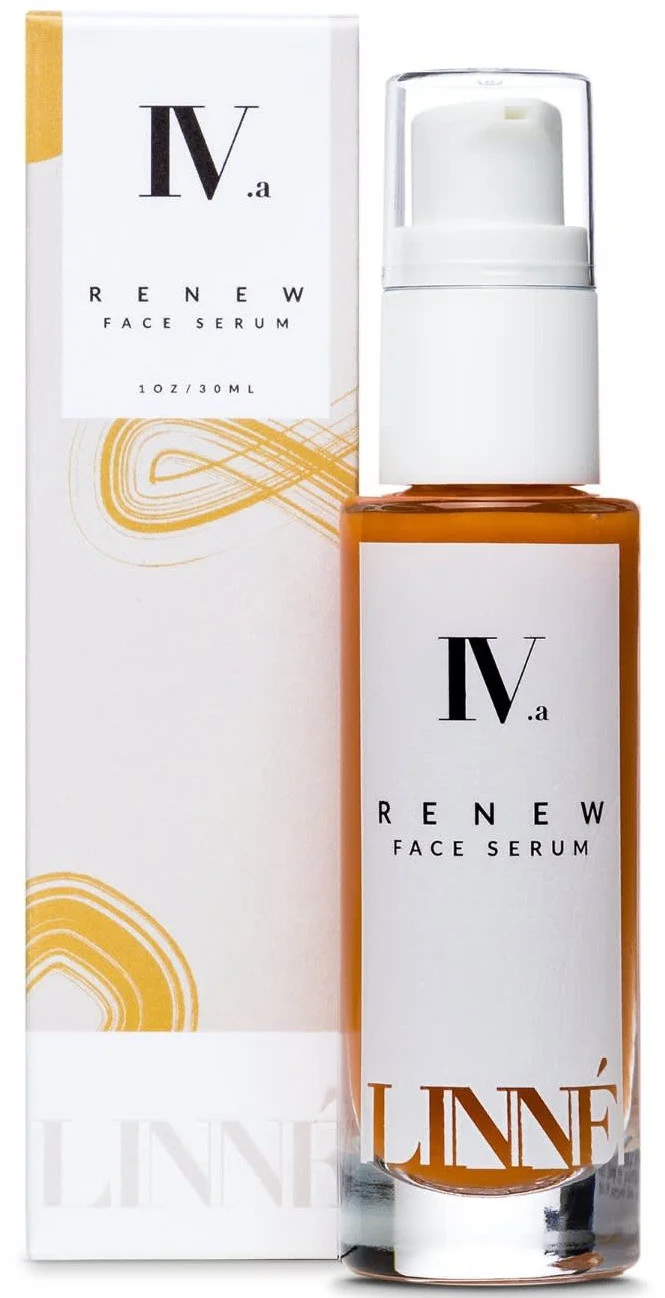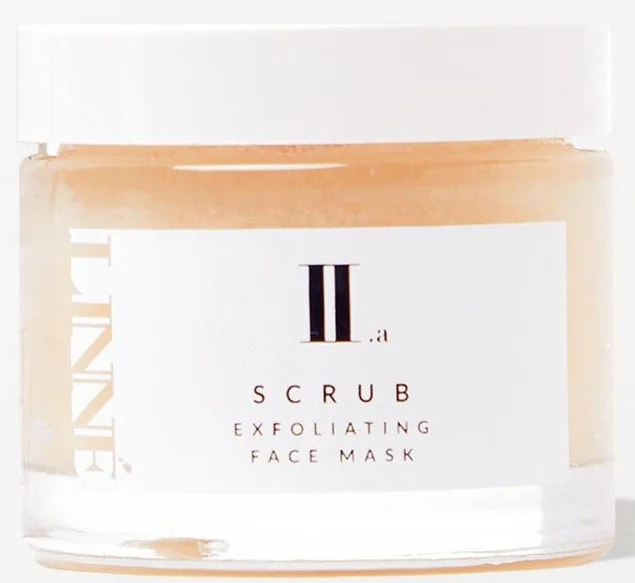
Ingredients
Analysis results of Ingredients


Ingredient List
| EWG | CIR | Ingredient Name & Cosmetic Function | Notes |
|---|---|---|---|
| 1 2 | A | (Solvent, Perfuming, Fragrance, Humectant, Viscosity Decreasing Agent, Hair Conditioning, Skin Protecting, Denaturant ) |  |
| 1 | A | (Viscosity Increasing Agent, Binding Agent, Absorbent, Bulking Agent) | |
| - | - | Aloe Barbadensis (Aloe) Raw Juice* | |
| 1 | - | (Skin Conditioning, Moisturising) | |


Linne Botanicals Scrub Face Mask - Ingredient Explanation
Glycerin
1. Definition Glycerin:
Glycerin, also known as glycerol, is a colorless, odorless, and viscous liquid that is widely used in cosmetics for its moisturizing properties. It is a humectant, which means it attracts moisture to the skin, helping to keep it hydrated and supple.
2. Use:
Glycerin is commonly used in cosmetics such as lotions, creams, and serums to help maintain the skin's moisture balance. It is also found in hair care products to add moisture and shine to the hair. Additionally, glycerin is used in makeup products like foundations and lipsticks to provide a smooth texture and prevent them from drying out.
3. Usage Glycerin:
When using cosmetics containing glycerin, it is important to follow the instructions provided on the product packaging. Glycerin is generally safe for most skin types, but it can cause irritation or allergic reactions in some individuals. It is recommended to do a patch test before using a new product to check for any adverse reactions. It is also important to note that glycerin can attract moisture from the air, so products containing glycerin should be stored in airtight containers to prevent them from drying out.
4. References:
- Draelos, Z. D. (2010). Cosmetic Formulation of Skin Care Products. John Wiley & Sons.
- Loden, M., & Maibach, H. I. (2006). Dry Skin and Moisturizers: Chemistry and Function. CRC Press.
- Winter, R. (2009). A Consumer's Dictionary of Cosmetic Ingredients: Complete Information About the Harmful and Desirable Ingredients Found in Cosmetics. Harmony.
Solanum Tuberosum (Potato) Starch
1. Definition Solanum Tuberosum (Potato) Starch:
Solanum Tuberosum (Potato) Starch is a natural ingredient derived from potatoes that is commonly used in cosmetic products for its ability to absorb excess oil, moisture, and sweat from the skin. It is a white, odorless, and tasteless powder that is rich in carbohydrates.2. Use:
Potato starch is often used in cosmetics as a thickening agent, emollient, and skin conditioning agent. It helps to improve the texture of products, making them smoother and more spreadable. Additionally, it can help to soothe and hydrate the skin, making it a popular ingredient in moisturizers, creams, and lotions.3. Usage Solanum Tuberosum (Potato) Starch:
Potato starch is generally considered safe for use in cosmetics, but it is important to be cautious when using products containing this ingredient. It is recommended to perform a patch test before using a product for the first time to check for any potential allergies or sensitivities. Additionally, it is important to follow the instructions provided by the manufacturer and not exceed the recommended usage levels to avoid any adverse reactions.4. References:
- Sharma, S., & Saxena, D. C. (2013). Potato starch as a versatile biomaterial for potential applications in cosmetics and pharmaceuticals. International Journal of Pharmaceutical Sciences and Research, 4(8), 2991-3000.
- Tavassoli-Kafrani, E., Goli, S. A. H., & Asghari, A. (2011). Potato starch: A biodegradable and renewable material for the cosmetics industry. Journal of Cosmetic Science, 62(6), 579-588.
- Fiume, M. M., Bergfeld, W. F., Belsito, D. V., Hill, R. A., Klaassen, C. D., Liebler, D. C., ... & Andersen, F. A. (2016). Safety assessment of Solanum Tuberosum (Potato) Starch as used in cosmetics. International Journal of Toxicology, 35(3), 303S-313S.
Aloe Barbadensis (Aloe) Raw Juice*
Ingredient data is being updated. Please check back later.
Saccharum Officinarum (Sugar Cane) Extract
1. Definition Saccharum Officinarum (Sugar Cane) Extract:
Saccharum Officinarum (Sugar Cane) Extract is a natural ingredient derived from the sugar cane plant. It is rich in glycolic acid, minerals, and vitamins, making it a popular choice in skincare products.2. Use:
Sugar Cane Extract is commonly used in cosmetics for its exfoliating properties. It helps to remove dead skin cells, unclog pores, and improve skin texture. Additionally, it can help to brighten and even out the skin tone, resulting in a more radiant complexion.3. Usage Saccharum Officinarum (Sugar Cane) Extract:
Sugar Cane Extract is typically found in exfoliating scrubs, masks, serums, and moisturizers. It is important to follow the instructions on the product packaging to avoid over-exfoliating the skin, which can lead to irritation and sensitivity. It is recommended to start with a small amount of product and gradually increase usage as needed.Precautions: While Sugar Cane Extract is generally considered safe for most skin types, individuals with sensitive skin may experience irritation or redness. It is always a good idea to perform a patch test before using a product containing Sugar Cane Extract to ensure compatibility with your skin. Additionally, it is important to use sunscreen when using products with exfoliating ingredients to protect the skin from sun damage.
4. References:
- Sharma, N., & Gupta, A. (2016). Saccharum officinarum (Sugarcane): A comprehensive review. Pharmacognosy Reviews, 10(19), 153–159. https://doi.org/10.4103/0973-7847.194040
- Maia Campos, P. M. B. G., & Gianeti, M. D. (2015). Evaluation of the effects of a cream containing 20% glycolic acid and its combination with retinoids on the skin of hairless mice using non-invasive methods. Skin Research and Technology, 21(2), 167–173. https://doi.org/10.1111/srt.12186
- Mukherjee, S., Date, A., Patravale, V., Korting, H. C., Roeder, A., & Weindl, G. (2006). Retinoids in the treatment of skin aging: An overview of clinical efficacy and safety. Clinical Interventions in Aging, 1(4), 327–348. https://doi.org/10.2147/ciia.2006.1.4.327