


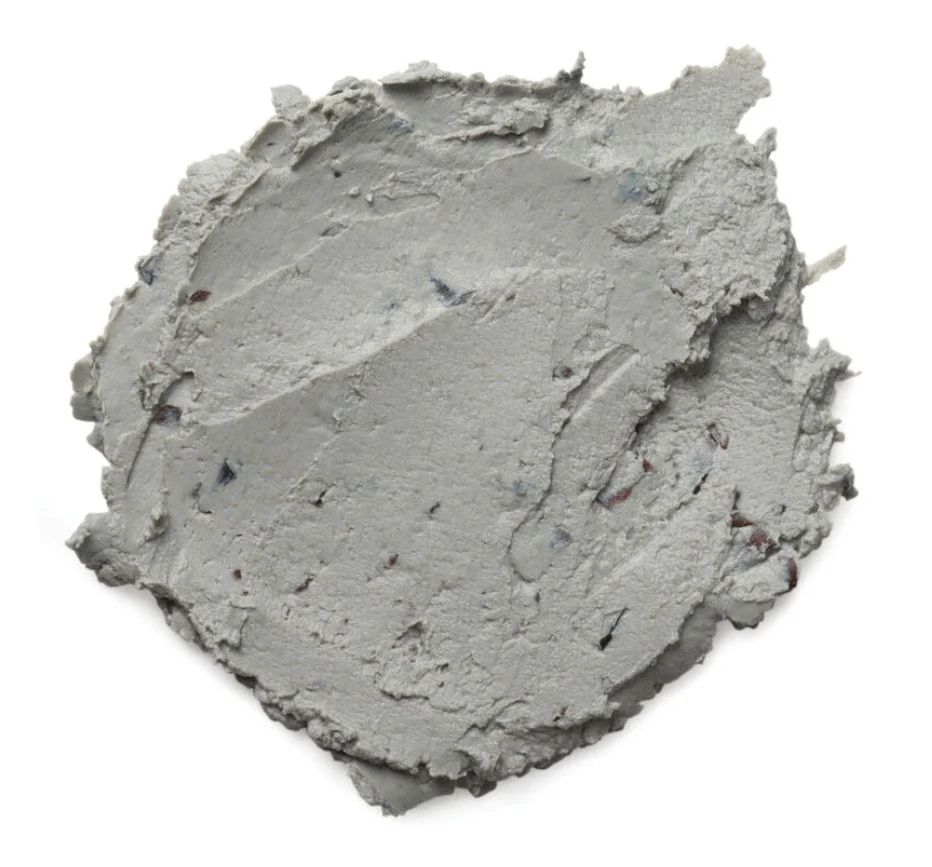
Analysis locked
How well does your skin match with LUSH Catastrophe Cosmetic?
Login to see detailsOr continue via
Quick 1-minute survey • Completely free
Ingredients
Analysis results of Ingredients


Ingredient List
| EWG | CIR | Ingredient Name & Cosmetic Function | Notes |
|---|---|---|---|
| 1 | - | | |
| 5 8 | A | (Skin Protecting, Opacifying, Abrasive, Absorbent, Bulking Agent, Anticaking Agent, Slip Modifier) | |
| 1 | - | | |
| 1 | - | (Skin Conditioning, Tonic, Astringent, Refreshing) | |



LUSH Catastrophe Cosmetic - Ingredient Explanation
Calamine Powder
1. Definition Calamine Powder:
Calamine Powder is a pink-colored powder that is a mixture of zinc oxide and a small amount of ferric oxide. It is commonly used in skincare products for its soothing and calming properties.2. Use:
Calamine Powder is known for its anti-inflammatory and anti-itch properties, making it a popular ingredient in cosmetics and skincare products. It is often used to relieve itching and irritation caused by conditions such as eczema, sunburn, insect bites, and poison ivy. Calamine Powder is also used to reduce redness and inflammation, making it an effective ingredient in products designed for sensitive or irritated skin.3. Usage Calamine Powder:
Calamine Powder can be found in various forms, including lotions, creams, ointments, and masks. It is typically applied topically to the affected area as needed. When using products containing Calamine Powder, it is important to follow the instructions on the packaging and consult with a healthcare professional if you have any concerns or questions. It is generally safe for most people to use, but some individuals may experience skin irritation or allergic reactions. It is recommended to do a patch test before using products containing Calamine Powder to ensure compatibility with your skin.4. References:
- National Center for Biotechnology Information. (n.d.). Calamine. Retrieved from https://pubchem.ncbi.nlm.nih.gov/compound/calamine
- Cosmetics Info. (n.d.). Calamine. Retrieved from https://www.cosmeticsinfo.org/ingredient/calamine
- Healthline. (2021). Calamine Lotion: What It Is, Uses, and Side Effects. Retrieved from https://www.healthline.com/health/calamine-lotion
Talc
1. Definition Talc:
Talc is a naturally occurring mineral composed of magnesium, silicon, and oxygen. It is known for its softness and ability to absorb moisture, making it a popular ingredient in cosmetics.2. Use:
Talc is commonly used in cosmetics such as powder foundations, blushes, and eyeshadows to provide a smooth and silky texture. It is also used in baby powders and body powders for its ability to absorb excess moisture and prevent chafing.3. Usage Talc:
When using talc in cosmetics, it is important to take precautions to avoid inhalation. Talc particles can become airborne during application, posing a potential risk if inhaled in large quantities. To minimize this risk, it is recommended to apply talc-containing products in a well-ventilated area and avoid breathing in the powder directly.4. References:
- "Talc: What it is and how it is used in cosmetics." American Academy of Dermatology. https://www.aad.org/public/everyday-care/skin-care-secrets/routine/talc
- "Talc." U.S. Food and Drug Administration. https://www.fda.gov/cosmetics/cosmetic-ingredients/talc
- "Talc." Environmental Working Group. https://www.ewg.org/skindeep/ingredients/706401-talc/
Chondrus Crispus (Carrageenan)
1. Definition Chondrus Crispus (Carrageenan):
Chondrus Crispus, commonly known as Carrageenan, is a type of red seaweed that is widely used in the cosmetic industry for its thickening, stabilizing, and emulsifying properties.2. Use:
Carrageenan is used in cosmetics to improve the texture, consistency, and stability of products such as lotions, creams, and gels. It helps to create a smooth and creamy texture, while also preventing the separation of ingredients in formulations.3. Usage Chondrus Crispus (Carrageenan):
Carrageenan is typically added to cosmetic formulations at a concentration of 0.1% to 2%. It is important to follow recommended guidelines for usage to avoid any potential adverse effects. Carrageenan is generally considered safe for use in cosmetics, but individuals with sensitive skin may want to perform a patch test before using products containing this ingredient.4. References:
- Draget, K.I., Skjak-Braek, G., and Smidsrod, O. (2006). Alginates from Algae. In: Steinbuchel, A., ed. Biopolymers, Volume 6: Polysaccharides II: Polysaccharides from Eukaryotes. Wiley-VCH Verlag GmbH & Co. KGaA.
- Lopes, G., Sousa, C., Silva, L.R., Pinto, E., and Andrade, P.B. (2012). Chapter 9: Seaweeds as Preventive Agents for Skin Disorders. In: Kim, S.K., ed. Handbook of Anticancer Drugs from Marine Origin. Springer.
- De Jesus Raposo, M.F., De Morais, R.M.S.C., and De Morais, A.M.M.B. (2013). Bioactivity and Applications of Sulphated Polysaccharides from Marine Microalgae. Marine Drugs, 11(1), 233-252.
Fresh Blueberries (Vaccinium Myrtillus)
1. Definition Vaccinium Myrtillus (Bilberry):
Vaccinium Myrtillus, commonly known as Bilberry, is a small, dark blue fruit that belongs to the same family as blueberries and cranberries. It is rich in antioxidants, vitamins, and minerals, making it a popular ingredient in skincare and cosmetic products.2. Use:
Bilberry extract is known for its anti-inflammatory and antioxidant properties, which can help protect the skin from environmental damage and premature aging. It is often used in cosmetics to promote skin health, improve skin tone, and reduce the appearance of fine lines and wrinkles. Bilberry extract is also believed to have astringent properties, making it beneficial for oily or acne-prone skin.3. Usage Vaccinium Myrtillus (Bilberry):
Bilberry extract can be found in various skincare products, including serums, creams, and masks. When using products containing Bilberry extract, it is important to follow the instructions provided by the manufacturer. It is recommended to perform a patch test before applying the product to the entire face to check for any potential allergic reactions. As with any new skincare ingredient, it is best to consult with a dermatologist before incorporating Bilberry extract into your skincare routine.4. References:
- Sharma, A., & Kaur, M. (2013). Medicinal plants in cosmetics. Journal of Medicinal Plants Studies, 1(1), 24-31.
- Martini, S., D'Auria, F. D., & Biazzi, E. (2012). Bilberry extract as a natural active ingredient for cosmetic applications. IFSCC Magazine, 15(4), 335-340.
- Markovska, S., Marekov, I., & Popovska, M. (2017). The use of natural plant extracts in cosmetic products. Journal of Cosmetics, Dermatological Sciences and Applications, 7(3), 215-221.
Review
Didn't find
the information you need?








Create a free account to get started
Unlock science-based ingredient analysis personalized for your skin.
Already have an account? Log in
We protect your privacy. We never send spam.