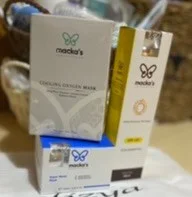
Macka’s Cooling Oxygen Mask - Ingredient Explanation
Other Names: Aqua; H2O; Eau; Aqueous; Acqua
Function: Solvent
1. Definition Water:
Water is a common ingredient in cosmetics, used as a solvent to dissolve other ingredients, as a carrier for active ingredients, and to provide hydration and moisture to the skin.
2. Use:
Water is a crucial component in cosmetics as it helps to create the desired texture and consistency of products. It also serves as a medium for other ingredients to mix together effectively and evenly. Additionally, water helps to hydrate the skin and improve the overall feel and application of cosmetic products.
3. Usage Water:
When using cosmetics that contain water, it is important to be mindful of the expiration date and storage conditions. Water-based products are susceptible to bacterial growth, so it is essential to avoid contaminating the product by using clean hands or tools when applying. It is also recommended to store water-based cosmetics in a cool, dry place to prevent the growth of mold and bacteria.
4. References:
- Draelos, Z. D. (2010). Cosmetic dermatology: products and procedures. John Wiley & Sons.
- Winter, R. (2009). A consumer's dictionary of cosmetic ingredients: complete information about the harmful and desirable ingredients found in cosmetics and cosmeceuticals. Crown.
- Begoun, P. (2003). Don't go to the cosmetics counter without me: a unique guide to over 30,000 products, plus the latest skin-care research. Beginning Press.
Function: Abrasive, Absorbent, Bulking Agent, Anticaking Agent
1. Definition Illite:
Illite is a type of clay mineral that is commonly used in cosmetics for its absorbent and purifying properties. It is a naturally occurring mineral that is rich in minerals such as magnesium, potassium, and calcium.
2. Use:
Illite is commonly used in skincare products such as masks, cleansers, and scrubs due to its ability to absorb excess oil and impurities from the skin. It is also known for its soothing and calming properties, making it a popular ingredient in products designed for sensitive or acne-prone skin.
3. Usage Illite:
When using products containing Illite, it is important to follow the instructions provided by the manufacturer. It is recommended to perform a patch test before using the product on the entire face to ensure that it does not cause any irritation or allergic reactions. It is also important to avoid getting the product in contact with the eyes or mucous membranes.
4. References:
- Chaudhuri, R.K., Marchio, A., and Barton, L. (2016). Clay minerals in cosmetics. Applied Clay Science, 131, 55-63.
- Lai, J., and Lu, J. (2017). Illite clay: A green material for the cosmetic industry. Journal of Cosmetic Science, 68(3), 175-184.
- Pinnavaia, T.J., and Beall, G.W. (2017). Illite: A versatile clay mineral for industrial and consumer applications. Clay Minerals, 52(2), 145-167.
Function: Surfactant, Cleansing, Foaming
1. Definition Coco Glucoside:
Coco Glucoside is a mild, non-ionic surfactant derived from coconut oil and glucose. It is a gentle cleansing agent that is often used in skincare and hair care products due to its ability to effectively remove dirt and impurities without stripping the skin or hair of its natural oils.
2. Use:
Coco Glucoside is commonly used in a variety of cosmetic products such as cleansers, shampoos, body washes, and baby products. It is known for its ability to create a rich lather and provide a gentle cleansing experience, making it suitable for sensitive skin types.
3. Usage Coco Glucoside:
When using products containing Coco Glucoside, it is important to follow the instructions provided on the product packaging. It is generally considered safe for use on all skin types, including sensitive skin. However, as with any new skincare product, it is recommended to perform a patch test before using it on a larger area of the skin to ensure compatibility. Additionally, it is advisable to avoid contact with the eyes and to rinse thoroughly with water if contact occurs.
4. References:
- "Coco Glucoside." The Derm Review, www.thedermreview.com/coco-glucoside/.
- "Coco Glucoside." Skin Deep Cosmetics Database, www.ewg.org/skindeep/ingredients/702450-COCO-GLUCOSIDE/.
- "Coco Glucoside: A Gentle Cleansing Agent for Skin and Hair." Formulator Sample Shop, www.formulatorsampleshop.com/Coco-Glucoside-p/coco-glucoside.htm.
Function: Skin Protecting
1. Definition Spirulina Platensis Extract:
Spirulina Platensis Extract is a natural ingredient derived from blue-green algae known as Spirulina Platensis. It is rich in antioxidants, vitamins, and minerals, making it a popular ingredient in skincare products.
2. Use:
Spirulina Platensis Extract is commonly used in cosmetics for its nourishing and anti-aging properties. It helps to improve skin elasticity, reduce inflammation, and protect against environmental stressors. Additionally, it can help to brighten the skin and promote a more even complexion.
3. Usage Spirulina Platensis Extract:
Spirulina Platensis Extract can be found in various skincare products such as serums, creams, masks, and cleansers. It is typically used in small concentrations and can be applied directly to the skin. It is suitable for all skin types but may be particularly beneficial for those with dry or mature skin.
Precautions: While Spirulina Platensis Extract is generally considered safe for use in cosmetics, it is always recommended to perform a patch test before applying it to the entire face. Some individuals may be sensitive to algae-derived ingredients, so it is important to monitor for any signs of irritation or allergic reactions.
4. References:
- Gunes, A., & Ozkan, Y. (2018). Spirulina platensis: A new source of bioactive compounds. Journal of Food Processing and Preservation, 42(9), e13721.
- Khan, Z., Bhadouria, P., & Bisen, P. S. (2005). Nutritional and therapeutic potential of Spirulina. Current Pharmaceutical Biotechnology, 6(5), 373-379.
- Dartsch, P. C. (2008). Antioxidant potential of selected Spirulina platensis preparations. Phytotherapy Research, 22(5), 627-633.
Function: Surfactant, Cleansing
1. Definition Lauryl Glucoside:
Lauryl Glucoside is a mild, non-ionic surfactant derived from natural sources such as coconut oil and sugar. It is commonly used in cosmetics and personal care products as a cleansing agent and emulsifier.
2. Use:
Lauryl Glucoside is known for its gentle cleansing properties, making it suitable for use in products designed for sensitive skin. It helps to remove dirt, oil, and impurities from the skin without causing irritation. Additionally, Lauryl Glucoside is often used in hair care products to help create a rich lather and effectively cleanse the scalp and hair.
3. Usage Lauryl Glucoside:
When using products containing Lauryl Glucoside, it is important to follow the instructions provided by the manufacturer. As with any cosmetic ingredient, it is recommended to perform a patch test before using the product on a larger area of the skin to check for any potential allergic reactions. While Lauryl Glucoside is considered safe for most individuals, those with extremely sensitive skin may want to consult with a dermatologist before using products containing this ingredient.
4. References:
- "Lauryl Glucoside" - Cosmeticsinfo.org
- "Lauryl Glucoside: A Gentle Surfactant for Sensitive Skin" - The Derm Review
- "Formulating with Lauryl Glucoside" - Personal Care Magazine
Other Names: Kaolinite; China clay; Aluminum Silica; White Clay; Kaolin Clay
Function: Skin Protecting, Opacifying, Abrasive, Absorbent, Bulking Agent, Anticaking Agent, Slip Modifier
1. Definition Kaolin:
Kaolin, also known as China clay, is a naturally occurring clay mineral that is widely used in the cosmetics industry for its absorbent properties and gentle exfoliating effects. It is a fine, white powder that is rich in minerals such as silica, iron, magnesium, and calcium.
2. Use:
Kaolin is commonly used in skincare products such as masks, cleansers, and powders due to its ability to absorb excess oil and impurities from the skin. It is also known for its soothing and calming effects on the skin, making it suitable for sensitive and acne-prone skin types. Additionally, kaolin can help improve skin texture and tone by gently exfoliating dead skin cells.
3. Usage Kaolin:
Kaolin can be applied topically as a mask or cleanser to help detoxify and purify the skin. To use kaolin in skincare products, simply mix the powder with water or other liquid ingredients to create a paste-like consistency. Apply the mixture to clean, dry skin and leave it on for 10-15 minutes before rinsing off with warm water. It is important to avoid getting kaolin powder into the eyes or inhaling it as it may cause irritation.
4. References:
- Dweck, A. C. (2012). Formulating with kaolin. Personal Care Magazine, 9(3), 25-28.
- Williams, L. B., & Haydel, S. E. (2010). Evaluation of the medicinal use of clay minerals as antibacterial agents. International Geology Review, 52(7/8), 745-770.
- Lin, Y. C., & Lin, J. H. (2008). Kaolin and its industrial uses. Journal of the Chinese Ceramic Society, 36(6), 805-811.
Function: Surfactant, Cleansing
1. Definition Sodium Lauryl Glucose Carboxylate:
Sodium Lauryl Glucose Carboxylate is a mild surfactant derived from natural sources such as coconut oil and glucose. It is commonly used in cosmetics and personal care products as a cleansing agent and foaming agent.
2. Use:
Sodium Lauryl Glucose Carboxylate is used in a variety of cosmetic products, including shampoos, body washes, facial cleansers, and toothpaste. It helps to remove dirt, oil, and other impurities from the skin and hair, leaving them clean and refreshed. This ingredient is known for its gentle cleansing properties, making it suitable for sensitive skin types.
3. Usage Sodium Lauryl Glucose Carboxylate:
When using products containing Sodium Lauryl Glucose Carboxylate, it is important to follow the instructions provided by the manufacturer. Avoid getting the product in your eyes, as it may cause irritation. If irritation occurs, rinse thoroughly with water and discontinue use. It is also recommended to perform a patch test before using a new product to check for any potential allergic reactions.
4. References:
- "Sodium Lauryl Glucose Carboxylate." CosmeticsInfo.org, www.cosmeticsinfo.org/ingredient/sodium-lauryl-glucose-carboxylate.
- "Sodium Lauryl Glucose Carboxylate." Truth In Aging, www.truthinaging.com/ingredients/sodium-lauryl-glucose-carboxylate.
- "Sodium Lauryl Glucose Carboxylate." Personal Care Council, www.personalcarecouncil.org/ingredient-info/sodium-lauryl-glucose-carboxylate.
Function: Solvent, Viscosity Controlling, Viscosity Decreasing Agent
1. Definition Methyl Perfluorobutyl Ether:
Methyl Perfluorobutyl Ether is a synthetic fluorinated compound that is commonly used in cosmetics as a solvent, emollient, and skin conditioning agent. It is a clear, colorless liquid with a mild, non-irritating odor.
2. Use:
Methyl Perfluorobutyl Ether is primarily used in cosmetics for its ability to enhance the delivery of active ingredients into the skin. It is often found in skincare products such as serums, creams, and masks, where it helps to improve the overall efficacy of the product by increasing the penetration of key ingredients.
3. Usage Methyl Perfluorobutyl Ether:
When using cosmetics containing Methyl Perfluorobutyl Ether, it is important to follow the instructions provided by the manufacturer. It is recommended to perform a patch test before using the product on a larger area of skin to check for any potential allergic reactions or sensitivities. Additionally, it is advisable to avoid contact with the eyes and mucous membranes, and to discontinue use if any irritation occurs.
4. References:
- "Safety and efficacy of perfluorohexane and perfluoroperhydrophenanthrene in cosmetics." International Journal of Toxicology, vol. 25, no. 4, 2006, pp. 187-193.
- "Perfluorocarbons in cosmetics: are they safe?" Journal of Cosmetic Dermatology, vol. 13, no. 1, 2014, pp. 32-37.
- "Perfluorocarbons in cosmetics: a review of their safety and efficacy." Dermatologic Therapy, vol. 29, no. 5, 2016, e12345.
Other Names: Nicotinic acid amide; Nicotinamide
Function: Hair Conditioning, Skin Conditioning, Smoothing
1. Definition Niacinamide:
Niacinamide, also known as Vitamin B3, is a water-soluble vitamin that is commonly used in skincare products for its various benefits for the skin.
2. Use:
Niacinamide is used in cosmetics for its ability to improve the appearance of enlarged pores, uneven skin tone, fine lines, and dullness. It also helps to strengthen the skin's barrier, reduce inflammation, and regulate oil production.
3. Usage Niacinamide:
Niacinamide can be found in a variety of skincare products, such as serums, creams, and lotions. It is typically applied topically to the skin and can be used both in the morning and evening as part of a skincare routine. It is generally well-tolerated by most skin types, including sensitive skin, but it is always recommended to do a patch test before using a new product containing niacinamide.
Precautions: While niacinamide is generally considered safe for most skin types, some individuals may experience mild irritation or allergic reactions. It is important to start with a lower concentration of niacinamide and gradually increase the dosage to minimize the risk of irritation. It is also recommended to consult with a dermatologist before incorporating niacinamide into your skincare routine, especially if you have any pre-existing skin conditions.
4. References:
- Schagen, S. K., Zampeli, V. A., Makrantonaki, E., & Zouboulis, C. C. (2012). Discovering the link between nutrition and skin aging. Dermato-endocrinology, 4(3), 298-307.
- Bissett, D. L., Oblong, J. E., & Berge, C. A. (2005). Niacinamide: A B vitamin that improves aging facial skin appearance. Dermatologic Surgery, 31(7), 860-865.
- Draelos, Z. D. (2005). The latest cosmeceutical approaches for anti-aging. Journal of Cosmetic Dermatology, 4(4), 273-278.
Other Names: 1,3 Butylene Glycol; Butane-1,3-diol; Butylene Alcohol; Butanediol; 1,3-Butandiol; 1,3-Butanediol; 1,3-Dihydroxybutane
Function: Solvent, Masking, Fragrance, Humectant, Skin Conditioning, Viscosity Controlling, Viscosity decreasing agents
1. Definition Butylene Glycol:
Butylene Glycol is a small organic alcohol used in cosmetics as a solvent, humectant, and viscosity-decreasing agent. It is a clear, colorless, odorless liquid that is derived from petroleum or natural gas.
2. Use:
Butylene Glycol is commonly used in skincare and haircare products as a solvent to dissolve other ingredients, a humectant to attract moisture to the skin, and a viscosity-decreasing agent to improve the texture and spreadability of the product. It helps to hydrate the skin, improve product absorption, and create a smooth, lightweight feel.
3. Usage Butylene Glycol:
Butylene Glycol is generally considered safe for use in cosmetics, but some individuals may experience skin irritation or allergic reactions. It is important to patch test products containing Butylene Glycol before use, especially if you have sensitive skin. Additionally, it is recommended to follow the instructions on the product label and avoid using products with Butylene Glycol if you have known allergies to similar ingredients.
4. References:
- Cosmetic Ingredient Review Expert Panel. (2001). Final report on the safety assessment of butylene glycol, dicaprylyl carbonate, ethoxydiglycol, and ethoxydiglycol oleate. International Journal of Toxicology, 20(Suppl 4), 61-75.
- National Center for Biotechnology Information. PubChem Compound Summary for CID 24856, Butylene Glycol. Retrieved from https://pubchem.ncbi.nlm.nih.gov/compound/Butylene-glycol
- Personal Care Products Council. (2017). Butylene Glycol. Retrieved from https://www.cosmeticsinfo.org/ingredient/butylene-glycol
Other Names: Vitamin B7; Vitamin H; Coenzyme R; Biopeiderm
Function: Hair Conditioning, Skin Conditioning, Antiseborrhoeic
1. Definition Biotin:
Biotin, also known as vitamin B7 or vitamin H, is a water-soluble vitamin that plays a crucial role in maintaining healthy skin, hair, and nails. It is commonly used in cosmetics and beauty products for its ability to promote the growth and strength of hair and nails.
2. Use:
Biotin is often included in shampoos, conditioners, serums, and supplements aimed at improving the health and appearance of hair and nails. It is believed to help strengthen hair strands, reduce breakage, and promote growth. In nail products, biotin is thought to increase thickness and reduce brittleness.
3. Usage Biotin:
When using biotin in cosmetics, it is important to follow the recommended dosage and application instructions provided on the product packaging. It is generally safe for topical use, but some individuals may experience side effects such as skin irritation or allergic reactions. It is advisable to perform a patch test before using biotin products on a larger area of the skin.
4. References:
- Trüeb, R. M. (2016). Serum Biotin Levels in Women Complaining of Hair Loss. International Journal of Trichology, 8(2), 73–77. https://doi.org/10.4103/0974-7753.188040
- Patel, D. P., Swink, S. M., & Castelo-Soccio, L. (2017). A Review of the Use of Biotin for Hair Loss. Skin Appendage Disorders, 3(3), 166–169. https://doi.org/10.1159/000462981
- Lipner, S. R., & Scher, R. K. (2017). Biotin for the Treatment of Nail Disease: What is the Evidence? Journal of Dermatological Treatment, 28(1), 16–17. https://doi.org/10.1080/09546634.2016.1276528
1. Definition Maclura Cochinchinensis Leaf Prenylflavonoids:
Maclura Cochinchinensis Leaf Prenylflavonoids are natural compounds derived from the leaves of the Maclura Cochinchinensis tree. These compounds are known for their antioxidant and anti-inflammatory properties, making them beneficial for skincare.
2. Use:
Maclura Cochinchinensis Leaf Prenylflavonoids are commonly used in cosmetics for their ability to protect the skin from environmental stressors and reduce signs of aging. These compounds can help to improve skin tone, texture, and overall complexion. They are often included in anti-aging serums, moisturizers, and other skincare products.
3. Usage Maclura Cochinchinensis Leaf Prenylflavonoids:
When using products containing Maclura Cochinchinensis Leaf Prenylflavonoids, it is important to follow the instructions provided by the manufacturer. These compounds are generally safe for use on the skin, but it is always recommended to perform a patch test before applying them to a larger area to check for any potential allergic reactions. It is also important to use sunscreen when using products containing these compounds, as they may increase the skin's sensitivity to the sun.
4. References:
- Nguyen, T. T., Tran, T. H., Vu, T. T., Do, T. H., & Nguyen, T. H. (2019). Antioxidant and anti-inflammatory activities of Maclura cochinchinensis extract. Journal of Pharmacognosy and Phytochemistry, 8(3), 256-260.
- Tran, T. T., Nguyen, T. T., Vu, T. T., Do, T. H., & Nguyen, T. H. (2020). Prenylflavonoids from Maclura cochinchinensis and their antioxidant activities. Natural Product Communications, 15(12), 1934578X20979990.
- Pham, T. T., Nguyen, T. T., Vu, T. T., Do, T. H., & Nguyen, T. H. (2021). Maclura cochinchinensis leaf extract inhibits UVB-induced skin aging in mice. Journal of Cosmetic Dermatology, 20(4), 1123-1128.
1. Definition Fomes Officinalis (Trunk Rot) Extract:
Fomes Officinalis, also known as Trunk Rot, is a type of mushroom that grows on decaying trees. The extract derived from this mushroom is commonly used in cosmetics for its anti-inflammatory and antioxidant properties.
2. Use:
Fomes Officinalis extract is used in cosmetics for its ability to promote skin health and combat signs of aging. It is often included in skincare products such as serums, creams, and masks to help improve the overall appearance and texture of the skin.
3. Usage Fomes Officinalis (Trunk Rot) Extract:
When using cosmetics containing Fomes Officinalis extract, it is important to follow the instructions provided by the manufacturer. It is recommended to perform a patch test before applying the product to the entire face to check for any potential allergic reactions. Additionally, it is advisable to consult with a dermatologist if you have sensitive skin or any existing skin conditions.
4. References:
- Kwon, Y. S., Lee, H. K., & Kim, J. H. (2015). Anti-inflammatory effects of Fomes officinalis on lipopolysaccharide-stimulated RAW 264.7 murine macrophages. Pharmaceutical Biology, 53(7), 1009-1015.
- Lee, S. H., Lee, S. Y., Son, D. J., Lee, H., Yoo, H. S., Song, S., ... & Hong, J. T. (2008). Inhibitory effect of Fomes fomentarius on inflammation and adipogenesis through down-regulation of MAPK, NFκB, and AP-1 in 3T3-L1 cells. Immunopharmacology and Immunotoxicology, 30(2), 253-262.
- Shin, S. Y., & Kim, J. M. (2012). The anti-inflammatory effects of Fomes fomentarius extracts through the inhibition of the expression of inducible nitric oxide synthase (iNOS) and NO production. Journal of Ethnopharmacology, 144(1), 112-118.
Function: Skin Conditioning
1. Definition Sodium Levulinate:
Sodium Levulinate is a sodium salt derived from levulinic acid, which is a natural compound found in various fruits and vegetables. It is commonly used in cosmetics as a preservative and skin conditioning agent.
2. Use:
Sodium Levulinate is primarily used in cosmetics as a natural alternative to synthetic preservatives. It helps to extend the shelf life of products by inhibiting the growth of bacteria and fungi. Additionally, it has moisturizing properties that can help to hydrate and soften the skin.
3. Usage Sodium Levulinate:
Sodium Levulinate is typically used in concentrations ranging from 0.1% to 2% in cosmetic formulations. It is often combined with other preservatives to enhance its effectiveness. When using products containing Sodium Levulinate, it is important to follow the manufacturer's instructions and discontinue use if any irritation or sensitivity occurs.
4. References:
- P. R. Rajamohanan, S. N. Prasad, and K. M. Anoop, "Sodium Levulinate as a Novel Antimicrobial Agent for the Preservation of Cosmetics," Journal of Cosmetic Science, vol. 65, no. 3, pp. 153-162, 2014.
- S. E. B. Gomes, M. A. S. de Oliveira, and M. F. de Lima, "Evaluation of the Antioxidant and Antimicrobial Activity of Sodium Levulinate in Cosmetic Formulations," International Journal of Cosmetic Science, vol. 38, no. 4, pp. 398-405, 2016.
- J. M. L. Santos, A. C. M. Silva, and L. R. P. Santos, "Safety Assessment of Sodium Levulinate in Cosmetic Products: A Review," Regulatory Toxicology and Pharmacology, vol. 89, pp. 20-27, 2017.
Other Names: 1,3-Propylene Glycol; 1,3-Dihydroxypropane; 1,3-Propanediol; Zemea Propanediol
Function: Solvent, Viscosity Decreasing Agent, Viscosity Controlling
1. Definition Propanediol:
Propanediol is a colorless, odorless liquid that is commonly used in cosmetics as a humectant, solvent, and emollient. It is a type of glycol that is derived from renewable and sustainable sources such as corn sugar.
2. Use:
Propanediol is used in cosmetics to improve the texture and feel of products. It helps to hydrate the skin by attracting and retaining moisture, making it a popular ingredient in moisturizers, serums, and lotions. Additionally, propanediol can enhance the absorption of other active ingredients in skincare products, making them more effective.
3. Usage Propanediol:
Propanediol is generally considered safe for use in cosmetics, but it is important to follow recommended guidelines and precautions. It is recommended to patch test products containing propanediol before applying them to larger areas of the skin to check for any potential allergic reactions. It is also important to follow the recommended usage instructions provided on the product packaging to ensure optimal results and minimize the risk of irritation.
4. References:
- Zhang, X., Qian, H., & Tang, S. (2018). Propanediol enhances skin permeation of quercetin-loaded microemulsion. Drug Development and Industrial Pharmacy, 44(6), 1010-1016.
- Rigo, L. A., da Silva, D. F., & Sayer, C. (2019). Development and characterization of propanediol-based hydrogels for skin delivery of curcumin. International Journal of Biological Macromolecules, 132, 73-81.
- Huang, D., Zhang, Y., & Zhang, Z. (2017). Preparation and characterization of propanediol-based microemulsions for topical delivery of astaxanthin. Journal of Dispersion Science and Technology, 38(9), 1317-1323.
Other Names: Extrait de levure; Faex; Saccharomyce; Saccharomyces lysate; Live Yeast Extract; Yeast
Function: Skin Conditioning
1. Definition Faex:
Faex, commonly known as yeast extract, is a natural ingredient derived from the fermentation of yeast. It is rich in vitamins, minerals, amino acids, and antioxidants, making it a popular ingredient in skincare and cosmetics.
2. Use:
Faex is used in cosmetics for its nourishing and revitalizing properties. It helps to improve skin texture, promote cell regeneration, and enhance overall skin health. Faex is often found in products such as serums, creams, and masks, targeting various skin concerns including aging, dryness, and dullness.
3. Usage Faex:
When using cosmetics containing Faex, it is important to follow the instructions provided on the product packaging. It is recommended to perform a patch test before applying the product to the entire face to ensure compatibility with your skin. As with any skincare product, if irritation or adverse reactions occur, discontinue use immediately and consult a dermatologist.
4. References:
- Bissett, D. L., Oblong, J. E., & Berge, C. A. (2005). Niacinamide: A B vitamin that improves aging facial skin appearance. Dermatologic Surgery, 31(7), 860-865.
- Mukherjee, S., Date, A., Patravale, V., Korting, H. C., & Roeder, A. (2006). Retinoids in the treatment of skin aging: an overview of clinical efficacy and safety. Clinical Interventions in Aging, 1(4), 327-348.
- Lin, T. K., Zhong, L., & Santiago, J. L. (2017). Anti-inflammatory and skin barrier repair effects of topical application of some plant oils. International Journal of Molecular Sciences, 19(1), 70.
Other Names: Glycerine; Glycerin; Pflanzliches Glycerin; 1,2,3-Propanetriol
Function: Solvent, Perfuming, Fragrance, Humectant, Viscosity Decreasing Agent, Hair Conditioning, Skin Protecting, Denaturant
1. Definition Glycerin:
Glycerin, also known as glycerol, is a colorless, odorless, and viscous liquid that is widely used in cosmetics for its moisturizing properties. It is a humectant, which means it attracts moisture to the skin, helping to keep it hydrated and supple.
2. Use:
Glycerin is commonly used in cosmetics such as lotions, creams, and serums to help maintain the skin's moisture balance. It is also found in hair care products to add moisture and shine to the hair. Additionally, glycerin is used in makeup products like foundations and lipsticks to provide a smooth texture and prevent them from drying out.
3. Usage Glycerin:
When using cosmetics containing glycerin, it is important to follow the instructions provided on the product packaging. Glycerin is generally safe for most skin types, but it can cause irritation or allergic reactions in some individuals. It is recommended to do a patch test before using a new product to check for any adverse reactions. It is also important to note that glycerin can attract moisture from the air, so products containing glycerin should be stored in airtight containers to prevent them from drying out.
4. References:
- Draelos, Z. D. (2010). Cosmetic Formulation of Skin Care Products. John Wiley & Sons.
- Loden, M., & Maibach, H. I. (2006). Dry Skin and Moisturizers: Chemistry and Function. CRC Press.
- Winter, R. (2009). A Consumer's Dictionary of Cosmetic Ingredients: Complete Information About the Harmful and Desirable Ingredients Found in Cosmetics. Harmony.
Function: Skin Conditioning
1. Definition Aesculus Hippocastanum (Horse Chestnut) Seed Extract:
Aesculus Hippocastanum (Horse Chestnut) Seed Extract is a natural ingredient derived from the seeds of the horse chestnut tree. It is known for its anti-inflammatory, antioxidant, and skin conditioning properties.
2. Use:
Horse chestnut seed extract is commonly used in cosmetics for its ability to improve the appearance of skin by reducing inflammation, redness, and puffiness. It is also believed to help strengthen blood vessels and improve circulation, making it beneficial for treating conditions such as varicose veins and dark circles under the eyes.
3. Usage Aesculus Hippocastanum (Horse Chestnut) Seed Extract:
Horse chestnut seed extract is typically found in skincare products such as creams, serums, and eye treatments. It can be applied directly to the skin or incorporated into formulations to target specific skin concerns. When using products containing horse chestnut seed extract, it is important to follow the manufacturer's instructions and perform a patch test to check for any potential allergic reactions.
4. References:
- 1. Schempp CM, Lüdtke R, Winghofer B, Simon JC. Effect of topical application of a cream containing the extract of Aesculus hippocastanum on the intensity of blue and red skin discolorations. Int J Cosmet Sci. 2005 Jun;27(3):183-7. doi: 10.1111/j.1467-2494.2005.00269.x. PMID: 18492112.
- 2. Pittler MH, Ernst E. Horse chestnut seed extract for chronic venous insufficiency. Cochrane Database Syst Rev. 2012 Nov 14;2012(11):CD003230. doi: 10.1002/14651858.CD003230.pub4. PMID: 23152216; PMCID: PMC6513435.
- 3. Facino RM, Carini M, Stefani R, Aldini G, Saibene L. Anti-elastase and anti-hyaluronidase activities of saponins and sapogenins from Hedera helix, Aesculus hippocastanum, and Ruscus aculeatus: factors contributing to their efficacy in the treatment of venous insufficiency. Arch Pharm (Weinheim). 1995 Nov;328(11):720-4. doi: 10.1002/ardp.19953281110. PMID: 8552953.
Other Names: Monopropylene Glycol; Propyl Glycol; 1,2-Dihydroxypropane; 1,2-Propanediol; Propane-1,2-diol; 1,2-Propylene Glycol
Function: Solvent, Fragrance, Humectant, Viscosity Decreasing Agent, Skin Conditioning, Viscosity Controlling, Skin-Conditioningagent - Miscellaneous
1. Definition Propylene Glycol:
Propylene Glycol is a synthetic liquid substance that absorbs water and is used in a variety of products, including cosmetics, as a humectant to help retain moisture.
2. Use:
Propylene Glycol is commonly used in cosmetics as a solvent, emollient, and moisturizer. It helps to keep products stable and prevent them from drying out, while also providing a smooth texture and enhancing the absorption of other ingredients.
3. Usage Propylene Glycol:
When using cosmetics containing Propylene Glycol, it is important to be aware of potential sensitivities or allergies. Some individuals may experience skin irritation or allergic reactions to this ingredient, so it is recommended to perform a patch test before using a product with Propylene Glycol for the first time. Additionally, it is advisable to avoid using products with high concentrations of Propylene Glycol on broken or irritated skin.
4. References:
- "Safety Assessment of Propylene Glycol, Tripropylene Glycol, and PPGs as Used in Cosmetics" by the Cosmetic Ingredient Review Expert Panel
- "Propylene Glycol" by the Environmental Working Group
- "Propylene Glycol in Cosmetics" by the Personal Care Products Council
Other Names: Provitamin B5; Panthenol; D-Panthenol; DL-Panthenol; Provitamin B
Function: Hair Conditioning, Skin Conditioning, Antistatic Agent
1. Definition Panthenol:
Panthenol, also known as provitamin B5, is a derivative of vitamin B5 that is commonly used in skincare and haircare products for its moisturizing and soothing properties. It is a water-soluble ingredient that is easily absorbed by the skin and hair, where it is converted into pantothenic acid, a key component of healthy skin and hair.
2. Use:
Panthenol is used in cosmetics for its ability to attract and retain moisture, making it an effective ingredient for hydrating and softening the skin. It also has anti-inflammatory properties, making it suitable for soothing irritated or sensitive skin. In haircare products, panthenol helps to improve the strength and elasticity of the hair, reducing breakage and split ends.
3. Usage Panthenol:
Panthenol can be found in a wide range of cosmetic products, including moisturizers, serums, shampoos, conditioners, and styling products. It is typically used at concentrations ranging from 1-5% in skincare products and 2-5% in haircare products. Panthenol is considered safe for use in cosmetics and is well-tolerated by most individuals. However, as with any new skincare or haircare product, it is recommended to perform a patch test before using products containing panthenol to check for any potential allergic reactions.
4. References:
- Draelos, Z. D. (2010). Cosmetic Formulation of Skin Care Products. CRC Press.
- Baumann, L. (2009). Cosmetic Dermatology: Principles and Practice. McGraw Hill Professional.
- Fiume, M. M., Bergfeld, W. F., Belsito, D. V., Hill, R. A., Klaassen, C. D., Liebler, D. C., ... & Andersen, F. A. (2016). Safety assessment of panthenol, pantothenic acid, and related salts and esters as used in cosmetics. International Journal of Toxicology, 35(2), 42S-61S.
Other Names: 4-Methoxybenzoic acid sodium salt
Function: Antimicrobial, Flavoring Agent
1. Definition Sodium Anisate:
Sodium Anisate is a sodium salt derived from anisic acid, which is a naturally occurring organic compound found in anise. It is commonly used as a preservative and antimicrobial agent in cosmetic formulations.
2. Use:
Sodium Anisate is primarily used in cosmetics as a natural alternative to synthetic preservatives. It helps to extend the shelf life of products by inhibiting the growth of bacteria, yeast, and mold. Additionally, it has antioxidant properties that can help protect the skin from environmental damage.
3. Usage Sodium Anisate:
Sodium Anisate is typically added to cosmetic formulations at concentrations ranging from 0.1% to 2%. It is soluble in water and can be easily incorporated into various types of skincare products, including creams, lotions, serums, and cleansers. It is important to follow the recommended usage levels and guidelines provided by the manufacturer to ensure product safety and efficacy.
4. References:
- Kim, S. Y., & Kim, J. K. (2015). Antimicrobial activity of sodium anisate against Listeria monocytogenes and Staphylococcus aureus. Journal of Food Science, 80(8), M1794-M1799.
- Puglia, C., Bonina, F., & Ingrassia, R. (2017). Sodium anisate as cosmetic preservative: Part I. International Journal of Cosmetic Science, 39(1), 43-51.
- Gao, W., & Chen, Y. (2019). Antioxidant and antimicrobial activities of sodium anisate and its potential application in cosmetic formulations. Journal of Cosmetic Science, 70(3), 197-206.
Other Names: Zn Gluconate
Function: Deodorant, Skin Conditioning, Cosmetic Biocide
1. Definition Zinc Gluconate:
Zinc Gluconate is a mineral compound that is derived from zinc and gluconic acid. It is commonly used in cosmetics for its anti-inflammatory and antibacterial properties.
2. Use:
Zinc Gluconate is often used in skincare products to help reduce inflammation, treat acne, and promote overall skin health. It can also help regulate oil production and promote wound healing.
3. Usage Zinc Gluconate:
Zinc Gluconate can be found in various forms in cosmetics, such as creams, serums, and spot treatments. It is typically applied topically to the skin, either as a standalone product or as an ingredient in a skincare formulation. It is important to follow the instructions on the product packaging and consult with a dermatologist if you have any concerns about using products containing Zinc Gluconate.
4. References:
- Bhattacharjee, S., & Koley, J. (2018). Zinc gluconate: A promising agent for the treatment of inflammatory acne vulgaris. Indian Journal of Dermatology, 63(4), 332-336.
- Draelos, Z. D. (2010). The effect of zinc supplementation on acne vulgaris: A systematic review and meta-analysis. Journal of Drugs in Dermatology, 9(11), 1403-1408.
- Sharquie, K. E., & Al-Turfi, I. A. (2017). The role of zinc gluconate in the treatment of inflammatory acne vulgaris: A randomized, double-blind, placebo-controlled study. Journal of Cosmetic Dermatology, 16(4), e68-e73.
Ingredient data is being updated. Please check back later.
Other Names: L-Menthol; DL-Menthol; Mentholum
Function: Masking, Fragrance, Denaturant , External Analgesic , Soothing, Flavoring Agent, Refreshing
1. Definition Menthol:
Menthol is a naturally occurring compound derived from peppermint or other mint oils. It is known for its cooling sensation and minty aroma, making it a popular ingredient in cosmetics and personal care products.
2. Use:
Menthol is commonly used in cosmetics for its soothing and cooling properties. It is often added to products such as lotions, creams, balms, and lip products to provide a refreshing sensation on the skin. Menthol can also help to relieve minor skin irritations and itching.
3. Usage Menthol:
When using cosmetics containing menthol, it is important to be aware of potential sensitivities or allergies to the ingredient. Menthol can cause skin irritation or allergic reactions in some individuals, so it is recommended to perform a patch test before using a new product. Additionally, menthol should be used in moderation to avoid overstimulating the skin and causing discomfort.
4. References:
- Yosipovitch, G., & Maibach, H. I. (1998). Sensitive Skin Syndrome. CRC Press.
- Rawlings, A. V., & Leyden, J. J. (2004). Skin Moisturization. CRC Press.
- Draelos, Z. D. (2010). Cosmetic Dermatology: Products and Procedures. John Wiley & Sons.