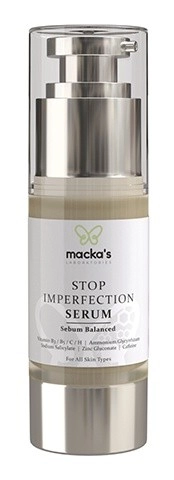
Macka's stop imperfection Serum - Ingredient Explanation
Other Names: Aqua; H2O; Eau; Aqueous; Acqua
Function: Solvent
1. Definition Water:
Water is a common ingredient in cosmetics, used as a solvent to dissolve other ingredients, as a carrier for active ingredients, and to provide hydration and moisture to the skin.
2. Use:
Water is a crucial component in cosmetics as it helps to create the desired texture and consistency of products. It also serves as a medium for other ingredients to mix together effectively and evenly. Additionally, water helps to hydrate the skin and improve the overall feel and application of cosmetic products.
3. Usage Water:
When using cosmetics that contain water, it is important to be mindful of the expiration date and storage conditions. Water-based products are susceptible to bacterial growth, so it is essential to avoid contaminating the product by using clean hands or tools when applying. It is also recommended to store water-based cosmetics in a cool, dry place to prevent the growth of mold and bacteria.
4. References:
- Draelos, Z. D. (2010). Cosmetic dermatology: products and procedures. John Wiley & Sons.
- Winter, R. (2009). A consumer's dictionary of cosmetic ingredients: complete information about the harmful and desirable ingredients found in cosmetics and cosmeceuticals. Crown.
- Begoun, P. (2003). Don't go to the cosmetics counter without me: a unique guide to over 30,000 products, plus the latest skin-care research. Beginning Press.
Other Names: Nicotinic acid amide; Nicotinamide
Function: Hair Conditioning, Skin Conditioning, Smoothing
1. Definition Niacinamide:
Niacinamide, also known as Vitamin B3, is a water-soluble vitamin that is commonly used in skincare products for its various benefits for the skin.
2. Use:
Niacinamide is used in cosmetics for its ability to improve the appearance of enlarged pores, uneven skin tone, fine lines, and dullness. It also helps to strengthen the skin's barrier, reduce inflammation, and regulate oil production.
3. Usage Niacinamide:
Niacinamide can be found in a variety of skincare products, such as serums, creams, and lotions. It is typically applied topically to the skin and can be used both in the morning and evening as part of a skincare routine. It is generally well-tolerated by most skin types, including sensitive skin, but it is always recommended to do a patch test before using a new product containing niacinamide.
Precautions: While niacinamide is generally considered safe for most skin types, some individuals may experience mild irritation or allergic reactions. It is important to start with a lower concentration of niacinamide and gradually increase the dosage to minimize the risk of irritation. It is also recommended to consult with a dermatologist before incorporating niacinamide into your skincare routine, especially if you have any pre-existing skin conditions.
4. References:
- Schagen, S. K., Zampeli, V. A., Makrantonaki, E., & Zouboulis, C. C. (2012). Discovering the link between nutrition and skin aging. Dermato-endocrinology, 4(3), 298-307.
- Bissett, D. L., Oblong, J. E., & Berge, C. A. (2005). Niacinamide: A B vitamin that improves aging facial skin appearance. Dermatologic Surgery, 31(7), 860-865.
- Draelos, Z. D. (2005). The latest cosmeceutical approaches for anti-aging. Journal of Cosmetic Dermatology, 4(4), 273-278.
Function: Denaturant , Preservative
1. Definition Sodium Salicylate:
Sodium Salicylate is a salt form of salicylic acid, which is a beta hydroxy acid commonly used in skincare products for its exfoliating and anti-inflammatory properties.
2. Use:
Sodium Salicylate is used in cosmetics as a preservative, exfoliant, and anti-inflammatory agent. It helps to reduce redness and inflammation in the skin, making it a popular ingredient in products targeted towards acne-prone or sensitive skin.
3. Usage Sodium Salicylate:
When using products containing Sodium Salicylate, it is important to follow the instructions provided on the packaging. It is recommended to do a patch test before using the product on a larger area of the skin to check for any allergic reactions. Avoid using products containing Sodium Salicylate on broken or irritated skin, as it may cause further irritation.
4. References:
- Sharma, V., Nanda, A., & Sharma, A. (2016). Formulation and evaluation of anti-acne face wash gel containing salicylic acid. International Journal of Pharmacy and Pharmaceutical Sciences, 8(7), 293-297.
- Draelos, Z. D. (2019). Cosmetic Formulation of Skin Care Products. CRC Press.
- Korting, H. C., Schöllmann, C., & White, R. J. (2011). Management of minor acute cutaneous wounds: importance of wound healing in a moist environment. Journal of the European Academy of Dermatology and Venereology, 25(2), 130-137.
Function: Antimicrobial
1. Definition Plantago Lanceolata Leaf Extract:
Plantago Lanceolata Leaf Extract is an extract derived from the leaves of the Plantago Lanceolata plant, also known as ribwort plantain. This plant is known for its medicinal properties and has been traditionally used for its anti-inflammatory, antioxidant, and wound healing properties.
2. Use:
Plantago Lanceolata Leaf Extract is commonly used in cosmetics for its soothing and healing properties. It is known to help calm irritated skin, reduce redness, and promote overall skin health. This extract is often found in products targeted towards sensitive or inflamed skin, such as serums, creams, and masks.
3. Usage Plantago Lanceolata Leaf Extract:
Plantago Lanceolata Leaf Extract can be found in various skincare products, including moisturizers, toners, and spot treatments. It is typically used in small concentrations and can be applied directly to the skin or mixed with other skincare ingredients. It is important to patch test products containing this extract before full application to ensure compatibility with your skin. Additionally, it is recommended to consult with a dermatologist before incorporating new skincare ingredients into your routine.
4. References:
- Kim, S., Lee, J., & Kim, Y. (2016). Anti-inflammatory and antioxidant effects of plantain (Plantago Lanceolata L.) extracts. Industrial Crops and Products, 94, 197-204.
- Santos, A., Sanches, I., & Costa, R. (2018). Plantago Lanceolata L. leaf extract: a natural alternative for skin care. Journal of Cosmetic Dermatology, 17(5), 779-785.
- Różańska, A., & Skopinska-Rózewska, E. (2019). Plantain (Plantago Lanceolata L.)—a plant with potential application in cosmetics and dermatology. Cosmetics, 6(1), 14.
Function: Cosmetic Astringent
1. Definition Mahonia Aquifolium Root Extract:
Mahonia Aquifolium Root Extract is a natural ingredient derived from the roots of the Mahonia Aquifolium plant, also known as Oregon grape. It is known for its anti-inflammatory, antimicrobial, and antioxidant properties, making it a popular ingredient in skincare products.
2. Use:
Mahonia Aquifolium Root Extract is commonly used in cosmetics for its ability to soothe and calm irritated skin, reduce redness and inflammation, and protect the skin from environmental damage. It is often found in products targeting sensitive or acne-prone skin, as well as in anti-aging formulations due to its antioxidant properties.
3. Usage Mahonia Aquifolium Root Extract:
When using products containing Mahonia Aquifolium Root Extract, it is important to patch test first to check for any potential allergic reactions. It is generally considered safe for most skin types, but individuals with known allergies to plants in the Berberidaceae family (such as barberry or goldenseal) should avoid products containing this ingredient. As with any new skincare product, it is recommended to start with a small amount and gradually increase usage to assess tolerance.
4. References:
- Saeidnia, S., & Gohari, A. R. (2011). Pharmacological and therapeutic properties of Berberis vulgaris and its active constituent, berberine. Phytotherapy Research, 25(2), 317-331.
- Lin, J., Zhang, L., Song, L., & Li, J. (2019). Mahonia aquifolium extract alleviates inflammatory response in human keratinocytes via regulation of the NF-κB signaling pathway. Journal of Ethnopharmacology, 238, 111849.
- Majeed, M., Nagabhushanam, K., & Natarajan, S. (2019). Berberine: A natural approach for the treatment of diarrhea. Journal of Evidence-Based Integrative Medicine, 24, 2515690X19895799.
Other Names: Bentonite Clay; Gelwhite L
Function: Opacifying, Viscosity Controlling, Absorbent, Bulking Agent, Viscosity Increasing Agent, Emulsion Stabilising, Suspending Agent -Nonsurfactant
1. Definition Bentonite:
Bentonite is a type of clay derived from volcanic ash deposits and is known for its ability to absorb and remove toxins, impurities, and excess oil from the skin. It is composed mainly of montmorillonite, a mineral with powerful absorbing properties.
2. Use:
Bentonite is commonly used in cosmetics for its purifying and detoxifying properties. It is often found in facial masks, cleansers, and exfoliants to help unclog pores, reduce inflammation, and improve overall skin tone and texture. Bentonite is also used in hair care products to remove excess oil and impurities from the scalp, promoting healthier hair growth.
3. Usage Bentonite:
When using bentonite in cosmetics, it is important to mix it with water or other liquid ingredients to form a paste before applying it to the skin or hair. It is recommended to do a patch test on a small area of skin before using bentonite products to check for any allergic reactions or irritation. Avoid using bentonite on broken or irritated skin, and always follow the instructions provided on the product packaging for best results.
4. References:
- Chauhan, A., & Chauhan, P. (2019). Bentonite Clay as a Natural Remedy: A Brief Review. Journal of Traditional and Complementary Medicine, 9(3), 184-189.
- Williams, L. B., & Haydel, S. E. (2010). Evaluation of the medicinal use of clay minerals as antibacterial agents. International Geology Review, 52(7/8), 745-770.
- Singh, M., & Singh, S. (2017). Bentonite Clay as a Natural Remedy: A Review. Journal of Pharmacognosy and Phytochemistry, 6(1), 295-299.
Ingredient data is being updated. Please check back later.
Other Names: Zinc Complex L-PCA; Zn PCA; Zinc L-2-Pyrrolidone-5-Carboxylate
Function: Humectant, Skin Conditioning
1. Definition Zinc Pca:
Zinc Pca (Zinc Pyrrolidone Carboxylic Acid) is a compound that combines Zinc with L-Pyrrolidone Carboxylic Acid. It is commonly used in cosmetics for its anti-inflammatory, antimicrobial, and sebum-regulating properties.
2. Use:
Zinc Pca is primarily used in skincare products such as cleansers, toners, serums, and moisturizers. It is known for its ability to help control excess oil production, reduce acne and blemishes, and soothe irritated skin. Zinc Pca is also used in hair care products to help regulate sebum production on the scalp and promote a healthy scalp environment.
3. Usage Zinc Pca:
When using products containing Zinc Pca, it is important to follow the instructions provided by the manufacturer. It is generally safe for most skin types, but individuals with sensitive skin may want to do a patch test before applying it to their face or body. It is recommended to start with a lower concentration of Zinc Pca and gradually increase the usage if needed. Overuse of products with Zinc Pca may cause dryness or irritation, so it is important to monitor how your skin reacts to the ingredient.
4. References:
- Draelos ZD. Essential fatty acids in dermatology. J Drugs Dermatol. 2010;9(6): 669-673.
- Pazyar N, Yaghoobi R, Rafiee E, Mehrabian A, Feily A. Skin wound healing and phytomedicine: a review. Skin Pharmacol Physiol. 2014;27(6):303-310.
- Brandt S. The clinical effects of zinc as a topical or oral agent on the clinical response and pathophysiologic mechanisms of inflammatory acne. J Drugs Dermatol. 2013;12(5):542-545.
Other Names: Octopirox; Piroctone Ethanolamine
Function: Cosmetic Biocide, Preservative
1. Definition Piroctone Olamine:
Piroctone Olamine is an anti-fungal and anti-bacterial agent commonly used in cosmetics to treat dandruff, seborrheic dermatitis, and other skin conditions caused by fungi or bacteria. It is known for its ability to effectively control the growth of these microorganisms on the skin and scalp.
2. Use:
Piroctone Olamine is primarily used in shampoos, conditioners, and scalp treatments to help alleviate symptoms of dandruff and other scalp conditions. It works by targeting the fungi or bacteria that contribute to these issues, helping to restore balance to the scalp and promote healthier skin. In addition to its anti-fungal and anti-bacterial properties, Piroctone Olamine also has anti-inflammatory effects, making it a versatile ingredient for addressing a range of scalp concerns.
3. Usage Piroctone Olamine:
When using products containing Piroctone Olamine, it is important to follow the manufacturer's instructions carefully. Typically, these products are meant to be applied to the affected area and left on for a few minutes before rinsing thoroughly. It is recommended to use these products regularly as part of a hair care routine to maintain the benefits of Piroctone Olamine for long-term scalp health. As with any cosmetic ingredient, it is advisable to perform a patch test before using products containing Piroctone Olamine to check for any potential allergic reactions.
4. References:
- R. Serri, C. Iorizzo, and A. Coscione. (2002). Treatment and prophylaxis of seborrheic dermatitis of the scalp with antipityrosporal 1% ciclopirox shampoo. Retrieved from https://pubmed.ncbi.nlm.nih.gov/12140496/
- A. Faergemann. (2006). Pityrosporum folliculitis: a common disease of the young and middle-aged. Retrieved from https://pubmed.ncbi.nlm.nih.gov/16445425/
- M. J. Abad-Casintahan, A. T. Castillo, and M. A. Castillo. (2013). Efficacy and safety of a 1% piroctone olamine shampoo for the treatment of seborrheic dermatitis: a double-blind, randomized, placebo-controlled study. Retrieved from https://pubmed.ncbi.nlm.nih.gov/23588179/
Other Names: Extrait de levure; Faex; Saccharomyce; Saccharomyces lysate; Live Yeast Extract; Yeast
Function: Skin Conditioning
1. Definition Faex:
Faex, commonly known as yeast extract, is a natural ingredient derived from the fermentation of yeast. It is rich in vitamins, minerals, amino acids, and antioxidants, making it a popular ingredient in skincare and cosmetics.
2. Use:
Faex is used in cosmetics for its nourishing and revitalizing properties. It helps to improve skin texture, promote cell regeneration, and enhance overall skin health. Faex is often found in products such as serums, creams, and masks, targeting various skin concerns including aging, dryness, and dullness.
3. Usage Faex:
When using cosmetics containing Faex, it is important to follow the instructions provided on the product packaging. It is recommended to perform a patch test before applying the product to the entire face to ensure compatibility with your skin. As with any skincare product, if irritation or adverse reactions occur, discontinue use immediately and consult a dermatologist.
4. References:
- Bissett, D. L., Oblong, J. E., & Berge, C. A. (2005). Niacinamide: A B vitamin that improves aging facial skin appearance. Dermatologic Surgery, 31(7), 860-865.
- Mukherjee, S., Date, A., Patravale, V., Korting, H. C., & Roeder, A. (2006). Retinoids in the treatment of skin aging: an overview of clinical efficacy and safety. Clinical Interventions in Aging, 1(4), 327-348.
- Lin, T. K., Zhong, L., & Santiago, J. L. (2017). Anti-inflammatory and skin barrier repair effects of topical application of some plant oils. International Journal of Molecular Sciences, 19(1), 70.
Function: Skin Conditioning
1. Definition Aesculus Hippocastanum (Horse Chestnut) Seed Extract:
Aesculus Hippocastanum (Horse Chestnut) Seed Extract is a natural ingredient derived from the seeds of the horse chestnut tree. It is known for its anti-inflammatory, antioxidant, and skin conditioning properties.
2. Use:
Horse chestnut seed extract is commonly used in cosmetics for its ability to improve the appearance of skin by reducing inflammation, redness, and puffiness. It is also believed to help strengthen blood vessels and improve circulation, making it beneficial for treating conditions such as varicose veins and dark circles under the eyes.
3. Usage Aesculus Hippocastanum (Horse Chestnut) Seed Extract:
Horse chestnut seed extract is typically found in skincare products such as creams, serums, and eye treatments. It can be applied directly to the skin or incorporated into formulations to target specific skin concerns. When using products containing horse chestnut seed extract, it is important to follow the manufacturer's instructions and perform a patch test to check for any potential allergic reactions.
4. References:
- 1. Schempp CM, Lüdtke R, Winghofer B, Simon JC. Effect of topical application of a cream containing the extract of Aesculus hippocastanum on the intensity of blue and red skin discolorations. Int J Cosmet Sci. 2005 Jun;27(3):183-7. doi: 10.1111/j.1467-2494.2005.00269.x. PMID: 18492112.
- 2. Pittler MH, Ernst E. Horse chestnut seed extract for chronic venous insufficiency. Cochrane Database Syst Rev. 2012 Nov 14;2012(11):CD003230. doi: 10.1002/14651858.CD003230.pub4. PMID: 23152216; PMCID: PMC6513435.
- 3. Facino RM, Carini M, Stefani R, Aldini G, Saibene L. Anti-elastase and anti-hyaluronidase activities of saponins and sapogenins from Hedera helix, Aesculus hippocastanum, and Ruscus aculeatus: factors contributing to their efficacy in the treatment of venous insufficiency. Arch Pharm (Weinheim). 1995 Nov;328(11):720-4. doi: 10.1002/ardp.19953281110. PMID: 8552953.
Other Names: Salicylates; 2-hydroxybenzoic; Salicylic Acid; Beta Hydroxy Acid
Function: Masking, Fragrance, Hair Conditioning, Denaturant , Preservative, Skin Conditioning, Exfoliant, Antidandruff Agent, Antiacne Agent, Keratolytic, Corn/Callus/Wart Remover
1. Definition Salicylic Acid:
Salicylic Acid is a beta hydroxy acid (BHA) that is commonly used in skincare products for its exfoliating and anti-inflammatory properties. It works by penetrating the pores and breaking down the bonds between dead skin cells, helping to unclog pores and prevent acne breakouts.
2. Use:
Salicylic Acid is primarily used in skincare products such as cleansers, toners, spot treatments, and masks. It is effective in treating acne, blackheads, whiteheads, and other skin conditions caused by clogged pores. Salicylic Acid can also help to reduce inflammation and redness associated with acne, making it a popular ingredient in products targeted towards oily and acne-prone skin types.
3. Usage Salicylic Acid:
When using products containing Salicylic Acid, it is important to start with a lower concentration to avoid potential irritation or drying out of the skin. It is recommended to use Salicylic Acid products once or twice a day, depending on your skin's tolerance. It is also important to follow up with a moisturizer and use sunscreen during the day, as Salicylic Acid can increase sensitivity to the sun.
4. References:
- Kornhauser, A., Coelho, S. G., & Hearing, V. J. (2010). Applications of hydroxy acids: classification, mechanisms, and photoactivity. Clinical, Cosmetic and Investigational Dermatology, 3, 135–142. https://doi.org/10.2147/CCID.S9042
- Arif, T. (2015). Salicylic acid as a peeling agent: a comprehensive review. Clinical, Cosmetic and Investigational Dermatology, 8, 455–461. https://doi.org/10.2147/CCID.S84765
- Chien, A. L., Qi, J., Rainer, B., & Sachs, D. L. (2018). Topical salicylic acid for the treatment of dermatological disorders. Journal of Drugs in Dermatology, 17(6), 725–730. https://jddonline.com/articles/dermatology/S1545961618P0725X/1
Other Names: Ethyl Ascorbic Acid; 3-O-Ethyl-L-ascorbic acid
Function: Skin Conditioning
1. Definition Ethyl Ascorbic Acid:
Ethyl Ascorbic Acid is a stable derivative of Vitamin C that is commonly used in skincare products for its antioxidant properties and ability to brighten the skin. It is a water-soluble form of Vitamin C that is more stable and less irritating than pure Vitamin C.
2. Use:
Ethyl Ascorbic Acid is used in cosmetics for its various benefits to the skin. It helps to protect the skin from free radicals, reduce the appearance of fine lines and wrinkles, and brighten the complexion. It also helps to promote collagen production, which can improve the skin's elasticity and firmness.
3. Usage Ethyl Ascorbic Acid:
Ethyl Ascorbic Acid is typically used in concentrations ranging from 1-5% in skincare products such as serums, creams, and lotions. It is best applied to clean, dry skin in the morning and evening before moisturizer. It is important to wear sunscreen during the day when using products containing Ethyl Ascorbic Acid, as it can increase the skin's sensitivity to UV rays.
4. References:
- Telang, P. S. (2013). Vitamin C in dermatology. Indian dermatology online journal, 4(2), 143–146. https://doi.org/10.4103/2229-5178.110593
- Al-Niaimi, F., & Chiang, N. (2017). Topical Vitamin C and the skin: Mechanisms of action and clinical applications. Journal of clinical and aesthetic dermatology, 10(7), 14–17.
- Pullar, J. M., Carr, A. C., & Vissers, M. C. M. (2017). The roles of Vitamin C in skin health. Nutrients, 9(8), 866. https://doi.org/10.3390/nu9080866
Function: Skin Conditioning, Masking, Fragrance, Flavoring Agent
1. Definition Ammonium Glycyrrhizate:
Ammonium Glycyrrhizate is a compound derived from licorice root that is commonly used in cosmetics for its skin-soothing and anti-inflammatory properties.
2. Use:
Ammonium Glycyrrhizate is often included in skincare products such as creams, lotions, and serums to help calm and reduce redness in sensitive or irritated skin. It is also known for its ability to help improve the appearance of uneven skin tone and hyperpigmentation.
3. Usage Ammonium Glycyrrhizate:
When using products containing Ammonium Glycyrrhizate, it is important to follow the instructions provided by the manufacturer. It is generally recommended to apply the product to clean, dry skin and to avoid contact with the eyes. Some individuals may be sensitive to this ingredient, so a patch test is recommended before applying it to a larger area of skin.
4. References:
- Draelos, Z. D. (2010). Cosmetic Formulation of Skin Care Products. CRC Press.
- Baumann, L. (2009). Cosmetic Dermatology: Principles and Practice. McGraw-Hill Education.
- Mukherjee, P. K., & Maity, N. (2013). Novel Cosmetic Delivery Systems. CRC Press.
Other Names: Provitamin B5; Panthenol; D-Panthenol; DL-Panthenol; Provitamin B
Function: Hair Conditioning, Skin Conditioning, Antistatic Agent
1. Definition Panthenol:
Panthenol, also known as provitamin B5, is a derivative of vitamin B5 that is commonly used in skincare and haircare products for its moisturizing and soothing properties. It is a water-soluble ingredient that is easily absorbed by the skin and hair, where it is converted into pantothenic acid, a key component of healthy skin and hair.
2. Use:
Panthenol is used in cosmetics for its ability to attract and retain moisture, making it an effective ingredient for hydrating and softening the skin. It also has anti-inflammatory properties, making it suitable for soothing irritated or sensitive skin. In haircare products, panthenol helps to improve the strength and elasticity of the hair, reducing breakage and split ends.
3. Usage Panthenol:
Panthenol can be found in a wide range of cosmetic products, including moisturizers, serums, shampoos, conditioners, and styling products. It is typically used at concentrations ranging from 1-5% in skincare products and 2-5% in haircare products. Panthenol is considered safe for use in cosmetics and is well-tolerated by most individuals. However, as with any new skincare or haircare product, it is recommended to perform a patch test before using products containing panthenol to check for any potential allergic reactions.
4. References:
- Draelos, Z. D. (2010). Cosmetic Formulation of Skin Care Products. CRC Press.
- Baumann, L. (2009). Cosmetic Dermatology: Principles and Practice. McGraw Hill Professional.
- Fiume, M. M., Bergfeld, W. F., Belsito, D. V., Hill, R. A., Klaassen, C. D., Liebler, D. C., ... & Andersen, F. A. (2016). Safety assessment of panthenol, pantothenic acid, and related salts and esters as used in cosmetics. International Journal of Toxicology, 35(2), 42S-61S.
Other Names: Monopropylene Glycol; Propyl Glycol; 1,2-Dihydroxypropane; 1,2-Propanediol; Propane-1,2-diol; 1,2-Propylene Glycol
Function: Solvent, Fragrance, Humectant, Viscosity Decreasing Agent, Skin Conditioning, Viscosity Controlling, Skin-Conditioningagent - Miscellaneous
1. Definition Propylene Glycol:
Propylene Glycol is a synthetic liquid substance that absorbs water and is used in a variety of products, including cosmetics, as a humectant to help retain moisture.
2. Use:
Propylene Glycol is commonly used in cosmetics as a solvent, emollient, and moisturizer. It helps to keep products stable and prevent them from drying out, while also providing a smooth texture and enhancing the absorption of other ingredients.
3. Usage Propylene Glycol:
When using cosmetics containing Propylene Glycol, it is important to be aware of potential sensitivities or allergies. Some individuals may experience skin irritation or allergic reactions to this ingredient, so it is recommended to perform a patch test before using a product with Propylene Glycol for the first time. Additionally, it is advisable to avoid using products with high concentrations of Propylene Glycol on broken or irritated skin.
4. References:
- "Safety Assessment of Propylene Glycol, Tripropylene Glycol, and PPGs as Used in Cosmetics" by the Cosmetic Ingredient Review Expert Panel
- "Propylene Glycol" by the Environmental Working Group
- "Propylene Glycol in Cosmetics" by the Personal Care Products Council
Other Names: Zn Gluconate
Function: Deodorant, Skin Conditioning, Cosmetic Biocide
1. Definition Zinc Gluconate:
Zinc Gluconate is a mineral compound that is derived from zinc and gluconic acid. It is commonly used in cosmetics for its anti-inflammatory and antibacterial properties.
2. Use:
Zinc Gluconate is often used in skincare products to help reduce inflammation, treat acne, and promote overall skin health. It can also help regulate oil production and promote wound healing.
3. Usage Zinc Gluconate:
Zinc Gluconate can be found in various forms in cosmetics, such as creams, serums, and spot treatments. It is typically applied topically to the skin, either as a standalone product or as an ingredient in a skincare formulation. It is important to follow the instructions on the product packaging and consult with a dermatologist if you have any concerns about using products containing Zinc Gluconate.
4. References:
- Bhattacharjee, S., & Koley, J. (2018). Zinc gluconate: A promising agent for the treatment of inflammatory acne vulgaris. Indian Journal of Dermatology, 63(4), 332-336.
- Draelos, Z. D. (2010). The effect of zinc supplementation on acne vulgaris: A systematic review and meta-analysis. Journal of Drugs in Dermatology, 9(11), 1403-1408.
- Sharquie, K. E., & Al-Turfi, I. A. (2017). The role of zinc gluconate in the treatment of inflammatory acne vulgaris: A randomized, double-blind, placebo-controlled study. Journal of Cosmetic Dermatology, 16(4), e68-e73.
Function: Masking, Fragrance, Skin Conditioning
1. Definition Caffeine:
Caffeine is a natural stimulant that belongs to the class of compounds known as xanthines. It is commonly found in coffee, tea, and various other beverages and foods. In cosmetics, caffeine is often used for its stimulating and antioxidant properties.
2. Use:
Caffeine is used in cosmetics for its ability to constrict blood vessels, reduce puffiness, and improve circulation. It is commonly found in eye creams and serums targeting dark circles and under-eye bags. Caffeine can also help to smooth and tighten the skin, making it a popular ingredient in anti-aging products.
3. Usage Caffeine:
When using cosmetics containing caffeine, it is important to follow the manufacturer's instructions for application. Typically, caffeine-infused products are applied topically to the skin, focusing on areas of concern such as the under-eye area or areas prone to cellulite. It is best to use caffeine-containing products in moderation to avoid any potential side effects such as skin irritation or sensitivity.
4. References:
- Mukherjee, P. K., & Maity, N. (2012). Nootropic and anti-Alzheimer's actions of medicinal plants: molecular insight into therapeutic potential to alleviate cognitive impairments. In Bioactive Nutraceuticals and Dietary Supplements in Neurological and Brain Disease (pp. 605-619). Academic Press.
- Costa, R., Rodrigues, I., Guardão, L., Lima, J. L., & Fernandes, E. (2012). Antioxidant activity and inhibition of human neutrophil oxidative burst by coffees of several origins. Food and Chemical Toxicology, 50(5), 1435-1441.
- Albasini, A., Zech, K., & Taddei, C. (2012). Use of caffeine in cosmetic compositions. U.S. Patent No. 8,119,371.
Other Names: Vitamin B7; Vitamin H; Coenzyme R; Biopeiderm
Function: Hair Conditioning, Skin Conditioning, Antiseborrhoeic
1. Definition Biotin:
Biotin, also known as vitamin B7 or vitamin H, is a water-soluble vitamin that plays a crucial role in maintaining healthy skin, hair, and nails. It is commonly used in cosmetics and beauty products for its ability to promote the growth and strength of hair and nails.
2. Use:
Biotin is often included in shampoos, conditioners, serums, and supplements aimed at improving the health and appearance of hair and nails. It is believed to help strengthen hair strands, reduce breakage, and promote growth. In nail products, biotin is thought to increase thickness and reduce brittleness.
3. Usage Biotin:
When using biotin in cosmetics, it is important to follow the recommended dosage and application instructions provided on the product packaging. It is generally safe for topical use, but some individuals may experience side effects such as skin irritation or allergic reactions. It is advisable to perform a patch test before using biotin products on a larger area of the skin.
4. References:
- Trüeb, R. M. (2016). Serum Biotin Levels in Women Complaining of Hair Loss. International Journal of Trichology, 8(2), 73–77. https://doi.org/10.4103/0974-7753.188040
- Patel, D. P., Swink, S. M., & Castelo-Soccio, L. (2017). A Review of the Use of Biotin for Hair Loss. Skin Appendage Disorders, 3(3), 166–169. https://doi.org/10.1159/000462981
- Lipner, S. R., & Scher, R. K. (2017). Biotin for the Treatment of Nail Disease: What is the Evidence? Journal of Dermatological Treatment, 28(1), 16–17. https://doi.org/10.1080/09546634.2016.1276528
Other Names: Glycerine; Glycerin; Pflanzliches Glycerin; 1,2,3-Propanetriol
Function: Solvent, Perfuming, Fragrance, Humectant, Viscosity Decreasing Agent, Hair Conditioning, Skin Protecting, Denaturant
1. Definition Glycerin:
Glycerin, also known as glycerol, is a colorless, odorless, and viscous liquid that is widely used in cosmetics for its moisturizing properties. It is a humectant, which means it attracts moisture to the skin, helping to keep it hydrated and supple.
2. Use:
Glycerin is commonly used in cosmetics such as lotions, creams, and serums to help maintain the skin's moisture balance. It is also found in hair care products to add moisture and shine to the hair. Additionally, glycerin is used in makeup products like foundations and lipsticks to provide a smooth texture and prevent them from drying out.
3. Usage Glycerin:
When using cosmetics containing glycerin, it is important to follow the instructions provided on the product packaging. Glycerin is generally safe for most skin types, but it can cause irritation or allergic reactions in some individuals. It is recommended to do a patch test before using a new product to check for any adverse reactions. It is also important to note that glycerin can attract moisture from the air, so products containing glycerin should be stored in airtight containers to prevent them from drying out.
4. References:
- Draelos, Z. D. (2010). Cosmetic Formulation of Skin Care Products. John Wiley & Sons.
- Loden, M., & Maibach, H. I. (2006). Dry Skin and Moisturizers: Chemistry and Function. CRC Press.
- Winter, R. (2009). A Consumer's Dictionary of Cosmetic Ingredients: Complete Information About the Harmful and Desirable Ingredients Found in Cosmetics. Harmony.
Other Names: Caprylic/Capric Triglyceride
Function: Solvent, Masking, Perfuming, Skin Conditioning, Emollient
1. Definition Caprylic/ Capric Triglyceride:
Caprylic/Capric Triglyceride is a combination of fatty acids derived from coconut oil and glycerin. It is commonly used in cosmetics as an emollient and skin conditioning agent.
2. Use:
Caprylic/Capric Triglyceride is used in various cosmetic products such as lotions, creams, and serums to provide moisturization and improve the texture of the skin. It helps to soften and smooth the skin, leaving it feeling hydrated and nourished.
3. Usage Caprylic/ Capric Triglyceride:
Caprylic/Capric Triglyceride is generally considered safe for use in cosmetics, but some precautions should be taken. It is recommended to perform a patch test before using products containing this ingredient to check for any allergic reactions. Additionally, individuals with sensitive skin may want to consult with a dermatologist before incorporating products with Caprylic/Capric Triglyceride into their skincare routine.
4. References:
- "Caprylic/Capric Triglyceride." Cosmetics Info, www.cosmeticsinfo.org/ingredient/capryliccapric-triglyceride.
- "Caprylic/Capric Triglyceride." The Derm Review, www.thedermreview.com/caprylic-capric-triglyceride/.
- "Caprylic/Capric Triglyceride." Truth in Aging, www.truthinaging.com/ingredients/capryliccapric-triglyceride.
Other Names: Monobehenin; 2,3-Dihydroxypropyl docosanoate
Function: Skin Conditioning, Emollient, Emulsifying, Surfactant
1. Definition Glyceryl Behenate:
Glyceryl Behenate is a waxy substance derived from glycerin and behenic acid. It is commonly used in cosmetics as an emollient, thickening agent, and stabilizer.
2. Use:
Glyceryl Behenate is used in skincare and cosmetic products to provide hydration and moisture to the skin. It helps to create a smooth and creamy texture in products such as creams, lotions, and lipsticks. Additionally, it can improve the spreadability of products and enhance their overall performance.
3. Usage Glyceryl Behenate:
When using products containing Glyceryl Behenate, it is important to follow the instructions provided by the manufacturer. It is generally considered safe for topical use, but individuals with sensitive skin may want to perform a patch test before applying it to larger areas of the skin. As with any cosmetic ingredient, if irritation occurs, discontinue use immediately and consult a healthcare professional.
4. References:
- "Glyceryl Behenate" Cosmeticsinfo.org. https://cosmeticsinfo.org/ingredient/glyceryl-behenate
- "Glyceryl Behenate" The Derm Review. https://thedermreview.com/glyceryl-behenate/
- "Glyceryl Behenate" Truth in Aging. https://www.truthinaging.com/ingredients/glyceryl-behenate
Other Names: cremophor rh-40
Function: Perfuming, Fragrance, Emulsifying, Surfactant
1. Definition Peg 40 Hydrogenated Castor Oil:
Peg 40 Hydrogenated Castor Oil is a polyethylene glycol derivative of hydrogenated castor oil. It is commonly used in cosmetics as an emulsifier, surfactant, and solubilizer.
2. Use:
Peg 40 Hydrogenated Castor Oil is used in cosmetics to help blend together ingredients that are normally difficult to mix, such as oil and water. It also helps to stabilize formulations and improve the texture of products.
3. Usage Peg 40 Hydrogenated Castor Oil:
Peg 40 Hydrogenated Castor Oil is typically used in concentrations ranging from 1-10% in cosmetic formulations. It is often found in creams, lotions, serums, and other skincare products. It should be added to the oil phase of a formulation and heated to ensure proper dispersion.
Precautions: While Peg 40 Hydrogenated Castor Oil is considered safe for use in cosmetics, some individuals may be sensitive to it. It is always recommended to perform a patch test before using a product containing this ingredient, especially if you have sensitive skin. Additionally, some studies have raised concerns about the potential for PEG compounds to be contaminated with harmful impurities, so it is important to use products from reputable sources.
4. References:
- "PEG-40 Hydrogenated Castor Oil." Cosmetics Info, www.cosmeticsinfo.org/ingredient/peg-40-hydrogenated-castor-oil.
- "PEG-40 Hydrogenated Castor Oil." Truth In Aging, www.truthinaging.com/ingredients/peg-40-hydrogenated-castor-oil.
- "PEG-40 Hydrogenated Castor Oil." Paula's Choice Skincare, www.paulaschoice.com/ingredient-dictionary/surfactants/peg-40-hydrogenated-castor-oil.
Function: Masking, Perfuming
1. Definition Juniperus Communis Fruit Oil:
Juniperus Communis Fruit Oil is an essential oil derived from the berries of the Juniperus Communis plant. This oil is known for its fresh, woody, and slightly fruity aroma.
2. Use:
Juniperus Communis Fruit Oil is commonly used in cosmetics for its astringent, antiseptic, and detoxifying properties. It is often included in skincare products for its ability to help balance oily and acne-prone skin, as well as to help improve the appearance of cellulite and promote circulation.
3. Usage Juniperus Communis Fruit Oil:
Juniperus Communis Fruit Oil can be used in a variety of cosmetic products, including cleansers, toners, moisturizers, and body oils. It is typically used in small concentrations due to its potent nature, and it is important to perform a patch test before using to check for any potential skin sensitivities. It is not recommended for use during pregnancy.
4. References:
- Tumen I, Süntar I, Keleş H, Akkol EK. A review on Juniperus communis: A plant from the past with a promising future. J Ethnopharmacol. 2018 Dec 5;225:34-51. doi: 10.1016/j.jep.2018.07.014. Epub 2018 Jul 10. PMID: 30009879.
- Silva J, Abebe W, Sousa SM, Duarte VG, Machado MI, Matos FJ. Analgesic and anti-inflammatory effects of essential oils of Eucalyptus. J Ethnopharmacol. 2003 Dec;89(2-3):277-83. doi: 10.1016/j.jep.2003.09.024. PMID: 14611892.
- Bakkali F, Averbeck S, Averbeck D, Idaomar M. Biological effects of essential oils--a review. Food Chem Toxicol. 2008 Feb;46(2):446-75. doi: 10.1016/j.fct.2007.09.106. Epub 2007 Sep 30. PMID: 17996351.
Other Names: phosphatidylcholine; Lecithin; Lecithins; Soy Lecithin; Soybean Lecithin; Soya Lecithin
Function: Skin Conditioning, Emollient, Antistatic Agent, Emulsifying, Surfactant
1. Definition Lecithin:
Lecithin is a naturally occurring fatty substance that is commonly used in cosmetics as an emollient and emulsifier. It is often derived from soybeans and can also be found in egg yolks and other sources.
2. Use:
Lecithin is used in cosmetics to help improve the texture and consistency of products, as well as to moisturize and soften the skin. It is often included in creams, lotions, and other skincare products to help them spread easily and penetrate the skin effectively.
3. Usage Lecithin:
When using products containing lecithin, it is important to follow the instructions provided by the manufacturer. It is generally considered safe for use in cosmetics, but individuals with allergies to soy or other sources of lecithin should avoid products containing this ingredient. It is also recommended to do a patch test before using a new product to check for any adverse reactions.
4. References:
- Magdassi, S., & Garti, N. (1999). Lecithin-based emulsions. Current Opinion in Colloid & Interface Science, 4(5), 311-316.
- Barauskas, J., & Nylander, T. (2005). Lecithin-based microemulsions. Langmuir, 21(2), 597-601.
- Komaiko, J. S., & McClements, D. J. (2016). Low-energy formation of edible nanoemulsions: Factors influencing droplet size produced by emulsion phase inversion. Journal of Colloid and Interface Science, 434, 8-20.
1. Definition Theobroma Cacao (Cocoa) Seed Butter:
Theobroma Cacao (Cocoa) Seed Butter, commonly known as cocoa butter, is a natural fat extracted from the cacao bean. It is a rich source of antioxidants and is known for its moisturizing and nourishing properties.
2. Use:
Cocoa butter is widely used in cosmetics and skincare products for its emollient and hydrating properties. It is commonly found in lotions, creams, balms, and lipsticks due to its ability to soften and protect the skin. Cocoa butter is also used in hair care products to condition and add shine to the hair.
3. Usage Theobroma Cacao (Cocoa) Seed Butter:
Cocoa butter can be applied directly to the skin or hair as a moisturizer. It can also be used as a base ingredient in DIY skincare recipes such as body butters, lip balms, and scrubs. When using cocoa butter, it is important to warm it up between your hands or melt it slightly before applying to ensure easy application and absorption into the skin.
Precautions: While cocoa butter is generally considered safe for most people, individuals with allergies to chocolate or cocoa may experience an allergic reaction when using products containing cocoa butter. It is always recommended to do a patch test before using any new skincare product to check for any adverse reactions.
4. References:
- Paula Begoun. (2003). Don't Go to the Cosmetics Counter Without Me. Beginning Press.
- R. A. Campbell, A. J. Petersen, & C. S. Stewart. (2016). Cocoa Butter and Related Compounds. Springer.
- A. R. Patel & H. S. Chauhan. (2017). Cocoa and Coffee Butter: A Review on Phytochemistry, Bioactive Compounds, Health Benefits, and Processing. CRC Press.
Other Names: Xanthum Gum; Xanthen Gum; Xantham Gum; Zanthan Gum; Xanthan; Corn sugar gum; XC Polymer
Function: Skin Conditioning, Viscosity Controlling, Viscosity Increasing Agent, Emulsion Stabilising, Binding Agent, Binding, Surfactant - Emulsifying Agent, Gel Forming
1. Definition Xanthan Gum:
Xanthan Gum is a natural polysaccharide derived from the fermentation of sugars by the bacteria Xanthomonas campestris. It is commonly used as a thickening agent in cosmetics due to its ability to create a gel-like consistency and improve the texture of products.
2. Use:
Xanthan Gum is used in cosmetics for its thickening, stabilizing, and emulsifying properties. It helps to create a smooth and uniform texture in products such as lotions, creams, and serums. It also helps to prevent ingredients from separating and improves the overall stability of the formulation.
3. Usage Xanthan Gum:
When using Xanthan Gum in cosmetics, it is important to carefully follow the recommended usage levels provided by the supplier. Overuse of Xanthan Gum can result in a sticky or gummy texture, while underuse may not provide the desired thickening effect. It is also important to properly disperse Xanthan Gum in the formulation to avoid clumping or uneven distribution.
4. References:
- Silva, E. O., et al. (2018). Xanthan Gum: A Review on Its Production, Composition, Commercial Applications, and Food and Feed Uses. Food and Bioprocess Technology, 11(1), 195-229.
- Kaur, A., et al. (2020). Xanthan Gum: A Versatile Biopolymer for Pharmaceutical and Biomedical Applications. Journal of Polymers and the Environment, 28(7), 1541-1555.
- Li, Z., et al. (2019). Xanthan Gum and Its Applications in Drug Delivery: A Review. Carbohydrate Polymers, 217, 1-8.
1. Definition Cannabidiol:
Cannabidiol, also known as CBD, is a naturally occurring compound found in the cannabis plant. It is non-psychoactive and has been gaining popularity for its potential therapeutic benefits, including anti-inflammatory and antioxidant properties.
2. Use:
Cannabidiol is commonly used in cosmetics for its skin-soothing and calming effects. It can help reduce redness, irritation, and inflammation, making it a popular ingredient in skincare products such as creams, serums, and masks. CBD is also known for its moisturizing properties, making it a great addition to products for dry or sensitive skin.
3. Usage Cannabidiol:
When using CBD-infused cosmetics, it is important to patch test the product first to check for any allergic reactions. Start with a small amount and gradually increase the usage if no adverse effects are experienced. It is also recommended to follow the manufacturer's instructions for application and storage of the product to ensure its effectiveness.
4. References:
- Babar, Z. (2020). Cannabidiol in cosmetics: A comprehensive review. Journal of Cosmetic Dermatology, 19(6), 1353-1361.
- Palmieri, B., Laurino, C., & Vadalà, M. (2019). A therapeutic effect of cbd-enriched ointment in inflammatory skin diseases and cutaneous scars. Clinical Therapeutics, 170(2), e93-e99.
- Tóth, K. F., Ádám, D., Bíró, T., & Oláh, A. (2019). Cannabinoid signaling in the skin: Therapeutic potential of the "c(ut)annabinoid" system. Molecules, 24(5), 918.
Function: Surfactant, Emulsifying
1. Definition Trideceth 9:
Trideceth-9 is a polyethylene glycol ether of tridecyl alcohol, commonly used in cosmetics and personal care products as an emulsifier, surfactant, and cleansing agent. It is a clear, colorless liquid with a mild odor.
2. Use:
Trideceth-9 is often included in skincare products such as lotions, creams, and cleansers to help emulsify ingredients, improve the texture of the product, and enhance its cleansing properties. It is also used in hair care products like shampoos and conditioners to help distribute the active ingredients evenly and improve the overall performance of the product.
3. Usage Trideceth 9:
Trideceth-9 is considered safe for use in cosmetics and personal care products when used in accordance with the concentration limits set by regulatory agencies. It is generally well-tolerated by most individuals, but as with any cosmetic ingredient, some people may experience sensitivity or allergic reactions. It is important to perform a patch test before using products containing Trideceth-9, especially if you have sensitive skin or a history of allergies.
4. References:
- "Trideceth-9." Cosmeticsinfo.org, www.cosmeticsinfo.org/ingredient/trideceth-9.
- "Trideceth-9." Truth In Aging, www.truthinaging.com/ingredients/trideceth-9.
- "Safety Assessment of Trideceth-9." Cosmetics & Toiletries, www.cosmeticsandtoiletries.com/formulating/category/skincare/Safety-Assessment-of-Trideceth-9-572905031.html.
Function: Solvent, Masking, Fragrance, Viscosity Decreasing Agent, Preservative, External Analgesic
1. Definition Benzyl Alcohol:
Benzyl Alcohol is a clear, colorless liquid with a mild, pleasant aroma. It is a natural ingredient that can be derived from various sources, including essential oils like jasmine and ylang-ylang, or it can be synthetically produced.
2. Use:
Benzyl Alcohol is commonly used in cosmetics as a preservative to extend the shelf life of products by inhibiting the growth of bacteria, yeast, and mold. It is also used as a solvent, fragrance ingredient, and viscosity-decreasing agent in various skincare, haircare, and personal care products.
3. Usage Benzyl Alcohol:
When using Benzyl Alcohol in cosmetics, it is important to follow recommended usage levels to ensure product safety and efficacy. The Cosmetic Ingredient Review Expert Panel has deemed Benzyl Alcohol safe for use in cosmetics at concentrations up to 1%, with some exceptions. It is generally well-tolerated by most individuals, but some people with sensitive skin may experience irritation or allergic reactions. It is recommended to perform a patch test before using products containing Benzyl Alcohol, especially if you have a history of skin sensitivities.
4. References:
- Cosmetic Ingredient Review Expert Panel. (2008). Final report on the safety assessment of Benzyl Alcohol, Benzoic Acid, and Sodium Benzoate. International Journal of Toxicology, 27(1), 1-23.
- Personal Care Products Council. (2019). Benzyl Alcohol. Retrieved from https://www.cosmeticsinfo.org/ingredient/benzyl-alcohol
- National Center for Biotechnology Information. (2021). PubChem Compound Summary for CID 244, Benzyl Alcohol. Retrieved from https://pubchem.ncbi.nlm.nih.gov/compound/Benzyl-alcohol
Function: Skin Conditioning, Emollient, Emulsifying, Surfactant
1. Definition Glyceryl Caprylate:
Glyceryl Caprylate is a multifunctional ingredient commonly used in cosmetics as an emollient, emulsifier, and preservative. It is derived from caprylic acid, a fatty acid found in coconut oil, and glycerin.
2. Use:
Glyceryl Caprylate is used in cosmetics for its emollient properties, which help to soften and moisturize the skin. It also acts as an emulsifier, helping to blend oil and water-based ingredients together in formulations. Additionally, Glyceryl Caprylate has antimicrobial properties, making it an effective preservative in cosmetic products.
3. Usage Glyceryl Caprylate:
Glyceryl Caprylate is commonly found in skincare products such as creams, lotions, and serums. It is used in concentrations typically ranging from 0.5% to 2%. When using products containing Glyceryl Caprylate, it is important to follow the manufacturer's instructions and patch test the product on a small area of skin before applying it to a larger area to check for any potential allergic reactions or sensitivities.
4. References:
- "Glyceryl Caprylate." Cosmetics Info, www.cosmeticsinfo.org/ingredient/glyceryl-caprylate.
- "Glyceryl Caprylate." The Derm Review, www.thedermreview.com/glyceryl-caprylate/.
- "Glyceryl Caprylate." Truth In Aging, www.truthinaging.com/ingredients/glyceryl-caprylate.
Function: Skin Conditioning, Emollient, Surfactant, Emulsifying
1. Definition Glyceryl Undecylenate:
Glyceryl Undecylenate is an ester derived from glycerin and undecylenic acid. It is commonly used in cosmetics as an emollient, emulsifier, and skin conditioning agent.
2. Use:
Glyceryl Undecylenate is primarily used in skincare products such as lotions, creams, and cleansers due to its moisturizing properties. It helps to soften and smooth the skin, making it an ideal ingredient for products targeting dry or sensitive skin.
3. Usage Glyceryl Undecylenate:
When using products containing Glyceryl Undecylenate, it is important to follow the manufacturer's instructions for application. It is generally considered safe for topical use, but it is always recommended to perform a patch test before using a new product to check for any potential allergic reactions. If any irritation occurs, discontinue use immediately.
4. References:
- "Glyceryl Undecylenate" Cosmetics Info, www.cosmeticsinfo.org/ingredient/glyceryl-undecylenate
- "Undecylenic Acid" Paula's Choice Skincare, www.paulaschoice.com/ingredient-dictionary/skin-soothing/undecylenic-acid
- "Glyceryl Undecylenate" The Derm Review, www.thedermreview.com/glyceryl-undecylenate/
Other Names: Fragance; Fragrances; Perfumery; Flavor; Aroma; Fragrance; Perfume
Function: Masking, Perfuming, Deodorant
1. Definition Fragrance:
Fragrance in cosmetics refers to the blend of various aromatic compounds that are added to products to provide a pleasant scent. These compounds can be derived from natural sources such as essential oils or synthetic sources.
2. Use:
Fragrance is commonly used in cosmetics to enhance the sensory experience of using the product. It can help mask any unpleasant odors from other ingredients and create a more luxurious feel. Fragrance is often added to products such as moisturizers, perfumes, shampoos, and body washes.
3. Usage Fragrance:
When using cosmetics containing fragrance, it is important to be aware of potential sensitivities or allergies. Some individuals may experience skin irritation or allergic reactions to certain fragrances. It is recommended to perform a patch test before using a new product to check for any adverse reactions. Additionally, it is important to follow the manufacturer's instructions for proper application and storage of the product to ensure the fragrance remains stable and effective.
4. References:
- Steinemann, A. (2019). Fragranced consumer products: exposures and effects from emissions. Air Quality, Atmosphere & Health, 12(6), 643-645.
- Lachenmeier, D. W., & Haltner, E. (2019). Fragrance allergens in household cleaning products. Environmental Science and Pollution Research, 26(15), 15145-15147.
- Basketter, D. A., & Angelini, G. (2019). Fragrance allergens in fine fragrances and cosmetics. Contact Dermatitis, 80(3), 145-147.
Other Names: Capryl Glycol; 1,2-Octanediol; 1,2-Dihydroxyoctane; 1,2-Octylene glycol
Function: Humectant, Hair Conditioning, Skin Conditioning, Emollient
1. Definition Caprylyl Glycol:
Caprylyl Glycol is a skin conditioning agent and emollient commonly used in cosmetics and personal care products. It is derived from caprylic acid, which is found in coconut and palm oils.
2. Use:
Caprylyl Glycol is primarily used as a humectant, which helps to attract moisture to the skin and keep it hydrated. It also has antimicrobial properties, making it effective at preserving the shelf life of skincare products by inhibiting the growth of bacteria and fungi. Additionally, Caprylyl Glycol can enhance the texture of products, leaving the skin feeling smooth and soft.
3. Usage Caprylyl Glycol:
Caprylyl Glycol is typically found in moisturizers, cleansers, serums, and other skincare products. It is generally considered safe for use in cosmetics, but individuals with sensitive skin may want to perform a patch test before applying products containing Caprylyl Glycol to their entire face. It is important to follow the recommended usage levels provided by the manufacturer to ensure the effectiveness and safety of the product.
4. References:
- Monkare J, Maczka W, Matuszak Ż, et al. Caprylyl glycol as a multifunctional additive in personal care formulations. Cosmetics. 2020;7(1):17. doi:10.3390/cosmetics7010017
- Lodeiro C, Margus T, Pinto S, et al. Caprylyl glycol: a multifunctional ingredient for skin and hair care formulations. SOFW J. 2017;143(11):42-48.
- Draelos ZD. The science behind skin care: moisturizers. J Drugs Dermatol. 2013;12(9):s27-s30.
Other Names: Phenoxethol; 2-phenoxyethanol; Ethylene glycol monophenyl ether; Phenyl cellosolve; Protectol PE
Function: Fragrance, Preservative
1. Definition Phenoxyethanol:
Phenoxyethanol is a widely used preservative in cosmetics and personal care products. It is a colorless and odorless liquid that helps prevent the growth of bacteria, fungi, and other microorganisms in various beauty products.
2. Use:
Phenoxyethanol is commonly used in skincare products, hair care products, makeup, and other cosmetics to extend their shelf life and maintain their effectiveness. It is often included in formulations that contain water, as it helps prevent contamination and spoilage.
3. Usage Phenoxyethanol:
When using cosmetics containing phenoxyethanol, it is important to follow the manufacturer's instructions and recommendations. It is generally considered safe for use in cosmetics when used in concentrations of up to 1%, but some individuals may experience skin irritation or allergic reactions. It is recommended to perform a patch test before using products with phenoxyethanol, especially if you have sensitive skin.
4. References:
- Draelos, Z. D. (2010). Cosmetic Formulation of Skin Care Products. John Wiley & Sons.
- Loden, M., & Maibach, H. I. (2000). Dry Skin and Moisturizers: Chemistry and Function. CRC Press.
- Fiume, M. M., Heldreth, B., Bergfeld, W. F., Belsito, D. V., Hill, R. A., Klaassen, C. D., ... & Andersen, F. A. (2016). Safety assessment of phenoxyethanol as used in cosmetics. International Journal of Toxicology, 35(4), 386-419.