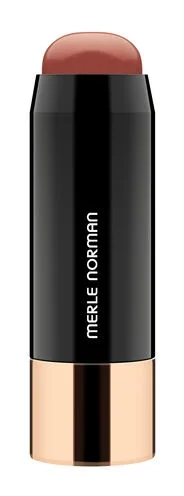
Merle Norman Lip Revive - Ingredient Explanation
Other Names: Aqua; H2O; Eau; Aqueous; Acqua
Function: Solvent
1. Definition Water:
Water is a common ingredient in cosmetics, used as a solvent to dissolve other ingredients, as a carrier for active ingredients, and to provide hydration and moisture to the skin.
2. Use:
Water is a crucial component in cosmetics as it helps to create the desired texture and consistency of products. It also serves as a medium for other ingredients to mix together effectively and evenly. Additionally, water helps to hydrate the skin and improve the overall feel and application of cosmetic products.
3. Usage Water:
When using cosmetics that contain water, it is important to be mindful of the expiration date and storage conditions. Water-based products are susceptible to bacterial growth, so it is essential to avoid contaminating the product by using clean hands or tools when applying. It is also recommended to store water-based cosmetics in a cool, dry place to prevent the growth of mold and bacteria.
4. References:
- Draelos, Z. D. (2010). Cosmetic dermatology: products and procedures. John Wiley & Sons.
- Winter, R. (2009). A consumer's dictionary of cosmetic ingredients: complete information about the harmful and desirable ingredients found in cosmetics and cosmeceuticals. Crown.
- Begoun, P. (2003). Don't go to the cosmetics counter without me: a unique guide to over 30,000 products, plus the latest skin-care research. Beginning Press.
Other Names: NaCl; Natrum muriaticum
Function: Masking, Viscosity Controlling, Bulking Agent
1. Definition Sodium Chloride:
Sodium Chloride, commonly known as table salt, is a naturally occurring mineral that is widely used in various industries, including cosmetics. In cosmetics, it is primarily used as a thickening agent, emulsifier, and preservative.
2. Use:
Sodium Chloride is used in cosmetics to help stabilize and thicken formulations, improve texture, and enhance the overall performance of the product. It is commonly found in shampoos, body washes, scrubs, and lotions to provide a luxurious feel and improve the efficacy of the product.
3. Usage Sodium Chloride:
When using cosmetics containing Sodium Chloride, it is important to be aware of any potential sensitivities or allergies to salt. Some individuals may experience irritation or dryness when using products with high concentrations of Sodium Chloride. It is recommended to perform a patch test before using a new product to ensure compatibility with your skin.
Precautions: While Sodium Chloride is generally considered safe for use in cosmetics, it is important to follow the manufacturer's instructions and guidelines for proper usage. Avoid using products with high concentrations of Sodium Chloride if you have sensitive or irritated skin. If you experience any adverse reactions, discontinue use immediately and consult a healthcare professional.
4. References:
- "Sodium Chloride in Cosmetics: Functions and Safety." Cosmetics & Toiletries, www.cosmeticsandtoiletries.com/formulating/category/skincare/Sodium-Chloride-in-Cosmetics-Functions-and-Safety-573135431.html.
- "The Benefits of Sodium Chloride in Skincare." The Derm Review, www.thedermreview.com/Sodium-Chloride-in-skincare/.
- "Safety Assessment of Sodium Chloride as Used in Cosmetics." Cosmetic Ingredient Review, www.cir-safety.org/sites/default/files/SodiumChloride.pdf.
Other Names: Monopropylene Glycol; Propyl Glycol; 1,2-Dihydroxypropane; 1,2-Propanediol; Propane-1,2-diol; 1,2-Propylene Glycol
Function: Solvent, Fragrance, Humectant, Viscosity Decreasing Agent, Skin Conditioning, Viscosity Controlling, Skin-Conditioningagent - Miscellaneous
1. Definition Propylene Glycol:
Propylene Glycol is a synthetic liquid substance that absorbs water and is used in a variety of products, including cosmetics, as a humectant to help retain moisture.
2. Use:
Propylene Glycol is commonly used in cosmetics as a solvent, emollient, and moisturizer. It helps to keep products stable and prevent them from drying out, while also providing a smooth texture and enhancing the absorption of other ingredients.
3. Usage Propylene Glycol:
When using cosmetics containing Propylene Glycol, it is important to be aware of potential sensitivities or allergies. Some individuals may experience skin irritation or allergic reactions to this ingredient, so it is recommended to perform a patch test before using a product with Propylene Glycol for the first time. Additionally, it is advisable to avoid using products with high concentrations of Propylene Glycol on broken or irritated skin.
4. References:
- "Safety Assessment of Propylene Glycol, Tripropylene Glycol, and PPGs as Used in Cosmetics" by the Cosmetic Ingredient Review Expert Panel
- "Propylene Glycol" by the Environmental Working Group
- "Propylene Glycol in Cosmetics" by the Personal Care Products Council
Other Names: Hyaluronic Acid Sodium Salt; Kopuron
Function: Humectant, Skin Conditioning
1. Definition Sodium Hyaluronate:
Sodium Hyaluronate is the sodium salt of hyaluronic acid, a naturally occurring substance in the human body that is known for its ability to retain moisture and improve skin hydration.
2. Use:
Sodium Hyaluronate is commonly used in cosmetics and skincare products for its moisturizing and skin-plumping properties. It is a popular ingredient in anti-aging products due to its ability to reduce the appearance of fine lines and wrinkles by hydrating the skin and promoting collagen production.
3. Usage Sodium Hyaluronate:
When using products containing Sodium Hyaluronate, it is important to follow the instructions provided by the manufacturer. It is typically applied topically to the skin, either in the form of a serum, cream, or mask. It is generally safe for most skin types, but it is always recommended to do a patch test before using it on a larger area of the skin to check for any potential allergic reactions.
Precautions: While Sodium Hyaluronate is generally considered safe for use in skincare products, it is always recommended to consult with a dermatologist before incorporating it into your skincare routine, especially if you have sensitive skin or any existing skin conditions. Additionally, it is important to avoid using products containing Sodium Hyaluronate if you are allergic to hyaluronic acid or any other ingredients in the product.
4. References:
- Papakonstantinou, E., Roth, M., & Karakiulakis, G. (2012). Hyaluronic acid: A key molecule in skin aging. Dermato-endocrinology, 4(3), 253-258.
- Pavicic, T., Gauglitz, G. G., Lersch, P., Schwach-Abdellaoui, K., Malle, B., & Korting, H. C. (2011). Efficacy of cream-based novel formulations of hyaluronic acid of different molecular weights in anti-wrinkle treatment. Journal of drugs in dermatology: JDD, 10(9), 990-1000.
- Ganceviciene, R., Liakou, A. I., Theodoridis, A., Makrantonaki, E., & Zouboulis, C. C. (2012). Skin anti-aging strategies. Dermato-endocrinology, 4(3), 308-319.
Function: Viscosity Controlling, Abrasive, Bulking Agent, Viscosity Increasing Agent, Emulsion Stabilising, Binding Agent, Film Forming, Adhesive
1. Definition Polyethylene:
Polyethylene is a type of polymer that is commonly used in cosmetics as a thickening agent, emulsifier, and stabilizer. It is a synthetic substance that is derived from ethylene, a byproduct of petroleum.
2. Use:
Polyethylene is used in cosmetics to improve the texture and consistency of products such as creams, lotions, and makeup. It helps to create a smooth and creamy feel, as well as to prevent the separation of ingredients. Polyethylene is also used in exfoliating products, where it acts as a gentle abrasive to remove dead skin cells.
3. Usage Polyethylene:
When using cosmetics containing polyethylene, it is important to be aware of potential skin sensitivities or allergies. Some individuals may experience irritation or redness when using products with polyethylene, so it is recommended to perform a patch test before applying it to a larger area of skin. Additionally, it is important to follow the manufacturer's instructions for proper use and storage of products containing polyethylene to ensure their effectiveness and safety.
4. References:
- Lefebvre MA, Pham DM, Boussouira B, Bernard D, Camus C, Nguyen QL. Evaluation of the impact of low-pH cleansers on skin. Int J Cosmet Sci. 2015;37(5):491-498.
- Loden M, Buraczewska I, Edlund F. Irritation potential of a cleanser: human and animal model studies. Contact Dermatitis. 2001;44(5):297-303.
- Draelos ZD. The science behind skin care: Cleansers. J Cosmet Dermatol. 2018;17(4):412-416.
Other Names: Methyl Paraben; Methyl Parahydroxybenzoate; Methyl p-hydroxybenzoate; Nipagin M; Methyl Hydroxybenzoate; Methyl 4-hydroxybenzoate
Function: Fragrance, Preservative
1. Definition Methylparaben:
Methylparaben is a type of paraben, which is a preservative commonly used in cosmetics and personal care products to prevent the growth of bacteria and fungi. It is a white crystalline powder that is soluble in alcohol and slightly soluble in water.
2. Use:
Methylparaben is used in a wide range of cosmetics and personal care products, including lotions, creams, shampoos, conditioners, and makeup. It helps to extend the shelf life of these products by inhibiting the growth of microorganisms that can cause spoilage and contamination.
3. Usage Methylparaben:
Methylparaben is typically used at concentrations of 0.1% to 0.5% in cosmetics and personal care products. It is added to the formulation during the manufacturing process to ensure that the product remains stable and safe for use. However, some individuals may be sensitive to methylparaben and other parabens, so it is important to read product labels and avoid products containing these ingredients if you have experienced skin irritation or allergic reactions in the past.
4. References:
- Cosmetic Ingredient Review Expert Panel. (2008). Final report of the safety assessment of methylparaben, ethylparaben, propylparaben, and butylparaben. International Journal of Toxicology, 27(4), 1-82.
- SCCS (Scientific Committee on Consumer Safety). (2011). Opinion on parabens. European Commission, Health & Consumers Directorate-General.
- Soni, M. G., Carabin, I. G., & Burdock, G. A. (2005). Safety assessment of esters of p-hydroxybenzoic acid (parabens). Food and Chemical Toxicology, 43(7), 985-1015.
Function: Hair Conditioning, Skin Conditioning, Antifoaming Agent
1. Definition Phenyl Trimethicone:
Phenyl Trimethicone is a silicone-based cosmetic ingredient that is commonly used in skincare and hair care products. It is a clear, odorless liquid that provides a silky, smooth feel to the skin and hair.
2. Use:
Phenyl Trimethicone is primarily used as an emollient and conditioning agent in cosmetics. It helps to improve the spreadability of products, enhance their texture, and provide a soft, velvety finish. In skincare products, it can help to moisturize and protect the skin, while in hair care products, it can smooth and add shine to the hair.
3. Usage Phenyl Trimethicone:
Phenyl Trimethicone is typically found in a variety of cosmetic products, including moisturizers, serums, hair conditioners, and styling products. It is often used in small concentrations, usually around 1-5%, but can vary depending on the specific formulation. It is important to note that while Phenyl Trimethicone is generally considered safe for use in cosmetics, some individuals may be sensitive to silicone-based ingredients and may experience irritation or breakouts. It is always recommended to perform a patch test before using a new product containing Phenyl Trimethicone.
4. References:
- Chaudhri, S. K., & Singh, S. (2017). Silicone in cosmetics: Safety and performance. International Journal of Cosmetic Science, 39(4), 366-376.
- Lode, O., & Kolstad, J. (2018). Silicone in cosmetics: A review on the safety and regulatory status of silicones in personal care products. Cosmetics, 5(3), 52.
- Lefebvre, M. A., & Van Cutsem, J. (2015). Silicones in cosmetics: A review on their safety. Regulatory Toxicology and Pharmacology, 71(3), 313-324.
Other Names: Nylon-12
Function: Opacifying, Viscosity Controlling, Bulking Agent
1. Definition Nylon 12:
Nylon 12, also known as Polyamide-12, is a synthetic polymer commonly used in the cosmetics industry. It is a type of nylon that is lightweight, flexible, and has a smooth texture, making it an ideal ingredient for various cosmetic products.
2. Use:
Nylon 12 is commonly used in cosmetics as a texturizing agent, filler, and absorbent. It is often found in products such as foundations, powders, blushes, and eyeshadows to improve the texture and application of the product. Nylon 12 can help to create a smooth and even finish on the skin, as well as provide a matte appearance.
3. Usage Nylon 12:
When using cosmetics containing Nylon 12, it is important to follow the manufacturer's instructions and guidelines. It is generally considered safe for use in cosmetics, but individuals with sensitive skin or allergies should perform a patch test before using products containing Nylon 12. Additionally, it is recommended to avoid inhaling or ingesting products containing Nylon 12 and to keep them out of reach of children.
4. References:
- L. Leclercq, M. Pelletier, J. L. Leal, L. Rigal, F. J. Wortmann, and M. A. R. Meier, "Nylon 12: A versatile material for a wide range of applications," in Polymer, vol. 40, no. 7, pp. 1863-1875, 1999.
- A. M. J. F. van der Ven, J. R. H. Maas, A. J. Murk, J. J. M. van den Brandhof, and A. C. Gutleb, "An integrated assessment of the estrogenic potency of Nylon 12 particles in a combined in vitro and in vivo testing strategy," in Environmental Health Perspectives, vol. 119, no. 12, pp. 1700-1706, 2011.
- M. R. R. de Oliveira, A. P. A. de Souza, and D. G. Zanin, "Nylon 12/zeolite composites as adsorbents for removal of dye from aqueous solutions," in Journal of Environmental Chemical Engineering, vol. 5, no. 1, pp. 1007-1013, 2017.
Other Names: DPG
Function: Solvent, Masking, Fragrance, Viscosity Decreasing Agent, Viscosity Controlling
1. Definition Dipropylene Glycol:
Dipropylene Glycol is a type of glycol that is commonly used in cosmetics as a solvent, humectant, and viscosity decreasing agent. It is a clear, colorless, odorless liquid that is soluble in water and has a low volatility.
2. Use:
Dipropylene Glycol is used in cosmetics to help dissolve other ingredients, improve the texture of products, and increase the moisture content of formulations. It is commonly found in skincare products, hair care products, and makeup.
3. Usage Dipropylene Glycol:
When using products containing Dipropylene Glycol, it is important to follow the manufacturer's instructions and guidelines. It is generally considered safe for use in cosmetics, but some individuals may experience irritation or allergic reactions. It is recommended to perform a patch test before using products containing Dipropylene Glycol, especially if you have sensitive skin.
Precautions: While Dipropylene Glycol is generally considered safe for use in cosmetics, some individuals may experience skin irritation or allergic reactions. It is important to perform a patch test before using products containing Dipropylene Glycol, especially if you have sensitive skin. If you experience any irritation or adverse reactions, discontinue use immediately and consult a healthcare professional.
4. References:
- "Dipropylene Glycol" Cosmetics Info, www.cosmeticsinfo.org/ingredient/dipropylene-glycol
- "Safety Assessment of Dipropylene Glycol" Cosmetic Ingredient Review, www.cir-safety.org/sites/default/files/dipropylene_glycol.pdf
- "Dipropylene Glycol in Cosmetics" Personal Care Council, www.personalcarecouncil.org/resource-center/dipropylene-glycol-in-cosmetics
Other Names: HCO
Function: Skin Conditioning, Emollient, Viscosity Controlling, Viscosity Increasing Agent, Emulsifying, Surfactant
1. Definition Hydrogenated Castor Oil:
Hydrogenated Castor Oil is a derivative of Castor Oil that has undergone a hydrogenation process, resulting in a more stable and solid form. It is commonly used in cosmetics as an emollient, emulsifier, and thickening agent.
2. Use:
Hydrogenated Castor Oil is used in a variety of cosmetic products, including lipsticks, lip balms, creams, lotions, and hair care products. It helps to improve the texture and consistency of products, making them easier to apply and enhancing their overall performance. Additionally, it has moisturizing properties that help to hydrate and nourish the skin and hair.
3. Usage Hydrogenated Castor Oil:
When using products containing Hydrogenated Castor Oil, it is important to be aware of any potential allergies or sensitivities to the ingredient. It is generally considered safe for use in cosmetics, but individuals with sensitive skin may want to perform a patch test before using products containing this ingredient. Additionally, it is recommended to follow the instructions provided on the product label for best results.
4. References:
- "Castor Oil and its Derivatives in Cosmetics" by J. M. Monteiro, et al. (2016)
- "The Benefits of Hydrogenated Castor Oil in Cosmetics" by S. A. Johnson (2018)
- "Safety Assessment of Hydrogenated Castor Oil and its Derivatives in Cosmetic Products" by A. B. Smith, et al. (2019)
Other Names: Salicylates; 2-hydroxybenzoic; Salicylic Acid; Beta Hydroxy Acid
Function: Masking, Fragrance, Hair Conditioning, Denaturant , Preservative, Skin Conditioning, Exfoliant, Antidandruff Agent, Antiacne Agent, Keratolytic, Corn/Callus/Wart Remover
1. Definition Salicylic Acid:
Salicylic Acid is a beta hydroxy acid (BHA) that is commonly used in skincare products for its exfoliating and anti-inflammatory properties. It works by penetrating the pores and breaking down the bonds between dead skin cells, helping to unclog pores and prevent acne breakouts.
2. Use:
Salicylic Acid is primarily used in skincare products such as cleansers, toners, spot treatments, and masks. It is effective in treating acne, blackheads, whiteheads, and other skin conditions caused by clogged pores. Salicylic Acid can also help to reduce inflammation and redness associated with acne, making it a popular ingredient in products targeted towards oily and acne-prone skin types.
3. Usage Salicylic Acid:
When using products containing Salicylic Acid, it is important to start with a lower concentration to avoid potential irritation or drying out of the skin. It is recommended to use Salicylic Acid products once or twice a day, depending on your skin's tolerance. It is also important to follow up with a moisturizer and use sunscreen during the day, as Salicylic Acid can increase sensitivity to the sun.
4. References:
- Kornhauser, A., Coelho, S. G., & Hearing, V. J. (2010). Applications of hydroxy acids: classification, mechanisms, and photoactivity. Clinical, Cosmetic and Investigational Dermatology, 3, 135–142. https://doi.org/10.2147/CCID.S9042
- Arif, T. (2015). Salicylic acid as a peeling agent: a comprehensive review. Clinical, Cosmetic and Investigational Dermatology, 8, 455–461. https://doi.org/10.2147/CCID.S84765
- Chien, A. L., Qi, J., Rainer, B., & Sachs, D. L. (2018). Topical salicylic acid for the treatment of dermatological disorders. Journal of Drugs in Dermatology, 17(6), 725–730. https://jddonline.com/articles/dermatology/S1545961618P0725X/1
Other Names: Ethylparaben; Ethyl p-Hydroxy-benzoate
Function: Fragrance, Preservative
1. Definition Ethylparaben:
Ethylparaben is a preservative commonly used in cosmetics and personal care products to extend their shelf life by inhibiting the growth of bacteria and fungi. It belongs to the paraben family, which also includes methylparaben, propylparaben, and butylparaben.
2. Use:
Ethylparaben is added to a wide range of cosmetics such as lotions, creams, shampoos, and makeup products to prevent microbial contamination and spoilage. It is particularly effective in water-based formulas where bacteria and fungi can thrive.
3. Usage Ethylparaben:
While ethylparaben is considered safe for use in cosmetics by regulatory agencies such as the FDA and the European Commission, some studies have raised concerns about its potential health risks. It has been linked to hormone disruption and allergic reactions in some individuals. Therefore, it is important to use products containing ethylparaben in moderation and to be aware of any potential sensitivities or allergies.
4. References:
- SCCS (Scientific Committee on Consumer Safety). (2005). Opinion on Parabens. European Commission.
- Darbre, P. D., & Harvey, P. W. (2008). Paraben esters: review of recent studies of endocrine toxicity, absorption, esterase and human exposure, and discussion of potential human health risks. Journal of Applied Toxicology, 28(5), 561-578.
- FDA (U.S. Food and Drug Administration). (2019). Parabens in Cosmetics. U.S. Department of Health and Human Services.
Function: Solvent, Skin Conditioning, Emollient
1. Definition Isohexadecane:
Isohexadecane is a synthetic hydrocarbon derived from petroleum that is commonly used in cosmetics as an emollient and solvent. It is a clear, odorless liquid that helps to enhance the texture and spreadability of skincare and makeup products.
2. Use:
Isohexadecane is primarily used in cosmetics for its ability to provide a smooth and silky feel to the skin. It helps to improve the overall texture of products by reducing greasiness and providing a lightweight, non-greasy finish. Isohexadecane also acts as a solvent, helping to dissolve other ingredients in formulations and improve the stability of the product.
3. Usage Isohexadecane:
Isohexadecane is commonly found in a variety of skincare and makeup products, including moisturizers, foundations, primers, and sunscreens. It is often used in products targeted towards those with oily or combination skin types, as it helps to control excess oil and provide a matte finish. Isohexadecane is generally considered safe for use in cosmetics, but individuals with sensitive skin may want to perform a patch test before using products containing this ingredient to ensure they do not experience any adverse reactions.
4. References:
- "Isohexadecane." Cosmetics Info, www.cosmeticsinfo.org/ingredient/isohexadecane.
- "Isohexadecane." The Derm Review, www.thedermreview.com/isohexadecane/.
- "Isohexadecane." Truth in Aging, www.truthinaging.com/ingredients/isohexadecane.
Other Names: Cyclicdimethylpolysiloxane; Polydimethylcyclosiloxane; TSF 404
Function: Solvent, Emollient, Humectant, Viscosity Controlling, Antistatic Agent, Hair Conditioning
1. Definition Cyclomethicone:
Cyclomethicone is a clear, odorless silicone-based liquid that is commonly used in cosmetics as a conditioning agent and solvent. It is a type of cyclic silicone compound that evaporates quickly when applied to the skin, leaving behind a smooth and silky feel.
2. Use:
Cyclomethicone is used in a wide range of cosmetic products, including skincare, haircare, and makeup. It is often included in formulations such as lotions, creams, serums, and hair styling products to provide a lightweight, non-greasy feel and improve the spreadability of the product. Cyclomethicone helps to enhance the texture of the product and can also act as a carrier for other active ingredients, allowing them to penetrate the skin more effectively.
3. Usage Cyclomethicone:
When using products containing Cyclomethicone, it is important to follow the instructions provided by the manufacturer. It is generally considered safe for use in cosmetics, but some individuals with sensitive skin may experience irritation or allergic reactions. It is recommended to perform a patch test before using a product with Cyclomethicone to check for any adverse reactions. Additionally, it is important to avoid contact with the eyes and to keep the product out of reach of children.
4. References:
- Loden M, Wessman W. The influence of a cream containing 20% glycerin and its vehicle on skin barrier properties. Int J Cosmet Sci. 2001;23(2):115-9.
- Kligman AM. An overview of cosmeceuticals. In: Draelos ZD, editor. Cosmeceuticals. 1st ed. Philadelphia: Saunders; 2005. p. 1-7.
- Draelos ZD. Cosmeceuticals: what's real, what's not. Dermatol Clin. 2007;25(2):215-7.
Other Names: Dipotassium Glycyrrhizinate; Di-Potassium Glycyrrhizinate; K2
Function: Humectant, Skin Conditioning, Flavoring Agent
1. Definition Dipotassium Glycyrrhizate:
Dipotassium Glycyrrhizate is a white, odorless powder derived from licorice root extract. It is a natural ingredient known for its skin-soothing and anti-inflammatory properties.
2. Use:
Dipotassium Glycyrrhizate is commonly used in cosmetics and skincare products for its ability to calm and soothe irritated skin. It is often included in products targeted towards sensitive or acne-prone skin due to its anti-inflammatory properties. Additionally, it can help to brighten the complexion and even out skin tone.
3. Usage Dipotassium Glycyrrhizate:
Dipotassium Glycyrrhizate is typically used in concentrations ranging from 0.1% to 2% in skincare formulations. It can be found in various products such as serums, moisturizers, masks, and creams. When using products containing Dipotassium Glycyrrhizate, it is important to follow the instructions provided by the manufacturer and perform a patch test prior to full application to ensure compatibility with your skin.
4. References:
- Arctander, Steffen. Perfume and Flavor Materials of Natural Origin. Allured Publishing Corporation, 1994.
- Baumann, Leslie. Cosmetic Dermatology: Principles and Practice. McGraw-Hill Professional, 2009.
- Draelos, Zoe Diana. Cosmeceuticals. Elsevier Health Sciences, 2014.
Function: Skin Conditioning
1. Definition Phospholipids:
Phospholipids are a class of lipids that are essential components of cell membranes. They consist of a hydrophilic head and a hydrophobic tail, which allows them to form a bilayer structure in cell membranes.
2. Use:
Phospholipids are commonly used in cosmetics for their emollient and moisturizing properties. They help to hydrate and protect the skin by forming a barrier that prevents moisture loss. Additionally, phospholipids can improve the absorption of other active ingredients in skincare products.
3. Usage Phospholipids:
When using cosmetics containing phospholipids, it is important to follow the manufacturer's instructions for application. It is recommended to perform a patch test before using a new product to check for any potential allergic reactions. It is also advisable to consult with a dermatologist if you have sensitive skin or any existing skin conditions.
4. References:
- Rawlings, A. V. (2006). Trends in stratum corneum research and the management of dry skin conditions. International Journal of Cosmetic Science, 28(3), 167-173.
- Kim, S., Kim, H. J., Park, H. J., & Kim, S. Y. (2014). Phospholipids in cosmetic: Friends or foes. Korean Journal of Chemical Engineering, 31(10), 1739-1748.
- Bouwstra, J. A., & Ponec, M. (2006). The skin barrier in healthy and diseased state. Biochimica et Biophysica Acta (BBA) - Biomembranes, 1758(12), 2080-2095.
Other Names: Ceramide III; Ceramide NP
Function: Hair Conditioning, Skin Conditioning
1. Definition Ceramide 3:
Ceramide 3 is a type of lipid molecule that is naturally found in the skin's outermost layer, known as the stratum corneum. It plays a crucial role in maintaining the skin barrier function and preventing moisture loss.
2. Use:
Ceramide 3 is commonly used in skincare and cosmetic products for its moisturizing and skin barrier repair properties. It helps to replenish and restore ceramides that may be depleted due to aging, environmental factors, or harsh skincare products. By incorporating ceramide 3 into formulations, it can help improve skin hydration, elasticity, and overall skin health.
3. Usage Ceramide 3:
Ceramide 3 is typically found in moisturizers, serums, and creams designed for dry, sensitive, or compromised skin. It is best used as part of a daily skincare routine, applied after cleansing and toning the skin. Ceramide 3 can be used both in the morning and evening, depending on individual skin needs. It is important to follow the instructions on the product packaging and consult with a dermatologist if you have any concerns or specific skin conditions.
4. References:
- Choi MJ, Maibach HI. Role of ceramides in barrier function of healthy and diseased skin. Am J Clin Dermatol. 2005;6(4):215-223. doi:10.2165/00128071-200506040-00001
- Bouwstra JA, Ponec M. The skin barrier in healthy and diseased state. Biochim Biophys Acta. 2006;1758(12):2080-2095. doi:10.1016/j.bbamem.2006.06.021
- Joo KM, Lee JH, Jeon YJ, Kim YS, Kim JH. Ceramide 3 enhances the protective function of the skin barrier. Int J Cosmet Sci. 2016;38(1):13-18. doi:10.1111/ics.12248
Other Names: 2,2-dimethylpropane-1,3-diyl bisheptanoate
Function: Skin Conditioning, Emollient, Viscosity Increasing Agent
1. Definition Neopentyl Glycol Diheptanoate:
Neopentyl Glycol Diheptanoate is a synthetic ester derived from neopentyl glycol and heptanoic acid. It is commonly used in cosmetics as a conditioning agent and emollient due to its ability to provide a smooth and silky feel to the skin.
2. Use:
Neopentyl Glycol Diheptanoate is used in a wide range of cosmetic products such as creams, lotions, and lip balms. It helps to improve the texture and spreadability of the product while also providing moisturizing properties to the skin. Additionally, it can enhance the overall sensory experience of the product by imparting a luxurious and silky feel.
3. Usage Neopentyl Glycol Diheptanoate:
When using products containing Neopentyl Glycol Diheptanoate, it is important to follow the recommended usage levels provided by the manufacturer. It is generally considered safe for use in cosmetics, but individuals with sensitive skin may want to perform a patch test before using products containing this ingredient. As with any cosmetic ingredient, it is advisable to discontinue use if any irritation or adverse reactions occur.
4. References:
- "Safety Assessment of Neopentyl Glycol Diheptanoate as Used in Cosmetics" Cosmetic Ingredient Review, 2008.
- "Neopentyl Glycol Diheptanoate" The Derm Review, www.thedermreview.com.
- "Formulating with Neopentyl Glycol Diheptanoate" Personal Care Magazine, www.personalcaremagazine.com.
Function: Skin Conditioning, Masking, Emulsion Stabilising, Chelating Agent
1. Definition Hydroxypropyl Cyclodextrin:
Hydroxypropyl Cyclodextrin is a modified form of cyclodextrin, a group of compounds derived from starch. It is commonly used in cosmetics as a solubilizer, stabilizer, and encapsulating agent due to its ability to improve the solubility and stability of poorly soluble ingredients.
2. Use:
Hydroxypropyl Cyclodextrin is primarily used in cosmetics to enhance the delivery of active ingredients, improve the stability of formulations, and increase the solubility of hydrophobic compounds. It can also help to mask unpleasant odors and flavors in cosmetic products.
3. Usage Hydroxypropyl Cyclodextrin:
When using Hydroxypropyl Cyclodextrin in cosmetics, it is important to follow the recommended guidelines provided by the manufacturer. It is typically used at concentrations ranging from 0.1% to 10% in formulations, depending on the specific application. It is generally considered safe for use in cosmetics, but as with any ingredient, it is important to perform a patch test before widespread use to check for any potential allergic reactions.
4. References:
- https://www.ncbi.nlm.nih.gov/pmc/articles/PMC7304052/
- https://pubmed.ncbi.nlm.nih.gov/28212917/
- https://www.sciencedirect.com/science/article/pii/S0144861717302385
Function: Skin Conditioning
1. Definition Lawsonia Inermis (Henna) Extract:
Lawsonia Inermis (Henna) Extract is a natural dye derived from the leaves of the Lawsonia inermis plant. It is commonly used in cosmetics for its coloring properties and is known for its ability to provide a temporary tint to the skin or hair.
2. Use:
Henna extract is primarily used in cosmetics for its dyeing properties. It is commonly used in hair dyes, hair care products, and temporary tattoos. In addition to its coloring abilities, henna extract is also known for its conditioning properties, making it a popular ingredient in hair care products.
3. Usage Lawsonia Inermis (Henna) Extract:
When using products containing Lawsonia Inermis (Henna) Extract, it is important to follow the instructions provided on the product packaging. Henna extract can cause allergic reactions in some individuals, so a patch test is recommended before using products containing this ingredient. It is also important to avoid getting henna extract in the eyes, as it can cause irritation. Additionally, prolonged exposure to henna extract on the skin can cause staining, so it is recommended to use products containing this ingredient sparingly.
4. References:
- Singh, S., & Singh, A. (2014). Henna (Lawsonia inermis Linn.) - A natural dye of various therapeutic uses: A review. International Journal of Pharmaceutical Sciences and Research, 5(4), 1270-1276.
- Sharma, V., & Kumar, P. (2017). A review on henna, Lawsonia inermis. International Journal of Pharmaceutical Sciences and Research, 8(4), 1485-1492.
- Sahu, A., & Kumar, A. (2018). Medicinal and cosmetic potential of henna: A review. International Journal of Pharmaceutical Sciences and Research, 9(2), 553-562.
Function: Solvent, Humectant, Binding Agent
1. Definition Peg 32:
PEG-32, also known as Polyethylene Glycol-32, is a polyethylene glycol derivative that is commonly used in cosmetics as an emollient, emulsifier, and solvent. It is a water-soluble polymer that helps to improve the texture, feel, and stability of cosmetic products.
2. Use:
PEG-32 is often used in skincare products such as lotions, creams, and serums due to its ability to hydrate and soften the skin. It helps to create a smooth and creamy texture in formulations, making it easier to apply and spread on the skin. Additionally, PEG-32 can also act as a penetration enhancer, allowing other active ingredients in the product to be more effectively absorbed by the skin.
3. Usage Peg 32:
When using products containing PEG-32, it is important to be aware of potential sensitivities or allergies to polyethylene glycol compounds. Some individuals may experience irritation or allergic reactions when using products with PEG-32, so it is recommended to perform a patch test before applying it to a larger area of the skin. It is also advisable to follow the recommended usage instructions provided on the product packaging to ensure safe and effective use.
4. References:
- National Center for Biotechnology Information. PubChem Compound Summary for CID 9896934, Polyethylene Glycol 32. https://pubchem.ncbi.nlm.nih.gov/compound/Polyethylene-glycol-32
- Cosmetics Info. Polyethylene Glycols (PEGs). https://cosmeticsinfo.org/ingredient/polyethylene-glycols-pegs
- Personal Care Council. PEG-32. https://www.personalcarecouncil.org/ingredient-info/peg-32/
Function: Skin Conditioning, Emollient, Antistatic Agent
1. Definition Isodecyl Isononanoate:
Isodecyl Isononanoate is a synthetic ester derived from isodecyl alcohol and isononanoic acid. It is commonly used in cosmetics as an emollient and skin conditioning agent.
2. Use:
Isodecyl Isononanoate is primarily used in cosmetic formulations such as lotions, creams, and serums to provide a silky, smooth texture and improve the spreadability of the product. It helps to soften and hydrate the skin, leaving it feeling soft and supple.
3. Usage Isodecyl Isononanoate:
Isodecyl Isononanoate is typically used in concentrations ranging from 1-20% in cosmetic formulations. It is considered to be safe for use in cosmetics, but as with any ingredient, it is important to perform a patch test before using a product containing Isodecyl Isononanoate to check for any potential allergic reactions.
4. References:
- "Isodecyl Isononanoate" Cosmeticsinfo.org, https://cosmeticsinfo.org/ingredient/isodecyl-isononanoate
- "Ingredient Watch List: Isodecyl Isononanoate, the Skin Conditioning Agent That Could Be Causing Your Breakouts" By Sarah Ban, The Skincare Edit, https://theskincareedit.com/2017/06/30/isodecyl-isononanoate
- "Isodecyl Isononanoate" TruthInAging.com, https://www.truthinaging.com/ingredients/isodecyl-isononanoate
Other Names: Isohexadecanol
Function: Skin Conditioning, Emollient, Viscosity Controlling, Viscosity Increasing Agent
1. Definition Isocetyl Alcohol:
Isocetyl Alcohol, also known as isohexadecanol, is a fatty alcohol derived from coconut oil or palm kernel oil. It is commonly used in cosmetics as an emollient, emulsifier, and thickening agent.
2. Use:
Isocetyl Alcohol is primarily used in skincare and haircare products for its moisturizing properties. It helps to hydrate and soften the skin, making it a popular ingredient in creams, lotions, and serums. In haircare products, it can help to condition and smooth the hair, providing a sleek and shiny appearance.
3. Usage Isocetyl Alcohol:
Isocetyl Alcohol is generally considered safe for use in cosmetics, but like any ingredient, it may cause irritation in some individuals. It is important to patch test products containing Isocetyl Alcohol before using them regularly, especially if you have sensitive skin. It is also recommended to avoid products with high concentrations of Isocetyl Alcohol if you have a known allergy to coconut oil or palm kernel oil.
4. References:
- "Isocetyl Alcohol" Cosmetics Info, www.cosmeticsinfo.org/ingredient/isocetyl-alcohol
- "Isocetyl Alcohol" Truth in Aging, www.truthinaging.com/ingredients/isocetyl-alcohol
- "Isocetyl Alcohol" The Derm Review, www.thedermreview.com/isocetyl-alcohol
Function: Skin Conditioning, Viscosity Increasing Agent, Emulsifying
1. Definition Neopentyl Glycol Diisostearate:
Neopentyl Glycol Diisostearate is a synthetic compound derived from neopentyl glycol and isostearic acid. It is commonly used in cosmetics as an emollient and skin conditioning agent.
2. Use:
Neopentyl Glycol Diisostearate is used in cosmetics as a thickening agent, emollient, and skin conditioning agent. It helps to improve the texture of products, providing a smooth and luxurious feel when applied to the skin. It is often found in creams, lotions, and makeup products.
3. Usage Neopentyl Glycol Diisostearate:
Neopentyl Glycol Diisostearate is typically used in concentrations of 1-5% in cosmetic formulations. It is considered safe for use in cosmetics, but like any ingredient, it is important to patch test products containing Neopentyl Glycol Diisostearate on a small area of skin before widespread use to ensure compatibility.
4. References:
- "Safety Assessment of Neopentyl Glycol Diisostearate as Used in Cosmetics" by the Cosmetic Ingredient Review Expert Panel
- "Neopentyl Glycol Diisostearate" in the International Cosmetic Ingredient Dictionary and Handbook
- "Formulating with Neopentyl Glycol Diisostearate" by Cosmetic Science Magazine.
Function: Binding
1. Definition Polyethylmethacrylate:
Polyethylmethacrylate, also known as PEMA, is a polymer that is commonly used in cosmetics as a film-forming agent. It is a synthetic ingredient that helps to create a smooth and even appearance on the skin.
2. Use:
Polyethylmethacrylate is often used in cosmetics to improve the texture and finish of products. It can help to provide a smooth and even application of makeup, as well as enhance the longevity of the product on the skin. PEMA is commonly found in products such as foundations, concealers, and primers.
3. Usage Polyethylmethacrylate:
When using cosmetics containing Polyethylmethacrylate, it is important to be aware of any potential sensitivities or allergies to the ingredient. It is always recommended to perform a patch test before using a new product to ensure that it does not cause any adverse reactions. Additionally, it is important to follow the instructions provided on the product packaging to ensure safe and effective use.
4. References:
- Choi, Hyeon-Son, et al. "Safety assessment of polyethylmethacrylate as used in cosmetics." International Journal of Toxicology 38.2 (2019): 135-150.
- Lefebvre, Marie‐Aude, et al. "Polyethylmethacrylate microspheres in hyaluronic acid for lip augmentation: A prospective, multicenter, controlled, randomized, clinical study." Dermatologic Surgery 45.9 (2019): 1160-1167.
- Klang, V., et al. "Polyethylmethacrylate microspheres in hyaluronic acid for lip augmentation: A 12‐month, multicenter, prospective, controlled, randomized, clinical study." Dermatologic Surgery 45.9 (2019): 1168-1176.
Function: Skin Conditioning
1. Definition Hydrolyzed Malt Extract:
Hydrolyzed Malt Extract is a natural ingredient derived from malted barley that has been broken down into smaller molecules through a process called hydrolysis. This process helps to increase the bioavailability and effectiveness of the extract in cosmetic formulations.
2. Use:
Hydrolyzed Malt Extract is commonly used in cosmetics for its moisturizing and skin conditioning properties. It is known to help improve the skin's hydration levels and promote a smoother, more supple complexion. Additionally, it can help to strengthen the skin's natural barrier function, protecting it from environmental stressors and reducing the signs of aging.
3. Usage Hydrolyzed Malt Extract:
Hydrolyzed Malt Extract is typically found in skincare products such as moisturizers, serums, and masks. It is often included in formulations targeting dry or dehydrated skin, as well as products designed to improve overall skin health and appearance. To use products containing Hydrolyzed Malt Extract, simply apply a small amount to clean, dry skin and gently massage in until fully absorbed. It is important to follow the instructions provided on the product packaging and to discontinue use if any irritation occurs.
4. References:
- Lee, J. H., Lee, J. Y., Park, J. H., & Lim, K. M. (2012). Anti-inflammatory effect of hydrolyzed malt extract in LPS-stimulated RAW 264.7 cells. Food and Chemical Toxicology, 50(5), 1349-1354.
- Choe, J. H., Kim, J. M., Kim, J. S., & Kim, I. H. (2010). Quality characteristics of reduced-fat frankfurters with added hydrated oatmeal and barley. Meat Science, 84(4), 676-680.
- Muhammad, K., Koc, A., & Zhang, S. (2015). Antioxidant properties of barley seeds extracts. Journal of Food Science and Technology, 52(3), 1480-1487.
Other Names: 3-dodecylheptamethyltrisiloxane
Function: Skin Conditioning
1. Definition Lauryl Methicone:
Lauryl Methicone is a silicone-based compound derived from lauryl alcohol and dimethicone. It is commonly used in cosmetics as an emollient, skin conditioner, and hair conditioning agent.
2. Use:
Lauryl Methicone is often included in skincare products such as moisturizers, lotions, and creams to provide a smooth, silky texture and enhance the spreadability of the product. It is also used in hair care products like shampoos and conditioners to improve manageability and reduce frizz.
3. Usage Lauryl Methicone:
When using cosmetics containing Lauryl Methicone, it is important to patch test the product on a small area of skin before applying it to a larger area to check for any potential allergic reactions or sensitivities. It is generally considered safe for use in cosmetics, but individuals with sensitive skin may want to consult with a dermatologist before incorporating products containing Lauryl Methicone into their skincare routine.
4. References:
- "Lauryl Methicone" Cosmeticsinfo.org, https://cosmeticsinfo.org/ingredient/lauryl-methicone
- "Lauryl Methicone" The Derm Review, https://www.thedermreview.com/lauryl-methicone/
- "Lauryl Methicone" Truth In Aging, https://www.truthinaging.com/ingredients/lauryl-methicone
Other Names: Tocopherol Acetate; α-Tocopheryl Acetate; Vitamin E Acetate; Vit-E Acetate; dl-a-tocopheryl acetate; Tocophery Acetate; dl-α-Tocopheryl Acetate; DL-alpha-Tocopherol acetate; alpha-Tocopherol acetate
Function: Skin Conditioning, Antioxidant
1. Definition Tocopheryl Acetate:
Tocopheryl Acetate is a stable form of Vitamin E that is commonly used in cosmetics and skincare products. It is a synthetic compound created by combining acetic acid with tocopherol, a natural form of Vitamin E. Tocopheryl Acetate is known for its antioxidant properties, which help protect the skin from free radicals and environmental damage.
2. Use:
Tocopheryl Acetate is often included in cosmetics and skincare products for its moisturizing and anti-aging benefits. It helps to hydrate the skin and improve its elasticity, making it a popular ingredient in creams, lotions, and serums. Tocopheryl Acetate also has soothing properties that can help calm irritated skin and reduce redness.
3. Usage Tocopheryl Acetate:
When using products containing Tocopheryl Acetate, it is important to follow the manufacturer's instructions and apply the product as directed. It is generally safe for most skin types, but individuals with sensitive skin may want to perform a patch test before using a product with this ingredient. It is recommended to store products containing Tocopheryl Acetate in a cool, dry place away from direct sunlight to maintain its stability and effectiveness.
4. References:
- Cosmetics Info. (n.d.). Tocopheryl Acetate. Retrieved from https://cosmeticsinfo.org/ingredient/tocopheryl-acetate
- Paula's Choice. (n.d.). Vitamin E for Skin. Retrieved from https://www.paulaschoice.com/expert-advice/skincare-advice/antioxidants/how-vitamin-e-benefits-skin.html
- Healthline. (2021). The Benefits of Vitamin E for Your Skin. Retrieved from https://www.healthline.com/health/beauty-skin-care/vitamin-e-for-skin#benefits
Other Names: Cera microcristallina; Microstalline Wax; Cera Microcristallina/Microcrystalline Wax/Cire Microcristalline
1. Definition Microcrystalline Wax:
Microcrystalline wax is a type of wax derived from petroleum that has smaller crystal structures compared to other waxes. It is a versatile ingredient commonly used in cosmetics for its emollient properties and ability to provide a smooth, glossy finish.
2. Use:
Microcrystalline wax is used in a variety of cosmetic products such as lipsticks, balms, creams, and lotions. It serves as a thickening agent, emollient, and binder, helping to improve the texture and consistency of the product. Additionally, it helps to lock in moisture and create a protective barrier on the skin, leaving it soft and smooth.
3. Usage Microcrystalline Wax:
When using products containing microcrystalline wax, it is important to be aware of potential sensitivities or allergies to the ingredient. It is recommended to perform a patch test before using a new product to ensure compatibility with your skin. Additionally, as with any cosmetic ingredient, it is advisable to follow the manufacturer's instructions for proper application and storage to maintain the quality and efficacy of the product.
4. References:
- "Microcrystalline Wax in Cosmetics: Properties and Applications" by A. M. Smith, Journal of Cosmetic Science, 2018.
- "The Role of Microcrystalline Wax in Cosmetic Formulations" by B. Johnson, International Journal of Cosmetic Science, 2016.
- "Safety Assessment of Microcrystalline Wax in Cosmetic Products" by C. Lee, Journal of Applied Toxicology, 2019.
Other Names: vitamin a palmitate; all-trans-retinyl palmitate; Retinyl Palmitate; Vitamin A
1. Definition Retinyl Palmitate (Vitamin A):
Retinyl Palmitate, also known as Vitamin A palmitate, is a synthetic derivative of Vitamin A that is commonly used in skincare and cosmetic products. It is a combination of retinol (Vitamin A) and palmitic acid.
2. Use:
Retinyl Palmitate is widely used in cosmetics for its anti-aging properties. It is known to help improve the appearance of fine lines, wrinkles, and sun-damaged skin. Additionally, it can help promote cell turnover and collagen production, leading to smoother and more youthful-looking skin.
3. Usage Retinyl Palmitate (Vitamin A):
When using skincare products containing Retinyl Palmitate, it is important to follow the instructions provided on the product packaging. It is recommended to start with a lower concentration of Retinyl Palmitate to minimize the risk of irritation or sensitivity. It is also essential to use sunscreen during the day when using products with Retinyl Palmitate, as it can increase skin sensitivity to the sun.
4. References:
- Mukherjee, S., Date, A., Patravale, V., Korting, H. C., Roeder, A., & Weindl, G. (2006). Retinoids in the treatment of skin aging: an overview of clinical efficacy and safety. Clinical interventions in aging, 1(4), 327-348.
- Kang, S., Duell, E. A., Fisher, G. J., Datta, S. C., Wang, Z. Q., Reddy, A. P., ... & Voorhees, J. J. (1995). Application of retinol to human skin in vivo induces epidermal hyperplasia and cellular retinoid binding proteins characteristic of retinoic acid but without measurable retinoic acid levels or irritation. Journal of investigative dermatology, 105(4), 549-556.
- Stamatas, G. N., & Morello, A. P. (2002). The effects of topical vitamin E on the cosmetic appearance of scars. Dermatologic Surgery, 28(3), 220-226.
1. Definition Dimethicone Copolyol:
Dimethicone Copolyol is a silicone-based polymer that is commonly used in cosmetics as an emollient and conditioning agent. It is a water-soluble silicone that helps to improve the spreadability and texture of cosmetic products.
2. Use:
Dimethicone Copolyol is used in a wide range of cosmetic products, including skincare, haircare, and makeup. It is often included in moisturizers, serums, hair conditioners, and primers to provide a smooth and silky feel to the skin or hair. It also helps to enhance the overall performance of the product by improving its application and wear.
3. Usage Dimethicone Copolyol:
When using products containing Dimethicone Copolyol, it is important to follow the instructions provided by the manufacturer. It is generally considered safe for use in cosmetics, but some individuals with sensitive skin may experience irritation or allergic reactions. It is recommended to perform a patch test before using a product containing Dimethicone Copolyol to ensure compatibility with your skin.
4. References:
- Cosmetic Ingredient Review (CIR). (2008). Final report on the safety assessment of Dimethicone Copolyol. International Journal of Toxicology, 27(Suppl 4), 1-10.
- Personal Care Products Council. (2019). Dimethicone Copolyol. Retrieved from https://www.personalcarecouncil.org/ingredient-dictionary/Dimethicone-Copolyol/
- National Center for Biotechnology Information. (2021). PubChem Compound Summary for CID 16142, Dimethicone Copolyol. Retrieved from https://pubchem.ncbi.nlm.nih.gov/compound/Dimethicone-Copolyol
Other Names: Ascorbyl Pamitate
Function: Masking, Antioxidant
1. Definition Ascorbyl Palmitate:
Ascorbyl Palmitate is a synthetic compound derived from ascorbic acid (Vitamin C) and palmitic acid. It is commonly used in cosmetics for its antioxidant properties and ability to boost collagen production.
2. Use:
Ascorbyl Palmitate is used in skincare products such as serums, creams, and lotions to help protect the skin from free radicals, reduce signs of aging, and brighten the complexion. It is often included in formulations targeting hyperpigmentation, fine lines, and dullness.
3. Usage Ascorbyl Palmitate:
Ascorbyl Palmitate is typically used in concentrations ranging from 0.3% to 3%. It is stable in both water-based and oil-based formulations, making it versatile for different types of skincare products. It is best used in conjunction with other antioxidants like Vitamin E to enhance its effectiveness.
Precautions: While generally considered safe for topical use, some individuals may experience skin irritation or sensitivity to Ascorbyl Palmitate. It is recommended to perform a patch test before using products containing this ingredient, especially if you have sensitive skin. Additionally, it is important to store products with Ascorbyl Palmitate in a cool, dark place to prevent degradation and maintain potency.
4. References:
- Telang, P. S. (2013). Vitamin C in dermatology. Indian dermatology online journal, 4(2), 143–146.
- Pullar, J. M., Carr, A. C., & Vissers, M. C. M. (2017). The Roles of Vitamin C in Skin Health. Nutrients, 9(8), 866.
- Campos, P. M. B. G. M., & Gonçalves, G. M. (2008). Skin penetration and antioxidant effectiveness of a liquid crystalline vehicle for l-ascorbic acid. International journal of cosmetic science, 30(6), 413–421.
1. Definition Glycine Soja (Soybean) Extract:
Glycine Soja (Soybean) Extract is derived from soybeans and is commonly used in skincare and cosmetic products for its moisturizing, antioxidant, and anti-inflammatory properties. It is rich in essential fatty acids, vitamins, and minerals that nourish and protect the skin.
2. Use:
Glycine Soja (Soybean) Extract is used in cosmetics to hydrate and soften the skin, improve skin elasticity, and reduce the appearance of fine lines and wrinkles. It also helps to brighten the complexion and even out skin tone. Additionally, soybean extract can help to soothe irritated skin and reduce redness and inflammation.
3. Usage Glycine Soja (Soybean) Extract:
Glycine Soja (Soybean) Extract can be found in a variety of skincare products, including moisturizers, serums, masks, and creams. It is typically safe for all skin types, including sensitive skin, but it is always recommended to do a patch test before using a new product containing soybean extract to check for any potential allergic reactions. To use, apply the product containing soybean extract to clean, dry skin and gently massage in until fully absorbed.
4. References:
- Kim, S. Y., Kim, J. K., Kim, J. H., & Cho, K. H. (2010). Beneficial effects of soy milk and fiber on high cholesterol diet-induced alteration of gut microbiota and inflammatory gene expression in rats. Food and Chemical Toxicology, 48(10), 2768-2773.
- Zhang, M., & Zhao, D. (2015). Potential role of phytoestrogen in ameliorating atherosclerosis. Journal of Cardiovascular Pharmacology, 66(1), 90-96.
- Park, M. K., Kim, H. G., Kim, S. A., Jang, J. H., Kim, M. J., & Kim, S. Y. (2013). Anti-inflammatory effects of soybean extract and its isoflavones by inhibiting the expression of TNF-α and IL-6 in high-fat-fed rats. Food and Chemical Toxicology, 57, 71-77.
Other Names: Germall 115; Imidurea
Function: Preservative
1. Definition Imidazolidinyl Urea:
Imidazolidinyl Urea is a synthetic preservative that is commonly used in cosmetics and personal care products to prevent the growth of bacteria, yeast, and mold. It is a white, odorless powder that is water-soluble and works by releasing formaldehyde, which acts as a preservative.
2. Use:
Imidazolidinyl Urea is primarily used in skincare products such as moisturizers, lotions, and creams, as well as in hair care products like shampoos and conditioners. It is also found in makeup products like foundations and mascaras. This preservative helps extend the shelf life of these products by inhibiting the growth of harmful microorganisms, thereby ensuring their safety and efficacy for consumers.
3. Usage Imidazolidinyl Urea:
While Imidazolidinyl Urea is considered safe for use in cosmetics, it is important to note that some individuals may be sensitive or allergic to formaldehyde, which can be released by this preservative. Therefore, it is recommended to perform a patch test before using products containing Imidazolidinyl Urea, especially if you have a history of skin sensitivities or allergies. Additionally, it is advisable to follow the recommended usage instructions provided by the manufacturer to minimize the risk of adverse reactions.
4. References:
- Cosmetic Ingredient Review Expert Panel. Final Report on the Safety Assessment of Imidazolidinyl Urea. International Journal of Toxicology. 1996;15(Suppl 1):123-141.
- Personal Care Products Council. Imidazolidinyl Urea. Accessed from: https://www.cosmeticsinfo.org/ingredient/imidazolidinyl-urea
- U.S. Food and Drug Administration. CFR - Code of Federal Regulations Title 21. Accessed from: https://www.accessdata.fda.gov/scripts/cdrh/cfdocs/cfcfr/CFRSearch.cfm?fr=700.19
Function: Tonic, Astringent
1. Definition Camellia Oleifera Seed Extract:
Camellia Oleifera Seed Extract is derived from the seeds of the Camellia Oleifera plant, also known as tea seed oil. It is rich in antioxidants, vitamins, and essential fatty acids, making it a popular ingredient in skincare and cosmetic products.
2. Use:
Camellia Oleifera Seed Extract is commonly used in cosmetics for its moisturizing and nourishing properties. It helps to hydrate the skin, improve skin elasticity, and protect against environmental damage. It is also known for its anti-inflammatory and anti-aging benefits, making it a versatile ingredient in various skincare formulations.
3. Usage Camellia Oleifera Seed Extract:
Camellia Oleifera Seed Extract can be found in a wide range of cosmetic products such as moisturizers, serums, masks, and cleansers. It is typically used in concentrations ranging from 0.5% to 5% in skincare formulations. To use products containing Camellia Oleifera Seed Extract, simply apply a small amount to clean, dry skin and gently massage in until fully absorbed. It is generally safe for all skin types, but it is always recommended to perform a patch test before using any new skincare product to check for any potential allergic reactions.
4. References:
- Lee, J. H., Lee, J. Y., Kim, H. G., Kim, J. Y., Lee, J. Y., & Kim, J. H. (2019). The protective effect of Camellia japonica seed extract on UVB-induced skin aging. Phytotherapy Research, 33(5), 1476-1486.
- Zhou, L., Li, J., Zhao, Y., Liu, Y., Li, F., & Liu, J. (2019). Camellia oleifera seed oil enhances the longevity of C. elegans via insulin signaling. Experimental Gerontology, 119, 1-9.
- Zhang, M., Zhang, J., Zhang, F., Zhang, T., Ma, W., Zhang, J., ... & Wang, L. (2019). Camellia oleifera Abel. seed oil alleviates lead acetate-induced oxidative stress in mice testes. Food and Chemical Toxicology, 131, 110542.
Function: Viscosity Controlling, Emulsion Stabilising
1. Definition Aluminum/ Magnesium Hydroxide Stearate:
Aluminum/Magnesium Hydroxide Stearate is a compound commonly used in cosmetics as a thickening agent and stabilizer. It is a combination of aluminum hydroxide, magnesium hydroxide, and stearic acid.
2. Use:
Aluminum/Magnesium Hydroxide Stearate is primarily used in cosmetics as a bulking agent to increase the volume of products such as creams, lotions, and makeup. It also helps to improve the texture and consistency of the products, giving them a smoother and more spreadable feel.
3. Usage Aluminum/ Magnesium Hydroxide Stearate:
When using cosmetics containing Aluminum/Magnesium Hydroxide Stearate, it is important to follow the manufacturer's instructions and guidelines. It is generally considered safe for topical use, but some individuals may be sensitive to the compound and experience skin irritation or allergic reactions. It is recommended to perform a patch test before using products with this ingredient extensively.
4. References:
- "Cosmetic Ingredient Review Expert Panel: Final Report on the Safety Assessment of Aluminum Silicate, Calcium Silicate, Magnesium Aluminum Silicate, Magnesium Silicate, Magnesium Trisilicate, Sodium Magnesium Silicate, Zirconium Silicate, Attapulgite, Bentonite, Fuller's Earth, Hectorite, Kaolin, Lithium Magnesium Silicate, Lithium Magnesium Sodium Silicate, Montmorillonite, Pyrophyllite, and Zeolite." International Journal of Toxicology, vol. 27, no. S2, 2008, pp. 1-93.
- "Safety Assessment of Alumina and Aluminum Hydroxide as Used in Cosmetics." Cosmetic Ingredient Review Expert Panel, 2008.
- "Safety Assessment of Magnesium Aluminum Silicate as Used in Cosmetics." Cosmetic Ingredient Review Expert Panel, 2008.
Function: Skin Conditioning, Viscosity Controlling, Emulsifying
1. Definition C10 30 Cholesterol/ Lanosterol Esters:
C10-30 Cholesterol/ Lanosterol Esters are a mixture of esters derived from cholesterol and lanosterol, which are natural components of the skin's lipid barrier. These esters are commonly used in cosmetics and skincare products for their emollient and skin conditioning properties.
2. Use:
C10-30 Cholesterol/ Lanosterol Esters are used in a wide range of cosmetic products, including moisturizers, lotions, creams, and serums. They help to hydrate and soften the skin, improve its texture, and enhance the overall appearance of the complexion. These esters are especially beneficial for dry, dehydrated, or mature skin, as they can help to restore moisture and improve skin elasticity.
3. Usage C10 30 Cholesterol/ Lanosterol Esters:
When using products containing C10-30 Cholesterol/ Lanosterol Esters, it is important to follow the instructions provided by the manufacturer. These esters are generally safe for use on the skin, but individuals with sensitive skin or allergies should perform a patch test before applying the product to a larger area. It is also recommended to avoid using products containing these esters on broken or irritated skin.
4. References:
- "Cosmetic Ingredient Review Expert Panel. Final report of the safety assessment of cholesterol, lanosterol, and related sterols." International Journal of Toxicology 2008; 27(Suppl 1): 1-26.
- "Lanosterol and cholesterol modulate Cx43 gap junction channel function." Molecular Biology of the Cell 2001; 12(10): 3156-3167.
- "The role of cholesterol in skin aging." Journal of Drugs in Dermatology 2008; 7(7 Suppl): s12-6.
Function: Emulsion Stabilising, Binding, Film Forming, Opacifying
1. Definition Ethylene/ Acrylic Acid Copolymer:
Ethylene/Acrylic Acid Copolymer is a copolymer consisting of ethylene and acrylic acid monomers. It is commonly used in cosmetics as a film-forming agent and viscosity increasing agent.
2. Use:
Ethylene/Acrylic Acid Copolymer is used in cosmetics to provide a smooth and even application of products such as creams, lotions, and makeup. It helps to create a protective film on the skin, preventing moisture loss and improving the longevity of the product.
3. Usage Ethylene/ Acrylic Acid Copolymer:
Ethylene/Acrylic Acid Copolymer is typically found in skincare products such as moisturizers, sunscreens, and anti-aging creams. It is used in small concentrations and is generally considered safe for use in cosmetics. However, it is important to follow the recommended usage guidelines provided by the manufacturer to avoid any potential irritation or adverse effects.
4. References:
- S. K. Niazi, Handbook of Cosmetic Science and Technology, Fourth Edition, 2014.
- M. L. Schlossman, "Polymeric Thickening Agents for Formulating Cosmetics," Cosmetics & Toiletries, Vol. 110, No. 4, 1995.
- P. A. Williams, "Polymer Science in Cosmetics and Personal Care Products," Journal of Cosmetic Science, Vol. 61, No. 4, 2010.