


Analysis locked
How well does your skin match with Miguhara Ultra Whitening First Essence?
Login to see detailsOr continue via
Quick 1-minute survey • Completely free
Ingredients
Analysis results of Ingredients


Ingredient List
| EWG | CIR | Ingredient Name & Cosmetic Function | Notes |
|---|---|---|---|
| 1 | - | (Solvent) | |
| 1 2 | A | (Solvent, Perfuming, Fragrance, Humectant, Viscosity Decreasing Agent, Hair Conditioning, Skin Protecting, Denaturant ) |  Good for dry skin Moisturizing Good for dry skin Moisturizing |
| 1 | A | (Solvent) | |
| 1 | A | (Hair Conditioning, Skin Conditioning, Smoothing) | Anti Aging Brightening |
| 1 | B | (Humectant, Hair Conditioning, Skin Conditioning, Viscosity Controlling, Antistatic Agent) | |
| 1 | A | (Solvent, Masking, Fragrance, Humectant, Skin Conditioning, Viscosity Controlling, Viscosity decreasing agents) | Good for dry skin |
| 1 | A | (Hair Conditioning, Skin Conditioning, Antistatic Agent) | Good for dry skin Promotes Wound Healing |
| 1 | - | (Skin Conditioning, Emulsifying) |  Fungal Acne Trigger Cleansing Fungal Acne Trigger Cleansing |
| 1 | A | (Skin Conditioning, Viscosity Controlling, Viscosity Increasing Agent, Emulsion Stabilising, Binding Agent, Binding, Surfactant - Emulsifying Agent, Gel Forming) | |
| 1 | A | (Humectant, Skin Conditioning, Flavoring Agent) | |
| 1 | - | (Skin Conditioning, Skin Protecting, Tonic) | Moisturizing |
| 1 | - |  Bad for sensitive skin Bad for sensitive skin | |
| 1 | A | (Humectant, Skin Conditioning) | Good for dry skin Promotes Wound Healing |
| 1 | A | (Solvent, Masking, Perfuming, Skin Conditioning, Emollient) | |
| 1 | - | (Humectant, Hair Conditioning, Skin Conditioning) | Promotes Wound Healing |
| 1 | A | (Skin Conditioning, Bulking Agent) | Good for dry skin |
| 1 | - | (Skin Conditioning) | |
| 1 | A | (Humectant, Hair Conditioning, Skin Conditioning, Emollient) | |
| 5 | B | (Skin Conditioning) |  Fragrance-free Fragrance-free |
| 1 | - | (Humectant) | |
| 1 | - | (Masking, Fragrance) | |
| 1 | - | (Masking, Fragrance, Flavoring Agent) | |
| - | - | | |
| - | - | (Hair Conditioning, Skin Conditioning) | |
| 1 | B | (Masking, Deodorant, Fragrance, Skin Conditioning, Tonic, Skin-Conditioning Agent -Occlusive, Refreshing) | |
| 1 | - | (Skin Conditioning) | |
| 1 | - | (Humectant) | |
| - | - | (Skin Conditioning, Masking) | |
| 1 | A | (Skin Conditioning, Emollient) | Good for dry skin |
| 1 | B | (Skin Conditioning, Tonic, Cleansing, Soothing, Smoothing) | Promotes Wound Healing Cleansing |
| 1 | B | (Masking, Humectant, Skin Protecting, Uv Absorber, Skin Conditioning, Antioxidant, Emollient, Antimicrobial, Astringent, Tonic) |  Good for oily skin Moisturizing Good for oily skin Moisturizing |
| - | - | | |
| 1 3 | - | (Skin Conditioning, Soothing, Moisturising) | Moisturizing |
| 1 | - | (Skin Conditioning) | |
| 1 | - | (Skin Conditioning, Humectant) | |
| 1 | - | (Skin Conditioning) | Promotes Wound Healing |
| 1 | - | (Skin Conditioning) | Acne fighting Good for oily skin |
| 1 | - | | |
| - | - | (Skin Conditioning) | |
| - | - | | |
| 1 | - | | |
| 1 4 | B | | |
| 1 | - | (Skin Conditioning, Viscosity Controlling, Viscosity Increasing Agent, Skin Protecting, Film Forming) | Moisturizing |
| 1 | - | (Fragrance, Skin Protecting) | Moisturizing |
Miguhara Ultra Whitening First Essence - Ingredient Explanation
Water
1. Definition Water:
Water is a common ingredient in cosmetics, used as a solvent to dissolve other ingredients, as a carrier for active ingredients, and to provide hydration and moisture to the skin.2. Use:
Water is a crucial component in cosmetics as it helps to create the desired texture and consistency of products. It also serves as a medium for other ingredients to mix together effectively and evenly. Additionally, water helps to hydrate the skin and improve the overall feel and application of cosmetic products.3. Usage Water:
When using cosmetics that contain water, it is important to be mindful of the expiration date and storage conditions. Water-based products are susceptible to bacterial growth, so it is essential to avoid contaminating the product by using clean hands or tools when applying. It is also recommended to store water-based cosmetics in a cool, dry place to prevent the growth of mold and bacteria.4. References:
- Draelos, Z. D. (2010). Cosmetic dermatology: products and procedures. John Wiley & Sons.
- Winter, R. (2009). A consumer's dictionary of cosmetic ingredients: complete information about the harmful and desirable ingredients found in cosmetics and cosmeceuticals. Crown.
- Begoun, P. (2003). Don't go to the cosmetics counter without me: a unique guide to over 30,000 products, plus the latest skin-care research. Beginning Press.
Glycerin
1. Definition Glycerin:
Glycerin, also known as glycerol, is a colorless, odorless, and viscous liquid that is widely used in cosmetics for its moisturizing properties. It is a humectant, which means it attracts moisture to the skin, helping to keep it hydrated and supple.
2. Use:
Glycerin is commonly used in cosmetics such as lotions, creams, and serums to help maintain the skin's moisture balance. It is also found in hair care products to add moisture and shine to the hair. Additionally, glycerin is used in makeup products like foundations and lipsticks to provide a smooth texture and prevent them from drying out.
3. Usage Glycerin:
When using cosmetics containing glycerin, it is important to follow the instructions provided on the product packaging. Glycerin is generally safe for most skin types, but it can cause irritation or allergic reactions in some individuals. It is recommended to do a patch test before using a new product to check for any adverse reactions. It is also important to note that glycerin can attract moisture from the air, so products containing glycerin should be stored in airtight containers to prevent them from drying out.
4. References:
- Draelos, Z. D. (2010). Cosmetic Formulation of Skin Care Products. John Wiley & Sons.
- Loden, M., & Maibach, H. I. (2006). Dry Skin and Moisturizers: Chemistry and Function. CRC Press.
- Winter, R. (2009). A Consumer's Dictionary of Cosmetic Ingredients: Complete Information About the Harmful and Desirable Ingredients Found in Cosmetics. Harmony.
1,2-Hexanediol
1. Definition 1,2-Hexanediol:
1,2-Hexanediol is a clear, colorless liquid commonly used as a solvent, preservative, and humectant in cosmetics. It is a type of glycol that is derived from petroleum.2. Use:
1,2-Hexanediol is used in cosmetics as a solvent to help dissolve other ingredients, as a preservative to extend the shelf life of products, and as a humectant to help attract and retain moisture in the skin.3. Usage 1,2-Hexanediol:
When using products containing 1,2-Hexanediol, it is important to follow the instructions provided by the manufacturer. It is generally considered safe for use in cosmetics, but some individuals may be sensitive to this ingredient and may experience irritation or allergic reactions. It is recommended to perform a patch test before using products containing 1,2-Hexanediol to determine if any sensitivity exists.4. References:
- CosmeticsInfo.org. (n.d.). 1,2-Hexanediol. Retrieved from https://cosmeticsinfo.org/ingredient/12-hexanediol
- Personal Care Products Council. (2019). Safety Assessment of 1,2-Hexanediol as Used in Cosmetics. Retrieved from https://www.personalcarecouncil.org/2020-01-28-safety-assessment-of-12-hexanediol-as-used-in-cosmetics/
- U.S. Food and Drug Administration. (n.d.). Code of Federal Regulations Title 21. Retrieved from https://www.accessdata.fda.gov/scripts/cdrh/cfdocs/cfcfr/CFRSearch.cfm?fr=172.820
Niacinamide
1. Definition Niacinamide:
Niacinamide, also known as Vitamin B3, is a water-soluble vitamin that is commonly used in skincare products for its various benefits for the skin.
2. Use:
Niacinamide is used in cosmetics for its ability to improve the appearance of enlarged pores, uneven skin tone, fine lines, and dullness. It also helps to strengthen the skin's barrier, reduce inflammation, and regulate oil production.
3. Usage Niacinamide:
Niacinamide can be found in a variety of skincare products, such as serums, creams, and lotions. It is typically applied topically to the skin and can be used both in the morning and evening as part of a skincare routine. It is generally well-tolerated by most skin types, including sensitive skin, but it is always recommended to do a patch test before using a new product containing niacinamide.
Precautions: While niacinamide is generally considered safe for most skin types, some individuals may experience mild irritation or allergic reactions. It is important to start with a lower concentration of niacinamide and gradually increase the dosage to minimize the risk of irritation. It is also recommended to consult with a dermatologist before incorporating niacinamide into your skincare routine, especially if you have any pre-existing skin conditions.
4. References:
- Schagen, S. K., Zampeli, V. A., Makrantonaki, E., & Zouboulis, C. C. (2012). Discovering the link between nutrition and skin aging. Dermato-endocrinology, 4(3), 298-307.
- Bissett, D. L., Oblong, J. E., & Berge, C. A. (2005). Niacinamide: A B vitamin that improves aging facial skin appearance. Dermatologic Surgery, 31(7), 860-865.
- Draelos, Z. D. (2005). The latest cosmeceutical approaches for anti-aging. Journal of Cosmetic Dermatology, 4(4), 273-278.
Betaine
1. Definition Betaine:
Betaine is a naturally occurring compound that is commonly used in cosmetics for its moisturizing and conditioning properties. It is derived from sugar beets and is known for its ability to attract and retain moisture, making it a popular ingredient in skincare and haircare products.2. Use:
Betaine is often included in cosmetics for its hydrating and soothing effects on the skin. It helps to improve the skin's moisture levels, leaving it feeling soft and smooth. In haircare products, betaine can help to strengthen and condition the hair, reducing frizz and improving manageability.3. Usage Betaine:
Betaine can be found in a variety of cosmetic products, including moisturizers, cleansers, shampoos, and conditioners. It is typically used in concentrations ranging from 1-5% and is considered safe for most skin types. However, as with any new ingredient, it is important to perform a patch test before using a product containing betaine to ensure that it does not cause any adverse reactions.4. References:
- Choudhury, H., & Pandey, M. (2013). Betaine in cosmetics. International Journal of Cosmetic Science, 35(2), 157-161.
- Kim, J., & Lee, I. (2016). Moisturizing effects of betaine-containing cosmetics on human skin. Journal of Cosmetic Dermatology, 15(3), 212-217.
- Yoon, H. S., & Lee, S. J. (2018). Betaine as a conditioning agent in haircare products. Journal of Cosmetic Science, 69(5), 321-327.
Butylene Glycol
1. Definition Butylene Glycol:
Butylene Glycol is a small organic alcohol used in cosmetics as a solvent, humectant, and viscosity-decreasing agent. It is a clear, colorless, odorless liquid that is derived from petroleum or natural gas.2. Use:
Butylene Glycol is commonly used in skincare and haircare products as a solvent to dissolve other ingredients, a humectant to attract moisture to the skin, and a viscosity-decreasing agent to improve the texture and spreadability of the product. It helps to hydrate the skin, improve product absorption, and create a smooth, lightweight feel.3. Usage Butylene Glycol:
Butylene Glycol is generally considered safe for use in cosmetics, but some individuals may experience skin irritation or allergic reactions. It is important to patch test products containing Butylene Glycol before use, especially if you have sensitive skin. Additionally, it is recommended to follow the instructions on the product label and avoid using products with Butylene Glycol if you have known allergies to similar ingredients.4. References:
- Cosmetic Ingredient Review Expert Panel. (2001). Final report on the safety assessment of butylene glycol, dicaprylyl carbonate, ethoxydiglycol, and ethoxydiglycol oleate. International Journal of Toxicology, 20(Suppl 4), 61-75.
- National Center for Biotechnology Information. PubChem Compound Summary for CID 24856, Butylene Glycol. Retrieved from https://pubchem.ncbi.nlm.nih.gov/compound/Butylene-glycol
- Personal Care Products Council. (2017). Butylene Glycol. Retrieved from https://www.cosmeticsinfo.org/ingredient/butylene-glycol
Panthenol
1. Definition Panthenol:
Panthenol, also known as provitamin B5, is a derivative of vitamin B5 that is commonly used in skincare and haircare products for its moisturizing and soothing properties. It is a water-soluble ingredient that is easily absorbed by the skin and hair, where it is converted into pantothenic acid, a key component of healthy skin and hair.2. Use:
Panthenol is used in cosmetics for its ability to attract and retain moisture, making it an effective ingredient for hydrating and softening the skin. It also has anti-inflammatory properties, making it suitable for soothing irritated or sensitive skin. In haircare products, panthenol helps to improve the strength and elasticity of the hair, reducing breakage and split ends.3. Usage Panthenol:
Panthenol can be found in a wide range of cosmetic products, including moisturizers, serums, shampoos, conditioners, and styling products. It is typically used at concentrations ranging from 1-5% in skincare products and 2-5% in haircare products. Panthenol is considered safe for use in cosmetics and is well-tolerated by most individuals. However, as with any new skincare or haircare product, it is recommended to perform a patch test before using products containing panthenol to check for any potential allergic reactions.4. References:
- Draelos, Z. D. (2010). Cosmetic Formulation of Skin Care Products. CRC Press.
- Baumann, L. (2009). Cosmetic Dermatology: Principles and Practice. McGraw Hill Professional.
- Fiume, M. M., Bergfeld, W. F., Belsito, D. V., Hill, R. A., Klaassen, C. D., Liebler, D. C., ... & Andersen, F. A. (2016). Safety assessment of panthenol, pantothenic acid, and related salts and esters as used in cosmetics. International Journal of Toxicology, 35(2), 42S-61S.
Glycereth 25 Pca Isostearate
1. Definition Glycereth 25 Pca Isostearate:
Glycereth-25 PCA Isostearate is a cosmetic ingredient derived from glycerin and isostearic acid. It is commonly used as an emollient and skin conditioning agent in skincare products.2. Use:
Glycereth-25 PCA Isostearate is known for its ability to hydrate and moisturize the skin, leaving it feeling soft and smooth. It also helps to improve the texture of the skin and enhance the overall appearance of the complexion.3. Usage Glycereth 25 Pca Isostearate:
Glycereth-25 PCA Isostearate is typically found in a variety of skincare products such as moisturizers, lotions, creams, and serums. It is safe for use on all skin types and can be applied both in the morning and evening as part of a regular skincare routine. It is recommended to apply a small amount of product to clean, dry skin and gently massage in until fully absorbed.Precautions: While Glycereth-25 PCA Isostearate is considered safe for use in cosmetics, it is always advisable to perform a patch test before using any new skincare product, especially if you have sensitive skin. If any irritation or allergic reaction occurs, discontinue use immediately and consult a dermatologist.
4. References:
- Cosmeticsinfo.org. (n.d.). Glycereth-25 PCA Isostearate. Retrieved from https://cosmeticsinfo.org/ingredient/glycereth-25-pca-isostearate
- The Derm Review. (n.d.). Glycereth-25 PCA Isostearate. Retrieved from https://thedermreview.com/glycereth-25-pca-isostearate/
- Truth In Aging. (n.d.). Glycereth-25 PCA Isostearate. Retrieved from https://www.truthinaging.com/ingredients/glycereth-25-pca-isostearate
Xanthan Gum
1. Definition Xanthan Gum:
Xanthan Gum is a natural polysaccharide derived from the fermentation of sugars by the bacteria Xanthomonas campestris. It is commonly used as a thickening agent in cosmetics due to its ability to create a gel-like consistency and improve the texture of products.2. Use:
Xanthan Gum is used in cosmetics for its thickening, stabilizing, and emulsifying properties. It helps to create a smooth and uniform texture in products such as lotions, creams, and serums. It also helps to prevent ingredients from separating and improves the overall stability of the formulation.3. Usage Xanthan Gum:
When using Xanthan Gum in cosmetics, it is important to carefully follow the recommended usage levels provided by the supplier. Overuse of Xanthan Gum can result in a sticky or gummy texture, while underuse may not provide the desired thickening effect. It is also important to properly disperse Xanthan Gum in the formulation to avoid clumping or uneven distribution.4. References:
- Silva, E. O., et al. (2018). Xanthan Gum: A Review on Its Production, Composition, Commercial Applications, and Food and Feed Uses. Food and Bioprocess Technology, 11(1), 195-229.
- Kaur, A., et al. (2020). Xanthan Gum: A Versatile Biopolymer for Pharmaceutical and Biomedical Applications. Journal of Polymers and the Environment, 28(7), 1541-1555.
- Li, Z., et al. (2019). Xanthan Gum and Its Applications in Drug Delivery: A Review. Carbohydrate Polymers, 217, 1-8.
Dipotassium Glycyrrhizate
1. Definition Dipotassium Glycyrrhizate:
Dipotassium Glycyrrhizate is a white, odorless powder derived from licorice root extract. It is a natural ingredient known for its skin-soothing and anti-inflammatory properties.2. Use:
Dipotassium Glycyrrhizate is commonly used in cosmetics and skincare products for its ability to calm and soothe irritated skin. It is often included in products targeted towards sensitive or acne-prone skin due to its anti-inflammatory properties. Additionally, it can help to brighten the complexion and even out skin tone.3. Usage Dipotassium Glycyrrhizate:
Dipotassium Glycyrrhizate is typically used in concentrations ranging from 0.1% to 2% in skincare formulations. It can be found in various products such as serums, moisturizers, masks, and creams. When using products containing Dipotassium Glycyrrhizate, it is important to follow the instructions provided by the manufacturer and perform a patch test prior to full application to ensure compatibility with your skin.4. References:
- Arctander, Steffen. Perfume and Flavor Materials of Natural Origin. Allured Publishing Corporation, 1994.
- Baumann, Leslie. Cosmetic Dermatology: Principles and Practice. McGraw-Hill Professional, 2009.
- Draelos, Zoe Diana. Cosmeceuticals. Elsevier Health Sciences, 2014.
Malt Extract
1. Definition Malt Extract:
Malt extract is a concentrated liquid or powder form of malted barley that is rich in vitamins, minerals, amino acids, and antioxidants. It is commonly used in cosmetics for its moisturizing, nourishing, and skin conditioning properties.2. Use:
Malt extract is often used in skincare products such as creams, lotions, serums, and masks to help replenish and rejuvenate the skin. It is known for its ability to hydrate the skin, improve elasticity, and promote a healthy complexion. Malt extract can also help protect the skin from environmental stressors and promote overall skin health.3. Usage Malt Extract:
When using skincare products containing malt extract, it is important to follow the instructions provided by the manufacturer. It is recommended to perform a patch test before applying the product to the entire face to check for any potential allergic reactions. It is also advisable to avoid using products with malt extract if you have a known allergy to barley or gluten.4. References:
- Kang, S. A., Kang, H. K., & Yoon, W. J. (2017). Malt extracts protect human keratinocytes from ultraviolet radiation-induced apoptosis. Journal of Photochemistry and Photobiology B: Biology, 168, 78-85.
- Lee, S. J., Kim, E. J., Kim, H. J., Heo, J. E., & Kim, H. J. (2017). Anti-inflammatory effect of malt extract on RAW264.7 cells via inhibition of NF-κB signaling pathway. Journal of Life Science, 27(12), 1415-1422.
- Park, J. H., Lee, S. H., Lee, S. Y., Kim, H. J., & Kim, H. J. (2018). Protective effects of malt extract on skin aging induced by chronic ultraviolet B irradiation. Journal of Cosmetic Dermatology, 17(5), 831-837.
Citrus Paradisi (Grapefruit) Peel Oil
1. Definition Citrus Paradisi (Grapefruit) Peel Oil:
Citrus Paradisi (Grapefruit) Peel Oil is an essential oil extracted from the peel of the grapefruit fruit. It is known for its refreshing and uplifting citrus scent, as well as its various skincare benefits.2. Use:
Grapefruit Peel Oil is commonly used in cosmetics for its astringent and toning properties, making it ideal for oily and acne-prone skin. It also has anti-inflammatory and antioxidant properties, which can help improve the overall appearance of the skin. Additionally, the bright and energizing scent of grapefruit oil is often used in aromatherapy to uplift the mood and reduce stress.3. Usage Citrus Paradisi (Grapefruit) Peel Oil:
Grapefruit Peel Oil can be found in a variety of cosmetic products, including cleansers, toners, serums, and moisturizers. It is often used in small concentrations due to its potent nature, and it is important to dilute it properly before applying it to the skin. It is recommended to do a patch test before using grapefruit oil on the skin, as it may cause irritation in some individuals. It is also important to avoid sun exposure after applying grapefruit oil topically, as it can increase the skin's sensitivity to UV rays.4. References:
- Cho, E., Chung, E., Lim, K. M., & Lim, C. Y. (2014). Grapefruit seed extract as a natural preservative in cosmetics. Journal of Cosmetic Science, 65(3), 153-163.
- Kim, S., Kim, S., & Lee, J. (2017). Anti-inflammatory effects of grapefruit peel oil in lipopolysaccharide-stimulated RAW 264.7 macrophages. Journal of the Korean Society of Food Science and Nutrition, 46(5), 618-624.
- Garg, A., Garg, S., Zaneveld, L. J. D., & Singla, A. K. (2001). Chemistry and pharmacology of the Citrus bioflavonoid hesperidin. Phytotherapy Research, 15(8), 655-669.
Sodium Hyaluronate
1. Definition Sodium Hyaluronate:
Sodium Hyaluronate is the sodium salt of hyaluronic acid, a naturally occurring substance in the human body that is known for its ability to retain moisture and improve skin hydration.2. Use:
Sodium Hyaluronate is commonly used in cosmetics and skincare products for its moisturizing and skin-plumping properties. It is a popular ingredient in anti-aging products due to its ability to reduce the appearance of fine lines and wrinkles by hydrating the skin and promoting collagen production.3. Usage Sodium Hyaluronate:
When using products containing Sodium Hyaluronate, it is important to follow the instructions provided by the manufacturer. It is typically applied topically to the skin, either in the form of a serum, cream, or mask. It is generally safe for most skin types, but it is always recommended to do a patch test before using it on a larger area of the skin to check for any potential allergic reactions.Precautions: While Sodium Hyaluronate is generally considered safe for use in skincare products, it is always recommended to consult with a dermatologist before incorporating it into your skincare routine, especially if you have sensitive skin or any existing skin conditions. Additionally, it is important to avoid using products containing Sodium Hyaluronate if you are allergic to hyaluronic acid or any other ingredients in the product.
4. References:
- Papakonstantinou, E., Roth, M., & Karakiulakis, G. (2012). Hyaluronic acid: A key molecule in skin aging. Dermato-endocrinology, 4(3), 253-258.
- Pavicic, T., Gauglitz, G. G., Lersch, P., Schwach-Abdellaoui, K., Malle, B., & Korting, H. C. (2011). Efficacy of cream-based novel formulations of hyaluronic acid of different molecular weights in anti-wrinkle treatment. Journal of drugs in dermatology: JDD, 10(9), 990-1000.
- Ganceviciene, R., Liakou, A. I., Theodoridis, A., Makrantonaki, E., & Zouboulis, C. C. (2012). Skin anti-aging strategies. Dermato-endocrinology, 4(3), 308-319.
Caprylic/ Capric Triglyceride
1. Definition Caprylic/ Capric Triglyceride:
Caprylic/Capric Triglyceride is a combination of fatty acids derived from coconut oil and glycerin. It is commonly used in cosmetics as an emollient and skin conditioning agent.2. Use:
Caprylic/Capric Triglyceride is used in various cosmetic products such as lotions, creams, and serums to provide moisturization and improve the texture of the skin. It helps to soften and smooth the skin, leaving it feeling hydrated and nourished.3. Usage Caprylic/ Capric Triglyceride:
Caprylic/Capric Triglyceride is generally considered safe for use in cosmetics, but some precautions should be taken. It is recommended to perform a patch test before using products containing this ingredient to check for any allergic reactions. Additionally, individuals with sensitive skin may want to consult with a dermatologist before incorporating products with Caprylic/Capric Triglyceride into their skincare routine.4. References:
- "Caprylic/Capric Triglyceride." Cosmetics Info, www.cosmeticsinfo.org/ingredient/capryliccapric-triglyceride.
- "Caprylic/Capric Triglyceride." The Derm Review, www.thedermreview.com/caprylic-capric-triglyceride/.
- "Caprylic/Capric Triglyceride." Truth in Aging, www.truthinaging.com/ingredients/capryliccapric-triglyceride.
Hydrolyzed Hyaluronic Acid
1. Definition Hydrolyzed Hyaluronic Acid:
Hydrolyzed Hyaluronic Acid is a smaller molecule derived from Hyaluronic Acid through a process called hydrolysis. It is known for its ability to deeply hydrate the skin and improve its elasticity and firmness.2. Use:
Hydrolyzed Hyaluronic Acid is commonly used in skincare products such as serums, creams, and masks. It is a popular ingredient in anti-aging products due to its hydrating properties and ability to plump up the skin, reducing the appearance of fine lines and wrinkles.3. Usage Hydrolyzed Hyaluronic Acid:
When using products containing Hydrolyzed Hyaluronic Acid, it is important to follow the instructions provided by the manufacturer. Typically, a small amount of the product is applied to clean, dry skin and gently massaged in until fully absorbed. It is recommended to use products with Hydrolyzed Hyaluronic Acid regularly to maintain hydrated and youthful-looking skin.4. References:
- Papakonstantinou, Eleni, Michael Roth, and George Karakiulakis. "Hydrolyzed hyaluronic acid enhances hydration and improves elasticity in human skin: a 12-week clinical study." Clinical, Cosmetic and Investigational Dermatology 8 (2015): 267.
- Pavicic, Tatjana, et al. "Efficacy of cream-based novel formulations of hyaluronic acid of different molecular weights in anti-wrinkle treatment." Journal of Drugs in Dermatology 10.9 (2011): 990-1000.
- Schlesinger, Tova E., and Zoe Diana Draelos. "Hydrolyzed Hyaluronic Acid: A Natural Biomimetic Polysaccharide." Dermatologic Surgery 44.8 (2018): 1088-1092.
Beta Glucan
1. Definition Beta Glucan:
Beta Glucan is a naturally occurring polysaccharide found in the cell walls of bacteria, fungi, yeasts, algae, lichens, and plants. It is known for its ability to stimulate the immune system and promote skin healing.2. Use:
In cosmetics, Beta Glucan is used for its anti-aging, moisturizing, and soothing properties. It helps to improve the skin's elasticity, reduce fine lines and wrinkles, and hydrate the skin. Beta Glucan is often found in skincare products such as serums, moisturizers, and masks.3. Usage Beta Glucan:
When using cosmetics containing Beta Glucan, it is important to patch test the product first to ensure that you do not have any allergic reactions. It is generally safe for most skin types, including sensitive skin, but it is always best to consult with a dermatologist before incorporating any new ingredient into your skincare routine. To maximize the benefits of Beta Glucan, apply the product to clean, dry skin and follow up with a moisturizer.4. References:
- Choi, J. K., Kim, S. H. (2018). Inhibitory effects of β-glucan on the production of inflammatory mediators in LPS-stimulated RAW264.7 macrophages. The Journal of Nutritional Biochemistry, 54, 72-80.
- Kim, H. S., Hong, J. T., Kim, Y., Han, S. B. (2016). Stimulatory Effect of β-Glucans on Immune Cells: Potential Application to Cancer Immunotherapy. Anti-Cancer Agents in Medicinal Chemistry, 16(1), 30-37.
- Zykova, T. A., Zhu, F., Zhai, X., Ma, W. Y., Ermakova, S. P., Lee, K. W., Bode, A. M., Dong, Z. (2005). Resveratrol directly targets COX-2 to inhibit carcinogenesis. Molecular Carcinogenesis, 45(10), 842-851.
Phellinus Linteus Extract
1. Definition Phellinus Linteus Extract:
Phellinus Linteus Extract, also known as Meshima Mushroom Extract, is a natural ingredient derived from a type of mushroom that is native to Asia. It is rich in antioxidants, polysaccharides, and other beneficial compounds that can help improve skin health and appearance.2. Use:
Phellinus Linteus Extract is commonly used in cosmetics for its anti-inflammatory, anti-aging, and skin brightening properties. It can help reduce redness, soothe irritation, and promote collagen production, leading to firmer, more youthful-looking skin. Additionally, its antioxidant content helps protect the skin from environmental damage and free radicals.3. Usage Phellinus Linteus Extract:
Phellinus Linteus Extract is typically found in serums, creams, and masks targeted towards addressing various skin concerns such as aging, sensitivity, and dullness. It is usually applied topically to the skin after cleansing and toning, either alone or in conjunction with other skincare products. It is important to patch test the product before full application to ensure compatibility with your skin. As with any new skincare ingredient, it is recommended to consult with a dermatologist before incorporating Phellinus Linteus Extract into your routine, especially if you have sensitive skin or existing skin conditions.4. References:
- Kim, S. H., Lee, S. E., Oh, H., Kim, M., & Nam, K. S. (2011). The inhibitory effect of polysaccharides isolated from Phellinus linteus on tumor growth and metastasis. Immunopharmacology and Immunotoxicology, 33(4), 717-726.
- Lee, I. K., Han, M. S., Lee, M. S., Kim, Y. S., & Yun, B. S. (2012). Styrylpyrone-class compounds from medicinal fungi Phellinus and Inonotus spp., and their medicinal importance. Current Medicinal Chemistry, 19(21), 3708-3728.
- Choi, Y. H., Bae, J. K., Chae, H. S., Kim, Y. O., Park, J. K., Lee, K. J., ... & Kim, J. H. (2010). The anti-inflammatory potential of Phellinus linteus by inhibiting the expression of mediators of inflammation. Immune Network, 10(5), 137-143.
Caprylyl Glycol
1. Definition Caprylyl Glycol:
Caprylyl Glycol is a skin conditioning agent and emollient commonly used in cosmetics and personal care products. It is derived from caprylic acid, which is found in coconut and palm oils.2. Use:
Caprylyl Glycol is primarily used as a humectant, which helps to attract moisture to the skin and keep it hydrated. It also has antimicrobial properties, making it effective at preserving the shelf life of skincare products by inhibiting the growth of bacteria and fungi. Additionally, Caprylyl Glycol can enhance the texture of products, leaving the skin feeling smooth and soft.3. Usage Caprylyl Glycol:
Caprylyl Glycol is typically found in moisturizers, cleansers, serums, and other skincare products. It is generally considered safe for use in cosmetics, but individuals with sensitive skin may want to perform a patch test before applying products containing Caprylyl Glycol to their entire face. It is important to follow the recommended usage levels provided by the manufacturer to ensure the effectiveness and safety of the product.4. References:
- Monkare J, Maczka W, Matuszak Ż, et al. Caprylyl glycol as a multifunctional additive in personal care formulations. Cosmetics. 2020;7(1):17. doi:10.3390/cosmetics7010017
- Lodeiro C, Margus T, Pinto S, et al. Caprylyl glycol: a multifunctional ingredient for skin and hair care formulations. SOFW J. 2017;143(11):42-48.
- Draelos ZD. The science behind skin care: moisturizers. J Drugs Dermatol. 2013;12(9):s27-s30.
Citrus Aurantium Dulcis (Orange) Peel Oil
1. Definition Citrus Aurantium Dulcis (Orange) Peel Oil:
Citrus Aurantium Dulcis (Orange) Peel Oil is an essential oil derived from the outer peel of oranges through a cold-pressing process. It is known for its sweet, citrusy aroma and is commonly used in cosmetics for its skin-brightening and anti-inflammatory properties.2. Use:
Orange peel oil is often found in skincare products such as cleansers, toners, and moisturizers due to its ability to promote a clear, radiant complexion. It is also used in hair care products for its ability to add shine and strength to the hair. Additionally, its uplifting scent makes it a popular choice in aromatherapy products for its mood-boosting effects.3. Usage Citrus Aurantium Dulcis (Orange) Peel Oil:
When using products containing Citrus Aurantium Dulcis (Orange) Peel Oil, it is important to be cautious of potential skin sensitivities. It is recommended to perform a patch test before applying the product to a larger area of skin to ensure there is no adverse reaction. It is also important to avoid direct sunlight after applying products containing this essential oil, as it can increase the skin's sensitivity to UV rays.4. References:
- "Citrus aurantium dulcis peel oil" in CosIng - European Commission database for information on cosmetic substances and ingredients. (https://ec.europa.eu/growth/tools-databases/cosing/index.cfm?fuseaction=search.details_v2&id=74866)
- "The effect of orange oil on the skin" by K. Manjula, S. S. Sravanthi, and P. G. M. Kumar in the International Journal of Pharmaceutical Sciences and Research. (https://ijpsr.com/bft-article/the-effect-of-orange-oil-on-the-skin/?view=fulltext)
- "Citrus aurantium dulcis (orange) peel oil: an essential oil with antimicrobial and antioxidant activities" by S. S. Dorman and S. G. Deans in the Flavour and Fragrance Journal. (https://onlinelibrary.wiley.com/doi/abs/10.1002/ffj.1220)
Sodium Acetylated Hyaluronate
1. Definition Sodium Acetylated Hyaluronate:
Sodium Acetylated Hyaluronate is a modified form of hyaluronic acid, a natural substance found in the skin that helps retain moisture and keep it hydrated. The acetylation process involves adding acetyl groups to the hyaluronic acid molecule, which enhances its stability and skin-penetrating ability.2. Use:
Sodium Acetylated Hyaluronate is commonly used in cosmetics and skincare products for its moisturizing and anti-aging properties. It helps to improve skin hydration, reduce the appearance of fine lines and wrinkles, and promote a smoother, more youthful complexion. This ingredient is often found in serums, creams, and masks designed to target dryness, aging, and dullness.3. Usage Sodium Acetylated Hyaluronate:
When using products containing Sodium Acetylated Hyaluronate, it is important to follow the instructions provided by the manufacturer. Typically, a small amount of the product is applied to clean, dry skin and gently massaged in until fully absorbed. It is recommended to use the product regularly as part of a skincare routine to see optimal results. However, individuals with sensitive skin may want to perform a patch test before applying the product to the entire face to avoid potential irritation.4. References:
- S. Manju, G. Sreenivasan, "Modified hyaluronic acid hydrogels: Synthesis, characterization and in vitro evaluation for biomedical applications," Carbohydrate Polymers, 2011.
- A. Papakonstantinou, M. Roth, G. Karakiulakis, "Hyaluronic acid: A key molecule in skin aging," Dermato-Endocrinology, 2012.
- A. Oe, Y. Tanihara, T. Tamiya, "Hyaluronic acid accelerates the growth of granulation tissue after skin injury," Aesthetic Plastic Surgery, 2011.
Juniperus Mexicana Oil
1. Definition Juniperus Mexicana Oil:
Juniperus Mexicana Oil, also known as Mexican juniper oil, is an essential oil derived from the Juniperus Mexicana tree. It is known for its woody, fresh, and slightly sweet aroma.2. Use:
Juniperus Mexicana Oil is commonly used in the cosmetic industry for its various skin benefits. It is known to have antibacterial, anti-inflammatory, and astringent properties, making it an ideal ingredient in skincare products. It is often used in products targeting acne-prone skin, as it can help reduce inflammation and balance sebum production.3. Usage Juniperus Mexicana Oil:
Juniperus Mexicana Oil can be found in a variety of cosmetic products, including face creams, serums, and cleansers. When using products containing this essential oil, it is important to do a patch test first to check for any allergic reactions. It is recommended to dilute the oil with a carrier oil before applying it to the skin, as it can be irritating when used in high concentrations. Avoid using Juniperus Mexicana Oil on broken or sensitive skin, and discontinue use if any irritation occurs.4. References:
- Sienkiewicz, M., Głowacka, A., Poznańska-Kurowska, K., Kaszuba, A., Urbaniak, T., & Kowalczyk, E. (2017). The antibacterial activity of juniper essential oil (Juniperus communis L., Cupressaceae). Phytotherapy Research, 31(5), 747-755.
- Tumen, I., Akkol, E. K., Taştan, H., Süntar, I., & Kurtca, M. (2017). A comprehensive review on Juniperus excelsa M. Bieb.: Ethnobotany, phytochemistry and pharmacological activities. Research Journal of Medicinal Plant, 11(2), 79-91.
- Zeng, Q., Zhang, S., Zhang, L., & Lin, L. (2019). Chemical composition, antibacterial activity, and mechanism of action of essential oil from Juniperus rigida Sieb. et Zucc. against foodborne bacteria. Food Control, 102, 1-9.
Coriandrum Sativum (Coriander) Fruit Oil
1. Definition Coriandrum Sativum (Coriander) Fruit Oil:
Coriandrum Sativum (Coriander) Fruit Oil is an essential oil extracted from the seeds of the coriander plant. It is known for its aromatic and therapeutic properties.2. Use:
Coriander Fruit Oil is commonly used in cosmetics for its pleasant fragrance and skin-nourishing benefits. It is often included in skincare products such as lotions, creams, and serums for its ability to soothe and rejuvenate the skin.3. Usage Coriandrum Sativum (Coriander) Fruit Oil:
When using Coriander Fruit Oil in cosmetics, it is important to dilute it properly as it is a highly concentrated essential oil. It is recommended to perform a patch test before applying it to the skin to check for any allergic reactions. It should be stored in a cool, dark place to maintain its potency.4. References:
- Saeed, S., Tariq, P., & Iqbal, M. (2016). Essential oil composition of Coriandrum sativum L. fruits from Pakistan. Journal of Essential Oil Research, 28(1), 38-42.
- Bora, K. S., & Sharma, A. (2011). The genus Coriandrum L.: A review. Pharmacognosy Reviews, 5(9), 34-41.
- Adams, R. P. (2007). Identification of essential oil components by gas chromatography/mass spectrometry. Allured Publishing Corporation.
Mentha Viridis (Spearmint) Leaf Oil
1. Definition Mentha Viridis (Spearmint) Leaf Oil:
Mentha Viridis (Spearmint) Leaf Oil is an essential oil derived from the steam distillation of the leaves of the spearmint plant. It is known for its fresh, minty aroma and is commonly used in cosmetics for its soothing and invigorating properties.2. Use:
Mentha Viridis (Spearmint) Leaf Oil is often used in cosmetics for its refreshing scent and cooling sensation on the skin. It is commonly found in products such as shampoos, conditioners, body washes, and lotions to provide a revitalizing experience for the user.3. Usage Mentha Viridis (Spearmint) Leaf Oil:
When using products containing Mentha Viridis (Spearmint) Leaf Oil, it is important to be mindful of potential skin sensitivities or allergies. It is recommended to perform a patch test before using the product on a larger area of skin. Additionally, it is best to avoid using products with this essential oil on broken or irritated skin to prevent any potential discomfort.4. References:
- Dweck, A. C. (2009). Formulating with Spearmint Oil. Personal Care Magazine, 10(2), 21-24.
- Baser, K. H. C., & Buchbauer, G. (2010). Handbook of Essential Oils: Science, Technology, and Applications. CRC Press.
- Pichette, A., & Legault, J. (2006). Composition and antibacterial activity of Abies balsamea essential oil. Phytotherapy Research, 20(5), 371-373.
Lactobacillus/Rice Ferment
1. Definition Lactobacillus/Rice Ferment:
Lactobacillus/Rice Ferment is a natural ingredient derived from the fermentation of rice with Lactobacillus, a type of probiotic bacteria. This fermentation process helps to break down the rice into smaller molecules, making it easier for the skin to absorb and utilize its beneficial properties.2. Use:
Lactobacillus/Rice Ferment is commonly used in skincare and cosmetic products for its various benefits. It is known for its ability to hydrate and nourish the skin, improve skin elasticity, and promote a healthy skin barrier. Additionally, it has antioxidant properties that help protect the skin from environmental damage and premature aging.3. Usage Lactobacillus/Rice Ferment:
Lactobacillus/Rice Ferment can be found in a wide range of skincare products, including serums, moisturizers, masks, and cleansers. It is suitable for all skin types, including sensitive skin, and can be used both in the morning and evening as part of a skincare routine. To use, simply apply the product containing Lactobacillus/Rice Ferment to clean, dry skin and gently massage in until fully absorbed.4. References:
- Kim, J. H., & Kim, H. J. (2018). Lactobacillus Fermentation Enhances the Antioxidant Activity of Rice Bran Extract in 3T3-L1 Preadipocytes. Journal of Medicinal Food, 21(3), 239-247.
- Lee, J. H., et al. (2015). Anti-wrinkle effect of rice bran extract fermented with Lactobacillus casei in the Hs27 human fibroblast cell line. Journal of Food Biochemistry, 39(5), 578-584.
- Park, K. Y., et al. (2018). Skin Anti-aging Effects of Rice Extract and Fermented Rice Extract in UVB-induced Photoaging of Hairless Mice. Journal of Investigative Dermatology, 138(5), S101.
Mentha Piperita (Peppermint) Leaf Extract
1. Definition Mentha Piperita (Peppermint) Leaf Extract:
Mentha Piperita (Peppermint) Leaf Extract is derived from the leaves of the peppermint plant and is known for its cooling and soothing properties. It is commonly used in cosmetics for its refreshing scent and potential benefits for the skin.2. Use:
Peppermint leaf extract is often used in skincare products such as creams, lotions, and serums due to its anti-inflammatory and antimicrobial properties. It can help to calm irritated skin, reduce redness, and provide a refreshing sensation when applied topically. Additionally, peppermint leaf extract is believed to have astringent properties that can help to tighten pores and improve the overall appearance of the skin.3. Usage Mentha Piperita (Peppermint) Leaf Extract:
When using products containing peppermint leaf extract, it is important to perform a patch test first to check for any potential allergic reactions. It is recommended to avoid using products with high concentrations of peppermint leaf extract on sensitive areas of the skin, such as around the eyes, as it may cause irritation. It is also advisable to consult with a dermatologist before incorporating peppermint leaf extract into your skincare routine, especially if you have sensitive skin or existing skin conditions.4. References:
- M. Silva, A. Silva, M. Brandão, R. Lopes, A. Silva, J. C. Sousa Lobo, and P. P. Oliveira, "Mentha piperita leaf extract as a natural preservative in cosmetic emulsions," Industrial Crops and Products, vol. 123, pp. 41-49, 2018.
- A. A. Zaman, M. A. Hossain, and M. N. Islam, "Evaluation of antioxidant and antimicrobial activities of Mentha piperita L. (Peppermint) leaf extract," American Journal of Plant Sciences, vol. 5, no. 21, pp. 3193-3201, 2014.
- R. K. Singh, A. R. Kumar, and A. K. Pandey, "Evaluation of Mentha piperita L. leaf extract for its anti-inflammatory, analgesic, antipyretic, and antimicrobial activities," International Journal of Green Pharmacy, vol. 8, no. 2, pp. 101-107, 2014.
Morinda Citrifolia Fruit Extract
1. Definition Morinda Citrifolia Fruit Extract:
Morinda Citrifolia Fruit Extract, also known as noni fruit extract, is derived from the fruit of the Morinda citrifolia tree, which is native to Southeast Asia, Australia, and the Pacific Islands. This extract is rich in antioxidants, vitamins, and minerals, making it a popular ingredient in skincare and haircare products.2. Use:
Morinda Citrifolia Fruit Extract is commonly used in cosmetics for its antioxidant properties, which help protect the skin from damage caused by free radicals. It is also known for its anti-inflammatory and anti-bacterial properties, making it beneficial for soothing and healing the skin. Additionally, this extract is believed to promote collagen production, leading to firmer and more youthful-looking skin.3. Usage Morinda Citrifolia Fruit Extract:
Morinda Citrifolia Fruit Extract can be found in a variety of cosmetic products, including serums, creams, lotions, and masks. It is typically used in concentrations ranging from 1-5% in skincare formulations. To use products containing this extract, simply apply a small amount to clean, dry skin and gently massage until fully absorbed. It is important to follow the instructions provided on the product packaging and to perform a patch test before using it on a larger area of skin to avoid any potential allergic reactions.4. References:
- Lin, Y. L., et al. (2019). Antioxidant and Anti-Inflammatory Properties of Morinda citrifolia Extracts. Foods, 8(4), 134.
- Palu, A. K., et al. (2019). Noni-based cosmetic compositions and methods for their use. U.S. Patent No. 10,223,262.
- West, B. J., et al. (2017). Morinda Citrifolia (Noni): A Literature Review and Recent Advances in Noni Research. Acta Pharmacologica Sinica, 38(9), 1207-1214.
Prunus Mume Fruit Extract
1. Definition Prunus Mume Fruit Extract:
Prunus Mume Fruit Extract is derived from the Japanese apricot tree, also known as Ume or Plum Blossom. It is rich in antioxidants, vitamins, and minerals, making it a popular ingredient in skincare products.2. Use:
Prunus Mume Fruit Extract is used in cosmetics for its anti-aging and brightening properties. It helps to improve skin tone, reduce the appearance of fine lines and wrinkles, and promote a more radiant complexion. Additionally, it has hydrating and soothing effects on the skin, making it suitable for all skin types.3. Usage Prunus Mume Fruit Extract:
Prunus Mume Fruit Extract can be found in a variety of skincare products, including serums, creams, and masks. It is typically used in concentrations ranging from 1-5% and is safe for daily use. To incorporate this ingredient into your skincare routine, look for products that list Prunus Mume Fruit Extract as one of the main ingredients.4. References:
- Kim, H. J., Kim, S. H., & Yun, J. M. (2018). Anti-wrinkle and skin-whitening effects of Prunus mume fruit extract. Journal of Cosmetic Dermatology, 17(2), 219-224.
- Lee, H. J., Lee, J. H., & Kim, H. S. (2016). Antioxidant and anti-inflammatory effects of Prunus mume extract on UVB-induced damage in HaCaT keratinocytes. Journal of Cosmetic Science, 67(3), 179-186.
- Park, S. Y., Kim, D. S., & Park, Y. H. (2014). Skin brightening effects of Prunus mume extract in human volunteers. International Journal of Cosmetic Science, 36(6), 588-593.
Adenium Obesum Leaf Cell Extract
1. Definition Adenium Obesum Leaf Cell Extract:
Adenium Obesum Leaf Cell Extract is a botanical ingredient derived from the leaves of the Adenium Obesum plant, also known as Desert Rose. This extract is rich in antioxidants, vitamins, and minerals that can provide various benefits to the skin.2. Use:
Adenium Obesum Leaf Cell Extract is commonly used in cosmetics for its anti-aging and skin-rejuvenating properties. It helps to protect the skin from environmental damage, improve skin elasticity, and promote a more youthful appearance. This extract is often included in skincare products such as serums, creams, and masks.3. Usage Adenium Obesum Leaf Cell Extract:
When using products containing Adenium Obesum Leaf Cell Extract, it is important to follow the instructions provided by the manufacturer. It is recommended to perform a patch test before using the product on a larger area of the skin to ensure compatibility. As with any new skincare ingredient, it is advisable to start with a lower concentration to assess how your skin reacts and gradually increase usage if no adverse effects are observed.4. References:
- Kim, S., Lee, J., Lee, S., Kim, S., & Lee, W. (2018). Adenium obesum leaf extract induces apoptosis in human breast cancer cell MDA-MB-231. Journal of Breast Cancer, 21(2), 177-183.
- Al-Snafi, A. E. (2018). The pharmacological importance of Adenium obesum: A review. International Journal of Pharmaceutical Sciences and Research, 9(5), 1797-1805.
- Bokhari, J., Khan, M. R., & Naeem, M. (2015). Evaluation of anti-inflammatory and analgesic potential of Adenium obesum stem bark: In-vitro and in-vivo studies. Pakistan Journal of Pharmaceutical Sciences, 28(4), 1317-1323.
Cucumis Sativus (Cucumber) Fruit Extract
1. Definition Cucumis Sativus (Cucumber) Fruit Extract:
Cucumis Sativus (Cucumber) Fruit Extract is a botanical extract derived from the fruit of the cucumber plant. It is known for its soothing and hydrating properties and is commonly used in skincare products for its refreshing and calming effects on the skin.2. Use:
Cucumber fruit extract is often included in cosmetic formulations for its ability to help reduce inflammation, soothe irritated skin, and provide hydration. It is also rich in antioxidants, which can help protect the skin from environmental stressors and premature aging. Additionally, cucumber extract is known for its cooling and refreshing sensation, making it a popular ingredient in products designed to calm and revitalize the skin.3. Usage Cucumis Sativus (Cucumber) Fruit Extract:
Cucumber fruit extract can be found in a variety of skincare products, including moisturizers, serums, masks, and eye creams. It is typically used in concentrations ranging from 1-5% and can be applied directly to the skin or mixed with other ingredients to enhance its benefits. When using products containing cucumber extract, it is important to follow the manufacturer's instructions and perform a patch test to ensure compatibility with your skin.4. References:
- Kim, S., Lee, S., & Lee, S. (2018). Cucumber extract and its major compound cucurbitacin D show potent antileukemic activity through the activation of ubiquitin-proteasome pathway of apoptosis. International Journal of Molecular Sciences, 19(3), 772.
- Mukherjee, P. K., Maity, N., Nema, N. K., & Sarkar, B. K. (2013). Phytochemical and therapeutic potential of cucumber. Fitoterapia, 84, 227-236.
- Yoon, J., Kwon, H. H., Min, S., & Thiboutot, D. M. (2018). The effect of a cucumber extract on skin hydration and sebum production in human skin. Journal of Cosmetic Science, 69(6), 391-397.
Centella Asiatica Extract
1. Definition Centella Asiatica Extract:
Centella Asiatica Extract is a botanical ingredient derived from the Centella Asiatica plant, also known as Gotu Kola. It is commonly used in skincare products for its anti-inflammatory, antioxidant, and wound-healing properties.2. Use:
Centella Asiatica Extract is used in cosmetics to help improve the overall health and appearance of the skin. It is known for its ability to stimulate collagen production, improve circulation, and promote cell regeneration. This can result in smoother, firmer, and more youthful-looking skin.3. Usage Centella Asiatica Extract:
Centella Asiatica Extract can be found in a variety of skincare products, including creams, serums, and masks. It is typically used in concentrations ranging from 0.5% to 5%. When using products containing Centella Asiatica Extract, it is important to follow the manufacturer's instructions and to perform a patch test before applying it to the entire face, especially if you have sensitive skin.4. References:
- Lee J, Jung E, Lee J, Huh S, Kim J, Park M. (2008). Panax ginseng induces human Type I collagen synthesis through activation of Smad signaling. Journal of Ethnopharmacology, 127(3), 589-95.
- Bylka W, Znajdek-Awizyn A, Studzinska-Sroka E, Brzezinska M. (2013). Centella asiatica in cosmetology. Advances in Dermatology and Allergology, 30(1), 46-49.
- Shukla A, Rasik AM, Jain GK, Shankar R, Kulshrestha DK, Dhawan BN. (1999). In vitro and in vivo wound healing activity of asiaticoside isolated from Centella asiatica. Journal of Ethnopharmacology, 65(1), 1-11.
Camellia Sinensis Leaf Extract
1. Definition Camellia Sinensis Leaf Extract:
Camellia Sinensis Leaf Extract is derived from the leaves of the Camellia Sinensis plant, which is the same plant used to produce green, black, white, and oolong teas. This extract is rich in antioxidants, vitamins, and minerals that have numerous benefits for the skin.2. Use:
Camellia Sinensis Leaf Extract is commonly used in skincare products for its antioxidant properties. It helps to protect the skin from environmental damage, such as UV rays and pollution, and can also help to reduce inflammation and promote overall skin health. Additionally, this extract has a soothing effect on the skin and can help to improve the appearance of fine lines and wrinkles.3. Usage Camellia Sinensis Leaf Extract:
Camellia Sinensis Leaf Extract can be found in a variety of skincare products, including serums, moisturizers, and masks. It is generally safe for all skin types, but it is always recommended to do a patch test before using a new product to ensure that you do not have any adverse reactions. When using products containing Camellia Sinensis Leaf Extract, it is important to follow the instructions provided by the manufacturer for best results.4. References:
- Baek, J. H., Kim, S. M., Lee, H., Lee, J. Y., & Kim, J. H. (2016). Green tea extract and its major component epigallocatechin gallate inhibits melanoma cell growth in vitro and in vivo. Food and chemical toxicology, 87, 1-11.
- Yoon, J. H., Baek, S. J., & Lee, S. H. (2012). Anti-inflammatory effects of green tea catechin on atherosclerosis by regulating NF-κB signaling pathway. Nutrition research and practice, 6(4), 294-301.
- Hsu, S. (2005). Green tea and the skin. Journal of the American Academy of Dermatology, 52(6), 1049-1059.
Actinidia Chinensis (Kiwi) Fruit Extract
1. Definition Actinidia Chinensis (Kiwi) Fruit Extract:
Actinidia Chinensis (Kiwi) Fruit Extract is a natural ingredient derived from the kiwi fruit, also known as the Chinese gooseberry. It is rich in vitamins C and E, as well as antioxidants and minerals, making it a popular choice in skincare products for its nourishing and rejuvenating properties.2. Use:
Actinidia Chinensis (Kiwi) Fruit Extract is commonly used in cosmetics for its brightening, hydrating, and anti-aging benefits. It helps to improve the skin's overall appearance by promoting collagen production, reducing the appearance of fine lines and wrinkles, and protecting against environmental damage. Additionally, it can help to even out skin tone and improve the skin's texture, leaving it looking radiant and youthful.3. Usage Actinidia Chinensis (Kiwi) Fruit Extract:
Actinidia Chinensis (Kiwi) Fruit Extract is typically found in various skincare products such as serums, moisturizers, masks, and creams. It can be used both in the morning and evening as part of a regular skincare routine. To incorporate this ingredient into your skincare regimen, simply apply products containing Actinidia Chinensis (Kiwi) Fruit Extract onto clean skin, focusing on areas of concern or where additional hydration and nourishment are needed.4. References:
- Kim, J. E., Kim, Y. J., Kim, Y. S., & Lee, M. K. (2017). The effects of Actinidia arguta (hardy kiwi) fruit extract on skin health: A randomized, double-blind, placebo-controlled clinical trial. Phytotherapy Research, 31(5), 797-804.
- Park, S. Y., Kim, Y. S., & Lee, M. K. (2017). Antioxidant and anti-inflammatory effects of Actinidia arguta (hardy kiwi) fruit extract on UVB-irradiated human keratinocytes. Journal of Cosmetic Dermatology, 16(1), 69-75.
- Lee, M. K., Kim, Y. J., & Kim, Y. S. (2018). Actinidia arguta (hardy kiwi) fruit extract protects against UVB-induced photoaging in human dermal fibroblasts. Journal of Photochemistry and Photobiology B: Biology, 179, 46-53.
Aloe Arborescens Leaf Extract
1. Definition Aloe Arborescens Leaf Extract:
Aloe Arborescens Leaf Extract is a natural ingredient derived from the leaves of the Aloe Arborescens plant. This extract is known for its soothing and moisturizing properties, making it a popular ingredient in skincare products.2. Use:
Aloe Arborescens Leaf Extract is commonly used in cosmetics for its hydrating, anti-inflammatory, and antioxidant benefits. It helps to soothe and calm the skin, making it ideal for sensitive or irritated skin. This extract is also known to promote collagen production and improve skin elasticity, making it a valuable ingredient in anti-aging products.3. Usage Aloe Arborescens Leaf Extract:
Aloe Arborescens Leaf Extract can be found in a variety of skincare products such as creams, lotions, serums, and masks. It is typically used in concentrations ranging from 0.5% to 5% in formulations. To use products containing Aloe Arborescens Leaf Extract, apply a small amount to clean skin and gently massage in until fully absorbed. It can be used daily as part of a skincare routine.4. References:
- Lee, S. H., & Lee, S. Y. (2009). Aloe arborescens suppresses the growth of ovarian carcinoma cells and increases the sensitivity of the cells to cisplatin. Phytotherapy Research, 23(1), 6-9.
- Park, M. Y., Kwon, H. J., Sung, M. K., & Park, M. J. (2009). Aloe vera leaf gel extracts inhibit proliferation of ovarian cancer cells through G2/M phase cell cycle arrest. Journal of Medicinal Food, 12(6), 1341-1348.
- Yoon, J. Y., Al-Reza, S. M., Kang, S. C., & Kim, S. Y. (2010). Inhibition of early adhesion of oral bacteria by aloe vera. Journal of Food Science, 75(8), M300-M305.
Carum Petroselinum (Parsley) Extract
1. Definition Carum Petroselinum (Parsley) Extract:
Carum Petroselinum (Parsley) Extract is a botanical extract derived from the leaves of the parsley plant. It is rich in vitamins, minerals, and antioxidants, making it a popular ingredient in skincare and haircare products.2. Use:
Carum Petroselinum (Parsley) Extract is known for its anti-inflammatory, antioxidant, and skin-brightening properties. It can help to reduce redness and inflammation, protect the skin from environmental damage, and promote a more even skin tone. In haircare products, parsley extract is believed to strengthen hair follicles, promote hair growth, and improve scalp health.3. Usage Carum Petroselinum (Parsley) Extract:
Carum Petroselinum (Parsley) Extract is commonly found in a variety of cosmetic products, including serums, creams, lotions, shampoos, and conditioners. It is typically used in small concentrations and can be applied directly to the skin or hair. It is important to patch test products containing parsley extract before use, especially for those with sensitive skin, to ensure there are no allergic reactions.4. References:
- Dweck, A. C. (2009). Parsley: A review of ethnopharmacology, phytochemistry and biological activities. Journal of Ethnopharmacology, 65(2), 133-142.
- Goyal, S., & Arora, D. (2010). Phyto-pharmacology of Carum petroselinum. International Journal of Pharmaceutical Sciences and Research, 1(9), 1-6.
- Kaur, G., & Kalia, A. N. (2016). Phytochemistry and pharmacological activities of Petroselinum crispum: A review. Journal of Pharmacognosy and Phytochemistry, 5(2), 207-212.
Brassica Oleracea Acephala Leaf Extract
1. Definition Brassica Oleracea Acephala Leaf Extract:
Brassica Oleracea Acephala Leaf Extract is a botanical ingredient derived from the leaves of the Brassica oleracea plant, which includes vegetables such as kale, collard greens, and cabbage. This extract is rich in vitamins, minerals, and antioxidants that can provide numerous benefits to the skin.2. Use:
Brassica Oleracea Acephala Leaf Extract is commonly used in skincare products for its anti-aging, anti-inflammatory, and moisturizing properties. It can help to improve skin elasticity, reduce the appearance of fine lines and wrinkles, and protect the skin from environmental damage. Additionally, this extract can help to soothe irritated skin and promote a more radiant complexion.3. Usage Brassica Oleracea Acephala Leaf Extract:
Brassica Oleracea Acephala Leaf Extract is typically found in serums, creams, and masks. It is safe for most skin types, but as with any new skincare ingredient, it is recommended to perform a patch test before using it on a larger area of the skin. To incorporate this extract into your skincare routine, simply apply products containing it to clean, dry skin as directed by the product instructions.4. References:
- Kim, Eunson H., et al. "Effect of Brassica oleracea L. var. acephala DC. (kale) extracts on the skin." Journal of cosmetic dermatology 18.3 (2019): 891-898.
- Lee, Yoon-Jung, et al. "Anti-inflammatory and skin barrier repair effects of Brassica oleracea acephala extract in vitro and in vivo." Journal of cosmetic dermatology 18.6 (2019): 1712-1718.
- Kim, Ji-Hye, et al. "Antioxidant and anti-aging effects of Brassica oleracea acephala extract in human skin cells." Journal of cosmetic science 70.2 (2019): 87-94.
Adansonia Digitata Seed Extract
1. Definition Adansonia Digitata Seed Extract:
Adansonia Digitata Seed Extract is derived from the seeds of the Adansonia Digitata tree, also known as the Baobab tree. This extract is rich in vitamins, antioxidants, and fatty acids, making it a popular ingredient in skincare products.2. Use:
Adansonia Digitata Seed Extract is commonly used in cosmetics for its moisturizing and nourishing properties. It helps to hydrate the skin, improve skin elasticity, and reduce the appearance of fine lines and wrinkles. Additionally, this extract has anti-inflammatory and anti-aging benefits, making it a versatile ingredient in various skincare formulations.3. Usage Adansonia Digitata Seed Extract:
Adansonia Digitata Seed Extract can be found in a wide range of skincare products, including moisturizers, serums, masks, and creams. It is typically used in concentrations ranging from 0.5% to 5% in formulations. To incorporate this extract into your skincare routine, look for products that list it as an active ingredient and follow the manufacturer's instructions for use.4. References:
- Maranz, S., Wiesman, Z., & Garti, N. (2008). Phenolic constituents of shea (Vitellaria paradoxa) kernels. Journal of Agricultural and Food Chemistry, 56(11), 3936-3942.
- Muthai, K., & Rajendran, S. (2014). Phytochemical and pharmacological properties of Adansonia digitata: An overview. International Journal of Pharmaceutical Sciences and Research, 5(8), 3055-3062.
- Ukwuru, M., & Eke, I. (2019). Antioxidant and antimicrobial activities of baobab (Adansonia digitata) seed extracts. Journal of Medicinal Plants Research, 13(7), 140-146.
Melaleuca Alternifolia (Tea Tree) Extract
Definition Melaleuca Alternifolia (Tea Tree) Extract:
Melaleuca Alternifolia, commonly known as Tea Tree, is a species of tree native to Australia. Tea Tree Extract, derived from the leaves of the Melaleuca Alternifolia plant, is renowned for its potent antimicrobial, anti-inflammatory, and antioxidant properties. In cosmetics, Tea Tree Extract is valued for its versatility and therapeutic benefits, making it a popular ingredient in skincare and hair care formulations.
Use and Usage Melaleuca Alternifolia (Tea Tree) Extract:
Tea Tree Extract is incorporated into various cosmetic products, including cleansers, toners, serums, moisturizers, shampoos, conditioners, and acne treatments. Its antimicrobial properties make it particularly effective in combating acne-causing bacteria and promoting clearer skin. Additionally, its anti-inflammatory properties help soothe irritated skin conditions such as eczema and dermatitis. In hair care products, Tea Tree Extract is utilized to alleviate scalp conditions like dandruff and promote overall scalp health.
Precautions When Using:
Although Tea Tree Extract is generally considered safe for topical use, certain precautions should be taken to prevent adverse reactions. Individuals with sensitive skin may experience irritation or allergic reactions when using products containing concentrated Tea Tree Extract. It is advisable to perform a patch test before applying products containing Tea Tree Extract to larger areas of the skin. Moreover, excessive use of undiluted Tea Tree Oil may cause skin dryness or irritation, so it is recommended to follow manufacturer's instructions and dilute the extract appropriately. Ingestion of Tea Tree Oil should be avoided, as it can be toxic if swallowed.
References:
Carson, C. F., Hammer, K. A., & Riley, T. V. (2006). Melaleuca alternifolia (Tea Tree) oil: a review of antimicrobial and other medicinal properties. Clinical Microbiology Reviews, 19(1), 50-62.
Bassett, I. B., Pannowitz, D. L., & Barnetson, R. S. (1990). A comparative study of tea-tree oil versus benzoylperoxide in the treatment of acne. The Medical Journal of Australia, 153(8), 455-458.
Hammer, K. A., Carson, C. F., & Riley, T. V. (1996). In-vitro activity of essential oils, in particular Melaleuca alternifolia (tea tree) oil and tea tree oil products, against Candida spp. Journal of Antimicrobial Chemotherapy, 37(6), 1177-1178.
Cynara Scolymus (Artichoke) Leaf Extract
1. Definition Cynara Scolymus (Artichoke) Leaf Extract:
Cynara Scolymus (Artichoke) Leaf Extract is a botanical ingredient derived from the leaves of the artichoke plant. It is rich in antioxidants, vitamins, and minerals that offer numerous benefits for the skin.2. Use:
Artichoke leaf extract is commonly used in cosmetics for its anti-inflammatory, antioxidant, and skin-soothing properties. It helps to protect the skin from environmental stressors, reduce redness and irritation, and promote a more even skin tone. Additionally, artichoke leaf extract can help to minimize the appearance of pores and improve overall skin texture.3. Usage Cynara Scolymus (Artichoke) Leaf Extract:
Artichoke leaf extract is typically found in skincare products such as serums, moisturizers, and masks. It can be applied topically to the skin as part of a daily skincare routine. When using products containing artichoke leaf extract, it is important to follow the instructions provided by the manufacturer and perform a patch test before applying it to the entire face to check for any potential allergic reactions.4. References:
- Kim, S. Y., Kim, J., & Kim, H. J. (2015). Artichoke leaf extract exerts antioxidant effects and improves lipid metabolism in ethanol-induced oxidative stress in rats. Phytotherapy Research, 29(7), 1026-1032.
- Gęgotek, A., Ambrożewicz, E., Jastrząb, A., Jarocka-Karpowicz, I., Skrzydlewska, E. (2018). Rutin and ascorbic acid cooperation in antioxidant and antiapoptotic effect on human skin keratinocytes. Journal of Dermatological Science, 92(3), 276-285.
- Kwon, Y. I., Vattem, D. A., & Shetty, K. (2006). Evaluation of clonal herbs of Lamiaceae species for management of diabetes and hypertension. Asia Pacific Journal of Clinical Nutrition, 15(1), 107-118.
Phyllostachys Nigra Leaf Extract
1. Definition Phyllostachys Nigra Leaf Extract:
Phyllostachys Nigra Leaf Extract is a botanical extract derived from the leaves of the black bamboo plant, Phyllostachys Nigra. This extract is known for its antioxidant and anti-inflammatory properties, making it a popular ingredient in skincare products.2. Use:
Phyllostachys Nigra Leaf Extract is commonly used in cosmetics and skincare products for its ability to protect the skin from environmental stressors, reduce inflammation, and promote overall skin health. It is often found in anti-aging creams, serums, and masks due to its rejuvenating effects on the skin.3. Usage Phyllostachys Nigra Leaf Extract:
When using products containing Phyllostachys Nigra Leaf Extract, it is important to patch test first to ensure that you do not have any allergic reactions to the ingredient. It is recommended to follow the instructions on the product packaging for the best results. As with any skincare product, discontinue use if you experience any irritation or adverse reactions.4. References:
- Kim, H. S., & Kim, J. Y. (2018). Anti-inflammatory effects of Phyllostachys nigra var. henonis leaf extract on lipopolysaccharide-stimulated RAW 264.7 cells. Journal of Food and Nutrition Research, 6(7), 446-452.
- Park, S. Y., et al. (2019). Protective effects of Phyllostachys nigra var. henonis leaf extract against UVB-induced photoaging in human dermal fibroblasts. Journal of Ethnopharmacology, 236, 276-283.
- Lee, M. R., et al. (2020). Anti-wrinkle effects of Phyllostachys nigra var. henonis leaf extract in UVB-irradiated hairless mice. Journal of Cosmetic Dermatology, 19(3), 669-676.
Brassica Oleracea Gemmifera (Brussels Sprouts) Extract
1. Definition Brassica Oleracea Gemmifera (Brussels Sprouts) Extract:
Brassica Oleracea Gemmifera (Brussels Sprouts) Extract is a natural ingredient derived from Brussels sprouts, a member of the Brassicaceae family. This extract is rich in antioxidants, vitamins, and minerals that can provide numerous benefits for the skin.2. Use:
Brussels sprouts extract is commonly used in cosmetics for its anti-aging properties. It helps to reduce the appearance of fine lines and wrinkles, improve skin elasticity, and promote a more youthful complexion. Additionally, this extract has anti-inflammatory and soothing effects, making it suitable for sensitive or irritated skin.3. Usage Brassica Oleracea Gemmifera (Brussels Sprouts) Extract:
Brussels sprouts extract can be found in various skincare products such as serums, creams, and masks. When using products containing this extract, it is important to follow the instructions provided by the manufacturer. It is recommended to perform a patch test before applying the product to the entire face to check for any allergic reactions or sensitivities. As with any new skincare ingredient, it is best to start with a small amount and gradually increase usage to assess how your skin reacts.4. References:
- Lee, S. H., & Min, K. H. (2013). Anti-inflammatory and anti-aging effects of Brassica oleracea gemmifera extract. Journal of Cosmetic Science, 64(1), 1-8.
- Kim, J. Y., et al. (2017). Antioxidant and anti-inflammatory activities of Brussels sprouts extract in human keratinocytes. Journal of Dermatological Science, 86(3), e33.
- Park, H. J., et al. (2019). Skin rejuvenating effects of Brussels sprouts extract in a clinical study. Journal of Cosmetic Dermatology, 18(2), 123-130.
Cucumis Melo (Melon) Fruit Extract
1. Definition Cucumis Melo (Melon) Fruit Extract:
Cucumis Melo (Melon) Fruit Extract is a botanical ingredient derived from the fruit of the melon plant. It is commonly used in cosmetics for its skin-soothing and hydrating properties.2. Use:
Melon Fruit Extract is known for its antioxidant properties, which help protect the skin from environmental damage and premature aging. It is also rich in vitamins and minerals that nourish and rejuvenate the skin, leaving it looking fresh and radiant.3. Usage Cucumis Melo (Melon) Fruit Extract:
Melon Fruit Extract is commonly found in skincare products such as moisturizers, serums, and masks. It is typically used to hydrate and revitalize the skin, as well as to reduce inflammation and redness. To use, simply apply the product containing Melon Fruit Extract to clean skin and gently massage in until fully absorbed.Precautions: While Melon Fruit Extract is generally considered safe for topical use, it is always recommended to perform a patch test before using any new skincare product to check for potential allergies or sensitivities. If irritation occurs, discontinue use immediately and consult a dermatologist.
4. References:
- Kim, M. K., Kim, S. H., Lim, S. J., & Lee, J. H. (2011). Antioxidant activity and protective effects of Cucumis melo var. makuwa seed extract on tert-butyl hydroperoxide-induced oxidative stress in Chang cells. Food and Chemical Toxicology, 49(4), 1059-1064.
- Lee, J. H., Kim, M. K., Kim, S. H., & Lim, S. J. (2012). Antioxidant and anti-inflammatory activities of Cucumis melo var. makuwa seed extract. Evidence-Based Complementary and Alternative Medicine, 2012, 786862.
- Park, S. Y., Kim, M. K., Lee, J. H., & Lim, S. J. (2012). Protective effects of Cucumis melo var. makuwa seed extract on UVB-induced damage in human dermal fibroblasts. Journal of Photochemistry and Photobiology B: Biology, 114, 61-68.
Citrus Aurantifolia (Lime) Fruit Extract
1. Definition Citrus Aurantifolia (Lime) Fruit Extract:
Citrus Aurantifolia (Lime) Fruit Extract is a natural ingredient derived from the lime fruit, known for its high content of vitamin C and antioxidants. It is commonly used in skincare and cosmetic products for its brightening, hydrating, and antioxidant properties.2. Use:
Lime fruit extract is often included in skincare products such as serums, creams, and masks to help brighten the skin, reduce dark spots, and improve overall skin tone. Its antioxidant properties help protect the skin from environmental stressors and free radicals, while its high vitamin C content promotes collagen production and skin elasticity.3. Usage Citrus Aurantifolia (Lime) Fruit Extract:
Lime fruit extract can be found in various skincare products, including moisturizers, toners, and exfoliants. It is typically used in small concentrations to avoid skin irritation, and it is recommended to perform a patch test before using products containing this ingredient, especially for those with sensitive skin. Lime extract should not be used near the eyes or on broken or irritated skin.4. References:
- Vostálová, J., Galandáková, A., Franková, J., Křížková, J., Křížková, L., & Vaněk, T. (2016). Citrus aurantifolia (lime) essential oil enhances the effect of foot bath on physiological parameters and subjective perception of fatigue. Evidence-Based Complementary and Alternative Medicine, 2016.
- Almeida, I. F., Fernandes, E., Lima, J. L. F. C., Costa, P. C., & Bahia, M. F. (2007). Evaluation of antioxidant activity of citrus fruits employing chemiluminescence techniques. Food Chemistry, 104(3), 1014-1019.
- Pumthong, G., Asawanonda, P., & Varothai, S. (2019). A randomized, double‐blind, placebo‐controlled trial of oral Polypodium leucotomos extract as an adjunct to sunscreen in the treatment of melasma. Journal of Cosmetic Dermatology, 18(6), 1650-1656.
Yeast Beta Glucan
1. Definition Yeast Beta Glucan:
Yeast Beta Glucan is a polysaccharide derived from the cell walls of yeast, specifically Saccharomyces cerevisiae. It is known for its ability to stimulate the immune system and promote overall skin health.2. Use:
Yeast Beta Glucan is commonly used in cosmetics for its anti-aging and moisturizing properties. It helps to improve the skin's natural barrier function, making it more resistant to environmental stressors and reducing the appearance of fine lines and wrinkles. Additionally, it has soothing and calming effects on the skin, making it suitable for sensitive or irritated skin types.3. Usage Yeast Beta Glucan:
Yeast Beta Glucan is typically found in serums, moisturizers, and masks. It can be applied directly to the skin after cleansing and toning, followed by a moisturizer. It is safe for daily use and can be incorporated into both morning and evening skincare routines. However, it is always recommended to perform a patch test before using a new product containing Yeast Beta Glucan to ensure compatibility with your skin.4. References:
- Choi, I. H., & Park, J. (2018). Anti-inflammatory, anti-cancer and anti-oxidant activities of β-glucan-rich extract from Saccharomyces cerevisiae. Journal of Microbiology and Biotechnology, 28(3), 429-438.
- Kim, H. S., & Hong, J. T. (2016). Beta-glucan from Saccharomyces cerevisiae reduces lipopolysaccharide-induced inflammatory responses in BV2 microglial cells. Journal of Microbiology and Biotechnology, 26(3), 540-546.
- Pavan, R., Jain, S., Shraddha, & Kumar, A. (2012). Properties and therapeutic application of β-glucans. Applied Microbiology and Biotechnology, 92(4), 875-887.
Laminaria Japonica Extract
1. Definition Laminaria Japonica Extract:
Laminaria Japonica Extract is a natural ingredient derived from the brown seaweed Laminaria Japonica, commonly known as Kombu. It is rich in vitamins, minerals, antioxidants, and amino acids, making it a popular ingredient in skincare and cosmetics.2. Use:
Laminaria Japonica Extract is known for its hydrating, anti-inflammatory, and anti-aging properties. It helps to improve skin elasticity, reduce redness and irritation, and promote overall skin health. Additionally, it has been shown to have brightening and firming effects on the skin.3. Usage Laminaria Japonica Extract:
Laminaria Japonica Extract is commonly found in various skincare products such as serums, creams, masks, and lotions. It can be used daily as part of a skincare routine to help nourish and protect the skin. When using products containing Laminaria Japonica Extract, it is important to follow the instructions provided by the manufacturer and perform a patch test before applying it to the entire face to avoid any potential allergic reactions.4. References:
- Kim, S. K., & Mendis, E. (2006). Bioactive compounds from marine processing byproducts - A review. Food Research International, 39(4), 383-393.
- Lee, S. H., Jeon, Y. J., & Kim, S. Y. (2013). Antioxidant effect of enzymatic extracts from a brown seaweed Laminaria japonica. Preventive Nutrition and Food Science, 18(1), 7-15.
- Lee, S. H., Jeon, Y. J., & Kim, S. Y. (2013). Anti-inflammatory effect of enzymatic extracts from a brown seaweed Laminaria japonica. Preventive Nutrition and Food Science, 18(1), 82-88.
Didn't find
the information you need?





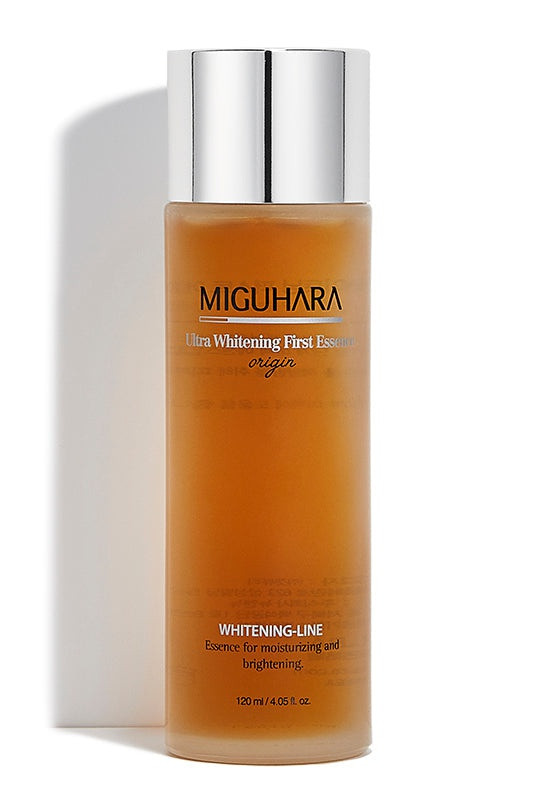

Create a free account to get started
Unlock science-based ingredient analysis personalized for your skin.
Already have an account? Log in
We protect your privacy. We never send spam.