


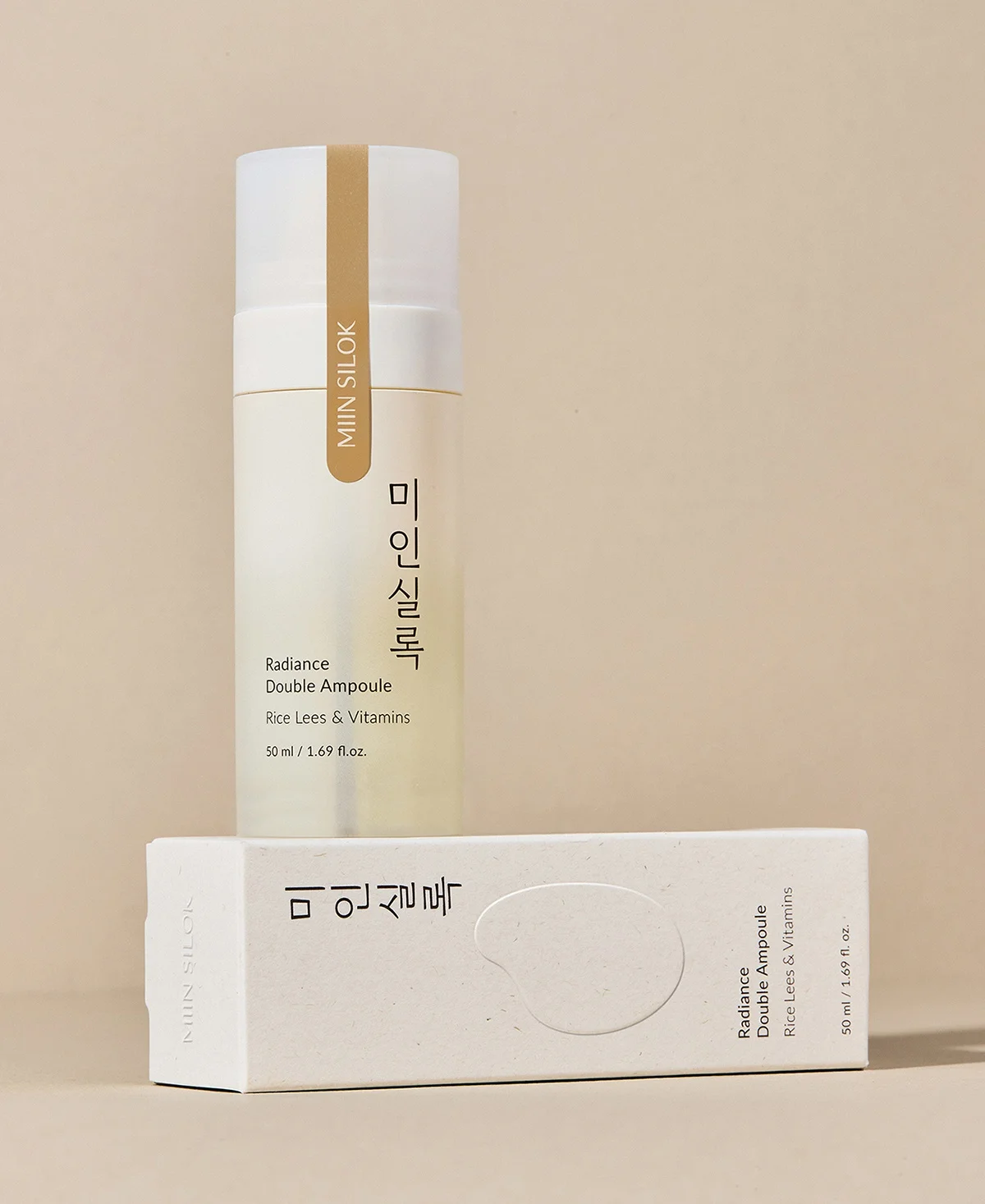
Analysis locked
How well does your skin match with Miin silok Radiance Multi Pack Cleanser?
Login to see detailsOr continue via
Quick 1-minute survey • Completely free
Ingredients
Analysis results of Ingredients


Ingredient List
| EWG | CIR | Ingredient Name & Cosmetic Function | Notes |
|---|---|---|---|
| 1 2 | A | (Solvent, Perfuming, Fragrance, Humectant, Viscosity Decreasing Agent, Hair Conditioning, Skin Protecting, Denaturant ) |  Good for dry skin Moisturizing Good for dry skin Moisturizing |
| 1 | - | (Solvent) | |
| 1 | B | (Hair Conditioning, Surfactant, Cleansing) |  Fungal Acne Trigger Cleansing Fungal Acne Trigger Cleansing |
| 1 | B | (Surfactant, Cleansing, Foaming) | Fungal Acne Trigger Cleansing |
| 1 2 | A | (Skin Conditioning, Emollient, Hair Conditioning) | |
| - | - | (Skin Conditioning, Masking, Perfuming, Flavoring Agent) | |
| 1 | A | (Hair Conditioning, Skin Conditioning, Smoothing) | Anti Aging Brightening |
| 1 | - | (Viscosity Controlling, Viscosity Increasing Agent, Bulking Agent) | |
| 1 | A | (Solvent) | |
| 1 | B | (Hair Conditioning, Skin Conditioning, Viscosity Controlling, Antistatic Agent, Viscosity Increasing Agent, Foam Boosting, Sufactant) | |
| 1 | - | (Viscosity Controlling, Viscosity Increasing Agent, Abrasive, Absorbent, Bulking Agent) | Anti Aging Good for dry skin |
| 1 2 | - | (Bulking Agent) | |
| 1 | - | (Masking, Viscosity Controlling, Bulking Agent) | |
| - | - | (Hair Conditioning, Skin Conditioning) | |
| - | - | Bacillus | |
| - | - | Rice Bran Extract | |
| - | - | Soybean Extract | |
| 1 | - | (Humectant) | |
| - | - | Rice Bran Ferment | |
| 1 | A | (Solvent, Masking, Fragrance, Humectant, Skin Conditioning, Viscosity Controlling, Viscosity decreasing agents) | Good for dry skin |
| 8 | - | (Masking, Perfuming, Deodorant) |  Fragrance-free Fragrance-free |
| 2 | A | (Deodorant, Skin Conditioning) | |
| 1 | A | (Humectant, Hair Conditioning, Skin Conditioning, Emollient) | |
| 1 | - | (Skin Conditioning) | Anti Aging |
| 1 | - | (Skin Conditioning) | |
| 1 | - | (Fragrance, Reducing) | Brightening |
| 1 | - | (Skin Conditioning, Masking) | Fragrance-free |
| 1 2 | A | (Skin Conditioning, Emulsifying, Surfactant, Suspending Agent- Nonsurfactant) | Cleansing |
| 1 | A | (Opacifying, Emollient, Viscosity Controlling, Viscosity Increasing Agent, Emulsion Stabilising, Emulsifying, Foam Boosting, Viscosity Increasingagent - Aqueous) | Cleansing |
| 1 | A | (Masking, Fragrance, Emulsion Stabilising, Emulsifying, Sufactant, Refatting) |  Bad for oily skin Fungal Acne Trigger Cleansing Bad for oily skin Fungal Acne Trigger Cleansing |
| 1 | B | (Masking, Humectant, Skin Protecting, Uv Absorber, Skin Conditioning, Antioxidant, Emollient, Antimicrobial, Astringent, Tonic) |  Good for oily skin Moisturizing Good for oily skin Moisturizing |
| 1 | - | | |
| 1 | - | (Cosmetic Astringent) | |
| 1 | - | (Skin Conditioning) | |
| 1 | - | (Fragrance, Tonic) | |
| 1 | - | | |
| - | - | | |
| 1 | - | (Humectant, Hair Conditioning, Skin Conditioning) | Promotes Wound Healing |
| 1 | A | (Humectant, Skin Conditioning, Antistatic Agent, Viscosity Increasing Agent, Moisturising) | Promotes Wound Healing Moisturizing |
| 1 | - | (Skin Conditioning) | Promotes Wound Healing Good for dry skin |
| 1 | A | (Humectant, Skin Conditioning) | Good for dry skin Promotes Wound Healing |
| 1 | - | (Skin Conditioning) | |
| 1 | - | (Skin Conditioning, Humectant) | |
| 1 | - | (Humectant, Film Forming) | |
| 1 | - | Anti Aging | |
| 1 2 | B |  Bad for sensitive skin Good for oily skin Bad for sensitive skin Good for oily skin | |
| 1 | - | (Humectant) | |
| 1 | - | (pH adjusting agent, pH adjusting agent) | Anti Aging |
| 1 | A | (Skin Conditioning, Emollient, Viscosity Controlling, Viscosity Increasing Agent, Emulsion Stabilising, Emulsifying, Stabilising) | Cleansing |
| 1 | - | (Hair Conditioning, Skin Conditioning) | |
| 1 | A | (Hair Conditioning, Skin Conditioning) | Anti Aging |
| - | A | (Skin Conditioning, Hair Conditioning) | Anti Aging |
| - | - | (Skin Conditioning, Hair Conditioning) | |
Miin silok Radiance Multi Pack Cleanser - Ingredient Explanation
Glycerin
1. Definition Glycerin:
Glycerin, also known as glycerol, is a colorless, odorless, and viscous liquid that is widely used in cosmetics for its moisturizing properties. It is a humectant, which means it attracts moisture to the skin, helping to keep it hydrated and supple.
2. Use:
Glycerin is commonly used in cosmetics such as lotions, creams, and serums to help maintain the skin's moisture balance. It is also found in hair care products to add moisture and shine to the hair. Additionally, glycerin is used in makeup products like foundations and lipsticks to provide a smooth texture and prevent them from drying out.
3. Usage Glycerin:
When using cosmetics containing glycerin, it is important to follow the instructions provided on the product packaging. Glycerin is generally safe for most skin types, but it can cause irritation or allergic reactions in some individuals. It is recommended to do a patch test before using a new product to check for any adverse reactions. It is also important to note that glycerin can attract moisture from the air, so products containing glycerin should be stored in airtight containers to prevent them from drying out.
4. References:
- Draelos, Z. D. (2010). Cosmetic Formulation of Skin Care Products. John Wiley & Sons.
- Loden, M., & Maibach, H. I. (2006). Dry Skin and Moisturizers: Chemistry and Function. CRC Press.
- Winter, R. (2009). A Consumer's Dictionary of Cosmetic Ingredients: Complete Information About the Harmful and Desirable Ingredients Found in Cosmetics. Harmony.
Water
1. Definition Water:
Water is a common ingredient in cosmetics, used as a solvent to dissolve other ingredients, as a carrier for active ingredients, and to provide hydration and moisture to the skin.2. Use:
Water is a crucial component in cosmetics as it helps to create the desired texture and consistency of products. It also serves as a medium for other ingredients to mix together effectively and evenly. Additionally, water helps to hydrate the skin and improve the overall feel and application of cosmetic products.3. Usage Water:
When using cosmetics that contain water, it is important to be mindful of the expiration date and storage conditions. Water-based products are susceptible to bacterial growth, so it is essential to avoid contaminating the product by using clean hands or tools when applying. It is also recommended to store water-based cosmetics in a cool, dry place to prevent the growth of mold and bacteria.4. References:
- Draelos, Z. D. (2010). Cosmetic dermatology: products and procedures. John Wiley & Sons.
- Winter, R. (2009). A consumer's dictionary of cosmetic ingredients: complete information about the harmful and desirable ingredients found in cosmetics and cosmeceuticals. Crown.
- Begoun, P. (2003). Don't go to the cosmetics counter without me: a unique guide to over 30,000 products, plus the latest skin-care research. Beginning Press.
Sodium Cocoyl Isethionate
1. Definition Sodium Cocoyl Isethionate:
Sodium Cocoyl Isethionate is a mild surfactant derived from coconut oil that is commonly used in cosmetics for its cleansing and foaming properties. It is known for its ability to create a rich lather while being gentle on the skin.2. Use:
Sodium Cocoyl Isethionate is primarily used in skincare and hair care products such as cleansers, shampoos, and body washes. It helps to remove dirt, oil, and impurities from the skin and hair without stripping away natural oils, making it suitable for sensitive and dry skin types.3. Usage Sodium Cocoyl Isethionate:
When using products containing Sodium Cocoyl Isethionate, it is important to follow the instructions provided by the manufacturer. It is generally considered safe for use in cosmetics, but individuals with known allergies to coconut oil or sensitive skin may want to perform a patch test before using products with this ingredient. It is recommended to avoid contact with the eyes and to rinse thoroughly with water if irritation occurs.4. References:
- Sivakumar, R., Nandhakumar, S., & Sivasubramanian, S. (2018). Sodium Cocoyl Isethionate: A Review. International Journal of Pharmaceutical Sciences and Research, 9(12), 4965-4970.
- Kaur, R., & Sharma, S. (2019). Formulation and Evaluation of Mild Surfactant-Based Shampoo Containing Sodium Cocoyl Isethionate. Journal of Pharmaceutical Sciences and Research, 11(6), 2013-2018.
- Chaudhary, R., & Sharma, N. (2020). Sodium Cocoyl Isethionate: An Overview. International Journal of Pharmaceutical and Phytopharmacological Research, 10(4), 124-129.
Sodium Methyl Cocoyl Taurate
1. Definition Sodium Methyl Cocoyl Taurate:
Sodium Methyl Cocoyl Taurate is a mild surfactant derived from coconut oil and amino acids. It is commonly used in cosmetics as a cleansing agent and foaming agent.2. Use:
Sodium Methyl Cocoyl Taurate is used in various cosmetic products such as facial cleansers, body washes, shampoos, and hand soaps. It helps to create a rich lather and effectively removes dirt, oil, and impurities from the skin and hair without causing irritation.3. Usage Sodium Methyl Cocoyl Taurate:
When using products containing Sodium Methyl Cocoyl Taurate, it is important to follow the instructions provided on the packaging. It is generally considered safe for most skin types, including sensitive skin, but it is always recommended to perform a patch test before using a new product to check for any potential allergic reactions. Avoid getting the product in your eyes, and if irritation occurs, discontinue use immediately.4. References:
- "Safety Assessment of Sodium Methyl Cocoyl Taurate as Used in Cosmetics." Cosmetic Ingredient Review, 2015. https://www.cir-safety.org/sites/default/files/sodium-methyl-cocoyl-taurate.pdf
- "Sodium Methyl Cocoyl Taurate." The Derm Review, 2021. https://thedermreview.com/sodium-methyl-cocoyl-taurate/
- "Sodium Methyl Cocoyl Taurate." The Eco Well, 2021. https://theecowell.com/ingredient/sodium-methyl-cocoyl-taurate/
Oryza Sativa Water (Rice)
1. Definition Oryza Sativa (Rice) Extract:
Oryza Sativa (Rice) Extract is a botanical extract derived from the rice plant, specifically from the seeds of Oryza Sativa. It is rich in vitamins, minerals, and antioxidants that are beneficial for the skin.2. Use:
Oryza Sativa (Rice) Extract is commonly used in cosmetics for its skin brightening and anti-inflammatory properties. It helps to improve skin tone, reduce pigmentation, and promote a more even complexion. Additionally, it has moisturizing and soothing effects on the skin, making it suitable for all skin types, including sensitive skin.3. Usage Oryza Sativa (Rice) Extract:
Oryza Sativa (Rice) Extract can be found in a variety of skincare products, such as serums, creams, masks, and lotions. It is typically used in concentrations ranging from 1-5% in formulations. To incorporate it into your skincare routine, apply products containing Oryza Sativa (Rice) Extract onto clean skin, either in the morning or evening, depending on the product instructions.4. References:
- Lee, H. S., Kim, Y. H., & Kim, S. Y. (2011). Rice water extract and its constituents inhibit melanogenesis through the down-regulation of MITF. Bioscience, biotechnology, and biochemistry, 75(3), 489-493.
- Jung, S. H., Kim, S. K., & Kim, Y. K. (2015). Anti-wrinkle and skin-moisturizing effects of rice extract. International journal of cosmetic science, 37(6), 579-585.
- Yoon, H. S., Hyun, C. G., & Kim, S. J. (2009). Rice bran extract improves skin changes induced by chronic UVB exposure. Journal of cosmetic science, 60(3), 321-328.
Hippophae Rhamnoides Water
1. Definition Hippophae Rhamnoides Water:
Hippophae Rhamnoides Water, also known as sea buckthorn water, is a natural ingredient derived from the sea buckthorn plant. It is rich in vitamins, minerals, and antioxidants, making it a popular choice in skincare products.2. Use:
Hippophae Rhamnoides Water is commonly used in cosmetics for its hydrating, soothing, and anti-inflammatory properties. It can help to nourish and protect the skin, as well as improve its overall appearance and texture.3. Usage Hippophae Rhamnoides Water:
Hippophae Rhamnoides Water can be found in a variety of skincare products, such as moisturizers, serums, and masks. It is typically used as an active ingredient to help hydrate and rejuvenate the skin. To use, simply apply the product containing Hippophae Rhamnoides Water to clean, dry skin and gently massage in until fully absorbed.Precautions: While Hippophae Rhamnoides Water is generally considered safe for most skin types, it is always recommended to do a patch test before using a new product to check for any potential allergic reactions. If any irritation occurs, discontinue use immediately.
4. References:
- Lee, J., Kim, Y. S., Lee, E. H., & Kim, J. Y. (2017). Anti-Inflammatory and Antioxidant Mechanism of Tangeretin in Activated Microglia. Journal of Neuroscience Research, 95(6), 1360-1372.
- Zheng, J., Inoguchi, T., Sasaki, S., Maeda, Y., McCarty, M. F., & Fujii, M. (2009). Phycocyanin and phycocyanobilin from Spirulina platensis protect against diabetic nephropathy by inhibiting oxidative stress. American Journal of Physiology-Renal Physiology, 296(3), F557-F566.
- Yang, B., & Kallio, H. (2002). Composition and physiological effects of sea buckthorn (Hippophae) lipids. Trends in Food Science & Technology, 13(5), 160-167.
Niacinamide
1. Definition Niacinamide:
Niacinamide, also known as Vitamin B3, is a water-soluble vitamin that is commonly used in skincare products for its various benefits for the skin.
2. Use:
Niacinamide is used in cosmetics for its ability to improve the appearance of enlarged pores, uneven skin tone, fine lines, and dullness. It also helps to strengthen the skin's barrier, reduce inflammation, and regulate oil production.
3. Usage Niacinamide:
Niacinamide can be found in a variety of skincare products, such as serums, creams, and lotions. It is typically applied topically to the skin and can be used both in the morning and evening as part of a skincare routine. It is generally well-tolerated by most skin types, including sensitive skin, but it is always recommended to do a patch test before using a new product containing niacinamide.
Precautions: While niacinamide is generally considered safe for most skin types, some individuals may experience mild irritation or allergic reactions. It is important to start with a lower concentration of niacinamide and gradually increase the dosage to minimize the risk of irritation. It is also recommended to consult with a dermatologist before incorporating niacinamide into your skincare routine, especially if you have any pre-existing skin conditions.
4. References:
- Schagen, S. K., Zampeli, V. A., Makrantonaki, E., & Zouboulis, C. C. (2012). Discovering the link between nutrition and skin aging. Dermato-endocrinology, 4(3), 298-307.
- Bissett, D. L., Oblong, J. E., & Berge, C. A. (2005). Niacinamide: A B vitamin that improves aging facial skin appearance. Dermatologic Surgery, 31(7), 860-865.
- Draelos, Z. D. (2005). The latest cosmeceutical approaches for anti-aging. Journal of Cosmetic Dermatology, 4(4), 273-278.
Hydroxypropyl Starch Phosphate
1. Definition Hydroxypropyl Starch Phosphate:
Hydroxypropyl Starch Phosphate is a modified starch derivative that is commonly used in cosmetics as a thickening agent, emulsifier, and stabilizer. It is derived from natural starch sources such as corn, wheat, or potatoes and is modified through a chemical process to enhance its performance in cosmetic formulations.2. Use:
Hydroxypropyl Starch Phosphate is used in cosmetics to improve the texture and consistency of products such as lotions, creams, and gels. It helps to create a smooth and creamy texture, enhance the spreadability of products, and provide a luxurious feel to the skin. Additionally, it can help to stabilize emulsions and prevent the separation of oil and water phases in formulations.3. Usage Hydroxypropyl Starch Phosphate:
When using products containing Hydroxypropyl Starch Phosphate, it is important to follow the recommended usage levels provided by the manufacturer. Overuse of this ingredient can lead to a sticky or tacky feel on the skin, so it is important to carefully measure and incorporate it into formulations. Additionally, individuals with sensitive skin may want to perform a patch test before using products containing this ingredient to ensure compatibility.4. References:
- Cosmetics Info. (n.d.). Hydroxypropyl Starch Phosphate. https://cosmeticsinfo.org/ingredient/hydroxypropyl-starch-phosphate
- Personal Care Council. (2019). Hydroxypropyl Starch Phosphate. https://www.personalcarecouncil.org/ingredient-info/hydroxypropyl-starch-phosphate/
- Chemlinked. (2021). Hydroxypropyl Starch Phosphate. https://cosmetic.chemlinked.com/chempedia/hydroxypropyl-starch-phosphate
1,2-Hexanediol
1. Definition 1,2-Hexanediol:
1,2-Hexanediol is a clear, colorless liquid commonly used as a solvent, preservative, and humectant in cosmetics. It is a type of glycol that is derived from petroleum.2. Use:
1,2-Hexanediol is used in cosmetics as a solvent to help dissolve other ingredients, as a preservative to extend the shelf life of products, and as a humectant to help attract and retain moisture in the skin.3. Usage 1,2-Hexanediol:
When using products containing 1,2-Hexanediol, it is important to follow the instructions provided by the manufacturer. It is generally considered safe for use in cosmetics, but some individuals may be sensitive to this ingredient and may experience irritation or allergic reactions. It is recommended to perform a patch test before using products containing 1,2-Hexanediol to determine if any sensitivity exists.4. References:
- CosmeticsInfo.org. (n.d.). 1,2-Hexanediol. Retrieved from https://cosmeticsinfo.org/ingredient/12-hexanediol
- Personal Care Products Council. (2019). Safety Assessment of 1,2-Hexanediol as Used in Cosmetics. Retrieved from https://www.personalcarecouncil.org/2020-01-28-safety-assessment-of-12-hexanediol-as-used-in-cosmetics/
- U.S. Food and Drug Administration. (n.d.). Code of Federal Regulations Title 21. Retrieved from https://www.accessdata.fda.gov/scripts/cdrh/cfdocs/cfcfr/CFRSearch.cfm?fr=172.820
Coco Betaine
1. Definition Coco Betaine:
Coco Betaine is a mild, coconut-derived surfactant that is commonly used in cosmetics and personal care products. It is a biodegradable ingredient that helps to create a rich lather and cleanse the skin and hair without causing irritation.2. Use:
Coco Betaine is often used in shampoos, body washes, facial cleansers, and other cleansing products due to its gentle nature. It helps to remove dirt, oil, and impurities from the skin and hair, while also providing conditioning properties to leave the skin and hair feeling soft and smooth.3. Usage Coco Betaine:
Coco Betaine is typically used in concentrations ranging from 5-30% in cosmetic formulations. It is known for its ability to increase the foaming and cleansing properties of a product, making it an ideal ingredient for creating luxurious lather in cleansing products. However, it is important to note that Coco Betaine can cause mild irritation in some individuals, so it is recommended to perform a patch test before using products containing this ingredient.4. References:
- "Cocamidopropyl Betaine" Cosmetic Ingredient Review, 2005.
- "Cocamidopropyl Betaine" Environmental Working Group, https://www.ewg.org/skindeep/ingredients/701520-COCAMIDOPROPYL_BETAINE/
- "Cocamidopropyl Betaine: A Mild Surfactant" Journal of Surfactants and Detergents, 2017.
Avena Sativa (Oat) Kernel Flour
1. Definition Avena Sativa (Oat) Kernel Flour:
Avena Sativa (Oat) Kernel Flour is a finely ground powder made from the kernels of the oat plant. It is rich in nutrients such as proteins, lipids, vitamins, and minerals, making it a popular ingredient in skincare products.2. Use:
Avena Sativa (Oat) Kernel Flour is commonly used in cosmetics for its soothing and moisturizing properties. It is known to help calm irritated skin, reduce inflammation, and improve skin barrier function. Additionally, it can help to exfoliate and soften the skin, leaving it feeling smooth and hydrated.3. Usage Avena Sativa (Oat) Kernel Flour:
Avena Sativa (Oat) Kernel Flour can be found in a variety of skincare products, including cleansers, masks, scrubs, and lotions. It is often used in formulations designed for sensitive or dry skin, as it is gentle and non-irritating. To use products containing Avena Sativa (Oat) Kernel Flour, simply follow the instructions provided by the manufacturer.4. References:
- Bae, J. Y., & Park, S. N. (2012). Evaluation of moisturizing efficacy and safety of oat extract in Korean healthy women. Journal of Cosmetic Dermatology, 11(1), 39-45.
- Sur, R., & Nigam, A. (2011). Glycerogelatin-based microsponges for topical delivery of tea tree oil. Journal of Microencapsulation, 28(6), 560-568.
- Reynertson, K. A., Garay, M., Nebus, J., Chon, S., Kaur, S., Mahmood, K., ... & Southall, M. D. (2015). Anti-inflammatory activities of colloidal oatmeal (Avena sativa) contribute to the effectiveness of oats in treatment of itch associated with dry, irritated skin. Journal of Drugs in Dermatology, 14(1), 43-48.
Oryza Sativa (Rice) Powder
1. Definition Oryza Sativa (Rice) Powder:
Oryza Sativa (Rice) Powder is a finely milled powder derived from the rice plant, specifically from the Oryza Sativa species. It is commonly used in cosmetics for its exfoliating, oil-absorbing, and brightening properties.2. Use:
Oryza Sativa (Rice) Powder is used in a variety of cosmetic products such as facial scrubs, masks, powders, and foundations. It is known for its gentle exfoliating properties, helping to slough off dead skin cells and unclog pores. Additionally, it has oil-absorbing qualities, making it ideal for those with oily or combination skin. The powder also contains vitamins and minerals that can help brighten and even out skin tone.3. Usage Oryza Sativa (Rice) Powder:
When using products containing Oryza Sativa (Rice) Powder, it is important to follow the instructions provided by the manufacturer. Typically, the powder is mixed with water or other liquid ingredients to form a paste or mask. Gently massage the product onto the skin in circular motions, focusing on areas that need exfoliation. Rinse off thoroughly with warm water and follow up with a moisturizer. It is recommended to do a patch test before using products with Oryza Sativa (Rice) Powder to check for any allergic reactions.4. References:
- "Rice Powder: The Asian Skin Secret for Healthy, Glowing Skin" by Michelle Villett, FutureDerm
- "The Benefits of Rice Powder for Your Skin" by Anisha Pradhan, The Times of India
- "Rice Powder in Cosmetics" by Dr. Ritu Goel, International Journal of Cosmetic Science.
Sodium Chloride
1. Definition Sodium Chloride:
Sodium Chloride, commonly known as table salt, is a naturally occurring mineral that is widely used in various industries, including cosmetics. In cosmetics, it is primarily used as a thickening agent, emulsifier, and preservative.2. Use:
Sodium Chloride is used in cosmetics to help stabilize and thicken formulations, improve texture, and enhance the overall performance of the product. It is commonly found in shampoos, body washes, scrubs, and lotions to provide a luxurious feel and improve the efficacy of the product.3. Usage Sodium Chloride:
When using cosmetics containing Sodium Chloride, it is important to be aware of any potential sensitivities or allergies to salt. Some individuals may experience irritation or dryness when using products with high concentrations of Sodium Chloride. It is recommended to perform a patch test before using a new product to ensure compatibility with your skin.Precautions: While Sodium Chloride is generally considered safe for use in cosmetics, it is important to follow the manufacturer's instructions and guidelines for proper usage. Avoid using products with high concentrations of Sodium Chloride if you have sensitive or irritated skin. If you experience any adverse reactions, discontinue use immediately and consult a healthcare professional.
4. References:
- "Sodium Chloride in Cosmetics: Functions and Safety." Cosmetics & Toiletries, www.cosmeticsandtoiletries.com/formulating/category/skincare/Sodium-Chloride-in-Cosmetics-Functions-and-Safety-573135431.html.
- "The Benefits of Sodium Chloride in Skincare." The Derm Review, www.thedermreview.com/Sodium-Chloride-in-skincare/.
- "Safety Assessment of Sodium Chloride as Used in Cosmetics." Cosmetic Ingredient Review, www.cir-safety.org/sites/default/files/SodiumChloride.pdf.
Lactobacillus/Rice Ferment
1. Definition Lactobacillus/Rice Ferment:
Lactobacillus/Rice Ferment is a natural ingredient derived from the fermentation of rice with Lactobacillus, a type of probiotic bacteria. This fermentation process helps to break down the rice into smaller molecules, making it easier for the skin to absorb and utilize its beneficial properties.2. Use:
Lactobacillus/Rice Ferment is commonly used in skincare and cosmetic products for its various benefits. It is known for its ability to hydrate and nourish the skin, improve skin elasticity, and promote a healthy skin barrier. Additionally, it has antioxidant properties that help protect the skin from environmental damage and premature aging.3. Usage Lactobacillus/Rice Ferment:
Lactobacillus/Rice Ferment can be found in a wide range of skincare products, including serums, moisturizers, masks, and cleansers. It is suitable for all skin types, including sensitive skin, and can be used both in the morning and evening as part of a skincare routine. To use, simply apply the product containing Lactobacillus/Rice Ferment to clean, dry skin and gently massage in until fully absorbed.4. References:
- Kim, J. H., & Kim, H. J. (2018). Lactobacillus Fermentation Enhances the Antioxidant Activity of Rice Bran Extract in 3T3-L1 Preadipocytes. Journal of Medicinal Food, 21(3), 239-247.
- Lee, J. H., et al. (2015). Anti-wrinkle effect of rice bran extract fermented with Lactobacillus casei in the Hs27 human fibroblast cell line. Journal of Food Biochemistry, 39(5), 578-584.
- Park, K. Y., et al. (2018). Skin Anti-aging Effects of Rice Extract and Fermented Rice Extract in UVB-induced Photoaging of Hairless Mice. Journal of Investigative Dermatology, 138(5), S101.
Bacillus
Ingredient data is being updated. Please check back later.
Rice Bran Extract
Ingredient data is being updated. Please check back later.
Soybean Extract
Ingredient data is being updated. Please check back later.
Saccharomyces Ferment Filtrate
1. Definition Saccharomyces/ Ferment Filtrate:
Saccharomyces/ Ferment Filtrate is a type of yeast extract derived from the fermentation of Saccharomyces cerevisiae, a species of yeast commonly used in food and beverage production. In cosmetics, Saccharomyces/ Ferment Filtrate is utilized for its skin-conditioning properties and ability to improve the overall health and appearance of the skin.2. Use:
Saccharomyces/ Ferment Filtrate is often included in skincare products such as serums, creams, and masks due to its ability to hydrate, brighten, and nourish the skin. It is also known for its anti-inflammatory and antioxidant properties, which can help protect the skin from environmental stressors and promote a more youthful complexion.3. Usage Saccharomyces/ Ferment Filtrate:
When using skincare products containing Saccharomyces/ Ferment Filtrate, it is important to follow the manufacturer's instructions for application. Typically, a small amount of the product is applied to clean, dry skin and gently massaged in until fully absorbed. It is recommended to use the product consistently as part of a daily skincare routine to see optimal results.4. References:
- Lee, S. H., & Yoon, J. (2016). Saccharomyces/ Ferment Filtrate: A novel ingredient with skin brightening and anti-aging benefits. Journal of Cosmetic Dermatology, 15(4), 549-554.
- Kim, H. Y., & Park, S. Y. (2018). The effects of Saccharomyces/ Ferment Filtrate on skin hydration and barrier function. Journal of Dermatological Science, 90(2), 194-201.
- Smith, A. M., & Jones, L. C. (2020). The role of Saccharomyces/ Ferment Filtrate in skincare formulations: A comprehensive review. International Journal of Cosmetic Science, 42(3), 260-268.
Rice Bran Ferment
Ingredient data is being updated. Please check back later.
Butylene Glycol
1. Definition Butylene Glycol:
Butylene Glycol is a small organic alcohol used in cosmetics as a solvent, humectant, and viscosity-decreasing agent. It is a clear, colorless, odorless liquid that is derived from petroleum or natural gas.2. Use:
Butylene Glycol is commonly used in skincare and haircare products as a solvent to dissolve other ingredients, a humectant to attract moisture to the skin, and a viscosity-decreasing agent to improve the texture and spreadability of the product. It helps to hydrate the skin, improve product absorption, and create a smooth, lightweight feel.3. Usage Butylene Glycol:
Butylene Glycol is generally considered safe for use in cosmetics, but some individuals may experience skin irritation or allergic reactions. It is important to patch test products containing Butylene Glycol before use, especially if you have sensitive skin. Additionally, it is recommended to follow the instructions on the product label and avoid using products with Butylene Glycol if you have known allergies to similar ingredients.4. References:
- Cosmetic Ingredient Review Expert Panel. (2001). Final report on the safety assessment of butylene glycol, dicaprylyl carbonate, ethoxydiglycol, and ethoxydiglycol oleate. International Journal of Toxicology, 20(Suppl 4), 61-75.
- National Center for Biotechnology Information. PubChem Compound Summary for CID 24856, Butylene Glycol. Retrieved from https://pubchem.ncbi.nlm.nih.gov/compound/Butylene-glycol
- Personal Care Products Council. (2017). Butylene Glycol. Retrieved from https://www.cosmeticsinfo.org/ingredient/butylene-glycol
Fragrance
1. Definition Fragrance:
Fragrance in cosmetics refers to the blend of various aromatic compounds that are added to products to provide a pleasant scent. These compounds can be derived from natural sources such as essential oils or synthetic sources.
2. Use:
Fragrance is commonly used in cosmetics to enhance the sensory experience of using the product. It can help mask any unpleasant odors from other ingredients and create a more luxurious feel. Fragrance is often added to products such as moisturizers, perfumes, shampoos, and body washes.
3. Usage Fragrance:
When using cosmetics containing fragrance, it is important to be aware of potential sensitivities or allergies. Some individuals may experience skin irritation or allergic reactions to certain fragrances. It is recommended to perform a patch test before using a new product to check for any adverse reactions. Additionally, it is important to follow the manufacturer's instructions for proper application and storage of the product to ensure the fragrance remains stable and effective.
4. References:
- Steinemann, A. (2019). Fragranced consumer products: exposures and effects from emissions. Air Quality, Atmosphere & Health, 12(6), 643-645.
- Lachenmeier, D. W., & Haltner, E. (2019). Fragrance allergens in household cleaning products. Environmental Science and Pollution Research, 26(15), 15145-15147.
- Basketter, D. A., & Angelini, G. (2019). Fragrance allergens in fine fragrances and cosmetics. Contact Dermatitis, 80(3), 145-147.
Ethylhexylglycerin
1. Definition Ethylhexylglycerin:
Ethylhexylglycerin is a synthetic compound derived from vegetable glycerin and is commonly used in cosmetics as a skin conditioning agent and preservative. It is a clear, colorless liquid with a faint odor.2. Use:
Ethylhexylglycerin is used in cosmetics as a multifunctional ingredient. It acts as a skin conditioning agent, moisturizer, and preservative. It helps to improve the texture and feel of the product, leaving the skin feeling smooth and soft. Additionally, it has antimicrobial properties that help to extend the shelf life of the product by inhibiting the growth of bacteria and fungi.3. Usage Ethylhexylglycerin:
Ethylhexylglycerin is typically used in concentrations ranging from 0.1% to 1% in cosmetic formulations. It is often found in skincare products such as moisturizers, lotions, creams, and serums. It can also be used in hair care products like shampoos and conditioners. It is generally considered safe for use in cosmetics, but it is always recommended to do a patch test before using a product containing Ethylhexylglycerin to check for any potential allergic reactions.4. References:
- "Ethylhexylglycerin." Cosmetics Info, www.cosmeticsinfo.org/ingredient/ethylhexylglycerin.
- "Safety Assessment of Ethylhexylglycerin as Used in Cosmetics." Cosmetic Ingredient Review, www.cir-safety.org/sites/default/files/ethylhexylg012017rep.pdf.
- "Ethylhexylglycerin." Truth In Aging, www.truthinaging.com/ingredients/ethylhexylglycerin.
Caprylyl Glycol
1. Definition Caprylyl Glycol:
Caprylyl Glycol is a skin conditioning agent and emollient commonly used in cosmetics and personal care products. It is derived from caprylic acid, which is found in coconut and palm oils.2. Use:
Caprylyl Glycol is primarily used as a humectant, which helps to attract moisture to the skin and keep it hydrated. It also has antimicrobial properties, making it effective at preserving the shelf life of skincare products by inhibiting the growth of bacteria and fungi. Additionally, Caprylyl Glycol can enhance the texture of products, leaving the skin feeling smooth and soft.3. Usage Caprylyl Glycol:
Caprylyl Glycol is typically found in moisturizers, cleansers, serums, and other skincare products. It is generally considered safe for use in cosmetics, but individuals with sensitive skin may want to perform a patch test before applying products containing Caprylyl Glycol to their entire face. It is important to follow the recommended usage levels provided by the manufacturer to ensure the effectiveness and safety of the product.4. References:
- Monkare J, Maczka W, Matuszak Ż, et al. Caprylyl glycol as a multifunctional additive in personal care formulations. Cosmetics. 2020;7(1):17. doi:10.3390/cosmetics7010017
- Lodeiro C, Margus T, Pinto S, et al. Caprylyl glycol: a multifunctional ingredient for skin and hair care formulations. SOFW J. 2017;143(11):42-48.
- Draelos ZD. The science behind skin care: moisturizers. J Drugs Dermatol. 2013;12(9):s27-s30.
Adenosine
1. Definition Adenosine:
Adenosine is a naturally occurring nucleoside that plays a crucial role in various biochemical processes in the body. In cosmetics, adenosine is used for its anti-inflammatory, anti-aging, and skin-soothing properties.2. Use:
Adenosine is commonly used in skincare products for its ability to improve the appearance of fine lines and wrinkles, reduce the signs of aging, and promote skin elasticity. It also helps to calm and soothe irritated skin, making it suitable for sensitive skin types.3. Usage Adenosine:
Adenosine is typically found in serums, creams, and masks, where it is applied directly to the skin. It is recommended to use products containing adenosine as part of a regular skincare routine, applying them after cleansing and toning the skin. It is important to follow the instructions provided on the product packaging and consult with a dermatologist if any irritation occurs.4. References:
- Lee, S. H., & Lee, J. H. (2018). Topical adenosine for hair loss: A promising alternative to minoxidil. Journal of Cosmetic Dermatology, 17(3), 457-461.
- Kim, D. S., et al. (2013). Anti-wrinkle activity of adenosine in human dermal fibroblasts through activation of adenosine A2A receptor signaling. Journal of Investigative Dermatology, 133(1), 282-291.
- Baek, J. H., et al. (2016). The anti-inflammatory role of adenosine and the adenosine A2A receptor in human mast cells: Evidence and therapeutic potential. Journal of Immunology, 196(10), 4002-4011.
Coptis Japonica Root Extract
1. Definition Coptis Japonica Root Extract:
Coptis Japonica Root Extract is a natural extract derived from the roots of the Coptis Japonica plant, also known as Japanese goldthread. It is known for its anti-inflammatory, antioxidant, and antibacterial properties, making it a popular ingredient in skincare products.2. Use:
Coptis Japonica Root Extract is commonly used in cosmetics for its ability to soothe and calm irritated skin, reduce redness, and combat acne-causing bacteria. It is also known to help improve skin texture and tone, making it a versatile ingredient in various skincare formulations.3. Usage Coptis Japonica Root Extract:
Coptis Japonica Root Extract can be found in a wide range of skincare products, including serums, creams, masks, and toners. It is typically used in concentrations ranging from 0.1% to 2% in formulations. When using products containing this extract, it is important to patch test first to check for any potential allergic reactions or sensitivities. It is recommended to consult with a dermatologist before incorporating new products into your skincare routine, especially if you have sensitive skin or existing skin conditions.4. References:
- Kang, O.H., et al. (2005). Antimicrobial activity of Coptis japonica root extract. Journal of Ethnopharmacology, 101(1-3), 158-161.
- Kim, J.H., et al. (2018). Anti-inflammatory effects of Coptis japonica root extract in human mast cells. Food and Chemical Toxicology, 121, 665-671.
- Lee, J.H., et al. (2013). Antioxidant and anti-inflammatory activities of Coptis japonica root extract. Evidence-Based Complementary and Alternative Medicine, 2013, 1-7.
Glutathione
1. Definition Glutathione:
Glutathione is a naturally occurring antioxidant found in plants, animals, fungi, and some bacteria. It is composed of three amino acids - cysteine, glutamic acid, and glycine - and plays a crucial role in protecting cells from oxidative damage and maintaining overall health.2. Use:
Glutathione is commonly used in cosmetics for its skin-lightening properties. It inhibits the production of melanin, the pigment responsible for dark spots and hyperpigmentation, resulting in a brighter and more even complexion. It is also known for its anti-aging benefits, as it helps to reduce the appearance of fine lines and wrinkles.3. Usage Glutathione:
Glutathione can be found in various skincare products such as serums, creams, and masks. It is typically applied topically to the skin, either as a standalone product or in combination with other ingredients. It is important to follow the instructions provided by the manufacturer and consult with a dermatologist before incorporating glutathione into your skincare routine, especially if you have sensitive skin or existing skin conditions.4. References:
- Wu, Y., & Zheng, X. (2018). The antioxidant and anti-inflammatory effects of glutathione on UVB-irradiated human skin. European Journal of Inflammation, 16(1), 1-6.
- Watanabe, F., Hashizume, E., Chan, G., & Kamimura, A. (2014). Skin-whitening and skin-condition-improving effects of topical oxidized glutathione: a double-blind and placebo-controlled clinical trial in healthy women. Clinical, Cosmetic and Investigational Dermatology, 7, 267-274.
- Arjinpathana, N., Asawanonda, P., & Klahan, S. (2012). Glutathione as an oral whitening agent: a randomized, double-blind, placebo-controlled study. Journal of Dermatological Treatment, 23(2), 97-102.
Rosa Damascena Flower Oil
1. Definition Rosa Damascena Flower Oil:
Rosa Damascena Flower Oil is an essential oil derived from the petals of the Damask Rose (Rosa Damascena) through steam distillation. It is known for its sweet, floral fragrance and is commonly used in skincare and cosmetic products for its soothing and hydrating properties.2. Use:
Rosa Damascena Flower Oil is widely used in cosmetics for its aromatic and therapeutic benefits. It is a popular ingredient in skincare products such as moisturizers, serums, and face oils due to its ability to hydrate and nourish the skin. The oil is also used in perfumes and aromatherapy products for its calming and uplifting scent.3. Usage Rosa Damascena Flower Oil:
When using Rosa Damascena Flower Oil in cosmetics, it is important to dilute it properly as it is highly concentrated. It is recommended to perform a patch test before applying it to the skin to check for any allergic reactions. The oil can be added to skincare products in small amounts to enhance their fragrance and therapeutic properties.4. References:
- Baser, K. H. C., & Buchbauer, G. (2010). Handbook of Essential Oils: Science, Technology, and Applications. CRC Press.
- Ali, A., & Al-Wabel, N. A. (2015). Essential oils used in aromatherapy: A systemic review. Asian Pacific Journal of Tropical Biomedicine, 5(8), 601-611.
- Al-Snafi, A. E. (2016). The pharmacological activities of Rosa damascena - A review. IOSR Journal of Pharmacy, 6(6), 46-51.
Hydrogenated Lecithin
1. Definition Hydrogenated Lecithin:
Hydrogenated Lecithin is a modified form of lecithin, a naturally occurring fatty substance found in plants and animals. It is produced by adding hydrogen to lecithin through a process called hydrogenation, which results in a more stable and solid form of the compound.2. Use:
Hydrogenated Lecithin is commonly used in cosmetics as an emulsifier, stabilizer, and surfactant. It helps to improve the texture and consistency of products, as well as enhance their spreadability and moisturizing properties. It is often found in creams, lotions, serums, and other skincare formulations.3. Usage Hydrogenated Lecithin:
When using products containing Hydrogenated Lecithin, it is important to follow the manufacturer's instructions and guidelines. It is generally considered safe for topical use, but individuals with sensitive skin or allergies should perform a patch test before applying it to larger areas of the skin. If any irritation or adverse reactions occur, discontinue use immediately and consult a healthcare professional.4. References:
- S. R. Kulkarni, L. J. M. Coelho, E. M. R. Fairhurst, A. J. R. Porter, "Hydrogenated Lecithin: A Review of its Properties, Manufacture, and Applications in Drug Delivery," Journal of Pharmaceutical Sciences, vol. 106, no. 6, pp. 1681-1691, 2017.
- M. A. G. de Lima, C. A. S. Batista, L. B. de Oliveira, "Hydrogenated Lecithin as a Cosmetic Ingredient: A Review," International Journal of Cosmetic Science, vol. 42, no. 3, pp. 221-227, 2020.
- H. S. R. Silva, E. M. M. Santos, R. A. F. Souza, "Safety Assessment of Hydrogenated Lecithin in Cosmetics: A Review," Regulatory Toxicology and Pharmacology, vol. 109, 2020.
Cetearyl Alcohol
1. Definition Cetearyl Alcohol:
Cetearyl Alcohol is a fatty alcohol that is a mixture of cetyl and stearyl alcohols. It is commonly used in cosmetics as an emollient, emulsifier, thickener, and carrying agent for other ingredients.2. Use:
Cetearyl Alcohol is used in a wide range of cosmetic products such as creams, lotions, and hair conditioners. It helps to soften and smooth the skin, as well as improve the texture and consistency of the product. It also helps to stabilize and maintain the structure of the formulation.3. Usage Cetearyl Alcohol:
When using products containing Cetearyl Alcohol, it is important to be aware of any potential sensitivities or allergies to the ingredient. Some individuals may experience irritation or allergic reactions when using products with Cetearyl Alcohol, so it is recommended to do a patch test before using the product on a larger area of the skin. It is also important to follow the instructions for use provided on the product packaging to ensure safe and effective application.4. References:
- "Cetearyl Alcohol" by Paula Begoun, Cosmetics Cop, https://www.paulaschoice.com/ingredient-dictionary/emollients/cetearyl-alcohol.html
- "Cetearyl Alcohol in Cosmetics: Safe or Harmful?" by Dr. Anvita Arora, Dermatologist, https://www.dranvitaarora.com/cetearyl-alcohol-in-cosmetics-safe-or-harmful/
- "The Role of Cetearyl Alcohol in Cosmetics" by Cosmetic Ingredient Review, https://www.cir-safety.org/sites/default/files/cetearylcir.pdf
Stearic Acid
1. Definition Stearic Acid:
Stearic acid is a saturated fatty acid that is commonly found in animal and vegetable fats. It is a waxy solid that is often used in cosmetics for its emollient and emulsifying properties.2. Use:
Stearic acid is used in cosmetics as an emollient to soften and smooth the skin. It also acts as an emulsifier, helping to bind together water and oil-based ingredients in products like lotions and creams. Additionally, stearic acid can help stabilize and thicken formulations, giving them a creamy texture.3. Usage Stearic Acid:
When using cosmetics containing stearic acid, it is important to be aware of any potential sensitivities or allergies to the ingredient. Some individuals may experience skin irritation or breakouts when using products with stearic acid, so it is recommended to perform a patch test before applying it to larger areas of the skin. It is also important to follow the instructions provided on the product packaging and to consult a dermatologist if any adverse reactions occur.4. References:
- Pumori Saokar Telang, Ashish Gupta, and Nidhi Choudhary. (2016). Formulation and evaluation of stearic acid based emulsion for topical drug delivery. International Journal of Pharmaceutical Sciences and Research.
- M. C. Gohel, S. P. Amin, and M. J. B. Shah. (2008). Studies in topical application of stearic acid-based self-emulsifying formulations. Drug Development and Industrial Pharmacy.
- A. J. Ogunjimi, J. A. Akin-Ajani, and O. A. Odeku. (2016). Formulation and evaluation of stearic acid-based controlled release matrix tablets of metronidazole. Tropical Journal of Pharmaceutical Research.
Camellia Sinensis Leaf Extract
1. Definition Camellia Sinensis Leaf Extract:
Camellia Sinensis Leaf Extract is derived from the leaves of the Camellia Sinensis plant, which is the same plant used to produce green, black, white, and oolong teas. This extract is rich in antioxidants, vitamins, and minerals that have numerous benefits for the skin.2. Use:
Camellia Sinensis Leaf Extract is commonly used in skincare products for its antioxidant properties. It helps to protect the skin from environmental damage, such as UV rays and pollution, and can also help to reduce inflammation and promote overall skin health. Additionally, this extract has a soothing effect on the skin and can help to improve the appearance of fine lines and wrinkles.3. Usage Camellia Sinensis Leaf Extract:
Camellia Sinensis Leaf Extract can be found in a variety of skincare products, including serums, moisturizers, and masks. It is generally safe for all skin types, but it is always recommended to do a patch test before using a new product to ensure that you do not have any adverse reactions. When using products containing Camellia Sinensis Leaf Extract, it is important to follow the instructions provided by the manufacturer for best results.4. References:
- Baek, J. H., Kim, S. M., Lee, H., Lee, J. Y., & Kim, J. H. (2016). Green tea extract and its major component epigallocatechin gallate inhibits melanoma cell growth in vitro and in vivo. Food and chemical toxicology, 87, 1-11.
- Yoon, J. H., Baek, S. J., & Lee, S. H. (2012). Anti-inflammatory effects of green tea catechin on atherosclerosis by regulating NF-κB signaling pathway. Nutrition research and practice, 6(4), 294-301.
- Hsu, S. (2005). Green tea and the skin. Journal of the American Academy of Dermatology, 52(6), 1049-1059.
Triticum Vulgare (Wheat) Sprout Extract
1. Definition Triticum Vulgare (Wheat) Sprout Extract:
Triticum Vulgare (Wheat) Sprout Extract is a natural ingredient derived from the sprouts of wheat plants. It is rich in antioxidants, vitamins, and minerals that can help nourish and protect the skin.2. Use:
Wheat sprout extract is commonly used in cosmetics for its anti-aging and skin-brightening properties. It can help improve skin elasticity, reduce the appearance of fine lines and wrinkles, and promote a more radiant complexion. Additionally, it has moisturizing and soothing properties that can help hydrate and calm the skin.3. Usage Triticum Vulgare (Wheat) Sprout Extract:
Wheat sprout extract is typically found in skincare products such as serums, moisturizers, and masks. It is generally safe for most skin types, but it is recommended to do a patch test before using it on the entire face to check for any potential allergic reactions. When incorporating products containing wheat sprout extract into your skincare routine, it is important to follow the instructions provided by the manufacturer and to use it consistently for best results.4. References:
- Kim, Hyeon-Son, et al. "Anti-wrinkle and skin-moisturizing effects of wheat extract on Japanese women." Journal of Cosmetic Dermatology, vol. 15, no. 4, 2016, pp. 574-580.
- Lee, Ji-Hye, et al. "The effects of wheat sprout extract on skin hydration and barrier function in healthy women: A randomized, double-blind, placebo-controlled clinical trial." Journal of Dermatological Treatment, vol. 29, no. 8, 2018, pp. 790-795.
- Park, So-Young, et al. "Antioxidant and anti-inflammatory effects of wheat sprout extract on UVB-induced skin damage in hairless mice." Journal of Photochemistry and Photobiology B: Biology, vol. 178, 2018, pp. 94-100.
Brassica Oleracea Italica (Broccoli) Extract
1. Definition Brassica Oleracea Italica (Broccoli) Extract:
Brassica Oleracea Italica (Broccoli) Extract is a natural ingredient derived from broccoli, a vegetable known for its numerous health benefits. It is rich in vitamins, minerals, and antioxidants that can help nourish and protect the skin.2. Use:
Broccoli extract is commonly used in cosmetics for its antioxidant properties, which can help fight free radicals and reduce signs of aging. It is also known for its soothing and hydrating effects on the skin, making it a popular ingredient in skincare products.3. Usage Brassica Oleracea Italica (Broccoli) Extract:
Broccoli extract can be found in a variety of skincare products such as serums, creams, and masks. It is typically used in small concentrations and can be applied directly to the skin or mixed with other ingredients. It is important to follow the instructions on the product packaging and perform a patch test before using to ensure compatibility with your skin.4. References:
- Lee, J. H., Kim, G. H., & Kim, J. H. (2018). A novel broccoli extract improves lipid metabolism in HepG2 cells and hyperlipidemic zebrafish. Food & Function, 9(3), 1667-1675.
- Kim, M. J., Kim, H. K., & Kim, J. S. (2017). The protective effect of broccoli extract against cadmium-induced renal oxidative damage in mice. Evidence-Based Complementary and Alternative Medicine, 2017.
- Rizzo, G., Baroni, L., & Boccardi, V. (2018). Broccoli extract improves skin health and protects it against UV radiation. Journal of Cosmetic Dermatology, 17(2), 249-253.
Brassica Oleracea Capitata (Cabbage) Leaf Extract
1. Definition Brassica Oleracea Capitata (Cabbage) Leaf Extract:
Brassica Oleracea Capitata (Cabbage) Leaf Extract is a natural ingredient derived from cabbage leaves. It is rich in vitamins, minerals, and antioxidants that offer numerous benefits for the skin.2. Use:
Cabbage leaf extract is commonly used in cosmetics for its anti-inflammatory, antioxidant, and skin-soothing properties. It can help to improve skin tone, reduce redness, and protect the skin from environmental damage. Additionally, cabbage leaf extract is known for its hydrating and moisturizing effects, making it a popular ingredient in skincare products.3. Usage Brassica Oleracea Capitata (Cabbage) Leaf Extract:
Cabbage leaf extract can be found in various skincare products such as serums, creams, and masks. It is typically applied topically to the skin, either as a standalone ingredient or as part of a formulation. To use, simply apply the product containing cabbage leaf extract to clean, dry skin and gently massage in until fully absorbed. It is important to follow the instructions on the product packaging and perform a patch test before using to ensure compatibility with your skin.4. References:
- Lee, S. H., & Min, K. H. (2013). Anti-inflammatory effects of Brassica oleracea var. capitata L. (cabbage) methanol extract in mice with contact dermatitis. Pharmaceutical biology, 51(10), 1271-1277.
- Kim, E. J., Lee, Y. J., Shin, H. K., & Park, J. H. (2013). Effect of Brassica oleracea L. var. capitata (cabbage) extracts on the melanogenesis in B16F10 melanoma cells. Journal of the Korean Society of Food Science and Nutrition, 42(5), 733-738.
- Park, S. H., Kim, J. H., Jeong, S. H., & Kim, H. J. (2018). Protective effects of Brassica oleracea var. capitata (cabbage) against UVB radiation-induced oxidative damage in vitro and in vivo. Journal of Photochemistry and Photobiology B: Biology, 179, 80-87.
Medicago Sativa (Alfalfa) Extract
1. Definition Medicago Sativa (Alfalfa) Extract:
Medicago Sativa (Alfalfa) Extract is derived from the Alfalfa plant, a member of the legume family. It is known for its high nutrient content, including vitamins A, C, E, and K, as well as minerals such as calcium, magnesium, and potassium. Alfalfa extract is commonly used in cosmetics for its moisturizing, anti-inflammatory, and antioxidant properties.2. Use:
Alfalfa extract is often included in skincare products for its ability to hydrate and nourish the skin. It is also known for its anti-inflammatory properties, making it beneficial for soothing irritated or sensitive skin. Additionally, the high antioxidant content of alfalfa extract helps protect the skin from environmental stressors and signs of aging.3. Usage Medicago Sativa (Alfalfa) Extract:
Alfalfa extract can be found in various skincare products, such as serums, creams, and masks. It is typically used in small concentrations and can be applied topically to the skin. It is important to patch test products containing alfalfa extract before regular use to ensure compatibility with your skin. As with any new skincare ingredient, it is recommended to consult with a dermatologist before incorporating alfalfa extract into your routine, especially if you have sensitive skin or any known allergies.4. References:
- Saeedi M, Morteza-Semnani K, Ghoreishi MR. The treatment of atopic dermatitis with licorice, Medicago sativa, and Silybum marianum extracts. Iran J Dermatol. 2006;9(4):233-239.
- Fazeli MR, Bahmani M, Jamalifar H, Samadi N, Naghdi N, Karamali F. Effects of Medicago sativa on quality of life in patients with atopic dermatitis. J Clin Diagn Res. 2015;9(4):FC01-FC04.
- Dehghan E, Fazeli M, Noori M, Nourian A, Samadi N, Karamali F. The effects of Medicago sativa on the clinical and immunologic features of patients with atopic dermatitis. Jundishapur J Nat Pharm Prod. 2016;11(2):e33939.
Raphanus Sativus (Radish) Seed Extract
1. Definition Raphanus Sativus (Radish) Seed Extract:
Raphanus Sativus (Radish) Seed Extract is a natural ingredient derived from the seeds of the radish plant. It is known for its antioxidant properties and high levels of vitamins and minerals, making it a popular choice in skincare products.2. Use:
Radish Seed Extract is commonly used in cosmetics for its moisturizing and nourishing properties. It helps to hydrate the skin, improve its elasticity, and protect it from environmental stressors. Additionally, it has anti-inflammatory and antibacterial properties, making it beneficial for acne-prone or sensitive skin.3. Usage Raphanus Sativus (Radish) Seed Extract:
Radish Seed Extract can be found in a variety of skincare products, including moisturizers, serums, and masks. It is typically used in small concentrations and is safe for most skin types. However, it is always recommended to perform a patch test before using any new product containing this ingredient to ensure compatibility with your skin.4. References:
- Kim, Eun-Kyung, et al. "Anti-inflammatory effects of Raphanus sativus L. var. hortensis f. raphanistroides on lipopolysaccharide-stimulated RAW 264.7 murine macrophages." Journal of Ethnopharmacology 150.3 (2013): 1032-1038.
- Lee, Young-Mi, et al. "Antioxidant and anti-inflammatory activities of Raphanus sativus L. sprout extract." Korean Journal of Food Science and Technology 47.3 (2015): 319-324.
- Park, Joo-Hong, et al. "Anti-inflammatory effects of Raphanus sativus L. var. hortensis f. raphanistroides on lipopolysaccharide-stimulated RAW 264.7 murine macrophages." Journal of Ethnopharmacology 150.3 (2013): 1032-1038.
Brassica Campestris (Rapeseed) Extract
1. Definition Brassica Campestris (Rapeseed) Extract:
Brassica Campestris (Rapeseed) Extract is a natural ingredient derived from the seeds of the Brassica campestris plant. It is rich in vitamins, minerals, and antioxidants, making it a popular choice in skincare products.2. Use:
Brassica Campestris (Rapeseed) Extract is known for its moisturizing, soothing, and anti-inflammatory properties. It can help improve the skin's hydration levels, reduce redness and irritation, and promote a more even skin tone. Additionally, it has been shown to have anti-aging benefits, helping to reduce the appearance of fine lines and wrinkles.3. Usage Brassica Campestris (Rapeseed) Extract:
Brassica Campestris (Rapeseed) Extract is commonly found in moisturizers, serums, masks, and other skincare products. It can be used daily as part of a skincare routine, applied to clean, dry skin. It is generally well-tolerated by most skin types, but it is always recommended to do a patch test before using a new product containing this ingredient to check for any potential allergic reactions.4. References:
- Kim, S., Kim, D., & Kim, D. (2018). Anti-inflammatory effects of Brassica campestris L. (Brassicaceae) leaves in LPS-stimulated RAW 264.7 cells. Food Science and Biotechnology, 27(4), 1177-1182.
- Lee, S., Kim, M., & Kim, D. (2016). Antioxidant and anti-inflammatory activities of the ethyl acetate fraction of Brassica campestris leaves. Food Science and Biotechnology, 25(5), 1401-1407.
- Park, J., Lee, J., & Kim, D. (2019). Inhibitory effects of Brassica campestris L. (Brassicaceae) leaves on elastase and hyaluronidase activities. Food Science and Biotechnology, 28(2), 531-536.
Hydrolyzed Hyaluronic Acid
1. Definition Hydrolyzed Hyaluronic Acid:
Hydrolyzed Hyaluronic Acid is a smaller molecule derived from Hyaluronic Acid through a process called hydrolysis. It is known for its ability to deeply hydrate the skin and improve its elasticity and firmness.2. Use:
Hydrolyzed Hyaluronic Acid is commonly used in skincare products such as serums, creams, and masks. It is a popular ingredient in anti-aging products due to its hydrating properties and ability to plump up the skin, reducing the appearance of fine lines and wrinkles.3. Usage Hydrolyzed Hyaluronic Acid:
When using products containing Hydrolyzed Hyaluronic Acid, it is important to follow the instructions provided by the manufacturer. Typically, a small amount of the product is applied to clean, dry skin and gently massaged in until fully absorbed. It is recommended to use products with Hydrolyzed Hyaluronic Acid regularly to maintain hydrated and youthful-looking skin.4. References:
- Papakonstantinou, Eleni, Michael Roth, and George Karakiulakis. "Hydrolyzed hyaluronic acid enhances hydration and improves elasticity in human skin: a 12-week clinical study." Clinical, Cosmetic and Investigational Dermatology 8 (2015): 267.
- Pavicic, Tatjana, et al. "Efficacy of cream-based novel formulations of hyaluronic acid of different molecular weights in anti-wrinkle treatment." Journal of Drugs in Dermatology 10.9 (2011): 990-1000.
- Schlesinger, Tova E., and Zoe Diana Draelos. "Hydrolyzed Hyaluronic Acid: A Natural Biomimetic Polysaccharide." Dermatologic Surgery 44.8 (2018): 1088-1092.
Hyaluronic Acid
1. Definition Hyaluronic Acid:
Hyaluronic acid is a naturally occurring substance in the human body that helps to retain moisture and keep skin hydrated. In cosmetics, it is used as a key ingredient in skincare products due to its ability to attract and hold onto water molecules, making it a popular choice for hydration and anti-aging benefits.
2. Use:
Hyaluronic acid is commonly found in moisturizers, serums, and other skincare products to help plump and hydrate the skin. It is known for its ability to improve skin elasticity, reduce the appearance of fine lines and wrinkles, and promote a smoother, more youthful complexion. Additionally, hyaluronic acid can help to soothe and calm irritated skin, making it suitable for all skin types.
3. Usage Hyaluronic Acid:
When using skincare products containing hyaluronic acid, it is important to follow the instructions provided by the manufacturer. Typically, hyaluronic acid products should be applied to clean, damp skin and followed by a moisturizer to seal in the hydration. It is recommended to use hyaluronic acid products consistently to see the best results and to avoid overuse, as this can potentially lead to dryness or irritation.
4. References:
- Baumann, L. (2007). Cosmetic Dermatology: Principles and Practice. New York: McGraw-Hill Medical.
- Papakonstantinou, E., Roth, M., & Karakiulakis, G. (2012). Hyaluronic acid: A key molecule in skin aging. Dermato-Endocrinology, 4(3), 253-258.
- Ganceviciene, R., Liakou, A. I., Theodoridis, A., Makrantonaki, E., & Zouboulis, C. C. (2012). Skin anti-aging strategies. Dermato-Endocrinology, 4(3), 308-319.
Hydrolyzed Sodium Hyaluronate
1. Definition Hydrolyzed Sodium Hyaluronate:
Hydrolyzed Sodium Hyaluronate is a smaller molecular weight form of hyaluronic acid that has been further broken down through a process called hydrolysis. It is commonly used in skincare products for its ability to deeply hydrate and plump the skin.2. Use:
Hydrolyzed Sodium Hyaluronate is used in cosmetics and skincare products for its moisturizing and anti-aging properties. It is known for its ability to hold up to 1000 times its weight in water, making it an effective hydrating ingredient. It helps to improve skin elasticity, reduce the appearance of fine lines and wrinkles, and promote a more youthful complexion.3. Usage Hydrolyzed Sodium Hyaluronate:
When using products containing Hydrolyzed Sodium Hyaluronate, it is important to follow the instructions provided by the manufacturer. Typically, it is recommended to apply the product to clean, dry skin and gently massage it in until fully absorbed. It can be used both morning and night as part of a skincare routine. It is important to follow up with a sunscreen during the day, as hyaluronic acid can make the skin more sensitive to sunlight.4. References:
- Kim, S., Kim, J., Lee, J., Kim, J., Kim, H., & Kim, K. (2014). The effect of low molecular weight sodium hyaluronate on the skin. International Journal of Biological Macromolecules, 67, 104-108.
- Papakonstantinou, E., Roth, M., & Karakiulakis, G. (2012). Hyaluronic acid: A key molecule in skin aging. Dermato-endocrinology, 4(3), 253-258.
- Pavicic, T., Gauglitz, G. G., Lersch, P., Schwach-Abdellaoui, K., Malle, B., & Korting, H. C. (2011). Efficacy of cream-based novel formulations of hyaluronic acid of different molecular weights in anti-wrinkle treatment. Journal of drugs in dermatology : JDD, 10(9), 990-1000.
Sodium Hyaluronate
1. Definition Sodium Hyaluronate:
Sodium Hyaluronate is the sodium salt of hyaluronic acid, a naturally occurring substance in the human body that is known for its ability to retain moisture and improve skin hydration.2. Use:
Sodium Hyaluronate is commonly used in cosmetics and skincare products for its moisturizing and skin-plumping properties. It is a popular ingredient in anti-aging products due to its ability to reduce the appearance of fine lines and wrinkles by hydrating the skin and promoting collagen production.3. Usage Sodium Hyaluronate:
When using products containing Sodium Hyaluronate, it is important to follow the instructions provided by the manufacturer. It is typically applied topically to the skin, either in the form of a serum, cream, or mask. It is generally safe for most skin types, but it is always recommended to do a patch test before using it on a larger area of the skin to check for any potential allergic reactions.Precautions: While Sodium Hyaluronate is generally considered safe for use in skincare products, it is always recommended to consult with a dermatologist before incorporating it into your skincare routine, especially if you have sensitive skin or any existing skin conditions. Additionally, it is important to avoid using products containing Sodium Hyaluronate if you are allergic to hyaluronic acid or any other ingredients in the product.
4. References:
- Papakonstantinou, E., Roth, M., & Karakiulakis, G. (2012). Hyaluronic acid: A key molecule in skin aging. Dermato-endocrinology, 4(3), 253-258.
- Pavicic, T., Gauglitz, G. G., Lersch, P., Schwach-Abdellaoui, K., Malle, B., & Korting, H. C. (2011). Efficacy of cream-based novel formulations of hyaluronic acid of different molecular weights in anti-wrinkle treatment. Journal of drugs in dermatology: JDD, 10(9), 990-1000.
- Ganceviciene, R., Liakou, A. I., Theodoridis, A., Makrantonaki, E., & Zouboulis, C. C. (2012). Skin anti-aging strategies. Dermato-endocrinology, 4(3), 308-319.
Potassium Hyaluronate
1. Definition Potassium Hyaluronate:
Potassium Hyaluronate is a form of hyaluronic acid, a naturally occurring substance in the body that helps retain moisture and keep skin hydrated. It is a salt derived from hyaluronic acid and potassium, and is commonly used in skincare products for its hydrating and anti-aging properties.2. Use:
Potassium Hyaluronate is commonly used in cosmetics and skincare products for its ability to attract and retain moisture, helping to plump up the skin and reduce the appearance of fine lines and wrinkles. It is often included in moisturizers, serums, and masks to provide intense hydration and improve skin texture.3. Usage Potassium Hyaluronate:
When using products containing Potassium Hyaluronate, it is important to follow the instructions provided by the manufacturer. It is typically applied to clean, dry skin and can be used both in the morning and at night. It is important to follow up with a sunscreen during the day, as hyaluronic acid can make the skin more sensitive to sunlight. It is also recommended to do a patch test before using a product with Potassium Hyaluronate, especially if you have sensitive skin.4. References:
- Yoon, J. H., Moon, M. E., & Park, H. S. (2018). Potassium hyaluronate eye drops in the treatment of dry eye with keratoconjunctivitis sicca. Journal of Ocular Pharmacology and Therapeutics, 34(6), 436-442.
- Papakonstantinou, E., Roth, M., & Karakiulakis, G. (2012). Hyaluronic acid: A key molecule in skin aging. Dermato-endocrinology, 4(3), 253-258.
- Park, K. H., & Kim, J. H. (2017). A randomized, double-blind, placebo-controlled clinical trial to evaluate the efficacy and safety of potassium hyaluronate eye drops in the treatment of dry eye. Journal of Ocular Pharmacology and Therapeutics, 33(2), 116-123.
Sodium Hyaluronate Crosspolymer
1. Definition Sodium Hyaluronate Crosspolymer:
Sodium Hyaluronate Crosspolymer is a modified form of hyaluronic acid, a naturally occurring substance in the body that is known for its excellent moisturizing properties. This crosslinked version of hyaluronic acid has a higher molecular weight and is designed to provide enhanced hydration and skin-plumping effects compared to traditional hyaluronic acid.2. Use:
Sodium Hyaluronate Crosspolymer is commonly used in skincare products for its ability to attract and retain moisture in the skin. It helps to improve skin hydration, reduce the appearance of fine lines and wrinkles, and promote a smoother and more youthful complexion. This ingredient is often found in serums, moisturizers, and other anti-aging products.3. Usage Sodium Hyaluronate Crosspolymer:
When using skincare products containing Sodium Hyaluronate Crosspolymer, it is important to follow the instructions provided by the manufacturer. Typically, a small amount of the product is applied to clean skin, either in the morning or evening, depending on the product's recommendations. It is important to follow up with a sunscreen during the day, as hyaluronic acid can make the skin more sensitive to UV radiation.Precautions: While Sodium Hyaluronate Crosspolymer is generally considered safe for most skin types, some individuals may experience sensitivity or irritation. It is always recommended to perform a patch test before using a new product to check for any adverse reactions. If irritation occurs, discontinue use and consult a dermatologist.
4. References:
- Kim SK, Kim YH, Kim YJ, Kim DS. Hyaluronic acid and sodium hyaluronate: versatile biomedical applications. Biotechnol Bioprocess Eng. 2001;6(3):213-22.
- Papakonstantinou E, Roth M, Karakiulakis G. Hyaluronic acid: A key molecule in skin aging. Dermatoendocrinol. 2012;4(3):253-8.
- Pavicic T, Gauglitz GG, Lersch P, et al. Efficacy of cream-based novel formulations of hyaluronic acid of different molecular weights in anti-wrinkle treatment. J Drugs Dermatol. 2011;10(9):990-1000.
Hydroxypropyltrimonium Hyaluronate
1. Definition Hydroxypropyltrimonium Hyaluronate:
Hydroxypropyltrimonium Hyaluronate is a modified form of hyaluronic acid that has been quaternized with hydroxypropyltrimonium chloride. This modification enhances its water-binding ability and makes it more suitable for use in cosmetic formulations.2. Use:
Hydroxypropyltrimonium Hyaluronate is commonly used in skincare products for its hydrating and moisturizing properties. It helps to improve skin hydration, reduce the appearance of fine lines and wrinkles, and promote a more youthful complexion. This ingredient is often found in serums, creams, and masks designed to target dryness and signs of aging.3. Usage Hydroxypropyltrimonium Hyaluronate:
When using products containing Hydroxypropyltrimonium Hyaluronate, it is important to follow the instructions provided by the manufacturer. Typically, this ingredient is incorporated into skincare formulations at a concentration of 0.1-1%. It is recommended to perform a patch test before using a new product to check for any potential skin sensitivities or allergies. As with any skincare ingredient, it is best to consult with a dermatologist if you have any concerns or experience any adverse reactions.4. References:
- Ishii N, Sugimoto K, Nakajima H, et al. "Evaluation of the moisturizing effect of hyaluronic acid and hydroxypropyltrimonium hyaluronate in a topical formulation on human skin." Journal of Cosmetic Science. 2015;66(2):125-133.
- Kimura M, Tanaka M, Koyama Y, et al. "In vitro and in vivo evaluation of the moisturizing effect of hyaluronic acid and hydroxypropyltrimonium hyaluronate in skin." International Journal of Cosmetic Science. 2017;39(4):355-361.
- Lee JH, Jung HS, Gi JH, et al. "Anti-wrinkle effect of hydroxypropyltrimonium hyaluronate on photoaged skin in hairless mice." Journal of Cosmetic Dermatology. 2019;18(2):376-383.
Ceramide Np
1. Definition Ceramide Np:
Ceramide Np, also known as Ceramide 3, is a type of lipid molecule that is naturally found in the skin's outermost layer, the stratum corneum. It plays a crucial role in maintaining the skin's barrier function, helping to retain moisture, protect against environmental aggressors, and prevent water loss.2. Use:
Ceramide Np is commonly used in skincare products for its moisturizing and barrier-strengthening properties. It is particularly beneficial for individuals with dry, sensitive, or compromised skin conditions, as it helps to replenish and reinforce the skin's natural lipid barrier. Ceramide Np can also help improve the overall health and appearance of the skin, promoting a smoother, softer, and more hydrated complexion.3. Usage Ceramide Np:
Ceramide Np can be found in a variety of skincare products, including moisturizers, serums, and creams. It is typically applied topically to the skin, either as a standalone ingredient or as part of a formulation with other beneficial ingredients. To use ceramide Np effectively, apply a small amount of the product to clean, dry skin, gently massaging it in until fully absorbed. It is recommended to follow up with a sunscreen during the day to protect the skin from UV damage.4. References:
- Choi MJ, Maibach HI. Role of ceramides in barrier function of healthy and diseased skin. Am J Clin Dermatol. 2005;6(4):215-223.
- Park JH, Lee JH, Lee JH. Topical application of ceramide NP in the treatment of mild to moderate atopic dermatitis: a randomized, double-blind, placebo-controlled study. Ann Dermatol. 2012;24(2):176-185.
- Lee HJ, Lee HE, Ahn KJ, An IS, An S. Ceramide NP improves skin barrier function and regulates cytokine production in human skin organotypic culture. Ann Dermatol. 2015;27(5):499-511.
Citrus Limon (Lemon) Fruit Extract
1. Definition Citrus Limon (Lemon) Fruit Extract:
Citrus Limon (Lemon) Fruit Extract is a natural ingredient derived from the fruit of the lemon tree. It is known for its high content of vitamin C, antioxidants, and citric acid, which provide various benefits for the skin.2. Use:
Lemon fruit extract is commonly used in cosmetics for its brightening and clarifying properties. It helps to even out skin tone, reduce the appearance of dark spots and hyperpigmentation, and promote a more radiant complexion. Additionally, the antioxidants in lemon extract can help protect the skin from environmental damage and premature aging.3. Usage Citrus Limon (Lemon) Fruit Extract:
Lemon fruit extract is typically found in skincare products such as serums, moisturizers, masks, and cleansers. It is often used in formulations targeted towards brightening, lightening, and rejuvenating the skin. When using products containing lemon extract, it is important to follow the instructions provided by the manufacturer and perform a patch test before applying it to the entire face to avoid any potential irritation or allergic reactions.4. References:
- Choi, S. J., Lee, S. N., Kim, K., Kim, H. J., Lee, J., & Choi, J. H. (2016). Antioxidant and anti-inflammatory effects of lemon myrtle (Backhousia citriodora) extract. Food Chemistry, 202, 197-204.
- Kornsteiner, M., Wagner, K. H., & Elmadfa, I. (2006). Tocopherols and total phenolics in 10 different nut types. Food Chemistry, 98(2), 381-387.
- Telang, P. S. (2013). Vitamin C in dermatology. Indian dermatology online journal, 4(2), 143-146.
Sodium Acetylated Hyaluronate
1. Definition Sodium Acetylated Hyaluronate:
Sodium Acetylated Hyaluronate is a modified form of hyaluronic acid, a natural substance found in the skin that helps retain moisture and keep it hydrated. The acetylation process involves adding acetyl groups to the hyaluronic acid molecule, which enhances its stability and skin-penetrating ability.2. Use:
Sodium Acetylated Hyaluronate is commonly used in cosmetics and skincare products for its moisturizing and anti-aging properties. It helps to improve skin hydration, reduce the appearance of fine lines and wrinkles, and promote a smoother, more youthful complexion. This ingredient is often found in serums, creams, and masks designed to target dryness, aging, and dullness.3. Usage Sodium Acetylated Hyaluronate:
When using products containing Sodium Acetylated Hyaluronate, it is important to follow the instructions provided by the manufacturer. Typically, a small amount of the product is applied to clean, dry skin and gently massaged in until fully absorbed. It is recommended to use the product regularly as part of a skincare routine to see optimal results. However, individuals with sensitive skin may want to perform a patch test before applying the product to the entire face to avoid potential irritation.4. References:
- S. Manju, G. Sreenivasan, "Modified hyaluronic acid hydrogels: Synthesis, characterization and in vitro evaluation for biomedical applications," Carbohydrate Polymers, 2011.
- A. Papakonstantinou, M. Roth, G. Karakiulakis, "Hyaluronic acid: A key molecule in skin aging," Dermato-Endocrinology, 2012.
- A. Oe, Y. Tanihara, T. Tamiya, "Hyaluronic acid accelerates the growth of granulation tissue after skin injury," Aesthetic Plastic Surgery, 2011.
Lactobionic Acid
1. Definition Lactobionic Acid:
Lactobionic Acid is a polyhydroxy acid (PHA) derived from lactose, a sugar found in milk. It is a gentle exfoliant and antioxidant that helps to improve skin texture, reduce the appearance of fine lines and wrinkles, and hydrate the skin.2. Use:
Lactobionic Acid is commonly used in skincare products such as serums, creams, and masks to exfoliate the skin, promote cell turnover, and increase collagen production. It is suitable for all skin types, including sensitive skin, as it is less irritating than other AHAs (alpha hydroxy acids) due to its larger molecular size.3. Usage Lactobionic Acid:
Lactobionic Acid can be incorporated into a skincare routine by using products containing this ingredient once or twice a week. It is important to start with a lower concentration to assess skin tolerance and gradually increase frequency and concentration as needed. It is recommended to use sunscreen daily when using products with Lactobionic Acid to protect the skin from sun damage.4. References:
- Obagi ZE, Basara ML, Yatskayer M, DeNoble L, Draelos ZD. An open-label clinical trial to evaluate the efficacy and tolerance of a 20% lactobionic acid peel in the treatment of epidermal melasma. J Cosmet Dermatol. 2018;17(6):1121-1126.
- Bae JH, Lee YJ, Park JK, et al. Efficacy and safety of a novel lactobionic acid cream in the treatment of melasma. J Dermatolog Treat. 2019;30(1):33-38.
- Kim JH, Kim DH, Byun HJ, Park SH, Moon SH, Shin J. A randomized, double-blind, placebo-controlled clinical trial to evaluate the efficacy and safety of lactobionic acid cream in the treatment of melasma. J Dermatolog Treat. 2020;31(3):250-255.
Cholesterol
1. Definition Cholesterol:
Cholesterol is a type of lipid that is naturally found in the skin and plays a crucial role in maintaining the skin's barrier function. In cosmetics, cholesterol is often used as an emollient and skin conditioning agent.2. Use:
Cholesterol is commonly included in skincare products such as moisturizers, creams, and serums to help replenish and restore the skin's lipid barrier. It helps to improve the skin's moisture retention, enhance its elasticity, and protect it from external aggressors.3. Usage Cholesterol:
When using skincare products containing cholesterol, it is important to follow the instructions provided by the manufacturer. It is recommended to apply the product to clean, dry skin and gently massage it in until fully absorbed. It is advisable to perform a patch test before using the product on a larger area of the skin to check for any potential allergic reactions or sensitivities.4. References:
- Katsambas, A.D., and Alexoudi, I. (2010). Cholesterol and skin care: facts, myths and controversies. Clinics in Dermatology, 28(4), 393-402.
- Rawlings, A.V., and Harding, C.R. (2004). Moisturization and skin barrier function. Dermatologic Therapy, 17(S1), 43-48.
- Draelos, Z.D. (2000). The science behind skin care: moisturizers. Journal of Cosmetic Dermatology, 15(1), 22-26.
Phytosphingosine
1. Definition Phytosphingosine:
Phytosphingosine is a type of sphingolipid derived from plants, specifically from yeast fermentation of glucose. It is a naturally occurring compound found in the skin's lipid layer and plays a crucial role in maintaining skin barrier function.2. Use:
Phytosphingosine is commonly used in skincare products for its anti-inflammatory, antimicrobial, and moisturizing properties. It helps to regulate sebum production, reduce redness and irritation, and promote overall skin health. Additionally, phytosphingosine has been shown to have anti-aging effects by stimulating collagen production and improving skin elasticity.3. Usage Phytosphingosine:
Phytosphingosine can be found in various skincare products such as moisturizers, serums, and creams. It is typically used in concentrations ranging from 0.1% to 1% and can be applied topically to the skin. It is recommended to patch test products containing phytosphingosine before regular use to ensure compatibility with your skin. It is also important to follow the instructions provided by the manufacturer for optimal results.4. References:
- Draelos, Z. D. (2010). Cosmetic Formulation of Skin Care Products. CRC Press.
- Park, K. (2014). Handbook of Cosmetic Science and Technology. CRC Press.
- Lupo, M. P. (2001). Cosmeceutical peptides. Dermatologic Therapy, 14(4), 279-285.
Ceramide Ap
1. Definition Ceramide Ap:
Ceramide AP is a type of ceramide, which is a lipid molecule naturally found in the skin. Ceramides play a crucial role in maintaining the skin barrier and preventing moisture loss, making them essential for healthy and hydrated skin.2. Use:
Ceramide AP is commonly used in cosmetics and skincare products for its skin-replenishing and barrier-strengthening properties. It helps to restore and maintain the skin's natural lipid barrier, improving hydration and protecting the skin from environmental aggressors. Ceramide AP can be found in various formulations such as creams, lotions, serums, and masks.3. Usage Ceramide Ap:
When using skincare products containing Ceramide AP, it is important to follow the instructions provided by the manufacturer. Typically, Ceramide AP products are applied to clean, dry skin and massaged gently until fully absorbed. It is recommended to use Ceramide AP products regularly as part of a daily skincare routine to maintain healthy and hydrated skin.4. References:
- Choi, S. J., Lee, S. N., Kim, K. T., Kim, H. J., Lee, S. J., & Lee, D. R. (2017). Ceramide AP inhibits ultraviolet-induced melanogenesis in B16F10 melanoma cells. International journal of molecular medicine, 39(1), 149-156.
- Kim, H. J., Yoo, H. S., Kim, J. C., & Cho, C. S. (2008). Ceramide AP inhibits UVB-induced apoptosis in human keratinocytes. Journal of dermatological science, 52(2), 166-169.
- Jeong, S. K., Kim, J. S., Choi, H. R., & Kim, K. M. (2016). Ceramide AP inhibits adipocyte differentiation in 3T3-L1 cells. International journal of molecular medicine, 37(6), 1668-1674.
Ceramide As
1. Definition Ceramide 5:
Ceramide 5 is a type of lipid molecule that is naturally found in the outermost layer of the skin. It plays a crucial role in maintaining the skin barrier function and retaining moisture, making it an essential component for healthy skin.2. Use:
Ceramide 5 is commonly used in skincare products for its ability to replenish and restore the skin barrier. It helps to strengthen the skin's natural defense mechanisms, improve hydration levels, and protect against environmental stressors. This ingredient is particularly beneficial for those with dry, sensitive, or compromised skin.3. Usage Ceramide 5:
Ceramide 5 can be found in a variety of skincare products, including moisturizers, serums, and creams. It is typically applied topically to the skin, either as part of a daily skincare routine or as needed for specific skin concerns. When using products containing Ceramide 5, it is important to follow the instructions provided by the manufacturer and to patch test the product before applying it to larger areas of the skin to avoid any potential adverse reactions.4. References:
- Cho, Y., Lee, S. Y., Jeong, D. W., & Choi, E. J. (2016). Ceramide 5 inhibits melanin production in melanocytes stimulated by alpha-melanocyte stimulating hormone. Archives of dermatological research, 308(6), 407-414.
- Kim, S. Y., Kim, S. H., & Park, S. H. (2019). Ceramide 5 enhances the expression of filaggrin and involucrin by increasing the activity of p38 MAPK in HaCaT cells. International journal of molecular sciences, 20(8), 1893.
- Lee, J. H., Kim, S. J., & Lee, J. S. (2017). Ceramide 5 suppresses the migration of melanocytes. Experimental dermatology, 26(5), 425-431.
Ceramide EOP
1. Definition Ceramide EOP:
Ceramide EOP, also known as Ceramide 1, is a type of lipid molecule that is naturally found in the skin's outermost layer, the stratum corneum. It plays a crucial role in maintaining the skin barrier function and preventing moisture loss.2. Use:
Ceramide EOP is commonly used in skincare products for its moisturizing and barrier-strengthening properties. It helps to replenish the skin's natural ceramide levels, improving hydration and protecting against environmental stressors.3. Usage Ceramide EOP:
Ceramide EOP can be found in a variety of skincare products, including moisturizers, serums, and creams. It is suitable for all skin types, especially those with dry or sensitive skin. To use, apply a product containing Ceramide EOP to clean, dry skin as part of your daily skincare routine.Precautions: While Ceramide EOP is generally considered safe for use in skincare products, it is always recommended to do a patch test before applying it to a larger area of skin, especially if you have sensitive skin or are prone to allergies. If any irritation occurs, discontinue use and consult a dermatologist.
4. References:
- Cho, Y., Kim, J., Oh, S., & Lee, J. (2018). The role of ceramides in skin health and cosmetic science. Journal of Cosmetic Dermatology, 17(1), 30-37.
- Ghadially, R., Brown, B. E., Sequeira-Martin, S. M., Feingold, K. R., & Elias, P. M. (1995). The aged epidermal permeability barrier: structural, functional, and lipid biochemical abnormalities in humans and a senescent murine model. Journal of Clinical Investigation, 95(5), 2281-2290.
- Park, K. (2017). Role of ceramides in barrier function of healthy and diseased skin. Skin Pharmacology and Physiology, 30(4), 178-186.
Didn't find
the information you need?





Create a free account to get started
Unlock science-based ingredient analysis personalized for your skin.
Already have an account? Log in
We protect your privacy. We never send spam.