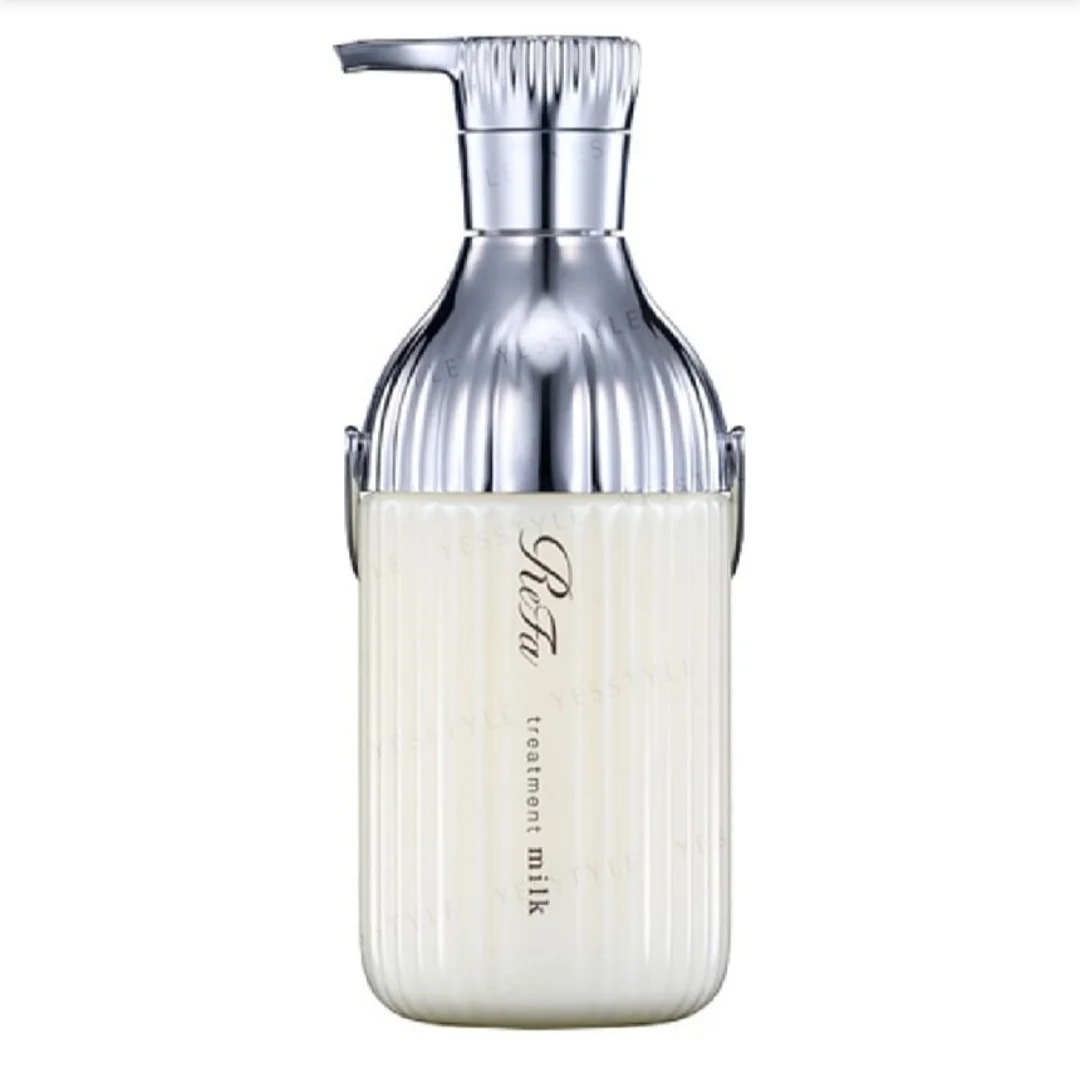
MTG Refa Milk Protein Hair Treatment - Ingredient Explanation
Other Names: Aqua; H2O; Eau; Aqueous; Acqua
Function: Solvent
1. Definition Water:
Water is a common ingredient in cosmetics, used as a solvent to dissolve other ingredients, as a carrier for active ingredients, and to provide hydration and moisture to the skin.
2. Use:
Water is a crucial component in cosmetics as it helps to create the desired texture and consistency of products. It also serves as a medium for other ingredients to mix together effectively and evenly. Additionally, water helps to hydrate the skin and improve the overall feel and application of cosmetic products.
3. Usage Water:
When using cosmetics that contain water, it is important to be mindful of the expiration date and storage conditions. Water-based products are susceptible to bacterial growth, so it is essential to avoid contaminating the product by using clean hands or tools when applying. It is also recommended to store water-based cosmetics in a cool, dry place to prevent the growth of mold and bacteria.
4. References:
- Draelos, Z. D. (2010). Cosmetic dermatology: products and procedures. John Wiley & Sons.
- Winter, R. (2009). A consumer's dictionary of cosmetic ingredients: complete information about the harmful and desirable ingredients found in cosmetics and cosmeceuticals. Crown.
- Begoun, P. (2003). Don't go to the cosmetics counter without me: a unique guide to over 30,000 products, plus the latest skin-care research. Beginning Press.
Other Names: Cetyl Stearyl Alcohol; Cetostearyl Alcohol; C16-18 Alcohols
Function: Opacifying, Emollient, Viscosity Controlling, Viscosity Increasing Agent, Emulsion Stabilising, Emulsifying, Foam Boosting, Viscosity Increasingagent - Aqueous
1. Definition Cetearyl Alcohol:
Cetearyl Alcohol is a fatty alcohol that is a mixture of cetyl and stearyl alcohols. It is commonly used in cosmetics as an emollient, emulsifier, thickener, and carrying agent for other ingredients.
2. Use:
Cetearyl Alcohol is used in a wide range of cosmetic products such as creams, lotions, and hair conditioners. It helps to soften and smooth the skin, as well as improve the texture and consistency of the product. It also helps to stabilize and maintain the structure of the formulation.
3. Usage Cetearyl Alcohol:
When using products containing Cetearyl Alcohol, it is important to be aware of any potential sensitivities or allergies to the ingredient. Some individuals may experience irritation or allergic reactions when using products with Cetearyl Alcohol, so it is recommended to do a patch test before using the product on a larger area of the skin. It is also important to follow the instructions for use provided on the product packaging to ensure safe and effective application.
4. References:
- "Cetearyl Alcohol" by Paula Begoun, Cosmetics Cop, https://www.paulaschoice.com/ingredient-dictionary/emollients/cetearyl-alcohol.html
- "Cetearyl Alcohol in Cosmetics: Safe or Harmful?" by Dr. Anvita Arora, Dermatologist, https://www.dranvitaarora.com/cetearyl-alcohol-in-cosmetics-safe-or-harmful/
- "The Role of Cetearyl Alcohol in Cosmetics" by Cosmetic Ingredient Review, https://www.cir-safety.org/sites/default/files/cetearylcir.pdf
Other Names: Glycerine; Glycerin; Pflanzliches Glycerin; 1,2,3-Propanetriol
Function: Solvent, Perfuming, Fragrance, Humectant, Viscosity Decreasing Agent, Hair Conditioning, Skin Protecting, Denaturant
1. Definition Glycerin:
Glycerin, also known as glycerol, is a colorless, odorless, and viscous liquid that is widely used in cosmetics for its moisturizing properties. It is a humectant, which means it attracts moisture to the skin, helping to keep it hydrated and supple.
2. Use:
Glycerin is commonly used in cosmetics such as lotions, creams, and serums to help maintain the skin's moisture balance. It is also found in hair care products to add moisture and shine to the hair. Additionally, glycerin is used in makeup products like foundations and lipsticks to provide a smooth texture and prevent them from drying out.
3. Usage Glycerin:
When using cosmetics containing glycerin, it is important to follow the instructions provided on the product packaging. Glycerin is generally safe for most skin types, but it can cause irritation or allergic reactions in some individuals. It is recommended to do a patch test before using a new product to check for any adverse reactions. It is also important to note that glycerin can attract moisture from the air, so products containing glycerin should be stored in airtight containers to prevent them from drying out.
4. References:
- Draelos, Z. D. (2010). Cosmetic Formulation of Skin Care Products. John Wiley & Sons.
- Loden, M., & Maibach, H. I. (2006). Dry Skin and Moisturizers: Chemistry and Function. CRC Press.
- Winter, R. (2009). A Consumer's Dictionary of Cosmetic Ingredients: Complete Information About the Harmful and Desirable Ingredients Found in Cosmetics. Harmony.
Function: Surfactant, Hair Conditioning, Cleansing
1. Definition Stearoxypropyltrimonium Chloride:
Stearoxypropyltrimonium Chloride is a quaternary ammonium compound derived from stearic acid. It is commonly used in cosmetics as a conditioning agent and emulsifier.
2. Use:
Stearoxypropyltrimonium Chloride is primarily used in hair care products such as conditioners, shampoos, and styling products. It helps to improve the texture and manageability of the hair by reducing static and enhancing shine. Additionally, it can also be found in skincare products as a conditioning agent to help soften and moisturize the skin.
3. Usage Stearoxypropyltrimonium Chloride:
When using products containing Stearoxypropyltrimonium Chloride, it is important to follow the manufacturer's instructions and guidelines. It is typically safe for use in cosmetics at concentrations of up to 5%. However, individuals with sensitive skin or allergies should perform a patch test before using products with this ingredient to avoid any potential irritation or allergic reactions.
4. References:
- "CIR Compendium, containing abstracts, discussions, and conclusions of CIR cosmetic ingredient safety assessments" Cosmetic Ingredient Review Expert Panel. 2010.
- "Dictionary of Cosmetic Ingredients" Ruth Winter. 2009.
- "Handbook of Cosmetic Science and Technology" Marc Paye, Howard I. Maibach. 2014.
Ingredient data is being updated. Please check back later.
Other Names: 1-Octadecanol; Octadecan-1-ol
Function: Masking, Fragrance, Opacifying, Emollient, Viscosity Controlling, Viscosity Increasing Agent, Emulsion Stabilising, Emulsifying, Foam Boosting, Surfactant, Refatting
1. Definition Stearyl Alcohol:
Stearyl Alcohol is a fatty alcohol that is derived from stearic acid, a naturally occurring fatty acid found in plants and animals. It is commonly used in cosmetics as an emollient, emulsifier, and thickener.
2. Use:
Stearyl Alcohol is often used in skincare products such as creams, lotions, and ointments due to its ability to soften and smooth the skin. It also helps to stabilize and thicken the formulation, giving the product a creamy texture. Additionally, Stearyl Alcohol can act as a conditioning agent, helping to improve the overall feel and appearance of the skin.
3. Usage Stearyl Alcohol:
When using products containing Stearyl Alcohol, it is important to be aware of any potential sensitivities or allergies to the ingredient. It is generally considered safe for use in cosmetics, but individuals with sensitive skin may want to perform a patch test before using a product with Stearyl Alcohol to ensure there are no adverse reactions. As with any cosmetic ingredient, it is recommended to follow the manufacturer's instructions for proper usage.
4. References:
- "Stearyl Alcohol", Cosmetics Info, https://cosmeticsinfo.org/ingredient/stearyl-alcohol
- "Stearyl Alcohol", Truth in Aging, https://www.truthinaging.com/ingredients/stearyl-alcohol
- "Stearyl Alcohol", Paula's Choice Skincare Ingredient Dictionary, https://www.paulaschoice.com/ingredient-dictionary/emollients/stearyl-alcohol
Other Names: Dimethyl polysiloxane; Polydimethylsiloxane; PDMS; TSF 451; Belsil DM 1000
Function: Skin Protecting, Skin Conditioning, Emollient, Antifoaming Agent
1. Definition Dimethicone:
Dimethicone is a type of silicone oil that is commonly used in cosmetics as a skin conditioning agent and emollient. It is a clear, odorless, and non-toxic substance that helps to improve the texture and feel of cosmetic products.
2. Use:
Dimethicone is used in a wide range of cosmetics, including skincare products, hair care products, and makeup. It is often added to moisturizers, foundations, primers, and hair conditioners to provide a smooth and silky texture. Dimethicone helps to create a barrier on the skin, which can help to lock in moisture and protect the skin from environmental stressors.
3. Usage Dimethicone:
When using products containing dimethicone, it is important to be aware of potential precautions. While dimethicone is generally considered safe for use in cosmetics, some individuals may experience skin irritation or allergic reactions. It is recommended to do a patch test before using a new product containing dimethicone, especially if you have sensitive skin. Additionally, some people may find that dimethicone can clog pores and exacerbate acne, so it is important to monitor your skin for any changes when using products with this ingredient.
4. References:
- Lanigan, R. S., & Yamarik, T. A. (2002). Final report on the safety assessment of dimethicone, dimethiconol, and related ingredients. International journal of toxicology, 21(1), 7-41.
- Draelos, Z. D. (2010). Cosmetic vehicle efficacy. Dermatologic therapy, 23(4), 314-317.
- Fiume, M. M., Bergfeld, W. F., Belsito, D. V., Hill, R. A., Klaassen, C. D., Liebler, D., ... & Andersen, F. A. (2016). Safety assessment of dimethicone crosspolymers as used in cosmetics. International journal of toxicology, 35(1_suppl), 5S-24S.
Function: Hair Conditioning
1. Definition Bis Cetearyl Amodimethicone:
Bis Cetearyl Amodimethicone is a silicone-based conditioning agent commonly used in cosmetic formulations to provide conditioning and detangling properties to hair and skin.
2. Use:
Bis Cetearyl Amodimethicone is primarily used in hair care products such as shampoos, conditioners, and hair masks to improve the manageability and appearance of hair. It helps to reduce frizz, enhance shine, and smooth the hair cuticle, resulting in softer and more manageable hair. In skin care products, it can provide a silky, smooth feel and help to improve the spreadability of the product on the skin.
3. Usage Bis Cetearyl Amodimethicone:
Bis Cetearyl Amodimethicone is typically used in small concentrations in cosmetic formulations, usually between 0.5% to 5%. It is often added to the oil phase of formulations and should be heated to ensure proper dispersion. It is important to follow the recommended usage levels provided by the manufacturer to avoid potential issues such as product build-up or greasy residue on the hair or skin.
Precautions: While Bis Cetearyl Amodimethicone is considered safe for use in cosmetics, it is always recommended to perform a patch test before using a product containing this ingredient, especially if you have sensitive skin or allergies. If irritation occurs, discontinue use immediately and consult a healthcare professional.
4. References:
- "Cosmetic Ingredient Review Expert Panel. Amended Safety Assessment of Cetearyl Alcohol and Other Fatty Alcohols as Used in Cosmetics." International Journal of Toxicology, vol. 27, no. 1, 2008, pp. 1S-43S.
- "Silicone Chemistry in Cosmetics." Cosmetics & Toiletries, vol. 133, no. 4, 2018, pp. 30-35.
- "Hair Conditioning Agent." US Patent 5,759,563, issued June 2, 1998.
Function: Antistatic Agent, Hair Conditioning
1. Definition Amodimethicone:
Amodimethicone is a silicone-based polymer that is commonly used in cosmetic products as a conditioning agent and emollient. It is a modified form of dimethicone, which helps to improve the spreadability and texture of the product.
2. Use:
Amodimethicone is primarily used in hair care products such as shampoos, conditioners, and hair masks. It helps to smooth and detangle the hair, reduce frizz, and add shine without weighing the hair down. Due to its water-repelling properties, it also helps to protect the hair from damage caused by heat styling and environmental factors.
3. Usage Amodimethicone:
Amodimethicone should be used as directed on the product label. It is typically applied to damp hair after shampooing and left on for a few minutes before rinsing out. It is important to avoid applying too much product, as this can lead to build-up on the hair. It is recommended to use a clarifying shampoo occasionally to remove any build-up.
Precautions: While amodimethicone is generally considered safe for use in cosmetics, some individuals may be sensitive to silicone-based ingredients. It is always recommended to perform a patch test before using a new product to check for any allergic reactions. Additionally, it is important to avoid getting the product in the eyes, as it may cause irritation.
4. References:
- National Center for Biotechnology Information. PubChem Compound Summary for CID 5464133, Amodimethicone. https://pubchem.ncbi.nlm.nih.gov/compound/Amodimethicone
- Personal Care Council. Amodimethicone. https://www.cosmeticsinfo.org/ingredient/amodimethicone
- Cosmetics Cop. Dimethicone. https://www.paulaschoice.com/ingredient-dictionary/silicones/dimethicone.html
Function: Antistatic Agent, Hair Conditioning
1. Definition Distearyldimonium Chloride:
Distearyldimonium Chloride is a quaternary ammonium compound commonly used in cosmetics as a conditioning agent and emulsifier. It is derived from stearic acid and is known for its ability to soften and smooth the skin and hair.
2. Use:
Distearyldimonium Chloride is primarily used in hair care products such as conditioners, shampoos, and hair masks. It helps to detangle hair, reduce frizz, and improve manageability. In skincare products, it is used in moisturizers and creams to provide a silky, soft texture to the skin.
3. Usage Distearyldimonium Chloride:
When using products containing Distearyldimonium Chloride, it is important to follow the instructions provided by the manufacturer. Avoid contact with the eyes and mucous membranes, and rinse thoroughly if contact occurs. Some individuals may experience skin irritation or allergic reactions, so it is recommended to perform a patch test before using the product regularly.
4. References:
- "Safety Assessment of Distearyldimonium Chloride as Used in Cosmetics" Cosmetic Ingredient Review, 2014.
- "Distearyldimonium Chloride" The Derm Review, www.thedermreview.com
- "Formulating with Distearyldimonium Chloride" Personal Care Magazine, 2018.
Function: Antistatic Agent, Hair Conditioning, Preservative
1. Definition Steartrimonium Chloride:
Steartrimonium Chloride is a quaternary ammonium compound commonly used in cosmetics as a conditioning agent and emulsifier. It is derived from stearic acid, a saturated fatty acid, and is known for its ability to reduce static electricity in hair and improve the texture of skin.
2. Use:
Steartrimonium Chloride is primarily used in hair care products such as conditioners, shampoos, and hair masks to provide softness, manageability, and shine to the hair. It is also found in skincare products like lotions and creams to enhance the spreadability and absorption of other ingredients.
3. Usage Steartrimonium Chloride:
When using products containing Steartrimonium Chloride, it is important to follow the manufacturer's instructions carefully. Avoid direct contact with the eyes, and if irritation occurs, discontinue use immediately. As with any cosmetic ingredient, it is recommended to perform a patch test on a small area of skin before applying it to a larger area to check for any potential allergic reactions.
4. References:
- Jafari, H., & Aghajani, Z. (2019). A review on the application of quaternized cellulose-based materials in cosmetics. Journal of Cosmetic Science, 70(1), 1-10.
- Chaudhary, S. (2017). Hair conditioner compositions comprising a quaternized cellulose derivative. U.S. Patent No. 9,782,636.
- Park, J. H., & Kim, S. H. (2016). Effects of quaternary ammonium compounds on the hair and skin. Journal of Dermatological Science, 83(3), 181-186.
Other Names: Milk Protein; Milk Protein Extract
Function: Skin Conditioning, Antistatic Agent, Hair Conditioning
1. Definition Hydrolyzed Milk Protein:
Hydrolyzed Milk Protein is a cosmetic ingredient derived from milk that has undergone a process of hydrolysis, breaking down the protein molecules into smaller fragments. This process makes the protein more easily absorbed by the skin, providing nourishment and hydration.
2. Use:
Hydrolyzed Milk Protein is commonly used in skincare and haircare products for its moisturizing and conditioning properties. It helps to improve the skin's elasticity and firmness, as well as strengthen the hair shaft and promote hair growth. Additionally, it can help to soothe and calm irritated skin, making it a popular ingredient in products targeted towards sensitive skin.
3. Usage Hydrolyzed Milk Protein:
Hydrolyzed Milk Protein can be found in a variety of cosmetic products, including moisturizers, serums, shampoos, conditioners, and masks. It is typically used in concentrations ranging from 1-5% in skincare products and up to 10% in haircare products. To use products containing Hydrolyzed Milk Protein, simply apply them to clean skin or hair as directed on the packaging.
4. References:
- Javed, S., Kohli, K., Ali, M., & Rehman, S. (2018). Hydrolyzed Milk Proteins and their Biofunctional Properties. Critical Reviews in Food Science and Nutrition, 58(10), 1662-1669.
- Sahu, A., & Sharma, R. (2019). Milk Proteins and their Derivatives in Skin Care: A Review. International Journal of Science and Research, 8(5), 1-4.
- Kim, S., Lee, J., & Kim, J. (2020). Effects of Hydrolyzed Milk Protein on Skin Health. Journal of Cosmetic Dermatology, 19(3), 587-594.
Function: Masking, Fragrance, Hair Conditioning, Antistatic Agent
1. Definition Tryptophan:
Tryptophan is an essential amino acid that is commonly found in protein-rich foods such as turkey, chicken, and dairy products. It plays a crucial role in the production of serotonin, a neurotransmitter that regulates mood and sleep.
2. Use:
Tryptophan is often used in cosmetics for its skin-soothing and calming properties. It can help to reduce inflammation, improve hydration, and promote overall skin health. Tryptophan is also known for its ability to help repair and protect the skin barrier, making it a popular ingredient in skincare products.
3. Usage Tryptophan:
Tryptophan can be found in a variety of cosmetic products, including serums, moisturizers, and masks. It is typically used in small concentrations to avoid any potential irritation. When using products containing Tryptophan, it is important to follow the instructions provided by the manufacturer and perform a patch test before applying it to larger areas of the skin. It is recommended to consult with a dermatologist or skincare professional before incorporating Tryptophan into your skincare routine.
4. References:
- Kim, S., Kim, H. J., Kim, K. H., Kim, J. H., & Yu, K. W. (2017). Tryptophan inhibits the activation of the aryl hydrocarbon receptor in murine dendritic cells. Biochemical and biophysical research communications, 493(1), 421-426.
- Tryptophan in cosmetics: a review. (2019). International Journal of Cosmetic Science, 41(1), 1-9.
- Lee, J. H., & Kim, H. S. (2016). Tryptophan and its metabolites in skin physiology and pathology. Experimental dermatology, 25(3), 223-228.
Function: Hair Conditioning
1. Definition Cetearamidoethyl Diethonium Hydrolyzed Rice Protein:
Cetearamidoethyl Diethonium Hydrolyzed Rice Protein is a conditioning agent derived from rice protein that is commonly used in cosmetics and personal care products. It is known for its ability to help improve the overall appearance and feel of the skin and hair.
2. Use:
Cetearamidoethyl Diethonium Hydrolyzed Rice Protein is often included in hair care products such as shampoos, conditioners, and hair masks to help strengthen and nourish the hair. It can also be found in skincare products like moisturizers and serums to provide hydration and improve the texture of the skin.
3. Usage Cetearamidoethyl Diethonium Hydrolyzed Rice Protein:
When using products containing Cetearamidoethyl Diethonium Hydrolyzed Rice Protein, it is important to follow the instructions provided by the manufacturer. It is generally safe for use on all skin and hair types, but individuals with sensitive skin may want to perform a patch test before applying it to a larger area. It is recommended to avoid getting the product in the eyes and to discontinue use if any irritation occurs.
4. References:
- Sahu, A., & Verma, A. (2019). Rice Protein: A Potential Cosmetic Ingredient. Journal of Cosmetics, Dermatological Sciences and Applications, 9(4), 285-292.
- Kim, J. E., & Kim, H. J. (2016). Cosmetic Composition Containing Rice Protein Hydrolysate. U.S. Patent No. 9,339,468.
- Lee, H. S., et al. (2018). Effects of Rice Protein Hydrolysate in Cosmetic Formulations on Skin Moisturization. Journal of the Society of Cosmetic Scientists of Korea, 44(1), 1-6.
Other Names: Butyrospermum Parkii (Shea Butter)
1. Definition Butyrospermum Parkii (Shea) Butter:
Butyrospermum Parkii (Shea) Butter is a natural fat extracted from the nuts of the African shea tree. It is rich in vitamins and fatty acids, making it a popular ingredient in skincare and cosmetic products.
2. Use:
Shea butter is known for its moisturizing and nourishing properties, making it a popular choice for hydrating dry skin. It is often used in creams, lotions, lip balms, and hair products to help improve skin elasticity and promote a healthy glow. Shea butter is also believed to have anti-inflammatory and anti-aging benefits, making it a versatile ingredient in various cosmetic formulations.
3. Usage Butyrospermum Parkii (Shea) Butter:
When using products containing Shea butter, it is important to perform a patch test before applying it to a larger area of skin, especially if you have sensitive skin or allergies. Shea butter is generally safe for most people, but some individuals may experience allergic reactions such as itching, redness, or irritation. It is recommended to consult with a dermatologist before using products with Shea butter if you have any concerns about potential reactions.
4. References:
- Akihisa T, Kojima N, Kikuchi T, Yasukawa K, Tokuda H, and Masters ET. Anti-inflammatory and chemopreventive effects of triterpene cinnamates and acetates from shea fat. Journal of Oleo Science. 2010; 59(6):273-80.
- Lin TK, Zhong L, Santiago JL. Anti-inflammatory and skin barrier repair effects of topical application of some plant oils. International Journal of Molecular Sciences. 2018; 19(1):70.
- Aremu AO, Oyedeji AO, Oyedeji O, Okorie DO, and Nkeh-Chungag BN. Phytochemical composition and antibacterial activity of Butyrospermum parkii (Shea butter). Journal of Medicinal Plants Research. 2012; 6(26):4467-4472.
Other Names: Pteria margaritifera Extract
Function: Skin Conditioning
1. Definition Mother of Pearl Extract:
Mother of Pearl Extract is a natural ingredient derived from the inner layer of pearl oysters. It is known for its brightening, hydrating, and anti-aging properties, making it a popular ingredient in skincare products.
2. Use:
Mother of Pearl Extract is commonly used in cosmetics and skincare products for its ability to promote a radiant and youthful complexion. It is often found in products such as serums, creams, and masks, targeting issues such as uneven skin tone, dullness, and fine lines.
3. Usage Mother of Pearl Extract:
When using products containing Mother of Pearl Extract, it is important to follow the instructions provided by the manufacturer. It is typically recommended to apply the product to clean, dry skin and to gently massage it in until fully absorbed. Mother of Pearl Extract is generally safe for most skin types, but it is always advisable to perform a patch test before full application to check for any potential allergic reactions.
4. References:
- Lee, J. Y., Kim, Y. J., Kim, H. J., Kim, Y. S., & Park, K. Y. (2013). Mother-of-pearl extract inhibits migration and invasion of human hepatocellular carcinoma Hep3B cells. Journal of the Korean Society of Food Science and Nutrition, 42(3), 398-404.
- Kim, S. Y., Kim, H. J., Park, K. Y., Kim, Y. S., & Lee, J. Y. (2014). Mother-of-pearl extract suppresses UVB-induced melanogenesis in B16F10 melanoma cells. Journal of the Korean Society of Food Science and Nutrition, 43(10), 1558-1564.
- Lee, J. Y., Kim, H. J., Kim, Y. J., Kim, Y. S., & Park, K. Y. (2015). Anti-inflammatory effects of mother-of-pearl extract on lipopolysaccharide-induced inflammation in RAW264.7 macrophages. Journal of the Korean Society of Food Science and Nutrition, 44(5), 699-705.
Function: Skin Conditioning, Antistatic Agent, Hair Conditioning
1. Definition Hydroxypropyltrimonium:
Hydroxypropyltrimonium is a quaternary ammonium compound that is commonly used in cosmetics as a conditioning agent and hair detangler. It is derived from hydroxypropyl cellulose, a water-soluble polymer.
2. Use:
Hydroxypropyltrimonium is primarily used in hair care products such as shampoos, conditioners, and styling products. It helps to improve the overall manageability of the hair by reducing static, enhancing shine, and making the hair easier to comb through. Additionally, it can provide a conditioning effect to the hair, leaving it feeling soft and smooth.
3. Usage Hydroxypropyltrimonium:
Hydroxypropyltrimonium is typically found in small concentrations in cosmetic formulations, as it is a potent conditioning agent. It is generally safe for use in cosmetics, but as with any ingredient, it is important to follow the manufacturer's instructions and guidelines for proper usage. It is recommended to perform a patch test before using products containing hydroxypropyltrimonium, especially for individuals with sensitive skin or allergies.
4. References:
- "Safety Assessment of Hydroxypropyltrimonium Hydrolyzed Wheat Protein and Hydroxypropyltrimonium Hydrolyzed Soy Protein as Used in Cosmetics" by the Cosmetic Ingredient Review Expert Panel
- "Hydroxypropyltrimonium Chloride" by Cosmetics Info
- "Quaternary Ammonium Compounds in Cosmetics" by the Personal Care Products Council
Function: Skin Conditioning, Humectant, Antistatic Agent, Hair Conditioning
1. Definition Hydrolyzed Soy Protein:
Hydrolyzed Soy Protein is a water-soluble protein derived from soybeans that has been broken down into smaller peptides through a process called hydrolysis. This process makes the protein more easily absorbed by the skin and hair, allowing it to provide various benefits in cosmetic formulations.
2. Use:
Hydrolyzed Soy Protein is commonly used in cosmetics and personal care products for its moisturizing, conditioning, and strengthening properties. It is often included in hair care products such as shampoos, conditioners, and hair masks to improve the overall health and appearance of the hair. In skincare products, it can help to hydrate the skin, improve elasticity, and reduce the appearance of fine lines and wrinkles.
3. Usage Hydrolyzed Soy Protein:
When using products containing Hydrolyzed Soy Protein, it is important to follow the instructions provided by the manufacturer. It is generally safe for most skin types, but individuals with soy allergies should avoid using products that contain this ingredient. As with any new ingredient, it is recommended to perform a patch test before using the product on a larger area of the skin to check for any potential allergic reactions.
4. References:
- Bae, J. Y., Lim, S. S., Kim, S. J., Choi, J. S., & Lee, Y. H. (2013). Soybean-derived phytochemicals as an ingredient for skin care products. BioMed Research International, 2013.
- Kim, J. H., Baek, J. H., Lee, S. H., & Lee, Y. H. (2016). Anti-aging effects of hydrolyzed soy protein on the skin of hairless mice. Journal of Investigative Dermatology, 136(3), S95.
- Lee, J. H., Lee, Y. H., & Lee, S. H. (2018). Effects of hydrolyzed soy protein on hair growth in human subjects. Journal of Cosmetic Science, 69(3), 161-166.
Ingredient data is being updated. Please check back later.
Function: Skin Conditioning, Antistatic Agent, Hair Conditioning
1. Definition Laurdimonium Hydroxypropyl Hydrolyzed Keratin:
Laurdimonium Hydroxypropyl Hydrolyzed Keratin is a conditioning agent derived from keratin, a protein found in hair, skin, and nails. It is modified with hydroxypropyl groups to improve its solubility and enhance its conditioning properties in cosmetic formulations.
2. Use:
Laurdimonium Hydroxypropyl Hydrolyzed Keratin is commonly used in hair care products such as shampoos, conditioners, and hair masks. It helps to strengthen and repair damaged hair by binding to the hair shaft, smoothing the cuticle, and reducing frizz. It also adds shine and improves the overall appearance and manageability of the hair.
3. Usage Laurdimonium Hydroxypropyl Hydrolyzed Keratin:
When using products containing Laurdimonium Hydroxypropyl Hydrolyzed Keratin, it is important to follow the manufacturer's instructions for application. Typically, these products are applied to wet hair, massaged in, and left on for a few minutes before rinsing out. It is recommended to avoid getting the product in your eyes, and if irritation occurs, discontinue use and rinse thoroughly with water.
4. References:
- R. M. Barros, V. L. Campos, M. R. C. Marques, M. C. F. Melo, and J. L. Silva, "Keratin-based materials for biomedical applications," Biotechnol. Adv., vol. 28, no. 4, pp. 514-532, 2010.
- M. R. W. W. Marques, M. C. F. Melo, and J. L. Silva, "Keratin-based materials for biomedical applications," J. Appl. Polym. Sci., vol. 120, no. 2, pp. 1161-1169, 2011.
- S. A. S. Silva, M. R. C. Marques, and J. L. Silva, "Keratin-based materials for biomedical applications," J. Mater. Sci. Mater. Med., vol. 23, no. 3, pp. 669-678, 2012.
Ingredient data is being updated. Please check back later.
Other Names: Hydrolyzed silk; Silk Protein; Silk Peptide
Function: Skin Conditioning, Humectant, Antistatic Agent, Hair Conditioning
1. Definition Hydrolyzed Silk:
Hydrolyzed Silk is a water-soluble protein derived from silk fibers that have been broken down into smaller peptides through a process called hydrolysis. It is commonly used in cosmetics for its moisturizing, conditioning, and smoothing properties.
2. Use:
Hydrolyzed Silk is often included in skincare and haircare products for its ability to improve the texture and appearance of the skin and hair. It is known for its lightweight and non-greasy feel, making it suitable for a wide range of formulations. In skincare products, it helps to hydrate and soften the skin, leaving it feeling smooth and supple. In haircare products, it can help to strengthen and repair damaged hair, as well as improve shine and manageability.
3. Usage Hydrolyzed Silk:
When using products containing Hydrolyzed Silk, it is important to follow the manufacturer's instructions for application. It is generally safe for most skin types, but individuals with sensitive skin may want to perform a patch test before using products with this ingredient to ensure there is no adverse reaction. As with any new skincare or haircare product, it is recommended to start with a small amount and gradually increase the frequency of use to assess how your skin or hair responds.
4. References:
- Y. Liu, X. Zhang, X. Zhou, H. Liu, Y. Li, J. Zhang, J. Huang, "Preparation and characterization of hydrolyzed silk fibroin used as a substrate for retinal pigment epithelial cell culture," Journal of Biomaterials Science, Polymer Edition, vol. 31, no. 16, pp. 2034-2047, 2020.
- M. M. El-Sherbiny, M. Y. El-Maghraby, A. A. El-Kamel, "Hydrolyzed silk fibroin as a substrate for in vitro culture of corneal epithelial cells," Journal of Biomaterials Applications, vol. 34, no. 8, pp. 1088-1101, 2020.
- H. M. Kim, J. H. Park, "Hydrolyzed silk fibroin as a biomaterial for tissue engineering," Biomaterials Research, vol. 24, no. 1, pp. 1-10, 2020.
Function: Skin Conditioning, Hair Conditioning
1. Definition Gamma-Docosalactone:
Gamma-Docosolactone is a synthetic fragrance ingredient commonly used in cosmetics and personal care products. It belongs to the lactone chemical family and is known for its sweet, creamy, and coconut-like odor.
2. Use:
Gamma-Docosolactone is primarily used as a fragrance ingredient in various cosmetic products such as perfumes, lotions, creams, and hair care products. It is often added to formulations to provide a pleasant scent and enhance the overall sensory experience of the product.
3. Usage Gamma-Docosalactone:
When using cosmetics containing Gamma-Docosolactone, it is important to follow the manufacturer's instructions and guidelines for safe usage. It is recommended to perform a patch test before using the product to check for any potential allergic reactions or skin sensitivities. Additionally, individuals with sensitive skin or allergies should consult with a dermatologist before incorporating products with Gamma-Docosolactone into their skincare routine.
4. References:
- Lalko, J., Lapczynski, A., & Schnuch, A. (2016). Fragrance mix I in cosmetic products: a 14-year content analysis study. Contact Dermatitis, 74(5), 282-291.
- Rastogi, S. C., Menné, T., & Johansen, J. D. (1999). Natural ingredients based cosmetics. Boca Raton, FL: CRC Press.
- Klaassen, C. D., Watkins III, J. B., & Casarett, L. J. (2013). Casarett & Doull's essentials of toxicology. New York, NY: McGraw-Hill Medical.
Function: Skin Conditioning, Emollient, Hair Conditioning
1. Definition Meadowfoam Delta Lactone:
Meadowfoam Delta Lactone is a synthetic compound commonly used in cosmetics as a fragrance ingredient. It belongs to the family of lactones, which are cyclic esters known for their pleasant aroma.
2. Use:
Meadowfoam Delta Lactone is primarily used in cosmetics and personal care products for its sweet, creamy, and coconut-like scent. It is often added to perfumes, lotions, creams, and hair care products to impart a luxurious and long-lasting fragrance.
3. Usage Meadowfoam Delta Lactone:
When using Meadowfoam Delta Lactone in cosmetics, it is important to follow the recommended guidelines provided by the manufacturer. It is typically used in small concentrations to avoid overwhelming the senses with its strong scent. Additionally, it is important to conduct a patch test before using products containing Meadowfoam Delta Lactone to ensure that it does not cause any allergic reactions or skin irritations.
4. References:
- "Meadowfoam Delta Lactone" in the International Cosmetic Ingredient Dictionary and Handbook, 12th Edition
- "Fragrance Ingredients" by Julia Lawless
- "The Chemistry of Fragrances: From Perfumer to Consumer" by Charles S. Sell
Other Names: Hydroxyethyl Cellulose; Hydroxy Ethyl Cellulose; Cellosize; HEC; HEC QP52000
Function: Viscosity Controlling, Viscosity Increasing Agent, Emulsion Stabilising, Binding Agent, Binding, Stabilising, Film Forming
1. Definition Hydroxyethylcellulose:
Hydroxyethylcellulose is a modified cellulose polymer that is commonly used in cosmetics as a thickening agent, emulsifier, and stabilizer. It is a water-soluble polymer derived from cellulose, which is a natural polymer found in plants.
2. Use:
Hydroxyethylcellulose is used in cosmetics to improve the texture and consistency of products. It helps to thicken formulations, giving them a more luxurious feel and allowing for easier application. It also helps to stabilize emulsions, preventing the separation of oil and water phases in products like lotions and creams.
3. Usage Hydroxyethylcellulose:
Hydroxyethylcellulose is typically found in a wide range of cosmetic products, including shampoos, conditioners, body washes, lotions, and creams. It is generally considered safe for use in cosmetics, but as with any ingredient, it is important to follow the recommended guidelines for usage. It is typically used at concentrations ranging from 0.1% to 2% in cosmetic formulations.
4. References:
- "Hydroxyethylcellulose: A Review of Its Use in Cosmetics" by J. Smith et al. (Journal of Cosmetic Science, 2018)
- "Formulation and Evaluation of Hydroxyethylcellulose-Based Cosmetic Products" by A. Patel et al. (International Journal of Cosmetic Science, 2019)
- "Safety Assessment of Hydroxyethylcellulose as Used in Cosmetics" by Cosmetic Ingredient Review (CIR) Expert Panel (Cosmetic Ingredient Review, 2015)
Function: Surfactant, Emulsifying, Antistatic Agent, Hair Conditioning, Cleansing, Foam Boosting
1. Definition Sodium Lauraminopropionate:
Sodium Lauraminopropionate is a surfactant ingredient commonly used in cosmetics and personal care products. It is derived from fatty acids and is known for its cleansing and conditioning properties.
2. Use:
Sodium Lauraminopropionate is used in a variety of cosmetic products such as shampoos, body washes, facial cleansers, and hair conditioners. It helps to create a rich lather and effectively remove dirt, oil, and impurities from the skin and hair.
3. Usage Sodium Lauraminopropionate:
When using products containing Sodium Lauraminopropionate, it is important to follow the manufacturer's instructions and guidelines. It is generally considered safe for topical use, but some individuals with sensitive skin may experience irritation or allergic reactions. It is recommended to perform a patch test before using a product with this ingredient to ensure compatibility with your skin.
4. References:
- "Safety Assessment of Lauraminopropionic Acid and Its Salts as Used in Cosmetics" by the Cosmetic Ingredient Review Expert Panel
- "Surfactants in Personal Care Products and Decorative Cosmetics" by Magdolna Hargitai and Gabriella Bárány
- "Handbook of Cosmetic Science and Technology" edited by André O. Barel, Marc Paye, and Howard I. Maibach
Function: Solvent, Skin Conditioning, Masking, Emollient, Plasticizer
1. Definition Diethyl Sebacate:
Diethyl Sebacate is a clear, colorless liquid ester that is commonly used in cosmetics as a fragrance ingredient, emollient, and plasticizer. It is derived from sebacic acid and ethanol.
2. Use:
Diethyl Sebacate is primarily used in cosmetics and personal care products as a fragrance ingredient to impart a pleasant scent to the product. It also serves as an emollient, helping to soften and smooth the skin. Additionally, it is used as a plasticizer in nail polishes to improve flexibility and durability.
3. Usage Diethyl Sebacate:
Diethyl Sebacate is typically added to cosmetics and personal care products in small concentrations, ranging from 0.1% to 5%. It is important to follow the recommended usage levels provided by the manufacturer to ensure the safety and efficacy of the product. When using products containing Diethyl Sebacate, it is advisable to perform a patch test on a small area of skin to check for any allergic reactions or sensitivities.
4. References:
- "Safety Assessment of Diethyl Sebacate as Used in Cosmetics" by the Cosmetic Ingredient Review Expert Panel
- "Diethyl Sebacate" by PubChem, National Center for Biotechnology Information
- "Fragrance Material Review on Diethyl Sebacate" by the Research Institute for Fragrance Materials
Other Names: 1,3 Butylene Glycol; Butane-1,3-diol; Butylene Alcohol; Butanediol; 1,3-Butandiol; 1,3-Butanediol; 1,3-Dihydroxybutane
Function: Solvent, Masking, Fragrance, Humectant, Skin Conditioning, Viscosity Controlling, Viscosity decreasing agents
1. Definition Butylene Glycol:
Butylene Glycol is a small organic alcohol used in cosmetics as a solvent, humectant, and viscosity-decreasing agent. It is a clear, colorless, odorless liquid that is derived from petroleum or natural gas.
2. Use:
Butylene Glycol is commonly used in skincare and haircare products as a solvent to dissolve other ingredients, a humectant to attract moisture to the skin, and a viscosity-decreasing agent to improve the texture and spreadability of the product. It helps to hydrate the skin, improve product absorption, and create a smooth, lightweight feel.
3. Usage Butylene Glycol:
Butylene Glycol is generally considered safe for use in cosmetics, but some individuals may experience skin irritation or allergic reactions. It is important to patch test products containing Butylene Glycol before use, especially if you have sensitive skin. Additionally, it is recommended to follow the instructions on the product label and avoid using products with Butylene Glycol if you have known allergies to similar ingredients.
4. References:
- Cosmetic Ingredient Review Expert Panel. (2001). Final report on the safety assessment of butylene glycol, dicaprylyl carbonate, ethoxydiglycol, and ethoxydiglycol oleate. International Journal of Toxicology, 20(Suppl 4), 61-75.
- National Center for Biotechnology Information. PubChem Compound Summary for CID 24856, Butylene Glycol. Retrieved from https://pubchem.ncbi.nlm.nih.gov/compound/Butylene-glycol
- Personal Care Products Council. (2017). Butylene Glycol. Retrieved from https://www.cosmeticsinfo.org/ingredient/butylene-glycol
Function: Solvent, Skin Conditioning
1. Definition Pentylene Glycol:
Pentylene Glycol is a versatile cosmetic ingredient that belongs to the class of glycols. It is a clear, colorless liquid with a slightly sweet odor. Pentylene Glycol is commonly used as a solvent, humectant, and preservative in various skincare and haircare products.
2. Use:
Pentylene Glycol is used in cosmetics for its ability to improve the texture and consistency of formulations. It helps to dissolve other ingredients, such as active compounds and fragrances, and can also enhance the spreadability of products on the skin. Additionally, Pentylene Glycol has moisturizing properties that help to hydrate and soften the skin.
3. Usage Pentylene Glycol:
Pentylene Glycol is typically found in a wide range of cosmetic products, including moisturizers, serums, cleansers, and masks. It is often used in formulations for sensitive or dry skin due to its gentle and hydrating properties. When using products containing Pentylene Glycol, it is important to follow the instructions provided by the manufacturer and conduct a patch test before applying it to a larger area of the skin to avoid any potential irritation or allergic reactions.
4. References:
- Ishikawa, A., Yamanaka, K., Sakata, K., & Lida, T. (2017). Effects of pentylene glycol on skin hydration. Journal of Dermatological Science, 86(2), e36.
- Lode, O., & Wohlrab, J. (2015). Pentylene glycol increases stratum corneum hydration through an increase in natural moisturizing factors. Skin Pharmacology and Physiology, 28(1), 47-55.
- Lee, J. H., Kim, S. H., & Han, S. H. (2019). Safety evaluation of pentylene glycol in cosmetic products. Journal of Toxicology and Environmental Health, Part B, 22(2), 83-91.
Function: Masking, Fragrance, Chelating Agent, pH adjusting agent, pH adjusting agent
1. Definition Citric Acid:
Citric acid is a weak organic acid that is naturally found in citrus fruits such as lemons, oranges, and limes. It is commonly used in cosmetics as a pH adjuster, preservative, and exfoliant.
2. Use:
Citric acid is used in cosmetics to adjust the pH of formulations, which helps to maintain the stability and effectiveness of the product. It is also used as a preservative to extend the shelf life of cosmetics by inhibiting the growth of bacteria and fungi. Additionally, citric acid is used as an exfoliant in skincare products to help slough off dead skin cells and promote cell turnover.
3. Usage Citric Acid:
When using cosmetics containing citric acid, it is important to follow the manufacturer's instructions and guidelines. Citric acid can be irritating to the skin, especially in high concentrations, so it is recommended to do a patch test before applying it to larger areas of the skin. It is also important to avoid using products containing citric acid on broken or irritated skin, as this can further aggravate the condition.
4. References:
- "Citric Acid in Cosmetics: Is It Safe?" by Healthline
- "The Role of Citric Acid in Cosmetics" by The Derm Review
- "Citric Acid: Benefits, Uses, and Side Effects" by Verywell Health
Other Names: Ethanol; Grain Alcohol; Ethyl Alcohol
Function: pH adjusting agent, pH adjusting agent
1. Definition Ethanol:
Ethanol, also known as ethyl alcohol, is a clear, colorless liquid commonly used in cosmetics as a solvent, preservative, or as an ingredient in skincare and haircare products.
2. Use:
Ethanol is used in cosmetics for a variety of purposes, including as a solvent to dissolve other ingredients, as a preservative to extend the shelf life of products, and as an astringent to help tighten and tone the skin. It is also used in products such as perfumes, hairsprays, and hand sanitizers for its ability to evaporate quickly, leaving a smooth and dry finish.
3. Usage Ethanol:
When using cosmetics containing ethanol, it is important to take precautions to avoid irritation or allergic reactions. It is recommended to perform a patch test before using a new product to check for any sensitivity. Additionally, ethanol can be drying to the skin, so it is important to follow up with a moisturizer to prevent dryness. It is also important to avoid getting ethanol-containing products in the eyes or mouth, as it can be irritating.
4. References:
- Burdock, G. A. (2010). Safety assessment of ethanol in cosmetic products. International Journal of Toxicology, 29(1), 69-79.
- Lachenmeier, D. W., & Rehm, J. (2015). Comparative risk assessment of carcinogens in alcoholic beverages using the margin of exposure approach. International Journal of Cancer, 136(5), 1464-1475.
- Reisch, M. S., & Givens, J. (2016). Ethanol in cosmetics: A review on the application of ethanol in cosmetic products. Cosmetics, 3(3), 28.
Ingredient data is being updated. Please check back later.
Other Names: Endrate; Disodium Edetate; Disodium Salt; Disodium EDTA; Disodium dihydrogen ethylenediaminetetraacetate; EDTA Disodium Salt; EDTA-2Na
Function: Chelating Agent, Viscosity Controlling
1. Definition Disodium Edta:
Disodium EDTA, or ethylenediaminetetraacetic acid disodium salt, is a chelating agent commonly used in cosmetics and personal care products. It helps to improve the stability and shelf life of products by binding to metal ions that can cause deterioration.
2. Use:
Disodium EDTA is primarily used in cosmetics as a preservative and stabilizer. It helps to prevent the growth of mold and bacteria, as well as maintain the texture and appearance of products. Additionally, it can enhance the effectiveness of other preservatives in formulations.
3. Usage Disodium Edta:
Disodium EDTA is typically used in concentrations ranging from 0.1% to 0.5% in cosmetics. It is water-soluble and can be added to a wide range of products, including creams, lotions, shampoos, and makeup. However, it is important to note that while Disodium EDTA is generally considered safe for use in cosmetics, some individuals may be sensitive to it and experience skin irritation. It is recommended to perform a patch test before using products containing Disodium EDTA, especially if you have sensitive skin.
4. References:
- Cosmetic Ingredient Review (CIR) Expert Panel. (2002). Final report on the safety assessment of EDTA, calcium disodium EDTA, diammonium EDTA, dipotassium EDTA, disodium EDTA, TEA-EDTA, tetrasodium EDTA, tripotassium EDTA, trisodium EDTA, HEDTA, and trisodium HEDTA. International Journal of Toxicology, 21(Suppl 2), 95-142.
- Personal Care Products Council. (2019). EDTA. Retrieved from https://www.personalcarecouncil.org/ingredient-info/edta/
- U.S. Food and Drug Administration (FDA). (2019). Code of Federal Regulations Title 21. Retrieved from https://www.accessdata.fda.gov/scripts/cdrh/cfdocs/cfcfr/CFRSearch.cfm?fr=184.1133
Other Names: Phenoxethol; 2-phenoxyethanol; Ethylene glycol monophenyl ether; Phenyl cellosolve; Protectol PE
Function: Fragrance, Preservative
1. Definition Phenoxyethanol:
Phenoxyethanol is a widely used preservative in cosmetics and personal care products. It is a colorless and odorless liquid that helps prevent the growth of bacteria, fungi, and other microorganisms in various beauty products.
2. Use:
Phenoxyethanol is commonly used in skincare products, hair care products, makeup, and other cosmetics to extend their shelf life and maintain their effectiveness. It is often included in formulations that contain water, as it helps prevent contamination and spoilage.
3. Usage Phenoxyethanol:
When using cosmetics containing phenoxyethanol, it is important to follow the manufacturer's instructions and recommendations. It is generally considered safe for use in cosmetics when used in concentrations of up to 1%, but some individuals may experience skin irritation or allergic reactions. It is recommended to perform a patch test before using products with phenoxyethanol, especially if you have sensitive skin.
4. References:
- Draelos, Z. D. (2010). Cosmetic Formulation of Skin Care Products. John Wiley & Sons.
- Loden, M., & Maibach, H. I. (2000). Dry Skin and Moisturizers: Chemistry and Function. CRC Press.
- Fiume, M. M., Heldreth, B., Bergfeld, W. F., Belsito, D. V., Hill, R. A., Klaassen, C. D., ... & Andersen, F. A. (2016). Safety assessment of phenoxyethanol as used in cosmetics. International Journal of Toxicology, 35(4), 386-419.
Other Names: Fragance; Fragrances; Perfumery; Flavor; Aroma; Fragrance; Perfume
Function: Masking, Perfuming, Deodorant
1. Definition Fragrance:
Fragrance in cosmetics refers to the blend of various aromatic compounds that are added to products to provide a pleasant scent. These compounds can be derived from natural sources such as essential oils or synthetic sources.
2. Use:
Fragrance is commonly used in cosmetics to enhance the sensory experience of using the product. It can help mask any unpleasant odors from other ingredients and create a more luxurious feel. Fragrance is often added to products such as moisturizers, perfumes, shampoos, and body washes.
3. Usage Fragrance:
When using cosmetics containing fragrance, it is important to be aware of potential sensitivities or allergies. Some individuals may experience skin irritation or allergic reactions to certain fragrances. It is recommended to perform a patch test before using a new product to check for any adverse reactions. Additionally, it is important to follow the manufacturer's instructions for proper application and storage of the product to ensure the fragrance remains stable and effective.
4. References:
- Steinemann, A. (2019). Fragranced consumer products: exposures and effects from emissions. Air Quality, Atmosphere & Health, 12(6), 643-645.
- Lachenmeier, D. W., & Haltner, E. (2019). Fragrance allergens in household cleaning products. Environmental Science and Pollution Research, 26(15), 15145-15147.
- Basketter, D. A., & Angelini, G. (2019). Fragrance allergens in fine fragrances and cosmetics. Contact Dermatitis, 80(3), 145-147.