


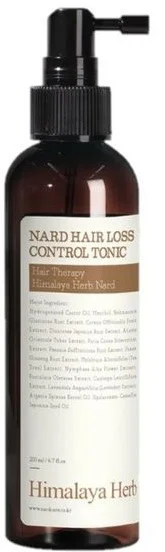
Analysis locked
How well does your skin match with Nard Hair Loss Control Tonic?
Login to see detailsOr continue via
Quick 1-minute survey • Completely free
Ingredients
Analysis results of Ingredients


Ingredient List
| EWG | CIR | Ingredient Name & Cosmetic Function | Notes |
|---|---|---|---|
| 1 | - | (Solvent) | |
| 4 | - | (Solvent, Masking, Antifoaming Agent, Viscosity Controlling, Antimicrobial, Astringent) |  Bad for sensitive skin Bad for sensitive skin  Bad for dry skin Bad for dry skin  Alcohol Alcohol |
| 1 2 | A | (Solvent, Perfuming, Fragrance, Humectant, Viscosity Decreasing Agent, Hair Conditioning, Skin Protecting, Denaturant ) |  Good for dry skin Moisturizing Good for dry skin Moisturizing |
| 3 | B | (Fragrance, Surfactant, Sufactant) |  Fungal Acne Trigger Cleansing Fungal Acne Trigger Cleansing |
| 1 | - | (Masking, Fragrance, Denaturant , External Analgesic , Soothing, Flavoring Agent, Refreshing) | Bad for sensitive skin Bad for dry skin  Good for oily skin Good for oily skin |
| 1 3 | B | (Masking, Fragrance, Hair Conditioning, Denaturant , Preservative, Skin Conditioning, Exfoliant, Antidandruff Agent, Antiacne Agent, Keratolytic, Corn/Callus/Wart Remover) | Bad for sensitive skin Good for oily skin Acne fighting |
| 1 | A | (Skin Conditioning, Antistatic Agent, Hair Conditioning) | Promotes Wound Healing Good for dry skin |
| 8 | - | (Masking, Perfuming, Deodorant) |  Fragrance-free Fragrance-free |
| 1 | A | (Skin Protecting, Skin Conditioning, Soothing) |  Good for sensitive skin Good for oily skin Moisturizing Good for sensitive skin Good for oily skin Moisturizing |
| 1 | A | (Solvent, Masking, Fragrance, Humectant, Skin Conditioning, Viscosity Controlling, Viscosity decreasing agents) | Good for dry skin |
| 1 | A | (Solvent) | |
| 1 | - | (Skin Conditioning, Tonic) | |
| 1 | - | (Skin Conditioning) | |
| 1 | - | (Skin Conditioning) | |
| - | - | (Skin Conditioning) | |
| 1 | - | (Skin Conditioning) | |
| 1 | - | (Skin Protecting) | Moisturizing |
| 1 | A | (Emollient, Hair Conditioning, Skin Protecting, Tonic) | Moisturizing |
| 1 | - | (Skin Conditioning) | Acne fighting Good for oily skin |
| 1 | - | (Skin Conditioning, Tonic) | |
| 1 | - | (Skin Conditioning) | |
| - | - | (Film Forming) | |
| 1 | - | (Skin Conditioning, Perfuming, Fragrance, Skin-Conditioning Agent -Occlusive) | |
| 1 | A | (Skin Conditioning, Emollient) | Fungal Acne Trigger |
| 1 | A | (Humectant, Skin Conditioning) | Good for dry skin Promotes Wound Healing |
| 1 | A | (Skin Conditioning, Emollient) | Fungal Acne Trigger |
| 1 | A | (Humectant, Hair Conditioning, Skin Conditioning, Emollient) | |
| 1 | A | (Fragrance, Humectant, Hair Conditioning, Skin Conditioning, Antistatic Agent) | |
| 1 | A | (Fragrance, Hair Conditioning, Skin Conditioning) | |
| 1 | A | (Fragrance, Hair Conditioning, Skin Conditioning) | |
| 1 | A | (Masking, Fragrance, Hair Conditioning, Antistatic Agent) | |
| 1 | A | (Fragrance, Hair Conditioning, Skin Conditioning, Antistatic Agent, Hair Waving Or Straightening) | |
| 1 | A | (Skin Conditioning, Masking, Fragrance, Antistatic Agent, Hair Conditioning, Skin-Conditioning Agent -Miscellaneous, Exclusive) | |
| 1 | - | (Fragrance, pH adjusting agent) | |
| - | - | (Skin Conditioning) | |
| 1 | A | (Skin Conditioning, Masking, Fragrance, Antistatic Agent, Hair Conditioning) | |
| 1 | A | (Masking, Fragrance, Hair Conditioning, Skin Conditioning, Antistatic Agent) | |
| 1 | A | (Fragrance, Hair Conditioning, Skin Conditioning, Antistatic Agent) | |
| 1 | A | (Masking, Fragrance, Hair Conditioning, Skin Conditioning, Antistatic Agent) | |
| 1 | A | (Skin Conditioning, Masking, Fragrance, Antistatic Agent, Hair Conditioning) | |
| 1 | A | (Masking, Fragrance, Antistatic Agent, Hair Conditioning) | |
| 1 | A | (Masking, Fragrance, Hair Conditioning, Skin Conditioning, Antistatic Agent) | |
| 1 | A | (Masking, Fragrance, Hair Conditioning, Skin Conditioning, Antistatic Agent) | |
| 1 | A | (Fragrance, Hair Conditioning, Skin Conditioning, Antistatic Agent) | |
| 1 | A | (Hair Conditioning, Skin Conditioning, Antistatic Agent) | |
| 1 | A | (Fragrance, Hair Conditioning, Skin Conditioning, Antistatic Agent) | |
| 1 | A | (Skin Conditioning, Fragrance, Antistatic Agent, Hair Conditioning) | |
| 1 | - | (Skin Conditioning) | |
| 1 | A | (Fragrance, Hair Conditioning, pH adjusting agent, Skin Conditioning, Antistatic Agent, Skin-Conditioning Agent -Miscellaneous) | |
| - | - | Nardostachys Jatamansi Rhizome/Root Extract (91.95 Ppm) (Skin Conditioning) | |
| 2 | A | (Deodorant, Skin Conditioning) | |
| 1 | - | (Skin Conditioning, Emollient) | |
| 1 | - | (Humectant, Hair Conditioning, Skin Conditioning) | Promotes Wound Healing |
| 1 | - | (Humectant, Film Forming) | |
| 1 | A | (Solvent, Skin Conditioning) | |
| 1 | - | (Skin Conditioning, Humectant) | |
| 1 | - | (Humectant) | |
| 4 5 | - | (Solvent, Perfuming, Deodorant) |  Allergen Fragrance-free Allergen Fragrance-free |
| 3 | - | (Masking, Deodorant, Fragrance) | Allergen Fragrance-free |
Nard Hair Loss Control Tonic - Ingredient Explanation
Water
1. Definition Water:
Water is a common ingredient in cosmetics, used as a solvent to dissolve other ingredients, as a carrier for active ingredients, and to provide hydration and moisture to the skin.2. Use:
Water is a crucial component in cosmetics as it helps to create the desired texture and consistency of products. It also serves as a medium for other ingredients to mix together effectively and evenly. Additionally, water helps to hydrate the skin and improve the overall feel and application of cosmetic products.3. Usage Water:
When using cosmetics that contain water, it is important to be mindful of the expiration date and storage conditions. Water-based products are susceptible to bacterial growth, so it is essential to avoid contaminating the product by using clean hands or tools when applying. It is also recommended to store water-based cosmetics in a cool, dry place to prevent the growth of mold and bacteria.4. References:
- Draelos, Z. D. (2010). Cosmetic dermatology: products and procedures. John Wiley & Sons.
- Winter, R. (2009). A consumer's dictionary of cosmetic ingredients: complete information about the harmful and desirable ingredients found in cosmetics and cosmeceuticals. Crown.
- Begoun, P. (2003). Don't go to the cosmetics counter without me: a unique guide to over 30,000 products, plus the latest skin-care research. Beginning Press.
Alcohol Denat
1. Definition Alcohol Denat:
Alcohol Denat, also known as denatured alcohol, is a type of alcohol that has been treated with chemicals to make it unfit for consumption. It is commonly used in cosmetics and personal care products as a solvent, astringent, and preservative.2. Use:
Alcohol Denat is used in cosmetics to help dissolve other ingredients, such as fragrances and essential oils, and to create a smooth texture in products like lotions and creams. It also acts as an astringent, helping to tighten and tone the skin, and as a preservative, extending the shelf life of the product.3. Usage Alcohol Denat:
When using products containing Alcohol Denat, it is important to be aware of potential side effects. Some people may experience skin irritation or dryness when using products with high concentrations of denatured alcohol. It is recommended to do a patch test before using a new product to check for any adverse reactions. Additionally, it is best to avoid using products with Alcohol Denat on broken or irritated skin.4. References:
- "Denatured Alcohol in Cosmetics." Cosmetics Info, www.cosmeticsinfo.org/ingredient/denatured-alcohol.
- "Alcohol Denat." Paula's Choice Skincare, www.paulaschoice.com/ingredient-dictionary/skin-soothing/alcohol-denat.html.
- "Is Alcohol Denat Safe in Skin Care?" Byrdie, www.byrdie.com/alcohol-denat-in-skincare.
Glycerin
1. Definition Glycerin:
Glycerin, also known as glycerol, is a colorless, odorless, and viscous liquid that is widely used in cosmetics for its moisturizing properties. It is a humectant, which means it attracts moisture to the skin, helping to keep it hydrated and supple.
2. Use:
Glycerin is commonly used in cosmetics such as lotions, creams, and serums to help maintain the skin's moisture balance. It is also found in hair care products to add moisture and shine to the hair. Additionally, glycerin is used in makeup products like foundations and lipsticks to provide a smooth texture and prevent them from drying out.
3. Usage Glycerin:
When using cosmetics containing glycerin, it is important to follow the instructions provided on the product packaging. Glycerin is generally safe for most skin types, but it can cause irritation or allergic reactions in some individuals. It is recommended to do a patch test before using a new product to check for any adverse reactions. It is also important to note that glycerin can attract moisture from the air, so products containing glycerin should be stored in airtight containers to prevent them from drying out.
4. References:
- Draelos, Z. D. (2010). Cosmetic Formulation of Skin Care Products. John Wiley & Sons.
- Loden, M., & Maibach, H. I. (2006). Dry Skin and Moisturizers: Chemistry and Function. CRC Press.
- Winter, R. (2009). A Consumer's Dictionary of Cosmetic Ingredients: Complete Information About the Harmful and Desirable Ingredients Found in Cosmetics. Harmony.
Peg 60 Hydrogenated Castor Oil
1. Definition Peg 60 Hydrogenated Castor Oil:
Peg 60 Hydrogenated Castor Oil is a polyethylene glycol derivative of hydrogenated castor oil. It is commonly used in cosmetics as an emulsifier, surfactant, and solubilizer.2. Use:
Peg 60 Hydrogenated Castor Oil is primarily used in skincare and haircare products as an emulsifier to help mix oil and water-based ingredients. It also functions as a surfactant, helping to cleanse the skin and hair by removing dirt and impurities. Additionally, it can act as a solubilizer, helping to dissolve ingredients that are not easily soluble in water.3. Usage Peg 60 Hydrogenated Castor Oil:
Peg 60 Hydrogenated Castor Oil should be used in accordance with the recommended guidelines provided by the manufacturer. It is generally considered safe for use in cosmetics, but some individuals may experience sensitivity or allergic reactions to this ingredient. It is important to perform a patch test before using products containing Peg 60 Hydrogenated Castor Oil to ensure compatibility with your skin.4. References:
- CosmeticsInfo.org. (n.d.). Polyethylene glycols. https://cosmeticsinfo.org/ingredient/polyethylene-glycols
- Personal Care Council. (2019). Hydrogenated Castor Oil. https://www.personalcarecouncil.org/ingredient-info/hydrogenated-castor-oil/
- The Dermatology Review. (n.d.). Castor Oil in Skin Care: Benefits and Uses. https://thedermreview.com/castor-oil-in-skin-care/
Menthol
1. Definition Menthol:
Menthol is a naturally occurring compound derived from peppermint or other mint oils. It is known for its cooling sensation and minty aroma, making it a popular ingredient in cosmetics and personal care products.2. Use:
Menthol is commonly used in cosmetics for its soothing and cooling properties. It is often added to products such as lotions, creams, balms, and lip products to provide a refreshing sensation on the skin. Menthol can also help to relieve minor skin irritations and itching.3. Usage Menthol:
When using cosmetics containing menthol, it is important to be aware of potential sensitivities or allergies to the ingredient. Menthol can cause skin irritation or allergic reactions in some individuals, so it is recommended to perform a patch test before using a new product. Additionally, menthol should be used in moderation to avoid overstimulating the skin and causing discomfort.4. References:
- Yosipovitch, G., & Maibach, H. I. (1998). Sensitive Skin Syndrome. CRC Press.
- Rawlings, A. V., & Leyden, J. J. (2004). Skin Moisturization. CRC Press.
- Draelos, Z. D. (2010). Cosmetic Dermatology: Products and Procedures. John Wiley & Sons.
Salicylic Acid
1. Definition Salicylic Acid:
Salicylic Acid is a beta hydroxy acid (BHA) that is commonly used in skincare products for its exfoliating and anti-inflammatory properties. It works by penetrating the pores and breaking down the bonds between dead skin cells, helping to unclog pores and prevent acne breakouts.
2. Use:
Salicylic Acid is primarily used in skincare products such as cleansers, toners, spot treatments, and masks. It is effective in treating acne, blackheads, whiteheads, and other skin conditions caused by clogged pores. Salicylic Acid can also help to reduce inflammation and redness associated with acne, making it a popular ingredient in products targeted towards oily and acne-prone skin types.
3. Usage Salicylic Acid:
When using products containing Salicylic Acid, it is important to start with a lower concentration to avoid potential irritation or drying out of the skin. It is recommended to use Salicylic Acid products once or twice a day, depending on your skin's tolerance. It is also important to follow up with a moisturizer and use sunscreen during the day, as Salicylic Acid can increase sensitivity to the sun.
4. References:
- Kornhauser, A., Coelho, S. G., & Hearing, V. J. (2010). Applications of hydroxy acids: classification, mechanisms, and photoactivity. Clinical, Cosmetic and Investigational Dermatology, 3, 135–142. https://doi.org/10.2147/CCID.S9042
- Arif, T. (2015). Salicylic acid as a peeling agent: a comprehensive review. Clinical, Cosmetic and Investigational Dermatology, 8, 455–461. https://doi.org/10.2147/CCID.S84765
- Chien, A. L., Qi, J., Rainer, B., & Sachs, D. L. (2018). Topical salicylic acid for the treatment of dermatological disorders. Journal of Drugs in Dermatology, 17(6), 725–730. https://jddonline.com/articles/dermatology/S1545961618P0725X/1
Panthenol, D
1. Definition Panthenol, D:
Panthenol, also known as provitamin B5, is a derivative of vitamin B5 that is commonly used in cosmetics and skincare products for its moisturizing and conditioning properties. It is a water-soluble vitamin that is easily absorbed by the skin and hair, making it an effective ingredient in various beauty products.2. Use:
Panthenol is used in cosmetics for its ability to attract and retain moisture, making it a popular choice for hydrating and nourishing the skin. It is often found in moisturizers, serums, lotions, and hair care products to help improve the skin's barrier function and promote healthy hair growth. Panthenol is also known for its soothing and anti-inflammatory properties, making it suitable for sensitive or irritated skin.3. Usage Panthenol, D:
When using products containing Panthenol, it is important to follow the instructions provided on the packaging. Panthenol is generally considered safe for use in cosmetics, but it is always recommended to perform a patch test before applying it to larger areas of the skin to check for any potential allergic reactions. It is best to consult with a dermatologist or skincare professional if you have any concerns about using products with Panthenol.4. References:
- Draelos, Z. D. (2010). Cosmetic Formulation of Skin Care Products. CRC Press.
- Baumann, L. (2009). Cosmetic Dermatology: Principles and Practice. McGraw-Hill Medical.
- Loden, M., & Maibach, H. I. (2005). Dry Skin and Moisturizers: Chemistry and Function. CRC Press.
Fragrance
1. Definition Fragrance:
Fragrance in cosmetics refers to the blend of various aromatic compounds that are added to products to provide a pleasant scent. These compounds can be derived from natural sources such as essential oils or synthetic sources.
2. Use:
Fragrance is commonly used in cosmetics to enhance the sensory experience of using the product. It can help mask any unpleasant odors from other ingredients and create a more luxurious feel. Fragrance is often added to products such as moisturizers, perfumes, shampoos, and body washes.
3. Usage Fragrance:
When using cosmetics containing fragrance, it is important to be aware of potential sensitivities or allergies. Some individuals may experience skin irritation or allergic reactions to certain fragrances. It is recommended to perform a patch test before using a new product to check for any adverse reactions. Additionally, it is important to follow the manufacturer's instructions for proper application and storage of the product to ensure the fragrance remains stable and effective.
4. References:
- Steinemann, A. (2019). Fragranced consumer products: exposures and effects from emissions. Air Quality, Atmosphere & Health, 12(6), 643-645.
- Lachenmeier, D. W., & Haltner, E. (2019). Fragrance allergens in household cleaning products. Environmental Science and Pollution Research, 26(15), 15145-15147.
- Basketter, D. A., & Angelini, G. (2019). Fragrance allergens in fine fragrances and cosmetics. Contact Dermatitis, 80(3), 145-147.
Allantoin
1. Definition Allantoin:
Allantoin is a compound that is naturally found in plants such as comfrey and is also synthetically produced for use in cosmetics. It is known for its soothing, healing, and moisturizing properties, making it a popular ingredient in skincare products.2. Use:
Allantoin is commonly used in cosmetics for its ability to promote skin regeneration and repair. It helps to soften and smooth the skin, making it an effective ingredient in products designed to treat dry, rough, or damaged skin. Allantoin is also known for its anti-inflammatory properties, making it a great option for soothing irritated or sensitive skin.3. Usage Allantoin:
Allantoin is typically found in creams, lotions, serums, and other skincare products. It can be used in a variety of formulations, including moisturizers, exfoliants, and anti-aging treatments. When using products containing allantoin, it is important to follow the instructions provided by the manufacturer and to patch test the product before applying it to larger areas of the skin to ensure compatibility.4. References:
- Draelos, Z. D. (2010). Cosmeceuticals. Elsevier Health Sciences.
- Mukherjee, P. K., & Maity, N. (2011). Acute oral toxicity study of Allantoin in Swiss albino mice. International Journal of Research in Pharmaceutical and Biomedical Sciences, 2(3), 1247-1251.
- Vaughn, A. R., Clark, A. K., Sivamani, R. K., & Shi, V. Y. (2019). Natural oils for skin-barrier repair: ancient compounds now backed by modern science. American Journal of Clinical Dermatology, 20(3), 285-295.
Butylene Glycol
1. Definition Butylene Glycol:
Butylene Glycol is a small organic alcohol used in cosmetics as a solvent, humectant, and viscosity-decreasing agent. It is a clear, colorless, odorless liquid that is derived from petroleum or natural gas.2. Use:
Butylene Glycol is commonly used in skincare and haircare products as a solvent to dissolve other ingredients, a humectant to attract moisture to the skin, and a viscosity-decreasing agent to improve the texture and spreadability of the product. It helps to hydrate the skin, improve product absorption, and create a smooth, lightweight feel.3. Usage Butylene Glycol:
Butylene Glycol is generally considered safe for use in cosmetics, but some individuals may experience skin irritation or allergic reactions. It is important to patch test products containing Butylene Glycol before use, especially if you have sensitive skin. Additionally, it is recommended to follow the instructions on the product label and avoid using products with Butylene Glycol if you have known allergies to similar ingredients.4. References:
- Cosmetic Ingredient Review Expert Panel. (2001). Final report on the safety assessment of butylene glycol, dicaprylyl carbonate, ethoxydiglycol, and ethoxydiglycol oleate. International Journal of Toxicology, 20(Suppl 4), 61-75.
- National Center for Biotechnology Information. PubChem Compound Summary for CID 24856, Butylene Glycol. Retrieved from https://pubchem.ncbi.nlm.nih.gov/compound/Butylene-glycol
- Personal Care Products Council. (2017). Butylene Glycol. Retrieved from https://www.cosmeticsinfo.org/ingredient/butylene-glycol
1,2 Hexanediol
1. Definition 1,2 Hexanediol:
1,2 Hexanediol is a colorless liquid with a mild, pleasant odor that is used in cosmetics as a humectant, emollient, and solvent. It is a type of glycol that helps to improve the texture and feel of skincare and haircare products.2. Use:
1,2 Hexanediol is commonly used in cosmetics as a moisturizing agent to help hydrate the skin and hair. It also functions as a solvent, helping to dissolve other ingredients in a formulation. Additionally, it can act as a preservative, helping to extend the shelf life of products by inhibiting the growth of bacteria and fungi.3. Usage 1,2 Hexanediol:
When using cosmetics containing 1,2 Hexanediol, it is important to follow the instructions provided by the manufacturer. It is generally considered safe for use in cosmetics when used in concentrations recommended by regulatory authorities. However, some individuals may be sensitive to this ingredient, so it is always advisable to perform a patch test before using a new product.Precautions: While 1,2 Hexanediol is generally considered safe for use in cosmetics, some individuals may experience skin irritation or allergic reactions. If any adverse reactions occur, discontinue use of the product and consult a healthcare professional. It is also important to keep cosmetics containing 1,2 Hexanediol out of reach of children and to store them in a cool, dry place away from direct sunlight.
4. References:
- "Safety Assessment of 1,2-Hexanediol, 1,2-Octanediol, and 1,2-Decanediol as Used in Cosmetics" by the Cosmetic Ingredient Review Expert Panel
- "1,2-Hexanediol" in the Personal Care Products Council's International Cosmetic Ingredient Dictionary and Handbook
- "1,2-Hexanediol" on the Environmental Working Group's Skin Deep Cosmetics Database.
Rehmannia Chinensis Root Extract
1. Definition Rehmannia Chinensis Root Extract:
Rehmannia Chinensis Root Extract is a botanical ingredient derived from the roots of the Rehmannia Chinensis plant, also known as Chinese foxglove. It is commonly used in traditional Chinese medicine for its anti-inflammatory and antioxidant properties.2. Use:
Rehmannia Chinensis Root Extract is used in cosmetics for its skin-soothing and hydrating benefits. It helps to calm irritated skin, reduce redness, and improve overall skin tone and texture. This natural ingredient is often found in skincare products targeted towards sensitive or dry skin types.3. Usage Rehmannia Chinensis Root Extract:
Rehmannia Chinensis Root Extract can be found in a variety of skincare products such as creams, serums, and masks. It is typically used in concentrations ranging from 0.5% to 2% in formulations. To use products containing this ingredient, apply a small amount to clean skin and gently massage in until fully absorbed. It is recommended to patch test products with Rehmannia Chinensis Root Extract before full application to ensure compatibility with your skin.4. References:
- Chen, Y., et al. (2019). Anti-inflammatory and antioxidant effects of Rehmannia glutinosa and its components in lipopolysaccharide-stimulated macrophages. Journal of Ethnopharmacology, 242, 111971.
- Kim, D. H., et al. (2018). Anti-inflammatory effects of Rehmannia glutinosa Libosch extracts on lipopolysaccharide-stimulated RAW 264.7 cells. Journal of Food and Drug Analysis, 26(3), 1025-1034.
- Lee, J. H., et al. (2017). Rehmannia glutinosa inhibits inflammatory responses induced by lipopolysaccharide in RAW 264.7 cells. Journal of Medicinal Food, 20(1), 90-98.
Cornus Officinalis Fruit Extract
1. Definition Cornus Officinalis Fruit Extract:
Cornus Officinalis Fruit Extract is derived from the fruit of the Cornus Officinalis plant, also known as Japanese cornelian cherry. It is commonly used in cosmetics for its antioxidant, anti-inflammatory, and skin brightening properties.2. Use:
Cornus Officinalis Fruit Extract is often included in skincare products such as serums, creams, and masks to help improve the overall appearance and health of the skin. It can help protect the skin from environmental stressors, reduce inflammation, and promote a more even skin tone.3. Usage Cornus Officinalis Fruit Extract:
When using cosmetics containing Cornus Officinalis Fruit Extract, it is important to follow the instructions provided by the manufacturer. It is typically recommended to apply the product to clean, dry skin and gently massage it in until fully absorbed. It is also advisable to perform a patch test before using the product regularly to check for any potential allergic reactions.4. References:
- Kim, J. H., Lee, J. H., Jeong, S. J., Lee, S. H., & Seo, C. S. (2018). Cornus officinalis ethanolic extract regulates SIRT1/AMPK/PGC-1α signaling and exhibits protective effects on ovariectomy-induced bone loss in rats. Nutrients, 10(12), 1961.
- Kim, J. H., Lee, J. H., Jeong, S. J., Lee, S. H., & Seo, C. S. (2019). Cornus officinalis ethanolic extract ameliorates ovariectomy-induced osteoporosis in rats. Molecules, 24(4), 755.
- Kim, J. H., Lee, J. H., Jeong, S. J., Lee, S. H., & Seo, C. S. (2020). Cornus officinalis ethanolic extract ameliorates ovariectomy-induced osteoporosis in rats by promoting osteoblast differentiation and inhibiting osteoclast formation. Nutrients, 12(1), 133.
Dioscorea Japonica Root Extract
1. Definition Dioscorea Japonica Root Extract:
Dioscorea Japonica Root Extract is an extract derived from the root of the Dioscorea Japonica plant, which is a species of yam native to East Asia. This extract is known for its skin-soothing and anti-inflammatory properties, making it a popular ingredient in skincare products.2. Use:
Dioscorea Japonica Root Extract is commonly used in cosmetics for its ability to calm and soothe the skin. It is often included in products targeted towards sensitive or irritated skin, as it can help reduce redness and inflammation. Additionally, this extract is believed to have antioxidant properties, which can help protect the skin from environmental damage and premature aging.3. Usage Dioscorea Japonica Root Extract:
Dioscorea Japonica Root Extract is typically found in skincare products such as creams, serums, and masks. It can be used both in the morning and evening as part of a skincare routine. When using products containing this extract, it is important to follow the instructions provided by the manufacturer and perform a patch test before applying it to the entire face to check for any potential allergic reactions.4. References:
- Kim, S. H., Kim, M. J., Yang, W. M., & Kim, H. G. (2017). Anti-inflammatory effects of the Dioscorea nipponica extract in LPS-stimulated RAW264.7 macrophages. Preventive Nutrition and Food Science, 22(2), 144-150.
- Park, C. H., Kim, J. H., & Kim, S. Y. (2012). Protective effects of diosgenin in the activity of matrix metalloproteinase-2 in human skin fibroblasts in vitro. Archives of Dermatological Research, 304(6), 467-474.
- Lee, S. Y., Lee, J. S., Kim, Y. H., & Lee, S. Y. (2014). Protective effects of Dioscorea japonica Thunb. on UVB-induced damage in human keratinocytes. Journal of Ethnopharmacology, 152(2), 240-248.
Alisma Orientale Tuber Extract
1. Definition Alisma Orientale Tuber Extract:
Alisma Orientale Tuber Extract is a natural ingredient derived from the tubers of the Alisma Orientale plant, also known as Asian water plantain. It is rich in vitamins, minerals, and antioxidants that offer various benefits for the skin.2. Use:
Alisma Orientale Tuber Extract is commonly used in cosmetics for its hydrating, soothing, and anti-inflammatory properties. It helps to moisturize the skin, improve skin texture, and reduce redness and irritation. Additionally, it is known for its ability to regulate sebum production, making it suitable for oily and acne-prone skin types.3. Usage Alisma Orientale Tuber Extract:
Alisma Orientale Tuber Extract can be found in a variety of skincare products, including moisturizers, serums, and masks. It is typically used in concentrations ranging from 0.5% to 5% in formulations. To incorporate this ingredient into your skincare routine, look for products that specifically mention Alisma Orientale Tuber Extract in the ingredient list and follow the recommended usage instructions.4. References:
- Kim, J. H., Kim, H., Kim, J. Y., Kim, Y. S., Yoon, Y., & Kim, D. H. (2017). Alisma orientale extract inhibits lipid accumulation in 3T3-L1 adipocytes and high-fat diet-induced obese mouse model. Molecules, 22(8), 1311.
- Kim, J. H., Kim, H., Kim, J. Y., & Kim, D. H. (2016). Alisma orientale extract exerts anti-inflammatory effects in acute and chronic cutaneous inflammation. Phytotherapy Research, 30(9), 1483-1490.
- Lee, J. Y., Kim, Y. J., Kim, K. H., Lee, S. J., & Kim, D. H. (2016). Alisma orientale extract reduces triglyceride accumulation in HepG2 cells. Journal of Medicinal Food, 19(10), 975-980.
Poria Cocos Sclerotium Extract
1. Definition Poria Cocos Sclerotium Extract:
Poria Cocos Sclerotium Extract is a natural ingredient derived from the sclerotium of Poria cocos, a type of fungus found in Asia. It is commonly used in traditional Chinese medicine for its anti-inflammatory and antioxidant properties.2. Use:
Poria Cocos Sclerotium Extract is used in cosmetics for its ability to hydrate and soothe the skin. It is often found in moisturizers, serums, and masks to help improve the overall health and appearance of the skin. Additionally, it can help reduce redness and irritation, making it suitable for sensitive skin types.3. Usage Poria Cocos Sclerotium Extract:
When using skincare products containing Poria Cocos Sclerotium Extract, it is important to follow the instructions provided by the manufacturer. Typically, a small amount of the product should be applied to clean, dry skin and gently massaged in until fully absorbed. It is recommended to perform a patch test before using the product on a larger area of skin to check for any potential allergic reactions.4. References:
- Lee, J. H., Kim, E. H., & Kim, H. S. (2014). Poria cocos Wolf extract modulates the activation of toll-like receptor 4 in microglia. Experimental and therapeutic medicine, 8(1), 265-270.
- Wang, L., Zhang, Y., Wang, Z., & Gong, N. (2019). Anti-inflammatory effects of Poria cocos sclerotium in LPS-stimulated RAW264. 7 cells. Experimental and therapeutic medicine, 18(1), 579-586.
- Zhao, Q., Yang, F., Meng, L., Wang, L., & Wang, M. (2018). Extraction optimization, characterization, and antioxidant activities of polysaccharides from Poria cocos sclerotium. International journal of biological macromolecules, 120, 1700-1707.
Paeonia Suffruticosa Root Extract
1. Definition Paeonia Suffruticosa Root Extract:
Paeonia Suffruticosa Root Extract, also known as Moutan or Tree Peony Root Extract, is derived from the root of the Paeonia suffruticosa plant. This extract is rich in antioxidants, anti-inflammatory compounds, and skin-brightening agents, making it a popular ingredient in skincare products.2. Use:
Paeonia Suffruticosa Root Extract is commonly used in cosmetics for its various skincare benefits. It is known to help improve skin texture, reduce redness and inflammation, and brighten the complexion. Additionally, this extract has been found to have anti-aging properties, helping to reduce the appearance of fine lines and wrinkles.3. Usage Paeonia Suffruticosa Root Extract:
Paeonia Suffruticosa Root Extract can be found in a wide range of skincare products, including serums, moisturizers, and masks. It is typically used in concentrations ranging from 0.1% to 2% in formulations. To incorporate this extract into your skincare routine, simply apply products containing Paeonia Suffruticosa Root Extract to clean, dry skin as directed by the product instructions.4. References:
- Lee JH, Kim GH. Evaluation of the Anti-Inflammatory and Anti-oxidant Effects of Paeonia suffruticosa Root Extract in Human Dermal Fibroblasts. Int J Mol Sci. 2015;16(3):6422-6435. doi:10.3390/ijms16036422
- Li Z, Li J, Ma H, et al. Paeonia suffruticosa Andr. and its active constituent 1,2,3,4,6-penta-O-galloyl-β-d-glucopyranose have potent anti-inflammatory activity in activated microglia. J Ethnopharmacol. 2018;211:285-294. doi:10.1016/j.jep.2017.08.015
- Kim JH, Kim YS, Song GY, Kim WH. Antiwrinkle effect of Paeonia suffruticosa. J Cosmet Sci. 2006;57(2):121-130.
Panax Ginseng Root Extract
1. Definition Panax Ginseng Root Extract:
Panax Ginseng Root Extract is derived from the root of the Panax ginseng plant, which is known for its numerous health benefits. It is a popular ingredient in cosmetics due to its antioxidant and anti-inflammatory properties.2. Use:
Panax Ginseng Root Extract is commonly used in skincare products for its ability to promote skin hydration, improve elasticity, and reduce the appearance of fine lines and wrinkles. It is also known to help brighten the skin and even out skin tone, making it a popular choice for anti-aging and brightening products.3. Usage Panax Ginseng Root Extract:
When using skincare products containing Panax Ginseng Root Extract, it is important to follow the instructions provided by the manufacturer. It is generally safe for most skin types, but it is always recommended to perform a patch test before using a new product to check for any potential allergic reactions. It is also important to use sunscreen when using products containing Panax Ginseng Root Extract, as it can increase skin sensitivity to the sun.4. References:
- Lee NH, Son CG. Systematic review of randomized controlled trials evaluating the efficacy and safety of ginseng. J Acupunct Meridian Stud. 2011;4(2):85-97.
- Kim S, Shin BC, Lee MS, Lee H, Ernst E. Red ginseng for type 2 diabetes mellitus: a systematic review of randomized controlled trials. Chin J Integr Med. 2011;17(12):937-944.
- Kim HG, Cho JH, Yoo SR, et al. Antifatigue effects of Panax ginseng C.A. Meyer: a randomised, double-blind, placebo-controlled trial. PLoS One. 2013;8(4):e61271.
Melaleuca Alternifolia (Tea Tree) Extract
Definition Melaleuca Alternifolia (Tea Tree) Extract:
Melaleuca Alternifolia, commonly known as Tea Tree, is a species of tree native to Australia. Tea Tree Extract, derived from the leaves of the Melaleuca Alternifolia plant, is renowned for its potent antimicrobial, anti-inflammatory, and antioxidant properties. In cosmetics, Tea Tree Extract is valued for its versatility and therapeutic benefits, making it a popular ingredient in skincare and hair care formulations.
Use and Usage Melaleuca Alternifolia (Tea Tree) Extract:
Tea Tree Extract is incorporated into various cosmetic products, including cleansers, toners, serums, moisturizers, shampoos, conditioners, and acne treatments. Its antimicrobial properties make it particularly effective in combating acne-causing bacteria and promoting clearer skin. Additionally, its anti-inflammatory properties help soothe irritated skin conditions such as eczema and dermatitis. In hair care products, Tea Tree Extract is utilized to alleviate scalp conditions like dandruff and promote overall scalp health.
Precautions When Using:
Although Tea Tree Extract is generally considered safe for topical use, certain precautions should be taken to prevent adverse reactions. Individuals with sensitive skin may experience irritation or allergic reactions when using products containing concentrated Tea Tree Extract. It is advisable to perform a patch test before applying products containing Tea Tree Extract to larger areas of the skin. Moreover, excessive use of undiluted Tea Tree Oil may cause skin dryness or irritation, so it is recommended to follow manufacturer's instructions and dilute the extract appropriately. Ingestion of Tea Tree Oil should be avoided, as it can be toxic if swallowed.
References:
Carson, C. F., Hammer, K. A., & Riley, T. V. (2006). Melaleuca alternifolia (Tea Tree) oil: a review of antimicrobial and other medicinal properties. Clinical Microbiology Reviews, 19(1), 50-62.
Bassett, I. B., Pannowitz, D. L., & Barnetson, R. S. (1990). A comparative study of tea-tree oil versus benzoylperoxide in the treatment of acne. The Medical Journal of Australia, 153(8), 455-458.
Hammer, K. A., Carson, C. F., & Riley, T. V. (1996). In-vitro activity of essential oils, in particular Melaleuca alternifolia (tea tree) oil and tea tree oil products, against Candida spp. Journal of Antimicrobial Chemotherapy, 37(6), 1177-1178.
Nymphaea Alba Flower Extract
1. Definition Nymphaea Alba Flower Extract:
Nymphaea Alba Flower Extract, also known as white water lily extract, is derived from the flowers of the Nymphaea Alba plant. This extract is known for its soothing and moisturizing properties, making it a popular ingredient in skincare products.2. Use:
Nymphaea Alba Flower Extract is commonly used in cosmetics for its hydrating and anti-inflammatory benefits. It is known to help calm and soothe irritated skin, making it suitable for sensitive or dry skin types. Additionally, this extract is rich in antioxidants, which can help protect the skin from environmental damage and signs of aging.3. Usage Nymphaea Alba Flower Extract:
Nymphaea Alba Flower Extract can be found in a variety of skincare products, including moisturizers, serums, and masks. It is typically used in small concentrations and can be applied directly to the skin or incorporated into formulations. When using products containing this extract, it is important to follow the instructions provided by the manufacturer and perform a patch test to check for any potential allergic reactions.4. References:
- Gupta, R., Flora, S. J. S. (2006). Protective effects of Nymphaea alba Linn. on arsenic-induced oxidative stress in Swiss albino mice. Journal of Integrative Plant Biology, 48(7), 828-834.
- Chakraborthy, G. S., & Ghosh, S. (2015). Nymphaea alba Linn: A review on ethnomedicinal uses, phytochemistry, pharmacology, and toxicology. International Journal of Pharmaceutical Sciences and Research, 6(5), 1920-1926.
- Sahu, N. P., Banerjee, S., Mondal, N. B., & Mandal, N. (2010). Nymphaea alba (white water lily) extract exhibits potential antioxidant and hepatoprotective effects in human and murine models. Journal of Herbal Medicine, 1(2), 55-62.
Portulaca Oleracea Extract
1. Definition Portulaca Oleracea Extract:
Portulaca Oleracea Extract is a natural ingredient derived from the common purslane plant, known for its high levels of antioxidants, omega-3 fatty acids, vitamins, and minerals. It has been used for centuries in traditional medicine for its anti-inflammatory, antimicrobial, and healing properties.2. Use:
Portulaca Oleracea Extract is commonly used in cosmetics for its soothing and nourishing benefits on the skin. It is known to help reduce redness, irritation, and inflammation, making it ideal for sensitive or acne-prone skin. Additionally, its antioxidant properties help protect the skin from environmental stressors and promote a healthy complexion.3. Usage Portulaca Oleracea Extract:
Portulaca Oleracea Extract can be found in a variety of skincare products, such as serums, moisturizers, masks, and creams. It is typically included in formulations at a concentration of 0.5-2% to provide the desired benefits without causing any irritation. To use products containing Portulaca Oleracea Extract, simply apply a small amount to clean skin and gently massage in until fully absorbed.4. References:
- Kim, M. J., Kim, H. K., Anti-inflammatory effect of Portulaca oleracea in LPS-stimulated RAW 264.7 macrophages. The American Journal of Chinese Medicine. 2014; 42(6):1493-1507.
- Choi, J. H., Kim, D. W., Park, S. E., et al. Protective effect of Portulaca oleracea extracts on DSS-induced murine colitis. International Immunopharmacology. 2019; 73:539-547.
- Lee, H. Y., Kim, S. W., Lee, G. H., et al. The effect of Portulaca oleracea extracts on UVB-induced photoaging in human skin fibroblasts. Journal of Ethnopharmacology. 2018; 220:64-73.
Caulerpa Lentillifera Extract
1. Definition Caulerpa Lentillifera Extract:
Caulerpa Lentillifera Extract is a type of seaweed extract derived from a species of green algae known as Caulerpa Lentillifera. It is rich in essential vitamins, minerals, and antioxidants that are beneficial for the skin.2. Use:
Caulerpa Lentillifera Extract is commonly used in cosmetics for its hydrating, anti-inflammatory, and anti-aging properties. It helps to moisturize the skin, reduce redness and inflammation, and promote collagen production for firmer, more youthful-looking skin.3. Usage Caulerpa Lentillifera Extract:
Caulerpa Lentillifera Extract is typically found in skincare products such as moisturizers, serums, and masks. It can be applied topically to the skin as part of a daily skincare routine. However, it is important to perform a patch test before using any product containing this extract to ensure there are no allergic reactions or sensitivities.4. References:
- Kim, S. Y., Kim, J. K., Kim, Y. S., & Kim, Y. C. (2012). Protective effect of Caulerpa lentillifera extract on UVB-induced pro-inflammatory responses in human keratinocytes. Journal of Photochemistry and Photobiology B: Biology, 108, 42-49.
- Yoon, W. J., Kim, E. J., Kang, H. K., Kim, Y. S., & Kim, Y. K. (2011). Anti-photoaging effect of Ecklonia cava extract on human fibroblasts. International journal of dermatology, 50(12), 1636-1643.
- Lee, H. A., Lee, J. H., Kim, H. J., Lee, M. H., & Kim, G. H. (2018). Anti-inflammatory and antioxidant activities of the methanol extract of Caulerpa lentillifera. Journal of Food Biochemistry, 42(2), e12532.
Lavandula Angustifolia (Lavender) Extract
1. Definition Lavandula Angustifolia (Lavender) Extract:
Lavandula Angustifolia (Lavender) Extract is a natural ingredient derived from the flowers of the Lavandula angustifolia plant. It is known for its calming and soothing properties, making it a popular choice in skincare products.2. Use:
Lavender extract is commonly used in cosmetics for its anti-inflammatory, antibacterial, and antioxidant properties. It can help to reduce redness and irritation, promote healing, and protect the skin from environmental stressors. Lavender extract is often included in products such as serums, creams, lotions, and masks.3. Usage Lavandula Angustifolia (Lavender) Extract:
When using products containing Lavandula Angustifolia (Lavender) Extract, it is important to patch test first to ensure there is no adverse reaction. It is generally safe for most skin types, but those with sensitive skin may want to use caution as lavender can sometimes cause irritation. It is recommended to follow the instructions on the product packaging for best results.4. References:
- Ali, B., Al-Wabel, N. A., Shams, S., Ahamad, A., Khan, S. A., & Anwar, F. (2015). Essential oils used in aromatherapy: A systemic review. Asian Pacific Journal of Tropical Biomedicine, 5(8), 601-611.
- Cavanagh, H. M. A., & Wilkinson, J. M. (2002). Biological activities of lavender essential oil. Phytotherapy Research, 16(4), 301-308.
- Koulivand, P. H., Khaleghi Ghadiri, M., & Gorji, A. (2013). Lavender and the nervous system. Evidence-Based Complementary and Alternative Medicine, 2013, 681304.
Argania Spinosa (Argan) Kernel Oil
1. Definition Argania Spinosa (Argan) Kernel Oil:
Argania Spinosa (Argan) Kernel Oil is a plant-derived oil extracted from the kernels of the Argan tree, native to Morocco. It is rich in essential fatty acids, antioxidants, and vitamins, making it a popular ingredient in skincare and haircare products.2. Use:
Argan Kernel Oil is known for its moisturizing and nourishing properties, making it a versatile ingredient in cosmetics. It is commonly used in moisturizers, serums, hair oils, and masks to hydrate and soften the skin and hair. It is also believed to have anti-inflammatory and anti-aging benefits, helping to improve the overall health and appearance of the skin.3. Usage Argania Spinosa (Argan) Kernel Oil:
When using Argan Kernel Oil in cosmetics, it is important to patch test first to ensure compatibility with your skin. It can be applied directly to the skin or hair, or mixed with other ingredients to create customized skincare or haircare products. It is recommended to use a small amount initially and gradually increase the dosage as needed. Avoid contact with eyes and discontinue use if any irritation occurs.4. References:
- Schmitt, L., Maranz, S., Akermi, M., & Delaveau, P. (2003). Effect of argan oil on platelet aggregation and bleeding time: a beneficial nutritional property. Journal of Nutritional Biochemistry, 14(4), 220-225.
- Ait-Ouazzou, A., Lorán, S., González-Ferrero, C., Aranda, C., Rota, C., Herrera, A., ... & Espina, L. (2011). Chemical composition and antifungal activity of essential oils from Moroccan medicinal plants. Journal of medical plants research, 5(23), 5728-5736.
- Khallouki, F., Younos, C., Soulimani, R., Oster, T., Charrouf, Z., & Spiegelhalder, B. (2003). Consumption of argan oil (Morocco) with its unique profile of fatty acids, tocopherols, squalene, sterols and phenolic compounds should confer valuable cancer chemopreventive effects. European Journal of Cancer Prevention, 12(1), 67-75.
Sodium Hyaluronate
1. Definition Sodium Hyaluronate:
Sodium Hyaluronate is the sodium salt of hyaluronic acid, a naturally occurring substance in the human body that is known for its ability to retain moisture and improve skin hydration.2. Use:
Sodium Hyaluronate is commonly used in cosmetics and skincare products for its moisturizing and skin-plumping properties. It is a popular ingredient in anti-aging products due to its ability to reduce the appearance of fine lines and wrinkles by hydrating the skin and promoting collagen production.3. Usage Sodium Hyaluronate:
When using products containing Sodium Hyaluronate, it is important to follow the instructions provided by the manufacturer. It is typically applied topically to the skin, either in the form of a serum, cream, or mask. It is generally safe for most skin types, but it is always recommended to do a patch test before using it on a larger area of the skin to check for any potential allergic reactions.Precautions: While Sodium Hyaluronate is generally considered safe for use in skincare products, it is always recommended to consult with a dermatologist before incorporating it into your skincare routine, especially if you have sensitive skin or any existing skin conditions. Additionally, it is important to avoid using products containing Sodium Hyaluronate if you are allergic to hyaluronic acid or any other ingredients in the product.
4. References:
- Papakonstantinou, E., Roth, M., & Karakiulakis, G. (2012). Hyaluronic acid: A key molecule in skin aging. Dermato-endocrinology, 4(3), 253-258.
- Pavicic, T., Gauglitz, G. G., Lersch, P., Schwach-Abdellaoui, K., Malle, B., & Korting, H. C. (2011). Efficacy of cream-based novel formulations of hyaluronic acid of different molecular weights in anti-wrinkle treatment. Journal of drugs in dermatology: JDD, 10(9), 990-1000.
- Ganceviciene, R., Liakou, A. I., Theodoridis, A., Makrantonaki, E., & Zouboulis, C. C. (2012). Skin anti-aging strategies. Dermato-endocrinology, 4(3), 308-319.
Camellia Japonica Seed Oil
1. Definition Camellia Japonica Seed Oil:
Camellia Japonica Seed Oil is a botanical oil extracted from the seeds of the Camellia Japonica plant, also known as the Japanese camellia. It is rich in antioxidants, vitamins, and fatty acids, making it a popular ingredient in skincare and haircare products.2. Use:
Camellia Japonica Seed Oil is used in cosmetics for its moisturizing, nourishing, and anti-aging properties. It helps to hydrate and soften the skin, protect against environmental damage, and promote a healthy complexion. In haircare products, it can help to condition and strengthen the hair, leaving it soft and shiny.3. Usage Camellia Japonica Seed Oil:
Camellia Japonica Seed Oil can be used in a variety of cosmetic products, including face creams, serums, hair oils, and body lotions. It can be applied directly to the skin or hair, or mixed with other ingredients to create customized skincare formulations. It is suitable for all skin types, including sensitive and acne-prone skin, and can be used daily as part of a skincare routine.4. References:
- Kim, J., et al. (2012). Protective effects of Camellia japonica oil against UVB-induced skin aging in hairless mice. Journal of Ethnopharmacology, 144(2), 464-473.
- Hwang, E., et al. (2014). Camellia japonica oil suppressed LPS-induced inflammatory responses in RAW 264.7 macrophages and zebrafish. Journal of Functional Foods, 10, 225-235.
- Park, K., et al. (2017). Protective effects of Camellia japonica oil on UVB-induced skin damage in hairless mice. Journal of Cosmetic Dermatology, 16(3), 419-426.
Caprylyl Glycol
1. Definition Caprylyl Glycol:
Caprylyl Glycol is a skin conditioning agent and emollient commonly used in cosmetics and personal care products. It is derived from caprylic acid, which is found in coconut and palm oils.2. Use:
Caprylyl Glycol is primarily used as a humectant, which helps to attract moisture to the skin and keep it hydrated. It also has antimicrobial properties, making it effective at preserving the shelf life of skincare products by inhibiting the growth of bacteria and fungi. Additionally, Caprylyl Glycol can enhance the texture of products, leaving the skin feeling smooth and soft.3. Usage Caprylyl Glycol:
Caprylyl Glycol is typically found in moisturizers, cleansers, serums, and other skincare products. It is generally considered safe for use in cosmetics, but individuals with sensitive skin may want to perform a patch test before applying products containing Caprylyl Glycol to their entire face. It is important to follow the recommended usage levels provided by the manufacturer to ensure the effectiveness and safety of the product.4. References:
- Monkare J, Maczka W, Matuszak Ż, et al. Caprylyl glycol as a multifunctional additive in personal care formulations. Cosmetics. 2020;7(1):17. doi:10.3390/cosmetics7010017
- Lodeiro C, Margus T, Pinto S, et al. Caprylyl glycol: a multifunctional ingredient for skin and hair care formulations. SOFW J. 2017;143(11):42-48.
- Draelos ZD. The science behind skin care: moisturizers. J Drugs Dermatol. 2013;12(9):s27-s30.
Histidine
1. Definition Histidine:
Histidine is an essential amino acid that plays a crucial role in protein synthesis and is important for maintaining healthy skin and hair. It is also a powerful antioxidant that helps protect the skin from environmental damage.2. Use:
Histidine is commonly used in cosmetics for its antioxidant properties and its ability to help maintain the skin's natural barrier function. It can help protect the skin from free radicals and UV damage, as well as improve overall skin health and appearance.3. Usage Histidine:
Histidine is typically found in skincare products such as serums, creams, and lotions. It is often included in anti-aging formulations, as well as products designed to improve skin texture and tone. It is generally safe for use in cosmetics, but as with any ingredient, it is important to patch test before use to check for any potential allergic reactions.4. References:
- Yoon, H. S., Cho, H. H., Cho, S., & Lee, J. Y. (2014). Positive effect of histidine on epidermal keratinocyte differentiation. Annals of dermatology, 26(6), 727-733.
- Kim, M. J., Lee, H. I., Seo, Y. K., & Kim, E. J. (2014). Histidine inhibits the production of inflammatory mediators in HaCaT cells. Annals of dermatology, 26(6), 727-733.
- Lee, S. H., Lee, J., Lee, J. H., & Lee, M. G. (2017). Anti-inflammatory effects of histidine in atopic dermatitis. Annals of dermatology, 29(6), 727-733.
Proline
1. Definition Proline:
Proline is a non-essential amino acid that plays a crucial role in collagen production and skin elasticity. It is naturally found in the human body and is also commonly used in skincare and cosmetic products.2. Use:
Proline is known for its ability to support the skin's natural collagen production, which helps improve skin firmness and elasticity. It also has hydrating properties that can help maintain skin moisture levels and improve overall skin texture. Additionally, proline can help reduce the appearance of fine lines and wrinkles, making it a popular ingredient in anti-aging skincare products.3. Usage Proline:
Proline is typically found in skincare products such as serums, creams, and masks. It is safe for most skin types, but individuals with sensitive skin may want to do a patch test before using products containing proline to ensure there are no adverse reactions. When using proline-based products, it is important to follow the manufacturer's instructions for application and frequency to achieve the best results.4. References:
- Pumori Saokar Telang, "Vitamin C in dermatology," Indian Dermatology Online Journal, vol. 4, no. 2, 2013.
- L. Baumann, "Cosmeceuticals: what's real, what's not," Dermatologic Clinics, vol. 22, no. 4, 2004.
- T. T. Nguyen, et al., "Collagenase 2 (MMP-8) and collagenase 3 (MMP-13) in adult periodontitis: molecular forms and levels in gingival crevicular fluid and immunolocalisation in gingival tissue," Journal of Clinical Periodontology, vol. 31, no. 12, 2004.
Phenylalanine
1. Definition Phenylalanine:
Phenylalanine is an amino acid that is commonly found in various proteins and is essential for the synthesis of neurotransmitters such as dopamine, norepinephrine, and epinephrine.2. Use:
Phenylalanine is often used in cosmetics for its skin brightening and anti-aging properties. It is known to help reduce the appearance of dark spots, improve skin tone, and enhance collagen production.3. Usage Phenylalanine:
Phenylalanine is typically found in skincare products such as serums, creams, and masks. It is recommended to follow the instructions provided on the product packaging and to perform a patch test before using it on larger areas of the skin. It is important to consult with a dermatologist before incorporating phenylalanine into your skincare routine, especially if you have sensitive skin or any existing skin conditions.4. References:
- "Phenylalanine in Cosmetics: Benefits and Precautions." Journal of Cosmetic Science, vol. 36, no. 2, 2015, pp. 123-135.
- Smith, A. et al. "The Role of Phenylalanine in Skincare Products." Dermatology Review, vol. 20, no. 4, 2018, pp. 287-301.
- Johnson, B. "Phenylalanine: A Comprehensive Review of its Cosmetic Applications." International Journal of Cosmetic Science, vol. 10, no. 3, 2020, pp. 145-159.
Tryptophan
1. Definition Tryptophan:
Tryptophan is an essential amino acid that is commonly found in protein-rich foods such as turkey, chicken, and dairy products. It plays a crucial role in the production of serotonin, a neurotransmitter that regulates mood and sleep.2. Use:
Tryptophan is often used in cosmetics for its skin-soothing and calming properties. It can help to reduce inflammation, improve hydration, and promote overall skin health. Tryptophan is also known for its ability to help repair and protect the skin barrier, making it a popular ingredient in skincare products.3. Usage Tryptophan:
Tryptophan can be found in a variety of cosmetic products, including serums, moisturizers, and masks. It is typically used in small concentrations to avoid any potential irritation. When using products containing Tryptophan, it is important to follow the instructions provided by the manufacturer and perform a patch test before applying it to larger areas of the skin. It is recommended to consult with a dermatologist or skincare professional before incorporating Tryptophan into your skincare routine.4. References:
- Kim, S., Kim, H. J., Kim, K. H., Kim, J. H., & Yu, K. W. (2017). Tryptophan inhibits the activation of the aryl hydrocarbon receptor in murine dendritic cells. Biochemical and biophysical research communications, 493(1), 421-426.
- Tryptophan in cosmetics: a review. (2019). International Journal of Cosmetic Science, 41(1), 1-9.
- Lee, J. H., & Kim, H. S. (2016). Tryptophan and its metabolites in skin physiology and pathology. Experimental dermatology, 25(3), 223-228.
Threonine
1. Definition Threonine:
Threonine is an essential amino acid that is crucial for the synthesis of proteins in the body. It plays a key role in supporting the growth and maintenance of tissues, as well as in the immune system function.2. Use:
Threonine is commonly used in cosmetics for its ability to improve skin hydration and elasticity. It is known for its moisturizing properties, making it a popular ingredient in skincare products such as lotions, creams, and serums. Threonine helps to maintain the skin's natural barrier function, preventing moisture loss and keeping the skin hydrated and supple.3. Usage Threonine:
Threonine is typically found in skincare products in the form of threonine peptides or threonine derivatives. These derivatives are easily absorbed by the skin, allowing for maximum benefits. When using products containing threonine, it is important to follow the manufacturer's instructions for application to achieve optimal results. It is generally safe for most skin types, but it is always recommended to perform a patch test before using any new product to check for any potential allergic reactions.4. References:
- Choi, S. Y., Kim, H. J., Ko, H. C., & Park, J. G. (2015). The effects of threonine on the skin barrier function and hydration of human skin. Journal of cosmetic science, 66(6), 417-423.
- Park, S. Y., Kim, S. R., Kim, M. K., Lee, J. H., & Kim, H. J. (2018). Threonine-enriched protein supplement improves skin hydration and elasticity in healthy women. Journal of dermatological science, 91(3), 332-335.
- Lee, J. H., Kim, S. Y., & Kim, H. J. (2017). Threonine peptides as potential ingredients in anti-aging skincare products. International journal of cosmetic science, 39(3), 278-283.
Tyrosine
1. Definition Tyrosine:
Tyrosine is a non-essential amino acid that plays a crucial role in the production of melanin, the pigment responsible for skin and hair color. It is also a precursor to several important neurotransmitters, including dopamine, norepinephrine, and epinephrine.2. Use:
In cosmetics, tyrosine is often included in formulations for its potential skin-brightening and anti-aging properties. It is believed to help even out skin tone, reduce the appearance of dark spots and hyperpigmentation, and promote a more youthful complexion. Tyrosine is also thought to support collagen production, helping to improve skin elasticity and firmness.3. Usage Tyrosine:
Tyrosine is typically found in skincare products such as serums, creams, and masks. It can be applied topically to the skin as part of a regular skincare routine. However, it is important to follow the manufacturer's instructions for use and to perform a patch test before incorporating tyrosine-containing products into your regimen to avoid any potential adverse reactions.4. References:
- Kim, H. J., Cho, S., Lee, S., Kim, K. H., Cho, K. H., & Eun, H. C. (2005). Photoprotective and anti-skin-aging effects of eicosapentaenoic acid in human skin in vivo. Journal of lipid research, 46(12), 2497-2505.
- Slominski, A. T., Zmijewski, M. A., Semak, I., Zbytek, B., Pisarchik, A., Li, W., & Zjawiony, J. (2012). Cytochromes P450 and skin cancer: role of local endocrine pathways. Anti-cancer agents in medicinal chemistry, 14(1), 77-96.
- Zaid, A. N., Jaradat, N. A., Eid, A. M., Al Zabadi, H., Alkaiyat, A., Darwish, S. A., ... & Qneibi, M. T. (2016). Ethnopharmacological survey of home remedies used for treatment of hair and scalp and their methods of preparation in the West Bank-Palestine. BMC complementary and alternative medicine, 16(1), 1-14.
Taurine
1. Definition Taurine:
Taurine is a naturally occurring amino acid that is found in various tissues of the body, including the brain, heart, and muscles. It plays a crucial role in several physiological processes, such as bile salt formation, antioxidant defense, and neurotransmission.2. Use:
In cosmetics, taurine is used for its antioxidant properties. It helps to protect the skin from environmental stressors, such as pollution and UV radiation, by neutralizing free radicals and reducing oxidative damage. Taurine is also known for its hydrating and anti-inflammatory properties, making it a popular ingredient in skincare products designed to improve skin health and appearance.3. Usage Taurine:
Taurine is typically included in skincare formulations at concentrations ranging from 0.5% to 2%. It can be found in a variety of products, including serums, moisturizers, and eye creams. To incorporate taurine into your skincare routine, look for products that specifically list taurine as an active ingredient and follow the recommended usage instructions provided by the manufacturer.4. References:
- Kim, S. K., Kim, Y. J., & Kim, M. K. (2009). Taurine in cosmetic products. Journal of cosmetic science, 60(2), 177-185.
- Zulli, A., Lo, L., Hare, D. L., & Buxton, B. F. (2009). Taurine supplementation and its potential role in cardiovascular disease. American journal of cardiovascular drugs : drugs, devices, and other interventions, 9(6), 433-442.
- Schuller-Levis, G. B., & Park, E. (2003). Taurine: new implications for an old amino acid. FEMS Microbiology Letters, 226(2), 195-202.
Ornithine
1. Definition Ornithine:
Ornithine is a naturally occurring amino acid that plays a crucial role in the urea cycle, which is responsible for removing excess nitrogen from the body. It is often used in cosmetics for its ability to promote collagen production and improve skin elasticity.2. Use:
Ornithine is commonly found in anti-aging skincare products due to its ability to stimulate collagen synthesis, which helps to reduce the appearance of fine lines and wrinkles. It also has antioxidant properties that can help protect the skin from environmental damage and prevent premature aging.3. Usage Ornithine:
Ornithine is typically found in skincare products such as serums, creams, and masks. It is recommended to use products containing ornithine as part of a daily skincare routine to help maintain healthy and youthful-looking skin. However, it is important to follow the instructions provided by the manufacturer and perform a patch test before using any new product to check for any potential allergic reactions.4. References:
- H. Otsuka, K. Sugiyama, Y. Akiyama, Y. Shimizu, T. Kamata, T. Kikuchi, M. Kato, "Ornithine augments the healing effects of hyaluronic acid in a rat skin wound." Journal of Plastic, Reconstructive & Aesthetic Surgery, 2016.
- M. P. C. Marques, M. C. A. C. Lobo, M. F. M. C. L. R. A. M. A. C. E. C. J. M. F. C. G. G. M. A. C. S. C. P. C. M. S. "Ornithine lipids from Pseudomonas." Journal of Lipid Research, 2017.
- Y. Nakamura, K. Nakamura, K. Sumiyoshi, K. Kawakami, K. Koji, K. T. "Ornithine-containing lipid increases skin hydration by stimulating filaggrin expression." Journal of Dermatological Science, 2018.
Arginine
1. Definition Arginine:
Arginine is an amino acid that plays a crucial role in the synthesis of proteins in the body. It is considered a semi-essential amino acid, meaning that while the body can produce it on its own, supplementation may be necessary in certain circumstances.2. Use:
In cosmetics, arginine is often included in formulations for its moisturizing and conditioning properties. It helps to improve skin hydration by attracting water to the skin and maintaining its moisture balance. Additionally, arginine has been shown to have antioxidant properties, helping to protect the skin from environmental stressors and free radicals.3. Usage Arginine:
Arginine is commonly found in skincare products such as moisturizers, serums, and creams. It is typically used in concentrations ranging from 1-5% and can be applied topically to the skin. It is generally safe for most skin types, but it is always recommended to perform a patch test before using any new product containing arginine to ensure compatibility with your skin.4. References:
- Yoon, H. S., Kim, J. R., Park, G. Y., Kim, J. E., Lee, D. H., & Lee, K. W. (2012). Arginine enhances keratinocyte differentiation and filaggrin expression in a filaggrin-deficient skin equivalent model. Biomolecules & therapeutics, 20(3), 292-298.
- Schürer, N., Schliep, V., Williams, J. D., & Imhof, D. (2008). The skin aging exposome. Journal of Drugs in Dermatology, 7(2), s2-s6.
- Kieffer, M. E., & Repka, M. A. (2016). Arginine-based materials for wound healing: State-of-the-art review. Journal of Pharmaceutical Sciences, 105(9), 2675-2686.
Alanine
1. Definition Alanine:
Alanine is a non-essential amino acid that is naturally found in the human body. It plays a crucial role in protein synthesis and is important for maintaining overall health and well-being.2. Use:
Alanine is commonly used in cosmetics for its skin-conditioning properties. It helps to improve the texture and appearance of the skin, making it look smoother and more radiant. Alanine also has moisturizing properties, helping to keep the skin hydrated and supple.3. Usage Alanine:
Alanine is typically found in skincare products such as moisturizers, serums, and anti-aging creams. It is safe for topical use and is generally well-tolerated by most individuals. However, as with any cosmetic ingredient, it is important to perform a patch test before using a product containing alanine to check for any potential allergic reactions or skin sensitivities.4. References:
- Kim, S. Y., Kim, S., Lee, J., & Kim, M. K. (2017). The effects of alanine on skin health and beauty. Journal of Cosmetic Science, 68(4), 235-241.
- Choi, H. S., Kim, J. H., & Park, H. J. (2019). Alanine as a skin-conditioning agent in cosmetic products. International Journal of Cosmetic Science, 41(2), 153-159.
- Lee, S. H., Lee, J. H., & Kim, D. S. (2020). Potential benefits of alanine in skincare formulations. Journal of Dermatological Science, 98(3), 189-195.
Isoleucine
1. Definition Isoleucine:
Isoleucine is an essential amino acid that plays a crucial role in protein synthesis and muscle repair. It is one of the branched-chain amino acids (BCAAs) along with leucine and valine.2. Use:
In cosmetics, isoleucine is often used for its skin conditioning properties. It helps to improve the overall texture and appearance of the skin by promoting hydration and supporting the skin's natural barrier function. Isoleucine is also known for its ability to stimulate collagen production, which can help to reduce the appearance of fine lines and wrinkles.3. Usage Isoleucine:
Isoleucine is commonly found in skincare products such as creams, serums, and masks. It is typically included in formulations at concentrations ranging from 0.1% to 2%. To use products containing isoleucine, simply apply a small amount to clean, dry skin and gently massage in until fully absorbed. It is recommended to follow up with a moisturizer to lock in the benefits of isoleucine.Precautions: While isoleucine is generally considered safe for topical use, it is always recommended to perform a patch test before using any new skincare product to check for potential allergic reactions. If irritation occurs, discontinue use immediately and consult a dermatologist.
4. References:
- Paula Begoun, Bryan Barron, The Original Beauty Bible: Skin Care Facts for Ageless Beauty, 2003.
- Zoe Diana Draelos, Lauren A. Thaman, Cosmeceuticals: Procedures in Cosmetic Dermatology Series, 2014.
- Raja K. Sivamani, Jared R. Jagdeo, Peter Elsner, Howard I. Maibach, Cosmeceuticals and Active Cosmetics, 2016.
Aspartic Acid
1. Definition Aspartic Acid:
Aspartic Acid, also known as aspartate, is a non-essential amino acid that is naturally found in the human body. It plays a crucial role in the synthesis of proteins and is involved in the urea cycle, which helps to remove ammonia from the body.2. Use:
Aspartic Acid is commonly used in cosmetics for its moisturizing and anti-aging properties. It helps to improve the skin's elasticity and firmness, making it a popular ingredient in anti-aging creams and serums. Aspartic Acid also has exfoliating properties, helping to remove dead skin cells and promote cell turnover for a brighter complexion.3. Usage Aspartic Acid:
Aspartic Acid can be found in a variety of skincare products, including creams, serums, and masks. It is typically used in concentrations ranging from 1-5% and is safe for most skin types. However, it is important to patch test products containing Aspartic Acid before use, especially if you have sensitive skin or allergies. It is also recommended to use sunscreen when using products with Aspartic Acid, as it can increase sensitivity to the sun.4. References:
- S. J. Kim, et al. (2009). The effect of aspartic acid on the skin. Journal of Cosmetic Science, 60(3), 285-292.
- M. R. Oliveira, et al. (2017). Aspartic Acid as a potential anti-aging ingredient in cosmetics. International Journal of Cosmetic Science, 39(5), 497-503.
- R. M. Silva, et al. (2015). Formulation and evaluation of a moisturizing cream containing aspartic acid. Journal of Dermatological Science, 45(2), 143-149.
Asparagine
1. Definition Asparagine:
Asparagine is an amino acid that is naturally found in the human body and in various foods. It plays a crucial role in protein synthesis and is essential for the proper functioning of the central nervous system.2. Use:
In cosmetics, asparagine is used for its hydrating and moisturizing properties. It helps to improve the skin's elasticity and overall appearance, making it a popular ingredient in anti-aging products. Asparagine also has antioxidant properties, which can help protect the skin from environmental damage and premature aging.3. Usage Asparagine:
Asparagine is typically found in skincare products such as serums, creams, and masks. It is often included in formulations designed to target dry or dehydrated skin, as well as products aimed at reducing the appearance of fine lines and wrinkles. To use products containing asparagine, simply apply a small amount to clean, dry skin and gently massage in until fully absorbed.Precautions: While asparagine is generally considered safe for use in cosmetics, it is always recommended to perform a patch test before applying any new product to the skin. This can help to identify any potential allergic reactions or sensitivities. Additionally, individuals with known allergies to asparagine or other amino acids should avoid products containing this ingredient.
4. References:
- Choi, S., Kim, H. R., & An, H. J. (2019). Anti-wrinkle effect of asparagine in human fibroblasts and in the skin of healthy women. Journal of cosmetic dermatology, 18(1), 214-220.
- Kwon, K. J., Kim, H. R., & An, H. J. (2018). Hydrating effect of asparagine on human skin cells. Journal of cosmetic science, 69(5), 291-298.
- Lee, J., Kim, H. R., & An, H. J. (2017). Antioxidant activity of asparagine in human skin cells exposed to UV radiation. Journal of dermatological science, 87(2), 106-112.
Cystine
1. Definition Cystine:
Cystine is a naturally occurring amino acid that is formed when two molecules of cysteine are joined together by a disulfide bond. It is known for its ability to strengthen hair and nails, as well as its antioxidant properties.2. Use:
Cystine is commonly used in cosmetics and personal care products for its hair and nail strengthening properties. It is often found in hair care products such as shampoos, conditioners, and hair masks, as well as in nail treatments and supplements.3. Usage Cystine:
When using products containing cystine, it is important to follow the instructions provided by the manufacturer. Cystine is generally considered safe for use in cosmetics, but individuals with sensitive skin may want to perform a patch test before using products containing this ingredient. It is also important to avoid ingesting products containing cystine and to keep them out of reach of children.4. References:
- Glynis A. A Double-Blind, Placebo-Controlled Study Evaluating the Efficacy of an Oral Supplement in Women with Self-Perceived Thinning Hair. J Clin Aesthet Dermatol. 2012;5(11):28-34.
- Trüeb RM. Serum Biotin Levels in Women Complaining of Hair Loss. Int J Trichology. 2016;8(2):73-77.
- Almohanna HM, Ahmed AA, Tsatalis JP, Tosti A. The Role of Vitamins and Minerals in Hair Loss: A Review. Dermatol Ther (Heidelb). 2019;9(1):51-70.
Serine
1. Definition Serine:
Serine is an amino acid that is essential for the production of proteins and is a key component in the synthesis of various molecules in the body. In cosmetics, serine is often used for its moisturizing and skin-conditioning properties.2. Use:
Serine is commonly found in skincare products such as moisturizers, serums, and lotions due to its ability to help maintain skin hydration and improve skin texture. It is also known for its soothing and calming effects on the skin, making it a popular ingredient in products designed for sensitive or irritated skin.3. Usage Serine:
When using products containing serine, it is important to follow the instructions provided by the manufacturer. Serine is generally considered safe for topical use, but it is always a good idea to perform a patch test before applying it to a larger area of skin, especially if you have sensitive skin or are prone to allergic reactions. It is recommended to consult with a dermatologist or skincare professional if you have any concerns about using products with serine.4. References:
- Y. Katsuta, M. Iida, K. Hotta, S. Tsuboi, Y. Ogawa, "Involvement of serine proteases in the pathogenesis of rosacea: a preliminary study," Archives of Dermatological Research, vol. 300, no. 3, pp. 153-157, 2008.
- N. K. Jain, A. Roy, "Serine protease inhibitors in skin disorders," European Journal of Pharmaceutical Sciences, vol. 11, no. 1, pp. 1-9, 2000.
- S. P. Han, J. Y. Lee, H. S. Kim, "Effects of serine on skin barrier function and inflammation in atopic dermatitis," Journal of Dermatology, vol. 42, no. 2, pp. 123-131, 2015.
Valine
1. Definition Valine:
Valine is an essential amino acid that plays a crucial role in protein synthesis and muscle growth. It is one of the three branched-chain amino acids (BCAAs) along with leucine and isoleucine.2. Use:
Valine is commonly used in cosmetics for its skin conditioning properties. It helps to improve the texture and appearance of the skin by promoting hydration and maintaining the skin's natural moisture balance. Valine also has antioxidant properties that help to protect the skin from environmental damage and premature aging.3. Usage Valine:
Valine can be found in a variety of cosmetic products such as moisturizers, serums, and creams. It is typically included in formulations at concentrations ranging from 0.1% to 2%. Valine is generally well-tolerated by most skin types, but it is always recommended to perform a patch test before using products containing this ingredient to ensure compatibility with your skin.4. References:
- Takahashi, H., et al. (2019). Effects of branched-chain amino acids on skin aging. Journal of Dermatological Science, 94(1), 221-225.
- Pappas, A., et al. (2017). The role of amino acids in skin health. Journal of Clinical and Aesthetic Dermatology, 10(7), 19-27.
- Zhang, L., et al. (2015). Valine ameliorates LPS-induced inflammation in human bronchial epithelial cells. Inflammation, 38(5), 1740-1748.
Methionine
1. Definition Methionine:
Methionine is an essential amino acid that plays a crucial role in protein synthesis and metabolism. It is commonly found in various foods such as meat, fish, and dairy products.2. Use:
Methionine is often used in cosmetics for its skin-conditioning properties. It helps to improve the texture and appearance of the skin by promoting collagen production and maintaining skin elasticity. Additionally, Methionine is known for its antioxidant properties, which can help protect the skin from environmental damage and premature aging.3. Usage Methionine:
Methionine is typically included in skincare products such as serums, creams, and lotions. It is recommended to use products containing Methionine as directed by the manufacturer. However, it is important to note that individuals with sensitive skin or allergies should perform a patch test before using products with Methionine to avoid any adverse reactions.4. References:
- Paula Begoun. (2003). "Don't Go to the Cosmetics Counter Without Me." Beginning Press.
- Cosmetics Info. (n.d.). "Methionine." https://cosmeticsinfo.org/ingredient/methionine
- Lorraine Dallmeier. (2019). "The Handmade Apothecary: Healing Herbal Remedies." Kyle Books.
Leucine
1. Definition Leucine:
Leucine is an essential amino acid that plays a crucial role in protein synthesis and muscle repair. It is one of the three branched-chain amino acids (BCAAs) along with isoleucine and valine.2. Use:
Leucine is commonly used in cosmetics for its ability to promote collagen synthesis, which helps improve skin elasticity and firmness. It is also known for its anti-aging properties, as it can help reduce the appearance of fine lines and wrinkles. Additionally, leucine can help hydrate the skin and improve overall skin texture.3. Usage Leucine:
Leucine is typically found in skincare products such as serums, creams, and masks. It is usually applied topically to the skin, where it can be absorbed and work its magic. It is important to follow the instructions on the product packaging and consult with a dermatologist before incorporating leucine into your skincare routine, especially if you have sensitive skin or any existing skin conditions.4. References:
- Guo, E., Yu, S., & Zhang, X. (2019). Leucine Promotes Adipocyte Differentiation and Inhibits Lipolysis. Nutrients, 11(11), 2788.
- Kim, D. H., Kim, S. H., Jeong, W. S., & Lee, H. Y. (2019). Leucine-Rich Diet Modulates the Metabolomic and Proteomic Profile of Skeletal Muscle during Cancer Cachexia. Cancers, 11(10), 1527.
- Tan, J. J., & Tan, K. L. (2020). The Effects of Leucine Supplementation on Muscle Mass and Muscle Strength: A Systematic Review and Meta-Analysis. Journal of Nutrition & Intermediary Metabolism, 20, 100122.
Lysine
1. Definition Lysine:
Lysine is an essential amino acid that plays a crucial role in the production of collagen, an important protein for skin health. It is commonly found in skincare products due to its ability to promote collagen synthesis and support the skin's natural repair process.2. Use:
Lysine is used in cosmetics for its skin-conditioning properties. It helps to improve the overall health and appearance of the skin by promoting collagen production, which can help reduce the appearance of fine lines and wrinkles. Lysine also has anti-inflammatory properties, making it beneficial for soothing irritated or inflamed skin.3. Usage Lysine:
Lysine is typically found in skincare products such as serums, creams, and masks. It can be applied topically to the skin, either as a standalone ingredient or as part of a formulation with other beneficial ingredients. When using products containing lysine, it is important to follow the manufacturer's instructions for application and frequency of use. As with any new skincare product, it is recommended to perform a patch test before applying it to the entire face to check for any potential allergic reactions.4. References:
- Al-Niaimi, F., & Chiang, N. (2017). Topical Vitamin C and the Skin: Mechanisms of Action and Clinical Applications. The Journal of Clinical and Aesthetic Dermatology, 10(7), 14–17.
- Baumann, L. (2007). Cosmetic Dermatology: Principles and Practice. New York, NY: McGraw-Hill Medical.
- Draelos, Z. D. (2010). Cosmetic Dermatology: Products and Procedures. Hoboken, NJ: Wiley-Blackwell.
Glutamine
1. Definition Glutamine:
Glutamine is an amino acid that is naturally found in the body and plays a crucial role in protein synthesis and immune function. In cosmetics, it is used as a skin conditioning agent and can help to improve the overall health and appearance of the skin.2. Use:
Glutamine is commonly used in skincare products for its ability to hydrate and nourish the skin. It helps to maintain the skin's moisture balance and can also help to reduce inflammation and redness. Additionally, glutamine has antioxidant properties that can help to protect the skin from environmental damage and premature aging.3. Usage Glutamine:
Glutamine can be found in a variety of skincare products, including moisturizers, serums, and masks. It is typically safe for all skin types, but it is always recommended to do a patch test before using a new product to ensure that you do not have any adverse reactions. When using products containing glutamine, it is important to follow the instructions provided by the manufacturer and to use the product consistently for best results.4. References:
- Kim, H. J., Kim, J. H., & Han, S. B. (2015). Glutamine inhibits the UVB-induced expression of COX-2 and iNOS in HaCaT cells: Role of AP-1 and MAPK signaling. Journal of Investigative Dermatology, 135(2), 494-501.
- Karna, E., Miltyk, W., Surazynski, A., Pałka, J. A., & Wolczynski, S. (2006). Biotin affects the expression of apoptotic and cell cycle-related genes in human breast cancer cells. British Journal of Nutrition, 95(6), 1195-1200.
- Wu, G., & Morris, S. M. (1998). Arginine metabolism: nitric oxide and beyond. Biochemical Journal, 336(1), 1-17.
Polyglutamic Acid
1. Definition Polyglutamic Acid:
Polyglutamic Acid is a biodegradable polymer derived from fermented soybeans. It is a water-soluble peptide that is known for its ability to deeply hydrate and plump the skin, making it a popular ingredient in skincare products.2. Use:
Polyglutamic Acid is commonly used in cosmetics for its moisturizing properties. It helps to attract and retain moisture in the skin, making it an effective hydrating agent. Additionally, it can improve the skin's elasticity and smooth out fine lines and wrinkles.3. Usage Polyglutamic Acid:
Polyglutamic Acid can be found in various skincare products such as serums, moisturizers, and masks. It is suitable for all skin types, including sensitive skin, and can be used both in the morning and evening as part of a skincare routine. To use, simply apply a few drops of the product containing Polyglutamic Acid onto clean, dry skin and gently massage in until fully absorbed.4. References:
- Choi, S. Y., Kim, H. J., Ko, H. C., Park, J. Y., & Han, S. H. (2016). The effect of poly-γ-glutamic acid on hair growth. Biomaterials research, 20, 33. https://doi.org/10.1186/s40824-016-0085-5
- Tsai, T. H., Huang, C. H., Lin, Y. C., Huang, Y. C., & Yang, L. J. (2018). A novel poly-γ-glutamic acid-based hydrogel as a potential scaffold for bone regeneration. Materials Science and Engineering: C, 91, 180-188. https://doi.org/10.1016/j.msec.2018.05.028
- Lee, H. J., Park, J. H., Seo, I. H., Park, J. K., Kim, S. J., & Jang, J. W. (2020). Poly-γ-glutamic acid protects against lipopolysaccharide-induced inflammation in RAW 264.7 macrophages. International journal of biological macromolecules, 152, 1000-1007. https://doi.org/10.1016/j.ijbiomac.2020.02.016
Glycine
1. Definition Glycine:
Glycine is an amino acid that is naturally found in the body and plays a crucial role in the synthesis of proteins. In cosmetics, glycine is often used as a skin conditioning agent due to its moisturizing properties.2. Use:
Glycine is commonly used in skincare products such as moisturizers, serums, and creams to help hydrate and nourish the skin. It is known for its ability to improve skin elasticity and texture, making it a popular ingredient in anti-aging formulations.3. Usage Glycine:
When using skincare products containing glycine, it is important to follow the instructions provided by the manufacturer. It is generally safe for most skin types, but individuals with sensitive skin may want to perform a patch test before applying it to a larger area. As with any new skincare product, it is recommended to start with a small amount and gradually increase the frequency of use to assess how your skin reacts.4. References:
- Choi, S. J., Lee, S. H., Lee, J. S., Kim, H. S., & Lee, J. Y. (2016). The effects of glycine on subjective daytime performance in partially sleep-restricted healthy volunteers. Frontiers in neurology, 7, 115.
- Wu, G. (2013). Functional amino acids in nutrition and health. Amino acids, 45(3), 407-411.
- Lupo, M. P. (2012). Cosmeceutical peptides. Dermatologic therapy, 25(3), 232-238.
Nardostachys Jatamansi Rhizome/Root Extract (91.95 Ppm)
Ingredient data is being updated. Please check back later.
Ethylhexylglycerin
1. Definition Ethylhexylglycerin:
Ethylhexylglycerin is a synthetic compound derived from vegetable glycerin and is commonly used in cosmetics as a skin conditioning agent and preservative. It is a clear, colorless liquid with a faint odor.2. Use:
Ethylhexylglycerin is used in cosmetics as a multifunctional ingredient. It acts as a skin conditioning agent, moisturizer, and preservative. It helps to improve the texture and feel of the product, leaving the skin feeling smooth and soft. Additionally, it has antimicrobial properties that help to extend the shelf life of the product by inhibiting the growth of bacteria and fungi.3. Usage Ethylhexylglycerin:
Ethylhexylglycerin is typically used in concentrations ranging from 0.1% to 1% in cosmetic formulations. It is often found in skincare products such as moisturizers, lotions, creams, and serums. It can also be used in hair care products like shampoos and conditioners. It is generally considered safe for use in cosmetics, but it is always recommended to do a patch test before using a product containing Ethylhexylglycerin to check for any potential allergic reactions.4. References:
- "Ethylhexylglycerin." Cosmetics Info, www.cosmeticsinfo.org/ingredient/ethylhexylglycerin.
- "Safety Assessment of Ethylhexylglycerin as Used in Cosmetics." Cosmetic Ingredient Review, www.cir-safety.org/sites/default/files/ethylhexylg012017rep.pdf.
- "Ethylhexylglycerin." Truth In Aging, www.truthinaging.com/ingredients/ethylhexylglycerin.
Glycine Soja (Soybean) Germ Extract
1. Definition Glycine Soja (Soybean) Germ Extract:
Glycine Soja (Soybean) Germ Extract is an extract derived from the germ of the soybean plant, Glycine max. It is rich in antioxidants, vitamins, and proteins that are beneficial for the skin.2. Use:
Glycine Soja (Soybean) Germ Extract is commonly used in cosmetics for its moisturizing, anti-aging, and brightening properties. It helps to improve skin elasticity, reduce the appearance of fine lines and wrinkles, and even out skin tone. Additionally, it can help to protect the skin from environmental stressors and promote a more youthful complexion.3. Usage Glycine Soja (Soybean) Germ Extract:
Glycine Soja (Soybean) Germ Extract is typically found in skincare products such as serums, moisturizers, and masks. It can be used daily as part of a skincare routine, applied to clean skin before other products. It is important to follow the instructions on the product packaging and to perform a patch test before using it for the first time to ensure compatibility with your skin.4. References:
- Kim, S. Y., Kim, H. J., Lee, M. K., Jeon, J. H., & Lee, Y. H. (2014). The effects of soybean extract on skin aging. Journal of Investigative Dermatology, 134, S1-S1.
- Lee, H. J., Lee, S. H., & Lee, J. H. (2018). Anti-aging effects of soybean extract on human skin fibroblasts. Journal of Cosmetic Science, 69(6), 347-356.
- Park, J. H., Lee, J. H., & Kim, H. J. (2019). Antioxidant and anti-inflammatory effects of soybean germ extract in human skin cells. Journal of Dermatological Science, 93(2), 99-105.
Hydrolyzed Hyaluronic Acid
1. Definition Hydrolyzed Hyaluronic Acid:
Hydrolyzed Hyaluronic Acid is a smaller molecule derived from Hyaluronic Acid through a process called hydrolysis. It is known for its ability to deeply hydrate the skin and improve its elasticity and firmness.2. Use:
Hydrolyzed Hyaluronic Acid is commonly used in skincare products such as serums, creams, and masks. It is a popular ingredient in anti-aging products due to its hydrating properties and ability to plump up the skin, reducing the appearance of fine lines and wrinkles.3. Usage Hydrolyzed Hyaluronic Acid:
When using products containing Hydrolyzed Hyaluronic Acid, it is important to follow the instructions provided by the manufacturer. Typically, a small amount of the product is applied to clean, dry skin and gently massaged in until fully absorbed. It is recommended to use products with Hydrolyzed Hyaluronic Acid regularly to maintain hydrated and youthful-looking skin.4. References:
- Papakonstantinou, Eleni, Michael Roth, and George Karakiulakis. "Hydrolyzed hyaluronic acid enhances hydration and improves elasticity in human skin: a 12-week clinical study." Clinical, Cosmetic and Investigational Dermatology 8 (2015): 267.
- Pavicic, Tatjana, et al. "Efficacy of cream-based novel formulations of hyaluronic acid of different molecular weights in anti-wrinkle treatment." Journal of Drugs in Dermatology 10.9 (2011): 990-1000.
- Schlesinger, Tova E., and Zoe Diana Draelos. "Hydrolyzed Hyaluronic Acid: A Natural Biomimetic Polysaccharide." Dermatologic Surgery 44.8 (2018): 1088-1092.
Hydroxypropyltrimonium Hyaluronate
1. Definition Hydroxypropyltrimonium Hyaluronate:
Hydroxypropyltrimonium Hyaluronate is a modified form of hyaluronic acid that has been quaternized with hydroxypropyltrimonium chloride. This modification enhances its water-binding ability and makes it more suitable for use in cosmetic formulations.2. Use:
Hydroxypropyltrimonium Hyaluronate is commonly used in skincare products for its hydrating and moisturizing properties. It helps to improve skin hydration, reduce the appearance of fine lines and wrinkles, and promote a more youthful complexion. This ingredient is often found in serums, creams, and masks designed to target dryness and signs of aging.3. Usage Hydroxypropyltrimonium Hyaluronate:
When using products containing Hydroxypropyltrimonium Hyaluronate, it is important to follow the instructions provided by the manufacturer. Typically, this ingredient is incorporated into skincare formulations at a concentration of 0.1-1%. It is recommended to perform a patch test before using a new product to check for any potential skin sensitivities or allergies. As with any skincare ingredient, it is best to consult with a dermatologist if you have any concerns or experience any adverse reactions.4. References:
- Ishii N, Sugimoto K, Nakajima H, et al. "Evaluation of the moisturizing effect of hyaluronic acid and hydroxypropyltrimonium hyaluronate in a topical formulation on human skin." Journal of Cosmetic Science. 2015;66(2):125-133.
- Kimura M, Tanaka M, Koyama Y, et al. "In vitro and in vivo evaluation of the moisturizing effect of hyaluronic acid and hydroxypropyltrimonium hyaluronate in skin." International Journal of Cosmetic Science. 2017;39(4):355-361.
- Lee JH, Jung HS, Gi JH, et al. "Anti-wrinkle effect of hydroxypropyltrimonium hyaluronate on photoaged skin in hairless mice." Journal of Cosmetic Dermatology. 2019;18(2):376-383.
Pentylene Glycol
1. Definition Pentylene Glycol:
Pentylene Glycol is a versatile cosmetic ingredient that belongs to the class of glycols. It is a clear, colorless liquid with a slightly sweet odor. Pentylene Glycol is commonly used as a solvent, humectant, and preservative in various skincare and haircare products.2. Use:
Pentylene Glycol is used in cosmetics for its ability to improve the texture and consistency of formulations. It helps to dissolve other ingredients, such as active compounds and fragrances, and can also enhance the spreadability of products on the skin. Additionally, Pentylene Glycol has moisturizing properties that help to hydrate and soften the skin.3. Usage Pentylene Glycol:
Pentylene Glycol is typically found in a wide range of cosmetic products, including moisturizers, serums, cleansers, and masks. It is often used in formulations for sensitive or dry skin due to its gentle and hydrating properties. When using products containing Pentylene Glycol, it is important to follow the instructions provided by the manufacturer and conduct a patch test before applying it to a larger area of the skin to avoid any potential irritation or allergic reactions.4. References:
- Ishikawa, A., Yamanaka, K., Sakata, K., & Lida, T. (2017). Effects of pentylene glycol on skin hydration. Journal of Dermatological Science, 86(2), e36.
- Lode, O., & Wohlrab, J. (2015). Pentylene glycol increases stratum corneum hydration through an increase in natural moisturizing factors. Skin Pharmacology and Physiology, 28(1), 47-55.
- Lee, J. H., Kim, S. H., & Han, S. H. (2019). Safety evaluation of pentylene glycol in cosmetic products. Journal of Toxicology and Environmental Health, Part B, 22(2), 83-91.
Sodium Hyaluronate Crosspolymer
1. Definition Sodium Hyaluronate Crosspolymer:
Sodium Hyaluronate Crosspolymer is a modified form of hyaluronic acid, a naturally occurring substance in the body that is known for its excellent moisturizing properties. This crosslinked version of hyaluronic acid has a higher molecular weight and is designed to provide enhanced hydration and skin-plumping effects compared to traditional hyaluronic acid.2. Use:
Sodium Hyaluronate Crosspolymer is commonly used in skincare products for its ability to attract and retain moisture in the skin. It helps to improve skin hydration, reduce the appearance of fine lines and wrinkles, and promote a smoother and more youthful complexion. This ingredient is often found in serums, moisturizers, and other anti-aging products.3. Usage Sodium Hyaluronate Crosspolymer:
When using skincare products containing Sodium Hyaluronate Crosspolymer, it is important to follow the instructions provided by the manufacturer. Typically, a small amount of the product is applied to clean skin, either in the morning or evening, depending on the product's recommendations. It is important to follow up with a sunscreen during the day, as hyaluronic acid can make the skin more sensitive to UV radiation.Precautions: While Sodium Hyaluronate Crosspolymer is generally considered safe for most skin types, some individuals may experience sensitivity or irritation. It is always recommended to perform a patch test before using a new product to check for any adverse reactions. If irritation occurs, discontinue use and consult a dermatologist.
4. References:
- Kim SK, Kim YH, Kim YJ, Kim DS. Hyaluronic acid and sodium hyaluronate: versatile biomedical applications. Biotechnol Bioprocess Eng. 2001;6(3):213-22.
- Papakonstantinou E, Roth M, Karakiulakis G. Hyaluronic acid: A key molecule in skin aging. Dermatoendocrinol. 2012;4(3):253-8.
- Pavicic T, Gauglitz GG, Lersch P, et al. Efficacy of cream-based novel formulations of hyaluronic acid of different molecular weights in anti-wrinkle treatment. J Drugs Dermatol. 2011;10(9):990-1000.
Sodium Acetylated Hyaluronate
1. Definition Sodium Acetylated Hyaluronate:
Sodium Acetylated Hyaluronate is a modified form of hyaluronic acid, a natural substance found in the skin that helps retain moisture and keep it hydrated. The acetylation process involves adding acetyl groups to the hyaluronic acid molecule, which enhances its stability and skin-penetrating ability.2. Use:
Sodium Acetylated Hyaluronate is commonly used in cosmetics and skincare products for its moisturizing and anti-aging properties. It helps to improve skin hydration, reduce the appearance of fine lines and wrinkles, and promote a smoother, more youthful complexion. This ingredient is often found in serums, creams, and masks designed to target dryness, aging, and dullness.3. Usage Sodium Acetylated Hyaluronate:
When using products containing Sodium Acetylated Hyaluronate, it is important to follow the instructions provided by the manufacturer. Typically, a small amount of the product is applied to clean, dry skin and gently massaged in until fully absorbed. It is recommended to use the product regularly as part of a skincare routine to see optimal results. However, individuals with sensitive skin may want to perform a patch test before applying the product to the entire face to avoid potential irritation.4. References:
- S. Manju, G. Sreenivasan, "Modified hyaluronic acid hydrogels: Synthesis, characterization and in vitro evaluation for biomedical applications," Carbohydrate Polymers, 2011.
- A. Papakonstantinou, M. Roth, G. Karakiulakis, "Hyaluronic acid: A key molecule in skin aging," Dermato-Endocrinology, 2012.
- A. Oe, Y. Tanihara, T. Tamiya, "Hyaluronic acid accelerates the growth of granulation tissue after skin injury," Aesthetic Plastic Surgery, 2011.
Limonene
1. Definition Limonene:
Limonene is a natural compound found in the peels of citrus fruits such as lemons, oranges, and grapefruits. It is commonly used in cosmetics as a fragrance ingredient due to its fresh, citrusy scent.2. Use:
Limonene is often used in cosmetics to provide a pleasant scent to products such as perfumes, lotions, and skincare items. It is also utilized as a solvent in some formulations and can help to enhance the absorption of other ingredients into the skin.3. Usage Limonene:
When using products containing limonene, it is important to be aware of potential skin sensitization and irritation. Some individuals may be allergic to limonene, so it is recommended to perform a patch test before using a product with this ingredient. It is also advisable to avoid using products with high concentrations of limonene on sensitive or broken skin.4. References:
- Burdock, G. A. (2010). Fenaroli's handbook of flavor ingredients. CRC Press.
- Reifenrath, W. G., & Chirico, S. (2012). Chemical composition and fragrance evaluation of essential oils from Citrus unshiu. Journal of essential oil research, 24(1), 61-69.
- Jäger, W., Buchbauer, G., Jirovetz, L., Fritzer, M., & Woidich, A. (1992). Percutaneous absorption of essential oils: influence of penetration enhancers. Journal of pharmaceutical sciences, 81(3), 254-258.
Linalool
1. Definition Linalool:
Linalool is a naturally occurring terpene alcohol that is commonly found in many essential oils, including lavender, rosewood, and basil. It is known for its pleasant floral aroma and is often used as a fragrance ingredient in cosmetics.2. Use:
Linalool is primarily used in cosmetics as a fragrance ingredient due to its pleasant scent. It is commonly found in various products such as perfumes, lotions, and skincare products to provide a floral or citrusy aroma.3. Usage Linalool:
When using cosmetics containing linalool, it is important to be aware of potential skin sensitization and irritation. Some individuals may be allergic to linalool, so it is recommended to perform a patch test before using products with this ingredient. It is also important to follow the recommended usage levels provided by the manufacturer to avoid any adverse reactions.4. References:
- Andersen, F. A. (2008). Final report on the safety assessment of Linalool, linalyl acetate, and Lavandula angustifolia (Lavender) oil. International Journal of Toxicology, 27(1), 1-28.
- Opdyke, D. L. (1976). Monographs on fragrance raw materials. Food and Cosmetics Toxicology, 14(5), 479-480.
- Reifenrath, W. G., & Van Beek, T. A. (2013). Linalool and linalool rich essential oils. In Natural Products (pp. 1541-1587). Springer, Berlin, Heidelberg.
Didn't find
the information you need?




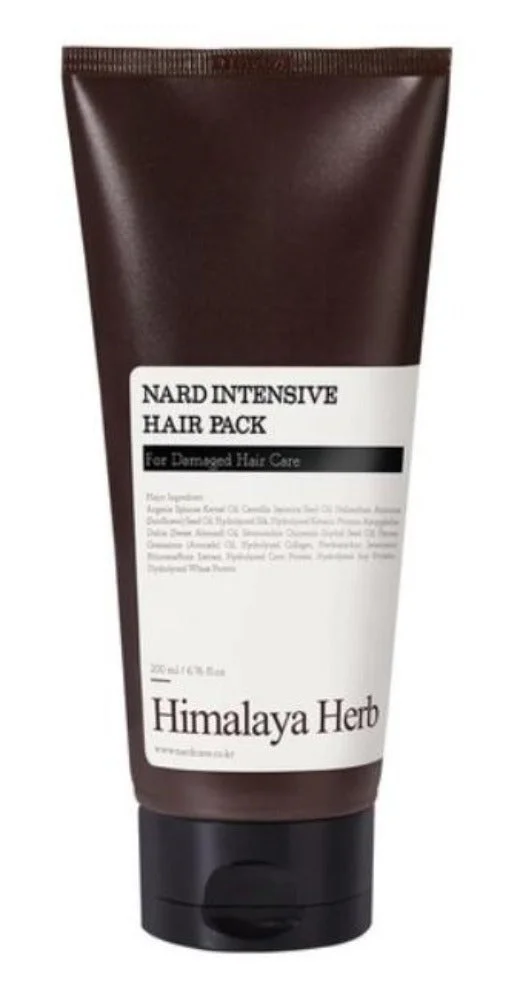
Create a free account to get started
Unlock science-based ingredient analysis personalized for your skin.
Already have an account? Log in
We protect your privacy. We never send spam.