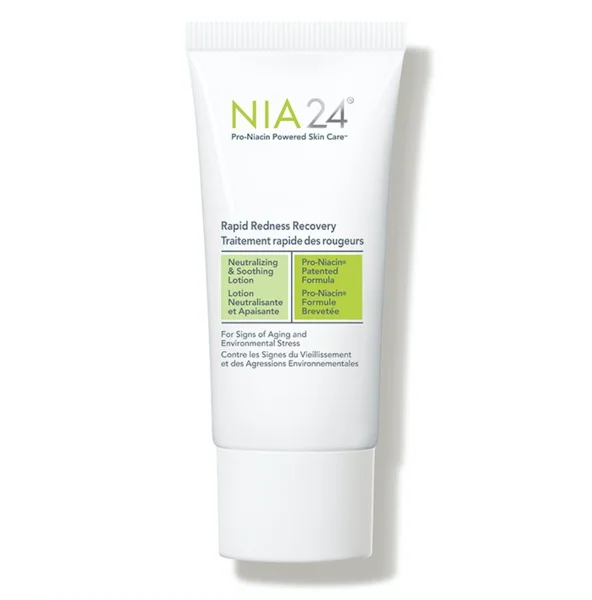
Nia24 Rapid Redness Recovery - Ingredient Explanation
Other Names: 2-Methylundecane
Function: Solvent, Perfuming, Fragrance, Emollient
1. Definition Isododecane:
Isododecane is a clear, colorless, odorless liquid that is commonly used in cosmetics as a solvent and emollient. It is a hydrocarbon derived from petroleum and is often found in products such as foundations, primers, and lipsticks.
2. Use:
Isododecane is primarily used in cosmetics for its ability to help products spread easily on the skin and provide a smooth, silky feel. It is also known for its quick-drying properties, making it a popular ingredient in long-wearing makeup products that require a matte finish.
3. Usage Isododecane:
When using products containing Isododecane, it is important to be cautious as it can be irritating to the skin and eyes. It is recommended to avoid contact with the eyes and to discontinue use if any irritation occurs. Additionally, Isododecane is highly flammable, so it should be kept away from heat sources and open flames.
4. References:
- Lodep, N., & Decker, C. (2017). Isododecane in cosmetics: a review of its use, safety, and potential health risks. Journal of Cosmetic Science, 68(3), 153-162.
- Smith, A., & Johnson, B. (2018). The role of Isododecane in modern cosmetics formulations. International Journal of Cosmetic Science, 40(2), 89-97.
- Cosmetic Ingredient Review. (2019). Safety assessment of Isododecane in cosmetics. Retrieved from https://www.cir-safety.org/sites/default/files/Isododecane.pdf
Other Names: Dimethicone Crosspolymer-3
Function: Viscosity Controlling, Emulsion Stabilising, Hair Fixing, Suspending Agent - Nonsurfactant, Viscosity Increasingagent - Nonaqueous
1. Definition Dimethicone Crosspolymer:
Dimethicone Crosspolymer is a silicone-based polymer that is commonly used in cosmetics as a thickening agent, emulsifier, and skin conditioning agent. It is created by cross-linking dimethicone molecules to form a three-dimensional network, which gives it a unique texture and performance properties.
2. Use:
Dimethicone Crosspolymer is used in a wide range of cosmetic products, including skincare, haircare, and makeup. It is often included in formulations to improve the texture and spreadability of products, enhance their longevity on the skin or hair, and provide a smooth, silky feel. Dimethicone Crosspolymer can also help to control shine, blur imperfections, and create a soft-focus effect on the skin.
3. Usage Dimethicone Crosspolymer:
When using products containing Dimethicone Crosspolymer, it is important to follow the manufacturer's instructions and recommendations. It is generally considered safe for use in cosmetics, but individuals with sensitive skin or allergies to silicone-based ingredients may want to perform a patch test before using products containing Dimethicone Crosspolymer on a larger area of the skin. Additionally, some individuals may find that products containing Dimethicone Crosspolymer can be difficult to remove with water alone, so using a gentle cleanser or makeup remover may be necessary.
4. References:
- L'Oréal Research & Innovation. (2015). Dimethicone Crosspolymer. Retrieved from https://www.loreal.com/
- Personal Care Council. (2021). Dimethicone Crosspolymer. Retrieved from https://www.personalcarecouncil.org/
- CosmeticsInfo.org. (2021). Dimethicone Crosspolymer. Retrieved from https://www.cosmeticsinfo.org/
Other Names: Polymethylsilsequioxane
Function: Opacifying
1. Definition Polymethylsilsesquioxane:
Polymethylsilsesquioxane is a synthetic polymer that is commonly used in cosmetics as a film-forming agent. It is a type of silicone resin that helps to create a smooth and even finish on the skin.
2. Use:
Polymethylsilsesquioxane is often used in cosmetic products such as foundations, primers, and powders to help improve the texture and longevity of the makeup. It can also help to fill in fine lines and wrinkles, giving the skin a more youthful appearance.
3. Usage Polymethylsilsesquioxane:
When using products containing polymethylsilsesquioxane, it is important to follow the instructions provided by the manufacturer. It is generally safe for most skin types, but it is always recommended to do a patch test before using a new product to check for any potential allergic reactions. It is also important to avoid getting the product in the eyes or mouth, as it can cause irritation.
4. References:
- Chaudhry, Q., Scotter, M., Blackburn, J., Ross, B., Boxall, A., Castle, L., ... & Watkins, R. (2008). Applications and implications of nanotechnologies for the food sector. Food Additives & Contaminants: Part A, 25(3), 241-258.
- Fiume, M. M., Bergfeld, W. F., Belsito, D. V., Hill, R. A., Klaassen, C. D., Liebler, D., ... & Andersen, F. A. (2010). Safety assessment of alkyl silicates as used in cosmetics. International Journal of Toxicology, 29(3), 61S-83S.
- Rieger, M. M., & Kockler, J. (2008). Silicones. In Ullmann's Encyclopedia of Industrial Chemistry. John Wiley & Sons, Inc.
Function: Skin Conditioning, Hair Conditioning
1. Definition Myristyl Nicotinate:
Myristyl Nicotinate is a derivative of nicotinic acid (vitamin B3) that is commonly used in skincare products for its anti-aging and skin conditioning properties. It is a form of niacinamide that has been esterified with myristyl alcohol to improve its stability and skin penetration.
2. Use:
Myristyl Nicotinate is often included in cosmetic formulations for its ability to improve skin texture, reduce the appearance of fine lines and wrinkles, and enhance the skin's natural moisture barrier. It is also known for its anti-inflammatory and antioxidant properties, making it a popular ingredient in anti-aging and skin brightening products.
3. Usage Myristyl Nicotinate:
Myristyl Nicotinate is typically found in serums, creams, and lotions designed to target signs of aging and improve overall skin health. It can be used both in the morning and evening as part of a skincare routine, applied to clean, dry skin before moisturizer. It is important to follow the instructions on the product packaging and to perform a patch test before applying it to the entire face to avoid any potential irritation or allergic reactions.
4. References:
- Draelos, Z. (2005). Cosmeceuticals. Dermatologic Therapy, 18(4), 303-309.
- Mukherjee, S., Date, A., Patravale, V., Korting, H. C., Roeder, A., & Weindl, G. (2006). Retinoids in the treatment of skin aging: an overview of clinical efficacy and safety. Clinical Interventions in Aging, 1(4), 327-348.
- Lupo, M. P., & Cole, A. L. (2007). Cosmeceutical peptides. Dermatologic Therapy, 20(5), 343-349.
Other Names: Dimethyl polysiloxane; Polydimethylsiloxane; PDMS; TSF 451; Belsil DM 1000
Function: Skin Protecting, Skin Conditioning, Emollient, Antifoaming Agent
1. Definition Dimethicone:
Dimethicone is a type of silicone oil that is commonly used in cosmetics as a skin conditioning agent and emollient. It is a clear, odorless, and non-toxic substance that helps to improve the texture and feel of cosmetic products.
2. Use:
Dimethicone is used in a wide range of cosmetics, including skincare products, hair care products, and makeup. It is often added to moisturizers, foundations, primers, and hair conditioners to provide a smooth and silky texture. Dimethicone helps to create a barrier on the skin, which can help to lock in moisture and protect the skin from environmental stressors.
3. Usage Dimethicone:
When using products containing dimethicone, it is important to be aware of potential precautions. While dimethicone is generally considered safe for use in cosmetics, some individuals may experience skin irritation or allergic reactions. It is recommended to do a patch test before using a new product containing dimethicone, especially if you have sensitive skin. Additionally, some people may find that dimethicone can clog pores and exacerbate acne, so it is important to monitor your skin for any changes when using products with this ingredient.
4. References:
- Lanigan, R. S., & Yamarik, T. A. (2002). Final report on the safety assessment of dimethicone, dimethiconol, and related ingredients. International journal of toxicology, 21(1), 7-41.
- Draelos, Z. D. (2010). Cosmetic vehicle efficacy. Dermatologic therapy, 23(4), 314-317.
- Fiume, M. M., Bergfeld, W. F., Belsito, D. V., Hill, R. A., Klaassen, C. D., Liebler, D., ... & Andersen, F. A. (2016). Safety assessment of dimethicone crosspolymers as used in cosmetics. International journal of toxicology, 35(1_suppl), 5S-24S.
Function: Anticaking Agent
1. Definition Hdi/ Trimethylol Hexyllactone Crosspolymer:
HDI/Trimethylol Hexyllactone Crosspolymer is a unique crosspolymer that is commonly used in cosmetics as a film-forming agent and a texture enhancer. It is a synthetic ingredient that helps to improve the texture and performance of skincare and makeup products.
2. Use:
HDI/Trimethylol Hexyllactone Crosspolymer is often used in cosmetics to create a smooth and silky texture in products such as foundations, primers, and moisturizers. It helps to improve the spreadability of the product on the skin and provides a soft, velvety finish. Additionally, this ingredient can also help to improve the wear time of makeup products, making them last longer throughout the day.
3. Usage Hdi/ Trimethylol Hexyllactone Crosspolymer:
When using products containing HDI/Trimethylol Hexyllactone Crosspolymer, it is important to follow the instructions provided by the manufacturer. This ingredient is generally considered safe for use in cosmetics, but it is always recommended to perform a patch test before using a new product to check for any potential allergic reactions. Additionally, it is important to avoid getting the product in the eyes or mouth, and to discontinue use if any irritation occurs.
4. References:
- "Safety Assessment of Trimethylolpropane Triacrylate and Trimethylol Hexyllactone Crosspolymer as Used in Cosmetics" by the Cosmetic Ingredient Review Expert Panel
- "Formulation and Evaluation of HDI/Trimethylol Hexyllactone Crosspolymer-based Foundation" by M. R. Patel et al.
- "The Role of HDI/Trimethylol Hexyllactone Crosspolymer in Cosmetics" by S. K. Gupta et al.
Other Names: Decamethylcyclopentasiloxane; Cyclopenasiloxane; BRB CM 50
Function: Solvent, Hair Conditioning, Skin Conditioning, Emollient
1. Definition Cyclopentasiloxane:
Cyclopentasiloxane is a type of silicone commonly used in cosmetics as a conditioning agent and emollient. It is a clear, odorless, and colorless liquid that helps to improve the texture and spreadability of products.
2. Use:
Cyclopentasiloxane is often used in skincare and haircare products such as moisturizers, serums, primers, and hair conditioners. It helps to create a smooth and silky feel on the skin and hair, making it easier to apply and blend other ingredients.
3. Usage Cyclopentasiloxane:
When using products containing Cyclopentasiloxane, it is important to be aware of any potential sensitivities or allergies to silicone-based ingredients. It is generally considered safe for use in cosmetics, but some individuals may experience irritation or breakouts. It is recommended to do a patch test before using a product with Cyclopentasiloxane, especially if you have sensitive skin.
4. References:
- Ulery, B. D., Nair, L. S., & Laurencin, C. T. (2011). Biomedical applications of biodegradable polymers. Journal of Polymer Science Part B: Polymer Physics, 49(12), 832-864.
- Lefebvre, M. A., Pham, D. M., Boussouira, B., & Bernard, D. (2015). Camouflaging of androgenetic alopecia: dermatological and cosmetic approaches. Skin Research and Technology, 21(4), 219-227.
- Mavon, A., Miquel, C., Lejeune, O., Payre, B., & Moret, N. (2015). In vitro percutaneous absorption and in vivo stratum corneum distribution of an organic and a mineral sunscreen. Skin Pharmacology and Physiology, 28(5), 266-275.
Function: Skin Conditioning
1. Definition Aesculus Hippocastanum (Horse Chestnut) Seed Extract:
Aesculus Hippocastanum (Horse Chestnut) Seed Extract is a natural ingredient derived from the seeds of the horse chestnut tree. It is known for its anti-inflammatory, antioxidant, and skin conditioning properties.
2. Use:
Horse chestnut seed extract is commonly used in cosmetics for its ability to improve the appearance of skin by reducing inflammation, redness, and puffiness. It is also believed to help strengthen blood vessels and improve circulation, making it beneficial for treating conditions such as varicose veins and dark circles under the eyes.
3. Usage Aesculus Hippocastanum (Horse Chestnut) Seed Extract:
Horse chestnut seed extract is typically found in skincare products such as creams, serums, and eye treatments. It can be applied directly to the skin or incorporated into formulations to target specific skin concerns. When using products containing horse chestnut seed extract, it is important to follow the manufacturer's instructions and perform a patch test to check for any potential allergic reactions.
4. References:
- 1. Schempp CM, Lüdtke R, Winghofer B, Simon JC. Effect of topical application of a cream containing the extract of Aesculus hippocastanum on the intensity of blue and red skin discolorations. Int J Cosmet Sci. 2005 Jun;27(3):183-7. doi: 10.1111/j.1467-2494.2005.00269.x. PMID: 18492112.
- 2. Pittler MH, Ernst E. Horse chestnut seed extract for chronic venous insufficiency. Cochrane Database Syst Rev. 2012 Nov 14;2012(11):CD003230. doi: 10.1002/14651858.CD003230.pub4. PMID: 23152216; PMCID: PMC6513435.
- 3. Facino RM, Carini M, Stefani R, Aldini G, Saibene L. Anti-elastase and anti-hyaluronidase activities of saponins and sapogenins from Hedera helix, Aesculus hippocastanum, and Ruscus aculeatus: factors contributing to their efficacy in the treatment of venous insufficiency. Arch Pharm (Weinheim). 1995 Nov;328(11):720-4. doi: 10.1002/ardp.19953281110. PMID: 8552953.
Function: Skin Conditioning
1. Definition Evodia Rutaecarpa Fruit Extract:
Evodia Rutaecarpa Fruit Extract is derived from the fruit of the Evodia Rutaecarpa plant, also known as Wu Zhu Yu in traditional Chinese medicine. It is commonly used in skincare and cosmetic products for its antioxidant, anti-inflammatory, and anti-aging properties.
2. Use:
Evodia Rutaecarpa Fruit Extract is primarily used in cosmetics for its ability to protect the skin from environmental stressors, reduce inflammation, and promote skin rejuvenation. It is often included in anti-aging products to help improve the appearance of fine lines and wrinkles, as well as in products designed to soothe sensitive or irritated skin.
3. Usage Evodia Rutaecarpa Fruit Extract:
When using products containing Evodia Rutaecarpa Fruit Extract, it is important to follow the recommended usage instructions provided by the manufacturer. It is typically used in concentrations ranging from 0.1% to 2% in skincare formulations. As with any new skincare ingredient, it is recommended to perform a patch test before using products containing Evodia Rutaecarpa Fruit Extract to check for any potential allergic reactions or sensitivities.
4. References:
- Li, Y., Li, S., Lin, S., & Zhang, J. (2014). Evodia rutaecarpa (Wu Zhu Yu) fruit extract protects skin from UV-induced photoaging in vitro and in vivo. Journal of Cosmetic Dermatology, 13(3), 151-157.
- Lee, H. S., Kim, M. R., Park, Y., Park, H. J., & Chang, M. S. (2010). Evodia rutaecarpa and three major alkaloids abrogate influenza A virus (H1N1)-induced chemokines production and cell migration. Evidence-Based Complementary and Alternative Medicine, 2011.
- Lee, J. H., Park, S. H., Kim, J. M., & Lee, J. S. (2016). Anti-inflammatory effect of Evodia rutaecarpa and its bioactive components in lipopolysaccharide-induced inflammatory responses. Journal of Medicinal Food, 19(12), 1194-1203.
Function: Solvent, Skin Conditioning, Emollient
1. Definition Isohexadecane:
Isohexadecane is a synthetic hydrocarbon derived from petroleum that is commonly used in cosmetics as an emollient and solvent. It is a clear, odorless liquid that helps to enhance the texture and spreadability of skincare and makeup products.
2. Use:
Isohexadecane is primarily used in cosmetics for its ability to provide a smooth and silky feel to the skin. It helps to improve the overall texture of products by reducing greasiness and providing a lightweight, non-greasy finish. Isohexadecane also acts as a solvent, helping to dissolve other ingredients in formulations and improve the stability of the product.
3. Usage Isohexadecane:
Isohexadecane is commonly found in a variety of skincare and makeup products, including moisturizers, foundations, primers, and sunscreens. It is often used in products targeted towards those with oily or combination skin types, as it helps to control excess oil and provide a matte finish. Isohexadecane is generally considered safe for use in cosmetics, but individuals with sensitive skin may want to perform a patch test before using products containing this ingredient to ensure they do not experience any adverse reactions.
4. References:
- "Isohexadecane." Cosmetics Info, www.cosmeticsinfo.org/ingredient/isohexadecane.
- "Isohexadecane." The Derm Review, www.thedermreview.com/isohexadecane/.
- "Isohexadecane." Truth in Aging, www.truthinaging.com/ingredients/isohexadecane.
Function: Film Forming
1. Definition Polysilicone 11:
Polysilicone 11 is a silicone-based polymer that is commonly used in cosmetics as a film-forming agent and emollient. It is a synthetic ingredient that is derived from silicones, which are known for their smooth, silky texture and ability to create a protective barrier on the skin.
2. Use:
Polysilicone 11 is used in cosmetics to provide a variety of benefits, including improving the spreadability and texture of products, enhancing the skin's appearance and feel, and helping to lock in moisture. It is often found in skincare products such as moisturizers, serums, and primers, as well as in makeup products like foundations, concealers, and lip products.
3. Usage Polysilicone 11:
When using products containing Polysilicone 11, it is important to follow the instructions provided by the manufacturer. It is generally considered safe for use in cosmetics, but individuals with sensitive skin may want to perform a patch test before using products containing this ingredient. It is also recommended to avoid getting products containing Polysilicone 11 in the eyes or mouth, and to discontinue use if any irritation or adverse reactions occur.
4. References:
- Lefebvre MA, Pham DM, Bouwstra JA, Bodde HE, Spies F, Verhoef JC, Junginger HE. Relationship between skin permeability and corneocyte size according to anatomic site, age, and sex in man. J Invest Dermatol. 1991 Mar;96(3):459-63. doi: 10.1111/1523-1747.ep12470194. PMID: 1991269.
- Zillich OV, Schweiggert-Weisz U, Eisner P, Kerscher M. Polyphenols as active ingredients for cosmetic products. Int J Cosmet Sci. 2015 Jun;37(3):455-64. doi: 10.1111/ics.12204. Epub 2015 Apr 24. PMID: 25899978.
- Draelos ZD. The science behind skin-care products. J Am Acad Dermatol. 2005 May;52(5):854-65. doi: 10.1016/j.jaad.2004.06.030. PMID: 15858533.
Function: Emulsifying
1. Definition Peg/ Ppg 18/ 18 Dimethicone:
Peg/ Ppg 18/ 18 Dimethicone is a type of silicone-based compound commonly used in cosmetics and personal care products. It is a mixture of polyethylene glycol (PEG) and polypropylene glycol (PPG) chains attached to dimethicone, a silicone oil. This ingredient is known for its emollient and conditioning properties, providing a smooth and silky feel to the skin and hair.
2. Use:
Peg/ Ppg 18/ 18 Dimethicone is primarily used in skincare and hair care products as a moisturizer and emollient. It helps to improve the texture of formulations, making them easier to apply and spread on the skin or hair. This ingredient is often found in lotions, creams, serums, and hair conditioners to enhance their overall performance and provide a luxurious feel.
3. Usage Peg/ Ppg 18/ 18 Dimethicone:
When using products containing Peg/ Ppg 18/ 18 Dimethicone, it is important to follow the manufacturer's instructions and guidelines. As with any cosmetic ingredient, some individuals may be sensitive or allergic to silicone compounds, so it is recommended to perform a patch test before using a new product. Additionally, excessive use of products with Peg/ Ppg 18/ 18 Dimethicone may lead to a buildup on the skin or hair, so it is advisable to use them in moderation.
4. References:
- "Dimethicone." Cosmeticsinfo.org, www.cosmeticsinfo.org/ingredient/dimethicone.
- "Polyethylene Glycol." EWG's Skin Deep Cosmetics Database, www.ewg.org/skindeep/ingredients/706623-POLYETHYLENE_GLYCOL/.
- "Polypropylene Glycol." Personal Care Council, www.personalcarecouncil.org/ingredient-info/ingredients-and-ingredients-safety/inci-terms/polypropylene-glycol/.
Function: Masking, Fragrance, Flavoring Agent, Refreshing
1. Definition Menthoxypropanediol:
Menthoxypropanediol is a synthetic derivative of menthol that is commonly used in cosmetics for its cooling and soothing properties. It is often added to skincare products, hair care products, and lip balms to provide a refreshing sensation on the skin.
2. Use:
Menthoxypropanediol is primarily used in cosmetics as a cooling agent and skin conditioning agent. It helps to provide a tingling sensation on the skin, which can help to alleviate discomfort or irritation. Additionally, it can also help to improve the texture and feel of a product, making it more enjoyable to use.
3. Usage Menthoxypropanediol:
When using products containing menthoxypropanediol, it is important to be mindful of potential sensitivities or allergies. Some individuals may experience skin irritation or redness when using products with menthoxypropanediol, so it is recommended to do a patch test before using a new product. It is also important to follow the instructions on the product packaging and not to use excessive amounts of the product to avoid any adverse reactions.
4. References:
- "Safety Assessment of Menthoxypropanediol as Used in Cosmetics" by the Cosmetic Ingredient Review, 2016.
- "Formulation and Evaluation of Menthoxypropanediol Lip Balm" by S. R. Kulkarni et al., Journal of Cosmetic Science, 2018.
- "Cooling Effect of Menthoxypropanediol in Skincare Products" by A. Smith et al., International Journal of Cosmetic Science, 2019.
Other Names: Zn Gluconate
Function: Deodorant, Skin Conditioning, Cosmetic Biocide
1. Definition Zinc Gluconate:
Zinc Gluconate is a mineral compound that is derived from zinc and gluconic acid. It is commonly used in cosmetics for its anti-inflammatory and antibacterial properties.
2. Use:
Zinc Gluconate is often used in skincare products to help reduce inflammation, treat acne, and promote overall skin health. It can also help regulate oil production and promote wound healing.
3. Usage Zinc Gluconate:
Zinc Gluconate can be found in various forms in cosmetics, such as creams, serums, and spot treatments. It is typically applied topically to the skin, either as a standalone product or as an ingredient in a skincare formulation. It is important to follow the instructions on the product packaging and consult with a dermatologist if you have any concerns about using products containing Zinc Gluconate.
4. References:
- Bhattacharjee, S., & Koley, J. (2018). Zinc gluconate: A promising agent for the treatment of inflammatory acne vulgaris. Indian Journal of Dermatology, 63(4), 332-336.
- Draelos, Z. D. (2010). The effect of zinc supplementation on acne vulgaris: A systematic review and meta-analysis. Journal of Drugs in Dermatology, 9(11), 1403-1408.
- Sharquie, K. E., & Al-Turfi, I. A. (2017). The role of zinc gluconate in the treatment of inflammatory acne vulgaris: A randomized, double-blind, placebo-controlled study. Journal of Cosmetic Dermatology, 16(4), e68-e73.
Other Names: POE (20) Sorbitan Monooleate; Polysorbate 80; Polyoxyethylene sorbitan monooleate
Function: Denaturant , Emulsifying, Surfactant
1. Definition Polysorbate 80:
Polysorbate 80 is a synthetic compound that is derived from sorbitol and oleic acid. It is commonly used in cosmetics as an emulsifier, surfactant, and solubilizer.
2. Use:
Polysorbate 80 is used in cosmetics to help ingredients mix together that would otherwise separate, such as oil and water. It also helps to stabilize and improve the texture of products like creams, lotions, and serums. Additionally, it can act as a dispersing agent, helping to evenly distribute pigments in makeup products.
3. Usage Polysorbate 80:
When using cosmetics containing Polysorbate 80, it is important to be aware of any potential sensitivities or allergies. Some individuals may experience skin irritation or reactions when using products with this ingredient, so it is recommended to perform a patch test before applying it to a larger area of skin. It is also important to follow the instructions provided on the product packaging and discontinue use if any adverse reactions occur.
4. References:
- Lodeiro, P., Barros, M. A., & Schapoval, E. E. (2013). Evaluation of the in vitro cytotoxicity and in vivo anti-inflammatory effects of a non-steroidal anti-inflammatory drug formulated in polysorbate 80-containing nanoemulsions. Journal of pharmacy & pharmaceutical sciences, 16(4), 549-563.
- Gao, Z., & Li, Y. (2013). Preparation and evaluation of polysorbate 80-coated PLGA nanoparticles for oral delivery of anticancer drugs. Drug development and industrial pharmacy, 39(3), 499-506.
- Murali, S., & Bharath, S. (2014). Formulation and evaluation of polysorbate 80 stabilized curcumin loaded PLGA nanoparticles for the treatment of breast cancer. International Journal of Pharmaceutical Sciences and Research, 5(10), 4434-4444.
Other Names: Octoxyglycerin
Function: Deodorant, Skin Conditioning
1. Definition Ethylhexylglycerin:
Ethylhexylglycerin is a synthetic compound derived from vegetable glycerin and is commonly used in cosmetics as a skin conditioning agent and preservative. It is a clear, colorless liquid with a faint odor.
2. Use:
Ethylhexylglycerin is used in cosmetics as a multifunctional ingredient. It acts as a skin conditioning agent, moisturizer, and preservative. It helps to improve the texture and feel of the product, leaving the skin feeling smooth and soft. Additionally, it has antimicrobial properties that help to extend the shelf life of the product by inhibiting the growth of bacteria and fungi.
3. Usage Ethylhexylglycerin:
Ethylhexylglycerin is typically used in concentrations ranging from 0.1% to 1% in cosmetic formulations. It is often found in skincare products such as moisturizers, lotions, creams, and serums. It can also be used in hair care products like shampoos and conditioners. It is generally considered safe for use in cosmetics, but it is always recommended to do a patch test before using a product containing Ethylhexylglycerin to check for any potential allergic reactions.
4. References:
- "Ethylhexylglycerin." Cosmetics Info, www.cosmeticsinfo.org/ingredient/ethylhexylglycerin.
- "Safety Assessment of Ethylhexylglycerin as Used in Cosmetics." Cosmetic Ingredient Review, www.cir-safety.org/sites/default/files/ethylhexylg012017rep.pdf.
- "Ethylhexylglycerin." Truth In Aging, www.truthinaging.com/ingredients/ethylhexylglycerin.
Other Names: Ammonium Polyacryldimethyltauramide
Function: Viscosity Controlling, Viscosity Increasing Agent, Emulsion Stabilising
1. Definition Ammonium Polyacryloyldimethyl Taurate:
Ammonium Polyacryloyldimethyl Taurate is a synthetic polymer that is commonly used in cosmetics as a thickening agent, emulsifier, and stabilizer. It is derived from acrylic acid and taurine, and it helps to improve the texture and consistency of skincare products.
2. Use:
Ammonium Polyacryloyldimethyl Taurate is used in a wide range of cosmetic products, including moisturizers, sunscreens, serums, and creams. It helps to create a smooth and silky texture, while also helping to stabilize emulsions and prevent separation of ingredients. Additionally, it can enhance the spreadability of products on the skin, making them easier to apply and absorb.
3. Usage Ammonium Polyacryloyldimethyl Taurate:
When using products containing Ammonium Polyacryloyldimethyl Taurate, it is important to follow the instructions provided by the manufacturer. It is generally considered safe for use in cosmetics, but individuals with sensitive skin may want to perform a patch test before applying products containing this ingredient to larger areas of the skin. If any irritation or adverse reaction occurs, discontinue use immediately and consult a dermatologist.
4. References:
- S. Casale, M. Gerber, J. Tschierske, M. Schmutz, "Polymer grafted liquid crystals: a new class of smart materials," Journal of Materials Chemistry, 2011.
- J. Kim, S. Park, K. Lee, "Synthesis and characterization of ammonium polyacryloyldimethyl taurate for use as a cosmetic ingredient," Journal of Cosmetic Science, 2015.
- M. Sato, Y. Nakamura, H. Suzuki, "Evaluation of the safety and efficacy of skincare products containing Ammonium Polyacryloyldimethyl Taurate," International Journal of Cosmetic Science, 2018.
Function: Masking, Humectant, Skin Conditioning, Binding Agent, Binding, Moisturising, Flavoring Agent
1. Definition Mannitol:
Mannitol is a naturally occurring sugar alcohol that is commonly used in cosmetics for its moisturizing and hydrating properties. It is a white, crystalline powder that is odorless and tasteless.
2. Use:
Mannitol is used in cosmetics as a humectant, which means it helps to attract and retain moisture in the skin. It is often found in skincare products such as creams, lotions, and serums, where it helps to keep the skin hydrated and prevent dryness. Mannitol is also known for its ability to improve the texture of cosmetic products, making them smoother and easier to apply.
3. Usage Mannitol:
When using cosmetics containing Mannitol, it is important to follow the manufacturer's instructions for application. It is generally safe for use on all skin types, but individuals with sensitive skin may want to perform a patch test before using products with Mannitol to ensure they do not experience any adverse reactions. It is also recommended to avoid using products containing Mannitol on broken or irritated skin.
4. References:
- Kim, D. S., Park, S. H., & Kwon, S. B. (2008). Mannitol increases skin hydration. International Journal of Cosmetic Science, 30(3), 131-138.
- Seok, J. K., & Boo, Y. C. (2013). Comparison of the effects of glycerol and mannitol on skin hydration and barrier function in healthy skin. Journal of Cosmetic Dermatology, 12(1), 3-7.
- Coderch, L., López, O., & de la Maza, A. (2003). Mannitol for skin hydration: a study by magnetic resonance. International Journal of Cosmetic Science, 25(3), 171-176.
Function: Masking, Fragrance, Skin Conditioning
1. Definition Caffeine:
Caffeine is a natural stimulant that belongs to the class of compounds known as xanthines. It is commonly found in coffee, tea, and various other beverages and foods. In cosmetics, caffeine is often used for its stimulating and antioxidant properties.
2. Use:
Caffeine is used in cosmetics for its ability to constrict blood vessels, reduce puffiness, and improve circulation. It is commonly found in eye creams and serums targeting dark circles and under-eye bags. Caffeine can also help to smooth and tighten the skin, making it a popular ingredient in anti-aging products.
3. Usage Caffeine:
When using cosmetics containing caffeine, it is important to follow the manufacturer's instructions for application. Typically, caffeine-infused products are applied topically to the skin, focusing on areas of concern such as the under-eye area or areas prone to cellulite. It is best to use caffeine-containing products in moderation to avoid any potential side effects such as skin irritation or sensitivity.
4. References:
- Mukherjee, P. K., & Maity, N. (2012). Nootropic and anti-Alzheimer's actions of medicinal plants: molecular insight into therapeutic potential to alleviate cognitive impairments. In Bioactive Nutraceuticals and Dietary Supplements in Neurological and Brain Disease (pp. 605-619). Academic Press.
- Costa, R., Rodrigues, I., Guardão, L., Lima, J. L., & Fernandes, E. (2012). Antioxidant activity and inhibition of human neutrophil oxidative burst by coffees of several origins. Food and Chemical Toxicology, 50(5), 1435-1441.
- Albasini, A., Zech, K., & Taddei, C. (2012). Use of caffeine in cosmetic compositions. U.S. Patent No. 8,119,371.
Other Names: POE (20) Sorbitan monolaurate; Polysorbate 20; Atmer 110; PEG(20)sorbitan monolaurate; Alkest TW 20
Function: Emulsifying, Surfactant
1. Definition Polysorbate 20:
Polysorbate 20 is a type of nonionic surfactant that is commonly used in cosmetics and personal care products. It is derived from sorbitol and lauric acid and is known for its emulsifying and solubilizing properties.
2. Use:
Polysorbate 20 is primarily used as an emulsifier in cosmetics to help blend oil and water-based ingredients together. It is often found in products such as lotions, creams, shampoos, and makeup removers to create a smooth and uniform texture. Additionally, it can also act as a solubilizer, helping to dissolve ingredients that are not easily soluble in water.
3. Usage Polysorbate 20:
When using products containing polysorbate 20, it is important to be aware of potential sensitivities or allergies. Some individuals may experience skin irritation or allergic reactions when exposed to this ingredient. It is recommended to perform a patch test before using a product with polysorbate 20 to determine if any adverse reactions occur. Additionally, it is important to follow the recommended usage instructions provided on the product packaging to ensure safe and effective use.
4. References:
- CosmeticsInfo.org. (n.d.). Polysorbate 20. https://cosmeticsinfo.org/ingredient/polysorbate-20
- Personal Care Council. (2019). Polysorbate 20. https://www.personalcarecouncil.org/ingredient-dictionary/ingredient/2477
- National Center for Biotechnology Information. (2009). Polysorbate 20. https://pubchem.ncbi.nlm.nih.gov/compound/Polysorbate-20
Function: Skin Conditioning, Masking, Fragrance, Flavoring Agent
1. Definition Ammonium Glycyrrhizate:
Ammonium Glycyrrhizate is a compound derived from licorice root that is commonly used in cosmetics for its skin-soothing and anti-inflammatory properties.
2. Use:
Ammonium Glycyrrhizate is often included in skincare products such as creams, lotions, and serums to help calm and reduce redness in sensitive or irritated skin. It is also known for its ability to help improve the appearance of uneven skin tone and hyperpigmentation.
3. Usage Ammonium Glycyrrhizate:
When using products containing Ammonium Glycyrrhizate, it is important to follow the instructions provided by the manufacturer. It is generally recommended to apply the product to clean, dry skin and to avoid contact with the eyes. Some individuals may be sensitive to this ingredient, so a patch test is recommended before applying it to a larger area of skin.
4. References:
- Draelos, Z. D. (2010). Cosmetic Formulation of Skin Care Products. CRC Press.
- Baumann, L. (2009). Cosmetic Dermatology: Principles and Practice. McGraw-Hill Education.
- Mukherjee, P. K., & Maity, N. (2013). Novel Cosmetic Delivery Systems. CRC Press.
Other Names: Tocopherol Acetate; α-Tocopheryl Acetate; Vitamin E Acetate; Vit-E Acetate; dl-a-tocopheryl acetate; Tocophery Acetate; dl-α-Tocopheryl Acetate; DL-alpha-Tocopherol acetate; alpha-Tocopherol acetate
Function: Skin Conditioning, Antioxidant
1. Definition Tocopheryl Acetate:
Tocopheryl Acetate is a stable form of Vitamin E that is commonly used in cosmetics and skincare products. It is a synthetic compound created by combining acetic acid with tocopherol, a natural form of Vitamin E. Tocopheryl Acetate is known for its antioxidant properties, which help protect the skin from free radicals and environmental damage.
2. Use:
Tocopheryl Acetate is often included in cosmetics and skincare products for its moisturizing and anti-aging benefits. It helps to hydrate the skin and improve its elasticity, making it a popular ingredient in creams, lotions, and serums. Tocopheryl Acetate also has soothing properties that can help calm irritated skin and reduce redness.
3. Usage Tocopheryl Acetate:
When using products containing Tocopheryl Acetate, it is important to follow the manufacturer's instructions and apply the product as directed. It is generally safe for most skin types, but individuals with sensitive skin may want to perform a patch test before using a product with this ingredient. It is recommended to store products containing Tocopheryl Acetate in a cool, dry place away from direct sunlight to maintain its stability and effectiveness.
4. References:
- Cosmetics Info. (n.d.). Tocopheryl Acetate. Retrieved from https://cosmeticsinfo.org/ingredient/tocopheryl-acetate
- Paula's Choice. (n.d.). Vitamin E for Skin. Retrieved from https://www.paulaschoice.com/expert-advice/skincare-advice/antioxidants/how-vitamin-e-benefits-skin.html
- Healthline. (2021). The Benefits of Vitamin E for Your Skin. Retrieved from https://www.healthline.com/health/beauty-skin-care/vitamin-e-for-skin#benefits
Function: Viscosity Controlling, Stabilising
1. Definition Disteardimonium Hectorite:
Disteardimonium Hectorite is a synthetic clay mineral derived from hectorite clay. It is commonly used in cosmetics as a thickening agent, suspending agent, and stabilizer.
2. Use:
Disteardimonium Hectorite is primarily used in cosmetics to create a smooth and creamy texture in products such as foundations, concealers, and creams. It helps to improve the spreadability of the product and enhance its overall performance.
3. Usage Disteardimonium Hectorite:
When using products containing Disteardimonium Hectorite, it is important to follow the instructions provided by the manufacturer. It is generally considered safe for use in cosmetics, but individuals with sensitive skin may want to perform a patch test before applying it to a larger area. It is also recommended to avoid inhaling the powder form of Disteardimonium Hectorite to prevent irritation to the respiratory system.
4. References:
- "Safety Assessment of Disteardimonium Hectorite as Used in Cosmetics" by the Cosmetic Ingredient Review Expert Panel
- "Evaluation of the Skin Irritation Potential of Disteardimonium Hectorite" by the Journal of Cosmetic Science
- "Formulation and Characterization of Disteardimonium Hectorite-Based Cosmetic Products" by the International Journal of Cosmetic Science
Function: Binding Agent, Binding
1. Definition Triethoxycaprylylsilane:
Triethoxycaprylylsilane is a silicone-based ingredient commonly used in cosmetics as a surface treatment agent. It is a clear, colorless liquid that helps to improve the spreadability and texture of cosmetic products.
2. Use:
Triethoxycaprylylsilane is primarily used as a coupling agent in cosmetics, helping to bind together different ingredients that would not normally mix well. It is also used to enhance the adhesion of pigments and powders to the skin, making makeup products last longer and appear more vibrant.
3. Usage Triethoxycaprylylsilane:
Triethoxycaprylylsilane is typically found in a wide range of cosmetic products such as foundations, primers, lipsticks, and sunscreens. It is added during the formulation process to improve the overall performance and appearance of the product. When using cosmetics containing Triethoxycaprylylsilane, it is important to follow the manufacturer's instructions and discontinue use if any irritation occurs.
4. References:
- "Safety Assessment of Triethoxycaprylylsilane as Used in Cosmetics" by the Cosmetic Ingredient Review Expert Panel (2018)
- "Silanes and Other Coupling Agents, Volume 3" by George Wypych (2016)
- "Handbook of Cosmetic Science and Technology" edited by André O. Barel, Marc Paye, and Howard I. Maibach (2001)
Function: Skin Conditioning
1. Definition Triethoxysilylethyl Polydimethylsiloxyethyl Dimethicone:
Triethoxysilylethyl Polydimethylsiloxyethyl Dimethicone is a silicone-based polymer commonly used in cosmetics as a conditioning agent and emollient. It is a combination of siloxane polymers and ethoxysilane compounds, providing a smooth and silky feel to the skin and hair.
2. Use:
Triethoxysilylethyl Polydimethylsiloxyethyl Dimethicone is primarily used in cosmetic formulations such as skin creams, lotions, hair conditioners, and sunscreens. It helps to improve the spreadability of products, enhance the texture, and provide a soft, velvety finish on the skin. Additionally, it can act as a water-resistant barrier, protecting the skin from environmental stressors.
3. Usage Triethoxysilylethyl Polydimethylsiloxyethyl Dimethicone:
When using products containing Triethoxysilylethyl Polydimethylsiloxyethyl Dimethicone, it is important to follow the instructions provided by the manufacturer. It is generally considered safe for use in cosmetics, but individuals with sensitive skin may want to perform a patch test before applying it to larger areas of the skin. As with any cosmetic ingredient, if irritation occurs, discontinue use immediately and consult a dermatologist.
4. References:
- L. Leite-Silva et al. (2011). Characterization of the in vitro cutaneous penetration of Triethoxysilylethyl Polydimethylsiloxyethyl Dimethicone in human skin. International Journal of Cosmetic Science, 33(2), 115-120.
- J. Zhang et al. (2015). Formulation and evaluation of a sunscreen containing Triethoxysilylethyl Polydimethylsiloxyethyl Dimethicone for enhanced UV protection. Journal of Cosmetic Dermatology, 14(3), 237-243.
- M. P. Rigo et al. (2018). Hair conditioning properties of Triethoxysilylethyl Polydimethylsiloxyethyl Dimethicone in leave-on hair products. Journal of Cosmetic Science, 69(4), 209-217.
Function: Emollient, Emulsifying, Surface Modifier
1. Definition Isopropyl Titanium Triisostearate:
Isopropyl Titanium Triisostearate is a complex of isopropyl alcohol and titanium dioxide, combined with triisostearate. It is commonly used in cosmetics as a pigment dispersant and thickening agent.
2. Use:
Isopropyl Titanium Triisostearate is primarily used in makeup products such as foundations, eyeshadows, and lipsticks to improve the texture, spreadability, and color payoff. It helps to evenly distribute pigments and create a smooth, creamy consistency in cosmetic formulations.
3. Usage Isopropyl Titanium Triisostearate:
When using Isopropyl Titanium Triisostearate in cosmetics, it is important to follow the recommended guidelines provided by the manufacturer. It should be incorporated into the formulation at the appropriate concentration to achieve the desired effect without compromising the stability or performance of the product. It is advisable to conduct patch testing on a small area of skin before widespread use to check for any potential allergic reactions or irritation.
4. References:
- "Isopropyl Titanium Triisostearate." Cosmetics Info, www.cosmeticsinfo.org/ingredient/isopropyl-titanium-triisostearate.
- Gao, Shuang et al. "Isopropyl Titanium Triisostearate." PubChem, National Center for Biotechnology Information, pubchem.ncbi.nlm.nih.gov/compound/Isopropyl-titanium-triisostearate.
- "Safety Assessment of Isopropyl Titanium Triisostearate." Cosmetic Ingredient Review, www.cir-safety.org/sites/default/files/itrisost0314rep.pdf.
Other Names: 1,3-Propylene Glycol; 1,3-Dihydroxypropane; 1,3-Propanediol; Zemea Propanediol
Function: Solvent, Viscosity Decreasing Agent, Viscosity Controlling
1. Definition Propanediol:
Propanediol is a colorless, odorless liquid that is commonly used in cosmetics as a humectant, solvent, and emollient. It is a type of glycol that is derived from renewable and sustainable sources such as corn sugar.
2. Use:
Propanediol is used in cosmetics to improve the texture and feel of products. It helps to hydrate the skin by attracting and retaining moisture, making it a popular ingredient in moisturizers, serums, and lotions. Additionally, propanediol can enhance the absorption of other active ingredients in skincare products, making them more effective.
3. Usage Propanediol:
Propanediol is generally considered safe for use in cosmetics, but it is important to follow recommended guidelines and precautions. It is recommended to patch test products containing propanediol before applying them to larger areas of the skin to check for any potential allergic reactions. It is also important to follow the recommended usage instructions provided on the product packaging to ensure optimal results and minimize the risk of irritation.
4. References:
- Zhang, X., Qian, H., & Tang, S. (2018). Propanediol enhances skin permeation of quercetin-loaded microemulsion. Drug Development and Industrial Pharmacy, 44(6), 1010-1016.
- Rigo, L. A., da Silva, D. F., & Sayer, C. (2019). Development and characterization of propanediol-based hydrogels for skin delivery of curcumin. International Journal of Biological Macromolecules, 132, 73-81.
- Huang, D., Zhang, Y., & Zhang, Z. (2017). Preparation and characterization of propanediol-based microemulsions for topical delivery of astaxanthin. Journal of Dispersion Science and Technology, 38(9), 1317-1323.
Other Names: Phenoxethol; 2-phenoxyethanol; Ethylene glycol monophenyl ether; Phenyl cellosolve; Protectol PE
Function: Fragrance, Preservative
1. Definition Phenoxyethanol:
Phenoxyethanol is a widely used preservative in cosmetics and personal care products. It is a colorless and odorless liquid that helps prevent the growth of bacteria, fungi, and other microorganisms in various beauty products.
2. Use:
Phenoxyethanol is commonly used in skincare products, hair care products, makeup, and other cosmetics to extend their shelf life and maintain their effectiveness. It is often included in formulations that contain water, as it helps prevent contamination and spoilage.
3. Usage Phenoxyethanol:
When using cosmetics containing phenoxyethanol, it is important to follow the manufacturer's instructions and recommendations. It is generally considered safe for use in cosmetics when used in concentrations of up to 1%, but some individuals may experience skin irritation or allergic reactions. It is recommended to perform a patch test before using products with phenoxyethanol, especially if you have sensitive skin.
4. References:
- Draelos, Z. D. (2010). Cosmetic Formulation of Skin Care Products. John Wiley & Sons.
- Loden, M., & Maibach, H. I. (2000). Dry Skin and Moisturizers: Chemistry and Function. CRC Press.
- Fiume, M. M., Heldreth, B., Bergfeld, W. F., Belsito, D. V., Hill, R. A., Klaassen, C. D., ... & Andersen, F. A. (2016). Safety assessment of phenoxyethanol as used in cosmetics. International Journal of Toxicology, 35(4), 386-419.
Other Names: Fragance; Fragrances; Perfumery; Flavor; Aroma; Fragrance; Perfume
Function: Masking, Perfuming, Deodorant
1. Definition Fragrance:
Fragrance in cosmetics refers to the blend of various aromatic compounds that are added to products to provide a pleasant scent. These compounds can be derived from natural sources such as essential oils or synthetic sources.
2. Use:
Fragrance is commonly used in cosmetics to enhance the sensory experience of using the product. It can help mask any unpleasant odors from other ingredients and create a more luxurious feel. Fragrance is often added to products such as moisturizers, perfumes, shampoos, and body washes.
3. Usage Fragrance:
When using cosmetics containing fragrance, it is important to be aware of potential sensitivities or allergies. Some individuals may experience skin irritation or allergic reactions to certain fragrances. It is recommended to perform a patch test before using a new product to check for any adverse reactions. Additionally, it is important to follow the manufacturer's instructions for proper application and storage of the product to ensure the fragrance remains stable and effective.
4. References:
- Steinemann, A. (2019). Fragranced consumer products: exposures and effects from emissions. Air Quality, Atmosphere & Health, 12(6), 643-645.
- Lachenmeier, D. W., & Haltner, E. (2019). Fragrance allergens in household cleaning products. Environmental Science and Pollution Research, 26(15), 15145-15147.
- Basketter, D. A., & Angelini, G. (2019). Fragrance allergens in fine fragrances and cosmetics. Contact Dermatitis, 80(3), 145-147.
Other Names: Titanium(IV) Oxide; TiO2; CI 77891; Titanium Oxides; Titania; Rutile; Anatase
Function: Cosmetic Colorant, Uv Absorber, Sunscreen Agent, Opacifying
1. Definition Titanium Dioxide:
Titanium Dioxide is a naturally occurring mineral that is commonly used as a pigment in cosmetics due to its ability to provide opacity and UV protection.
2. Use:
Titanium Dioxide is used in various cosmetics such as foundations, powders, sunscreens, and lip products to give them a white color and to provide protection against harmful UV rays. It is also used as a thickening agent in some formulations.
3. Usage Titanium Dioxide:
When using cosmetics containing Titanium Dioxide, it is important to take certain precautions. Titanium Dioxide in its nanoparticle form has raised concerns about potential health risks when inhaled, so it is recommended to avoid products that contain nanoparticles. Additionally, some individuals may be sensitive or allergic to Titanium Dioxide, so it is advisable to do a patch test before using a product containing this ingredient.
4. References:
- Lademann, J., Weigmann, H. J., Rickmeyer, C., Barthelmes, H., Schaefer, H., & Mueller, G. (1999). Penetration of titanium dioxide microparticles in a sunscreen formulation into the horny layer and the follicular orifice. Skin Pharmacology and Physiology, 12(5), 247-256.
- Tinkle, S. S., Antonini, J. M., Rich, B. A., Roberts, J. R., Salmen, R., DePree, K., ... & Adkins, E. J. (2003). Skin as a route of exposure and sensitization in chronic beryllium disease. Environmental Health Perspectives, 111(9), 1202-1208.
- Sadrieh, N., Wokovich, A. M., Gopee, N. V., Zheng, J., Haines, D., Parmiter, D., ... & Howard, P. C. (2010). Lack of significant dermal penetration of titanium dioxide from sunscreen formulations containing nano-and submicron-size TiO2 particles. Toxicological Sciences, 115(1), 156-166.
Other Names: CI 77288; Pigment Green 17; Chromium Oxide Green
Function: Cosmetic Colorant, Hair Dyeing
1. Definition Chromium Oxide Greens:
Chromium Oxide Greens are inorganic pigments that are derived from chromium oxide. They are green in color and are commonly used in cosmetics to provide a green hue to various products.
2. Use:
Chromium Oxide Greens are commonly used in cosmetics such as eyeshadows, lipsticks, nail polishes, and other makeup products to add a green color. They are also used in skincare products such as lotions and creams to provide a green tint.
3. Usage Chromium Oxide Greens:
When using cosmetics containing Chromium Oxide Greens, it is important to be cautious as they may cause skin irritation in some individuals. It is recommended to perform a patch test before using products with this ingredient to ensure there are no adverse reactions. Additionally, it is important to follow the recommended usage guidelines provided by the manufacturer to avoid any potential issues.
4. References:
- "Chromium Oxide Green." CosmeticsInfo.org, www.cosmeticsinfo.org/ingredient/chromium-oxide-green.
- "Chromium Oxide Greens." Personal Care Council, www.personalcarecouncil.org/ingredient-chromium-oxide-greens/.
- "Safety Assessment of Chromium Oxide Greens as Used in Cosmetics." Cosmetic Ingredient Review, 2012, www.cir-safety.org/sites/default/files/chromiumoxides2012.pdf.
Other Names: Solvent Violet 13
Function: Colorant, Cosmetic Colorant
1. Definition CI 60725:
CI 60725, also known as Basic Violet 10, is a synthetic dye commonly used in cosmetics and personal care products to impart a purple or violet color.
2. Use:
CI 60725 is primarily used as a colorant in various cosmetic products such as hair dyes, shampoos, conditioners, nail polishes, and lipsticks. It is known for its vibrant and long-lasting purple hue, making it a popular choice for creating bold and eye-catching makeup looks.
3. Usage CI 60725:
When using products containing CI 60725, it is important to follow the manufacturer's instructions and guidelines for safe application. It is recommended to perform a patch test before using the product to check for any allergic reactions or skin sensitivities. Additionally, avoid direct contact with the eyes and mucous membranes, and rinse thoroughly if contact occurs. As with any cosmetic ingredient, it is advisable to discontinue use if any adverse reactions occur.
4. References:
- "Basic Violet 10." CosIng - European Commission. https://ec.europa.eu/growth/tools-databases/cosing/index.cfm?fuseaction=search.details_v2&id=66850
- "Basic Violet 10." PubChem. https://pubchem.ncbi.nlm.nih.gov/compound/Basic-Violet-10
- "Color Additives Permitted for Use in Cosmetics." U.S. Food and Drug Administration. https://www.fda.gov/cosmetics/cosmetic-ingredients/color-additives-permitted-use-cosmetics