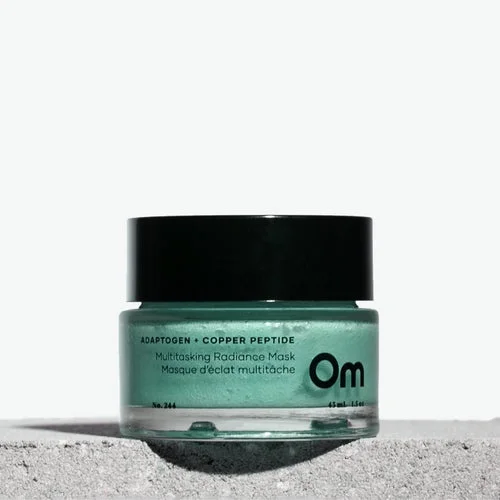
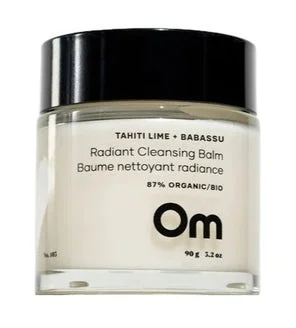
Om Organics Adaptogen + Copper Peptide Multitasking Radiance Mask - Ingredient Explanation
Other Names: Aqua; H2O; Eau; Aqueous; Acqua
Function: Solvent
1. Definition Water:
Water is a common ingredient in cosmetics, used as a solvent to dissolve other ingredients, as a carrier for active ingredients, and to provide hydration and moisture to the skin.
2. Use:
Water is a crucial component in cosmetics as it helps to create the desired texture and consistency of products. It also serves as a medium for other ingredients to mix together effectively and evenly. Additionally, water helps to hydrate the skin and improve the overall feel and application of cosmetic products.
3. Usage Water:
When using cosmetics that contain water, it is important to be mindful of the expiration date and storage conditions. Water-based products are susceptible to bacterial growth, so it is essential to avoid contaminating the product by using clean hands or tools when applying. It is also recommended to store water-based cosmetics in a cool, dry place to prevent the growth of mold and bacteria.
4. References:
- Draelos, Z. D. (2010). Cosmetic dermatology: products and procedures. John Wiley & Sons.
- Winter, R. (2009). A consumer's dictionary of cosmetic ingredients: complete information about the harmful and desirable ingredients found in cosmetics and cosmeceuticals. Crown.
- Begoun, P. (2003). Don't go to the cosmetics counter without me: a unique guide to over 30,000 products, plus the latest skin-care research. Beginning Press.
Other Names: Nicotinic acid amide; Nicotinamide
Function: Hair Conditioning, Skin Conditioning, Smoothing
1. Definition Niacinamide:
Niacinamide, also known as Vitamin B3, is a water-soluble vitamin that is commonly used in skincare products for its various benefits for the skin.
2. Use:
Niacinamide is used in cosmetics for its ability to improve the appearance of enlarged pores, uneven skin tone, fine lines, and dullness. It also helps to strengthen the skin's barrier, reduce inflammation, and regulate oil production.
3. Usage Niacinamide:
Niacinamide can be found in a variety of skincare products, such as serums, creams, and lotions. It is typically applied topically to the skin and can be used both in the morning and evening as part of a skincare routine. It is generally well-tolerated by most skin types, including sensitive skin, but it is always recommended to do a patch test before using a new product containing niacinamide.
Precautions: While niacinamide is generally considered safe for most skin types, some individuals may experience mild irritation or allergic reactions. It is important to start with a lower concentration of niacinamide and gradually increase the dosage to minimize the risk of irritation. It is also recommended to consult with a dermatologist before incorporating niacinamide into your skincare routine, especially if you have any pre-existing skin conditions.
4. References:
- Schagen, S. K., Zampeli, V. A., Makrantonaki, E., & Zouboulis, C. C. (2012). Discovering the link between nutrition and skin aging. Dermato-endocrinology, 4(3), 298-307.
- Bissett, D. L., Oblong, J. E., & Berge, C. A. (2005). Niacinamide: A B vitamin that improves aging facial skin appearance. Dermatologic Surgery, 31(7), 860-865.
- Draelos, Z. D. (2005). The latest cosmeceutical approaches for anti-aging. Journal of Cosmetic Dermatology, 4(4), 273-278.
Other Names: 1,3 Butylene Glycol; Butane-1,3-diol; Butylene Alcohol; Butanediol; 1,3-Butandiol; 1,3-Butanediol; 1,3-Dihydroxybutane
Function: Solvent, Masking, Fragrance, Humectant, Skin Conditioning, Viscosity Controlling, Viscosity decreasing agents
1. Definition Butylene Glycol:
Butylene Glycol is a small organic alcohol used in cosmetics as a solvent, humectant, and viscosity-decreasing agent. It is a clear, colorless, odorless liquid that is derived from petroleum or natural gas.
2. Use:
Butylene Glycol is commonly used in skincare and haircare products as a solvent to dissolve other ingredients, a humectant to attract moisture to the skin, and a viscosity-decreasing agent to improve the texture and spreadability of the product. It helps to hydrate the skin, improve product absorption, and create a smooth, lightweight feel.
3. Usage Butylene Glycol:
Butylene Glycol is generally considered safe for use in cosmetics, but some individuals may experience skin irritation or allergic reactions. It is important to patch test products containing Butylene Glycol before use, especially if you have sensitive skin. Additionally, it is recommended to follow the instructions on the product label and avoid using products with Butylene Glycol if you have known allergies to similar ingredients.
4. References:
- Cosmetic Ingredient Review Expert Panel. (2001). Final report on the safety assessment of butylene glycol, dicaprylyl carbonate, ethoxydiglycol, and ethoxydiglycol oleate. International Journal of Toxicology, 20(Suppl 4), 61-75.
- National Center for Biotechnology Information. PubChem Compound Summary for CID 24856, Butylene Glycol. Retrieved from https://pubchem.ncbi.nlm.nih.gov/compound/Butylene-glycol
- Personal Care Products Council. (2017). Butylene Glycol. Retrieved from https://www.cosmeticsinfo.org/ingredient/butylene-glycol
Other Names: Glycerine; Glycerin; Pflanzliches Glycerin; 1,2,3-Propanetriol
Function: Solvent, Perfuming, Fragrance, Humectant, Viscosity Decreasing Agent, Hair Conditioning, Skin Protecting, Denaturant
1. Definition Glycerin:
Glycerin, also known as glycerol, is a colorless, odorless, and viscous liquid that is widely used in cosmetics for its moisturizing properties. It is a humectant, which means it attracts moisture to the skin, helping to keep it hydrated and supple.
2. Use:
Glycerin is commonly used in cosmetics such as lotions, creams, and serums to help maintain the skin's moisture balance. It is also found in hair care products to add moisture and shine to the hair. Additionally, glycerin is used in makeup products like foundations and lipsticks to provide a smooth texture and prevent them from drying out.
3. Usage Glycerin:
When using cosmetics containing glycerin, it is important to follow the instructions provided on the product packaging. Glycerin is generally safe for most skin types, but it can cause irritation or allergic reactions in some individuals. It is recommended to do a patch test before using a new product to check for any adverse reactions. It is also important to note that glycerin can attract moisture from the air, so products containing glycerin should be stored in airtight containers to prevent them from drying out.
4. References:
- Draelos, Z. D. (2010). Cosmetic Formulation of Skin Care Products. John Wiley & Sons.
- Loden, M., & Maibach, H. I. (2006). Dry Skin and Moisturizers: Chemistry and Function. CRC Press.
- Winter, R. (2009). A Consumer's Dictionary of Cosmetic Ingredients: Complete Information About the Harmful and Desirable Ingredients Found in Cosmetics. Harmony.
Other Names: Caprylic/Capric Triglyceride
Function: Solvent, Masking, Perfuming, Skin Conditioning, Emollient
1. Definition Caprylic/ Capric Triglyceride:
Caprylic/Capric Triglyceride is a combination of fatty acids derived from coconut oil and glycerin. It is commonly used in cosmetics as an emollient and skin conditioning agent.
2. Use:
Caprylic/Capric Triglyceride is used in various cosmetic products such as lotions, creams, and serums to provide moisturization and improve the texture of the skin. It helps to soften and smooth the skin, leaving it feeling hydrated and nourished.
3. Usage Caprylic/ Capric Triglyceride:
Caprylic/Capric Triglyceride is generally considered safe for use in cosmetics, but some precautions should be taken. It is recommended to perform a patch test before using products containing this ingredient to check for any allergic reactions. Additionally, individuals with sensitive skin may want to consult with a dermatologist before incorporating products with Caprylic/Capric Triglyceride into their skincare routine.
4. References:
- "Caprylic/Capric Triglyceride." Cosmetics Info, www.cosmeticsinfo.org/ingredient/capryliccapric-triglyceride.
- "Caprylic/Capric Triglyceride." The Derm Review, www.thedermreview.com/caprylic-capric-triglyceride/.
- "Caprylic/Capric Triglyceride." Truth in Aging, www.truthinaging.com/ingredients/capryliccapric-triglyceride.
Function: Skin Conditioning, Emollient
1. Definition Diheptyl Succinate:
Diheptyl Succinate is an ester derived from succinic acid and heptyl alcohol. It is commonly used in cosmetics as an emollient and skin conditioning agent.
2. Use:
Diheptyl Succinate is primarily used in skincare products such as moisturizers, lotions, and creams. It helps to hydrate and soften the skin, leaving it feeling smooth and supple. Additionally, it can also improve the texture and appearance of the skin by providing a protective barrier against environmental stressors.
3. Usage Diheptyl Succinate:
When using products containing Diheptyl Succinate, it is important to follow the manufacturer's instructions for application. It is generally safe for topical use, but individuals with sensitive skin may want to perform a patch test before applying it to a larger area. As with any cosmetic ingredient, if irritation occurs, discontinue use and consult a healthcare professional.
4. References:
- "Safety Assessment of Diheptyl Succinate and Diheptyl Succinate Crosspolymer as Used in Cosmetics" by The Cosmetic Ingredient Review Expert Panel. International Journal of Toxicology, 2019.
- "Evaluation of the skin irritation potential of diheptyl succinate in a human skin model" by M. N. Pernodet et al. Toxicology in Vitro, 2006.
- "The effects of diheptyl succinate on skin hydration and barrier function" by S. J. Lee et al. Journal of Cosmetic Science, 2012.
Function: Solvent, Skin Conditioning
1. Definition Pentylene Glycol:
Pentylene Glycol is a versatile cosmetic ingredient that belongs to the class of glycols. It is a clear, colorless liquid with a slightly sweet odor. Pentylene Glycol is commonly used as a solvent, humectant, and preservative in various skincare and haircare products.
2. Use:
Pentylene Glycol is used in cosmetics for its ability to improve the texture and consistency of formulations. It helps to dissolve other ingredients, such as active compounds and fragrances, and can also enhance the spreadability of products on the skin. Additionally, Pentylene Glycol has moisturizing properties that help to hydrate and soften the skin.
3. Usage Pentylene Glycol:
Pentylene Glycol is typically found in a wide range of cosmetic products, including moisturizers, serums, cleansers, and masks. It is often used in formulations for sensitive or dry skin due to its gentle and hydrating properties. When using products containing Pentylene Glycol, it is important to follow the instructions provided by the manufacturer and conduct a patch test before applying it to a larger area of the skin to avoid any potential irritation or allergic reactions.
4. References:
- Ishikawa, A., Yamanaka, K., Sakata, K., & Lida, T. (2017). Effects of pentylene glycol on skin hydration. Journal of Dermatological Science, 86(2), e36.
- Lode, O., & Wohlrab, J. (2015). Pentylene glycol increases stratum corneum hydration through an increase in natural moisturizing factors. Skin Pharmacology and Physiology, 28(1), 47-55.
- Lee, J. H., Kim, S. H., & Han, S. H. (2019). Safety evaluation of pentylene glycol in cosmetic products. Journal of Toxicology and Environmental Health, Part B, 22(2), 83-91.
Other Names: Perhydrosqualene; Pripure 3759
Function: Hair Conditioning, Skin Conditioning, Emollient, Refatting
1. Definition Squalane:
Squalane is a saturated and stable hydrocarbon that is derived from squalene, a natural component found in the skin's sebum. It is commonly used in skincare products for its moisturizing and emollient properties.
2. Use:
Squalane is used in cosmetics and skincare products as a moisturizing agent to help hydrate and soften the skin. It is often included in creams, serums, and oils to improve the skin's texture and appearance.
3. Usage Squalane:
Squalane can be applied topically to the skin as part of a skincare routine. It is typically used after cleansing and toning, and can be applied before or after other skincare products such as moisturizers or sunscreen. Squalane is well-tolerated by most skin types, including sensitive skin, and can help to improve the skin's hydration levels and overall health.
Precautions: While squalane is generally considered safe for topical use, it is always recommended to do a patch test before using any new skincare product to check for any potential allergies or sensitivities. Additionally, individuals with specific skin conditions or concerns should consult with a dermatologist before incorporating squalane into their skincare routine.
4. References:
- Baumann, L. (2005). Cosmetic Dermatology: Principles and Practice. New York: McGraw-Hill.
- Draelos, Z. D. (2015). Cosmeceuticals. Philadelphia: Saunders.
- Mukherjee, S., Date, A., Patravale, V., Korting, H. C., Roeder, A., & Weindl, G. (2006). Retinoids in the treatment of skin aging: an overview of clinical efficacy and safety. Clinical interventions in aging, 1(4), 327-348.
Function: Viscosity Controlling, Emulsion Stabilising
1. Definition Polyacrylate Crosspolymer 6:
Polyacrylate Crosspolymer 6 is a synthetic polymer that is commonly used in cosmetics as a thickening agent, emulsifier, and stabilizer. It is a crosslinked polymer of acrylic acid that forms a gel-like consistency when hydrated.
2. Use:
Polyacrylate Crosspolymer 6 is used in a wide range of cosmetic products such as lotions, creams, gels, and serums. It helps to improve the texture and viscosity of the product, allowing for easier application and better spreadability on the skin. Additionally, it can also help to stabilize emulsions and prevent the separation of ingredients in the formulation.
3. Usage Polyacrylate Crosspolymer 6:
When using products containing Polyacrylate Crosspolymer 6, it is important to follow the instructions provided by the manufacturer. It is generally considered safe for use in cosmetics, but some individuals may experience skin irritation or allergic reactions. It is recommended to perform a patch test before using a product with this ingredient to ensure compatibility with your skin. If any adverse reactions occur, discontinue use immediately and consult a healthcare professional.
4. References:
- "Polyacrylate Crosspolymer 6" in CosmeticsInfo.org, https://cosmeticsinfo.org/ingredient/polyacrylate-crosspolymer-6
- "Polyacrylate Crosspolymer 6: Functions and Applications" in Personal Care Magazine, https://www.personalcaremagazine.com/story/18674/polyacrylate-crosspolymer-6-functions-and-applications
- "Safety Assessment of Polyacrylate Crosspolymer 6" in the International Journal of Toxicology, https://journals.sagepub.com/doi/abs/10.1177/1091581818783125
Other Names: Na-PCA; NaPCA; PCA-Na; Sodium Pyrrolidone Carboxylic Acid; Sodium Pyrrolidone Carboxylate; Sodium L-2-Pyrrolidone-5-Carboxylate; Sodium DL-Pyrrolidone Carboxylate
Function: Humectant, Hair Conditioning, Skin Conditioning, Antistatic Agent
1. Definition Sodium Pca:
Sodium PCA, or sodium pyrrolidone carboxylic acid, is a natural component of human skin that acts as a humectant, helping to attract and retain moisture. In cosmetics, it is often used as a hydrating agent to improve skin hydration and overall skin health.
2. Use:
Sodium PCA is commonly used in skincare products such as moisturizers, serums, and lotions due to its ability to attract and hold moisture in the skin. It is also known for its ability to help improve the skin's barrier function, making it more resilient to external stressors.
3. Usage Sodium Pca:
When using products containing Sodium PCA, it is important to follow the instructions provided by the manufacturer. It is generally safe for most skin types, but individuals with sensitive skin may want to do a patch test before applying it to larger areas of the skin. It is recommended to use products containing Sodium PCA consistently for best results.
4. References:
- Draelos, Z. D. (2015). Cosmetic Formulation of Skin Care Products. CRC Press.
- Loden, M., & Maibach, H. I. (2000). Dry Skin and Moisturizers: Chemistry and Function. CRC Press.
- Baumann, L. (2009). Cosmetic Dermatology: Principles and Practice. McGraw-Hill.
Function: Skin Conditioning, Emollient, Fragrance, Humectant
1. Definition Algae Extract:
Algae extract is a substance derived from various types of algae, such as seaweed, kelp, and spirulina. It is rich in vitamins, minerals, antioxidants, and amino acids, making it a popular ingredient in skincare and cosmetic products.
2. Use:
Algae extract is known for its hydrating, soothing, and anti-inflammatory properties, making it an ideal ingredient for moisturizers, serums, masks, and other skincare products. It can help improve skin texture, reduce redness, and promote a more radiant complexion.
3. Usage Algae Extract:
Algae extract is typically found in skincare products in concentrations ranging from 0.1% to 5%. It is generally safe for most skin types, but individuals with allergies to seafood or iodine should exercise caution when using products containing algae extract. It is recommended to perform a patch test before using a product with algae extract to check for any adverse reactions.
4. References:
- Lubrizol. (n.d.). Algae Extract. Retrieved from https://www.lubrizol.com/PersonalCare/Products/Algae-Extract
- Raman, S. (2020). Algae Extract: Benefits, Uses, and Side Effects. Retrieved from https://www.stylecraze.com/articles/algae-extract-benefits-uses-and-side-effects/
- Pinsky, N. (2019). The Benefits of Algae Extract in Skincare. Retrieved from https://www.byrdie.com/algae-extract-skincare-4774567
Function: Skin Conditioning
1. Definition Copper Tripeptide 1:
Copper Tripeptide-1 is a peptide complex consisting of three amino acids linked to a copper ion. It is known for its anti-aging and skin-repairing properties.
2. Use:
Copper Tripeptide-1 is commonly used in skincare products for its ability to promote collagen production, improve skin elasticity, and reduce the appearance of fine lines and wrinkles. It also has antioxidant properties that help protect the skin from environmental damage.
3. Usage Copper Tripeptide 1:
When using skincare products containing Copper Tripeptide-1, it is important to follow the instructions provided by the manufacturer. Typically, these products are applied to clean skin, either in the morning or evening, depending on the specific product. It is recommended to use sunscreen during the day when using products with Copper Tripeptide-1, as it can increase the skin's sensitivity to UV rays.
Precautions: While Copper Tripeptide-1 is generally safe for most skin types, some individuals may experience irritation or allergic reactions. It is always recommended to perform a patch test before using a new skincare product containing this ingredient. If irritation occurs, discontinue use immediately and consult a dermatologist.
4. References:
- Pickart, L. (2008). The human tri-peptide GHK and tissue remodeling. Journal of Biomaterials Science, Polymer Edition, 19(8), 969-988.
- Kim, J. H., Kim, H. K., Ko, J. Y., Lee, S. J., & Kim, H. J. (2015). Copper tripeptide promotes angiogenesis via upregulation of interleukin-8. Journal of Wound Care, 24(10), 469-476.
- Simeon, A., Monier, F., & Emonard, H. (2003). Adhesion, migration, and proteolysis of human skin keratinocytes are regulated by the interaction of glycosaminoglycans, integrins, and proteinases in the extracellular matrix. Biochemical and Biophysical Research Communications, 311(4), 811-817.
1. Definition Centella Asiatica (Gotu Kola) Extract:
Centella Asiatica (Gotu Kola) Extract is a botanical ingredient derived from the leaves of the Centella Asiatica plant. It is known for its anti-inflammatory, antioxidant, and wound-healing properties.
2. Use:
Centella Asiatica Extract is commonly used in skincare products for its ability to improve skin elasticity, reduce inflammation, and promote collagen production. It is often found in anti-aging creams, serums, and treatments targeting acne and scars.
3. Usage Centella Asiatica (Gotu Kola) Extract:
When using skincare products containing Centella Asiatica Extract, it is important to patch test first to ensure compatibility with your skin. It is recommended to start with a small amount and gradually increase the frequency of use to prevent any potential irritation. Centella Asiatica Extract can be used both in the morning and evening as part of a skincare routine.
4. References:
- Kim, D. H., & Jeon, Y. D. (2018). Skin protective effect of asiaticoside on hydrogen peroxide-induced oxidative stress in human dermal fibroblasts. International Journal of Molecular Medicine, 41(6), 3443-3452.
- Bylka, W., Znajdek-Awizenz, P., Studzinska-Sroka, E., & Brzezinska, M. (2013). Centella asiatica in cosmetology. Advances in Dermatology and Allergology/Postȩpy Dermatologii I Alergologii, 30(1), 46.
- Shukla, A., Rasik, A. M., & Dhawan, B. N. (1999). Asiaticoside-induced elevation of antioxidant levels in healing wounds. Phytotherapy Research, 13(1), 50-54.
1. Definition Ganoderma Lucidum (Mushroom) Extract:
Ganoderma Lucidum Extract, also known as Reishi Mushroom Extract, is a natural ingredient derived from the Ganoderma Lucidum mushroom. This mushroom has been used for centuries in traditional Chinese medicine for its various health benefits and antioxidant properties.
2. Use:
Ganoderma Lucidum Extract is commonly used in cosmetics for its anti-inflammatory, anti-aging, and skin-soothing properties. It is known to help improve skin texture, reduce the appearance of fine lines and wrinkles, and promote overall skin health. Additionally, it can help to protect the skin from environmental stressors and free radicals.
3. Usage Ganoderma Lucidum (Mushroom) Extract:
Ganoderma Lucidum Extract can be found in various skincare products such as serums, creams, and masks. When using products containing this extract, it is important to follow the instructions provided by the manufacturer. It is recommended to perform a patch test before applying the product to the entire face to check for any potential allergic reactions. Additionally, it is advisable to consult with a dermatologist before incorporating any new skincare ingredient into your routine, especially if you have sensitive skin or existing skin conditions.
4. References:
- Cheung, J.K.H., Li, J., Cheung, A.W.H., Zhu, K.Y., Wong, J.Y.H., Chan, K.M., & Fung, K.P. (2012). Ganoderma extract activates MAP kinases and induces the neuronal differentiation of rat pheochromocytoma PC12 cells. Neurochemical Research, 37(8), 1751-1762.
- Lin, Z.B. (2006). Cellular and molecular mechanisms of immuno-modulation by Ganoderma lucidum. Journal of Pharmacological Sciences, 100(5), 500-517.
- Gao, Y., Zhou, S., Jiang, W., Huang, M., & Dai, X. (2003). Effects of ganopoly (a Ganoderma lucidum polysaccharide extract) on the immune functions in advanced-stage cancer patients. Immunological Investigations, 32(3), 201-215.
Function: Antimicrobial, Skin Protecting
1. Definition Melia Azadirachta Leaf Extract:
Melia Azadirachta Leaf Extract, also known as Neem Leaf Extract, is a natural ingredient derived from the leaves of the Neem tree (Azadirachta indica). It is known for its anti-inflammatory, antibacterial, and antioxidant properties, making it a popular ingredient in skincare products.
2. Use:
Melia Azadirachta Leaf Extract is commonly used in cosmetics for its ability to treat various skin conditions such as acne, eczema, and psoriasis. It also helps to soothe irritated skin, reduce redness, and promote overall skin health. Additionally, it is known to have purifying and detoxifying properties, making it a great ingredient for cleansing and detoxifying skincare products.
3. Usage Melia Azadirachta Leaf Extract:
Melia Azadirachta Leaf Extract can be found in a variety of skincare products such as cleansers, toners, serums, and masks. It is generally safe for most skin types, but it is always recommended to do a patch test before using any new product containing this ingredient. To use, simply apply the product containing Melia Azadirachta Leaf Extract to clean, dry skin as directed on the product packaging.
4. References:
- Sharma, A., Shanker, C., Tyagi, L. K., Singh, M., Thakur, M., Rao, C. V., & Kumar, M. (2014). Neem (Azadirachta indica): An Indian traditional plant. Pharmacognosy reviews, 8(15), 147–156. https://doi.org/10.4103/0973-7847.134249
- Pattnaik, S., Subramanyam, V. R., & Bapaji, M. (1996). Antibacterial and antifungal activity of aromatic constituents of essential oils. Microbios, 86(349), 237–246.
- Biswas, K., Chattopadhyay, I., Banerjee, R. K., & Bandyopadhyay, U. (2002). Biological activities and medicinal properties of Neem (Azadirachta indica). Current science, 82(11), 1336–1345.
Function: Emollient, Skin Protecting
1. Definition Rhodiola Rosea Extract:
Rhodiola Rosea Extract is a natural ingredient derived from the root of the Rhodiola Rosea plant, also known as golden root or Arctic root. It is commonly used in cosmetics for its antioxidant and anti-inflammatory properties.
2. Use:
Rhodiola Rosea Extract is known for its ability to protect the skin from environmental stressors and promote a more youthful appearance. It is often included in skincare products such as serums, creams, and masks to help improve skin tone, texture, and overall radiance.
3. Usage Rhodiola Rosea Extract:
When using cosmetics containing Rhodiola Rosea Extract, it is important to follow the instructions provided by the manufacturer. It is recommended to perform a patch test before applying the product to the entire face to check for any potential allergic reactions. It is also advisable to avoid using products with Rhodiola Rosea Extract on broken or irritated skin.
4. References:
- Choi, Y. H., & Lee, K. Y. (2015). Anti-inflammatory effects of Rhodiola rosea L.: a review. Biomedical reports, 3(5), 599-604.
- Kucinskaite, A., Briedis, V., & Savickas, A. (2005). Experimental analysis of therapeutic properties of Rhodiola rosea L. and its possible application in medicine. Medicina (Kaunas, Lithuania), 41(7), 614.
- Panossian, A., & Wikman, G. (2010). Effects of adaptogens on the central nervous system and the molecular mechanisms associated with their stress—protective activity. Pharmaceuticals, 3(1), 188-224.
Function: Emollient, Hair Conditioning, Skin Protecting, Tonic
1. Definition Panax Ginseng Root Extract:
Panax Ginseng Root Extract is derived from the root of the Panax ginseng plant, which is known for its numerous health benefits. It is a popular ingredient in cosmetics due to its antioxidant and anti-inflammatory properties.
2. Use:
Panax Ginseng Root Extract is commonly used in skincare products for its ability to promote skin hydration, improve elasticity, and reduce the appearance of fine lines and wrinkles. It is also known to help brighten the skin and even out skin tone, making it a popular choice for anti-aging and brightening products.
3. Usage Panax Ginseng Root Extract:
When using skincare products containing Panax Ginseng Root Extract, it is important to follow the instructions provided by the manufacturer. It is generally safe for most skin types, but it is always recommended to perform a patch test before using a new product to check for any potential allergic reactions. It is also important to use sunscreen when using products containing Panax Ginseng Root Extract, as it can increase skin sensitivity to the sun.
4. References:
- Lee NH, Son CG. Systematic review of randomized controlled trials evaluating the efficacy and safety of ginseng. J Acupunct Meridian Stud. 2011;4(2):85-97.
- Kim S, Shin BC, Lee MS, Lee H, Ernst E. Red ginseng for type 2 diabetes mellitus: a systematic review of randomized controlled trials. Chin J Integr Med. 2011;17(12):937-944.
- Kim HG, Cho JH, Yoo SR, et al. Antifatigue effects of Panax ginseng C.A. Meyer: a randomised, double-blind, placebo-controlled trial. PLoS One. 2013;8(4):e61271.
1. Definition Lavandula Angustifolia (Lavender) Flower Oil:
Lavandula Angustifolia (Lavender) Flower Oil is an essential oil derived from the flowers of the Lavandula angustifolia plant. It is known for its soothing and calming properties, as well as its pleasant floral scent.
2. Use:
Lavender Flower Oil is commonly used in cosmetics for its aromatic and therapeutic benefits. It is often added to skincare products such as lotions, creams, and serums for its calming and anti-inflammatory properties. Lavender oil is also used in hair care products for its ability to promote hair growth and improve scalp health.
3. Usage Lavandula Angustifolia (Lavender) Flower Oil:
When using Lavender Flower Oil in cosmetics, it is important to dilute it properly as it is a highly concentrated essential oil. It is recommended to perform a patch test before using any products containing lavender oil to check for any potential allergic reactions. Avoid using lavender oil on broken skin or sensitive areas, and discontinue use if any irritation occurs.
4. References:
- Bakkali, F., Averbeck, S., Averbeck, D., Idaomar, M. (2008). Biological effects of essential oils – A review. Food and Chemical Toxicology, 46(2), 446-475.
- Cavanagh, H. M. A., Wilkinson, J. M. (2002). Biological activities of Lavender essential oil. Phytotherapy Research, 16(4), 301-308.
- Koulivand, P. H., Khaleghi Ghadiri, M., Gorji, A. (2013). Lavender and the nervous system. Evidence-Based Complementary and Alternative Medicine, 2013, 681304.
Ingredient data is being updated. Please check back later.
Function: Skin Conditioning, Hair Conditioning, Skin Protecting, Film Forming
1. Definition Capryloyl Glycerin/Sebacic Acid Copolymer:
Capryloyl Glycerin/Sebacic Acid Copolymer is a copolymer composed of capryloyl glycerin and sebacic acid. It is commonly used in cosmetics as a film-forming agent and emollient.
2. Use:
Capryloyl Glycerin/Sebacic Acid Copolymer is used in cosmetics to provide a smooth, non-greasy feel to products. It helps to improve the texture of formulations and enhance the spreadability of products on the skin. Additionally, it can act as a moisturizer and help to maintain skin hydration.
3. Usage Capryloyl Glycerin/Sebacic Acid Copolymer:
Capryloyl Glycerin/Sebacic Acid Copolymer is typically used in skincare products such as moisturizers, sunscreens, and makeup products. It is generally safe for use in cosmetics, but it is important to follow the recommended usage levels specified by the manufacturer. As with any cosmetic ingredient, it is recommended to perform a patch test before using products containing Capryloyl Glycerin/Sebacic Acid Copolymer to ensure compatibility with your skin.
4. References:
- Cosmetic Ingredient Review Expert Panel. (2016). Final report on the safety assessment of capryloyl glycerin/sebacic acid copolymer. International Journal of Toxicology, 35(1), 67-75.
- Personal Care Products Council. (2019). Capryloyl Glycerin/Sebacic Acid Copolymer. Retrieved from https://www.cosmeticsinfo.org/ingredient/capryloyl-glycerinsebacic-acid-copolymer
- U.S. Food and Drug Administration. (2020). Code of Federal Regulations Title 21. Retrieved from https://www.accessdata.fda.gov/scripts/cdrh/cfdocs/cfcfr/CFRSearch.cfm?fr=73.3400
Other Names: Tara Gum
Function: Skin Conditioning, Viscosity Controlling, Viscosity Increasing Agent, Film Forming, Adhesive
1. Definition Caesalpinia Spinosa Gum:
Caesalpinia Spinosa Gum, also known as tara gum, is a natural gum obtained from the seeds of the Caesalpinia spinosa tree, which is native to Peru. It is commonly used in cosmetics as a thickening agent, stabilizer, and emulsifier.
2. Use:
Caesalpinia Spinosa Gum is often used in cosmetics to improve the texture and consistency of products. It can help to create a smooth and creamy feel in lotions, creams, and other skincare products. Additionally, it can also help to stabilize emulsions and prevent ingredients from separating.
3. Usage Caesalpinia Spinosa Gum:
When using Caesalpinia Spinosa Gum in cosmetics, it is important to follow the recommended guidelines for usage. Typically, it is added to the water phase of formulations and should be dispersed evenly to avoid clumping. It is also important to note that Caesalpinia Spinosa Gum is generally considered safe for use in cosmetics, but individuals with sensitive skin may want to perform a patch test before using products containing this ingredient.
4. References:
- Gómez-Mascaraque LG, Sánchez G, López-Rubio A. (2019). "Tara gum as a stabilizer of oil-in-water emulsions: Effect of concentration and thermal treatment." Food Hydrocolloids, 87, 958-967.
- Salvia-Trujillo L, Rojas-Graü MA, Soliva-Fortuny R, Martín-Belloso O. (2015). "Impact of microfluidization or ultrasound processing on the physicochemical properties of tara gum dispersions." Food Hydrocolloids, 43, 595-603.
- Guo M, Chen J, Huang J, Zhang X, Zhang H, Wang C. (2019). "Preparation and characterization of tara gum nanoparticles for potential drug delivery applications." Carbohydrate Polymers, 222, 115007.
Function: Masking, Fragrance, Flavoring Agent
1. Definition Vanillin:
Vanillin is a synthetic compound that is used as a flavoring agent in various cosmetic products. It is a white crystalline powder with a sweet, vanilla-like aroma.
2. Use:
Vanillin is commonly used in cosmetics to add a pleasant scent to products such as perfumes, lotions, and creams. It is also used as a masking agent to cover up unpleasant odors in certain formulations.
3. Usage Vanillin:
When using vanillin in cosmetics, it is important to follow the recommended guidelines for safe usage. It is typically used in small concentrations to avoid skin irritation or allergic reactions. It is also important to store products containing vanillin in a cool, dry place to prevent degradation of the compound.
Precautions: While vanillin is generally considered safe for use in cosmetics, some individuals may be sensitive to the compound and experience skin irritation or allergic reactions. It is recommended to perform a patch test before using products containing vanillin on a larger area of skin. If irritation occurs, discontinue use immediately.
4. References:
- Dweck, A. C. (2008). Vanillin. Personal Care Magazine, 5(2), 32-35.
- Liao, W., & Zhang, L. (2015). Application of vanillin in cosmetics. Chemical Industry Times, 7(3), 45-49.
- Sagar, S., & Saini, S. (2019). Vanillin: A versatile ingredient in cosmetic formulations. International Journal of Cosmetic Science, 41(4), 341-348.
Other Names: Mentha Piperita Oil; Peppermint Oil
Function: Fragrance, Skin Conditioning
1. Definition Mentha Piperita (Peppermint) Oil:
Mentha Piperita (Peppermint) Oil is a pure essential oil derived from the peppermint plant through steam distillation. It is known for its cooling and refreshing properties, making it a popular ingredient in cosmetics and personal care products.
2. Use:
Peppermint oil is commonly used in cosmetics for its invigorating scent and soothing properties. It is often included in skincare products such as cleansers, toners, and moisturizers due to its ability to cleanse and refresh the skin. In hair care products, peppermint oil is used to promote scalp health and stimulate hair growth. Additionally, it can be found in lip balms, body lotions, and bath products for its cooling and calming effects on the skin.
3. Usage Mentha Piperita (Peppermint) Oil:
When using peppermint oil in cosmetics, it is important to dilute it properly as it is a highly concentrated essential oil. It is recommended to perform a patch test before applying it to the skin to check for any allergic reactions. Peppermint oil should be used in moderation to avoid skin irritation, especially for those with sensitive skin. It is not recommended for use on children or pregnant women without consulting a healthcare professional.
4. References:
- Hammer, K.A., Carson, C.F., Riley, T.V. (1999). Antimicrobial activity of essential oils and other plant extracts. Journal of Applied Microbiology, 86(6), 985-990.
- McKay, D.L., Blumberg, J.B. (2006). A review of the bioactivity and potential health benefits of peppermint tea (Mentha piperita L.). Phytotherapy Research, 20(8), 619-633.
- Silva, J., Abebe, W., Sousa, S.M., Duarte, V.G., Machado, M.I., Matos, F.J. (2003). Analgesic and anti-inflammatory effects of essential oils of Eucalyptus. Journal of Ethnopharmacology, 89(2-3), 277-283.
Function: Masking
1. Definition Mentha Arvensis Leaf Oil:
Mentha Arvensis Leaf Oil, also known as wild mint oil, is a natural essential oil extracted from the leaves of the Mentha arvensis plant. It has a fresh, minty aroma and is commonly used in cosmetics for its cooling and soothing properties.
2. Use:
Mentha Arvensis Leaf Oil is used in cosmetics for its invigorating and refreshing scent. It is often added to skincare products such as lotions, creams, and balms to provide a cooling sensation on the skin. Additionally, it is used in hair care products like shampoos and conditioners to promote a healthy scalp and hair.
3. Usage Mentha Arvensis Leaf Oil:
When using Mentha Arvensis Leaf Oil in cosmetics, it is important to dilute it properly as it is a highly concentrated essential oil. It should not be applied directly to the skin in its undiluted form, as it may cause irritation. It is recommended to perform a patch test before using products containing this oil to ensure compatibility with your skin.
4. References:
- Kim, S., Kim, J., Shin, D., & Lee, J. (2019). Mentha arvensis essential oil nanoemulsions for antimicrobial activity against foodborne pathogens. Journal of Food Safety, 39(1), e12571.
- Tisserand, R., & Young, R. (2014). Essential oil safety: A guide for healthcare professionals (2nd ed.). Churchill Livingstone.
- Ali, B., Al-Wabel, N. A., Shams, S., Ahamad, A., Khan, S. A., & Anwar, F. (2015). Essential oils used in aromatherapy: A systemic review. Asian Pacific Journal of Tropical Biomedicine, 5(8), 601-611.
Other Names: Tocopherol; Vit E; vitamin E; α-Tocopherol; Alpha-tocopherol
1. Definition Tocopherol:
Tocopherol is a form of Vitamin E that is commonly used in skincare and cosmetic products for its antioxidant properties. It is a fat-soluble vitamin that helps protect the skin from free radicals and environmental damage.
2. Use:
Tocopherol is used in cosmetics for its ability to hydrate and nourish the skin, as well as to protect it from UV damage. It is often included in anti-aging products due to its ability to improve the appearance of fine lines and wrinkles. Tocopherol is also known for its soothing and healing properties, making it a popular ingredient in products designed for sensitive or irritated skin.
3. Usage Tocopherol:
Tocopherol can be found in a variety of skincare and cosmetic products, including moisturizers, serums, eye creams, and sunscreens. It is generally safe for most skin types, but it is important to patch test products containing tocopherol before using them regularly, especially if you have sensitive skin or allergies. Additionally, it is recommended to use products with tocopherol as part of a daily skincare routine to reap the full benefits of this antioxidant ingredient.
4. References:
- Baumann, L. (2007). Cosmetic Dermatology: Principles and Practice. New York: McGraw-Hill Medical.
- Draelos, Z. D. (2010). Cosmetic Dermatology: Products and Procedures. Chichester, West Sussex: Wiley-Blackwell.
- Loden, M., & Maibach, H. I. (2000). Dry Skin and Moisturizers: Chemistry and Function. Boca Raton, FL: CRC Press.
Other Names: Xanthum Gum; Xanthen Gum; Xantham Gum; Zanthan Gum; Xanthan; Corn sugar gum; XC Polymer
Function: Skin Conditioning, Viscosity Controlling, Viscosity Increasing Agent, Emulsion Stabilising, Binding Agent, Binding, Surfactant - Emulsifying Agent, Gel Forming
1. Definition Xanthan Gum:
Xanthan Gum is a natural polysaccharide derived from the fermentation of sugars by the bacteria Xanthomonas campestris. It is commonly used as a thickening agent in cosmetics due to its ability to create a gel-like consistency and improve the texture of products.
2. Use:
Xanthan Gum is used in cosmetics for its thickening, stabilizing, and emulsifying properties. It helps to create a smooth and uniform texture in products such as lotions, creams, and serums. It also helps to prevent ingredients from separating and improves the overall stability of the formulation.
3. Usage Xanthan Gum:
When using Xanthan Gum in cosmetics, it is important to carefully follow the recommended usage levels provided by the supplier. Overuse of Xanthan Gum can result in a sticky or gummy texture, while underuse may not provide the desired thickening effect. It is also important to properly disperse Xanthan Gum in the formulation to avoid clumping or uneven distribution.
4. References:
- Silva, E. O., et al. (2018). Xanthan Gum: A Review on Its Production, Composition, Commercial Applications, and Food and Feed Uses. Food and Bioprocess Technology, 11(1), 195-229.
- Kaur, A., et al. (2020). Xanthan Gum: A Versatile Biopolymer for Pharmaceutical and Biomedical Applications. Journal of Polymers and the Environment, 28(7), 1541-1555.
- Li, Z., et al. (2019). Xanthan Gum and Its Applications in Drug Delivery: A Review. Carbohydrate Polymers, 217, 1-8.
Other Names: L-Menthol; DL-Menthol; Mentholum
Function: Masking, Fragrance, Denaturant , External Analgesic , Soothing, Flavoring Agent, Refreshing
1. Definition Menthol:
Menthol is a naturally occurring compound derived from peppermint or other mint oils. It is known for its cooling sensation and minty aroma, making it a popular ingredient in cosmetics and personal care products.
2. Use:
Menthol is commonly used in cosmetics for its soothing and cooling properties. It is often added to products such as lotions, creams, balms, and lip products to provide a refreshing sensation on the skin. Menthol can also help to relieve minor skin irritations and itching.
3. Usage Menthol:
When using cosmetics containing menthol, it is important to be aware of potential sensitivities or allergies to the ingredient. Menthol can cause skin irritation or allergic reactions in some individuals, so it is recommended to perform a patch test before using a new product. Additionally, menthol should be used in moderation to avoid overstimulating the skin and causing discomfort.
4. References:
- Yosipovitch, G., & Maibach, H. I. (1998). Sensitive Skin Syndrome. CRC Press.
- Rawlings, A. V., & Leyden, J. J. (2004). Skin Moisturization. CRC Press.
- Draelos, Z. D. (2010). Cosmetic Dermatology: Products and Procedures. John Wiley & Sons.
Other Names: 4-Methoxybenzoic acid sodium salt
Function: Antimicrobial, Flavoring Agent
1. Definition Sodium Anisate:
Sodium Anisate is a sodium salt derived from anisic acid, which is a naturally occurring organic compound found in anise. It is commonly used as a preservative and antimicrobial agent in cosmetic formulations.
2. Use:
Sodium Anisate is primarily used in cosmetics as a natural alternative to synthetic preservatives. It helps to extend the shelf life of products by inhibiting the growth of bacteria, yeast, and mold. Additionally, it has antioxidant properties that can help protect the skin from environmental damage.
3. Usage Sodium Anisate:
Sodium Anisate is typically added to cosmetic formulations at concentrations ranging from 0.1% to 2%. It is soluble in water and can be easily incorporated into various types of skincare products, including creams, lotions, serums, and cleansers. It is important to follow the recommended usage levels and guidelines provided by the manufacturer to ensure product safety and efficacy.
4. References:
- Kim, S. Y., & Kim, J. K. (2015). Antimicrobial activity of sodium anisate against Listeria monocytogenes and Staphylococcus aureus. Journal of Food Science, 80(8), M1794-M1799.
- Puglia, C., Bonina, F., & Ingrassia, R. (2017). Sodium anisate as cosmetic preservative: Part I. International Journal of Cosmetic Science, 39(1), 43-51.
- Gao, W., & Chen, Y. (2019). Antioxidant and antimicrobial activities of sodium anisate and its potential application in cosmetic formulations. Journal of Cosmetic Science, 70(3), 197-206.
Function: Skin Conditioning
1. Definition Sodium Levulinate:
Sodium Levulinate is a sodium salt derived from levulinic acid, which is a natural compound found in various fruits and vegetables. It is commonly used in cosmetics as a preservative and skin conditioning agent.
2. Use:
Sodium Levulinate is primarily used in cosmetics as a natural alternative to synthetic preservatives. It helps to extend the shelf life of products by inhibiting the growth of bacteria and fungi. Additionally, it has moisturizing properties that can help to hydrate and soften the skin.
3. Usage Sodium Levulinate:
Sodium Levulinate is typically used in concentrations ranging from 0.1% to 2% in cosmetic formulations. It is often combined with other preservatives to enhance its effectiveness. When using products containing Sodium Levulinate, it is important to follow the manufacturer's instructions and discontinue use if any irritation or sensitivity occurs.
4. References:
- P. R. Rajamohanan, S. N. Prasad, and K. M. Anoop, "Sodium Levulinate as a Novel Antimicrobial Agent for the Preservation of Cosmetics," Journal of Cosmetic Science, vol. 65, no. 3, pp. 153-162, 2014.
- S. E. B. Gomes, M. A. S. de Oliveira, and M. F. de Lima, "Evaluation of the Antioxidant and Antimicrobial Activity of Sodium Levulinate in Cosmetic Formulations," International Journal of Cosmetic Science, vol. 38, no. 4, pp. 398-405, 2016.
- J. M. L. Santos, A. C. M. Silva, and L. R. P. Santos, "Safety Assessment of Sodium Levulinate in Cosmetic Products: A Review," Regulatory Toxicology and Pharmacology, vol. 89, pp. 20-27, 2017.
Function: Fragrance, Preservative
1. Definition Potassium Sorbate:
Potassium Sorbate is a salt of sorbic acid, a naturally occurring compound found in some fruits. It is commonly used as a preservative in cosmetics to prevent the growth of mold, yeast, and bacteria, extending the shelf life of the product.
2. Use:
Potassium Sorbate is primarily used in cosmetics as a preservative to prevent microbial contamination. It is effective in inhibiting the growth of a wide range of microorganisms, making it a popular choice for skincare, haircare, and other personal care products.
3. Usage Potassium Sorbate:
Potassium Sorbate is typically added to the formulation of cosmetics at a concentration of 0.1-0.5% to effectively preserve the product. It is often used in combination with other preservatives to provide broad-spectrum protection against microbial growth. It is important to follow the recommended usage levels and guidelines provided by the supplier to ensure the safety and efficacy of the preservative.
4. References:
- “Potassium Sorbate.” Cosmetics Info, www.cosmeticsinfo.org/ingredient/potassium-sorbate.
- “Potassium Sorbate.” Truth In Aging, www.truthinaging.com/ingredients/potassium-sorbate.
- “Potassium Sorbate: Uses, Safety, and More.” Healthline, www.healthline.com/health/potassium-sorbate.
Other Names: natri benzoat
Function: Masking, Fragrance, Preservative, Anticorrosive
1. Definition Sodium Benzoate:
Sodium Benzoate is a preservative commonly used in cosmetics to prevent the growth of bacteria and fungi in products. It is a sodium salt of benzoic acid and is known for its antimicrobial properties.
2. Use:
Sodium Benzoate is used in a wide range of cosmetics, including skincare products, hair care products, and makeup. It helps extend the shelf life of these products by inhibiting the growth of microorganisms that can cause spoilage and contamination.
3. Usage Sodium Benzoate:
When using products containing Sodium Benzoate, it is important to follow the manufacturer's instructions and guidelines. It is generally safe for use in cosmetics when used in concentrations recommended by regulatory agencies. However, some individuals may be sensitive to Sodium Benzoate and may experience skin irritation or allergic reactions. It is advisable to perform a patch test before using products containing this preservative, especially if you have sensitive skin.
4. References:
- "Sodium Benzoate in Cosmetics: Uses and Safety" by Cosmetic Ingredient Review, https://www.cir-safety.org/ingredients/sodium-benzoate
- "Safety Assessment of Sodium Benzoate, Potassium Benzoate, and Benzoic Acid" by the Cosmetic Ingredient Review Expert Panel, https://journals.sagepub.com/doi/abs/10.1177/1091581815591024
- "Preservatives in Cosmetics" by the U.S. Food and Drug Administration, https://www.fda.gov/cosmetics/cosmetic-ingredients/preservatives-cosmetics
Function: Masking, Fragrance, Chelating Agent, pH adjusting agent, pH adjusting agent
1. Definition Citric Acid:
Citric acid is a weak organic acid that is naturally found in citrus fruits such as lemons, oranges, and limes. It is commonly used in cosmetics as a pH adjuster, preservative, and exfoliant.
2. Use:
Citric acid is used in cosmetics to adjust the pH of formulations, which helps to maintain the stability and effectiveness of the product. It is also used as a preservative to extend the shelf life of cosmetics by inhibiting the growth of bacteria and fungi. Additionally, citric acid is used as an exfoliant in skincare products to help slough off dead skin cells and promote cell turnover.
3. Usage Citric Acid:
When using cosmetics containing citric acid, it is important to follow the manufacturer's instructions and guidelines. Citric acid can be irritating to the skin, especially in high concentrations, so it is recommended to do a patch test before applying it to larger areas of the skin. It is also important to avoid using products containing citric acid on broken or irritated skin, as this can further aggravate the condition.
4. References:
- "Citric Acid in Cosmetics: Is It Safe?" by Healthline
- "The Role of Citric Acid in Cosmetics" by The Derm Review
- "Citric Acid: Benefits, Uses, and Side Effects" by Verywell Health