


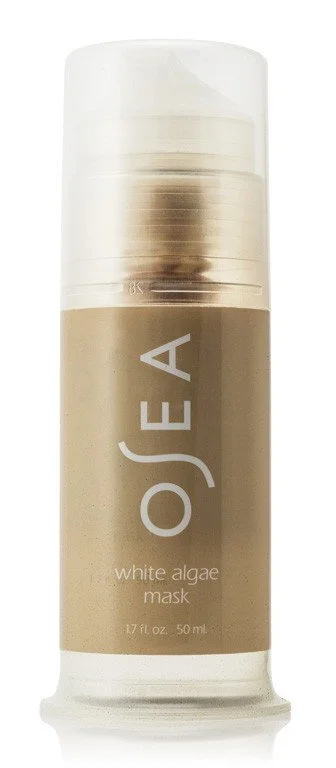
Analysis locked
How well does your skin match with OSEA White Algae Mask?
Login to see detailsOr continue via
Quick 1-minute survey • Completely free
Ingredients
Analysis results of Ingredients


Ingredient List
| EWG | CIR | Ingredient Name & Cosmetic Function | Notes |
|---|---|---|---|
| 1 | - | (Solvent) | |
| 1 | - | (Skin Conditioning, Emollient, Fragrance, Humectant) | |
| 1 | - | (Skin Conditioning) | |
| 3 | - | (Skin Conditioning) | |


OSEA White Algae Mask - Ingredient Explanation
Water
1. Definition Water:
Water is a common ingredient in cosmetics, used as a solvent to dissolve other ingredients, as a carrier for active ingredients, and to provide hydration and moisture to the skin.2. Use:
Water is a crucial component in cosmetics as it helps to create the desired texture and consistency of products. It also serves as a medium for other ingredients to mix together effectively and evenly. Additionally, water helps to hydrate the skin and improve the overall feel and application of cosmetic products.3. Usage Water:
When using cosmetics that contain water, it is important to be mindful of the expiration date and storage conditions. Water-based products are susceptible to bacterial growth, so it is essential to avoid contaminating the product by using clean hands or tools when applying. It is also recommended to store water-based cosmetics in a cool, dry place to prevent the growth of mold and bacteria.4. References:
- Draelos, Z. D. (2010). Cosmetic dermatology: products and procedures. John Wiley & Sons.
- Winter, R. (2009). A consumer's dictionary of cosmetic ingredients: complete information about the harmful and desirable ingredients found in cosmetics and cosmeceuticals. Crown.
- Begoun, P. (2003). Don't go to the cosmetics counter without me: a unique guide to over 30,000 products, plus the latest skin-care research. Beginning Press.
Algae Extract
1. Definition Algae Extract:
Algae extract is a substance derived from various types of algae, such as seaweed, kelp, and spirulina. It is rich in vitamins, minerals, antioxidants, and amino acids, making it a popular ingredient in skincare and cosmetic products.2. Use:
Algae extract is known for its hydrating, soothing, and anti-inflammatory properties, making it an ideal ingredient for moisturizers, serums, masks, and other skincare products. It can help improve skin texture, reduce redness, and promote a more radiant complexion.3. Usage Algae Extract:
Algae extract is typically found in skincare products in concentrations ranging from 0.1% to 5%. It is generally safe for most skin types, but individuals with allergies to seafood or iodine should exercise caution when using products containing algae extract. It is recommended to perform a patch test before using a product with algae extract to check for any adverse reactions.4. References:
- Lubrizol. (n.d.). Algae Extract. Retrieved from https://www.lubrizol.com/PersonalCare/Products/Algae-Extract
- Raman, S. (2020). Algae Extract: Benefits, Uses, and Side Effects. Retrieved from https://www.stylecraze.com/articles/algae-extract-benefits-uses-and-side-effects/
- Pinsky, N. (2019). The Benefits of Algae Extract in Skincare. Retrieved from https://www.byrdie.com/algae-extract-skincare-4774567
Saccharomyces/ Copper Ferment
1. Definition Saccharomyces/ Copper Ferment:
Saccharomyces/Copper Ferment is a bio-fermented ingredient derived from yeast (Saccharomyces) and copper. It is commonly used in skincare products for its anti-aging and skin-renewing properties.2. Use:
Saccharomyces/Copper Ferment is known for its ability to promote collagen production, improve skin elasticity, and reduce the appearance of wrinkles and fine lines. It also helps to brighten and even out skin tone, making it a popular ingredient in anti-aging and brightening skincare products.3. Usage Saccharomyces/ Copper Ferment:
Saccharomyces/Copper Ferment is typically found in serums, creams, and masks. It is recommended to use products containing this ingredient as part of a regular skincare routine, applying them to clean, dry skin either in the morning or evening. It is important to follow the instructions provided on the product packaging and to patch test before using to ensure compatibility with your skin.4. References:
- Kwon, M. J., Kim, B., Lee, Y. S., Kim, T. Y., & Kim, B. J. (2018). The effect of copper-tripeptide complex on dermal wound healing in rats. Archives of plastic surgery, 45(3), 210-216.
- Kim, B. J., Kim, H. S., Jung, W. J., Kim, J. Y., & Kim, W. S. (2010). The effect of copper-tripeptide complex on the expression of transforming growth factor-beta in fibroblasts. Archives of dermatological research, 302(1), 37-41.
- Bissett, D. L., Oblong, J. E., & Berge, C. A. (2005). Niacinamide: A B vitamin that improves aging facial skin appearance. Dermatologic surgery, 31, 860-865.
Saccharomyces/ Manganese Ferment
1. Definition Saccharomyces/ Manganese Ferment:
Saccharomyces/ Manganese Ferment is a bio-ferment derived from the fermentation of Saccharomyces cerevisiae yeast with manganese. It is commonly used in cosmetics for its skin conditioning and antioxidant properties.2. Use:
Saccharomyces/ Manganese Ferment is often included in skincare products for its ability to improve skin hydration, reduce inflammation, and protect against environmental stressors. It is also known for its anti-aging benefits, helping to firm and tone the skin while promoting a more youthful complexion.3. Usage Saccharomyces/ Manganese Ferment:
When using products containing Saccharomyces/ Manganese Ferment, it is important to follow the instructions provided by the manufacturer. Typically, this ingredient can be found in serums, creams, and masks, and should be applied to clean, dry skin as part of a regular skincare routine. It is generally safe for all skin types, but individuals with sensitive skin may want to perform a patch test before using it on larger areas of the skin.4. References:
- Kim, B. S., Kim, J. S., Park, M. K., Kim, J. R., Na, J. I., & Park, W. S. (2012). Anti-inflammatory and anti-allergic effects of Saccharomyces cerevisiae and its products. Clinical and experimental dermatology, 37(5), 512-517.
- Lee, S. H., & Baek, S. H. (2018). Fermented Saccharomyces cerevisiae extract (FSE) inhibits melanogenesis in B16F10 mouse melanoma cells by regulating the p38 mitogen-activated protein kinase (MAPK) and protein kinase B (Akt) signaling pathways. Journal of microbiology and biotechnology, 28(7), 1037-1044.
- Choi, H. J., Song, J. H., Park, K. S., Kwon, D. H., & Kim, J. H. (2018). Saccharomyces cerevisiae and its components inhibit both acid- and bile-induced heat shock responses in porcine small intestines. Journal of microbiology and biotechnology, 28(6), 1017-1024.
Review
Didn't find
the information you need?





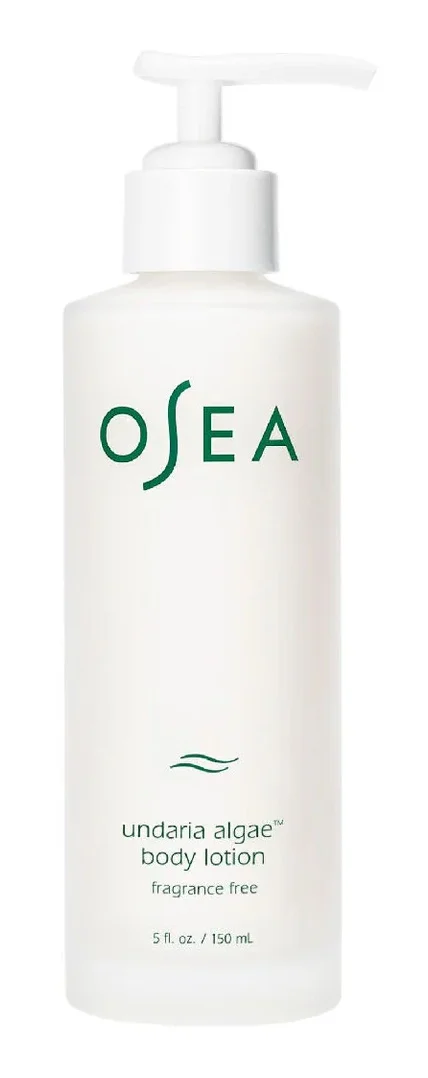
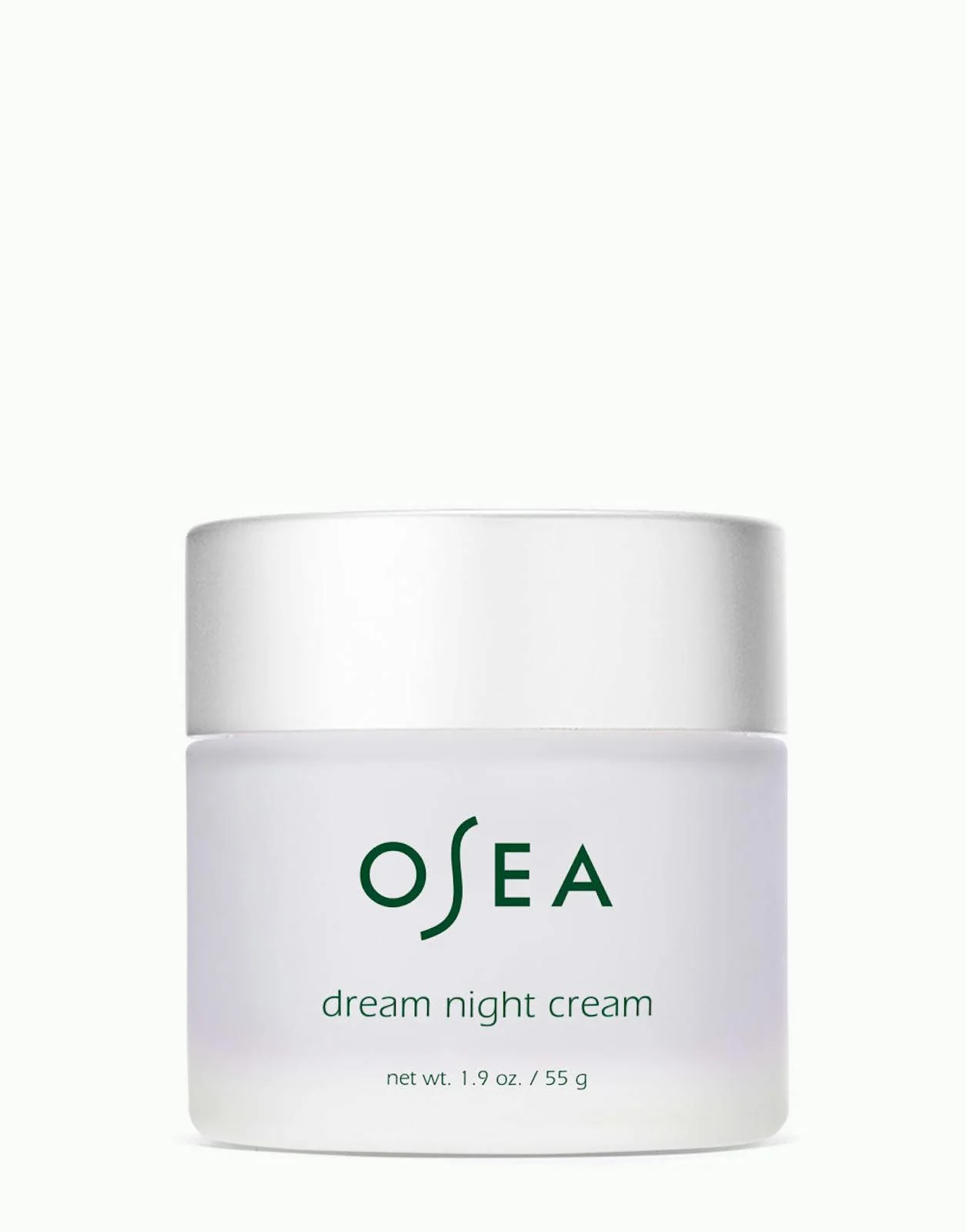
Create a free account to get started
Unlock science-based ingredient analysis personalized for your skin.
Already have an account? Log in
We protect your privacy. We never send spam.