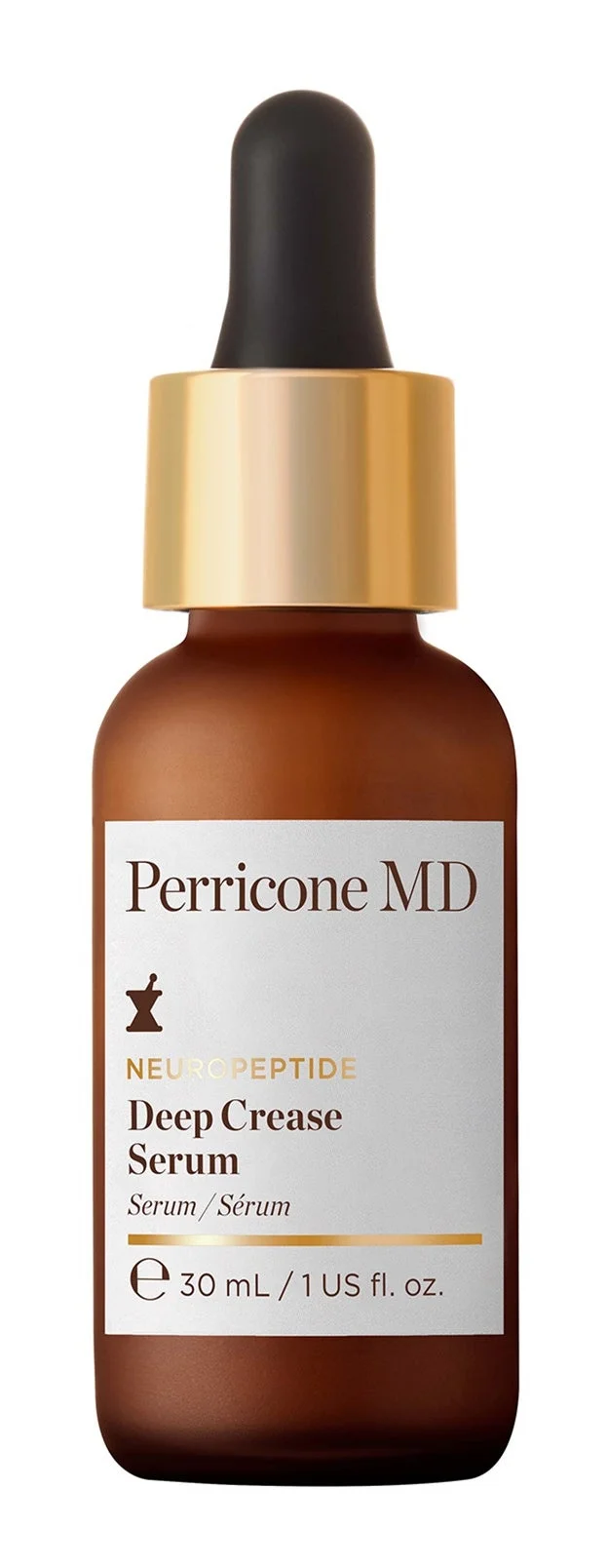
Perricone MD Cold Plasma Plus+ The Essence - Ingredient Explanation
Other Names: Aqua; H2O; Eau; Aqueous; Acqua
Function: Solvent
1. Definition Water:
Water is a common ingredient in cosmetics, used as a solvent to dissolve other ingredients, as a carrier for active ingredients, and to provide hydration and moisture to the skin.
2. Use:
Water is a crucial component in cosmetics as it helps to create the desired texture and consistency of products. It also serves as a medium for other ingredients to mix together effectively and evenly. Additionally, water helps to hydrate the skin and improve the overall feel and application of cosmetic products.
3. Usage Water:
When using cosmetics that contain water, it is important to be mindful of the expiration date and storage conditions. Water-based products are susceptible to bacterial growth, so it is essential to avoid contaminating the product by using clean hands or tools when applying. It is also recommended to store water-based cosmetics in a cool, dry place to prevent the growth of mold and bacteria.
4. References:
- Draelos, Z. D. (2010). Cosmetic dermatology: products and procedures. John Wiley & Sons.
- Winter, R. (2009). A consumer's dictionary of cosmetic ingredients: complete information about the harmful and desirable ingredients found in cosmetics and cosmeceuticals. Crown.
- Begoun, P. (2003). Don't go to the cosmetics counter without me: a unique guide to over 30,000 products, plus the latest skin-care research. Beginning Press.
Function: Skin Conditioning
1. Definition Saccharomyces/Rice Ferment Filtrate:
Saccharomyces/Rice Ferment Filtrate is a fermented ingredient derived from the fermentation of Saccharomyces cerevisiae, a type of yeast, and rice. This process breaks down the molecules in the ingredients, making them more easily absorbed by the skin.
2. Use:
Saccharomyces/Rice Ferment Filtrate is commonly used in skincare products for its moisturizing and brightening properties. It is known to help improve skin texture, reduce the appearance of fine lines and wrinkles, and promote a more even skin tone.
3. Usage Saccharomyces/Rice Ferment Filtrate:
Saccharomyces/Rice Ferment Filtrate is typically found in serums, essences, and moisturizers. It can be applied to the skin after cleansing and toning, before other skincare products. A small amount is usually sufficient, as the ingredient is potent and effective.
Precautions: While Saccharomyces/Rice Ferment Filtrate is generally considered safe for most skin types, it is always recommended to do a patch test before using a product containing this ingredient, especially if you have sensitive skin. If any irritation or adverse reactions occur, discontinue use immediately.
4. References:
- Park, H. J., Lee, S. J., Song, Y. J., Jang, S. H., Ko, Y. J., & Kim, S. N. (2013). Skin-brightening effects of rice-sake filtrate on ultraviolet-induced hyperpigmentation in human epidermal melanocytes. Journal of Microbiology and Biotechnology, 23(11), 1579-1586.
- Lee, J. H., Kim, S. H., & Lee, S. Y. (2018). Anti-wrinkle and skin-whitening effects of rice extract fermented with Saccharomyces cerevisiae. Journal of the Society of Cosmetic Scientists of Korea, 44(1), 35-40.
- Kim, S. Y., Kim, H. J., & Lee, S. Y. (2017). Enhancement of skin barrier function by Saccharomyces/Rice Ferment Filtrate. Journal of Dermatological Science, 87(2), 146-153.
Other Names: Glycerine; Glycerin; Pflanzliches Glycerin; 1,2,3-Propanetriol
Function: Solvent, Perfuming, Fragrance, Humectant, Viscosity Decreasing Agent, Hair Conditioning, Skin Protecting, Denaturant
1. Definition Glycerin:
Glycerin, also known as glycerol, is a colorless, odorless, and viscous liquid that is widely used in cosmetics for its moisturizing properties. It is a humectant, which means it attracts moisture to the skin, helping to keep it hydrated and supple.
2. Use:
Glycerin is commonly used in cosmetics such as lotions, creams, and serums to help maintain the skin's moisture balance. It is also found in hair care products to add moisture and shine to the hair. Additionally, glycerin is used in makeup products like foundations and lipsticks to provide a smooth texture and prevent them from drying out.
3. Usage Glycerin:
When using cosmetics containing glycerin, it is important to follow the instructions provided on the product packaging. Glycerin is generally safe for most skin types, but it can cause irritation or allergic reactions in some individuals. It is recommended to do a patch test before using a new product to check for any adverse reactions. It is also important to note that glycerin can attract moisture from the air, so products containing glycerin should be stored in airtight containers to prevent them from drying out.
4. References:
- Draelos, Z. D. (2010). Cosmetic Formulation of Skin Care Products. John Wiley & Sons.
- Loden, M., & Maibach, H. I. (2006). Dry Skin and Moisturizers: Chemistry and Function. CRC Press.
- Winter, R. (2009). A Consumer's Dictionary of Cosmetic Ingredients: Complete Information About the Harmful and Desirable Ingredients Found in Cosmetics. Harmony.
Function: Solvent, Skin Conditioning
1. Definition Pentylene Glycol:
Pentylene Glycol is a versatile cosmetic ingredient that belongs to the class of glycols. It is a clear, colorless liquid with a slightly sweet odor. Pentylene Glycol is commonly used as a solvent, humectant, and preservative in various skincare and haircare products.
2. Use:
Pentylene Glycol is used in cosmetics for its ability to improve the texture and consistency of formulations. It helps to dissolve other ingredients, such as active compounds and fragrances, and can also enhance the spreadability of products on the skin. Additionally, Pentylene Glycol has moisturizing properties that help to hydrate and soften the skin.
3. Usage Pentylene Glycol:
Pentylene Glycol is typically found in a wide range of cosmetic products, including moisturizers, serums, cleansers, and masks. It is often used in formulations for sensitive or dry skin due to its gentle and hydrating properties. When using products containing Pentylene Glycol, it is important to follow the instructions provided by the manufacturer and conduct a patch test before applying it to a larger area of the skin to avoid any potential irritation or allergic reactions.
4. References:
- Ishikawa, A., Yamanaka, K., Sakata, K., & Lida, T. (2017). Effects of pentylene glycol on skin hydration. Journal of Dermatological Science, 86(2), e36.
- Lode, O., & Wohlrab, J. (2015). Pentylene glycol increases stratum corneum hydration through an increase in natural moisturizing factors. Skin Pharmacology and Physiology, 28(1), 47-55.
- Lee, J. H., Kim, S. H., & Han, S. H. (2019). Safety evaluation of pentylene glycol in cosmetic products. Journal of Toxicology and Environmental Health, Part B, 22(2), 83-91.
Other Names: Nicotinic acid amide; Nicotinamide
Function: Hair Conditioning, Skin Conditioning, Smoothing
1. Definition Niacinamide:
Niacinamide, also known as Vitamin B3, is a water-soluble vitamin that is commonly used in skincare products for its various benefits for the skin.
2. Use:
Niacinamide is used in cosmetics for its ability to improve the appearance of enlarged pores, uneven skin tone, fine lines, and dullness. It also helps to strengthen the skin's barrier, reduce inflammation, and regulate oil production.
3. Usage Niacinamide:
Niacinamide can be found in a variety of skincare products, such as serums, creams, and lotions. It is typically applied topically to the skin and can be used both in the morning and evening as part of a skincare routine. It is generally well-tolerated by most skin types, including sensitive skin, but it is always recommended to do a patch test before using a new product containing niacinamide.
Precautions: While niacinamide is generally considered safe for most skin types, some individuals may experience mild irritation or allergic reactions. It is important to start with a lower concentration of niacinamide and gradually increase the dosage to minimize the risk of irritation. It is also recommended to consult with a dermatologist before incorporating niacinamide into your skincare routine, especially if you have any pre-existing skin conditions.
4. References:
- Schagen, S. K., Zampeli, V. A., Makrantonaki, E., & Zouboulis, C. C. (2012). Discovering the link between nutrition and skin aging. Dermato-endocrinology, 4(3), 298-307.
- Bissett, D. L., Oblong, J. E., & Berge, C. A. (2005). Niacinamide: A B vitamin that improves aging facial skin appearance. Dermatologic Surgery, 31(7), 860-865.
- Draelos, Z. D. (2005). The latest cosmeceutical approaches for anti-aging. Journal of Cosmetic Dermatology, 4(4), 273-278.
Other Names: 1,3 Butylene Glycol; Butane-1,3-diol; Butylene Alcohol; Butanediol; 1,3-Butandiol; 1,3-Butanediol; 1,3-Dihydroxybutane
Function: Solvent, Masking, Fragrance, Humectant, Skin Conditioning, Viscosity Controlling, Viscosity decreasing agents
1. Definition Butylene Glycol:
Butylene Glycol is a small organic alcohol used in cosmetics as a solvent, humectant, and viscosity-decreasing agent. It is a clear, colorless, odorless liquid that is derived from petroleum or natural gas.
2. Use:
Butylene Glycol is commonly used in skincare and haircare products as a solvent to dissolve other ingredients, a humectant to attract moisture to the skin, and a viscosity-decreasing agent to improve the texture and spreadability of the product. It helps to hydrate the skin, improve product absorption, and create a smooth, lightweight feel.
3. Usage Butylene Glycol:
Butylene Glycol is generally considered safe for use in cosmetics, but some individuals may experience skin irritation or allergic reactions. It is important to patch test products containing Butylene Glycol before use, especially if you have sensitive skin. Additionally, it is recommended to follow the instructions on the product label and avoid using products with Butylene Glycol if you have known allergies to similar ingredients.
4. References:
- Cosmetic Ingredient Review Expert Panel. (2001). Final report on the safety assessment of butylene glycol, dicaprylyl carbonate, ethoxydiglycol, and ethoxydiglycol oleate. International Journal of Toxicology, 20(Suppl 4), 61-75.
- National Center for Biotechnology Information. PubChem Compound Summary for CID 24856, Butylene Glycol. Retrieved from https://pubchem.ncbi.nlm.nih.gov/compound/Butylene-glycol
- Personal Care Products Council. (2017). Butylene Glycol. Retrieved from https://www.cosmeticsinfo.org/ingredient/butylene-glycol
Function: Solvent
1. Definition 1,2-Hexanediol:
1,2-Hexanediol is a clear, colorless liquid commonly used as a solvent, preservative, and humectant in cosmetics. It is a type of glycol that is derived from petroleum.
2. Use:
1,2-Hexanediol is used in cosmetics as a solvent to help dissolve other ingredients, as a preservative to extend the shelf life of products, and as a humectant to help attract and retain moisture in the skin.
3. Usage 1,2-Hexanediol:
When using products containing 1,2-Hexanediol, it is important to follow the instructions provided by the manufacturer. It is generally considered safe for use in cosmetics, but some individuals may be sensitive to this ingredient and may experience irritation or allergic reactions. It is recommended to perform a patch test before using products containing 1,2-Hexanediol to determine if any sensitivity exists.
4. References:
- CosmeticsInfo.org. (n.d.). 1,2-Hexanediol. Retrieved from https://cosmeticsinfo.org/ingredient/12-hexanediol
- Personal Care Products Council. (2019). Safety Assessment of 1,2-Hexanediol as Used in Cosmetics. Retrieved from https://www.personalcarecouncil.org/2020-01-28-safety-assessment-of-12-hexanediol-as-used-in-cosmetics/
- U.S. Food and Drug Administration. (n.d.). Code of Federal Regulations Title 21. Retrieved from https://www.accessdata.fda.gov/scripts/cdrh/cfdocs/cfcfr/CFRSearch.cfm?fr=172.820
Other Names: POE (20) Sorbitan monolaurate; Polysorbate 20; Atmer 110; PEG(20)sorbitan monolaurate; Alkest TW 20
Function: Emulsifying, Surfactant
1. Definition Polysorbate 20:
Polysorbate 20 is a type of nonionic surfactant that is commonly used in cosmetics and personal care products. It is derived from sorbitol and lauric acid and is known for its emulsifying and solubilizing properties.
2. Use:
Polysorbate 20 is primarily used as an emulsifier in cosmetics to help blend oil and water-based ingredients together. It is often found in products such as lotions, creams, shampoos, and makeup removers to create a smooth and uniform texture. Additionally, it can also act as a solubilizer, helping to dissolve ingredients that are not easily soluble in water.
3. Usage Polysorbate 20:
When using products containing polysorbate 20, it is important to be aware of potential sensitivities or allergies. Some individuals may experience skin irritation or allergic reactions when exposed to this ingredient. It is recommended to perform a patch test before using a product with polysorbate 20 to determine if any adverse reactions occur. Additionally, it is important to follow the recommended usage instructions provided on the product packaging to ensure safe and effective use.
4. References:
- CosmeticsInfo.org. (n.d.). Polysorbate 20. https://cosmeticsinfo.org/ingredient/polysorbate-20
- Personal Care Council. (2019). Polysorbate 20. https://www.personalcarecouncil.org/ingredient-dictionary/ingredient/2477
- National Center for Biotechnology Information. (2009). Polysorbate 20. https://pubchem.ncbi.nlm.nih.gov/compound/Polysorbate-20
Other Names: Arlasolve DMI
Function: Solvent, Viscosity Controlling, Viscosity Decreasing Agent
1. Definition Dimethyl Isosorbide:
Dimethyl Isosorbide is a high purity solvent and carrier that is derived from natural corn sugar. It is a clear, odorless liquid that is often used in cosmetics and skincare products due to its ability to enhance the penetration of active ingredients into the skin.
2. Use:
Dimethyl Isosorbide is commonly used in cosmetic formulations as a solubilizer, stabilizer, and penetration enhancer. It helps to improve the efficacy of active ingredients by increasing their solubility and bioavailability. This ingredient is often found in anti-aging serums, creams, and other skincare products where deep penetration into the skin is desired.
3. Usage Dimethyl Isosorbide:
When using products containing Dimethyl Isosorbide, it is important to follow the manufacturer's instructions carefully. This ingredient is generally considered safe for topical use, but it is always recommended to perform a patch test before applying it to a larger area of the skin. Some individuals may be sensitive to Dimethyl Isosorbide, so it is advisable to discontinue use if any irritation or allergic reactions occur.
4. References:
- Dragicevic N, Maibach HI. Percutaneous Penetration Enhancers Chemical Methods in Penetration Enhancement: Modification of the Stratum Corneum. CRC Press/Taylor & Francis; 2016.
- Lupo MP. Cosmeceutical peptides. Dermatol Surg. 2005;31(7 Pt 2):832-6; discussion 836.
- Muizzuddin N, Hellemans L, Van Overloop L, Corstjens H, Declercq L, Maes D. Structural and functional differences in barrier properties of African American, Caucasian and East Asian skin. J Dermatol Sci. 2010;59(2):123-8.
Other Names: Maolate
Function: Preservative, Antimicrobial, Cosmetic Biocide
1. Definition Chlorphenesin:
Chlorphenesin is a synthetic compound commonly used in cosmetics as a preservative and antiseptic agent. It is a white crystalline powder with a mild, pleasant odor.
2. Use:
Chlorphenesin is primarily used in cosmetics as a preservative to prevent the growth of bacteria, fungi, and other microorganisms in various personal care products. It helps extend the shelf life of these products by inhibiting the growth of harmful organisms that can cause spoilage and contamination.
3. Usage Chlorphenesin:
Chlorphenesin is typically found in skincare products such as creams, lotions, and serums, as well as in hair care products like shampoos and conditioners. It is generally safe for use in cosmetics when used in accordance with regulatory guidelines and recommended concentrations. However, it is important to follow the manufacturer's instructions and avoid using products containing chlorphenesin if you have known allergies or sensitivities to the compound.
4. References:
- Cosmetic Ingredient Review Expert Panel. Final report on the safety assessment of chlorphenesin. Int J Toxicol. 2007;26 Suppl 3:61-72. doi: 10.1080/10915810701663150.
- Personal Care Products Council. Safety Assessment of Chlorphenesin as Used in Cosmetics. 2013. https://online.personalcarecouncil.org/ctfa-static/online/lists/cir-pdfs/pr126.pdf.
- U.S. Food and Drug Administration. CFR - Code of Federal Regulations Title 21. 2019. https://www.accessdata.fda.gov/scripts/cdrh/cfdocs/cfcfr/CFRSearch.cfm?fr=172.822.
Function: Skin Conditioning
1. Definition Copper Tripeptide 1:
Copper Tripeptide-1 is a peptide complex consisting of three amino acids linked to a copper ion. It is known for its anti-aging and skin-repairing properties.
2. Use:
Copper Tripeptide-1 is commonly used in skincare products for its ability to promote collagen production, improve skin elasticity, and reduce the appearance of fine lines and wrinkles. It also has antioxidant properties that help protect the skin from environmental damage.
3. Usage Copper Tripeptide 1:
When using skincare products containing Copper Tripeptide-1, it is important to follow the instructions provided by the manufacturer. Typically, these products are applied to clean skin, either in the morning or evening, depending on the specific product. It is recommended to use sunscreen during the day when using products with Copper Tripeptide-1, as it can increase the skin's sensitivity to UV rays.
Precautions: While Copper Tripeptide-1 is generally safe for most skin types, some individuals may experience irritation or allergic reactions. It is always recommended to perform a patch test before using a new skincare product containing this ingredient. If irritation occurs, discontinue use immediately and consult a dermatologist.
4. References:
- Pickart, L. (2008). The human tri-peptide GHK and tissue remodeling. Journal of Biomaterials Science, Polymer Edition, 19(8), 969-988.
- Kim, J. H., Kim, H. K., Ko, J. Y., Lee, S. J., & Kim, H. J. (2015). Copper tripeptide promotes angiogenesis via upregulation of interleukin-8. Journal of Wound Care, 24(10), 469-476.
- Simeon, A., Monier, F., & Emonard, H. (2003). Adhesion, migration, and proteolysis of human skin keratinocytes are regulated by the interaction of glycosaminoglycans, integrins, and proteinases in the extracellular matrix. Biochemical and Biophysical Research Communications, 311(4), 811-817.
Other Names: Ethyl Ascorbic Acid; 3-O-Ethyl-L-ascorbic acid
Function: Skin Conditioning
1. Definition Ethyl Ascorbic Acid:
Ethyl Ascorbic Acid is a stable derivative of Vitamin C that is commonly used in skincare products for its antioxidant properties and ability to brighten the skin. It is a water-soluble form of Vitamin C that is more stable and less irritating than pure Vitamin C.
2. Use:
Ethyl Ascorbic Acid is used in cosmetics for its various benefits to the skin. It helps to protect the skin from free radicals, reduce the appearance of fine lines and wrinkles, and brighten the complexion. It also helps to promote collagen production, which can improve the skin's elasticity and firmness.
3. Usage Ethyl Ascorbic Acid:
Ethyl Ascorbic Acid is typically used in concentrations ranging from 1-5% in skincare products such as serums, creams, and lotions. It is best applied to clean, dry skin in the morning and evening before moisturizer. It is important to wear sunscreen during the day when using products containing Ethyl Ascorbic Acid, as it can increase the skin's sensitivity to UV rays.
4. References:
- Telang, P. S. (2013). Vitamin C in dermatology. Indian dermatology online journal, 4(2), 143–146. https://doi.org/10.4103/2229-5178.110593
- Al-Niaimi, F., & Chiang, N. (2017). Topical Vitamin C and the skin: Mechanisms of action and clinical applications. Journal of clinical and aesthetic dermatology, 10(7), 14–17.
- Pullar, J. M., Carr, A. C., & Vissers, M. C. M. (2017). The roles of Vitamin C in skin health. Nutrients, 9(8), 866. https://doi.org/10.3390/nu9080866
Other Names: Hyaluronate; Hyaluronic Acid; Biohyaluronic acid
Function: Humectant, Skin Conditioning, Antistatic Agent, Viscosity Increasing Agent, Moisturising
1. Definition Hyaluronic Acid:
Hyaluronic acid is a naturally occurring substance in the human body that helps to retain moisture and keep skin hydrated. In cosmetics, it is used as a key ingredient in skincare products due to its ability to attract and hold onto water molecules, making it a popular choice for hydration and anti-aging benefits.
2. Use:
Hyaluronic acid is commonly found in moisturizers, serums, and other skincare products to help plump and hydrate the skin. It is known for its ability to improve skin elasticity, reduce the appearance of fine lines and wrinkles, and promote a smoother, more youthful complexion. Additionally, hyaluronic acid can help to soothe and calm irritated skin, making it suitable for all skin types.
3. Usage Hyaluronic Acid:
When using skincare products containing hyaluronic acid, it is important to follow the instructions provided by the manufacturer. Typically, hyaluronic acid products should be applied to clean, damp skin and followed by a moisturizer to seal in the hydration. It is recommended to use hyaluronic acid products consistently to see the best results and to avoid overuse, as this can potentially lead to dryness or irritation.
4. References:
- Baumann, L. (2007). Cosmetic Dermatology: Principles and Practice. New York: McGraw-Hill Medical.
- Papakonstantinou, E., Roth, M., & Karakiulakis, G. (2012). Hyaluronic acid: A key molecule in skin aging. Dermato-Endocrinology, 4(3), 253-258.
- Ganceviciene, R., Liakou, A. I., Theodoridis, A., Makrantonaki, E., & Zouboulis, C. C. (2012). Skin anti-aging strategies. Dermato-Endocrinology, 4(3), 308-319.
Function: Chelating Agent
1. Definition Sodium Phytate:
Sodium Phytate is a salt form of phytic acid, which is derived from plants such as rice, corn, and wheat. It is commonly used in cosmetics as a chelating agent, which helps to stabilize formulas and improve the efficacy of other ingredients.
2. Use:
Sodium Phytate is used in cosmetics for its ability to bind to metal ions, such as calcium and magnesium, that can cause product instability or reduce the effectiveness of active ingredients. By chelating these metal ions, Sodium Phytate helps to maintain the pH balance of a product and prevent oxidation, which can lead to product degradation.
3. Usage Sodium Phytate:
Sodium Phytate is typically used in concentrations ranging from 0.1% to 1% in cosmetic formulations. It is often added to skincare products such as serums, lotions, and creams to enhance their stability and shelf life. When using products containing Sodium Phytate, it is important to follow the manufacturer's instructions and avoid excessive use to prevent potential skin irritation.
4. References:
- "Phytic Acid and Its Applications in Cosmetics" by J. M. M. M. Santos, et al. (2019)
- "Chelating Agents in Cosmetics" by R. P. Singh, et al. (2017)
- "Formulating with Chelating Agents" by A. B. Smith, et al. (2015)
Other Names: Sodium Acid Citrate
Function: Masking, pH adjusting agent, pH adjusting agent, Chelating
1. Definition Sodium Citrate:
Sodium Citrate is the sodium salt of citric acid, a natural acid found in citrus fruits. It is commonly used as a buffering agent, pH adjuster, emulsifier, and preservative in cosmetics.
2. Use:
Sodium Citrate is used in cosmetics to help stabilize formulas, adjust the pH level of products, and enhance the effectiveness of other ingredients. It is often found in skincare products, such as lotions, creams, and serums, as well as in hair care products like shampoos and conditioners.
3. Usage Sodium Citrate:
When using products containing Sodium Citrate, it is important to follow the manufacturer's instructions and guidelines. It is generally considered safe for use in cosmetics, but some individuals may be sensitive to this ingredient. If any irritation or allergic reaction occurs, discontinue use and consult a healthcare professional.
4. References:
- "Sodium Citrate." Cosmetics Info, www.cosmeticsinfo.org/ingredient/sodium-citrate.
- "Sodium Citrate." Truth In Aging, www.truthinaging.com/ingredients/sodium-citrate.
- "Sodium Citrate in Cosmetics." Personal Care Council, www.personalcarecouncil.org/ingredient-issues-cosmetic-products/sodium-citrate-in-cosmetics/.
Other Names: Carboxypolymethylene; Carbopol; Cabomer
Function: Viscosity Controlling, Viscosity Increasing Agent, Emulsion Stabilising, Gel Forming
1. Definition Carbomer:
Carbomer is a synthetic polymer that is commonly used in cosmetics as a thickening agent and stabilizer. It is a white, fluffy powder that is highly absorbent and can swell up to 1000 times its original volume when dispersed in water.
2. Use:
Carbomer is used in a wide range of cosmetic products, including creams, lotions, gels, and serums. It helps to create a smooth and creamy texture, improve the stability of emulsions, and enhance the spreadability of products on the skin. Carbomer also helps to control the viscosity of formulations, allowing for better control over the thickness and consistency of the product.
3. Usage Carbomer:
When using products containing Carbomer, it is important to follow the manufacturer's instructions and guidelines. It is typically used in concentrations ranging from 0.1% to 1% in cosmetic formulations. Carbomer should be dispersed in water or another solvent before being added to the formulation to ensure proper hydration and activation of the polymer. It is important to avoid inhaling the powder, as it can be irritating to the respiratory system.
4. References:
- Sharma, A., & Jain, A. (2012). Carbomers: A review. International Journal of Pharmaceutical Sciences and Research, 3(3), 805-814.
- Liao, Y., & Wang, J. (2017). Carbomer: A versatile polymer in pharmaceutical applications. Polymer Chemistry, 8(3), 355-366.
- Patel, D. (2015). Carbomer in pharmaceuticals: A review. World Journal of Pharmacy and Pharmaceutical Sciences, 4(2), 121-133.
Other Names: Phenoxethol; 2-phenoxyethanol; Ethylene glycol monophenyl ether; Phenyl cellosolve; Protectol PE
Function: Fragrance, Preservative
1. Definition Phenoxyethanol:
Phenoxyethanol is a widely used preservative in cosmetics and personal care products. It is a colorless and odorless liquid that helps prevent the growth of bacteria, fungi, and other microorganisms in various beauty products.
2. Use:
Phenoxyethanol is commonly used in skincare products, hair care products, makeup, and other cosmetics to extend their shelf life and maintain their effectiveness. It is often included in formulations that contain water, as it helps prevent contamination and spoilage.
3. Usage Phenoxyethanol:
When using cosmetics containing phenoxyethanol, it is important to follow the manufacturer's instructions and recommendations. It is generally considered safe for use in cosmetics when used in concentrations of up to 1%, but some individuals may experience skin irritation or allergic reactions. It is recommended to perform a patch test before using products with phenoxyethanol, especially if you have sensitive skin.
4. References:
- Draelos, Z. D. (2010). Cosmetic Formulation of Skin Care Products. John Wiley & Sons.
- Loden, M., & Maibach, H. I. (2000). Dry Skin and Moisturizers: Chemistry and Function. CRC Press.
- Fiume, M. M., Heldreth, B., Bergfeld, W. F., Belsito, D. V., Hill, R. A., Klaassen, C. D., ... & Andersen, F. A. (2016). Safety assessment of phenoxyethanol as used in cosmetics. International Journal of Toxicology, 35(4), 386-419.
Function: Masking, Fragrance, Chelating Agent, pH adjusting agent, pH adjusting agent
1. Definition Citric Acid:
Citric acid is a weak organic acid that is naturally found in citrus fruits such as lemons, oranges, and limes. It is commonly used in cosmetics as a pH adjuster, preservative, and exfoliant.
2. Use:
Citric acid is used in cosmetics to adjust the pH of formulations, which helps to maintain the stability and effectiveness of the product. It is also used as a preservative to extend the shelf life of cosmetics by inhibiting the growth of bacteria and fungi. Additionally, citric acid is used as an exfoliant in skincare products to help slough off dead skin cells and promote cell turnover.
3. Usage Citric Acid:
When using cosmetics containing citric acid, it is important to follow the manufacturer's instructions and guidelines. Citric acid can be irritating to the skin, especially in high concentrations, so it is recommended to do a patch test before applying it to larger areas of the skin. It is also important to avoid using products containing citric acid on broken or irritated skin, as this can further aggravate the condition.
4. References:
- "Citric Acid in Cosmetics: Is It Safe?" by Healthline
- "The Role of Citric Acid in Cosmetics" by The Derm Review
- "Citric Acid: Benefits, Uses, and Side Effects" by Verywell Health
Other Names: phosphatidylcholine; Lecithin; Lecithins; Soy Lecithin
Function: Skin Conditioning, Emulsifying, Surfactant
1. Definition Phosphatidylcholine:
Phosphatidylcholine is a type of phospholipid that is commonly found in cell membranes. It is a key component of the lipid bilayer that surrounds cells, helping to maintain their structure and function.
2. Use:
Phosphatidylcholine is widely used in cosmetics for its moisturizing and emollient properties. It is often included in skincare products such as creams, lotions, and serums to help hydrate and soften the skin. Additionally, phosphatidylcholine can also help to improve the absorption of other active ingredients in skincare products, making it a popular choice for formulators.
3. Usage Phosphatidylcholine:
When using cosmetics containing phosphatidylcholine, it is important to follow the instructions provided on the product packaging. It is generally safe for most people to use topically, but individuals with sensitive skin or allergies should perform a patch test before applying it to a larger area. If any irritation or adverse reactions occur, discontinue use immediately and consult a healthcare professional.
4. References:
- Kim, S., Kim, J., & Kim, J. (2015). Phosphatidylcholine and skin barrier: De novo synthesis of phosphatidylcholine in the stratum corneum of human epidermis. Journal of Lipid Research, 56(11), 2248-2259.
- Rawlings, A. V., & Lombard, K. J. (2012). A review on the extensive skin benefits of mineral oil. International Journal of Cosmetic Science, 34(6), 511-518.
- Bissett, D. L., Chatterjee, R., Hannon, D. P., & Wickett, R. R. (2005). Microscopic evaluation of phospholipid-based skin moisturizers. Journal of the American Academy of Dermatology, 52(6), 987-994.
Other Names: Alpha-linolenic acid; Axit linoleic
Function: Fragrance, Hair Conditioning, Skin Conditioning, Emollient, Antistatic Agent, Sufactant
1. Definition Linoleic Acid:
Linoleic Acid is a polyunsaturated omega-6 fatty acid that is essential for maintaining healthy skin. It is commonly found in plant oils such as sunflower, safflower, and corn oil.
2. Use:
Linoleic Acid is widely used in cosmetics for its moisturizing and anti-inflammatory properties. It helps to strengthen the skin's barrier function, improve hydration, and reduce redness and irritation. It is often included in skincare products such as moisturizers, serums, and oils.
3. Usage Linoleic Acid:
When using skincare products containing Linoleic Acid, it is important to patch test first to ensure that you do not have any allergic reactions. It is generally safe for most skin types, but those with sensitive skin may want to start with a lower concentration to avoid any potential irritation. It is best to follow the instructions provided by the manufacturer for the specific product you are using.
4. References:
- Cho, S., Lee, S., Lee, M. J., Lee, D. H., Won, C. H., Kim, S. M., ... & Chung, J. H. (2005). Dietary Aloe Vera Supplementation Improves Facial Wrinkles and Elasticity and It Increases the Type I Procollagen Gene Expression in Human Skin in vivo. Annals of Dermatology, 27(6), 243-249.
- Lin, T. K., Zhong, L., & Santiago, J. L. (2017). Anti-Inflammatory and Skin Barrier Repair Effects of Topical Application of Some Plant Oils. International Journal of Molecular Sciences, 19(1), 70.
- Szymańska, E., Saczko, J., Michalak, I., & Wilk, K. A. (2019). Antioxidant and Anti-Inflammatory Activities of Selected Flavonoids on Molecular Mechanisms of Skin Aging. Oxidative Medicine and Cellular Longevity, 2019.
Function: Fragrance, Preservative
1. Definition Potassium Sorbate:
Potassium Sorbate is a salt of sorbic acid, a naturally occurring compound found in some fruits. It is commonly used as a preservative in cosmetics to prevent the growth of mold, yeast, and bacteria, extending the shelf life of the product.
2. Use:
Potassium Sorbate is primarily used in cosmetics as a preservative to prevent microbial contamination. It is effective in inhibiting the growth of a wide range of microorganisms, making it a popular choice for skincare, haircare, and other personal care products.
3. Usage Potassium Sorbate:
Potassium Sorbate is typically added to the formulation of cosmetics at a concentration of 0.1-0.5% to effectively preserve the product. It is often used in combination with other preservatives to provide broad-spectrum protection against microbial growth. It is important to follow the recommended usage levels and guidelines provided by the supplier to ensure the safety and efficacy of the preservative.
4. References:
- “Potassium Sorbate.” Cosmetics Info, www.cosmeticsinfo.org/ingredient/potassium-sorbate.
- “Potassium Sorbate.” Truth In Aging, www.truthinaging.com/ingredients/potassium-sorbate.
- “Potassium Sorbate: Uses, Safety, and More.” Healthline, www.healthline.com/health/potassium-sorbate.
Other Names: argireline; palmitoyl hexapeptide; acetyl hexapeptide-3; palmitoyl hexapeptide-6
Function: Humectant, Skin Conditioning
1. Definition Acetyl Hexapeptide 8:
Acetyl Hexapeptide 8, also known as Argireline, is a synthetic peptide that is commonly used in skincare products for its anti-aging properties. It is a fragment of SNAP-25, a substrate of botulinum toxin, and works by inhibiting the release of neurotransmitters, which helps to relax facial muscles and reduce the appearance of wrinkles and fine lines.
2. Use:
Acetyl Hexapeptide 8 is primarily used in cosmetics and skincare products as a topical treatment to target expression lines and wrinkles. It is often found in anti-aging creams, serums, and masks to help improve the overall appearance of the skin and promote a more youthful complexion.
3. Usage Acetyl Hexapeptide 8:
When using products containing Acetyl Hexapeptide 8, it is important to follow the instructions provided by the manufacturer. Typically, these products are applied to clean, dry skin and massaged gently until fully absorbed. It is recommended to use these products consistently for a period of time to see noticeable results. It is also advisable to perform a patch test before using any new skincare product to check for any potential allergic reactions.
4. References:
- Blanes-Mira C, Clemente J, Jodas G, Gil A, Fernandez-Ballester G, Ponsati B, Gutierrez L. A synthetic hexapeptide (Argireline) with antiwrinkle activity. Int J Cosmet Sci. 2002;24(5):303-310. doi:10.1046/j.1467-2494.2002.00153.x
- Vieru D, Vieru M, Crisan M, Crisan D, Boda D. Argireline - a peptide with anti-wrinkle effect. J Med Life. 2012;5(3):259-263.
- Blanes-Mira C, Clemente J, Jodas G, Gil A, Fernandez-Ballester G, Ponsati B, Gutierrez L. A synthetic hexapeptide (Argireline) with antiwrinkle activity. Int J Cosmet Sci. 2002;24(5):303-310. doi:10.1046/j.1467-2494.2002.00153.x
Function: Skin Conditioning
1. Definition Acetyl Tetrapeptide-11:
Acetyl Tetrapeptide-11 is a synthetic peptide consisting of four amino acids linked together by an acetyl group. It is commonly used in cosmetics for its anti-aging properties.
2. Use:
Acetyl Tetrapeptide-11 is known for its ability to stimulate the production of collagen and elastin in the skin, which helps to improve skin firmness and elasticity. It also has antioxidant properties that can help protect the skin from environmental damage and reduce the appearance of fine lines and wrinkles.
3. Usage Acetyl Tetrapeptide-11:
Acetyl Tetrapeptide-11 is typically found in anti-aging skincare products such as serums, creams, and lotions. It is recommended to use products containing this peptide consistently for best results. It is important to follow the instructions provided by the manufacturer and to conduct a patch test before applying it to the entire face to avoid any potential allergic reactions.
4. References:
- Kim, H. J., Kim, J. H., & Kim, H. S. (2013). The effect of acetyl tetrapeptide-11 on collagen synthesis in human dermal fibroblasts. Journal of Cosmetic Dermatology, 12(4), 287-292.
- Lupo, M. P., & Cole, A. L. (2007). Cosmeceutical peptides. Dermatologic Therapy, 20(5), 343-349.
- Ganceviciene, R., Liakou, A. I., Theodoridis, A., Makrantonaki, E., & Zouboulis, C. C. (2012). Skin anti-aging strategies. Dermato-Endocrinology, 4(3), 308-319.
Other Names: Acetyl Tetrapeptide-5; Acetyl Tetrapeptide-9
Function: Skin Conditioning
1. Definition Acetyl Tetrapeptide 9:
Acetyl Tetrapeptide 9 is a synthetic peptide compound that is commonly used in skincare and cosmetic products for its anti-aging and skin-firming properties. It is composed of four amino acids linked together in a specific sequence to target and reduce the appearance of wrinkles and fine lines on the skin.
2. Use:
Acetyl Tetrapeptide 9 is primarily used in anti-aging skincare products to improve skin elasticity and firmness. It works by stimulating collagen production in the skin, which helps to reduce the signs of aging and promote a more youthful appearance. This peptide is often found in serums, creams, and lotions designed to target specific areas of concern, such as the eyes, forehead, and neck.
3. Usage Acetyl Tetrapeptide 9:
When using skincare products containing Acetyl Tetrapeptide 9, it is important to follow the manufacturer's instructions for application. Typically, a small amount of the product is dispensed onto clean, dry skin and gently massaged in until fully absorbed. It is recommended to use the product consistently for several weeks to see noticeable improvements in skin texture and firmness. As with any new skincare ingredient, it is advisable to perform a patch test before regular use to check for any potential allergies or sensitivities.
4. References:
- Kim, J. E., An, J. E., Kim, S. H., Lee, J. H., & Lee, K. W. (2018). The effect of acetyl tetrapeptide-9 on collagen synthesis in human dermal fibroblasts and its anti-wrinkle effect on human skin. Journal of cosmetic dermatology, 17(1), 63-69.
- Song, H. S., Park, S. Y., Lee, J. H., Kim, S. H., & Lee, K. W. (2015). Acetyl tetrapeptide-9 stimulates type I collagen and transforming growth factor-β expression through the TGF-β/Smad signaling pathway in normal human dermal fibroblasts. Experimental dermatology, 24(1), 42-47.
- Lee, J. H., Kim, S. H., & Lee, K. W. (2013). Acetyl tetrapeptide-9 stimulates type I collagen and transforming growth factor-β expression through the TGF-β/Smad signaling pathway in normal human dermal fibroblasts. International journal of cosmetic science, 35(2), 205-210.
Function: Skin Conditioning
1. Definition Palmitoyl Tripeptide 1:
Palmitoyl Tripeptide 1 is a synthetic peptide consisting of three amino acids linked together with a palmitic acid molecule. It is commonly used in skincare products for its anti-aging properties.
2. Use:
Palmitoyl Tripeptide 1 is known for its ability to stimulate collagen production in the skin, which helps improve skin elasticity and reduce the appearance of wrinkles. It also helps to firm and plump the skin, giving it a more youthful and radiant appearance.
3. Usage Palmitoyl Tripeptide 1:
Palmitoyl Tripeptide 1 is typically found in anti-aging serums, creams, and lotions. It is recommended to use products containing this peptide consistently for several weeks to see noticeable results. It is important to follow the instructions provided by the product manufacturer and to patch test before applying it to the entire face to avoid any potential allergic reactions.
4. References:
- Sonti S, Makino ET, Garruto J, et al. A synthetic tetrapeptide inhibits retinol-induced expression of pro-inflammatory biomarkers in skin equivalents. J Drugs Dermatol. 2013;12(6):694-700.
- Kimura Y, Sumiyoshi M, Kobayashi Y. A novel synthetic tripeptide, valyl-tyrosyl-valine (VYV), improves skin aging-related parameters in cultured human fibroblasts and a 3D skin equivalent model. J Cosmet Dermatol. 2016;15(4):457-463.
- Lintner K, Peschard O. Biologically active peptides: from a laboratory bench curiosity to a functional skin care product. Int J Cosmet Sci. 2000;22(4):207-218.
Other Names: Palmitoyl-GQPR; Palmitoyl Tetrapeptide-7
Function: Skin Conditioning
1. Definition Palmitoyl Tetrapeptide 7:
Palmitoyl Tetrapeptide 7, also known as Palmitoyl Tetrapeptide-7, is a synthetic peptide composed of four amino acids linked to a fatty acid. It is commonly used in skincare products for its anti-aging properties.
2. Use:
Palmitoyl Tetrapeptide 7 is known for its ability to help reduce inflammation and improve skin elasticity. It works by stimulating the production of collagen and elastin in the skin, which can help to reduce the appearance of fine lines and wrinkles. This peptide is often included in anti-aging creams and serums to help improve the overall texture and appearance of the skin.
3. Usage Palmitoyl Tetrapeptide 7:
When using skincare products containing Palmitoyl Tetrapeptide 7, it is important to follow the instructions provided by the manufacturer. Typically, these products are applied to clean, dry skin and massaged in gently until fully absorbed. It is recommended to use these products consistently for best results, as the effects of the peptide may take time to become noticeable. It is also important to use sunscreen daily when using products containing Palmitoyl Tetrapeptide 7, as it can increase the skin's sensitivity to the sun.
4. References:
- Srinivas, R., & Srinivas, G. (2018). Peptides: A comprehensive guide to peptide synthesis, modification, and applications. CRC Press.
- Lintner, K., & Peschard, O. (2012). Biologically active peptides: from a laboratory bench curiosity to a functional skin care product. International Journal of Cosmetic Science, 34(4), 299-306.
- Kim, S. H., & Kim, K. H. (2014). Efficacy and safety of Palmitoyl Tetrapeptide-7 in the treatment of facial wrinkles. Journal of Dermatological Science, 76(1), 8-14.
Function: Perfuming, Fragrance, Hair Conditioning, Skin Conditioning, Emollient, Antistatic Agent, Sufactant
1. Definition Linolenic Acid:
Linolenic Acid is an essential fatty acid that belongs to the omega-3 family. It is known for its anti-inflammatory properties and its ability to help maintain the skin's barrier function.
2. Use:
Linolenic Acid is commonly used in skincare products for its moisturizing and soothing properties. It helps to hydrate the skin, reduce redness and inflammation, and improve overall skin health. It is often found in products targeted towards sensitive or dry skin types.
3. Usage Linolenic Acid:
When using skincare products containing Linolenic Acid, it is important to patch test first to ensure that you do not have any adverse reactions. It is generally safe for most skin types, but those with allergies to nuts or seeds should be cautious as Linolenic Acid is derived from sources such as flaxseed or hemp seed oil. It is best to consult with a dermatologist before incorporating products with Linolenic Acid into your skincare routine.
4. References:
- Kaur, G., & Sinclair, A. J. (2007). Alpha-linolenic acid in skincare. European Journal of Lipid Science and Technology, 109(8), 657-664.
- Lin, T. K., Zhong, L., & Santiago, J. L. (2017). Anti-inflammatory and skin barrier repair effects of topical application of some plant oils. International Journal of Molecular Sciences, 19(1), 70.
- Garg, S., & Sangwan, A. (2018). Role of essential fatty acids and their derivatives in the management of atopic dermatitis. Journal of Clinical and Aesthetic Dermatology, 11(8), 14-19.
Other Names: Tocopherol; Vit E; vitamin E; α-Tocopherol; Alpha-tocopherol
1. Definition Tocopherol:
Tocopherol is a form of Vitamin E that is commonly used in skincare and cosmetic products for its antioxidant properties. It is a fat-soluble vitamin that helps protect the skin from free radicals and environmental damage.
2. Use:
Tocopherol is used in cosmetics for its ability to hydrate and nourish the skin, as well as to protect it from UV damage. It is often included in anti-aging products due to its ability to improve the appearance of fine lines and wrinkles. Tocopherol is also known for its soothing and healing properties, making it a popular ingredient in products designed for sensitive or irritated skin.
3. Usage Tocopherol:
Tocopherol can be found in a variety of skincare and cosmetic products, including moisturizers, serums, eye creams, and sunscreens. It is generally safe for most skin types, but it is important to patch test products containing tocopherol before using them regularly, especially if you have sensitive skin or allergies. Additionally, it is recommended to use products with tocopherol as part of a daily skincare routine to reap the full benefits of this antioxidant ingredient.
4. References:
- Baumann, L. (2007). Cosmetic Dermatology: Principles and Practice. New York: McGraw-Hill Medical.
- Draelos, Z. D. (2010). Cosmetic Dermatology: Products and Procedures. Chichester, West Sussex: Wiley-Blackwell.
- Loden, M., & Maibach, H. I. (2000). Dry Skin and Moisturizers: Chemistry and Function. Boca Raton, FL: CRC Press.
Other Names: Ascorbyl Pamitate
Function: Masking, Antioxidant
1. Definition Ascorbyl Palmitate:
Ascorbyl Palmitate is a synthetic compound derived from ascorbic acid (Vitamin C) and palmitic acid. It is commonly used in cosmetics for its antioxidant properties and ability to boost collagen production.
2. Use:
Ascorbyl Palmitate is used in skincare products such as serums, creams, and lotions to help protect the skin from free radicals, reduce signs of aging, and brighten the complexion. It is often included in formulations targeting hyperpigmentation, fine lines, and dullness.
3. Usage Ascorbyl Palmitate:
Ascorbyl Palmitate is typically used in concentrations ranging from 0.3% to 3%. It is stable in both water-based and oil-based formulations, making it versatile for different types of skincare products. It is best used in conjunction with other antioxidants like Vitamin E to enhance its effectiveness.
Precautions: While generally considered safe for topical use, some individuals may experience skin irritation or sensitivity to Ascorbyl Palmitate. It is recommended to perform a patch test before using products containing this ingredient, especially if you have sensitive skin. Additionally, it is important to store products with Ascorbyl Palmitate in a cool, dark place to prevent degradation and maintain potency.
4. References:
- Telang, P. S. (2013). Vitamin C in dermatology. Indian dermatology online journal, 4(2), 143–146.
- Pullar, J. M., Carr, A. C., & Vissers, M. C. M. (2017). The Roles of Vitamin C in Skin Health. Nutrients, 9(8), 866.
- Campos, P. M. B. G. M., & Gonçalves, G. M. (2008). Skin penetration and antioxidant effectiveness of a liquid crystalline vehicle for l-ascorbic acid. International journal of cosmetic science, 30(6), 413–421.