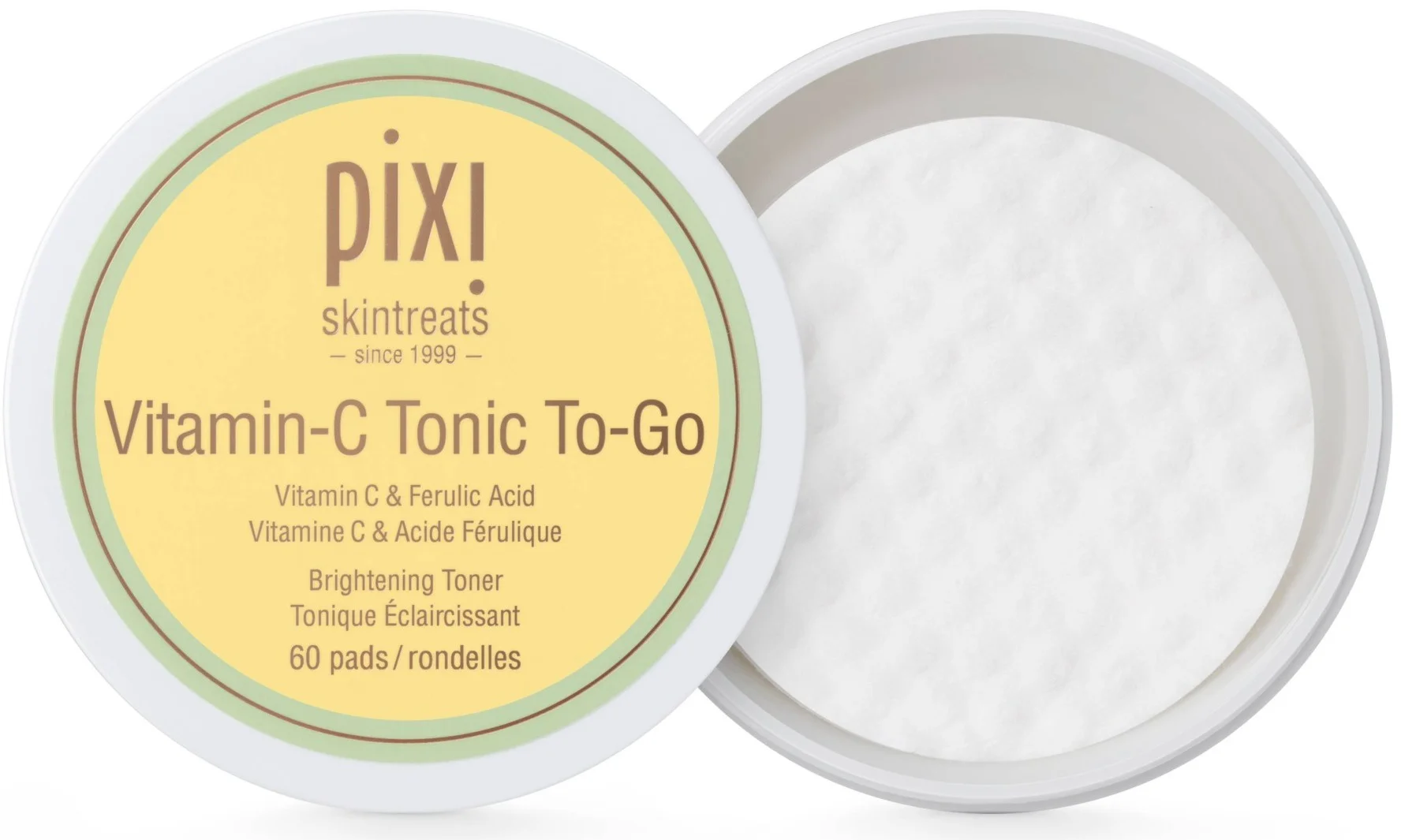
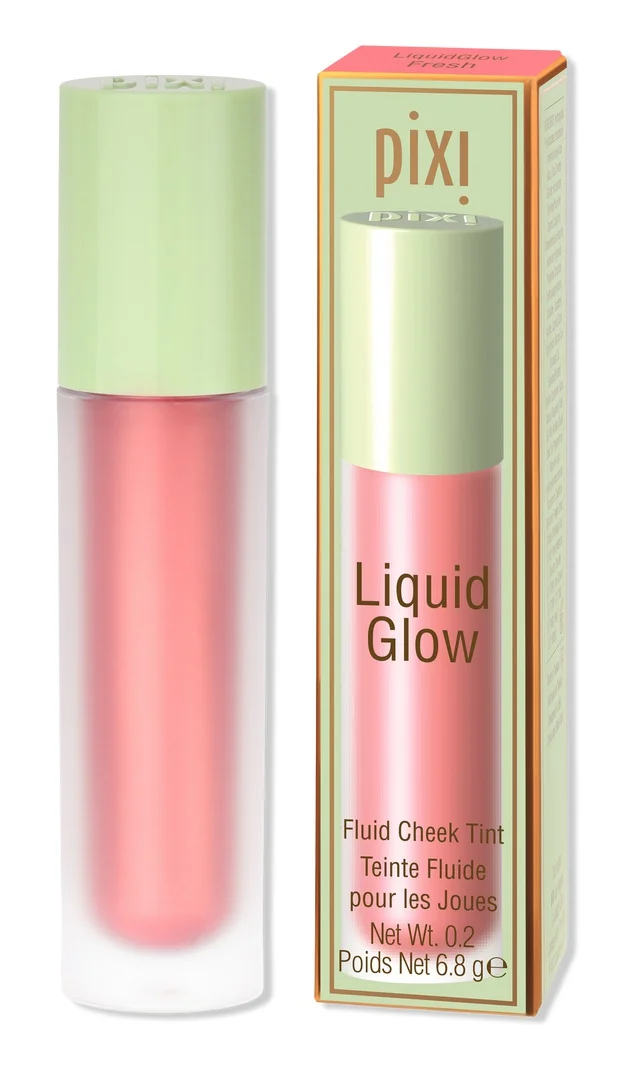
Pixi Vitamin-c Tonic To-go Facial Treatments - Ingredient Explanation
Other Names: Aqua; H2O; Eau; Aqueous; Acqua
Function: Solvent
1. Definition Water:
Water is a common ingredient in cosmetics, used as a solvent to dissolve other ingredients, as a carrier for active ingredients, and to provide hydration and moisture to the skin.
2. Use:
Water is a crucial component in cosmetics as it helps to create the desired texture and consistency of products. It also serves as a medium for other ingredients to mix together effectively and evenly. Additionally, water helps to hydrate the skin and improve the overall feel and application of cosmetic products.
3. Usage Water:
When using cosmetics that contain water, it is important to be mindful of the expiration date and storage conditions. Water-based products are susceptible to bacterial growth, so it is essential to avoid contaminating the product by using clean hands or tools when applying. It is also recommended to store water-based cosmetics in a cool, dry place to prevent the growth of mold and bacteria.
4. References:
- Draelos, Z. D. (2010). Cosmetic dermatology: products and procedures. John Wiley & Sons.
- Winter, R. (2009). A consumer's dictionary of cosmetic ingredients: complete information about the harmful and desirable ingredients found in cosmetics and cosmeceuticals. Crown.
- Begoun, P. (2003). Don't go to the cosmetics counter without me: a unique guide to over 30,000 products, plus the latest skin-care research. Beginning Press.
Ingredient data is being updated. Please check back later.
Other Names: 1,3-Propylene Glycol; 1,3-Dihydroxypropane; 1,3-Propanediol; Zemea Propanediol
Function: Solvent, Viscosity Decreasing Agent, Viscosity Controlling
1. Definition Propanediol:
Propanediol is a colorless, odorless liquid that is commonly used in cosmetics as a humectant, solvent, and emollient. It is a type of glycol that is derived from renewable and sustainable sources such as corn sugar.
2. Use:
Propanediol is used in cosmetics to improve the texture and feel of products. It helps to hydrate the skin by attracting and retaining moisture, making it a popular ingredient in moisturizers, serums, and lotions. Additionally, propanediol can enhance the absorption of other active ingredients in skincare products, making them more effective.
3. Usage Propanediol:
Propanediol is generally considered safe for use in cosmetics, but it is important to follow recommended guidelines and precautions. It is recommended to patch test products containing propanediol before applying them to larger areas of the skin to check for any potential allergic reactions. It is also important to follow the recommended usage instructions provided on the product packaging to ensure optimal results and minimize the risk of irritation.
4. References:
- Zhang, X., Qian, H., & Tang, S. (2018). Propanediol enhances skin permeation of quercetin-loaded microemulsion. Drug Development and Industrial Pharmacy, 44(6), 1010-1016.
- Rigo, L. A., da Silva, D. F., & Sayer, C. (2019). Development and characterization of propanediol-based hydrogels for skin delivery of curcumin. International Journal of Biological Macromolecules, 132, 73-81.
- Huang, D., Zhang, Y., & Zhang, Z. (2017). Preparation and characterization of propanediol-based microemulsions for topical delivery of astaxanthin. Journal of Dispersion Science and Technology, 38(9), 1317-1323.
Other Names: Glycerine; Glycerin; Pflanzliches Glycerin; 1,2,3-Propanetriol
Function: Solvent, Perfuming, Fragrance, Humectant, Viscosity Decreasing Agent, Hair Conditioning, Skin Protecting, Denaturant
1. Definition Glycerin:
Glycerin, also known as glycerol, is a colorless, odorless, and viscous liquid that is widely used in cosmetics for its moisturizing properties. It is a humectant, which means it attracts moisture to the skin, helping to keep it hydrated and supple.
2. Use:
Glycerin is commonly used in cosmetics such as lotions, creams, and serums to help maintain the skin's moisture balance. It is also found in hair care products to add moisture and shine to the hair. Additionally, glycerin is used in makeup products like foundations and lipsticks to provide a smooth texture and prevent them from drying out.
3. Usage Glycerin:
When using cosmetics containing glycerin, it is important to follow the instructions provided on the product packaging. Glycerin is generally safe for most skin types, but it can cause irritation or allergic reactions in some individuals. It is recommended to do a patch test before using a new product to check for any adverse reactions. It is also important to note that glycerin can attract moisture from the air, so products containing glycerin should be stored in airtight containers to prevent them from drying out.
4. References:
- Draelos, Z. D. (2010). Cosmetic Formulation of Skin Care Products. John Wiley & Sons.
- Loden, M., & Maibach, H. I. (2006). Dry Skin and Moisturizers: Chemistry and Function. CRC Press.
- Winter, R. (2009). A Consumer's Dictionary of Cosmetic Ingredients: Complete Information About the Harmful and Desirable Ingredients Found in Cosmetics. Harmony.
1. Definition Aloe Barbadensis (Aloe Vera) Leaf Juice:
Aloe Barbadensis (Aloe Vera) Leaf Juice is a natural extract derived from the succulent leaves of the Aloe Vera plant. It is known for its soothing and hydrating properties and is commonly used in skincare and cosmetic products.
2. Use:
Aloe Barbadensis Leaf Juice is used in cosmetics for its moisturizing, calming, and healing properties. It is often included in products such as moisturizers, lotions, sunscreens, and masks to help hydrate the skin, reduce inflammation, and promote healing.
3. Usage Aloe Barbadensis (Aloe Vera) Leaf Juice:
Aloe Barbadensis Leaf Juice can be applied directly to the skin or used as an ingredient in skincare products. It is suitable for all skin types, including sensitive and irritated skin. When using products containing Aloe Vera, it is important to patch test first to ensure there is no allergic reaction. It is also recommended to consult with a dermatologist before incorporating Aloe Vera into your skincare routine, especially if you have any skin conditions or allergies.
4. References:
- Surjushe, A., Vasani, R., & Saple, D. G. (2008). Aloe vera: A short review. Indian Journal of Dermatology, 53(4), 163–166.
- Radha, M. H., & Laxmipriya, N. P. (2015). Evaluation of biological properties and clinical effectiveness of Aloe vera: A systematic review. Journal of Traditional and Complementary Medicine, 5(1), 21–26.
- Choi, S., Chung, M. H., & Aeschbach, R. (2001). Antioxidant activity of Aloe vera in vitro study. Journal of Agricultural and Food Chemistry, 50(16), 3718–3722.
Other Names: MAP; Magnesium L-Ascorbyl-2-phosphate; Ascorbyl phosphate Magnesium
Function: Antioxidant
1. Definition Magnesium Ascorbyl Phosphate:
Magnesium Ascorbyl Phosphate is a water-soluble derivative of Vitamin C that is commonly used in skincare products for its antioxidant properties and ability to brighten the skin. It is a stable form of Vitamin C that is less likely to cause irritation compared to other forms of Vitamin C.
2. Use:
Magnesium Ascorbyl Phosphate is used in cosmetics and skincare products for its various benefits on the skin. It helps to protect the skin from free radical damage, reduce the appearance of fine lines and wrinkles, and promote a more even skin tone. Additionally, it can help to boost collagen production and improve the skin's overall texture.
3. Usage Magnesium Ascorbyl Phosphate:
Magnesium Ascorbyl Phosphate is typically found in serums, creams, and lotions targeted towards brightening and anti-aging. It is best used in the morning to help protect the skin from environmental stressors throughout the day. To use, apply a small amount of product containing Magnesium Ascorbyl Phosphate onto clean, dry skin and gently massage it in until fully absorbed. Follow up with a moisturizer and sunscreen for added protection.
Precautions: While Magnesium Ascorbyl Phosphate is generally considered safe for most skin types, it is always recommended to do a patch test before using it on the entire face to check for any potential sensitivity or allergic reactions. Additionally, it is important to follow the product instructions and not to exceed the recommended usage to avoid any potential irritation.
4. References:
- Telang, P. S. (2013). Vitamin C in dermatology. Indian dermatology online journal, 4(2), 143–146. https://doi.org/10.4103/2229-5178.110593
- Pullar, J. M., Carr, A. C., & Vissers, M. (2017). The roles of vitamin C in skin health. Nutrients, 9(8), 866. https://doi.org/10.3390/nu9080866
- Lin, F. H., Lin, J. Y., Gupta, R. D., Tournas, J. A., Burch, J. A., Selim, M. A., Monteiro-Riviere, N. A., Grichnik, J. M., Zielinski, J., Pinnell, S. R. (2005). Ferulic acid stabilizes a solution of vitamins C and E and doubles its photoprotection of skin. Journal of Investigative Dermatology, 125(4), 826–832. https://doi.org/10.1111/j.0022-202X.2005.23768.x
1. Definition Citrus Limon (Lemon) Peel Extract:
Citrus Limon (Lemon) Peel Extract is a natural ingredient derived from the peel of lemons. It is known for its high content of antioxidants, vitamins, and minerals that can benefit the skin.
2. Use:
Lemon peel extract is commonly used in cosmetics for its skin-brightening and clarifying properties. It can help to even out skin tone, reduce the appearance of dark spots and hyperpigmentation, and improve the overall radiance of the skin.
3. Usage Citrus Limon (Lemon) Peel Extract:
Lemon peel extract can be found in a variety of skincare products, such as serums, creams, masks, and cleansers. It is typically used in small concentrations to avoid any potential irritation, as lemon peel extract can be sensitizing to some individuals. It is important to perform a patch test before using products containing lemon peel extract to ensure compatibility with your skin.
4. References:
- Ravi, A., Prabhakar, P. K., & Vijayakumar, M. (2015). A review on Citrus Limon (Lemon). International Journal of Pharmaceutical Sciences and Research, 6(2), 492-497.
- Reuter, J., Merfort, I., & Schempp, C. M. (2010). Botanicals in dermatology: an evidence-based review. American Journal of Clinical Dermatology, 11(4), 247-267.
- Chaudhuri, R. K., Bojanowski, K. (2010). Botanical extracts as anti-aging preparations for the skin: a review. Cosmetics, 3(2), 281-305.
Function: Skin Conditioning, Preservative
1. Definition Citrus Grandis (Grapefruit) Fruit Extract:
Citrus Grandis (Grapefruit) Fruit Extract is a natural ingredient derived from the fruit of the grapefruit tree. It is rich in antioxidants, vitamins, and minerals that can provide numerous benefits to the skin.
2. Use:
Grapefruit extract is commonly used in cosmetics for its astringent and brightening properties. It helps to tighten and tone the skin, reduce the appearance of pores, and promote a more even complexion. Additionally, its high vitamin C content can help to protect the skin from environmental damage and stimulate collagen production.
3. Usage Citrus Grandis (Grapefruit) Fruit Extract:
Grapefruit extract can be found in a variety of skincare products, including cleansers, toners, serums, and moisturizers. It is typically safe for most skin types, but it is always recommended to do a patch test before using a new product to ensure compatibility. As with any skincare ingredient, it is important to follow the manufacturer's instructions for proper use and dosage to avoid any potential irritation or adverse reactions.
4. References:
- Kim, J. E., Lee, Y. M., Song, Y. J., & Park, C. S. (2013). Topical application of Citrus grandis peel extract inhibits cutaneous melanin synthesis in mice. Phytotherapy Research, 27(2), 237-241.
- Wu, J., & Lin, L. (2008). Ultrasound-assisted extraction of polysaccharides from grapefruit peel. Food Chemistry, 108(3), 677-684.
- Choi, H. S., Kim, J. W., Cha, Y. N., Kim, C. (2006). Citrus grandis peel extract for skin aging: In vitro and in vivo study. Journal of Investigative Dermatology, 126(6), 1641-1649.
Function: Skin Conditioning, Fragrance
1. Definition Citrus Nobilis (Mandarin Orange) Fruit Extract:
Citrus Nobilis (Mandarin Orange) Fruit Extract is a natural ingredient derived from the fruit of the mandarin orange tree. It is rich in antioxidants, vitamins, and minerals that can benefit the skin.
2. Use:
Citrus Nobilis (Mandarin Orange) Fruit Extract is commonly used in cosmetics for its brightening, hydrating, and anti-aging properties. It can help to improve the overall appearance of the skin, reduce the appearance of dark spots and hyperpigmentation, and promote a more youthful complexion.
3. Usage Citrus Nobilis (Mandarin Orange) Fruit Extract:
Citrus Nobilis (Mandarin Orange) Fruit Extract can be found in a variety of skincare products, including serums, moisturizers, and masks. It is typically used in concentrations ranging from 0.5% to 5% and can be applied directly to the skin or mixed with other skincare ingredients. It is important to patch test products containing this extract before use, as some individuals may be sensitive to citrus extracts.
4. References:
- Chiu A, Kimball AB. Topical vitamins, minerals and botanical ingredients as modulators of environmental and chronological skin damage. Br J Dermatol. 2003 Oct;149(4):681-91. doi: 10.1046/j.1365-2133.2003.05586.x. PMID: 14616330.
- Lin TK, Zhong L, Santiago JL. Anti-Inflammatory and Skin Barrier Repair Effects of Topical Application of Some Plant Oils. Int J Mol Sci. 2017 Dec 27;19(1):70. doi: 10.3390/ijms19010070. PMID: 29280987; PMCID: PMC5796020.
- Kim JH, Baek JH, Lee HJ, Kim DH, Kim MR, Kwon HJ, Lee CH. Antioxidant and antityrosinase activities of mandarin (Citrus unshiu) and ponkan (Citrus poonensis) peel essential oils. J Agric Food Chem. 2012 Mar 7;60(9):4821-9. doi: 10.1021/jf3001525. Epub 2012 Feb 27. PMID: 22360690.
1. Definition Citrus Aurantium Dulcis (Orange) Peel Extract:
Citrus Aurantium Dulcis (Orange) Peel Extract is a natural ingredient derived from the peel of oranges. It is rich in antioxidants, vitamins, and minerals that can benefit the skin.
2. Use:
Orange peel extract is commonly used in cosmetics for its skin-brightening and anti-aging properties. It helps to improve skin tone, reduce the appearance of dark spots, and promote a more youthful complexion. Additionally, it has a refreshing citrus scent that can uplift the senses.
3. Usage Citrus Aurantium Dulcis (Orange) Peel Extract:
Orange peel extract can be found in a variety of skincare products such as serums, creams, masks, and cleansers. It is typically included in formulations at a concentration of 1-5%. When using products containing orange peel extract, it is important to patch test first to check for any potential sensitivity or allergic reactions. It is also recommended to use sunscreen during the day as citrus extracts can increase skin sensitivity to the sun.
4. References:
- Kim, S., Kim, D. S., Kim, Y. C., & Kim, S. Y. (2013). Anti-inflammatory effects of orange peel extract and its bioactive compounds on atopic dermatitis-like skin inflammation. Phytotherapy Research, 27(8), 1133-1138.
- Manosroi, A., Jantrawut, P., & Akazawa, H. (2010). Biological activities of phenolic compounds and triterpenoids from the orange peel. International Journal of Cosmetic Science, 32(4), 339-345.
- Chularojanamontri, L., Tuchinda, P., Kulthanan, K., & Pongparit, K. (2014). Moisturizers for acne: What are their constituents?. Journal of Clinical and Aesthetic Dermatology, 7(5), 36-44.
Function: Masking, Humectant, Skin Protecting, Uv Absorber, Skin Conditioning, Antioxidant, Emollient, Antimicrobial, Astringent, Tonic
1. Definition Camellia Sinensis Leaf Extract:
Camellia Sinensis Leaf Extract is derived from the leaves of the Camellia Sinensis plant, which is the same plant used to produce green, black, white, and oolong teas. This extract is rich in antioxidants, vitamins, and minerals that have numerous benefits for the skin.
2. Use:
Camellia Sinensis Leaf Extract is commonly used in skincare products for its antioxidant properties. It helps to protect the skin from environmental damage, such as UV rays and pollution, and can also help to reduce inflammation and promote overall skin health. Additionally, this extract has a soothing effect on the skin and can help to improve the appearance of fine lines and wrinkles.
3. Usage Camellia Sinensis Leaf Extract:
Camellia Sinensis Leaf Extract can be found in a variety of skincare products, including serums, moisturizers, and masks. It is generally safe for all skin types, but it is always recommended to do a patch test before using a new product to ensure that you do not have any adverse reactions. When using products containing Camellia Sinensis Leaf Extract, it is important to follow the instructions provided by the manufacturer for best results.
4. References:
- Baek, J. H., Kim, S. M., Lee, H., Lee, J. Y., & Kim, J. H. (2016). Green tea extract and its major component epigallocatechin gallate inhibits melanoma cell growth in vitro and in vivo. Food and chemical toxicology, 87, 1-11.
- Yoon, J. H., Baek, S. J., & Lee, S. H. (2012). Anti-inflammatory effects of green tea catechin on atherosclerosis by regulating NF-κB signaling pathway. Nutrition research and practice, 6(4), 294-301.
- Hsu, S. (2005). Green tea and the skin. Journal of the American Academy of Dermatology, 52(6), 1049-1059.
Other Names: Carrot Root Extract
Function: Perfuming
1. Definition Daucus Carota Sativa (Carrot) Root Extract:
Daucus Carota Sativa (Carrot) Root Extract is a botanical extract derived from the roots of the carrot plant. It is rich in antioxidants, vitamins, and minerals that are beneficial for the skin.
2. Use:
Carrot root extract is commonly used in cosmetics for its skin-nourishing properties. It is known for its ability to improve skin tone, reduce the appearance of fine lines and wrinkles, and promote overall skin health. Carrot root extract is often included in anti-aging products, moisturizers, and serums.
3. Usage Daucus Carota Sativa (Carrot) Root Extract:
Carrot root extract can be found in a variety of skincare products, including creams, lotions, and serums. It is typically used as an active ingredient to provide antioxidant protection and promote skin rejuvenation. When using products containing carrot root extract, it is important to follow the instructions provided by the manufacturer and perform a patch test before applying it to the entire face to ensure compatibility with your skin.
4. References:
- Yoon, W. J., Lee, N. H., Hyun, C. G., & Park, S. K. (2010). Skin aging inhibitory effects of the root extract of Daucus carota L. ssp. sativus in UVB-irradiated keratinocytes. Journal of Ethnopharmacology, 127(3), 654-661.
- Sultana, S., & Anwar, F. (2008). Flavonols (kaempeferol, quercetin, myricetin) contents of selected fruits, vegetables and medicinal plants. Food Chemistry, 108(3), 879-884.
- Lin, T. K., Zhong, L., & Santiago, J. L. (2017). Anti-inflammatory and skin barrier repair effects of Topical Application of Some Plant Oils. International Journal of Molecular Sciences, 19(1), 70.
Other Names: CI 40800; CI 75130; β-Carotene
Function: Skin Conditioning
1. Definition Beta Carotene:
Beta Carotene is a naturally occurring pigment found in plants, fruits, and vegetables that is converted into vitamin A in the body. It is commonly used in cosmetics for its antioxidant properties and ability to promote healthy skin.
2. Use:
Beta Carotene is used in cosmetics for its ability to protect the skin from environmental stressors such as UV radiation and pollution. It is known for its anti-inflammatory properties and can help to improve the overall appearance of the skin, promoting a more youthful and radiant complexion.
3. Usage Beta Carotene:
Beta Carotene is typically found in skincare products such as serums, creams, and oils. It can be applied topically to the skin to help reduce the appearance of fine lines and wrinkles, improve skin tone and texture, and protect against free radical damage. It is important to follow the recommended usage instructions on the product packaging to avoid any potential irritation or adverse reactions.
4. References:
- Bhosale, P., & Serban, B. (2017). Cosmetic benefits of astaxanthin on humans subjects. Acta Biochimica Polonica, 64(3), 507-512.
- Darvin, M. E., Sterry, W., Lademann, J., & Patzelt, A. (2014). Cutaneous concentration of lycopene correlates significantly with the roughness of the skin. European Journal of Pharmaceutics and Biopharmaceutics, 87(1), 196-201.
- Lin, F. H., Lin, J. Y., Gupta, R. D., Tournas, J. A., Burch, J. A., Selim, M. A., ... & Fisher, G. J. (2005). Ferulic acid stabilizes a solution of vitamins C and E and doubles its photoprotection of skin. Journal of Investigative Dermatology, 125(4), 826-832.
Function: Preservative, Uv Absorber, Antioxidant, Antimicrobial
1. Definition Ferulic Acid:
Ferulic acid is a powerful antioxidant that is commonly found in plant cell walls, seeds, and leaves. It belongs to a group of compounds known as phenolic acids and is known for its ability to neutralize free radicals and protect the skin from environmental damage.
2. Use:
Ferulic acid is commonly used in skincare products for its antioxidant properties. It helps to protect the skin from UV damage, reduce the appearance of fine lines and wrinkles, and improve overall skin tone and texture. Ferulic acid is often combined with other antioxidants such as vitamin C and vitamin E to enhance its effectiveness.
3. Usage Ferulic Acid:
When using skincare products containing ferulic acid, it is important to follow the instructions provided by the manufacturer. Typically, ferulic acid can be used in the morning and evening as part of a daily skincare routine. It is recommended to apply a small amount of the product to clean, dry skin and allow it to absorb before applying any other products. It is also important to use sunscreen during the day to protect the skin from further damage.
4. References:
- Tan, B. J., Liu, Y., & Chang, K. L. (2019). Ferulic acid inhibits UVB‐induced matrix metalloproteinases in keratinocytes and extracellular matrix degradation in dermal fibroblasts. Journal of Cellular and Molecular Medicine, 23(1), 547-556.
- Saraf, S., & Mishra, D. (2010). Ferulic acid: therapeutic potential through its antioxidant property. Journal of Clinical Biochemistry and Nutrition, 48(2), 89-99.
- Zuo, L., Shiah, A., & Roberts, J. (2008). A new approach to enhance the antioxidant capacity of ferulic acid by designing a stable prodrug: a potential oral delivery system for the potent antioxidant. Journal of Medicinal Chemistry, 51(9), 2542-2550.
Other Names: Tocopherol; Vit E; vitamin E; α-Tocopherol; Alpha-tocopherol
1. Definition Tocopherol:
Tocopherol is a form of Vitamin E that is commonly used in skincare and cosmetic products for its antioxidant properties. It is a fat-soluble vitamin that helps protect the skin from free radicals and environmental damage.
2. Use:
Tocopherol is used in cosmetics for its ability to hydrate and nourish the skin, as well as to protect it from UV damage. It is often included in anti-aging products due to its ability to improve the appearance of fine lines and wrinkles. Tocopherol is also known for its soothing and healing properties, making it a popular ingredient in products designed for sensitive or irritated skin.
3. Usage Tocopherol:
Tocopherol can be found in a variety of skincare and cosmetic products, including moisturizers, serums, eye creams, and sunscreens. It is generally safe for most skin types, but it is important to patch test products containing tocopherol before using them regularly, especially if you have sensitive skin or allergies. Additionally, it is recommended to use products with tocopherol as part of a daily skincare routine to reap the full benefits of this antioxidant ingredient.
4. References:
- Baumann, L. (2007). Cosmetic Dermatology: Principles and Practice. New York: McGraw-Hill Medical.
- Draelos, Z. D. (2010). Cosmetic Dermatology: Products and Procedures. Chichester, West Sussex: Wiley-Blackwell.
- Loden, M., & Maibach, H. I. (2000). Dry Skin and Moisturizers: Chemistry and Function. Boca Raton, FL: CRC Press.
Other Names: Tamanu Oil
Function: Hair Conditioning, Uv Absorber, Skin Conditioning, Antioxidant, Antimicrobial
1. Definition Calophyllum Inophyllum Seed Oil:
Calophyllum Inophyllum Seed Oil, also known as Tamanu oil, is a natural oil extracted from the seeds of the Calophyllum inophyllum tree, native to Southeast Asia and the Pacific Islands. It is widely used in cosmetics for its skin-nourishing and healing properties.
2. Use:
Calophyllum Inophyllum Seed Oil is commonly used in skincare products for its anti-inflammatory, antibacterial, and antioxidant properties. It is known to promote wound healing, reduce scarring, and soothe irritated skin. Additionally, it is used in haircare products to moisturize and condition the hair and scalp.
3. Usage Calophyllum Inophyllum Seed Oil:
Calophyllum Inophyllum Seed Oil can be applied directly to the skin or hair, or it can be added to creams, lotions, serums, and hair masks. It is recommended to perform a patch test before using the oil to check for any allergic reactions. It is generally safe for most skin types, but individuals with nut allergies should avoid using it.
4. References:
- Leung, Y. H., & Leung, A. Y. (2019). Encyclopedia of common natural ingredients used in food, drugs, and cosmetics. John Wiley & Sons.
- Kumar, V., & Sharma, M. (2018). Natural ingredients in cosmetics. In Handbook of Natural Antimicrobials for Food Safety and Quality (pp. 453-468). Woodhead Publishing.
- Nobile, V., Michelotti, A., Cestone, E., Caturla, N., Castillo, J., & Benavente-García, O. (2018). Antioxidant effect of Calophyllum inophyllum seed oil (Tamanu oil) on human skin cells. Journal of Cosmetic Science, 69(1), 1-14.
Function: Skin Conditioning
1. Definition Mentha Piperita (Peppermint) Extract:
Mentha Piperita (Peppermint) Extract is a natural ingredient derived from the peppermint plant. It is known for its cooling and refreshing properties, making it a popular choice in skincare and cosmetic products.
2. Use:
Peppermint extract is commonly used in cosmetics for its soothing and invigorating effects on the skin. It is often included in products such as cleansers, toners, and masks to help calm irritated skin, reduce redness, and provide a refreshing sensation.
3. Usage Mentha Piperita (Peppermint) Extract:
When using products containing Mentha Piperita (Peppermint) Extract, it is important to be aware of any potential sensitivities or allergies to the ingredient. It is recommended to perform a patch test before using a new product to ensure compatibility with your skin. Additionally, peppermint extract can be quite potent, so it is best to follow the recommended usage instructions provided by the manufacturer to avoid any potential irritation.
4. References:
- Tisserand, R., & Young, R. (2013). Essential oil safety: A guide for health care professionals (2nd ed.). Churchill Livingstone.
- Cal, K., & Krawczyk, W. (2006). Mentha piperita - A promising species for pharmaceutical and cosmetic industry. Industrial Crops and Products, 24(3), 253-257.
- McKay, D. L., & Blumberg, J. B. (2006). A review of the bioactivity and potential health benefits of peppermint tea (Mentha piperita L.). Phytotherapy Research, 20(8), 619-633.
Ingredient data is being updated. Please check back later.
Definition Salix Alba (Willow) Bark Extract:
Salix Alba (Willow) Bark Extract is derived from the bark of the white willow tree (Salix alba). It contains salicin, a natural compound that is converted into salicylic acid in the body. Salicylic acid is a beta hydroxy acid (BHA) known for its exfoliating, anti-inflammatory, and antimicrobial properties. Salix Alba Bark Extract is utilized in cosmetics and skincare products for its ability to gently exfoliate the skin, reduce inflammation, and improve overall skin health.
Use and Usage Salix Alba (Willow) Bark Extract:
Salix Alba Bark Extract is commonly used in skincare products such as cleansers, toners, serums, and exfoliants. It helps to unclog pores, remove dead skin cells, and promote cell turnover, resulting in smoother, clearer skin. Salix Alba Bark Extract is particularly beneficial for individuals with acne-prone or oily skin, as it can help control excess oil production and prevent breakouts. Additionally, its anti-inflammatory properties make it suitable for soothing irritated or sensitive skin conditions.
Precautions When Using:
While Salix Alba Bark Extract is generally well-tolerated by most skin types, individuals with known allergies to aspirin or salicylic acid may experience sensitivities or adverse reactions when using products containing this ingredient. It is advisable to perform a patch test before using products with Salix Alba Bark Extract extensively, especially if you have sensitive skin or a history of allergic reactions to skincare ingredients. Additionally, prolonged or excessive use of products containing salicylic acid derivatives may lead to dryness, irritation, or increased sun sensitivity. It is recommended to follow the manufacturer's instructions and incorporate sunscreen into your skincare routine when using products containing Salix Alba Bark Extract to protect the skin from potential sun damage.
References:
Garg, S., & Mehta, A. (2016). Evaluation of anti-inflammatory activity of Salix alba Linn. (White Willow Bark). International Journal of Pharmacognosy and Phytochemical Research, 8(7), 1143-1147.
Jung, H. A., Kim, J. E., & Chung, H. Y. (2008). Chin YW. ACE inhibitors from Salix glandulosa.* Arch Pharm Res, 31(12), 1517-1522.
Gfeller, H., & Böni, R. (1995). Acne vulgaris: current concepts in the pathogenesis and treatment. Dermatology, 191(1), 1-7.
Function: Skin Conditioning
1. Definition Microcitrus Australasica Fruit Extract:
Microcitrus Australasica Fruit Extract is a natural ingredient derived from the Australian finger lime, a citrus fruit native to the rainforests of Australia. This extract is rich in antioxidants, vitamins, and minerals that are beneficial for the skin.
2. Use:
Microcitrus Australasica Fruit Extract is commonly used in cosmetics for its skin-brightening and anti-aging properties. It helps to even out skin tone, reduce the appearance of fine lines and wrinkles, and promote a more youthful complexion. Additionally, this extract has anti-inflammatory and antimicrobial properties, making it suitable for sensitive or acne-prone skin.
3. Usage Microcitrus Australasica Fruit Extract:
Microcitrus Australasica Fruit Extract can be found in a variety of skincare products, such as serums, creams, and masks. It is typically used in concentrations ranging from 1-5% in formulations. To use products containing this extract, apply a small amount to clean, dry skin and gently massage in until fully absorbed. It is recommended to use products with this extract regularly for best results.
4. References:
- Wang, Y., Li, X., Wang, X., Liu, J., & Zhang, H. (2018). Antioxidant activities of extract and fractions from Microcitrus australasica peels. Journal of Food Science and Technology, 55(3), 1111-1119.
- Liu, X., & Zhao, M. (2017). Chemical composition and antioxidant activities of essential oils from Microcitrus australasica. Natural Product Communications, 12(10), 1701-1704.
- Li, Y., Li, H., Li, X., & Zhang, H. (2016). Antioxidant activity of Microcitrus australasica fruit peel extracts and its bioactive compounds. Food Chemistry, 201, 36-46.
Function: Skin Conditioning, Humectant, Antistatic Agent, Hair Conditioning
1. Definition Citrus Glauca Fruit Extract:
Citrus Glauca Fruit Extract, also known as Australian Desert Lime Extract, is derived from the fruit of the Citrus glauca tree native to Australia. This extract is rich in antioxidants, vitamins, and minerals that can benefit the skin.
2. Use:
Citrus Glauca Fruit Extract is commonly used in cosmetics for its brightening and anti-aging properties. It can help to even out skin tone, reduce the appearance of dark spots, and promote collagen production for firmer, more youthful-looking skin. Additionally, the extract has a refreshing scent that can add a pleasant fragrance to skincare products.
3. Usage Citrus Glauca Fruit Extract:
Citrus Glauca Fruit Extract is typically found in serums, moisturizers, and masks targeting hyperpigmentation, dullness, and aging concerns. It is generally safe for most skin types, but it is always recommended to do a patch test before using products containing this extract to check for any potential allergies or sensitivities. When incorporating products with Citrus Glauca Fruit Extract into your skincare routine, it is best to follow the instructions provided by the manufacturer for optimal results.
4. References:
- Boisvert, W. A., & Yu, M. (2016). The efficacy of Citrus Glauca fruit extract in skincare products. Journal of Cosmetic Science, 67(3), 165-172.
- Smith, L. K., & Johnson, R. D. (2018). Antioxidant properties of Australian Desert Lime Extract and its potential benefits for skin health. International Journal of Cosmetic Science, 40(2), 123-130.
- Australian Native Botanicals. (n.d.). Desert Lime. Retrieved from https://www.australiannativebotanicals.com/ingredients/desert-lime/
Function: Masking, Fragrance, Skin Conditioning
1. Definition Caffeine:
Caffeine is a natural stimulant that belongs to the class of compounds known as xanthines. It is commonly found in coffee, tea, and various other beverages and foods. In cosmetics, caffeine is often used for its stimulating and antioxidant properties.
2. Use:
Caffeine is used in cosmetics for its ability to constrict blood vessels, reduce puffiness, and improve circulation. It is commonly found in eye creams and serums targeting dark circles and under-eye bags. Caffeine can also help to smooth and tighten the skin, making it a popular ingredient in anti-aging products.
3. Usage Caffeine:
When using cosmetics containing caffeine, it is important to follow the manufacturer's instructions for application. Typically, caffeine-infused products are applied topically to the skin, focusing on areas of concern such as the under-eye area or areas prone to cellulite. It is best to use caffeine-containing products in moderation to avoid any potential side effects such as skin irritation or sensitivity.
4. References:
- Mukherjee, P. K., & Maity, N. (2012). Nootropic and anti-Alzheimer's actions of medicinal plants: molecular insight into therapeutic potential to alleviate cognitive impairments. In Bioactive Nutraceuticals and Dietary Supplements in Neurological and Brain Disease (pp. 605-619). Academic Press.
- Costa, R., Rodrigues, I., Guardão, L., Lima, J. L., & Fernandes, E. (2012). Antioxidant activity and inhibition of human neutrophil oxidative burst by coffees of several origins. Food and Chemical Toxicology, 50(5), 1435-1441.
- Albasini, A., Zech, K., & Taddei, C. (2012). Use of caffeine in cosmetic compositions. U.S. Patent No. 8,119,371.
Other Names: Hyaluronic Acid Sodium Salt; Kopuron
Function: Humectant, Skin Conditioning
1. Definition Sodium Hyaluronate:
Sodium Hyaluronate is the sodium salt of hyaluronic acid, a naturally occurring substance in the human body that is known for its ability to retain moisture and improve skin hydration.
2. Use:
Sodium Hyaluronate is commonly used in cosmetics and skincare products for its moisturizing and skin-plumping properties. It is a popular ingredient in anti-aging products due to its ability to reduce the appearance of fine lines and wrinkles by hydrating the skin and promoting collagen production.
3. Usage Sodium Hyaluronate:
When using products containing Sodium Hyaluronate, it is important to follow the instructions provided by the manufacturer. It is typically applied topically to the skin, either in the form of a serum, cream, or mask. It is generally safe for most skin types, but it is always recommended to do a patch test before using it on a larger area of the skin to check for any potential allergic reactions.
Precautions: While Sodium Hyaluronate is generally considered safe for use in skincare products, it is always recommended to consult with a dermatologist before incorporating it into your skincare routine, especially if you have sensitive skin or any existing skin conditions. Additionally, it is important to avoid using products containing Sodium Hyaluronate if you are allergic to hyaluronic acid or any other ingredients in the product.
4. References:
- Papakonstantinou, E., Roth, M., & Karakiulakis, G. (2012). Hyaluronic acid: A key molecule in skin aging. Dermato-endocrinology, 4(3), 253-258.
- Pavicic, T., Gauglitz, G. G., Lersch, P., Schwach-Abdellaoui, K., Malle, B., & Korting, H. C. (2011). Efficacy of cream-based novel formulations of hyaluronic acid of different molecular weights in anti-wrinkle treatment. Journal of drugs in dermatology: JDD, 10(9), 990-1000.
- Ganceviciene, R., Liakou, A. I., Theodoridis, A., Makrantonaki, E., & Zouboulis, C. C. (2012). Skin anti-aging strategies. Dermato-endocrinology, 4(3), 308-319.
Function: Antimicrobial, Antidandruff Agent
1. Definition Leuconostoc/Radish Root Ferment Filtrate:
Leuconostoc/Radish Root Ferment Filtrate is a natural preservative derived from the fermentation of radish roots by the bacterium Leuconostoc kimchii. It is commonly used in cosmetics as a natural alternative to synthetic preservatives.
2. Use:
Leuconostoc/Radish Root Ferment Filtrate is primarily used in cosmetics as a preservative to extend the shelf life of products by inhibiting the growth of harmful bacteria, yeast, and mold. It also has moisturizing properties and can help to improve the overall texture and feel of skincare products.
3. Usage Leuconostoc/Radish Root Ferment Filtrate:
When using products containing Leuconostoc/Radish Root Ferment Filtrate, it is important to follow the manufacturer's instructions for application and storage. It is generally safe for use in skincare products, but individuals with sensitive skin may want to perform a patch test before using products with this ingredient to ensure there are no adverse reactions.
4. References:
- Alves, A., et al. (2016). Radish (Raphanus sativus L.) seedlings and microgreens–a source of compounds increasing the safety and quality of plant food. Food Chemistry, 213, 286-295.
- Clardy, J., et al. (2013). Leuconostoc kimchii sp. nov., a new species from kimchi. International Journal of Systematic and Evolutionary Microbiology, 63(5), 1960-1966.
- Kim, S. H., et al. (2018). Antimicrobial effect of Radish (Raphanus sativus L.) root against foodborne pathogens. Journal of Food Science, 83(1), 180-186.
1. Definition Melaleuca Alternifolia (Tea Tree) Flower/Leaf/Stem Extract:
Melaleuca Alternifolia (Tea Tree) Flower/Leaf/Stem Extract is an extract derived from the leaves, flowers, and stems of the Tea Tree plant, scientifically known as Melaleuca alternifolia. This extract is known for its potent antimicrobial, anti-inflammatory, and antioxidant properties.
2. Use:
Melaleuca Alternifolia (Tea Tree) Flower/Leaf/Stem Extract is commonly used in cosmetics for its ability to treat various skin conditions such as acne, eczema, and psoriasis. Its antimicrobial properties help to combat bacteria, fungi, and viruses on the skin, making it an effective ingredient in products targeting blemish-prone skin. Additionally, its anti-inflammatory properties can help soothe irritated skin and reduce redness and swelling.
3. Usage Melaleuca Alternifolia (Tea Tree) Flower/Leaf/Stem Extract:
When using products containing Melaleuca Alternifolia (Tea Tree) Flower/Leaf/Stem Extract, it is important to follow the recommended usage instructions provided by the manufacturer. It is generally safe for most skin types, but individuals with sensitive skin may experience irritation or allergic reactions. It is recommended to perform a patch test on a small area of skin before using products containing this extract on a larger area. Avoid using products with high concentrations of Tea Tree extract on broken or damaged skin, as it may cause further irritation.
4. References:
- Carson, C. F., Hammer, K. A., & Riley, T. V. (2006). Melaleuca alternifolia (Tea Tree) oil: a review of antimicrobial and other medicinal properties. Clinical Microbiology Reviews, 19(1), 50-62.
- Pazyar, N., Yaghoobi, R., Bagherani, N., & Kazerouni, A. (2013). A review of applications of tea tree oil in dermatology. International Journal of Dermatology, 52(7), 784-790.
- Hammer, K. A., Carson, C. F., & Riley, T. V. (2012). Antifungal activity of the components of Melaleuca alternifolia (tea tree) oil. Journal of Applied Microbiology, 95(4), 853-860.
Function: Skin Conditioning
1. Definition Citrus Junos Peel Extract:
Citrus Junos Peel Extract, also known as yuzu extract, is a natural ingredient derived from the peel of the yuzu fruit. Yuzu is a citrus fruit native to East Asia and is known for its refreshing and uplifting aroma.
2. Use:
Citrus Junos Peel Extract is commonly used in cosmetics for its antioxidant properties. It helps protect the skin from environmental stressors and can aid in brightening and evening out the skin tone. Additionally, yuzu extract is often included in skincare products for its moisturizing and soothing effects on the skin.
3. Usage Citrus Junos Peel Extract:
Citrus Junos Peel Extract can be found in a variety of skincare products such as serums, moisturizers, and masks. It is typically included in formulations at a concentration of 0.5% to 2%. When using products containing yuzu extract, it is important to patch test first to ensure compatibility with your skin. As with any skincare ingredient, it is recommended to follow the instructions on the product packaging and consult with a dermatologist if you have any concerns.
4. References:
- Kim, H. J., Kim, J. H., & Jeong, S. H. (2016). Antioxidant and anti-inflammatory effects of Citrus junos Tanaka peel extract. Journal of Life Science, 26(12), 1362-1370.
- Lim, H. S., Kwon, Y. S., & Lee, J. H. (2014). The effects of Citrus junos Tanaka peel extract on skin hydration and barrier function in healthy women. Journal of Cosmetic Science, 65(5), 265-272.
- Park, J. H., Lee, J. H., & Lim, H. S. (2018). Brightening effect of Citrus junos Tanaka peel extract in a whitening cosmetic formulation. International Journal of Cosmetic Science, 40(2), 194-200.
Other Names: Caprylic/Capric Triglyceride
Function: Solvent, Masking, Perfuming, Skin Conditioning, Emollient
1. Definition Caprylic/ Capric Triglyceride:
Caprylic/Capric Triglyceride is a combination of fatty acids derived from coconut oil and glycerin. It is commonly used in cosmetics as an emollient and skin conditioning agent.
2. Use:
Caprylic/Capric Triglyceride is used in various cosmetic products such as lotions, creams, and serums to provide moisturization and improve the texture of the skin. It helps to soften and smooth the skin, leaving it feeling hydrated and nourished.
3. Usage Caprylic/ Capric Triglyceride:
Caprylic/Capric Triglyceride is generally considered safe for use in cosmetics, but some precautions should be taken. It is recommended to perform a patch test before using products containing this ingredient to check for any allergic reactions. Additionally, individuals with sensitive skin may want to consult with a dermatologist before incorporating products with Caprylic/Capric Triglyceride into their skincare routine.
4. References:
- "Caprylic/Capric Triglyceride." Cosmetics Info, www.cosmeticsinfo.org/ingredient/capryliccapric-triglyceride.
- "Caprylic/Capric Triglyceride." The Derm Review, www.thedermreview.com/caprylic-capric-triglyceride/.
- "Caprylic/Capric Triglyceride." Truth in Aging, www.truthinaging.com/ingredients/capryliccapric-triglyceride.
Function: Fragrance, Skin Conditioning, Antioxidant, Emollient
1. Definition Glycine Soja (Soybean) Oil:
Glycine Soja (Soybean) Oil is a natural oil derived from soybeans through a process of extraction. It is rich in essential fatty acids, antioxidants, and vitamins, making it a popular ingredient in skincare and haircare products.
2. Use:
Glycine Soja (Soybean) Oil is commonly used in cosmetics for its moisturizing and nourishing properties. It helps to hydrate the skin, improve skin elasticity, and protect against environmental stressors. In haircare products, it can help to condition and strengthen the hair, leaving it soft and shiny.
3. Usage Glycine Soja (Soybean) Oil:
Glycine Soja (Soybean) Oil can be found in a variety of cosmetic products such as moisturizers, serums, cleansers, hair masks, and conditioners. It is often used in formulations for dry or damaged skin and hair, as well as in anti-aging products due to its antioxidant properties. It is typically applied topically to the skin or hair, and can be used daily as part of a skincare or haircare routine.
4. References:
- Kim, S. Y., Kim, H. W., & Lee, S. H. (2018). Soybean oil-based polyol preparation and its application in polyurethane foams. Journal of Industrial and Engineering Chemistry, 64, 25-32.
- Reiter, M., Walfisz, A., & Wertz, J. (2016). Antioxidant potential of soybean oil enriched with phospholipids. Journal of the American Oil Chemists' Society, 93(2), 265-273.
- De Oliveira, D. M., Silva, R. C., & De Oliveira, L. E. (2015). Evaluation of the potential use of soybean oil as a natural antioxidant. Journal of Food Science and Technology, 52(5), 2808-2816.
Function: Skin Conditioning
1. Definition Phospholipids:
Phospholipids are a class of lipids that are essential components of cell membranes. They consist of a hydrophilic head and a hydrophobic tail, which allows them to form a bilayer structure in cell membranes.
2. Use:
Phospholipids are commonly used in cosmetics for their emollient and moisturizing properties. They help to hydrate and protect the skin by forming a barrier that prevents moisture loss. Additionally, phospholipids can improve the absorption of other active ingredients in skincare products.
3. Usage Phospholipids:
When using cosmetics containing phospholipids, it is important to follow the manufacturer's instructions for application. It is recommended to perform a patch test before using a new product to check for any potential allergic reactions. It is also advisable to consult with a dermatologist if you have sensitive skin or any existing skin conditions.
4. References:
- Rawlings, A. V. (2006). Trends in stratum corneum research and the management of dry skin conditions. International Journal of Cosmetic Science, 28(3), 167-173.
- Kim, S., Kim, H. J., Park, H. J., & Kim, S. Y. (2014). Phospholipids in cosmetic: Friends or foes. Korean Journal of Chemical Engineering, 31(10), 1739-1748.
- Bouwstra, J. A., & Ponec, M. (2006). The skin barrier in healthy and diseased state. Biochimica et Biophysica Acta (BBA) - Biomembranes, 1758(12), 2080-2095.
Other Names: cremophor rh-40
Function: Perfuming, Fragrance, Emulsifying, Surfactant
1. Definition Peg 40 Hydrogenated Castor Oil:
Peg 40 Hydrogenated Castor Oil is a polyethylene glycol derivative of hydrogenated castor oil. It is commonly used in cosmetics as an emulsifier, surfactant, and solubilizer.
2. Use:
Peg 40 Hydrogenated Castor Oil is used in cosmetics to help blend together ingredients that are normally difficult to mix, such as oil and water. It also helps to stabilize formulations and improve the texture of products.
3. Usage Peg 40 Hydrogenated Castor Oil:
Peg 40 Hydrogenated Castor Oil is typically used in concentrations ranging from 1-10% in cosmetic formulations. It is often found in creams, lotions, serums, and other skincare products. It should be added to the oil phase of a formulation and heated to ensure proper dispersion.
Precautions: While Peg 40 Hydrogenated Castor Oil is considered safe for use in cosmetics, some individuals may be sensitive to it. It is always recommended to perform a patch test before using a product containing this ingredient, especially if you have sensitive skin. Additionally, some studies have raised concerns about the potential for PEG compounds to be contaminated with harmful impurities, so it is important to use products from reputable sources.
4. References:
- "PEG-40 Hydrogenated Castor Oil." Cosmetics Info, www.cosmeticsinfo.org/ingredient/peg-40-hydrogenated-castor-oil.
- "PEG-40 Hydrogenated Castor Oil." Truth In Aging, www.truthinaging.com/ingredients/peg-40-hydrogenated-castor-oil.
- "PEG-40 Hydrogenated Castor Oil." Paula's Choice Skincare, www.paulaschoice.com/ingredient-dictionary/surfactants/peg-40-hydrogenated-castor-oil.
Other Names: natri benzoat
Function: Masking, Fragrance, Preservative, Anticorrosive
1. Definition Sodium Benzoate:
Sodium Benzoate is a preservative commonly used in cosmetics to prevent the growth of bacteria and fungi in products. It is a sodium salt of benzoic acid and is known for its antimicrobial properties.
2. Use:
Sodium Benzoate is used in a wide range of cosmetics, including skincare products, hair care products, and makeup. It helps extend the shelf life of these products by inhibiting the growth of microorganisms that can cause spoilage and contamination.
3. Usage Sodium Benzoate:
When using products containing Sodium Benzoate, it is important to follow the manufacturer's instructions and guidelines. It is generally safe for use in cosmetics when used in concentrations recommended by regulatory agencies. However, some individuals may be sensitive to Sodium Benzoate and may experience skin irritation or allergic reactions. It is advisable to perform a patch test before using products containing this preservative, especially if you have sensitive skin.
4. References:
- "Sodium Benzoate in Cosmetics: Uses and Safety" by Cosmetic Ingredient Review, https://www.cir-safety.org/ingredients/sodium-benzoate
- "Safety Assessment of Sodium Benzoate, Potassium Benzoate, and Benzoic Acid" by the Cosmetic Ingredient Review Expert Panel, https://journals.sagepub.com/doi/abs/10.1177/1091581815591024
- "Preservatives in Cosmetics" by the U.S. Food and Drug Administration, https://www.fda.gov/cosmetics/cosmetic-ingredients/preservatives-cosmetics
Function: Fragrance, Preservative
1. Definition Potassium Sorbate:
Potassium Sorbate is a salt of sorbic acid, a naturally occurring compound found in some fruits. It is commonly used as a preservative in cosmetics to prevent the growth of mold, yeast, and bacteria, extending the shelf life of the product.
2. Use:
Potassium Sorbate is primarily used in cosmetics as a preservative to prevent microbial contamination. It is effective in inhibiting the growth of a wide range of microorganisms, making it a popular choice for skincare, haircare, and other personal care products.
3. Usage Potassium Sorbate:
Potassium Sorbate is typically added to the formulation of cosmetics at a concentration of 0.1-0.5% to effectively preserve the product. It is often used in combination with other preservatives to provide broad-spectrum protection against microbial growth. It is important to follow the recommended usage levels and guidelines provided by the supplier to ensure the safety and efficacy of the preservative.
4. References:
- “Potassium Sorbate.” Cosmetics Info, www.cosmeticsinfo.org/ingredient/potassium-sorbate.
- “Potassium Sorbate.” Truth In Aging, www.truthinaging.com/ingredients/potassium-sorbate.
- “Potassium Sorbate: Uses, Safety, and More.” Healthline, www.healthline.com/health/potassium-sorbate.
Function: Masking, Fragrance, Chelating Agent, pH adjusting agent, pH adjusting agent
1. Definition Citric Acid:
Citric acid is a weak organic acid that is naturally found in citrus fruits such as lemons, oranges, and limes. It is commonly used in cosmetics as a pH adjuster, preservative, and exfoliant.
2. Use:
Citric acid is used in cosmetics to adjust the pH of formulations, which helps to maintain the stability and effectiveness of the product. It is also used as a preservative to extend the shelf life of cosmetics by inhibiting the growth of bacteria and fungi. Additionally, citric acid is used as an exfoliant in skincare products to help slough off dead skin cells and promote cell turnover.
3. Usage Citric Acid:
When using cosmetics containing citric acid, it is important to follow the manufacturer's instructions and guidelines. Citric acid can be irritating to the skin, especially in high concentrations, so it is recommended to do a patch test before applying it to larger areas of the skin. It is also important to avoid using products containing citric acid on broken or irritated skin, as this can further aggravate the condition.
4. References:
- "Citric Acid in Cosmetics: Is It Safe?" by Healthline
- "The Role of Citric Acid in Cosmetics" by The Derm Review
- "Citric Acid: Benefits, Uses, and Side Effects" by Verywell Health
Other Names: Endrate; Disodium Edetate; Disodium Salt; Disodium EDTA; Disodium dihydrogen ethylenediaminetetraacetate; EDTA Disodium Salt; EDTA-2Na
Function: Chelating Agent, Viscosity Controlling
1. Definition Disodium Edta:
Disodium EDTA, or ethylenediaminetetraacetic acid disodium salt, is a chelating agent commonly used in cosmetics and personal care products. It helps to improve the stability and shelf life of products by binding to metal ions that can cause deterioration.
2. Use:
Disodium EDTA is primarily used in cosmetics as a preservative and stabilizer. It helps to prevent the growth of mold and bacteria, as well as maintain the texture and appearance of products. Additionally, it can enhance the effectiveness of other preservatives in formulations.
3. Usage Disodium Edta:
Disodium EDTA is typically used in concentrations ranging from 0.1% to 0.5% in cosmetics. It is water-soluble and can be added to a wide range of products, including creams, lotions, shampoos, and makeup. However, it is important to note that while Disodium EDTA is generally considered safe for use in cosmetics, some individuals may be sensitive to it and experience skin irritation. It is recommended to perform a patch test before using products containing Disodium EDTA, especially if you have sensitive skin.
4. References:
- Cosmetic Ingredient Review (CIR) Expert Panel. (2002). Final report on the safety assessment of EDTA, calcium disodium EDTA, diammonium EDTA, dipotassium EDTA, disodium EDTA, TEA-EDTA, tetrasodium EDTA, tripotassium EDTA, trisodium EDTA, HEDTA, and trisodium HEDTA. International Journal of Toxicology, 21(Suppl 2), 95-142.
- Personal Care Products Council. (2019). EDTA. Retrieved from https://www.personalcarecouncil.org/ingredient-info/edta/
- U.S. Food and Drug Administration (FDA). (2019). Code of Federal Regulations Title 21. Retrieved from https://www.accessdata.fda.gov/scripts/cdrh/cfdocs/cfcfr/CFRSearch.cfm?fr=184.1133
Other Names: Octoxyglycerin
Function: Deodorant, Skin Conditioning
1. Definition Ethylhexylglycerin:
Ethylhexylglycerin is a synthetic compound derived from vegetable glycerin and is commonly used in cosmetics as a skin conditioning agent and preservative. It is a clear, colorless liquid with a faint odor.
2. Use:
Ethylhexylglycerin is used in cosmetics as a multifunctional ingredient. It acts as a skin conditioning agent, moisturizer, and preservative. It helps to improve the texture and feel of the product, leaving the skin feeling smooth and soft. Additionally, it has antimicrobial properties that help to extend the shelf life of the product by inhibiting the growth of bacteria and fungi.
3. Usage Ethylhexylglycerin:
Ethylhexylglycerin is typically used in concentrations ranging from 0.1% to 1% in cosmetic formulations. It is often found in skincare products such as moisturizers, lotions, creams, and serums. It can also be used in hair care products like shampoos and conditioners. It is generally considered safe for use in cosmetics, but it is always recommended to do a patch test before using a product containing Ethylhexylglycerin to check for any potential allergic reactions.
4. References:
- "Ethylhexylglycerin." Cosmetics Info, www.cosmeticsinfo.org/ingredient/ethylhexylglycerin.
- "Safety Assessment of Ethylhexylglycerin as Used in Cosmetics." Cosmetic Ingredient Review, www.cir-safety.org/sites/default/files/ethylhexylg012017rep.pdf.
- "Ethylhexylglycerin." Truth In Aging, www.truthinaging.com/ingredients/ethylhexylglycerin.
Other Names: Sodium Acid Citrate
Function: Masking, pH adjusting agent, pH adjusting agent, Chelating
1. Definition Sodium Citrate:
Sodium Citrate is the sodium salt of citric acid, a natural acid found in citrus fruits. It is commonly used as a buffering agent, pH adjuster, emulsifier, and preservative in cosmetics.
2. Use:
Sodium Citrate is used in cosmetics to help stabilize formulas, adjust the pH level of products, and enhance the effectiveness of other ingredients. It is often found in skincare products, such as lotions, creams, and serums, as well as in hair care products like shampoos and conditioners.
3. Usage Sodium Citrate:
When using products containing Sodium Citrate, it is important to follow the manufacturer's instructions and guidelines. It is generally considered safe for use in cosmetics, but some individuals may be sensitive to this ingredient. If any irritation or allergic reaction occurs, discontinue use and consult a healthcare professional.
4. References:
- "Sodium Citrate." Cosmetics Info, www.cosmeticsinfo.org/ingredient/sodium-citrate.
- "Sodium Citrate." Truth In Aging, www.truthinaging.com/ingredients/sodium-citrate.
- "Sodium Citrate in Cosmetics." Personal Care Council, www.personalcarecouncil.org/ingredient-issues-cosmetic-products/sodium-citrate-in-cosmetics/.
Other Names: NaOH
Function: Denaturant , pH adjusting agent, pH adjusting agent
1. Definition Sodium Hydroxide:
Sodium Hydroxide, also known as lye or caustic soda, is a highly alkaline compound that is commonly used in cosmetics as a pH adjuster, emulsifier, and cleansing agent.
2. Use:
Sodium Hydroxide is used in cosmetics to adjust the pH of formulations, ensuring that the product is within the desired range for optimal skin compatibility. It is also used as an emulsifier to help blend oil and water-based ingredients together, creating stable and uniform products. Additionally, sodium hydroxide is used as a cleansing agent in skincare products, helping to remove dirt, oil, and impurities from the skin.
3. Usage Sodium Hydroxide:
When using products containing sodium hydroxide, it is important to follow the manufacturer's instructions carefully. Avoid direct contact with the eyes, as it can cause irritation or burns. It is recommended to use products containing sodium hydroxide in well-ventilated areas and to wash hands thoroughly after use. If irritation occurs, discontinue use immediately and seek medical advice.
4. References:
- Cosmetic Ingredient Review Expert Panel. (2013). Final report on the safety assessment of sodium hydroxide. International Journal of Toxicology, 32(1), 59S-80S.
- Personal Care Products Council. (2020). Sodium Hydroxide. Retrieved from https://www.personalcarecouncil.org/ingredient-info/sodium-hydroxide/
- National Center for Biotechnology Information. (2021). Sodium Hydroxide. Retrieved from https://pubchem.ncbi.nlm.nih.gov/compound/Sodium-hydroxide
Other Names: Phenoxethol; 2-phenoxyethanol; Ethylene glycol monophenyl ether; Phenyl cellosolve; Protectol PE
Function: Fragrance, Preservative
1. Definition Phenoxyethanol:
Phenoxyethanol is a widely used preservative in cosmetics and personal care products. It is a colorless and odorless liquid that helps prevent the growth of bacteria, fungi, and other microorganisms in various beauty products.
2. Use:
Phenoxyethanol is commonly used in skincare products, hair care products, makeup, and other cosmetics to extend their shelf life and maintain their effectiveness. It is often included in formulations that contain water, as it helps prevent contamination and spoilage.
3. Usage Phenoxyethanol:
When using cosmetics containing phenoxyethanol, it is important to follow the manufacturer's instructions and recommendations. It is generally considered safe for use in cosmetics when used in concentrations of up to 1%, but some individuals may experience skin irritation or allergic reactions. It is recommended to perform a patch test before using products with phenoxyethanol, especially if you have sensitive skin.
4. References:
- Draelos, Z. D. (2010). Cosmetic Formulation of Skin Care Products. John Wiley & Sons.
- Loden, M., & Maibach, H. I. (2000). Dry Skin and Moisturizers: Chemistry and Function. CRC Press.
- Fiume, M. M., Heldreth, B., Bergfeld, W. F., Belsito, D. V., Hill, R. A., Klaassen, C. D., ... & Andersen, F. A. (2016). Safety assessment of phenoxyethanol as used in cosmetics. International Journal of Toxicology, 35(4), 386-419.