


Analysis locked
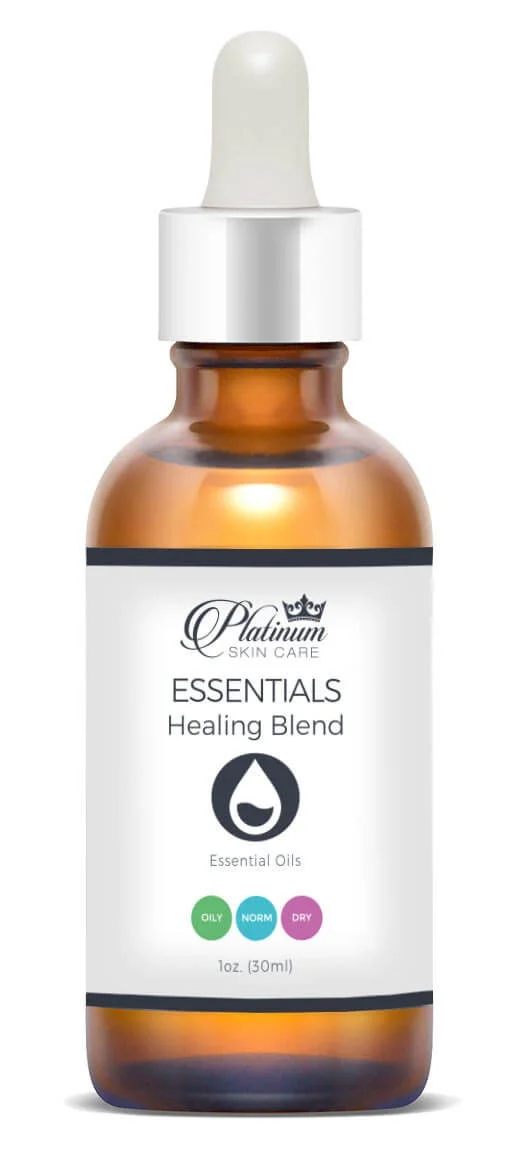
How well does your skin match with Platinum Skincare Certified Trichloroacetic (TCA) Acid Peel?
Login to see detailsOr continue via
Quick 1-minute survey • Completely free
Ingredients
Analysis results of Ingredients


Ingredient List
| EWG | CIR | Ingredient Name & Cosmetic Function | Notes |
|---|---|---|---|
| 1 | - | | |
| 4 | - | (Solvent, Viscosity Decreasing Agent, Cosmetic Astringent) |     |
| 6 | A | (Masking, Fragrance, pH adjusting agent, pH adjusting agent) | |
| 3 | B | (Solvent, Fragrance, Humectant, Viscosity Decreasing Agent, Skin Conditioning, Viscosity Controlling, Skin-Conditioningagent - Miscellaneous) |  |


Platinum Skincare Certified Trichloroacetic (TCA) Acid Peel - Ingredient Explanation
Mineral Water
1. Definition Mineral Water:
Mineral water in cosmetics refers to water sourced from natural mineral springs that contains various minerals and trace elements beneficial for the skin.2. Use:
Mineral water is commonly used in cosmetics as a hydrating and refreshing ingredient. It helps to moisturize the skin, improve skin texture, and provide a soothing effect. Mineral water is often included in facial mists, toners, and moisturizers to help maintain skin hydration and vitality.3. Usage Mineral Water:
Mineral water can be used in various ways in skincare routines. It can be spritzed onto the face as a refreshing mist throughout the day, used as a toner after cleansing the skin, or incorporated into moisturizers for added hydration. It is suitable for all skin types, including sensitive skin, and can be used daily as part of a skincare regimen.4. References:
- Draelos, Z. D. (2010). Cosmetic dermatology: products and procedures. John Wiley & Sons.
- Baumann, L. (2009). Cosmetic dermatology: principles and practice. McGraw-Hill Medical.
- Loden, M., & Maibach, H. I. (2012). Dry skin and moisturizers: chemistry and function. CRC Press.
Sd Alcohol 40
1. Definition Sd Alcohol 40:
Sd Alcohol 40, also known as Alcohol Denat., is a type of denatured alcohol that is commonly used in cosmetics and personal care products. It is a clear, colorless liquid that is produced by the distillation of ethyl alcohol. Sd Alcohol 40 is often used as a solvent in cosmetics to help dissolve other ingredients and improve the texture of the product.2. Use:
Sd Alcohol 40 is used in cosmetics for a variety of purposes. It can act as a solvent to help dissolve other ingredients, such as fragrances or colorants, in a formulation. It can also be used as a drying agent in products like toners or astringents. Additionally, Sd Alcohol 40 can help improve the spreadability and absorption of a product when applied to the skin.3. Usage Sd Alcohol 40:
When using products containing Sd Alcohol 40, it is important to be aware of potential precautions. Due to its drying properties, Sd Alcohol 40 can be irritating to sensitive skin types and may cause dryness or redness. It is recommended to perform a patch test before using products with Sd Alcohol 40 to check for any adverse reactions. It is also important to avoid using products containing Sd Alcohol 40 on broken or irritated skin, as it can exacerbate these conditions.4. References:
- "Alcohol Denat." Cosmeticsinfo.org, https://www.cosmeticsinfo.org/ingredient/alcohol-denat
- "Alcohol Denat." Paula's Choice Skincare, https://www.paulaschoice.com/ingredient-dictionary/skin-soothing/alcohol-denat.html
- "Denatured Alcohol." Cosmetics and Skin, https://www.cosmeticsandskin.com/aba/denatured.php
Trichloroacetic Acid
1. Definition Trichloroacetic Acid:
Trichloroacetic Acid (TCA) is a chemical compound commonly used in cosmetics and skincare products for its exfoliating and peeling properties. It is a strong acid that works by removing the top layers of skin, promoting cell turnover, and revealing fresher, smoother skin underneath.2. Use:
TCA is primarily used in chemical peels to treat various skin concerns such as hyperpigmentation, acne scars, fine lines, and uneven skin tone. It is also found in some skincare products like serums and creams to provide a milder exfoliation and improve skin texture.3. Usage Trichloroacetic Acid:
When using TCA in cosmetic treatments, it is important to follow the instructions provided by a skincare professional or dermatologist. TCA peels should be done in a controlled setting to minimize the risk of adverse reactions such as redness, swelling, and irritation. It is crucial to avoid sun exposure and use sunscreen regularly after TCA treatments to protect the newly exposed skin.4. References:
- Lee, K. C., & Rhee, S. C. (2019). Trichloroacetic Acid Peeling. In Textbook of Chemical Peels (pp. 105-112). Springer, Singapore.
- Obagi, Z. E., & Obagi, S. (2005). Chemical Peeling and Skin Resurfacing. Elsevier Health Sciences.
- Sharad, J. (2013). Glycolic acid peel therapy–a current review. Clinical, Cosmetic and Investigational Dermatology, 6, 281.
Propylene Glycol
1. Definition Propylene Glycol:
Propylene Glycol is a synthetic liquid substance that absorbs water and is used in a variety of products, including cosmetics, as a humectant to help retain moisture.2. Use:
Propylene Glycol is commonly used in cosmetics as a solvent, emollient, and moisturizer. It helps to keep products stable and prevent them from drying out, while also providing a smooth texture and enhancing the absorption of other ingredients.3. Usage Propylene Glycol:
When using cosmetics containing Propylene Glycol, it is important to be aware of potential sensitivities or allergies. Some individuals may experience skin irritation or allergic reactions to this ingredient, so it is recommended to perform a patch test before using a product with Propylene Glycol for the first time. Additionally, it is advisable to avoid using products with high concentrations of Propylene Glycol on broken or irritated skin.4. References:
- "Safety Assessment of Propylene Glycol, Tripropylene Glycol, and PPGs as Used in Cosmetics" by the Cosmetic Ingredient Review Expert Panel
- "Propylene Glycol" by the Environmental Working Group
- "Propylene Glycol in Cosmetics" by the Personal Care Products Council
Review

Didn't find
the information you need?






Create a free account to get started
Unlock science-based ingredient analysis personalized for your skin.
Already have an account? Log in
We protect your privacy. We never send spam.