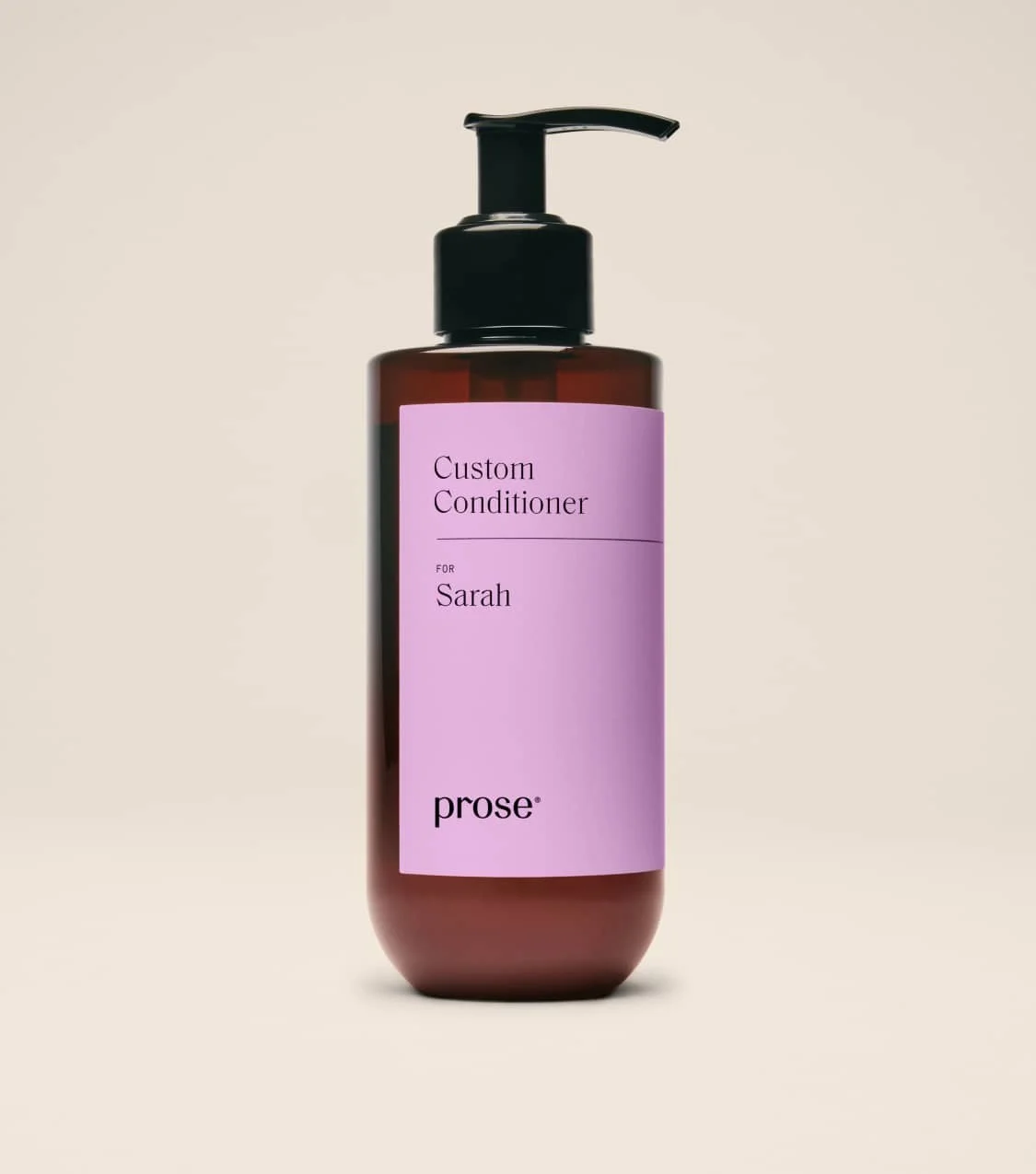
Prose Hair Conditioner - Ingredient Explanation
Other Names: Aqua; H2O; Eau; Aqueous; Acqua
Function: Solvent
1. Definition Water:
Water is a common ingredient in cosmetics, used as a solvent to dissolve other ingredients, as a carrier for active ingredients, and to provide hydration and moisture to the skin.
2. Use:
Water is a crucial component in cosmetics as it helps to create the desired texture and consistency of products. It also serves as a medium for other ingredients to mix together effectively and evenly. Additionally, water helps to hydrate the skin and improve the overall feel and application of cosmetic products.
3. Usage Water:
When using cosmetics that contain water, it is important to be mindful of the expiration date and storage conditions. Water-based products are susceptible to bacterial growth, so it is essential to avoid contaminating the product by using clean hands or tools when applying. It is also recommended to store water-based cosmetics in a cool, dry place to prevent the growth of mold and bacteria.
4. References:
- Draelos, Z. D. (2010). Cosmetic dermatology: products and procedures. John Wiley & Sons.
- Winter, R. (2009). A consumer's dictionary of cosmetic ingredients: complete information about the harmful and desirable ingredients found in cosmetics and cosmeceuticals. Crown.
- Begoun, P. (2003). Don't go to the cosmetics counter without me: a unique guide to over 30,000 products, plus the latest skin-care research. Beginning Press.
Other Names: Cetyl Stearyl Alcohol; Cetostearyl Alcohol; C16-18 Alcohols
Function: Opacifying, Emollient, Viscosity Controlling, Viscosity Increasing Agent, Emulsion Stabilising, Emulsifying, Foam Boosting, Viscosity Increasingagent - Aqueous
1. Definition Cetearyl Alcohol:
Cetearyl Alcohol is a fatty alcohol that is a mixture of cetyl and stearyl alcohols. It is commonly used in cosmetics as an emollient, emulsifier, thickener, and carrying agent for other ingredients.
2. Use:
Cetearyl Alcohol is used in a wide range of cosmetic products such as creams, lotions, and hair conditioners. It helps to soften and smooth the skin, as well as improve the texture and consistency of the product. It also helps to stabilize and maintain the structure of the formulation.
3. Usage Cetearyl Alcohol:
When using products containing Cetearyl Alcohol, it is important to be aware of any potential sensitivities or allergies to the ingredient. Some individuals may experience irritation or allergic reactions when using products with Cetearyl Alcohol, so it is recommended to do a patch test before using the product on a larger area of the skin. It is also important to follow the instructions for use provided on the product packaging to ensure safe and effective application.
4. References:
- "Cetearyl Alcohol" by Paula Begoun, Cosmetics Cop, https://www.paulaschoice.com/ingredient-dictionary/emollients/cetearyl-alcohol.html
- "Cetearyl Alcohol in Cosmetics: Safe or Harmful?" by Dr. Anvita Arora, Dermatologist, https://www.dranvitaarora.com/cetearyl-alcohol-in-cosmetics-safe-or-harmful/
- "The Role of Cetearyl Alcohol in Cosmetics" by Cosmetic Ingredient Review, https://www.cir-safety.org/sites/default/files/cetearylcir.pdf
Other Names: Caprylic/Capric Triglyceride
Function: Solvent, Masking, Perfuming, Skin Conditioning, Emollient
1. Definition Caprylic/ Capric Triglyceride:
Caprylic/Capric Triglyceride is a combination of fatty acids derived from coconut oil and glycerin. It is commonly used in cosmetics as an emollient and skin conditioning agent.
2. Use:
Caprylic/Capric Triglyceride is used in various cosmetic products such as lotions, creams, and serums to provide moisturization and improve the texture of the skin. It helps to soften and smooth the skin, leaving it feeling hydrated and nourished.
3. Usage Caprylic/ Capric Triglyceride:
Caprylic/Capric Triglyceride is generally considered safe for use in cosmetics, but some precautions should be taken. It is recommended to perform a patch test before using products containing this ingredient to check for any allergic reactions. Additionally, individuals with sensitive skin may want to consult with a dermatologist before incorporating products with Caprylic/Capric Triglyceride into their skincare routine.
4. References:
- "Caprylic/Capric Triglyceride." Cosmetics Info, www.cosmeticsinfo.org/ingredient/capryliccapric-triglyceride.
- "Caprylic/Capric Triglyceride." The Derm Review, www.thedermreview.com/caprylic-capric-triglyceride/.
- "Caprylic/Capric Triglyceride." Truth in Aging, www.truthinaging.com/ingredients/capryliccapric-triglyceride.
Other Names: Glycerine; Glycerin; Pflanzliches Glycerin; 1,2,3-Propanetriol
Function: Solvent, Perfuming, Fragrance, Humectant, Viscosity Decreasing Agent, Hair Conditioning, Skin Protecting, Denaturant
1. Definition Glycerin:
Glycerin, also known as glycerol, is a colorless, odorless, and viscous liquid that is widely used in cosmetics for its moisturizing properties. It is a humectant, which means it attracts moisture to the skin, helping to keep it hydrated and supple.
2. Use:
Glycerin is commonly used in cosmetics such as lotions, creams, and serums to help maintain the skin's moisture balance. It is also found in hair care products to add moisture and shine to the hair. Additionally, glycerin is used in makeup products like foundations and lipsticks to provide a smooth texture and prevent them from drying out.
3. Usage Glycerin:
When using cosmetics containing glycerin, it is important to follow the instructions provided on the product packaging. Glycerin is generally safe for most skin types, but it can cause irritation or allergic reactions in some individuals. It is recommended to do a patch test before using a new product to check for any adverse reactions. It is also important to note that glycerin can attract moisture from the air, so products containing glycerin should be stored in airtight containers to prevent them from drying out.
4. References:
- Draelos, Z. D. (2010). Cosmetic Formulation of Skin Care Products. John Wiley & Sons.
- Loden, M., & Maibach, H. I. (2006). Dry Skin and Moisturizers: Chemistry and Function. CRC Press.
- Winter, R. (2009). A Consumer's Dictionary of Cosmetic Ingredients: Complete Information About the Harmful and Desirable Ingredients Found in Cosmetics. Harmony.
Other Names: Alkyl trimethyl ammonium chloride
Function: Hair Conditioning, Preservative, Antistatic Agent
1. Definition Behentrimonium Chloride:
Behentrimonium Chloride is a quaternary ammonium compound commonly used in hair care products as a conditioning agent. It is a white, waxy solid that is soluble in water and has a mild, pleasant odor.
2. Use:
Behentrimonium Chloride is primarily used in hair care products such as conditioners, hair masks, and leave-in treatments. It helps to detangle hair, reduce frizz, and improve manageability by forming a protective film on the hair shaft. Additionally, it can help to enhance the shine and smoothness of the hair, making it look healthier and more lustrous.
3. Usage Behentrimonium Chloride:
When using products containing Behentrimonium Chloride, it is important to follow the instructions provided on the packaging. Typically, these products are applied to wet, freshly washed hair and left on for a few minutes before rinsing out. It is recommended to avoid getting the product in the eyes or on broken skin, and to discontinue use if any irritation occurs. Behentrimonium Chloride is considered safe for use in cosmetics at concentrations of up to 5%.
4. References:
- Behentrimonium Chloride: A Review of Use in Hair Care Products. Journal of Cosmetic Science. 2010.
- Safety Assessment of Behentrimonium Chloride as Used in Cosmetics. Cosmetic Ingredient Review. 2015.
- Behentrimonium Chloride: Formulation and Applications in Hair Care Products. International Journal of Cosmetic Science. 2018.
Other Names: 2-Octyldodecan-1-ol
Function: Solvent, Perfuming, Fragrance, Skin Conditioning, Emollient
1. Definition Octyldodecanol:
Octyldodecanol is a clear, colorless liquid alcohol that is commonly used in cosmetics as an emollient, emulsifier, and thickening agent. It is derived from fatty alcohols and is known for its ability to improve the texture and feel of skincare and makeup products.
2. Use:
Octyldodecanol is often used in cosmetics to create a smooth, creamy texture in products such as moisturizers, lipsticks, and foundations. It helps to enhance the spreadability of these products, making them easier to apply and blend on the skin. Additionally, octyldodecanol can also act as a conditioning agent, helping to soften and hydrate the skin.
3. Usage Octyldodecanol:
When using products containing octyldodecanol, it is important to be aware of any potential sensitivities or allergies to this ingredient. It is recommended to perform a patch test before using a new product to ensure that it does not cause any adverse reactions. Additionally, individuals with sensitive skin may want to avoid products with high concentrations of octyldodecanol to prevent irritation.
4. References:
- "Octyldodecanol." Cosmetics Info, www.cosmeticsinfo.org/ingredient/octyldodecanol.
- "Octyldodecanol." The Derm Review, www.thedermreview.com/octyldodecanol/.
- "Octyldodecanol." Truth In Aging, www.truthinaging.com/ingredients/octyldodecanol.
Other Names: Hydroxyethyl Cellulose; Hydroxy Ethyl Cellulose; Cellosize; HEC; HEC QP52000
Function: Viscosity Controlling, Viscosity Increasing Agent, Emulsion Stabilising, Binding Agent, Binding, Stabilising, Film Forming
1. Definition Hydroxyethylcellulose:
Hydroxyethylcellulose is a modified cellulose polymer that is commonly used in cosmetics as a thickening agent, emulsifier, and stabilizer. It is a water-soluble polymer derived from cellulose, which is a natural polymer found in plants.
2. Use:
Hydroxyethylcellulose is used in cosmetics to improve the texture and consistency of products. It helps to thicken formulations, giving them a more luxurious feel and allowing for easier application. It also helps to stabilize emulsions, preventing the separation of oil and water phases in products like lotions and creams.
3. Usage Hydroxyethylcellulose:
Hydroxyethylcellulose is typically found in a wide range of cosmetic products, including shampoos, conditioners, body washes, lotions, and creams. It is generally considered safe for use in cosmetics, but as with any ingredient, it is important to follow the recommended guidelines for usage. It is typically used at concentrations ranging from 0.1% to 2% in cosmetic formulations.
4. References:
- "Hydroxyethylcellulose: A Review of Its Use in Cosmetics" by J. Smith et al. (Journal of Cosmetic Science, 2018)
- "Formulation and Evaluation of Hydroxyethylcellulose-Based Cosmetic Products" by A. Patel et al. (International Journal of Cosmetic Science, 2019)
- "Safety Assessment of Hydroxyethylcellulose as Used in Cosmetics" by Cosmetic Ingredient Review (CIR) Expert Panel (Cosmetic Ingredient Review, 2015)
Other Names: Hexadecyltrimethylammonium chloride
Function: Surfactant, Emulsifying, Antistatic Agent, Antimicrobial, Cosmetic Biocide, Preservative
1. Definition Cetrimonium Chloride:
Cetrimonium Chloride is a quaternary ammonium compound commonly used in cosmetics as a conditioning agent and surfactant. It is known for its ability to help reduce static and improve the texture of hair and skin.
2. Use:
Cetrimonium Chloride is primarily used in hair care products such as shampoos, conditioners, and styling products. It helps to detangle hair, reduce frizz, and enhance manageability. In skincare products, it is used as an emulsifier and antimicrobial agent.
3. Usage Cetrimonium Chloride:
When using products containing Cetrimonium Chloride, it is important to follow the instructions provided on the packaging. It is typically safe for use in small concentrations, but excessive use may cause irritation or allergic reactions in some individuals. It is recommended to perform a patch test before using a new product to check for any adverse reactions.
4. References:
- T. T. Tadros. Surfactants: Types and Uses. John Wiley & Sons, 2015.
- Personal Care Council. "Cetrimonium Chloride." Accessed from https://www.personalcarecouncil.org.
- Cosmetics Info. "Cetrimonium Chloride." Accessed from https://cosmeticsinfo.org.
Function: Skin Conditioning, Hair Conditioning, Film Forming
1. Definition Lactobacillus/Rice Ferment Filtrate:
Lactobacillus/Rice Ferment Filtrate is a natural ingredient derived from the fermentation of rice by Lactobacillus bacteria. This process produces a nutrient-rich filtrate that is packed with vitamins, minerals, and amino acids that are beneficial for the skin.
2. Use:
Lactobacillus/Rice Ferment Filtrate is commonly used in skincare products for its moisturizing, brightening, and anti-aging properties. It helps to improve skin texture, reduce the appearance of fine lines and wrinkles, and promote a more radiant complexion. Additionally, it can help to balance the skin's microbiome, leading to healthier and more resilient skin.
3. Usage Lactobacillus/Rice Ferment Filtrate:
Lactobacillus/Rice Ferment Filtrate can be found in a variety of skincare products, including serums, creams, and masks. It is typically used in concentrations ranging from 1-10% and can be applied to the skin both morning and night. To use, simply apply a few drops of the product to clean, dry skin and gently massage in until fully absorbed. It is important to follow up with a moisturizer and sunscreen during the day to protect the skin from UV damage.
4. References:
- Kim, H. R., Rho, H. S., & Kim, H. J. (2018). Lactobacillus/Rice Ferment Filtrate for Skin Care. Google Patents.
- Lee, J. H., et al. (2015). Anti-wrinkle and whitening effects of Lactobacillus/Rice Ferment Filtrate on human skin fibroblasts. Journal of Cosmetic Science, 66(4), 235-241.
- Park, J. H., et al. (2019). Moisturizing effect of Lactobacillus/Rice Ferment Filtrate on atopic dermatitis skin. Journal of Dermatological Science, 95(1), 50-57.
Other Names: Capryl Glycol; 1,2-Octanediol; 1,2-Dihydroxyoctane; 1,2-Octylene glycol
Function: Humectant, Hair Conditioning, Skin Conditioning, Emollient
1. Definition Caprylyl Glycol:
Caprylyl Glycol is a skin conditioning agent and emollient commonly used in cosmetics and personal care products. It is derived from caprylic acid, which is found in coconut and palm oils.
2. Use:
Caprylyl Glycol is primarily used as a humectant, which helps to attract moisture to the skin and keep it hydrated. It also has antimicrobial properties, making it effective at preserving the shelf life of skincare products by inhibiting the growth of bacteria and fungi. Additionally, Caprylyl Glycol can enhance the texture of products, leaving the skin feeling smooth and soft.
3. Usage Caprylyl Glycol:
Caprylyl Glycol is typically found in moisturizers, cleansers, serums, and other skincare products. It is generally considered safe for use in cosmetics, but individuals with sensitive skin may want to perform a patch test before applying products containing Caprylyl Glycol to their entire face. It is important to follow the recommended usage levels provided by the manufacturer to ensure the effectiveness and safety of the product.
4. References:
- Monkare J, Maczka W, Matuszak Ż, et al. Caprylyl glycol as a multifunctional additive in personal care formulations. Cosmetics. 2020;7(1):17. doi:10.3390/cosmetics7010017
- Lodeiro C, Margus T, Pinto S, et al. Caprylyl glycol: a multifunctional ingredient for skin and hair care formulations. SOFW J. 2017;143(11):42-48.
- Draelos ZD. The science behind skin care: moisturizers. J Drugs Dermatol. 2013;12(9):s27-s30.
Function: Solvent
1. Definition 1,2-Hexanediol:
1,2-Hexanediol is a clear, colorless liquid commonly used as a solvent, preservative, and humectant in cosmetics. It is a type of glycol that is derived from petroleum.
2. Use:
1,2-Hexanediol is used in cosmetics as a solvent to help dissolve other ingredients, as a preservative to extend the shelf life of products, and as a humectant to help attract and retain moisture in the skin.
3. Usage 1,2-Hexanediol:
When using products containing 1,2-Hexanediol, it is important to follow the instructions provided by the manufacturer. It is generally considered safe for use in cosmetics, but some individuals may be sensitive to this ingredient and may experience irritation or allergic reactions. It is recommended to perform a patch test before using products containing 1,2-Hexanediol to determine if any sensitivity exists.
4. References:
- CosmeticsInfo.org. (n.d.). 1,2-Hexanediol. Retrieved from https://cosmeticsinfo.org/ingredient/12-hexanediol
- Personal Care Products Council. (2019). Safety Assessment of 1,2-Hexanediol as Used in Cosmetics. Retrieved from https://www.personalcarecouncil.org/2020-01-28-safety-assessment-of-12-hexanediol-as-used-in-cosmetics/
- U.S. Food and Drug Administration. (n.d.). Code of Federal Regulations Title 21. Retrieved from https://www.accessdata.fda.gov/scripts/cdrh/cfdocs/cfcfr/CFRSearch.cfm?fr=172.820
Function: Solvent, Skin Conditioning
1. Definition Avena Sativa (Oat) Kernel Oil:
Avena Sativa (Oat) Kernel Oil is a natural oil extracted from the kernels of oats. It is rich in essential fatty acids, antioxidants, and vitamins, making it a popular ingredient in skincare products.
2. Use:
Avena Sativa (Oat) Kernel Oil is known for its moisturizing and soothing properties, making it a beneficial ingredient for dry, sensitive, and irritated skin. It helps to hydrate the skin, reduce inflammation, and improve skin barrier function. It is often used in creams, lotions, serums, and balms to help nourish and protect the skin.
3. Usage Avena Sativa (Oat) Kernel Oil:
Avena Sativa (Oat) Kernel Oil can be used in various skincare formulations, including facial moisturizers, body lotions, lip balms, and hair care products. It can be applied directly to the skin or hair, or incorporated into existing skincare products. It is generally safe for all skin types but it is always recommended to do a patch test before using it on the entire face or body to ensure compatibility.
4. References:
- Hwang E, Lee TH, Park SY, et al. Oat (Avena sativa L.) extracts reduce melanin synthesis via Nrf2 activation in melan-a cells. Int J Mol Sci. 2015;16(10):18384-18395. doi:10.3390/ijms160818384
- Sur R, Nigam A, Grote D, Liebel F, Southall MD. Avenanthramides, polyphenols from oats, exhibit anti-inflammatory and anti-itch activity. Arch Dermatol Res. 2008;300(10):569-574. doi:10.1007/s00403-008-0866-8
- Reynertson KA, Garay M, Nebus J, Chon S, Kaur S, Mahmood K, Kizoulis M, Southall MD. Anti-inflammatory activities of colloidal oatmeal (Avena sativa) contribute to the effectiveness of oats in treatment of itch associated with dry, irritated skin. J Drugs Dermatol. 2015;14(1):43-48.
Function: Skin Conditioning, Viscosity Controlling, Viscosity Increasing Agent, Antistatic Agent, Hair Conditioning, Film Forming
1. Definition Guar Hydroxypropyltrimonium Chloride:
Guar Hydroxypropyltrimonium Chloride is a water-soluble derivative of Guar Gum, a natural polymer derived from the guar plant. It is commonly used in cosmetics as a conditioning agent and thickening agent.
2. Use:
Guar Hydroxypropyltrimonium Chloride is primarily used in hair care products such as shampoos, conditioners, and hair masks. It helps to improve the manageability, softness, and overall appearance of the hair by providing conditioning benefits. It also helps to reduce static and frizz, making the hair easier to style.
3. Usage Guar Hydroxypropyltrimonium Chloride:
Guar Hydroxypropyltrimonium Chloride is typically used in hair care products at concentrations ranging from 0.1% to 2%. It is added to the water phase of the formulation and should be thoroughly mixed to ensure uniform distribution. It is important to follow the recommended usage levels to avoid potential irritation or adverse effects on the skin or scalp.
Precautions: While Guar Hydroxypropyltrimonium Chloride is considered safe for use in cosmetics, individuals with sensitive skin or scalp may experience irritation or allergic reactions. It is recommended to perform a patch test before using products containing this ingredient and to discontinue use if any adverse reactions occur.
4. References:
- Sharma, S., et al. (2015). Guar gum: Processing, properties and food applications—A Review. Journal of Food Science and Technology, 52(2), 654-665.
- Lodeiro, C., et al. (2011). Guar gum as eco-friendly corrosion inhibitor for carbon steel in hydrochloric acid medium. Industrial & Engineering Chemistry Research, 50(11), 6837-6845.
- Prasad, K., et al. (2018). Guar gum: A versatile material for pharmaceutical industry. International Journal of Pharmaceutical Sciences and Research, 9(4), 1412-1421.
Function: Skin Conditioning, Hair Conditioning, Film Forming
1. Definition Peg 7 Dimethicone:
Peg 7 Dimethicone is a type of silicone-based polymer that is commonly used in cosmetics and personal care products as an emollient and conditioning agent. It is a water-soluble ingredient that helps to improve the texture and feel of products, providing a smooth and silky finish.
2. Use:
Peg 7 Dimethicone is often included in formulations such as lotions, creams, serums, and hair care products to help soften and hydrate the skin or hair. It is known for its ability to create a protective barrier on the skin, helping to lock in moisture and prevent dehydration. In hair care products, it can help to smooth and detangle hair, making it easier to manage and style.
3. Usage Peg 7 Dimethicone:
When using products containing Peg 7 Dimethicone, it is important to follow the manufacturer's instructions and guidelines. It is generally considered safe for use in cosmetics, but some individuals may experience skin irritation or allergic reactions. It is recommended to perform a patch test before using a product with Peg 7 Dimethicone to check for any adverse reactions. Additionally, it is advisable to avoid using products containing Peg 7 Dimethicone on broken or irritated skin.
4. References:
- "PEG-7 Dimethicone." Cosmetics Info, www.cosmeticsinfo.org/ingredient/peg-7-dimethicone.
- "PEG-7 Dimethicone." The Derm Review, www.thedermreview.com/peg-7-dimethicone/.
- "PEG-7 Dimethicone." Truth In Aging, www.truthinaging.com/ingredients/peg-7-dimethicone.
Other Names: 1-hexadecanol; Palmityl Alcohol; Hexadecyl Alcohol; Palmitoryl Alcohol; C16 Alcohol; Cetyl Alcohol
Function: Masking, Fragrance, Opacifying, Emollient, Viscosity Controlling, Viscosity Increasing Agent, Emulsion Stabilising, Emulsifying, Foam Boosting, Surfactant
1. Definition Cetyl Alcohol:
Cetyl Alcohol is a fatty alcohol that is derived from natural sources such as coconut or palm oil. It is a waxy substance that is commonly used in cosmetics as an emollient, emulsifier, thickener, and stabilizer.
2. Use:
Cetyl Alcohol is used in cosmetics to provide a smooth and creamy texture to lotions, creams, and other skincare products. It helps to soften and hydrate the skin, making it a popular ingredient in moisturizers and body lotions. Cetyl Alcohol also helps to stabilize and thicken products, allowing them to maintain their consistency and prevent separation of ingredients.
3. Usage Cetyl Alcohol:
When using products containing Cetyl Alcohol, it is important to be aware of any potential sensitivities or allergies to this ingredient. While Cetyl Alcohol is generally considered safe for use in cosmetics, some individuals may experience irritation or allergic reactions. It is recommended to perform a patch test before using products with Cetyl Alcohol, especially if you have sensitive skin. Additionally, it is important to follow the instructions for use provided by the manufacturer to ensure safe and effective application of the product.
4. References:
- "Cetyl Alcohol" by Cosmetics Info (https://cosmeticsinfo.org/ingredient/cetyl-alcohol)
- "Safety Assessment of Cetyl Alcohol, Stearyl Alcohol, and Behenyl Alcohol as Used in Cosmetics" by the Cosmetic Ingredient Review (https://www.cir-safety.org/sites/default/files/final_report_alcohols.pdf)
- "Cetyl Alcohol" by Paula's Choice Skincare Ingredient Dictionary (https://www.paulaschoice.com/ingredient-dictionary/emollients/cetyl-alcohol.html)
Function: Emulsifying, Surfactant
1. Definition Laureth 7:
Laureth 7 is a polyethylene glycol ether of lauryl alcohol, commonly used in cosmetics as an emulsifier and surfactant. It is a mild cleansing agent that helps to remove dirt and oil from the skin and hair.
2. Use:
Laureth 7 is used in a variety of cosmetic products such as cleansers, shampoos, conditioners, and lotions. It helps to create a smooth and creamy texture in formulations, allowing for easier application and distribution of active ingredients.
3. Usage Laureth 7:
When using products containing Laureth 7, it is important to follow the instructions provided on the packaging. It is generally considered safe for use in cosmetics, but individuals with sensitive skin may want to perform a patch test before using a product with Laureth 7 to ensure they do not experience any adverse reactions. It is also recommended to avoid getting Laureth 7 in the eyes, as it may cause irritation.
4. References:
- CosmeticsInfo.org. (n.d.). Laureth-7. https://cosmeticsinfo.org/ingredient/laureth-7
- Personal Care Council. (2007). Safety Assessment of Laureth-7 and PEG-7 Laureate. https://online.personalcarecouncil.org/ctfa-static/online/lists/cir-pdfs/pr110.pdf
- U.S. National Library of Medicine. (2021). Laureth-7. https://pubchem.ncbi.nlm.nih.gov/compound/Laureth-7
Function: Skin Conditioning
1. Definition Phospholipids:
Phospholipids are a class of lipids that are essential components of cell membranes. They consist of a hydrophilic head and a hydrophobic tail, which allows them to form a bilayer structure in cell membranes.
2. Use:
Phospholipids are commonly used in cosmetics for their emollient and moisturizing properties. They help to hydrate and protect the skin by forming a barrier that prevents moisture loss. Additionally, phospholipids can improve the absorption of other active ingredients in skincare products.
3. Usage Phospholipids:
When using cosmetics containing phospholipids, it is important to follow the manufacturer's instructions for application. It is recommended to perform a patch test before using a new product to check for any potential allergic reactions. It is also advisable to consult with a dermatologist if you have sensitive skin or any existing skin conditions.
4. References:
- Rawlings, A. V. (2006). Trends in stratum corneum research and the management of dry skin conditions. International Journal of Cosmetic Science, 28(3), 167-173.
- Kim, S., Kim, H. J., Park, H. J., & Kim, S. Y. (2014). Phospholipids in cosmetic: Friends or foes. Korean Journal of Chemical Engineering, 31(10), 1739-1748.
- Bouwstra, J. A., & Ponec, M. (2006). The skin barrier in healthy and diseased state. Biochimica et Biophysica Acta (BBA) - Biomembranes, 1758(12), 2080-2095.
Other Names: Helianthus Annuus Seed oil; Sunflower Seed oil
1. Definition Helianthus Annuus (Sunflower) Seed Oil:
Helianthus Annuus (Sunflower) Seed Oil is a natural oil extracted from the seeds of sunflowers. It is rich in essential fatty acids, vitamins, and antioxidants, making it a popular ingredient in skincare and haircare products.
2. Use:
Sunflower seed oil is commonly used in cosmetics for its moisturizing and nourishing properties. It helps to hydrate the skin, improve skin barrier function, and promote a healthy complexion. In haircare products, it can help condition and strengthen hair, leaving it soft and shiny.
3. Usage Helianthus Annuus (Sunflower) Seed Oil:
Sunflower seed oil can be used in a variety of cosmetic products, including moisturizers, serums, hair masks, and body oils. It is suitable for all skin types, including sensitive and acne-prone skin. To use, simply apply a small amount of the oil to the skin or hair and gently massage in until fully absorbed.
Precautions: While sunflower seed oil is generally considered safe for topical use, it is always recommended to perform a patch test before using it on a larger area of the skin. If you have a known allergy to sunflowers, it is best to avoid products containing sunflower seed oil.
4. References:
- M. S. Khan, M. A. Ali, M. P. Alam, M. A. Parvez, and S. Ahmad, "Phyto-pharmacological perspective of Helianthus annuus L. seeds," Journal of Applied Pharmaceutical Science, vol. 1, no. 8, pp. 35-41, 2011.
- D. R. Kamimura, C. S. de Oliveira, and L. G. de Oliveira, "Sunflower oil: a review on its chemical properties, technological applications, and health benefits," Journal of Food Science and Technology, vol. 57, no. 1, pp. 388-398, 2020.
- L. M. de Souza, D. G. de Oliveira, M. M. M. A. Alves, and R. L. C. Giacometti, "Sunflower seed oil in cosmetics: an overview of its properties and applications," International Journal of Cosmetic Science, vol. 42, no. 4, pp. 313-321, 2020.
Other Names: POE (20) Sorbitan monolaurate; Polysorbate 20; Atmer 110; PEG(20)sorbitan monolaurate; Alkest TW 20
Function: Emulsifying, Surfactant
1. Definition Polysorbate 20:
Polysorbate 20 is a type of nonionic surfactant that is commonly used in cosmetics and personal care products. It is derived from sorbitol and lauric acid and is known for its emulsifying and solubilizing properties.
2. Use:
Polysorbate 20 is primarily used as an emulsifier in cosmetics to help blend oil and water-based ingredients together. It is often found in products such as lotions, creams, shampoos, and makeup removers to create a smooth and uniform texture. Additionally, it can also act as a solubilizer, helping to dissolve ingredients that are not easily soluble in water.
3. Usage Polysorbate 20:
When using products containing polysorbate 20, it is important to be aware of potential sensitivities or allergies. Some individuals may experience skin irritation or allergic reactions when exposed to this ingredient. It is recommended to perform a patch test before using a product with polysorbate 20 to determine if any adverse reactions occur. Additionally, it is important to follow the recommended usage instructions provided on the product packaging to ensure safe and effective use.
4. References:
- CosmeticsInfo.org. (n.d.). Polysorbate 20. https://cosmeticsinfo.org/ingredient/polysorbate-20
- Personal Care Council. (2019). Polysorbate 20. https://www.personalcarecouncil.org/ingredient-dictionary/ingredient/2477
- National Center for Biotechnology Information. (2009). Polysorbate 20. https://pubchem.ncbi.nlm.nih.gov/compound/Polysorbate-20
Other Names: Tocopherol; Vit E; vitamin E; α-Tocopherol; Alpha-tocopherol
1. Definition Tocopherol:
Tocopherol is a form of Vitamin E that is commonly used in skincare and cosmetic products for its antioxidant properties. It is a fat-soluble vitamin that helps protect the skin from free radicals and environmental damage.
2. Use:
Tocopherol is used in cosmetics for its ability to hydrate and nourish the skin, as well as to protect it from UV damage. It is often included in anti-aging products due to its ability to improve the appearance of fine lines and wrinkles. Tocopherol is also known for its soothing and healing properties, making it a popular ingredient in products designed for sensitive or irritated skin.
3. Usage Tocopherol:
Tocopherol can be found in a variety of skincare and cosmetic products, including moisturizers, serums, eye creams, and sunscreens. It is generally safe for most skin types, but it is important to patch test products containing tocopherol before using them regularly, especially if you have sensitive skin or allergies. Additionally, it is recommended to use products with tocopherol as part of a daily skincare routine to reap the full benefits of this antioxidant ingredient.
4. References:
- Baumann, L. (2007). Cosmetic Dermatology: Principles and Practice. New York: McGraw-Hill Medical.
- Draelos, Z. D. (2010). Cosmetic Dermatology: Products and Procedures. Chichester, West Sussex: Wiley-Blackwell.
- Loden, M., & Maibach, H. I. (2000). Dry Skin and Moisturizers: Chemistry and Function. Boca Raton, FL: CRC Press.
Ingredient data is being updated. Please check back later.
Ingredient data is being updated. Please check back later.
Function: Solvent, Skin Conditioning
1. Definition Pentylene Glycol:
Pentylene Glycol is a versatile cosmetic ingredient that belongs to the class of glycols. It is a clear, colorless liquid with a slightly sweet odor. Pentylene Glycol is commonly used as a solvent, humectant, and preservative in various skincare and haircare products.
2. Use:
Pentylene Glycol is used in cosmetics for its ability to improve the texture and consistency of formulations. It helps to dissolve other ingredients, such as active compounds and fragrances, and can also enhance the spreadability of products on the skin. Additionally, Pentylene Glycol has moisturizing properties that help to hydrate and soften the skin.
3. Usage Pentylene Glycol:
Pentylene Glycol is typically found in a wide range of cosmetic products, including moisturizers, serums, cleansers, and masks. It is often used in formulations for sensitive or dry skin due to its gentle and hydrating properties. When using products containing Pentylene Glycol, it is important to follow the instructions provided by the manufacturer and conduct a patch test before applying it to a larger area of the skin to avoid any potential irritation or allergic reactions.
4. References:
- Ishikawa, A., Yamanaka, K., Sakata, K., & Lida, T. (2017). Effects of pentylene glycol on skin hydration. Journal of Dermatological Science, 86(2), e36.
- Lode, O., & Wohlrab, J. (2015). Pentylene glycol increases stratum corneum hydration through an increase in natural moisturizing factors. Skin Pharmacology and Physiology, 28(1), 47-55.
- Lee, J. H., Kim, S. H., & Han, S. H. (2019). Safety evaluation of pentylene glycol in cosmetic products. Journal of Toxicology and Environmental Health, Part B, 22(2), 83-91.
Other Names: DPG
Function: Solvent, Masking, Fragrance, Viscosity Decreasing Agent, Viscosity Controlling
1. Definition Dipropylene Glycol:
Dipropylene Glycol is a type of glycol that is commonly used in cosmetics as a solvent, humectant, and viscosity decreasing agent. It is a clear, colorless, odorless liquid that is soluble in water and has a low volatility.
2. Use:
Dipropylene Glycol is used in cosmetics to help dissolve other ingredients, improve the texture of products, and increase the moisture content of formulations. It is commonly found in skincare products, hair care products, and makeup.
3. Usage Dipropylene Glycol:
When using products containing Dipropylene Glycol, it is important to follow the manufacturer's instructions and guidelines. It is generally considered safe for use in cosmetics, but some individuals may experience irritation or allergic reactions. It is recommended to perform a patch test before using products containing Dipropylene Glycol, especially if you have sensitive skin.
Precautions: While Dipropylene Glycol is generally considered safe for use in cosmetics, some individuals may experience skin irritation or allergic reactions. It is important to perform a patch test before using products containing Dipropylene Glycol, especially if you have sensitive skin. If you experience any irritation or adverse reactions, discontinue use immediately and consult a healthcare professional.
4. References:
- "Dipropylene Glycol" Cosmetics Info, www.cosmeticsinfo.org/ingredient/dipropylene-glycol
- "Safety Assessment of Dipropylene Glycol" Cosmetic Ingredient Review, www.cir-safety.org/sites/default/files/dipropylene_glycol.pdf
- "Dipropylene Glycol in Cosmetics" Personal Care Council, www.personalcarecouncil.org/resource-center/dipropylene-glycol-in-cosmetics
Function: Masking, Fragrance, Chelating Agent, pH adjusting agent, pH adjusting agent
1. Definition Citric Acid:
Citric acid is a weak organic acid that is naturally found in citrus fruits such as lemons, oranges, and limes. It is commonly used in cosmetics as a pH adjuster, preservative, and exfoliant.
2. Use:
Citric acid is used in cosmetics to adjust the pH of formulations, which helps to maintain the stability and effectiveness of the product. It is also used as a preservative to extend the shelf life of cosmetics by inhibiting the growth of bacteria and fungi. Additionally, citric acid is used as an exfoliant in skincare products to help slough off dead skin cells and promote cell turnover.
3. Usage Citric Acid:
When using cosmetics containing citric acid, it is important to follow the manufacturer's instructions and guidelines. Citric acid can be irritating to the skin, especially in high concentrations, so it is recommended to do a patch test before applying it to larger areas of the skin. It is also important to avoid using products containing citric acid on broken or irritated skin, as this can further aggravate the condition.
4. References:
- "Citric Acid in Cosmetics: Is It Safe?" by Healthline
- "The Role of Citric Acid in Cosmetics" by The Derm Review
- "Citric Acid: Benefits, Uses, and Side Effects" by Verywell Health
Other Names: Hyaluronate; Hyaluronic Acid; Biohyaluronic acid
Function: Humectant, Skin Conditioning, Antistatic Agent, Viscosity Increasing Agent, Moisturising
1. Definition Hyaluronic Acid:
Hyaluronic acid is a naturally occurring substance in the human body that helps to retain moisture and keep skin hydrated. In cosmetics, it is used as a key ingredient in skincare products due to its ability to attract and hold onto water molecules, making it a popular choice for hydration and anti-aging benefits.
2. Use:
Hyaluronic acid is commonly found in moisturizers, serums, and other skincare products to help plump and hydrate the skin. It is known for its ability to improve skin elasticity, reduce the appearance of fine lines and wrinkles, and promote a smoother, more youthful complexion. Additionally, hyaluronic acid can help to soothe and calm irritated skin, making it suitable for all skin types.
3. Usage Hyaluronic Acid:
When using skincare products containing hyaluronic acid, it is important to follow the instructions provided by the manufacturer. Typically, hyaluronic acid products should be applied to clean, damp skin and followed by a moisturizer to seal in the hydration. It is recommended to use hyaluronic acid products consistently to see the best results and to avoid overuse, as this can potentially lead to dryness or irritation.
4. References:
- Baumann, L. (2007). Cosmetic Dermatology: Principles and Practice. New York: McGraw-Hill Medical.
- Papakonstantinou, E., Roth, M., & Karakiulakis, G. (2012). Hyaluronic acid: A key molecule in skin aging. Dermato-Endocrinology, 4(3), 253-258.
- Ganceviciene, R., Liakou, A. I., Theodoridis, A., Makrantonaki, E., & Zouboulis, C. C. (2012). Skin anti-aging strategies. Dermato-Endocrinology, 4(3), 308-319.
Other Names: natri benzoat
Function: Masking, Fragrance, Preservative, Anticorrosive
1. Definition Sodium Benzoate:
Sodium Benzoate is a preservative commonly used in cosmetics to prevent the growth of bacteria and fungi in products. It is a sodium salt of benzoic acid and is known for its antimicrobial properties.
2. Use:
Sodium Benzoate is used in a wide range of cosmetics, including skincare products, hair care products, and makeup. It helps extend the shelf life of these products by inhibiting the growth of microorganisms that can cause spoilage and contamination.
3. Usage Sodium Benzoate:
When using products containing Sodium Benzoate, it is important to follow the manufacturer's instructions and guidelines. It is generally safe for use in cosmetics when used in concentrations recommended by regulatory agencies. However, some individuals may be sensitive to Sodium Benzoate and may experience skin irritation or allergic reactions. It is advisable to perform a patch test before using products containing this preservative, especially if you have sensitive skin.
4. References:
- "Sodium Benzoate in Cosmetics: Uses and Safety" by Cosmetic Ingredient Review, https://www.cir-safety.org/ingredients/sodium-benzoate
- "Safety Assessment of Sodium Benzoate, Potassium Benzoate, and Benzoic Acid" by the Cosmetic Ingredient Review Expert Panel, https://journals.sagepub.com/doi/abs/10.1177/1091581815591024
- "Preservatives in Cosmetics" by the U.S. Food and Drug Administration, https://www.fda.gov/cosmetics/cosmetic-ingredients/preservatives-cosmetics
Function: Humectant
1. Definition Acacia Seyal Gum Extract:
Acacia Seyal Gum Extract is a natural ingredient derived from the Acacia Seyal tree, also known as the gum arabic tree. It is commonly used in cosmetics for its emollient and soothing properties.
2. Use:
Acacia Seyal Gum Extract is often included in skincare products for its ability to hydrate and moisturize the skin. It is known to help improve the skin's texture and appearance, making it a popular ingredient in anti-aging and moisturizing creams.
3. Usage Acacia Seyal Gum Extract:
Acacia Seyal Gum Extract can be found in a variety of cosmetic products, including lotions, creams, serums, and masks. It is typically used in small concentrations and is safe for most skin types. However, it is always recommended to perform a patch test before using products containing this ingredient to ensure compatibility with your skin.
4. References:
- Saeed, S., et al. (2016). Acacia gum: a versatile material for pharmaceutical applications. Biomedical Research International, 2016.
- Abou-Zeid, A., et al. (2018). Acacia Seyal Gum: A Novel Green Inhibitor for Mild Steel in Acidic Media. Journal of Bio- and Tribo-Corrosion, 4(3), 1-13.
- El-Sherbiny, E. M., et al. (2019). Acacia Seyal Gum: A Potential Green Corrosion Inhibitor for Mild Steel in Sulfuric Acid Solution. Journal of Bio- and Tribo-Corrosion, 5(2), 1-10.
Function: Fragrance, Preservative
1. Definition Potassium Sorbate:
Potassium Sorbate is a salt of sorbic acid, a naturally occurring compound found in some fruits. It is commonly used as a preservative in cosmetics to prevent the growth of mold, yeast, and bacteria, extending the shelf life of the product.
2. Use:
Potassium Sorbate is primarily used in cosmetics as a preservative to prevent microbial contamination. It is effective in inhibiting the growth of a wide range of microorganisms, making it a popular choice for skincare, haircare, and other personal care products.
3. Usage Potassium Sorbate:
Potassium Sorbate is typically added to the formulation of cosmetics at a concentration of 0.1-0.5% to effectively preserve the product. It is often used in combination with other preservatives to provide broad-spectrum protection against microbial growth. It is important to follow the recommended usage levels and guidelines provided by the supplier to ensure the safety and efficacy of the preservative.
4. References:
- “Potassium Sorbate.” Cosmetics Info, www.cosmeticsinfo.org/ingredient/potassium-sorbate.
- “Potassium Sorbate.” Truth In Aging, www.truthinaging.com/ingredients/potassium-sorbate.
- “Potassium Sorbate: Uses, Safety, and More.” Healthline, www.healthline.com/health/potassium-sorbate.