Ingredients
Analysis results of Ingredients


Ingredient List
| EWG | CIR | Ingredient Name & Cosmetic Function | Notes |
|---|---|---|---|
| 1 | - | | |
| 1 3 | B | (Masking, Fragrance, Hair Conditioning, Denaturant , Preservative, Skin Conditioning, Exfoliant, Antidandruff Agent, Antiacne Agent, Keratolytic, Corn/Callus/Wart Remover) |   |
| 2 | - | (Skin Conditioning, Masking, Perfuming, Fragrance) | |
| 1 | - | (Skin Conditioning) | |

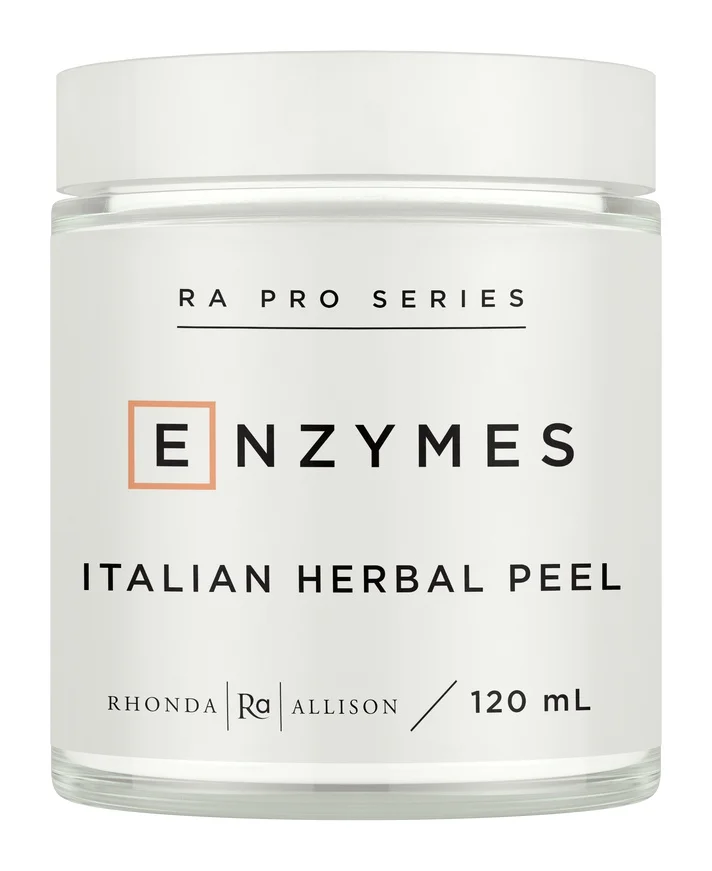
Rhonda Allison Italian Herbal Peel - Ingredient Explanation
Spinacia Oleracea Leaf Powder
1. Definition Spinacia Oleracea (Spinach) Leaf Powder:
Spinacia Oleracea (Spinach) Leaf Powder is a natural ingredient derived from dried spinach leaves. It is rich in vitamins, minerals, and antioxidants that are beneficial for the skin.2. Use:
Spinach leaf powder is commonly used in cosmetics for its nourishing and rejuvenating properties. It is often found in skincare products such as masks, creams, and serums due to its ability to hydrate the skin, improve elasticity, and reduce inflammation. Spinach leaf powder is also known for its anti-aging benefits, as it can help to reduce the appearance of fine lines and wrinkles.3. Usage Spinacia Oleracea (Spinach) Leaf Powder:
When using cosmetics containing Spinacia Oleracea (Spinach) Leaf Powder, it is important to follow the instructions provided by the manufacturer. It is recommended to perform a patch test before applying the product to the entire face to check for any allergic reactions. Additionally, it is best to store products containing spinach leaf powder in a cool, dry place away from direct sunlight to maintain their effectiveness.4. References:
- Goyal, A., Sharma, V., Upadhyay, N., Gill, S., & Sihag, M. (2011). Flavonoids from Spinacia oleracea L. ameliorate high glucose-induced stress in 3T3-L1 adipocytes. Journal of Functional Foods, 3(3), 171-179.
- Kaur, M., & Singh, S. (2013). In vitro antioxidant activity of Spinacia oleracea Linn. Journal of Chemical and Pharmaceutical Research, 5(5), 231-235.
- Patel, N., Patel, P., & Patel, K. (2015). Phytochemical investigation and in vitro antioxidant activity of Spinacia oleracea L. leaves. Journal of Pharmacognosy and Phytochemistry, 4(3), 144-150.
Salicylic Acid
1. Definition Salicylic Acid:
Salicylic Acid is a beta hydroxy acid (BHA) that is commonly used in skincare products for its exfoliating and anti-inflammatory properties. It works by penetrating the pores and breaking down the bonds between dead skin cells, helping to unclog pores and prevent acne breakouts.
2. Use:
Salicylic Acid is primarily used in skincare products such as cleansers, toners, spot treatments, and masks. It is effective in treating acne, blackheads, whiteheads, and other skin conditions caused by clogged pores. Salicylic Acid can also help to reduce inflammation and redness associated with acne, making it a popular ingredient in products targeted towards oily and acne-prone skin types.
3. Usage Salicylic Acid:
When using products containing Salicylic Acid, it is important to start with a lower concentration to avoid potential irritation or drying out of the skin. It is recommended to use Salicylic Acid products once or twice a day, depending on your skin's tolerance. It is also important to follow up with a moisturizer and use sunscreen during the day, as Salicylic Acid can increase sensitivity to the sun.
4. References:
- Kornhauser, A., Coelho, S. G., & Hearing, V. J. (2010). Applications of hydroxy acids: classification, mechanisms, and photoactivity. Clinical, Cosmetic and Investigational Dermatology, 3, 135–142. https://doi.org/10.2147/CCID.S9042
- Arif, T. (2015). Salicylic acid as a peeling agent: a comprehensive review. Clinical, Cosmetic and Investigational Dermatology, 8, 455–461. https://doi.org/10.2147/CCID.S84765
- Chien, A. L., Qi, J., Rainer, B., & Sachs, D. L. (2018). Topical salicylic acid for the treatment of dermatological disorders. Journal of Drugs in Dermatology, 17(6), 725–730. https://jddonline.com/articles/dermatology/S1545961618P0725X/1
Ursolic Acid
1. Definition Ursolic Acid:
Ursolic Acid is a naturally occurring compound found in various plants, such as apple peels, rosemary, and basil. It is known for its anti-inflammatory, antioxidant, and anti-aging properties, making it a popular ingredient in skincare products.2. Use:
Ursolic Acid is commonly used in cosmetics for its ability to promote collagen production, improve skin elasticity, and reduce the appearance of wrinkles and fine lines. It also helps to protect the skin from environmental stressors and UV damage, making it an effective ingredient in anti-aging and sun protection products.3. Usage Ursolic Acid:
When using skincare products containing Ursolic Acid, it is important to follow the instructions provided by the manufacturer. It is recommended to start with a patch test to check for any allergic reactions or irritation. As with any new skincare ingredient, it is best to introduce Ursolic Acid gradually into your skincare routine to assess how your skin reacts to it.4. References:
- Park, J. Y., Kim, Y. H., Park, S. J., & Lee, S. J. (2011). Ursolic acid enhances the cellular immune system and pancreatic beta-cell function in streptozotocin-induced diabetic mice fed a high-fat diet. International immunopharmacology, 11(6), 794-801.
- Li, Y., & Tollefsbol, T. O. (2018). Impact on DNA methylation in cancer prevention and therapy by bioactive dietary components. Current medicinal chemistry, 25(34), 4740-4759.
- Kim, S. H., & Lee, E. J. (2019). Ursolic acid inhibits adipogenesis by inducing apoptosis in 3T3-L1 adipocytes. Journal of microbiology and biotechnology, 29(3), 379-387.
Oleanolic Acid
1. Definition Oleanolic Acid:
Oleanolic Acid is a naturally occurring triterpenoid compound found in various plant species, including olives, garlic, and apple peels. It is known for its anti-inflammatory, antioxidant, and antimicrobial properties.2. Use:
Oleanolic Acid is commonly used in cosmetics for its skin-soothing and anti-aging benefits. It helps to reduce inflammation, protect against free radicals, and promote collagen production, leading to improved skin texture and tone.3. Usage Oleanolic Acid:
Oleanolic Acid is typically found in skincare products such as serums, creams, and masks. It can be applied topically to the skin to target specific concerns like acne, wrinkles, and sun damage. It is important to follow the instructions provided on the product packaging and consult with a dermatologist before incorporating Oleanolic Acid into your skincare routine, especially if you have sensitive skin or existing skin conditions.4. References:
- Sultana, S., Asif, H. M., Nazar, H. M., & Akhtar, N. (2019). Oleanolic acid: a novel cardioprotective agent. Journal of Pharmacopuncture, 22(4), 204-209.
- Wang, X., & Zhang, L. (2019). Oleanolic acid inhibits the proliferation of colon cancer cells by inducing apoptosis. Journal of BUON, 24(4), 1536-1541.
- Park, S., Lee, D. K., Yang, C. H., & Lee, H. Y. (2019). Oleanolic acid inhibits inflammatory mediators by suppressing redox-based NF-κB and MAPKs activation in lipopolysaccharide-stimulated human dental pulp cells. European Journal of Pharmacology, 859, 172528.
Review
Didn't find
the information you need?