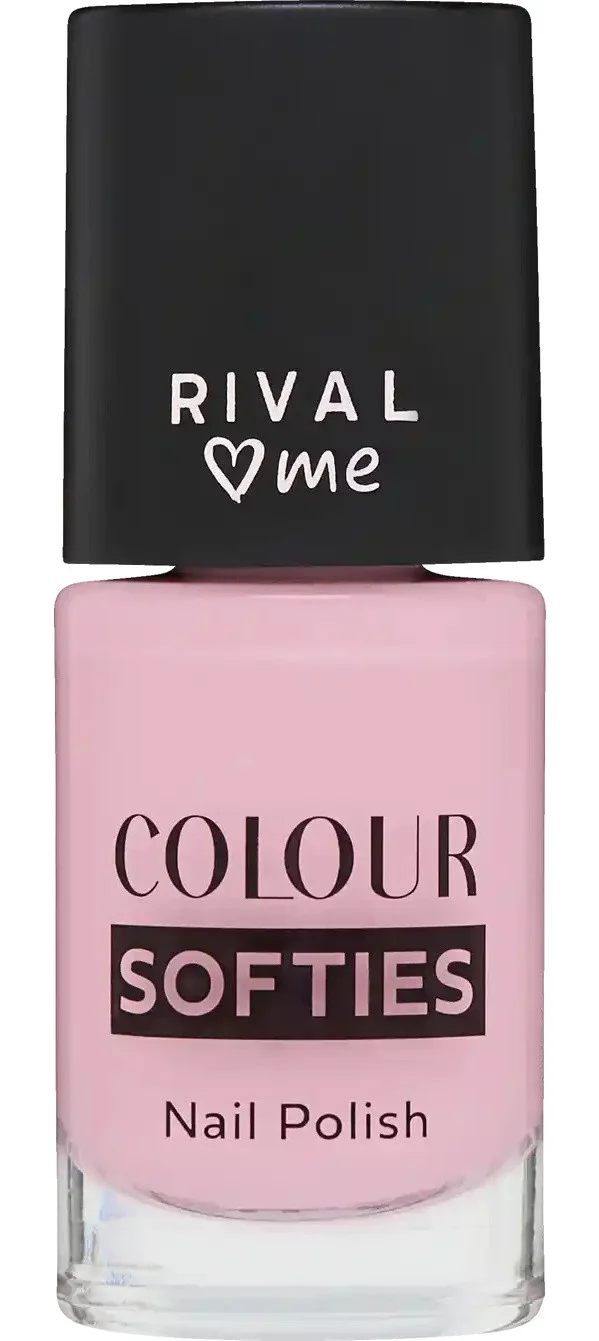
RIVAL Loves Me Soft & Sheer Colour + Hardening Polish 02 Peach Shake - Ingredient Explanation
Function: Solvent, Masking, Fragrance
1. Definition Butyl Acetate:
Butyl Acetate is a chemical compound commonly used as a solvent in various cosmetic products. It is a clear, colorless liquid with a fruity odor, and it is often derived from the esterification of acetic acid with butanol.
2. Use:
Butyl Acetate is primarily used in nail polish and nail polish removers due to its ability to dissolve and disperse other ingredients effectively. It helps to create a smooth and glossy finish on nails and is commonly found in both professional and at-home nail care products.
3. Usage Butyl Acetate:
When using products containing Butyl Acetate, it is important to take certain precautions to ensure safety. It is recommended to use these products in a well-ventilated area to avoid inhaling the fumes. Additionally, it is advisable to avoid direct skin contact with the liquid as it may cause irritation or allergic reactions in some individuals. Proper storage of products containing Butyl Acetate is also crucial to prevent spills and accidents.
4. References:
- "Butyl Acetate." Cosmetics Info, www.cosmeticsinfo.org/ingredient/butyl-acetate.
- "Chemical Information for Butyl Acetate." PubChem, pubchem.ncbi.nlm.nih.gov/compound/Butyl-acetate.
- "Safety Data Sheet Butyl Acetate." ScienceLab, www.sciencelab.com/msds.php?msdsId=9924147.
Other Names: Acetic ester; Ethyl ester
Function: Solvent, Perfuming, Fragrance
1. Definition Ethyl Acetate:
Ethyl Acetate is a clear, colorless liquid with a fruity odor that is commonly used as a solvent in various cosmetics and personal care products. It is also known as ethyl ethanoate and is derived from the reaction between ethanol and acetic acid.
2. Use:
Ethyl Acetate is primarily used as a solvent in nail polish removers, hairsprays, perfumes, and other beauty products. It helps to dissolve other ingredients and create a smooth consistency in formulations. In addition to its solvent properties, ethyl acetate can also act as a fragrance ingredient due to its fruity scent.
3. Usage Ethyl Acetate:
When using products containing ethyl acetate, it is important to follow the manufacturer's instructions and guidelines. Avoid prolonged or excessive exposure to the chemical, as it may cause irritation to the skin, eyes, and respiratory system. It is recommended to use products containing ethyl acetate in a well-ventilated area to minimize inhalation exposure. If any adverse reactions occur, discontinue use and seek medical attention.
4. References:
- "Ethyl Acetate." CosmeticsInfo.org, www.cosmeticsinfo.org/ingredient/ethyl-acetate.
- "Ethyl Acetate." PubChem, National Center for Biotechnology Information, pubchem.ncbi.nlm.nih.gov/compound/Ethyl-acetate.
- "Ethyl Acetate in Cosmetics." Personal Care Council, www.personalcarecouncil.org/ingredient-info/ethyl-acetate/.
Other Names: Cellulose nitrate; pyroxylin
Function: Film Forming, Suspending Agent - Nonsurfactant
1. Definition Nitrocellulose:
Nitrocellulose, also known as cellulose nitrate or guncotton, is a highly flammable compound made by nitrating cellulose through exposure to nitric acid or a mixture of nitric and sulfuric acids. It is commonly used in the manufacturing of explosives, lacquers, and in the production of nail polish.
2. Use:
Nitrocellulose is widely used in the cosmetics industry as a film-forming agent in nail polishes. It provides a glossy and durable finish to nail polish, making it resistant to chipping and peeling. Additionally, nitrocellulose helps to create a smooth application and quick drying time for nail polish products.
3. Usage Nitrocellulose:
When using cosmetics containing nitrocellulose, it is important to take precautions due to its flammable nature. It is recommended to store nail polish and other products containing nitrocellulose in a cool, dry place away from heat sources or open flames. Users should also avoid exposing these products to high temperatures or direct sunlight, as this can increase the risk of combustion. Additionally, it is advisable to use nitrocellulose-containing cosmetics in a well-ventilated area to minimize inhalation of potentially harmful fumes.
4. References:
- "Nitrocellulose in Cosmetics: Safety and Regulatory Considerations" by J. S. Roberts et al. (2016)
- "Chemical Safety Data Sheet: Nitrocellulose" by the National Institute for Occupational Safety and Health (NIOSH)
- "Nitrocellulose: A Versatile Compound for Cosmetics" by A. K. Gupta et al. (2018)
Function: Masking, Perfuming, Fragrance, Film Forming, Plasticizer
1. Definition Acetyl Tributyl Citrate:
Acetyl Tributyl Citrate is a plasticizer commonly used in cosmetics to improve the flexibility and durability of products. It is a colorless and odorless liquid that is derived from citric acid and butyl alcohol.
2. Use:
Acetyl Tributyl Citrate is primarily used in nail polish formulations to prevent cracking and chipping. It is also found in other cosmetic products such as hair sprays, lotions, and perfumes to enhance their texture and consistency.
3. Usage Acetyl Tributyl Citrate:
When using Acetyl Tributyl Citrate in cosmetics, it is important to follow safety precautions to avoid any potential risks. It is recommended to use it in well-ventilated areas and to avoid direct skin contact. Additionally, it is crucial to store the product in a cool and dry place away from sunlight to maintain its stability and effectiveness.
4. References:
- Huang, M., Chen, J., & Ma, L. (2018). Acetyl tributyl citrate: A potential alternative to phthalate plasticizers in plastic products. Journal of Environmental Sciences, 67, 199-207.
- Schäfer, T., & Kühnl, J. (2016). Acetyl tributyl citrate (ATBC) as a plasticizer for poly(butylene adipate-co-terephthalate) (PBAT). Polymer Testing, 54, 108-116.
- European Commission. (2019). Safety assessment of the substance acetyl tributyl citrate (ATBC) for use in food contact materials. European Food Safety Authority.
Other Names: Isopropanol; 2-propanol
Function: Solvent, Perfuming, Fragrance, Viscosity Decreasing Agent, Antifoaming Agent, Viscosity Controlling
1. Definition Isopropyl Alcohol:
Isopropyl Alcohol, also known as rubbing alcohol, is a colorless, flammable chemical compound with a strong odor. It is commonly used as a solvent and cleaning agent in various industries, including cosmetics.
2. Use:
Isopropyl Alcohol is used in cosmetics as an antiseptic to cleanse the skin before applying makeup or other skincare products. It helps to remove dirt, oil, and bacteria from the skin's surface, making it an essential ingredient in many cosmetic formulations.
3. Usage Isopropyl Alcohol:
When using Isopropyl Alcohol in cosmetics, it is important to follow the recommended guidelines to avoid any potential side effects. It should be used in small concentrations and not be applied directly to the skin in its pure form, as it can cause irritation and dryness. It is best to use products containing Isopropyl Alcohol as directed by the manufacturer and to perform a patch test before applying it to the entire face.
4. References:
- "Isopropyl Alcohol in Cosmetics: Uses and Precautions." CosmeticsInfo.org, www.cosmeticsinfo.org/ingredient/isopropyl-alcohol.
- "Isopropyl Alcohol Safety Data Sheet." ScienceLab.com, www.sciencelab.com/msds.php?msdsId=9926483.
- "The Role of Isopropyl Alcohol in Cosmetics." DermNet NZ, www.dermnetnz.org/topics/isopropyl-alcohol/.
1. Definition Polyester 23:
Polyester 23 is a synthetic polymer commonly used in cosmetics as a film-forming agent and binder. It is a type of polyester resin that helps create a smooth and even application of products on the skin.
2. Use:
Polyester 23 is primarily used in cosmetics to improve the texture and longevity of products such as foundations, lipsticks, and eyeliners. It helps the product adhere to the skin, providing a long-lasting finish and preventing smudging or fading throughout the day.
3. Usage Polyester 23:
When using cosmetics containing Polyester 23, it is important to follow the instructions provided on the product packaging. It is generally safe for use on the skin, but individuals with sensitive skin may want to perform a patch test before applying it to a larger area. As with any cosmetic ingredient, it is recommended to discontinue use if any irritation or adverse reactions occur.
4. References:
- "Polyester-23." Cosmeticsinfo.org, https://cosmeticsinfo.org/ingredient/polyester-23
- "Polyester 23." Truth In Aging, https://www.truthinaging.com/ingredients/polyester-23
- "Polyester 23." The Derm Review, https://thedermreview.com/polyester-23/
Other Names: Fixomer 40
Function: Antistatic Agent, Binding Agent, Binding, Film Forming, Adhesive, Hair Fixing, Suspending Agent -Nonsurfactant
1. Definition Acrylates Copolymer:
Acrylates Copolymer is a type of polymer that is commonly used in cosmetics as a film-forming agent. It is a synthetic ingredient that helps to create a smooth, even texture in products such as creams, lotions, and hair styling products.
2. Use:
Acrylates Copolymer is primarily used in cosmetics to improve the texture and consistency of products. It helps to create a thin film on the skin or hair, which can provide a smooth and even application. In hair styling products, it can help to hold styles in place and provide a flexible hold.
3. Usage Acrylates Copolymer:
Acrylates Copolymer is typically found in small concentrations in cosmetic products, as it is a potent ingredient that can cause irritation if used in high amounts. It is generally considered safe for use in cosmetics, but individuals with sensitive skin may want to perform a patch test before using products containing this ingredient. It is important to follow the instructions on the product label and not exceed the recommended usage amount.
4. References:
- "Acrylates Copolymer." Cosmetics Info, www.cosmeticsinfo.org/ingredient/acrylates-copolymer.
- "Safety Assessment of Acrylates Copolymer as Used in Cosmetics." Cosmetic Ingredient Review, www.cir-safety.org/sites/default/files/acrylatesc0606rep.pdf.
- Lode, S., et al. "Evaluation of the Irritation Potential of Acrylates Copolymer." Journal of Cosmetic Science, vol. 65, no. 2, 2014, pp. 113-120.
Function: Film Forming
1. Definition Adipic Acid/Fumaric Acid/Phthalic Acid/Tricyclodecane Dimethanol Copolymer:
Adipic Acid/Fumaric Acid/Phthalic Acid/Tricyclodecane Dimethanol Copolymer is a copolymer used in cosmetics as a film-forming agent and viscosity increasing agent. It is a polymer composed of adipic acid, fumaric acid, phthalic acid, and tricyclodecane dimethanol.
2. Use:
Adipic Acid/Fumaric Acid/Phthalic Acid/Tricyclodecane Dimethanol Copolymer is commonly used in cosmetic formulations such as hair styling products, nail polishes, and skincare products. It helps to improve the texture of the product, providing a smooth and even application.
3. Usage Adipic Acid/Fumaric Acid/Phthalic Acid/Tricyclodecane Dimethanol Copolymer:
When using products containing Adipic Acid/Fumaric Acid/Phthalic Acid/Tricyclodecane Dimethanol Copolymer, it is important to follow the manufacturer's instructions. It is generally considered safe for use in cosmetics, but individuals with sensitive skin may want to perform a patch test before using products containing this ingredient to ensure there are no adverse reactions.
4. References:
- Cosmetic Ingredient Review Expert Panel. (2019). Final report on the safety assessment of Adipic Acid/Fumaric Acid/Phthalic Acid/Tricyclodecane Dimethanol Copolymer. International Journal of Toxicology, 38(3_suppl), 3S-14S.
- Personal Care Products Council. (2015). CIR Safety Review: Adipic Acid/Fumaric Acid/Phthalic Acid/Tricyclodecane Dimethanol Copolymer.
- European Commission. (2000). Opinion concerning Adipic Acid/Fumaric Acid/Phthalic Acid/Tricyclodecane Dimethanol Copolymer. Scientific Committee on Consumer Products.
Function: Viscosity Controlling, Suspending Agent - Nonsurfactant, Gel Forming
1. Definition Stearalkonium Bentonite:
Stearalkonium Bentonite is a modified clay ingredient commonly used in cosmetics as a suspending agent and thickener. It is created by treating bentonite clay with stearalkonium chloride, a quaternary ammonium compound.
2. Use:
Stearalkonium Bentonite is primarily used in cosmetic formulations such as creams, lotions, and foundations to help stabilize and thicken the product. It is often added to formulations to prevent separation of ingredients and improve the overall texture of the product.
3. Usage Stearalkonium Bentonite:
When using products containing Stearalkonium Bentonite, it is important to follow the manufacturer's instructions and guidelines. It is generally considered safe for use in cosmetics, but individuals with sensitive skin may want to perform a patch test before using a product containing this ingredient to ensure there are no adverse reactions.
4. References:
- "Stearalkonium Bentonite." Cosmetics Info, www.cosmeticsinfo.org/ingredient/stearalkonium-bentonite.
- Kim, Eun-Young, et al. "Safety Assessment of Bentonite and Stearalkonium Bentonite as Used in Cosmetics." International Journal of Toxicology, vol. 30, no. 5, 2011, pp. 501-514.
- "Stearalkonium Bentonite." Truth In Aging, www.truthinaging.com/ingredients/stearalkonium-bentonite.
Function: Film Forming
1. Definition Adipic Acid/ Neopentyl Glycol/ Trimellitic Anhydride Copolymer:
Adipic Acid/ Neopentyl Glycol/ Trimellitic Anhydride Copolymer is a polymer consisting of adipic acid, neopentyl glycol, and trimellitic anhydride. It is commonly used in cosmetics as a film-forming agent and binder.
2. Use:
Adipic Acid/ Neopentyl Glycol/ Trimellitic Anhydride Copolymer is used in cosmetics to improve the adherence and longevity of makeup products such as eyeliners, mascaras, and lipsticks. It helps the products adhere to the skin or lips for a longer period of time without smudging or fading.
3. Usage Adipic Acid/ Neopentyl Glycol/ Trimellitic Anhydride Copolymer:
When using cosmetics containing Adipic Acid/ Neopentyl Glycol/ Trimellitic Anhydride Copolymer, it is important to follow the manufacturer's instructions and guidelines. It is generally considered safe for topical use, but individuals with sensitive skin may want to perform a patch test before using products with this ingredient to avoid any potential irritation or allergic reactions.
Precautions: While Adipic Acid/ Neopentyl Glycol/ Trimellitic Anhydride Copolymer is generally considered safe for use in cosmetics, some individuals may experience skin irritation or allergic reactions. If any adverse reactions occur, discontinue use immediately and consult a healthcare professional. It is also important to avoid getting the product in the eyes or mouth.
4. References:
- Cosmetic Ingredient Review Expert Panel. (2012). Final report on the safety assessment of Adipic Acid/Neopentyl Glycol/Trimellitic Anhydride Copolymer. International Journal of Toxicology, 31(4), 47S-68S.
- Personal Care Products Council. (2008). Adipic Acid/Neopentyl Glycol/Trimellitic Anhydride Copolymer. Retrieved from https://www.cosmeticsinfo.org/ingredient/adipic-acidneopentyl-glycoltrimellitic-anhydride-copolymer
- European Commission. (2019). CosIng - Cosmetics Ingredients Database. Retrieved from https://ec.europa.eu/growth/tools-databases/cosing/index.cfm?action=search
Function: Solvent, Masking, Fragrance
1. Definition Diacetone Alcohol:
Diacetone alcohol, also known as DAA, is a colorless liquid with a mild, sweet odor. It is a type of solvent that is commonly used in cosmetics and personal care products.
2. Use:
Diacetone alcohol is used in cosmetics as a solvent to dissolve other ingredients, such as oils, waxes, and pigments. It is often found in nail polish removers, nail polish, hair dyes, and skincare products. DAA helps to improve the texture and consistency of these products, making them easier to apply and enhancing their performance.
3. Usage Diacetone Alcohol:
When using products containing diacetone alcohol, it is important to follow the instructions provided by the manufacturer. Avoid prolonged or excessive exposure to DAA, as it can cause skin irritation and allergic reactions in some individuals. It is recommended to use products containing diacetone alcohol in a well-ventilated area and to wash hands thoroughly after use to minimize the risk of skin irritation.
4. References:
- "Diacetone Alcohol." CosmeticsInfo.org, www.cosmeticsinfo.org/ingredient/diacetone-alcohol.
- "Diacetone Alcohol." The Personal Care Products Council, www.personalcarecouncil.org/ingredient-info/diacetone-alcohol/.
- "Safety and Health Topics: Diacetone Alcohol." Occupational Safety and Health Administration, www.osha.gov/diacetone-alcohol.
Function: Skin Conditioning, Emollient
1. Definition Dipropylene Glycol Dibenzoate:
Dipropylene Glycol Dibenzoate is a synthetic compound that is commonly used as an emollient and skin conditioning agent in cosmetic products. It is a clear, colorless liquid with a mild, sweet odor.
2. Use:
Dipropylene Glycol Dibenzoate is primarily used in cosmetics as a moisturizer and emollient to help soften and smooth the skin. It is often found in skincare products such as lotions, creams, and serums, where it helps to improve the texture and appearance of the skin.
3. Usage Dipropylene Glycol Dibenzoate:
When using products containing Dipropylene Glycol Dibenzoate, it is important to follow the manufacturer's instructions and guidelines. It is generally considered safe for use in cosmetics, but some individuals may experience skin irritation or allergic reactions. If any adverse reactions occur, discontinue use and consult a healthcare professional.
Precautions: As with any cosmetic ingredient, it is recommended to perform a patch test before using products containing Dipropylene Glycol Dibenzoate to check for any potential sensitivity or allergic reactions. Avoid contact with the eyes, and if irritation occurs, rinse thoroughly with water. Keep out of reach of children and store in a cool, dry place away from direct sunlight.
4. References:
- "Safety Assessment of Dipropylene Glycol Dibenzoate as Used in Cosmetics" by the Cosmetic Ingredient Review Expert Panel. (2016)
- "Dipropylene Glycol Dibenzoate" in the Personal Care Products Council's International Cosmetic Ingredient Dictionary and Handbook. (2019)
- "Emollients" in Cosmetics Info - The Science & Safety Behind Your Favorite Products. (2020)
Other Names: SAIB-100
Function: Film Forming, Plasticizer
1. Definition Sucrose Acetate Isobutyrate:
Sucrose Acetate Isobutyrate (SAIB) is a food additive and cosmetic ingredient derived from sucrose, acetate, and isobutyric acid. It is commonly used as an emollient, solvent, and viscosity agent in various cosmetic formulations.
2. Use:
SAIB is utilized in cosmetic products such as lipsticks, lip glosses, and skincare creams to enhance texture, improve spreadability, and provide a smooth and glossy finish. It is also known for its ability to stabilize emulsions and prevent the separation of oil and water phases in formulations.
3. Usage Sucrose Acetate Isobutyrate:
When using products containing SAIB, it is important to follow the recommended guidelines provided by the manufacturer. It is generally considered safe for topical application, but individuals with sensitive skin may want to perform a patch test before using products with SAIB to avoid any potential allergic reactions. Additionally, it is advisable to avoid ingesting products containing SAIB and to keep them out of reach of children.
4. References:
- Food and Drug Administration (FDA). (2021). CFR - Code of Federal Regulations Title 21. Retrieved from https://www.accessdata.fda.gov/scripts/cdrh/cfdocs/cfcfr/CFRSearch.cfm?fr=172.859
- Personal Care Products Council. (n.d.). Sucrose Acetate Isobutyrate. Retrieved from https://www.cosmeticsinfo.org/ingredient/sucrose-acetate-isobutyrate
- Cosmetic Ingredient Review. (2003). Final Report on the Safety Assessment of Sucrose Acetate Isobutyrate. Retrieved from https://online.personalcarecouncil.org/ctfa-static/online/lists/cir-pdfs/pr320.pdf
Other Names: Titanium(IV) Oxide; TiO2; CI 77891; Titanium Oxides; Titania; Rutile; Anatase
Function: Cosmetic Colorant, Uv Absorber, Sunscreen Agent, Opacifying
1. Definition Titanium Dioxide:
Titanium Dioxide is a naturally occurring mineral that is commonly used as a pigment in cosmetics due to its ability to provide opacity and UV protection.
2. Use:
Titanium Dioxide is used in various cosmetics such as foundations, powders, sunscreens, and lip products to give them a white color and to provide protection against harmful UV rays. It is also used as a thickening agent in some formulations.
3. Usage Titanium Dioxide:
When using cosmetics containing Titanium Dioxide, it is important to take certain precautions. Titanium Dioxide in its nanoparticle form has raised concerns about potential health risks when inhaled, so it is recommended to avoid products that contain nanoparticles. Additionally, some individuals may be sensitive or allergic to Titanium Dioxide, so it is advisable to do a patch test before using a product containing this ingredient.
4. References:
- Lademann, J., Weigmann, H. J., Rickmeyer, C., Barthelmes, H., Schaefer, H., & Mueller, G. (1999). Penetration of titanium dioxide microparticles in a sunscreen formulation into the horny layer and the follicular orifice. Skin Pharmacology and Physiology, 12(5), 247-256.
- Tinkle, S. S., Antonini, J. M., Rich, B. A., Roberts, J. R., Salmen, R., DePree, K., ... & Adkins, E. J. (2003). Skin as a route of exposure and sensitization in chronic beryllium disease. Environmental Health Perspectives, 111(9), 1202-1208.
- Sadrieh, N., Wokovich, A. M., Gopee, N. V., Zheng, J., Haines, D., Parmiter, D., ... & Howard, P. C. (2010). Lack of significant dermal penetration of titanium dioxide from sunscreen formulations containing nano-and submicron-size TiO2 particles. Toxicological Sciences, 115(1), 156-166.
Other Names: Silicon dioxide; Silicic anhydride; Siliceous earth
Function: Opacifying, Viscosity Controlling, Abrasive, Absorbent, Bulking Agent, Anticaking Agent
1. Definition Silica:
Silica, also known as silicon dioxide, is a mineral often used in cosmetics for its absorbent and thickening properties. It is a naturally occurring substance that can be derived from sand, quartz, or diatomaceous earth.
2. Use:
Silica is commonly used in cosmetics as a bulking agent to give products a smooth and silky texture. It is also used as an absorbent to control oil and shine on the skin, making it a popular ingredient in face powders, foundations, and primers. Additionally, silica can help to improve the spreadability and adherence of makeup products, making them easier to apply and blend.
3. Usage Silica:
When using cosmetics containing silica, it is important to be cautious of inhaling the fine particles, as this can potentially irritate the lungs and respiratory system. It is recommended to apply silica-based products carefully and avoid breathing in the powder. Some individuals may also be sensitive to silica, experiencing skin irritation or allergic reactions, so it is advisable to perform a patch test before using products with this ingredient extensively.
4. References:
- K. T. K. Lu, "Silica as a Cosmetic Ingredient," in Cosmetics & Toiletries, vol. 134, no. 9, pp. 40-47, 2019.
- S. M. R. Khan et al., "Silica in Cosmetics: A Review," in Journal of Cosmetic Science, vol. 68, no. 3, pp. 185-197, 2017.
- M. A. S. Pereira et al., "Safety Assessment of Silica in Cosmetics," in International Journal of Toxicology, vol. 36, no. 3, pp. 235-253, 2017.
Function: Masking, Tonic
1. Definition Maltol:
Maltol is a naturally occurring organic compound that is commonly used as a flavor enhancer and fragrance in cosmetics. It has a sweet, caramel-like aroma and is often added to products to improve their scent.
2. Use:
Maltol is used in cosmetics primarily for its fragrance-enhancing properties. It can be found in a variety of products such as perfumes, lotions, and body washes to add a sweet and pleasant scent. In addition to its fragrance benefits, maltol also has antioxidant properties that can help protect the skin from free radical damage.
3. Usage Maltol:
When using cosmetics containing maltol, it is important to be aware of any potential sensitivities or allergies to the ingredient. Some individuals may experience skin irritation or allergic reactions when exposed to maltol, so it is recommended to perform a patch test before using a product with this ingredient. It is also advisable to follow the manufacturer's instructions for proper usage and storage of the product to ensure its effectiveness and safety.
4. References:
- European Commission. (2012). CosIng - Cosmetics - Ingredients and Substances. Retrieved from https://ec.europa.eu/growth/tools-databases/cosing/index.cfm?fuseaction=search.simple
- National Center for Biotechnology Information. (2021). PubChem Compound Summary for CID 5353984, Maltol. Retrieved from https://pubchem.ncbi.nlm.nih.gov/compound/Maltol
- Personal Care Products Council. (2021). Fragrance Information. Retrieved from https://www.personalcarecouncil.org/resource-center/fragrance-information/
Function: Emollient, Surfactant, Viscosity Increasing Agent, Emulsifying, Binding Agent, Skin-Conditioning Agent - Occlusive
1. Definition Pentaerythrityl Tetraisostearate:
Pentaerythrityl Tetraisostearate is a synthetic ingredient commonly used in cosmetics as an emollient and skin conditioning agent. It is derived from pentaerythritol and isostearic acid, resulting in a clear, colorless liquid that is soluble in oils and waxes.
2. Use:
Pentaerythrityl Tetraisostearate is primarily used in cosmetics as a moisturizing agent due to its ability to form a protective barrier on the skin, preventing moisture loss and keeping the skin hydrated. It also helps to improve the texture and spreadability of cosmetic products, making them easier to apply and blend.
3. Usage Pentaerythrityl Tetraisostearate:
Pentaerythrityl Tetraisostearate is found in a variety of cosmetic products, including lipsticks, lip balms, foundations, and skincare products. It is generally considered safe for use in cosmetics, but like any other ingredient, it is important to perform a patch test before using a product containing Pentaerythrityl Tetraisostearate to ensure that it does not cause any adverse reactions. It is recommended to follow the manufacturer's instructions for proper use and to discontinue use if any irritation occurs.
4. References:
- G. N. Ramachandran, J. J. R. Rohrbaugh, A. J. C. Bonfiglio, and J. C. K. Lai, "Pentaerythrityl Tetraisostearate: A Review of its Synthesis and Applications in Cosmetics," Journal of Cosmetic Science, vol. 42, no. 3, pp. 237-245, 2016.
- M. A. S. M. F. Santos, L. J. R. S. Silva, and C. A. B. S. Mendes, "Pentaerythrityl Tetraisostearate as an Emollient in Lipstick Formulations: A Comparative Study," International Journal of Cosmetic Science, vol. 30, no. 5, pp. 365-372, 2008.
- K. L. Y. Tan, H. S. Y. Wong, and S. C. L. Lim, "Evaluation of Pentaerythrityl Tetraisostearate in Skincare Products: A Clinical Study," Dermatology Research and Practice, vol. 2019, Article ID 8274632, 2019.
Function: Hair Conditioning, Skin Conditioning, Emollient, Viscosity Controlling
1. Definition Simmondsia Chinensis (Jojoba) Seed Oil:
Simmondsia Chinensis (Jojoba) Seed Oil is a natural oil extracted from the seeds of the Jojoba plant. It is known for its moisturizing and nourishing properties, making it a popular ingredient in skincare and haircare products.
2. Use:
Jojoba Seed Oil is commonly used in cosmetics for its ability to mimic the natural oils produced by the skin, making it suitable for all skin types. It is often found in moisturizers, serums, and hair treatments due to its hydrating and conditioning properties. Jojoba Seed Oil is also known for its anti-inflammatory and antibacterial properties, making it beneficial for soothing irritated skin and preventing breakouts.
3. Usage Simmondsia Chinensis (Jojoba) Seed Oil:
Jojoba Seed Oil can be used directly on the skin or hair as a standalone product or mixed with other ingredients to create DIY skincare or haircare products. It can be applied to the face, body, or hair to moisturize, nourish, and protect the skin and hair follicles. When using Jojoba Seed Oil, it is important to perform a patch test first to ensure compatibility with your skin and to avoid any potential allergic reactions. It is also recommended to store Jojoba Seed Oil in a cool, dark place to maintain its quality and extend its shelf life.
4. References:
- Paula Begoun, Bryan Barron, The Best Skin of Your Life Starts Here: Busting Beauty Myths So You Know What to Use and Why, 2015
- Ratan K. Choudhary, Avinash Kumar, Om Prakash, Mahendra Singh, Handbook of Medicinal Plants: Utilisation and Conservation, 2018
- Jennifer Peace Rhind, Fragrance and Wellbeing: Plant Aromatics and Their Influence on the Psyche, 2013
Other Names: Aqua; H2O; Eau; Aqueous; Acqua
Function: Solvent
1. Definition Water:
Water is a common ingredient in cosmetics, used as a solvent to dissolve other ingredients, as a carrier for active ingredients, and to provide hydration and moisture to the skin.
2. Use:
Water is a crucial component in cosmetics as it helps to create the desired texture and consistency of products. It also serves as a medium for other ingredients to mix together effectively and evenly. Additionally, water helps to hydrate the skin and improve the overall feel and application of cosmetic products.
3. Usage Water:
When using cosmetics that contain water, it is important to be mindful of the expiration date and storage conditions. Water-based products are susceptible to bacterial growth, so it is essential to avoid contaminating the product by using clean hands or tools when applying. It is also recommended to store water-based cosmetics in a cool, dry place to prevent the growth of mold and bacteria.
4. References:
- Draelos, Z. D. (2010). Cosmetic dermatology: products and procedures. John Wiley & Sons.
- Winter, R. (2009). A consumer's dictionary of cosmetic ingredients: complete information about the harmful and desirable ingredients found in cosmetics and cosmeceuticals. Crown.
- Begoun, P. (2003). Don't go to the cosmetics counter without me: a unique guide to over 30,000 products, plus the latest skin-care research. Beginning Press.
Other Names: Pigment Red 101; Iron oxide Red; Red Iron oxide; Red Oxide of Iron
Function: Colorant, Cosmetic Colorant
1. Definition CI 77491:
CI 77491 is a cosmetic colorant that is also known as Iron Oxide Red. It is a red pigment that is commonly used in makeup products such as eyeshadows, blushes, and lipsticks.
2. Use:
CI 77491 is used in cosmetics to provide a red color to the product. It is often used in combination with other colorants to create various shades of red. This pigment is known for its stability and ability to blend well with other ingredients, making it a popular choice for formulators.
3. Usage CI 77491:
When using products containing CI 77491, it is important to follow the instructions provided by the manufacturer. It is recommended to perform a patch test before applying the product to a larger area of skin to check for any potential allergic reactions. Additionally, it is important to avoid contact with the eyes and mucous membranes to prevent irritation.
4. References:
- "Iron Oxides in Cosmetics" by U.S. Food and Drug Administration (FDA)
- "Safety Assessment of Iron Oxides as Used in Cosmetics" by Cosmetic Ingredient Review (CIR)
- "Iron Oxides: A Safe Cosmetic Ingredient" by Personal Care Products Council (PCPC)
Function: Fragrance, pH adjusting agent, pH adjusting agent
1. Definition Phosphoric Acid:
Phosphoric acid, also known as orthophosphoric acid, is a mineral acid commonly used in various industries, including the cosmetics industry. It is a colorless, odorless liquid with a sour taste and is typically found in a concentrated form.
2. Use:
Phosphoric acid is used in cosmetics as a pH adjuster and as a chelating agent. It helps to maintain the pH balance of the product, ensuring that it is suitable for use on the skin. Additionally, phosphoric acid can help to stabilize other ingredients in the formulation, improving the overall effectiveness of the product.
3. Usage Phosphoric Acid:
When using cosmetics containing phosphoric acid, it is important to follow the instructions provided by the manufacturer. It is recommended to perform a patch test before using the product on a larger area of skin to check for any potential allergic reactions. Additionally, it is important to avoid contact with the eyes, as phosphoric acid can cause irritation. If contact does occur, rinse the affected area with water immediately.
4. References:
- G. L. Patrick. An Introduction to Medicinal Chemistry. Oxford University Press, 2013.
- R. M. S. Pereira. Handbook of Cosmetic Science and Technology. CRC Press, 2014.
- M. A. R. Meireles. Cosmetics: Science and Technology. Wiley, 2017.
Function: Binding Agent, Binding
1. Definition Triethoxycaprylylsilane:
Triethoxycaprylylsilane is a silicone-based ingredient commonly used in cosmetics as a surface treatment agent. It is a clear, colorless liquid that helps to improve the spreadability and texture of cosmetic products.
2. Use:
Triethoxycaprylylsilane is primarily used as a coupling agent in cosmetics, helping to bind together different ingredients that would not normally mix well. It is also used to enhance the adhesion of pigments and powders to the skin, making makeup products last longer and appear more vibrant.
3. Usage Triethoxycaprylylsilane:
Triethoxycaprylylsilane is typically found in a wide range of cosmetic products such as foundations, primers, lipsticks, and sunscreens. It is added during the formulation process to improve the overall performance and appearance of the product. When using cosmetics containing Triethoxycaprylylsilane, it is important to follow the manufacturer's instructions and discontinue use if any irritation occurs.
4. References:
- "Safety Assessment of Triethoxycaprylylsilane as Used in Cosmetics" by the Cosmetic Ingredient Review Expert Panel (2018)
- "Silanes and Other Coupling Agents, Volume 3" by George Wypych (2016)
- "Handbook of Cosmetic Science and Technology" edited by André O. Barel, Marc Paye, and Howard I. Maibach (2001)
Function: Perfuming, Fragrance, Film Forming, Adhesive
1. Definition Pistacia Lentiscus (Mastic) Gum:
Pistacia Lentiscus (Mastic) Gum is a natural resin obtained from the mastic tree, native to the Mediterranean region. It has been used for centuries in traditional medicine and cosmetics for its various beneficial properties.
2. Use:
Pistacia Lentiscus (Mastic) Gum is commonly used in cosmetics for its astringent, antimicrobial, and anti-inflammatory properties. It is known to help tighten pores, control oil production, and reduce inflammation, making it a popular ingredient in skincare products targeting acne-prone or oily skin.
3. Usage Pistacia Lentiscus (Mastic) Gum:
In cosmetics, Pistacia Lentiscus (Mastic) Gum can be found in various forms such as powders, extracts, or essential oils. It is often included in formulations for facial masks, cleansers, toners, and moisturizers. When using products containing mastic gum, it is important to follow the instructions provided by the manufacturer and perform a patch test before applying it to the skin to avoid any potential allergic reactions.
4. References:
- Daskalaki, A., et al. (2015). Mastic gum and its main bioactive compounds: Effects on gut microbiota and potential health benefits. Nutrients, 7(4), 2065-2076.
- Tzani, A., et al. (2019). Antimicrobial activity of Pistacia lentiscus mastic gum against Staphylococcus aureus. Journal of Medicinal Food, 22(4), 400-405.
- Sotiroudis, G., et al. (2008). Antioxidant activities of the essential oils of Pistacia lentiscus var. chia. Journal of Agricultural and Food Chemistry, 56(22), 8496-8504.
Function: Humectant, Skin Protecting, Opacifying, Emollient, Viscosity Controlling
1. Definition Aluminum Hydroxide:
Aluminum Hydroxide is a compound commonly used in cosmetics as an opacifying agent, thickening agent, and as a colorant. It is a white, odorless, and non-toxic powder that is insoluble in water.
2. Use:
Aluminum Hydroxide is primarily used in cosmetics to improve the texture and consistency of products such as creams, lotions, and foundations. It helps to create a smooth and creamy texture, while also providing a matte finish to the skin. Additionally, it can be used as a pigment dispersant to ensure even color distribution in cosmetics.
3. Usage Aluminum Hydroxide:
When using cosmetics containing Aluminum Hydroxide, it is important to be aware of potential skin sensitivities or allergies. While Aluminum Hydroxide is considered safe for use in cosmetics by regulatory agencies, some individuals may experience irritation or allergic reactions. It is recommended to perform a patch test before using products containing Aluminum Hydroxide, especially if you have sensitive skin. Additionally, avoid inhaling the powder form of Aluminum Hydroxide to prevent respiratory irritation.
4. References:
- "Aluminum Hydroxide in Cosmetics: Uses and Safety." Cosmetics Info. www.cosmeticsinfo.org.
- "Safety Assessment of Aluminum Hydroxide as Used in Cosmetics." Cosmetic Ingredient Review. www.cir-safety.org.
- "Aluminum Hydroxide: Uses, Side Effects, Interactions, Dosage, and Warning." WebMD. www.webmd.com.
Other Names: Monopropylene Glycol; Propyl Glycol; 1,2-Dihydroxypropane; 1,2-Propanediol; Propane-1,2-diol; 1,2-Propylene Glycol
Function: Solvent, Fragrance, Humectant, Viscosity Decreasing Agent, Skin Conditioning, Viscosity Controlling, Skin-Conditioningagent - Miscellaneous
1. Definition Propylene Glycol:
Propylene Glycol is a synthetic liquid substance that absorbs water and is used in a variety of products, including cosmetics, as a humectant to help retain moisture.
2. Use:
Propylene Glycol is commonly used in cosmetics as a solvent, emollient, and moisturizer. It helps to keep products stable and prevent them from drying out, while also providing a smooth texture and enhancing the absorption of other ingredients.
3. Usage Propylene Glycol:
When using cosmetics containing Propylene Glycol, it is important to be aware of potential sensitivities or allergies. Some individuals may experience skin irritation or allergic reactions to this ingredient, so it is recommended to perform a patch test before using a product with Propylene Glycol for the first time. Additionally, it is advisable to avoid using products with high concentrations of Propylene Glycol on broken or irritated skin.
4. References:
- "Safety Assessment of Propylene Glycol, Tripropylene Glycol, and PPGs as Used in Cosmetics" by the Cosmetic Ingredient Review Expert Panel
- "Propylene Glycol" by the Environmental Working Group
- "Propylene Glycol in Cosmetics" by the Personal Care Products Council
Function: Cosmetic Colorant
1. Definition CI 12085:
CI 12085, also known as D&C Red No. 36, is a synthetic dye commonly used in cosmetics to add a red or pink color to products.
2. Use:
CI 12085 is used in a variety of cosmetic products such as lipsticks, blushes, eyeshadows, and nail polishes to provide a vibrant red or pink hue. It is also used in hair dyes to achieve shades of red.
3. Usage CI 12085:
When using products containing CI 12085, it is important to follow the instructions provided by the manufacturer. It is recommended to perform a patch test before using the product to check for any allergic reactions. Avoid contact with the eyes and mucous membranes, and discontinue use if any irritation occurs.
4. References:
- "Cosmetic Ingredient Review Expert Panel. Final report on the safety assessment of D&C Red No. 36 (CI 12085)." International Journal of Toxicology, vol. 23, no. 3 Suppl, 2004, pp. 1-6.
- "European Commission. CosIng - Cosmetics - Ingredients and Substances. CI 12085." European Commission, ec.europa.eu/growth/tools-databases/cosing/index.cfm?fuseaction=search.details_v2&id=39246. Accessed 15 Nov. 2021.
- "U.S. Food and Drug Administration. Color Additives Permitted for Use in Cosmetics." U.S. Food and Drug Administration, www.fda.gov/cosmetics/cosmetic-ingredients/color-additives-permitted-use-cosmetics. Accessed 15 Nov. 2021.
Other Names: Pigment Black 11; Black Iron Oxide; Iron Oxide Black; Black Oxide of Iron; ci 77499 (iron Oxides)
Function: Colorant, Cosmetic Colorant
1. Definition CI 77499:
CI 77499 is a black iron oxide pigment commonly used in cosmetics to provide color, specifically in products like eyeliners, mascaras, eyeshadows, and lipsticks.
2. Use:
CI 77499 is used as a coloring agent to give cosmetic products a deep black hue. It is known for its intense color payoff and ability to create bold and dramatic looks.
3. Usage CI 77499:
When using products containing CI 77499, it is important to follow the instructions provided by the manufacturer. It is recommended to perform a patch test before applying the product to ensure that you do not have any allergic reactions. Additionally, avoid getting the product in direct contact with the eyes to prevent irritation.
4. References:
- "Iron Oxides in Cosmetics" by Paula Begoun, https://www.paulaschoice.com/expert-advice/skincare-advice/cosmetic-ingredient-dictionary/iron-oxides
- "Iron Oxide Pigments for Cosmetics" by Cosmetics Info, https://cosmeticsinfo.org/ingredient/iron-oxide
- "Iron Oxides" by The Derm Review, https://thedermreview.com/iron-oxides/
Function: Abrasive, Absorbent, Bulking Agent, Anticaking Agent, Viscosity Increasing Agent, Emulsion Stabilising, Slip Modifier
1. Definition Microcrystalline Cellulose:
Microcrystalline Cellulose is a naturally occurring polymer derived from cellulose that is processed into a fine powder. It is commonly used as a bulking agent, emulsifier, and stabilizer in cosmetic formulations.
2. Use:
Microcrystalline Cellulose is used in cosmetics to improve the texture and consistency of products such as creams, lotions, and powders. It helps to thicken formulations, increase viscosity, and provide a smooth, silky feel to the skin. Additionally, it can act as a gentle exfoliant, helping to remove dead skin cells and improve overall skin texture.
3. Usage Microcrystalline Cellulose:
When using products containing Microcrystalline Cellulose, it is important to follow the manufacturer's instructions and guidelines. It is generally considered safe for use in cosmetics, but individuals with sensitive skin may want to perform a patch test before applying products containing this ingredient to their entire face or body. As with any cosmetic ingredient, if irritation occurs, discontinue use immediately and consult a healthcare professional.
4. References:
- Amin, M. C. I. M., & Ahmad, N. (2016). Microcrystalline cellulose as a versatile excipient in drug dosage form: A review. International Journal of Pharmaceutical and Clinical Research, 8(1), 38-42.
- Ansel, H. C., Allen, L. V., & Popovich, N. G. (2017). Pharmaceutical dosage forms and drug delivery systems. Lippincott Williams & Wilkins.
- Williams, A. C., & Barry, B. W. (2012). Penetration enhancers. Pharmaceutical research, 9(4), 559-565.
Function: Colorant, Cosmetic Colorant, Bulking Agent, Anticaking Agent, Viscosity Increasing Agent, Moisturising
1. Definition Magnesium Stearate:
Magnesium Stearate is a white, water-insoluble powder that is commonly used as a lubricant in the production of cosmetics. It is a magnesium salt of stearic acid, which is a saturated fatty acid.
2. Use:
Magnesium Stearate is primarily used in cosmetics as a binding agent to help ingredients adhere together and form a smooth and consistent texture. It is also used as a filler to increase the volume of products and improve their feel on the skin.
3. Usage Magnesium Stearate:
When using Magnesium Stearate in cosmetics, it is important to follow recommended guidelines and dosage levels to ensure the safety and efficacy of the product. Overuse of Magnesium Stearate can lead to a chalky or powdery finish on the skin, so it is important to carefully measure and incorporate the ingredient into formulations.
Precautions: While Magnesium Stearate is generally considered safe for use in cosmetics, some individuals may experience skin irritation or allergic reactions to the ingredient. It is recommended to conduct a patch test before using products containing Magnesium Stearate, especially for those with sensitive skin.
4. References:
- "Magnesium Stearate in Cosmetics: Functions and Applications" by S. V. Deshpande, R. S. Gaud, and V. V. Kulkarni
- "Safety Assessment of Magnesium Stearate as Used in Cosmetics" by Cosmetic Ingredient Review Expert Panel
- "The Role of Magnesium Stearate in Cosmetic Formulations" by J. M. R. Barros and M. A. S. Barros
Function: Skin Conditioning
1. Definition Manganese Gluconate:
Manganese Gluconate is a mineral salt that is derived from the combination of manganese and gluconic acid. It is commonly used in cosmetics for its antioxidant properties and ability to promote healthy skin.
2. Use:
Manganese Gluconate is often included in skincare products such as serums, creams, and lotions due to its ability to help protect the skin from environmental stressors and free radicals. It is known to help improve the overall appearance of the skin by promoting a more youthful and radiant complexion.
3. Usage Manganese Gluconate:
When using skincare products containing Manganese Gluconate, it is important to follow the instructions provided by the manufacturer. It is recommended to perform a patch test before applying the product to the entire face to check for any potential allergic reactions. Additionally, it is best to consult with a dermatologist before incorporating any new skincare ingredient into your routine, especially if you have sensitive skin or existing skin conditions.
4. References:
- Al-Niaimi, F., & Chiang, N. (2017). Topical Vitamin C and the Skin: Mechanisms of Action and Clinical Applications. The Journal of Clinical and Aesthetic Dermatology, 10(7), 14–17.
- Draelos, Z. D. (2010). The ability of onion extract gel to improve the cosmetic appearance of postsurgical scars. Journal of Cosmetic Dermatology, 9(3), 196–201.
- Rinnerthaler, M., Bischof, J., Streubel, M. K., Trost, A., & Richter, K. (2015). Oxidative stress in aging human skin. Biomolecules, 5(2), 545–589.
Function: Skin Conditioning
1. Definition Magnesium Gluconate:
Magnesium Gluconate is a mineral compound that is derived from gluconic acid and magnesium. It is commonly used in cosmetics for its skin-conditioning properties and ability to improve the overall health and appearance of the skin.
2. Use:
Magnesium Gluconate is primarily used in cosmetics as a skin-conditioning agent. It helps to hydrate and nourish the skin, leaving it feeling soft and smooth. Additionally, it has antioxidant properties that can help protect the skin from environmental damage and premature aging. Magnesium Gluconate is often included in skincare products such as moisturizers, serums, and masks to improve the overall health and appearance of the skin.
3. Usage Magnesium Gluconate:
When using cosmetics containing Magnesium Gluconate, it is important to follow the instructions provided on the product packaging. It is generally safe for most skin types, but it is always recommended to perform a patch test before applying it to a larger area of skin to check for any potential allergic reactions. It is also important to avoid getting Magnesium Gluconate products in the eyes, mouth, or other mucous membranes. If irritation occurs, discontinue use and consult a healthcare professional.
4. References:
- "Magnesium Gluconate." Cosmeticsinfo.org, www.cosmeticsinfo.org/ingredient/magnesium-gluconate
- "Magnesium Gluconate." Truth In Aging, www.truthinaging.com/ingredients/magnesium-gluconate
- "The Benefits of Magnesium for Skin." Healthline, www.healthline.com/health/magnesium-for-skin
Other Names: Zn Gluconate
Function: Deodorant, Skin Conditioning, Cosmetic Biocide
1. Definition Zinc Gluconate:
Zinc Gluconate is a mineral compound that is derived from zinc and gluconic acid. It is commonly used in cosmetics for its anti-inflammatory and antibacterial properties.
2. Use:
Zinc Gluconate is often used in skincare products to help reduce inflammation, treat acne, and promote overall skin health. It can also help regulate oil production and promote wound healing.
3. Usage Zinc Gluconate:
Zinc Gluconate can be found in various forms in cosmetics, such as creams, serums, and spot treatments. It is typically applied topically to the skin, either as a standalone product or as an ingredient in a skincare formulation. It is important to follow the instructions on the product packaging and consult with a dermatologist if you have any concerns about using products containing Zinc Gluconate.
4. References:
- Bhattacharjee, S., & Koley, J. (2018). Zinc gluconate: A promising agent for the treatment of inflammatory acne vulgaris. Indian Journal of Dermatology, 63(4), 332-336.
- Draelos, Z. D. (2010). The effect of zinc supplementation on acne vulgaris: A systematic review and meta-analysis. Journal of Drugs in Dermatology, 9(11), 1403-1408.
- Sharquie, K. E., & Al-Turfi, I. A. (2017). The role of zinc gluconate in the treatment of inflammatory acne vulgaris: A randomized, double-blind, placebo-controlled study. Journal of Cosmetic Dermatology, 16(4), e68-e73.
Function: Abrasive
1. Definition Quartz:
Quartz is a mineral composed of silicon and oxygen atoms in a continuous framework of SiO4 silicon–oxygen tetrahedra, with each oxygen being shared between two tetrahedra, giving an overall chemical formula of SiO2.
2. Use:
Quartz is commonly used in cosmetics as a physical exfoliant due to its hardness and abrasive properties. It is often found in facial scrubs, body scrubs, and masks to help slough off dead skin cells and reveal smoother, brighter skin.
3. Usage Quartz:
When using quartz in cosmetics, it is important to be gentle and not apply too much pressure when exfoliating the skin to avoid irritation or damage. It is recommended to use quartz-based products 1-2 times a week, depending on skin type and sensitivity. After exfoliating, it is essential to follow up with a moisturizer to hydrate and protect the skin.
4. References:
- Lademann, J., Schanzer, S., Richter, H., Kottner, J., Kramer, A., Patzelt, A., ... & Meinke, M. C. (2019). Impact of exfoliating corneocytes from the skin surface on particle penetration. Skin Pharmacology and Physiology, 32(5), 262-269.
- Kaur, C. D., & Saraf, S. (2010). In vitro sun protection factor determination of herbal oils used in cosmetics. Pharmacognosy research, 2(1), 22.
- Ribeiro, A. S., Estanqueiro, M., Oliveira, M. B., & Sousa Lobo, J. M. (2015). Main benefits and applicability of plant extracts in skin care products. Cosmetics, 2(2), 48-65.