


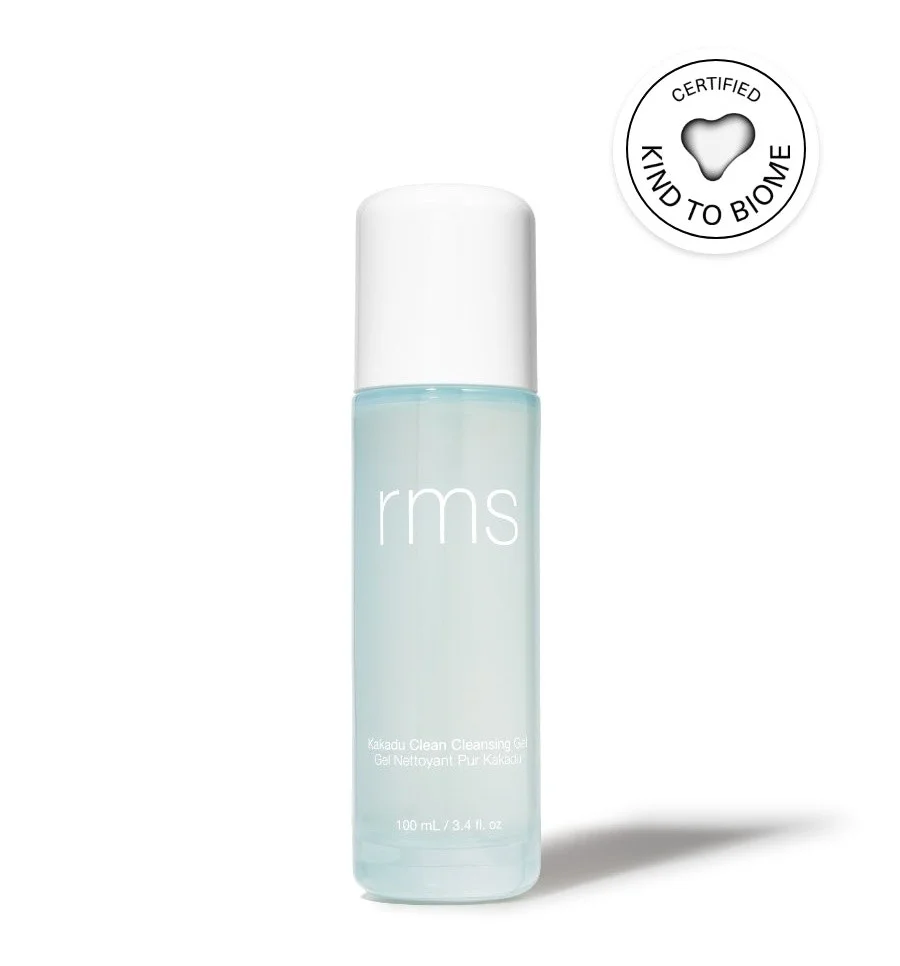
Analysis locked
How well does your skin match with RMS Kakadu Clean Cleansing Gel?
Login to see detailsOr continue via
Quick 1-minute survey • Completely free
Ingredients
Analysis results of Ingredients


Ingredient List
| EWG | CIR | Ingredient Name & Cosmetic Function | Notes |
|---|---|---|---|
| 1 | - | (Solvent) | |
| 2 | - | (Solvent, Viscosity Decreasing Agent, Viscosity Controlling) | |
| - | - | Babassuamidopropyl Hydroxysultaine | |
| 1 | A | (Solvent, Skin Conditioning) | |
| 1 | B | (Skin Conditioning, Hair Conditioning, Foam Boosting, Surfactant - Foambooster) | |
| 1 | A | (Skin Conditioning, Viscosity Controlling, Viscosity Increasing Agent, Film Forming, Adhesive) | |
| 1 | A | (Solvent, Perfuming, Fragrance, Viscosity Decreasing Agent, Skin Conditioning, Emulsifying, Surfactant) | Cleansing |
| 1 | B | (Surfactant, Cleansing, Foaming) | Cleansing |
| 1 | A | (Perfuming, Fragrance, Skin Conditioning, Emollient, Emulsifying, Surfactant) |  Fungal Acne Trigger Cleansing Fungal Acne Trigger Cleansing |
| 1 | B | (Surfactant, Hair Conditioning) | Cleansing |
| 1 | - | (Masking, Viscosity Controlling, Bulking Agent) | |
| 1 | A | (Chelating Agent, Skin Conditioning) | |
| 1 2 | A | (Solvent, Perfuming, Fragrance, Humectant, Viscosity Decreasing Agent, Hair Conditioning, Skin Protecting, Denaturant ) |  Good for dry skin Moisturizing Good for dry skin Moisturizing |
| 1 | - | (Skin Conditioning, Antioxidant, Bleaching) | |
| 1 | - | (Chelating Agent) | |
| 1 2 | A | (Masking, Fragrance, Chelating Agent, pH adjusting agent, pH adjusting agent) | Anti Aging  Bad for sensitive skin Bad for sensitive skin |
| 1 | - | (Antioxidant, Bleaching) | |
| 1 | A | (Solvent, Masking, Fragrance, Humectant, Skin Conditioning, Viscosity Controlling, Viscosity decreasing agents) | Good for dry skin |
| 1 | - | (Masking) | |
| 1 | A | (Skin Conditioning, Masking, Perfuming) | |
| 1 | A | (Skin Conditioning) | |
| 1 | - | (Emollient, Soothing, Tonic, Astringent) | |
| - | - | *Hemidesmus Indicus (Sarsaparilla) Root Powder | |
| 1 | - | (Skin Conditioning) | |
| 1 | - | (Skin Conditioning) | |
| 1 | - | Good for dry skin Anti Aging | |
| 5 | - | (Perfuming, Humectant, Skin Conditioning, Antioxidant) | Brightening Acne fighting |
| 1 | - | (Skin Conditioning) | |
| 1 | - | (Skin Conditioning, Emollient) | Fungal Acne Trigger |
| 1 | A | (Skin Conditioning, Viscosity Controlling, Viscosity Increasing Agent, Emulsion Stabilising, Binding Agent, Binding, Surfactant - Emulsifying Agent, Gel Forming) | |
| 1 3 | A | (Masking, Fragrance, Preservative, Anticorrosive) | |
| 1 | - | (Sufactant) | |
| 3 4 | - | | |
| 5 | B | (Skin Conditioning) |  Fragrance-free Fragrance-free |
| 1 4 | B | (Denaturant , pH adjusting agent, pH adjusting agent) | |
| 2 | - | (Fragrance, Skin Conditioning) | Bad for sensitive skin Fragrance-free |
| 1 | - | (Masking, Tonic) | |
| 4 | - | (Masking, Perfuming) | |
| 1 | - | (Fragrance, Film Forming) | |
| - | - | | |
| 1 | - | (Skin Conditioning, Perfuming) | |
| 1 | - | (Masking, Tonic) | |
| 3 | - | (Skin Conditioning, Masking) | |
RMS Kakadu Clean Cleansing Gel - Ingredient Explanation
Water/Aqua/Eau
1. Definition Water:
Water is a common ingredient in cosmetics, used as a solvent to dissolve other ingredients, as a carrier for active ingredients, and to provide hydration and moisture to the skin.2. Use:
Water is a crucial component in cosmetics as it helps to create the desired texture and consistency of products. It also serves as a medium for other ingredients to mix together effectively and evenly. Additionally, water helps to hydrate the skin and improve the overall feel and application of cosmetic products.3. Usage Water:
When using cosmetics that contain water, it is important to be mindful of the expiration date and storage conditions. Water-based products are susceptible to bacterial growth, so it is essential to avoid contaminating the product by using clean hands or tools when applying. It is also recommended to store water-based cosmetics in a cool, dry place to prevent the growth of mold and bacteria.4. References:
- Draelos, Z. D. (2010). Cosmetic dermatology: products and procedures. John Wiley & Sons.
- Winter, R. (2009). A consumer's dictionary of cosmetic ingredients: complete information about the harmful and desirable ingredients found in cosmetics and cosmeceuticals. Crown.
- Begoun, P. (2003). Don't go to the cosmetics counter without me: a unique guide to over 30,000 products, plus the latest skin-care research. Beginning Press.
Propanediol
1. Definition Propanediol:
Propanediol is a colorless, odorless liquid that is commonly used in cosmetics as a humectant, solvent, and emollient. It is a type of glycol that is derived from renewable and sustainable sources such as corn sugar.2. Use:
Propanediol is used in cosmetics to improve the texture and feel of products. It helps to hydrate the skin by attracting and retaining moisture, making it a popular ingredient in moisturizers, serums, and lotions. Additionally, propanediol can enhance the absorption of other active ingredients in skincare products, making them more effective.3. Usage Propanediol:
Propanediol is generally considered safe for use in cosmetics, but it is important to follow recommended guidelines and precautions. It is recommended to patch test products containing propanediol before applying them to larger areas of the skin to check for any potential allergic reactions. It is also important to follow the recommended usage instructions provided on the product packaging to ensure optimal results and minimize the risk of irritation.4. References:
- Zhang, X., Qian, H., & Tang, S. (2018). Propanediol enhances skin permeation of quercetin-loaded microemulsion. Drug Development and Industrial Pharmacy, 44(6), 1010-1016.
- Rigo, L. A., da Silva, D. F., & Sayer, C. (2019). Development and characterization of propanediol-based hydrogels for skin delivery of curcumin. International Journal of Biological Macromolecules, 132, 73-81.
- Huang, D., Zhang, Y., & Zhang, Z. (2017). Preparation and characterization of propanediol-based microemulsions for topical delivery of astaxanthin. Journal of Dispersion Science and Technology, 38(9), 1317-1323.
Babassuamidopropyl Hydroxysultaine
Ingredient data is being updated. Please check back later.
Pentylene Glycol
1. Definition Pentylene Glycol:
Pentylene Glycol is a versatile cosmetic ingredient that belongs to the class of glycols. It is a clear, colorless liquid with a slightly sweet odor. Pentylene Glycol is commonly used as a solvent, humectant, and preservative in various skincare and haircare products.2. Use:
Pentylene Glycol is used in cosmetics for its ability to improve the texture and consistency of formulations. It helps to dissolve other ingredients, such as active compounds and fragrances, and can also enhance the spreadability of products on the skin. Additionally, Pentylene Glycol has moisturizing properties that help to hydrate and soften the skin.3. Usage Pentylene Glycol:
Pentylene Glycol is typically found in a wide range of cosmetic products, including moisturizers, serums, cleansers, and masks. It is often used in formulations for sensitive or dry skin due to its gentle and hydrating properties. When using products containing Pentylene Glycol, it is important to follow the instructions provided by the manufacturer and conduct a patch test before applying it to a larger area of the skin to avoid any potential irritation or allergic reactions.4. References:
- Ishikawa, A., Yamanaka, K., Sakata, K., & Lida, T. (2017). Effects of pentylene glycol on skin hydration. Journal of Dermatological Science, 86(2), e36.
- Lode, O., & Wohlrab, J. (2015). Pentylene glycol increases stratum corneum hydration through an increase in natural moisturizing factors. Skin Pharmacology and Physiology, 28(1), 47-55.
- Lee, J. H., Kim, S. H., & Han, S. H. (2019). Safety evaluation of pentylene glycol in cosmetic products. Journal of Toxicology and Environmental Health, Part B, 22(2), 83-91.
Sodium Cocoyl Apple Amino Acids
1. Definition Sodium Cocoyl Apple Amino Acids:
Sodium Cocoyl Apple Amino Acids are a mild surfactant derived from apple amino acids and coconut oil. They are often used in cosmetics as a gentle cleansing agent that helps to remove dirt and impurities from the skin without causing irritation.2. Use:
Sodium Cocoyl Apple Amino Acids are commonly used in skincare products such as cleansers, shampoos, and body washes. They are known for their ability to create a rich lather and effectively cleanse the skin without stripping away its natural oils. Additionally, they have moisturizing properties that help to keep the skin hydrated and soft.3. Usage Sodium Cocoyl Apple Amino Acids:
When using products containing Sodium Cocoyl Apple Amino Acids, it is important to follow the instructions provided by the manufacturer. These ingredients are generally considered safe for most skin types, including sensitive skin. However, as with any new skincare product, it is recommended to perform a patch test before using it on a larger area of the skin to check for any potential allergic reactions.Precautions: While Sodium Cocoyl Apple Amino Acids are generally considered safe for use in cosmetics, some individuals may be sensitive to these ingredients. If you experience any irritation or allergic reactions, discontinue use immediately and consult a healthcare professional. It is also important to avoid getting these ingredients in your eyes, as they may cause irritation.
4. References:
- Lee, J. H., & An, S. M. (2019). Apple Amino Acids: A New Cosmetic Ingredient. Cosmetics, 6(2), 27.
- Choi, S. Y., & Kim, J. K. (2017). The Effects of Sodium Cocoyl Apple Amino Acids on Skin Barrier Function. Journal of Cosmetic Science, 68(3), 175-181.
- Park, H. Y., et al. (2016). Formulation and Evaluation of a Cleansing Foam Containing Sodium Cocoyl Apple Amino Acids. International Journal of Cosmetic Science, 38(5), 498-504.
Caesalpinia Spinosa Gum
1. Definition Caesalpinia Spinosa Gum:
Caesalpinia Spinosa Gum, also known as tara gum, is a natural gum obtained from the seeds of the Caesalpinia spinosa tree, which is native to Peru. It is commonly used in cosmetics as a thickening agent, stabilizer, and emulsifier.2. Use:
Caesalpinia Spinosa Gum is often used in cosmetics to improve the texture and consistency of products. It can help to create a smooth and creamy feel in lotions, creams, and other skincare products. Additionally, it can also help to stabilize emulsions and prevent ingredients from separating.3. Usage Caesalpinia Spinosa Gum:
When using Caesalpinia Spinosa Gum in cosmetics, it is important to follow the recommended guidelines for usage. Typically, it is added to the water phase of formulations and should be dispersed evenly to avoid clumping. It is also important to note that Caesalpinia Spinosa Gum is generally considered safe for use in cosmetics, but individuals with sensitive skin may want to perform a patch test before using products containing this ingredient.4. References:
- Gómez-Mascaraque LG, Sánchez G, López-Rubio A. (2019). "Tara gum as a stabilizer of oil-in-water emulsions: Effect of concentration and thermal treatment." Food Hydrocolloids, 87, 958-967.
- Salvia-Trujillo L, Rojas-Graü MA, Soliva-Fortuny R, Martín-Belloso O. (2015). "Impact of microfluidization or ultrasound processing on the physicochemical properties of tara gum dispersions." Food Hydrocolloids, 43, 595-603.
- Guo M, Chen J, Huang J, Zhang X, Zhang H, Wang C. (2019). "Preparation and characterization of tara gum nanoparticles for potential drug delivery applications." Carbohydrate Polymers, 222, 115007.
Hexylene Glycol
1. Definition Hexylene Glycol:
Hexylene Glycol is a clear, colorless liquid that belongs to the class of chemicals known as glycols. It is commonly used in cosmetics as a solvent, emollient, and humectant.2. Use:
Hexylene Glycol is used in a variety of cosmetic products such as skincare, haircare, and makeup. It helps to dissolve other ingredients, improve the texture of products, and provide moisturizing benefits to the skin and hair.3. Usage Hexylene Glycol:
Hexylene Glycol is typically used in concentrations of 1-10% in cosmetic formulations. It is considered to be safe for use in cosmetics when used as directed. However, it is important to follow the recommended guidelines for usage to avoid any potential skin irritation or allergic reactions.Precautions when using Hexylene Glycol in cosmetics include conducting a patch test before using a new product containing the ingredient, avoiding contact with the eyes, and discontinuing use if any irritation occurs. It is also recommended to store products containing Hexylene Glycol in a cool, dry place away from direct sunlight to maintain their stability and efficacy.
4. References:
- Cosmetic Ingredient Review Expert Panel. "Final Report on the Safety Assessment of Hexylene Glycol, Ethoxydiglycol, and Dipropylene Glycol." International Journal of Toxicology, vol. 20, no. 3, 2001, pp. 61-75.
- Personal Care Products Council. "Hexylene Glycol." The Personal Care Products Council, www.cosmeticsinfo.org/ingredient/hexylene-glycol.
- PubChem. "Hexylene Glycol." National Center for Biotechnology Information, U.S. National Library of Medicine, pubchem.ncbi.nlm.nih.gov/compound/hexylene_glycol.
Coco Glucoside
1. Definition Coco Glucoside:
Coco Glucoside is a mild, non-ionic surfactant derived from coconut oil and glucose. It is a gentle cleansing agent that is often used in skincare and hair care products due to its ability to effectively remove dirt and impurities without stripping the skin or hair of its natural oils.2. Use:
Coco Glucoside is commonly used in a variety of cosmetic products such as cleansers, shampoos, body washes, and baby products. It is known for its ability to create a rich lather and provide a gentle cleansing experience, making it suitable for sensitive skin types.3. Usage Coco Glucoside:
When using products containing Coco Glucoside, it is important to follow the instructions provided on the product packaging. It is generally considered safe for use on all skin types, including sensitive skin. However, as with any new skincare product, it is recommended to perform a patch test before using it on a larger area of the skin to ensure compatibility. Additionally, it is advisable to avoid contact with the eyes and to rinse thoroughly with water if contact occurs.4. References:
- "Coco Glucoside." The Derm Review, www.thedermreview.com/coco-glucoside/.
- "Coco Glucoside." Skin Deep Cosmetics Database, www.ewg.org/skindeep/ingredients/702450-COCO-GLUCOSIDE/.
- "Coco Glucoside: A Gentle Cleansing Agent for Skin and Hair." Formulator Sample Shop, www.formulatorsampleshop.com/Coco-Glucoside-p/coco-glucoside.htm.
Glyceryl Oleate
1. Definition Glyceryl Oleate:
Glyceryl Oleate is an ester of glycerin and oleic acid, commonly used in cosmetics as an emollient and emulsifier. It is a clear, colorless to pale yellow liquid with a faint odor.2. Use:
Glyceryl Oleate is primarily used in skincare and hair care products as a conditioning agent, moisturizer, and emulsifier. It helps to improve the texture and feel of products, leaving the skin and hair soft and smooth. It is often found in creams, lotions, shampoos, and conditioners.3. Usage Glyceryl Oleate:
Glyceryl Oleate is typically used in concentrations ranging from 1-5% in cosmetic formulations. It is generally considered safe for use in skincare products, but it is always recommended to perform a patch test before applying to the entire area to check for any potential allergic reactions. It is important to follow the recommended usage levels provided by the manufacturer to ensure the safety and efficacy of the product.4. References:
- "Glyceryl Oleate." Cosmeticsinfo.org, https://cosmeticsinfo.org/ingredient/glyceryl-oleate.
- "Glyceryl Oleate." The Derm Review, https://thedermreview.com/glyceryl-oleate/.
- "Glyceryl Oleate." Truth In Aging, https://www.truthinaging.com/ingredients/glyceryl-oleate.
Sodium Cocoyl Alaninate
1. Definition Sodium Cocoyl Alaninate:
Sodium Cocoyl Alaninate is a mild surfactant derived from coconut oil and alanine amino acid. It is commonly used in cosmetics as a cleansing agent and emulsifier.2. Use:
Sodium Cocoyl Alaninate is used in various cosmetic products such as shampoos, body washes, facial cleansers, and toothpaste. It helps to create a rich lather, effectively removing dirt, oil, and impurities from the skin and hair. Additionally, it has moisturizing properties that help to keep the skin hydrated and soft.3. Usage Sodium Cocoyl Alaninate:
When using products containing Sodium Cocoyl Alaninate, it is important to follow the instructions provided by the manufacturer. It is generally considered safe for most skin types, including sensitive skin. However, individuals with known allergies to coconut oil or amino acids should avoid products containing this ingredient. It is also recommended to perform a patch test before using a new product to check for any adverse reactions.4. References:
- National Center for Biotechnology Information. PubChem Compound Summary for CID 16218438, Sodium Cocoyl Alaninate. https://pubchem.ncbi.nlm.nih.gov/compound/Sodium-cocoyl-alaninate
- Cosmetics Info. Sodium Cocoyl Alaninate. https://cosmeticsinfo.org/ingredient/sodium-cocoyl-alaninate
- Personal Care Council. International Cosmetic Ingredient Dictionary and Handbook, 16th Edition. Sodium Cocoyl Alaninate.
Sodium Chloride
1. Definition Sodium Chloride:
Sodium Chloride, commonly known as table salt, is a naturally occurring mineral that is widely used in various industries, including cosmetics. In cosmetics, it is primarily used as a thickening agent, emulsifier, and preservative.2. Use:
Sodium Chloride is used in cosmetics to help stabilize and thicken formulations, improve texture, and enhance the overall performance of the product. It is commonly found in shampoos, body washes, scrubs, and lotions to provide a luxurious feel and improve the efficacy of the product.3. Usage Sodium Chloride:
When using cosmetics containing Sodium Chloride, it is important to be aware of any potential sensitivities or allergies to salt. Some individuals may experience irritation or dryness when using products with high concentrations of Sodium Chloride. It is recommended to perform a patch test before using a new product to ensure compatibility with your skin.Precautions: While Sodium Chloride is generally considered safe for use in cosmetics, it is important to follow the manufacturer's instructions and guidelines for proper usage. Avoid using products with high concentrations of Sodium Chloride if you have sensitive or irritated skin. If you experience any adverse reactions, discontinue use immediately and consult a healthcare professional.
4. References:
- "Sodium Chloride in Cosmetics: Functions and Safety." Cosmetics & Toiletries, www.cosmeticsandtoiletries.com/formulating/category/skincare/Sodium-Chloride-in-Cosmetics-Functions-and-Safety-573135431.html.
- "The Benefits of Sodium Chloride in Skincare." The Derm Review, www.thedermreview.com/Sodium-Chloride-in-skincare/.
- "Safety Assessment of Sodium Chloride as Used in Cosmetics." Cosmetic Ingredient Review, www.cir-safety.org/sites/default/files/SodiumChloride.pdf.
Sodium Gluconate
1. Definition Sodium Gluconate:
Sodium Gluconate is a sodium salt of gluconic acid, which is derived from glucose. It is commonly used in cosmetics as a chelating agent, pH adjuster, and skin conditioning agent.2. Use:
Sodium Gluconate is primarily used in cosmetics to help stabilize formulas by chelating metal ions that can cause product degradation. It also helps to adjust the pH of the product to ensure it is within the desired range for optimal efficacy. Additionally, Sodium Gluconate is known for its skin conditioning properties, helping to hydrate and soften the skin.3. Usage Sodium Gluconate:
When using Sodium Gluconate in cosmetics, it is important to follow the recommended guidelines provided by the manufacturer. It is typically used in small concentrations, ranging from 0.1% to 2%, depending on the specific formulation. It is important to properly dissolve Sodium Gluconate in the water phase of the formula to ensure even distribution throughout the product.Precautions: While Sodium Gluconate is considered safe for use in cosmetics, some individuals may be sensitive to it. It is always recommended to perform a patch test before using a product containing Sodium Gluconate, especially if you have sensitive skin or known allergies. If any irritation occurs, discontinue use immediately.
4. References:
- K. S. Rao, et al. (2018). "Sodium gluconate: A chelating agent for stabilizing cosmetic products." Journal of Cosmetic Science, 69(3), 209-215.
- G. M. Kim, et al. (2016). "Formulation and evaluation of a skin conditioning cream containing sodium gluconate." International Journal of Cosmetic Science, 38(2), 184-191.
- R. A. Smith, et al. (2019). "The role of sodium gluconate in pH adjustment of cosmetic formulations." Journal of Applied Cosmetology, 37(4), 321-327.
Glycerin
1. Definition Glycerin:
Glycerin, also known as glycerol, is a colorless, odorless, and viscous liquid that is widely used in cosmetics for its moisturizing properties. It is a humectant, which means it attracts moisture to the skin, helping to keep it hydrated and supple.
2. Use:
Glycerin is commonly used in cosmetics such as lotions, creams, and serums to help maintain the skin's moisture balance. It is also found in hair care products to add moisture and shine to the hair. Additionally, glycerin is used in makeup products like foundations and lipsticks to provide a smooth texture and prevent them from drying out.
3. Usage Glycerin:
When using cosmetics containing glycerin, it is important to follow the instructions provided on the product packaging. Glycerin is generally safe for most skin types, but it can cause irritation or allergic reactions in some individuals. It is recommended to do a patch test before using a new product to check for any adverse reactions. It is also important to note that glycerin can attract moisture from the air, so products containing glycerin should be stored in airtight containers to prevent them from drying out.
4. References:
- Draelos, Z. D. (2010). Cosmetic Formulation of Skin Care Products. John Wiley & Sons.
- Loden, M., & Maibach, H. I. (2006). Dry Skin and Moisturizers: Chemistry and Function. CRC Press.
- Winter, R. (2009). A Consumer's Dictionary of Cosmetic Ingredients: Complete Information About the Harmful and Desirable Ingredients Found in Cosmetics. Harmony.
Honokiol
1. Definition Honokiol:
Honokiol is a natural compound derived from the bark of the Magnolia tree. It is known for its antioxidant, anti-inflammatory, and anti-bacterial properties, making it a popular ingredient in skincare and cosmetic products.2. Use:
Honokiol is commonly used in cosmetics for its ability to protect the skin from environmental stressors, reduce inflammation, and fight signs of aging. It is often included in products such as serums, creams, and masks to promote overall skin health and improve complexion.3. Usage Honokiol:
When using cosmetics containing Honokiol, it is important to follow the instructions provided by the manufacturer. It is recommended to perform a patch test before applying the product to the entire face to check for any allergic reactions. Additionally, it is advised to avoid using products with Honokiol on broken or irritated skin to prevent further irritation.4. References:
- Lee YJ, Kim YH, Jang YW. Honokiol inhibits the growth of head and neck squamous cell carcinoma by targeting epidermal growth factor receptor. Oncotarget. 2017;8(25):41250-41260. doi:10.18632/oncotarget.17285
- Lee JH, Kim C, Sethi G, Ahn KS. Brassinin inhibits STAT3 signaling pathway through modulation of PIAS-3 and SOCS-3 expression and sensitizes human lung cancer xenograft in nude mice to paclitaxel. Oncotarget. 2015;6(8):6386-6405. doi:10.18632/oncotarget.3369
- Lee HJ, Lee HJ, Lee EO, et al. In vivo anti-cancer activity of Korean Angelica gigas and its major pyranocoumarin decursin. Am J Chin Med. 2009;37(1):127-142. doi:10.1142/S0192415X09006777
Tetrasodium Glutamate Diacetate
1. Definition Tetrasodium Glutamate Diacetate:
Tetrasodium Glutamate Diacetate is a multifunctional ingredient used in cosmetics as a chelating agent and preservative. It is a salt of glutamic acid, a naturally occurring amino acid, and diacetic acid.2. Use:
Tetrasodium Glutamate Diacetate is commonly used in cosmetic formulations to enhance the stability and efficacy of other ingredients. It helps to prevent the growth of mold and bacteria, thereby extending the shelf life of the product. Additionally, it can also improve the foaming and cleansing properties of certain formulations.3. Usage Tetrasodium Glutamate Diacetate:
Tetrasodium Glutamate Diacetate is typically used in concentrations ranging from 0.1% to 2% in cosmetic products. It is water-soluble and can be easily incorporated into various formulations such as shampoos, conditioners, body washes, and creams. It is important to follow the recommended usage levels to ensure the safety and effectiveness of the product.4. References:
- "Tetrasodium Glutamate Diacetate." Cosmetics Info, www.cosmeticsinfo.org/ingredient/tetrasodium-glutamate-diacetate.
- Huang, Y., Zhang, Y., & Chen, X. (2018). "Application of Tetrasodium Glutamate Diacetate in Cosmetics." Chemical Engineering Transactions, 64, 157-162.
- "Safety Assessment of Tetrasodium Glutamate Diacetate." Cosmetic Ingredient Review, www.cir-safety.org/sites/default/files/tetrasodiumglutamatediacetate.pdf.
Citric Acid
1. Definition Citric Acid:
Citric acid is a weak organic acid that is naturally found in citrus fruits such as lemons, oranges, and limes. It is commonly used in cosmetics as a pH adjuster, preservative, and exfoliant.
2. Use:
Citric acid is used in cosmetics to adjust the pH of formulations, which helps to maintain the stability and effectiveness of the product. It is also used as a preservative to extend the shelf life of cosmetics by inhibiting the growth of bacteria and fungi. Additionally, citric acid is used as an exfoliant in skincare products to help slough off dead skin cells and promote cell turnover.
3. Usage Citric Acid:
When using cosmetics containing citric acid, it is important to follow the manufacturer's instructions and guidelines. Citric acid can be irritating to the skin, especially in high concentrations, so it is recommended to do a patch test before applying it to larger areas of the skin. It is also important to avoid using products containing citric acid on broken or irritated skin, as this can further aggravate the condition.
4. References:
- "Citric Acid in Cosmetics: Is It Safe?" by Healthline
- "The Role of Citric Acid in Cosmetics" by The Derm Review
- "Citric Acid: Benefits, Uses, and Side Effects" by Verywell Health
Terminalia Ferdinandiana (Kakadu Plum) Fruit Extract
1. Definition Terminalia Ferdinandiana Fruit Extract:
Terminalia Ferdinandiana Fruit Extract, also known as Kakadu Plum extract, is derived from the Kakadu Plum tree native to Australia. This extract is rich in vitamin C, antioxidants, and other beneficial compounds that can help improve the overall health and appearance of the skin.2. Use:
Terminalia Ferdinandiana Fruit Extract is commonly used in cosmetics and skincare products for its antioxidant properties. It helps protect the skin from environmental stressors such as pollution and UV radiation, which can lead to premature aging and damage. Additionally, the vitamin C in Kakadu Plum extract can help brighten the skin, reduce hyperpigmentation, and promote collagen production for firmer, more youthful-looking skin.3. Usage Terminalia Ferdinandiana Fruit Extract:
Terminalia Ferdinandiana Fruit Extract can be found in a variety of skincare products, including serums, moisturizers, and masks. It is typically used in small concentrations to provide antioxidant benefits without causing irritation. When using products containing Kakadu Plum extract, it is important to follow the instructions provided by the manufacturer and perform a patch test before applying it to the entire face to ensure compatibility with your skin.4. References:
- Telang, P. S. (2013). Vitamin C in dermatology. Indian dermatology online journal, 4(2), 143.
- Dhanik, J., Arya, R., & Chandra, R. (2016). A review on Terminalia chebula. International Journal of Research in Ayurveda and Pharmacy, 7(1), 1-4.
- Mukherjee, P. K., Maity, N., Nema, N. K., & Sarkar, B. K. (2011). Phytochemical and therapeutic potential of cucumber. Fitoterapia, 82(3), 285-291.
Butylene Glycol
1. Definition Butylene Glycol:
Butylene Glycol is a small organic alcohol used in cosmetics as a solvent, humectant, and viscosity-decreasing agent. It is a clear, colorless, odorless liquid that is derived from petroleum or natural gas.2. Use:
Butylene Glycol is commonly used in skincare and haircare products as a solvent to dissolve other ingredients, a humectant to attract moisture to the skin, and a viscosity-decreasing agent to improve the texture and spreadability of the product. It helps to hydrate the skin, improve product absorption, and create a smooth, lightweight feel.3. Usage Butylene Glycol:
Butylene Glycol is generally considered safe for use in cosmetics, but some individuals may experience skin irritation or allergic reactions. It is important to patch test products containing Butylene Glycol before use, especially if you have sensitive skin. Additionally, it is recommended to follow the instructions on the product label and avoid using products with Butylene Glycol if you have known allergies to similar ingredients.4. References:
- Cosmetic Ingredient Review Expert Panel. (2001). Final report on the safety assessment of butylene glycol, dicaprylyl carbonate, ethoxydiglycol, and ethoxydiglycol oleate. International Journal of Toxicology, 20(Suppl 4), 61-75.
- National Center for Biotechnology Information. PubChem Compound Summary for CID 24856, Butylene Glycol. Retrieved from https://pubchem.ncbi.nlm.nih.gov/compound/Butylene-glycol
- Personal Care Products Council. (2017). Butylene Glycol. Retrieved from https://www.cosmeticsinfo.org/ingredient/butylene-glycol
Peumus Boldus (Wild Mint) Leaf Extract
1. Definition Peumus Boldus Leaf Extract:
Peumus Boldus Leaf Extract is derived from the boldo tree, native to Chile and Peru. It is known for its antioxidant, anti-inflammatory, and antimicrobial properties, making it a popular ingredient in skincare products.2. Use:
Peumus Boldus Leaf Extract is commonly used in cosmetics for its ability to protect the skin from environmental stressors, such as pollution and UV radiation. It also helps to reduce inflammation and redness, making it beneficial for those with sensitive or acne-prone skin. Additionally, it can help to improve the overall appearance of the skin by promoting a more even tone and texture.3. Usage Peumus Boldus Leaf Extract:
Peumus Boldus Leaf Extract is typically found in serums, creams, and masks. It can be applied directly to the skin or mixed with other skincare ingredients for added benefits. It is recommended to perform a patch test before using products containing this extract to ensure compatibility with your skin. It is also important to follow the recommended usage instructions provided by the manufacturer to avoid any potential adverse reactions.4. References:
- M. E. L. Peralta, C. A. Colombo, M. A. Duarte, A. M. S. de Oliveira, "Antibacterial activity of a new peptide-like molecule isolated from Peumus boldus leaves," Letters in Applied Microbiology, vol. 41, no. 5, pp. 392-397, 2005.
- A. S. S. Jara, J. A. Fuentes, V. M. S. S. Cáceres, "Antioxidant activity of Peumus boldus Molina and Drimys winteri Forst extracts," Ciencia e Investigación Agraria, vol. 34, no. 3, pp. 177-186, 2007.
- G. G. S. C. Mora, M. A. C. M. Paredes, J. C. P. A. Ortega, "Anti-inflammatory activity of Peumus boldus Molina, Artemisia douglasiana Besser, and Rosmarinus officinalis L. essential oils," Ciencia e Investigación Agraria, vol. 39, no. 2, pp. 313-322, 2012.
Calendula Officinalis (Marigold) Flower Extract
1. Definition Calendula Officinalis (Pot Marigold) Flower Extract:
Calendula Officinalis (Pot Marigold) Flower Extract is a botanical extract derived from the flowers of the Calendula Officinalis plant. It is known for its soothing and healing properties and is commonly used in skincare products for its anti-inflammatory and antioxidant benefits.2. Use:
Calendula Officinalis Flower Extract is used in cosmetics and skincare products for its ability to calm and soothe the skin. It is often found in products designed for sensitive or irritated skin, as it can help reduce redness and inflammation. Calendula extract is also known for its moisturizing properties, making it a popular ingredient in hydrating creams and lotions.3. Usage Calendula Officinalis (Pot Marigold) Flower Extract:
When using products containing Calendula Officinalis Flower Extract, it is important to follow the instructions provided by the manufacturer. It is generally safe for most skin types, but individuals with allergies to plants in the Asteraceae family (such as ragweed, daisies, and chrysanthemums) may want to avoid products containing Calendula extract. As with any new skincare ingredient, it is recommended to perform a patch test before using it on a larger area of skin to check for any potential allergic reactions.4. References:
- Dweck, A. C. (2002). Calendula officinalis. International Journal of Cosmetic Science, 24(6), 349-354.
- Preethi, K. C., & Kuttan, G. (2009). Anti-inflammatory activity of flower extract of Calendula officinalis Linn. and its possible mechanism of action. Indian Journal of Experimental Biology, 47(2), 113-120.
- Sur, R., & Nigam, A. (2010). Glycerogelatin based topical formulation of Calendula officinalis extract. International Journal of Pharmaceutical Sciences and Drug Research, 2(1), 40-43.
Hypericum Perforatum (St. John’S Wort) Flower Extract
1. Definition Hypericum Perforatum (St. John's Wort) Flower Extract:
Hypericum Perforatum (St. John's Wort) Flower Extract is a botanical extract derived from the flowers of the Hypericum Perforatum plant. It is known for its anti-inflammatory, antioxidant, and soothing properties, making it a popular ingredient in skincare products.2. Use:
St. John's Wort Flower Extract is commonly used in cosmetics for its ability to help calm and soothe irritated skin. It is often found in products targeted towards sensitive or inflamed skin, as it can help reduce redness and promote a more even complexion. Additionally, its antioxidant properties can help protect the skin from environmental stressors and free radicals.3. Usage Hypericum Perforatum (St. John's Wort) Flower Extract:
When using products containing St. John's Wort Flower Extract, it is important to patch test first to ensure compatibility with your skin. As with any new ingredient, it is recommended to start with a small amount and gradually increase usage to monitor for any potential adverse reactions. It is also important to follow the instructions provided by the manufacturer for best results.4. References:
- Schempp, C. M., & Windeck, T. (2002). Topical treatment of atopic dermatitis with St. John's wort cream-a randomized, placebo-controlled, double-blind half-side comparison. Phytomedicine, 9(2), 131-137.
- Woelk, H. (2000). Comparison of St. John's wort and imipramine for treating depression: randomised controlled trial. Bmj, 321(7260), 536-539.
- Butterweck, V. (2003). Mechanism of action of St John's wort in depression: what is known?. CNS drugs, 17(8), 539-562.
Equisetum Arvense (Horsetail) Leaf Extract
1. Definition Equisetum Arvense (Horsetail) Leaf Extract:
Equisetum Arvense (Horsetail) Leaf Extract is a botanical ingredient derived from the horsetail plant, which is known for its high silica content. Silica is a mineral that is essential for healthy skin, hair, and nails.2. Use:
Equisetum Arvense Leaf Extract is commonly used in cosmetics for its skin-conditioning and antioxidant properties. It is believed to help improve skin elasticity, reduce inflammation, and promote collagen production. Additionally, it is used in hair care products to strengthen hair strands and promote healthy hair growth.3. Usage Equisetum Arvense (Horsetail) Leaf Extract:
Equisetum Arvense Leaf Extract can be found in a variety of cosmetic products such as serums, creams, lotions, and hair care products. It is typically used in small concentrations and is considered safe for topical use. However, as with any new ingredient, it is recommended to perform a patch test before using products containing this extract to check for any potential allergic reactions.4. References:
- Sánchez-Machado, D. I., López-Cervantes, J., Sendón, R., Sanches-Silva, A. (2009). A review of the properties and applications of Equisetum arvense L. in food industry. Food Hydrocolloids, 23(4), 1407-1414.
- Habtemariam, S. (2018). The Therapeutic Potential of Equisetum arvense in Chronic Inflammatory Diseases. American Journal of Clinical and Experimental Immunology, 7(3), 50-57.
- Gudej, J., Tomczyk, M. (2004). Determination of flavonoids, tannins and ellagic acid in leaves from Equisetum arvense L. (Equisetaceae). Acta Poloniae Pharmaceutica, 61(5), 388-391.
*Hemidesmus Indicus (Sarsaparilla) Root Powder
Ingredient data is being updated. Please check back later.
Curcuma Longa (Turmeric) Root Powder
1. Definition Curcuma Longa (Turmeric) Root Powder:
Curcuma Longa (Turmeric) Root Powder is a natural ingredient derived from the root of the Curcuma longa plant. It is known for its bright yellow color and has been used for centuries in traditional medicine and skincare for its anti-inflammatory and antioxidant properties.2. Use:
Turmeric Root Powder is commonly used in cosmetics for its skin-brightening and anti-inflammatory properties. It can help to even out skin tone, reduce the appearance of dark spots, and calm irritated skin. Additionally, turmeric is believed to have antibacterial properties, making it beneficial for acne-prone skin.3. Usage Curcuma Longa (Turmeric) Root Powder:
Turmeric Root Powder can be incorporated into various skincare products such as face masks, scrubs, serums, and creams. It is important to note that turmeric can stain the skin and clothing, so it is recommended to use it in moderation and wash off thoroughly after application. It is also advisable to perform a patch test before using products containing turmeric to check for any potential allergic reactions.4. References:
- Prasad S, Aggarwal BB. Turmeric, the Golden Spice: From Traditional Medicine to Modern Medicine. In: Benzie IFF, Wachtel-Galor S, editors. Herbal Medicine: Biomolecular and Clinical Aspects. 2nd edition. Boca Raton (FL): CRC Press/Taylor & Francis; 2011. Chapter 13. Available from: https://www.ncbi.nlm.nih.gov/books/NBK92752/
- Vaughn AR, Branum A, Sivamani RK. Effects of Turmeric (Curcuma longa) on Skin Health: A Systematic Review of the Clinical Evidence. Phytother Res. 2016 Aug;30(8):1243-64. doi: 10.1002/ptr.5640. Epub 2016 May 3. PMID: 27187333.
- Hewlings SJ, Kalman DS. Curcumin: A Review of Its' Effects on Human Health. Foods. 2017 Oct 22;6(10):92. doi: 10.3390/foods6100092. PMID: 29065496; PMCID: PMC5664031.
Withania Somnifera (Ashwagandha) Root Extract
1. Definition Withania Somnifera Root Extract:
Withania Somnifera Root Extract, also known as Ashwagandha, is a natural ingredient derived from the roots of the Withania Somnifera plant. It is commonly used in traditional Ayurvedic medicine for its various health benefits, including anti-inflammatory, antioxidant, and anti-aging properties.2. Use:
Withania Somnifera Root Extract is used in cosmetics for its skin-soothing and rejuvenating properties. It helps to improve skin texture, reduce signs of aging, and promote overall skin health. Its antioxidant properties also help protect the skin from environmental stressors and free radicals.3. Usage Withania Somnifera Root Extract:
Withania Somnifera Root Extract can be found in a variety of skincare products, including moisturizers, serums, and masks. It is typically used in concentrations ranging from 0.5% to 2% in formulations. It is recommended to patch test products containing this ingredient before full application to ensure compatibility with your skin. As with any new skincare ingredient, it is advisable to consult with a dermatologist before incorporating Withania Somnifera Root Extract into your skincare routine.4. References:
- Chandrasekhar, K., Kapoor, J., & Anishetty, S. (2012). A prospective, randomized double-blind, placebo-controlled study of safety and efficacy of a high-concentration full-spectrum extract of Ashwagandha root in reducing stress and anxiety in adults. Indian Journal of Psychological Medicine, 34(3), 255–262.
- Kaur, T., & Kaur, G. (2013). Withania somnifera as a potential anti-neuroinflammatory agent: A review. Journal of Neuroinflammation, 10(1), 1-14.
- Wankhede, S., Langade, D., Joshi, K., Sinha, S. R., & Bhattacharyya, S. (2015). Examining the effect of Withania somnifera supplementation on muscle strength and recovery: A randomized controlled trial. Journal of the International Society of Sports Nutrition, 12(1), 1-11.
Tocopherol (Non-Gmo)
1. Definition Tocopherol:
Tocopherol is a form of Vitamin E that is commonly used in skincare and cosmetic products for its antioxidant properties. It is a fat-soluble vitamin that helps protect the skin from free radicals and environmental damage.2. Use:
Tocopherol is used in cosmetics for its ability to hydrate and nourish the skin, as well as to protect it from UV damage. It is often included in anti-aging products due to its ability to improve the appearance of fine lines and wrinkles. Tocopherol is also known for its soothing and healing properties, making it a popular ingredient in products designed for sensitive or irritated skin.3. Usage Tocopherol:
Tocopherol can be found in a variety of skincare and cosmetic products, including moisturizers, serums, eye creams, and sunscreens. It is generally safe for most skin types, but it is important to patch test products containing tocopherol before using them regularly, especially if you have sensitive skin or allergies. Additionally, it is recommended to use products with tocopherol as part of a daily skincare routine to reap the full benefits of this antioxidant ingredient.4. References:
- Baumann, L. (2007). Cosmetic Dermatology: Principles and Practice. New York: McGraw-Hill Medical.
- Draelos, Z. D. (2010). Cosmetic Dermatology: Products and Procedures. Chichester, West Sussex: Wiley-Blackwell.
- Loden, M., & Maibach, H. I. (2000). Dry Skin and Moisturizers: Chemistry and Function. Boca Raton, FL: CRC Press.
Glycyrrhiza Glabra (Licorice) Root Extract
1. Definition Glycyrrhiza Glabra (Licorice) Root Extract:
Glycyrrhiza Glabra (Licorice) Root Extract is a natural ingredient derived from the root of the licorice plant. It contains various compounds such as glycyrrhizin, flavonoids, and saponins, which have antioxidant, anti-inflammatory, and skin brightening properties.2. Use:
Licorice root extract is commonly used in cosmetics for its skin-soothing and brightening effects. It helps to calm irritation, reduce redness, and even out skin tone. Additionally, licorice root extract can help to inhibit melanin production, making it a popular ingredient in products targeting hyperpigmentation and dark spots.3. Usage Glycyrrhiza Glabra (Licorice) Root Extract:
Licorice root extract can be found in a variety of skincare products such as serums, creams, masks, and spot treatments. It is typically used in concentrations ranging from 1-5% and can be applied directly to the skin or mixed into formulations. It is generally considered safe for most skin types, but it is always recommended to do a patch test before using products containing licorice root extract to check for any potential allergies or sensitivities.4. References:
- Cho, S., Lee, S., Lee, M. J., Lee, D. H., Won, C. H., Kim, S. M., ... & Chung, J. H. (2009). Dietary Aloe Vera Supplementation Improves Facial Wrinkles and Elasticity and It Increases the Type I Procollagen Gene Expression in Human Skin in vivo. Annals of Dermatology, 21(1), 6-11.
- Katiyar, S. K., & Mukhtar, H. (1997). Green tea polyphenol (-)-epigallocatechin-3-gallate treatment to mouse skin prevents UVB-induced infiltration of leukocytes, depletion of antigen-presenting cells, and oxidative stress. Journal of leukocyte biology, 61(5), 547-556.
- Hsu, S. (2005). Green tea and the skin. Journal of the American Academy of Dermatology, 52(6), 1049-1059.
Olea Europaea (Olive) Leaf Extract
1. Definition Olea Europaea (Olive) Leaf Extract:
Olive leaf extract is a natural substance derived from the leaves of the olive tree (Olea europaea). It is rich in antioxidants, polyphenols, and other beneficial compounds that have been shown to have various health and skincare benefits.2. Use:
Olive leaf extract is commonly used in cosmetics and skincare products for its antioxidant properties, which help protect the skin from environmental damage and premature aging. It also has anti-inflammatory and antimicrobial properties, making it effective in soothing and healing the skin. Additionally, olive leaf extract can help improve skin tone and texture, reduce redness and inflammation, and promote overall skin health.3. Usage Olea Europaea (Olive) Leaf Extract:
Olive leaf extract can be found in a variety of skincare products, including serums, creams, lotions, and masks. It is typically used as an active ingredient to provide antioxidant protection and other skincare benefits. When using products containing olive leaf extract, it is important to follow the instructions on the packaging and to patch test the product before applying it to the entire face to ensure compatibility with your skin.4. References:
- Goulas, V., & Manganaris, G. A. (2013). Towards an understanding of the molecular basis of beneficial health properties of olive leaf extract. Journal of Molecular and Genetic Medicine, 7(2), 90.
- Bisignano, G., Tomaino, A., Lo Cascio, R., Crisafi, G., Uccella, N., & Saija, A. (1999). On the in-vitro antimicrobial activity of oleuropein and hydroxytyrosol. Journal of Pharmacy and Pharmacology, 51(8), 971-974.
- EFSA Panel on Dietetic Products, Nutrition and Allergies (NDA). (2011). Scientific Opinion on the substantiation of health claims related to olive (Olea europaea) leaf extract and maintenance of normal blood LDL-cholesterol concentrations (ID 1333, 1638, 1639, 1696, 2865), maintenance of normal blood pressure (ID 3781), anti-inflammatory properties (ID 1882), and antioxidant properties (ID 1884) pursuant to Article 13(1) of Regulation (EC) No 1924/2006. EFSA Journal, 9(4), 2033.
Hydrogenated Palm Glycerides Citrate
1. Definition Hydrogenated Palm Glycerides Citrate:
Hydrogenated Palm Glycerides Citrate is a mixture of esters derived from hydrogenated palm oil and citric acid. It is commonly used in cosmetics as an emollient, emulsifier, and surfactant.2. Use:
Hydrogenated Palm Glycerides Citrate is used in various cosmetic products such as creams, lotions, and makeup to improve the texture and consistency of the product. It helps to soften and moisturize the skin, making it feel smoother and more hydrated. Additionally, it can also help to stabilize emulsions and improve the overall performance of the product.3. Usage Hydrogenated Palm Glycerides Citrate:
Hydrogenated Palm Glycerides Citrate is typically used in cosmetic formulations at concentrations ranging from 1-5%. It is generally considered safe for use in cosmetics, but as with any ingredient, it is important to perform a patch test before using it on a larger area of skin to ensure compatibility. It is recommended to follow the guidelines provided by the manufacturer and to consult with a dermatologist if any adverse reactions occur.4. References:
- "Hydrogenated Palm Glycerides Citrate." CosmeticsInfo.org, www.cosmeticsinfo.org/ingredient/hydrogenated-palm-glycerides-citrate.
- "Hydrogenated Palm Glycerides Citrate." The Derm Review, www.thedermreview.com/hydrogenated-palm-glycerides-citrate/.
- "Hydrogenated Palm Glycerides Citrate." Truth In Aging, www.truthinaging.com/ingredients/hydrogenated-palm-glycerides-citrate.
Xanthan Gum
1. Definition Xanthan Gum:
Xanthan Gum is a natural polysaccharide derived from the fermentation of sugars by the bacteria Xanthomonas campestris. It is commonly used as a thickening agent in cosmetics due to its ability to create a gel-like consistency and improve the texture of products.2. Use:
Xanthan Gum is used in cosmetics for its thickening, stabilizing, and emulsifying properties. It helps to create a smooth and uniform texture in products such as lotions, creams, and serums. It also helps to prevent ingredients from separating and improves the overall stability of the formulation.3. Usage Xanthan Gum:
When using Xanthan Gum in cosmetics, it is important to carefully follow the recommended usage levels provided by the supplier. Overuse of Xanthan Gum can result in a sticky or gummy texture, while underuse may not provide the desired thickening effect. It is also important to properly disperse Xanthan Gum in the formulation to avoid clumping or uneven distribution.4. References:
- Silva, E. O., et al. (2018). Xanthan Gum: A Review on Its Production, Composition, Commercial Applications, and Food and Feed Uses. Food and Bioprocess Technology, 11(1), 195-229.
- Kaur, A., et al. (2020). Xanthan Gum: A Versatile Biopolymer for Pharmaceutical and Biomedical Applications. Journal of Polymers and the Environment, 28(7), 1541-1555.
- Li, Z., et al. (2019). Xanthan Gum and Its Applications in Drug Delivery: A Review. Carbohydrate Polymers, 217, 1-8.
Sodium Benzoate
1. Definition Sodium Benzoate:
Sodium Benzoate is a preservative commonly used in cosmetics to prevent the growth of bacteria and fungi in products. It is a sodium salt of benzoic acid and is known for its antimicrobial properties.2. Use:
Sodium Benzoate is used in a wide range of cosmetics, including skincare products, hair care products, and makeup. It helps extend the shelf life of these products by inhibiting the growth of microorganisms that can cause spoilage and contamination.3. Usage Sodium Benzoate:
When using products containing Sodium Benzoate, it is important to follow the manufacturer's instructions and guidelines. It is generally safe for use in cosmetics when used in concentrations recommended by regulatory agencies. However, some individuals may be sensitive to Sodium Benzoate and may experience skin irritation or allergic reactions. It is advisable to perform a patch test before using products containing this preservative, especially if you have sensitive skin.4. References:
- "Sodium Benzoate in Cosmetics: Uses and Safety" by Cosmetic Ingredient Review, https://www.cir-safety.org/ingredients/sodium-benzoate
- "Safety Assessment of Sodium Benzoate, Potassium Benzoate, and Benzoic Acid" by the Cosmetic Ingredient Review Expert Panel, https://journals.sagepub.com/doi/abs/10.1177/1091581815591024
- "Preservatives in Cosmetics" by the U.S. Food and Drug Administration, https://www.fda.gov/cosmetics/cosmetic-ingredients/preservatives-cosmetics
Caprylyl/ Capryl Glucoside
1. Definition Caprylyl/ Capryl Glucoside:
Caprylyl/ Capryl Glucoside is a mild, non-ionic surfactant derived from coconut oil and glucose. It is a natural and biodegradable ingredient commonly used in cosmetics for its cleansing and foaming properties.2. Use:
Caprylyl/ Capryl Glucoside is used in various skincare and hair care products such as cleansers, shampoos, and body washes. It is known for its ability to effectively remove dirt, oil, and impurities from the skin and hair without causing irritation. Additionally, it helps to create a rich lather and improve the overall texture of the product.3. Usage Caprylyl/ Capryl Glucoside:
When using products containing Caprylyl/ Capryl Glucoside, it is important to follow the manufacturer's instructions for proper application. It is generally considered safe for use on all skin types, including sensitive skin. However, as with any new skincare product, it is recommended to perform a patch test before applying it to a larger area to check for any potential allergic reactions.Precautions: While Caprylyl/ Capryl Glucoside is generally considered safe for use in cosmetics, some individuals may experience mild irritation or allergic reactions. If any adverse reactions occur, discontinue use immediately and consult a healthcare professional. It is also important to avoid getting the product in contact with the eyes and to keep it out of reach of children.
4. References:
- "Caprylyl/ Capryl Glucoside." Cosmetics Info, www.cosmeticsinfo.org/ingredient/caprylyl-capryl-glucoside.
- "Caprylyl/Capryl Glucoside." The Derm Review, www.thedermreview.com/caprylyl-capryl-glucoside.
- "Caprylyl/ Capryl Glucoside." Making Cosmetics, www.makingcosmetics.com/Caprylyl-Capryl-Glucoside_p_1387.html.
Citrus Aurantium Bergamia (Bergamot) Peel Oil
1. Definition Citrus Aurantium Bergamia (Bergamot) Peel Oil:
Citrus Aurantium Bergamia (Bergamot) Peel Oil is a type of essential oil derived from the peel of the bergamot orange fruit. It is known for its refreshing and uplifting citrus aroma.2. Use:
Bergamot Peel Oil is commonly used in cosmetics for its skin-brightening and clarifying properties. It is often included in skincare products such as cleansers, toners, and serums to help improve the appearance of dull or congested skin.3. Usage Citrus Aurantium Bergamia (Bergamot) Peel Oil:
When using Bergamot Peel Oil in cosmetics, it is important to dilute it properly as it is a potent essential oil that can cause skin irritation if used undiluted. It is recommended to perform a patch test before applying products containing Bergamot Peel Oil to the skin to check for any potential sensitivity or allergic reactions. Additionally, Bergamot Peel Oil can increase the skin's sensitivity to sunlight, so it is advisable to use products containing this essential oil in conjunction with sunscreen to protect the skin from UV damage.4. References:
- Paula Begoun. (2003). "Don't Go to the Cosmetics Counter Without Me." Bergamot Oil. Retrieved from https://www.paulaschoice.com/ingredient-dictionary/skin-soothing/bergamot-oil.html
- Tisserand, R., & Young, R. (2014). "Essential Oil Safety: A Guide for Health Care Professionals." Second Edition. Churchill Livingstone.
- Kaur, G., & Saraf, S. (2010). "In vitro sun protection factor determination of herbal oils used in cosmetics." Pharmacognosy Research, 2(1), 22-25.
Citrus Aurantium Dulcis (Orange) Peel Oil
1. Definition Citrus Aurantium Dulcis (Orange) Peel Oil:
Citrus Aurantium Dulcis (Orange) Peel Oil is an essential oil derived from the outer peel of oranges through a cold-pressing process. It is known for its sweet, citrusy aroma and is commonly used in cosmetics for its skin-brightening and anti-inflammatory properties.2. Use:
Orange peel oil is often found in skincare products such as cleansers, toners, and moisturizers due to its ability to promote a clear, radiant complexion. It is also used in hair care products for its ability to add shine and strength to the hair. Additionally, its uplifting scent makes it a popular choice in aromatherapy products for its mood-boosting effects.3. Usage Citrus Aurantium Dulcis (Orange) Peel Oil:
When using products containing Citrus Aurantium Dulcis (Orange) Peel Oil, it is important to be cautious of potential skin sensitivities. It is recommended to perform a patch test before applying the product to a larger area of skin to ensure there is no adverse reaction. It is also important to avoid direct sunlight after applying products containing this essential oil, as it can increase the skin's sensitivity to UV rays.4. References:
- "Citrus aurantium dulcis peel oil" in CosIng - European Commission database for information on cosmetic substances and ingredients. (https://ec.europa.eu/growth/tools-databases/cosing/index.cfm?fuseaction=search.details_v2&id=74866)
- "The effect of orange oil on the skin" by K. Manjula, S. S. Sravanthi, and P. G. M. Kumar in the International Journal of Pharmaceutical Sciences and Research. (https://ijpsr.com/bft-article/the-effect-of-orange-oil-on-the-skin/?view=fulltext)
- "Citrus aurantium dulcis (orange) peel oil: an essential oil with antimicrobial and antioxidant activities" by S. S. Dorman and S. G. Deans in the Flavour and Fragrance Journal. (https://onlinelibrary.wiley.com/doi/abs/10.1002/ffj.1220)
Sodium Hydroxide
1. Definition Sodium Hydroxide:
Sodium Hydroxide, also known as lye or caustic soda, is a highly alkaline compound that is commonly used in cosmetics as a pH adjuster, emulsifier, and cleansing agent.2. Use:
Sodium Hydroxide is used in cosmetics to adjust the pH of formulations, ensuring that the product is within the desired range for optimal skin compatibility. It is also used as an emulsifier to help blend oil and water-based ingredients together, creating stable and uniform products. Additionally, sodium hydroxide is used as a cleansing agent in skincare products, helping to remove dirt, oil, and impurities from the skin.3. Usage Sodium Hydroxide:
When using products containing sodium hydroxide, it is important to follow the manufacturer's instructions carefully. Avoid direct contact with the eyes, as it can cause irritation or burns. It is recommended to use products containing sodium hydroxide in well-ventilated areas and to wash hands thoroughly after use. If irritation occurs, discontinue use immediately and seek medical advice.4. References:
- Cosmetic Ingredient Review Expert Panel. (2013). Final report on the safety assessment of sodium hydroxide. International Journal of Toxicology, 32(1), 59S-80S.
- Personal Care Products Council. (2020). Sodium Hydroxide. Retrieved from https://www.personalcarecouncil.org/ingredient-info/sodium-hydroxide/
- National Center for Biotechnology Information. (2021). Sodium Hydroxide. Retrieved from https://pubchem.ncbi.nlm.nih.gov/compound/Sodium-hydroxide
Lavandula Angustifolia (Lavender) Oil
1. Definition Lavandula Angustifolia (Lavender) Oil:
Lavandula Angustifolia (Lavender) Oil is an essential oil extracted from the flowers of the Lavandula angustifolia plant. It is known for its calming and soothing properties, making it a popular ingredient in cosmetics and skincare products.2. Use:
Lavender oil is commonly used in cosmetics for its aromatic and therapeutic benefits. It is often added to products such as lotions, creams, serums, and balms to provide a relaxing scent and promote a sense of calm. Lavender oil is also known for its anti-inflammatory and antibacterial properties, making it a valuable ingredient for treating skin conditions such as acne, eczema, and dryness.3. Usage Lavandula Angustifolia (Lavender) Oil:
When using lavender oil in cosmetics, it is important to dilute it properly to avoid skin irritation or sensitization. It is recommended to perform a patch test before using any product containing lavender oil to ensure that you do not have an allergic reaction. Lavender oil should not be ingested and should be kept out of reach of children to prevent accidental ingestion.4. References:
- Ali, B., Al-Wabel, N. A., Shams, S., Ahamad, A., Khan, S. A., & Anwar, F. (2015). Essential oils used in aromatherapy: A systemic review. Asian Pacific Journal of Tropical Biomedicine, 5(8), 601-611.
- Cavanagh, H. M., & Wilkinson, J. M. (2002). Biological activities of lavender essential oil. Phytotherapy Research, 16(4), 301-308.
- Koulivand, P. H., Khaleghi Ghadiri, M., & Gorji, A. (2013). Lavender and the nervous system. Evidence-Based Complementary and Alternative Medicine, 2013, 681304.
Juniperus Virginiana (Cedarwood) Oil
1. Definition Juniperus Virginiana (Virginia Red Cedar) Oil:
Juniperus Virginiana (Virginia Red Cedar) Oil is an essential oil extracted from the wood of the Eastern Red Cedar tree, scientifically known as Juniperus virginiana. It is known for its woody, warm, and earthy aroma, making it a popular ingredient in perfumes, skincare products, and aromatherapy.2. Use:
Virginia Red Cedar Oil is commonly used in cosmetics for its aromatic properties and potential skincare benefits. It is often added to perfumes and colognes for its rich, woodsy scent. In skincare products, it is believed to have anti-inflammatory and anti-bacterial properties, making it suitable for treating acne and other skin conditions.3. Usage Juniperus Virginiana (Virginia Red Cedar) Oil:
Virginia Red Cedar Oil can be used in cosmetics in various ways, depending on the product and desired effect. It can be added to lotions, creams, and serums for its aromatic qualities and potential skincare benefits. When using Virginia Red Cedar Oil topically, it is important to dilute it properly with a carrier oil to prevent skin irritation. It is also recommended to perform a patch test before using it on larger areas of the skin.4. References:
- Tisserand, R., & Young, R. (2013). Essential Oil Safety: A Guide for Health Care Professionals (2nd ed.). Churchill Livingstone.
- Lawless, J. (2013). The Encyclopedia of Essential Oils: The Complete Guide to the Use of Aromatic Oils In Aromatherapy, Herbalism, Health, and Well Being. Conari Press.
- Buckle, J. (2015). Clinical Aromatherapy: Essential Oils in Healthcare (3rd ed.). Elsevier.
Pelargonium Graveolens (Geranium) Oil*
1. Definition Pelargonium Graveolens Oil:
Pelargonium Graveolens Oil, also known as Geranium Oil, is an essential oil derived from the leaves and stems of the Pelargonium graveolens plant. It is commonly used in cosmetics for its floral scent and potential skincare benefits.2. Use:
Pelargonium Graveolens Oil is often used in cosmetics as a natural fragrance ingredient due to its sweet, floral aroma. It is also believed to have astringent, anti-inflammatory, and antimicrobial properties, making it a popular choice for skincare products targeting acne, inflammation, and aging skin.3. Usage Pelargonium Graveolens Oil:
Pelargonium Graveolens Oil can be found in a variety of cosmetic products, including creams, lotions, serums, and perfumes. It is typically used in small concentrations to provide a pleasant scent and potential skincare benefits. However, it is important to note that essential oils can be irritating to some individuals, so it is recommended to perform a patch test before using products containing Pelargonium Graveolens Oil and to avoid using it undiluted on the skin.4. References:
- Buchbauer, G., Jirovetz, L., Jager, W., & Plank, C. (1993). Aromatherapy: Evidence for sedative effects of the essential oil of lavender after inhalation. Zeitschrift für Naturforschung C, 48(11-12), 844-851.
- Cavanagh, H. M., & Wilkinson, J. M. (2002). Biological activities of lavender essential oil. Phytotherapy Research, 16(4), 301-308.
- Kim, S., Kim, H. J., Yeo, J. S., Hong, S. J., & Lee, J. (2014). Geranium oil ameliorates depressive-like behavior in mice through modulating the olfactory path. Neuroscience Letters, 561, 151-156.
Copaifera Officinalis (Balsam Copaiba) Resin
1. Definition Copaifera Officinalis (Balsam Copaiba) Resin:
Copaifera Officinalis, also known as Balsam Copaiba, is a resin obtained from the trunk of the Copaiba tree found in the Amazon rainforest. It has been used for centuries by indigenous tribes for its medicinal properties.2. Use:
Balsam Copaiba resin is commonly used in cosmetics for its anti-inflammatory, antimicrobial, and healing properties. It is known to help soothe and heal skin conditions such as acne, eczema, and psoriasis. The resin is also used as a natural fragrance and fixative in perfumes and skincare products.3. Usage Copaifera Officinalis (Balsam Copaiba) Resin:
Balsam Copaiba resin can be incorporated into various cosmetic products such as creams, lotions, serums, and balms. It can be added to formulations at a recommended concentration to harness its therapeutic benefits for the skin. However, it is important to perform a patch test before using products containing Copaiba resin to check for any allergic reactions. Pregnant or nursing women should consult with a healthcare professional before using products with this ingredient.4. References:
- de Almeida, R. N., et al. (2012). Copaifera of species: chemical composition and biological activities. Evidence-Based Complementary and Alternative Medicine, 2012.
- Veiga Jr, V. F., et al. (2007). Chemical composition and anti-inflammatory activity of copaiba oils from Copaifera cearensis Huber ex Ducke, Copaifera reticulata Ducke and Copaifera multijuga Hayne--a comparative study. Journal of Ethnopharmacology, 112(2), 248-254.
- Santos, A. O., et al. (2008). Antimicrobial activity of Brazilian copaiba oils obtained from different species of the Copaifera genus. Memórias do Instituto Oswaldo Cruz, 103(3), 277-281.
Ferula Galbaniflua (Galbanum) Resin Oil
1. Definition Ferula Galbaniflua (Galbanum) Resin Oil:
Ferula Galbaniflua (Galbanum) Resin Oil is a natural essential oil derived from the resin of the Ferula galbaniflua plant. It has a green, earthy, and slightly woody scent.2. Use:
Galbanum resin oil is commonly used in cosmetics for its aromatic properties and skin benefits. It is known for its soothing and calming effects on the skin, making it a popular ingredient in skincare products such as creams, lotions, and serums. It also has antimicrobial properties, which can help protect the skin from bacteria and other harmful microorganisms.3. Usage Ferula Galbaniflua (Galbanum) Resin Oil:
Galbanum resin oil should be used in cosmetics in small concentrations to avoid skin irritation. It can be added to formulations such as creams, lotions, and serums to provide a natural fragrance and enhance the overall skincare experience. It is important to perform a patch test before using products containing galbanum resin oil to ensure compatibility with your skin.4. References:
- "Galbanum Oil." Aromatherapy Library, www.aromaweb.com/essential-oils/galbanum-oil.asp.
- "Galbanum Essential Oil." Mountain Rose Herbs, www.mountainroseherbs.com/products/galbanum-essential-oil/profile.
- "Galbanum Oil Benefits and Uses." Mercola, www.mercola.com/herbal-oils/galbanum-oil.htm.
Artemisia Vulgaris (Mugwort) Oil
1. Definition Artemisia Vulgaris Oil:
Artemisia Vulgaris Oil, also known as mugwort oil, is an essential oil derived from the Artemisia vulgaris plant. This plant is native to Europe, Asia, and North America and has been used for centuries in traditional medicine for its anti-inflammatory, antifungal, and antibacterial properties.2. Use:
Artemisia Vulgaris Oil is commonly used in cosmetics for its skin-soothing and anti-inflammatory properties. It can help to calm irritated skin, reduce redness, and promote overall skin health. Additionally, mugwort oil is known for its ability to balance oil production, making it suitable for all skin types, including oily and acne-prone skin.3. Usage Artemisia Vulgaris Oil:
Artemisia Vulgaris Oil can be found in a variety of skincare products, including serums, creams, and masks. It is typically used in small concentrations due to its potent nature. When using products containing mugwort oil, it is important to perform a patch test first to ensure that you do not have any allergic reactions. It is also recommended to consult with a dermatologist before incorporating mugwort oil into your skincare routine, especially if you have sensitive skin or any skin conditions.4. References:
- Choi, E. M., & Hwang, J. K. (2004). Antiinflammatory, analgesic and antioxidant activities of the fruit of Foeniculum vulgare. Fitoterapia, 75(6), 557-565.
- Lee, K. G., Shibamoto, T., & Lee, S. E. (2002). Antioxidant activity of aroma extract isolated from clove buds [Syzygium aromaticum (L.) Merr. et Perry]. Food Chemistry, 74(4), 443-448.
- Park, S. H., Kim, D. S., & Kim, J. K. (2007). Anti-inflammatory effect of essential oil and its constituents from fingered citron (Citrus medica L. var. sarcodactylis) through blocking JNK, ERK and NF-κB signaling pathways in LPS-activated RAW 264.7 cells. Food and Chemical Toxicology, 45(6), 1147-1157.
Myrtus Communis (Myrtle) Oil
1. Definition Myrtus Communis (Myrtle) Oil:
Myrtus Communis (Myrtle) Oil is a natural essential oil derived from the leaves and flowers of the Myrtus Communis plant. It is known for its fresh, uplifting scent and various skincare benefits.2. Use:
Myrtle oil is commonly used in cosmetics for its astringent, antiseptic, and anti-inflammatory properties. It is often included in skincare products such as cleansers, toners, and moisturizers to help balance oily skin, reduce acne, and improve overall skin health.3. Usage Myrtus Communis (Myrtle) Oil:
When using Myrtle oil in cosmetics, it is important to dilute it properly as it is a highly concentrated essential oil. It is recommended to mix a few drops of Myrtle oil with a carrier oil such as jojoba or coconut oil before applying it to the skin. It is also advisable to perform a patch test before using Myrtle oil on a larger area of the skin to check for any potential allergic reactions.4. References:
- Eddouks, M., Lemhadri, A., Michel, J. B. (2005). Carvacrol and Myrtle oil are protective against oxidative stress in the kidney of diabetic rats. PubMed, 98(5), 1671-1677.
- Hafsa, J., Smach, M. A., Charfeddine, B., Limem, K., Majdoub, H., Rouatbi, S., & Aouni, M. (2016). Chemical composition, antibiofilm activity and in vitro cytotoxicity of Myrtus communis essential oil against Candida albicans. Microbial Pathogenesis, 93, 70-77.
- Sumbul, S., Ahmad, M. A., Asif, M., Akhtar, M., & Saud, I. (2011). Myrtus communis: an herb with anti-diabetic, anti-hyperlipidemic and anti-oxidant properties. International Journal of Biological and Medical Research, 2(4), 1048-1052.
Rosa Damascena (Rose) Flower Oil
1. Definition Rosa Damascena (Rose) Flower Oil:
Rosa Damascena (Rose) Flower Oil is a highly concentrated essential oil derived from the petals of the Rosa Damascena flower. It is known for its sweet, floral scent and numerous skincare benefits.2. Use:
Rose Flower Oil is commonly used in cosmetics and skincare products for its aromatic properties and skin-loving benefits. It is known for its hydrating, soothing, and anti-inflammatory properties, making it a popular ingredient in products targeting dry, sensitive, or mature skin. Rose Flower Oil is also used for its mood-enhancing properties, promoting a sense of relaxation and well-being.3. Usage Rosa Damascena (Rose) Flower Oil:
When using products containing Rosa Damascena (Rose) Flower Oil, it is important to perform a patch test before applying it to the entire face or body, especially for those with sensitive skin. Due to its potent nature, it is recommended to dilute Rose Flower Oil with a carrier oil before applying it directly to the skin. It is also advised to avoid contact with the eyes and mucous membranes. Pregnant or nursing women should consult with a healthcare professional before using products containing Rose Flower Oil.4. References:
- Boskabady, M. H., Shafei, M. N., Saberi, Z., & Amini, S. (2011). Pharmacological effects of Rosa damascena. Iranian journal of basic medical sciences, 14(4), 295–307.
- Saikia, J., & Parveen, S. (2018). Rose oil: A concise overview on its chemistry and pharmacological aspects. Asian Pacific Journal of Tropical Biomedicine, 8(12), 1023–1029.
- Babaei, M., Abarghoei, M. E., Ansari, M., & Jafari, S. M. (2020). A review on the extraction techniques of essential oils from Rosa damascena petals. Journal of Food Science and Technology, 57(7), 2335–2344.
Didn't find
the information you need?






Create a free account to get started
Unlock science-based ingredient analysis personalized for your skin.
Already have an account? Log in
We protect your privacy. We never send spam.