


Analysis locked
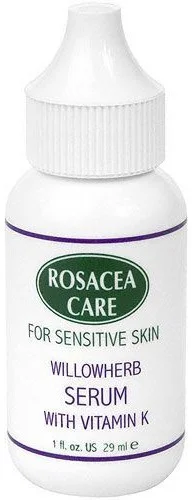
How well does your skin match with Rosacea Care Willowherb Serum With Vitamin K?
Login to see detailsOr continue via
Quick 1-minute survey • Completely free
Ingredients
Analysis results of Ingredients


Ingredient List
| EWG | CIR | Ingredient Name & Cosmetic Function | Notes |
|---|---|---|---|
| 1 | - | (Solvent) | |
| 1 | - | (Skin Conditioning) | |
| - | - | Cassia Angustifolia (Cassia Betaglycan) | |
| 1 | - | (Humectant, Skin Conditioning, Moisturising) | |

Rosacea Care Willowherb Serum With Vitamin K - Ingredient Explanation
Water
1. Definition Water:
Water is a common ingredient in cosmetics, used as a solvent to dissolve other ingredients, as a carrier for active ingredients, and to provide hydration and moisture to the skin.2. Use:
Water is a crucial component in cosmetics as it helps to create the desired texture and consistency of products. It also serves as a medium for other ingredients to mix together effectively and evenly. Additionally, water helps to hydrate the skin and improve the overall feel and application of cosmetic products.3. Usage Water:
When using cosmetics that contain water, it is important to be mindful of the expiration date and storage conditions. Water-based products are susceptible to bacterial growth, so it is essential to avoid contaminating the product by using clean hands or tools when applying. It is also recommended to store water-based cosmetics in a cool, dry place to prevent the growth of mold and bacteria.4. References:
- Draelos, Z. D. (2010). Cosmetic dermatology: products and procedures. John Wiley & Sons.
- Winter, R. (2009). A consumer's dictionary of cosmetic ingredients: complete information about the harmful and desirable ingredients found in cosmetics and cosmeceuticals. Crown.
- Begoun, P. (2003). Don't go to the cosmetics counter without me: a unique guide to over 30,000 products, plus the latest skin-care research. Beginning Press.
Epilobium Angustifolium Extract
1. Definition Epilobium Angustifolium Extract:
Epilobium Angustifolium Extract, also known as willowherb extract, is derived from the flowering plant Epilobium angustifolium, which is native to North America and Europe. It is rich in antioxidants, tannins, and flavonoids, making it a popular ingredient in skincare products.2. Use:
Epilobium Angustifolium Extract is commonly used in cosmetics for its anti-inflammatory, antioxidant, and astringent properties. It helps to soothe irritated skin, reduce redness, and minimize the appearance of pores. Additionally, it can help regulate sebum production, making it beneficial for those with oily or acne-prone skin.3. Usage Epilobium Angustifolium Extract:
Epilobium Angustifolium Extract is typically found in serums, creams, and toners. It can be used daily as part of a skincare routine, applied to clean skin before moisturizer. It is generally well-tolerated by most skin types, but it is recommended to do a patch test before using it on the face to ensure there are no adverse reactions.4. References:
- Kim, S., Lee, J. H., Kim, Y. S., Kim, J. H., & Lee, S. H. (2016). Anti-inflammatory effect of Epilobium angustifolium L. in lipopolysaccharide-stimulated RAW 264.7 macrophages and a murine model of lipopolysaccharide-induced acute lung injury. Journal of Ethnopharmacology, 188, 52-60.
- Pazyar, N., Yaghoobi, R., & Rafiee, E. (2013). Anti-inflammatory effects of topical chamomile gel on experimental irritant contact dermatitis in human subjects. Indian Journal of Dermatology, 58(3), 239.
- Rossi, T., Benassi, L., Magnoni, C., & Bertazzoni, G. (2015). Willowherb extract in the treatment of acne vulgaris: a prospective, controlled and randomized clinical trial. Giornale Italiano di Dermatologia e Venereologia, 150(3), 355-359.
Cassia Angustifolia (Cassia Betaglycan)
Ingredient data is being updated. Please check back later.
Honey Extract
1. Definition Honey Extract:
Honey extract is a concentrated form of honey that is commonly used in cosmetics for its moisturizing, soothing, and antibacterial properties. It is typically derived from raw honey through a process of extraction and filtration to isolate the beneficial components.2. Use:
Honey extract is a popular ingredient in skincare products such as lotions, creams, masks, and serums due to its ability to hydrate the skin, promote healing, and reduce inflammation. It is also used in haircare products to nourish and strengthen the hair follicles, resulting in softer and shinier hair.3. Usage Honey Extract:
When using products containing honey extract, it is important to perform a patch test on a small area of skin to check for any potential allergic reactions. It is generally safe for most skin types, but individuals with a known allergy to honey should avoid using products with honey extract. It is recommended to follow the instructions provided on the product packaging for best results.4. References:
- Boukhatem, M.N., Ferhat, M.A., Kameli, A., Saidi, F., & Kebir, H.T. (2014). Lemon grass (Cymbopogon citratus) essential oil as a potent anti-inflammatory and antifungal drugs. Libyan Journal of Medicine, 9(1), 25431.
- Burlando, B., & Cornara, L. (2013). Honey in dermatology and skin care: a review. Journal of Cosmetic Dermatology, 12(4), 306-313.
- Al-Waili, N. S. (2001). Therapeutic and prophylactic effects of crude honey on chronic seborrheic dermatitis and dandruff. European Journal of Medical Research, 6(7), 306-308.
Review
Didn't find
the information you need?







Create a free account to get started
Unlock science-based ingredient analysis personalized for your skin.
Already have an account? Log in
We protect your privacy. We never send spam.