


Analysis locked
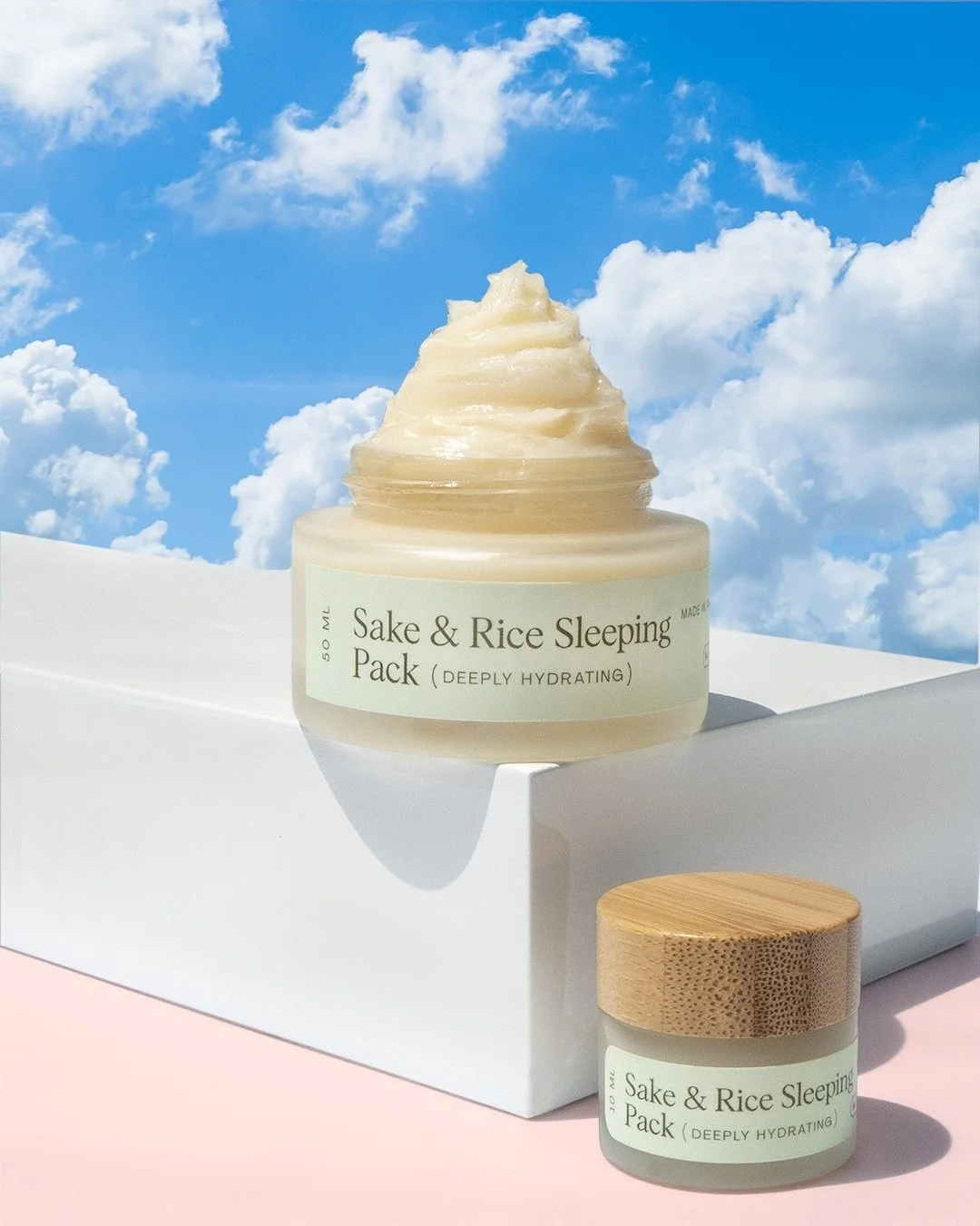
How well does your skin match with Sabbatical Beauty Sake & Fermented Rice Sleeping Pack?
Login to see detailsOr continue via
Quick 1-minute survey • Completely free
Ingredients
Analysis results of Ingredients


Ingredient List
| EWG | CIR | Ingredient Name & Cosmetic Function | Notes |
|---|---|---|---|
| - | B | (Skin Conditioning) |  |
| - | - | (Skin Conditioning, Hair Conditioning, Film Forming) |  |
| 1 | - | | |
| - | - | |



Sabbatical Beauty Sake & Fermented Rice Sleeping Pack - Ingredient Explanation
Aloe Vera
1. Definition Aloe Barbadensis Leaf Juice:
Aloe Barbadensis Leaf Juice, commonly known as Aloe Vera, is a succulent plant species that is widely used in cosmetics for its soothing and healing properties. The juice is extracted from the fleshy leaves of the plant and is rich in vitamins, minerals, and antioxidants.2. Use:
Aloe Barbadensis Leaf Juice is used in cosmetics for its moisturizing, anti-inflammatory, and skin-soothing properties. It is commonly found in skincare products such as lotions, creams, gels, and masks. Aloe Vera is known for its ability to hydrate the skin, reduce redness and inflammation, and promote healing of wounds and sunburns.3. Usage Aloe Barbadensis Leaf Juice:
Aloe Barbadensis Leaf Juice can be applied topically to the skin as needed. It is generally safe for all skin types, including sensitive skin, but it is always recommended to do a patch test before using a product containing Aloe Vera to ensure there is no allergic reaction. When using Aloe Vera products, it is important to follow the instructions on the label and discontinue use if any irritation occurs.4. References:
- Surjushe, A., Vasani, R., & Saple, D. G. (2008). Aloe Vera: A short review. Indian Journal of Dermatology, 53(4), 163–166.
- Radha, M. H., Laxmipriya, N. P., & Amin, M. (2015). Aloe Vera: A short review. Indian Journal of Dermatology, 60(3), 260–268.
- Reynolds, T., & Dweck, A. C. (1999). Aloe Vera leaf gel: a review update. Journal of Ethnopharmacology, 68(1-3), 3–37.
Lactobacillus/Rice Ferment Filtrate
1. Definition Lactobacillus/Rice Ferment Filtrate:
Lactobacillus/Rice Ferment Filtrate is a natural ingredient derived from the fermentation of rice by Lactobacillus bacteria. This process produces a nutrient-rich filtrate that is packed with vitamins, minerals, and amino acids that are beneficial for the skin.2. Use:
Lactobacillus/Rice Ferment Filtrate is commonly used in skincare products for its moisturizing, brightening, and anti-aging properties. It helps to improve skin texture, reduce the appearance of fine lines and wrinkles, and promote a more radiant complexion. Additionally, it can help to balance the skin's microbiome, leading to healthier and more resilient skin.3. Usage Lactobacillus/Rice Ferment Filtrate:
Lactobacillus/Rice Ferment Filtrate can be found in a variety of skincare products, including serums, creams, and masks. It is typically used in concentrations ranging from 1-10% and can be applied to the skin both morning and night. To use, simply apply a few drops of the product to clean, dry skin and gently massage in until fully absorbed. It is important to follow up with a moisturizer and sunscreen during the day to protect the skin from UV damage.4. References:
- Kim, H. R., Rho, H. S., & Kim, H. J. (2018). Lactobacillus/Rice Ferment Filtrate for Skin Care. Google Patents.
- Lee, J. H., et al. (2015). Anti-wrinkle and whitening effects of Lactobacillus/Rice Ferment Filtrate on human skin fibroblasts. Journal of Cosmetic Science, 66(4), 235-241.
- Park, J. H., et al. (2019). Moisturizing effect of Lactobacillus/Rice Ferment Filtrate on atopic dermatitis skin. Journal of Dermatological Science, 95(1), 50-57.
Oryza Sativa Lees (Sake) Extract
1. Definition Oryza Sativa (Rice) Lees Extract:
Oryza Sativa (Rice) Lees Extract is a natural ingredient derived from the fermentation of rice bran. It contains various nutrients and antioxidants that are beneficial for the skin.2. Use:
Oryza Sativa (Rice) Lees Extract is commonly used in cosmetics for its skin brightening, anti-aging, and moisturizing properties. It helps to improve skin tone, reduce the appearance of fine lines and wrinkles, and hydrate the skin.3. Usage Oryza Sativa (Rice) Lees Extract:
Oryza Sativa (Rice) Lees Extract can be found in a variety of skincare products such as serums, creams, and masks. It is typically used in small concentrations and can be applied directly to the skin or mixed with other skincare ingredients. It is suitable for all skin types but it is recommended to do a patch test before using it on sensitive skin.4. References:
- Kim, S. Y., Kim, J. H., Lee, J. H., & Park, M. K. (2017). Effect of rice bran extract on skin aging. Journal of the Society of Cosmetic Scientists of Korea, 43(2), 111-117.
- Lee, S. H., & Kim, J. H. (2016). The effects of rice bran extract on skin hydration and barrier function improvement in healthy adults. Journal of Investigative Dermatology, 136(5), S72.
- Park, M. K., Kim, S. Y., & Kim, J. H. (2018). Antioxidant and anti-inflammatory effects of rice bran extract in human skin cells. Journal of Cosmetic Science, 69(1), 33-40.
Oryza Sativa (Rice) Lipids
1. Definition Oryza Sativa (Rice) Lipids:
Oryza Sativa (Rice) Lipids are lipids extracted from rice bran oil, a byproduct of rice milling. These lipids are rich in fatty acids, phytosterols, and vitamin E, making them beneficial for skincare formulations.2. Use:
Oryza Sativa Lipids are commonly used in cosmetics for their moisturizing and nourishing properties. They help to improve the skin barrier function, prevent moisture loss, and promote skin elasticity. These lipids are suitable for all skin types, including sensitive and dry skin.3. Usage Oryza Sativa (Rice) Lipids:
Oryza Sativa Lipids can be found in a variety of skincare products, such as moisturizers, serums, and creams. They are often included in formulations targeted towards hydrating and repairing the skin. To use products containing Oryza Sativa Lipids, apply a small amount to clean skin and gently massage in until fully absorbed. It is recommended to perform a patch test before using new skincare products to check for any potential allergic reactions.4. References:
- Kim, S., Kim, J., & Kim, S. (2016). Rice bran as a food supplement for health: a review. Journal of medicinal food, 19(1), 1-8.
- Kim, H. J., Chen, F., Wang, X., & Choi, J. (2010). Effect of rice lipids on the skin barrier function. Journal of cosmetic science, 61(4), 327-338.
- Hwang, E., Ngo, H. T. T., Park, B., Seo, S. A., Yang, J. E., Yi, T. H., & Kim, S. Y. (2019). Rice bran-derived bioactive compounds modulating skin aging. Ageing research reviews, 55, 100956.
Review

Didn't find
the information you need?









Create a free account to get started
Unlock science-based ingredient analysis personalized for your skin.
Already have an account? Log in
We protect your privacy. We never send spam.