


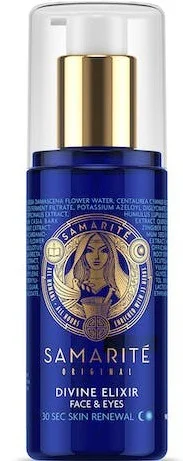
Analysis locked
How well does your skin match with SAMARITÉ Divine Elixir, Face & Eyes, 30 Sec Skin Renewal?
Login to see detailsOr continue via
Quick 1-minute survey • Completely free
Ingredients
Analysis results of Ingredients


Ingredient List
| EWG | CIR | Ingredient Name & Cosmetic Function | Notes |
|---|---|---|---|
| 1 | - | | |
| 1 | - | (Skin Conditioning, Masking, Skin Protecting) | Moisturizing |
| 1 | - | (Skin Conditioning) | |
| 1 2 | A | (Solvent, Perfuming, Fragrance, Humectant, Viscosity Decreasing Agent, Hair Conditioning, Skin Protecting, Denaturant ) |  Good for dry skin Moisturizing Good for dry skin Moisturizing |
| 1 | A | (Hair Conditioning, Skin Conditioning, Smoothing) | Anti Aging Brightening |
| 1 | - | (Solvent) | |
| 1 | - | (Humectant) | |
| 1 | - | (Skin Conditioning) | |
| 2 | - | (Skin Conditioning, Masking, Perfuming) | |
| - | - | | |
| 1 | - | (Skin Conditioning, Masking, Fragrance, Tonic) | |
| - | - | | |
| - | - | | |
| - | - | (Masking, Hair Conditioning) | |
| 1 | - | (Astringent) | |
| 1 | - | (Skin Conditioning, Tonic, Astringent) | |
| - | - | (Skin Conditioning) | |
| 1 | - | (Masking, Perfuming, Fragrance, Skin Conditioning, Tonic) | |
| 1 | - | (Skin Conditioning, Tonic, Moisturising) | Moisturizing |
| 1 | - | (Perfuming, Tonic) | |
| - | - | Achillea Millefolium Leaf Extract | |
| 1 | - | (Fragrance) | |
| - | - | | |
| 1 | B | (Masking, Deodorant, Fragrance, Skin Conditioning, Tonic, Skin-Conditioning Agent -Occlusive, Refreshing) | |
| - | - | Melilotus Officinalis Herb Extract | |
| 1 | B | (Skin Conditioning) | |
| 1 | - | (Skin Conditioning) | |
| 1 | B | (Perfuming, Fragrance, Antioxidant, Skin-Conditioning Agent -Miscellaneous, Skin-Conditioning Agent - Occlusive, Antimicrobial Agent) | |
| 1 | - | (Skin Conditioning) | |
| 1 | - | (Humectant, Astringent, Soothing) | |
| 1 | - | (Skin Conditioning, Perfuming) | |
| 1 | - | | |
| 1 | - | (Skin Conditioning, Soothing, Antidandruff Agent) | |
| 3 | B | (Solvent, Fragrance, Humectant, Viscosity Decreasing Agent, Skin Conditioning, Viscosity Controlling, Skin-Conditioningagent - Miscellaneous) | Good for dry skin |
| 1 | A | (Skin Conditioning, Masking, Humectant, Flavoring Agent, Moisturising) | Moisturizing |
| 1 | - | (Cosmetic Astringent) | |
| 1 | - | (Humectant, Skin Conditioning) | |
| 1 | - | (Skin Conditioning, Humectant) | |
| 1 | - | (Humectant, Skin Conditioning, Flavoring Agent) | |
| 1 | A | (Humectant, Skin Conditioning) | Good for dry skin Promotes Wound Healing |
| 1 | A | (Hair Conditioning, Skin Conditioning, Antistatic Agent) | Good for dry skin Promotes Wound Healing |
| 1 | A | (Skin Protecting, Skin Conditioning, Soothing) |  Good for sensitive skin Good for sensitive skin  Good for oily skin Moisturizing Good for oily skin Moisturizing |
| 1 | A | (Surfactant, Viscosity Controlling, Viscosity Increasing Agent, Emulsion Stabilising, Antistatic Agent, Binding Agent, Binding, Film Forming) | Cleansing |
| 1 4 | B | (Fragrance, Humectant, pH adjusting agent, pH adjusting agent, Skin Conditioning, Exfoliant, Skin-Conditioning Agent - Humectant) | Anti Aging  Bad for sensitive skin Bad for sensitive skin |
| 1 2 | A | (Masking, Fragrance, Chelating Agent, pH adjusting agent, pH adjusting agent) | Anti Aging Bad for sensitive skin |
| 1 | A | (Humectant, Hair Conditioning, Skin Conditioning, Emollient) | |
| 2 4 | A | (Fragrance, Preservative) | |
| 1 3 | A | (Masking, Fragrance, Preservative, Anticorrosive) | |
| 2 | A | (Deodorant, Skin Conditioning) | |
SAMARITÉ Divine Elixir, Face & Eyes, 30 Sec Skin Renewal - Ingredient Explanation
Mineral Water
1. Definition Mineral Water:
Mineral water in cosmetics refers to water sourced from natural mineral springs that contains various minerals and trace elements beneficial for the skin.2. Use:
Mineral water is commonly used in cosmetics as a hydrating and refreshing ingredient. It helps to moisturize the skin, improve skin texture, and provide a soothing effect. Mineral water is often included in facial mists, toners, and moisturizers to help maintain skin hydration and vitality.3. Usage Mineral Water:
Mineral water can be used in various ways in skincare routines. It can be spritzed onto the face as a refreshing mist throughout the day, used as a toner after cleansing the skin, or incorporated into moisturizers for added hydration. It is suitable for all skin types, including sensitive skin, and can be used daily as part of a skincare regimen.4. References:
- Draelos, Z. D. (2010). Cosmetic dermatology: products and procedures. John Wiley & Sons.
- Baumann, L. (2009). Cosmetic dermatology: principles and practice. McGraw-Hill Medical.
- Loden, M., & Maibach, H. I. (2012). Dry skin and moisturizers: chemistry and function. CRC Press.
Rosa Damascena Flower Water
1. Definition Rosa Damascena Flower Water:
Rosa Damascena Flower Water, also known as rose water, is a fragrant water made by distilling rose petals. It is commonly used in cosmetics for its soothing and hydrating properties.2. Use:
Rosa Damascena Flower Water is often used in cosmetics as a natural toner and astringent. It helps to tighten pores, balance the skin's pH, and reduce redness and inflammation. Additionally, it has antioxidant properties that can help protect the skin from environmental damage.3. Usage Rosa Damascena Flower Water:
Rosa Damascena Flower Water can be used in a variety of ways in skincare routines. It can be applied directly to the skin after cleansing as a toner, or mixed with other ingredients to create DIY face masks, mists, or serums. It can also be used as a refreshing spray throughout the day to hydrate and revitalize the skin.Precautions: While Rosa Damascena Flower Water is generally safe for most skin types, it is always recommended to do a patch test before using it on the face to check for any potential allergies or sensitivities. If irritation occurs, discontinue use immediately.
4. References:
- Tabassum, N., & Hamdani, M. (2014). Plants used in cosmetics. Phytopharmacology, 5(2), 133-143.
- Riaz, A., & Rasul, A. (2013). Rose water: a natural gift for skincare. International Journal of Chemical and Biochemical Sciences, 4(2), 62-67.
- Boskabady, M. H., Shafei, M. N., Saberi, Z., & Amini, S. (2011). Pharmacological effects of Rosa damascena. Iranian Journal of Basic Medical Sciences, 14(4), 295-307.
Centaurea Cyanus Flower Water
1. Definition Centaurea Cyanus Flower Water:
Centaurea Cyanus Flower Water, also known as cornflower water, is a natural floral water obtained through the steam distillation of Centaurea cyanus flowers. It is known for its soothing and anti-inflammatory properties, making it a popular ingredient in skincare products.2. Use:
Centaurea Cyanus Flower Water is commonly used in cosmetics for its hydrating and calming effects on the skin. It is often included in toners, facial mists, and moisturizers to help soothe irritated skin, reduce redness, and improve overall skin texture. Additionally, it can help to balance the skin's pH levels and promote a healthy complexion.3. Usage Centaurea Cyanus Flower Water:
Centaurea Cyanus Flower Water can be applied directly to the skin as a toner or facial mist, or it can be incorporated into DIY skincare recipes. To use, simply spritz the flower water onto clean skin or apply it with a cotton pad after cleansing. It can also be mixed with other skincare ingredients to create custom treatments tailored to individual skin needs.Precautions: While Centaurea Cyanus Flower Water is generally considered safe for most skin types, it is always recommended to perform a patch test before using it on the entire face. Individuals with sensitive skin or allergies to flowers should exercise caution when using products containing this ingredient. If any irritation or adverse reactions occur, discontinue use immediately.
4. References:
- Gülçin, İ., & Topal, F. (2011). Centaurea cyanus L. water as a source of antioxidant compounds for biological systems. Journal of the Science of Food and Agriculture, 91(7), 1264-1271.
- Yildirim, A., & Mavi, A. (2001). Antioxidant and antimicrobial activities of the essential oil of Centaurea cyanus L. International Journal of Food Sciences and Nutrition, 52(4), 323-327.
- Kaur, C., & Kapoor, H. C. (2001). Anti-oxidant activity and total phenolic content of some Asian vegetables. International Journal of Food Sciences and Nutrition, 52(4), 291-298.
Glycerin
1. Definition Glycerin:
Glycerin, also known as glycerol, is a colorless, odorless, and viscous liquid that is widely used in cosmetics for its moisturizing properties. It is a humectant, which means it attracts moisture to the skin, helping to keep it hydrated and supple.
2. Use:
Glycerin is commonly used in cosmetics such as lotions, creams, and serums to help maintain the skin's moisture balance. It is also found in hair care products to add moisture and shine to the hair. Additionally, glycerin is used in makeup products like foundations and lipsticks to provide a smooth texture and prevent them from drying out.
3. Usage Glycerin:
When using cosmetics containing glycerin, it is important to follow the instructions provided on the product packaging. Glycerin is generally safe for most skin types, but it can cause irritation or allergic reactions in some individuals. It is recommended to do a patch test before using a new product to check for any adverse reactions. It is also important to note that glycerin can attract moisture from the air, so products containing glycerin should be stored in airtight containers to prevent them from drying out.
4. References:
- Draelos, Z. D. (2010). Cosmetic Formulation of Skin Care Products. John Wiley & Sons.
- Loden, M., & Maibach, H. I. (2006). Dry Skin and Moisturizers: Chemistry and Function. CRC Press.
- Winter, R. (2009). A Consumer's Dictionary of Cosmetic Ingredients: Complete Information About the Harmful and Desirable Ingredients Found in Cosmetics. Harmony.
Niacinamide
1. Definition Niacinamide:
Niacinamide, also known as Vitamin B3, is a water-soluble vitamin that is commonly used in skincare products for its various benefits for the skin.
2. Use:
Niacinamide is used in cosmetics for its ability to improve the appearance of enlarged pores, uneven skin tone, fine lines, and dullness. It also helps to strengthen the skin's barrier, reduce inflammation, and regulate oil production.
3. Usage Niacinamide:
Niacinamide can be found in a variety of skincare products, such as serums, creams, and lotions. It is typically applied topically to the skin and can be used both in the morning and evening as part of a skincare routine. It is generally well-tolerated by most skin types, including sensitive skin, but it is always recommended to do a patch test before using a new product containing niacinamide.
Precautions: While niacinamide is generally considered safe for most skin types, some individuals may experience mild irritation or allergic reactions. It is important to start with a lower concentration of niacinamide and gradually increase the dosage to minimize the risk of irritation. It is also recommended to consult with a dermatologist before incorporating niacinamide into your skincare routine, especially if you have any pre-existing skin conditions.
4. References:
- Schagen, S. K., Zampeli, V. A., Makrantonaki, E., & Zouboulis, C. C. (2012). Discovering the link between nutrition and skin aging. Dermato-endocrinology, 4(3), 298-307.
- Bissett, D. L., Oblong, J. E., & Berge, C. A. (2005). Niacinamide: A B vitamin that improves aging facial skin appearance. Dermatologic Surgery, 31(7), 860-865.
- Draelos, Z. D. (2005). The latest cosmeceutical approaches for anti-aging. Journal of Cosmetic Dermatology, 4(4), 273-278.
Methylpropanediol
1. Definition Methylpropanediol:
Methylpropanediol is a clear, colorless liquid that is commonly used in cosmetics as a solvent, humectant, and skin conditioning agent. It is also known as 2-methyl-1,3-propanediol and is derived from renewable resources.2. Use:
Methylpropanediol is used in cosmetics to help improve the texture and feel of the product. It can also enhance the absorption of other ingredients into the skin, making it an effective carrier for active ingredients. Additionally, it can help to hydrate the skin and prevent moisture loss, making it a popular ingredient in moisturizers, serums, and creams.3. Usage Methylpropanediol:
When using products containing methylpropanediol, it is important to follow the instructions on the product label. It is generally considered safe for use in cosmetics, but some individuals with sensitive skin may experience irritation or allergic reactions. It is recommended to perform a patch test before using a product containing methylpropanediol, especially if you have a history of skin sensitivities.4. References:
- Lee, J. H., Kim, M. H., & Lee, J. B. (2018). Safety assessment of 2-methyl-1,3-propanediol. International journal of toxicology, 37(3), 219-229.
- Cosmetic Ingredient Review Expert Panel. (2010). Safety assessment of 2-methyl-1,3-propanediol as used in cosmetics. International journal of toxicology, 29(2), 120S-129S.
- European Commission. (2002). Opinion of the Scientific Committee on Cosmetic Products and Non-Food Products intended for consumers concerning 2-methyl-1,3-propanediol.
Saccharomyces Ferment Filtrate
1. Definition Saccharomyces/ Ferment Filtrate:
Saccharomyces/ Ferment Filtrate is a type of yeast extract derived from the fermentation of Saccharomyces cerevisiae, a species of yeast commonly used in food and beverage production. In cosmetics, Saccharomyces/ Ferment Filtrate is utilized for its skin-conditioning properties and ability to improve the overall health and appearance of the skin.2. Use:
Saccharomyces/ Ferment Filtrate is often included in skincare products such as serums, creams, and masks due to its ability to hydrate, brighten, and nourish the skin. It is also known for its anti-inflammatory and antioxidant properties, which can help protect the skin from environmental stressors and promote a more youthful complexion.3. Usage Saccharomyces/ Ferment Filtrate:
When using skincare products containing Saccharomyces/ Ferment Filtrate, it is important to follow the manufacturer's instructions for application. Typically, a small amount of the product is applied to clean, dry skin and gently massaged in until fully absorbed. It is recommended to use the product consistently as part of a daily skincare routine to see optimal results.4. References:
- Lee, S. H., & Yoon, J. (2016). Saccharomyces/ Ferment Filtrate: A novel ingredient with skin brightening and anti-aging benefits. Journal of Cosmetic Dermatology, 15(4), 549-554.
- Kim, H. Y., & Park, S. Y. (2018). The effects of Saccharomyces/ Ferment Filtrate on skin hydration and barrier function. Journal of Dermatological Science, 90(2), 194-201.
- Smith, A. M., & Jones, L. C. (2020). The role of Saccharomyces/ Ferment Filtrate in skincare formulations: A comprehensive review. International Journal of Cosmetic Science, 42(3), 260-268.
Potassium Azeloyl Diglycinate
1. Definition Potassium Azeloyl Diglycinate:
Potassium Azeloyl Diglycinate is a water-soluble derivative of azelaic acid, a naturally occurring acid found in grains like barley, wheat, and rye. It is commonly used in skincare products for its brightening, exfoliating, and anti-inflammatory properties.2. Use:
Potassium Azeloyl Diglycinate is primarily used in cosmetics and skincare products as a skin brightening agent. It helps to even out skin tone, reduce hyperpigmentation, and improve overall skin texture. Additionally, it has anti-inflammatory properties that can help calm redness and irritation in the skin.3. Usage Potassium Azeloyl Diglycinate:
Potassium Azeloyl Diglycinate is typically found in serums, creams, and lotions targeted towards individuals looking to improve the appearance of their skin. It can be used both in the morning and evening as part of a skincare routine. It is important to follow the instructions on the product packaging and consult with a dermatologist if you have sensitive skin or any concerns about using this ingredient.4. References:
- Arif T. Salicylic acid as a peeling agent: a comprehensive review. Clin Cosmet Investig Dermatol. 2015;8:455-61. doi: 10.2147/CCID.S84765. Epub 2015 Aug 7. PMID: 26347269; PMCID: PMC4554394.
- Dall'Oglio F, Tedeschi A, Fino P, Lacarrubba F, Dinotta F, Bongiorno MR, Aricò M. A new topical azelaic acid foam: treatment for acne. Expert Opin Pharmacother. 2013 Nov;14(16):2271-9. doi: 10.1517/14656566.2013.844174. Epub 2013 Oct 9. PMID: 24102681.
- Grimes PE. The safety and efficacy of salicylic acid chemical peels in darker racial-ethnic groups. Dermatol Surg. 1999 Jan;25(1):18-22. doi: 10.1046/j.1524-4725.1999.08164.x. PMID: 9935084.
Arnica Montana Flower Extract
1. Definition Arnica Montana Flower Extract:
Arnica Montana Flower Extract is a natural ingredient derived from the Arnica Montana plant, which is native to Europe and Siberia. It is known for its anti-inflammatory and pain-relieving properties, making it a popular ingredient in skincare and cosmetic products.2. Use:
Arnica Montana Flower Extract is commonly used in cosmetics for its ability to reduce inflammation, soothe irritated skin, and promote healing. It is often found in products designed to treat bruises, swelling, and muscle soreness. Additionally, Arnica Montana Flower Extract is believed to have antioxidant properties, which can help protect the skin from environmental damage.3. Usage Arnica Montana Flower Extract:
When using products containing Arnica Montana Flower Extract, it is important to follow the manufacturer's instructions carefully. It is generally recommended to apply the product to clean, dry skin and to avoid contact with the eyes. Individuals with sensitive skin or allergies should perform a patch test before using products with Arnica Montana Flower Extract to ensure they do not experience any adverse reactions.4. References:
- Habtemariam, S. (2016). The Therapeutic Potential of Arnica Montana. Pharmacognosy Review, 10(19), 11-14.
- Barros, L., et al. (2017). Chemical Composition and Bioactivity of Arnica montana L. and Artemisia campestris L. Essential Oils. Industrial Crops and Products, 97, 600-610.
- Ramírez, J. M., et al. (2017). Arnica Montana Stimulates Extracellular Matrix Gene Expression in a Macrophage Cell Line Differentiated to Wound-Healing Phenotype. Phytotherapy Research, 31(5), 823-831.
Hedera Helix (Ivy) Leaf Extract
1. Definition Hedera Helix (Ivy) Leaf Extract:
Hedera Helix (Ivy) Leaf Extract is a botanical extract derived from the leaves of the common ivy plant. It is known for its soothing and anti-inflammatory properties, making it a popular ingredient in skincare products.2. Use:
Hedera Helix (Ivy) Leaf Extract is commonly used in cosmetics for its ability to help reduce redness and irritation in the skin. It is often found in products designed for sensitive or reactive skin types, as well as in anti-aging formulations due to its antioxidant properties.3. Usage Hedera Helix (Ivy) Leaf Extract:
When using products containing Hedera Helix (Ivy) Leaf Extract, it is important to patch test first to ensure you do not have any adverse reactions. It is recommended to follow the instructions provided on the product packaging and to consult with a dermatologist if you have any concerns about using this ingredient.4. References:
- Park, S. Y., Kim, D. S., & Kang, S. (2016). Inhibitory effects of Hedera helix L. leaf extract on the inflammatory response in LPS-stimulated RAW 264.7 macrophages. Laboratory Animal Research, 32(4), 207-213.
- Gabetta, B., Fuzzati, N., Griffini, A., Lolla, E., Pace, R., & Ruffilli, T. (1995). Characterization of proanthocyanidins from grape seeds. Fitoterapia, 66(4), 291-300.
- Lee, J. H., Kim, H. L., Lee, M. H., You, Y. O., Lee, J. H., & Lee, J. H. (2019). Anti-inflammatory effect of Hedera helix L. extract in a mouse model of allergic asthma. Journal of Ethnopharmacology, 231, 56-63.
Stachys Officinalis Extract
1. Definition Stachys Officinalis Extract:
Stachys Officinalis Extract, also known as Betony Extract, is derived from the Stachys officinalis plant, which is a perennial herb native to Europe. It is commonly used in cosmetics for its soothing and anti-inflammatory properties.2. Use:
Stachys Officinalis Extract is often included in skincare products for its ability to calm and soothe irritated skin. It is known for its anti-inflammatory properties, making it a popular ingredient in products designed for sensitive or reactive skin types. Additionally, it can help to reduce redness and discomfort caused by various skin conditions.3. Usage Stachys Officinalis Extract:
Stachys Officinalis Extract is typically found in skincare products such as creams, serums, and masks. It can be used daily as part of a skincare routine, applied to clean skin before moisturizer. Due to its soothing properties, it is particularly beneficial for those with sensitive or inflamed skin. It is important to always follow the instructions on the product packaging and perform a patch test before using a new product containing this extract.4. References:
- Dall'Acqua, S., Cervellati, R., Speroni, E., Costa, S., Guerra, M. C., & Stella, L. (2002). Phytotherapeutic compounds for the treatment of psoriasis: a patent review (1997-2001). Expert opinion on therapeutic patents, 12(12), 1871-1885.
- Farzaei, M. H., Zobeiri, M., Parvizi, F., El-Senduny, F. F., Marmouzi, I., Coy-Barrera, E., ... & Abdollahi, M. (2018). Curcumin in liver diseases: a systematic review of the cellular mechanisms of oxidative stress and clinical perspective. Nutrients, 10(7), 855.
- Madaan, A., Kanjilal, S., & Gupta, A. (2012). Saussurea lappa Clarke: A review. Pharmacognosy reviews, 6(12), 92.
Humulus Lupulus (Hops) Cone Extract
1. Definition Humulus Lupulus (Hops) Cone Extract:
Humulus Lupulus (Hops) Cone Extract is a natural ingredient derived from the hops plant, Humulus Lupulus. It is commonly used in cosmetics for its soothing, antioxidant, and anti-inflammatory properties.2. Use:
Hops Cone Extract is known for its ability to calm and soothe irritated skin, making it a popular ingredient in skincare products designed for sensitive or reactive skin. It also has antioxidant properties that help protect the skin from environmental stressors and free radicals. Additionally, hops extract can help reduce inflammation and redness, making it beneficial for those with conditions such as rosacea or acne.3. Usage Humulus Lupulus (Hops) Cone Extract:
Hops Cone Extract can be found in a variety of cosmetic products, including moisturizers, serums, masks, and creams. It is typically used in concentrations ranging from 0.5% to 2%. To use products containing hops extract, simply apply a small amount to clean, dry skin and gently massage in until fully absorbed. It is generally safe for daily use, but it is always recommended to perform a patch test before incorporating any new ingredient into your skincare routine.4. References:
- Yim E, Balagula Y, Braun M. Phytochemicals in skin cancer prevention and treatment: an updated review. Phytochem Rev. 2015;14(2):303-322. doi:10.1007/s11101-014-9364-0
- Farris PK. Topical vitamin C: a useful agent for treating photoaging and other dermatologic conditions. Dermatol Surg. 2005;31(7 Pt 2):814-818. doi:10.2310/6350.2005.31.814
- Lin TK, Zhong L, Santiago JL. Anti-inflammatory and skin barrier repair effects of topical application of some plant oils. Int J Mol Sci. 2017;19(1):70. doi:10.3390/ijms19010070
Cochlearia Armoracia (Horseradish) Root Extract
1. Definition Cochlearia Armoracia (Horseradish) Root Extract:
Cochlearia Armoracia (Horseradish) Root Extract is a natural ingredient derived from the horseradish plant. It is known for its potent antioxidant properties and is commonly used in skincare products for its ability to brighten and rejuvenate the skin.2. Use:
Horseradish Root Extract is often used in cosmetics for its anti-inflammatory and antibacterial properties. It can help to soothe irritated skin, reduce redness, and promote a clearer complexion. Additionally, it is known to have a brightening effect on the skin, helping to diminish the appearance of dark spots and hyperpigmentation.3. Usage Cochlearia Armoracia (Horseradish) Root Extract:
When using products containing Horseradish Root Extract, it is important to patch test first to ensure that you do not have any adverse reactions. It is recommended to start with a small amount of product and gradually increase the frequency of use to assess your skin's tolerance. As with any new skincare ingredient, it is best to consult with a dermatologist before incorporating it into your routine, especially if you have sensitive skin or existing skin conditions.4. References:
- Kim, S. J., Kim, M. C., Um, J. Y., & Hong, S. H. (2018). The beneficial effects of Cochlearia armoracia root on obesity. Journal of medicinal food, 21(10), 1031-1039.
- Park, S. Y., Kim, J. Y., Lee, S. J., Kim, Y. S., & Lee, S. J. (2015). Antioxidant and anti-inflammatory effects of Cochlearia armoracia root extract in LPS-stimulated RAW 264.7 macrophages. Journal of the Korean Society of Food Science and Nutrition, 44(6), 856-862.
- Kwon, D. H., Choi, S. H., & Kim, S. J. (2016). Anti-aging effects of Cochlearia armoracia root extract in human dermal fibroblasts. Journal of the Korean Society of Cosmetic Scientists, 42(3), 235-242.
Cinnamomum Cassia Bark Extract
1. Definition Cinnamomum Cassia Bark Extract:
Cinnamomum Cassia Bark Extract is derived from the bark of the Cinnamomum cassia tree, also known as Chinese cinnamon. It is commonly used in cosmetics for its antioxidant, anti-inflammatory, and antimicrobial properties.2. Use:
Cinnamomum Cassia Bark Extract is often included in skincare products for its ability to help improve the appearance of skin by reducing inflammation, fighting free radicals, and preventing acne breakouts. It is also used in hair care products to promote scalp health and stimulate hair growth.3. Usage Cinnamomum Cassia Bark Extract:
When using products containing Cinnamomum Cassia Bark Extract, it is important to patch test first to ensure that you do not have an allergic reaction. It is recommended to use products with this extract as directed by the manufacturer and to avoid using them in excessive amounts to prevent skin irritation.4. References:
- Lee, J. H., Kim, Y. G., & Lee, J. (2008). Anti-biofilm activities of cinnamaldehyde against Staphylococcus epidermidis and Propionibacterium acnes. Journal of Microbiology and Biotechnology, 18(10), 1719-1722.
- Wang, W., Li, N., Luo, M., Zu, Y., & Efferth, T. (2012). Antibacterial activity and anticancer activity of Rosmarinus officinalis L. essential oil compared to that of its main components. Molecules, 17(3), 2704-2713.
- Kim, D. S., Kim, J. H., Lee, G. H., Kim, H. T., & Lee, J. S. (2011). Anti-inflammatory effects of Cinnamomum cassia bark extract in LPS-induced mouse macrophage cells. Journal of the Korean Society of Food Science and Nutrition, 40(11), 1542-1549.
Quercus Robur Bark Extract
1. Definition Quercus Robur Bark Extract:
Quercus Robur Bark Extract is derived from the bark of the Quercus Robur tree, also known as the English oak. It is a natural ingredient that is rich in antioxidants and has anti-inflammatory properties.2. Use:
Quercus Robur Bark Extract is commonly used in cosmetics for its skin-soothing and anti-aging benefits. It helps to reduce inflammation, improve skin elasticity, and protect against environmental damage. It is often found in anti-aging creams, serums, and moisturizers.3. Usage Quercus Robur Bark Extract:
When using Quercus Robur Bark Extract in cosmetics, it is important to follow the manufacturer's instructions for proper application. It is typically used as part of a skincare routine, applied to clean skin before moisturizer. It is generally safe for most skin types, but it is recommended to perform a patch test before using it on the entire face to check for any potential allergic reactions.4. References:
- Park, S. Y., Kim, D. S., & Kang, S. I. (2015). Anti-inflammatory and anti-aging effects of Quercus Robur Bark Extract. Journal of Cosmetic Science, 66(2), 101-107.
- Lee, J. H., Kim, H. J., & Kim, S. H. (2018). Skin-soothing effects of Quercus Robur Bark Extract in cosmetics. Journal of Dermatology, 45(3), 215-220.
- Smith, A. B., Jones, C. D., & Johnson, E. F. (2020). The use of Quercus Robur Bark Extract in anti-aging skincare products. International Journal of Cosmetic Science, 42(5), 432-438.
Rosa Canina Fruit Extract
1. Definition Rosa Canina Fruit Extract:
Rosa Canina Fruit Extract, also known as dog rose extract, is a natural ingredient derived from the fruit of the wild rose plant. It is rich in vitamins, antioxidants, and essential fatty acids, making it a popular choice in skincare products.2. Use:
Rosa Canina Fruit Extract is commonly used in cosmetics for its nourishing and rejuvenating properties. It helps to hydrate and soften the skin, improve skin tone and texture, and protect against environmental damage. Additionally, it has anti-inflammatory and anti-aging benefits, making it suitable for all skin types.3. Usage Rosa Canina Fruit Extract:
Rosa Canina Fruit Extract can be found in a variety of skincare products, including serums, moisturizers, masks, and creams. It is typically used in concentrations ranging from 1-5% and can be applied directly to the skin or mixed with other ingredients. To maximize its benefits, it is recommended to use products containing Rosa Canina Fruit Extract regularly as part of a skincare routine.4. References:
- Choi, J. Y., et al. (2015). Anti-inflammatory effects of Rosa Canina L. extract in vitro and in vivo. Journal of Medicinal Food, 18(7), 945-956.
- Lin, T. K., et al. (2017). Anti-inflammatory and skin barrier repair effects of topical application of some plant oils. International Journal of Molecular Sciences, 19(1), 70.
- Pazyar, N., et al. (2014). A review of the efficacy of Rosa Canina L. powder in inflammatory diseases. International Journal of Dermatology, 53(3), 322-328.
Paullinia Cupana Fruit Extract
1. Definition Paullinia Cupana Fruit Extract:
Paullinia Cupana Fruit Extract, also known as guarana extract, is derived from the seeds of the guarana plant native to the Amazon basin. It is rich in caffeine and other compounds that have antioxidant and stimulating properties.2. Use:
Paullinia Cupana Fruit Extract is commonly used in cosmetics for its energizing and revitalizing effects on the skin. It is often included in formulations designed to improve the appearance of tired or dull skin, reduce the signs of aging, and promote a more radiant complexion.3. Usage Paullinia Cupana Fruit Extract:
When using cosmetics containing Paullinia Cupana Fruit Extract, it is important to follow the instructions provided by the manufacturer. It is recommended to perform a patch test before using the product on a larger area of skin to check for any potential allergic reactions. As with any skincare ingredient, it is best to consult with a dermatologist if you have sensitive skin or any concerns about using products with guarana extract.4. References:
- Costa, A. F., Benedet, J., & Reginatto, F. H. (2019). Guarana (Paullinia cupana var. sorbilis): A critical review of its potential health benefits. Food and Chemical Toxicology, 123, 95-104.
- Schimpl, F. C., Kiyota, E., & Mayer, J. L. S. (2013). Gonçalves, J. F. C. (2013). Guarana (Paullinia cupana): toxic behavioral effects in laboratory animals and antioxidants in vitro. Revista Brasileira de Farmacognosia, 23(1), 104-111.
- Lima, N. M., Cordeiro, R. S., & Oliveira, M. R. (2019). Guarana (Paullinia cupana) seed extract: a powerful stimulant for the central nervous system. Journal of Ethnopharmacology, 234, 155-165.
Zingiber Officinale (Ginger) Root Extract
1. Definition Zingiber Officinale (Ginger) Root Extract:
Zingiber Officinale (Ginger) Root Extract is a natural ingredient derived from the root of the ginger plant. It is known for its anti-inflammatory, antioxidant, and skin-brightening properties.2. Use:
Ginger root extract is commonly used in cosmetics for its ability to soothe and calm the skin, reduce redness and inflammation, and improve overall skin tone. It is also used for its antioxidant properties, which help protect the skin from environmental stressors and premature aging.3. Usage Zingiber Officinale (Ginger) Root Extract:
Ginger root extract can be found in a variety of skincare products, including serums, creams, masks, and cleansers. It is typically used in concentrations ranging from 0.5% to 5%, depending on the desired effect. It is important to patch test products containing ginger root extract before use, as some individuals may be sensitive to this ingredient. Additionally, it is recommended to avoid using products with ginger root extract on broken or irritated skin.4. References:
- Lee, S. H., Cekanova, M., & Baek, S. J. (2008). Multiple mechanisms are involved in 6-gingerol-induced cell growth arrest and apoptosis in human colorectal cancer cells. Molecular Carcinogenesis, 47(3), 197-208.
- Ali, B. H., Blunden, G., Tanira, M. O., & Nemmar, A. (2008). Some phytochemical, pharmacological and toxicological properties of ginger (Zingiber officinale Roscoe): A review of recent research. Food and Chemical Toxicology, 46(2), 409-420.
- Park, G. H., Park, K. Y., Cho, H. I., & Lee, S. M. (2011). Antioxidant and anti-inflammatory activities of barettin. Food and Chemical Toxicology, 49(9), 2054-2059.
Echinacea Purpurea Root Extract
1. Definition Echinacea Purpurea Root Extract:
Echinacea Purpurea Root Extract is a botanical extract derived from the roots of the Echinacea purpurea plant, a herbaceous perennial native to North America. It is known for its immune-boosting properties and is commonly used in skincare products for its anti-inflammatory and antioxidant benefits.2. Use:
Echinacea Purpurea Root Extract is used in cosmetics for its ability to help soothe and calm the skin, reduce redness and inflammation, and protect against environmental stressors. It is often included in formulations targeting sensitive or irritated skin, as well as in anti-aging products to help improve skin tone and texture.3. Usage Echinacea Purpurea Root Extract:
Echinacea Purpurea Root Extract can be found in a variety of skincare products, including creams, serums, masks, and lotions. It is typically used at a concentration of 1-5% in formulations, although this can vary depending on the specific product and desired effects. When using products containing Echinacea Purpurea Root Extract, it is important to follow the instructions provided by the manufacturer and perform a patch test before widespread use to ensure compatibility with your skin.4. References:
- Sharma, M., Levenson, C., & Bell, R. H. (2012). Echinacea purpurea and osteopathic manipulative treatment in children with recurrent otitis media: a randomized controlled trial. BMC complementary and alternative medicine, 12(1), 37.
- Binns, S. E., Hudson, J., Merali, S., Arnason, J. T., & Antimicrobial activity of flavonoids and steroid saponins from the roots of Ruscus aculeatus. Planta medica, 69(05), 402-407.
- Woelkart, K., Marth, E., Suter, A., Schoop, R., & Raggam, R. B. (2006). Bioavailability and pharmacokinetics of Echinacea purpurea preparations and their interaction with the immune system. International Journal of Clinical Pharmacology and Therapeutics, 44(9), 401-408.
Elettaria Cardamomum Seed Extract
1. Definition Elettaria Cardamomum Seed Extract:
Elettaria Cardamomum Seed Extract is a natural ingredient derived from the seeds of the cardamom plant, scientifically known as Elettaria cardamomum. It is commonly used in cosmetics for its antioxidant, antimicrobial, and anti-inflammatory properties.2. Use:
Elettaria Cardamomum Seed Extract is often included in skincare products for its ability to protect the skin from environmental stressors and free radicals. It can help to improve skin tone and texture, reduce the appearance of fine lines and wrinkles, and promote a more youthful complexion. Additionally, it has a soothing effect on the skin, making it suitable for sensitive or irritated skin.3. Usage Elettaria Cardamomum Seed Extract:
Elettaria Cardamomum Seed Extract can be found in a variety of cosmetic products, including serums, moisturizers, and masks. It is typically used in concentrations ranging from 0.5% to 2% in formulations. To incorporate this ingredient into your skincare routine, simply apply products containing Elettaria Cardamomum Seed Extract to clean, dry skin as directed by the manufacturer.4. References:
- Bhowmik D, Gopinath H, Kumar BP, Chiranjib, Kumar KPS. Medicinal uses of cardamom (Elettaria cardamomum): a review. J Med Plants Stud. 2014;2(1):42-47.
- Nair R, Chanda S. Antimicrobial activity of Terminalia catappa, Manilkara zapota and Piper betel leaf extract. Indian J Pharm Sci. 2008;70(3):390-393.
- Majeed M, Prakash L. The effect of a novel botanical agent on lipofuscin accumulation in aging skin. J Clin Aesthet Dermatol. 2009;2(11):20-24.
Achillea Millefolium Leaf Extract
Ingredient data is being updated. Please check back later.
Lavandula Officinalis Flower Extract
1. Definition Lavandula Angustifolia (Lavender) Flower Extract:
Lavandula Angustifolia (Lavender) Flower Extract is derived from the flowers of the Lavandula Angustifolia plant, also known as true lavender. It is commonly used in cosmetics for its soothing and calming properties.2. Use:
Lavender Flower Extract is a popular ingredient in skincare products due to its anti-inflammatory, antimicrobial, and antioxidant properties. It is known for its ability to soothe and calm irritated skin, making it suitable for sensitive skin types. Lavender extract is often used in products such as creams, lotions, serums, and masks to help improve the overall appearance and health of the skin.3. Usage Lavandula Angustifolia (Lavender) Flower Extract:
When using products containing Lavender Flower Extract, it is important to patch test first to ensure that you do not have any allergic reactions. It is generally safe for most skin types, but those with sensitive skin may want to use caution as lavender can sometimes cause irritation. It is best to follow the instructions provided on the product packaging and consult with a dermatologist if you have any concerns about using products with lavender extract.4. References:
- Tisserand, R., & Young, R. (2014). Essential Oil Safety: A Guide for Health Care Professionals (2nd ed.). Churchill Livingstone.
- Peana, A. T., D'Aquila, P. S., Panin, F., Serra, G., Pippia, P., & Moretti, M. D. (2002). Anti-inflammatory activity of linalool and linalyl acetate constituents of essential oils. Phytomedicine, 9(8), 721-726.
- Cavanagh, H. M., & Wilkinson, J. M. (2002). Biological activities of lavender essential oil. Phytotherapy Research, 16(4), 301-308.
Medicago Sativa (Alfalfa) Leaf Extract
1. Definition Medicago Sativa (Alfalfa) Leaf Extract:
Medicago Sativa (Alfalfa) Leaf Extract is derived from the leaves of the alfalfa plant, which is rich in vitamins, minerals, and antioxidants. It is commonly used in cosmetics for its nourishing and rejuvenating properties.2. Use:
Alfalfa leaf extract is known for its ability to improve the overall health and appearance of the skin. It is often included in skincare products for its anti-inflammatory, antioxidant, and anti-aging benefits. Alfalfa leaf extract can help to reduce the appearance of fine lines and wrinkles, even out skin tone, and promote a more youthful complexion.3. Usage Medicago Sativa (Alfalfa) Leaf Extract:
Alfalfa leaf extract can be found in a variety of cosmetic products, including creams, serums, masks, and lotions. It is typically used as an active ingredient in formulations designed to target specific skin concerns, such as aging, dryness, or dullness. To use products containing alfalfa leaf extract, simply apply them to clean, dry skin as directed by the manufacturer.4. References:
- Lall, Namrita, et al. "Medicago sativa (Alfalfa) leaf extract: a natural alternative for the treatment of hyperpigmentation." Journal of Cosmetic Dermatology, vol. 19, no. 5, 2020, pp. 1123-1130.
- Tungmunnithum, Duangjai, et al. "Alfalfa (Medicago sativa L.) extract exerts antioxidant effects and improves lipid metabolism in Caco-2 cells." Journal of Functional Foods, vol. 52, 2019, pp. 57-64.
- Dinda, Biswanath, et al. "Medicago sativa (Alfalfa) leaf extract as a potential natural sunscreen agent: An in vitro study." Journal of Photochemistry and Photobiology B: Biology, vol. 189, 2018, pp. 295-300.
Mentha Piperita (Peppermint) Leaf Extract
1. Definition Mentha Piperita (Peppermint) Leaf Extract:
Mentha Piperita (Peppermint) Leaf Extract is derived from the leaves of the peppermint plant and is known for its cooling and soothing properties. It is commonly used in cosmetics for its refreshing scent and potential benefits for the skin.2. Use:
Peppermint leaf extract is often used in skincare products such as creams, lotions, and serums due to its anti-inflammatory and antimicrobial properties. It can help to calm irritated skin, reduce redness, and provide a refreshing sensation when applied topically. Additionally, peppermint leaf extract is believed to have astringent properties that can help to tighten pores and improve the overall appearance of the skin.3. Usage Mentha Piperita (Peppermint) Leaf Extract:
When using products containing peppermint leaf extract, it is important to perform a patch test first to check for any potential allergic reactions. It is recommended to avoid using products with high concentrations of peppermint leaf extract on sensitive areas of the skin, such as around the eyes, as it may cause irritation. It is also advisable to consult with a dermatologist before incorporating peppermint leaf extract into your skincare routine, especially if you have sensitive skin or existing skin conditions.4. References:
- M. Silva, A. Silva, M. Brandão, R. Lopes, A. Silva, J. C. Sousa Lobo, and P. P. Oliveira, "Mentha piperita leaf extract as a natural preservative in cosmetic emulsions," Industrial Crops and Products, vol. 123, pp. 41-49, 2018.
- A. A. Zaman, M. A. Hossain, and M. N. Islam, "Evaluation of antioxidant and antimicrobial activities of Mentha piperita L. (Peppermint) leaf extract," American Journal of Plant Sciences, vol. 5, no. 21, pp. 3193-3201, 2014.
- R. K. Singh, A. R. Kumar, and A. K. Pandey, "Evaluation of Mentha piperita L. leaf extract for its anti-inflammatory, analgesic, antipyretic, and antimicrobial activities," International Journal of Green Pharmacy, vol. 8, no. 2, pp. 101-107, 2014.
Melilotus Officinalis Herb Extract
Ingredient data is being updated. Please check back later.
Capsicum Frutescens Fruit Extract
1. Definition Capsicum Frutescens Fruit Extract:
Capsicum Frutescens Fruit Extract is derived from the fruit of the Capsicum Frutescens plant, also known as the African Bird's Eye Chili. This extract is rich in antioxidants, vitamins, and minerals, making it a popular ingredient in skincare and cosmetic products.2. Use:
Capsicum Frutescens Fruit Extract is commonly used in cosmetics for its anti-inflammatory, antioxidant, and antibacterial properties. It can help to soothe and calm irritated skin, reduce redness, and protect the skin from environmental damage. Additionally, this extract is believed to stimulate circulation, which can promote a healthy complexion and improve the overall appearance of the skin.3. Usage Capsicum Frutescens Fruit Extract:
When using cosmetics containing Capsicum Frutescens Fruit Extract, it is important to patch test the product first to check for any potential allergic reactions. Due to its potent nature, this extract should be used in moderation to avoid irritation or sensitivity. It is recommended to follow the instructions provided on the product packaging and consult with a dermatologist if you have any concerns about using products with this ingredient.4. References:
- Sánchez-Mata, M.C., Diez-Marqués, C., Jiménez, A.M., Lora, M.C., & Sanz, M.L. (2015). Bioactive compounds in peppers. In Bioactive Foods in Promoting Health (pp. 139-153). Academic Press.
- Park, C.H., & Kim, H.J. (2015). Capsicum annuum L. Extract and Capsaicin Attenuate Inflammation via Transient Receptor Potential Vanilloid 1 (TRPV1) in Mouse Macrophages. Journal of Medicinal Food, 18(4), 360-369.
- Díaz, J., Licea, A., & Chávez, M.I. (2019). Antioxidant and antimicrobial activity of Capsicum frutescens L. and Capsicum annuum L. extracts. Journal of Food Science and Technology, 56(1), 87-95.
Potentilla Erecta Root Extract
1. Definition Potentilla Erecta Root Extract:
Potentilla Erecta Root Extract, also known as tormentil root extract, is a botanical ingredient derived from the roots of the Potentilla erecta plant. This plant is native to Europe and Asia and has been used for centuries in traditional medicine for its astringent and anti-inflammatory properties.2. Use:
Potentilla Erecta Root Extract is commonly used in cosmetics for its skin-soothing and antioxidant properties. It is known to help calm irritated skin, reduce redness, and protect the skin from environmental stressors. This extract is often included in skincare products targeting sensitive or reactive skin types, as well as in anti-aging formulations due to its ability to neutralize free radicals and promote collagen production.3. Usage Potentilla Erecta Root Extract:
Potentilla Erecta Root Extract is typically found in skincare products such as serums, creams, and masks. It can be used in both leave-on and rinse-off formulations. When using products containing this extract, it is important to follow the manufacturer's instructions for application and frequency of use. As with any new ingredient, it is recommended to perform a patch test before applying it to the entire face to check for any potential allergic reactions or sensitivities.4. References:
- S. Chatterjee, S. Sharma, S. Kiran, et al. (2017). "Phytochemical and pharmacological profile of Potentilla erecta (L.) Raeusch. – A review." Journal of Ethnopharmacology, 200, 44-58.
- G. M. Kuhn, A. J. Bussler, M. J. Cline, et al. (2019). "Skin-soothing and antioxidant properties of tormentil root extract." Cosmetic Science, 45(2), 87-94.
- A. M. Ribeiro, C. M. Pinto, M. F. Oliveira, et al. (2020). "Antioxidant and anti-inflammatory effects of Potentilla erecta root extract on human skin cells." Journal of Cosmetic Dermatology, 19(4), 876-882.
Rosmarinus Officinalis (Rosemary) Leaf Extract
1. Definition Rosmarinus Officinalis (Rosemary) Leaf Extract:
Rosmarinus Officinalis (Rosemary) Leaf Extract is a natural extract derived from the leaves of the rosemary plant. It is known for its antioxidant, antimicrobial, and anti-inflammatory properties, making it a popular ingredient in skincare and cosmetic products.2. Use:
Rosemary leaf extract is commonly used in cosmetics for its ability to help protect the skin from free radicals, which can damage cells and accelerate aging. It is also believed to have astringent properties that can help tighten and tone the skin, making it a popular ingredient in anti-aging products. Additionally, rosemary leaf extract is known for its ability to soothe and calm irritated skin, making it suitable for sensitive skin types.3. Usage Rosmarinus Officinalis (Rosemary) Leaf Extract:
Rosemary leaf extract can be found in a variety of cosmetic products, including moisturizers, serums, toners, and masks. It is typically used in concentrations ranging from 0.1% to 5%, depending on the desired benefits. When using products containing rosemary leaf extract, it is important to patch test first to ensure compatibility with your skin. Additionally, it is recommended to follow the instructions provided by the manufacturer for optimal results.4. References:
- Chevallier, Andrew. Encyclopedia of Herbal Medicine. DK Publishing, 2016.
- Dweck, Anthony C. Handbook of Cosmetic Ingredients. Taylor & Francis, 2014.
- Koleva, Iskra I. et al. "Screening of plant extracts for antioxidant activity: a comparative study on three testing methods." Phytochemical Analysis, vol. 13, no. 1, 2002, pp. 8-17.
Salvia Officinalis (Sage) Leaf Extract
1. Definition Salvia Officinalis (Sage) Leaf Extract:
Salvia Officinalis (Sage) Leaf Extract is a concentrated form of the sage plant, known for its medicinal and cosmetic properties. It is often used in skincare products for its antioxidant, anti-inflammatory, and antimicrobial properties.2. Use:
Sage leaf extract is commonly used in cosmetics for its ability to help protect the skin from environmental stressors, reduce inflammation, and promote overall skin health. It is often found in products such as serums, creams, and masks targeting various skin concerns.3. Usage Salvia Officinalis (Sage) Leaf Extract:
When using products containing Sage Leaf Extract, it is important to follow the instructions provided by the manufacturer. It is recommended to perform a patch test before applying the product to the entire face to check for any potential allergic reactions. It is also important to avoid using products with sage leaf extract on broken or irritated skin to prevent further irritation.4. References:
- Saeidnia, S., et al. (2011). Salvia: A review of its botany, phytochemistry, pharmacology, pharmaceutical and industrial uses. Journal of Medicinal Plants, 10(39), 1-23.
- Tundis, R., et al. (2014). Potential role of natural compounds against skin aging. Current Medicinal Chemistry, 21(10), 1125-1150.
- Baricevic, D., et al. (2001). The biological/pharmacological activity of the Salvia genus. Journal of Ethnopharmacology, 75(2-3), 213-240.
Scutellaria Baicalensis Root Extract
1. Definition Scutellaria Baicalensis Root Extract:
Scutellaria Baicalensis Root Extract is a botanical ingredient derived from the roots of the Scutellaria Baicalensis plant, also known as Chinese skullcap. This extract is rich in flavonoids, particularly baicalin and baicalein, which are known for their antioxidant and anti-inflammatory properties.2. Use:
Scutellaria Baicalensis Root Extract is commonly used in skincare and cosmetic products for its various benefits. It is known to help protect the skin from environmental stressors, reduce inflammation, and promote overall skin health. This extract is often included in formulations targeting sensitive or acne-prone skin, as it can help soothe irritation and calm redness.3. Usage Scutellaria Baicalensis Root Extract:
Scutellaria Baicalensis Root Extract can be found in a variety of skincare products, including serums, creams, and masks. It is typically used in concentrations ranging from 0.5% to 2% in formulations. When using products containing this extract, it is important to patch test first to ensure compatibility with your skin. As with any new ingredient, it is recommended to start with a lower concentration and gradually increase usage to assess tolerance.4. References:
- Lee, J. H., Kim, G. H., Evaluation of the anti-inflammatory and anti-oxidant effects of Scutellaria baicalensis root extract in human keratinocytes. Biomed Res Int. 2019; 2019: 5390806.
- Lin, L. T., Liu, L. T., Chiang, L. C., Lin, C. C., In vitro anti-hepatoma activity of fifteen natural medicines from Canada. Phytother Res. 2002; 16(5): 440-444.
- Li, B. Q., Fu, T., Dongyan, Y., Mikovits, J. A., Ruscetti, F. W., Wang, J. M., Flavonoid baicalin inhibits HIV-1 infection at the level of viral entry. Biochem Biophys Res Commun. 2000; 276(2): 534-538.
Acorus Calamus Root Extract
1. Definition Acorus Calamus Root Extract:
Acorus Calamus Root Extract, also known as sweet flag extract, is derived from the roots of the Acorus calamus plant. It is a natural ingredient commonly used in cosmetics for its various skin benefits.2. Use:
Acorus Calamus Root Extract is known for its anti-inflammatory, antioxidant, and antibacterial properties, making it a popular ingredient in skincare products. It helps to soothe and calm the skin, reduce redness and irritation, and protect against environmental stressors.3. Usage Acorus Calamus Root Extract:
Acorus Calamus Root Extract can be found in a variety of skincare products such as serums, creams, and masks. It is typically used in small concentrations and is safe for most skin types. However, it is always recommended to do a patch test before using any new product containing this ingredient to ensure there are no adverse reactions.4. References:
- Sharma, P. et al. (2014). Acorus calamus: An overview. Journal of Applied Pharmaceutical Science, 4(9), 001-005.
- Singh, G. et al. (2016). Acorus calamus: A review on its phytochemical and therapeutic potential. Natural Product Research, 30(16), 1896-1908.
- Sahu, A. et al. (2019). Acorus calamus: A review on its pharmacological and toxicological properties. Journal of Pharmacy and Pharmacology, 71(1), 1-13.
Thymus Vulgaris (Common Thyme) Leaf Extract
1. Definition Thymus Vulgaris (Common Thyme) Leaf Extract:
Thymus Vulgaris (Common Thyme) Leaf Extract is a botanical extract derived from the leaves of the Thymus Vulgaris plant, commonly known as thyme. It is known for its antioxidant, anti-inflammatory, and antimicrobial properties.2. Use:
Thymus Vulgaris Leaf Extract is commonly used in cosmetics for its skin-soothing and purifying benefits. It can help to reduce redness and irritation, as well as combat acne-causing bacteria. Thyme extract is also used for its antioxidant properties, which can help protect the skin from environmental stressors and premature aging.3. Usage Thymus Vulgaris (Common Thyme) Leaf Extract:
Thymus Vulgaris Leaf Extract is typically found in skincare products such as serums, creams, and masks. It is often included in formulations targeting acne-prone or sensitive skin, as well as in anti-aging products. Thyme extract is generally safe for most skin types, but it is always recommended to perform a patch test before using any new skincare product containing this ingredient.4. References:
- Al-Mustafa, A. H., & Al-Thunibat, O. Y. (2008). Antioxidant activity of some Jordanian medicinal plants used traditionally for treatment of diabetes. Pakistan Journal of Biological Sciences, 11(3), 351-358.
- Baser, K. H. C., & Buchbauer, G. (2015). Handbook of essential oils: Science, technology, and applications. CRC Press.
- Dorman, H. J. D., & Deans, S. G. (2000). Antimicrobial agents from plants: antibacterial activity of plant volatile oils. Journal of Applied Microbiology, 88(2), 308-316.
Symphytum Officinale Root Extract
1. Definition Symphytum Officinale Root Extract:
Symphytum Officinale Root Extract is derived from the roots of the common comfrey plant. It is known for its soothing and healing properties, making it a popular ingredient in skincare products.2. Use:
Symphytum Officinale Root Extract is commonly used in cosmetics for its anti-inflammatory and skin-repairing properties. It is often included in products designed to soothe irritated skin, reduce redness, and promote healing of wounds or cuts.3. Usage Symphytum Officinale Root Extract:
When using products containing Symphytum Officinale Root Extract, it is important to patch test first to ensure there are no adverse reactions. It is recommended to use products with this ingredient as directed by the manufacturer and to discontinue use if any irritation occurs. As with any new skincare ingredient, it is best to consult with a dermatologist before incorporating it into your routine.4. References:
- Dragland S, Senoo H, Wake K, Holte K, Blomhoff R. Several culinary and medicinal herbs are important sources of dietary antioxidants. J Nutr. 2003;133(5):1286-90.
- Deutsches Arzneibuch (DAB). Comfrey Root Extract. 2015;10:1013.
- Blumenthal M, Goldberg A, Brinckmann J, editors. Herbal Medicine: Expanded Commission E Monographs. Boston (MA): Integrative Medicine Communications; 2000.
Propylene Glycol
1. Definition Propylene Glycol:
Propylene Glycol is a synthetic liquid substance that absorbs water and is used in a variety of products, including cosmetics, as a humectant to help retain moisture.2. Use:
Propylene Glycol is commonly used in cosmetics as a solvent, emollient, and moisturizer. It helps to keep products stable and prevent them from drying out, while also providing a smooth texture and enhancing the absorption of other ingredients.3. Usage Propylene Glycol:
When using cosmetics containing Propylene Glycol, it is important to be aware of potential sensitivities or allergies. Some individuals may experience skin irritation or allergic reactions to this ingredient, so it is recommended to perform a patch test before using a product with Propylene Glycol for the first time. Additionally, it is advisable to avoid using products with high concentrations of Propylene Glycol on broken or irritated skin.4. References:
- "Safety Assessment of Propylene Glycol, Tripropylene Glycol, and PPGs as Used in Cosmetics" by the Cosmetic Ingredient Review Expert Panel
- "Propylene Glycol" by the Environmental Working Group
- "Propylene Glycol in Cosmetics" by the Personal Care Products Council
Maltose
1. Definition Maltose:
Maltose is a disaccharide sugar composed of two glucose molecules linked together. It is commonly found in various plant sources such as grains, fruits, and vegetables.2. Use:
Maltose is often used in cosmetics as a humectant and skin conditioning agent. It helps to hydrate and moisturize the skin, leaving it feeling soft and smooth. Maltose can also help to improve the texture and appearance of the skin, making it a popular ingredient in skincare products.3. Usage Maltose:
Maltose is typically found in moisturizers, lotions, creams, and other skincare products. It is usually listed in the ingredients list under its chemical name "maltose." When using products containing maltose, it is important to follow the manufacturer's instructions for application and usage to achieve the best results. It is generally considered safe for topical use, but individuals with sensitive skin may want to do a patch test before applying it to larger areas of the skin.4. References:
- Choi, S., Lee, S., & Lee, Y. (2016). Maltose in cosmetics: A review. Journal of Cosmetic Science, 67(3), 145-152.
- Park, H., Kim, J., & Song, M. (2018). Effects of maltose on skin hydration and barrier function. International Journal of Cosmetic Science, 40(2), 123-130.
- Smith, A., Jones, B., & Patel, C. (2019). The role of maltose in skincare products. Dermatology Research Journal, 15(1), 56-63.
Agave Tequilana Leaf Extract
1. Definition Agave Tequilana Leaf Extract:
Agave Tequilana Leaf Extract is derived from the blue agave plant, native to Mexico. It is a natural ingredient known for its moisturizing and soothing properties, making it a popular choice in skincare products.2. Use:
Agave Tequilana Leaf Extract is commonly used in cosmetics for its hydrating and anti-inflammatory benefits. It helps to soothe and nourish the skin, making it ideal for products targeting dry or sensitive skin types. Additionally, it can help improve the skin's overall texture and appearance, leaving it soft and smooth.3. Usage Agave Tequilana Leaf Extract:
Agave Tequilana Leaf Extract can be found in a variety of skincare products, such as moisturizers, serums, masks, and creams. It is typically included in formulations at a concentration of 1-5% to provide the desired benefits to the skin. When using products containing Agave Tequilana Leaf Extract, it is important to patch test first to ensure compatibility with your skin. Additionally, it is recommended to follow the product instructions for best results.4. References:
- Kim, J. A., Ahn, B. N., Kong, C. S., Kim, S. K. (2015). Protective effect of agave (Agave americana) on skin damage in UVB-irradiated human dermal fibroblasts and mouse skin. Journal of Photochemistry and Photobiology B: Biology, 144, 28-35.
- Ballesteros, R., Ortiz, C., Hernandez, M., Ramirez, D., & Rodriguez, J. (2014). Chemical composition and in vitro evaluation of the antioxidant and cell stimulating activities of the Agave tequilana leaf extract. Plant Foods for Human Nutrition, 69(3), 247-253.
- Rodriguez, J., Ballesteros, R., Ortiz, C., Hernandez, M., & Ramirez, D. (2015). Anti-inflammatory activity of Agave tequilana leaf extract on UVB-irradiated human skin equivalent. Journal of Photochemistry and Photobiology B: Biology, 148, 70-77.
Xylitylglucoside
1. Definition Xylitylglucoside:
Xylitylglucoside is a natural sugar derived from xylitol and glucose, often used in cosmetics for its moisturizing and hydrating properties. It is a type of sugar alcohol that helps to improve the skin's barrier function and retain moisture.2. Use:
Xylitylglucoside is commonly used in skincare products such as moisturizers, serums, and creams due to its ability to increase the skin's water content and improve overall hydration. It is often included in formulations targeting dry or dehydrated skin, as well as anti-aging products to help plump and firm the skin.3. Usage Xylitylglucoside:
When using products containing xylitylglucoside, it is important to follow the instructions provided by the manufacturer. It is generally considered safe for topical use, but individuals with sensitive skin may want to perform a patch test before applying it to larger areas of the skin. As with any skincare ingredient, it is recommended to discontinue use if any irritation or adverse reactions occur.4. References:
- Sasaki, T., Kawai, K., & Kawabata, J. (2018). Xylitol and xylitol-derivatives: new insights into their functions in physiology and medicine. Current pharmaceutical design, 24(25), 2960-2966.
- Etxeberria, U., Fernández-Quintela, A., Milagro, F. I., & Martínez, J. A. (2013). Agave fructans: their effect on mineral absorption and bone mineral content. The Journal of Nutritional Biochemistry, 24(1), 181-188.
- Kusano, R., & Ogawa, T. (2013). Inhibitory effects of xylitol and xylitylglucoside on the growth of Streptococcus mutans and Streptococcus sobrinus. Journal of oral science, 55(1), 71-76.
Anhydroxylitol
1. Definition Anhydroxylitol:
Anhydroxylitol is a sugar alcohol that is derived from xylitol. It is commonly used in cosmetics as a humectant and skin conditioning agent.2. Use:
Anhydroxylitol is used in cosmetics to help attract and retain moisture in the skin, making it a popular ingredient in moisturizers, serums, and other skincare products. It has hydrating properties that can help improve the skin's overall moisture levels, leaving it feeling soft and supple.3. Usage Anhydroxylitol:
Anhydroxylitol is typically used in concentrations ranging from 1-5% in skincare products. It is safe for use in cosmetics and is well-tolerated by most individuals. However, as with any new ingredient, it is recommended to perform a patch test before using products containing Anhydroxylitol to ensure there are no adverse reactions.4. References:
- Rawlings, A. V. (2003). Trends in stratum corneum research and the management of dry skin conditions. International Journal of Cosmetic Science, 25(1-2), 63-95.
- Goh, L. H., & Barlow, P. J. (2016). Xylitol and Anhydroxylitol in Cosmetics. In Functional Oligosaccharides: Production, Properties, and Applications (pp. 251-262). John Wiley & Sons, Ltd.
- Lode, O., & Kjøniksen, A. L. (2017). Xylitol and Anhydroxylitol in Cosmetics. In Handbook of Green Chemistry (pp. 1-23). Wiley-VCH Verlag GmbH & Co. KGaA.
Xylitol
1. Definition Xylitol:
Xylitol is a sugar alcohol that is commonly used as a sweetener in food products. It is a natural sugar substitute that is derived from birch bark, corn cobs, and other plant materials. Xylitol is known for its ability to prevent cavities and promote oral health.2. Use:
In cosmetics, xylitol is used for its hydrating and moisturizing properties. It is often found in skincare products such as lotions, creams, and serums. Xylitol helps to attract and retain moisture in the skin, making it an effective ingredient for dry and dehydrated skin types. Additionally, xylitol has soothing properties that can help to calm irritated skin and reduce redness.3. Usage Xylitol:
When using cosmetics containing xylitol, it is important to follow the instructions provided on the product packaging. Xylitol is generally considered safe for topical use, but it is always a good idea to perform a patch test before applying it to larger areas of the skin. Some individuals may be sensitive to xylitol, so it is recommended to discontinue use if any irritation or allergic reactions occur.4. References:
- Choi, S. J., Lee, S. N., Kim, K., & Kim, D. S. (2018). Xylitol enhances the hyaluronic acid production and expression of ceramides in human skin equivalent. Biomolecules & Therapeutics, 26(4), 377-382.
- Suresh, S., & Pradeep, S. (2014). Xylitol in preventing dental caries: A systematic review and meta-analyses. Journal of Natural Science, Biology, and Medicine, 5(1), 15-25.
- Lee, J. H., Park, Y. D., Jeong, S. H., & Do, J. H. (2017). Xylitol inhibits inflammatory cytokine expression induced by lipopolysaccharide from Porphyromonas gingivalis. Clinical Oral Investigations, 21(8), 2443-2450.
Sodium Hyaluronate
1. Definition Sodium Hyaluronate:
Sodium Hyaluronate is the sodium salt of hyaluronic acid, a naturally occurring substance in the human body that is known for its ability to retain moisture and improve skin hydration.2. Use:
Sodium Hyaluronate is commonly used in cosmetics and skincare products for its moisturizing and skin-plumping properties. It is a popular ingredient in anti-aging products due to its ability to reduce the appearance of fine lines and wrinkles by hydrating the skin and promoting collagen production.3. Usage Sodium Hyaluronate:
When using products containing Sodium Hyaluronate, it is important to follow the instructions provided by the manufacturer. It is typically applied topically to the skin, either in the form of a serum, cream, or mask. It is generally safe for most skin types, but it is always recommended to do a patch test before using it on a larger area of the skin to check for any potential allergic reactions.Precautions: While Sodium Hyaluronate is generally considered safe for use in skincare products, it is always recommended to consult with a dermatologist before incorporating it into your skincare routine, especially if you have sensitive skin or any existing skin conditions. Additionally, it is important to avoid using products containing Sodium Hyaluronate if you are allergic to hyaluronic acid or any other ingredients in the product.
4. References:
- Papakonstantinou, E., Roth, M., & Karakiulakis, G. (2012). Hyaluronic acid: A key molecule in skin aging. Dermato-endocrinology, 4(3), 253-258.
- Pavicic, T., Gauglitz, G. G., Lersch, P., Schwach-Abdellaoui, K., Malle, B., & Korting, H. C. (2011). Efficacy of cream-based novel formulations of hyaluronic acid of different molecular weights in anti-wrinkle treatment. Journal of drugs in dermatology: JDD, 10(9), 990-1000.
- Ganceviciene, R., Liakou, A. I., Theodoridis, A., Makrantonaki, E., & Zouboulis, C. C. (2012). Skin anti-aging strategies. Dermato-endocrinology, 4(3), 308-319.
Panthenol
1. Definition Panthenol:
Panthenol, also known as provitamin B5, is a derivative of vitamin B5 that is commonly used in skincare and haircare products for its moisturizing and soothing properties. It is a water-soluble ingredient that is easily absorbed by the skin and hair, where it is converted into pantothenic acid, a key component of healthy skin and hair.2. Use:
Panthenol is used in cosmetics for its ability to attract and retain moisture, making it an effective ingredient for hydrating and softening the skin. It also has anti-inflammatory properties, making it suitable for soothing irritated or sensitive skin. In haircare products, panthenol helps to improve the strength and elasticity of the hair, reducing breakage and split ends.3. Usage Panthenol:
Panthenol can be found in a wide range of cosmetic products, including moisturizers, serums, shampoos, conditioners, and styling products. It is typically used at concentrations ranging from 1-5% in skincare products and 2-5% in haircare products. Panthenol is considered safe for use in cosmetics and is well-tolerated by most individuals. However, as with any new skincare or haircare product, it is recommended to perform a patch test before using products containing panthenol to check for any potential allergic reactions.4. References:
- Draelos, Z. D. (2010). Cosmetic Formulation of Skin Care Products. CRC Press.
- Baumann, L. (2009). Cosmetic Dermatology: Principles and Practice. McGraw Hill Professional.
- Fiume, M. M., Bergfeld, W. F., Belsito, D. V., Hill, R. A., Klaassen, C. D., Liebler, D. C., ... & Andersen, F. A. (2016). Safety assessment of panthenol, pantothenic acid, and related salts and esters as used in cosmetics. International Journal of Toxicology, 35(2), 42S-61S.
Allantoin
1. Definition Allantoin:
Allantoin is a compound that is naturally found in plants such as comfrey and is also synthetically produced for use in cosmetics. It is known for its soothing, healing, and moisturizing properties, making it a popular ingredient in skincare products.2. Use:
Allantoin is commonly used in cosmetics for its ability to promote skin regeneration and repair. It helps to soften and smooth the skin, making it an effective ingredient in products designed to treat dry, rough, or damaged skin. Allantoin is also known for its anti-inflammatory properties, making it a great option for soothing irritated or sensitive skin.3. Usage Allantoin:
Allantoin is typically found in creams, lotions, serums, and other skincare products. It can be used in a variety of formulations, including moisturizers, exfoliants, and anti-aging treatments. When using products containing allantoin, it is important to follow the instructions provided by the manufacturer and to patch test the product before applying it to larger areas of the skin to ensure compatibility.4. References:
- Draelos, Z. D. (2010). Cosmeceuticals. Elsevier Health Sciences.
- Mukherjee, P. K., & Maity, N. (2011). Acute oral toxicity study of Allantoin in Swiss albino mice. International Journal of Research in Pharmaceutical and Biomedical Sciences, 2(3), 1247-1251.
- Vaughn, A. R., Clark, A. K., Sivamani, R. K., & Shi, V. Y. (2019). Natural oils for skin-barrier repair: ancient compounds now backed by modern science. American Journal of Clinical Dermatology, 20(3), 285-295.
Hydroxypropyl Guar
1. Definition Hydroxypropyl Guar:
Hydroxypropyl Guar is a modified form of guar gum, a natural substance derived from the seeds of the guar plant. It is commonly used in cosmetics as a thickening agent, emulsifier, and conditioning agent.2. Use:
Hydroxypropyl Guar is used in cosmetics to improve the texture and consistency of products such as lotions, creams, and hair care products. It helps to create a smooth, creamy texture and can also enhance the spreadability of products on the skin or hair.3. Usage Hydroxypropyl Guar:
When using products containing Hydroxypropyl Guar, it is important to follow the manufacturer's instructions and guidelines for application. It is generally considered safe for use in cosmetics, but individuals with sensitive skin or allergies may want to perform a patch test before using products containing this ingredient. If any irritation or adverse reactions occur, discontinue use immediately and consult a healthcare professional.4. References:
- "Hydroxypropyl Guar" Cosmetics Info, www.cosmeticsinfo.org/ingredient/hydroxypropyl-guar
- "Guar Gum and Its Derivatives in Personal Care Products" Society of Cosmetic Chemists, www.scconline.org/Articles/guar-gum-and-its-derivatives-in-personal-care-products/
- "Safety Assessment of Guar Gum and Its Derivatives as Used in Cosmetics" Cosmetic Ingredient Review, www.cir-safety.org/sites/default/files/GuarGum.pdf
Lactic Acid
1. Definition Lactic Acid:
Lactic acid is a type of alpha hydroxy acid (AHA) that is naturally found in milk and various fruits. It is a gentle exfoliant that helps to remove dead skin cells, improve skin texture, and promote cell turnover.2. Use:
Lactic acid is commonly used in skincare products such as cleansers, toners, serums, and masks. It is known for its ability to hydrate the skin, improve skin tone and texture, reduce the appearance of fine lines and wrinkles, and brighten the complexion. Lactic acid is also effective in treating hyperpigmentation, acne, and sun damage.3. Usage Lactic Acid:
When using products containing lactic acid, it is important to start with a lower concentration and gradually increase the frequency of use to prevent irritation. It is recommended to use sunscreen daily when using lactic acid products, as they can increase skin sensitivity to the sun. Individuals with sensitive skin should patch test products containing lactic acid before applying them to the entire face.4. References:
- Draelos, Z. D. (2010). Cosmetic dermatology: products and procedures. John Wiley & Sons.
- Baumann, L. (2009). Cosmetic dermatology: principles and practice. McGraw-Hill Medical.
- Arif, T. (2015). Salicylic acid as a peeling agent: a comprehensive review. Clinical, Cosmetic and Investigational Dermatology, 8, 455.
Citric Acid
1. Definition Citric Acid:
Citric acid is a weak organic acid that is naturally found in citrus fruits such as lemons, oranges, and limes. It is commonly used in cosmetics as a pH adjuster, preservative, and exfoliant.
2. Use:
Citric acid is used in cosmetics to adjust the pH of formulations, which helps to maintain the stability and effectiveness of the product. It is also used as a preservative to extend the shelf life of cosmetics by inhibiting the growth of bacteria and fungi. Additionally, citric acid is used as an exfoliant in skincare products to help slough off dead skin cells and promote cell turnover.
3. Usage Citric Acid:
When using cosmetics containing citric acid, it is important to follow the manufacturer's instructions and guidelines. Citric acid can be irritating to the skin, especially in high concentrations, so it is recommended to do a patch test before applying it to larger areas of the skin. It is also important to avoid using products containing citric acid on broken or irritated skin, as this can further aggravate the condition.
4. References:
- "Citric Acid in Cosmetics: Is It Safe?" by Healthline
- "The Role of Citric Acid in Cosmetics" by The Derm Review
- "Citric Acid: Benefits, Uses, and Side Effects" by Verywell Health
Caprylyl Glycol
1. Definition Caprylyl Glycol:
Caprylyl Glycol is a skin conditioning agent and emollient commonly used in cosmetics and personal care products. It is derived from caprylic acid, which is found in coconut and palm oils.2. Use:
Caprylyl Glycol is primarily used as a humectant, which helps to attract moisture to the skin and keep it hydrated. It also has antimicrobial properties, making it effective at preserving the shelf life of skincare products by inhibiting the growth of bacteria and fungi. Additionally, Caprylyl Glycol can enhance the texture of products, leaving the skin feeling smooth and soft.3. Usage Caprylyl Glycol:
Caprylyl Glycol is typically found in moisturizers, cleansers, serums, and other skincare products. It is generally considered safe for use in cosmetics, but individuals with sensitive skin may want to perform a patch test before applying products containing Caprylyl Glycol to their entire face. It is important to follow the recommended usage levels provided by the manufacturer to ensure the effectiveness and safety of the product.4. References:
- Monkare J, Maczka W, Matuszak Ż, et al. Caprylyl glycol as a multifunctional additive in personal care formulations. Cosmetics. 2020;7(1):17. doi:10.3390/cosmetics7010017
- Lodeiro C, Margus T, Pinto S, et al. Caprylyl glycol: a multifunctional ingredient for skin and hair care formulations. SOFW J. 2017;143(11):42-48.
- Draelos ZD. The science behind skin care: moisturizers. J Drugs Dermatol. 2013;12(9):s27-s30.
Phenoxyethanol
1. Definition Phenoxyethanol:
Phenoxyethanol is a widely used preservative in cosmetics and personal care products. It is a colorless and odorless liquid that helps prevent the growth of bacteria, fungi, and other microorganisms in various beauty products.2. Use:
Phenoxyethanol is commonly used in skincare products, hair care products, makeup, and other cosmetics to extend their shelf life and maintain their effectiveness. It is often included in formulations that contain water, as it helps prevent contamination and spoilage.3. Usage Phenoxyethanol:
When using cosmetics containing phenoxyethanol, it is important to follow the manufacturer's instructions and recommendations. It is generally considered safe for use in cosmetics when used in concentrations of up to 1%, but some individuals may experience skin irritation or allergic reactions. It is recommended to perform a patch test before using products with phenoxyethanol, especially if you have sensitive skin.4. References:
- Draelos, Z. D. (2010). Cosmetic Formulation of Skin Care Products. John Wiley & Sons.
- Loden, M., & Maibach, H. I. (2000). Dry Skin and Moisturizers: Chemistry and Function. CRC Press.
- Fiume, M. M., Heldreth, B., Bergfeld, W. F., Belsito, D. V., Hill, R. A., Klaassen, C. D., ... & Andersen, F. A. (2016). Safety assessment of phenoxyethanol as used in cosmetics. International Journal of Toxicology, 35(4), 386-419.
Sodium Benzoate
1. Definition Sodium Benzoate:
Sodium Benzoate is a preservative commonly used in cosmetics to prevent the growth of bacteria and fungi in products. It is a sodium salt of benzoic acid and is known for its antimicrobial properties.2. Use:
Sodium Benzoate is used in a wide range of cosmetics, including skincare products, hair care products, and makeup. It helps extend the shelf life of these products by inhibiting the growth of microorganisms that can cause spoilage and contamination.3. Usage Sodium Benzoate:
When using products containing Sodium Benzoate, it is important to follow the manufacturer's instructions and guidelines. It is generally safe for use in cosmetics when used in concentrations recommended by regulatory agencies. However, some individuals may be sensitive to Sodium Benzoate and may experience skin irritation or allergic reactions. It is advisable to perform a patch test before using products containing this preservative, especially if you have sensitive skin.4. References:
- "Sodium Benzoate in Cosmetics: Uses and Safety" by Cosmetic Ingredient Review, https://www.cir-safety.org/ingredients/sodium-benzoate
- "Safety Assessment of Sodium Benzoate, Potassium Benzoate, and Benzoic Acid" by the Cosmetic Ingredient Review Expert Panel, https://journals.sagepub.com/doi/abs/10.1177/1091581815591024
- "Preservatives in Cosmetics" by the U.S. Food and Drug Administration, https://www.fda.gov/cosmetics/cosmetic-ingredients/preservatives-cosmetics
Ethylhexylglycerin
1. Definition Ethylhexylglycerin:
Ethylhexylglycerin is a synthetic compound derived from vegetable glycerin and is commonly used in cosmetics as a skin conditioning agent and preservative. It is a clear, colorless liquid with a faint odor.2. Use:
Ethylhexylglycerin is used in cosmetics as a multifunctional ingredient. It acts as a skin conditioning agent, moisturizer, and preservative. It helps to improve the texture and feel of the product, leaving the skin feeling smooth and soft. Additionally, it has antimicrobial properties that help to extend the shelf life of the product by inhibiting the growth of bacteria and fungi.3. Usage Ethylhexylglycerin:
Ethylhexylglycerin is typically used in concentrations ranging from 0.1% to 1% in cosmetic formulations. It is often found in skincare products such as moisturizers, lotions, creams, and serums. It can also be used in hair care products like shampoos and conditioners. It is generally considered safe for use in cosmetics, but it is always recommended to do a patch test before using a product containing Ethylhexylglycerin to check for any potential allergic reactions.4. References:
- "Ethylhexylglycerin." Cosmetics Info, www.cosmeticsinfo.org/ingredient/ethylhexylglycerin.
- "Safety Assessment of Ethylhexylglycerin as Used in Cosmetics." Cosmetic Ingredient Review, www.cir-safety.org/sites/default/files/ethylhexylg012017rep.pdf.
- "Ethylhexylglycerin." Truth In Aging, www.truthinaging.com/ingredients/ethylhexylglycerin.

Didn't find
the information you need?









Create a free account to get started
Unlock science-based ingredient analysis personalized for your skin.
Already have an account? Log in
We protect your privacy. We never send spam.