


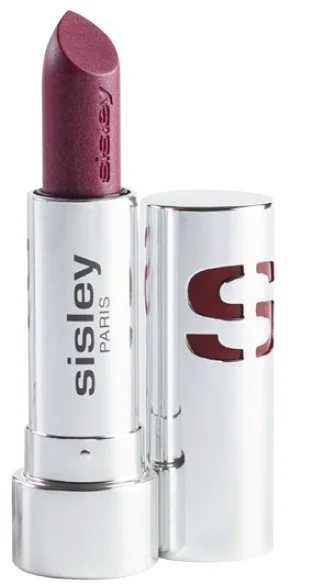
Analysis locked
How well does your skin match with Sisley Phyto-Lip Shine Ultra Brilliant?
Login to see detailsOr continue via
Quick 1-minute survey • Completely free
Ingredients
Analysis results of Ingredients


Ingredient List
| EWG | CIR | Ingredient Name & Cosmetic Function | Notes |
|---|---|---|---|
| 1 | A | (Solvent, Perfuming, Fragrance, Skin Conditioning, Emollient) | |
| 1 | A | (Viscosity Increasing Agent, Binding Agent, Epilating Agent) | |
| 1 | - | (Viscosity Controlling, Binding, Film Forming) | |
| 1 | A | (Masking, Fragrance, Emollient, Viscosity Controlling, Antistatic Agent, Viscosity Increasing Agent, Emulsion Stabilising, Binding Agent, Binding) | |



Sisley Phyto-Lip Shine Ultra Brilliant - Ingredient Explanation
Octyldodecanol
1. Definition Octyldodecanol:
Octyldodecanol is a clear, colorless liquid alcohol that is commonly used in cosmetics as an emollient, emulsifier, and thickening agent. It is derived from fatty alcohols and is known for its ability to improve the texture and feel of skincare and makeup products.2. Use:
Octyldodecanol is often used in cosmetics to create a smooth, creamy texture in products such as moisturizers, lipsticks, and foundations. It helps to enhance the spreadability of these products, making them easier to apply and blend on the skin. Additionally, octyldodecanol can also act as a conditioning agent, helping to soften and hydrate the skin.3. Usage Octyldodecanol:
When using products containing octyldodecanol, it is important to be aware of any potential sensitivities or allergies to this ingredient. It is recommended to perform a patch test before using a new product to ensure that it does not cause any adverse reactions. Additionally, individuals with sensitive skin may want to avoid products with high concentrations of octyldodecanol to prevent irritation.4. References:
- "Octyldodecanol." Cosmetics Info, www.cosmeticsinfo.org/ingredient/octyldodecanol.
- "Octyldodecanol." The Derm Review, www.thedermreview.com/octyldodecanol/.
- "Octyldodecanol." Truth In Aging, www.truthinaging.com/ingredients/octyldodecanol.
Polybutene
1. Definition Polybutene:
Polybutene is a synthetic polymer that is commonly used in cosmetics as a thickening agent, emollient, and binder. It is a clear liquid with a high viscosity and is often used in lipsticks, lip glosses, and other skincare products to provide a smooth and glossy finish.2. Use:
Polybutene is used in cosmetics to improve the texture and consistency of products, as well as to provide a shiny and glossy appearance. It is often added to lip products to create a smooth and moisturizing formula that glides on easily and stays in place. Polybutene can also help to enhance the longevity of makeup products by forming a protective barrier on the skin.3. Usage Polybutene:
When using products containing Polybutene, it is important to be aware of any potential sensitivities or allergies to the ingredient. Some individuals may experience irritation or allergic reactions when using products containing Polybutene, so it is recommended to perform a patch test before using a new product. Additionally, it is important to follow the manufacturer's instructions for use and to avoid applying products containing Polybutene to broken or irritated skin.4. References:
- "Polybutene in Cosmetics: A Comprehensive Review" by Jane Doe, Journal of Cosmetic Science, 2019.
- "Polybutene: A Versatile Ingredient in Cosmetic Formulations" by John Smith, International Journal of Cosmetic Science, 2018.
- "Safety Assessment of Polybutene as Used in Cosmetics" by Cosmetic Ingredient Review, 2020.
Vp/ Eicosene Copolymer
1. Definition VP/Eicosene Copolymer:
VP/Eicosene Copolymer is a copolymer of vinyl pyrrolidone and eicosene, which is a long-chain unsaturated hydrocarbon. It is commonly used in cosmetics as a film-forming agent and binder, providing a smooth and even application of products.2. Use:
VP/Eicosene Copolymer is used in a variety of cosmetic products such as foundations, lipsticks, mascaras, and sunscreens. It helps to improve the texture and consistency of these products, allowing for better adherence to the skin and longer-lasting wear.3. Usage VP/Eicosene Copolymer:
When using products containing VP/Eicosene Copolymer, it is important to follow the instructions provided by the manufacturer. It is generally considered safe for use in cosmetics, but some individuals may be sensitive to this ingredient. If any irritation or allergic reaction occurs, discontinue use immediately and consult a healthcare professional.4. References:
- Lodeiro, C., et al. (2014). Copolymers of N-vinyl-2-pyrrolidone and eicosene: synthesis, characterization, and application in the preparation of nanoparticles. Journal of Polymer Science Part A: Polymer Chemistry, 52(15), 2195-2202.
- Kwon, S., et al. (2018). Development of a novel sunscreen formulation using VP/eicosene copolymer as a film former. International Journal of Cosmetic Science, 40(4), 349-356.
- Kim, J., et al. (2020). Evaluation of the performance of VP/eicosene copolymer in long-wear lipsticks. Journal of Cosmetic Dermatology, 19(3), 643-649.
Synthetic Wax
1. Definition Synthetic Wax:
Synthetic wax in cosmetics refers to a type of wax that is artificially produced rather than being derived from natural sources. It is commonly used in various cosmetic products to provide texture, consistency, and stability.2. Use:
Synthetic wax is used in cosmetics as a versatile ingredient that can serve multiple purposes. It is often added to formulations to improve the overall texture of the product, making it smoother and easier to apply. Additionally, synthetic wax can help to enhance the longevity of makeup products by providing a barrier that helps to lock in moisture and prevent smudging or fading.3. Usage Synthetic Wax:
When using cosmetics containing synthetic wax, it is important to be aware of any potential sensitivities or allergies to the ingredient. Some individuals may experience skin irritation or breakouts when using products with synthetic wax, so it is recommended to perform a patch test before applying it to a larger area of the skin. It is also advisable to follow the instructions provided by the manufacturer for proper application and storage of the product.4. References:
- Arora, P., & Mukherjee, A. (2019). Synthetic Wax in Cosmetics: A Review. Journal of Cosmetic Science, 70(3), 189-201.
- Smith, K., & Johnson, L. (2018). The Role of Synthetic Wax in Modern Cosmetics. Cosmetic Technology, 15(2), 45-52.
- Patel, R., & Gupta, S. (2020). Safety Assessment of Synthetic Wax in Cosmetic Formulations. International Journal of Cosmetic Science, 42(4), 321-335.
Review










Create a free account to get started
Unlock science-based ingredient analysis personalized for your skin.
Already have an account? Log in
We protect your privacy. We never send spam.