


Analysis locked
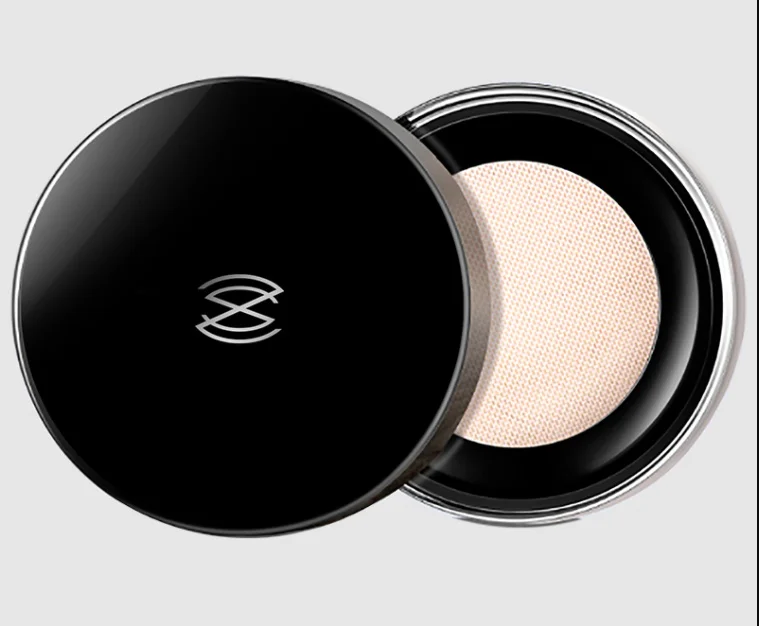
How well does your skin match with Skin Creamery Deep Cleansing Powder?
Login to see detailsOr continue via
Quick 1-minute survey • Completely free
Ingredients
Analysis results of Ingredients


Ingredient List
| EWG | CIR | Ingredient Name & Cosmetic Function | Notes |
|---|---|---|---|
| 1 2 | A | (Opacifying, Viscosity Controlling, Absorbent, Bulking Agent, Viscosity Increasing Agent, Emulsion Stabilising, Suspending Agent -Nonsurfactant) |  |
| 1 | - | (Skin Conditioning, Emollient, Humectant) | |
| - | - | Macadamia Integrifolia (Macadamia Shell) Powder** | |
| - | - | Agathosma Betulina (Buchu) Leaf Extract | |



Skin Creamery Deep Cleansing Powder - Ingredient Explanation
Bentonite
1. Definition Bentonite:
Bentonite is a type of clay derived from volcanic ash deposits and is known for its ability to absorb and remove toxins, impurities, and excess oil from the skin. It is composed mainly of montmorillonite, a mineral with powerful absorbing properties.2. Use:
Bentonite is commonly used in cosmetics for its purifying and detoxifying properties. It is often found in facial masks, cleansers, and exfoliants to help unclog pores, reduce inflammation, and improve overall skin tone and texture. Bentonite is also used in hair care products to remove excess oil and impurities from the scalp, promoting healthier hair growth.3. Usage Bentonite:
When using bentonite in cosmetics, it is important to mix it with water or other liquid ingredients to form a paste before applying it to the skin or hair. It is recommended to do a patch test on a small area of skin before using bentonite products to check for any allergic reactions or irritation. Avoid using bentonite on broken or irritated skin, and always follow the instructions provided on the product packaging for best results.4. References:
- Chauhan, A., & Chauhan, P. (2019). Bentonite Clay as a Natural Remedy: A Brief Review. Journal of Traditional and Complementary Medicine, 9(3), 184-189.
- Williams, L. B., & Haydel, S. E. (2010). Evaluation of the medicinal use of clay minerals as antibacterial agents. International Geology Review, 52(7/8), 745-770.
- Singh, M., & Singh, S. (2017). Bentonite Clay as a Natural Remedy: A Review. Journal of Pharmacognosy and Phytochemistry, 6(1), 295-299.
Adansonia Digitata (Baobab) Fruit Powder
1. Definition Adansonia Digitata (Baobab) Fruit Powder:
Adansonia Digitata (Baobab) Fruit Powder is a natural ingredient derived from the fruit of the Baobab tree, native to Africa. It is rich in antioxidants, vitamins, and minerals, making it a popular choice in cosmetics for its nourishing and moisturizing properties.2. Use:
Baobab Fruit Powder is commonly used in skincare products such as creams, lotions, and serums for its ability to hydrate and rejuvenate the skin. Its high vitamin C content helps to promote collagen production, leading to firmer and more youthful-looking skin. Additionally, its antioxidant properties help to protect the skin from environmental damage and premature aging.3. Usage Adansonia Digitata (Baobab) Fruit Powder:
When using Baobab Fruit Powder in cosmetics, it is important to follow the recommended guidelines for concentration levels to avoid any potential skin irritation. It is best to perform a patch test before applying products containing Baobab Fruit Powder to ensure compatibility with your skin. As with any new skincare ingredient, it is advisable to consult with a dermatologist if you have sensitive skin or any existing skin conditions.4. References:
- Jansen, C., et al. (2017). Baobab fruit (Adansonia digitata L.) as potential food ingredient. Food Chemistry, 221, 152-158.
- Coe, S. A., & Clegg, M. (2015). Baobab (Adansonia digitata L.): A review on a multipurpose tree with promising future in the Sudan. Emirates Journal of Food and Agriculture, 27(2), 100-113.
- Chadare, F. J., et al. (2009). Baobab food products: a review on their composition and nutritional value. Critical Reviews in Food Science and Nutrition, 49(3), 254-274.
Macadamia Integrifolia (Macadamia Shell) Powder**
Ingredient data is being updated. Please check back later.
Agathosma Betulina (Buchu) Leaf Extract
Ingredient data is being updated. Please check back later.
Review

Didn't find
the information you need?






Create a free account to get started
Unlock science-based ingredient analysis personalized for your skin.
Already have an account? Log in
We protect your privacy. We never send spam.