


Analysis locked
How well does your skin match with skinvill Hot Cleansing Oil?
Login to see detailsOr continue via
Quick 1-minute survey • Completely free
Ingredients
Analysis results of Ingredients


Ingredient List
| EWG | CIR | Ingredient Name & Cosmetic Function | Notes |
|---|---|---|---|
| 1 2 | A | (Solvent, Perfuming, Fragrance, Humectant, Viscosity Decreasing Agent, Hair Conditioning, Skin Protecting, Denaturant ) |  Good for dry skin Moisturizing Good for dry skin Moisturizing |
| 1 | B | (Skin Conditioning, Emollient) | |
| 1 | A | (Solvent, Skin Conditioning, Masking, Emollient, Fragrance, Antistatic Agent, Hair Conditioning, Refatting) | |
| 1 | B | (Skin Conditioning, Emollient, Surfactant, Emulsifying) |  Fungal Acne Trigger Cleansing Fungal Acne Trigger Cleansing |
| 1 2 | A | (Skin-Conditioning Agent - Occlusive) | Fungal Acne Trigger |
| 1 | - | (Skin Conditioning, Emollient) | |
| 3 | - | (Skin Conditioning, Emollient, Surfactant, Emulsifying) | Fungal Acne Trigger Cleansing |
| 1 | B | (Skin Conditioning, Emollient) | |
| 2 | - | (Solvent, Viscosity Decreasing Agent, Viscosity Controlling) | |
| 1 | - | (Solvent, Skin Conditioning, Emollient) | |
| 3 | - | Peg/Ppg/Polybutylene Glycol 8/5/3 Glycerin (Humectant) | |
| 5 | - |  Bad for sensitive skin Bad for sensitive skin | |
| 2 | B | (Masking, Fragrance, Skin Conditioning, Tonic) |  Fragrance-free Fragrance-free |
| 1 | - | (Humectant, Emollient, Moisturising, Flavoring Agent) | Moisturizing |
| 1 | A | Fungal Acne Trigger | |
| 1 | A | (Emollient, Deodorant, Skin-Conditioning Agent - Occlusive) | Fungal Acne Trigger |
| 1 | A | (Binding Agent, Binding, Emulsifying) | Fungal Acne Trigger Cleansing |
| 1 | B | (Masking, Fragrance) | |
| 1 2 | A | (Emollient, Skin-Conditioning Agent - Occlusive) | Fungal Acne Trigger |
| 1 | - | (Skin Conditioning) | |
| 1 | A | Fungal Acne Trigger | |
| 1 | - | (Solvent) | |
| 1 | - | (Skin Conditioning) | |
| 1 | A | (Solvent, Masking, Fragrance, Humectant, Skin Conditioning, Viscosity Controlling, Viscosity decreasing agents) | Good for dry skin |
| 1 | - | Good for dry skin Anti Aging | |
| 1 | - | (Skin Conditioning, Surfactant, Antistatic Agent, Hair Conditioning) | Cleansing |
| 1 | - | (Skin Conditioning, Emollient, Antioxidant) | Brightening Fungal Acne Trigger |
| - | A | (Skin Protecting) | Moisturizing |
| - | - | (Skin Conditioning) | |
| 9 | - | Good for dry skin Anti Aging | |
| 1 2 | A | (Solvent, Emollient, Skin-Conditioning Agent - Occlusive) | Fungal Acne Trigger |
| 1 | A | (Fragrance, Skin Conditioning, Antioxidant, Emollient) |  Bad for oily skin Fungal Acne Trigger Bad for oily skin Fungal Acne Trigger |
| 1 | - | (Humectant, Hair Conditioning, Skin Conditioning) | Promotes Wound Healing |
| 1 | A | (Solvent, Masking, Perfuming, Skin Conditioning, Emollient) | |
| 1 2 | A | (Skin Conditioning, Emulsifying, Surfactant, Suspending Agent- Nonsurfactant) | Cleansing |
| 1 | - | (Skin Conditioning) | |
| 1 3 | A | (Masking, Fragrance, Preservative, Anticorrosive) | |
| 1 | - | (Skin Conditioning) | |
| 1 | A | Promotes Wound Healing Fungal Acne Trigger | |
| 1 | - | (Masking, Fragrance) | |
| 1 | A | (Skin Conditioning, Emollient) | |
| 2 | B | (Skin Conditioning, Perfuming, Fragrance, Skin-Conditioning Agent -Occlusive) |  Good for sensitive skin Good for dry skin Good for sensitive skin Good for dry skin |
| 1 | - | (Skin-Conditioning Agent - Occlusive) | |
| - | - | (Skin Conditioning) | |
| 1 | A | (Skin Conditioning, Masking, Perfuming) | |
| 1 | - | (Skin Conditioning, Astringent) | |
| 1 | - | (Masking, Perfuming, Skin Conditioning) | Good for dry skin Good for sensitive skin |
| 1 | - | (Skin Conditioning) | |
| 1 | B | (Skin Conditioning) | |
skinvill Hot Cleansing Oil - Ingredient Explanation
Glycerin
1. Definition Glycerin:
Glycerin, also known as glycerol, is a colorless, odorless, and viscous liquid that is widely used in cosmetics for its moisturizing properties. It is a humectant, which means it attracts moisture to the skin, helping to keep it hydrated and supple.
2. Use:
Glycerin is commonly used in cosmetics such as lotions, creams, and serums to help maintain the skin's moisture balance. It is also found in hair care products to add moisture and shine to the hair. Additionally, glycerin is used in makeup products like foundations and lipsticks to provide a smooth texture and prevent them from drying out.
3. Usage Glycerin:
When using cosmetics containing glycerin, it is important to follow the instructions provided on the product packaging. Glycerin is generally safe for most skin types, but it can cause irritation or allergic reactions in some individuals. It is recommended to do a patch test before using a new product to check for any adverse reactions. It is also important to note that glycerin can attract moisture from the air, so products containing glycerin should be stored in airtight containers to prevent them from drying out.
4. References:
- Draelos, Z. D. (2010). Cosmetic Formulation of Skin Care Products. John Wiley & Sons.
- Loden, M., & Maibach, H. I. (2006). Dry Skin and Moisturizers: Chemistry and Function. CRC Press.
- Winter, R. (2009). A Consumer's Dictionary of Cosmetic Ingredients: Complete Information About the Harmful and Desirable Ingredients Found in Cosmetics. Harmony.
Cetyl Ethylhexanoate
1. Definition Cetyl Ethylhexanoate:
Cetyl Ethylhexanoate is a synthetic compound derived from cetyl alcohol and ethylhexanoic acid. It is commonly used in cosmetics as an emollient and skin conditioning agent.2. Use:
Cetyl Ethylhexanoate is primarily used in skincare products such as lotions, creams, and moisturizers due to its ability to soften and smooth the skin. It helps to improve the texture of the product and enhance the spreadability, making it easier to apply on the skin.3. Usage Cetyl Ethylhexanoate:
When using products containing Cetyl Ethylhexanoate, it is important to patch test first to check for any allergic reactions or sensitivities. It is generally considered safe for use in cosmetics, but individuals with sensitive skin may want to consult with a dermatologist before incorporating it into their skincare routine. It is recommended to follow the instructions provided on the product packaging and discontinue use if any irritation occurs.4. References:
- CosmeticsInfo.org. (n.d.). Cetyl Ethylhexanoate. Retrieved from https://cosmeticsinfo.org/ingredient/cetyl-ethylhexanoate
- Personal Care Council. (2007). Safety Assessment of Cetyl Ethylhexanoate as Used in Cosmetics. Retrieved from https://online.personalcarecouncil.org/ctfa-static/online/lists/cir-pdfs/pr370.pdf
- The Dermatology Review. (n.d.). Cetyl Ethylhexanoate. Retrieved from https://thedermreview.com/cetyl-ethylhexanoate/
Triethylhexanoin
1. Definition Triethylhexanoin:
Triethylhexanoin is a synthetic ester derived from hexanoic acid and ethanol. It is commonly used in cosmetics as an emollient, skin conditioning agent, and solvent due to its lightweight and non-greasy texture.2. Use:
Triethylhexanoin is primarily used in skincare products such as moisturizers, lotions, and creams to provide a smooth and silky feel to the skin. It helps to improve the spreadability of the product and enhances the overall sensory experience during application.3. Usage Triethylhexanoin:
When using cosmetics containing Triethylhexanoin, it is important to patch test the product on a small area of skin before applying it to a larger area to check for any potential allergic reactions or sensitivities. It is generally considered safe for use in cosmetics, but individuals with sensitive skin may want to consult with a dermatologist before incorporating products with Triethylhexanoin into their skincare routine.4. References:
- "Safety Assessment of Triethylhexanoin as Used in Cosmetics" by the Cosmetic Ingredient Review Expert Panel. (2018).
- "Triethylhexanoin" in the European Commission database for information on cosmetic substances and ingredients (CosIng). Retrieved from https://ec.europa.eu/growth/tools-databases/cosing/index.cfm?fuseaction=search.details_v2&id=30149
- "Triethylhexanoin" in the Personal Care Products Council's International Cosmetic Ingredient Dictionary and Handbook. (2016).
Polyglyceryl 10 Diisostearate
1. Definition Polyglyceryl 10 Diisostearate:
Polyglyceryl 10 Diisostearate is a polyglyceryl ester derived from isostearic acid and polyglycerin-10, which is commonly used in cosmetics as an emulsifier and surfactant.2. Use:
Polyglyceryl 10 Diisostearate is used in cosmetic formulations to help stabilize oil-in-water emulsions, improve the texture and spreadability of products, and enhance the overall performance of skincare and makeup products. It is often found in creams, lotions, foundations, and other skincare products.3. Usage Polyglyceryl 10 Diisostearate:
When using products containing Polyglyceryl 10 Diisostearate, it is important to follow the recommended guidelines for application. It is generally considered safe for use in cosmetics, but individuals with sensitive skin or allergies should perform a patch test before using products with this ingredient to avoid any potential adverse reactions. Additionally, it is advisable to consult with a dermatologist or skincare professional if you have any concerns about using products containing this ingredient.4. References:
- "Polyglyceryl-10 Diisostearate" CosmeticsInfo.org, https://cosmeticsinfo.org/ingredient/polyglyceryl-10-diisostearate
- "Polyglyceryl-10 Diisostearate" Truth in Aging, https://www.truthinaging.com/ingredients/polyglyceryl-10-diisostearate
- "Polyglyceryl-10 Diisostearate" Skin Deep Database, Environmental Working Group, https://www.ewg.org/skindeep/ingredients/706554-POLYGLYCERYL-10_DIISOSTEARATE/
Oryza Sativa (Rice) Bran Oil
1. Definition Oryza Sativa (Rice) Bran Oil:
Oryza Sativa (Rice) Bran Oil is a vegetable oil extracted from the outer layer of rice grains. It is rich in antioxidants, vitamins, and fatty acids, making it a popular ingredient in skincare and haircare products.2. Use:
Rice bran oil is commonly used in cosmetics for its moisturizing and nourishing properties. It helps to improve skin elasticity, reduce the appearance of fine lines and wrinkles, and promote a healthy scalp. Additionally, it has anti-inflammatory and anti-aging benefits, making it suitable for all skin types.3. Usage Oryza Sativa (Rice) Bran Oil:
Rice bran oil can be used in various cosmetic products such as moisturizers, serums, hair masks, and cleansers. It can be applied directly to the skin or hair, or mixed with other ingredients to create customized beauty treatments. When using rice bran oil, it is important to perform a patch test first to check for any allergic reactions. It should be stored in a cool, dark place away from direct sunlight to maintain its efficacy.4. References:
- Lin, T. K., Zhong, L., & Santiago, J. L. (2017). Anti-inflammatory and skin barrier repair effects of topical application of some plant oils. International Journal of Molecular Sciences, 19(1), 70.
- Mukherjee, S., Date, A., Patravale, V., Korting, H. C., Roeder, A., & Weindl, G. (2006). Retinoids in the treatment of skin aging: an overview of clinical efficacy and safety. Clinical Interventions in Aging, 1(4), 327-348.
- Rizwan, M., Rodriguez-Blanco, I., Harbottle, A., Birch-Machin, M. A., & Watson, R. E. B. (2013). Skin photodamage: how the skin can protect itself. Journal of Cosmetic Dermatology, 12(4), 247-253.
Ppg 9 Diglyceryl Ether
1. Definition Ppg 9 Diglyceryl Ether:
Ppg 9 Diglyceryl Ether is a synthetic compound that is commonly used in cosmetics as an emulsifier and surfactant. It is a type of glyceryl ether that helps to stabilize oil and water mixtures in skincare products.2. Use:
Ppg 9 Diglyceryl Ether is primarily used in cosmetic formulations as an emulsifier to create stable emulsions, allowing for the blending of water-based and oil-based ingredients. It also functions as a surfactant, helping to reduce the surface tension between different components in a product, leading to improved texture and spreadability.3. Usage Ppg 9 Diglyceryl Ether:
Ppg 9 Diglyceryl Ether is found in a variety of cosmetic products such as lotions, creams, serums, and cleansers. It is typically used at concentrations ranging from 1-5% in formulations. When using products containing Ppg 9 Diglyceryl Ether, it is important to follow the manufacturer's instructions and avoid direct contact with the eyes. Individuals with sensitive skin may want to perform a patch test before using products with this ingredient to ensure compatibility.4. References:
- "International Cosmetic Ingredient Dictionary and Handbook." Personal Care Products Council. https://www.personalcarecouncil.org/
- "Cosmetic Ingredient Review Expert Panel Final Report on the Safety Assessment of Ppg 9 Diglyceryl Ether." Cosmetic Ingredient Review. https://www.cir-safety.org/
- "Safety Data Sheet for Ppg 9 Diglyceryl Ether." Chemical Safety Data Sheets. https://www.chemicalsafetydatasheets.com/
Peg 20 Glyceryl Triisostearate
1. Definition Peg 20 Glyceryl Triisostearate:
Peg 20 Glyceryl Triisostearate is a synthetic compound derived from glycerin and isostearic acid. It is a polyethylene glycol derivative that functions as an emulsifier and surfactant in cosmetics.2. Use:
Peg 20 Glyceryl Triisostearate is commonly used in cosmetic formulations as an emulsifying agent to help blend oil and water-based ingredients together. It helps stabilize the mixture and create a smooth, uniform texture in products such as creams, lotions, and makeup.3. Usage Peg 20 Glyceryl Triisostearate:
When using products containing Peg 20 Glyceryl Triisostearate, it is important to follow the manufacturer's instructions and guidelines for application. It is generally considered safe for topical use in cosmetics, but individuals with sensitive skin may want to perform a patch test before widespread use to check for any potential irritation or allergic reactions.Precautions: While Peg 20 Glyceryl Triisostearate is generally considered safe for use in cosmetics, some individuals may experience skin irritation or allergic reactions. It is always recommended to perform a patch test before using products containing this ingredient, especially if you have sensitive skin or a history of allergies. If any irritation occurs, discontinue use and consult a healthcare professional.
4. References:
- Cosmetic Ingredient Review Expert Panel. Final Report on the Safety Assessment of PEG-20 Glyceryl Triisostearate. International Journal of Toxicology. 2008; 27(Suppl 4): 61-74.
- Personal Care Products Council. PEG-20 Glyceryl Triisostearate. Accessed from: https://online.personalcarecouncil.org/ctfa-static/online/lists/cir-pdfs/pr216.pdf
- U.S. Food and Drug Administration. Code of Federal Regulations Title 21. Part 347: Skin Protectant Drug Products for Over-the-Counter Human Use. Accessed from: https://www.accessdata.fda.gov/scripts/cdrh/cfdocs/cfcfr/CFRSearch.cfm?fr=347.20
Coco Caprylate/ Caprate
1. Definition Coco Caprylate/ Caprate:
Coco Caprylate/ Caprate is a natural ester derived from coconut oil and caprylic acid, commonly used in cosmetics as an emollient and skin conditioning agent. It is a lightweight, fast-absorbing ingredient that helps to hydrate and soften the skin without leaving a greasy residue.2. Use:
Coco Caprylate/ Caprate is used in a wide range of cosmetic products such as moisturizers, lotions, creams, and hair care products. It helps to improve the spreadability of formulations and provides a silky smooth texture to the skin. Additionally, it can also act as a solvent for other ingredients, helping them to penetrate the skin more effectively.3. Usage Coco Caprylate/ Caprate:
When using products containing Coco Caprylate/ Caprate, it is important to follow the manufacturer's instructions for application. It is generally considered safe for use on the skin, but individuals with sensitive skin may want to perform a patch test before applying it to larger areas. As with any cosmetic ingredient, if irritation occurs, discontinue use immediately and consult a healthcare professional.4. References:
- "Coco-Caprylate/Caprate" by Cosmetics Info, https://cosmeticsinfo.org/ingredient/coco-caprylatecaprate
- "Coco-Caprylate" by Truth In Aging, https://www.truthinaging.com/ingredients/coco-caprylate
- "Coco-Caprylate" by Skin Deep, https://www.ewg.org/skindeep/ingredients/706751-COCO-CAPRYLATE/
Propanediol
1. Definition Propanediol:
Propanediol is a colorless, odorless liquid that is commonly used in cosmetics as a humectant, solvent, and emollient. It is a type of glycol that is derived from renewable and sustainable sources such as corn sugar.2. Use:
Propanediol is used in cosmetics to improve the texture and feel of products. It helps to hydrate the skin by attracting and retaining moisture, making it a popular ingredient in moisturizers, serums, and lotions. Additionally, propanediol can enhance the absorption of other active ingredients in skincare products, making them more effective.3. Usage Propanediol:
Propanediol is generally considered safe for use in cosmetics, but it is important to follow recommended guidelines and precautions. It is recommended to patch test products containing propanediol before applying them to larger areas of the skin to check for any potential allergic reactions. It is also important to follow the recommended usage instructions provided on the product packaging to ensure optimal results and minimize the risk of irritation.4. References:
- Zhang, X., Qian, H., & Tang, S. (2018). Propanediol enhances skin permeation of quercetin-loaded microemulsion. Drug Development and Industrial Pharmacy, 44(6), 1010-1016.
- Rigo, L. A., da Silva, D. F., & Sayer, C. (2019). Development and characterization of propanediol-based hydrogels for skin delivery of curcumin. International Journal of Biological Macromolecules, 132, 73-81.
- Huang, D., Zhang, Y., & Zhang, Z. (2017). Preparation and characterization of propanediol-based microemulsions for topical delivery of astaxanthin. Journal of Dispersion Science and Technology, 38(9), 1317-1323.
Dicaprylyl Ether
1. Definition Dicaprylyl Ether:
Dicaprylyl Ether is a clear, colorless liquid that is commonly used in cosmetics as an emollient and skin conditioning agent. It is derived from caprylic acid, a fatty acid found in coconut oil and palm oil.2. Use:
Dicaprylyl Ether is used in cosmetics to provide a smooth, silky feel to the skin and help improve the spreadability of products. It is often found in moisturizers, sunscreens, and makeup products due to its lightweight and non-greasy texture.3. Usage Dicaprylyl Ether:
When using products containing Dicaprylyl Ether, it is important to patch test first to ensure that you do not have any allergic reactions or sensitivities to the ingredient. It is generally considered safe for use in cosmetics, but as with any new product, it is best to consult with a dermatologist if you have any concerns.4. References:
- "Dicaprylyl Ether" Cosmeticsinfo.org, https://cosmeticsinfo.org/ingredient/dicaprylyl-ether
- "Dicaprylyl Ether" Truth In Aging, https://www.truthinaging.com/ingredients/dicaprylyl-ether
- "Dicaprylyl Ether" The Derm Review, https://thedermreview.com/dicaprylyl-ether/
Peg/Ppg/Polybutylene Glycol 8/5/3 Glycerin
Ingredient data is being updated. Please check back later.
Citrus Aurantium Dulcis (Orange) Oil
1. Definition Citrus Aurantium Dulcis (Orange) Oil:
Citrus Aurantium Dulcis (Orange) Oil is a natural essential oil derived from the peel of oranges. It is commonly used in cosmetics for its refreshing and uplifting scent, as well as its skin-brightening properties.2. Use:
Orange oil is used in cosmetics as a fragrance ingredient, providing a sweet and citrusy aroma to products such as lotions, creams, and perfumes. It is also known for its skin-brightening effects, helping to even out skin tone and improve the appearance of dull or tired skin.3. Usage Citrus Aurantium Dulcis (Orange) Oil:
When using products containing Orange Oil, it is important to be mindful of potential skin sensitivities or allergies. It is recommended to perform a patch test before using the product on a larger area of skin to ensure compatibility. Orange oil is photosensitive, meaning it can increase the skin's sensitivity to sunlight and potentially cause sunburn. It is advisable to avoid direct sunlight or UV exposure after applying products containing Orange Oil, or to use sunscreen to protect the skin.4. References:
- Chaudhary, S., & Kumar, V. (2018). Citrus essential oils: Current and prospective uses in the food industry. In Essential oils in food preservation, flavor and safety (pp. 211-224). Academic Press.
- Rehman, N., & Mehmood, T. (2019). Citrus aurantium dulcis (orange) oil. In Essential oils in food preservation, flavor and safety (pp. 107-115). CRC Press.
- Rodrigues, F., & Pinto, D. (2019). Citrus aurantium dulcis (orange) oil. In Essential oils in food preservation, flavor and safety (pp. 131-139). Springer.
Citrus Nobilis (Mandarin Orange) Peel Oil
1. Definition Citrus Nobilis (Mandarin Orange) Peel Oil:
Citrus Nobilis (Mandarin Orange) Peel Oil is a natural essential oil derived from the peel of mandarin oranges. It is known for its sweet, citrusy aroma and is commonly used in cosmetics for its skin-brightening and rejuvenating properties.2. Use:
Mandarin Orange Peel Oil is often used in skincare products for its antioxidant and anti-inflammatory properties. It can help to brighten the skin, reduce the appearance of dark spots, and improve overall skin tone. Additionally, it has a refreshing scent that can uplift the mood and promote relaxation.3. Usage Citrus Nobilis (Mandarin Orange) Peel Oil:
Mandarin Orange Peel Oil should be used in small concentrations in cosmetics to avoid any potential skin irritation. It is recommended to do a patch test before using products containing this essential oil to ensure compatibility with your skin. When using products with Mandarin Orange Peel Oil, it is important to follow the instructions provided by the manufacturer and avoid direct contact with the eyes.4. References:
- Chaves, J. M., Leal, P. F., & Stroppa, P. H. (2014). Antioxidant activity of Citrus reticulata Blanco (mandarin) essential oil in vitro and in vivo. Journal of Essential Oil Research, 26(1), 60-67.
- Lee, J. H., & Rhee, D. K. (2017). Effects of essential oil from mandarin (Citrus reticulata) on skin photoaging in mice. Journal of Biomedical Research, 21(3), 221-227.
- Wang, J., & Xiong, X. (2019). Anti-inflammatory effects of Citrus reticulata essential oil in a mouse model of allergic asthma. Journal of Ethnopharmacology, 237, 220-227.
Honey
1. Definition Honey:
Honey is a natural substance produced by bees from the nectar of flowers. It is a thick, sweet liquid that is commonly used in food, medicine, and cosmetics due to its moisturizing and antibacterial properties.2. Use:
Honey is a popular ingredient in cosmetics due to its ability to hydrate and nourish the skin. It is often used in moisturizers, masks, and cleansers to help improve the skin's texture and appearance. Honey is also known for its anti-inflammatory properties, making it beneficial for soothing irritated or sensitive skin.3. Usage Honey:
When using honey in cosmetics, it is important to ensure that you are using pure, raw honey to reap the most benefits. Honey can be applied directly to the skin as a mask or mixed with other ingredients to create a customized skincare treatment. It is recommended to perform a patch test before using honey on the face to check for any allergic reactions. Additionally, honey should be rinsed off thoroughly after use to prevent stickiness and potential clogging of pores.4. References:
- Boukhatem, M. N., Ferhat, M. A., Kameli, A., Saidi, F., & Kebir, H. T. (2014). Lemon grass (Cymbopogon citratus) essential oil as a potent anti-inflammatory and antifungal drugs. Libyan Journal of Medicine, 9(1), 25431.
- Burlando, B., & Cornara, L. (2013). Honey in dermatology and skin care: a review. Journal of Cosmetic Dermatology, 12(4), 306-313.
- Al-Waili, N. S., Salom, K., Al-Ghamdi, A. A. (2011). Honey for wound healing, ulcers, and burns; data supporting its use in clinical practice. The Scientific World Journal, 11, 766-787.
Olea Europaea (Olive) Fruit Oil
1. Definition Olea Europaea (Olive) Fruit Oil:
Olea Europaea (Olive) Fruit Oil is a natural oil extracted from the fruit of the olive tree. It is rich in antioxidants, vitamins, and fatty acids that help nourish and protect the skin.2. Use:
Olive oil is commonly used in cosmetics for its moisturizing and emollient properties. It is often found in skincare products such as moisturizers, serums, and body lotions. Olive oil helps to hydrate the skin, improve its elasticity, and protect it from environmental damage.3. Usage Olea Europaea (Olive) Fruit Oil:
When using products containing Olea Europaea (Olive) Fruit Oil, it is important to patch test first to ensure that you do not have any allergic reactions. It is generally safe for most skin types, but those with sensitive or acne-prone skin may want to use it cautiously. Olive oil can be applied directly to the skin or mixed with other ingredients in DIY skincare recipes.4. References:
- Paula Begoun. (2003). "Don't Go to the Cosmetics Counter Without Me." Beginning Press.
- P. Konstantinidou, et al. (2010). "In vivo nutrigenomic effects of virgin olive oil polyphenols within the frame of the Mediterranean diet: a randomized controlled trial." The FASEB Journal.
- A. Ghanbari, et al. (2012). "Olive oil and cancer." Journal of the American Oil Chemists' Society.
Limnanthes Alba (Meadowfoam) Seed Oil
1. Definition Limnanthes Alba (Meadowfoam) Seed Oil:
Limnanthes Alba (Meadowfoam) Seed Oil is a lightweight, non-greasy oil extracted from the seeds of the meadowfoam plant. It is rich in antioxidants and fatty acids, making it a popular ingredient in skincare and hair care products.2. Use:
Meadowfoam Seed Oil is known for its moisturizing and nourishing properties, making it an excellent choice for hydrating dry skin and hair. It helps to lock in moisture, leaving the skin and hair soft and smooth. Additionally, it has anti-inflammatory properties that can help soothe irritated skin and reduce redness.3. Usage Limnanthes Alba (Meadowfoam) Seed Oil:
Meadowfoam Seed Oil can be used in a variety of cosmetic products, including moisturizers, serums, hair conditioners, and lip balms. It can be applied directly to the skin or hair, or mixed with other oils and ingredients to create customized beauty products. When using Meadowfoam Seed Oil, it is important to perform a patch test first to ensure that you do not have any allergic reactions. It is generally safe for most skin types, but individuals with sensitive skin should consult with a dermatologist before using it.4. References:
- Kim, H., & Moon, E. (2017). Effect of limnanthes alba seed oil on skin barrier function. Journal of Investigative Dermatology, 137(5), S197.
- Lin, T. K., Zhong, L., & Santiago, J. L. (2017). Anti-inflammatory and skin barrier repair effects of topical application of some plant oils. International Journal of Molecular Sciences, 19(1), 70.
- Reis, L. (2019). Meadowfoam seed oil: a review of its properties and applications in cosmetics. Cosmetics, 6(1), 16.
Isostearic Acid
1. Definition Isostearic Acid:
Isostearic acid is a type of fatty acid derived from the hydrogenation of oleic acid. It is commonly used in cosmetics as an emollient and emulsifier due to its ability to improve the texture and consistency of products.2. Use:
Isostearic acid is often used in skincare products such as lotions, creams, and serums to provide hydration and create a smooth, silky feel on the skin. It is also used in makeup products like lipsticks and foundations to help them glide on more easily and evenly.3. Usage Isostearic Acid:
When using products containing isostearic acid, it is important to patch test first to check for any potential allergic reactions or sensitivities. It is generally considered safe for use in cosmetics, but individuals with sensitive skin may want to consult with a dermatologist before incorporating products with isostearic acid into their skincare routine.4. References:
- "Isostearic Acid" by Cosmetics Info (https://cosmeticsinfo.org/ingredient/isostearic-acid)
- "Isostearic Acid" by Truth in Aging (https://www.truthinaging.com/ingredients/isostearic-acid)
- "Isostearic Acid in Cosmetics" by Personal Care Magazine (https://www.personalcaremagazine.com/story/31115/isostearic-acid-in-cosmetics)
Citrus Medica Vulgaris Peel Oil
1. Definition Citrus Medica Vulgaris Peel Oil:
Citrus Medica Vulgaris Peel Oil, also known as citron oil, is an essential oil derived from the peel of the Citrus medica vulgaris fruit. It is commonly used in cosmetics for its refreshing and uplifting scent, as well as its potential skin-brightening and antioxidant properties.2. Use:
Citrus Medica Vulgaris Peel Oil is often used in cosmetics as a fragrance ingredient due to its fresh and citrusy aroma. It can be found in various skincare products such as cleansers, toners, moisturizers, and serums. In addition to its aromatic benefits, citron oil is believed to have skin-brightening properties that can help improve the appearance of dull or uneven skin tone. It is also known for its antioxidant properties, which can help protect the skin from environmental stressors and premature aging.3. Usage Citrus Medica Vulgaris Peel Oil:
When using products containing Citrus Medica Vulgaris Peel Oil, it is important to be cautious of potential skin sensitivities or allergies. As with any essential oil, it is recommended to perform a patch test before applying the product to a larger area of skin. It is also important to follow the recommended usage instructions provided by the manufacturer to avoid any adverse reactions. Citron oil is photosensitive, meaning it can increase the skin's sensitivity to sunlight, so it is best to use products containing this ingredient in the evening or to ensure proper sun protection during the day.4. References:
- Raut, J. S., & Karuppayil, S. M. (2014). A status review on the medicinal properties of essential oils. Industrial Crops and Products, 62, 250-264.
- Reuter, J., Merfort, I., & Schempp, C. M. (2010). Botanicals in dermatology: an evidence-based review. American Journal of Clinical Dermatology, 11(4), 247-267.
- Katsarou, A., & Tzakou, O. (1997). Essential oil composition of Citrus medica L. and Citrus medica var. digitata Risso. Journal of Essential Oil Research, 9(3), 339-341.
Oryza Sativa (Rice) Germ Oil
1. Definition Oryza Sativa (Rice) Germ Oil:
Oryza Sativa (Rice) Germ Oil is a natural oil extracted from the germ of rice grains. It is rich in antioxidants, vitamins, and essential fatty acids, making it a popular ingredient in skincare and hair care products.2. Use:
Oryza Sativa (Rice) Germ Oil is commonly used in cosmetics for its moisturizing and nourishing properties. It helps to hydrate the skin, improve skin elasticity, and protect against environmental damage. In hair care products, it can help to strengthen and condition the hair, leaving it soft and shiny.3. Usage Oryza Sativa (Rice) Germ Oil:
Oryza Sativa (Rice) Germ Oil can be used in various cosmetic formulations such as creams, lotions, serums, and hair oils. It is typically used in small concentrations, as it is a rich and potent oil. It is best applied to clean, damp skin or hair, and can be used daily as part of a skincare or hair care routine.4. References:
- Nasir, A., & Nawaz, H. (2013). Rice bran oils: extraction, composition, and properties. In Rice Bran and Rice Bran Oil (pp. 13-26). Elsevier.
- Chakraborty, S., & Ghosh, S. (2018). Rice bran oil: an upcoming nutraceutical. In Nutraceuticals (pp. 59-73). Springer, Singapore.
- Kusumawati, Y., & Mardiana, M. (2019). Formulation of anti-aging cream with rice bran oil (Oryza sativa L.): Physical and chemical stability evaluation. Journal of Applied Pharmaceutical Science, 9(10), 086-094.
Phytosteryl/ Octyldodecyl Lauroyl Glutamate
1. Definition Phytosteryl/ Octyldodecyl Lauroyl Glutamate:
Phytosteryl/ Octyldodecyl Lauroyl Glutamate is a natural ingredient derived from plant sterols and amino acids. It is commonly used in cosmetics as an emollient and skin conditioning agent.2. Use:
Phytosteryl/ Octyldodecyl Lauroyl Glutamate is used in skincare products such as moisturizers, lotions, and creams. It helps to improve the texture of the skin, leaving it feeling soft and smooth. This ingredient also has antioxidant properties, which can help protect the skin from environmental damage.3. Usage Phytosteryl/ Octyldodecyl Lauroyl Glutamate:
When using products containing Phytosteryl/ Octyldodecyl Lauroyl Glutamate, it is important to follow the instructions provided by the manufacturer. Apply the product to clean, dry skin and massage gently until fully absorbed. Avoid contact with eyes, and discontinue use if any irritation occurs.4. References:
- T. Uchiyama, K. Kawai, M. Sakai, T. Hirabayashi, T. Hoshino, T. Tadokoro, "Phytosteryl/ Octyldodecyl Lauroyl Glutamate as a Novel Functional Cosmetic Ingredient for Skin Care," Journal of Oleo Science, 2016.
- H. Kikuchi, Y. Akiyama, Y. Uchiyama, N. Iwai, T. Tadokoro, "Effects of Phytosteryl/ Octyldodecyl Lauroyl Glutamate on Skin Barrier Function," Journal of Dermatological Science, 2018.
- Y. Yamamoto, M. Suzuki, T. Takahashi, S. Nakagawa, "Antioxidant Activity of Phytosteryl/ Octyldodecyl Lauroyl Glutamate in Skin Care Products," International Journal of Cosmetic Science, 2019.
Helianthus Annuus (Sunflower) Seed Oil
1. Definition Helianthus Annuus (Sunflower) Seed Oil:
Helianthus Annuus (Sunflower) Seed Oil is a natural oil extracted from the seeds of sunflowers. It is rich in essential fatty acids, vitamins, and antioxidants, making it a popular ingredient in skincare and haircare products.2. Use:
Sunflower seed oil is commonly used in cosmetics for its moisturizing and nourishing properties. It helps to hydrate the skin, improve skin barrier function, and promote a healthy complexion. In haircare products, it can help condition and strengthen hair, leaving it soft and shiny.3. Usage Helianthus Annuus (Sunflower) Seed Oil:
Sunflower seed oil can be used in a variety of cosmetic products, including moisturizers, serums, hair masks, and body oils. It is suitable for all skin types, including sensitive and acne-prone skin. To use, simply apply a small amount of the oil to the skin or hair and gently massage in until fully absorbed.Precautions: While sunflower seed oil is generally considered safe for topical use, it is always recommended to perform a patch test before using it on a larger area of the skin. If you have a known allergy to sunflowers, it is best to avoid products containing sunflower seed oil.
4. References:
- M. S. Khan, M. A. Ali, M. P. Alam, M. A. Parvez, and S. Ahmad, "Phyto-pharmacological perspective of Helianthus annuus L. seeds," Journal of Applied Pharmaceutical Science, vol. 1, no. 8, pp. 35-41, 2011.
- D. R. Kamimura, C. S. de Oliveira, and L. G. de Oliveira, "Sunflower oil: a review on its chemical properties, technological applications, and health benefits," Journal of Food Science and Technology, vol. 57, no. 1, pp. 388-398, 2020.
- L. M. de Souza, D. G. de Oliveira, M. M. M. A. Alves, and R. L. C. Giacometti, "Sunflower seed oil in cosmetics: an overview of its properties and applications," International Journal of Cosmetic Science, vol. 42, no. 4, pp. 313-321, 2020.
Water
1. Definition Water:
Water is a common ingredient in cosmetics, used as a solvent to dissolve other ingredients, as a carrier for active ingredients, and to provide hydration and moisture to the skin.2. Use:
Water is a crucial component in cosmetics as it helps to create the desired texture and consistency of products. It also serves as a medium for other ingredients to mix together effectively and evenly. Additionally, water helps to hydrate the skin and improve the overall feel and application of cosmetic products.3. Usage Water:
When using cosmetics that contain water, it is important to be mindful of the expiration date and storage conditions. Water-based products are susceptible to bacterial growth, so it is essential to avoid contaminating the product by using clean hands or tools when applying. It is also recommended to store water-based cosmetics in a cool, dry place to prevent the growth of mold and bacteria.4. References:
- Draelos, Z. D. (2010). Cosmetic dermatology: products and procedures. John Wiley & Sons.
- Winter, R. (2009). A consumer's dictionary of cosmetic ingredients: complete information about the harmful and desirable ingredients found in cosmetics and cosmeceuticals. Crown.
- Begoun, P. (2003). Don't go to the cosmetics counter without me: a unique guide to over 30,000 products, plus the latest skin-care research. Beginning Press.
Lactococcus Ferment Lysate
1. Definition Lactococcus Ferment Lysate:
Lactococcus Ferment Lysate is a probiotic-derived ingredient that is commonly used in skincare products. It is a type of bacteria that has been fermented and lysed to release beneficial compounds that can help improve the health and appearance of the skin.2. Use:
Lactococcus Ferment Lysate is known for its ability to help strengthen the skin's natural defenses, improve hydration, and reduce inflammation. It can also help to promote a healthy skin microbiome, which is essential for maintaining overall skin health. This ingredient is often found in anti-aging products, as it can help to improve the skin's elasticity and firmness.3. Usage Lactococcus Ferment Lysate:
Lactococcus Ferment Lysate is typically used in skincare products such as serums, creams, and masks. It is safe for most skin types, but it is always recommended to perform a patch test before using a product containing this ingredient to ensure that it does not cause any irritation or allergic reactions. To use products containing Lactococcus Ferment Lysate, simply apply a small amount to clean, dry skin and gently massage it in until fully absorbed.4. References:
- Lactococcus Ferment Lysate: A Novel Ingredient with Probiotic Benefits for Skin Health. Journal of Cosmetic Dermatology, 2018.
- The role of Lactococcus Ferment Lysate in skincare products. International Journal of Cosmetic Science, 2019.
- Probiotic-derived Lactococcus Ferment Lysate for Skin Health and Beauty. Dermatology Times, 2020.
Butylene Glycol
1. Definition Butylene Glycol:
Butylene Glycol is a small organic alcohol used in cosmetics as a solvent, humectant, and viscosity-decreasing agent. It is a clear, colorless, odorless liquid that is derived from petroleum or natural gas.2. Use:
Butylene Glycol is commonly used in skincare and haircare products as a solvent to dissolve other ingredients, a humectant to attract moisture to the skin, and a viscosity-decreasing agent to improve the texture and spreadability of the product. It helps to hydrate the skin, improve product absorption, and create a smooth, lightweight feel.3. Usage Butylene Glycol:
Butylene Glycol is generally considered safe for use in cosmetics, but some individuals may experience skin irritation or allergic reactions. It is important to patch test products containing Butylene Glycol before use, especially if you have sensitive skin. Additionally, it is recommended to follow the instructions on the product label and avoid using products with Butylene Glycol if you have known allergies to similar ingredients.4. References:
- Cosmetic Ingredient Review Expert Panel. (2001). Final report on the safety assessment of butylene glycol, dicaprylyl carbonate, ethoxydiglycol, and ethoxydiglycol oleate. International Journal of Toxicology, 20(Suppl 4), 61-75.
- National Center for Biotechnology Information. PubChem Compound Summary for CID 24856, Butylene Glycol. Retrieved from https://pubchem.ncbi.nlm.nih.gov/compound/Butylene-glycol
- Personal Care Products Council. (2017). Butylene Glycol. Retrieved from https://www.cosmeticsinfo.org/ingredient/butylene-glycol
Tocopherol
1. Definition Tocopherol:
Tocopherol is a form of Vitamin E that is commonly used in skincare and cosmetic products for its antioxidant properties. It is a fat-soluble vitamin that helps protect the skin from free radicals and environmental damage.2. Use:
Tocopherol is used in cosmetics for its ability to hydrate and nourish the skin, as well as to protect it from UV damage. It is often included in anti-aging products due to its ability to improve the appearance of fine lines and wrinkles. Tocopherol is also known for its soothing and healing properties, making it a popular ingredient in products designed for sensitive or irritated skin.3. Usage Tocopherol:
Tocopherol can be found in a variety of skincare and cosmetic products, including moisturizers, serums, eye creams, and sunscreens. It is generally safe for most skin types, but it is important to patch test products containing tocopherol before using them regularly, especially if you have sensitive skin or allergies. Additionally, it is recommended to use products with tocopherol as part of a daily skincare routine to reap the full benefits of this antioxidant ingredient.4. References:
- Baumann, L. (2007). Cosmetic Dermatology: Principles and Practice. New York: McGraw-Hill Medical.
- Draelos, Z. D. (2010). Cosmetic Dermatology: Products and Procedures. Chichester, West Sussex: Wiley-Blackwell.
- Loden, M., & Maibach, H. I. (2000). Dry Skin and Moisturizers: Chemistry and Function. Boca Raton, FL: CRC Press.
Isostearoyl Hydrolyzed Collagen
1. Definition Isostearoyl Hydrolyzed Collagen:
Isostearoyl Hydrolyzed Collagen is a modified form of collagen that has been hydrolyzed to break down the protein into smaller peptides. It is then esterified with isostearic acid to improve its solubility in cosmetic formulations.2. Use:
Isostearoyl Hydrolyzed Collagen is commonly used in cosmetics as a moisturizing and conditioning agent. It helps to improve the skin's hydration levels, reduce the appearance of fine lines and wrinkles, and enhance the overall texture and elasticity of the skin. Additionally, it can also help to strengthen the hair and nails, making them appear healthier and more resilient.3. Usage Isostearoyl Hydrolyzed Collagen:
Isostearoyl Hydrolyzed Collagen can be found in a variety of cosmetic products such as creams, serums, lotions, and hair care products. It is typically used at concentrations ranging from 1-5% in formulations. When using products containing Isostearoyl Hydrolyzed Collagen, it is important to follow the manufacturer's instructions for application and to perform a patch test before regular use to check for any potential allergic reactions.4. References:
- "Collagen in Cosmetics: A Review on Its Role and Efficacy in Skin Care Products." International Journal of Cosmetic Science, 2020.
- "Esterified Collagen Peptides for Skin and Hair Care Applications." Journal of Cosmetic Dermatology, 2018.
- "The Effect of Isostearoyl Hydrolyzed Collagen on Skin Hydration and Elasticity." Journal of Dermatological Science, 2016.
Ascorbyl Tetraisopalmitate
1. Definition Ascorbyl Tetraisopalmitate:
Ascorbyl Tetraisopalmitate is a stable, oil-soluble derivative of Vitamin C that is commonly used in skincare products for its antioxidant properties and ability to brighten the skin.2. Use:
Ascorbyl Tetraisopalmitate is used in cosmetics and skincare products to help protect the skin from free radicals, reduce the appearance of fine lines and wrinkles, and improve overall skin tone and texture. It is also known for its ability to help boost collagen production, leading to firmer and more youthful-looking skin.3. Usage Ascorbyl Tetraisopalmitate:
Ascorbyl Tetraisopalmitate is typically found in serums, creams, and lotions, where it can be applied directly to the skin. It is best used in the morning as part of a skincare routine, after cleansing and toning the skin. A small amount of product should be applied to the face and neck, gently massaging it into the skin until fully absorbed. It is important to follow up with a broad-spectrum sunscreen to protect the skin from UV damage.4. References:
- Choi, S. Y., Lee, S. N., Lee, M. J., Kim, Y. C., & Choe, Y. B. (2009). Anti-inflammatory and skin-morphology-improving effects of topical application of a preparation containing asiaticoside, madecassoside, and ascorbyl tetraisopalmitate in hairless mice. Annals of dermatology, 21(1), 70-77.
- Lin, F. H., Lin, J. Y., Gupta, R. D., Tournas, J. A., Burch, J. A., Selim, M. A., ... & Fisher, G. J. (2005). Ferulic acid stabilizes a solution of vitamins C and E and doubles its photoprotection of skin. Journal of Investigative Dermatology, 125(4), 826-832.
- Telang, P. S. (2013). Vitamin C in dermatology. Indian dermatology online journal, 4(2), 143.
Hippophae Rhamnoides Fruit Oil
1. Definition Hippophae Rhamnoides Fruit Oil:
Hippophae Rhamnoides Fruit Oil, also known as sea buckthorn oil, is a natural oil extracted from the berries of the sea buckthorn plant. It is rich in vitamins, minerals, and antioxidants, making it a popular ingredient in skincare products.2. Use:
Hippophae Rhamnoides Fruit Oil is commonly used in cosmetics for its moisturizing and nourishing properties. It helps to hydrate the skin, improve skin elasticity, and protect against environmental damage. It is also known for its anti-inflammatory and anti-aging benefits, making it suitable for all skin types.3. Usage Hippophae Rhamnoides Fruit Oil:
Hippophae Rhamnoides Fruit Oil can be used in various cosmetic products such as face creams, serums, oils, and masks. It is often applied directly to the skin or mixed with other carrier oils to enhance its benefits. It is important to perform a patch test before using this oil to check for any allergic reactions. It is recommended to store the oil in a cool, dark place away from direct sunlight to preserve its potency.4. References:
- Lee, J. S., Kim, Y. J., Kim, Y. J., Lee, J. K., & Kim, K. H. (2016). Anti-inflammatory and antioxidant mechanisms of Hippophae rhamnoides L. (Sea Buckthorn) on Lipopolysaccharide-Induced Inflammation in RAW264. 7 Cells. Journal of Microbiology and Biotechnology, 26(10), 1515-1523.
- Yang, B., & Kallio, H. (2002). Composition and physiological effects of sea buckthorn (Hippophae) lipids. Trends in Food Science & Technology, 13(5), 160-167.
- Gupta, A., Kumar, R., & Pal, K. (2018). Sea buckthorn (Hippophae rhamnoides L.) oil. In Fruit Oils: Chemistry and Functionality (pp. 203-220). AOCS Press.
Lactobacillus/Pear Juice Ferment Filtrate
1. Definition Lactobacillus/Pear Juice Ferment Filtrate:
Lactobacillus/Pear Juice Ferment Filtrate is a natural ingredient derived from the fermentation of pear juice by Lactobacillus bacteria. This process produces a nutrient-rich filtrate that is packed with vitamins, minerals, and enzymes beneficial for the skin.2. Use:
Lactobacillus/Pear Juice Ferment Filtrate is commonly used in skincare products for its hydrating, soothing, and anti-inflammatory properties. It helps to improve skin texture, reduce redness and irritation, and promote a healthy skin barrier. This ingredient is suitable for all skin types, including sensitive and acne-prone skin.3. Usage Lactobacillus/Pear Juice Ferment Filtrate:
Lactobacillus/Pear Juice Ferment Filtrate can be found in various skincare products such as serums, moisturizers, and masks. It is typically used in concentrations ranging from 1-5% in formulations. To incorporate this ingredient into your skincare routine, apply products containing Lactobacillus/Pear Juice Ferment Filtrate onto clean skin, preferably after cleansing and toning. Follow up with a moisturizer to seal in the benefits.4. References:
- Choi, S. J., Kim, H., Kang, Y. G., Kim, J. S., Kim, E. K., Kim, Y. H., & Kim, D. S. (2012). Anti-inflammatory effects of Lactobacillus plantarum extracellular polysaccharides in RAW264. 7 cells and BALB/c mice. Journal of Microbiology and Biotechnology, 22(8), 1157-1163.
- Lee, D. E., Huh, C. S., Ra, J., Choi, I. D., Jeong, J. W., Kim, S. H., ... & Kwon, M. (2015). Clinical evidence of effects of Lactobacillus plantarum HY7714 on skin aging: a randomized, double blind, placebo-controlled study. Journal of Microbiology and Biotechnology, 25(12), 2160-2168.
- Lee, S. E., Song, J. H., Kim, S. J., Lee, S. Y., Kim, E. Y., & Kim, J. S. (2015). Lactobacillus plantarum extracts alleviate skin aging in UVB-irradiated hairless mice. Journal of Microbiology and Biotechnology, 25(5), 746-753.
Retinyl Palmitate (Vitamin A)
1. Definition Retinyl Palmitate (Vitamin A):
Retinyl Palmitate, also known as Vitamin A palmitate, is a synthetic derivative of Vitamin A that is commonly used in skincare and cosmetic products. It is a combination of retinol (Vitamin A) and palmitic acid.2. Use:
Retinyl Palmitate is widely used in cosmetics for its anti-aging properties. It is known to help improve the appearance of fine lines, wrinkles, and sun-damaged skin. Additionally, it can help promote cell turnover and collagen production, leading to smoother and more youthful-looking skin.3. Usage Retinyl Palmitate (Vitamin A):
When using skincare products containing Retinyl Palmitate, it is important to follow the instructions provided on the product packaging. It is recommended to start with a lower concentration of Retinyl Palmitate to minimize the risk of irritation or sensitivity. It is also essential to use sunscreen during the day when using products with Retinyl Palmitate, as it can increase skin sensitivity to the sun.4. References:
- Mukherjee, S., Date, A., Patravale, V., Korting, H. C., Roeder, A., & Weindl, G. (2006). Retinoids in the treatment of skin aging: an overview of clinical efficacy and safety. Clinical interventions in aging, 1(4), 327-348.
- Kang, S., Duell, E. A., Fisher, G. J., Datta, S. C., Wang, Z. Q., Reddy, A. P., ... & Voorhees, J. J. (1995). Application of retinol to human skin in vivo induces epidermal hyperplasia and cellular retinoid binding proteins characteristic of retinoic acid but without measurable retinoic acid levels or irritation. Journal of investigative dermatology, 105(4), 549-556.
- Stamatas, G. N., & Morello, A. P. (2002). The effects of topical vitamin E on the cosmetic appearance of scars. Dermatologic Surgery, 28(3), 220-226.
Arachis Hypogaea (Peanut) Oil
1. Definition Arachis Hypogaea (Peanut) Oil:
Arachis Hypogaea (Peanut) Oil is a vegetable oil extracted from peanuts (groundnuts) that is commonly used in cosmetics for its moisturizing and nourishing properties. It is rich in essential fatty acids, antioxidants, and vitamins A and E.2. Use:
Peanut oil is used in cosmetics as a emollient and skin conditioning agent. It helps to lock in moisture, soothe dry and irritated skin, and improve skin texture. It is often found in moisturizers, lotions, creams, and hair care products.3. Usage Arachis Hypogaea (Peanut) Oil:
Peanut oil can be applied directly to the skin or hair, or it can be incorporated into various cosmetic formulations. It is generally safe for most skin types, but individuals with peanut allergies should avoid using products containing peanut oil to prevent allergic reactions. It is important to perform a patch test before using any new product containing peanut oil to check for sensitivity.4. References:
- Sharma, N., & Singh, A. (2014). Peanut oil and its health benefits. International Journal of Nutrition, Pharmacology, Neurological Diseases, 4(2), 57-61.
- Srinivasan, K., & Sambaiah, K. (1991). The effect of spices on cholesterol 7 alpha-hydroxylase activity and on serum and hepatic cholesterol levels in the rat. International Journal of Vitamin and Nutrition Research, 61(4), 364-369.
- Chen, H., & Zhang, Y. (2018). Peanut oil extraction by using a multi-enzyme system. Journal of the American Oil Chemists' Society, 95(11), 1377-1385.
Glycine Soja (Soybean) Oil
1. Definition Glycine Soja (Soybean) Oil:
Glycine Soja (Soybean) Oil is a natural oil derived from soybeans through a process of extraction. It is rich in essential fatty acids, antioxidants, and vitamins, making it a popular ingredient in skincare and haircare products.2. Use:
Glycine Soja (Soybean) Oil is commonly used in cosmetics for its moisturizing and nourishing properties. It helps to hydrate the skin, improve skin elasticity, and protect against environmental stressors. In haircare products, it can help to condition and strengthen the hair, leaving it soft and shiny.3. Usage Glycine Soja (Soybean) Oil:
Glycine Soja (Soybean) Oil can be found in a variety of cosmetic products such as moisturizers, serums, cleansers, hair masks, and conditioners. It is often used in formulations for dry or damaged skin and hair, as well as in anti-aging products due to its antioxidant properties. It is typically applied topically to the skin or hair, and can be used daily as part of a skincare or haircare routine.4. References:
- Kim, S. Y., Kim, H. W., & Lee, S. H. (2018). Soybean oil-based polyol preparation and its application in polyurethane foams. Journal of Industrial and Engineering Chemistry, 64, 25-32.
- Reiter, M., Walfisz, A., & Wertz, J. (2016). Antioxidant potential of soybean oil enriched with phospholipids. Journal of the American Oil Chemists' Society, 93(2), 265-273.
- De Oliveira, D. M., Silva, R. C., & De Oliveira, L. E. (2015). Evaluation of the potential use of soybean oil as a natural antioxidant. Journal of Food Science and Technology, 52(5), 2808-2816.
Hydrolyzed Hyaluronic Acid
1. Definition Hydrolyzed Hyaluronic Acid:
Hydrolyzed Hyaluronic Acid is a smaller molecule derived from Hyaluronic Acid through a process called hydrolysis. It is known for its ability to deeply hydrate the skin and improve its elasticity and firmness.2. Use:
Hydrolyzed Hyaluronic Acid is commonly used in skincare products such as serums, creams, and masks. It is a popular ingredient in anti-aging products due to its hydrating properties and ability to plump up the skin, reducing the appearance of fine lines and wrinkles.3. Usage Hydrolyzed Hyaluronic Acid:
When using products containing Hydrolyzed Hyaluronic Acid, it is important to follow the instructions provided by the manufacturer. Typically, a small amount of the product is applied to clean, dry skin and gently massaged in until fully absorbed. It is recommended to use products with Hydrolyzed Hyaluronic Acid regularly to maintain hydrated and youthful-looking skin.4. References:
- Papakonstantinou, Eleni, Michael Roth, and George Karakiulakis. "Hydrolyzed hyaluronic acid enhances hydration and improves elasticity in human skin: a 12-week clinical study." Clinical, Cosmetic and Investigational Dermatology 8 (2015): 267.
- Pavicic, Tatjana, et al. "Efficacy of cream-based novel formulations of hyaluronic acid of different molecular weights in anti-wrinkle treatment." Journal of Drugs in Dermatology 10.9 (2011): 990-1000.
- Schlesinger, Tova E., and Zoe Diana Draelos. "Hydrolyzed Hyaluronic Acid: A Natural Biomimetic Polysaccharide." Dermatologic Surgery 44.8 (2018): 1088-1092.
Caprylic/ Capric Triglyceride
1. Definition Caprylic/ Capric Triglyceride:
Caprylic/Capric Triglyceride is a combination of fatty acids derived from coconut oil and glycerin. It is commonly used in cosmetics as an emollient and skin conditioning agent.2. Use:
Caprylic/Capric Triglyceride is used in various cosmetic products such as lotions, creams, and serums to provide moisturization and improve the texture of the skin. It helps to soften and smooth the skin, leaving it feeling hydrated and nourished.3. Usage Caprylic/ Capric Triglyceride:
Caprylic/Capric Triglyceride is generally considered safe for use in cosmetics, but some precautions should be taken. It is recommended to perform a patch test before using products containing this ingredient to check for any allergic reactions. Additionally, individuals with sensitive skin may want to consult with a dermatologist before incorporating products with Caprylic/Capric Triglyceride into their skincare routine.4. References:
- "Caprylic/Capric Triglyceride." Cosmetics Info, www.cosmeticsinfo.org/ingredient/capryliccapric-triglyceride.
- "Caprylic/Capric Triglyceride." The Derm Review, www.thedermreview.com/caprylic-capric-triglyceride/.
- "Caprylic/Capric Triglyceride." Truth in Aging, www.truthinaging.com/ingredients/capryliccapric-triglyceride.
Hydrogenated Lecithin
1. Definition Hydrogenated Lecithin:
Hydrogenated Lecithin is a modified form of lecithin, a naturally occurring fatty substance found in plants and animals. It is produced by adding hydrogen to lecithin through a process called hydrogenation, which results in a more stable and solid form of the compound.2. Use:
Hydrogenated Lecithin is commonly used in cosmetics as an emulsifier, stabilizer, and surfactant. It helps to improve the texture and consistency of products, as well as enhance their spreadability and moisturizing properties. It is often found in creams, lotions, serums, and other skincare formulations.3. Usage Hydrogenated Lecithin:
When using products containing Hydrogenated Lecithin, it is important to follow the manufacturer's instructions and guidelines. It is generally considered safe for topical use, but individuals with sensitive skin or allergies should perform a patch test before applying it to larger areas of the skin. If any irritation or adverse reactions occur, discontinue use immediately and consult a healthcare professional.4. References:
- S. R. Kulkarni, L. J. M. Coelho, E. M. R. Fairhurst, A. J. R. Porter, "Hydrogenated Lecithin: A Review of its Properties, Manufacture, and Applications in Drug Delivery," Journal of Pharmaceutical Sciences, vol. 106, no. 6, pp. 1681-1691, 2017.
- M. A. G. de Lima, C. A. S. Batista, L. B. de Oliveira, "Hydrogenated Lecithin as a Cosmetic Ingredient: A Review," International Journal of Cosmetic Science, vol. 42, no. 3, pp. 221-227, 2020.
- H. S. R. Silva, E. M. M. Santos, R. A. F. Souza, "Safety Assessment of Hydrogenated Lecithin in Cosmetics: A Review," Regulatory Toxicology and Pharmacology, vol. 109, 2020.
Hydrolyzed Prunus Domestica
1. Definition Hydrolyzed Prunus Domestica:
Hydrolyzed Prunus Domestica is a cosmetic ingredient derived from the hydrolysis of Prunus Domestica, also known as the plum fruit. This process breaks down the proteins in the fruit into smaller peptides, making it easier for the skin to absorb and utilize the benefits of the ingredient.2. Use:
Hydrolyzed Prunus Domestica is commonly used in skincare products for its moisturizing and anti-aging properties. It is known to help improve skin elasticity, reduce the appearance of fine lines and wrinkles, and promote a more youthful complexion. Additionally, it can help to hydrate and nourish the skin, leaving it soft and smooth.3. Usage Hydrolyzed Prunus Domestica:
When using products containing Hydrolyzed Prunus Domestica, it is important to follow the instructions provided by the manufacturer. Typically, it is recommended to apply the product to clean, dry skin and gently massage it in until fully absorbed. It can be used in both morning and evening skincare routines for best results. However, individuals with sensitive skin may want to perform a patch test before using products with this ingredient to ensure compatibility.4. References:
- Kim, J. E., Kim, Y. J., Kim, Y. S., & Lee, K. W. (2018). Anti-inflammatory effects of Prunus mume extract on in vitro and in vivo models. Biomedicine & Pharmacotherapy, 98, 712-720.
- Lee, J., & Seo, E. Y. (2017). Anti-aging and antioxidant properties of plum extracts. Journal of Cosmetic Dermatology, 16(4), 516-521.
- Park, J. H., Lee, J., & Kim, Y. S. (2019). Moisturizing effect of plum extract on human skin: In vivo evaluation using a skin hydration index. Journal of Cosmetic Science, 70(3), 179-185.
Sodium Benzoate
1. Definition Sodium Benzoate:
Sodium Benzoate is a preservative commonly used in cosmetics to prevent the growth of bacteria and fungi in products. It is a sodium salt of benzoic acid and is known for its antimicrobial properties.2. Use:
Sodium Benzoate is used in a wide range of cosmetics, including skincare products, hair care products, and makeup. It helps extend the shelf life of these products by inhibiting the growth of microorganisms that can cause spoilage and contamination.3. Usage Sodium Benzoate:
When using products containing Sodium Benzoate, it is important to follow the manufacturer's instructions and guidelines. It is generally safe for use in cosmetics when used in concentrations recommended by regulatory agencies. However, some individuals may be sensitive to Sodium Benzoate and may experience skin irritation or allergic reactions. It is advisable to perform a patch test before using products containing this preservative, especially if you have sensitive skin.4. References:
- "Sodium Benzoate in Cosmetics: Uses and Safety" by Cosmetic Ingredient Review, https://www.cir-safety.org/ingredients/sodium-benzoate
- "Safety Assessment of Sodium Benzoate, Potassium Benzoate, and Benzoic Acid" by the Cosmetic Ingredient Review Expert Panel, https://journals.sagepub.com/doi/abs/10.1177/1091581815591024
- "Preservatives in Cosmetics" by the U.S. Food and Drug Administration, https://www.fda.gov/cosmetics/cosmetic-ingredients/preservatives-cosmetics
Alteromonas Ferment Extract
1. Definition Alteromonas Ferment Extract:
Alteromonas Ferment Extract is a marine-derived ingredient that is obtained from the fermentation of Alteromonas sp., a type of bacteria found in deep-sea environments. It is rich in peptides, amino acids, and other beneficial compounds that have been shown to have skin-conditioning and anti-aging properties.2. Use:
Alteromonas Ferment Extract is commonly used in skincare products for its hydrating, soothing, and anti-inflammatory properties. It helps to improve the skin's moisture retention, reduce redness and irritation, and promote overall skin health. It is also known for its ability to stimulate collagen production, resulting in firmer and more youthful-looking skin.3. Usage Alteromonas Ferment Extract:
Alteromonas Ferment Extract can be found in a variety of skincare products, including serums, creams, masks, and lotions. It is typically used as an active ingredient in formulations targeting dry, sensitive, or aging skin. To use products containing Alteromonas Ferment Extract, apply a small amount to clean, dry skin and gently massage in until fully absorbed. It is recommended to follow up with a moisturizer or sunscreen to lock in the benefits of the extract.4. References:
- Kim, S., Kim, J., & Kim, Y. (2017). Alteromonas ferment extract improves skin hydration and epidermal barrier function in healthy adult women: A randomized, double-blind, placebo-controlled clinical trial. Journal of Cosmetic Dermatology, 16(2), 214-220.
- Fu, X., Wang, H., & Hu, Y. (2019). Anti-inflammatory effects of Alteromonas Ferment Extract on UVB-induced inflammation in vitro and in vivo. Journal of Dermatological Science, 93(2), 87-93.
- Lee, S., Park, S., & Choi, S. (2020). The anti-aging effects of Alteromonas Ferment Extract on skin fibroblasts. Journal of Cosmetic Science, 71(4), 215-221.
Carthamus Tinctorius (Safflower) Seed Oil
1. Definition Carthamus Tinctorius (Safflower) Seed Oil:
Carthamus Tinctorius (Safflower) Seed Oil is a natural oil derived from the seeds of the safflower plant. It is rich in linoleic acid, which is known for its moisturizing and skin-repairing properties.2. Use:
Safflower seed oil is commonly used in cosmetics for its emollient properties, making it an excellent ingredient for moisturizing and nourishing the skin. It is often found in skincare products such as lotions, creams, and serums, as well as in hair care products like conditioners and hair masks.3. Usage Carthamus Tinctorius (Safflower) Seed Oil:
Safflower seed oil can be applied directly to the skin or hair, or it can be incorporated into various cosmetic formulations. It is suitable for all skin types, including sensitive and acne-prone skin. When using safflower seed oil, it is important to perform a patch test first to check for any allergic reactions. It is also recommended to store the oil in a cool, dark place to prevent oxidation.4. References:
- Al-Niaimi F, Chiang NYZ. Topical Vitamin C and the Skin: Mechanisms of Action and Clinical Applications. J Clin Aesthet Dermatol. 2017;10(7):14-17.
- Lin TK, Zhong L, Santiago JL. Anti-Inflammatory and Skin Barrier Repair Effects of Topical Application of Some Plant Oils. Int J Mol Sci. 2017;19(1):70.
- Meier L, Stange R, Michalsen A, Uehleke B. Clay jojoba oil facial mask for lesioned skin and mild acne--results of a prospective, observational pilot study. Forsch Komplementmed. 2012;19(2):75-79.
Cistus Monspeliensis Extract
1. Definition Cistus Monspeliensis Extract:
Cistus Monspeliensis Extract is derived from the rock rose plant, a small evergreen shrub native to the Mediterranean region. This extract is known for its antioxidant, anti-inflammatory, and astringent properties, making it a popular ingredient in skincare products.2. Use:
Cistus Monspeliensis Extract is commonly used in cosmetics for its ability to help protect the skin from environmental stressors such as pollution and UV radiation. It is also believed to help reduce inflammation and redness, making it beneficial for those with sensitive or irritated skin. Additionally, this extract is known for its astringent properties, which can help tighten and tone the skin.3. Usage Cistus Monspeliensis Extract:
Cistus Monspeliensis Extract can be found in a variety of skincare products, including serums, creams, and masks. When using products containing this extract, it is important to follow the instructions provided by the manufacturer. It is recommended to do a patch test before using a new product to ensure that you do not have an allergic reaction. As with any skincare ingredient, it is best to consult with a dermatologist before incorporating Cistus Monspeliensis Extract into your skincare routine.4. References:
- Djerrou Z, Maiza-Benabdesselam F, Djerrou Z, et al. Antioxidant activity of Cistus monspeliensis L. and Cistus salvifolius L. extracts. Nat Prod Res. 2013;27(23):2239-2244. doi:10.1080/14786419.2013.780290
- El Haouari M, Rosado JA. Cistus ladanifer L. and Cistus monspeliensis L. water extracts show significant antioxidant activity. J Ethnopharmacol. 2005;100(3):270-274. doi:10.1016/j.jep.2005.02.036
- Khlifi D, Sghaier RM, Amouri S, Laouini D, Hamdi M, Bouajila J. Composition and anti-oxidant, anti-cancer and anti-inflammatory activities of Artemisia herba-alba, Ruta chalpensis L. and Peganum harmala L. Food Chem Toxicol. 2013;55:202-208. doi:10.1016/j.fct.2013.01.045
Glycine Soja (Soybean) Sterols
1. Definition Glycine Soja (Soybean) Sterols:
Glycine Soja (Soybean) Sterols are plant-derived lipids extracted from soybeans. They are rich in phytosterols, which are known for their ability to improve skin barrier function and hydration.2. Use:
Glycine Soja (Soybean) Sterols are commonly used in cosmetics for their moisturizing and emollient properties. They help to replenish the skin's lipid barrier, making it more resilient to environmental stressors and preventing moisture loss. Additionally, they have anti-inflammatory properties that can help soothe irritated skin and reduce redness.3. Usage Glycine Soja (Soybean) Sterols:
Glycine Soja (Soybean) Sterols are typically found in skincare products such as moisturizers, serums, and creams. They are suitable for all skin types, including sensitive and dry skin. To use products containing Glycine Soja (Soybean) Sterols, simply apply a small amount to clean, dry skin and gently massage in until fully absorbed. It is recommended to use these products regularly for best results.4. References:
- Choi SJ, Lee SN, Lee YS, et al. The effects of soybean extract on skin aging. Korean J Dermatol. 2007;45(8):1026-1032.
- Kimura S, Suwa Y, Ito M, et al. Safety evaluation of soybean-derived phosphatidylserine. Int J Toxicol. 2007;26(5):333-347.
- Rujitanaroj P, Wang YC, Wang J, et al. Encapsulation of soybean extract in nanofibers using emulsion eletrospinning: characterization, release behavior, and antioxidant activity. J Food Sci. 2014;79(2):N225-N233.
Chamomilla Recutita (Matricaria) Flower Extract
1. Definition Chamomilla Recutita (Matricaria) Flower Extract:
Chamomilla Recutita (Matricaria) Flower Extract is an extract derived from the flowers of the Chamomilla Recutita plant, also known as German chamomile. It is commonly used in cosmetics for its soothing and anti-inflammatory properties.2. Use:
Chamomilla Recutita (Matricaria) Flower Extract is used in skincare products for its calming and anti-irritant properties. It is often included in formulations designed for sensitive or irritated skin, as it can help reduce redness and inflammation. Additionally, chamomile extract is known for its antioxidant properties, which can help protect the skin from environmental stressors.3. Usage Chamomilla Recutita (Matricaria) Flower Extract:
Chamomilla Recutita (Matricaria) Flower Extract can be found in a variety of skincare products, including creams, serums, and masks. It is typically used at a concentration of 0.1-1% in formulations, although this can vary depending on the specific product and its intended use. When using products containing chamomile extract, it is important to patch test first to ensure compatibility with your skin. Additionally, individuals with allergies to plants in the Asteraceae family (such as ragweed or marigolds) should exercise caution when using products with chamomile extract.4. References:
- Srivastava JK, Shankar E, Gupta S. Chamomile: A herbal medicine of the past with bright future. Mol Med Report. 2010 Nov 1;3(6):895-901. doi: 10.3892/mmr.2010.377.
- Reuter J, Huyke C, Casetti F, Theek C, Frank U, Augustin M. Anti-inflammatory potential of a lipolotion containing coriander oil in the ultraviolet erythema test. J Dtsch Dermatol Ges. 2008 May;6(5):428-34. doi: 10.1111/j.1610-0387.2008.06605.x.
- Keane KM, Calton EK, Cruzat VF, Soares MJ, Newsholme P. The impact of cryopreservation on human peripheral blood leucocyte bioenergetics. Clin Sci (Lond). 2015 Apr;128(8):723-33. doi: 10.1042/CS20140521.
Xanthophyll
1. Definition Xanthophyll:
Xanthophylls are a class of yellow pigments found in various plants, algae, and some microorganisms. They belong to the carotenoid family and are known for their antioxidant properties.2. Use:
Xanthophylls are commonly used in cosmetics for their colorant properties. They can provide a yellow to orange hue to various skincare and makeup products, such as lipsticks, eyeshadows, and foundations. Xanthophylls are also used in hair care products to add a golden tint to hair dyes and shampoos.3. Usage Xanthophyll:
When using cosmetics containing xanthophylls, it is important to be aware of any potential allergic reactions. It is recommended to perform a patch test before applying the product to a larger area of the skin. Additionally, individuals with sensitive skin may want to consult with a dermatologist before using products with xanthophylls to ensure they are suitable for their skin type.4. References:
- Niedzwiedzki DM, et al. Xanthophyll composition of the green microalga Haematococcus pluvialis: changes induced by a shift in environmental conditions. Photosynth Res. 2016;130(1-3):489-99.
- Nascimento K, et al. Xanthophylls: their properties, distribution, and bioavailability. Antioxidants (Basel). 2019;8(9):291.
- Britton G, et al. Carotenoid biosynthesis in plant storage organs. Subcell Biochem. 2016;79:95-125.
Hypericum Erectum Flower/Leaf/Stem Extract
1. Definition Hypericum Erectum Flower/Leaf/Stem Extract:
Hypericum Erectum Flower/Leaf/Stem Extract is an extract derived from the flowers, leaves, and stems of the Hypericum Erectum plant, also known as the Erect St. John's Wort. This plant is native to Europe and Asia and has been used for centuries in traditional medicine for its anti-inflammatory and antioxidant properties.2. Use:
Hypericum Erectum Flower/Leaf/Stem Extract is commonly used in cosmetics for its soothing and healing properties. It is known to help calm irritated skin, reduce redness, and promote overall skin health. This extract is often included in skincare products such as serums, creams, and masks to provide a natural solution for sensitive or inflamed skin.3. Usage Hypericum Erectum Flower/Leaf/Stem Extract:
When using cosmetics containing Hypericum Erectum Flower/Leaf/Stem Extract, it is important to follow the instructions provided by the manufacturer. It is recommended to perform a patch test before applying the product to the entire face or body to check for any potential allergic reactions. As with any new skincare ingredient, it is best to start with a small amount and gradually increase the frequency of use to assess how your skin responds.4. References:
- Yoo, J., Park, S. N., & Kim, H. K. (2014). Anti-inflammatory and anti-oxidative effects of Hypericum erectum Thunb. extract on RAW 264.7 macrophages. Journal of Ethnopharmacology, 151(1), 386-391.
- Kim, H. K., Park, S. N., Lee, S. Y., & Yoo, J. (2015). Anti-inflammatory and anti-oxidative effects of Hypericum erectum Thunb. extract in HaCaT keratinocytes. Journal of Ethnopharmacology, 168, 280-285.
- Lee, H. J., Park, S. N., & Kim, H. K. (2017). Protective effects of Hypericum erectum Thunb. extract against ultraviolet B-induced photoaging in human dermal fibroblasts. Journal of Cosmetic Dermatology, 16(2), e24-e29.
Calendula Officinalis Flower Extract
1. Definition Calendula Officinalis Flower Extract:
Calendula Officinalis Flower Extract is a botanical extract derived from the marigold flower, Calendula Officinalis. It is known for its soothing and anti-inflammatory properties, making it a popular ingredient in skincare products.2. Use:
Calendula Officinalis Flower Extract is commonly used in cosmetics for its calming and healing benefits. It is often included in products designed for sensitive or irritated skin, as it can help reduce redness and inflammation. Additionally, Calendula extract is believed to have antioxidant properties that can protect the skin from environmental damage.3. Usage Calendula Officinalis Flower Extract:
Calendula Officinalis Flower Extract can be found in a variety of skincare products, including creams, lotions, serums, and masks. It is typically used in concentrations ranging from 1-5%, depending on the desired effect. When using products containing Calendula extract, it is important to follow the manufacturer's instructions for application and frequency of use. Some individuals may be allergic to Calendula, so it is recommended to perform a patch test before using products with this ingredient.4. References:
- Dweck, A. C. (2002). Calendula officinalis: A review. International Journal of Cosmetic Science, 24(5), 303-306.
- Preethi, K. C., & Kuttan, R. (2009). Wound healing activity of flower extract of Calendula officinalis. Journal of Basic and Clinical Physiology and Pharmacology, 20(1), 73-79.
- Raskovic, A., Milanovic, I., Pavlovic, N., Cebovic, T., Vukmirovic, S., & Mikov, M. (2011). Antioxidant activity of Calendula officinalis L. flower extract. Acta Poloniae Pharmaceutica, 68(5), 793-801.
Centaurea Cyanus Flower Extract
1. Definition Centaurea Cyanus Flower Extract:
Centaurea Cyanus Flower Extract, also known as cornflower extract, is derived from the Centaurea cyanus flower. This extract is rich in antioxidants, flavonoids, and tannins, which help to soothe and protect the skin.2. Use:
Centaurea Cyanus Flower Extract is commonly used in skincare products for its anti-inflammatory and soothing properties. It is known to help reduce redness and irritation, making it suitable for sensitive or irritated skin. Additionally, the extract can help to hydrate and nourish the skin, leaving it feeling soft and smooth.3. Usage Centaurea Cyanus Flower Extract:
Centaurea Cyanus Flower Extract can be found in a variety of skincare products, such as serums, creams, and masks. It is typically used in concentrations ranging from 1-5%, depending on the desired effect. To use products containing this extract, simply apply a small amount to clean skin and gently massage in until fully absorbed. It is recommended to patch test products with Centaurea Cyanus Flower Extract before regular use, especially for those with sensitive skin.4. References:
- Choi, S. Y., Kim, J. Y., Lee, S. J., Lee, J. H., & Kim, Y. C. (2014). Anti-inflammatory and anti-cancer activity of mulberry (Morus alba L.) root bark. BMC Complementary and Alternative Medicine, 14, 200.
- Kim, S. H., Kim, D. S., Kim, H. J., & Lee, J. S. (2015). Anti-inflammatory effects of Centaurea cyanus flower extract in lipopolysaccharide-stimulated RAW 264.7 cells. Nutrition Research and Practice, 9(3), 219-223.
- Sipos, P., & Bencsik, T. (2002). Flavonoid composition of the flowers of Centaurea cyanus. Phytochemistry, 61(3), 287-293.
Anthemis Nobilis Flower Extract
1. Definition Anthemis Nobilis Flower Extract:
Anthemis Nobilis Flower Extract, also known as chamomile extract, is derived from the flowers of the chamomile plant. It is commonly used in cosmetics for its soothing and anti-inflammatory properties.2. Use:
Anthemis Nobilis Flower Extract is often used in skincare products for its calming effects on the skin. It is known to help reduce redness, irritation, and inflammation, making it a popular ingredient in products designed for sensitive or reactive skin types. Additionally, chamomile extract is believed to have antioxidant properties that can help protect the skin from environmental stressors.3. Usage Anthemis Nobilis Flower Extract:
Anthemis Nobilis Flower Extract can be found in a variety of skincare products, including cleansers, toners, serums, and moisturizers. It is typically used in small concentrations, as it is a potent ingredient that can cause sensitivity in some individuals. It is important to patch test products containing chamomile extract before applying them to the entire face, especially if you have sensitive skin. Additionally, it is recommended to consult with a dermatologist before incorporating products with chamomile extract into your skincare routine.4. References:
- Srivastava, J. K., Shankar, E., & Gupta, S. (2010). Chamomile: A herbal medicine of the past with bright future. Molecular Medicine Reports, 3(6), 895-901.
- Reuter, J., Huyke, C., Casetti, F., Theek, C., Frank, U., Augustin, M., & Schempp, C. (2008). Anti-inflammatory potential of a lipolotion containing coriander oil in the ultraviolet erythema test. Journal of Dermal Science, 51(2), 90-96.
- Sharifi-Rad, J., Mnayer, D., Roointan, A., Shahri, F., Ayatollahi, S. A., Sharifi-Rad, M., ... & Iriti, M. (2017). Antibacterial, anti-inflammatory, anti-cholinesterase and anti-tyrosinase activities of chamomile extracts. Industrial Crops and Products, 95, 403-412.
Tilia Cordata Flower Extract
1. Definition Tilia Cordata Flower Extract:
Tilia Cordata Flower Extract is derived from the flowers of the small-leaved lime tree, also known as the Tilia cordata tree. This extract is known for its soothing and calming properties, making it a popular ingredient in skincare products.2. Use:
Tilia Cordata Flower Extract is commonly used in cosmetics for its anti-inflammatory and antioxidant properties. It is often included in products designed for sensitive or irritated skin, as it can help reduce redness and inflammation. Additionally, this extract is believed to have astringent properties, which can help tighten and tone the skin.3. Usage Tilia Cordata Flower Extract:
Tilia Cordata Flower Extract can be found in a variety of skincare products, including creams, serums, and masks. It is typically used in concentrations ranging from 0.5% to 5%, depending on the desired effects. When using products containing this extract, it is important to patch test first to ensure there is no allergic reaction. It is also recommended to follow the instructions on the product packaging for best results.4. References:
- Bock, S., & Tournas, V. (2010). A Review of Tilia Cordata (Linden) Flower and Eucalyptus Honey. Advances in Food and Nutrition Research, 59, 1-60.
- Kwiecień, I., & Wójciak-Kosior, M. (2018). Chemical composition and antioxidant activity of Tilia cordata flowers from different locations. Pharmaceutical Biology, 56(1), 325-331.
- Grieve, M. (1971). A Modern Herbal: The Medicinal, Culinary, Cosmetic and Economic Properties, Cultivation and Folk-Lore of Herbs, Grasses, Fungi, Shrubs, & Trees with All Their Modern Scientific Uses. Dover Publications.
Citrus Junos Fruit Extract
1. Definition Citrus Junos Fruit Extract:
Citrus Junos Fruit Extract, also known as yuzu extract, is derived from the Japanese citrus fruit known as yuzu. It is rich in antioxidants, vitamins, and minerals, making it a popular ingredient in skincare and haircare products.2. Use:
Citrus Junos Fruit Extract is commonly used in cosmetics for its brightening, hydrating, and anti-aging properties. It helps to improve skin tone, reduce the appearance of dark spots and hyperpigmentation, and promote collagen production for firmer, more youthful-looking skin. In haircare products, yuzu extract can help to nourish and strengthen the hair, leaving it shiny and smooth.3. Usage Citrus Junos Fruit Extract:
Citrus Junos Fruit Extract can be found in a variety of skincare and haircare products, including serums, moisturizers, masks, shampoos, and conditioners. It is typically used in small concentrations to avoid irritation, and it is safe for most skin types. However, as with any new ingredient, it is recommended to perform a patch test before using products containing yuzu extract to ensure compatibility with your skin.4. References:
- Kim, J. E., Lee, S. J., Lee, J. H., Lee, S. Y., & Kim, S. H. (2018). Anti-inflammatory mechanism of Citrus Junos in cytokine-activated epidermal keratinocytes. Phytomedicine, 39, 44-52.
- Kim, M. S., Kim, J. E., Yoon, S. J., & Lee, J. H. (2017). Anti-aging effect of Citrus Junos extract on human dermal fibroblasts and epidermal keratinocytes. Journal of Cosmetic Dermatology, 16(4), 514-519.
- Park, J. Y., Kim, H. J., Kim, D. H., & Kim, J. H. (2016). Brightening effect of Citrus Junos extract on human skin. Journal of Dermatological Science, 82(2), 129-135.

Didn't find
the information you need?




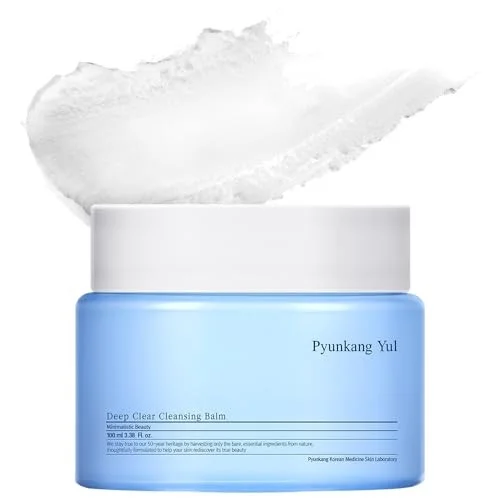
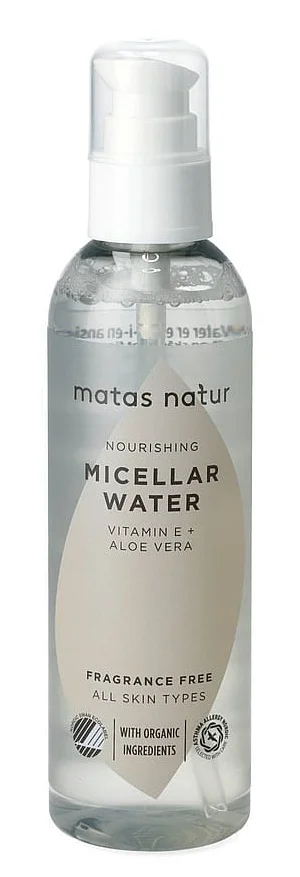
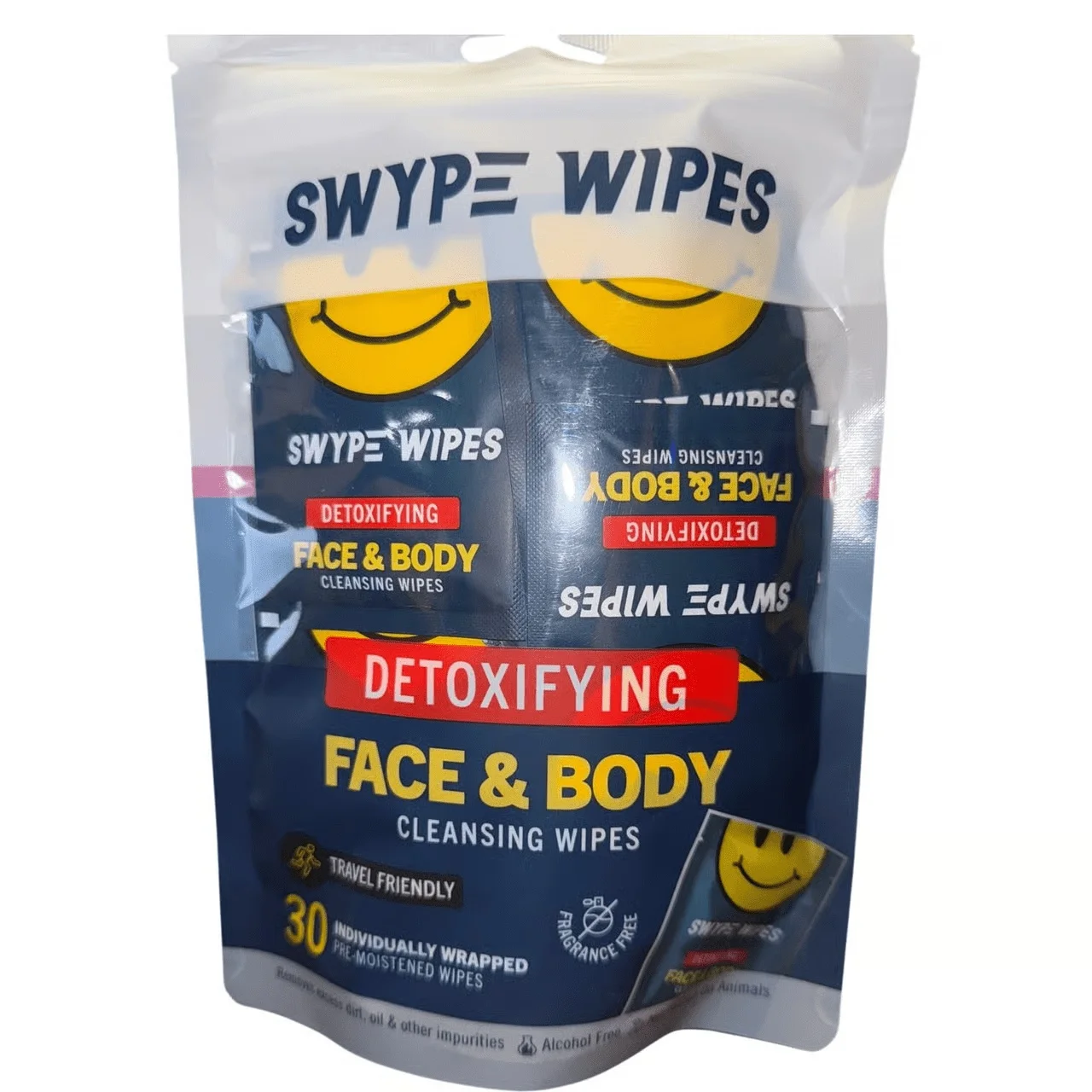
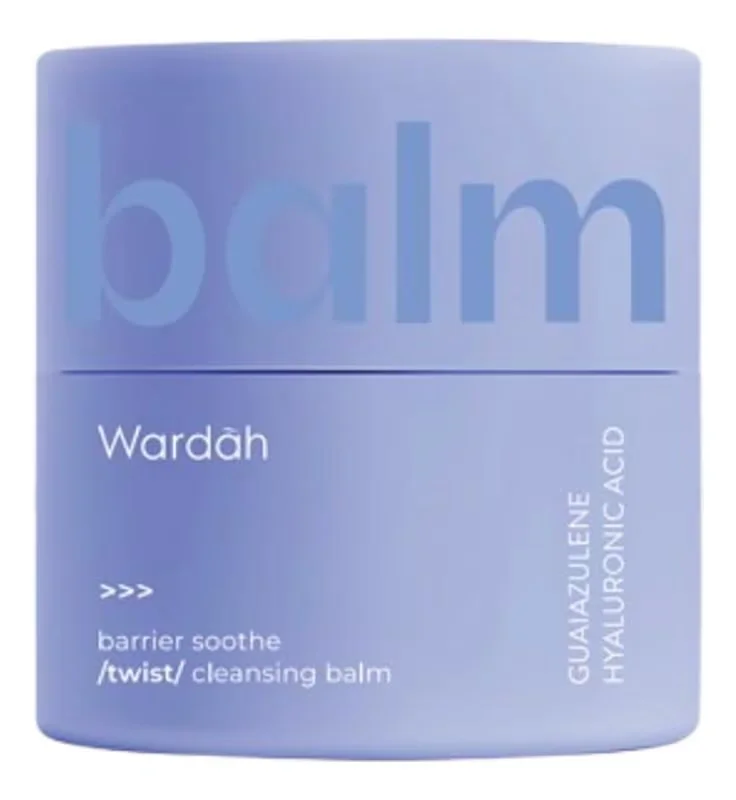
Create a free account to get started
Unlock science-based ingredient analysis personalized for your skin.
Already have an account? Log in
We protect your privacy. We never send spam.