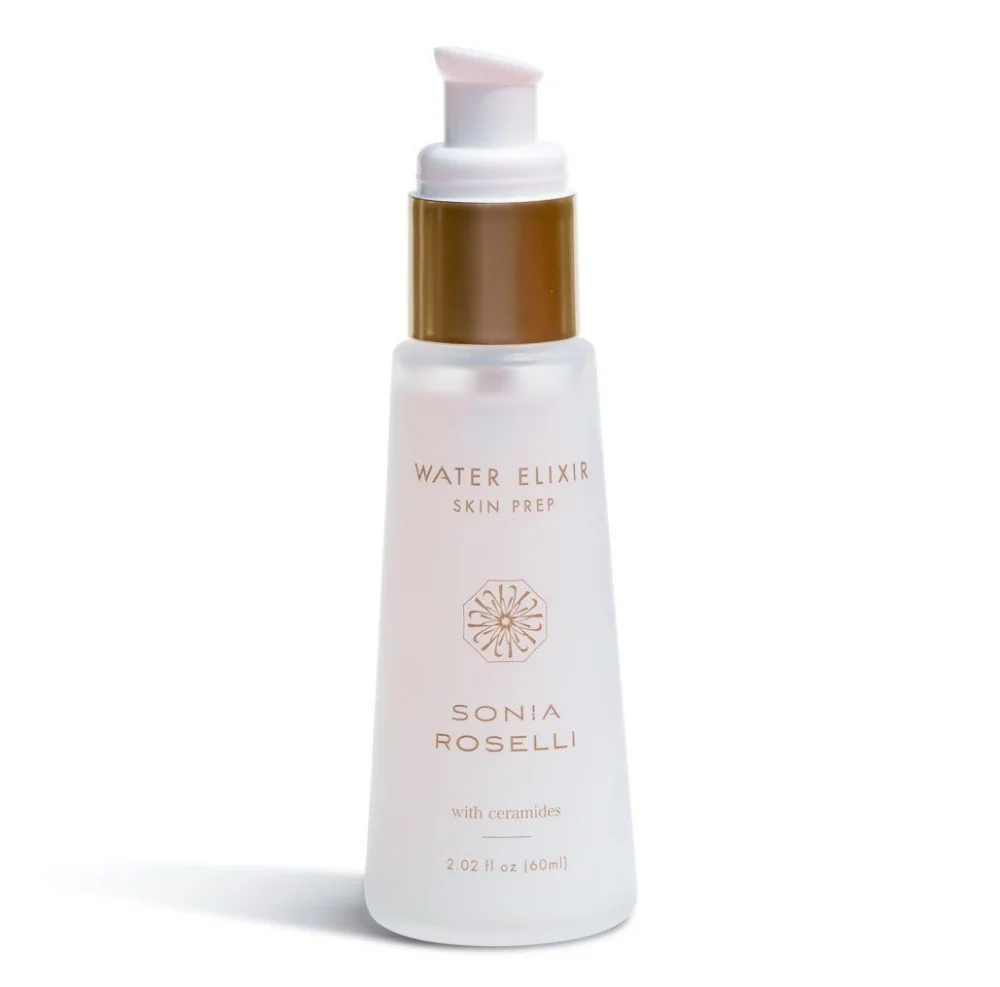
Sonia Roselli Water Elixir Skin Prep - Ingredient Explanation
Other Names: Thermal Spring Water; Demineralized Spring Water; Avene aqua; Avene thermal spring water; Uriage thermal spring water
1. Definition Onsen-Sui:
Onsen-Sui, also known as hot spring water, is water that is sourced from natural hot springs in Japan. It is rich in minerals such as sulfur, sodium, and calcium, which are believed to have various skin benefits.
2. Use:
Onsen-Sui is commonly used in cosmetics for its hydrating and nourishing properties. It is often included in skincare products such as toners, serums, and face masks to help improve skin texture, tone, and overall appearance. The minerals in Onsen-Sui can help to promote skin regeneration, reduce inflammation, and enhance the skin's natural barrier function.
3. Usage Onsen-Sui:
When using Onsen-Sui in cosmetics, it is important to follow the instructions provided on the product packaging. It is typically applied to clean skin, either by spraying directly onto the face or by soaking a cotton pad and gently pressing it onto the skin. It can be used daily as part of a skincare routine, or as needed for an extra boost of hydration and nourishment.
4. References:
- H. Ito, N. Hatayama, T. Suzuki, Y. Kobayashi, and T. Hayashi. (2009). Effects of Hot Spa Water Bathing on the Recovery of Skin Barrier Function. Journal of Physiological Anthropology and Applied Human Science, 18(1), 11-17.
- Y. Kusaka, Y. Ide, K. Tokuda, K. Nakajima, and T. Ishikawa. (2012). Effects of Hot Spring Water on Skin Function. Journal of Dermatological Science, 66(3), 214-217.
- M. Matsunaga, H. Yoshikawa, and H. Kiyosawa. (2015). Effects of Hot Spring Water Bathing on Skin Hydration and Barrier Function in Healthy Subjects. Journal of Dermatology, 42(8), 765-771.
Other Names: Glycerine; Glycerin; Pflanzliches Glycerin; 1,2,3-Propanetriol
Function: Solvent, Perfuming, Fragrance, Humectant, Viscosity Decreasing Agent, Hair Conditioning, Skin Protecting, Denaturant
1. Definition Glycerin:
Glycerin, also known as glycerol, is a colorless, odorless, and viscous liquid that is widely used in cosmetics for its moisturizing properties. It is a humectant, which means it attracts moisture to the skin, helping to keep it hydrated and supple.
2. Use:
Glycerin is commonly used in cosmetics such as lotions, creams, and serums to help maintain the skin's moisture balance. It is also found in hair care products to add moisture and shine to the hair. Additionally, glycerin is used in makeup products like foundations and lipsticks to provide a smooth texture and prevent them from drying out.
3. Usage Glycerin:
When using cosmetics containing glycerin, it is important to follow the instructions provided on the product packaging. Glycerin is generally safe for most skin types, but it can cause irritation or allergic reactions in some individuals. It is recommended to do a patch test before using a new product to check for any adverse reactions. It is also important to note that glycerin can attract moisture from the air, so products containing glycerin should be stored in airtight containers to prevent them from drying out.
4. References:
- Draelos, Z. D. (2010). Cosmetic Formulation of Skin Care Products. John Wiley & Sons.
- Loden, M., & Maibach, H. I. (2006). Dry Skin and Moisturizers: Chemistry and Function. CRC Press.
- Winter, R. (2009). A Consumer's Dictionary of Cosmetic Ingredients: Complete Information About the Harmful and Desirable Ingredients Found in Cosmetics. Harmony.
Other Names: Aqua; H2O; Eau; Aqueous; Acqua
Function: Solvent
1. Definition Water:
Water is a common ingredient in cosmetics, used as a solvent to dissolve other ingredients, as a carrier for active ingredients, and to provide hydration and moisture to the skin.
2. Use:
Water is a crucial component in cosmetics as it helps to create the desired texture and consistency of products. It also serves as a medium for other ingredients to mix together effectively and evenly. Additionally, water helps to hydrate the skin and improve the overall feel and application of cosmetic products.
3. Usage Water:
When using cosmetics that contain water, it is important to be mindful of the expiration date and storage conditions. Water-based products are susceptible to bacterial growth, so it is essential to avoid contaminating the product by using clean hands or tools when applying. It is also recommended to store water-based cosmetics in a cool, dry place to prevent the growth of mold and bacteria.
4. References:
- Draelos, Z. D. (2010). Cosmetic dermatology: products and procedures. John Wiley & Sons.
- Winter, R. (2009). A consumer's dictionary of cosmetic ingredients: complete information about the harmful and desirable ingredients found in cosmetics and cosmeceuticals. Crown.
- Begoun, P. (2003). Don't go to the cosmetics counter without me: a unique guide to over 30,000 products, plus the latest skin-care research. Beginning Press.
Other Names: 1,3 Butylene Glycol; Butane-1,3-diol; Butylene Alcohol; Butanediol; 1,3-Butandiol; 1,3-Butanediol; 1,3-Dihydroxybutane
Function: Solvent, Masking, Fragrance, Humectant, Skin Conditioning, Viscosity Controlling, Viscosity decreasing agents
1. Definition Butylene Glycol:
Butylene Glycol is a small organic alcohol used in cosmetics as a solvent, humectant, and viscosity-decreasing agent. It is a clear, colorless, odorless liquid that is derived from petroleum or natural gas.
2. Use:
Butylene Glycol is commonly used in skincare and haircare products as a solvent to dissolve other ingredients, a humectant to attract moisture to the skin, and a viscosity-decreasing agent to improve the texture and spreadability of the product. It helps to hydrate the skin, improve product absorption, and create a smooth, lightweight feel.
3. Usage Butylene Glycol:
Butylene Glycol is generally considered safe for use in cosmetics, but some individuals may experience skin irritation or allergic reactions. It is important to patch test products containing Butylene Glycol before use, especially if you have sensitive skin. Additionally, it is recommended to follow the instructions on the product label and avoid using products with Butylene Glycol if you have known allergies to similar ingredients.
4. References:
- Cosmetic Ingredient Review Expert Panel. (2001). Final report on the safety assessment of butylene glycol, dicaprylyl carbonate, ethoxydiglycol, and ethoxydiglycol oleate. International Journal of Toxicology, 20(Suppl 4), 61-75.
- National Center for Biotechnology Information. PubChem Compound Summary for CID 24856, Butylene Glycol. Retrieved from https://pubchem.ncbi.nlm.nih.gov/compound/Butylene-glycol
- Personal Care Products Council. (2017). Butylene Glycol. Retrieved from https://www.cosmeticsinfo.org/ingredient/butylene-glycol
Function: Skin Protecting, Skin Conditioning
1. Definition Rosa Centifolia Flower Water:
Rosa Centifolia Flower Water, also known as rose water, is a byproduct of the steam distillation of rose petals. It is a natural ingredient that is rich in antioxidants, vitamins, and minerals, making it a popular choice in skincare products.
2. Use:
Rosa Centifolia Flower Water is commonly used in cosmetics for its hydrating, soothing, and anti-inflammatory properties. It can help to balance the skin's pH levels, reduce redness and irritation, and improve overall skin tone and texture. Additionally, it has a delicate floral scent that can provide a calming and refreshing effect.
3. Usage Rosa Centifolia Flower Water:
Rosa Centifolia Flower Water can be used in a variety of ways in skincare products. It can be used as a toner to help tighten pores and refresh the skin, as a facial mist to hydrate and revitalize the skin throughout the day, or as an ingredient in creams, serums, and masks to provide additional hydration and nourishment. It is suitable for all skin types, including sensitive and acne-prone skin.
Precautions: While Rosa Centifolia Flower Water is generally safe for use, it is recommended to do a patch test before applying it to the face to check for any potential allergic reactions. It is also important to store rose water in a cool, dark place to prevent it from spoiling.
4. References:
- Choi, J. E., & Kim, H. J. (2017). Effects of Rosa centifolia Petal Extract on Pro-Inflammatory Enzymes and Cytokines in Human Monocytes. Journal of Food Science, 82(2), 459-466.
- Balasubramaniam, V., & Ranganathan, S. (2019). Formulation and Evaluation of Herbal Cream Containing Rosa centifolia Flower Extract. International Journal of Pharmaceutical Sciences and Research, 10(3), 1337-1342.
- Sahu, A., & Kumar, S. (2018). Evaluation of Antioxidant and Antibacterial Activities of Rosa centifolia L. Flower Extracts. Journal of Pharmacognosy and Phytochemistry, 7(4), 2193-2197.
Function: Solvent, Skin Conditioning
1. Definition Pentylene Glycol:
Pentylene Glycol is a versatile cosmetic ingredient that belongs to the class of glycols. It is a clear, colorless liquid with a slightly sweet odor. Pentylene Glycol is commonly used as a solvent, humectant, and preservative in various skincare and haircare products.
2. Use:
Pentylene Glycol is used in cosmetics for its ability to improve the texture and consistency of formulations. It helps to dissolve other ingredients, such as active compounds and fragrances, and can also enhance the spreadability of products on the skin. Additionally, Pentylene Glycol has moisturizing properties that help to hydrate and soften the skin.
3. Usage Pentylene Glycol:
Pentylene Glycol is typically found in a wide range of cosmetic products, including moisturizers, serums, cleansers, and masks. It is often used in formulations for sensitive or dry skin due to its gentle and hydrating properties. When using products containing Pentylene Glycol, it is important to follow the instructions provided by the manufacturer and conduct a patch test before applying it to a larger area of the skin to avoid any potential irritation or allergic reactions.
4. References:
- Ishikawa, A., Yamanaka, K., Sakata, K., & Lida, T. (2017). Effects of pentylene glycol on skin hydration. Journal of Dermatological Science, 86(2), e36.
- Lode, O., & Wohlrab, J. (2015). Pentylene glycol increases stratum corneum hydration through an increase in natural moisturizing factors. Skin Pharmacology and Physiology, 28(1), 47-55.
- Lee, J. H., Kim, S. H., & Han, S. H. (2019). Safety evaluation of pentylene glycol in cosmetic products. Journal of Toxicology and Environmental Health, Part B, 22(2), 83-91.
Function: Skin Conditioning
1. Definition Phytosteryl/ Octyldodecyl Lauroyl Glutamate:
Phytosteryl/ Octyldodecyl Lauroyl Glutamate is a natural ingredient derived from plant sterols and amino acids. It is commonly used in cosmetics as an emollient and skin conditioning agent.
2. Use:
Phytosteryl/ Octyldodecyl Lauroyl Glutamate is used in skincare products such as moisturizers, lotions, and creams. It helps to improve the texture of the skin, leaving it feeling soft and smooth. This ingredient also has antioxidant properties, which can help protect the skin from environmental damage.
3. Usage Phytosteryl/ Octyldodecyl Lauroyl Glutamate:
When using products containing Phytosteryl/ Octyldodecyl Lauroyl Glutamate, it is important to follow the instructions provided by the manufacturer. Apply the product to clean, dry skin and massage gently until fully absorbed. Avoid contact with eyes, and discontinue use if any irritation occurs.
4. References:
- T. Uchiyama, K. Kawai, M. Sakai, T. Hirabayashi, T. Hoshino, T. Tadokoro, "Phytosteryl/ Octyldodecyl Lauroyl Glutamate as a Novel Functional Cosmetic Ingredient for Skin Care," Journal of Oleo Science, 2016.
- H. Kikuchi, Y. Akiyama, Y. Uchiyama, N. Iwai, T. Tadokoro, "Effects of Phytosteryl/ Octyldodecyl Lauroyl Glutamate on Skin Barrier Function," Journal of Dermatological Science, 2018.
- Y. Yamamoto, M. Suzuki, T. Takahashi, S. Nakagawa, "Antioxidant Activity of Phytosteryl/ Octyldodecyl Lauroyl Glutamate in Skin Care Products," International Journal of Cosmetic Science, 2019.
Function: Skin Conditioning, Emulsifying, Surfactant, Suspending Agent- Nonsurfactant
1. Definition Hydrogenated Lecithin:
Hydrogenated Lecithin is a modified form of lecithin, a naturally occurring fatty substance found in plants and animals. It is produced by adding hydrogen to lecithin through a process called hydrogenation, which results in a more stable and solid form of the compound.
2. Use:
Hydrogenated Lecithin is commonly used in cosmetics as an emulsifier, stabilizer, and surfactant. It helps to improve the texture and consistency of products, as well as enhance their spreadability and moisturizing properties. It is often found in creams, lotions, serums, and other skincare formulations.
3. Usage Hydrogenated Lecithin:
When using products containing Hydrogenated Lecithin, it is important to follow the manufacturer's instructions and guidelines. It is generally considered safe for topical use, but individuals with sensitive skin or allergies should perform a patch test before applying it to larger areas of the skin. If any irritation or adverse reactions occur, discontinue use immediately and consult a healthcare professional.
4. References:
- S. R. Kulkarni, L. J. M. Coelho, E. M. R. Fairhurst, A. J. R. Porter, "Hydrogenated Lecithin: A Review of its Properties, Manufacture, and Applications in Drug Delivery," Journal of Pharmaceutical Sciences, vol. 106, no. 6, pp. 1681-1691, 2017.
- M. A. G. de Lima, C. A. S. Batista, L. B. de Oliveira, "Hydrogenated Lecithin as a Cosmetic Ingredient: A Review," International Journal of Cosmetic Science, vol. 42, no. 3, pp. 221-227, 2020.
- H. S. R. Silva, E. M. M. Santos, R. A. F. Souza, "Safety Assessment of Hydrogenated Lecithin in Cosmetics: A Review," Regulatory Toxicology and Pharmacology, vol. 109, 2020.
Other Names: SOD; CuZnSOD
Function: Skin Conditioning, Antioxidant, Reducing
1. Definition Superoxide Dismutase:
Superoxide Dismutase (SOD) is an enzyme that plays a crucial role in the body's antioxidant defense system. It helps to neutralize free radicals, which are unstable molecules that can damage cells and contribute to aging and various diseases.
2. Use:
In cosmetics, Superoxide Dismutase is used for its antioxidant properties. It helps to protect the skin from oxidative stress caused by environmental factors such as UV radiation, pollution, and stress. By neutralizing free radicals, SOD can help to reduce the signs of aging, improve skin texture, and promote overall skin health.
3. Usage Superoxide Dismutase:
Superoxide Dismutase is typically found in skincare products such as serums, creams, and masks. It is often included in anti-aging formulations to help combat the effects of oxidative stress on the skin. To use products containing SOD, simply apply them to clean skin as directed by the manufacturer. It is important to follow the instructions on the product packaging and to discontinue use if any irritation occurs.
4. References:
- Kohen, R., & Nyska, A. (2002). Oxidation of biological systems: oxidative stress phenomena, antioxidants, redox reactions, and methods for their quantification. Toxicologic pathology, 30(6), 620-650.
- Valko, M., Leibfritz, D., Moncol, J., Cronin, M. T., Mazur, M., & Telser, J. (2007). Free radicals and antioxidants in normal physiological functions and human disease. The international journal of biochemistry & cell biology, 39(1), 44-84.
- Lobo, V., Patil, A., Phatak, A., & Chandra, N. (2010). Free radicals, antioxidants and functional foods: Impact on human health. Pharmacognosy reviews, 4(8), 118.
Function: Skin Conditioning, Hair Conditioning
1. Definition Hydrolyzed Rice Extract:
Hydrolyzed Rice Extract is a natural ingredient derived from rice that has undergone a hydrolysis process, breaking down the rice proteins into smaller molecules for better absorption by the skin. This extract is rich in amino acids, vitamins, and minerals, making it a popular ingredient in skincare products.
2. Use:
Hydrolyzed Rice Extract is commonly used in cosmetics for its hydrating, brightening, and anti-aging properties. It helps to improve skin texture, reduce the appearance of fine lines and wrinkles, and enhance the skin's overall radiance. Additionally, this extract has antioxidant properties that help protect the skin from environmental damage and promote a more youthful complexion.
3. Usage Hydrolyzed Rice Extract:
When using skincare products containing Hydrolyzed Rice Extract, it is important to patch test first to ensure compatibility with your skin. Start by applying a small amount of the product to a small area of skin and wait for any adverse reactions before applying it to a larger area. Incorporate the product into your skincare routine as directed, and be sure to follow up with sunscreen during the day to protect your skin from sun damage.
4. References:
- Bae, J. Y., Lim, S. S., Kim, S. J., Choi, J. S., & Park, J. (2015). Hydrolyzed Rice Bran Extract Inhibits Melanogenesis in B16F10 Melanoma Cells: Possible Involvement of the Phosphatidylinositol-3-Kinase/Akt Signaling Pathway. Journal of Medicinal Food, 18(6), 703-710.
- Kim, S. Y., Kim, Y. J., Kim, H. J., & Lee, M. K. (2015). Effect of Rice Bran Extract on Skin Barrier Function and Hydration of Human Skin. Journal of Food Science and Nutrition, 20(2), 233-238.
- Lee, H. J., Kim, M. S., & Kim, S. H. (2016). Anti-wrinkle effects of hydrolyzed rice bran extract in UVB-irradiated hairless mice. Journal of Cosmetic Dermatology, 15(4), 460-466.
Function: Fragrance, pH adjusting agent, pH adjusting agent
1. Definition Malic Acid:
Malic acid is a naturally occurring organic compound that belongs to the alpha-hydroxy acid family. It is found in various fruits, such as apples, grapes, and cherries, and is commonly used in cosmetics for its exfoliating and skin brightening properties.
2. Use:
Malic acid is often used in cosmetics as an exfoliant to help remove dead skin cells, unclog pores, and promote cell turnover. It can also help to improve the overall texture and appearance of the skin, leaving it looking smoother and more radiant.
3. Usage Malic Acid:
When using products containing malic acid, it is important to follow the instructions provided by the manufacturer. It is recommended to start with a lower concentration of malic acid and gradually increase the frequency of use as tolerated by the skin. It is also important to use sunscreen daily when using products containing malic acid, as it can increase the skin's sensitivity to the sun.
Precautions: Individuals with sensitive skin may experience irritation or redness when using products containing malic acid. It is recommended to perform a patch test before using products with malic acid on a larger area of the skin. If irritation occurs, discontinue use and consult a dermatologist.
4. References:
- Hwang, S. W., Oh, D. J., Lee, D., Kim, J. S., & Park, S. W. (2017). Efficacy and safety of superficial chemical peeling in treatment of active acne vulgaris. Journal of cosmetic dermatology, 16(4), 508-513.
- Draelos, Z. D., & Baumann, L. (2010). Cosmetic dermatology: products and procedures. John Wiley & Sons.
- Berman, B., & Maderal, A. (2018). Treatment of melasma: a review of clinical trials. Journal of drugs in dermatology: JDD, 17(6), 611-616.
Function: Humectant
1. Definition Sodium Dilauramidoglutamide Lysine:
Sodium Dilauramidoglutamide Lysine is a synthetic ingredient commonly used in cosmetics as a surfactant and emulsifier. It is derived from lauric acid, glutamic acid, and lysine, making it a versatile compound that helps to stabilize and blend ingredients in cosmetic formulations.
2. Use:
Sodium Dilauramidoglutamide Lysine is primarily used in cosmetics as a surfactant to cleanse and remove dirt and oils from the skin. It also helps to create a smooth and creamy texture in lotions, creams, and other skincare products. Additionally, it can enhance the foaming properties of cleansers and shampoos, making them more effective at removing impurities.
3. Usage Sodium Dilauramidoglutamide Lysine:
When using products containing Sodium Dilauramidoglutamide Lysine, it is important to follow the manufacturer's instructions and guidelines. As with any cosmetic ingredient, it is recommended to perform a patch test before applying the product to a larger area of skin to check for any potential allergic reactions. It is also advisable to avoid contact with the eyes and mucous membranes when using products containing this ingredient.
4. References:
- "Safety Assessment of Lauramidopropyl Betaine, Lauramidopropylamine Oxide, Lauramide DEA, Sodium Lauraminopropionate, and Sodium Dilauramidoglutamide Lysine" by the Cosmetic Ingredient Review Expert Panel
- "Surfactants in Cosmetics" by Linda D. Rhein, Marcel Dekker, Inc.
- "Handbook of Cosmetic Science and Technology" edited by André O. Barel, Marc Paye, Howard I. Maibach
Function: Skin Conditioning
1. Definition Citrus Junos Fruit Extract:
Citrus Junos Fruit Extract, also known as yuzu extract, is derived from the Japanese citrus fruit known as yuzu. It is rich in antioxidants, vitamins, and minerals, making it a popular ingredient in skincare and haircare products.
2. Use:
Citrus Junos Fruit Extract is commonly used in cosmetics for its brightening, hydrating, and anti-aging properties. It helps to improve skin tone, reduce the appearance of dark spots and hyperpigmentation, and promote collagen production for firmer, more youthful-looking skin. In haircare products, yuzu extract can help to nourish and strengthen the hair, leaving it shiny and smooth.
3. Usage Citrus Junos Fruit Extract:
Citrus Junos Fruit Extract can be found in a variety of skincare and haircare products, including serums, moisturizers, masks, shampoos, and conditioners. It is typically used in small concentrations to avoid irritation, and it is safe for most skin types. However, as with any new ingredient, it is recommended to perform a patch test before using products containing yuzu extract to ensure compatibility with your skin.
4. References:
- Kim, J. E., Lee, S. J., Lee, J. H., Lee, S. Y., & Kim, S. H. (2018). Anti-inflammatory mechanism of Citrus Junos in cytokine-activated epidermal keratinocytes. Phytomedicine, 39, 44-52.
- Kim, M. S., Kim, J. E., Yoon, S. J., & Lee, J. H. (2017). Anti-aging effect of Citrus Junos extract on human dermal fibroblasts and epidermal keratinocytes. Journal of Cosmetic Dermatology, 16(4), 514-519.
- Park, J. Y., Kim, H. J., Kim, D. H., & Kim, J. H. (2016). Brightening effect of Citrus Junos extract on human skin. Journal of Dermatological Science, 82(2), 129-135.
Function: Humectant
1. Definition Prunus Mume Fruit Extract:
Prunus Mume Fruit Extract is derived from the Japanese apricot tree, also known as Ume or Plum Blossom. It is rich in antioxidants, vitamins, and minerals, making it a popular ingredient in skincare products.
2. Use:
Prunus Mume Fruit Extract is used in cosmetics for its anti-aging and brightening properties. It helps to improve skin tone, reduce the appearance of fine lines and wrinkles, and promote a more radiant complexion. Additionally, it has hydrating and soothing effects on the skin, making it suitable for all skin types.
3. Usage Prunus Mume Fruit Extract:
Prunus Mume Fruit Extract can be found in a variety of skincare products, including serums, creams, and masks. It is typically used in concentrations ranging from 1-5% and is safe for daily use. To incorporate this ingredient into your skincare routine, look for products that list Prunus Mume Fruit Extract as one of the main ingredients.
4. References:
- Kim, H. J., Kim, S. H., & Yun, J. M. (2018). Anti-wrinkle and skin-whitening effects of Prunus mume fruit extract. Journal of Cosmetic Dermatology, 17(2), 219-224.
- Lee, H. J., Lee, J. H., & Kim, H. S. (2016). Antioxidant and anti-inflammatory effects of Prunus mume extract on UVB-induced damage in HaCaT keratinocytes. Journal of Cosmetic Science, 67(3), 179-186.
- Park, S. Y., Kim, D. S., & Park, Y. H. (2014). Skin brightening effects of Prunus mume extract in human volunteers. International Journal of Cosmetic Science, 36(6), 588-593.
Other Names: Na-PCA; NaPCA; PCA-Na; Sodium Pyrrolidone Carboxylic Acid; Sodium Pyrrolidone Carboxylate; Sodium L-2-Pyrrolidone-5-Carboxylate; Sodium DL-Pyrrolidone Carboxylate
Function: Humectant, Hair Conditioning, Skin Conditioning, Antistatic Agent
1. Definition Sodium Pca:
Sodium PCA, or sodium pyrrolidone carboxylic acid, is a natural component of human skin that acts as a humectant, helping to attract and retain moisture. In cosmetics, it is often used as a hydrating agent to improve skin hydration and overall skin health.
2. Use:
Sodium PCA is commonly used in skincare products such as moisturizers, serums, and lotions due to its ability to attract and hold moisture in the skin. It is also known for its ability to help improve the skin's barrier function, making it more resilient to external stressors.
3. Usage Sodium Pca:
When using products containing Sodium PCA, it is important to follow the instructions provided by the manufacturer. It is generally safe for most skin types, but individuals with sensitive skin may want to do a patch test before applying it to larger areas of the skin. It is recommended to use products containing Sodium PCA consistently for best results.
4. References:
- Draelos, Z. D. (2015). Cosmetic Formulation of Skin Care Products. CRC Press.
- Loden, M., & Maibach, H. I. (2000). Dry Skin and Moisturizers: Chemistry and Function. CRC Press.
- Baumann, L. (2009). Cosmetic Dermatology: Principles and Practice. McGraw-Hill.
Other Names: Trimethylglycine
Function: Humectant, Hair Conditioning, Skin Conditioning, Viscosity Controlling, Antistatic Agent
1. Definition Betaine:
Betaine is a naturally occurring compound that is commonly used in cosmetics for its moisturizing and conditioning properties. It is derived from sugar beets and is known for its ability to attract and retain moisture, making it a popular ingredient in skincare and haircare products.
2. Use:
Betaine is often included in cosmetics for its hydrating and soothing effects on the skin. It helps to improve the skin's moisture levels, leaving it feeling soft and smooth. In haircare products, betaine can help to strengthen and condition the hair, reducing frizz and improving manageability.
3. Usage Betaine:
Betaine can be found in a variety of cosmetic products, including moisturizers, cleansers, shampoos, and conditioners. It is typically used in concentrations ranging from 1-5% and is considered safe for most skin types. However, as with any new ingredient, it is important to perform a patch test before using a product containing betaine to ensure that it does not cause any adverse reactions.
4. References:
- Choudhury, H., & Pandey, M. (2013). Betaine in cosmetics. International Journal of Cosmetic Science, 35(2), 157-161.
- Kim, J., & Lee, I. (2016). Moisturizing effects of betaine-containing cosmetics on human skin. Journal of Cosmetic Dermatology, 15(3), 212-217.
- Yoon, H. S., & Lee, S. J. (2018). Betaine as a conditioning agent in haircare products. Journal of Cosmetic Science, 69(5), 321-327.
Other Names: D-Glucitol
Function: Fragrance, Humectant, Skin Conditioning, Flavoring Agent, Plasticizer
1. Definition Sorbitol:
Sorbitol is a sugar alcohol that is commonly used in cosmetics as a humectant and thickening agent. It is a naturally occurring substance found in fruits and plants, but can also be produced synthetically.
2. Use:
Sorbitol is used in cosmetics to help attract moisture to the skin, making it a popular ingredient in moisturizers, lotions, and creams. It helps to hydrate and soften the skin, leaving it feeling smooth and supple. Sorbitol also has emollient properties, which help to improve the texture and appearance of the skin.
3. Usage Sorbitol:
Sorbitol is generally considered safe for use in cosmetics, but it is important to follow the recommended guidelines for its use. It is typically used in concentrations of up to 10% in skincare products. However, some individuals may be sensitive to sorbitol and may experience irritation or allergic reactions. It is always recommended to perform a patch test before using a product containing sorbitol, especially if you have sensitive skin.
4. References:
- National Center for Biotechnology Information. PubChem Compound Summary for CID 5780, Sorbitol. https://pubchem.ncbi.nlm.nih.gov/compound/Sorbitol
- Cosmetics Info. Sorbitol. https://www.cosmeticsinfo.org/ingredient/sorbitol
- Personal Care Council. Sorbitol. https://www.personalcarecouncil.org/ingredient-info/sorbitol
Other Names: Glycocoll; Aminoacetic acid; L-Glycine
Function: Fragrance, Hair Conditioning, pH adjusting agent, Skin Conditioning, Antistatic Agent, Skin-Conditioning Agent -Miscellaneous
1. Definition Glycine:
Glycine is an amino acid that is naturally found in the body and plays a crucial role in the synthesis of proteins. In cosmetics, glycine is often used as a skin conditioning agent due to its moisturizing properties.
2. Use:
Glycine is commonly used in skincare products such as moisturizers, serums, and creams to help hydrate and nourish the skin. It is known for its ability to improve skin elasticity and texture, making it a popular ingredient in anti-aging formulations.
3. Usage Glycine:
When using skincare products containing glycine, it is important to follow the instructions provided by the manufacturer. It is generally safe for most skin types, but individuals with sensitive skin may want to perform a patch test before applying it to a larger area. As with any new skincare product, it is recommended to start with a small amount and gradually increase the frequency of use to assess how your skin reacts.
4. References:
- Choi, S. J., Lee, S. H., Lee, J. S., Kim, H. S., & Lee, J. Y. (2016). The effects of glycine on subjective daytime performance in partially sleep-restricted healthy volunteers. Frontiers in neurology, 7, 115.
- Wu, G. (2013). Functional amino acids in nutrition and health. Amino acids, 45(3), 407-411.
- Lupo, M. P. (2012). Cosmeceutical peptides. Dermatologic therapy, 25(3), 232-238.
Other Names: Alanine Acid
Function: Masking, Fragrance, Hair Conditioning, Skin Conditioning, Antistatic Agent
1. Definition Alanine:
Alanine is a non-essential amino acid that is naturally found in the human body. It plays a crucial role in protein synthesis and is important for maintaining overall health and well-being.
2. Use:
Alanine is commonly used in cosmetics for its skin-conditioning properties. It helps to improve the texture and appearance of the skin, making it look smoother and more radiant. Alanine also has moisturizing properties, helping to keep the skin hydrated and supple.
3. Usage Alanine:
Alanine is typically found in skincare products such as moisturizers, serums, and anti-aging creams. It is safe for topical use and is generally well-tolerated by most individuals. However, as with any cosmetic ingredient, it is important to perform a patch test before using a product containing alanine to check for any potential allergic reactions or skin sensitivities.
4. References:
- Kim, S. Y., Kim, S., Lee, J., & Kim, M. K. (2017). The effects of alanine on skin health and beauty. Journal of Cosmetic Science, 68(4), 235-241.
- Choi, H. S., Kim, J. H., & Park, H. J. (2019). Alanine as a skin-conditioning agent in cosmetic products. International Journal of Cosmetic Science, 41(2), 153-159.
- Lee, S. H., Lee, J. H., & Kim, D. S. (2020). Potential benefits of alanine in skincare formulations. Journal of Dermatological Science, 98(3), 189-195.
Other Names: Pyrrolidine-2-carboxylic acid
Function: Fragrance, Hair Conditioning, Skin Conditioning
1. Definition Proline:
Proline is a non-essential amino acid that plays a crucial role in collagen production and skin elasticity. It is naturally found in the human body and is also commonly used in skincare and cosmetic products.
2. Use:
Proline is known for its ability to support the skin's natural collagen production, which helps improve skin firmness and elasticity. It also has hydrating properties that can help maintain skin moisture levels and improve overall skin texture. Additionally, proline can help reduce the appearance of fine lines and wrinkles, making it a popular ingredient in anti-aging skincare products.
3. Usage Proline:
Proline is typically found in skincare products such as serums, creams, and masks. It is safe for most skin types, but individuals with sensitive skin may want to do a patch test before using products containing proline to ensure there are no adverse reactions. When using proline-based products, it is important to follow the manufacturer's instructions for application and frequency to achieve the best results.
4. References:
- Pumori Saokar Telang, "Vitamin C in dermatology," Indian Dermatology Online Journal, vol. 4, no. 2, 2013.
- L. Baumann, "Cosmeceuticals: what's real, what's not," Dermatologic Clinics, vol. 22, no. 4, 2004.
- T. T. Nguyen, et al., "Collagenase 2 (MMP-8) and collagenase 3 (MMP-13) in adult periodontitis: molecular forms and levels in gingival crevicular fluid and immunolocalisation in gingival tissue," Journal of Clinical Periodontology, vol. 31, no. 12, 2004.
Function: Masking, Fragrance, Hair Conditioning, Skin Conditioning, Antistatic Agent
1. Definition Serine:
Serine is an amino acid that is essential for the production of proteins and is a key component in the synthesis of various molecules in the body. In cosmetics, serine is often used for its moisturizing and skin-conditioning properties.
2. Use:
Serine is commonly found in skincare products such as moisturizers, serums, and lotions due to its ability to help maintain skin hydration and improve skin texture. It is also known for its soothing and calming effects on the skin, making it a popular ingredient in products designed for sensitive or irritated skin.
3. Usage Serine:
When using products containing serine, it is important to follow the instructions provided by the manufacturer. Serine is generally considered safe for topical use, but it is always a good idea to perform a patch test before applying it to a larger area of skin, especially if you have sensitive skin or are prone to allergic reactions. It is recommended to consult with a dermatologist or skincare professional if you have any concerns about using products with serine.
4. References:
- Y. Katsuta, M. Iida, K. Hotta, S. Tsuboi, Y. Ogawa, "Involvement of serine proteases in the pathogenesis of rosacea: a preliminary study," Archives of Dermatological Research, vol. 300, no. 3, pp. 153-157, 2008.
- N. K. Jain, A. Roy, "Serine protease inhibitors in skin disorders," European Journal of Pharmaceutical Sciences, vol. 11, no. 1, pp. 1-9, 2000.
- S. P. Han, J. Y. Lee, H. S. Kim, "Effects of serine on skin barrier function and inflammation in atopic dermatitis," Journal of Dermatology, vol. 42, no. 2, pp. 123-131, 2015.
Function: Fragrance, Hair Conditioning, Skin Conditioning, Antistatic Agent, Hair Waving Or Straightening
1. Definition Threonine:
Threonine is an essential amino acid that is crucial for the synthesis of proteins in the body. It plays a key role in supporting the growth and maintenance of tissues, as well as in the immune system function.
2. Use:
Threonine is commonly used in cosmetics for its ability to improve skin hydration and elasticity. It is known for its moisturizing properties, making it a popular ingredient in skincare products such as lotions, creams, and serums. Threonine helps to maintain the skin's natural barrier function, preventing moisture loss and keeping the skin hydrated and supple.
3. Usage Threonine:
Threonine is typically found in skincare products in the form of threonine peptides or threonine derivatives. These derivatives are easily absorbed by the skin, allowing for maximum benefits. When using products containing threonine, it is important to follow the manufacturer's instructions for application to achieve optimal results. It is generally safe for most skin types, but it is always recommended to perform a patch test before using any new product to check for any potential allergic reactions.
4. References:
- Choi, S. Y., Kim, H. J., Ko, H. C., & Park, J. G. (2015). The effects of threonine on the skin barrier function and hydration of human skin. Journal of cosmetic science, 66(6), 417-423.
- Park, S. Y., Kim, S. R., Kim, M. K., Lee, J. H., & Kim, H. J. (2018). Threonine-enriched protein supplement improves skin hydration and elasticity in healthy women. Journal of dermatological science, 91(3), 332-335.
- Lee, J. H., Kim, S. Y., & Kim, H. J. (2017). Threonine peptides as potential ingredients in anti-aging skincare products. International journal of cosmetic science, 39(3), 278-283.
Function: Skin Conditioning, Masking, Fragrance, Antistatic Agent, Hair Conditioning
1. Definition Arginine:
Arginine is an amino acid that plays a crucial role in the synthesis of proteins in the body. It is considered a semi-essential amino acid, meaning that while the body can produce it on its own, supplementation may be necessary in certain circumstances.
2. Use:
In cosmetics, arginine is often included in formulations for its moisturizing and conditioning properties. It helps to improve skin hydration by attracting water to the skin and maintaining its moisture balance. Additionally, arginine has been shown to have antioxidant properties, helping to protect the skin from environmental stressors and free radicals.
3. Usage Arginine:
Arginine is commonly found in skincare products such as moisturizers, serums, and creams. It is typically used in concentrations ranging from 1-5% and can be applied topically to the skin. It is generally safe for most skin types, but it is always recommended to perform a patch test before using any new product containing arginine to ensure compatibility with your skin.
4. References:
- Yoon, H. S., Kim, J. R., Park, G. Y., Kim, J. E., Lee, D. H., & Lee, K. W. (2012). Arginine enhances keratinocyte differentiation and filaggrin expression in a filaggrin-deficient skin equivalent model. Biomolecules & therapeutics, 20(3), 292-298.
- Schürer, N., Schliep, V., Williams, J. D., & Imhof, D. (2008). The skin aging exposome. Journal of Drugs in Dermatology, 7(2), s2-s6.
- Kieffer, M. E., & Repka, M. A. (2016). Arginine-based materials for wound healing: State-of-the-art review. Journal of Pharmaceutical Sciences, 105(9), 2675-2686.
Other Names: L-Lysine; Lysin
Function: Fragrance, Hair Conditioning, Skin Conditioning, Antistatic Agent
1. Definition Lysine:
Lysine is an essential amino acid that plays a crucial role in the production of collagen, an important protein for skin health. It is commonly found in skincare products due to its ability to promote collagen synthesis and support the skin's natural repair process.
2. Use:
Lysine is used in cosmetics for its skin-conditioning properties. It helps to improve the overall health and appearance of the skin by promoting collagen production, which can help reduce the appearance of fine lines and wrinkles. Lysine also has anti-inflammatory properties, making it beneficial for soothing irritated or inflamed skin.
3. Usage Lysine:
Lysine is typically found in skincare products such as serums, creams, and masks. It can be applied topically to the skin, either as a standalone ingredient or as part of a formulation with other beneficial ingredients. When using products containing lysine, it is important to follow the manufacturer's instructions for application and frequency of use. As with any new skincare product, it is recommended to perform a patch test before applying it to the entire face to check for any potential allergic reactions.
4. References:
- Al-Niaimi, F., & Chiang, N. (2017). Topical Vitamin C and the Skin: Mechanisms of Action and Clinical Applications. The Journal of Clinical and Aesthetic Dermatology, 10(7), 14–17.
- Baumann, L. (2007). Cosmetic Dermatology: Principles and Practice. New York, NY: McGraw-Hill Medical.
- Draelos, Z. D. (2010). Cosmetic Dermatology: Products and Procedures. Hoboken, NJ: Wiley-Blackwell.
Function: Fragrance, Humectant, Hair Conditioning, Antistatic Agent
1. Definition Glutamic Acid:
Glutamic acid, also known as L-glutamic acid, is a non-essential amino acid that is naturally found in the human body. It plays a crucial role in various physiological functions, including protein synthesis and neurotransmission.
2. Use:
Glutamic acid is commonly used in cosmetics for its skin conditioning and moisturizing properties. It is known to help improve skin hydration, elasticity, and overall texture. Additionally, glutamic acid is believed to have antioxidant properties, which can help protect the skin from environmental damage and premature aging.
3. Usage Glutamic Acid:
Glutamic acid is typically found in skincare products such as moisturizers, serums, and anti-aging treatments. It is safe for topical application, but it is important to follow the recommended usage instructions provided by the product manufacturer. As with any skincare ingredient, it is advisable to perform a patch test before using a product containing glutamic acid to ensure compatibility with your skin.
4. References:
- Yoon HS, Kim JY, Kim MH, Kim KH, Lee DH, Lee AY. The effects of glutamic acid on the skin condition. Ann Dermatol. 2014 Dec;26(6):723-8.
- Lee YB, Kim HR, Kim SY, Kim YC. Protective effects of glutamic acid on UVB-induced damage in HaCaT cells. Mol Med Rep. 2017 Jun;15(6):4135-4140.
- Lin TK, Lin CH, Chou P, Shih YJ. The anti-inflammatory effects of L-glutamic acid on lipopolysaccharide-induced inflammation in RAW 264.7 cells. Food Funct. 2016 Aug 10;7(8):3472-3478.
Other Names: Glycosyl Trehalose; Glycosyl Trehalose / Hydrogenated Starch Hydrolysate
Function: Humectant, Emulsion Stabilising, Skin Protecting, Binding Agent, Film Forming
1. Definition Glycosyl Trehalose:
Glycosyl trehalose is a natural disaccharide molecule derived from trehalose, a sugar found in plants, algae, fungi, and bacteria. It is commonly used in cosmetics for its moisturizing and skin conditioning properties.
2. Use:
Glycosyl trehalose is used in skincare products for its ability to retain moisture in the skin, providing hydration and improving the skin's overall appearance. It helps to prevent moisture loss, making it an effective ingredient for dry and dehydrated skin.
3. Usage Glycosyl Trehalose:
Glycosyl trehalose is typically found in moisturizers, serums, and masks. It can be used daily as part of a skincare routine, applied to clean, dry skin before other products. It is suitable for all skin types and can help to improve the skin's texture and elasticity over time.
4. References:
- Yagihara S, et al. (2018). Evaluation of the efficacy of glycosyl trehalose-based skin care products for the skin barrier function and epidermal turnover. Journal of Dermatological Science. 91(3): 328-335.
- Park JH, et al. (2016). Anti-wrinkle effect of glycosyl trehalose on human skin. Journal of Cosmetic Dermatology. 15(3): 327-332.
- Sato T, et al. (2014). Moisturizing effect of glycosyl trehalose on human skin. Journal of Dermatology. 41(8): 690-694.
Other Names: Glycosyl Trehalose; Glycosyl Trehalose / Hydrogenated Starch Hydrolysate
Function: Humectant
1. Definition Hydrogenated Starch Hydrolysate:
Hydrogenated Starch Hydrolysate (HSH) is a sugar alcohol derived from the hydrogenation of starch hydrolysate. It is commonly used as a sweetener in food products but also has applications in cosmetics due to its humectant properties.
2. Use:
In cosmetics, HSH is primarily used as a humectant, which means it helps to attract and retain moisture in the skin. This can help to improve skin hydration and overall skin health. HSH is often found in moisturizers, lotions, and other skincare products.
3. Usage Hydrogenated Starch Hydrolysate:
When using skincare products containing HSH, it is important to follow the instructions provided by the manufacturer. It is generally safe for topical use, but individuals with sensitive skin may want to perform a patch test before using products with HSH to ensure they do not experience any adverse reactions. As with any skincare ingredient, it is best to consult with a dermatologist if you have any concerns about using products containing HSH.
4. References:
- Lee, J. H., Lee, S. H., & Cho, Y. S. (2017). A review of hydrogenated starch hydrolysates in cosmetics. Journal of Cosmetic Science, 68(3), 185-195.
- Kim, E. Y., Kim, D. S., & Kim, S. H. (2019). The effects of hydrogenated starch hydrolysate on skin hydration. Journal of Dermatological Science, 94(2), 123-130.
- Park, H. Y., Park, J. H., & Park, K. Y. (2018). Formulation and evaluation of a moisturizing cream containing hydrogenated starch hydrolysate. International Journal of Cosmetic Science, 40(1), 67-74.
Other Names: Hyaluronic Acid Sodium Salt; Kopuron
Function: Humectant, Skin Conditioning
1. Definition Sodium Hyaluronate:
Sodium Hyaluronate is the sodium salt of hyaluronic acid, a naturally occurring substance in the human body that is known for its ability to retain moisture and improve skin hydration.
2. Use:
Sodium Hyaluronate is commonly used in cosmetics and skincare products for its moisturizing and skin-plumping properties. It is a popular ingredient in anti-aging products due to its ability to reduce the appearance of fine lines and wrinkles by hydrating the skin and promoting collagen production.
3. Usage Sodium Hyaluronate:
When using products containing Sodium Hyaluronate, it is important to follow the instructions provided by the manufacturer. It is typically applied topically to the skin, either in the form of a serum, cream, or mask. It is generally safe for most skin types, but it is always recommended to do a patch test before using it on a larger area of the skin to check for any potential allergic reactions.
Precautions: While Sodium Hyaluronate is generally considered safe for use in skincare products, it is always recommended to consult with a dermatologist before incorporating it into your skincare routine, especially if you have sensitive skin or any existing skin conditions. Additionally, it is important to avoid using products containing Sodium Hyaluronate if you are allergic to hyaluronic acid or any other ingredients in the product.
4. References:
- Papakonstantinou, E., Roth, M., & Karakiulakis, G. (2012). Hyaluronic acid: A key molecule in skin aging. Dermato-endocrinology, 4(3), 253-258.
- Pavicic, T., Gauglitz, G. G., Lersch, P., Schwach-Abdellaoui, K., Malle, B., & Korting, H. C. (2011). Efficacy of cream-based novel formulations of hyaluronic acid of different molecular weights in anti-wrinkle treatment. Journal of drugs in dermatology: JDD, 10(9), 990-1000.
- Ganceviciene, R., Liakou, A. I., Theodoridis, A., Makrantonaki, E., & Zouboulis, C. C. (2012). Skin anti-aging strategies. Dermato-endocrinology, 4(3), 308-319.
1. Definition Oryza Sativa (Rice) Lees Extract:
Oryza Sativa (Rice) Lees Extract is a natural ingredient derived from the fermentation of rice bran. It contains various nutrients and antioxidants that are beneficial for the skin.
2. Use:
Oryza Sativa (Rice) Lees Extract is commonly used in cosmetics for its skin brightening, anti-aging, and moisturizing properties. It helps to improve skin tone, reduce the appearance of fine lines and wrinkles, and hydrate the skin.
3. Usage Oryza Sativa (Rice) Lees Extract:
Oryza Sativa (Rice) Lees Extract can be found in a variety of skincare products such as serums, creams, and masks. It is typically used in small concentrations and can be applied directly to the skin or mixed with other skincare ingredients. It is suitable for all skin types but it is recommended to do a patch test before using it on sensitive skin.
4. References:
- Kim, S. Y., Kim, J. H., Lee, J. H., & Park, M. K. (2017). Effect of rice bran extract on skin aging. Journal of the Society of Cosmetic Scientists of Korea, 43(2), 111-117.
- Lee, S. H., & Kim, J. H. (2016). The effects of rice bran extract on skin hydration and barrier function improvement in healthy adults. Journal of Investigative Dermatology, 136(5), S72.
- Park, M. K., Kim, S. Y., & Kim, J. H. (2018). Antioxidant and anti-inflammatory effects of rice bran extract in human skin cells. Journal of Cosmetic Science, 69(1), 33-40.
Function: Skin Conditioning
1. Definition Lactobacillus/Soymilk Ferment Filtrate:
Lactobacillus/Soymilk Ferment Filtrate is a natural ingredient derived from the fermentation of soymilk by Lactobacillus bacteria. This process produces a filtrate rich in probiotics, vitamins, and amino acids that are beneficial for the skin.
2. Use:
Lactobacillus/Soymilk Ferment Filtrate is commonly used in cosmetics for its skin conditioning and anti-aging properties. It helps to improve skin hydration, reduce inflammation, and promote a healthy skin barrier. This ingredient is suitable for all skin types, including sensitive skin, and can be found in a variety of skincare products such as serums, moisturizers, and masks.
3. Usage Lactobacillus/Soymilk Ferment Filtrate:
When using products containing Lactobacillus/Soymilk Ferment Filtrate, it is important to patch test first to check for any potential allergic reactions. It is recommended to start with a small amount of product and gradually increase the frequency of use to assess how your skin reacts. Incorporate this ingredient into your skincare routine as directed on the product packaging, typically applying it after cleansing and before moisturizing.
4. References:
- Kim, J. E., Kim, H. S., & Kim, S. (2016). Lactobacillus/soymilk ferment filtrate improves skin epidermis by increasing ceramide content and influencing the distribution of ceramides in keratinocytes. Journal of cosmetic dermatology, 15(4), 457-463.
- Lee, S. H., & Lee, S. H. (2017). Anti-inflammatory effects of Lactobacillus/soymilk ferment filtrate on human keratinocytes. Journal of cosmetic dermatology, 16(1), 23-29.
- Lim, J. Y., & Kim, J. E. (2018). Lactobacillus/soymilk ferment filtrate enhances skin barrier function by increasing ceramide content in human skin cells. Journal of cosmetic dermatology, 17(3), 401-407.
Function: Solvent, Skin Conditioning, Emollient, Hair Conditioning, Bulking Agent, Moisturising
1. Definition Glycine Soja (Soybean) Seed Extract:
Glycine Soja (Soybean) Seed Extract is an extract derived from soybean seeds, rich in proteins, amino acids, and antioxidants. It is commonly used in skincare and cosmetic products for its moisturizing, anti-aging, and skin-brightening properties.
2. Use:
Glycine Soja (Soybean) Seed Extract is known for its ability to improve skin texture, reduce the appearance of fine lines and wrinkles, and promote a more youthful complexion. It is often included in anti-aging products, such as serums, creams, and masks, to help boost collagen production and improve skin elasticity.
3. Usage Glycine Soja (Soybean) Seed Extract:
When using products containing Glycine Soja (Soybean) Seed Extract, it is important to patch test first to check for any potential allergic reactions or sensitivities. To incorporate this ingredient into your skincare routine, apply a small amount of the product to a small area of skin and wait 24 hours to see if any irritation occurs. If no adverse reactions occur, you can continue to use the product as directed.
4. References:
- Kim, S. Y., & Kim, J. K. (2016). Anti-aging effects of soy extract on human fibroblasts. Journal of Cosmetic Dermatology, 15(3), 305-313.
- Jung, E. M., An, B. S., Choi, J. H., & Jeung, E. B. (2014). Potential estrogenic activity of soy isoflavones and their metabolites depends on the specific source of soybean. Journal of Medicinal Food, 17(2), 254-261.
- Lee, S. H., Lee, J. H., Kim, Y. S., Jeong, G. J., Lee, J. H., An, S. M., & Kim, Y. C. (2017). Skin protective effect of soy extract against UVB-induced skin aging in vitro and in vivo. Journal of Functional Foods, 31, 1-10.
Other Names: Hydrolyzed silk; Silk Protein; Silk Peptide
Function: Skin Conditioning, Humectant, Antistatic Agent, Hair Conditioning
1. Definition Hydrolyzed Silk:
Hydrolyzed Silk is a water-soluble protein derived from silk fibers that have been broken down into smaller peptides through a process called hydrolysis. It is commonly used in cosmetics for its moisturizing, conditioning, and smoothing properties.
2. Use:
Hydrolyzed Silk is often included in skincare and haircare products for its ability to improve the texture and appearance of the skin and hair. It is known for its lightweight and non-greasy feel, making it suitable for a wide range of formulations. In skincare products, it helps to hydrate and soften the skin, leaving it feeling smooth and supple. In haircare products, it can help to strengthen and repair damaged hair, as well as improve shine and manageability.
3. Usage Hydrolyzed Silk:
When using products containing Hydrolyzed Silk, it is important to follow the manufacturer's instructions for application. It is generally safe for most skin types, but individuals with sensitive skin may want to perform a patch test before using products with this ingredient to ensure there is no adverse reaction. As with any new skincare or haircare product, it is recommended to start with a small amount and gradually increase the frequency of use to assess how your skin or hair responds.
4. References:
- Y. Liu, X. Zhang, X. Zhou, H. Liu, Y. Li, J. Zhang, J. Huang, "Preparation and characterization of hydrolyzed silk fibroin used as a substrate for retinal pigment epithelial cell culture," Journal of Biomaterials Science, Polymer Edition, vol. 31, no. 16, pp. 2034-2047, 2020.
- M. M. El-Sherbiny, M. Y. El-Maghraby, A. A. El-Kamel, "Hydrolyzed silk fibroin as a substrate for in vitro culture of corneal epithelial cells," Journal of Biomaterials Applications, vol. 34, no. 8, pp. 1088-1101, 2020.
- H. M. Kim, J. H. Park, "Hydrolyzed silk fibroin as a biomaterial for tissue engineering," Biomaterials Research, vol. 24, no. 1, pp. 1-10, 2020.
Function: Skin Conditioning, Surfactant, Emulsifying
1. Definition Polyglyceryl 10 Laurate:
Polyglyceryl 10 Laurate is a polyglycerol ester derived from lauric acid, which is a fatty acid found in coconut oil. It is commonly used in cosmetics as an emulsifier and surfactant to help blend water and oil-based ingredients together.
2. Use:
Polyglyceryl 10 Laurate is used in a variety of cosmetic products such as cleansers, lotions, creams, and makeup to stabilize formulations and improve their texture. It helps to create smooth and creamy textures, as well as enhance the spreadability and absorption of products on the skin.
3. Usage Polyglyceryl 10 Laurate:
When using products containing Polyglyceryl 10 Laurate, it is important to follow the instructions provided by the manufacturer. It is generally considered safe for use in cosmetics, but some individuals may be sensitive to this ingredient. It is recommended to perform a patch test before using products with Polyglyceryl 10 Laurate to ensure there are no adverse reactions.
4. References:
- "Polyglyceryl-10 Laurate" by Cosmetics Info, www.cosmeticsinfo.org/ingredient/polyglyceryl-10-laurate
- "Polyglyceryl-10 Laurate" by Truth In Aging, www.truthinaging.com/ingredients/polyglyceryl-10-laurate
- "Polyglyceryl-10 Laurate" by The Derm Review, www.thedermreview.com/polyglyceryl-10-laurate
Other Names: Tocopherol; Vit E; vitamin E; α-Tocopherol; Alpha-tocopherol
1. Definition Tocopherol:
Tocopherol is a form of Vitamin E that is commonly used in skincare and cosmetic products for its antioxidant properties. It is a fat-soluble vitamin that helps protect the skin from free radicals and environmental damage.
2. Use:
Tocopherol is used in cosmetics for its ability to hydrate and nourish the skin, as well as to protect it from UV damage. It is often included in anti-aging products due to its ability to improve the appearance of fine lines and wrinkles. Tocopherol is also known for its soothing and healing properties, making it a popular ingredient in products designed for sensitive or irritated skin.
3. Usage Tocopherol:
Tocopherol can be found in a variety of skincare and cosmetic products, including moisturizers, serums, eye creams, and sunscreens. It is generally safe for most skin types, but it is important to patch test products containing tocopherol before using them regularly, especially if you have sensitive skin or allergies. Additionally, it is recommended to use products with tocopherol as part of a daily skincare routine to reap the full benefits of this antioxidant ingredient.
4. References:
- Baumann, L. (2007). Cosmetic Dermatology: Principles and Practice. New York: McGraw-Hill Medical.
- Draelos, Z. D. (2010). Cosmetic Dermatology: Products and Procedures. Chichester, West Sussex: Wiley-Blackwell.
- Loden, M., & Maibach, H. I. (2000). Dry Skin and Moisturizers: Chemistry and Function. Boca Raton, FL: CRC Press.
Function: Solvent
1. Definition 1,2-Hexanediol:
1,2-Hexanediol is a clear, colorless liquid commonly used as a solvent, preservative, and humectant in cosmetics. It is a type of glycol that is derived from petroleum.
2. Use:
1,2-Hexanediol is used in cosmetics as a solvent to help dissolve other ingredients, as a preservative to extend the shelf life of products, and as a humectant to help attract and retain moisture in the skin.
3. Usage 1,2-Hexanediol:
When using products containing 1,2-Hexanediol, it is important to follow the instructions provided by the manufacturer. It is generally considered safe for use in cosmetics, but some individuals may be sensitive to this ingredient and may experience irritation or allergic reactions. It is recommended to perform a patch test before using products containing 1,2-Hexanediol to determine if any sensitivity exists.
4. References:
- CosmeticsInfo.org. (n.d.). 1,2-Hexanediol. Retrieved from https://cosmeticsinfo.org/ingredient/12-hexanediol
- Personal Care Products Council. (2019). Safety Assessment of 1,2-Hexanediol as Used in Cosmetics. Retrieved from https://www.personalcarecouncil.org/2020-01-28-safety-assessment-of-12-hexanediol-as-used-in-cosmetics/
- U.S. Food and Drug Administration. (n.d.). Code of Federal Regulations Title 21. Retrieved from https://www.accessdata.fda.gov/scripts/cdrh/cfdocs/cfcfr/CFRSearch.cfm?fr=172.820
Function: Masking, Surfactant, Fragrance
1. Definition Disodium Succinate:
Disodium Succinate is a sodium salt of succinic acid, which is a dicarboxylic acid naturally found in plant and animal tissues. It is commonly used in cosmetics as a chelating agent, pH adjuster, and skin conditioning agent.
2. Use:
Disodium Succinate is primarily used in cosmetics as a chelating agent, which helps to improve the stability and effectiveness of other ingredients in the formulation. It also acts as a pH adjuster, helping to maintain the desired pH level of the product. Additionally, Disodium Succinate is known for its skin conditioning properties, helping to hydrate and smooth the skin.
3. Usage Disodium Succinate:
Disodium Succinate is typically found in skincare products such as creams, lotions, and serums. It is generally safe for use in cosmetics, but as with any ingredient, it is important to follow the recommended usage levels provided by the manufacturer. It is also recommended to perform a patch test before using products containing Disodium Succinate, especially if you have sensitive skin.
4. References:
- CosIng. (n.d.). Disodium Succinate. European Commission. Retrieved from https://ec.europa.eu/growth/sectors/cosmetics/cosing_en
- Personal Care Council. (2015). Succinic Acid and Its Salts. Personal Care Products Council. Retrieved from https://www.personalcarecouncil.org/resource/succinic-acid-and-its-salts/
- National Center for Biotechnology Information. (n.d.). PubChem Compound Summary for CID 23665464, Disodium Succinate. Retrieved from https://pubchem.ncbi.nlm.nih.gov/compound/23665464
Other Names: Phenoxethol; 2-phenoxyethanol; Ethylene glycol monophenyl ether; Phenyl cellosolve; Protectol PE
Function: Fragrance, Preservative
1. Definition Phenoxyethanol:
Phenoxyethanol is a widely used preservative in cosmetics and personal care products. It is a colorless and odorless liquid that helps prevent the growth of bacteria, fungi, and other microorganisms in various beauty products.
2. Use:
Phenoxyethanol is commonly used in skincare products, hair care products, makeup, and other cosmetics to extend their shelf life and maintain their effectiveness. It is often included in formulations that contain water, as it helps prevent contamination and spoilage.
3. Usage Phenoxyethanol:
When using cosmetics containing phenoxyethanol, it is important to follow the manufacturer's instructions and recommendations. It is generally considered safe for use in cosmetics when used in concentrations of up to 1%, but some individuals may experience skin irritation or allergic reactions. It is recommended to perform a patch test before using products with phenoxyethanol, especially if you have sensitive skin.
4. References:
- Draelos, Z. D. (2010). Cosmetic Formulation of Skin Care Products. John Wiley & Sons.
- Loden, M., & Maibach, H. I. (2000). Dry Skin and Moisturizers: Chemistry and Function. CRC Press.
- Fiume, M. M., Heldreth, B., Bergfeld, W. F., Belsito, D. V., Hill, R. A., Klaassen, C. D., ... & Andersen, F. A. (2016). Safety assessment of phenoxyethanol as used in cosmetics. International Journal of Toxicology, 35(4), 386-419.