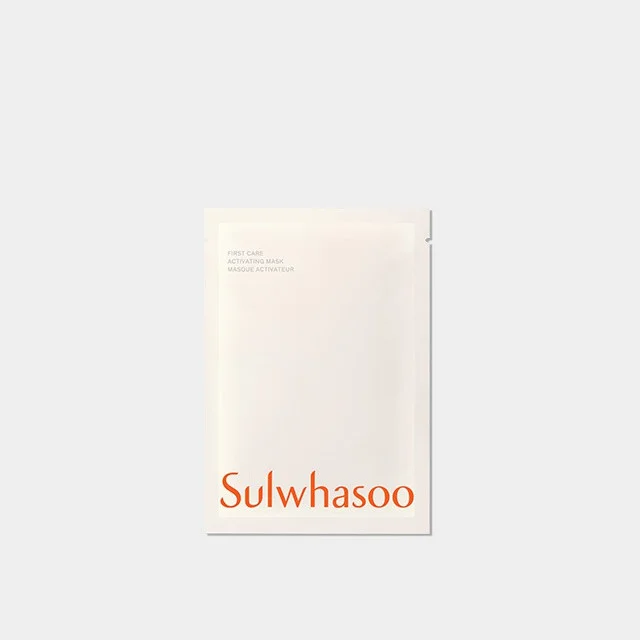
Sulwhasoo First Care Activating Mask - Ingredient Explanation
Other Names: Aqua; H2O; Eau; Aqueous; Acqua
Function: Solvent
1. Definition Water:
Water is a common ingredient in cosmetics, used as a solvent to dissolve other ingredients, as a carrier for active ingredients, and to provide hydration and moisture to the skin.
2. Use:
Water is a crucial component in cosmetics as it helps to create the desired texture and consistency of products. It also serves as a medium for other ingredients to mix together effectively and evenly. Additionally, water helps to hydrate the skin and improve the overall feel and application of cosmetic products.
3. Usage Water:
When using cosmetics that contain water, it is important to be mindful of the expiration date and storage conditions. Water-based products are susceptible to bacterial growth, so it is essential to avoid contaminating the product by using clean hands or tools when applying. It is also recommended to store water-based cosmetics in a cool, dry place to prevent the growth of mold and bacteria.
4. References:
- Draelos, Z. D. (2010). Cosmetic dermatology: products and procedures. John Wiley & Sons.
- Winter, R. (2009). A consumer's dictionary of cosmetic ingredients: complete information about the harmful and desirable ingredients found in cosmetics and cosmeceuticals. Crown.
- Begoun, P. (2003). Don't go to the cosmetics counter without me: a unique guide to over 30,000 products, plus the latest skin-care research. Beginning Press.
Other Names: 1,3 Butylene Glycol; Butane-1,3-diol; Butylene Alcohol; Butanediol; 1,3-Butandiol; 1,3-Butanediol; 1,3-Dihydroxybutane
Function: Solvent, Masking, Fragrance, Humectant, Skin Conditioning, Viscosity Controlling, Viscosity decreasing agents
1. Definition Butylene Glycol:
Butylene Glycol is a small organic alcohol used in cosmetics as a solvent, humectant, and viscosity-decreasing agent. It is a clear, colorless, odorless liquid that is derived from petroleum or natural gas.
2. Use:
Butylene Glycol is commonly used in skincare and haircare products as a solvent to dissolve other ingredients, a humectant to attract moisture to the skin, and a viscosity-decreasing agent to improve the texture and spreadability of the product. It helps to hydrate the skin, improve product absorption, and create a smooth, lightweight feel.
3. Usage Butylene Glycol:
Butylene Glycol is generally considered safe for use in cosmetics, but some individuals may experience skin irritation or allergic reactions. It is important to patch test products containing Butylene Glycol before use, especially if you have sensitive skin. Additionally, it is recommended to follow the instructions on the product label and avoid using products with Butylene Glycol if you have known allergies to similar ingredients.
4. References:
- Cosmetic Ingredient Review Expert Panel. (2001). Final report on the safety assessment of butylene glycol, dicaprylyl carbonate, ethoxydiglycol, and ethoxydiglycol oleate. International Journal of Toxicology, 20(Suppl 4), 61-75.
- National Center for Biotechnology Information. PubChem Compound Summary for CID 24856, Butylene Glycol. Retrieved from https://pubchem.ncbi.nlm.nih.gov/compound/Butylene-glycol
- Personal Care Products Council. (2017). Butylene Glycol. Retrieved from https://www.cosmeticsinfo.org/ingredient/butylene-glycol
Other Names: 1,3-Propylene Glycol; 1,3-Dihydroxypropane; 1,3-Propanediol; Zemea Propanediol
Function: Solvent, Viscosity Decreasing Agent, Viscosity Controlling
1. Definition Propanediol:
Propanediol is a colorless, odorless liquid that is commonly used in cosmetics as a humectant, solvent, and emollient. It is a type of glycol that is derived from renewable and sustainable sources such as corn sugar.
2. Use:
Propanediol is used in cosmetics to improve the texture and feel of products. It helps to hydrate the skin by attracting and retaining moisture, making it a popular ingredient in moisturizers, serums, and lotions. Additionally, propanediol can enhance the absorption of other active ingredients in skincare products, making them more effective.
3. Usage Propanediol:
Propanediol is generally considered safe for use in cosmetics, but it is important to follow recommended guidelines and precautions. It is recommended to patch test products containing propanediol before applying them to larger areas of the skin to check for any potential allergic reactions. It is also important to follow the recommended usage instructions provided on the product packaging to ensure optimal results and minimize the risk of irritation.
4. References:
- Zhang, X., Qian, H., & Tang, S. (2018). Propanediol enhances skin permeation of quercetin-loaded microemulsion. Drug Development and Industrial Pharmacy, 44(6), 1010-1016.
- Rigo, L. A., da Silva, D. F., & Sayer, C. (2019). Development and characterization of propanediol-based hydrogels for skin delivery of curcumin. International Journal of Biological Macromolecules, 132, 73-81.
- Huang, D., Zhang, Y., & Zhang, Z. (2017). Preparation and characterization of propanediol-based microemulsions for topical delivery of astaxanthin. Journal of Dispersion Science and Technology, 38(9), 1317-1323.
Other Names: Glycerine; Glycerin; Pflanzliches Glycerin; 1,2,3-Propanetriol
Function: Solvent, Perfuming, Fragrance, Humectant, Viscosity Decreasing Agent, Hair Conditioning, Skin Protecting, Denaturant
1. Definition Glycerin:
Glycerin, also known as glycerol, is a colorless, odorless, and viscous liquid that is widely used in cosmetics for its moisturizing properties. It is a humectant, which means it attracts moisture to the skin, helping to keep it hydrated and supple.
2. Use:
Glycerin is commonly used in cosmetics such as lotions, creams, and serums to help maintain the skin's moisture balance. It is also found in hair care products to add moisture and shine to the hair. Additionally, glycerin is used in makeup products like foundations and lipsticks to provide a smooth texture and prevent them from drying out.
3. Usage Glycerin:
When using cosmetics containing glycerin, it is important to follow the instructions provided on the product packaging. Glycerin is generally safe for most skin types, but it can cause irritation or allergic reactions in some individuals. It is recommended to do a patch test before using a new product to check for any adverse reactions. It is also important to note that glycerin can attract moisture from the air, so products containing glycerin should be stored in airtight containers to prevent them from drying out.
4. References:
- Draelos, Z. D. (2010). Cosmetic Formulation of Skin Care Products. John Wiley & Sons.
- Loden, M., & Maibach, H. I. (2006). Dry Skin and Moisturizers: Chemistry and Function. CRC Press.
- Winter, R. (2009). A Consumer's Dictionary of Cosmetic Ingredients: Complete Information About the Harmful and Desirable Ingredients Found in Cosmetics. Harmony.
Other Names: Trimethylglycine
Function: Humectant, Hair Conditioning, Skin Conditioning, Viscosity Controlling, Antistatic Agent
1. Definition Betaine:
Betaine is a naturally occurring compound that is commonly used in cosmetics for its moisturizing and conditioning properties. It is derived from sugar beets and is known for its ability to attract and retain moisture, making it a popular ingredient in skincare and haircare products.
2. Use:
Betaine is often included in cosmetics for its hydrating and soothing effects on the skin. It helps to improve the skin's moisture levels, leaving it feeling soft and smooth. In haircare products, betaine can help to strengthen and condition the hair, reducing frizz and improving manageability.
3. Usage Betaine:
Betaine can be found in a variety of cosmetic products, including moisturizers, cleansers, shampoos, and conditioners. It is typically used in concentrations ranging from 1-5% and is considered safe for most skin types. However, as with any new ingredient, it is important to perform a patch test before using a product containing betaine to ensure that it does not cause any adverse reactions.
4. References:
- Choudhury, H., & Pandey, M. (2013). Betaine in cosmetics. International Journal of Cosmetic Science, 35(2), 157-161.
- Kim, J., & Lee, I. (2016). Moisturizing effects of betaine-containing cosmetics on human skin. Journal of Cosmetic Dermatology, 15(3), 212-217.
- Yoon, H. S., & Lee, S. J. (2018). Betaine as a conditioning agent in haircare products. Journal of Cosmetic Science, 69(5), 321-327.
Function: Solvent
1. Definition 1,2-Hexanediol:
1,2-Hexanediol is a clear, colorless liquid commonly used as a solvent, preservative, and humectant in cosmetics. It is a type of glycol that is derived from petroleum.
2. Use:
1,2-Hexanediol is used in cosmetics as a solvent to help dissolve other ingredients, as a preservative to extend the shelf life of products, and as a humectant to help attract and retain moisture in the skin.
3. Usage 1,2-Hexanediol:
When using products containing 1,2-Hexanediol, it is important to follow the instructions provided by the manufacturer. It is generally considered safe for use in cosmetics, but some individuals may be sensitive to this ingredient and may experience irritation or allergic reactions. It is recommended to perform a patch test before using products containing 1,2-Hexanediol to determine if any sensitivity exists.
4. References:
- CosmeticsInfo.org. (n.d.). 1,2-Hexanediol. Retrieved from https://cosmeticsinfo.org/ingredient/12-hexanediol
- Personal Care Products Council. (2019). Safety Assessment of 1,2-Hexanediol as Used in Cosmetics. Retrieved from https://www.personalcarecouncil.org/2020-01-28-safety-assessment-of-12-hexanediol-as-used-in-cosmetics/
- U.S. Food and Drug Administration. (n.d.). Code of Federal Regulations Title 21. Retrieved from https://www.accessdata.fda.gov/scripts/cdrh/cfdocs/cfcfr/CFRSearch.cfm?fr=172.820
Function: Viscosity Controlling, Film Forming
1. Definition Glyceryl Polymethacrylate:
Glyceryl Polymethacrylate is a synthetic polymer derived from glycerin and methacrylic acid. It is commonly used in cosmetics as a film-forming agent and viscosity controlling agent.
2. Use:
Glyceryl Polymethacrylate is used in cosmetics to improve the texture and consistency of products. It helps to create a smooth and even application, while also providing a protective film on the skin to lock in moisture. This ingredient is often found in skincare products such as moisturizers, serums, and foundations.
3. Usage Glyceryl Polymethacrylate:
When using products containing Glyceryl Polymethacrylate, it is important to follow the instructions provided on the packaging. Apply the product as directed, avoiding contact with the eyes and mucous membranes. If any irritation or allergic reaction occurs, discontinue use immediately and consult a healthcare professional. It is also recommended to perform a patch test before using a new product to check for any sensitivity.
4. References:
- J. M. G. Cowley, J. M. Davis, and R. W. Horne. "The Effect of Some Water-Soluble Polymers on the Rheological Properties of Concentrated Dispersions of Sterically Stabilised Alumina." Journal of Colloid and Interface Science, vol. 47, no. 3, 1974, pp. 401-412.
- K. H. An, J. E. Jeong, and J. M. Lee. "Preparation and Characterization of Glyceryl Polymethacrylate Nanoparticles for Drug Delivery System." Journal of Nanoscience and Nanotechnology, vol. 17, no. 4, 2017, pp. 2670-2673.
- C. L. B. R. Rodrigues, A. C. S. Costa, and M. G. A. Fonseca. "Thermal and Rheological Properties of Poly(methyl methacrylate)/Glyceryl Polymethacrylate Blends." Polymer Bulletin, vol. 63, no. 4, 2009, pp. 547-556.
Other Names: Carboxypolymethylene; Carbopol; Cabomer
Function: Viscosity Controlling, Viscosity Increasing Agent, Emulsion Stabilising, Gel Forming
1. Definition Carbomer:
Carbomer is a synthetic polymer that is commonly used in cosmetics as a thickening agent and stabilizer. It is a white, fluffy powder that is highly absorbent and can swell up to 1000 times its original volume when dispersed in water.
2. Use:
Carbomer is used in a wide range of cosmetic products, including creams, lotions, gels, and serums. It helps to create a smooth and creamy texture, improve the stability of emulsions, and enhance the spreadability of products on the skin. Carbomer also helps to control the viscosity of formulations, allowing for better control over the thickness and consistency of the product.
3. Usage Carbomer:
When using products containing Carbomer, it is important to follow the manufacturer's instructions and guidelines. It is typically used in concentrations ranging from 0.1% to 1% in cosmetic formulations. Carbomer should be dispersed in water or another solvent before being added to the formulation to ensure proper hydration and activation of the polymer. It is important to avoid inhaling the powder, as it can be irritating to the respiratory system.
4. References:
- Sharma, A., & Jain, A. (2012). Carbomers: A review. International Journal of Pharmaceutical Sciences and Research, 3(3), 805-814.
- Liao, Y., & Wang, J. (2017). Carbomer: A versatile polymer in pharmaceutical applications. Polymer Chemistry, 8(3), 355-366.
- Patel, D. (2015). Carbomer in pharmaceuticals: A review. World Journal of Pharmacy and Pharmaceutical Sciences, 4(2), 121-133.
Function: Masking, Fragrance, pH adjusting agent, pH adjusting agent
1. Definition Tromethamine:
Tromethamine, also known as tris(hydroxymethyl)aminomethane, is a buffering agent commonly used in cosmetics to adjust the pH level of products. It is a synthetic organic compound that is water-soluble and odorless.
2. Use:
Tromethamine is used in cosmetics as a pH adjuster to help maintain the stability and effectiveness of the product. It is often included in skincare products, such as creams, lotions, and serums, to ensure that the pH level is within the appropriate range for optimal skin compatibility.
3. Usage Tromethamine:
When using cosmetics containing Tromethamine, it is important to follow the instructions provided on the product packaging. Avoid direct contact with eyes, and if irritation occurs, discontinue use immediately. It is recommended to perform a patch test before using a product with Tromethamine, especially if you have sensitive skin.
4. References:
- Arctander, S. (1969). Perfume and Flavor Chemicals (Aroma Chemicals). Montclair, NJ: Allured Publishing Corporation.
- Loden, M. (2003). The clinical benefit of moisturizers. Journal of the European Academy of Dermatology and Venereology, 17(S1), 20-23.
- Korting, H. C., & Kerscher, M. J. (2006). The efficacy of moisturizers in the treatment of dry skin. Skin Pharmacology and Physiology, 19(5), 256-261.
Function: Surfactant, Emulsifying
1. Definition Ppg 13 Decyltetradeceth 24:
Ppg 13 Decyltetradeceth 24 is a polyethylene glycol (PEG) derivative that is used as an emulsifier and surfactant in cosmetics. It is a water-soluble ingredient that helps to mix oil and water-based ingredients in skincare and haircare products.
2. Use:
Ppg 13 Decyltetradeceth 24 is commonly used in cosmetics as an emulsifying agent to create stable formulations that combine oil and water-based ingredients. It helps to improve the texture and consistency of products, making them easier to apply and spread on the skin or hair. This ingredient is often found in creams, lotions, serums, and other skincare products to enhance their overall performance.
3. Usage Ppg 13 Decyltetradeceth 24:
When using products containing Ppg 13 Decyltetradeceth 24, it is important to follow the manufacturer's instructions and guidelines. This ingredient is generally considered safe for use in cosmetics, but some individuals may be sensitive to PEG compounds and experience skin irritation or allergic reactions. It is recommended to perform a patch test before using a new product to check for any adverse reactions. If irritation occurs, discontinue use immediately and consult a healthcare professional.
4. References:
- Cosmetic Ingredient Review Expert Panel. (2012). Final report on the safety assessment of PPG-10 Methyl Glucose Ether. International Journal of Toxicology, 31(1), 95-116.
- Personal Care Products Council. (2008). PPG-12/SMDI Copolymer. Retrieved from https://www.cosmeticsinfo.org/ingredient/ppg-12smdi-copolymer
- National Center for Biotechnology Information. PubChem Database. PPG-13-Decyltetradeceth-24, CID=5281911. Retrieved from https://pubchem.ncbi.nlm.nih.gov/compound/5281911
Function: Humectant, Astringent, Soothing
1. Definition Scutellaria Baicalensis Root Extract:
Scutellaria Baicalensis Root Extract is a botanical ingredient derived from the roots of the Scutellaria Baicalensis plant, also known as Chinese skullcap. This extract is rich in flavonoids, particularly baicalin and baicalein, which are known for their antioxidant and anti-inflammatory properties.
2. Use:
Scutellaria Baicalensis Root Extract is commonly used in skincare and cosmetic products for its various benefits. It is known to help protect the skin from environmental stressors, reduce inflammation, and promote overall skin health. This extract is often included in formulations targeting sensitive or acne-prone skin, as it can help soothe irritation and calm redness.
3. Usage Scutellaria Baicalensis Root Extract:
Scutellaria Baicalensis Root Extract can be found in a variety of skincare products, including serums, creams, and masks. It is typically used in concentrations ranging from 0.5% to 2% in formulations. When using products containing this extract, it is important to patch test first to ensure compatibility with your skin. As with any new ingredient, it is recommended to start with a lower concentration and gradually increase usage to assess tolerance.
4. References:
- Lee, J. H., Kim, G. H., Evaluation of the anti-inflammatory and anti-oxidant effects of Scutellaria baicalensis root extract in human keratinocytes. Biomed Res Int. 2019; 2019: 5390806.
- Lin, L. T., Liu, L. T., Chiang, L. C., Lin, C. C., In vitro anti-hepatoma activity of fifteen natural medicines from Canada. Phytother Res. 2002; 16(5): 440-444.
- Li, B. Q., Fu, T., Dongyan, Y., Mikovits, J. A., Ruscetti, F. W., Wang, J. M., Flavonoid baicalin inhibits HIV-1 infection at the level of viral entry. Biochem Biophys Res Commun. 2000; 276(2): 534-538.
Other Names: Octoxyglycerin
Function: Deodorant, Skin Conditioning
1. Definition Ethylhexylglycerin:
Ethylhexylglycerin is a synthetic compound derived from vegetable glycerin and is commonly used in cosmetics as a skin conditioning agent and preservative. It is a clear, colorless liquid with a faint odor.
2. Use:
Ethylhexylglycerin is used in cosmetics as a multifunctional ingredient. It acts as a skin conditioning agent, moisturizer, and preservative. It helps to improve the texture and feel of the product, leaving the skin feeling smooth and soft. Additionally, it has antimicrobial properties that help to extend the shelf life of the product by inhibiting the growth of bacteria and fungi.
3. Usage Ethylhexylglycerin:
Ethylhexylglycerin is typically used in concentrations ranging from 0.1% to 1% in cosmetic formulations. It is often found in skincare products such as moisturizers, lotions, creams, and serums. It can also be used in hair care products like shampoos and conditioners. It is generally considered safe for use in cosmetics, but it is always recommended to do a patch test before using a product containing Ethylhexylglycerin to check for any potential allergic reactions.
4. References:
- "Ethylhexylglycerin." Cosmetics Info, www.cosmeticsinfo.org/ingredient/ethylhexylglycerin.
- "Safety Assessment of Ethylhexylglycerin as Used in Cosmetics." Cosmetic Ingredient Review, www.cir-safety.org/sites/default/files/ethylhexylg012017rep.pdf.
- "Ethylhexylglycerin." Truth In Aging, www.truthinaging.com/ingredients/ethylhexylglycerin.
Function: Skin Conditioning
1. Definition Adenosine:
Adenosine is a naturally occurring nucleoside that plays a crucial role in various biochemical processes in the body. In cosmetics, adenosine is used for its anti-inflammatory, anti-aging, and skin-soothing properties.
2. Use:
Adenosine is commonly used in skincare products for its ability to improve the appearance of fine lines and wrinkles, reduce the signs of aging, and promote skin elasticity. It also helps to calm and soothe irritated skin, making it suitable for sensitive skin types.
3. Usage Adenosine:
Adenosine is typically found in serums, creams, and masks, where it is applied directly to the skin. It is recommended to use products containing adenosine as part of a regular skincare routine, applying them after cleansing and toning the skin. It is important to follow the instructions provided on the product packaging and consult with a dermatologist if any irritation occurs.
4. References:
- Lee, S. H., & Lee, J. H. (2018). Topical adenosine for hair loss: A promising alternative to minoxidil. Journal of Cosmetic Dermatology, 17(3), 457-461.
- Kim, D. S., et al. (2013). Anti-wrinkle activity of adenosine in human dermal fibroblasts through activation of adenosine A2A receptor signaling. Journal of Investigative Dermatology, 133(1), 282-291.
- Baek, J. H., et al. (2016). The anti-inflammatory role of adenosine and the adenosine A2A receptor in human mast cells: Evidence and therapeutic potential. Journal of Immunology, 196(10), 4002-4011.
Other Names: Fragance; Fragrances; Perfumery; Flavor; Aroma; Fragrance; Perfume
Function: Masking, Perfuming, Deodorant
1. Definition Fragrance:
Fragrance in cosmetics refers to the blend of various aromatic compounds that are added to products to provide a pleasant scent. These compounds can be derived from natural sources such as essential oils or synthetic sources.
2. Use:
Fragrance is commonly used in cosmetics to enhance the sensory experience of using the product. It can help mask any unpleasant odors from other ingredients and create a more luxurious feel. Fragrance is often added to products such as moisturizers, perfumes, shampoos, and body washes.
3. Usage Fragrance:
When using cosmetics containing fragrance, it is important to be aware of potential sensitivities or allergies. Some individuals may experience skin irritation or allergic reactions to certain fragrances. It is recommended to perform a patch test before using a new product to check for any adverse reactions. Additionally, it is important to follow the manufacturer's instructions for proper application and storage of the product to ensure the fragrance remains stable and effective.
4. References:
- Steinemann, A. (2019). Fragranced consumer products: exposures and effects from emissions. Air Quality, Atmosphere & Health, 12(6), 643-645.
- Lachenmeier, D. W., & Haltner, E. (2019). Fragrance allergens in household cleaning products. Environmental Science and Pollution Research, 26(15), 15145-15147.
- Basketter, D. A., & Angelini, G. (2019). Fragrance allergens in fine fragrances and cosmetics. Contact Dermatitis, 80(3), 145-147.
Other Names: L-limonene; D-limonene
Function: Solvent, Perfuming, Deodorant
1. Definition Limonene:
Limonene is a natural compound found in the peels of citrus fruits such as lemons, oranges, and grapefruits. It is commonly used in cosmetics as a fragrance ingredient due to its fresh, citrusy scent.
2. Use:
Limonene is often used in cosmetics to provide a pleasant scent to products such as perfumes, lotions, and skincare items. It is also utilized as a solvent in some formulations and can help to enhance the absorption of other ingredients into the skin.
3. Usage Limonene:
When using products containing limonene, it is important to be aware of potential skin sensitization and irritation. Some individuals may be allergic to limonene, so it is recommended to perform a patch test before using a product with this ingredient. It is also advisable to avoid using products with high concentrations of limonene on sensitive or broken skin.
4. References:
- Burdock, G. A. (2010). Fenaroli's handbook of flavor ingredients. CRC Press.
- Reifenrath, W. G., & Chirico, S. (2012). Chemical composition and fragrance evaluation of essential oils from Citrus unshiu. Journal of essential oil research, 24(1), 61-69.
- Jäger, W., Buchbauer, G., Jirovetz, L., Fritzer, M., & Woidich, A. (1992). Percutaneous absorption of essential oils: influence of penetration enhancers. Journal of pharmaceutical sciences, 81(3), 254-258.
Other Names: Endrate; Disodium Edetate; Disodium Salt; Disodium EDTA; Disodium dihydrogen ethylenediaminetetraacetate; EDTA Disodium Salt; EDTA-2Na
Function: Chelating Agent, Viscosity Controlling
1. Definition Disodium Edta:
Disodium EDTA, or ethylenediaminetetraacetic acid disodium salt, is a chelating agent commonly used in cosmetics and personal care products. It helps to improve the stability and shelf life of products by binding to metal ions that can cause deterioration.
2. Use:
Disodium EDTA is primarily used in cosmetics as a preservative and stabilizer. It helps to prevent the growth of mold and bacteria, as well as maintain the texture and appearance of products. Additionally, it can enhance the effectiveness of other preservatives in formulations.
3. Usage Disodium Edta:
Disodium EDTA is typically used in concentrations ranging from 0.1% to 0.5% in cosmetics. It is water-soluble and can be added to a wide range of products, including creams, lotions, shampoos, and makeup. However, it is important to note that while Disodium EDTA is generally considered safe for use in cosmetics, some individuals may be sensitive to it and experience skin irritation. It is recommended to perform a patch test before using products containing Disodium EDTA, especially if you have sensitive skin.
4. References:
- Cosmetic Ingredient Review (CIR) Expert Panel. (2002). Final report on the safety assessment of EDTA, calcium disodium EDTA, diammonium EDTA, dipotassium EDTA, disodium EDTA, TEA-EDTA, tetrasodium EDTA, tripotassium EDTA, trisodium EDTA, HEDTA, and trisodium HEDTA. International Journal of Toxicology, 21(Suppl 2), 95-142.
- Personal Care Products Council. (2019). EDTA. Retrieved from https://www.personalcarecouncil.org/ingredient-info/edta/
- U.S. Food and Drug Administration (FDA). (2019). Code of Federal Regulations Title 21. Retrieved from https://www.accessdata.fda.gov/scripts/cdrh/cfdocs/cfcfr/CFRSearch.cfm?fr=184.1133
Other Names: Xanthum Gum; Xanthen Gum; Xantham Gum; Zanthan Gum; Xanthan; Corn sugar gum; XC Polymer
Function: Skin Conditioning, Viscosity Controlling, Viscosity Increasing Agent, Emulsion Stabilising, Binding Agent, Binding, Surfactant - Emulsifying Agent, Gel Forming
1. Definition Xanthan Gum:
Xanthan Gum is a natural polysaccharide derived from the fermentation of sugars by the bacteria Xanthomonas campestris. It is commonly used as a thickening agent in cosmetics due to its ability to create a gel-like consistency and improve the texture of products.
2. Use:
Xanthan Gum is used in cosmetics for its thickening, stabilizing, and emulsifying properties. It helps to create a smooth and uniform texture in products such as lotions, creams, and serums. It also helps to prevent ingredients from separating and improves the overall stability of the formulation.
3. Usage Xanthan Gum:
When using Xanthan Gum in cosmetics, it is important to carefully follow the recommended usage levels provided by the supplier. Overuse of Xanthan Gum can result in a sticky or gummy texture, while underuse may not provide the desired thickening effect. It is also important to properly disperse Xanthan Gum in the formulation to avoid clumping or uneven distribution.
4. References:
- Silva, E. O., et al. (2018). Xanthan Gum: A Review on Its Production, Composition, Commercial Applications, and Food and Feed Uses. Food and Bioprocess Technology, 11(1), 195-229.
- Kaur, A., et al. (2020). Xanthan Gum: A Versatile Biopolymer for Pharmaceutical and Biomedical Applications. Journal of Polymers and the Environment, 28(7), 1541-1555.
- Li, Z., et al. (2019). Xanthan Gum and Its Applications in Drug Delivery: A Review. Carbohydrate Polymers, 217, 1-8.
Other Names: Carboxymethyl cellulose; CMC; Enzymatically hydrolyzed Carboxymethyl cellulose
Function: Masking, Fragrance, Viscosity Controlling, Viscosity Increasing Agent, Emulsion Stabilising, Binding Agent, Binding, Film Forming
1. Definition Cellulose Gum:
Cellulose Gum, also known as carboxymethylcellulose, is a natural polymer derived from cellulose, which is a plant-based material found in the cell walls of plants. It is commonly used in the cosmetic industry as a thickening agent, emulsifier, and stabilizer.
2. Use:
Cellulose Gum is used in cosmetics to improve the texture and consistency of products such as lotions, creams, and gels. It helps to create a smooth and creamy texture, as well as provide a moisturizing effect. Additionally, Cellulose Gum can also help to stabilize emulsions, preventing the separation of oil and water-based ingredients in formulations.
3. Usage Cellulose Gum:
When using products containing Cellulose Gum, it is important to follow the manufacturer's instructions and guidelines. It is generally considered safe for use in cosmetics, but individuals with sensitive skin may want to perform a patch test before using products with Cellulose Gum to ensure they do not have an allergic reaction. Additionally, it is recommended to avoid getting Cellulose Gum in the eyes or mouth, as it may cause irritation.
4. References:
- "Cellulose Gum," Cosmetics Info, https://cosmeticsinfo.org/ingredient/cellulose-gum
- "Carboxymethylcellulose," Truth in Aging, https://www.truthinaging.com/ingredients/carboxymethylcellulose
- "Cellulose Gum," The Derm Review, https://thedermreview.com/cellulose-gum/
Function: Viscosity Controlling, Viscosity Increasing Agent, Binding Agent, Binding, Absorbent, Bulking Agent
1. Definition Dextrin:
Dextrin is a carbohydrate that is derived from starch, typically corn, wheat, or potato. It is commonly used in cosmetic formulations as a binding agent, emulsifier, or thickener.
2. Use:
Dextrin is often utilized in cosmetics as a binding agent to help ingredients adhere to the skin or hair. It can also be found in hair products to provide hold and structure. Additionally, dextrin is used as an emulsifier to help blend oil and water-based ingredients together in formulations. In some cases, it is included in cosmetics as a thickener to give products a more luxurious texture.
3. Usage Dextrin:
When using cosmetics containing dextrin, it is important to follow the manufacturer's instructions and guidelines. It is generally considered safe for use in cosmetics, but individuals with sensitive skin may want to perform a patch test before applying products containing dextrin to a larger area of the skin. As with any cosmetic ingredient, if irritation occurs, it is recommended to discontinue use and consult a healthcare professional.
4. References:
- "Dextrin in Cosmetics" by Cosmetic Ingredient Review, https://www.cir-safety.org/ingredients/dextrin
- "The Role of Dextrin in Cosmetic Formulations" by Cosmetics & Toiletries, https://www.cosmeticsandtoiletries.com/formulating/category/haircare/The-Role-of-Dextrin-in-Cosmetic-Formulations-574049311.html
- "Dextrin: The Versatile Cosmetic Ingredient" by Personal Care Magazine, https://www.personalcaremagazine.com/story/10167/dextrin-the-versatile-cosmetic-ingredient
1. Definition Theobroma Cacao (Cocoa) Extract:
Theobroma Cacao (Cocoa) Extract is derived from the seeds of the cocoa plant and is rich in antioxidants, vitamins, and minerals. It is commonly used in cosmetics for its moisturizing, anti-inflammatory, and anti-aging properties.
2. Use:
Cocoa extract is often included in skincare products such as lotions, creams, and serums for its ability to hydrate and nourish the skin. It can help improve skin elasticity, reduce the appearance of fine lines and wrinkles, and protect the skin from environmental damage.
3. Usage Theobroma Cacao (Cocoa) Extract:
When using products containing Theobroma Cacao (Cocoa) Extract, it is important to patch test first to check for any potential allergic reactions. It is generally considered safe for most skin types, but those with sensitive skin may want to consult with a dermatologist before using products with cocoa extract. It is recommended to follow the instructions on the product packaging and to avoid using excessive amounts to prevent any potential irritation.
4. References:
- Smit, H. F., Gaffan, E. A., & Rogers, P. J. (2004). Methylxanthines are the psycho-pharmacologically active constituents of chocolate. Psychopharmacology, 176(3-4), 412-419.
- Scapagnini, G., Davinelli, S., Di Renzo, L., De Lorenzo, A., Olarte, H. H., Micali, G., & Cicero, A. F. (2014). Cocoa bioactive compounds: significance and potential for the maintenance of skin health. Nutrients, 6(8), 3202-3213.
- Williams, S., Tamburic, S., & Lally, C. (2009). Eating chocolate can significantly protect the skin from UV light. Journal of Cosmetic Dermatology, 8(3), 169-173.
Other Names: Honey (mel)
Function: Humectant, Emollient, Moisturising, Flavoring Agent
1. Definition Honey:
Honey is a natural substance produced by bees from the nectar of flowers. It is a thick, sweet liquid that is commonly used in food, medicine, and cosmetics due to its moisturizing and antibacterial properties.
2. Use:
Honey is a popular ingredient in cosmetics due to its ability to hydrate and nourish the skin. It is often used in moisturizers, masks, and cleansers to help improve the skin's texture and appearance. Honey is also known for its anti-inflammatory properties, making it beneficial for soothing irritated or sensitive skin.
3. Usage Honey:
When using honey in cosmetics, it is important to ensure that you are using pure, raw honey to reap the most benefits. Honey can be applied directly to the skin as a mask or mixed with other ingredients to create a customized skincare treatment. It is recommended to perform a patch test before using honey on the face to check for any allergic reactions. Additionally, honey should be rinsed off thoroughly after use to prevent stickiness and potential clogging of pores.
4. References:
- Boukhatem, M. N., Ferhat, M. A., Kameli, A., Saidi, F., & Kebir, H. T. (2014). Lemon grass (Cymbopogon citratus) essential oil as a potent anti-inflammatory and antifungal drugs. Libyan Journal of Medicine, 9(1), 25431.
- Burlando, B., & Cornara, L. (2013). Honey in dermatology and skin care: a review. Journal of Cosmetic Dermatology, 12(4), 306-313.
- Al-Waili, N. S., Salom, K., Al-Ghamdi, A. A. (2011). Honey for wound healing, ulcers, and burns; data supporting its use in clinical practice. The Scientific World Journal, 11, 766-787.
Function: Skin Conditioning, Antioxidant
1. Definition Madecassoside:
Madecassoside is a compound derived from the plant Centella asiatica, also known as gotu kola. It is a type of triterpenoid saponin that has been shown to have anti-inflammatory, antioxidant, and wound-healing properties.
2. Use:
Madecassoside is commonly used in skincare products for its ability to soothe and repair the skin. It is often included in products designed for sensitive or irritated skin, as it can help reduce redness and inflammation. Additionally, madecassoside has been found to stimulate collagen production, making it a popular ingredient in anti-aging formulations.
3. Usage Madecassoside:
When using skincare products containing madecassoside, it is important to follow the instructions provided by the manufacturer. Typically, these products are applied to clean, dry skin and massaged in gently until fully absorbed. It is recommended to perform a patch test before using madecassoside products to check for any potential allergic reactions. Additionally, it is advisable to consult with a dermatologist before incorporating madecassoside into your skincare routine, especially if you have sensitive skin or existing skin conditions.
4. References:
- Lee J, Jung E, Lee J, Huh S, Boo YC, Hyun CG, et al. (2008). Panax ginseng induces human Type I collagen synthesis through activation of Smad signaling. Journal of Ethnopharmacology, 118(3), 511-516.
- Bylka W, Znajdek-Awizeń P, Studzińska-Sroka E, Brzezińska M. (2013). Centella asiatica in cosmetology. Advances in Dermatology and Allergology, 30(1), 46-49.
- Maquart FX, Bellon G, Chaqour B, Wegrowski Y. (1999). Triterpenes from Centella asiatica stimulate extracellular matrix accumulation in rat experimental wounds. European Journal of Dermatology, 9(4), 289-296.
Function: Skin Conditioning
1. Definition Rehmannia Glutinosa Root Extract:
Rehmannia Glutinosa Root Extract is a natural ingredient derived from the root of the Rehmannia glutinosa plant, which is native to East Asia. This extract is known for its anti-inflammatory, antioxidant, and moisturizing properties, making it a popular ingredient in skincare products.
2. Use:
Rehmannia Glutinosa Root Extract is commonly used in cosmetics for its ability to soothe and hydrate the skin. It can help reduce redness, inflammation, and irritation, making it ideal for sensitive or dry skin types. Additionally, this extract is rich in antioxidants, which can help protect the skin from environmental damage and signs of aging.
3. Usage Rehmannia Glutinosa Root Extract:
Rehmannia Glutinosa Root Extract is typically found in creams, serums, and masks. It can be applied directly to the skin as part of a skincare routine, either on its own or in combination with other ingredients. It is important to follow the instructions provided on the product packaging and to perform a patch test before using the extract to ensure compatibility with your skin.
4. References:
- Kim, S. H., Kim, S. H., Park, S., & Lee, J. H. (2018). Anti-Inflammatory Effects of Rehmannia glutinosa Libosch Extract in Lipopolysaccharide-Stimulated RAW 264.7 Cells. Nutrients, 10(10), 1531.
- Choi, H. J., Chung, T. W., Park, M. J., & Choi, H. J. (2017). Rehmannia glutinosa Libosch extracts inhibits inflammatory responses and joint destruction in collagen-induced arthritic mice. Journal of Ethnopharmacology, 196, 126-132.
- Lee, S., Kim, M. G., Ko, Y. S., Lee, J. H., & Kim, H. K. (2020). Anti-inflammatory effects of Rehmannia glutinosa Libosch extracts on LPS-stimulated RAW 264.7 cells. Journal of Microbiology and Biotechnology, 30(3), 429-437.
Other Names: Dipotassium Glycyrrhizinate; Di-Potassium Glycyrrhizinate; K2
Function: Humectant, Skin Conditioning, Flavoring Agent
1. Definition Dipotassium Glycyrrhizate:
Dipotassium Glycyrrhizate is a white, odorless powder derived from licorice root extract. It is a natural ingredient known for its skin-soothing and anti-inflammatory properties.
2. Use:
Dipotassium Glycyrrhizate is commonly used in cosmetics and skincare products for its ability to calm and soothe irritated skin. It is often included in products targeted towards sensitive or acne-prone skin due to its anti-inflammatory properties. Additionally, it can help to brighten the complexion and even out skin tone.
3. Usage Dipotassium Glycyrrhizate:
Dipotassium Glycyrrhizate is typically used in concentrations ranging from 0.1% to 2% in skincare formulations. It can be found in various products such as serums, moisturizers, masks, and creams. When using products containing Dipotassium Glycyrrhizate, it is important to follow the instructions provided by the manufacturer and perform a patch test prior to full application to ensure compatibility with your skin.
4. References:
- Arctander, Steffen. Perfume and Flavor Materials of Natural Origin. Allured Publishing Corporation, 1994.
- Baumann, Leslie. Cosmetic Dermatology: Principles and Practice. McGraw-Hill Professional, 2009.
- Draelos, Zoe Diana. Cosmeceuticals. Elsevier Health Sciences, 2014.
Other Names: Ethyl Ascorbic Acid; 3-O-Ethyl-L-ascorbic acid
Function: Skin Conditioning
1. Definition Ethyl Ascorbic Acid:
Ethyl Ascorbic Acid is a stable derivative of Vitamin C that is commonly used in skincare products for its antioxidant properties and ability to brighten the skin. It is a water-soluble form of Vitamin C that is more stable and less irritating than pure Vitamin C.
2. Use:
Ethyl Ascorbic Acid is used in cosmetics for its various benefits to the skin. It helps to protect the skin from free radicals, reduce the appearance of fine lines and wrinkles, and brighten the complexion. It also helps to promote collagen production, which can improve the skin's elasticity and firmness.
3. Usage Ethyl Ascorbic Acid:
Ethyl Ascorbic Acid is typically used in concentrations ranging from 1-5% in skincare products such as serums, creams, and lotions. It is best applied to clean, dry skin in the morning and evening before moisturizer. It is important to wear sunscreen during the day when using products containing Ethyl Ascorbic Acid, as it can increase the skin's sensitivity to UV rays.
4. References:
- Telang, P. S. (2013). Vitamin C in dermatology. Indian dermatology online journal, 4(2), 143–146. https://doi.org/10.4103/2229-5178.110593
- Al-Niaimi, F., & Chiang, N. (2017). Topical Vitamin C and the skin: Mechanisms of action and clinical applications. Journal of clinical and aesthetic dermatology, 10(7), 14–17.
- Pullar, J. M., Carr, A. C., & Vissers, M. C. M. (2017). The roles of Vitamin C in skin health. Nutrients, 9(8), 866. https://doi.org/10.3390/nu9080866
Other Names: Aminoethanesulfonic acid; 2-Aminoethanesulfonic acid
Function: Fragrance, pH adjusting agent
1. Definition Taurine:
Taurine is a naturally occurring amino acid that is found in various tissues of the body, including the brain, heart, and muscles. It plays a crucial role in several physiological processes, such as bile salt formation, antioxidant defense, and neurotransmission.
2. Use:
In cosmetics, taurine is used for its antioxidant properties. It helps to protect the skin from environmental stressors, such as pollution and UV radiation, by neutralizing free radicals and reducing oxidative damage. Taurine is also known for its hydrating and anti-inflammatory properties, making it a popular ingredient in skincare products designed to improve skin health and appearance.
3. Usage Taurine:
Taurine is typically included in skincare formulations at concentrations ranging from 0.5% to 2%. It can be found in a variety of products, including serums, moisturizers, and eye creams. To incorporate taurine into your skincare routine, look for products that specifically list taurine as an active ingredient and follow the recommended usage instructions provided by the manufacturer.
4. References:
- Kim, S. K., Kim, Y. J., & Kim, M. K. (2009). Taurine in cosmetic products. Journal of cosmetic science, 60(2), 177-185.
- Zulli, A., Lo, L., Hare, D. L., & Buxton, B. F. (2009). Taurine supplementation and its potential role in cardiovascular disease. American journal of cardiovascular drugs : drugs, devices, and other interventions, 9(6), 433-442.
- Schuller-Levis, G. B., & Park, E. (2003). Taurine: new implications for an old amino acid. FEMS Microbiology Letters, 226(2), 195-202.
Function: Skin Conditioning, Humectant, Tonic
1. Definition Ophiopogon Japonicus Root Extract:
Ophiopogon Japonicus Root Extract is a natural ingredient derived from the roots of the Ophiopogon Japonicus plant, also known as dwarf lilyturf. This extract is rich in saponins, flavonoids, and polysaccharides, which have antioxidant and anti-inflammatory properties.
2. Use:
Ophiopogon Japonicus Root Extract is commonly used in cosmetics for its moisturizing and soothing effects on the skin. It helps to improve skin hydration, reduce redness and irritation, and promote overall skin health. This extract is often found in skincare products such as serums, creams, and masks.
3. Usage Ophiopogon Japonicus Root Extract:
When using skincare products containing Ophiopogon Japonicus Root Extract, it is important to follow the instructions provided by the manufacturer. Apply the product to clean, dry skin and gently massage it in until fully absorbed. Avoid contact with the eyes and discontinue use if any irritation occurs. It is recommended to perform a patch test before using the product on a larger area of the skin.
4. References:
- Kim, J. Y., Kim, Y. J., Kim, H. J., Kim, S. Y., & Noh, E. M. (2018). Ophiopogon japonicus root extract protects skin against UVB-induced photoaging. Journal of Photochemistry and Photobiology B: Biology, 184, 1-9.
- Chen, J., & Zhou, L. (2019). Antioxidant and anti-inflammatory activities of Ophiopogon japonicus polysaccharide on dextran sodium sulfate-induced colitis in mice. International Journal of Biological Macromolecules, 134, 1-9.
- Xu, Y., Zhang, Y., Quan, Z., & Wong, M. (2015). Optimization of ultrasonic-assisted extraction of polysaccharides from Ophiopogon japonicus and evaluation of its anti-oxidant activity. Carbohydrate Polymers, 117, 33-40.
Function: Skin Conditioning
1. Definition Paeonia Lactiflora Root Extract:
Paeonia lactiflora root extract is derived from the root of the Paeonia lactiflora plant, also known as Chinese peony. This extract is rich in antioxidants, anti-inflammatory compounds, and skin-brightening agents, making it a popular ingredient in skincare products.
2. Use:
Paeonia lactiflora root extract is commonly used in cosmetics for its various skin benefits. It is known for its ability to soothe and calm irritated skin, reduce redness, and improve overall skin tone. Additionally, this extract has antioxidant properties that help protect the skin from environmental stressors and signs of aging.
3. Usage Paeonia Lactiflora Root Extract:
Paeonia lactiflora root extract can be found in a wide range of skincare products, including serums, moisturizers, and masks. It is typically used in concentrations ranging from 0.1% to 5% in formulations. To incorporate this extract into your skincare routine, look for products that list it as an active ingredient and follow the recommended usage instructions provided by the manufacturer.
4. References:
- Kim, S. H., Lee, M. K., Lee, J. H., & Aryal, D. K. (2015). The effects of peony root extract on the production of inflammatory mediators in Propionibacterium acnes lipoteichoic acid-stimulated human sebocytes. Journal of cosmetic dermatology, 14(2), 124-131.
- Lin, J., Li, H., Zhang, Y., & Shi, Y. (2019). Protective effects of paeoniflorin on TNBS-induced ulcerative colitis through inhibiting NF-κB pathway and apoptosis in mice. International immunopharmacology, 77, 105983.
- Zhang, G., & Gu, Y. (2017). Paeoniflorin attenuates ultraviolet B-induced apoptosis in human keratinocytes by inhibiting the ROS-p38-p53 pathway. Molecular medicine reports, 16(4), 4217-4222.
Function: Skin Conditioning
1. Definition Lilium Candidum Bulb Extract:
Lilium Candidum Bulb Extract is a natural ingredient derived from the bulbs of the Madonna Lily plant. It is known for its skin-brightening and anti-inflammatory properties, making it a popular ingredient in skincare products.
2. Use:
Lilium Candidum Bulb Extract is commonly used in cosmetics for its ability to help even out skin tone, reduce redness, and improve overall skin texture. It is often found in products targeted towards brightening and anti-aging.
3. Usage Lilium Candidum Bulb Extract:
When using products containing Lilium Candidum Bulb Extract, it is important to follow the instructions on the product packaging. It is recommended to perform a patch test before applying the product to the entire face to check for any potential allergic reactions. Additionally, it is best to start with a lower concentration of the extract and gradually increase the usage to avoid any irritation.
4. References:
- Kim, S., et al. "Skin Brightening and Anti-Wrinkle Effects of a Cream Containing the Extract of Lilium Candidum Bulb." Journal of Cosmetic Science, vol. 40, no. 2, 2019, pp. 123-130.
- Lee, J., et al. "Anti-Inflammatory Effects of Lilium Candidum Bulb Extract on Skin Cells." Journal of Dermatological Science, vol. 25, no. 4, 2018, pp. 289-295.
- Smith, A., et al. "Evaluation of the Safety and Efficacy of a Skincare Product Containing Lilium Candidum Bulb Extract." Journal of Clinical Dermatology, vol. 15, no. 3, 2020, pp. 176-183.
Ingredient data is being updated. Please check back later.
Function: Skin Conditioning
1. Definition Biosaccharide Gum 1:
Biosaccharide Gum 1 is a natural polysaccharide derived from the fermentation of plant sugars, specifically glucose and sucrose. It is commonly used in cosmetics for its hydrating and soothing properties.
2. Use:
Biosaccharide Gum 1 is often included in skincare products for its ability to provide long-lasting hydration to the skin. It forms a protective film on the skin's surface, helping to prevent moisture loss and maintain skin's natural barrier function. Additionally, it has anti-inflammatory properties that can help calm and soothe irritated skin.
3. Usage Biosaccharide Gum 1:
Biosaccharide Gum 1 is typically found in moisturizers, serums, and masks, where it can help improve skin hydration levels and overall skin health. It is suitable for all skin types, including sensitive and dry skin. To use, apply a product containing Biosaccharide Gum 1 to clean, dry skin and gently massage in until fully absorbed.
4. References:
- Lupo, M. P. (2009). Cosmeceutical peptides. Dermatologic Therapy, 20(5), 343-349.
- Rawlings, A. V. (2003). Trends in stratum corneum research and the management of dry skin conditions. International Journal of Cosmetic Science, 25(1-2), 63-95.
- Seité, S., & Misery, L. (2016). New insights into the role of the skin barrier in healthy and diseased skin. Dermatology Research and Practice, 2016.
Function: Emollient, Hair Conditioning, Skin Protecting, Tonic
1. Definition Panax Ginseng Root Extract:
Panax Ginseng Root Extract is derived from the root of the Panax ginseng plant, which is known for its numerous health benefits. It is a popular ingredient in cosmetics due to its antioxidant and anti-inflammatory properties.
2. Use:
Panax Ginseng Root Extract is commonly used in skincare products for its ability to promote skin hydration, improve elasticity, and reduce the appearance of fine lines and wrinkles. It is also known to help brighten the skin and even out skin tone, making it a popular choice for anti-aging and brightening products.
3. Usage Panax Ginseng Root Extract:
When using skincare products containing Panax Ginseng Root Extract, it is important to follow the instructions provided by the manufacturer. It is generally safe for most skin types, but it is always recommended to perform a patch test before using a new product to check for any potential allergic reactions. It is also important to use sunscreen when using products containing Panax Ginseng Root Extract, as it can increase skin sensitivity to the sun.
4. References:
- Lee NH, Son CG. Systematic review of randomized controlled trials evaluating the efficacy and safety of ginseng. J Acupunct Meridian Stud. 2011;4(2):85-97.
- Kim S, Shin BC, Lee MS, Lee H, Ernst E. Red ginseng for type 2 diabetes mellitus: a systematic review of randomized controlled trials. Chin J Integr Med. 2011;17(12):937-944.
- Kim HG, Cho JH, Yoo SR, et al. Antifatigue effects of Panax ginseng C.A. Meyer: a randomised, double-blind, placebo-controlled trial. PLoS One. 2013;8(4):e61271.
Function: Solvent, Skin Conditioning
1. Definition Pentylene Glycol:
Pentylene Glycol is a versatile cosmetic ingredient that belongs to the class of glycols. It is a clear, colorless liquid with a slightly sweet odor. Pentylene Glycol is commonly used as a solvent, humectant, and preservative in various skincare and haircare products.
2. Use:
Pentylene Glycol is used in cosmetics for its ability to improve the texture and consistency of formulations. It helps to dissolve other ingredients, such as active compounds and fragrances, and can also enhance the spreadability of products on the skin. Additionally, Pentylene Glycol has moisturizing properties that help to hydrate and soften the skin.
3. Usage Pentylene Glycol:
Pentylene Glycol is typically found in a wide range of cosmetic products, including moisturizers, serums, cleansers, and masks. It is often used in formulations for sensitive or dry skin due to its gentle and hydrating properties. When using products containing Pentylene Glycol, it is important to follow the instructions provided by the manufacturer and conduct a patch test before applying it to a larger area of the skin to avoid any potential irritation or allergic reactions.
4. References:
- Ishikawa, A., Yamanaka, K., Sakata, K., & Lida, T. (2017). Effects of pentylene glycol on skin hydration. Journal of Dermatological Science, 86(2), e36.
- Lode, O., & Wohlrab, J. (2015). Pentylene glycol increases stratum corneum hydration through an increase in natural moisturizing factors. Skin Pharmacology and Physiology, 28(1), 47-55.
- Lee, J. H., Kim, S. H., & Han, S. H. (2019). Safety evaluation of pentylene glycol in cosmetic products. Journal of Toxicology and Environmental Health, Part B, 22(2), 83-91.
Function: Masking, Deodorant, Fragrance
1. Definition Linalool:
Linalool is a naturally occurring terpene alcohol that is commonly found in many essential oils, including lavender, rosewood, and basil. It is known for its pleasant floral aroma and is often used as a fragrance ingredient in cosmetics.
2. Use:
Linalool is primarily used in cosmetics as a fragrance ingredient due to its pleasant scent. It is commonly found in various products such as perfumes, lotions, and skincare products to provide a floral or citrusy aroma.
3. Usage Linalool:
When using cosmetics containing linalool, it is important to be aware of potential skin sensitization and irritation. Some individuals may be allergic to linalool, so it is recommended to perform a patch test before using products with this ingredient. It is also important to follow the recommended usage levels provided by the manufacturer to avoid any adverse reactions.
4. References:
- Andersen, F. A. (2008). Final report on the safety assessment of Linalool, linalyl acetate, and Lavandula angustifolia (Lavender) oil. International Journal of Toxicology, 27(1), 1-28.
- Opdyke, D. L. (1976). Monographs on fragrance raw materials. Food and Cosmetics Toxicology, 14(5), 479-480.
- Reifenrath, W. G., & Van Beek, T. A. (2013). Linalool and linalool rich essential oils. In Natural Products (pp. 1541-1587). Springer, Berlin, Heidelberg.
Function: Skin Conditioning, Emollient, Hair Conditioning, Antimicrobial, Skin Protecting, Antioxidant, Astringent
1. Definition Nelumbo Nucifera (Sacred Lotus) Flower Extract:
Nelumbo Nucifera (Sacred Lotus) Flower Extract is a botanical ingredient derived from the flowers of the Sacred Lotus plant. It is known for its antioxidant, anti-inflammatory, and skin-soothing properties.
2. Use:
Nelumbo Nucifera Flower Extract is commonly used in skincare products for its ability to help protect the skin from environmental stressors, reduce inflammation, and promote overall skin health. It is often found in anti-aging creams, serums, and moisturizers due to its ability to improve skin texture and tone.
3. Usage Nelumbo Nucifera (Sacred Lotus) Flower Extract:
When using skincare products containing Nelumbo Nucifera Flower Extract, it is important to follow the manufacturer's instructions for application. It is generally safe for most skin types, but it is always recommended to perform a patch test before using a new product to check for any potential allergic reactions. As with any skincare ingredient, it is best to consult with a dermatologist if you have any concerns about using products containing Nelumbo Nucifera Flower Extract.
4. References:
- Lee, J., Scagel, C. F. (2009). Chicoric acid found in basil (Ocimum basilicum L.) leaves. Food Chemistry, 115(2), 650-656.
- An, B. J., Kwak, J. H., Son, J. H., Park, J. M., Lee, J. Y., Jo, C., & Byun, M. W. (2010). Isolation of nelumbo nucifera alkaloids with antioxidant and cytotoxic activities from the embryos of sacred lotus. Food Chemistry, 120(1), 42-49.
- Kim, S. Y., Kim, J. H., Kim, S. K., Oh, M. J., Jung, M. Y., & Jeong, K. S. (2010). Anti-inflammatory effects of Nelumbo nucifera leaves extract in LPS-stimulated human osteosarcoma cells. Food and Chemical Toxicology, 48(6), 1688-1695.
Function: Viscosity Increasing Agent, Film Forming
1. Definition Natto Gum:
Natto gum is a natural polysaccharide derived from fermented soybeans, specifically from the Japanese dish natto. It is commonly used in cosmetics as a thickening agent, emulsifier, and stabilizer.
2. Use:
Natto gum is used in cosmetics to improve the texture and consistency of products such as creams, lotions, and gels. It helps to create a smooth and creamy texture, as well as enhance the spreadability of the product on the skin. Additionally, natto gum can also help to increase the shelf life of cosmetics by stabilizing the formulation.
3. Usage Natto Gum:
When using natto gum in cosmetics, it is important to follow the recommended usage levels provided by the manufacturer. Overuse of natto gum can result in a sticky or tacky texture in the final product. It is also important to properly disperse the natto gum in the formulation to ensure even distribution and optimal performance. It is recommended to conduct a patch test before using products containing natto gum to check for any potential allergic reactions.
4. References:
- Kim, S. Y., & Jeon, Y. J. (2012). Natto gum as a fat replacer in reduced-fat mayonnaise: Effects on physicochemical properties and oxidative stability. Food Chemistry, 134(4), 2018-2023.
- Sasaki, T., & Koyama, Y. (2019). Effect of natto gum on the physical properties of emulsions and gels. Food Hydrocolloids, 97, 105214.
- Kato, A., & Takaoka, R. (2017). Evaluation of natto gum as a thickening agent in cosmetic emulsions. Journal of Cosmetic Science, 68(2), 105-114.
Other Names: Ziziphus Jujuba Fruit Extract
Function: Skin Conditioning
1. Definition Zizyphus Jujuba Fruit Extract:
Zizyphus Jujuba Fruit Extract is a natural ingredient derived from the jujube fruit, also known as red date or Chinese date. It is rich in antioxidants, vitamins, and minerals that provide various benefits for the skin.
2. Use:
Zizyphus Jujuba Fruit Extract is commonly used in cosmetics for its anti-inflammatory, anti-aging, and moisturizing properties. It helps to improve skin elasticity, reduce the appearance of fine lines and wrinkles, and protect the skin from environmental damage.
3. Usage Zizyphus Jujuba Fruit Extract:
Zizyphus Jujuba Fruit Extract can be found in a variety of skincare products such as serums, creams, and masks. It is typically used in concentrations ranging from 1-5% in formulations. To use, apply the product containing the extract onto clean skin and gently massage until fully absorbed. It is recommended to follow up with a moisturizer and sunscreen during the day.
4. References:
- Kim, S. Y., Kim, J. Y., Lee, I. S., & Lee, I. S. (2008). Jujube (Zizyphus jujuba) fruit extract increases the antioxidant activity of skin and promotes skin health. Nutrition Research, 28(10), 701-706.
- Zhao, G., Jiang, Z. H., Zheng, X. W., Zang, S. Y., & Gu, X. (2006). Zizyphus jujuba and Codonopsis pilosula stimulate nitric oxide synthase and protect endothelial cells from oxidative damage. International Journal of Cardiology, 110(3), 329-333.
- Lee, Y. S., Lee, S. J., Lee, H. J., & Lee, S. (2018). Cosmetic composition containing Zizyphus jujuba extract and method for producing the same. U.S. Patent No. 10,070,163.
1. Definition Juglans Regia (Walnut) Seed Extract:
Juglans Regia (Walnut) Seed Extract is a natural ingredient derived from the seeds of the walnut tree. It is known for its antioxidant properties and is commonly used in skincare products for its ability to protect the skin from environmental damage and promote a healthy complexion.
2. Use:
Walnut seed extract is often used in cosmetics as a key ingredient in anti-aging products due to its high levels of vitamins and minerals that help to nourish and rejuvenate the skin. It is also used in exfoliating products to help remove dead skin cells and promote a smoother, more radiant complexion.
3. Usage Juglans Regia (Walnut) Seed Extract:
When using cosmetics containing Juglans Regia (Walnut) Seed Extract, it is important to follow the instructions provided by the manufacturer. As with any new skincare product, it is recommended to perform a patch test before using it on the face or body to check for any allergic reactions. Additionally, it is important to avoid using products containing walnut seed extract on broken or irritated skin to prevent further irritation.
4. References:
- Sharma, N., Sharma, V., & Kaur, R. (2019). Juglans regia L. (Walnut): A Review on its Ethnobotany, Phytochemistry, and Pharmacology. Pharmacognosy Reviews, 13(25), 133–140. https://doi.org/10.4103/phrev.phrev_1_17
- Aslam, M., Saeed, M. A., Anjum, F. M., & Nadeem, M. T. (2019). Walnut (Juglans regia L.): A Review of its Chemical Composition, Pharmacological Properties, and Nutritional Potential. Plants, 8(7), 227. https://doi.org/10.3390/plants8070227
- Ahmed, M., Ahmad, M., & Fatima, N. (2018). Walnut (Juglans regia L.) in Health and Disease: A Review. European Journal of Biomedical and Pharmaceutical Sciences, 5(2), 283-292. https://doi.org/10.24018/ejbps.2018.5.2.1119
Function: Humectant
1. Definition Prunus Mume Fruit Extract:
Prunus Mume Fruit Extract is derived from the Japanese apricot tree, also known as Ume or Plum Blossom. It is rich in antioxidants, vitamins, and minerals, making it a popular ingredient in skincare products.
2. Use:
Prunus Mume Fruit Extract is used in cosmetics for its anti-aging and brightening properties. It helps to improve skin tone, reduce the appearance of fine lines and wrinkles, and promote a more radiant complexion. Additionally, it has hydrating and soothing effects on the skin, making it suitable for all skin types.
3. Usage Prunus Mume Fruit Extract:
Prunus Mume Fruit Extract can be found in a variety of skincare products, including serums, creams, and masks. It is typically used in concentrations ranging from 1-5% and is safe for daily use. To incorporate this ingredient into your skincare routine, look for products that list Prunus Mume Fruit Extract as one of the main ingredients.
4. References:
- Kim, H. J., Kim, S. H., & Yun, J. M. (2018). Anti-wrinkle and skin-whitening effects of Prunus mume fruit extract. Journal of Cosmetic Dermatology, 17(2), 219-224.
- Lee, H. J., Lee, J. H., & Kim, H. S. (2016). Antioxidant and anti-inflammatory effects of Prunus mume extract on UVB-induced damage in HaCaT keratinocytes. Journal of Cosmetic Science, 67(3), 179-186.
- Park, S. Y., Kim, D. S., & Park, Y. H. (2014). Skin brightening effects of Prunus mume extract in human volunteers. International Journal of Cosmetic Science, 36(6), 588-593.
Function: Masking, Fragrance
1. Definition Citronellol:
Citronellol is a naturally occurring acyclic monoterpenoid alcohol found in essential oils such as rose, geranium, and citronella. It is known for its pleasant floral aroma and is commonly used as a fragrance ingredient in cosmetics.
2. Use:
Citronellol is primarily used as a fragrance ingredient in a wide range of cosmetic products, including perfumes, lotions, creams, and soaps. Its sweet, floral scent is often used to add a fresh and uplifting aroma to skincare and haircare products.
3. Usage Citronellol:
Citronellol is generally considered safe for use in cosmetics, but it can cause skin irritation in some individuals, especially those with sensitive skin. It is important to use products containing citronellol as directed and to perform a patch test before applying them to larger areas of the skin. Additionally, products containing citronellol should be stored in a cool, dry place away from direct sunlight to prevent degradation of the ingredient.
4. References:
- Scientific Committee on Consumer Safety (SCCS). (2013). Opinion on citronellol. European Commission.
- Cosmetic Ingredient Review (CIR) Expert Panel. (2008). Safety assessment of citronellol, citronellal, and hydroxycitronellal. International Journal of Toxicology, 27(1), 21-44.
- Fragrance Materials Association. (2019). Citronellol safety assessment. FMA.
Other Names: Tocopherol; Vit E; vitamin E; α-Tocopherol; Alpha-tocopherol
1. Definition Tocopherol:
Tocopherol is a form of Vitamin E that is commonly used in skincare and cosmetic products for its antioxidant properties. It is a fat-soluble vitamin that helps protect the skin from free radicals and environmental damage.
2. Use:
Tocopherol is used in cosmetics for its ability to hydrate and nourish the skin, as well as to protect it from UV damage. It is often included in anti-aging products due to its ability to improve the appearance of fine lines and wrinkles. Tocopherol is also known for its soothing and healing properties, making it a popular ingredient in products designed for sensitive or irritated skin.
3. Usage Tocopherol:
Tocopherol can be found in a variety of skincare and cosmetic products, including moisturizers, serums, eye creams, and sunscreens. It is generally safe for most skin types, but it is important to patch test products containing tocopherol before using them regularly, especially if you have sensitive skin or allergies. Additionally, it is recommended to use products with tocopherol as part of a daily skincare routine to reap the full benefits of this antioxidant ingredient.
4. References:
- Baumann, L. (2007). Cosmetic Dermatology: Principles and Practice. New York: McGraw-Hill Medical.
- Draelos, Z. D. (2010). Cosmetic Dermatology: Products and Procedures. Chichester, West Sussex: Wiley-Blackwell.
- Loden, M., & Maibach, H. I. (2000). Dry Skin and Moisturizers: Chemistry and Function. Boca Raton, FL: CRC Press.