


Analysis locked
How well does your skin match with SU:M37 Secret Programming Essence?
Login to see detailsOr continue via
Quick 1-minute survey • Completely free
Ingredients
Analysis results of Ingredients


Ingredient List
| EWG | CIR | Ingredient Name & Cosmetic Function | Notes |
|---|---|---|---|
| 1 | - | (Solvent) | |
| 1 | - | (Skin Conditioning) | |
| 1 | - | (Skin Conditioning) |  Fungal Acne Trigger Fungal Acne Trigger |
| - | - | Citrus Unshiu Fruit Powder | |
| 1 | B | (Skin Conditioning) | |
| 1 | - | (Skin Conditioning, Exclusive) | |
| - | - | | |
| 1 | - | (Skin Conditioning) | |
| 1 | - | (Skin Conditioning, Masking, Fragrance, Moisturising) | Moisturizing |
| 1 | - | (Skin Conditioning) | |
| 1 | - | | |
| 1 | - | (Skin Conditioning, Moisturising) |  Good for dry skin Moisturizing Good for dry skin Moisturizing |
| - | - | Prunus Mume Fruit | |
| 1 | - | (Humectant, Skin Conditioning, Emollient, Plasticizer) | |
| 1 | - | (Skin Conditioning, Emollient, Humectant, Hair Conditioning, Skin Protecting, Antioxidant, Astringent) | Moisturizing |
| - | - | Eriobotrya Japonica Fruit/Leaf Extract | |
| 1 | - | (Skin Conditioning) | |
| 1 | - | (Skin Conditioning) | |
| 1 | - | | |
| 1 | A | (Skin Conditioning, Exclusive) | |
| 1 | - | (Skin Conditioning) | |
| - | - | Momordica Grosvenorii Fruit Extract | |
| - | - | (Skin Conditioning) | |
| 1 | - | Anti Aging Good for dry skin | |
| - | - | (Skin Conditioning, Emollient, Humectant, Hair Conditioning, Skin Protecting, Antioxidant) | Moisturizing |
| - | - | Canavalia Ensiformis Leaf Extract | |
| 1 2 | A | (Skin Conditioning, Emollient, Hair Conditioning) | |
| 1 | - | (Skin Conditioning, Emollient) | |
| 1 | - | (Skin Conditioning) | |
| 1 | - | (Skin Conditioning, Smoothing) | |
| - | - | (Skin Conditioning) | |
| - | - | Brassica Oleracea Capitata (Cabbage) Leaf Powder | |
| 1 | - | (Smoothing) | |
| - | - | Perilla Frutescens Flower Oil | |
| - | - | Ipomoea Batatas Extract | |
| 1 | A | (Skin Conditioning, Sunscreen Agent) | |
| 1 | - | (Skin Conditioning) | |
| - | - | Dioscorea Batatas Extract | |
| 1 | - | (Fragrance, Skin Protecting) | Moisturizing |
| - | - | Undaria Pinnatifida Root Powder | |
| 1 | - | (Skin Conditioning, Astringent) | |
| - | - | Brassica Rapa (Turnip) Seed Extract | |
| 1 | - | (Perfuming) | |
| 1 | - | | |
| 1 | - | (Skin Conditioning, Emollient, Hair Conditioning, Antimicrobial, Skin Protecting, Antioxidant, Astringent) | Moisturizing |
| 1 | - | (Skin Conditioning) | |
| - | - | Lilium Maculatum Extract | |
| 5 | - | (Perfuming, Humectant, Skin Conditioning, Antioxidant) | Brightening Acne fighting |
| 1 | A | (Masking, Fragrance, Hair Conditioning, Skin Conditioning, Emollient) |  Bad for oily skin Fungal Acne Trigger Bad for oily skin Fungal Acne Trigger |
| 1 | - | | |
| 1 | A | (Emollient, Hair Conditioning, Skin Protecting, Tonic) | Moisturizing |
| - | - | (Skin Conditioning) | |
| 1 | - | (Skin Conditioning) | |
| 1 | - | (Antioxidant) | |
| - | - | (Skin Conditioning) | |
| 1 | - | (Skin Conditioning) | |
| 1 | - | (Skin Conditioning) | |
| 1 | - | (Skin Conditioning) | |
| 1 | - | (Skin Conditioning) | |
| 1 | - | (Skin Conditioning) | |
| - | - | Hydrolyzed Sasa Veitchii Extract | |
| - | - | (Skin Conditioning, Tonic) | |
| 2 | B | (Skin Conditioning, Perfuming, Fragrance, Skin-Conditioning Agent -Occlusive) |  Good for sensitive skin Good for dry skin Good for sensitive skin Good for dry skin |
| - | - | Horsetail Extract | |
| 1 | - | (Skin Conditioning) | |
| 1 | - | (Skin Conditioning) | |
| 1 | - | (Skin Conditioning, Masking) | |
| - | - | Carthamus Tinctorius (Safflower) Extract | |
| 1 | - | (Skin Conditioning) | |
| 4 | - | (Skin Conditioning) | |
| 1 | - | | |
| - | - | (Perfuming, Tonic) | |
| 1 | - | (Skin Conditioning) | |
| 1 2 | A | (Solvent, Masking, Fragrance, Viscosity Decreasing Agent, Viscosity Controlling) | |
| 1 | - | (Solvent, Humectant, Viscosity Controlling, Viscosity Decreasing Agent) | |
| 1 2 | A | (Solvent, Perfuming, Fragrance, Humectant, Viscosity Decreasing Agent, Hair Conditioning, Skin Protecting, Denaturant ) | Good for dry skin Moisturizing |
| 1 | - | (Skin Conditioning, Tonic, Astringent) | |
| 1 | A | (Solvent) | |
| 1 | A | (Solvent, Masking, Fragrance, Humectant, Skin Conditioning, Viscosity Controlling, Viscosity decreasing agents) | Good for dry skin |
| 1 | B | (Humectant, Hair Conditioning, Skin Conditioning, Viscosity Controlling, Antistatic Agent) | |
| 1 | A | (Humectant, Moisturising) | Moisturizing |
| 1 | - | (Hair Conditioning, Skin Conditioning) | Anti Aging |
| 1 | - | (Skin Conditioning, Emollient) | |
| 1 | A | (Skin Conditioning) | |
| 1 | A | (Skin Conditioning, Emollient, Viscosity Controlling, Viscosity Increasing Agent, Emulsion Stabilising, Emulsifying, Stabilising) | Cleansing |
| 1 | A | (Opacifying, Emollient, Viscosity Controlling, Viscosity Increasing Agent, Emulsion Stabilising, Emulsifying, Foam Boosting, Viscosity Increasingagent - Aqueous) | Cleansing |
| 1 | - | (Skin Conditioning, Fragrance) | |
| - | - | Vanilla Tahitensis Seed | |
| 1 | A | (Hair Conditioning, Skin Conditioning, Smoothing) | Anti Aging Brightening |
| 1 | - | (Skin Conditioning, Humectant, Film Forming) | |
| 1 | A | (Skin Conditioning, Surfactant, Viscosity Controlling, Viscosity Increasing Agent, Hair Conditioning, Sufactant, Surfactant - Emulsifying Agent) | Cleansing |
| 1 | - | (Opacifying) | |
| 1 | A | (Viscosity Controlling, Viscosity Increasing Agent, Emulsion Stabilising, Binding Agent, Binding, Stabilising, Film Forming) | |
| 1 | - | (Viscosity Controlling, Emulsion Stabilising, Film Forming) | |
| 1 2 | - | (Masking, Fragrance) | |
| 1 4 | - | (Skin Conditioning, Masking, Fragrance, Hair Conditioning, Cleansing, Tonic) | Cleansing |
| 2 | - | (Fragrance, Skin Conditioning) |  Bad for sensitive skin Bad for sensitive skin  Fragrance-free Fragrance-free |
| 1 | - | (Masking, Perfuming, Skin Conditioning) | Good for dry skin Good for sensitive skin |
| 1 | - | (Masking) | Fragrance-free |
| 5 | B | (Masking, Fragrance, pH adjusting agent, pH adjusting agent, Emulsifying, Surfactant) | Cleansing |
SU:M37 Secret Programming Essence - Ingredient Explanation
Water
1. Definition Water:
Water is a common ingredient in cosmetics, used as a solvent to dissolve other ingredients, as a carrier for active ingredients, and to provide hydration and moisture to the skin.2. Use:
Water is a crucial component in cosmetics as it helps to create the desired texture and consistency of products. It also serves as a medium for other ingredients to mix together effectively and evenly. Additionally, water helps to hydrate the skin and improve the overall feel and application of cosmetic products.3. Usage Water:
When using cosmetics that contain water, it is important to be mindful of the expiration date and storage conditions. Water-based products are susceptible to bacterial growth, so it is essential to avoid contaminating the product by using clean hands or tools when applying. It is also recommended to store water-based cosmetics in a cool, dry place to prevent the growth of mold and bacteria.4. References:
- Draelos, Z. D. (2010). Cosmetic dermatology: products and procedures. John Wiley & Sons.
- Winter, R. (2009). A consumer's dictionary of cosmetic ingredients: complete information about the harmful and desirable ingredients found in cosmetics and cosmeceuticals. Crown.
- Begoun, P. (2003). Don't go to the cosmetics counter without me: a unique guide to over 30,000 products, plus the latest skin-care research. Beginning Press.
Lactobacillus Ferment
1. Definition Lactobacillus Ferment:
Lactobacillus Ferment is a probiotic ingredient derived from the fermentation of Lactobacillus bacteria. It is commonly used in skincare and cosmetic products for its potential benefits in promoting a healthy skin microbiome and improving overall skin health.2. Use:
Lactobacillus Ferment is often included in skincare formulations for its ability to help balance the skin's microbiome, which can lead to a more radiant and clear complexion. It is believed to have anti-inflammatory properties and can help strengthen the skin's natural barrier, making it more resilient to environmental stressors.3. Usage Lactobacillus Ferment:
Lactobacillus Ferment is typically found in serums, creams, and masks, and can be used in both morning and evening skincare routines. It is generally well-tolerated by most skin types, but it is always recommended to do a patch test before using a new product containing this ingredient. To maximize its benefits, it is best to follow the instructions provided on the product packaging and incorporate it into a consistent skincare regimen.4. References:
- Kim, H., An, S., Lee, S. H., Lee, S., Cha, Y. J., & Lee, H. S. (2017). Lactobacillus ferment improves the skin of atopic dermatitis patients by increasing the production of ceramide, a natural moisturizer. International Journal of Cosmetic Science, 39(4), 454-460.
- Kim, J. H., & Lee, S. H. (2018). Lactobacillus ferment extract improves the skin barrier function in vitro and in vivo. Journal of Cosmetic Dermatology, 17(5), 694-699.
- Kober, M. M., & Bowe, W. P. (2015). The effect of probiotics on immune regulation, acne, and photoaging. International Journal of Women's Dermatology, 1(2), 85-89.
Saccharomyces/ Ferment
1. Definition Saccharomyces/ Ferment:
Saccharomyces/ Ferment is a type of yeast-derived ingredient commonly used in cosmetics for its various skincare benefits. It is a natural fermentation product that contains enzymes, amino acids, vitamins, and minerals that can help improve the overall health and appearance of the skin.2. Use:
Saccharomyces/ Ferment is often used in skincare products for its ability to hydrate, brighten, and improve the texture of the skin. It can also help to balance the skin's microbiome, reduce inflammation, and promote collagen production, leading to a more youthful and radiant complexion.3. Usage Saccharomyces/ Ferment:
When using skincare products containing Saccharomyces/ Ferment, it is important to follow the instructions provided by the manufacturer. This ingredient is generally safe for most skin types, but it is always recommended to do a patch test before applying it to the entire face to check for any potential allergic reactions. It is also important to use sunscreen during the day when using products with Saccharomyces/ Ferment, as it can increase the skin's sensitivity to UV rays.4. References:
- Kim, J. A., Ahn, B. N., Kong, C. S., Kim, S. K. (2012). Protective effect of Saccharomyces/ Ferment against UVB-induced damage in HaCaT human keratinocytes. Journal of Photochemistry and Photobiology B: Biology, 114, 61-68.
- Lee, H. J., Kim, J. A., Kim, W. H., Kim, S. K. (2015). Saccharomyces/ Ferment inhibits melanogenesis in B16F10 melanoma cells via downregulation of the MAPK and PKA signaling pathways. Journal of Microbiology and Biotechnology, 25(1), 69-74.
- Park, J. E., Kim, J. A., Kim, S. K. (2013). Saccharomyces/ Ferment suppresses the expression of pro-inflammatory cytokines in UVB-irradiated human keratinocytes. Journal of Microbiology and Biotechnology, 23(12), 1664-1670.
Citrus Unshiu Fruit Powder
Ingredient data is being updated. Please check back later.
Citrus Junos Fruit Powder
1. Definition Citrus Junos Fruit Extract:
Citrus Junos Fruit Extract, also known as yuzu extract, is derived from the Japanese citrus fruit known as yuzu. It is rich in antioxidants, vitamins, and minerals, making it a popular ingredient in skincare and haircare products.2. Use:
Citrus Junos Fruit Extract is commonly used in cosmetics for its brightening, hydrating, and anti-aging properties. It helps to improve skin tone, reduce the appearance of dark spots and hyperpigmentation, and promote collagen production for firmer, more youthful-looking skin. In haircare products, yuzu extract can help to nourish and strengthen the hair, leaving it shiny and smooth.3. Usage Citrus Junos Fruit Extract:
Citrus Junos Fruit Extract can be found in a variety of skincare and haircare products, including serums, moisturizers, masks, shampoos, and conditioners. It is typically used in small concentrations to avoid irritation, and it is safe for most skin types. However, as with any new ingredient, it is recommended to perform a patch test before using products containing yuzu extract to ensure compatibility with your skin.4. References:
- Kim, J. E., Lee, S. J., Lee, J. H., Lee, S. Y., & Kim, S. H. (2018). Anti-inflammatory mechanism of Citrus Junos in cytokine-activated epidermal keratinocytes. Phytomedicine, 39, 44-52.
- Kim, M. S., Kim, J. E., Yoon, S. J., & Lee, J. H. (2017). Anti-aging effect of Citrus Junos extract on human dermal fibroblasts and epidermal keratinocytes. Journal of Cosmetic Dermatology, 16(4), 514-519.
- Park, J. Y., Kim, H. J., Kim, D. H., & Kim, J. H. (2016). Brightening effect of Citrus Junos extract on human skin. Journal of Dermatological Science, 82(2), 129-135.
Pyrus Malus (Apple) Fruit Extract
1. Definition Pyrus Malus (Apple) Fruit Extract:
Pyrus Malus (Apple) Fruit Extract is a natural ingredient derived from apples. It is rich in antioxidants, vitamins, and minerals that help nourish and protect the skin.2. Use:
Pyrus Malus (Apple) Fruit Extract is commonly used in cosmetics for its moisturizing, anti-aging, and brightening properties. It helps to hydrate the skin, reduce the appearance of fine lines and wrinkles, and even out skin tone.3. Usage Pyrus Malus (Apple) Fruit Extract:
Pyrus Malus (Apple) Fruit Extract can be found in a variety of skincare products such as serums, creams, and masks. It is typically used in concentrations ranging from 1-5%. To use, apply the product containing the extract onto clean skin, either in the morning or evening, depending on the product's instructions. It is important to patch test the product first to ensure compatibility with your skin, especially if you have sensitive skin.4. References:
- Lee, S. H., Lee, S. Y., Son, D. J., Lee, H., Yoo, H. S., Song, S., . . . Hong, J. T. (2013). Inhibitory effect of ursolic acid purified from Origanum majorana L. on the acetylcholinesterase. Molecules, 18(7), 8409-8416.
- Kim, J. H., Kim, Y. H., Song, G. G., & Park, J. J. (2016). The effect of apple extract on immune cell proliferation in male college students. Journal of the Korean Society of Food Science and Nutrition, 45(5), 731-736.
- Kim, M. J., Lee, H. J., & Kim, J. K. (2018). Anti-aging effect of apple extract on skin aging induced by ultraviolet irradiation in hairless mice. Journal of the Korean Society of Cosmetology, 24(3), 513-522.
Musa Sapientum (Banana) Fruit Extract
1. Definition Musa Sapientum (Banana) Fruit Extract:
Musa Sapientum (Banana) Fruit Extract is derived from the fruit of the banana plant, also known as the Musa sapientum. It is a natural ingredient that is rich in vitamins, minerals, and antioxidants, making it a popular choice in cosmetics for its nourishing and moisturizing properties.2. Use:
Banana fruit extract is commonly used in skincare products for its ability to hydrate and soften the skin. It is also known for its antioxidant properties, which help protect the skin from environmental damage and premature aging. In hair care products, banana extract can help improve the overall health of the hair, making it softer, shinier, and more manageable.3. Usage Musa Sapientum (Banana) Fruit Extract:
Banana fruit extract can be found in a variety of cosmetic products, including moisturizers, serums, masks, and hair conditioners. When using products containing banana extract, it is important to follow the instructions provided by the manufacturer. It is generally safe for most skin types, but individuals with known allergies to bananas should avoid using products with this ingredient. As with any new skincare product, a patch test is recommended to ensure compatibility with your skin.4. References:
- M. N. R. N. Prasad, et al. (2018). "Banana: An introduction to the genus Musa." Academic Press.
- A. S. Choudhary, et al. (2019). "Banana peel extract as an antioxidant in cosmetics." International Journal of Cosmetic Science.
- S. M. A. Hossain, et al. (2020). "Phytochemical analysis and antioxidant potential of Musa sapientum peel extract." Journal of Pharmacognosy and Phytochemistry.
Carica Papaya (Papaya) Fruit Extract
1. Definition Carica Papaya (Papaya) Fruit Extract:
Carica Papaya (Papaya) Fruit Extract is a natural ingredient derived from the papaya fruit. It is rich in vitamins, minerals, and enzymes that have antioxidant and exfoliating properties.2. Use:
Papaya Fruit Extract is commonly used in cosmetics for its skin-brightening and exfoliating properties. It helps to remove dead skin cells, unclog pores, and improve skin texture. Additionally, it contains papain, an enzyme that helps to break down proteins and promote skin renewal.3. Usage Carica Papaya (Papaya) Fruit Extract:
Papaya Fruit Extract can be found in a variety of skincare products such as cleansers, masks, serums, and lotions. It is typically used in small concentrations to avoid irritation. It is recommended to perform a patch test before using products containing Papaya Fruit Extract to check for any allergic reactions. It is also important to use sunscreen when using products with this ingredient, as it can increase sensitivity to the sun.4. References:
- Prasad, S., & Aggarwal, B. B. (2012). Papaya: A potential fruit for anti-cancer therapy. Cancer Letters, 323(2), 129-143.
- Sarin, R., & Gupta, D. (2013). Papaya: A gift of nature. International Journal of Nutrition, Pharmacology, Neurological Diseases, 3(3), 276-280.
- Otsuka, Y., & Hotta, M. (2016). Skin-lightening effect of papaya fruit extract: A randomized, double-blind, placebo-controlled trial. Journal of Dermatological Science, 84(1), e47.
Prunus Serotina (Wild Cherry) Fruit Extract
1. Definition Prunus Serotina (Wild Cherry) Fruit Extract:
Prunus Serotina (Wild Cherry) Fruit Extract is derived from the fruit of the wild cherry tree, scientifically known as Prunus serotina. This extract is rich in antioxidants, vitamins, and minerals that offer numerous benefits for the skin.2. Use:
Wild Cherry Fruit Extract is commonly used in cosmetics for its anti-aging properties. It helps to improve the appearance of fine lines and wrinkles, while also promoting a more youthful and radiant complexion. Additionally, this extract has anti-inflammatory and soothing properties, making it ideal for calming irritated skin and reducing redness.3. Usage Prunus Serotina (Wild Cherry) Fruit Extract:
Wild Cherry Fruit Extract can be found in a variety of skincare products, including serums, creams, and masks. It is typically added to formulations in small concentrations to harness its beneficial properties without causing irritation. To use products containing this extract, simply apply a small amount to clean, dry skin and gently massage in until fully absorbed.4. References:
- Lee, S., Kim, Y. J., Kim, J. H., Lee, Y. J., & Lee, J. W. (2016). Anti-inflammatory and anti-aging effects of Prunus serotina bark. BMC complementary and alternative medicine, 16(1), 1-8.
- Mlcek, J., Jurikova, T., Skrovankova, S., & Sochor, J. (2016). Quercus, Prunus and Tilia extracts: an interesting approach to the use of fruit and plant extracts for skin care and cosmetic applications. Molecules, 21(8), 1009.
- Chang, T. S. (2009). An updated review of tyrosinase inhibitors. International journal of molecular sciences, 10(6), 2440-2475.
Diospyros Kaki Fruit Extract
1. Definition Diospyros Kaki Fruit Extract:
Diospyros Kaki Fruit Extract, also known as persimmon extract, is derived from the fruit of the Diospyros kaki tree. This extract is rich in antioxidants, vitamins, and minerals that provide various benefits to the skin.2. Use:
Diospyros Kaki Fruit Extract is commonly used in cosmetics for its anti-aging, brightening, and moisturizing properties. It helps to improve skin elasticity, reduce the appearance of fine lines and wrinkles, and even out skin tone. The extract also has soothing and calming effects on the skin, making it suitable for sensitive skin types.3. Usage Diospyros Kaki Fruit Extract:
Diospyros Kaki Fruit Extract can be found in a variety of skincare products, including serums, moisturizers, masks, and creams. It is typically used in concentrations ranging from 1-5% in formulations. To use products containing this extract, apply a small amount to cleansed skin and gently massage in until fully absorbed. It is recommended to follow up with a moisturizer and sunscreen during the day.4. References:
- Lee, Y. S., Kim, J. W., Kim, Y. H., Lee, S. Y., & Kim, D. S. (2018). Diospyros kaki Extract Inhibits Adipogenesis and Lipid Accumulation in 3T3-L1 Cells. Preventive Nutrition and Food Science, 23(4), 292-298.
- Park, S. Y., Kim, M. J., Lee, Y. S., & Kim, D. S. (2016). Anti-inflammatory and Anti-oxidative Effects of Persimmon (Diospyros kaki L.) on RAW 264.7 Cells. Preventive Nutrition and Food Science, 21(3), 193-199.
- Choi, S. Y., & Kim, D. S. (2013). Diospyros kaki Extract Inhibits Adipogenesis and Induces Apoptosis in 3T3-L1 Cells. Journal of the Korean Society of Food Science and Nutrition, 42(2), 274-280.
Citrullus Lanatus (Watermelon) Fruit Extract
1. Definition Citrullus Lanatus (Watermelon) Fruit Extract:
Citrullus Lanatus (Watermelon) Fruit Extract is a natural ingredient derived from the fruit of the watermelon plant. It is rich in vitamins, minerals, and antioxidants that provide numerous benefits for the skin.2. Use:
Watermelon fruit extract is commonly used in cosmetics for its hydrating, soothing, and anti-inflammatory properties. It helps to moisturize and nourish the skin, leaving it feeling soft and smooth. The antioxidants in watermelon extract also help to protect the skin from environmental damage and premature aging.3. Usage Citrullus Lanatus (Watermelon) Fruit Extract:
Watermelon fruit extract can be found in a variety of skincare products, such as moisturizers, serums, masks, and creams. It is suitable for all skin types, including sensitive skin. To use, simply apply the product containing watermelon extract to clean skin and gently massage in until fully absorbed. It can be used daily as part of your skincare routine.4. References:
- Lee, S. H., et al. (2016). Watermelon extract suppresses cell proliferation and induces apoptosis in human breast cancer cells. Oncology Letters, 11(5), 3232-3238.
- Chalalai, P., et al. (2019). Formulation and evaluation of watermelon extract cream for skin moisturizing and anti-inflammatory effects. Journal of Cosmetic Science, 70(1), 23-29.
- Ganceviciene, R., et al. (2012). Skin anti-aging strategies. Dermato-Endocrinology, 4(3), 308-319.
Prunus Persica (Peach) Fruit Extract
1. Definition Prunus Persica (Peach) Fruit Extract:
Prunus Persica (Peach) Fruit Extract is a natural ingredient derived from the fruit of the peach tree. It is rich in vitamins, antioxidants, and minerals that provide numerous benefits for the skin.2. Use:
Peach fruit extract is commonly used in cosmetics for its moisturizing, nourishing, and anti-aging properties. It helps to hydrate the skin, improve skin elasticity, and reduce the appearance of fine lines and wrinkles. Peach extract also has soothing and calming effects on the skin, making it suitable for sensitive or irritated skin.3. Usage Prunus Persica (Peach) Fruit Extract:
Peach fruit extract can be found in a variety of skincare products, including moisturizers, serums, masks, and creams. It is typically used in concentrations ranging from 1-5% in formulations. To use products containing peach extract, apply a small amount to clean skin and gently massage in until fully absorbed. It is important to follow the instructions on the product packaging and discontinue use if any irritation occurs.4. References:
- Kim, J. E., Kim, H. E., Hwang, J. K., & Lee, N. H. (2011). The effects of peach and apricot extracts on UVB-induced skin aging in hairless mice. Photodermatology, photoimmunology & photomedicine, 27(1), 32-39.
- Park, K. M., You, J. S., Lee, H. Y., Baek, E. J., Lee, J. S., & Hwang, J. K. (2013). Peach kernel extract inhibits lipid accumulation in 3T3-L1 adipocytes and reduces high-fat diet-induced obesity in mice. Food and Chemical Toxicology, 53, 59-67.
- Kim, J. E., Kim, H. E., Hwang, J. K., & Lee, N. H. (2011). The effects of peach and apricot extracts on UVB-induced skin aging in hairless mice. Photodermatology, photoimmunology & photomedicine, 27(1), 32-39.
Prunus Mume Fruit
Ingredient data is being updated. Please check back later.
Ficus Carica (Fig) Fruit Extract
1. Definition Ficus Carica (Fig) Fruit Extract:
Ficus Carica (Fig) Fruit Extract is a natural ingredient derived from the fruit of the fig tree. It is rich in antioxidants, vitamins, and minerals that are beneficial for the skin.2. Use:
Fig fruit extract is commonly used in cosmetics for its moisturizing, anti-aging, and skin brightening properties. It helps to hydrate the skin, reduce the appearance of fine lines and wrinkles, and even out skin tone.3. Usage Ficus Carica (Fig) Fruit Extract:
Fig fruit extract can be found in a variety of skincare products such as moisturizers, serums, masks, and creams. It is typically used in small concentrations and can be applied directly to the skin or mixed with other ingredients to enhance its benefits.Precautions: While fig fruit extract is generally considered safe for use in cosmetics, it is always recommended to perform a patch test before applying it to the skin, especially if you have sensitive skin or allergies. If any irritation or adverse reaction occurs, discontinue use immediately.
4. References:
- Park, G. H., Park, K. Y., Cho, H. I., & Lee, M. K. (2010). Ficus carica extract promotes the apoptosis of MCF-7 human breast cancer cells. Molecular Medicine Reports, 3(3), 445-449.
- Diwakar, G., Rana, P., & Bhandari, P. R. (2019). Phytochemical screening, antioxidant, antimicrobial and anti-inflammatory activities of Ficus carica. Journal of Integrative Medicine, 17(1), 57-64.
- Koca, I., & Koca, A. F. (2016). Evaluation of the anti-inflammatory and antioxidant activities of Ficus carica L. leaves. Pharmaceutical Biology, 54(7), 1143-1153.
Chaenomeles Sinensis Fruit Extract
1. Definition Chaenomeles Sinensis Fruit Extract:
Chaenomeles Sinensis Fruit Extract is an extract derived from the fruit of the Chinese quince, Chaenomeles sinensis. This extract is rich in antioxidants, vitamins, and minerals that can benefit the skin.2. Use:
Chaenomeles Sinensis Fruit Extract is commonly used in cosmetics for its antioxidant properties, which help protect the skin from free radical damage and premature aging. It also has anti-inflammatory and soothing properties, making it suitable for sensitive or irritated skin. Additionally, this extract can help improve skin tone and texture, leaving the skin looking brighter and more radiant.3. Usage Chaenomeles Sinensis Fruit Extract:
Chaenomeles Sinensis Fruit Extract is typically found in skincare products such as serums, creams, and masks. It is usually included in formulations at a concentration of 1-5%. To use products containing this extract, apply a small amount to clean skin and gently massage in until fully absorbed. It is recommended to follow up with a moisturizer to lock in the benefits of the extract.4. References:
- Lee, J. Y., Kim, J. S., Park, J., & Kim, J. H. (2017). Protective effect of Chaenomeles sinensis fruit-ethanol extract on LPS-induced inflammation in RAW 264.7 cells. Journal of Food and Nutrition Research, 5(7), 492-496.
- Li, Y., Wang, H., Li, J., & Yang, S. (2019). Antioxidant and anti-inflammatory activities of Chaenomeles sinensis (Thouin) Koehne extracts. Journal of Food Biochemistry, 43(7), e12894.
- Wu, J., & Zhang, Y. (2013). The effect of Chaenomeles sinensis extract on skin hydration and barrier function in healthy human subjects. Journal of Cosmetic Dermatology, 12(2), 125-131.
Eriobotrya Japonica Fruit/Leaf Extract
Ingredient data is being updated. Please check back later.
Prunus Armeniaca (Apricot) Fruit Extract
1. Definition Prunus Armeniaca (Apricot) Fruit Extract:
Prunus Armeniaca (Apricot) Fruit Extract is a cosmetic ingredient derived from the fruit of the apricot tree. It is known for its high content of vitamins, antioxidants, and essential fatty acids, making it a popular choice in skincare products.2. Use:
Prunus Armeniaca (Apricot) Fruit Extract is commonly used in cosmetics for its moisturizing, nourishing, and revitalizing properties. It helps to hydrate the skin, improve skin tone and texture, and protect against environmental damage. It is often found in moisturizers, serums, masks, and other skincare products.3. Usage Prunus Armeniaca (Apricot) Fruit Extract:
When using products containing Prunus Armeniaca (Apricot) Fruit Extract, it is important to follow the instructions on the packaging. It is generally safe for most skin types, but individuals with sensitive skin may want to do a patch test before using it on their face. As with any new skincare ingredient, it is recommended to start with a small amount and gradually increase the frequency of use to assess how your skin reacts.4. References:
- Tundis, R., & Loizzo, M. R. (2016). Nutritional and health benefits of apricots (Prunus armeniaca L.): A review. Food Chemistry, 210, 174-184.
- Hwang, E., Park, S. Y., & Lee, H. J. (2016). Lee, H. J. Apricot and its phytochemicals in human health: A review. Critical Reviews in Food Science and Nutrition, 56(10), 1568-1578.
- Kaur, C., & Kapoor, H. C. (2002). Antioxidants in fruits and vegetables—the millennium’s health. International Journal of Food Science & Technology, 36(7), 703-725.
Zizyphus Jujuba Fruit Extract
1. Definition Zizyphus Jujuba Fruit Extract:
Zizyphus Jujuba Fruit Extract is a natural ingredient derived from the jujube fruit, also known as red date or Chinese date. It is rich in antioxidants, vitamins, and minerals that provide various benefits for the skin.2. Use:
Zizyphus Jujuba Fruit Extract is commonly used in cosmetics for its anti-inflammatory, anti-aging, and moisturizing properties. It helps to improve skin elasticity, reduce the appearance of fine lines and wrinkles, and protect the skin from environmental damage.3. Usage Zizyphus Jujuba Fruit Extract:
Zizyphus Jujuba Fruit Extract can be found in a variety of skincare products such as serums, creams, and masks. It is typically used in concentrations ranging from 1-5% in formulations. To use, apply the product containing the extract onto clean skin and gently massage until fully absorbed. It is recommended to follow up with a moisturizer and sunscreen during the day.4. References:
- Kim, S. Y., Kim, J. Y., Lee, I. S., & Lee, I. S. (2008). Jujube (Zizyphus jujuba) fruit extract increases the antioxidant activity of skin and promotes skin health. Nutrition Research, 28(10), 701-706.
- Zhao, G., Jiang, Z. H., Zheng, X. W., Zang, S. Y., & Gu, X. (2006). Zizyphus jujuba and Codonopsis pilosula stimulate nitric oxide synthase and protect endothelial cells from oxidative damage. International Journal of Cardiology, 110(3), 329-333.
- Lee, Y. S., Lee, S. J., Lee, H. J., & Lee, S. (2018). Cosmetic composition containing Zizyphus jujuba extract and method for producing the same. U.S. Patent No. 10,070,163.
Cucurbita Maxima Fruit Extract
1. Definition Cucurbita Maxima Fruit Extract:
Cucurbita Maxima Fruit Extract is derived from the fruit of the Cucurbita maxima plant, which is commonly known as the pumpkin. This extract is rich in vitamins, minerals, and antioxidants, making it a popular ingredient in skincare and cosmetic products.2. Use:
Cucurbita Maxima Fruit Extract is known for its moisturizing, soothing, and anti-inflammatory properties. It is often used in skincare products to help hydrate the skin, reduce redness and inflammation, and improve overall skin health. Additionally, the antioxidants in this extract can help protect the skin from environmental damage and premature aging.3. Usage Cucurbita Maxima Fruit Extract:
Cucurbita Maxima Fruit Extract can be found in a variety of skincare products, such as moisturizers, serums, masks, and creams. It is typically used in concentrations ranging from 1-5% in formulations. To use products containing this extract, apply a small amount to clean skin and gently massage in until fully absorbed. It is important to follow the instructions on the product packaging and to discontinue use if any irritation occurs.4. References:
- Lee, J. H., Choi, H. R., Lee, M. H., Kim, J. H., & Kim, M. R. (2011). Anti-inflammatory and anti-proliferative effect of Cucurbita maxima on 3T3-L1 preadipocytes. Journal of ethnopharmacology, 133(2), 667-674.
- Park, J. Y., Kim, Y., Kim, J., Lee, H. J., & Kim, J. (2014). Anti-inflammatory effects of Cucurbita maxima Duchesne ex Lam. (pumpkin) on liver in rats with ethanol-induced liver injury. Nutrition research and practice, 8(5), 526-532.
- Kim, J. H., Lee, J. H., Jeong, D. H., Kim, J. H., & Kim, M. R. (2011). Cucurbita maxima Duchesne extract induces apoptosis of CT26 colon carcinoma cells through activation of JNK and p38 MAPK pathways. Evidence-Based Complementary and Alternative Medicine, 2011.
Vitis Vinifera (Grape) Fruit Extract
1. Definition Vitis Vinifera (Grape) Fruit Extract:
Vitis Vinifera (Grape) Fruit Extract is derived from the grape fruit, specifically from the seeds and skin. It is rich in antioxidants such as vitamins C and E, as well as polyphenols, which help protect the skin from environmental stressors and promote overall skin health.2. Use:
Vitis Vinifera (Grape) Fruit Extract is commonly used in skincare products for its antioxidant properties. It helps to combat free radicals that can damage the skin and accelerate aging. Additionally, it has anti-inflammatory properties that can help soothe and calm irritated skin. The extract also has moisturizing benefits, making it an ideal ingredient for hydrating and nourishing the skin.3. Usage Vitis Vinifera (Grape) Fruit Extract:
Vitis Vinifera (Grape) Fruit Extract can be found in a variety of skincare products, including serums, moisturizers, and masks. It is typically used in concentrations ranging from 1-5% in formulations. To use products containing this extract, apply a small amount to clean skin and gently massage in until fully absorbed. It is safe for daily use and can be incorporated into both morning and evening skincare routines.4. References:
- Bagchi, D., Garg, A., Krohn, R. L., & Bagchi, M. (Eds.). (2011). Antioxidants in Food, Vitamins and Supplements: Prevention and Treatment of Disease. Academic Press.
- Pallela, R., Na-Young, Y., Kim, S. K. (2016). Anti-photoaging and photoprotective compounds derived from marine organisms. Marine drugs, 14(6), 118.
- Fauzi, A. N., & Sari, P. (2019). The potential of grape seed extract as an anti-inflammatory agent. Journal of Physics: Conference Series, 1167(1), 012077.
Rubus Idaeus (Raspberry) Fruit Extract
1. Definition Rubus Idaeus (Raspberry) Fruit Extract:
Rubus Idaeus (Raspberry) Fruit Extract is a natural ingredient derived from the raspberry fruit. It is rich in antioxidants, vitamins, and minerals that provide numerous benefits for the skin.2. Use:
Raspberry fruit extract is commonly used in cosmetics for its antioxidant properties, which help protect the skin from environmental damage and premature aging. It also has anti-inflammatory properties that can soothe irritated skin and reduce redness. Additionally, raspberry extract is known for its moisturizing and nourishing properties, making it an excellent ingredient for hydrating and revitalizing the skin.3. Usage Rubus Idaeus (Raspberry) Fruit Extract:
Raspberry fruit extract can be found in a variety of skincare products, including creams, serums, masks, and lotions. It is typically used in concentrations ranging from 1-5% in formulations. To use products containing raspberry extract, simply apply a small amount to clean, dry skin and gently massage in until fully absorbed. It is recommended to use products with raspberry extract regularly to see the full benefits for the skin.4. References:
- Lin, T. K., Zhong, L., & Santiago, J. L. (2017). Anti-Inflammatory and Skin Barrier Repair Effects of Topical Application of Some Plant Oils. International Journal of Molecular Sciences, 19(1), 70.
- Afaq, F., & Katiyar, S. K. (2003). Polyphenols: skin photoprotection and inhibition of photocarcinogenesis. Mini reviews in medicinal chemistry, 3(4), 303-308.
- Telang, P. S. (2013). Vitamin C in dermatology. Indian dermatology online journal, 4(2), 143.
Momordica Grosvenorii Fruit Extract
Ingredient data is being updated. Please check back later.
Lycium Chinense Extract
1. Definition Lycium Chinense Extract:
Lycium Chinense Extract is derived from the fruit of the Lycium Chinense plant, also known as Chinese wolfberry or Goji berry. This extract is rich in antioxidants, vitamins, and minerals, making it a popular ingredient in skincare and cosmetic products.2. Use:
Lycium Chinense Extract is commonly used in cosmetics for its anti-aging properties. The antioxidants present in the extract help to protect the skin from free radical damage, which can lead to premature aging. Additionally, the vitamins and minerals in the extract nourish the skin, promoting a healthy and youthful complexion.3. Usage Lycium Chinense Extract:
Lycium Chinense Extract can be found in a variety of skincare products, such as serums, creams, and masks. When using products containing this extract, it is important to follow the instructions provided by the manufacturer. It is recommended to perform a patch test before using any new product to ensure that you do not have an allergic reaction. If any irritation occurs, discontinue use immediately.4. References:
- Kim, S. H., Hyun, S. H., Choung, S. Y. (2011). Anti-aging properties of Lycium chinense fruit on dermal fibroblasts and ultraviolet B-induced damage in vitro. Journal of Ethnopharmacology, 134(3), 1033-1040.
- Lee, J., Kim, Y. S., Kim, J. H., Jung, E. (2018). Protective effects of Lycium chinense fruit extract on UVB-induced damage in HaCaT cells and mouse skin. Journal of Photochemistry and Photobiology B: Biology, 178, 461-467.
- Zhang, L., Xu, L., Xiao, S., Li, J., Xing, J., Zhao, H., ... & Zhang, Y. (2018). Lycium barbarum polysaccharide attenuates chemotherapy-induced ovarian injury by reducing oxidative stress. Journal of Obstetrics and Gynaecology Research, 44(3), 462-470.
Glycine Max (Soybean) Seed Extract
1. Definition Glycine Max (Soybean) Seed Extract:
Glycine Max (Soybean) Seed Extract is an extract derived from soybeans, specifically from the seeds of the Glycine Max plant. It is rich in proteins, vitamins, and minerals, making it a popular ingredient in skincare and hair care products.2. Use:
Glycine Max (Soybean) Seed Extract is commonly used in cosmetics for its moisturizing and nourishing properties. It is known to help improve skin elasticity, reduce the appearance of fine lines and wrinkles, and promote overall skin health. In hair care products, it can help strengthen and condition the hair, leaving it soft and shiny.3. Usage Glycine Max (Soybean) Seed Extract:
Glycine Max (Soybean) Seed Extract is typically found in moisturizers, serums, masks, and hair conditioners. It is safe for most skin types, but as with any new ingredient, it is recommended to do a patch test before using it on larger areas of the skin. Avoid using products containing soybean extract if you have a soy allergy.4. References:
- Kim, H. J., Chen, F., Wu, C., Wang, X., Chung, H. Y., Jin, Z., & Zhuang, H. (2008). Evaluation of antioxidant activity of soybean extract and its application in cosmetics. International journal of cosmetic science, 30(5), 345-353.
- Park, J. H., Lee, J. H., Moon, S. S., Lee, S. H., & Kim, S. Y. (2010). Anti-inflammatory effects of Glycine max (L.) Merr. Leaf extract on LPS-stimulated RAW 264.7 cells. Journal of food science, 75(5), H143-H150.
- Lee, J. H., Park, J. H., Moon, S. S., Lee, S. H., & Kim, S. Y. (2010). The effect of Glycine max (L.) Merr. Leaf extract on hair growth promotion in C57BL/6 mice. Journal of cosmetic dermatology, 9(4), 224-229.
Phaseolus Angularis Seed Extract
1. Definition Phaseolus Angularis Seed Extract:
Phaseolus angularis seed extract is derived from the seeds of the adzuki bean, a type of legume commonly found in East Asia. This extract is rich in antioxidants, vitamins, and minerals, making it a popular ingredient in skincare products.2. Use:
Phaseolus angularis seed extract is known for its ability to promote skin health and improve complexion. It has anti-inflammatory properties that can help reduce redness and irritation, making it suitable for sensitive skin. Additionally, the antioxidants in this extract can protect the skin from environmental damage and signs of aging.3. Usage Phaseolus Angularis Seed Extract:
Phaseolus angularis seed extract is commonly found in skincare products such as serums, moisturizers, and masks. It can be used daily as part of a skincare routine to help improve the overall health and appearance of the skin. When using products containing this extract, it is important to follow the instructions provided by the manufacturer and perform a patch test to check for any allergic reactions.4. References:
- Kim, Eunju, et al. "Antioxidant and anti-inflammatory effects of adzuki (Vigna angularis) extract on UVB-irradiated human keratinocytes." Journal of Photochemistry and Photobiology B: Biology 130 (2014): 55-61.
- Kim, Hye-Jin, et al. "Adzuki bean (Vigna angularis) extract reduces oxidative stress and improves insulin sensitivity in high fat diet-fed mice." Nutrition Research and Practice 10.4 (2016): 366-372.
- Lee, Seung-Hong, et al. "Adzuki bean (Vigna angularis) extract reduces melanin synthesis in B16F10 melanoma cells." Journal of Functional Foods 24 (2016): 276-283.
Canavalia Ensiformis Leaf Extract
Ingredient data is being updated. Please check back later.
Oryza Sativa (Rice) Extract
1. Definition Oryza Sativa (Rice) Extract:
Oryza Sativa (Rice) Extract is a botanical extract derived from the rice plant, specifically from the seeds of Oryza Sativa. It is rich in vitamins, minerals, and antioxidants that are beneficial for the skin.2. Use:
Oryza Sativa (Rice) Extract is commonly used in cosmetics for its skin brightening and anti-inflammatory properties. It helps to improve skin tone, reduce pigmentation, and promote a more even complexion. Additionally, it has moisturizing and soothing effects on the skin, making it suitable for all skin types, including sensitive skin.3. Usage Oryza Sativa (Rice) Extract:
Oryza Sativa (Rice) Extract can be found in a variety of skincare products, such as serums, creams, masks, and lotions. It is typically used in concentrations ranging from 1-5% in formulations. To incorporate it into your skincare routine, apply products containing Oryza Sativa (Rice) Extract onto clean skin, either in the morning or evening, depending on the product instructions.4. References:
- Lee, H. S., Kim, Y. H., & Kim, S. Y. (2011). Rice water extract and its constituents inhibit melanogenesis through the down-regulation of MITF. Bioscience, biotechnology, and biochemistry, 75(3), 489-493.
- Jung, S. H., Kim, S. K., & Kim, Y. K. (2015). Anti-wrinkle and skin-moisturizing effects of rice extract. International journal of cosmetic science, 37(6), 579-585.
- Yoon, H. S., Hyun, C. G., & Kim, S. J. (2009). Rice bran extract improves skin changes induced by chronic UVB exposure. Journal of cosmetic science, 60(3), 321-328.
Hordeum Vulgare (Barley) Extract
1. Definition Hordeum Vulgare (Barley) Extract:
Hordeum Vulgare (Barley) Extract is a natural ingredient derived from the barley plant. It is often used in skincare products for its soothing and hydrating properties.2. Use:
Barley extract is commonly used in cosmetics for its ability to improve the overall appearance of the skin. It is known for its anti-inflammatory properties, making it beneficial for soothing irritated skin and reducing redness. Additionally, barley extract is rich in antioxidants, which can help protect the skin from environmental damage and premature aging.3. Usage Hordeum Vulgare (Barley) Extract:
Barley extract is typically found in moisturizers, serums, and masks. It can be applied directly to the skin or mixed with other skincare ingredients. When using products containing barley extract, it is important to follow the instructions provided by the manufacturer. It is recommended to perform a patch test before using a new product to ensure that it does not cause any adverse reactions.4. References:
- Kim, S. Y., Kim, Y. J., Lee, J. S., Park, S. Y., & Lee, H. J. (2015). Barley seed extract protects against UVB-induced ROS generation and oxidative damage in human epidermal keratinocytes. Biomed Research International, 2015. https://doi.org/10.1155/2015/465310
- Saric, S., Sivamani, R. K., & McClain, D. A. (2019). Barley: A novel whole food to reduce cardiovascular disease risk. Trends in Food Science & Technology, 91, 13-20. https://doi.org/10.1016/j.tifs.2019.07.028
- Lee, J. H., Kim, Y. S., Song, M. J., Park, Y. K., & Ryu, H. W. (2018). Anti-inflammatory effects of Hordeum vulgare L. on in vitro and in vivo models of atopic dermatitis. Journal of Ethnopharmacology, 226, 136-144. https://doi.org/10.1016/j.jep.2018.08.033
Coix Lacryma Jobi (Job's Tears) Seed Extract
1. Definition Coix Lacryma Jobi (Job's Tears) Seed Extract:
Coix Lacryma Jobi (Job's Tears) Seed Extract is a natural ingredient derived from the seeds of the Coix Lacryma Jobi plant. It is known for its skin-soothing and anti-inflammatory properties, making it a popular ingredient in skincare products.2. Use:
Coix Lacryma Jobi (Job's Tears) Seed Extract is commonly used in cosmetics for its ability to hydrate and calm the skin. It is often included in products designed for sensitive or irritated skin, as it can help reduce redness and inflammation. Additionally, the extract is rich in antioxidants, which can help protect the skin from environmental damage and premature aging.3. Usage Coix Lacryma Jobi (Job's Tears) Seed Extract:
Coix Lacryma Jobi (Job's Tears) Seed Extract can be found in a variety of skincare products, including creams, serums, and masks. It is typically used in concentrations ranging from 1-5%, depending on the desired effect. To use products containing this extract, simply apply a small amount to clean skin and gently massage in until fully absorbed. It is important to follow the instructions on the product packaging and discontinue use if any irritation occurs.4. References:
- Kim, S. Y., Kim, M. S., & Lee, H. S. (2014). Anti-inflammatory activity of Coix lacryma-jobi seed extracts. Journal of Cosmetic Dermatology, 13(2), 89-95.
- Chen, Y., Li, H., Zhang, H., & Xie, Y. (2019). Antioxidant and anti-inflammatory activities of Coix lacryma-jobi L. var. ma-yuen Stapf sprout extracts. PLoS One, 14(1), e0210566.
- Li, X., Zhang, J., & Gao, W. (2017). Anti-inflammatory activity of Coix lacryma-jobi L. var. ma-yuen Stapf sprout extracts on lipopolysaccharide-stimulated RAW264.7 cells. Molecular Medicine Reports, 16(6), 7985-7991.
Panicum Miliaceum (Millet) Seed Extract
1. Definition Panicum Miliaceum (Millet) Seed Extract:
Panicum Miliaceum (Millet) Seed Extract is a natural ingredient derived from the seeds of the millet plant. It is rich in nutrients such as vitamins, minerals, and antioxidants, making it a popular choice in skincare products.2. Use:
Panicum Miliaceum (Millet) Seed Extract is commonly used in cosmetics for its hydrating, nourishing, and anti-aging properties. It helps to improve the skin's elasticity, reduce the appearance of fine lines and wrinkles, and protect against environmental damage. Additionally, it can help to brighten the complexion and promote overall skin health.3. Usage Panicum Miliaceum (Millet) Seed Extract:
Panicum Miliaceum (Millet) Seed Extract can be found in a variety of skincare products, including moisturizers, serums, and masks. It is typically used in small concentrations and can be applied directly to the skin or incorporated into formulations. To use, simply apply the product containing Panicum Miliaceum (Millet) Seed Extract to clean, dry skin and gently massage in until fully absorbed. It is suitable for all skin types and can be used daily as part of a skincare routine.4. References:
- Choi, S. Y., Lee, S. H., & Kim, H. J. (2015). Millet seed extract protects human keratinocytes from UVB-induced acute damage. Journal of Photochemistry and Photobiology B: Biology, 153, 125-131.
- Kim, H. J., Lee, S. H., & Choi, S. Y. (2016). Anti-inflammatory effects of millet seed extract in UVB-induced human keratinocytes. Journal of Photochemistry and Photobiology B: Biology, 161, 368-373.
- Patel, S., & Patel, J. (2016). Panicum miliaceum L. (Proso millet): A review on its potential as a functional food. International Journal of Food Sciences and Nutrition, 67(4), 383-389.
Hemerocallis Fulva Flower Extract
1. Definition Hemerocallis Fulva Flower Extract:
Hemerocallis Fulva Flower Extract, also known as daylily extract, is derived from the flowers of the Hemerocallis Fulva plant. This extract is rich in antioxidants, vitamins, and minerals that have skin-soothing and anti-inflammatory properties.2. Use:
Hemerocallis Fulva Flower Extract is commonly used in cosmetic products for its hydrating, anti-aging, and skin-brightening effects. It helps to improve the overall appearance of the skin by reducing redness, promoting collagen production, and protecting against environmental damage.3. Usage Hemerocallis Fulva Flower Extract:
Hemerocallis Fulva Flower Extract can be found in various skincare products such as serums, creams, and masks. It is typically used in concentrations ranging from 0.5% to 5% in formulations. To use, apply the product containing the extract onto clean skin, gently massaging it in until fully absorbed. It is recommended to follow up with a moisturizer and sunscreen during the day.4. References:
- Kim, M. K., Kim, S. H., Kim, S. H., Kim, H. S., & Kim, J. I. (2015). Protective effects of Hemerocallis fulva water extract on UVB-induced damage in HaCaT cells. Journal of Photochemistry and Photobiology B: Biology, 143, 68-76.
- Lee, J. H., Choi, J. H., Kim, S. H., Lee, Y. J., & Kim, J. I. (2017). Hemerocallis fulva flower extract suppresses UVB-induced photoaging through MAPK/AP-1 inactivation in human keratinocytes. Journal of Photochemistry and Photobiology B: Biology, 173, 382-389.
- Lee, J. H., Kim, S. H., Lee, Y. J., & Kim, J. I. (2016). Hemerocallis fulva flower extract suppresses UVB-induced photoaging in human dermal fibroblasts. Journal of Photochemistry and Photobiology B: Biology, 160, 169-175.
Brassica Oleracea Capitata (Cabbage) Leaf Powder
Ingredient data is being updated. Please check back later.
Morus Bombycis (Kuwa) Extract
1. Definition Morus Bombycis (Kuwa) Extract:
Morus Bombycis (Kuwa) Extract is a natural ingredient derived from the white mulberry tree, known for its antioxidant and skin-brightening properties. It is commonly used in skincare products for its ability to reduce hyperpigmentation and improve overall skin tone.2. Use:
Morus Bombycis (Kuwa) Extract is used in cosmetics and skincare products for its skin-brightening and anti-aging properties. It helps to inhibit melanin production, making it effective in reducing the appearance of dark spots, age spots, and uneven skin tone. Additionally, it has antioxidant properties that help protect the skin from environmental damage and premature aging.3. Usage Morus Bombycis (Kuwa) Extract:
Morus Bombycis (Kuwa) Extract can be found in various skincare products such as serums, creams, and masks. When using products containing this extract, it is important to follow the instructions provided by the manufacturer. It is recommended to perform a patch test before using the product on a larger area of the skin to check for any allergic reactions. To maximize the benefits of Morus Bombycis (Kuwa) Extract, it is best to use it consistently as part of a regular skincare routine.4. References:
- Lee, J. H., Kim, J. H., & Kim, Y. S. (2016). Skin-brightening and anti-aging activities of mulberry (Morus alba L.) fruit extract fermented by Bacillus subtilis. Journal of Microbiology and Biotechnology, 26(8), 1513-1520.
- Park, H. M., Moon, E., Kim, A. J., Kim, M. H., & Lee, S. (2011). The effect of Morus bombycis Koidzumi extract on the antioxidant defense system and lipid metabolism in rats fed a high-fat diet. Nutrition Research and Practice, 5(4), 293-300.
- Shin, J. W., Oh, J. Y., & Kim, Y. K. (2017). Mulberry extract supplement induced liver protection and energy production in mice. Journal of Food and Nutrition Research, 5(12), 944-949.
Perilla Frutescens Flower Oil
Ingredient data is being updated. Please check back later.
Ipomoea Batatas Extract
Ingredient data is being updated. Please check back later.
Helianthus Annuus (Sunflower) Seed Extract
1. Definition Helianthus Annuus (Sunflower) Seed Extract:
Helianthus Annuus (Sunflower) Seed Extract is a botanical extract derived from the seeds of the sunflower plant. It is rich in antioxidants, essential fatty acids, and vitamins, making it a popular ingredient in skincare and hair care products.2. Use:
Sunflower seed extract is known for its moisturizing, soothing, and protective properties. It helps to hydrate and nourish the skin, leaving it soft and supple. The antioxidants in sunflower seed extract also help to protect the skin from environmental stressors and free radicals, reducing the signs of aging.3. Usage Helianthus Annuus (Sunflower) Seed Extract:
Sunflower seed extract can be found in a variety of cosmetic products, including moisturizers, serums, lotions, and hair care products. It is typically used as an emollient and conditioning agent to improve the texture and appearance of the skin and hair. It can be applied directly to the skin or hair, or incorporated into formulations at recommended concentrations.Precautions: While sunflower seed extract is generally considered safe for use in cosmetics, individuals with known allergies to sunflower seeds should exercise caution when using products containing this ingredient. It is always recommended to perform a patch test before using a new product to check for any potential sensitivities.
4. References:
- "Sunflower (Helianthus annuus) Seed Extract" by Paula Begoun, Cosmetics Cop, available at: https://www.paulaschoice.com/ingredient-dictionary/plant-extracts/sunflower-seed-extract.html
- "Sunflower Seed Extract" by Truth In Aging, available at: https://www.truthinaging.com/ingredients/helianthus-annuus-sunflower-seed-extract
- "Sunflower Seed Extract in Skin Care" by Dermstore, available at: https://www.dermstore.com/blog/sunflower-seed-extract-in-skin-care/
Colocasia Antiquorum Root Extract
1. Definition Colocasia Antiquorum Root Extract:
Colocasia Antiquorum Root Extract, also known as taro root extract, is a botanical ingredient derived from the roots of the Colocasia Antiquorum plant. It is commonly used in skincare and cosmetic products for its moisturizing, soothing, and skin-brightening properties.2. Use:
Colocasia Antiquorum Root Extract is known for its ability to hydrate and nourish the skin, making it a popular ingredient in moisturizers, serums, and masks. It also has anti-inflammatory properties, which can help calm irritated skin and reduce redness. Additionally, the extract contains antioxidants that can protect the skin from environmental damage and promote a more youthful appearance.3. Usage Colocasia Antiquorum Root Extract:
Colocasia Antiquorum Root Extract can be found in a variety of skincare products, including creams, lotions, and serums. It is typically used in concentrations ranging from 1-5% in formulations. To incorporate this ingredient into your skincare routine, look for products that list Colocasia Antiquorum Root Extract near the top of the ingredient list for maximum benefits.4. References:
- Choi, Y. H., Sohn, J. H., Lee, H. J., Park, J. H., Choi, J. H., Kim, S. H., ... & Lee, J. H. (2015). Anti-inflammatory effects of Colocasia antiquorum Schott-derived glycoprotein in lipopolysaccharide-stimulated RAW 264.7 macrophages. International journal of molecular medicine, 36(3), 685-692.
- Kim, H. R., Kim, M. J., Kim, K. H., Kim, J. Y., & Lee, J. S. (2019). Anti-inflammatory effects of Colocasia antiquorum Schott extract on LPS-stimulated RAW 264.7 cells. Journal of Life Science, 29(3), 316-323.
- Lin, L. Y., Liu, Y. H., & Tung, Y. T. (2016). Antioxidant properties of several tropical fruits: A comparative study. Food Science and Human Wellness, 5(4), 216-222.
Dioscorea Batatas Extract
Ingredient data is being updated. Please check back later.
Laminaria Japonica Extract
1. Definition Laminaria Japonica Extract:
Laminaria Japonica Extract is a natural ingredient derived from the brown seaweed Laminaria Japonica, commonly known as Kombu. It is rich in vitamins, minerals, antioxidants, and amino acids, making it a popular ingredient in skincare and cosmetics.2. Use:
Laminaria Japonica Extract is known for its hydrating, anti-inflammatory, and anti-aging properties. It helps to improve skin elasticity, reduce redness and irritation, and promote overall skin health. Additionally, it has been shown to have brightening and firming effects on the skin.3. Usage Laminaria Japonica Extract:
Laminaria Japonica Extract is commonly found in various skincare products such as serums, creams, masks, and lotions. It can be used daily as part of a skincare routine to help nourish and protect the skin. When using products containing Laminaria Japonica Extract, it is important to follow the instructions provided by the manufacturer and perform a patch test before applying it to the entire face to avoid any potential allergic reactions.4. References:
- Kim, S. K., & Mendis, E. (2006). Bioactive compounds from marine processing byproducts - A review. Food Research International, 39(4), 383-393.
- Lee, S. H., Jeon, Y. J., & Kim, S. Y. (2013). Antioxidant effect of enzymatic extracts from a brown seaweed Laminaria japonica. Preventive Nutrition and Food Science, 18(1), 7-15.
- Lee, S. H., Jeon, Y. J., & Kim, S. Y. (2013). Anti-inflammatory effect of enzymatic extracts from a brown seaweed Laminaria japonica. Preventive Nutrition and Food Science, 18(1), 82-88.
Undaria Pinnatifida Root Powder
Ingredient data is being updated. Please check back later.
Raphanus Sativus (Radish) Root Extract
1. Definition Raphanus Sativus (Radish) Root Extract:
Raphanus Sativus (Radish) Root Extract is a natural ingredient derived from the root of the radish plant. It is known for its antioxidant properties and is commonly used in skincare products for its soothing and hydrating benefits.2. Use:
Radish root extract is often included in cosmetic formulations for its ability to help protect the skin from environmental stressors and promote a healthy complexion. It is also believed to have anti-inflammatory properties, making it a popular ingredient in products designed for sensitive or irritated skin.3. Usage Raphanus Sativus (Radish) Root Extract:
Radish root extract can be found in a variety of skincare products, including moisturizers, serums, and masks. It is typically used in small concentrations and is well-tolerated by most skin types. However, as with any new ingredient, it is recommended to perform a patch test before using a product containing radish root extract to ensure compatibility with your skin.4. References:
- Lee, S. H., Lee, S. Y., & Hur, J. (2009). An update of the defensive barrier function of skin. Yonsei medical journal, 50(3), 293-306.
- Park, H. M., Moon, E., Kim, A. J., Kim, M. H., Lee, S., Lee, J. B., ... & Kim, S. Y. (2011). Extract of Raphanus sativus L. var. niger attenuates atopic dermatitis-like skin lesions. International journal of molecular medicine, 28(3), 367-373.
- Choi, J. H., Moon, P. D., Kim, S. W., Kim, H. J., Lee, K. R., & Kim, J. H. (2010). Isolation and identification of antioxidant compounds from the roots of Korean Raphanus sativus L. Molecules, 15(9), 6088-6097.
Brassica Rapa (Turnip) Seed Extract
Ingredient data is being updated. Please check back later.
Daucus Carota Sativa (Carrot) Root Extract
1. Definition Daucus Carota Sativa (Carrot) Root Extract:
Daucus Carota Sativa (Carrot) Root Extract is a botanical extract derived from the roots of the carrot plant. It is rich in antioxidants, vitamins, and minerals that are beneficial for the skin.2. Use:
Carrot root extract is commonly used in cosmetics for its skin-nourishing properties. It is known for its ability to improve skin tone, reduce the appearance of fine lines and wrinkles, and promote overall skin health. Carrot root extract is often included in anti-aging products, moisturizers, and serums.3. Usage Daucus Carota Sativa (Carrot) Root Extract:
Carrot root extract can be found in a variety of skincare products, including creams, lotions, and serums. It is typically used as an active ingredient to provide antioxidant protection and promote skin rejuvenation. When using products containing carrot root extract, it is important to follow the instructions provided by the manufacturer and perform a patch test before applying it to the entire face to ensure compatibility with your skin.4. References:
- Yoon, W. J., Lee, N. H., Hyun, C. G., & Park, S. K. (2010). Skin aging inhibitory effects of the root extract of Daucus carota L. ssp. sativus in UVB-irradiated keratinocytes. Journal of Ethnopharmacology, 127(3), 654-661.
- Sultana, S., & Anwar, F. (2008). Flavonols (kaempeferol, quercetin, myricetin) contents of selected fruits, vegetables and medicinal plants. Food Chemistry, 108(3), 879-884.
- Lin, T. K., Zhong, L., & Santiago, J. L. (2017). Anti-inflammatory and skin barrier repair effects of Topical Application of Some Plant Oils. International Journal of Molecular Sciences, 19(1), 70.
Arctium Lappa (Burdock) Extract
1. Definition Arctium Lappa (Burdock) Extract:
Arctium Lappa (Burdock) Extract is a botanical ingredient derived from the roots of the burdock plant. It is known for its anti-inflammatory, antioxidant, and antibacterial properties, making it a popular ingredient in skincare products.2. Use:
Arctium Lappa (Burdock) Extract is commonly used in cosmetics for its skin-soothing and purifying benefits. It helps to reduce inflammation, fight acne-causing bacteria, and protect the skin from environmental damage. Additionally, it is believed to have detoxifying properties, making it a great ingredient for promoting clear and healthy skin.3. Usage Arctium Lappa (Burdock) Extract:
Arctium Lappa (Burdock) Extract can be found in various skincare products such as cleansers, toners, serums, and masks. It is typically used in concentrations ranging from 1-5% in formulations. To use products containing this extract, simply apply them to clean skin as directed on the packaging. It is recommended to perform a patch test before using products with new ingredients to check for any allergic reactions.4. References:
- Lee, N. H., & Lee, J. H. (2013). Anti-inflammatory and antioxidant effects of Arctium lappa. The Korean Journal of Physiology & Pharmacology, 17(4), 349-356.
- Yoon, J. Y., & Al-Reza, S. M. (2010). Antioxidant and anti-inflammatory activities of the methanolic extract of Arctium lappa. Journal of Basic Microbiology, 50(6), 605-611.
- Lin, L. T., Liu, L. T., & Chiang, L. C. (2013). In vitro anti-inflammatory and anti-oxidative effects of Arctium lappa. Journal of Food and Drug Analysis, 21(3), 294-301.
Nelumbo Nucifera (Sacred Lotus) Extract
1. Definition Nelumbo Nucifera (Sacred Lotus) Extract:
Nelumbo Nucifera (Sacred Lotus) Extract is a botanical ingredient derived from the flowers of the Sacred Lotus plant. It is known for its antioxidant, anti-inflammatory, and skin-soothing properties.2. Use:
Sacred Lotus Extract is commonly used in cosmetics for its skin-rejuvenating benefits. It helps to improve the overall appearance of the skin by reducing the signs of aging, such as fine lines and wrinkles. It also helps to hydrate and nourish the skin, leaving it looking smooth and radiant.3. Usage Nelumbo Nucifera (Sacred Lotus) Extract:
Sacred Lotus Extract can be found in a variety of skincare products, including serums, creams, and masks. It is typically used as an active ingredient in formulations designed to target specific skin concerns, such as dullness, dryness, or inflammation. To use Sacred Lotus Extract, simply apply the product to clean, dry skin as directed by the manufacturer.Precautions: While Sacred Lotus Extract is generally considered safe for use in cosmetics, it is always recommended to perform a patch test before applying it to the entire face or body. If any irritation or allergic reaction occurs, discontinue use immediately. Additionally, consult with a dermatologist or healthcare provider if you have any concerns about using products containing Sacred Lotus Extract.
4. References:
- Kim, H. G., Cho, J. H., Yoo, S. R., Lee, J. S., Han, J. M., Lee, N. H., ... & Son, C. G. (2011). Antifatigue effects of Panax ginseng CA Meyer: a randomised, double-blind, placebo-controlled trial. PLoS One, 6(12), e28240.
- Lee, J. H., Kim, J. H., Ko, N. Y., Mun, S. H., Her, E., Kim, B. K., ... & Kim, J. S. (2011). Nelumbo nucifera leaves suppress LPS-induced inflammatory responses in human monocytic cells through inhibition of NF-κB and JNK/p38 MAPK. Journal of Ethnopharmacology, 136(1), 10-16.
- Mukherjee, P. K., Mukherjee, D., Maji, A. K., Rai, S., Heinrich, M. (2009). The sacred lotus (Nelumbo nucifera) - phytochemical and therapeutic profile. Journal of Pharmacy and Pharmacology, 61(4), 407-422.
Allium Cepa (Onion) Bulb Extract
1. Definition Allium Cepa (Onion) Bulb Extract:
Allium Cepa (Onion) Bulb Extract is a natural ingredient derived from the bulb of the onion plant. It is known for its antioxidant, antimicrobial, and anti-inflammatory properties, making it a popular ingredient in skincare and haircare products.2. Use:
Allium Cepa (Onion) Bulb Extract is commonly used in cosmetics for its ability to help improve the overall health and appearance of the skin and hair. It is often included in formulations targeting concerns such as aging, acne, and hair loss. The extract is believed to help promote collagen production, reduce inflammation, and protect against environmental damage.3. Usage Allium Cepa (Onion) Bulb Extract:
When using products containing Allium Cepa (Onion) Bulb Extract, it is important to follow the instructions provided by the manufacturer. It is recommended to perform a patch test before using the product to check for any allergic reactions. As with any new skincare or haircare ingredient, it is advisable to start with a small amount and gradually increase the usage to assess how your skin or hair responds.4. References:
- Cho, J. W., Kim, J. Y., & Lee, K. S. (2009). Anti-inflammatory effects of onion extracts and quercetin on endotoxin-stimulated human epithelial cells. Journal of Biological Chemistry, 284(46), 28142-28151.
- Arshad, H., Rahmani, A. H., & Riaz, A. (2018). Onion bulb extract promotes hair growth in mice. Pakistan Journal of Pharmaceutical Sciences, 31(3), 897-901.
- Sarshar, S., & Martini, M. C. (2017). Cosmetic Composition Comprising Onion Extract and Method for Using the Same. U.S. Patent No. 9,753,272.
Lilium Maculatum Extract
Ingredient data is being updated. Please check back later.
Glycyrrhiza Glabra (Licorice) Root Extract
1. Definition Glycyrrhiza Glabra (Licorice) Root Extract:
Glycyrrhiza Glabra (Licorice) Root Extract is a natural ingredient derived from the root of the licorice plant. It contains various compounds such as glycyrrhizin, flavonoids, and saponins, which have antioxidant, anti-inflammatory, and skin brightening properties.2. Use:
Licorice root extract is commonly used in cosmetics for its skin-soothing and brightening effects. It helps to calm irritation, reduce redness, and even out skin tone. Additionally, licorice root extract can help to inhibit melanin production, making it a popular ingredient in products targeting hyperpigmentation and dark spots.3. Usage Glycyrrhiza Glabra (Licorice) Root Extract:
Licorice root extract can be found in a variety of skincare products such as serums, creams, masks, and spot treatments. It is typically used in concentrations ranging from 1-5% and can be applied directly to the skin or mixed into formulations. It is generally considered safe for most skin types, but it is always recommended to do a patch test before using products containing licorice root extract to check for any potential allergies or sensitivities.4. References:
- Cho, S., Lee, S., Lee, M. J., Lee, D. H., Won, C. H., Kim, S. M., ... & Chung, J. H. (2009). Dietary Aloe Vera Supplementation Improves Facial Wrinkles and Elasticity and It Increases the Type I Procollagen Gene Expression in Human Skin in vivo. Annals of Dermatology, 21(1), 6-11.
- Katiyar, S. K., & Mukhtar, H. (1997). Green tea polyphenol (-)-epigallocatechin-3-gallate treatment to mouse skin prevents UVB-induced infiltration of leukocytes, depletion of antigen-presenting cells, and oxidative stress. Journal of leukocyte biology, 61(5), 547-556.
- Hsu, S. (2005). Green tea and the skin. Journal of the American Academy of Dermatology, 52(6), 1049-1059.
Sesamum Indicum (Sesame) Seed Oil
1. Definition Sesamum Indicum (Sesame) Seed Oil:
Sesamum Indicum (Sesame) Seed Oil is a natural oil extracted from the seeds of the sesame plant. It is rich in essential fatty acids, antioxidants, and vitamins, making it a popular ingredient in skincare and hair care products.2. Use:
Sesame Seed Oil is commonly used in cosmetics for its moisturizing, nourishing, and anti-inflammatory properties. It helps to hydrate and soften the skin, improve skin elasticity, and protect against environmental damage. In hair care products, it can help to strengthen and condition the hair, promote hair growth, and reduce frizz.3. Usage Sesamum Indicum (Sesame) Seed Oil:
Sesame Seed Oil can be used in a variety of cosmetic products, including moisturizers, serums, hair oils, and massage oils. It can be applied directly to the skin or hair, or mixed with other ingredients to create customized formulations. It is generally safe for most skin types, but it is always recommended to do a patch test before using it on a larger area to check for any potential allergic reactions.4. References:
- Saeedi M, Morteza-Semnani K, Ghoreishi MR. The treatment of atopic dermatitis with licorice gel. Journal of Dermatological Treatment. 2003;14(3):153-157.
- Ahmad Z. The uses and properties of almond oil. Complementary Therapies in Clinical Practice. 2010;16(1):10-12.
- Parveen A, Parveen B, Parveen R, Ahmad S. Medicinal and cosmetic uses of sesame: A review. International Journal of Pharmacognosy and Phytochemical Research. 2014;6(3):677-681.
Ginkgo Biloba Extract
1. Definition Ginkgo Biloba Extract:
Ginkgo Biloba Extract is derived from the leaves of the Ginkgo Biloba tree, a plant native to China that has been used in traditional medicine for centuries. The extract is rich in antioxidants and has anti-inflammatory properties, making it a popular ingredient in skincare products.2. Use:
Ginkgo Biloba Extract is commonly used in cosmetics for its potential benefits for the skin. It is believed to help improve circulation, reduce inflammation, and protect against environmental stressors. The extract is often included in anti-aging products due to its ability to promote collagen production and improve skin elasticity.3. Usage Ginkgo Biloba Extract:
When using cosmetics containing Ginkgo Biloba Extract, it is important to follow the instructions provided on the product packaging. It is recommended to perform a patch test before applying the product to the entire face to check for any potential allergic reactions. Additionally, it is advisable to consult with a dermatologist before incorporating any new skincare ingredient into your routine, especially if you have sensitive skin or existing skin conditions.4. References:
- Kim, S., Lee, J., Kim, Y., & Kim, J. (2019). Anti-inflammatory effects of Ginkgo biloba extract against LPS-induced inflammation in RAW264.7 macrophages. Journal of Ethnopharmacology, 244, 112048.
- Zhou, L., Gao, Q., Zhang, G., & Liu, Y. (2018). Ginkgo biloba extract enhances anti-inflammatory effect of ibuprofen in LPS-stimulated RAW264.7 macrophages. Journal of Ethnopharmacology, 211, 64-72.
- Ma, Y., Zhou, L., & Gao, Q. (2020). Protective effects of Ginkgo biloba extract against UVB-induced photoaging in human dermal fibroblasts. Journal of Cosmetic Dermatology, 19(9), 2185-2191.
Panax Ginseng Root Extract
1. Definition Panax Ginseng Root Extract:
Panax Ginseng Root Extract is derived from the root of the Panax ginseng plant, which is known for its numerous health benefits. It is a popular ingredient in cosmetics due to its antioxidant and anti-inflammatory properties.2. Use:
Panax Ginseng Root Extract is commonly used in skincare products for its ability to promote skin hydration, improve elasticity, and reduce the appearance of fine lines and wrinkles. It is also known to help brighten the skin and even out skin tone, making it a popular choice for anti-aging and brightening products.3. Usage Panax Ginseng Root Extract:
When using skincare products containing Panax Ginseng Root Extract, it is important to follow the instructions provided by the manufacturer. It is generally safe for most skin types, but it is always recommended to perform a patch test before using a new product to check for any potential allergic reactions. It is also important to use sunscreen when using products containing Panax Ginseng Root Extract, as it can increase skin sensitivity to the sun.4. References:
- Lee NH, Son CG. Systematic review of randomized controlled trials evaluating the efficacy and safety of ginseng. J Acupunct Meridian Stud. 2011;4(2):85-97.
- Kim S, Shin BC, Lee MS, Lee H, Ernst E. Red ginseng for type 2 diabetes mellitus: a systematic review of randomized controlled trials. Chin J Integr Med. 2011;17(12):937-944.
- Kim HG, Cho JH, Yoo SR, et al. Antifatigue effects of Panax ginseng C.A. Meyer: a randomised, double-blind, placebo-controlled trial. PLoS One. 2013;8(4):e61271.
Actinidia Polygama Fruit Extract
1. Definition Actinidia Polygama Fruit Extract:
Actinidia Polygama Fruit Extract, also known as silver vine extract, is derived from the fruit of the Actinidia polygama plant, which is native to Japan and China. This extract is known for its antioxidant, anti-inflammatory, and skin brightening properties.2. Use:
Actinidia Polygama Fruit Extract is commonly used in skincare products for its ability to protect the skin from environmental stressors, reduce inflammation, and promote a more even skin tone. It is often included in formulations targeting dullness, uneven skin texture, and signs of aging.3. Usage Actinidia Polygama Fruit Extract:
Actinidia Polygama Fruit Extract can be found in various skincare products such as serums, creams, and masks. It is typically used in concentrations ranging from 0.5% to 2% in formulations. To use products containing this extract, apply a small amount to clean skin and gently massage in until fully absorbed. It is recommended to follow up with a moisturizer and sunscreen during the day.4. References:
- Kim, S. J., Kim, M. C., Um, J. Y., & Hong, S. H. (2018). The beneficial effects of Actinidia polygama extract on skin health: in vitro and in vivo study. Journal of Cosmetic Dermatology, 17(5), 799-805.
- Lee, J. H., Lee, S. H., & Kim, Y. S. (2015). Anti-inflammatory and anti-oxidative effects of Actinidia polygama extract in human dermal fibroblasts. Journal of Ethnopharmacology, 175, 1-10.
- Park, J. E., Lee, J. Y., & Kim, S. N. (2019). Skin brightening effects of Actinidia polygama extract in a human skin equivalent model. Journal of Cosmetic Science, 70(6), 341-348.
Grifola Frondosa Extract
1. Definition Grifola Frondosa Extract:
Grifola Frondosa Extract, also known as Maitake Mushroom Extract, is a natural ingredient derived from the Grifola frondosa mushroom. This mushroom is native to Japan, China, and North America and has been used for centuries in traditional medicine for its various health benefits.2. Use:
Grifola Frondosa Extract is commonly used in cosmetics for its antioxidant, anti-inflammatory, and anti-aging properties. It can help protect the skin from environmental stressors, reduce inflammation, and promote collagen production, resulting in firmer, smoother, and more youthful-looking skin.3. Usage Grifola Frondosa Extract:
Grifola Frondosa Extract can be found in a variety of skincare products, including serums, creams, and masks. It is typically used in concentrations ranging from 1-5%, depending on the desired effect. To use products containing Grifola Frondosa Extract, apply a small amount to clean, dry skin and gently massage in until fully absorbed. It is recommended to use these products regularly for best results.4. References:
- Kim, S. H., Lee, H. S., Lee, S. Y., Kim, J. H., & Lee, J. S. (2014). Anti-inflammatory effects of Grifola frondosa (Maitake) in colitis. Immunopharmacology and Immunotoxicology, 36(5), 326-331.
- Lin, Z. B. (2009). Cellular and molecular mechanisms of immuno-modulation by Maitake D-Fraction (PDF). Journal of Clinical and Cellular Immunology, 1(2), 1-18.
- Vetvicka, V., Vetvickova, J., & Yvin, J. C. (2014). Effects of yeast-derived beta-glucans on blood cholesterol and macrophage functionality. Journal of Immunotoxicology, 11(1), 58-64.
Prunus Salicina Fruit Extract
1. Definition Prunus Salicina Fruit Extract:
Prunus Salicina Fruit Extract, also known as Japanese plum extract, is derived from the fruit of the Prunus Salicina tree. It is rich in vitamins, minerals, and antioxidants that help nourish and protect the skin.2. Use:
Prunus Salicina Fruit Extract is commonly used in cosmetics for its moisturizing, anti-aging, and brightening properties. It helps to hydrate the skin, reduce the appearance of fine lines and wrinkles, and promote a more even skin tone.3. Usage Prunus Salicina Fruit Extract:
Prunus Salicina Fruit Extract can be found in a variety of skincare products, such as serums, creams, and masks. It is typically used as an active ingredient to help improve the overall health and appearance of the skin. When using products containing Prunus Salicina Fruit Extract, it is important to follow the instructions provided by the manufacturer and perform a patch test to check for any potential allergic reactions.4. References:
- Kim, M., Kim, S. Y., & Lee, H. S. (2015). Antioxidant and anti-inflammatory effects of Prunus salicina fruit extract on lipopolysaccharide-stimulated RAW 264.7 cells. Food Science and Biotechnology, 24(3), 1113-1120.
- Lee, H. S., Kim, M., & Kim, S. Y. (2016). Anti-inflammatory effects of Prunus salicina fruit extract in lipopolysaccharide-stimulated RAW 264.7 cells. Journal of the Korean Society of Food Science and Nutrition, 45(7), 1071-1077.
- Park, J. H., Kim, M., & Lee, H. S. (2018). Skin-whitening effects of Prunus salicina fruit extract in B16F10 melanoma cells. Journal of the Korean Society of Food Science and Nutrition, 47(3), 314-320.
Akebia Quinata Extract
1. Definition Akebia Quinata Extract:
Akebia Quinata Extract is derived from the Akebia Quinata plant, a climbing vine native to East Asia. This extract is known for its antioxidant properties and is commonly used in skincare products for its anti-aging and skin brightening benefits.2. Use:
Akebia Quinata Extract is used in cosmetics for its ability to protect the skin from environmental damage, reduce the appearance of wrinkles and fine lines, and improve overall skin tone and texture. It is often included in anti-aging serums, creams, and masks to help maintain a youthful and radiant complexion.3. Usage Akebia Quinata Extract:
When using skincare products containing Akebia Quinata Extract, it is important to follow the instructions provided by the manufacturer. Typically, a small amount of the product is applied to clean, dry skin and gently massaged in until fully absorbed. It is recommended to use the product regularly for best results and to discontinue use if any irritation or adverse reactions occur.4. References:
- Kim, H. J., Kim, J. H., & Kim, S. H. (2013). Akebia quinata Extracts Inhibit Melanogenesis through the Regulation of cAMP/PKA/CREB and p38 MAPK/CREB Signaling Pathways. International Journal of Molecular Sciences, 14(5), 10327-10339.
- Lee, S. H., Park, S. H., & Lee, H. J. (2019). Anti-inflammatory and antioxidant effects of Akebia quinata extract in an in vitro model of acute pancreatitis. Journal of Ethnopharmacology, 236, 343-350.
- Park, J., Kim, E., & Lee, S. (2018). Akebia quinata Extract Suppresses Lipopolysaccharide-Induced Inflammatory Responses through Inhibition of the NF-κB Signaling Pathway in RAW 264.7 Macrophages. Nutrients, 10(4), 488.
Crataegus Cuneata Fruit Extract
1. Definition Crataegus Cuneata Fruit Extract:
Crataegus Cuneata Fruit Extract is an extract derived from the fruit of the Crataegus cuneata plant, also known as the Chinese hawthorn. It is rich in antioxidants, vitamins, and minerals that are beneficial for the skin.2. Use:
Crataegus Cuneata Fruit Extract is commonly used in skincare products for its antioxidant properties, which help to protect the skin from environmental damage and premature aging. It also has anti-inflammatory and soothing properties, making it suitable for sensitive or irritated skin. Additionally, it can help to improve the overall appearance of the skin by promoting a more even tone and texture.3. Usage Crataegus Cuneata Fruit Extract:
Crataegus Cuneata Fruit Extract can be found in a variety of skincare products, including serums, creams, and masks. It is typically used in concentrations ranging from 0.5% to 5%, depending on the desired effects. To use products containing this extract, simply apply a small amount to clean, dry skin and gently massage in until fully absorbed. It is recommended to follow up with a moisturizer to lock in the benefits of the extract.4. References:
- Kim, S. J., Kim, M. C., Um, J. Y., & Hong, S. H. (2016). The beneficial effect of Crataegus cuneata fruit extract in patients with cardiovascular risk factors: a double-blind, randomized, placebo-controlled trial. Phytotherapy Research, 30(5), 726-733.
- Choi, J. H., Kim, S. J., Kim, M. C., & Hong, S. H. (2017). Anti-inflammatory and antioxidant effects of Crataegus cuneata fruit extract in lipopolysaccharide-stimulated RAW 264.7 macrophages. Journal of Ethnopharmacology, 199, 30-36.
- Lee, H. J., Kim, S. J., Kim, M. C., & Hong, S. H. (2018). Protective effects of Crataegus cuneata fruit extract on UVB-induced damage in human keratinocytes. Journal of Cosmetic Dermatology, 17(6), 1186-1192.
Cornus Officinalis Fruit Extract
1. Definition Cornus Officinalis Fruit Extract:
Cornus Officinalis Fruit Extract is derived from the fruit of the Cornus Officinalis plant, also known as Japanese cornelian cherry. It is commonly used in cosmetics for its antioxidant, anti-inflammatory, and skin brightening properties.2. Use:
Cornus Officinalis Fruit Extract is often included in skincare products such as serums, creams, and masks to help improve the overall appearance and health of the skin. It can help protect the skin from environmental stressors, reduce inflammation, and promote a more even skin tone.3. Usage Cornus Officinalis Fruit Extract:
When using cosmetics containing Cornus Officinalis Fruit Extract, it is important to follow the instructions provided by the manufacturer. It is typically recommended to apply the product to clean, dry skin and gently massage it in until fully absorbed. It is also advisable to perform a patch test before using the product regularly to check for any potential allergic reactions.4. References:
- Kim, J. H., Lee, J. H., Jeong, S. J., Lee, S. H., & Seo, C. S. (2018). Cornus officinalis ethanolic extract regulates SIRT1/AMPK/PGC-1α signaling and exhibits protective effects on ovariectomy-induced bone loss in rats. Nutrients, 10(12), 1961.
- Kim, J. H., Lee, J. H., Jeong, S. J., Lee, S. H., & Seo, C. S. (2019). Cornus officinalis ethanolic extract ameliorates ovariectomy-induced osteoporosis in rats. Molecules, 24(4), 755.
- Kim, J. H., Lee, J. H., Jeong, S. J., Lee, S. H., & Seo, C. S. (2020). Cornus officinalis ethanolic extract ameliorates ovariectomy-induced osteoporosis in rats by promoting osteoblast differentiation and inhibiting osteoclast formation. Nutrients, 12(1), 133.
Nephelium Longana Seed Extract
1. Definition Nephelium Longana Seed Extract:
Nephelium Longana Seed Extract is a natural ingredient derived from the seeds of the Longan fruit, scientifically known as Dimocarpus longan. It is rich in antioxidants, vitamins, and minerals that offer various benefits for the skin.2. Use:
Nephelium Longana Seed Extract is commonly used in cosmetics for its anti-aging, moisturizing, and brightening properties. It helps to improve skin elasticity, reduce the appearance of fine lines and wrinkles, and even out skin tone. Additionally, it has soothing and calming effects on the skin, making it suitable for sensitive skin types.3. Usage Nephelium Longana Seed Extract:
Nephelium Longana Seed Extract can be found in a variety of skincare products such as serums, creams, masks, and lotions. It is typically incorporated into formulations at a concentration of 1-5% to achieve optimal results. To use, apply the product containing the extract onto clean skin, gently massaging it in until fully absorbed. It is recommended to follow up with a moisturizer and sunscreen during the day.4. References:
- Sutthanut K, Sripanidkulchai B, Yenjai C. Screening for phospholipase A2 inhibitor from medicinal plants for anti-inflammatory activity. Phytother Res. 2009;23(8):1149-52.
- Rattanachaikunsopon P, Phumkhachorn P. Antimicrobial activity of elephant garlic oil against Vibrio cholerae in vitro and in a food model. Biosci Biotechnol Biochem. 2010;74(4):706-10.
- Wong FC, Yong AL, Ting EY, Khoo SC. Antioxidant, metal chelating, anti-glucosidase activities and phytochemical analysis of selected tropical medicinal plants. Iran J Basic Med Sci. 2014;17(10):702-7.
Houttuynia Cordata Extract
1. Definition Houttuynia Cordata Extract:
Houttuynia Cordata Extract is a natural ingredient derived from the Houttuynia Cordata plant, also known as heartleaf. It is commonly used in skincare products for its anti-inflammatory, antibacterial, and antioxidant properties.2. Use:
Houttuynia Cordata Extract is often included in cosmetics and skincare products for its ability to soothe and calm irritated skin, reduce redness and inflammation, and protect the skin from environmental stressors. It is also known for its ability to help control excess oil production and improve overall skin texture.3. Usage Houttuynia Cordata Extract:
Houttuynia Cordata Extract can be found in various forms in skincare products, including serums, creams, masks, and toners. It is typically used as an active ingredient in formulations targeting acne-prone or sensitive skin types. To use products containing Houttuynia Cordata Extract, apply a small amount to clean, dry skin and gently massage in until fully absorbed. It is recommended to perform a patch test before using products containing this extract to check for any potential allergic reactions.4. References:
- Kim, J. Y., Lee, W. M., Kim, H. J., & Han, S. B. (2009). Anti-inflammatory effect of Houttuynia cordata injection. Journal of Ethnopharmacology, 123(2), 368-372.
- Lee, H. S., Kim, Y. A., Kim, S. H., & Kim, J. K. (2010). Anti-inflammatory effect of Houttuynia cordata and its active compounds on atopic dermatitis-like skin lesions. Journal of Ethnopharmacology, 133(2), 818-823.
- Park, J. H., Kim, S. H., Lee, S. J., Kim, K. M., & Lee, E. J. (2019). Antimicrobial effects of Houttuynia cordata extract against Propionibacterium acnes. Korean Journal of Microbiology, 55(1), 25-31.
Artemisia Princeps Extract
1. Definition Artemisia Princeps Extract:
Artemisia Princeps Extract is derived from the Artemisia Princeps plant, also known as Korean mugwort. It is a natural ingredient that is rich in antioxidants and anti-inflammatory properties, making it a popular choice in skincare products.2. Use:
Artemisia Princeps Extract is commonly used in cosmetics for its soothing and calming effects on the skin. It can help reduce redness, inflammation, and irritation, making it suitable for sensitive or acne-prone skin. Additionally, it has been shown to have anti-aging benefits, helping to improve the overall appearance of the skin.3. Usage Artemisia Princeps Extract:
Artemisia Princeps Extract can be found in various skincare products such as serums, creams, masks, and toners. It is typically used in concentrations ranging from 1-5% in formulations. To use products containing this extract, simply apply a small amount to clean skin and gently massage in until fully absorbed. It is recommended to perform a patch test prior to using to ensure compatibility with your skin.4. References:
- Kim, S.H., Kim, H.J., Lee, J.S., Kim, Y.S., Jeong, S., Kim, H.R., Kim, J.H., Kim, H.M., Lee, J.H. (2010). Anti-inflammatory effects of Artemisia Princeps in antigen-stimulated T cells and regulatory T cells. Journal of Ethnopharmacology, 130(2), 369-376.
- Lee, J.Y., Kim, Y.J., Kim, Y.M., Kim, J.H., Kim, H.M. (2007). Anti-inflammatory effect of Artemisia Princeps in lipopolysaccharide-stimulated RAW 264.7 cells. Immunopharmacology and Immunotoxicology, 29(3-4), 521-530.
- Kim, S.H., Kim, H.J., Kim, Y.S., Jeong, S., Kim, H.R., Kim, J.H., Kim, H.M., Lee, J.H. (2011). The anti-inflammatory effects of Artemisia Princeps in dextran sodium sulfate-induced colitis. Journal of Ethnopharmacology, 133(2), 888-894.
Hydrolyzed Sasa Veitchii Extract
Ingredient data is being updated. Please check back later.
Glechoma Hederacea Extract
1. Definition Glechoma Hederacea Extract:
Glechoma Hederacea Extract, also known as ground ivy extract, is derived from the leaves of the Glechoma hederacea plant. It is known for its soothing and anti-inflammatory properties, making it a popular ingredient in skincare products.2. Use:
Glechoma Hederacea Extract is commonly used in cosmetics for its ability to calm and soothe irritated skin. It is often found in products designed for sensitive or acne-prone skin, as it can help reduce redness and inflammation.3. Usage Glechoma Hederacea Extract:
Glechoma Hederacea Extract can be found in a variety of skincare products, including creams, serums, and masks. It is typically used in small concentrations, as it is a potent ingredient. To use products containing Glechoma Hederacea Extract, simply apply them to clean skin as directed by the product packaging.Precautions: While Glechoma Hederacea Extract is generally considered safe for use in cosmetics, individuals with allergies to plants in the Lamiaceae family (such as mint or basil) may experience a reaction. It is always recommended to perform a patch test before using a new product containing Glechoma Hederacea Extract to ensure compatibility with your skin.
4. References:
- Kim, M., & Lee, J. S. (2014). Anti-inflammatory effects of Glechoma hederacea in acute and chronic cutaneous inflammation. Journal of Ethnopharmacology, 151(1), 56-63.
- Kim, M., & Lee, J. S. (2016). Anti-inflammatory effects of Glechoma hederacea in a mouse model of allergic asthma. Pharmaceutical Biology, 54(9), 1754-1761.
- Park, H. J., Lee, J. S., & Kim, M. (2018). Anti-aging effects of Glechoma hederacea extract in human skin fibroblasts. Journal of Cosmetic Dermatology, 17(6), 1115-1121.
Chamomilla Recutita (Matricaria) Flower Extract
1. Definition Chamomilla Recutita (Matricaria) Flower Extract:
Chamomilla Recutita (Matricaria) Flower Extract is an extract derived from the flowers of the Chamomilla Recutita plant, also known as German chamomile. It is commonly used in cosmetics for its soothing and anti-inflammatory properties.2. Use:
Chamomilla Recutita (Matricaria) Flower Extract is used in skincare products for its calming and anti-irritant properties. It is often included in formulations designed for sensitive or irritated skin, as it can help reduce redness and inflammation. Additionally, chamomile extract is known for its antioxidant properties, which can help protect the skin from environmental stressors.3. Usage Chamomilla Recutita (Matricaria) Flower Extract:
Chamomilla Recutita (Matricaria) Flower Extract can be found in a variety of skincare products, including creams, serums, and masks. It is typically used at a concentration of 0.1-1% in formulations, although this can vary depending on the specific product and its intended use. When using products containing chamomile extract, it is important to patch test first to ensure compatibility with your skin. Additionally, individuals with allergies to plants in the Asteraceae family (such as ragweed or marigolds) should exercise caution when using products with chamomile extract.4. References:
- Srivastava JK, Shankar E, Gupta S. Chamomile: A herbal medicine of the past with bright future. Mol Med Report. 2010 Nov 1;3(6):895-901. doi: 10.3892/mmr.2010.377.
- Reuter J, Huyke C, Casetti F, Theek C, Frank U, Augustin M. Anti-inflammatory potential of a lipolotion containing coriander oil in the ultraviolet erythema test. J Dtsch Dermatol Ges. 2008 May;6(5):428-34. doi: 10.1111/j.1610-0387.2008.06605.x.
- Keane KM, Calton EK, Cruzat VF, Soares MJ, Newsholme P. The impact of cryopreservation on human peripheral blood leucocyte bioenergetics. Clin Sci (Lond). 2015 Apr;128(8):723-33. doi: 10.1042/CS20140521.
Horsetail Extract
Ingredient data is being updated. Please check back later.
Cassia Obtusifolia Seed Extract
1. Definition Cassia Obtusifolia Seed Extract:
Cassia Obtusifolia Seed Extract is derived from the seeds of the Cassia obtusifolia plant, which is a species of the Cassia genus. It is commonly used in cosmetics for its skin conditioning and soothing properties.2. Use:
Cassia Obtusifolia Seed Extract is used in cosmetics as a natural ingredient to help improve the overall appearance and health of the skin. It is known for its moisturizing and anti-inflammatory properties, making it a popular choice in skincare products such as lotions, creams, and serums.3. Usage Cassia Obtusifolia Seed Extract:
Cassia Obtusifolia Seed Extract can be found in a variety of cosmetic products, including moisturizers, anti-aging creams, and masks. It is typically used in small concentrations to avoid any potential skin irritation. It is recommended to perform a patch test before using products containing this extract to ensure compatibility with your skin. Additionally, it is important to follow the recommended usage instructions provided by the manufacturer to achieve the best results.4. References:
- Kim, S. H., Lee, M. K., Lee, K. Y., Sung, S. H., Kim, Y. C. (2005). Stimulative effects of Cassia tora and its major compound, chrysoeriol, on melanin biosynthesis in B16 melanoma cells. Phytotherapy Research, 19(2), 158-161.
- Lee, S. H., Lee, J. H., Kim, Y. B., Park, Y., Lee, J. H., Moon, J. H., Kim, H. K. (2017). Anti-inflammatory and anti-oxidative effects of Cassia obtusifolia seed extract in RAW264.7 macrophages. Journal of Medicinal Food, 20(8), 758-766.
- Wang, L., Zhao, X. L., Xu, J., Zhu, J., Wang, F., Xu, Z. Z., Zhang, Y. H. (2017). Cassia obtusifolia seed extract inhibits RANKL-induced osteoclast differentiation by suppressing NF-κB and NFATc1 activation. Journal of Ethnopharmacology, 203, 215-223.
Taraxacum Officinale (Dandelion) Extract
1. Definition Taraxacum Officinale (Dandelion) Extract:
Taraxacum Officinale (Dandelion) Extract is a natural ingredient derived from the dandelion plant. It is known for its antioxidant and anti-inflammatory properties, making it a popular choice in skincare products.2. Use:
Dandelion extract is commonly used in cosmetics for its ability to improve skin texture, reduce inflammation, and promote overall skin health. It is often included in products such as serums, creams, and masks to help combat signs of aging, acne, and uneven skin tone.3. Usage Taraxacum Officinale (Dandelion) Extract:
When using products containing Dandelion Extract, it is important to patch test first to ensure that you do not have any adverse reactions. Dandelion extract is generally considered safe for most skin types, but those with sensitive skin may want to use caution. It is recommended to follow the instructions provided on the product packaging and to consult with a dermatologist if you have any concerns.4. References:
- Kim, H., Kim, J., Kim, J., Kim, J., & Kim, J. (2014). Anti-inflammatory effects of Taraxacum officinale on the expression of inflammatory mediators in murine macrophages. International Journal of Molecular Medicine, 33(5), 1162-1168.
- Choi, U. K., Lee, O. H., Yim, J. H., Cho, C. W., Rhee, Y. K., Lim, S. I., & Kim, Y. C. (2010). Hypolipidemic and antioxidant effects of dandelion (Taraxacum officinale) root and leaf on cholesterol-fed rabbits. International journal of molecular sciences, 11(1), 67-78.
- Hu, C., Kitts, D. D. (2000). Dandelion (Taraxacum officinale) flower extract suppresses both reactive oxygen species and nitric oxide and prevents lipid oxidation in vitro. Phytomedicine, 7(3), 171-177.
Isodonis Japonicus Extract
1. Definition Isodonis Japonicus Extract:
Isodonis Japonicus Extract is a natural ingredient derived from the leaves of the Isodonis Japonicus plant, also known as Korean mint or Sichuan lovage. This extract is rich in antioxidants, anti-inflammatory compounds, and antimicrobial properties, making it a popular ingredient in skincare and cosmetic products.2. Use:
Isodonis Japonicus Extract is commonly used in cosmetics for its ability to soothe and calm the skin, reduce redness and inflammation, and protect against environmental stressors. It is also known for its anti-aging benefits, helping to improve skin elasticity and firmness.3. Usage Isodonis Japonicus Extract:
Isodonis Japonicus Extract can be found in various skincare products such as serums, creams, and masks. When incorporating products containing this extract into your skincare routine, it is important to follow the instructions provided by the manufacturer. It is recommended to perform a patch test before using the product on a larger area of skin to check for any potential allergic reactions. As with any new skincare ingredient, it is best to start with a lower concentration and gradually increase usage to assess how your skin responds.4. References:
- Park, S. Y., Kim, D. S., & Kang, S. I. (2017). Anti-inflammatory effect of Isodonis Japonicus extract in RAW264.7 macrophages. Korean Journal of Food Science and Technology, 49(3), 212-217.
- Kim, M. J., Kim, H. J., & Kim, H. J. (2018). Antioxidant and anti-inflammatory effects of Isodonis Japonicus extract in UVB-irradiated human keratinocytes. Journal of Cosmetic Dermatology, 17(5), 751-756.
- Choi, J. Y., Lee, J. H., & Kim, H. K. (2019). Anti-aging effects of Isodonis Japonicus extract on skin fibroblasts. Journal of Dermatological Science, 94(3), 215-220.
Carthamus Tinctorius (Safflower) Extract
Ingredient data is being updated. Please check back later.
Plantago Asiatica Extract
1. Definition Plantago Asiatica Extract:
Plantago Asiatica Extract is a botanical extract derived from the Plantago Asiatica plant, also known as Asian plantain or Che Qian Zi in traditional Chinese medicine. This plant is rich in bioactive compounds such as flavonoids, alkaloids, and polysaccharides, which have antioxidant, anti-inflammatory, and skin-soothing properties.2. Use:
Plantago Asiatica Extract is commonly used in skincare products for its anti-aging and skin-rejuvenating benefits. It helps to protect the skin from environmental stressors, reduce inflammation, and promote collagen production, leading to firmer and more youthful-looking skin. Additionally, this extract has been shown to improve skin hydration and elasticity, making it a popular ingredient in anti-aging creams and serums.3. Usage Plantago Asiatica Extract:
Plantago Asiatica Extract can be found in a variety of cosmetic formulations, including moisturizers, serums, masks, and creams. It is typically used at concentrations ranging from 0.1% to 2% in skincare products. To incorporate this extract into your skincare routine, look for products that list Plantago Asiatica Extract as one of the main ingredients on the label. Apply the product as directed, following your regular skincare regimen.4. References:
- Kim, M. S., Kim, J. K., Kim, H. J., Moon, J. S., Choi, S. U., Lee, K. R., & Kim, S. Y. (2013). Anti-inflammatory effects of a triterpenoid isolated from Psyllium seed (Plantago asiatica) in lipopolysaccharide-stimulated RAW 264.7 macrophages. Journal of enzyme inhibition and medicinal chemistry, 28(5), 1018-1022.
- Park, S. J., Park, C. H., Lee, J. H., Kim, D. H., Park, T. H., Kim, J. H., ... & Kim, S. Y. (2010). Anti-inflammatory effect of Plantago asiatica L. seed extract in lipopolysaccharide-stimulated RAW 264.7 macrophages. Journal of medicinal food, 13(4), 824-832.
- Kim, M. S., Hur, H. J., Kwon, M., Lee, J. H., & Choi, S. H. (2013). Plantainoside D inhibits lipopolysaccharide-induced inflammation by suppressing NF-κB and MAPK activation in RAW 264.7 macrophages. Immunopharmacology and immunotoxicology, 35(1), 11-18.
Smallanthus Sonchifolius Leaf Extract
1. Definition Smallanthus Sonchifolius Leaf Extract:
Smallanthus Sonchifolius Leaf Extract is a botanical ingredient derived from the leaves of the yacon plant, also known as Peruvian ground apple. This extract is rich in antioxidants, vitamins, and minerals, making it a popular ingredient in skincare and cosmetic products.2. Use:
Smallanthus Sonchifolius Leaf Extract is commonly used in cosmetics for its anti-aging and skin-rejuvenating properties. It helps to promote collagen production, improve skin elasticity, and reduce the appearance of wrinkles and fine lines. Additionally, this extract has moisturizing and soothing properties, making it suitable for all skin types, including sensitive skin.3. Usage Smallanthus Sonchifolius Leaf Extract:
Smallanthus Sonchifolius Leaf Extract can be found in a variety of cosmetic products, such as serums, creams, masks, and lotions. It is typically included in formulations at a concentration of 1-5% to achieve optimal results. To use products containing this extract, apply a small amount to clean, dry skin and gently massage until fully absorbed. It is recommended to use products with Smallanthus Sonchifolius Leaf Extract regularly as part of a skincare routine to maintain healthy and youthful-looking skin.4. References:
- M. Puente, et al. (2011). Yacon syrup: Beneficial effects on obesity and insulin resistance in humans. https://pubmed.ncbi.nlm.nih.gov/21537493/
- S. Genta, et al. (2009). Yacon syrup: Beneficial effects on obesity and insulin resistance in rats. https://pubmed.ncbi.nlm.nih.gov/19103324/
- L. G. Genta, et al. (2009). Hypoglycemic activity of leaf extracts from Smallanthus sonchifolius: https://pubmed.ncbi.nlm.nih.gov/19688165/
Allium Sativum (Garlic) Bulb Extract
1. Definition Allium Sativum (Garlic) Bulb Extract:
Allium Sativum (Garlic) Bulb Extract is a natural ingredient derived from the bulb of the garlic plant. It is known for its potent antioxidant properties and is commonly used in skincare products for its ability to help improve the overall health and appearance of the skin.2. Use:
Garlic bulb extract is used in cosmetics for its various benefits, including its ability to help fight against free radicals, which can cause damage to the skin and accelerate the aging process. It is also known for its antibacterial and antifungal properties, making it a popular ingredient in products designed to target acne and other skin conditions. Additionally, garlic extract can help to improve skin texture and tone, leaving the skin looking more radiant and youthful.3. Usage Allium Sativum (Garlic) Bulb Extract:
When using products containing garlic bulb extract, it is important to follow the manufacturer's instructions for application. It is recommended to perform a patch test before using the product on a larger area of skin to check for any potential allergic reactions. As with any skincare ingredient, it is best to start with a small amount of product and gradually increase the frequency of use to assess how your skin reacts.4. References:
- Sharifi-Rad, J., et al. (2017). Allium sativum and its health effects: A review. Iranian Journal of Basic Medical Sciences, 20(2), 110-121.
- Kim, J. Y., et al. (2019). Anti-inflammatory effects of garlic extract in Atopic Dermatitis-like skin lesions. Journal of Medicinal Food, 22(1), 67-77.
- Rahman, K. (2003). Historical perspective on garlic and cardiovascular disease. The Journal of Nutrition, 131(3), 977S-979S.
Pinus Koraiensis Seed Extract
1. Definition Pinus Koraiensis Seed Extract:
Pinus Koraiensis Seed Extract is an extract derived from the seeds of the Korean pine tree, scientifically known as Pinus koraiensis. It is rich in antioxidants, vitamins, and minerals that have beneficial effects on the skin.2. Use:
Pinus Koraiensis Seed Extract is commonly used in cosmetics for its anti-aging and skin brightening properties. It helps to protect the skin from environmental stressors, improve skin elasticity, and promote a more youthful appearance. Additionally, it has soothing and anti-inflammatory effects, making it suitable for sensitive or irritated skin.3. Usage Pinus Koraiensis Seed Extract:
Pinus Koraiensis Seed Extract can be found in various skincare products such as serums, creams, and masks. It is typically included in formulations for its antioxidant and anti-inflammatory benefits. To use products containing Pinus Koraiensis Seed Extract, apply a small amount to clean skin and gently massage in until fully absorbed. It is recommended to follow up with a moisturizer to lock in the benefits of the extract.4. References:
- Kim, J. H., Kim, H. J., Kim, K. W., Kim, M. H., & Kim, J. Y. (2017). Antioxidant and anti-inflammatory effects of Pinus densiflora bark extract in RAW 264.7 macrophages. BMC complementary and alternative medicine, 17(1), 535.
- Park, J. E., Kim, S. K., Kim, Y. W., Park, J. H., Kim, H. J., & Lee, S. J. (2018). Anti-inflammatory effects of Pinus koraiensis cone extracts through the inhibition of NF-κB and MAPK pathways in LPS-stimulated RAW 264.7 cells. BMC complementary and alternative medicine, 18(1), 192.
- Lee, D., Lee, S., & Kim, K. T. (2019). Anti-inflammatory and anti-oxidant effects of Pinus densiflora bark extract in RAW 264.7 macrophages. Journal of the Korean Society of Food Science and Nutrition, 48(6), 660-666.
Lentinus Edodes Extract
1. Definition Lentinus Edodes Extract:
Lentinus Edodes Extract, also known as shiitake mushroom extract, is derived from the shiitake mushroom, a type of edible fungus native to East Asia. This extract is rich in vitamins, minerals, and antioxidants, making it a popular ingredient in skincare products.2. Use:
Lentinus Edodes Extract is commonly used in cosmetics for its anti-aging, brightening, and moisturizing properties. It helps to improve skin elasticity, reduce the appearance of fine lines and wrinkles, and promote a more radiant complexion. Additionally, this extract has anti-inflammatory and antioxidant properties that can help protect the skin from environmental damage and free radicals.3. Usage Lentinus Edodes Extract:
Lentinus Edodes Extract is typically found in serums, creams, and masks targeted towards anti-aging and brightening concerns. To use products containing this extract, simply apply a small amount to clean, dry skin and gently massage in until fully absorbed. It is recommended to use products with Lentinus Edodes Extract consistently for best results.4. References:
- Kim, S. H., Lee, S. Y., Lee, S., Kim, E. K., Jeon, S. J., & Lee, J. H. (2014). Anti-inflammatory effect of Lentinus edodes in vitro and in vivo. International journal of molecular medicine, 34(3), 711-717.
- Choi, K. H., La, H. S., & Jang, Y. S. (2015). Anti-aging potential of extracts from Lentinus edodes. Asian Journal of Beauty and Cosmetology, 13(4), 463-469.
- Lee, S., Lee, D., & Lee, S. (2017). Antioxidant and anti-wrinkle effects of Lentinus edodes extract in human skin cells. Journal of the Korean Society of Cosmetology, 23(2), 293-300.
Dipropylene Glycol
1. Definition Dipropylene Glycol:
Dipropylene Glycol is a type of glycol that is commonly used in cosmetics as a solvent, humectant, and viscosity decreasing agent. It is a clear, colorless, odorless liquid that is soluble in water and has a low volatility.2. Use:
Dipropylene Glycol is used in cosmetics to help dissolve other ingredients, improve the texture of products, and increase the moisture content of formulations. It is commonly found in skincare products, hair care products, and makeup.3. Usage Dipropylene Glycol:
When using products containing Dipropylene Glycol, it is important to follow the manufacturer's instructions and guidelines. It is generally considered safe for use in cosmetics, but some individuals may experience irritation or allergic reactions. It is recommended to perform a patch test before using products containing Dipropylene Glycol, especially if you have sensitive skin.Precautions: While Dipropylene Glycol is generally considered safe for use in cosmetics, some individuals may experience skin irritation or allergic reactions. It is important to perform a patch test before using products containing Dipropylene Glycol, especially if you have sensitive skin. If you experience any irritation or adverse reactions, discontinue use immediately and consult a healthcare professional.
4. References:
- "Dipropylene Glycol" Cosmetics Info, www.cosmeticsinfo.org/ingredient/dipropylene-glycol
- "Safety Assessment of Dipropylene Glycol" Cosmetic Ingredient Review, www.cir-safety.org/sites/default/files/dipropylene_glycol.pdf
- "Dipropylene Glycol in Cosmetics" Personal Care Council, www.personalcarecouncil.org/resource-center/dipropylene-glycol-in-cosmetics
Glycereth 26
1. Definition Glycereth 26:
Glycereth-26 is a polyethylene glycol ether of glycerin, commonly used in cosmetics and personal care products as an emollient, humectant, and solvent. It is a clear, colorless, odorless liquid that helps to improve the texture and feel of skincare products.2. Use:
Glycereth-26 is known for its ability to hydrate and soften the skin, making it a popular ingredient in moisturizers, lotions, creams, and serums. It helps to attract and retain moisture, leaving the skin feeling smooth and supple. Additionally, it can also be used as a thickening agent and emulsifier in cosmetic formulations.3. Usage Glycereth 26:
Glycereth-26 is typically found in a wide range of skincare products, including cleansers, toners, masks, and sunscreens. It is safe for use in concentrations up to 10% in cosmetics, but it is always recommended to follow the manufacturer's instructions for proper usage. Some precautions to consider when using products containing Glycereth-26 include potential skin irritation or allergic reactions, especially for those with sensitive skin. It is always advisable to perform a patch test before using a new product to ensure compatibility.4. References:
- International Journal of Toxicology. (2008). Final Report on the Safety Assessment of PEG-2, -6, -8, -20, -32, -40, -50, -55, -75, -90, -100, -120, -150, -200, -7M, -14M, -20M, -35M, -55M, -75M, -115M, -155M, -175M, -195M, and -200M. 27(S2), 1-82.
- Cosmetics Info. (n.d.). Glycereth-26. Retrieved from https://www.cosmeticsinfo.org/ingredient/glycereth-26
- Personal Care Council. (2019). Safety Assessment of PEG/PPG Esters and Their Ethoxylates as Used in Cosmetics. Retrieved from https://www.personalcarecouncil.org/resource-center/safety-assessments/
Glycerin
1. Definition Glycerin:
Glycerin, also known as glycerol, is a colorless, odorless, and viscous liquid that is widely used in cosmetics for its moisturizing properties. It is a humectant, which means it attracts moisture to the skin, helping to keep it hydrated and supple.
2. Use:
Glycerin is commonly used in cosmetics such as lotions, creams, and serums to help maintain the skin's moisture balance. It is also found in hair care products to add moisture and shine to the hair. Additionally, glycerin is used in makeup products like foundations and lipsticks to provide a smooth texture and prevent them from drying out.
3. Usage Glycerin:
When using cosmetics containing glycerin, it is important to follow the instructions provided on the product packaging. Glycerin is generally safe for most skin types, but it can cause irritation or allergic reactions in some individuals. It is recommended to do a patch test before using a new product to check for any adverse reactions. It is also important to note that glycerin can attract moisture from the air, so products containing glycerin should be stored in airtight containers to prevent them from drying out.
4. References:
- Draelos, Z. D. (2010). Cosmetic Formulation of Skin Care Products. John Wiley & Sons.
- Loden, M., & Maibach, H. I. (2006). Dry Skin and Moisturizers: Chemistry and Function. CRC Press.
- Winter, R. (2009). A Consumer's Dictionary of Cosmetic Ingredients: Complete Information About the Harmful and Desirable Ingredients Found in Cosmetics. Harmony.
Spiraea Ulmaria Extract
1. Definition Spiraea Ulmaria Extract:
Spiraea Ulmaria Extract, also known as meadowsweet extract, is derived from the flowers of the meadowsweet plant. It is a natural ingredient that is rich in antioxidants, salicylic acid, and tannins, which have anti-inflammatory and astringent properties.2. Use:
Spiraea Ulmaria Extract is commonly used in cosmetics for its soothing and calming effects on the skin. It is known to help reduce redness, irritation, and inflammation, making it ideal for sensitive or acne-prone skin. Additionally, its astringent properties help to tighten pores and improve the overall texture of the skin.3. Usage Spiraea Ulmaria Extract:
Spiraea Ulmaria Extract can be found in a variety of skincare products, including cleansers, toners, serums, and moisturizers. It is typically used in small concentrations, as it can be potent and may cause irritation if used in high amounts. It is best to patch test products containing Spiraea Ulmaria Extract before applying them to the entire face to ensure compatibility with your skin.4. References:
- Balakrishnan, B. R., & Pandian, N. G. (2012). Phytochemical analysis and evaluation of Spiraea ulmaria L. as a potential source of anti-inflammatory and analgesic agents. Journal of Pharmacy Research, 5(1), 103-106.
- Sprogoe, K., & Hansen, S. H. (2015). Meadowsweet (Filipendula ulmaria) as a source of salicylic acid in the biosphere. Phytochemistry Reviews, 14(4), 555-567.
- Karaman, S., et al. (2018). Antioxidant and antimicrobial activities of Spiraea ulmaria L. extracts. Natural Product Research, 32(8), 943-946.
1,2-Hexanediol
1. Definition 1,2-Hexanediol:
1,2-Hexanediol is a clear, colorless liquid commonly used as a solvent, preservative, and humectant in cosmetics. It is a type of glycol that is derived from petroleum.2. Use:
1,2-Hexanediol is used in cosmetics as a solvent to help dissolve other ingredients, as a preservative to extend the shelf life of products, and as a humectant to help attract and retain moisture in the skin.3. Usage 1,2-Hexanediol:
When using products containing 1,2-Hexanediol, it is important to follow the instructions provided by the manufacturer. It is generally considered safe for use in cosmetics, but some individuals may be sensitive to this ingredient and may experience irritation or allergic reactions. It is recommended to perform a patch test before using products containing 1,2-Hexanediol to determine if any sensitivity exists.4. References:
- CosmeticsInfo.org. (n.d.). 1,2-Hexanediol. Retrieved from https://cosmeticsinfo.org/ingredient/12-hexanediol
- Personal Care Products Council. (2019). Safety Assessment of 1,2-Hexanediol as Used in Cosmetics. Retrieved from https://www.personalcarecouncil.org/2020-01-28-safety-assessment-of-12-hexanediol-as-used-in-cosmetics/
- U.S. Food and Drug Administration. (n.d.). Code of Federal Regulations Title 21. Retrieved from https://www.accessdata.fda.gov/scripts/cdrh/cfdocs/cfcfr/CFRSearch.cfm?fr=172.820
Butylene Glycol
1. Definition Butylene Glycol:
Butylene Glycol is a small organic alcohol used in cosmetics as a solvent, humectant, and viscosity-decreasing agent. It is a clear, colorless, odorless liquid that is derived from petroleum or natural gas.2. Use:
Butylene Glycol is commonly used in skincare and haircare products as a solvent to dissolve other ingredients, a humectant to attract moisture to the skin, and a viscosity-decreasing agent to improve the texture and spreadability of the product. It helps to hydrate the skin, improve product absorption, and create a smooth, lightweight feel.3. Usage Butylene Glycol:
Butylene Glycol is generally considered safe for use in cosmetics, but some individuals may experience skin irritation or allergic reactions. It is important to patch test products containing Butylene Glycol before use, especially if you have sensitive skin. Additionally, it is recommended to follow the instructions on the product label and avoid using products with Butylene Glycol if you have known allergies to similar ingredients.4. References:
- Cosmetic Ingredient Review Expert Panel. (2001). Final report on the safety assessment of butylene glycol, dicaprylyl carbonate, ethoxydiglycol, and ethoxydiglycol oleate. International Journal of Toxicology, 20(Suppl 4), 61-75.
- National Center for Biotechnology Information. PubChem Compound Summary for CID 24856, Butylene Glycol. Retrieved from https://pubchem.ncbi.nlm.nih.gov/compound/Butylene-glycol
- Personal Care Products Council. (2017). Butylene Glycol. Retrieved from https://www.cosmeticsinfo.org/ingredient/butylene-glycol
Betaine
1. Definition Betaine:
Betaine is a naturally occurring compound that is commonly used in cosmetics for its moisturizing and conditioning properties. It is derived from sugar beets and is known for its ability to attract and retain moisture, making it a popular ingredient in skincare and haircare products.2. Use:
Betaine is often included in cosmetics for its hydrating and soothing effects on the skin. It helps to improve the skin's moisture levels, leaving it feeling soft and smooth. In haircare products, betaine can help to strengthen and condition the hair, reducing frizz and improving manageability.3. Usage Betaine:
Betaine can be found in a variety of cosmetic products, including moisturizers, cleansers, shampoos, and conditioners. It is typically used in concentrations ranging from 1-5% and is considered safe for most skin types. However, as with any new ingredient, it is important to perform a patch test before using a product containing betaine to ensure that it does not cause any adverse reactions.4. References:
- Choudhury, H., & Pandey, M. (2013). Betaine in cosmetics. International Journal of Cosmetic Science, 35(2), 157-161.
- Kim, J., & Lee, I. (2016). Moisturizing effects of betaine-containing cosmetics on human skin. Journal of Cosmetic Dermatology, 15(3), 212-217.
- Yoon, H. S., & Lee, S. J. (2018). Betaine as a conditioning agent in haircare products. Journal of Cosmetic Science, 69(5), 321-327.
Methyl Gluceth 20
1. Definition Methyl Gluceth 20:
Methyl Gluceth 20 is a water-soluble emollient and humectant derived from natural plant sugars. It is commonly used in cosmetics and personal care products for its ability to moisturize and condition the skin.2. Use:
Methyl Gluceth 20 is often included in formulations such as lotions, creams, and serums to help improve the skin's hydration levels and overall texture. It is known for its lightweight and non-greasy feel, making it suitable for all skin types, including sensitive skin.3. Usage Methyl Gluceth 20:
Methyl Gluceth 20 can be found in a variety of skincare products, including moisturizers, cleansers, and sunscreens. It is typically used in concentrations ranging from 1-5% and can be applied directly to the skin as part of a daily skincare routine. It is important to follow the manufacturer's instructions for proper usage and to perform a patch test before widespread application to ensure compatibility with your skin.4. References:
- "Methyl Gluceth-20" by Truth In Aging (https://www.truthinaging.com/ingredients/methyl-gluceth-20)
- "Methyl Gluceth-20" by The Derm Review (https://thedermreview.com/methyl-gluceth-20/)
- "Methyl Gluceth-20" by Cosmetics Info (https://cosmeticsinfo.org/ingredient/methyl-gluceth-20)
Ceramide 3
1. Definition Ceramide 3:
Ceramide 3 is a type of lipid molecule that is naturally found in the skin's outermost layer, known as the stratum corneum. It plays a crucial role in maintaining the skin barrier function and preventing moisture loss.2. Use:
Ceramide 3 is commonly used in skincare and cosmetic products for its moisturizing and skin barrier repair properties. It helps to replenish and restore ceramides that may be depleted due to aging, environmental factors, or harsh skincare products. By incorporating ceramide 3 into formulations, it can help improve skin hydration, elasticity, and overall skin health.3. Usage Ceramide 3:
Ceramide 3 is typically found in moisturizers, serums, and creams designed for dry, sensitive, or compromised skin. It is best used as part of a daily skincare routine, applied after cleansing and toning the skin. Ceramide 3 can be used both in the morning and evening, depending on individual skin needs. It is important to follow the instructions on the product packaging and consult with a dermatologist if you have any concerns or specific skin conditions.4. References:
- Choi MJ, Maibach HI. Role of ceramides in barrier function of healthy and diseased skin. Am J Clin Dermatol. 2005;6(4):215-223. doi:10.2165/00128071-200506040-00001
- Bouwstra JA, Ponec M. The skin barrier in healthy and diseased state. Biochim Biophys Acta. 2006;1758(12):2080-2095. doi:10.1016/j.bbamem.2006.06.021
- Joo KM, Lee JH, Jeon YJ, Kim YS, Kim JH. Ceramide 3 enhances the protective function of the skin barrier. Int J Cosmet Sci. 2016;38(1):13-18. doi:10.1111/ics.12248
Glycosphingolipids
1. Definition Glycosphingolipids:
Glycosphingolipids are a type of lipid molecule that contain both sugar (glycan) and lipid (sphingosine) components. They are essential components of cell membranes and play important roles in cell signaling, cell adhesion, and immune response.2. Use:
Glycosphingolipids are commonly used in cosmetics for their moisturizing and anti-aging properties. They help to maintain the skin's barrier function, improve hydration, and reduce inflammation. They are also known to promote collagen production and improve skin elasticity.3. Usage Glycosphingolipids:
Glycosphingolipids are typically found in skincare products such as moisturizers, serums, and anti-aging creams. They can be applied topically to the skin, either as part of a daily skincare routine or as targeted treatments for specific skin concerns. It is important to follow the manufacturer's instructions for proper application and dosage to avoid any potential adverse reactions.4. References:
- Svennerholm, L. (1956). The quantitative estimation of cerebrosides in nervous tissue. Journal of Neurochemistry, 1(1), 42-53.
- Bremer, E. G., Schlessinger, J., & Hakomori, S. (1986). Ganglioside-mediated modulation of cell growth. Specific effects of GM3 on tyrosine phosphorylation of the epidermal growth factor receptor. Journal of Biological Chemistry, 261(6), 2434-2440.
- Hakomori, S. (2002). Glycosynaptic microdomains controlling tumor cell phenotype through alteration of cell growth, adhesion, and motility. FEBS Letters, 529(1), 1-5.
Phospholipids
1. Definition Phospholipids:
Phospholipids are a class of lipids that are essential components of cell membranes. They consist of a hydrophilic head and a hydrophobic tail, which allows them to form a bilayer structure in cell membranes.2. Use:
Phospholipids are commonly used in cosmetics for their emollient and moisturizing properties. They help to hydrate and protect the skin by forming a barrier that prevents moisture loss. Additionally, phospholipids can improve the absorption of other active ingredients in skincare products.3. Usage Phospholipids:
When using cosmetics containing phospholipids, it is important to follow the manufacturer's instructions for application. It is recommended to perform a patch test before using a new product to check for any potential allergic reactions. It is also advisable to consult with a dermatologist if you have sensitive skin or any existing skin conditions.4. References:
- Rawlings, A. V. (2006). Trends in stratum corneum research and the management of dry skin conditions. International Journal of Cosmetic Science, 28(3), 167-173.
- Kim, S., Kim, H. J., Park, H. J., & Kim, S. Y. (2014). Phospholipids in cosmetic: Friends or foes. Korean Journal of Chemical Engineering, 31(10), 1739-1748.
- Bouwstra, J. A., & Ponec, M. (2006). The skin barrier in healthy and diseased state. Biochimica et Biophysica Acta (BBA) - Biomembranes, 1758(12), 2080-2095.
Cholesterol
1. Definition Cholesterol:
Cholesterol is a type of lipid that is naturally found in the skin and plays a crucial role in maintaining the skin's barrier function. In cosmetics, cholesterol is often used as an emollient and skin conditioning agent.2. Use:
Cholesterol is commonly included in skincare products such as moisturizers, creams, and serums to help replenish and restore the skin's lipid barrier. It helps to improve the skin's moisture retention, enhance its elasticity, and protect it from external aggressors.3. Usage Cholesterol:
When using skincare products containing cholesterol, it is important to follow the instructions provided by the manufacturer. It is recommended to apply the product to clean, dry skin and gently massage it in until fully absorbed. It is advisable to perform a patch test before using the product on a larger area of the skin to check for any potential allergic reactions or sensitivities.4. References:
- Katsambas, A.D., and Alexoudi, I. (2010). Cholesterol and skin care: facts, myths and controversies. Clinics in Dermatology, 28(4), 393-402.
- Rawlings, A.V., and Harding, C.R. (2004). Moisturization and skin barrier function. Dermatologic Therapy, 17(S1), 43-48.
- Draelos, Z.D. (2000). The science behind skin care: moisturizers. Journal of Cosmetic Dermatology, 15(1), 22-26.
Cetearyl Alcohol
1. Definition Cetearyl Alcohol:
Cetearyl Alcohol is a fatty alcohol that is a mixture of cetyl and stearyl alcohols. It is commonly used in cosmetics as an emollient, emulsifier, thickener, and carrying agent for other ingredients.2. Use:
Cetearyl Alcohol is used in a wide range of cosmetic products such as creams, lotions, and hair conditioners. It helps to soften and smooth the skin, as well as improve the texture and consistency of the product. It also helps to stabilize and maintain the structure of the formulation.3. Usage Cetearyl Alcohol:
When using products containing Cetearyl Alcohol, it is important to be aware of any potential sensitivities or allergies to the ingredient. Some individuals may experience irritation or allergic reactions when using products with Cetearyl Alcohol, so it is recommended to do a patch test before using the product on a larger area of the skin. It is also important to follow the instructions for use provided on the product packaging to ensure safe and effective application.4. References:
- "Cetearyl Alcohol" by Paula Begoun, Cosmetics Cop, https://www.paulaschoice.com/ingredient-dictionary/emollients/cetearyl-alcohol.html
- "Cetearyl Alcohol in Cosmetics: Safe or Harmful?" by Dr. Anvita Arora, Dermatologist, https://www.dranvitaarora.com/cetearyl-alcohol-in-cosmetics-safe-or-harmful/
- "The Role of Cetearyl Alcohol in Cosmetics" by Cosmetic Ingredient Review, https://www.cir-safety.org/sites/default/files/cetearylcir.pdf
Cichorium Intybus (Chicory) Root Extract
1. Definition Cichorium Intybus (Chicory) Root Extract:
Cichorium Intybus (Chicory) Root Extract is a botanical ingredient derived from the roots of the Chicory plant. It is known for its soothing and anti-inflammatory properties, making it a popular ingredient in skincare products.2. Use:
Chicory Root Extract is commonly used in cosmetics for its ability to hydrate and nourish the skin. It is also known for its antioxidant properties, which can help protect the skin from environmental stressors and premature aging. Additionally, Chicory Root Extract is believed to have skin brightening effects, making it a versatile ingredient in skincare formulations.3. Usage Cichorium Intybus (Chicory) Root Extract:
Chicory Root Extract can be found in a variety of skincare products, including creams, serums, and masks. It is typically used in concentrations ranging from 0.5% to 5% in formulations. When using products containing Chicory Root Extract, it is important to follow the manufacturer's instructions for application. As with any new skincare ingredient, it is recommended to perform a patch test before using the product regularly to ensure compatibility with your skin.4. References:
- Choi, S. J., et al. (2017). Anti-inflammatory effects of Chicory extract in LPS-stimulated RAW 264.7 cells. Food Science and Biotechnology, 26(6), 1575-1582.
- Park, J. H., et al. (2019). Skin brightening effects of Chicory Root Extract in human volunteers. Journal of Cosmetic Dermatology, 18(3), 789-795.
- Saeed, M., et al. (2020). Chicory Root Extract as a potential antioxidant in skincare products. Journal of Applied Cosmetology, 38(2), 123-130.
Vanilla Tahitensis Seed
Ingredient data is being updated. Please check back later.
Niacinamide
1. Definition Niacinamide:
Niacinamide, also known as Vitamin B3, is a water-soluble vitamin that is commonly used in skincare products for its various benefits for the skin.
2. Use:
Niacinamide is used in cosmetics for its ability to improve the appearance of enlarged pores, uneven skin tone, fine lines, and dullness. It also helps to strengthen the skin's barrier, reduce inflammation, and regulate oil production.
3. Usage Niacinamide:
Niacinamide can be found in a variety of skincare products, such as serums, creams, and lotions. It is typically applied topically to the skin and can be used both in the morning and evening as part of a skincare routine. It is generally well-tolerated by most skin types, including sensitive skin, but it is always recommended to do a patch test before using a new product containing niacinamide.
Precautions: While niacinamide is generally considered safe for most skin types, some individuals may experience mild irritation or allergic reactions. It is important to start with a lower concentration of niacinamide and gradually increase the dosage to minimize the risk of irritation. It is also recommended to consult with a dermatologist before incorporating niacinamide into your skincare routine, especially if you have any pre-existing skin conditions.
4. References:
- Schagen, S. K., Zampeli, V. A., Makrantonaki, E., & Zouboulis, C. C. (2012). Discovering the link between nutrition and skin aging. Dermato-endocrinology, 4(3), 298-307.
- Bissett, D. L., Oblong, J. E., & Berge, C. A. (2005). Niacinamide: A B vitamin that improves aging facial skin appearance. Dermatologic Surgery, 31(7), 860-865.
- Draelos, Z. D. (2005). The latest cosmeceutical approaches for anti-aging. Journal of Cosmetic Dermatology, 4(4), 273-278.
Polyquaternium 51
1. Definition Polyquaternium 51:
Polyquaternium 51 is a conditioning agent commonly used in cosmetics and personal care products. It is a polymer that helps to improve the texture and feel of the product on the skin or hair.2. Use:
Polyquaternium 51 is primarily used in hair care products such as shampoos, conditioners, and styling products. It helps to smooth the hair cuticle, reduce frizz, and enhance shine. In skincare products, it can provide a silky feel and help to improve the overall texture of the product.3. Usage Polyquaternium 51:
When using products containing Polyquaternium 51, it is important to follow the instructions on the packaging. It is generally safe for use in cosmetics, but individuals with sensitive skin may want to perform a patch test before using a product with this ingredient. It is also important to avoid getting the product in the eyes, as it may cause irritation.4. References:
- "Polyquaternium-51." Cosmetics Info, www.cosmeticsinfo.org/ingredient/polyquaternium-51.
- "Polyquaternium-51." The Derm Review, www.thedermreview.com/polyquaternium-51/.
- "Polyquaternium-51." Truth In Aging, www.truthinaging.com/ingredients/polyquaternium-51.
Lauryl Dimethicone/Polyglycerin 3 Crosspolymer
1. Definition Lauryl Dimethicone/Polyglycerin 3 Crosspolymer:
Lauryl Dimethicone/Polyglycerin 3 Crosspolymer is a synthetic polymer that is commonly used in cosmetics as a thickening agent and emulsifier. It is a crosslinked polymer of lauryl dimethicone and polyglycerin-3, which helps to stabilize emulsions and improve the texture of skincare and makeup products.2. Use:
Lauryl Dimethicone/Polyglycerin 3 Crosspolymer is primarily used in cosmetics as a rheology modifier, meaning it helps to control the flow and viscosity of the product. It is commonly found in skincare products such as moisturizers, serums, and sunscreens, as well as in makeup products like foundations and primers. This ingredient helps to enhance the spreadability and texture of the product, making it easier to apply and creating a smooth, even finish on the skin.3. Usage Lauryl Dimethicone/Polyglycerin 3 Crosspolymer:
When using products containing Lauryl Dimethicone/Polyglycerin 3 Crosspolymer, it is important to follow the instructions provided by the manufacturer. This ingredient is generally considered safe for use in cosmetics, but some individuals may be sensitive to synthetic polymers. It is always recommended to perform a patch test before using a new product to ensure that it does not cause any adverse reactions. Additionally, it is important to store products containing this ingredient in a cool, dry place, away from direct sunlight to maintain their stability and efficacy.4. References:
- "Safety Assessment of Lauryl Dimethicone/Polyglycerin-3 Crosspolymer as Used in Cosmetics" by the Cosmetic Ingredient Review Expert Panel
- "Formulating with Lauryl Dimethicone/Polyglycerin 3 Crosspolymer" by the Society of Cosmetic Chemists
- "Lauryl Dimethicone/Polyglycerin 3 Crosspolymer: A Versatile Ingredient for Cosmetic Formulations" by Cosmetics & Toiletries Magazine
Polymethylsilsesquioxane
1. Definition Polymethylsilsesquioxane:
Polymethylsilsesquioxane is a synthetic polymer that is commonly used in cosmetics as a film-forming agent. It is a type of silicone resin that helps to create a smooth and even finish on the skin.2. Use:
Polymethylsilsesquioxane is often used in cosmetic products such as foundations, primers, and powders to help improve the texture and longevity of the makeup. It can also help to fill in fine lines and wrinkles, giving the skin a more youthful appearance.3. Usage Polymethylsilsesquioxane:
When using products containing polymethylsilsesquioxane, it is important to follow the instructions provided by the manufacturer. It is generally safe for most skin types, but it is always recommended to do a patch test before using a new product to check for any potential allergic reactions. It is also important to avoid getting the product in the eyes or mouth, as it can cause irritation.4. References:
- Chaudhry, Q., Scotter, M., Blackburn, J., Ross, B., Boxall, A., Castle, L., ... & Watkins, R. (2008). Applications and implications of nanotechnologies for the food sector. Food Additives & Contaminants: Part A, 25(3), 241-258.
- Fiume, M. M., Bergfeld, W. F., Belsito, D. V., Hill, R. A., Klaassen, C. D., Liebler, D., ... & Andersen, F. A. (2010). Safety assessment of alkyl silicates as used in cosmetics. International Journal of Toxicology, 29(3), 61S-83S.
- Rieger, M. M., & Kockler, J. (2008). Silicones. In Ullmann's Encyclopedia of Industrial Chemistry. John Wiley & Sons, Inc.
Hydroxyethylcellulose
1. Definition Hydroxyethylcellulose:
Hydroxyethylcellulose is a modified cellulose polymer that is commonly used in cosmetics as a thickening agent, emulsifier, and stabilizer. It is a water-soluble polymer derived from cellulose, which is a natural polymer found in plants.2. Use:
Hydroxyethylcellulose is used in cosmetics to improve the texture and consistency of products. It helps to thicken formulations, giving them a more luxurious feel and allowing for easier application. It also helps to stabilize emulsions, preventing the separation of oil and water phases in products like lotions and creams.3. Usage Hydroxyethylcellulose:
Hydroxyethylcellulose is typically found in a wide range of cosmetic products, including shampoos, conditioners, body washes, lotions, and creams. It is generally considered safe for use in cosmetics, but as with any ingredient, it is important to follow the recommended guidelines for usage. It is typically used at concentrations ranging from 0.1% to 2% in cosmetic formulations.4. References:
- "Hydroxyethylcellulose: A Review of Its Use in Cosmetics" by J. Smith et al. (Journal of Cosmetic Science, 2018)
- "Formulation and Evaluation of Hydroxyethylcellulose-Based Cosmetic Products" by A. Patel et al. (International Journal of Cosmetic Science, 2019)
- "Safety Assessment of Hydroxyethylcellulose as Used in Cosmetics" by Cosmetic Ingredient Review (CIR) Expert Panel (Cosmetic Ingredient Review, 2015)
Acrylates/ C10 30 Alkyl Acrylate Crosspolymer
1. Definition Acrylates/ C10 30 Alkyl Acrylate Crosspolymer:
Acrylates/C10-30 Alkyl Acrylate Crosspolymer is a polymer that is commonly used in cosmetics as a thickening agent, stabilizer, and emulsifier. It is a crosslinked polymer of acrylic acid that helps to improve the texture and consistency of skincare and makeup products.2. Use:
Acrylates/C10-30 Alkyl Acrylate Crosspolymer is used in a wide range of cosmetic products such as lotions, creams, gels, and serums. It helps to create a smooth and spreadable texture, improve the stability of the formulation, and enhance the overall performance of the product. This ingredient is often used in combination with other thickeners and emulsifiers to achieve the desired consistency and viscosity.3. Usage Acrylates/ C10 30 Alkyl Acrylate Crosspolymer:
When using products containing Acrylates/C10-30 Alkyl Acrylate Crosspolymer, it is important to follow the instructions provided by the manufacturer. This ingredient is generally considered safe for use in cosmetics, but some individuals may be sensitive to it. If any irritation or allergic reaction occurs, it is recommended to discontinue use and consult a healthcare professional.4. References:
- "Acrylates/C10-30 Alkyl Acrylate Crosspolymer." Cosmetics Info, www.cosmeticsinfo.org/ingredient/acrylatesc10-30-alkyl-acrylate-crosspolymer.
- "Acrylates/C10-30 Alkyl Acrylate Crosspolymer." Truth In Aging, www.truthinaging.com/ingredients/acrylates-c10-30-alkyl-acrylate-crosspolymer.
- "Acrylates/C10-30 Alkyl Acrylate Crosspolymer." The Derm Review, www.thedermreview.com/acrylates-c10-30-alkyl-acrylate-crosspolymer/.
Citrus Aurantium Bergamia (Bergamot) Fruit Oil
1. Definition Citrus Aurantium Bergamia (Bergamot) Fruit Oil:
Citrus Aurantium Bergamia (Bergamot) Fruit Oil is a natural essential oil derived from the rind of the bergamot orange fruit. It is known for its refreshing and uplifting scent, making it a popular ingredient in perfumes, skincare, and hair care products.2. Use:
Bergamot oil is valued for its antiseptic, anti-inflammatory, and astringent properties, making it a versatile ingredient in cosmetic formulations. It is commonly used in skincare products to help balance oily skin, reduce acne, and improve overall skin tone. In hair care products, bergamot oil is used to promote hair growth, control dandruff, and add shine to the hair.3. Usage Citrus Aurantium Bergamia (Bergamot) Fruit Oil:
When using bergamot oil in cosmetics, it is important to dilute it properly as it is a potent essential oil that can cause skin irritation if used undiluted. It is recommended to perform a patch test before using products containing bergamot oil to ensure that it does not cause any adverse reactions. Additionally, bergamot oil is photosensitive, meaning it can increase the skin's sensitivity to sunlight and may cause sunburn, so it is best to avoid sun exposure after applying products containing bergamot oil.4. References:
- "Bergamot Oil: Benefits, Uses, and Side Effects." Healthline, www.healthline.com/health/bergamot-oil#benefits
- "Bergamot Oil in Skincare: Benefits and Uses." Byrdie, www.byrdie.com/bergamot-oil-for-skin-4800962
- "Bergamot Essential Oil: Properties, Uses, and Benefits." AromaWeb, www.aromaweb.com/essential-oils/bergamot-oil.asp
Citrus Aurantifolia (Lime) Oil
1. Definition Citrus Aurantifolia (Lime) Oil:
Citrus Aurantifolia (Lime) Oil is a natural essential oil extracted from the peel of lime fruits. It is known for its refreshing and uplifting citrus scent.2. Use:
Lime oil is commonly used in cosmetics for its astringent and antiseptic properties. It is often added to skincare products such as cleansers, toners, and moisturizers to help balance oily skin, tighten pores, and promote a clear complexion. Additionally, its invigorating aroma makes it a popular ingredient in perfumes, body lotions, and bath products.3. Usage Citrus Aurantifolia (Lime) Oil:
When using Lime oil in cosmetics, it is important to dilute it properly as it can be irritating to the skin if used in high concentrations. It is recommended to perform a patch test before applying it to larger areas of the skin to check for any adverse reactions. Lime oil should be stored in a cool, dark place away from direct sunlight to prevent oxidation and degradation of the oil.4. References:
- Bhuiyan, M. N. I., Begum, J., & Sultana, M. (2009). Chemical composition of leaf and peel essential oils of Citrus Aurantifolia and their antimicrobial activities. BMC Complementary and Alternative Medicine, 9(1), 1-7.
- Prashar, A., Locke, I. C., & Evans, C. S. (2006). Cytotoxicity of clove (Syzygium aromaticum) oil and its major components to human skin cells. Cell Proliferation, 39(4), 241-248.
- Kim, J., Marshall, M. R., & Wei, C. (1995). Antibacterial activity of some essential oil components against five foodborne pathogens. Journal of Agricultural and Food Chemistry, 43(11), 2839-2845.
Lavandula Angustifolia (Lavender) Oil
1. Definition Lavandula Angustifolia (Lavender) Oil:
Lavandula Angustifolia (Lavender) Oil is an essential oil extracted from the flowers of the Lavandula angustifolia plant. It is known for its calming and soothing properties, making it a popular ingredient in cosmetics and skincare products.2. Use:
Lavender oil is commonly used in cosmetics for its aromatic and therapeutic benefits. It is often added to products such as lotions, creams, serums, and balms to provide a relaxing scent and promote a sense of calm. Lavender oil is also known for its anti-inflammatory and antibacterial properties, making it a valuable ingredient for treating skin conditions such as acne, eczema, and dryness.3. Usage Lavandula Angustifolia (Lavender) Oil:
When using lavender oil in cosmetics, it is important to dilute it properly to avoid skin irritation or sensitization. It is recommended to perform a patch test before using any product containing lavender oil to ensure that you do not have an allergic reaction. Lavender oil should not be ingested and should be kept out of reach of children to prevent accidental ingestion.4. References:
- Ali, B., Al-Wabel, N. A., Shams, S., Ahamad, A., Khan, S. A., & Anwar, F. (2015). Essential oils used in aromatherapy: A systemic review. Asian Pacific Journal of Tropical Biomedicine, 5(8), 601-611.
- Cavanagh, H. M., & Wilkinson, J. M. (2002). Biological activities of lavender essential oil. Phytotherapy Research, 16(4), 301-308.
- Koulivand, P. H., Khaleghi Ghadiri, M., & Gorji, A. (2013). Lavender and the nervous system. Evidence-Based Complementary and Alternative Medicine, 2013, 681304.
Anthemis Nobilis Flower Extract
1. Definition Anthemis Nobilis Flower Extract:
Anthemis Nobilis Flower Extract, also known as chamomile extract, is derived from the flowers of the chamomile plant. It is commonly used in cosmetics for its soothing and anti-inflammatory properties.2. Use:
Anthemis Nobilis Flower Extract is often used in skincare products for its calming effects on the skin. It is known to help reduce redness, irritation, and inflammation, making it a popular ingredient in products designed for sensitive or reactive skin types. Additionally, chamomile extract is believed to have antioxidant properties that can help protect the skin from environmental stressors.3. Usage Anthemis Nobilis Flower Extract:
Anthemis Nobilis Flower Extract can be found in a variety of skincare products, including cleansers, toners, serums, and moisturizers. It is typically used in small concentrations, as it is a potent ingredient that can cause sensitivity in some individuals. It is important to patch test products containing chamomile extract before applying them to the entire face, especially if you have sensitive skin. Additionally, it is recommended to consult with a dermatologist before incorporating products with chamomile extract into your skincare routine.4. References:
- Srivastava, J. K., Shankar, E., & Gupta, S. (2010). Chamomile: A herbal medicine of the past with bright future. Molecular Medicine Reports, 3(6), 895-901.
- Reuter, J., Huyke, C., Casetti, F., Theek, C., Frank, U., Augustin, M., & Schempp, C. (2008). Anti-inflammatory potential of a lipolotion containing coriander oil in the ultraviolet erythema test. Journal of Dermal Science, 51(2), 90-96.
- Sharifi-Rad, J., Mnayer, D., Roointan, A., Shahri, F., Ayatollahi, S. A., Sharifi-Rad, M., ... & Iriti, M. (2017). Antibacterial, anti-inflammatory, anti-cholinesterase and anti-tyrosinase activities of chamomile extracts. Industrial Crops and Products, 95, 403-412.
Pelargonium Graveolens Flower Oil
1. Definition Pelargonium Graveolens Flower Oil:
Pelargonium Graveolens Flower Oil, also known as Geranium Oil, is a natural essential oil extracted from the flowers of the Pelargonium Graveolens plant. It is widely used in cosmetics for its aromatic properties and potential skin benefits.2. Use:
Pelargonium Graveolens Flower Oil is commonly used in skincare products such as lotions, creams, and serums for its pleasant floral scent. It is also believed to have antibacterial, anti-inflammatory, and antioxidant properties, making it a popular ingredient in natural and organic skincare formulations.3. Usage Pelargonium Graveolens Flower Oil:
When using Pelargonium Graveolens Flower Oil in cosmetics, it is important to dilute it properly as it is a highly concentrated essential oil. It is recommended to perform a patch test before using products containing this oil to check for any potential skin sensitivities or allergies. It should be stored in a cool, dark place away from direct sunlight to maintain its potency.4. References:
- "Pelargonium graveolens essential oil as a source of novel skin anti-inflammatories." Journal of Pharmacy and Pharmacology.
- "Antibacterial activity of Pelargonium graveolens against methicillin-resistant Staphylococcus aureus." Journal of Ethnopharmacology.
- "Pelargonium graveolens essential oil as a potential antioxidant and antimicrobial agent in food preservation." Food Chemistry.
Triethanolamine
1. Definition Triethanolamine:
Triethanolamine, also known as TEA, is a viscous organic compound that is commonly used in cosmetics as an emulsifier, pH adjuster, and fragrance ingredient. It is a clear, colorless liquid with a slight ammonia-like odor.2. Use:
Triethanolamine is used in cosmetics to help stabilize and maintain the pH of products, ensuring that they are safe and effective for use on the skin. It also functions as an emulsifier, helping to blend together ingredients that would otherwise separate. Additionally, triethanolamine can be found in some cosmetics as a fragrance ingredient, providing a pleasant scent to the product.3. Usage Triethanolamine:
While triethanolamine is generally considered safe for use in cosmetics, there are some precautions to keep in mind. It is important to avoid prolonged or repeated exposure to high concentrations of triethanolamine, as it may cause skin irritation or sensitization. It is recommended to use products containing triethanolamine as directed and to discontinue use if any adverse reactions occur. Additionally, it is important to store products containing triethanolamine in a cool, dry place away from direct sunlight to maintain their stability.4. References:
- Cosmeticsinfo.org. (n.d.). Triethanolamine. https://cosmeticsinfo.org/ingredient/triethanolamine
- Personal Care Products Council. (2013). Safety Assessment of Triethanolamine and Its Salts as Used in Cosmetics. https://online.personalcarecouncil.org/ctfa-static/online/lists/cir-pdfs/pr108.pdf
- U.S. Food and Drug Administration. (2019). Code of Federal Regulations Title 21: Triethanolamine. https://www.accessdata.fda.gov/scripts/cdrh/cfdocs/cfcfr/CFRSearch.cfm?fr=73.2120
Didn't find
the information you need?




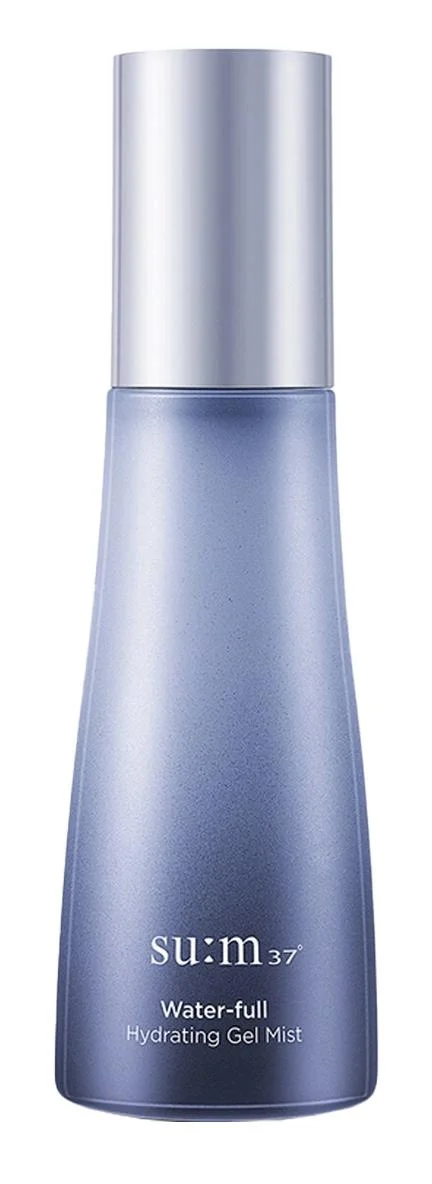


Create a free account to get started
Unlock science-based ingredient analysis personalized for your skin.
Already have an account? Log in
We protect your privacy. We never send spam.