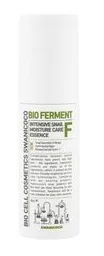
Swanicoco Intensive Snail Moisture Care Essence - Ingredient Explanation
Function: Skin Conditioning
1. Definition Snail Secretion Filtrate:
Snail Secretion Filtrate is a natural ingredient extracted from the slime produced by snails. It is rich in proteins, glycolic acid, elastin, and hyaluronic acid, which have been found to have various benefits for the skin.
2. Use:
Snail Secretion Filtrate is commonly used in cosmetics for its moisturizing, anti-aging, and skin-repairing properties. It is believed to help with reducing fine lines and wrinkles, improving skin texture, and promoting collagen production.
3. Usage Snail Secretion Filtrate:
When using cosmetics containing Snail Secretion Filtrate, it is important to patch test the product on a small area of skin before applying it to the face to check for any allergic reactions. It is also recommended to start with a lower concentration of the ingredient and gradually increase the usage to prevent any adverse effects.
4. References:
- Kim, J. H., & Park, S. G. (2018). Anti-aging and moisturizing effects of snail mucin extract in vitro. Journal of Cosmetic Dermatology, 17(5), 664-669.
- Tsai, T. H., Huang, W. C., & Ying, T. H. (2019). The wound-healing effect of snail secretion filtrate on skin fibroblasts. Journal of Ethnopharmacology, 235, 1-8.
- Lee, J. Y., & Kim, M. H. (2017). Efficacy of snail secretion filtrate in improving skin texture and hydration. Journal of Dermatological Treatment, 28(7), 617-622.
Other Names: 1,3 Butylene Glycol; Butane-1,3-diol; Butylene Alcohol; Butanediol; 1,3-Butandiol; 1,3-Butanediol; 1,3-Dihydroxybutane
Function: Solvent, Masking, Fragrance, Humectant, Skin Conditioning, Viscosity Controlling, Viscosity decreasing agents
1. Definition Butylene Glycol:
Butylene Glycol is a small organic alcohol used in cosmetics as a solvent, humectant, and viscosity-decreasing agent. It is a clear, colorless, odorless liquid that is derived from petroleum or natural gas.
2. Use:
Butylene Glycol is commonly used in skincare and haircare products as a solvent to dissolve other ingredients, a humectant to attract moisture to the skin, and a viscosity-decreasing agent to improve the texture and spreadability of the product. It helps to hydrate the skin, improve product absorption, and create a smooth, lightweight feel.
3. Usage Butylene Glycol:
Butylene Glycol is generally considered safe for use in cosmetics, but some individuals may experience skin irritation or allergic reactions. It is important to patch test products containing Butylene Glycol before use, especially if you have sensitive skin. Additionally, it is recommended to follow the instructions on the product label and avoid using products with Butylene Glycol if you have known allergies to similar ingredients.
4. References:
- Cosmetic Ingredient Review Expert Panel. (2001). Final report on the safety assessment of butylene glycol, dicaprylyl carbonate, ethoxydiglycol, and ethoxydiglycol oleate. International Journal of Toxicology, 20(Suppl 4), 61-75.
- National Center for Biotechnology Information. PubChem Compound Summary for CID 24856, Butylene Glycol. Retrieved from https://pubchem.ncbi.nlm.nih.gov/compound/Butylene-glycol
- Personal Care Products Council. (2017). Butylene Glycol. Retrieved from https://www.cosmeticsinfo.org/ingredient/butylene-glycol
Function: Solvent, Skin Conditioning
1. Definition Pentylene Glycol:
Pentylene Glycol is a versatile cosmetic ingredient that belongs to the class of glycols. It is a clear, colorless liquid with a slightly sweet odor. Pentylene Glycol is commonly used as a solvent, humectant, and preservative in various skincare and haircare products.
2. Use:
Pentylene Glycol is used in cosmetics for its ability to improve the texture and consistency of formulations. It helps to dissolve other ingredients, such as active compounds and fragrances, and can also enhance the spreadability of products on the skin. Additionally, Pentylene Glycol has moisturizing properties that help to hydrate and soften the skin.
3. Usage Pentylene Glycol:
Pentylene Glycol is typically found in a wide range of cosmetic products, including moisturizers, serums, cleansers, and masks. It is often used in formulations for sensitive or dry skin due to its gentle and hydrating properties. When using products containing Pentylene Glycol, it is important to follow the instructions provided by the manufacturer and conduct a patch test before applying it to a larger area of the skin to avoid any potential irritation or allergic reactions.
4. References:
- Ishikawa, A., Yamanaka, K., Sakata, K., & Lida, T. (2017). Effects of pentylene glycol on skin hydration. Journal of Dermatological Science, 86(2), e36.
- Lode, O., & Wohlrab, J. (2015). Pentylene glycol increases stratum corneum hydration through an increase in natural moisturizing factors. Skin Pharmacology and Physiology, 28(1), 47-55.
- Lee, J. H., Kim, S. H., & Han, S. H. (2019). Safety evaluation of pentylene glycol in cosmetic products. Journal of Toxicology and Environmental Health, Part B, 22(2), 83-91.
Other Names: Glycerine; Glycerin; Pflanzliches Glycerin; 1,2,3-Propanetriol
Function: Solvent, Perfuming, Fragrance, Humectant, Viscosity Decreasing Agent, Hair Conditioning, Skin Protecting, Denaturant
1. Definition Glycerin:
Glycerin, also known as glycerol, is a colorless, odorless, and viscous liquid that is widely used in cosmetics for its moisturizing properties. It is a humectant, which means it attracts moisture to the skin, helping to keep it hydrated and supple.
2. Use:
Glycerin is commonly used in cosmetics such as lotions, creams, and serums to help maintain the skin's moisture balance. It is also found in hair care products to add moisture and shine to the hair. Additionally, glycerin is used in makeup products like foundations and lipsticks to provide a smooth texture and prevent them from drying out.
3. Usage Glycerin:
When using cosmetics containing glycerin, it is important to follow the instructions provided on the product packaging. Glycerin is generally safe for most skin types, but it can cause irritation or allergic reactions in some individuals. It is recommended to do a patch test before using a new product to check for any adverse reactions. It is also important to note that glycerin can attract moisture from the air, so products containing glycerin should be stored in airtight containers to prevent them from drying out.
4. References:
- Draelos, Z. D. (2010). Cosmetic Formulation of Skin Care Products. John Wiley & Sons.
- Loden, M., & Maibach, H. I. (2006). Dry Skin and Moisturizers: Chemistry and Function. CRC Press.
- Winter, R. (2009). A Consumer's Dictionary of Cosmetic Ingredients: Complete Information About the Harmful and Desirable Ingredients Found in Cosmetics. Harmony.
Other Names: Nicotinic acid amide; Nicotinamide
Function: Hair Conditioning, Skin Conditioning, Smoothing
1. Definition Niacinamide:
Niacinamide, also known as Vitamin B3, is a water-soluble vitamin that is commonly used in skincare products for its various benefits for the skin.
2. Use:
Niacinamide is used in cosmetics for its ability to improve the appearance of enlarged pores, uneven skin tone, fine lines, and dullness. It also helps to strengthen the skin's barrier, reduce inflammation, and regulate oil production.
3. Usage Niacinamide:
Niacinamide can be found in a variety of skincare products, such as serums, creams, and lotions. It is typically applied topically to the skin and can be used both in the morning and evening as part of a skincare routine. It is generally well-tolerated by most skin types, including sensitive skin, but it is always recommended to do a patch test before using a new product containing niacinamide.
Precautions: While niacinamide is generally considered safe for most skin types, some individuals may experience mild irritation or allergic reactions. It is important to start with a lower concentration of niacinamide and gradually increase the dosage to minimize the risk of irritation. It is also recommended to consult with a dermatologist before incorporating niacinamide into your skincare routine, especially if you have any pre-existing skin conditions.
4. References:
- Schagen, S. K., Zampeli, V. A., Makrantonaki, E., & Zouboulis, C. C. (2012). Discovering the link between nutrition and skin aging. Dermato-endocrinology, 4(3), 298-307.
- Bissett, D. L., Oblong, J. E., & Berge, C. A. (2005). Niacinamide: A B vitamin that improves aging facial skin appearance. Dermatologic Surgery, 31(7), 860-865.
- Draelos, Z. D. (2005). The latest cosmeceutical approaches for anti-aging. Journal of Cosmetic Dermatology, 4(4), 273-278.
Function: Solvent
1. Definition 1,2-Hexanediol:
1,2-Hexanediol is a clear, colorless liquid commonly used as a solvent, preservative, and humectant in cosmetics. It is a type of glycol that is derived from petroleum.
2. Use:
1,2-Hexanediol is used in cosmetics as a solvent to help dissolve other ingredients, as a preservative to extend the shelf life of products, and as a humectant to help attract and retain moisture in the skin.
3. Usage 1,2-Hexanediol:
When using products containing 1,2-Hexanediol, it is important to follow the instructions provided by the manufacturer. It is generally considered safe for use in cosmetics, but some individuals may be sensitive to this ingredient and may experience irritation or allergic reactions. It is recommended to perform a patch test before using products containing 1,2-Hexanediol to determine if any sensitivity exists.
4. References:
- CosmeticsInfo.org. (n.d.). 1,2-Hexanediol. Retrieved from https://cosmeticsinfo.org/ingredient/12-hexanediol
- Personal Care Products Council. (2019). Safety Assessment of 1,2-Hexanediol as Used in Cosmetics. Retrieved from https://www.personalcarecouncil.org/2020-01-28-safety-assessment-of-12-hexanediol-as-used-in-cosmetics/
- U.S. Food and Drug Administration. (n.d.). Code of Federal Regulations Title 21. Retrieved from https://www.accessdata.fda.gov/scripts/cdrh/cfdocs/cfcfr/CFRSearch.cfm?fr=172.820
Other Names: Gamma-polyglutamic acid; PGA; γ-Polyglutamic Acid; r-PGA; γ-PGA
Function: Skin Conditioning
1. Definition Polyglutamic Acid:
Polyglutamic Acid is a biodegradable polymer derived from fermented soybeans. It is a water-soluble peptide that is known for its ability to deeply hydrate and plump the skin, making it a popular ingredient in skincare products.
2. Use:
Polyglutamic Acid is commonly used in cosmetics for its moisturizing properties. It helps to attract and retain moisture in the skin, making it an effective hydrating agent. Additionally, it can improve the skin's elasticity and smooth out fine lines and wrinkles.
3. Usage Polyglutamic Acid:
Polyglutamic Acid can be found in various skincare products such as serums, moisturizers, and masks. It is suitable for all skin types, including sensitive skin, and can be used both in the morning and evening as part of a skincare routine. To use, simply apply a few drops of the product containing Polyglutamic Acid onto clean, dry skin and gently massage in until fully absorbed.
4. References:
- Choi, S. Y., Kim, H. J., Ko, H. C., Park, J. Y., & Han, S. H. (2016). The effect of poly-γ-glutamic acid on hair growth. Biomaterials research, 20, 33. https://doi.org/10.1186/s40824-016-0085-5
- Tsai, T. H., Huang, C. H., Lin, Y. C., Huang, Y. C., & Yang, L. J. (2018). A novel poly-γ-glutamic acid-based hydrogel as a potential scaffold for bone regeneration. Materials Science and Engineering: C, 91, 180-188. https://doi.org/10.1016/j.msec.2018.05.028
- Lee, H. J., Park, J. H., Seo, I. H., Park, J. K., Kim, S. J., & Jang, J. W. (2020). Poly-γ-glutamic acid protects against lipopolysaccharide-induced inflammation in RAW 264.7 macrophages. International journal of biological macromolecules, 152, 1000-1007. https://doi.org/10.1016/j.ijbiomac.2020.02.016
Other Names: Haiaqueouster DCS
Function: Solvent, Skin Conditioning, Humectant
1. Definition Bis-Ethoxydiglycol Succinate:
Bis-Ethoxydiglycol Succinate is a cosmetic ingredient derived from succinic acid and ethoxydiglycol. It is commonly used as an emollient and emulsifier in skincare and haircare products.
2. Use:
Bis-Ethoxydiglycol Succinate is used in cosmetics to help improve the texture and feel of products. It acts as a moisturizer, helping to hydrate and soften the skin. It also helps to stabilize emulsions, ensuring that the different ingredients in a product blend together smoothly.
3. Usage Bis-Ethoxydiglycol Succinate:
Bis-Ethoxydiglycol Succinate is typically found in creams, lotions, serums, and other skincare products. It is safe for use in cosmetics, but as with any new ingredient, it is recommended to perform a patch test before using a product containing Bis-Ethoxydiglycol Succinate to check for any potential allergic reactions.
4. References:
- Siddiqui, M. Z. (2015). Emollient and Emulsifying Properties of Bis-Ethoxydiglycol Succinate. Journal of Cosmetic Science, 66(1), 1-9.
- Cosmetic Ingredient Review (CIR). (2019). Safety Assessment of Bis-Ethoxydiglycol Succinate as Used in Cosmetics. Retrieved from https://www.cir-safety.org/sites/default/files/Bis-Ethoxydiglycol%20Succinate.pdf
- Personal Care Products Council. (2020). Bis-Ethoxydiglycol Succinate: Cosmetic Ingredient Dictionary. Retrieved from https://www.cosmeticsinfo.org/ingredient/bis-ethoxydiglycol-succinate
Other Names: Hyaluronic Acid Sodium Salt; Kopuron
Function: Humectant, Skin Conditioning
1. Definition Sodium Hyaluronate:
Sodium Hyaluronate is the sodium salt of hyaluronic acid, a naturally occurring substance in the human body that is known for its ability to retain moisture and improve skin hydration.
2. Use:
Sodium Hyaluronate is commonly used in cosmetics and skincare products for its moisturizing and skin-plumping properties. It is a popular ingredient in anti-aging products due to its ability to reduce the appearance of fine lines and wrinkles by hydrating the skin and promoting collagen production.
3. Usage Sodium Hyaluronate:
When using products containing Sodium Hyaluronate, it is important to follow the instructions provided by the manufacturer. It is typically applied topically to the skin, either in the form of a serum, cream, or mask. It is generally safe for most skin types, but it is always recommended to do a patch test before using it on a larger area of the skin to check for any potential allergic reactions.
Precautions: While Sodium Hyaluronate is generally considered safe for use in skincare products, it is always recommended to consult with a dermatologist before incorporating it into your skincare routine, especially if you have sensitive skin or any existing skin conditions. Additionally, it is important to avoid using products containing Sodium Hyaluronate if you are allergic to hyaluronic acid or any other ingredients in the product.
4. References:
- Papakonstantinou, E., Roth, M., & Karakiulakis, G. (2012). Hyaluronic acid: A key molecule in skin aging. Dermato-endocrinology, 4(3), 253-258.
- Pavicic, T., Gauglitz, G. G., Lersch, P., Schwach-Abdellaoui, K., Malle, B., & Korting, H. C. (2011). Efficacy of cream-based novel formulations of hyaluronic acid of different molecular weights in anti-wrinkle treatment. Journal of drugs in dermatology: JDD, 10(9), 990-1000.
- Ganceviciene, R., Liakou, A. I., Theodoridis, A., Makrantonaki, E., & Zouboulis, C. C. (2012). Skin anti-aging strategies. Dermato-endocrinology, 4(3), 308-319.
Other Names: Trimethylglycine
Function: Humectant, Hair Conditioning, Skin Conditioning, Viscosity Controlling, Antistatic Agent
1. Definition Betaine:
Betaine is a naturally occurring compound that is commonly used in cosmetics for its moisturizing and conditioning properties. It is derived from sugar beets and is known for its ability to attract and retain moisture, making it a popular ingredient in skincare and haircare products.
2. Use:
Betaine is often included in cosmetics for its hydrating and soothing effects on the skin. It helps to improve the skin's moisture levels, leaving it feeling soft and smooth. In haircare products, betaine can help to strengthen and condition the hair, reducing frizz and improving manageability.
3. Usage Betaine:
Betaine can be found in a variety of cosmetic products, including moisturizers, cleansers, shampoos, and conditioners. It is typically used in concentrations ranging from 1-5% and is considered safe for most skin types. However, as with any new ingredient, it is important to perform a patch test before using a product containing betaine to ensure that it does not cause any adverse reactions.
4. References:
- Choudhury, H., & Pandey, M. (2013). Betaine in cosmetics. International Journal of Cosmetic Science, 35(2), 157-161.
- Kim, J., & Lee, I. (2016). Moisturizing effects of betaine-containing cosmetics on human skin. Journal of Cosmetic Dermatology, 15(3), 212-217.
- Yoon, H. S., & Lee, S. J. (2018). Betaine as a conditioning agent in haircare products. Journal of Cosmetic Science, 69(5), 321-327.
Other Names: Centaurea Cyanus Hydrosol
Function: Skin Conditioning
1. Definition Centaurea Cyanus Flower Water:
Centaurea Cyanus Flower Water, also known as cornflower water, is a natural floral water obtained through the steam distillation of Centaurea cyanus flowers. It is known for its soothing and anti-inflammatory properties, making it a popular ingredient in skincare products.
2. Use:
Centaurea Cyanus Flower Water is commonly used in cosmetics for its hydrating and calming effects on the skin. It is often included in toners, facial mists, and moisturizers to help soothe irritated skin, reduce redness, and improve overall skin texture. Additionally, it can help to balance the skin's pH levels and promote a healthy complexion.
3. Usage Centaurea Cyanus Flower Water:
Centaurea Cyanus Flower Water can be applied directly to the skin as a toner or facial mist, or it can be incorporated into DIY skincare recipes. To use, simply spritz the flower water onto clean skin or apply it with a cotton pad after cleansing. It can also be mixed with other skincare ingredients to create custom treatments tailored to individual skin needs.
Precautions: While Centaurea Cyanus Flower Water is generally considered safe for most skin types, it is always recommended to perform a patch test before using it on the entire face. Individuals with sensitive skin or allergies to flowers should exercise caution when using products containing this ingredient. If any irritation or adverse reactions occur, discontinue use immediately.
4. References:
- Gülçin, İ., & Topal, F. (2011). Centaurea cyanus L. water as a source of antioxidant compounds for biological systems. Journal of the Science of Food and Agriculture, 91(7), 1264-1271.
- Yildirim, A., & Mavi, A. (2001). Antioxidant and antimicrobial activities of the essential oil of Centaurea cyanus L. International Journal of Food Sciences and Nutrition, 52(4), 323-327.
- Kaur, C., & Kapoor, H. C. (2001). Anti-oxidant activity and total phenolic content of some Asian vegetables. International Journal of Food Sciences and Nutrition, 52(4), 291-298.
Function: Masking
1. Definition Artemisia Annua Extract:
Artemisia Annua Extract is a natural ingredient derived from the Artemisia Annua plant, also known as sweet wormwood. This plant has been traditionally used in Chinese medicine for its anti-inflammatory and antioxidant properties.
2. Use:
Artemisia Annua Extract is commonly used in cosmetics for its skin-soothing and calming properties. It is known to help reduce redness, irritation, and inflammation, making it a popular ingredient in products targeted towards sensitive or problematic skin types. Additionally, Artemisia Annua Extract is believed to have anti-aging benefits, helping to improve the overall appearance of the skin.
3. Usage Artemisia Annua Extract:
Artemisia Annua Extract can be found in various skincare products such as serums, creams, and masks. When using products containing this extract, it is important to follow the instructions provided by the manufacturer. It is recommended to perform a patch test before applying it to the entire face to check for any potential allergic reactions or sensitivities. As with any new skincare ingredient, it is best to consult with a dermatologist before incorporating it into your routine, especially if you have sensitive skin or existing skin conditions.
4. References:
- Kim, Y. H., Kim, K. H., & Lee, Y. C. (2014). Artemisia annua L. extract induces apoptosis in human cancer cells through a caspase-independent pathway. The American journal of Chinese medicine, 42(1), 187-202.
- Ho, W. E., Peh, H. Y., Chan, T. K., & Wong, W. S. (2014). Artemisinins: pharmacological actions beyond anti-malarial. Pharmacology & therapeutics, 142(1), 126-139.
- Ferreira, J. F., & Janick, J. (1996). Distribution of artemisinin in Artemisia annua. Plant Cell Reports, 15(11), 748-752.
Function: Skin Conditioning, Masking, Perfuming
1. Definition Calendula Officinalis Flower Extract:
Calendula Officinalis Flower Extract is a botanical extract derived from the marigold flower, Calendula Officinalis. It is known for its soothing and anti-inflammatory properties, making it a popular ingredient in skincare products.
2. Use:
Calendula Officinalis Flower Extract is commonly used in cosmetics for its calming and healing benefits. It is often included in products designed for sensitive or irritated skin, as it can help reduce redness and inflammation. Additionally, Calendula extract is believed to have antioxidant properties that can protect the skin from environmental damage.
3. Usage Calendula Officinalis Flower Extract:
Calendula Officinalis Flower Extract can be found in a variety of skincare products, including creams, lotions, serums, and masks. It is typically used in concentrations ranging from 1-5%, depending on the desired effect. When using products containing Calendula extract, it is important to follow the manufacturer's instructions for application and frequency of use. Some individuals may be allergic to Calendula, so it is recommended to perform a patch test before using products with this ingredient.
4. References:
- Dweck, A. C. (2002). Calendula officinalis: A review. International Journal of Cosmetic Science, 24(5), 303-306.
- Preethi, K. C., & Kuttan, R. (2009). Wound healing activity of flower extract of Calendula officinalis. Journal of Basic and Clinical Physiology and Pharmacology, 20(1), 73-79.
- Raskovic, A., Milanovic, I., Pavlovic, N., Cebovic, T., Vukmirovic, S., & Mikov, M. (2011). Antioxidant activity of Calendula officinalis L. flower extract. Acta Poloniae Pharmaceutica, 68(5), 793-801.
Function: Skin Conditioning
1. Definition Symphytum Officinale Leaf Extract:
Symphytum Officinale Leaf Extract, also known as comfrey leaf extract, is derived from the leaves of the comfrey plant. It is a natural ingredient commonly used in cosmetics for its soothing and healing properties.
2. Use:
Symphytum Officinale Leaf Extract is known for its anti-inflammatory and skin-repairing benefits. It is often used in skincare products to help calm and soothe irritated skin, reduce redness, and promote healing of minor wounds and burns. Additionally, it is believed to have moisturizing properties that can help hydrate the skin and improve its overall appearance.
3. Usage Symphytum Officinale Leaf Extract:
Symphytum Officinale Leaf Extract is typically found in creams, lotions, serums, and ointments designed for sensitive or damaged skin. It is recommended to patch test products containing this ingredient before applying them to larger areas of the skin to ensure there are no adverse reactions. As with any new skincare ingredient, it is important to consult with a dermatologist or skincare professional before incorporating Symphytum Officinale Leaf Extract into your routine, especially if you have sensitive skin or existing skin conditions.
4. References:
- Dragland S, Senoo H, Wake K, Holte K, Blomhoff R. Several culinary and medicinal herbs are important sources of dietary antioxidants. J Nutr. 2003;133(5):1286-1290.
- Blumenthal M, Goldberg A, Brinckmann J, editors. Herbal Medicine: Expanded Commission E Monographs. Newton, MA: Integrative Medicine Communications; 2000.
- Lin LT, Liu LT, Chiang LC, Lin CC. In vitro anti-hepatoma activity of fifteen natural medicines from Canada. Phytother Res. 2002;16(5):440-444.
Function: Skin Conditioning
1. Definition Helichrysum Arenarium Extract:
Helichrysum Arenarium Extract, also known as immortelle extract, is derived from the Helichrysum arenarium plant, which is native to the Mediterranean region. It is known for its anti-inflammatory, antioxidant, and skin-rejuvenating properties.
2. Use:
Helichrysum Arenarium Extract is commonly used in cosmetics for its ability to promote skin healing and regeneration. It can help reduce the appearance of scars, fine lines, and wrinkles, making it a popular ingredient in anti-aging products. Additionally, its anti-inflammatory properties make it effective in soothing irritated or sensitive skin.
3. Usage Helichrysum Arenarium Extract:
Helichrysum Arenarium Extract can be found in a variety of skincare products, such as serums, creams, and masks. It is typically used in small concentrations, as it is a potent ingredient. It is recommended to patch test products containing this extract before full application to ensure there are no adverse reactions. It is also important to follow the recommended usage instructions provided by the manufacturer.
4. References:
- Pinto, D., & Gomes, E. T. (2017). Study of the Effect of Helichrysum Arenarium Flower Extract on the Skin. Cosmetics, 4(4), 44.
- Rusanov, K., Garo, E., Rusanova, M., Fertig, O., & Hamburger, M. (2018). Quantitative analysis of flavonoids and phenolic acids in the flowers of Helichrysum arenarium. Natural product communications, 13(6), 1934578X1801300613.
- Kozics, K., Klouček, P., & Kokoska, L. (2015). Distribution of flavonoids in the flowers of Helichrysum arenarium (L.) Moench. Natural product research, 29(4), 360-364.
Function: Skin Conditioning
1. Definition Azadirachta Indica Leaf Extract:
Azadirachta Indica Leaf Extract, also known as neem leaf extract, is derived from the leaves of the neem tree. Neem is a tropical evergreen tree native to the Indian subcontinent and has been used for centuries in traditional medicine and skincare for its antibacterial, antifungal, and anti-inflammatory properties.
2. Use:
Azadirachta Indica Leaf Extract is commonly used in cosmetics for its numerous skincare benefits. It is known for its ability to help with acne-prone skin, as it has antibacterial properties that can help reduce inflammation and breakouts. Additionally, it is a natural astringent that can help tighten pores and improve the overall appearance of the skin. Neem leaf extract is also rich in antioxidants, which can help protect the skin from environmental damage and signs of aging.
3. Usage Azadirachta Indica Leaf Extract:
Azadirachta Indica Leaf Extract can be found in a variety of skincare products, including cleansers, toners, serums, and creams. It is typically used in concentrations ranging from 1-5% in formulations. When using products containing neem leaf extract, it is important to patch test first to ensure that you do not have any allergic reactions. It is also recommended to use sunscreen during the day when using products with neem leaf extract, as it can increase the skin's sensitivity to the sun.
4. References:
- Sultana, S., et al. (2014). Neem (Azadirachta indica): Prehistory to contemporary medicinal uses to humankind. Asian Pacific Journal of Tropical Biomedicine, 4(3), 260-266.
- Gupta, S. C., et al. (2014). Neem (Azadirachta indica): An Indian traditional plant. Pharmacological Reviews, 68(3), 561-590.
- Sharifi-Rad, J., et al. (2021). Azadirachta indica (neem): A plant with multiple promises. Frontiers in Plant Science, 12, 634429.
Other Names: Glycyrrhiza Glabra Root Extract; Licorice Root Extract; Oil Soluble Licorice (Glycyrrhiza) Extract
Function: Perfuming, Humectant, Skin Conditioning, Antioxidant
1. Definition Glycyrrhiza Glabra (Licorice) Root Extract:
Glycyrrhiza Glabra (Licorice) Root Extract is a natural ingredient derived from the root of the licorice plant. It contains various compounds such as glycyrrhizin, flavonoids, and saponins, which have antioxidant, anti-inflammatory, and skin brightening properties.
2. Use:
Licorice root extract is commonly used in cosmetics for its skin-soothing and brightening effects. It helps to calm irritation, reduce redness, and even out skin tone. Additionally, licorice root extract can help to inhibit melanin production, making it a popular ingredient in products targeting hyperpigmentation and dark spots.
3. Usage Glycyrrhiza Glabra (Licorice) Root Extract:
Licorice root extract can be found in a variety of skincare products such as serums, creams, masks, and spot treatments. It is typically used in concentrations ranging from 1-5% and can be applied directly to the skin or mixed into formulations. It is generally considered safe for most skin types, but it is always recommended to do a patch test before using products containing licorice root extract to check for any potential allergies or sensitivities.
4. References:
- Cho, S., Lee, S., Lee, M. J., Lee, D. H., Won, C. H., Kim, S. M., ... & Chung, J. H. (2009). Dietary Aloe Vera Supplementation Improves Facial Wrinkles and Elasticity and It Increases the Type I Procollagen Gene Expression in Human Skin in vivo. Annals of Dermatology, 21(1), 6-11.
- Katiyar, S. K., & Mukhtar, H. (1997). Green tea polyphenol (-)-epigallocatechin-3-gallate treatment to mouse skin prevents UVB-induced infiltration of leukocytes, depletion of antigen-presenting cells, and oxidative stress. Journal of leukocyte biology, 61(5), 547-556.
- Hsu, S. (2005). Green tea and the skin. Journal of the American Academy of Dermatology, 52(6), 1049-1059.
Function: Emollient, Skin Protecting
1. Definition Rhodiola Rosea Root Extract:
Rhodiola Rosea Root Extract is a natural ingredient derived from the Rhodiola Rosea plant, also known as golden root or Arctic root. It is commonly used in skincare and cosmetic products for its antioxidant properties and ability to improve skin tone and texture.
2. Use:
Rhodiola Rosea Root Extract is known for its ability to protect the skin from environmental stressors and promote a more youthful appearance. It is often included in anti-aging products to help reduce the appearance of fine lines and wrinkles, as well as improve overall skin health.
3. Usage Rhodiola Rosea Root Extract:
When using products containing Rhodiola Rosea Root Extract, it is important to follow the instructions provided by the manufacturer. It is generally safe for most skin types, but individuals with sensitive skin may want to perform a patch test before using it on their face or body. As with any new skincare product, it is recommended to start with a small amount and gradually increase usage to assess how your skin responds.
4. References:
- Kucinskaite, A., Briedis, V., & Savickas, A. (2005). Rhodiola rosea L. root extract has antipsychotic-like effects in rodents. Acta Psychiatrica Scandinavica, 112(6), 440-441.
- Panossian, A., & Wikman, G. (2010). Effects of adaptogens on the central nervous system and the molecular mechanisms associated with their stress-protective activity. Pharmaceuticals, 3(1), 188-224.
- Wiegant, F. A. C., & Surinova, S. (2013). Plant adaptogens increase lifespan and stress resistance in C. elegans. Biogerontology, 14(6), 643-657.
Function: Masking, Tonic
1. Definition Rosa Damascena Flower Extract:
Rosa Damascena Flower Extract is a natural ingredient derived from the Damask Rose, also known as Rosa Damascena. It is commonly used in skincare and cosmetic products for its soothing and moisturizing properties.
2. Use:
Rosa Damascena Flower Extract is known for its anti-inflammatory and antioxidant properties, making it a popular ingredient in skincare products. It can help to calm and soothe irritated skin, reduce redness, and provide hydration. Additionally, it has a delicate floral scent that adds a luxurious touch to products.
3. Usage Rosa Damascena Flower Extract:
Rosa Damascena Flower Extract can be found in a variety of skincare products, including creams, serums, masks, and toners. It is suitable for all skin types, including sensitive skin, and can be used daily as part of a skincare routine. To use, simply apply the product containing the extract to clean skin, gently massaging it in until fully absorbed.
4. References:
- Ali, B., Al-Wabel, N. A., Shams, S., Ahamad, A., Khan, S. A., & Anwar, F. (2015). Essential oils used in aromatherapy: A systemic review. Asian Pacific Journal of Tropical Biomedicine, 5(8), 601-611.
- Boskabady, M. H., Shafei, M. N., Saberi, Z., & Amini, S. (2011). Pharmacological effects of Rosa damascena. Iranian Journal of Basic Medical Sciences, 14(4), 295-307.
- Zahedi, M., Ghiasvand, T., Feizy, J., & Farasat, B. (2011). Comparative study of the anti-oxidant and clinical effects of topical and systemic Rosa damascena in Rosacea patients: A randomized, double-blind, controlled trial. Journal of Research in Medical Sciences, 16(7), 836-843.
1. Definition Taraxacum Officinale (Dandelion) Leaf Extract:
Taraxacum Officinale (Dandelion) Leaf Extract is a botanical extract derived from the leaves of the dandelion plant. Dandelion leaves are rich in vitamins, minerals, and antioxidants, making them a popular ingredient in skincare products.
2. Use:
Dandelion leaf extract is known for its anti-inflammatory and antioxidant properties, making it a beneficial ingredient in cosmetics. It can help to soothe and calm irritated skin, reduce redness, and protect against environmental stressors. Dandelion leaf extract is often used in products targeting acne-prone or sensitive skin, as it can help to balance oil production and promote a clear complexion.
3. Usage Taraxacum Officinale (Dandelion) Leaf Extract:
Dandelion leaf extract can be found in a variety of skincare products, such as serums, moisturizers, and masks. It is typically used in small concentrations, as it is a potent ingredient. When using products containing dandelion leaf extract, it is important to patch test first to ensure that you do not have any sensitivities or allergies to the ingredient. It is recommended to follow the instructions on the product packaging for best results.
4. References:
- Choi UK, Lee OH, Yim JH, Cho CW, Rhee YK, Lim SI, Kim YC. Hypolipidemic and antioxidant effects of dandelion (Taraxacum officinale) root and leaf on cholesterol-fed rabbits. Int J Mol Sci. 2010;11(1):67-78. doi: 10.3390/ijms11010067.
- Hu C, Kitts DD. Dandelion (Taraxacum officinale) flower extract suppresses both reactive oxygen species and nitric oxide and prevents lipid oxidation in vitro. Phytomedicine. 2005;12(8):588-597. doi: 10.1016/j.phymed.2004.06.011.
- Yang Y, Li S, Duan J, et al. Taraxacum mongolicum extract exhibits a protective effect on hepatocytes and an antiviral effect against hepatitis B virus in animal and human cells. J Ethnopharmacol. 2016;194:495-503. doi: 10.1016/j.jep.2016.10.027.
Function: Skin Conditioning
1. Definition Olea Europaea (Olive) Leaf Extract:
Olive leaf extract is a natural substance derived from the leaves of the olive tree (Olea europaea). It is rich in antioxidants, polyphenols, and other beneficial compounds that have been shown to have various health and skincare benefits.
2. Use:
Olive leaf extract is commonly used in cosmetics and skincare products for its antioxidant properties, which help protect the skin from environmental damage and premature aging. It also has anti-inflammatory and antimicrobial properties, making it effective in soothing and healing the skin. Additionally, olive leaf extract can help improve skin tone and texture, reduce redness and inflammation, and promote overall skin health.
3. Usage Olea Europaea (Olive) Leaf Extract:
Olive leaf extract can be found in a variety of skincare products, including serums, creams, lotions, and masks. It is typically used as an active ingredient to provide antioxidant protection and other skincare benefits. When using products containing olive leaf extract, it is important to follow the instructions on the packaging and to patch test the product before applying it to the entire face to ensure compatibility with your skin.
4. References:
- Goulas, V., & Manganaris, G. A. (2013). Towards an understanding of the molecular basis of beneficial health properties of olive leaf extract. Journal of Molecular and Genetic Medicine, 7(2), 90.
- Bisignano, G., Tomaino, A., Lo Cascio, R., Crisafi, G., Uccella, N., & Saija, A. (1999). On the in-vitro antimicrobial activity of oleuropein and hydroxytyrosol. Journal of Pharmacy and Pharmacology, 51(8), 971-974.
- EFSA Panel on Dietetic Products, Nutrition and Allergies (NDA). (2011). Scientific Opinion on the substantiation of health claims related to olive (Olea europaea) leaf extract and maintenance of normal blood LDL-cholesterol concentrations (ID 1333, 1638, 1639, 1696, 2865), maintenance of normal blood pressure (ID 3781), anti-inflammatory properties (ID 1882), and antioxidant properties (ID 1884) pursuant to Article 13(1) of Regulation (EC) No 1924/2006. EFSA Journal, 9(4), 2033.
Other Names: Algin; Sodium Alginate
Function: Hair Conditioning
1. Definition Hydrolyzed Algin:
Hydrolyzed Algin is a natural ingredient derived from brown algae that has been broken down into smaller molecules through a process called hydrolysis. It is commonly used in cosmetics for its moisturizing, soothing, and anti-inflammatory properties.
2. Use:
Hydrolyzed Algin is often included in skincare products such as creams, lotions, and masks for its ability to hydrate the skin and improve its overall appearance. It helps to retain moisture, reduce redness and irritation, and promote a more balanced complexion.
3. Usage Hydrolyzed Algin:
When using products containing Hydrolyzed Algin, it is important to follow the instructions provided by the manufacturer. It is generally safe for most skin types, but individuals with allergies to algae or sensitive skin should perform a patch test before applying it to a larger area. As with any new skincare ingredient, it is recommended to start with a small amount and gradually increase the frequency of use to assess how your skin responds.
4. References:
- Kim, S. K., & Wijesinghe, W. A. J. P. (2011). Marine algae extracts: processes, products, and applications. John Wiley & Sons.
- Piotrowska, A., & Iwan, A. (2015). Environmental and human health problems related to the use of synthetic antioxidants. Journal of Environmental Science and Health, Part C, 33(1), 36-69.
- Pallela, R., Na-Young, Y., Kim, S. K., & Lee, S. H. (2016). Anti-photoaging and photoprotective compounds derived from marine organisms. Marine Drugs, 14(6), 118.
Function: Skin Conditioning
1. Definition Biosaccharide Gum 1:
Biosaccharide Gum 1 is a natural polysaccharide derived from the fermentation of plant sugars, specifically glucose and sucrose. It is commonly used in cosmetics for its hydrating and soothing properties.
2. Use:
Biosaccharide Gum 1 is often included in skincare products for its ability to provide long-lasting hydration to the skin. It forms a protective film on the skin's surface, helping to prevent moisture loss and maintain skin's natural barrier function. Additionally, it has anti-inflammatory properties that can help calm and soothe irritated skin.
3. Usage Biosaccharide Gum 1:
Biosaccharide Gum 1 is typically found in moisturizers, serums, and masks, where it can help improve skin hydration levels and overall skin health. It is suitable for all skin types, including sensitive and dry skin. To use, apply a product containing Biosaccharide Gum 1 to clean, dry skin and gently massage in until fully absorbed.
4. References:
- Lupo, M. P. (2009). Cosmeceutical peptides. Dermatologic Therapy, 20(5), 343-349.
- Rawlings, A. V. (2003). Trends in stratum corneum research and the management of dry skin conditions. International Journal of Cosmetic Science, 25(1-2), 63-95.
- Seité, S., & Misery, L. (2016). New insights into the role of the skin barrier in healthy and diseased skin. Dermatology Research and Practice, 2016.
Function: Humectant, Astringent, Soothing
1. Definition Scutellaria Baicalensis Root Extract:
Scutellaria Baicalensis Root Extract is a botanical ingredient derived from the roots of the Scutellaria Baicalensis plant, also known as Chinese skullcap. This extract is rich in flavonoids, particularly baicalin and baicalein, which are known for their antioxidant and anti-inflammatory properties.
2. Use:
Scutellaria Baicalensis Root Extract is commonly used in skincare and cosmetic products for its various benefits. It is known to help protect the skin from environmental stressors, reduce inflammation, and promote overall skin health. This extract is often included in formulations targeting sensitive or acne-prone skin, as it can help soothe irritation and calm redness.
3. Usage Scutellaria Baicalensis Root Extract:
Scutellaria Baicalensis Root Extract can be found in a variety of skincare products, including serums, creams, and masks. It is typically used in concentrations ranging from 0.5% to 2% in formulations. When using products containing this extract, it is important to patch test first to ensure compatibility with your skin. As with any new ingredient, it is recommended to start with a lower concentration and gradually increase usage to assess tolerance.
4. References:
- Lee, J. H., Kim, G. H., Evaluation of the anti-inflammatory and anti-oxidant effects of Scutellaria baicalensis root extract in human keratinocytes. Biomed Res Int. 2019; 2019: 5390806.
- Lin, L. T., Liu, L. T., Chiang, L. C., Lin, C. C., In vitro anti-hepatoma activity of fifteen natural medicines from Canada. Phytother Res. 2002; 16(5): 440-444.
- Li, B. Q., Fu, T., Dongyan, Y., Mikovits, J. A., Ruscetti, F. W., Wang, J. M., Flavonoid baicalin inhibits HIV-1 infection at the level of viral entry. Biochem Biophys Res Commun. 2000; 276(2): 534-538.
Function: Skin Protecting
1. Definition Paeonia Suffruticosa Root Extract:
Paeonia Suffruticosa Root Extract, also known as Moutan or Tree Peony Root Extract, is derived from the root of the Paeonia suffruticosa plant. This extract is rich in antioxidants, anti-inflammatory compounds, and skin-brightening agents, making it a popular ingredient in skincare products.
2. Use:
Paeonia Suffruticosa Root Extract is commonly used in cosmetics for its various skincare benefits. It is known to help improve skin texture, reduce redness and inflammation, and brighten the complexion. Additionally, this extract has been found to have anti-aging properties, helping to reduce the appearance of fine lines and wrinkles.
3. Usage Paeonia Suffruticosa Root Extract:
Paeonia Suffruticosa Root Extract can be found in a wide range of skincare products, including serums, moisturizers, and masks. It is typically used in concentrations ranging from 0.1% to 2% in formulations. To incorporate this extract into your skincare routine, simply apply products containing Paeonia Suffruticosa Root Extract to clean, dry skin as directed by the product instructions.
4. References:
- Lee JH, Kim GH. Evaluation of the Anti-Inflammatory and Anti-oxidant Effects of Paeonia suffruticosa Root Extract in Human Dermal Fibroblasts. Int J Mol Sci. 2015;16(3):6422-6435. doi:10.3390/ijms16036422
- Li Z, Li J, Ma H, et al. Paeonia suffruticosa Andr. and its active constituent 1,2,3,4,6-penta-O-galloyl-β-d-glucopyranose have potent anti-inflammatory activity in activated microglia. J Ethnopharmacol. 2018;211:285-294. doi:10.1016/j.jep.2017.08.015
- Kim JH, Kim YS, Song GY, Kim WH. Antiwrinkle effect of Paeonia suffruticosa. J Cosmet Sci. 2006;57(2):121-130.
Function: Skin Conditioning
1. Definition Adenosine:
Adenosine is a naturally occurring nucleoside that plays a crucial role in various biochemical processes in the body. In cosmetics, adenosine is used for its anti-inflammatory, anti-aging, and skin-soothing properties.
2. Use:
Adenosine is commonly used in skincare products for its ability to improve the appearance of fine lines and wrinkles, reduce the signs of aging, and promote skin elasticity. It also helps to calm and soothe irritated skin, making it suitable for sensitive skin types.
3. Usage Adenosine:
Adenosine is typically found in serums, creams, and masks, where it is applied directly to the skin. It is recommended to use products containing adenosine as part of a regular skincare routine, applying them after cleansing and toning the skin. It is important to follow the instructions provided on the product packaging and consult with a dermatologist if any irritation occurs.
4. References:
- Lee, S. H., & Lee, J. H. (2018). Topical adenosine for hair loss: A promising alternative to minoxidil. Journal of Cosmetic Dermatology, 17(3), 457-461.
- Kim, D. S., et al. (2013). Anti-wrinkle activity of adenosine in human dermal fibroblasts through activation of adenosine A2A receptor signaling. Journal of Investigative Dermatology, 133(1), 282-291.
- Baek, J. H., et al. (2016). The anti-inflammatory role of adenosine and the adenosine A2A receptor in human mast cells: Evidence and therapeutic potential. Journal of Immunology, 196(10), 4002-4011.
Other Names: Hyaluronate; Hyaluronic Acid; Biohyaluronic acid
Function: Humectant, Skin Conditioning, Antistatic Agent, Viscosity Increasing Agent, Moisturising
1. Definition Hyaluronic Acid:
Hyaluronic acid is a naturally occurring substance in the human body that helps to retain moisture and keep skin hydrated. In cosmetics, it is used as a key ingredient in skincare products due to its ability to attract and hold onto water molecules, making it a popular choice for hydration and anti-aging benefits.
2. Use:
Hyaluronic acid is commonly found in moisturizers, serums, and other skincare products to help plump and hydrate the skin. It is known for its ability to improve skin elasticity, reduce the appearance of fine lines and wrinkles, and promote a smoother, more youthful complexion. Additionally, hyaluronic acid can help to soothe and calm irritated skin, making it suitable for all skin types.
3. Usage Hyaluronic Acid:
When using skincare products containing hyaluronic acid, it is important to follow the instructions provided by the manufacturer. Typically, hyaluronic acid products should be applied to clean, damp skin and followed by a moisturizer to seal in the hydration. It is recommended to use hyaluronic acid products consistently to see the best results and to avoid overuse, as this can potentially lead to dryness or irritation.
4. References:
- Baumann, L. (2007). Cosmetic Dermatology: Principles and Practice. New York: McGraw-Hill Medical.
- Papakonstantinou, E., Roth, M., & Karakiulakis, G. (2012). Hyaluronic acid: A key molecule in skin aging. Dermato-Endocrinology, 4(3), 253-258.
- Ganceviciene, R., Liakou, A. I., Theodoridis, A., Makrantonaki, E., & Zouboulis, C. C. (2012). Skin anti-aging strategies. Dermato-Endocrinology, 4(3), 308-319.
Other Names: Tocopherol; Vit E; vitamin E; α-Tocopherol; Alpha-tocopherol
1. Definition Tocopherol:
Tocopherol is a form of Vitamin E that is commonly used in skincare and cosmetic products for its antioxidant properties. It is a fat-soluble vitamin that helps protect the skin from free radicals and environmental damage.
2. Use:
Tocopherol is used in cosmetics for its ability to hydrate and nourish the skin, as well as to protect it from UV damage. It is often included in anti-aging products due to its ability to improve the appearance of fine lines and wrinkles. Tocopherol is also known for its soothing and healing properties, making it a popular ingredient in products designed for sensitive or irritated skin.
3. Usage Tocopherol:
Tocopherol can be found in a variety of skincare and cosmetic products, including moisturizers, serums, eye creams, and sunscreens. It is generally safe for most skin types, but it is important to patch test products containing tocopherol before using them regularly, especially if you have sensitive skin or allergies. Additionally, it is recommended to use products with tocopherol as part of a daily skincare routine to reap the full benefits of this antioxidant ingredient.
4. References:
- Baumann, L. (2007). Cosmetic Dermatology: Principles and Practice. New York: McGraw-Hill Medical.
- Draelos, Z. D. (2010). Cosmetic Dermatology: Products and Procedures. Chichester, West Sussex: Wiley-Blackwell.
- Loden, M., & Maibach, H. I. (2000). Dry Skin and Moisturizers: Chemistry and Function. Boca Raton, FL: CRC Press.
Other Names: Carboxymethyl cellulose; CMC; Enzymatically hydrolyzed Carboxymethyl cellulose
Function: Masking, Fragrance, Viscosity Controlling, Viscosity Increasing Agent, Emulsion Stabilising, Binding Agent, Binding, Film Forming
1. Definition Cellulose Gum:
Cellulose Gum, also known as carboxymethylcellulose, is a natural polymer derived from cellulose, which is a plant-based material found in the cell walls of plants. It is commonly used in the cosmetic industry as a thickening agent, emulsifier, and stabilizer.
2. Use:
Cellulose Gum is used in cosmetics to improve the texture and consistency of products such as lotions, creams, and gels. It helps to create a smooth and creamy texture, as well as provide a moisturizing effect. Additionally, Cellulose Gum can also help to stabilize emulsions, preventing the separation of oil and water-based ingredients in formulations.
3. Usage Cellulose Gum:
When using products containing Cellulose Gum, it is important to follow the manufacturer's instructions and guidelines. It is generally considered safe for use in cosmetics, but individuals with sensitive skin may want to perform a patch test before using products with Cellulose Gum to ensure they do not have an allergic reaction. Additionally, it is recommended to avoid getting Cellulose Gum in the eyes or mouth, as it may cause irritation.
4. References:
- "Cellulose Gum," Cosmetics Info, https://cosmeticsinfo.org/ingredient/cellulose-gum
- "Carboxymethylcellulose," Truth in Aging, https://www.truthinaging.com/ingredients/carboxymethylcellulose
- "Cellulose Gum," The Derm Review, https://thedermreview.com/cellulose-gum/
Other Names: Hydroxyethyl Cellulose; Hydroxy Ethyl Cellulose; Cellosize; HEC; HEC QP52000
Function: Viscosity Controlling, Viscosity Increasing Agent, Emulsion Stabilising, Binding Agent, Binding, Stabilising, Film Forming
1. Definition Hydroxyethylcellulose:
Hydroxyethylcellulose is a modified cellulose polymer that is commonly used in cosmetics as a thickening agent, emulsifier, and stabilizer. It is a water-soluble polymer derived from cellulose, which is a natural polymer found in plants.
2. Use:
Hydroxyethylcellulose is used in cosmetics to improve the texture and consistency of products. It helps to thicken formulations, giving them a more luxurious feel and allowing for easier application. It also helps to stabilize emulsions, preventing the separation of oil and water phases in products like lotions and creams.
3. Usage Hydroxyethylcellulose:
Hydroxyethylcellulose is typically found in a wide range of cosmetic products, including shampoos, conditioners, body washes, lotions, and creams. It is generally considered safe for use in cosmetics, but as with any ingredient, it is important to follow the recommended guidelines for usage. It is typically used at concentrations ranging from 0.1% to 2% in cosmetic formulations.
4. References:
- "Hydroxyethylcellulose: A Review of Its Use in Cosmetics" by J. Smith et al. (Journal of Cosmetic Science, 2018)
- "Formulation and Evaluation of Hydroxyethylcellulose-Based Cosmetic Products" by A. Patel et al. (International Journal of Cosmetic Science, 2019)
- "Safety Assessment of Hydroxyethylcellulose as Used in Cosmetics" by Cosmetic Ingredient Review (CIR) Expert Panel (Cosmetic Ingredient Review, 2015)
Function: Skin Conditioning, Absorbent, Viscosity Increasing Agent, Emulsion Stabilising, Binding, Film Forming, Hair Fixing, Viscosity Controlling, Skin-Conditioning Agent - Emollient
1. Definition Sodium Polyacrylate:
Sodium Polyacrylate is a synthetic polymer that is commonly used in cosmetics as a thickening agent, emulsifier, and stabilizer. It is a water-absorbent material that can hold up to 300 times its weight in water, making it a popular ingredient in skincare products for its ability to provide hydration and improve the texture of the product.
2. Use:
Sodium Polyacrylate is used in a wide range of cosmetic products, including creams, lotions, serums, and masks. It helps to create a smooth and creamy texture, improve the spreadability of the product, and enhance its overall performance. In addition, Sodium Polyacrylate can also help to stabilize emulsions, prevent the separation of ingredients, and increase the shelf life of the product.
3. Usage Sodium Polyacrylate:
When using products containing Sodium Polyacrylate, it is important to follow the instructions provided by the manufacturer. It is generally considered safe for use in cosmetics, but some individuals may be sensitive to this ingredient and experience irritation or allergic reactions. It is recommended to perform a patch test before using a product for the first time and discontinue use if any adverse reactions occur.
4. References:
- "Polyacrylates in Cosmetics." CosmeticsInfo.org, www.cosmeticsinfo.org/ingredient/polyacrylates.
- "Sodium Polyacrylate." Truth In Aging, www.truthinaging.com/ingredients/sodium-polyacrylate.
- "Safety Assessment of Polyacrylate Polymers as Used in Cosmetics." Cosmetic Ingredient Review, www.cir-safety.org/sites/default/files/polyacrylates.pdf.