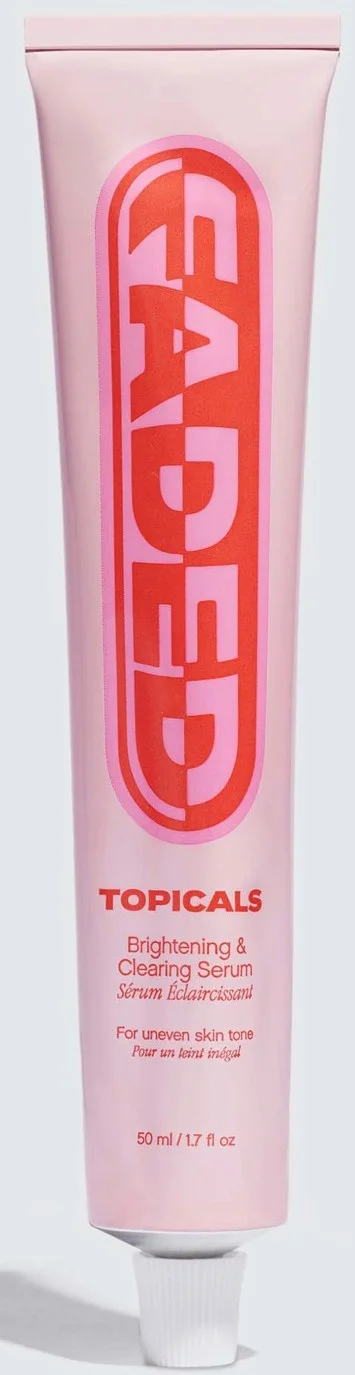
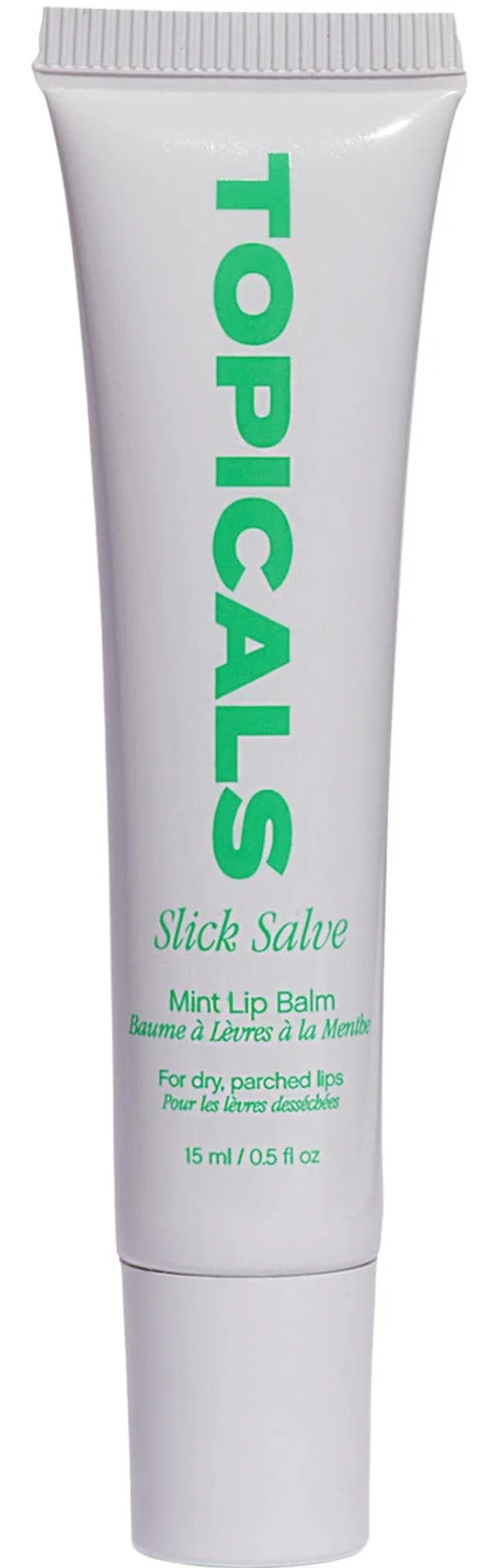
Topicals Faded Brightening & Clearing Serum (2022 Reformulation) - Ingredient Explanation
Other Names: Aqua; H2O; Eau; Aqueous; Acqua
Function: Solvent
1. Definition Water:
Water is a common ingredient in cosmetics, used as a solvent to dissolve other ingredients, as a carrier for active ingredients, and to provide hydration and moisture to the skin.
2. Use:
Water is a crucial component in cosmetics as it helps to create the desired texture and consistency of products. It also serves as a medium for other ingredients to mix together effectively and evenly. Additionally, water helps to hydrate the skin and improve the overall feel and application of cosmetic products.
3. Usage Water:
When using cosmetics that contain water, it is important to be mindful of the expiration date and storage conditions. Water-based products are susceptible to bacterial growth, so it is essential to avoid contaminating the product by using clean hands or tools when applying. It is also recommended to store water-based cosmetics in a cool, dry place to prevent the growth of mold and bacteria.
4. References:
- Draelos, Z. D. (2010). Cosmetic dermatology: products and procedures. John Wiley & Sons.
- Winter, R. (2009). A consumer's dictionary of cosmetic ingredients: complete information about the harmful and desirable ingredients found in cosmetics and cosmeceuticals. Crown.
- Begoun, P. (2003). Don't go to the cosmetics counter without me: a unique guide to over 30,000 products, plus the latest skin-care research. Beginning Press.
Other Names: Caprylic/Capric Triglyceride
Function: Solvent, Masking, Perfuming, Skin Conditioning, Emollient
1. Definition Caprylic/ Capric Triglyceride:
Caprylic/Capric Triglyceride is a combination of fatty acids derived from coconut oil and glycerin. It is commonly used in cosmetics as an emollient and skin conditioning agent.
2. Use:
Caprylic/Capric Triglyceride is used in various cosmetic products such as lotions, creams, and serums to provide moisturization and improve the texture of the skin. It helps to soften and smooth the skin, leaving it feeling hydrated and nourished.
3. Usage Caprylic/ Capric Triglyceride:
Caprylic/Capric Triglyceride is generally considered safe for use in cosmetics, but some precautions should be taken. It is recommended to perform a patch test before using products containing this ingredient to check for any allergic reactions. Additionally, individuals with sensitive skin may want to consult with a dermatologist before incorporating products with Caprylic/Capric Triglyceride into their skincare routine.
4. References:
- "Caprylic/Capric Triglyceride." Cosmetics Info, www.cosmeticsinfo.org/ingredient/capryliccapric-triglyceride.
- "Caprylic/Capric Triglyceride." The Derm Review, www.thedermreview.com/caprylic-capric-triglyceride/.
- "Caprylic/Capric Triglyceride." Truth in Aging, www.truthinaging.com/ingredients/capryliccapric-triglyceride.
Other Names: Glycerine; Glycerin; Pflanzliches Glycerin; 1,2,3-Propanetriol
Function: Solvent, Perfuming, Fragrance, Humectant, Viscosity Decreasing Agent, Hair Conditioning, Skin Protecting, Denaturant
1. Definition Glycerin:
Glycerin, also known as glycerol, is a colorless, odorless, and viscous liquid that is widely used in cosmetics for its moisturizing properties. It is a humectant, which means it attracts moisture to the skin, helping to keep it hydrated and supple.
2. Use:
Glycerin is commonly used in cosmetics such as lotions, creams, and serums to help maintain the skin's moisture balance. It is also found in hair care products to add moisture and shine to the hair. Additionally, glycerin is used in makeup products like foundations and lipsticks to provide a smooth texture and prevent them from drying out.
3. Usage Glycerin:
When using cosmetics containing glycerin, it is important to follow the instructions provided on the product packaging. Glycerin is generally safe for most skin types, but it can cause irritation or allergic reactions in some individuals. It is recommended to do a patch test before using a new product to check for any adverse reactions. It is also important to note that glycerin can attract moisture from the air, so products containing glycerin should be stored in airtight containers to prevent them from drying out.
4. References:
- Draelos, Z. D. (2010). Cosmetic Formulation of Skin Care Products. John Wiley & Sons.
- Loden, M., & Maibach, H. I. (2006). Dry Skin and Moisturizers: Chemistry and Function. CRC Press.
- Winter, R. (2009). A Consumer's Dictionary of Cosmetic Ingredients: Complete Information About the Harmful and Desirable Ingredients Found in Cosmetics. Harmony.
Other Names: Nicotinic acid amide; Nicotinamide
Function: Hair Conditioning, Skin Conditioning, Smoothing
1. Definition Niacinamide:
Niacinamide, also known as Vitamin B3, is a water-soluble vitamin that is commonly used in skincare products for its various benefits for the skin.
2. Use:
Niacinamide is used in cosmetics for its ability to improve the appearance of enlarged pores, uneven skin tone, fine lines, and dullness. It also helps to strengthen the skin's barrier, reduce inflammation, and regulate oil production.
3. Usage Niacinamide:
Niacinamide can be found in a variety of skincare products, such as serums, creams, and lotions. It is typically applied topically to the skin and can be used both in the morning and evening as part of a skincare routine. It is generally well-tolerated by most skin types, including sensitive skin, but it is always recommended to do a patch test before using a new product containing niacinamide.
Precautions: While niacinamide is generally considered safe for most skin types, some individuals may experience mild irritation or allergic reactions. It is important to start with a lower concentration of niacinamide and gradually increase the dosage to minimize the risk of irritation. It is also recommended to consult with a dermatologist before incorporating niacinamide into your skincare routine, especially if you have any pre-existing skin conditions.
4. References:
- Schagen, S. K., Zampeli, V. A., Makrantonaki, E., & Zouboulis, C. C. (2012). Discovering the link between nutrition and skin aging. Dermato-endocrinology, 4(3), 298-307.
- Bissett, D. L., Oblong, J. E., & Berge, C. A. (2005). Niacinamide: A B vitamin that improves aging facial skin appearance. Dermatologic Surgery, 31(7), 860-865.
- Draelos, Z. D. (2005). The latest cosmeceutical approaches for anti-aging. Journal of Cosmetic Dermatology, 4(4), 273-278.
Function: Emollient, Emulsifying
1. Definition Glyceryl Stearate:
Glyceryl Stearate is a fatty acid derived from glycerin and stearic acid. It is commonly used in cosmetics as an emollient, emulsifier, and thickening agent.
2. Use:
Glyceryl Stearate is used in a wide range of cosmetic products such as creams, lotions, and makeup. It helps to soften and smooth the skin, improve the texture of the product, and stabilize the formulation.
3. Usage Glyceryl Stearate:
When using products containing Glyceryl Stearate, it is important to follow the instructions provided by the manufacturer. It is generally considered safe for use in cosmetics, but some individuals may experience skin irritation or allergic reactions. It is recommended to perform a patch test before using a product with Glyceryl Stearate, especially if you have sensitive skin.
4. References:
- "Glyceryl Stearate" by The Personal Care Products Council
- "Safety Assessment of Glyceryl Stearate and Glyceryl Stearate SE as Used in Cosmetics" by the Cosmetic Ingredient Review
- "Glyceryl Stearate" by Paula's Choice Skincare
Other Names: Cyklokapron; Transamin; Transansamin; trans-4-aminomethyl cyclohexanecarboxylic acid
Function: Skin Conditioning, Cosmetic Astringent
1. Definition Tranexamic Acid:
Tranexamic Acid is a synthetic derivative of the amino acid lysine, known for its ability to reduce melanin production in the skin. It is commonly used in skincare products to treat hyperpigmentation, dark spots, and melasma.
2. Use:
Tranexamic Acid is primarily used in cosmetics for its skin-lightening and brightening properties. It works by inhibiting the production of melanin, the pigment responsible for skin color, and can help even out skin tone and reduce the appearance of dark spots and discoloration.
3. Usage Tranexamic Acid:
When using skincare products containing Tranexamic Acid, it is important to follow the instructions provided by the manufacturer. Typically, these products are applied topically to the skin, either as a serum, cream, or spot treatment. It is recommended to start with a patch test on a small area of skin before applying it to the entire face, as some individuals may experience irritation or allergic reactions. Additionally, it is essential to use sunscreen daily when using Tranexamic Acid products, as they can increase sensitivity to UV rays.
4. References:
- Kim, S. J., Park, J. Y., Shibata, T., Fujiwara, R., Kang, H. Y. (2016). Efficacy and possible mechanisms of topical tranexamic acid in melasma. Clinical and Experimental Dermatology, 41(5), 480-485.
- Na, J. I., Choi, S. Y., Yang, S. H., Choi, H. R., Kang, H. Y., Park, K. C. (2013). Effect of tranexamic acid on melasma: a clinical trial with histological evaluation. Journal of the European Academy of Dermatology and Venereology, 27(8), 1035-1039.
- Lee, S. J., Seok, J., Jeong, S. Y., Park, K. Y., Li, K., Seo, S. J., Hong, C. K. (2015). Treatment of melasma with topical agents, peels and lasers: an evidence-based review. American Journal of Clinical Dermatology, 16(3), 197-215.
Other Names: Butyrospermum Parkii (Shea Butter)
1. Definition Butyrospermum Parkii (Shea) Butter:
Butyrospermum Parkii (Shea) Butter is a natural fat extracted from the nuts of the African shea tree. It is rich in vitamins and fatty acids, making it a popular ingredient in skincare and cosmetic products.
2. Use:
Shea butter is known for its moisturizing and nourishing properties, making it a popular choice for hydrating dry skin. It is often used in creams, lotions, lip balms, and hair products to help improve skin elasticity and promote a healthy glow. Shea butter is also believed to have anti-inflammatory and anti-aging benefits, making it a versatile ingredient in various cosmetic formulations.
3. Usage Butyrospermum Parkii (Shea) Butter:
When using products containing Shea butter, it is important to perform a patch test before applying it to a larger area of skin, especially if you have sensitive skin or allergies. Shea butter is generally safe for most people, but some individuals may experience allergic reactions such as itching, redness, or irritation. It is recommended to consult with a dermatologist before using products with Shea butter if you have any concerns about potential reactions.
4. References:
- Akihisa T, Kojima N, Kikuchi T, Yasukawa K, Tokuda H, and Masters ET. Anti-inflammatory and chemopreventive effects of triterpene cinnamates and acetates from shea fat. Journal of Oleo Science. 2010; 59(6):273-80.
- Lin TK, Zhong L, Santiago JL. Anti-inflammatory and skin barrier repair effects of topical application of some plant oils. International Journal of Molecular Sciences. 2018; 19(1):70.
- Aremu AO, Oyedeji AO, Oyedeji O, Okorie DO, and Nkeh-Chungag BN. Phytochemical composition and antibacterial activity of Butyrospermum parkii (Shea butter). Journal of Medicinal Plants Research. 2012; 6(26):4467-4472.
Function: Skin Conditioning, Emollient, Hair Conditioning, Abrasive
1. Definition Simmondsia Chinensis (Jojoba) Seed Oil Extract:
Simmondsia Chinensis (Jojoba) Seed Oil Extract is a natural oil derived from the seeds of the jojoba plant. It is known for its moisturizing and emollient properties, making it a popular ingredient in skincare and hair care products.
2. Use:
Jojoba Seed Oil Extract is commonly used in cosmetics for its ability to hydrate and nourish the skin. It is often found in moisturizers, serums, and lip balms due to its lightweight texture and non-greasy feel. Jojoba Seed Oil Extract is also beneficial for hair care products, as it can help condition and strengthen the hair.
3. Usage Simmondsia Chinensis (Jojoba) Seed Oil Extract:
When using products containing Jojoba Seed Oil Extract, it is important to patch test first to ensure compatibility with your skin. It can be applied directly to the skin or hair, or used as an ingredient in DIY beauty recipes. Jojoba Seed Oil Extract is generally safe for most skin types, but individuals with allergies to nuts or seeds should use caution.
4. References:
- Paula Begoun. (2003). "Don't Go to the Cosmetics Counter Without Me." 7th Edition.
- Dweck, A. C. (2003). "The Jojoba Story." Personal Care Magazine, 4(1), 1-4.
- Meier, L., & Sticher, O. (2004). "Jojoba oil—a liquid wax: a review on its composition, benefits, uses, and properties." Revista Brasileira de Farmacognosia, 14(1), 1-6.
Other Names: Hydroquinone-alpha-D-glucopyranoside; 4-Hydroxyphenyl-alpha-D-glucopyranoside; α-Arbutin
Function: Skin Conditioning, Antioxidant
1. Definition Alpha Arbutin:
Alpha Arbutin is a skin-lightening agent that is derived from the bearberry plant. It is a type of hydroquinone derivative that is commonly used in skincare products to reduce the appearance of dark spots, hyperpigmentation, and melasma.
2. Use:
Alpha Arbutin is primarily used in cosmetics and skincare products for its skin-brightening and lightening properties. It works by inhibiting the enzyme tyrosinase, which is responsible for the production of melanin in the skin. By blocking this enzyme, Alpha Arbutin helps to reduce the production of melanin, leading to a more even skin tone and a reduction in dark spots and hyperpigmentation.
3. Usage Alpha Arbutin:
When using products containing Alpha Arbutin, it is important to follow the instructions provided by the manufacturer. Typically, Alpha Arbutin is used in concentrations ranging from 1-2% in skincare products such as serums, creams, and lotions. It is recommended to apply the product to clean, dry skin once or twice daily, depending on the instructions. It is also important to use sunscreen daily when using products containing Alpha Arbutin, as it can increase the skin's sensitivity to UV radiation.
4. References:
- Arif, T. (2015). Salicylic acid as a peeling agent: a comprehensive review. Clinical, Cosmetic and Investigational Dermatology, 8, 455–461. https://doi.org/10.2147/CCID.S84765
- Boissy, R. E., & Visscher, M. (2006). DeoxyArbutin: a novel reversible tyrosinase inhibitor with effective in vivo skin lightening potency. Experimental Dermatology, 15(9), 601–608. https://doi.org/10.1111/j.1600-0625.2006.00449.x
- Smit, N., Vicanova, J., & Pavel, S. (2009). The hunt for natural skin whitening agents. International Journal of Molecular Sciences, 10(12), 5326–5349. https://doi.org/10.3390/ijms10125326
Other Names: Docosanol; Behenic alcohol
Function: Emollient, Viscosity Controlling, Viscosity Increasing Agent, Emulsion Stabilising, Binding Agent, Binding
1. Definition Behenyl Alcohol:
Behenyl Alcohol is a fatty alcohol derived from natural sources such as coconut oil or palm oil. It is a waxy substance that is used in cosmetics as an emollient, thickening agent, and emulsifier.
2. Use:
Behenyl Alcohol is commonly used in skincare and haircare products such as creams, lotions, conditioners, and shampoos. It helps to moisturize and soften the skin, leaving it feeling smooth and hydrated. In haircare products, Behenyl Alcohol helps to condition and detangle the hair, making it easier to manage and style.
3. Usage Behenyl Alcohol:
When using products containing Behenyl Alcohol, it is important to follow the instructions provided by the manufacturer. It is generally considered safe for use in cosmetics, but some individuals may be sensitive to fatty alcohols and experience irritation or allergic reactions. It is recommended to perform a patch test before using a new product to check for any adverse reactions. If irritation occurs, discontinue use and consult a healthcare professional.
4. References:
- "Behenyl Alcohol" Cosmeticsinfo.org, https://cosmeticsinfo.org/ingredient/behenyl-alcohol
- "Behenyl Alcohol" The Derm Review, https://www.thedermreview.com/behenyl-alcohol/
- "Behenyl Alcohol" Truth In Aging, https://www.truthinaging.com/ingredients/behenyl-alcohol
Other Names: Kojic Acid Dipalmitate
Function: Skin Conditioning, Emollient
1. Definition Kojic Dipalmitate:
Kojic Dipalmitate is a synthetic derivative of kojic acid, a natural substance that is derived from certain fungi. It is commonly used in cosmetics for its skin-lightening properties.
2. Use:
Kojic Dipalmitate is primarily used in skincare products such as creams, lotions, and serums to lighten dark spots, hyperpigmentation, and melasma. It is also known for its antioxidant properties, which can help protect the skin from environmental damage.
3. Usage Kojic Dipalmitate:
When using products containing Kojic Dipalmitate, it is important to follow the instructions provided by the manufacturer. It is recommended to do a patch test on a small area of skin before applying it to larger areas to check for any allergic reactions or irritation. It is also essential to use sunscreen daily when using products with Kojic Dipalmitate, as it can increase the skin's sensitivity to sunlight.
4. References:
- Sarkar, R., Arora, P., & Garg, K. V. (2013). Cosmeceuticals for Hyperpigmentation: What is Available? Journal of Cutaneous and Aesthetic Surgery, 6(1), 4–11. https://doi.org/10.4103/0974-2077.110089
- Draelos, Z. D. (2007). Cosmeceuticals: What's real, what's not. Dermatology Times, 28(5), 1–4.
- Kadam, P. (2015). Cosmeceuticals: An overview. International Journal of Research in Pharmaceutical Sciences, 6(2), 131-141.
Other Names: GSH
Function: Fragrance, Reducing
1. Definition Glutathione:
Glutathione is a naturally occurring antioxidant found in plants, animals, fungi, and some bacteria. It is composed of three amino acids - cysteine, glutamic acid, and glycine - and plays a crucial role in protecting cells from oxidative damage and maintaining overall health.
2. Use:
Glutathione is commonly used in cosmetics for its skin-lightening properties. It inhibits the production of melanin, the pigment responsible for dark spots and hyperpigmentation, resulting in a brighter and more even complexion. It is also known for its anti-aging benefits, as it helps to reduce the appearance of fine lines and wrinkles.
3. Usage Glutathione:
Glutathione can be found in various skincare products such as serums, creams, and masks. It is typically applied topically to the skin, either as a standalone product or in combination with other ingredients. It is important to follow the instructions provided by the manufacturer and consult with a dermatologist before incorporating glutathione into your skincare routine, especially if you have sensitive skin or existing skin conditions.
4. References:
- Wu, Y., & Zheng, X. (2018). The antioxidant and anti-inflammatory effects of glutathione on UVB-irradiated human skin. European Journal of Inflammation, 16(1), 1-6.
- Watanabe, F., Hashizume, E., Chan, G., & Kamimura, A. (2014). Skin-whitening and skin-condition-improving effects of topical oxidized glutathione: a double-blind and placebo-controlled clinical trial in healthy women. Clinical, Cosmetic and Investigational Dermatology, 7, 267-274.
- Arjinpathana, N., Asawanonda, P., & Klahan, S. (2012). Glutathione as an oral whitening agent: a randomized, double-blind, placebo-controlled study. Journal of Dermatological Treatment, 23(2), 97-102.
1. Definition Curcuma Longa (Turmeric):
Curcuma Longa, commonly known as Turmeric, is a flowering plant from the ginger family, native to South Asia. It is well-known for its bright yellow color and earthy flavor, which comes from its active compound, curcumin.
2. Use:
Turmeric has been used for centuries in traditional medicine and culinary practices due to its anti-inflammatory, antioxidant, and antibacterial properties. In cosmetics, turmeric is commonly used for its skin-brightening and anti-aging benefits. It helps to reduce inflammation, fight acne, and improve overall skin complexion.
3. Usage Curcuma Longa (Turmeric):
Turmeric can be found in various skincare products such as face masks, serums, and creams. When using turmeric in cosmetics, it is important to be cautious as it can stain the skin and clothing due to its vibrant color. It is recommended to do a patch test before applying turmeric-based products to the skin to check for any allergic reactions. Additionally, it is advisable to use turmeric in moderation to prevent skin irritation.
4. References:
- Vaughn AR, Branum A, Sivamani RK. Effects of Turmeric (Curcuma longa) on Skin Health: A Systematic Review of the Clinical Evidence. Phytother Res. 2016;30(8):1243-1264. doi:10.1002/ptr.5640
- Hewlings SJ, Kalman DS. Curcumin: A Review of Its' Effects on Human Health. Foods. 2017;6(10):92. doi:10.3390/foods6100092
- Kocaadam B, Şanlier N. Curcumin, an active component of turmeric (Curcuma longa), and its effects on health. Crit Rev Food Sci Nutr. 2017;57(13):2889-2895. doi:10.1080/10408398.2015.1077195
1. Definition Butter:
Butter in cosmetics refers to a type of natural fat derived from various sources such as nuts, seeds, and fruits. It is commonly used as an emollient and moisturizer in skincare and haircare products.
2. Use:
Butter in cosmetics is primarily used for its nourishing and hydrating properties. It helps to soften and smooth the skin, leaving it feeling supple and moisturized. Butter can also provide a protective barrier on the skin, preventing moisture loss and improving skin elasticity.
3. Usage Butter:
Butter in cosmetics can be found in a variety of products such as body creams, lotions, lip balms, and hair masks. It is often incorporated into formulations to enhance the texture and richness of the product. When using products containing butter, it is important to patch test first to ensure compatibility with your skin. Some people may be sensitive or allergic to certain types of butter, so it is best to consult with a dermatologist if you have any concerns.
4. References:
- Akhtar, N., & Khan, H. M. S. (2019). Butter: A natural product with immense potential for the cosmetic industry. International Journal of Cosmetic Science, 41(1), 16-24.
- Rodríguez, A. R., & De La Cruz, M. A. (2017). Natural butters in cosmetics: A review. International Journal of Cosmetic Science, 39(5), 466-474.
- Williams, A. B., & Johnson, S. L. (2018). The role of natural butters in skincare formulations. Journal of Cosmetic Dermatology, 17(6), 977-983.
Function: Masking, Fragrance, Tonic
1. Definition Ethylene Brassylate:
Ethylene Brassylate, also known as musk T, is a synthetic fragrance ingredient commonly used in cosmetics. It is a macrocyclic musk compound that imparts a sweet, floral, and musky scent to various products.
2. Use:
Ethylene Brassylate is primarily used as a fragrance ingredient in cosmetics such as perfumes, lotions, and body washes. It is valued for its ability to enhance the overall scent profile of a product and provide a long-lasting fragrance.
3. Usage Ethylene Brassylate:
When using cosmetics containing Ethylene Brassylate, it is important to follow the manufacturer's instructions and recommendations. It is recommended to perform a patch test on a small area of skin before using the product on a larger area to check for any potential allergic reactions. Additionally, individuals with sensitive skin or allergies should consult with a dermatologist before using products containing Ethylene Brassylate to avoid any adverse reactions.
4. References:
- "Ethylene Brassylate." Cosmetics Info, www.cosmeticsinfo.org/ingredient/ethylene-brassylate.
- Burfield, Tony. "Ethylene Brassylate." The Good Scents Company, www.thegoodscentscompany.com/data/rw1006641.html.
- "Ethylene Brassylate." Truth in Aging, www.truthinaging.com/ingredients/ethylene-brassylate.
Function: Skin Conditioning
1. Definition Dimethylmethoxy Chromanyl Palmitate:
Dimethylmethoxy Chromanyl Palmitate is a synthetic ingredient commonly used in skincare and cosmetic products. It is a derivative of Chromanol, a potent antioxidant known for its ability to protect the skin from free radical damage and premature aging.
2. Use:
Dimethylmethoxy Chromanyl Palmitate is primarily used in skincare products for its antioxidant properties. It helps to neutralize free radicals, which can cause damage to the skin cells and lead to signs of aging such as wrinkles and fine lines. Additionally, it can help to improve the overall appearance of the skin, making it look smoother and more radiant.
3. Usage Dimethylmethoxy Chromanyl Palmitate:
Dimethylmethoxy Chromanyl Palmitate is typically found in anti-aging creams, serums, and moisturizers. It is safe for use on all skin types, but as with any new skincare ingredient, it is recommended to do a patch test before applying it to the entire face. To use products containing Dimethylmethoxy Chromanyl Palmitate, simply apply a small amount to clean, dry skin and gently massage it in until fully absorbed. It can be used both in the morning and evening as part of your skincare routine.
4. References:
- Kaur, I. P., & Kapila, M. (2007). Applications of in situ gels in the treatment of ocular diseases. International journal of pharmaceutics, 348(1-2), 1-18.
- Lupo, M. P., Cole, A. L., & Cosmeceuticals, R. (2001). Cosmeceutical peptides. Dermatologic therapy, 14(4), 249-253.
- Mukherjee, S., Date, A., Patravale, V., Korting, H. C., Roeder, A., & Weindl, G. (2006). Retinoids in the treatment of skin aging: an overview of clinical efficacy and safety. Clinical interventions in aging, 1(4), 327.
Other Names: Azeleic Acid; Nonanedioic Acid
Function: Masking, Fragrance, pH adjusting agent, pH adjusting agent
1. Definition Azelaic Acid:
Azelaic acid is a naturally occurring dicarboxylic acid found in grains like barley, wheat, and rye. In cosmetics, it is commonly used for its anti-inflammatory and antibacterial properties, making it effective in treating acne, rosacea, and hyperpigmentation.
2. Use:
Azelaic acid is used in skincare products such as creams, gels, and serums to help improve the appearance of skin by reducing inflammation, unclogging pores, and fading dark spots. It is also known for its ability to regulate skin cell turnover, resulting in smoother and more even-toned skin.
3. Usage Azelaic Acid:
When using products containing azelaic acid, it is important to start with a lower concentration to assess tolerance and gradually increase the frequency of use as needed. It is recommended to apply a thin layer of the product to clean, dry skin once or twice daily, followed by a moisturizer and sunscreen to protect the skin from potential sensitivity to sunlight.
4. References:
- Del Rosso, J. Q. (2013). Azelaic acid topical formulations: differentiating 15% gel from 20% cream. Journal of Drugs in Dermatology, 12(9), 1012-1016.
- Thiboutot, D., Dréno, B., Abanmi, A., Alexis, A., Araviiskaia, E., Barona Cabal, M. I., ... & Zouboulis, C. C. (2018). Practical management of acne for clinicians: an international consensus from the Global Alliance to Improve Outcomes in Acne. Journal of the American Academy of Dermatology, 78(2), S1-S23.
- Kircik, L. H. (2014). Azelaic acid 15% gel: in the treatment of papulopustular rosacea. Journal of Clinical and Aesthetic Dermatology, 7(12), 27-29.
Function: Skin Conditioning
1. Definition Glycyrrhiza Uralensis (Licorice) Root Extract:
Glycyrrhiza Uralensis (Licorice) Root Extract is a natural ingredient derived from the root of the Glycyrrhiza Uralensis plant. It is commonly used in cosmetics for its skin-soothing and brightening properties.
2. Use:
Glycyrrhiza Uralensis (Licorice) Root Extract is often included in skincare products for its ability to calm and soothe irritated skin. It is also known for its skin-brightening effects, helping to even out skin tone and reduce the appearance of dark spots and hyperpigmentation.
3. Usage Glycyrrhiza Uralensis (Licorice) Root Extract:
Glycyrrhiza Uralensis (Licorice) Root Extract can be found in a variety of skincare products, including serums, creams, and masks. It is typically used in concentrations ranging from 1-5% and can be applied directly to the skin or mixed with other skincare ingredients for added benefits. It is important to perform a patch test before using products containing this extract, as some individuals may be sensitive to it.
4. References:
- Armanini D, Fiore C, Mattarello MJ, Bielenberg J, Palermo M. History of the endocrine effects of licorice. Exp Clin Endocrinol Diabetes. 2002;110(6):257-261. doi:10.1055/s-2002-34587
- Asl MN, Hosseinzadeh H. Review of pharmacological effects of Glycyrrhiza sp. and its bioactive compounds. Phytother Res. 2008;22(6):709-724. doi:10.1002/ptr.2362
- Hattori M, Sakamoto T, Kobashi K, Namba T. Metabolism of glycyrrhizin by human intestinal flora. II. Isolation and characterization of human intestinal bacteria capable of metabolizing glycyrrhizin and related compounds. Chem Pharm Bull (Tokyo). 1985;33(1):210-217. doi:10.1248/cpb.33.210
Function: Antioxidant
1. Definition Melatonin:
Melatonin is a hormone naturally produced by the pineal gland in the brain that regulates sleep-wake cycles. In recent years, melatonin has gained popularity in the cosmetic industry for its potential anti-aging and skin-repairing properties.
2. Use:
Melatonin is used in cosmetics for its antioxidant and anti-inflammatory properties. It is believed to help protect the skin from environmental damage, reduce signs of aging, and promote skin repair and regeneration. Melatonin is often included in skincare products such as serums, creams, and masks to help improve the overall health and appearance of the skin.
3. Usage Melatonin:
When using cosmetics containing melatonin, it is important to follow the instructions provided by the manufacturer. It is recommended to apply the product to clean, dry skin and to use it as part of a regular skincare routine. Some individuals may experience sensitivity to melatonin, so it is advisable to perform a patch test before applying the product to the entire face. It is also important to consult with a dermatologist before incorporating melatonin into your skincare regimen, especially if you have any underlying skin conditions or concerns.
4. References:
- Gomes, A. P., Duarte, I. D., & Perez, A. C. (2014). Potential use of melatonin in skin cancer treatment: a review. Expert Review of Anticancer Therapy, 14(8), 957-965.
- Fischer, T. W., et al. (2001). Melatonin enhances antioxidative enzyme gene expression (CAT, GPx, SOD), prevents their UVR-induced depletion, and protects against the formation of DNA damage (8-hydroxy-2'-deoxyguanosine) in ex vivo human skin. Journal of Pineal Research, 31(3), 236-240.
- Kleszczynski, K., Tukaj, S., & Kruse, N. (2016). The use of melatonin in skin care formulations: clinical and in vitro approaches. Skin Pharmacology and Physiology, 29(3), 147-158.
Other Names: Inositol Hexaphosphate
Function: Chelating Agent
1. Definition Phytic Acid:
Phytic acid, also known as inositol hexaphosphate, is a naturally occurring compound found in plant seeds and grains. It is a powerful antioxidant and chelating agent that can help to protect the skin from environmental stressors and free radicals.
2. Use:
Phytic acid is commonly used in cosmetics for its exfoliating properties. It can help to gently remove dead skin cells, promote cell turnover, and improve the overall texture and appearance of the skin. Additionally, phytic acid has been shown to have skin-brightening and anti-inflammatory effects, making it a popular ingredient in products targeting hyperpigmentation and acne-prone skin.
3. Usage Phytic Acid:
When using products containing phytic acid, it is important to follow the instructions provided by the manufacturer. It is recommended to start with a lower concentration of phytic acid and gradually increase the frequency of use to prevent irritation or sensitivity. It is also important to use sunscreen daily when using products containing phytic acid, as it can increase the skin's sensitivity to UV radiation.
4. References:
- Kornhauser, A., Coelho, S. G., & Hearing, V. J. (2010). Applications of hydroxy acids: classification, mechanisms, and photoactivity. Clinical, Cosmetic and Investigational Dermatology, 3, 135–142.
- Maia Campos, P. M. B. G., Gaspar, L. R., & Gonçalves, G. M. (2006). Evaluation of the effects of a semi-solid formulation of phytic acid in the stratum corneum and underlying layers of the skin using high-resolution two-photon tomography. Skin Research and Technology, 12(2), 105–111.
- Schagen, S. K., & Zampeli, V. A. (2019). Phytic acid in skincare formulations. Cosmetics, 6(2), 29.
Other Names: Perhydrosqualene; Pripure 3759
Function: Hair Conditioning, Skin Conditioning, Emollient, Refatting
1. Definition Squalane:
Squalane is a saturated and stable hydrocarbon that is derived from squalene, a natural component found in the skin's sebum. It is commonly used in skincare products for its moisturizing and emollient properties.
2. Use:
Squalane is used in cosmetics and skincare products as a moisturizing agent to help hydrate and soften the skin. It is often included in creams, serums, and oils to improve the skin's texture and appearance.
3. Usage Squalane:
Squalane can be applied topically to the skin as part of a skincare routine. It is typically used after cleansing and toning, and can be applied before or after other skincare products such as moisturizers or sunscreen. Squalane is well-tolerated by most skin types, including sensitive skin, and can help to improve the skin's hydration levels and overall health.
Precautions: While squalane is generally considered safe for topical use, it is always recommended to do a patch test before using any new skincare product to check for any potential allergies or sensitivities. Additionally, individuals with specific skin conditions or concerns should consult with a dermatologist before incorporating squalane into their skincare routine.
4. References:
- Baumann, L. (2005). Cosmetic Dermatology: Principles and Practice. New York: McGraw-Hill.
- Draelos, Z. D. (2015). Cosmeceuticals. Philadelphia: Saunders.
- Mukherjee, S., Date, A., Patravale, V., Korting, H. C., Roeder, A., & Weindl, G. (2006). Retinoids in the treatment of skin aging: an overview of clinical efficacy and safety. Clinical interventions in aging, 1(4), 327-348.
Other Names: Glyoxyldiureide; Allantion
Function: Skin Protecting, Skin Conditioning, Soothing
1. Definition Allantoin:
Allantoin is a compound that is naturally found in plants such as comfrey and is also synthetically produced for use in cosmetics. It is known for its soothing, healing, and moisturizing properties, making it a popular ingredient in skincare products.
2. Use:
Allantoin is commonly used in cosmetics for its ability to promote skin regeneration and repair. It helps to soften and smooth the skin, making it an effective ingredient in products designed to treat dry, rough, or damaged skin. Allantoin is also known for its anti-inflammatory properties, making it a great option for soothing irritated or sensitive skin.
3. Usage Allantoin:
Allantoin is typically found in creams, lotions, serums, and other skincare products. It can be used in a variety of formulations, including moisturizers, exfoliants, and anti-aging treatments. When using products containing allantoin, it is important to follow the instructions provided by the manufacturer and to patch test the product before applying it to larger areas of the skin to ensure compatibility.
4. References:
- Draelos, Z. D. (2010). Cosmeceuticals. Elsevier Health Sciences.
- Mukherjee, P. K., & Maity, N. (2011). Acute oral toxicity study of Allantoin in Swiss albino mice. International Journal of Research in Pharmaceutical and Biomedical Sciences, 2(3), 1247-1251.
- Vaughn, A. R., Clark, A. K., Sivamani, R. K., & Shi, V. Y. (2019). Natural oils for skin-barrier repair: ancient compounds now backed by modern science. American Journal of Clinical Dermatology, 20(3), 285-295.
Function: Skin Conditioning
1. Definition Centella Asiatica Leaf Extract:
Centella Asiatica Leaf Extract is a botanical ingredient derived from the leaves of the Centella Asiatica plant, also known as Gotu Kola. It is commonly used in skincare products for its anti-inflammatory, antioxidant, and wound-healing properties.
2. Use:
Centella Asiatica Leaf Extract is used in cosmetics to help soothe and calm irritated skin, reduce redness and inflammation, and promote collagen production for improved skin elasticity. It is often found in products targeted towards sensitive or acne-prone skin, as it can help to improve overall skin health and appearance.
3. Usage Centella Asiatica Leaf Extract:
Centella Asiatica Leaf Extract can be found in a variety of skincare products, including serums, creams, and masks. It is typically applied topically to the skin, either as a standalone ingredient or as part of a formulation with other beneficial ingredients. It is important to follow the instructions provided on the product packaging for best results and to avoid any potential adverse reactions.
4. References:
- Choi, J., Kim, H., Kim, Y., Park, S., Kim, J., Lee, D., & Cho, S. (2019). Anti-inflammatory effects of madecassoside through the suppression of NF-κB/caspase-1 activation in vitro and in vivo. Molecules, 24(1), 139.
- Bylka, W., Znajdek-Awizeń, P., Studzińska-Sroka, E., & Brzezińska, M. (2014). Centella asiatica in cosmetology. Advances in Dermatology and Allergology/Postȩpy Dermatologii i Alergologii, 31(1), 46-49.
- Hashim, P., Sidek, H. M., & Helan, M. H. M. (2005). Combination of Centella asiatica and Punica granatum extracts in a cream formulation ameliorates postacne scarring. Journal of Dermatology, 32(11), 945-948.
Other Names: Tocopherol; Vit E; vitamin E; α-Tocopherol; Alpha-tocopherol
1. Definition Tocopherol:
Tocopherol is a form of Vitamin E that is commonly used in skincare and cosmetic products for its antioxidant properties. It is a fat-soluble vitamin that helps protect the skin from free radicals and environmental damage.
2. Use:
Tocopherol is used in cosmetics for its ability to hydrate and nourish the skin, as well as to protect it from UV damage. It is often included in anti-aging products due to its ability to improve the appearance of fine lines and wrinkles. Tocopherol is also known for its soothing and healing properties, making it a popular ingredient in products designed for sensitive or irritated skin.
3. Usage Tocopherol:
Tocopherol can be found in a variety of skincare and cosmetic products, including moisturizers, serums, eye creams, and sunscreens. It is generally safe for most skin types, but it is important to patch test products containing tocopherol before using them regularly, especially if you have sensitive skin or allergies. Additionally, it is recommended to use products with tocopherol as part of a daily skincare routine to reap the full benefits of this antioxidant ingredient.
4. References:
- Baumann, L. (2007). Cosmetic Dermatology: Principles and Practice. New York: McGraw-Hill Medical.
- Draelos, Z. D. (2010). Cosmetic Dermatology: Products and Procedures. Chichester, West Sussex: Wiley-Blackwell.
- Loden, M., & Maibach, H. I. (2000). Dry Skin and Moisturizers: Chemistry and Function. Boca Raton, FL: CRC Press.
Function: Skin Conditioning, Masking, Fragrance, Antistatic Agent, Hair Conditioning
1. Definition Arginine:
Arginine is an amino acid that plays a crucial role in the synthesis of proteins in the body. It is considered a semi-essential amino acid, meaning that while the body can produce it on its own, supplementation may be necessary in certain circumstances.
2. Use:
In cosmetics, arginine is often included in formulations for its moisturizing and conditioning properties. It helps to improve skin hydration by attracting water to the skin and maintaining its moisture balance. Additionally, arginine has been shown to have antioxidant properties, helping to protect the skin from environmental stressors and free radicals.
3. Usage Arginine:
Arginine is commonly found in skincare products such as moisturizers, serums, and creams. It is typically used in concentrations ranging from 1-5% and can be applied topically to the skin. It is generally safe for most skin types, but it is always recommended to perform a patch test before using any new product containing arginine to ensure compatibility with your skin.
4. References:
- Yoon, H. S., Kim, J. R., Park, G. Y., Kim, J. E., Lee, D. H., & Lee, K. W. (2012). Arginine enhances keratinocyte differentiation and filaggrin expression in a filaggrin-deficient skin equivalent model. Biomolecules & therapeutics, 20(3), 292-298.
- Schürer, N., Schliep, V., Williams, J. D., & Imhof, D. (2008). The skin aging exposome. Journal of Drugs in Dermatology, 7(2), s2-s6.
- Kieffer, M. E., & Repka, M. A. (2016). Arginine-based materials for wound healing: State-of-the-art review. Journal of Pharmaceutical Sciences, 105(9), 2675-2686.
Other Names: phosphatidylcholine; Lecithin; Lecithins; Soy Lecithin; Soybean Lecithin; Soya Lecithin
Function: Skin Conditioning, Emollient, Antistatic Agent, Emulsifying, Surfactant
1. Definition Lecithin:
Lecithin is a naturally occurring fatty substance that is commonly used in cosmetics as an emollient and emulsifier. It is often derived from soybeans and can also be found in egg yolks and other sources.
2. Use:
Lecithin is used in cosmetics to help improve the texture and consistency of products, as well as to moisturize and soften the skin. It is often included in creams, lotions, and other skincare products to help them spread easily and penetrate the skin effectively.
3. Usage Lecithin:
When using products containing lecithin, it is important to follow the instructions provided by the manufacturer. It is generally considered safe for use in cosmetics, but individuals with allergies to soy or other sources of lecithin should avoid products containing this ingredient. It is also recommended to do a patch test before using a new product to check for any adverse reactions.
4. References:
- Magdassi, S., & Garti, N. (1999). Lecithin-based emulsions. Current Opinion in Colloid & Interface Science, 4(5), 311-316.
- Barauskas, J., & Nylander, T. (2005). Lecithin-based microemulsions. Langmuir, 21(2), 597-601.
- Komaiko, J. S., & McClements, D. J. (2016). Low-energy formation of edible nanoemulsions: Factors influencing droplet size produced by emulsion phase inversion. Journal of Colloid and Interface Science, 434, 8-20.
Function: Skin Conditioning, Emollient
1. Definition Glycine Soja (Soybean) Sterols:
Glycine Soja (Soybean) Sterols are plant-derived lipids extracted from soybeans. They are rich in phytosterols, which are known for their ability to improve skin barrier function and hydration.
2. Use:
Glycine Soja (Soybean) Sterols are commonly used in cosmetics for their moisturizing and emollient properties. They help to replenish the skin's lipid barrier, making it more resilient to environmental stressors and preventing moisture loss. Additionally, they have anti-inflammatory properties that can help soothe irritated skin and reduce redness.
3. Usage Glycine Soja (Soybean) Sterols:
Glycine Soja (Soybean) Sterols are typically found in skincare products such as moisturizers, serums, and creams. They are suitable for all skin types, including sensitive and dry skin. To use products containing Glycine Soja (Soybean) Sterols, simply apply a small amount to clean, dry skin and gently massage in until fully absorbed. It is recommended to use these products regularly for best results.
4. References:
- Choi SJ, Lee SN, Lee YS, et al. The effects of soybean extract on skin aging. Korean J Dermatol. 2007;45(8):1026-1032.
- Kimura S, Suwa Y, Ito M, et al. Safety evaluation of soybean-derived phosphatidylserine. Int J Toxicol. 2007;26(5):333-347.
- Rujitanaroj P, Wang YC, Wang J, et al. Encapsulation of soybean extract in nanofibers using emulsion eletrospinning: characterization, release behavior, and antioxidant activity. J Food Sci. 2014;79(2):N225-N233.
Function: Masking, Fragrance, Skin Conditioning, Emollient
1. Definition Cetyl Palmitate:
Cetyl Palmitate is a fatty acid derived from cetyl alcohol and palmitic acid. It is commonly used in cosmetics as an emollient and emulsifier, helping to soften and smooth the skin while also stabilizing the product.
2. Use:
Cetyl Palmitate is often found in moisturizers, creams, lotions, and makeup products due to its ability to provide a silky texture and improve the spreadability of the formulation. It is also used in hair care products to condition and soften the hair.
3. Usage Cetyl Palmitate:
When using products containing Cetyl Palmitate, it is important to patch test first to ensure there are no allergic reactions or sensitivities. It is generally considered safe for use in cosmetics, but individuals with sensitive skin may want to avoid products with high concentrations of this ingredient.
4. References:
- "Cetyl Palmitate" by Cosmetics Info, https://cosmeticsinfo.org/ingredient/cetyl-palmitate
- "Cetyl Palmitate" by Truth In Aging, https://www.truthinaging.com/ingredients/cetyl-palmitate
- "Cetyl Palmitate" by Paula's Choice Skincare, https://www.paulaschoice.com/ingredient-dictionary/emollients/cetyl-palmitate.html
Other Names: Octoxyglycerin
Function: Deodorant, Skin Conditioning
1. Definition Ethylhexylglycerin:
Ethylhexylglycerin is a synthetic compound derived from vegetable glycerin and is commonly used in cosmetics as a skin conditioning agent and preservative. It is a clear, colorless liquid with a faint odor.
2. Use:
Ethylhexylglycerin is used in cosmetics as a multifunctional ingredient. It acts as a skin conditioning agent, moisturizer, and preservative. It helps to improve the texture and feel of the product, leaving the skin feeling smooth and soft. Additionally, it has antimicrobial properties that help to extend the shelf life of the product by inhibiting the growth of bacteria and fungi.
3. Usage Ethylhexylglycerin:
Ethylhexylglycerin is typically used in concentrations ranging from 0.1% to 1% in cosmetic formulations. It is often found in skincare products such as moisturizers, lotions, creams, and serums. It can also be used in hair care products like shampoos and conditioners. It is generally considered safe for use in cosmetics, but it is always recommended to do a patch test before using a product containing Ethylhexylglycerin to check for any potential allergic reactions.
4. References:
- "Ethylhexylglycerin." Cosmetics Info, www.cosmeticsinfo.org/ingredient/ethylhexylglycerin.
- "Safety Assessment of Ethylhexylglycerin as Used in Cosmetics." Cosmetic Ingredient Review, www.cir-safety.org/sites/default/files/ethylhexylg012017rep.pdf.
- "Ethylhexylglycerin." Truth In Aging, www.truthinaging.com/ingredients/ethylhexylglycerin.
Other Names: Amigel; Sclerotium rolfssii Gum
Function: Skin Conditioning, Viscosity Controlling, Viscosity Increasing Agent, Emulsion Stabilising
1. Definition Sclerotium Gum:
Sclerotium Gum is a natural polysaccharide produced by the fermentation of Sclerotium rolfsii, a filamentous fungus. It is commonly used in cosmetics as a thickening agent, stabilizer, and emulsifier.
2. Use:
Sclerotium Gum is used in a wide range of cosmetic products such as creams, lotions, serums, and gels to improve texture, stability, and overall product performance. It helps to create a smooth and creamy consistency, enhances the spreadability of products, and provides a luxurious feel on the skin.
3. Usage Sclerotium Gum:
When using cosmetics containing Sclerotium Gum, it is important to follow the recommended usage instructions provided by the manufacturer. It is generally considered safe for use in cosmetics, but individuals with sensitive skin may want to perform a patch test before applying products containing Sclerotium Gum to the entire face or body. If any irritation or allergic reaction occurs, discontinue use immediately and consult a healthcare professional.
4. References:
- Lopes, L. B., & Speretta, F. F. F. (2015). Use of natural gums in cosmetic and pharmaceutical formulations. In Natural polymers for drug delivery (pp. 349-370). Elsevier.
- Kim, S., & Kim, J. (2019). Sclerotium Gum. In Handbook of Cosmetic Science and Technology (pp. 479-484). CRC Press.
- Ansel, H. C., Allen Jr, L. V., Popovich, N. G., & Ansel, H. C. (2010). Pharmaceutical dosage forms and drug delivery systems. Lippincott Williams & Wilkins.
Other Names: Zinc diricinoleate
Function: Opacifying, Anticaking Agent, Deodorant
1. Definition Zinc Ricinoleate:
Zinc Ricinoleate is a zinc salt of ricinoleic acid, which is derived from castor oil. It is commonly used in cosmetics as an odor absorber and deodorizer.
2. Use:
Zinc Ricinoleate is primarily used in deodorant products to help neutralize and eliminate odor-causing bacteria. It is also used in skincare products to mask unpleasant odors that may be present in the formulation.
3. Usage Zinc Ricinoleate:
Zinc Ricinoleate is typically incorporated into the formulation of deodorants, antiperspirants, and skincare products at a concentration of 0.5-2%. It is important to note that Zinc Ricinoleate should not be used in products intended for ingestion or application on mucous membranes.
Precautions: When using products containing Zinc Ricinoleate, it is important to follow the manufacturer's instructions and avoid contact with eyes and sensitive areas of the skin. If irritation occurs, discontinue use and consult a healthcare professional.
4. References:
- J. R. Perkins, J. C. Roberts, S. R. Roberts, R. H. Kirschenbaum (1986). "Topical deodorant compositions containing zinc ricinoleate". US Patent 4,619,834.
- R. L. Baier, D. L. Clapp, D. L. Smith (2001). "Zinc ricinoleate: a review of the evidence on its odor control efficacy". American Journal of Infection Control, 29(2), 82-87.
- P. M. Elias, K. R. Feingold, J. M. Menon (1999). "Permeability barrier requirements regulate zinc transport in human keratinocytes". Journal of Investigative Dermatology, 113(3), 403-409.
Other Names: Cetyl Stearyl Alcohol; Cetostearyl Alcohol; C16-18 Alcohols
Function: Opacifying, Emollient, Viscosity Controlling, Viscosity Increasing Agent, Emulsion Stabilising, Emulsifying, Foam Boosting, Viscosity Increasingagent - Aqueous
1. Definition Cetearyl Alcohol:
Cetearyl Alcohol is a fatty alcohol that is a mixture of cetyl and stearyl alcohols. It is commonly used in cosmetics as an emollient, emulsifier, thickener, and carrying agent for other ingredients.
2. Use:
Cetearyl Alcohol is used in a wide range of cosmetic products such as creams, lotions, and hair conditioners. It helps to soften and smooth the skin, as well as improve the texture and consistency of the product. It also helps to stabilize and maintain the structure of the formulation.
3. Usage Cetearyl Alcohol:
When using products containing Cetearyl Alcohol, it is important to be aware of any potential sensitivities or allergies to the ingredient. Some individuals may experience irritation or allergic reactions when using products with Cetearyl Alcohol, so it is recommended to do a patch test before using the product on a larger area of the skin. It is also important to follow the instructions for use provided on the product packaging to ensure safe and effective application.
4. References:
- "Cetearyl Alcohol" by Paula Begoun, Cosmetics Cop, https://www.paulaschoice.com/ingredient-dictionary/emollients/cetearyl-alcohol.html
- "Cetearyl Alcohol in Cosmetics: Safe or Harmful?" by Dr. Anvita Arora, Dermatologist, https://www.dranvitaarora.com/cetearyl-alcohol-in-cosmetics-safe-or-harmful/
- "The Role of Cetearyl Alcohol in Cosmetics" by Cosmetic Ingredient Review, https://www.cir-safety.org/sites/default/files/cetearylcir.pdf
Other Names: Sarkosyl
Function: Hair Conditioning, Skin Conditioning, Viscosity Controlling, Antistatic Agent, Emulsifying, Surfactant, Cleansing, Foaming
1. Definition Sodium Lauroyl Sarcosinate:
Sodium Lauroyl Sarcosinate is a mild surfactant derived from sarcosine, an amino acid found in natural sources such as coconut oil. It is often used in cosmetics as a cleansing agent and foaming agent.
2. Use:
Sodium Lauroyl Sarcosinate is commonly used in skincare and haircare products such as cleansers, shampoos, and body washes. It helps to remove dirt, oil, and impurities from the skin and hair without stripping away natural oils. Its mild nature makes it suitable for sensitive skin types.
3. Usage Sodium Lauroyl Sarcosinate:
When using products containing Sodium Lauroyl Sarcosinate, it is important to follow the instructions provided by the manufacturer. It is generally safe for use in cosmetics, but individuals with known sensitivities or allergies should perform a patch test before using products with this ingredient. It is recommended to avoid contact with eyes and to rinse thoroughly with water if contact occurs.
4. References:
- "Sodium Lauroyl Sarcosinate." Cosmetics Info, www.cosmeticsinfo.org/ingredient/sodium-lauroyl-sarcosinate.
- Gao, Y., et al. "Sodium Lauroyl Sarcosinate." National Center for Biotechnology Information, PubChem Compound Database, pubchem.ncbi.nlm.nih.gov/compound/Sodium-lauroyl-sarcosinate.
- "Sodium Lauroyl Sarcosinate." Personal Care Council, www.personalcarecouncil.org/ingredient-info/sodium-lauroyl-sarcosinate/.
Function: Chelating Agent
1. Definition Tetrahydroxypropyl Ethylenediamine:
Tetrahydroxypropyl Ethylenediamine is a synthetic compound commonly used in cosmetics as a pH adjuster and buffering agent. It is a clear, colorless liquid with a slightly ammoniacal odor.
2. Use:
Tetrahydroxypropyl Ethylenediamine is primarily used in cosmetics as an ingredient in hair dyes, hair straightening products, and facial cleansers. It helps to maintain the pH levels of these products, ensuring they are gentle on the skin and hair.
3. Usage Tetrahydroxypropyl Ethylenediamine:
When using products containing Tetrahydroxypropyl Ethylenediamine, it is important to follow the instructions provided on the packaging. Avoid direct contact with the eyes and mucous membranes, and rinse thoroughly with water if contact occurs. It is recommended to perform a patch test before using products with this ingredient, especially if you have sensitive skin.
4. References:
- "Safety Assessment of Tetrahydroxypropyl Ethylenediamine as Used in Cosmetics" by the Cosmetic Ingredient Review Expert Panel
- "Evaluation of the skin sensitization potential of Tetrahydroxypropyl Ethylenediamine" by the European Chemicals Agency
- "Formulation and Evaluation of Tetrahydroxypropyl Ethylenediamine-based Hair Dye" by the Journal of Cosmetic Science.
Function: Chelating Agent
1. Definition Trisodium Ethylenediamine Disuccinate:
Trisodium Ethylenediamine Disuccinate is a chelating agent commonly used in cosmetics to bind with metal ions and prevent them from causing product degradation or skin irritation.
2. Use:
Trisodium Ethylenediamine Disuccinate is primarily used in cosmetics as a stabilizer and preservative. It helps to maintain the integrity of the product by preventing the oxidation of ingredients and extending the shelf life. Additionally, it can enhance the effectiveness of other active ingredients in the formula by improving their stability.
3. Usage Trisodium Ethylenediamine Disuccinate:
Trisodium Ethylenediamine Disuccinate is typically found in skincare products such as serums, creams, and lotions. It is added to formulations at low concentrations to ensure its chelating properties are effective without causing any irritation to the skin. Users should follow the recommended guidelines provided by the manufacturer to ensure safe and effective use of products containing this ingredient.
4. References:
- "Safety Assessment of Trisodium Ethylenediamine Disuccinate as Used in Cosmetics" by the Cosmetic Ingredient Review Expert Panel
- "Evaluation of the skin sensitization potential of Trisodium Ethylenediamine Disuccinate" by the European Chemicals Agency
- "Trisodium Ethylenediamine Disuccinate: A Versatile Chelating Agent for Personal Care Applications" by Croda International PLC
Function: Surfactant, Emulsifying
1. Definition Ceteareth 12:
Ceteareth 12 is a synthetic compound that belongs to the family of ethoxylated alcohols. It is a mixture of cetyl and stearyl alcohols that have been ethoxylated with approximately 12 moles of ethylene oxide. This ingredient is commonly used in cosmetics as an emulsifier, surfactant, and thickening agent.
2. Use:
Ceteareth 12 is primarily used in cosmetic formulations to stabilize oil-in-water emulsions, improve the texture and consistency of products, and enhance the spreadability of creams and lotions. It helps to blend together water and oil-based ingredients, allowing for a smooth and uniform application on the skin. Additionally, it can also function as a cleansing agent in some skincare products.
3. Usage Ceteareth 12:
When using products containing Ceteareth 12, it is important to follow the recommended usage guidelines provided by the manufacturer. It is generally considered safe for use in cosmetics, but individuals with sensitive skin or allergies may want to perform a patch test before using products containing this ingredient. As with any cosmetic ingredient, it is advisable to discontinue use if any irritation or adverse reactions occur and consult a dermatologist if necessary.
4. References:
- "Ceteareth-12." Cosmetics Info, cosmeticsinfo.org/ingredient/ceteareth-12.
- "Ceteareth-12." Truth In Aging, truthinaging.com/ingredients/ceteareth-12.
- "Ceteareth-12." The Derm Review, thedermreview.com/ceteareth-12.
Function: Emulsifying, Surfactant, Cleansing
1. Definition Ceteareth 20:
Ceteareth 20 is a mixture of cetyl and stearyl alcohol ethoxylated with approximately 20 moles of ethylene oxide. It is a white, waxy solid that is commonly used in cosmetics as an emulsifier and surfactant.
2. Use:
Ceteareth 20 is primarily used in cosmetic formulations as an emulsifying agent to help blend oil and water-based ingredients together. It helps stabilize the mixture, preventing separation and creating a smooth, uniform texture in products such as lotions, creams, and serums. Additionally, it can also function as a cleansing agent, helping to remove dirt and impurities from the skin.
3. Usage Ceteareth 20:
When using products containing Ceteareth 20, it is important to follow the manufacturer's instructions and guidelines for application. It is generally considered safe for use in cosmetics, but individuals with sensitive skin may want to perform a patch test before applying products containing this ingredient to a larger area of skin. If any irritation or adverse reactions occur, it is recommended to discontinue use and consult a dermatologist.
4. References:
- "Ceteareth-20." Cosmeticsinfo.org, www.cosmeticsinfo.org/ingredient/ceteareth-20.
- "Ceteareth-20." Truth In Aging, www.truthinaging.com/ingredients/ceteareth-20.
- "Ceteareth-20." Personal Care Council, www.personalcarecouncil.org/inci-name/ceteareth-20.
Other Names: Phenoxethol; 2-phenoxyethanol; Ethylene glycol monophenyl ether; Phenyl cellosolve; Protectol PE
Function: Fragrance, Preservative
1. Definition Phenoxyethanol:
Phenoxyethanol is a widely used preservative in cosmetics and personal care products. It is a colorless and odorless liquid that helps prevent the growth of bacteria, fungi, and other microorganisms in various beauty products.
2. Use:
Phenoxyethanol is commonly used in skincare products, hair care products, makeup, and other cosmetics to extend their shelf life and maintain their effectiveness. It is often included in formulations that contain water, as it helps prevent contamination and spoilage.
3. Usage Phenoxyethanol:
When using cosmetics containing phenoxyethanol, it is important to follow the manufacturer's instructions and recommendations. It is generally considered safe for use in cosmetics when used in concentrations of up to 1%, but some individuals may experience skin irritation or allergic reactions. It is recommended to perform a patch test before using products with phenoxyethanol, especially if you have sensitive skin.
4. References:
- Draelos, Z. D. (2010). Cosmetic Formulation of Skin Care Products. John Wiley & Sons.
- Loden, M., & Maibach, H. I. (2000). Dry Skin and Moisturizers: Chemistry and Function. CRC Press.
- Fiume, M. M., Heldreth, B., Bergfeld, W. F., Belsito, D. V., Hill, R. A., Klaassen, C. D., ... & Andersen, F. A. (2016). Safety assessment of phenoxyethanol as used in cosmetics. International Journal of Toxicology, 35(4), 386-419.