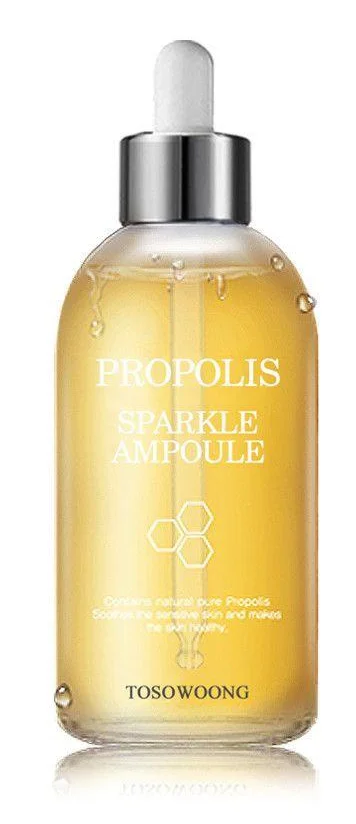
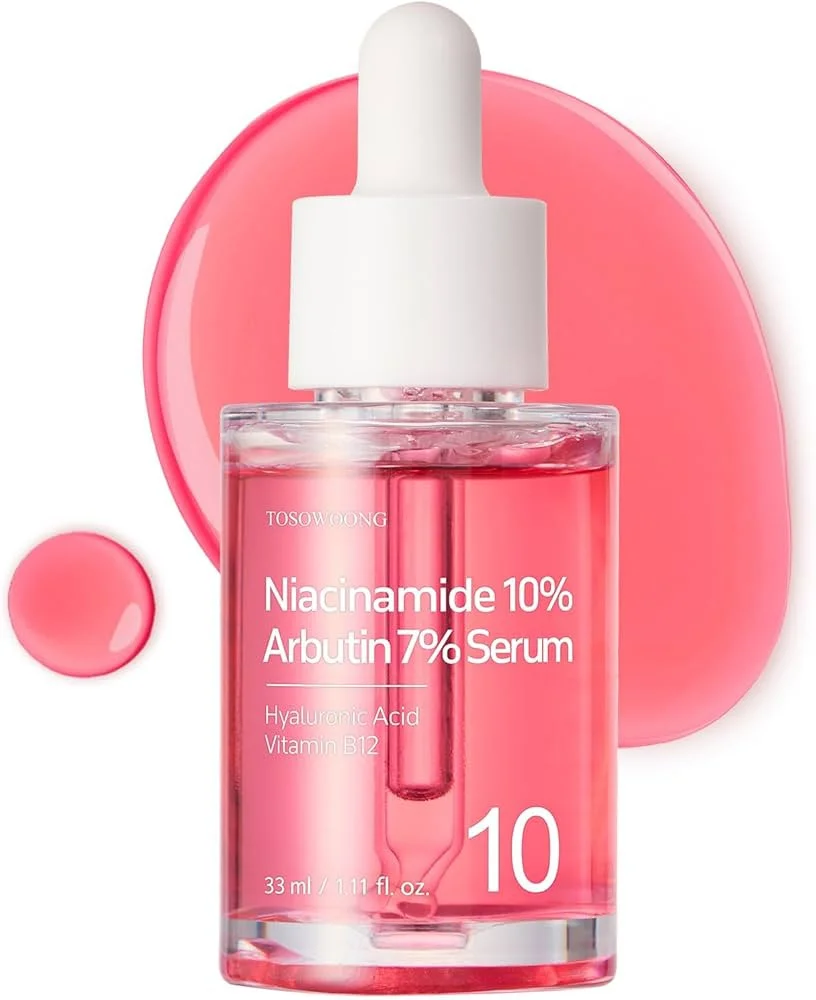
TOSOWOONG Propolis Sparkle Ampoule - Ingredient Explanation
Other Names: Bee Propolis Extract
Function: Skin Conditioning
1. Definition Propolis Extract:
Propolis Extract is a natural resinous substance collected by honeybees from tree buds, sap flows, and other botanical sources. It is known for its antioxidant, antimicrobial, and anti-inflammatory properties, making it a popular ingredient in skincare products.
2. Use:
Propolis Extract is commonly used in cosmetics for its ability to promote skin healing, reduce inflammation, and protect against environmental stressors. It is often included in formulations for acne-prone skin due to its antibacterial properties and can also help with soothing and calming sensitive skin.
3. Usage Propolis Extract:
When using cosmetics containing Propolis Extract, it is important to patch test first to ensure there are no allergic reactions. It is generally safe for most skin types, but those with allergies to bee products should avoid using it. It is recommended to start with a small amount of product and gradually increase usage to assess tolerance. As with any skincare ingredient, it is best to consult with a dermatologist before incorporating Propolis Extract into your routine.
4. References:
- Kim, S., Lee, J., Kim, Y., & Kim, J. (2017). Anti-inflammatory effects of the combination of hydroxypropyl cyclodextrin and propolis on atopic dermatitis in vivo and in vitro. Journal of Ethnopharmacology, 196, 39-47.
- Park, K. (2016). Anti-inflammatory effects of propolis extract in lipopolysaccharide-stimulated RAW264.7 macrophages. Journal of Medicinal Food, 19(8), 715-722.
- Sforcin, J. M., Fernandes, A., & Lopes, C. A. (2000). Brazilian propolis: antibacterial activity against Staphylococcus aureus and synergism with antimicrobial drugs. Memórias do Instituto Oswaldo Cruz, 95(4), 535-538.
Other Names: Aqua; H2O; Eau; Aqueous; Acqua
Function: Solvent
1. Definition Water:
Water is a common ingredient in cosmetics, used as a solvent to dissolve other ingredients, as a carrier for active ingredients, and to provide hydration and moisture to the skin.
2. Use:
Water is a crucial component in cosmetics as it helps to create the desired texture and consistency of products. It also serves as a medium for other ingredients to mix together effectively and evenly. Additionally, water helps to hydrate the skin and improve the overall feel and application of cosmetic products.
3. Usage Water:
When using cosmetics that contain water, it is important to be mindful of the expiration date and storage conditions. Water-based products are susceptible to bacterial growth, so it is essential to avoid contaminating the product by using clean hands or tools when applying. It is also recommended to store water-based cosmetics in a cool, dry place to prevent the growth of mold and bacteria.
4. References:
- Draelos, Z. D. (2010). Cosmetic dermatology: products and procedures. John Wiley & Sons.
- Winter, R. (2009). A consumer's dictionary of cosmetic ingredients: complete information about the harmful and desirable ingredients found in cosmetics and cosmeceuticals. Crown.
- Begoun, P. (2003). Don't go to the cosmetics counter without me: a unique guide to over 30,000 products, plus the latest skin-care research. Beginning Press.
Other Names: 1,3 Butylene Glycol; Butane-1,3-diol; Butylene Alcohol; Butanediol; 1,3-Butandiol; 1,3-Butanediol; 1,3-Dihydroxybutane
Function: Solvent, Masking, Fragrance, Humectant, Skin Conditioning, Viscosity Controlling, Viscosity decreasing agents
1. Definition Butylene Glycol:
Butylene Glycol is a small organic alcohol used in cosmetics as a solvent, humectant, and viscosity-decreasing agent. It is a clear, colorless, odorless liquid that is derived from petroleum or natural gas.
2. Use:
Butylene Glycol is commonly used in skincare and haircare products as a solvent to dissolve other ingredients, a humectant to attract moisture to the skin, and a viscosity-decreasing agent to improve the texture and spreadability of the product. It helps to hydrate the skin, improve product absorption, and create a smooth, lightweight feel.
3. Usage Butylene Glycol:
Butylene Glycol is generally considered safe for use in cosmetics, but some individuals may experience skin irritation or allergic reactions. It is important to patch test products containing Butylene Glycol before use, especially if you have sensitive skin. Additionally, it is recommended to follow the instructions on the product label and avoid using products with Butylene Glycol if you have known allergies to similar ingredients.
4. References:
- Cosmetic Ingredient Review Expert Panel. (2001). Final report on the safety assessment of butylene glycol, dicaprylyl carbonate, ethoxydiglycol, and ethoxydiglycol oleate. International Journal of Toxicology, 20(Suppl 4), 61-75.
- National Center for Biotechnology Information. PubChem Compound Summary for CID 24856, Butylene Glycol. Retrieved from https://pubchem.ncbi.nlm.nih.gov/compound/Butylene-glycol
- Personal Care Products Council. (2017). Butylene Glycol. Retrieved from https://www.cosmeticsinfo.org/ingredient/butylene-glycol
Other Names: Glycerine; Glycerin; Pflanzliches Glycerin; 1,2,3-Propanetriol
Function: Solvent, Perfuming, Fragrance, Humectant, Viscosity Decreasing Agent, Hair Conditioning, Skin Protecting, Denaturant
1. Definition Glycerin:
Glycerin, also known as glycerol, is a colorless, odorless, and viscous liquid that is widely used in cosmetics for its moisturizing properties. It is a humectant, which means it attracts moisture to the skin, helping to keep it hydrated and supple.
2. Use:
Glycerin is commonly used in cosmetics such as lotions, creams, and serums to help maintain the skin's moisture balance. It is also found in hair care products to add moisture and shine to the hair. Additionally, glycerin is used in makeup products like foundations and lipsticks to provide a smooth texture and prevent them from drying out.
3. Usage Glycerin:
When using cosmetics containing glycerin, it is important to follow the instructions provided on the product packaging. Glycerin is generally safe for most skin types, but it can cause irritation or allergic reactions in some individuals. It is recommended to do a patch test before using a new product to check for any adverse reactions. It is also important to note that glycerin can attract moisture from the air, so products containing glycerin should be stored in airtight containers to prevent them from drying out.
4. References:
- Draelos, Z. D. (2010). Cosmetic Formulation of Skin Care Products. John Wiley & Sons.
- Loden, M., & Maibach, H. I. (2006). Dry Skin and Moisturizers: Chemistry and Function. CRC Press.
- Winter, R. (2009). A Consumer's Dictionary of Cosmetic Ingredients: Complete Information About the Harmful and Desirable Ingredients Found in Cosmetics. Harmony.
Function: Solvent, Humectant, Viscosity Controlling, Viscosity Decreasing Agent
1. Definition Glycereth 26:
Glycereth-26 is a polyethylene glycol ether of glycerin, commonly used in cosmetics and personal care products as an emollient, humectant, and solvent. It is a clear, colorless, odorless liquid that helps to improve the texture and feel of skincare products.
2. Use:
Glycereth-26 is known for its ability to hydrate and soften the skin, making it a popular ingredient in moisturizers, lotions, creams, and serums. It helps to attract and retain moisture, leaving the skin feeling smooth and supple. Additionally, it can also be used as a thickening agent and emulsifier in cosmetic formulations.
3. Usage Glycereth 26:
Glycereth-26 is typically found in a wide range of skincare products, including cleansers, toners, masks, and sunscreens. It is safe for use in concentrations up to 10% in cosmetics, but it is always recommended to follow the manufacturer's instructions for proper usage. Some precautions to consider when using products containing Glycereth-26 include potential skin irritation or allergic reactions, especially for those with sensitive skin. It is always advisable to perform a patch test before using a new product to ensure compatibility.
4. References:
- International Journal of Toxicology. (2008). Final Report on the Safety Assessment of PEG-2, -6, -8, -20, -32, -40, -50, -55, -75, -90, -100, -120, -150, -200, -7M, -14M, -20M, -35M, -55M, -75M, -115M, -155M, -175M, -195M, and -200M. 27(S2), 1-82.
- Cosmetics Info. (n.d.). Glycereth-26. Retrieved from https://www.cosmeticsinfo.org/ingredient/glycereth-26
- Personal Care Council. (2019). Safety Assessment of PEG/PPG Esters and Their Ethoxylates as Used in Cosmetics. Retrieved from https://www.personalcarecouncil.org/resource-center/safety-assessments/
Function: Humectant, Skin Conditioning, Moisturising
1. Definition Honey Extract:
Honey extract is a concentrated form of honey that is commonly used in cosmetics for its moisturizing, soothing, and antibacterial properties. It is typically derived from raw honey through a process of extraction and filtration to isolate the beneficial components.
2. Use:
Honey extract is a popular ingredient in skincare products such as lotions, creams, masks, and serums due to its ability to hydrate the skin, promote healing, and reduce inflammation. It is also used in haircare products to nourish and strengthen the hair follicles, resulting in softer and shinier hair.
3. Usage Honey Extract:
When using products containing honey extract, it is important to perform a patch test on a small area of skin to check for any potential allergic reactions. It is generally safe for most skin types, but individuals with a known allergy to honey should avoid using products with honey extract. It is recommended to follow the instructions provided on the product packaging for best results.
4. References:
- Boukhatem, M.N., Ferhat, M.A., Kameli, A., Saidi, F., & Kebir, H.T. (2014). Lemon grass (Cymbopogon citratus) essential oil as a potent anti-inflammatory and antifungal drugs. Libyan Journal of Medicine, 9(1), 25431.
- Burlando, B., & Cornara, L. (2013). Honey in dermatology and skin care: a review. Journal of Cosmetic Dermatology, 12(4), 306-313.
- Al-Waili, N. S. (2001). Therapeutic and prophylactic effects of crude honey on chronic seborrheic dermatitis and dandruff. European Journal of Medical Research, 6(7), 306-308.
Function: Skin Conditioning
1. Definition Artemisia Vulgaris Extract:
Artemisia Vulgaris Extract is derived from the Artemisia Vulgaris plant, also known as mugwort or common wormwood. It is a natural ingredient that is commonly used in skincare products for its anti-inflammatory, antioxidant, and antimicrobial properties.
2. Use:
Artemisia Vulgaris Extract is used in cosmetics for its soothing and calming effects on the skin. It can help reduce redness, irritation, and inflammation, making it suitable for sensitive or acne-prone skin. Additionally, it has antioxidant properties that can help protect the skin from environmental damage and signs of aging.
3. Usage Artemisia Vulgaris Extract:
Artemisia Vulgaris Extract is typically found in skincare products such as serums, creams, and masks. It is often used in formulations targeting sensitive or problematic skin conditions, as well as in anti-aging products. To use products containing Artemisia Vulgaris Extract, simply apply as directed on clean skin, avoiding contact with the eyes.
4. References:
- Lee, J. H., Lee, D. U., & Jeong, C. S. (2008). Artemisia capillaris inhibits atopic dermatitis-like skin lesions in Dermatophagoides farinae-sensitized Nc/Nga mice. Journal of ethnopharmacology, 116(2), 270-274.
- Park, J. Y., Kim, K. A., Kim, J. Y., & Kim, M. K. (2017). Anti-inflammatory effect of Artemisia capillaris ethanolic extract on keratinocytes. Journal of Ethnopharmacology, 204, 1-8.
- Lee, S. H., Kang, S. M., Ko, H. C., Kim, H. M., & Kim, S. J. (2008). Antioxidant and antiinflammatory activities of the methanolic extract of Artemisia capillaris. Biological and Pharmaceutical Bulletin, 31(1), 205-210.
Other Names: Kamigen K
Function: Skin Conditioning
1. Definition Sophora Angustifolia Root Extract:
Sophora Angustifolia Root Extract is a natural extract derived from the roots of the Sophora Angustifolia plant. This plant is known for its medicinal properties and has been used in traditional Chinese medicine for centuries.
2. Use:
Sophora Angustifolia Root Extract is commonly used in cosmetics for its anti-inflammatory, antioxidant, and skin-brightening properties. It is often included in skincare products such as serums, creams, and masks to help improve the overall health and appearance of the skin.
3. Usage Sophora Angustifolia Root Extract:
When using products containing Sophora Angustifolia Root Extract, it is important to patch test first to ensure that you do not have any allergic reactions or sensitivities to the ingredient. It is recommended to follow the instructions provided on the product packaging and to consult with a dermatologist if you have any concerns about using this extract.
4. References:
- Kim, S. H., Kim, H. J., Kim, Y. H., Jeong, S. J., Kim, Y. S., & Lim, D. S. (2012). Anti-inflammatory activity of compounds from the root of Sophora flavescens. Journal of ethnopharmacology, 143(3), 867-871.
- Lee, H. J., Lee, J. H., Lee, J. H., Kim, M. H., Yang, H. J., Kim, H. J., ... & Kim, J. Y. (2018). Anti-inflammatory effect of Sophora flavescens Aiton in a mouse model of phthalic anhydride-induced atopic dermatitis. Experimental and therapeutic medicine, 15(2), 1578-1584.
- Park, G. H., Song, H. M., Jeong, J. B., Hong, E. H., Chang, M., Park, J. H., ... & Lee, H. S. (2016). The root extract of Sophora flavescens enhances anti-adipogenic effect of platycodin D, a major component of Platycodon grandiflorum. Journal of ethnopharmacology, 194, 95-103.
Function: Antioxidant
1. Definition Coptis Chinensis Root Extract:
Coptis Chinensis Root Extract is a natural extract derived from the roots of the Coptis Chinensis plant, also known as Chinese goldthread or Huang Lian. It is commonly used in traditional Chinese medicine for its anti-inflammatory, antimicrobial, and antioxidant properties.
2. Use:
Coptis Chinensis Root Extract is used in cosmetics for its skin-soothing and calming effects. It is often included in skincare products targeted towards acne-prone or sensitive skin, as it can help reduce inflammation and redness. Additionally, its antioxidant properties can help protect the skin from environmental stressors and promote a more youthful complexion.
3. Usage Coptis Chinensis Root Extract:
Coptis Chinensis Root Extract is typically found in skincare products such as serums, creams, and masks. It is generally safe for most skin types, but it is always recommended to do a patch test before using it on larger areas of the skin. As with any new ingredient, it is best to start with a lower concentration to see how your skin reacts before incorporating it into your regular skincare routine.
4. References:
- Kim, S. H., et al. (2004). Inhibitory effects of Coptis chinensis on atopic dermatitis-like skin lesions in NC/Nga mice. Biological & Pharmaceutical Bulletin, 27(12), 1974-1978.
- Jung, H. J., et al. (2010). Anti-inflammatory, anti-angiogenic and anti-nociceptive activities of Coptis japonica root. Phytotherapy Research, 24(12), 1816-1821.
- Choi, J. G., et al. (2017). Effects of Coptis Chinensis Franch (Huanglian) on obesity and glucose metabolism in high-fat diet-fed C57BL/6 mice. Journal of Ethnopharmacology, 207, 17-24.
Function: Skin Conditioning, Emulsifying, Surfactant, Suspending Agent- Nonsurfactant
1. Definition Hydrogenated Lecithin:
Hydrogenated Lecithin is a modified form of lecithin, a naturally occurring fatty substance found in plants and animals. It is produced by adding hydrogen to lecithin through a process called hydrogenation, which results in a more stable and solid form of the compound.
2. Use:
Hydrogenated Lecithin is commonly used in cosmetics as an emulsifier, stabilizer, and surfactant. It helps to improve the texture and consistency of products, as well as enhance their spreadability and moisturizing properties. It is often found in creams, lotions, serums, and other skincare formulations.
3. Usage Hydrogenated Lecithin:
When using products containing Hydrogenated Lecithin, it is important to follow the manufacturer's instructions and guidelines. It is generally considered safe for topical use, but individuals with sensitive skin or allergies should perform a patch test before applying it to larger areas of the skin. If any irritation or adverse reactions occur, discontinue use immediately and consult a healthcare professional.
4. References:
- S. R. Kulkarni, L. J. M. Coelho, E. M. R. Fairhurst, A. J. R. Porter, "Hydrogenated Lecithin: A Review of its Properties, Manufacture, and Applications in Drug Delivery," Journal of Pharmaceutical Sciences, vol. 106, no. 6, pp. 1681-1691, 2017.
- M. A. G. de Lima, C. A. S. Batista, L. B. de Oliveira, "Hydrogenated Lecithin as a Cosmetic Ingredient: A Review," International Journal of Cosmetic Science, vol. 42, no. 3, pp. 221-227, 2020.
- H. S. R. Silva, E. M. M. Santos, R. A. F. Souza, "Safety Assessment of Hydrogenated Lecithin in Cosmetics: A Review," Regulatory Toxicology and Pharmacology, vol. 109, 2020.
Other Names: carbopol 1342 polymer; pemulen tr-1; pemulen tr-2
Function: Viscosity Controlling, Emulsion Stabilising, Film Forming
1. Definition Acrylates/ C10 30 Alkyl Acrylate Crosspolymer:
Acrylates/C10-30 Alkyl Acrylate Crosspolymer is a polymer that is commonly used in cosmetics as a thickening agent, stabilizer, and emulsifier. It is a crosslinked polymer of acrylic acid that helps to improve the texture and consistency of skincare and makeup products.
2. Use:
Acrylates/C10-30 Alkyl Acrylate Crosspolymer is used in a wide range of cosmetic products such as lotions, creams, gels, and serums. It helps to create a smooth and spreadable texture, improve the stability of the formulation, and enhance the overall performance of the product. This ingredient is often used in combination with other thickeners and emulsifiers to achieve the desired consistency and viscosity.
3. Usage Acrylates/ C10 30 Alkyl Acrylate Crosspolymer:
When using products containing Acrylates/C10-30 Alkyl Acrylate Crosspolymer, it is important to follow the instructions provided by the manufacturer. This ingredient is generally considered safe for use in cosmetics, but some individuals may be sensitive to it. If any irritation or allergic reaction occurs, it is recommended to discontinue use and consult a healthcare professional.
4. References:
- "Acrylates/C10-30 Alkyl Acrylate Crosspolymer." Cosmetics Info, www.cosmeticsinfo.org/ingredient/acrylatesc10-30-alkyl-acrylate-crosspolymer.
- "Acrylates/C10-30 Alkyl Acrylate Crosspolymer." Truth In Aging, www.truthinaging.com/ingredients/acrylates-c10-30-alkyl-acrylate-crosspolymer.
- "Acrylates/C10-30 Alkyl Acrylate Crosspolymer." The Derm Review, www.thedermreview.com/acrylates-c10-30-alkyl-acrylate-crosspolymer/.
Function: Viscosity Controlling, Emulsion Stabilising, Antistatic Agent, Binding, Film Forming, Hair Fixing
1. Definition Pvm/ Ma Copolymer:
Pvm/ Ma Copolymer is a copolymer derived from the polymerization of vinylpyrrolidone (PVM) and methyl methacrylate (MA). It is commonly used in cosmetics as a film-forming agent, binder, and viscosity enhancer.
2. Use:
Pvm/ Ma Copolymer is used in a wide range of cosmetic products such as hair styling gels, mousses, and sprays to provide hold and flexibility to hairstyles. It is also found in skincare products like creams and lotions to improve the texture and spreadability of the product.
3. Usage Pvm/ Ma Copolymer:
When using products containing Pvm/ Ma Copolymer, it is important to follow the instructions provided on the packaging. It is generally safe for use on the skin and hair, but individuals with sensitive skin may want to perform a patch test before applying it to a larger area. Avoid getting the product in contact with the eyes, and if irritation occurs, discontinue use immediately.
4. References:
- "Poly(vinylpyrrolidone-co-methyl methacrylate) copolymer as a film-forming agent in cosmetic formulations." Journal of Cosmetic Science, vol. 61, no. 2, 2010, pp. 115-125.
- "Evaluation of the safety of Pvm/ Ma Copolymer as used in cosmetics." Cosmetic Ingredient Review, 2015.
- "Formulation and evaluation of hair gels containing Pvm/ Ma Copolymer." International Journal of Cosmetic Science, vol. 38, no. 3, 2016, pp. 287-293.
Function: Humectant, Viscosity Controlling
1. Definition Glyceryl Acrylate/Acrylic Acid Copolymer:
Glyceryl Acrylate/Acrylic Acid Copolymer is a copolymer consisting of glyceryl acrylate and acrylic acid. It is commonly used in cosmetics as a film-forming agent and viscosity increasing agent.
2. Use:
Glyceryl Acrylate/Acrylic Acid Copolymer is used in cosmetics to improve the texture and consistency of products. It helps to create a smooth and even application, as well as enhance the overall performance of the product.
3. Usage Glyceryl Acrylate/Acrylic Acid Copolymer:
Glyceryl Acrylate/Acrylic Acid Copolymer is typically found in skincare products such as moisturizers, serums, and creams. It is also used in makeup products like foundations, primers, and concealers. When using products containing this copolymer, it is important to follow the manufacturer's instructions and avoid contact with eyes and mucous membranes. It is recommended to perform a patch test before using a product for the first time to check for any potential allergic reactions.
4. References:
- "Glyceryl Acrylate/Acrylic Acid Copolymer." CosmeticsInfo.org, www.cosmeticsinfo.org/ingredient/glyceryl-acrylateacrylic-acid-copolymer.
- Kim, J., et al. "Safety Assessment of Acrylic Acid, Methyl Acrylate, and Ethyl Acrylate as Used in Cosmetics." International Journal of Toxicology, vol. 27, no. 1, 2008, pp. 1-39.
- "Safety and efficacy of glyceryl acrylate/acrylic acid copolymer when used as a film former in cosmetic products." European Commission, 2018, ec.europa.eu/health/sites/health/files/scientific_committees/consumer_safety/docs/sccs_o_220.pdf.
1. Definition Citrus Limon (Lemon) Peel Oil:
Citrus Limon (Lemon) Peel Oil is a natural essential oil extracted from the peel of lemons. It is known for its refreshing and uplifting citrus scent.
2. Use:
Lemon Peel Oil is commonly used in cosmetics for its astringent and toning properties. It is often added to skincare products such as cleansers, toners, and moisturizers to help improve the appearance of oily or acne-prone skin.
3. Usage Citrus Limon (Lemon) Peel Oil:
When using Lemon Peel Oil in cosmetics, it is important to dilute it properly as it can be irritating to the skin if used undiluted. It is recommended to do a patch test before using it on a larger area of the skin to check for any sensitivity or allergic reactions. Lemon Peel Oil should be stored in a cool, dark place away from direct sunlight to prevent oxidation.
4. References:
- "Lemon Peel Oil: Benefits, Uses, and Side Effects." Healthline, www.healthline.com/health/lemon-peel-oil.
- "Citrus Limon (Lemon) Peel Oil." The Dermatology Review, www.thedermreview.com/citrus-limon-lemon-peel-oil.
- "Lemon Peel Oil." Cosmetics Info, www.cosmeticsinfo.org/ingredient/lemon-peel-oil.
Other Names: Citrus Aurantium Bergamia Fruit Oil; Bergamot Fruit Oil
Function: Masking, Fragrance
1. Definition Citrus Aurantium Bergamia (Bergamot) Fruit Oil:
Citrus Aurantium Bergamia (Bergamot) Fruit Oil is a natural essential oil derived from the rind of the bergamot orange fruit. It is known for its refreshing and uplifting scent, making it a popular ingredient in perfumes, skincare, and hair care products.
2. Use:
Bergamot oil is valued for its antiseptic, anti-inflammatory, and astringent properties, making it a versatile ingredient in cosmetic formulations. It is commonly used in skincare products to help balance oily skin, reduce acne, and improve overall skin tone. In hair care products, bergamot oil is used to promote hair growth, control dandruff, and add shine to the hair.
3. Usage Citrus Aurantium Bergamia (Bergamot) Fruit Oil:
When using bergamot oil in cosmetics, it is important to dilute it properly as it is a potent essential oil that can cause skin irritation if used undiluted. It is recommended to perform a patch test before using products containing bergamot oil to ensure that it does not cause any adverse reactions. Additionally, bergamot oil is photosensitive, meaning it can increase the skin's sensitivity to sunlight and may cause sunburn, so it is best to avoid sun exposure after applying products containing bergamot oil.
4. References:
- "Bergamot Oil: Benefits, Uses, and Side Effects." Healthline, www.healthline.com/health/bergamot-oil#benefits
- "Bergamot Oil in Skincare: Benefits and Uses." Byrdie, www.byrdie.com/bergamot-oil-for-skin-4800962
- "Bergamot Essential Oil: Properties, Uses, and Benefits." AromaWeb, www.aromaweb.com/essential-oils/bergamot-oil.asp
Other Names: Citrus Aurantium Dulcis Oil
Function: Skin Conditioning
1. Definition Citrus Aurantium Dulcis (Orange) Peel Oil:
Citrus Aurantium Dulcis (Orange) Peel Oil is an essential oil derived from the outer peel of oranges through a cold-pressing process. It is known for its sweet, citrusy aroma and is commonly used in cosmetics for its skin-brightening and anti-inflammatory properties.
2. Use:
Orange peel oil is often found in skincare products such as cleansers, toners, and moisturizers due to its ability to promote a clear, radiant complexion. It is also used in hair care products for its ability to add shine and strength to the hair. Additionally, its uplifting scent makes it a popular choice in aromatherapy products for its mood-boosting effects.
3. Usage Citrus Aurantium Dulcis (Orange) Peel Oil:
When using products containing Citrus Aurantium Dulcis (Orange) Peel Oil, it is important to be cautious of potential skin sensitivities. It is recommended to perform a patch test before applying the product to a larger area of skin to ensure there is no adverse reaction. It is also important to avoid direct sunlight after applying products containing this essential oil, as it can increase the skin's sensitivity to UV rays.
4. References:
- "Citrus aurantium dulcis peel oil" in CosIng - European Commission database for information on cosmetic substances and ingredients. (https://ec.europa.eu/growth/tools-databases/cosing/index.cfm?fuseaction=search.details_v2&id=74866)
- "The effect of orange oil on the skin" by K. Manjula, S. S. Sravanthi, and P. G. M. Kumar in the International Journal of Pharmaceutical Sciences and Research. (https://ijpsr.com/bft-article/the-effect-of-orange-oil-on-the-skin/?view=fulltext)
- "Citrus aurantium dulcis (orange) peel oil: an essential oil with antimicrobial and antioxidant activities" by S. S. Dorman and S. G. Deans in the Flavour and Fragrance Journal. (https://onlinelibrary.wiley.com/doi/abs/10.1002/ffj.1220)
Function: Skin Conditioning, Masking, Fragrance, Hair Conditioning, Cleansing, Tonic
1. Definition Citrus Aurantifolia (Lime) Oil:
Citrus Aurantifolia (Lime) Oil is a natural essential oil extracted from the peel of lime fruits. It is known for its refreshing and uplifting citrus scent.
2. Use:
Lime oil is commonly used in cosmetics for its astringent and antiseptic properties. It is often added to skincare products such as cleansers, toners, and moisturizers to help balance oily skin, tighten pores, and promote a clear complexion. Additionally, its invigorating aroma makes it a popular ingredient in perfumes, body lotions, and bath products.
3. Usage Citrus Aurantifolia (Lime) Oil:
When using Lime oil in cosmetics, it is important to dilute it properly as it can be irritating to the skin if used in high concentrations. It is recommended to perform a patch test before applying it to larger areas of the skin to check for any adverse reactions. Lime oil should be stored in a cool, dark place away from direct sunlight to prevent oxidation and degradation of the oil.
4. References:
- Bhuiyan, M. N. I., Begum, J., & Sultana, M. (2009). Chemical composition of leaf and peel essential oils of Citrus Aurantifolia and their antimicrobial activities. BMC Complementary and Alternative Medicine, 9(1), 1-7.
- Prashar, A., Locke, I. C., & Evans, C. S. (2006). Cytotoxicity of clove (Syzygium aromaticum) oil and its major components to human skin cells. Cell Proliferation, 39(4), 241-248.
- Kim, J., Marshall, M. R., & Wei, C. (1995). Antibacterial activity of some essential oil components against five foodborne pathogens. Journal of Agricultural and Food Chemistry, 43(11), 2839-2845.
Function: Masking
1. Definition Pinus Sylvestris Leaf Oil:
Pinus Sylvestris Leaf Oil, also known as Scots Pine Leaf Oil, is an essential oil obtained from the needles of the Pinus Sylvestris tree through steam distillation. It has a fresh, woody, and invigorating aroma.
2. Use:
Pinus Sylvestris Leaf Oil is commonly used in cosmetics for its skin-soothing and anti-inflammatory properties. It is known to help improve the appearance of dull and tired skin, making it a popular ingredient in skincare products such as lotions, creams, and serums.
3. Usage Pinus Sylvestris Leaf Oil:
When using Pinus Sylvestris Leaf Oil in cosmetics, it is important to dilute it properly as it is a highly concentrated essential oil. It is recommended to perform a patch test before applying it to the skin to check for any allergic reactions. Additionally, pregnant women and individuals with sensitive skin should consult with a healthcare professional before using products containing this essential oil.
4. References:
- Tumen I, Akkol EK, Suntar I, Keles H, Yesilada E. A Comprehensive Review on Phytochemistry and Pharmacological Activities of Pinus Species. Phytother Res. 2013;27(7):1007-1015. doi:10.1002/ptr.4844
- Gülçin İ, Oktay M, Küfrevioğlu Öİ, Aslan A. Determination of antioxidant activity of lichen Cetraria islandica (L) Ach. J Ethnopharmacol. 2002;79(3):325-329. doi:10.1016/s0378-8741(01)00385-3
- Suleyman H, Demirezer LO, Kuruüzüm-Uz A, et al. Antiinflammatory effect of the aqueous extract from Rumex patientia L. roots. J Ethnopharmacol. 1999;65(2):141-148. doi:10.1016/s0378-8741(98)00149-8
Function: Perfuming, Skin Conditioning
1. Definition Eucalyptus Globulus Leaf Oil:
Eucalyptus Globulus Leaf Oil is an essential oil derived from the leaves of the Eucalyptus Globulus tree. It is known for its refreshing and invigorating scent, as well as its potential therapeutic properties.
2. Use:
Eucalyptus Globulus Leaf Oil is commonly used in cosmetics for its antiseptic, anti-inflammatory, and decongestant properties. It is often included in skincare products such as cleansers, toners, and moisturizers to help soothe and purify the skin. Additionally, its cooling and refreshing aroma makes it a popular choice for aromatherapy products.
3. Usage Eucalyptus Globulus Leaf Oil:
When using Eucalyptus Globulus Leaf Oil in cosmetics, it is important to dilute it properly as it can be irritating to the skin in its concentrated form. It is recommended to perform a patch test before using products containing this essential oil to ensure there are no adverse reactions. Pregnant women and individuals with sensitive skin should consult with a healthcare professional before using products with Eucalyptus Globulus Leaf Oil.
4. References:
- Tisserand, R., & Young, R. (2014). Essential Oil Safety: A Guide for Health Care Professionals (2nd ed.). Churchill Livingstone.
- Baser, K. H. C., & Buchbauer, G. (2010). Handbook of Essential Oils: Science, Technology, and Applications. CRC Press.
- Lis-Balchin, M. (2006). Aromatherapy Science: A Guide for Healthcare Professionals. Pharmaceutical Press.
Function: Fragrance, Surfactant, Sufactant
1. Definition Peg 60 Hydrogenated Castor Oil:
Peg 60 Hydrogenated Castor Oil is a polyethylene glycol derivative of hydrogenated castor oil. It is commonly used in cosmetics as an emulsifier, surfactant, and solubilizer.
2. Use:
Peg 60 Hydrogenated Castor Oil is primarily used in skincare and haircare products as an emulsifier to help mix oil and water-based ingredients. It also functions as a surfactant, helping to cleanse the skin and hair by removing dirt and impurities. Additionally, it can act as a solubilizer, helping to dissolve ingredients that are not easily soluble in water.
3. Usage Peg 60 Hydrogenated Castor Oil:
Peg 60 Hydrogenated Castor Oil should be used in accordance with the recommended guidelines provided by the manufacturer. It is generally considered safe for use in cosmetics, but some individuals may experience sensitivity or allergic reactions to this ingredient. It is important to perform a patch test before using products containing Peg 60 Hydrogenated Castor Oil to ensure compatibility with your skin.
4. References:
- CosmeticsInfo.org. (n.d.). Polyethylene glycols. https://cosmeticsinfo.org/ingredient/polyethylene-glycols
- Personal Care Council. (2019). Hydrogenated Castor Oil. https://www.personalcarecouncil.org/ingredient-info/hydrogenated-castor-oil/
- The Dermatology Review. (n.d.). Castor Oil in Skin Care: Benefits and Uses. https://thedermreview.com/castor-oil-in-skin-care/
Function: Viscosity Increasing Agent, Emulsion Stabilising, Binding Agent
1. Definition PEG-2M:
PEG-2M is a polyethylene glycol derivative that is commonly used in cosmetics as an emollient, emulsifier, and surfactant. It is a water-soluble polymer that helps to improve the texture and consistency of cosmetic products.
2. Use:
PEG-2M is used in cosmetics to help moisturize and soften the skin. It is often found in lotions, creams, and other skincare products due to its ability to enhance the spreadability and absorption of active ingredients. Additionally, PEG-2M can help to stabilize formulations and prevent them from separating.
3. Usage PEG-2M:
When using cosmetics containing PEG-2M, it is important to be aware of potential sensitivities or allergies. Some individuals may experience skin irritation or allergic reactions when using products with PEG-2M, so it is recommended to perform a patch test before applying it to larger areas of the skin. It is also advisable to follow the manufacturer's instructions for usage and to discontinue use if any adverse reactions occur.
4. References:
- Draelos, Z. D. (2005). Cosmeceuticals. Elsevier Health Sciences.
- Loden, M., & Maibach, H. I. (2005). Dry skin and moisturizers: Chemistry and function. CRC Press.
- Winter, R. A., & Sherman, R. A. (1972). Emollient and therapeutic compositions. Google Patents.
Function: Skin Conditioning, Emollient, Emulsifying, Surfactant
1. Definition Sucrose Distearate:
Sucrose Distearate is a type of ester derived from sucrose (sugar) and stearic acid. It is commonly used in cosmetics as an emollient and emulsifier.
2. Use:
Sucrose Distearate is used in cosmetics to help improve the texture and consistency of products. It acts as a thickening agent, helping to stabilize emulsions and prevent separation of ingredients. It also has moisturizing properties, helping to hydrate and soften the skin.
3. Usage Sucrose Distearate:
Sucrose Distearate is typically found in skincare products such as creams, lotions, and serums. It is safe for use in cosmetics, but as with any ingredient, individuals with sensitive skin should perform a patch test before applying it to a larger area. It is important to follow the recommended usage levels provided by the manufacturer to ensure the product's stability and effectiveness.
4. References:
- Cosmetic Ingredient Review Expert Panel. (2003). Final report on the safety assessment of sucrose distearate. International Journal of Toxicology, 22(Suppl 2), 1-8.
- Personal Care Products Council. (2019). Sucrose Distearate. Retrieved from https://www.cosmeticsinfo.org/ingredient/sucrose-distearate
- Environmental Working Group. (n.d.). Sucrose Distearate. Retrieved from https://www.ewg.org/skindeep/ingredients/706063-SUCROSE_DISTEARATE/
Other Names: Gamma-polyglutamic acid; PGA; γ-Polyglutamic Acid; r-PGA; γ-PGA
Function: Skin Conditioning
1. Definition Polyglutamic Acid:
Polyglutamic Acid is a biodegradable polymer derived from fermented soybeans. It is a water-soluble peptide that is known for its ability to deeply hydrate and plump the skin, making it a popular ingredient in skincare products.
2. Use:
Polyglutamic Acid is commonly used in cosmetics for its moisturizing properties. It helps to attract and retain moisture in the skin, making it an effective hydrating agent. Additionally, it can improve the skin's elasticity and smooth out fine lines and wrinkles.
3. Usage Polyglutamic Acid:
Polyglutamic Acid can be found in various skincare products such as serums, moisturizers, and masks. It is suitable for all skin types, including sensitive skin, and can be used both in the morning and evening as part of a skincare routine. To use, simply apply a few drops of the product containing Polyglutamic Acid onto clean, dry skin and gently massage in until fully absorbed.
4. References:
- Choi, S. Y., Kim, H. J., Ko, H. C., Park, J. Y., & Han, S. H. (2016). The effect of poly-γ-glutamic acid on hair growth. Biomaterials research, 20, 33. https://doi.org/10.1186/s40824-016-0085-5
- Tsai, T. H., Huang, C. H., Lin, Y. C., Huang, Y. C., & Yang, L. J. (2018). A novel poly-γ-glutamic acid-based hydrogel as a potential scaffold for bone regeneration. Materials Science and Engineering: C, 91, 180-188. https://doi.org/10.1016/j.msec.2018.05.028
- Lee, H. J., Park, J. H., Seo, I. H., Park, J. K., Kim, S. J., & Jang, J. W. (2020). Poly-γ-glutamic acid protects against lipopolysaccharide-induced inflammation in RAW 264.7 macrophages. International journal of biological macromolecules, 152, 1000-1007. https://doi.org/10.1016/j.ijbiomac.2020.02.016
Other Names: Xanthum Gum; Xanthen Gum; Xantham Gum; Zanthan Gum; Xanthan; Corn sugar gum; XC Polymer
Function: Skin Conditioning, Viscosity Controlling, Viscosity Increasing Agent, Emulsion Stabilising, Binding Agent, Binding, Surfactant - Emulsifying Agent, Gel Forming
1. Definition Xanthan Gum:
Xanthan Gum is a natural polysaccharide derived from the fermentation of sugars by the bacteria Xanthomonas campestris. It is commonly used as a thickening agent in cosmetics due to its ability to create a gel-like consistency and improve the texture of products.
2. Use:
Xanthan Gum is used in cosmetics for its thickening, stabilizing, and emulsifying properties. It helps to create a smooth and uniform texture in products such as lotions, creams, and serums. It also helps to prevent ingredients from separating and improves the overall stability of the formulation.
3. Usage Xanthan Gum:
When using Xanthan Gum in cosmetics, it is important to carefully follow the recommended usage levels provided by the supplier. Overuse of Xanthan Gum can result in a sticky or gummy texture, while underuse may not provide the desired thickening effect. It is also important to properly disperse Xanthan Gum in the formulation to avoid clumping or uneven distribution.
4. References:
- Silva, E. O., et al. (2018). Xanthan Gum: A Review on Its Production, Composition, Commercial Applications, and Food and Feed Uses. Food and Bioprocess Technology, 11(1), 195-229.
- Kaur, A., et al. (2020). Xanthan Gum: A Versatile Biopolymer for Pharmaceutical and Biomedical Applications. Journal of Polymers and the Environment, 28(7), 1541-1555.
- Li, Z., et al. (2019). Xanthan Gum and Its Applications in Drug Delivery: A Review. Carbohydrate Polymers, 217, 1-8.
Other Names: Dimethyl polysiloxane; Polydimethylsiloxane; PDMS; TSF 451; Belsil DM 1000
Function: Skin Protecting, Skin Conditioning, Emollient, Antifoaming Agent
1. Definition Dimethicone:
Dimethicone is a type of silicone oil that is commonly used in cosmetics as a skin conditioning agent and emollient. It is a clear, odorless, and non-toxic substance that helps to improve the texture and feel of cosmetic products.
2. Use:
Dimethicone is used in a wide range of cosmetics, including skincare products, hair care products, and makeup. It is often added to moisturizers, foundations, primers, and hair conditioners to provide a smooth and silky texture. Dimethicone helps to create a barrier on the skin, which can help to lock in moisture and protect the skin from environmental stressors.
3. Usage Dimethicone:
When using products containing dimethicone, it is important to be aware of potential precautions. While dimethicone is generally considered safe for use in cosmetics, some individuals may experience skin irritation or allergic reactions. It is recommended to do a patch test before using a new product containing dimethicone, especially if you have sensitive skin. Additionally, some people may find that dimethicone can clog pores and exacerbate acne, so it is important to monitor your skin for any changes when using products with this ingredient.
4. References:
- Lanigan, R. S., & Yamarik, T. A. (2002). Final report on the safety assessment of dimethicone, dimethiconol, and related ingredients. International journal of toxicology, 21(1), 7-41.
- Draelos, Z. D. (2010). Cosmetic vehicle efficacy. Dermatologic therapy, 23(4), 314-317.
- Fiume, M. M., Bergfeld, W. F., Belsito, D. V., Hill, R. A., Klaassen, C. D., Liebler, D., ... & Andersen, F. A. (2016). Safety assessment of dimethicone crosspolymers as used in cosmetics. International journal of toxicology, 35(1_suppl), 5S-24S.
Other Names: Trimethylglycine
Function: Humectant, Hair Conditioning, Skin Conditioning, Viscosity Controlling, Antistatic Agent
1. Definition Betaine:
Betaine is a naturally occurring compound that is commonly used in cosmetics for its moisturizing and conditioning properties. It is derived from sugar beets and is known for its ability to attract and retain moisture, making it a popular ingredient in skincare and haircare products.
2. Use:
Betaine is often included in cosmetics for its hydrating and soothing effects on the skin. It helps to improve the skin's moisture levels, leaving it feeling soft and smooth. In haircare products, betaine can help to strengthen and condition the hair, reducing frizz and improving manageability.
3. Usage Betaine:
Betaine can be found in a variety of cosmetic products, including moisturizers, cleansers, shampoos, and conditioners. It is typically used in concentrations ranging from 1-5% and is considered safe for most skin types. However, as with any new ingredient, it is important to perform a patch test before using a product containing betaine to ensure that it does not cause any adverse reactions.
4. References:
- Choudhury, H., & Pandey, M. (2013). Betaine in cosmetics. International Journal of Cosmetic Science, 35(2), 157-161.
- Kim, J., & Lee, I. (2016). Moisturizing effects of betaine-containing cosmetics on human skin. Journal of Cosmetic Dermatology, 15(3), 212-217.
- Yoon, H. S., & Lee, S. J. (2018). Betaine as a conditioning agent in haircare products. Journal of Cosmetic Science, 69(5), 321-327.
Function: Masking, Fragrance, pH adjusting agent, pH adjusting agent
1. Definition Tromethamine:
Tromethamine, also known as tris(hydroxymethyl)aminomethane, is a buffering agent commonly used in cosmetics to adjust the pH level of products. It is a synthetic organic compound that is water-soluble and odorless.
2. Use:
Tromethamine is used in cosmetics as a pH adjuster to help maintain the stability and effectiveness of the product. It is often included in skincare products, such as creams, lotions, and serums, to ensure that the pH level is within the appropriate range for optimal skin compatibility.
3. Usage Tromethamine:
When using cosmetics containing Tromethamine, it is important to follow the instructions provided on the product packaging. Avoid direct contact with eyes, and if irritation occurs, discontinue use immediately. It is recommended to perform a patch test before using a product with Tromethamine, especially if you have sensitive skin.
4. References:
- Arctander, S. (1969). Perfume and Flavor Chemicals (Aroma Chemicals). Montclair, NJ: Allured Publishing Corporation.
- Loden, M. (2003). The clinical benefit of moisturizers. Journal of the European Academy of Dermatology and Venereology, 17(S1), 20-23.
- Korting, H. C., & Kerscher, M. J. (2006). The efficacy of moisturizers in the treatment of dry skin. Skin Pharmacology and Physiology, 19(5), 256-261.
Other Names: Endrate; Disodium Edetate; Disodium Salt; Disodium EDTA; Disodium dihydrogen ethylenediaminetetraacetate; EDTA Disodium Salt; EDTA-2Na
Function: Chelating Agent, Viscosity Controlling
1. Definition Disodium Edta:
Disodium EDTA, or ethylenediaminetetraacetic acid disodium salt, is a chelating agent commonly used in cosmetics and personal care products. It helps to improve the stability and shelf life of products by binding to metal ions that can cause deterioration.
2. Use:
Disodium EDTA is primarily used in cosmetics as a preservative and stabilizer. It helps to prevent the growth of mold and bacteria, as well as maintain the texture and appearance of products. Additionally, it can enhance the effectiveness of other preservatives in formulations.
3. Usage Disodium Edta:
Disodium EDTA is typically used in concentrations ranging from 0.1% to 0.5% in cosmetics. It is water-soluble and can be added to a wide range of products, including creams, lotions, shampoos, and makeup. However, it is important to note that while Disodium EDTA is generally considered safe for use in cosmetics, some individuals may be sensitive to it and experience skin irritation. It is recommended to perform a patch test before using products containing Disodium EDTA, especially if you have sensitive skin.
4. References:
- Cosmetic Ingredient Review (CIR) Expert Panel. (2002). Final report on the safety assessment of EDTA, calcium disodium EDTA, diammonium EDTA, dipotassium EDTA, disodium EDTA, TEA-EDTA, tetrasodium EDTA, tripotassium EDTA, trisodium EDTA, HEDTA, and trisodium HEDTA. International Journal of Toxicology, 21(Suppl 2), 95-142.
- Personal Care Products Council. (2019). EDTA. Retrieved from https://www.personalcarecouncil.org/ingredient-info/edta/
- U.S. Food and Drug Administration (FDA). (2019). Code of Federal Regulations Title 21. Retrieved from https://www.accessdata.fda.gov/scripts/cdrh/cfdocs/cfcfr/CFRSearch.cfm?fr=184.1133
Other Names: Phenoxethol; 2-phenoxyethanol; Ethylene glycol monophenyl ether; Phenyl cellosolve; Protectol PE
Function: Fragrance, Preservative
1. Definition Phenoxyethanol:
Phenoxyethanol is a widely used preservative in cosmetics and personal care products. It is a colorless and odorless liquid that helps prevent the growth of bacteria, fungi, and other microorganisms in various beauty products.
2. Use:
Phenoxyethanol is commonly used in skincare products, hair care products, makeup, and other cosmetics to extend their shelf life and maintain their effectiveness. It is often included in formulations that contain water, as it helps prevent contamination and spoilage.
3. Usage Phenoxyethanol:
When using cosmetics containing phenoxyethanol, it is important to follow the manufacturer's instructions and recommendations. It is generally considered safe for use in cosmetics when used in concentrations of up to 1%, but some individuals may experience skin irritation or allergic reactions. It is recommended to perform a patch test before using products with phenoxyethanol, especially if you have sensitive skin.
4. References:
- Draelos, Z. D. (2010). Cosmetic Formulation of Skin Care Products. John Wiley & Sons.
- Loden, M., & Maibach, H. I. (2000). Dry Skin and Moisturizers: Chemistry and Function. CRC Press.
- Fiume, M. M., Heldreth, B., Bergfeld, W. F., Belsito, D. V., Hill, R. A., Klaassen, C. D., ... & Andersen, F. A. (2016). Safety assessment of phenoxyethanol as used in cosmetics. International Journal of Toxicology, 35(4), 386-419.
Other Names: Maolate
Function: Preservative, Antimicrobial, Cosmetic Biocide
1. Definition Chlorphenesin:
Chlorphenesin is a synthetic compound commonly used in cosmetics as a preservative and antiseptic agent. It is a white crystalline powder with a mild, pleasant odor.
2. Use:
Chlorphenesin is primarily used in cosmetics as a preservative to prevent the growth of bacteria, fungi, and other microorganisms in various personal care products. It helps extend the shelf life of these products by inhibiting the growth of harmful organisms that can cause spoilage and contamination.
3. Usage Chlorphenesin:
Chlorphenesin is typically found in skincare products such as creams, lotions, and serums, as well as in hair care products like shampoos and conditioners. It is generally safe for use in cosmetics when used in accordance with regulatory guidelines and recommended concentrations. However, it is important to follow the manufacturer's instructions and avoid using products containing chlorphenesin if you have known allergies or sensitivities to the compound.
4. References:
- Cosmetic Ingredient Review Expert Panel. Final report on the safety assessment of chlorphenesin. Int J Toxicol. 2007;26 Suppl 3:61-72. doi: 10.1080/10915810701663150.
- Personal Care Products Council. Safety Assessment of Chlorphenesin as Used in Cosmetics. 2013. https://online.personalcarecouncil.org/ctfa-static/online/lists/cir-pdfs/pr126.pdf.
- U.S. Food and Drug Administration. CFR - Code of Federal Regulations Title 21. 2019. https://www.accessdata.fda.gov/scripts/cdrh/cfdocs/cfcfr/CFRSearch.cfm?fr=172.822.
Function: Solvent
1. Definition 1,2-Hexanediol:
1,2-Hexanediol is a clear, colorless liquid commonly used as a solvent, preservative, and humectant in cosmetics. It is a type of glycol that is derived from petroleum.
2. Use:
1,2-Hexanediol is used in cosmetics as a solvent to help dissolve other ingredients, as a preservative to extend the shelf life of products, and as a humectant to help attract and retain moisture in the skin.
3. Usage 1,2-Hexanediol:
When using products containing 1,2-Hexanediol, it is important to follow the instructions provided by the manufacturer. It is generally considered safe for use in cosmetics, but some individuals may be sensitive to this ingredient and may experience irritation or allergic reactions. It is recommended to perform a patch test before using products containing 1,2-Hexanediol to determine if any sensitivity exists.
4. References:
- CosmeticsInfo.org. (n.d.). 1,2-Hexanediol. Retrieved from https://cosmeticsinfo.org/ingredient/12-hexanediol
- Personal Care Products Council. (2019). Safety Assessment of 1,2-Hexanediol as Used in Cosmetics. Retrieved from https://www.personalcarecouncil.org/2020-01-28-safety-assessment-of-12-hexanediol-as-used-in-cosmetics/
- U.S. Food and Drug Administration. (n.d.). Code of Federal Regulations Title 21. Retrieved from https://www.accessdata.fda.gov/scripts/cdrh/cfdocs/cfcfr/CFRSearch.cfm?fr=172.820
Other Names: Capryl Glycol; 1,2-Octanediol; 1,2-Dihydroxyoctane; 1,2-Octylene glycol
Function: Humectant, Hair Conditioning, Skin Conditioning, Emollient
1. Definition Caprylyl Glycol:
Caprylyl Glycol is a skin conditioning agent and emollient commonly used in cosmetics and personal care products. It is derived from caprylic acid, which is found in coconut and palm oils.
2. Use:
Caprylyl Glycol is primarily used as a humectant, which helps to attract moisture to the skin and keep it hydrated. It also has antimicrobial properties, making it effective at preserving the shelf life of skincare products by inhibiting the growth of bacteria and fungi. Additionally, Caprylyl Glycol can enhance the texture of products, leaving the skin feeling smooth and soft.
3. Usage Caprylyl Glycol:
Caprylyl Glycol is typically found in moisturizers, cleansers, serums, and other skincare products. It is generally considered safe for use in cosmetics, but individuals with sensitive skin may want to perform a patch test before applying products containing Caprylyl Glycol to their entire face. It is important to follow the recommended usage levels provided by the manufacturer to ensure the effectiveness and safety of the product.
4. References:
- Monkare J, Maczka W, Matuszak Ż, et al. Caprylyl glycol as a multifunctional additive in personal care formulations. Cosmetics. 2020;7(1):17. doi:10.3390/cosmetics7010017
- Lodeiro C, Margus T, Pinto S, et al. Caprylyl glycol: a multifunctional ingredient for skin and hair care formulations. SOFW J. 2017;143(11):42-48.
- Draelos ZD. The science behind skin care: moisturizers. J Drugs Dermatol. 2013;12(9):s27-s30.
Other Names: Octoxyglycerin
Function: Deodorant, Skin Conditioning
1. Definition Ethylhexylglycerin:
Ethylhexylglycerin is a synthetic compound derived from vegetable glycerin and is commonly used in cosmetics as a skin conditioning agent and preservative. It is a clear, colorless liquid with a faint odor.
2. Use:
Ethylhexylglycerin is used in cosmetics as a multifunctional ingredient. It acts as a skin conditioning agent, moisturizer, and preservative. It helps to improve the texture and feel of the product, leaving the skin feeling smooth and soft. Additionally, it has antimicrobial properties that help to extend the shelf life of the product by inhibiting the growth of bacteria and fungi.
3. Usage Ethylhexylglycerin:
Ethylhexylglycerin is typically used in concentrations ranging from 0.1% to 1% in cosmetic formulations. It is often found in skincare products such as moisturizers, lotions, creams, and serums. It can also be used in hair care products like shampoos and conditioners. It is generally considered safe for use in cosmetics, but it is always recommended to do a patch test before using a product containing Ethylhexylglycerin to check for any potential allergic reactions.
4. References:
- "Ethylhexylglycerin." Cosmetics Info, www.cosmeticsinfo.org/ingredient/ethylhexylglycerin.
- "Safety Assessment of Ethylhexylglycerin as Used in Cosmetics." Cosmetic Ingredient Review, www.cir-safety.org/sites/default/files/ethylhexylg012017rep.pdf.
- "Ethylhexylglycerin." Truth In Aging, www.truthinaging.com/ingredients/ethylhexylglycerin.