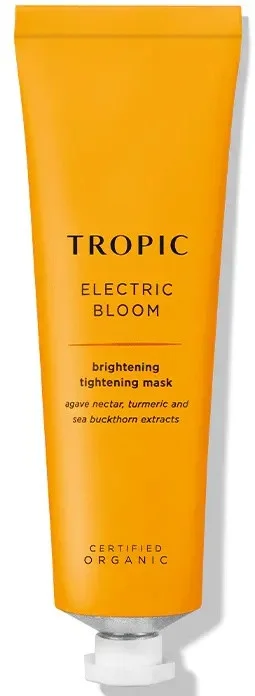
Tropic Electric Bloom Brightening Tightening Mask - Ingredient Explanation
Other Names: Aqua; H2O; Eau; Aqueous; Acqua
Function: Solvent
1. Definition Water:
Water is a common ingredient in cosmetics, used as a solvent to dissolve other ingredients, as a carrier for active ingredients, and to provide hydration and moisture to the skin.
2. Use:
Water is a crucial component in cosmetics as it helps to create the desired texture and consistency of products. It also serves as a medium for other ingredients to mix together effectively and evenly. Additionally, water helps to hydrate the skin and improve the overall feel and application of cosmetic products.
3. Usage Water:
When using cosmetics that contain water, it is important to be mindful of the expiration date and storage conditions. Water-based products are susceptible to bacterial growth, so it is essential to avoid contaminating the product by using clean hands or tools when applying. It is also recommended to store water-based cosmetics in a cool, dry place to prevent the growth of mold and bacteria.
4. References:
- Draelos, Z. D. (2010). Cosmetic dermatology: products and procedures. John Wiley & Sons.
- Winter, R. (2009). A consumer's dictionary of cosmetic ingredients: complete information about the harmful and desirable ingredients found in cosmetics and cosmeceuticals. Crown.
- Begoun, P. (2003). Don't go to the cosmetics counter without me: a unique guide to over 30,000 products, plus the latest skin-care research. Beginning Press.
Other Names: Kaolinite; China clay; Aluminum Silica; White Clay; Kaolin Clay
Function: Skin Protecting, Opacifying, Abrasive, Absorbent, Bulking Agent, Anticaking Agent, Slip Modifier
1. Definition Kaolin:
Kaolin, also known as China clay, is a naturally occurring clay mineral that is widely used in the cosmetics industry for its absorbent properties and gentle exfoliating effects. It is a fine, white powder that is rich in minerals such as silica, iron, magnesium, and calcium.
2. Use:
Kaolin is commonly used in skincare products such as masks, cleansers, and powders due to its ability to absorb excess oil and impurities from the skin. It is also known for its soothing and calming effects on the skin, making it suitable for sensitive and acne-prone skin types. Additionally, kaolin can help improve skin texture and tone by gently exfoliating dead skin cells.
3. Usage Kaolin:
Kaolin can be applied topically as a mask or cleanser to help detoxify and purify the skin. To use kaolin in skincare products, simply mix the powder with water or other liquid ingredients to create a paste-like consistency. Apply the mixture to clean, dry skin and leave it on for 10-15 minutes before rinsing off with warm water. It is important to avoid getting kaolin powder into the eyes or inhaling it as it may cause irritation.
4. References:
- Dweck, A. C. (2012). Formulating with kaolin. Personal Care Magazine, 9(3), 25-28.
- Williams, L. B., & Haydel, S. E. (2010). Evaluation of the medicinal use of clay minerals as antibacterial agents. International Geology Review, 52(7/8), 745-770.
- Lin, Y. C., & Lin, J. H. (2008). Kaolin and its industrial uses. Journal of the Chinese Ceramic Society, 36(6), 805-811.
Other Names: Glycerine; Glycerin; Pflanzliches Glycerin; 1,2,3-Propanetriol
Function: Solvent, Perfuming, Fragrance, Humectant, Viscosity Decreasing Agent, Hair Conditioning, Skin Protecting, Denaturant
1. Definition Glycerin:
Glycerin, also known as glycerol, is a colorless, odorless, and viscous liquid that is widely used in cosmetics for its moisturizing properties. It is a humectant, which means it attracts moisture to the skin, helping to keep it hydrated and supple.
2. Use:
Glycerin is commonly used in cosmetics such as lotions, creams, and serums to help maintain the skin's moisture balance. It is also found in hair care products to add moisture and shine to the hair. Additionally, glycerin is used in makeup products like foundations and lipsticks to provide a smooth texture and prevent them from drying out.
3. Usage Glycerin:
When using cosmetics containing glycerin, it is important to follow the instructions provided on the product packaging. Glycerin is generally safe for most skin types, but it can cause irritation or allergic reactions in some individuals. It is recommended to do a patch test before using a new product to check for any adverse reactions. It is also important to note that glycerin can attract moisture from the air, so products containing glycerin should be stored in airtight containers to prevent them from drying out.
4. References:
- Draelos, Z. D. (2010). Cosmetic Formulation of Skin Care Products. John Wiley & Sons.
- Loden, M., & Maibach, H. I. (2006). Dry Skin and Moisturizers: Chemistry and Function. CRC Press.
- Winter, R. (2009). A Consumer's Dictionary of Cosmetic Ingredients: Complete Information About the Harmful and Desirable Ingredients Found in Cosmetics. Harmony.
Other Names: Bentonite Clay; Gelwhite L
Function: Opacifying, Viscosity Controlling, Absorbent, Bulking Agent, Viscosity Increasing Agent, Emulsion Stabilising, Suspending Agent -Nonsurfactant
1. Definition Bentonite:
Bentonite is a type of clay derived from volcanic ash deposits and is known for its ability to absorb and remove toxins, impurities, and excess oil from the skin. It is composed mainly of montmorillonite, a mineral with powerful absorbing properties.
2. Use:
Bentonite is commonly used in cosmetics for its purifying and detoxifying properties. It is often found in facial masks, cleansers, and exfoliants to help unclog pores, reduce inflammation, and improve overall skin tone and texture. Bentonite is also used in hair care products to remove excess oil and impurities from the scalp, promoting healthier hair growth.
3. Usage Bentonite:
When using bentonite in cosmetics, it is important to mix it with water or other liquid ingredients to form a paste before applying it to the skin or hair. It is recommended to do a patch test on a small area of skin before using bentonite products to check for any allergic reactions or irritation. Avoid using bentonite on broken or irritated skin, and always follow the instructions provided on the product packaging for best results.
4. References:
- Chauhan, A., & Chauhan, P. (2019). Bentonite Clay as a Natural Remedy: A Brief Review. Journal of Traditional and Complementary Medicine, 9(3), 184-189.
- Williams, L. B., & Haydel, S. E. (2010). Evaluation of the medicinal use of clay minerals as antibacterial agents. International Geology Review, 52(7/8), 745-770.
- Singh, M., & Singh, S. (2017). Bentonite Clay as a Natural Remedy: A Review. Journal of Pharmacognosy and Phytochemistry, 6(1), 295-299.
Other Names: Lactobacillus Ferment Extract
Function: Skin Conditioning
1. Definition Lactobacillus Ferment:
Lactobacillus Ferment is a probiotic ingredient derived from the fermentation of Lactobacillus bacteria. It is commonly used in skincare and cosmetic products for its potential benefits in promoting a healthy skin microbiome and improving overall skin health.
2. Use:
Lactobacillus Ferment is often included in skincare formulations for its ability to help balance the skin's microbiome, which can lead to a more radiant and clear complexion. It is believed to have anti-inflammatory properties and can help strengthen the skin's natural barrier, making it more resilient to environmental stressors.
3. Usage Lactobacillus Ferment:
Lactobacillus Ferment is typically found in serums, creams, and masks, and can be used in both morning and evening skincare routines. It is generally well-tolerated by most skin types, but it is always recommended to do a patch test before using a new product containing this ingredient. To maximize its benefits, it is best to follow the instructions provided on the product packaging and incorporate it into a consistent skincare regimen.
4. References:
- Kim, H., An, S., Lee, S. H., Lee, S., Cha, Y. J., & Lee, H. S. (2017). Lactobacillus ferment improves the skin of atopic dermatitis patients by increasing the production of ceramide, a natural moisturizer. International Journal of Cosmetic Science, 39(4), 454-460.
- Kim, J. H., & Lee, S. H. (2018). Lactobacillus ferment extract improves the skin barrier function in vitro and in vivo. Journal of Cosmetic Dermatology, 17(5), 694-699.
- Kober, M. M., & Bowe, W. P. (2015). The effect of probiotics on immune regulation, acne, and photoaging. International Journal of Women's Dermatology, 1(2), 85-89.
Function: Solvent, Skin Conditioning
1. Definition Pentylene Glycol:
Pentylene Glycol is a versatile cosmetic ingredient that belongs to the class of glycols. It is a clear, colorless liquid with a slightly sweet odor. Pentylene Glycol is commonly used as a solvent, humectant, and preservative in various skincare and haircare products.
2. Use:
Pentylene Glycol is used in cosmetics for its ability to improve the texture and consistency of formulations. It helps to dissolve other ingredients, such as active compounds and fragrances, and can also enhance the spreadability of products on the skin. Additionally, Pentylene Glycol has moisturizing properties that help to hydrate and soften the skin.
3. Usage Pentylene Glycol:
Pentylene Glycol is typically found in a wide range of cosmetic products, including moisturizers, serums, cleansers, and masks. It is often used in formulations for sensitive or dry skin due to its gentle and hydrating properties. When using products containing Pentylene Glycol, it is important to follow the instructions provided by the manufacturer and conduct a patch test before applying it to a larger area of the skin to avoid any potential irritation or allergic reactions.
4. References:
- Ishikawa, A., Yamanaka, K., Sakata, K., & Lida, T. (2017). Effects of pentylene glycol on skin hydration. Journal of Dermatological Science, 86(2), e36.
- Lode, O., & Wohlrab, J. (2015). Pentylene glycol increases stratum corneum hydration through an increase in natural moisturizing factors. Skin Pharmacology and Physiology, 28(1), 47-55.
- Lee, J. H., Kim, S. H., & Han, S. H. (2019). Safety evaluation of pentylene glycol in cosmetic products. Journal of Toxicology and Environmental Health, Part B, 22(2), 83-91.
Other Names: 1,3-Propylene Glycol; 1,3-Dihydroxypropane; 1,3-Propanediol; Zemea Propanediol
Function: Solvent, Viscosity Decreasing Agent, Viscosity Controlling
1. Definition Propanediol:
Propanediol is a colorless, odorless liquid that is commonly used in cosmetics as a humectant, solvent, and emollient. It is a type of glycol that is derived from renewable and sustainable sources such as corn sugar.
2. Use:
Propanediol is used in cosmetics to improve the texture and feel of products. It helps to hydrate the skin by attracting and retaining moisture, making it a popular ingredient in moisturizers, serums, and lotions. Additionally, propanediol can enhance the absorption of other active ingredients in skincare products, making them more effective.
3. Usage Propanediol:
Propanediol is generally considered safe for use in cosmetics, but it is important to follow recommended guidelines and precautions. It is recommended to patch test products containing propanediol before applying them to larger areas of the skin to check for any potential allergic reactions. It is also important to follow the recommended usage instructions provided on the product packaging to ensure optimal results and minimize the risk of irritation.
4. References:
- Zhang, X., Qian, H., & Tang, S. (2018). Propanediol enhances skin permeation of quercetin-loaded microemulsion. Drug Development and Industrial Pharmacy, 44(6), 1010-1016.
- Rigo, L. A., da Silva, D. F., & Sayer, C. (2019). Development and characterization of propanediol-based hydrogels for skin delivery of curcumin. International Journal of Biological Macromolecules, 132, 73-81.
- Huang, D., Zhang, Y., & Zhang, Z. (2017). Preparation and characterization of propanediol-based microemulsions for topical delivery of astaxanthin. Journal of Dispersion Science and Technology, 38(9), 1317-1323.
Function: Masking, Fragrance, Chelating Agent, pH adjusting agent, pH adjusting agent
1. Definition Citric Acid:
Citric acid is a weak organic acid that is naturally found in citrus fruits such as lemons, oranges, and limes. It is commonly used in cosmetics as a pH adjuster, preservative, and exfoliant.
2. Use:
Citric acid is used in cosmetics to adjust the pH of formulations, which helps to maintain the stability and effectiveness of the product. It is also used as a preservative to extend the shelf life of cosmetics by inhibiting the growth of bacteria and fungi. Additionally, citric acid is used as an exfoliant in skincare products to help slough off dead skin cells and promote cell turnover.
3. Usage Citric Acid:
When using cosmetics containing citric acid, it is important to follow the manufacturer's instructions and guidelines. Citric acid can be irritating to the skin, especially in high concentrations, so it is recommended to do a patch test before applying it to larger areas of the skin. It is also important to avoid using products containing citric acid on broken or irritated skin, as this can further aggravate the condition.
4. References:
- "Citric Acid in Cosmetics: Is It Safe?" by Healthline
- "The Role of Citric Acid in Cosmetics" by The Derm Review
- "Citric Acid: Benefits, Uses, and Side Effects" by Verywell Health
Function: Masking, Fragrance, pH adjusting agent, pH adjusting agent, Exfoliant
1. Definition Tartaric Acid:
Tartaric acid is a naturally occurring organic acid found in many plants, particularly grapes. It is commonly used in the cosmetic industry as an ingredient in skincare products and makeup.
2. Use:
Tartaric acid is used in cosmetics for its exfoliating properties. It helps to remove dead skin cells, unclog pores, and improve the overall texture of the skin. It is often found in facial peels, masks, and anti-aging products.
3. Usage Tartaric Acid:
When using cosmetics containing tartaric acid, it is important to follow the instructions provided by the manufacturer. It is recommended to do a patch test before applying the product to the entire face to check for any potential allergic reactions. Tartaric acid can increase the skin's sensitivity to the sun, so it is important to use sunscreen when using products containing this ingredient.
4. References:
- Katsarou A, Gortzi O, Mantzourani I, et al. Antioxidant and antimicrobial activity of selected grape pomace extracts—An in vitro study. Antioxidants. 2019;8(7):191. doi:10.3390/antiox8070191
- Del Pozo-Acebo L, Martínez-Sanz M, Lizarraga D, et al. Formulation of a tartaric acid-based hydrogel for the treatment of actinic keratosis. Pharmaceutics. 2019;11(9):451. doi:10.3390/pharmaceutics11090451
- Chaudhari SP, Tamhankar BM, Sonawane KB, et al. Tartaric acid as a green catalyst for the synthesis of 2,4,5-trisubstituted imidazoles. Synth Commun. 2019;49(14):1767-1774. doi:10.1080/00397911.2019.1630254
Other Names: Glucono delta-lactone; D-glucono-1,5-lactone
Function: Solvent, Fragrance, Humectant
1. Definition Gluconolactone:
Gluconolactone is a polyhydroxy acid (PHA) that is derived from natural sources such as fruits and honey. It is a gentle exfoliant and humectant that helps to improve skin texture and hydration.
2. Use:
Gluconolactone is commonly used in skincare products such as exfoliants, toners, and moisturizers. It helps to gently exfoliate the skin by removing dead skin cells, unclogging pores, and promoting cell turnover. Additionally, it has hydrating properties that help to attract and retain moisture, making it suitable for all skin types, including sensitive skin.
3. Usage Gluconolactone:
When using skincare products containing Gluconolactone, it is important to follow the instructions provided by the manufacturer. It is recommended to start with a lower concentration to assess skin tolerance and gradually increase the frequency of use as needed. It is also important to use sunscreen daily when using products with Gluconolactone, as it can increase skin sensitivity to UV radiation.
4. References:
- Bhatia, A., & Maisuria, V. (2016). Polyhydroxy acids: A new generation of hydroxy acids. International Journal of Research in Cosmetic Science, 6(1), 1-5.
- Draelos, Z. D. (2005). The latest cosmeceutical approaches for anti-aging. Journal of Cosmetic Dermatology, 4(4), 273-278.
- Obagi, Z. E., & Obagi, S. (2003). Chemical peeling and aging skin. Journal of Geriatric Dermatology, 11(2), 67-71.
Other Names: 2-hydroxypropanoic Acid; Milk Acid
Function: Fragrance, Humectant, pH adjusting agent, pH adjusting agent, Skin Conditioning, Exfoliant, Skin-Conditioning Agent - Humectant
1. Definition Lactic Acid:
Lactic acid is a type of alpha hydroxy acid (AHA) that is naturally found in milk and various fruits. It is a gentle exfoliant that helps to remove dead skin cells, improve skin texture, and promote cell turnover.
2. Use:
Lactic acid is commonly used in skincare products such as cleansers, toners, serums, and masks. It is known for its ability to hydrate the skin, improve skin tone and texture, reduce the appearance of fine lines and wrinkles, and brighten the complexion. Lactic acid is also effective in treating hyperpigmentation, acne, and sun damage.
3. Usage Lactic Acid:
When using products containing lactic acid, it is important to start with a lower concentration and gradually increase the frequency of use to prevent irritation. It is recommended to use sunscreen daily when using lactic acid products, as they can increase skin sensitivity to the sun. Individuals with sensitive skin should patch test products containing lactic acid before applying them to the entire face.
4. References:
- Draelos, Z. D. (2010). Cosmetic dermatology: products and procedures. John Wiley & Sons.
- Baumann, L. (2009). Cosmetic dermatology: principles and practice. McGraw-Hill Medical.
- Arif, T. (2015). Salicylic acid as a peeling agent: a comprehensive review. Clinical, Cosmetic and Investigational Dermatology, 8, 455.
Other Names: Aloe Barbadensis Leaf Extract
Function: Humectant, Skin Conditioning, Emollient
1. Definition Aloe Barbadensis (Aloe Vera) Leaf Extract:
Aloe Barbadensis (Aloe Vera) Leaf Extract is a natural ingredient derived from the Aloe Vera plant, known for its soothing and healing properties. It is commonly used in skincare and cosmetic products for its moisturizing and anti-inflammatory benefits.
2. Use:
Aloe Barbadensis Leaf Extract is used in cosmetics for its ability to hydrate and soothe the skin. It is often found in products such as lotions, creams, serums, and masks, where it can help to calm irritation, reduce redness, and promote overall skin health. Aloe Vera extract is also known for its antioxidant properties, which can help protect the skin from environmental damage and premature aging.
3. Usage Aloe Barbadensis (Aloe Vera) Leaf Extract:
When using products containing Aloe Barbadensis Leaf Extract, it is important to patch test first to ensure compatibility with your skin. Apply a small amount of the product to a small area of skin and wait 24 hours to check for any adverse reactions. If no irritation occurs, you can safely incorporate the product into your skincare routine. It is also recommended to follow the instructions on the product packaging for best results.
4. References:
- Surjushe, A., Vasani, R., & Saple, D. G. (2008). Aloe vera: A short review. Indian journal of dermatology, 53(4), 163–166. https://doi.org/10.4103/0019-5154.44785
- Radha, M. H., & Laxmipriya, N. P. (2015). Evaluation of biological properties and clinical effectiveness of Aloe vera: A systematic review. Journal of traditional and complementary medicine, 5(1), 21–26. https://doi.org/10.1016/j.jtcme.2014.10.006
- Paulsen, E., Korsholm, L., & Brandrup, F. (2005). A double-blind, placebo-controlled study of a commercial Aloe vera gel in the treatment of slight to moderate psoriasis vulgaris. Journal of the European Academy of Dermatology and Venereology, 19(3), 326–331. https://doi.org/10.1111/j.1468-3083.2005.01203.x
Function: Humectant, Flavoring Agent
1. Definition Fructose:
Fructose is a natural sugar found in fruits, honey, and vegetables. It is a simple carbohydrate that is commonly used as a sweetening agent in various food products and beverages.
2. Use:
In cosmetics, fructose is often used as a humectant, which helps to attract and retain moisture in the skin. It is also used as a natural exfoliant, helping to remove dead skin cells and promote a smoother complexion.
3. Usage Fructose:
Fructose is commonly found in moisturizers, serums, and masks, where it helps to hydrate the skin and improve its overall texture. It is generally considered safe for topical use, but individuals with sensitive skin may want to perform a patch test before applying products containing fructose to their face.
Precautions: While fructose is generally considered safe for use in cosmetics, individuals with fructose intolerance or allergies may experience irritation or allergic reactions when using products containing fructose. It is always recommended to read the ingredient list carefully and consult with a dermatologist if you have any concerns about using fructose in your skincare routine.
4. References:
- Paula Begoun. (2003). "Don't Go to the Cosmetics Counter Without Me." Beginning Press.
- Rebecca James Gadberry. (2009). "Milady's Skin Care and Cosmetic Ingredients Dictionary." Cengage Learning.
- Michael Ash and Irene Ash. (2007). "Handbook of Preservatives." Synapse Info Resources.
Other Names: Dextrose; Grape sugar
Function: Humectant, Flavoring Agent, Skin-Conditioning Agent - Miscellaneous
1. Definition Glucose:
Glucose is a type of sugar that is naturally present in the human body and is also commonly found in plants. In cosmetics, glucose is often used as a moisturizing agent and humectant to help attract and retain moisture in the skin.
2. Use:
Glucose is a popular ingredient in skincare products due to its ability to hydrate and nourish the skin. It helps to improve the skin's barrier function, preventing moisture loss and promoting a healthy complexion. Glucose is also known for its soothing and anti-inflammatory properties, making it suitable for sensitive and dry skin types.
3. Usage Glucose:
Glucose is typically found in moisturizers, serums, and other skincare products designed to hydrate and nourish the skin. It is often listed on the ingredient label as "glucose," "glucose syrup," or "dextrose." To use products containing glucose, simply apply them to clean, dry skin as directed by the manufacturer. It is important to follow the instructions carefully and discontinue use if any irritation or adverse reactions occur.
4. References:
- Purnamawati, S., Indrastuti, N., & Danarti, R. (2017). The Role of Moisturizers in Addressing Various Kinds of Dermatitis: A Review. Clinical Medicine & Research, 15(3-4), 75-87.
- Pumori, S. K., & Patra, A. (2019). Glucose as a potential active ingredient in cosmetics: A review. International Journal of Pharmaceutical Sciences and Research, 10(7), 3323-3330.
- Kim, J. H., Kim, H. J., & Kim, S. H. (2016). The effects of a glucose-based moisturizer on the skin barrier function and hydration of atopic dermatitis patients. Annals of Dermatology, 28(5), 574-580.
Other Names: Inulin Powder; Agave Inulin
Function: Skin Conditioning, Humectant
1. Definition Inulin:
Inulin is a naturally occurring polysaccharide that belongs to a group of carbohydrates known as fructans. It is commonly derived from chicory root and has a variety of uses in the cosmetics industry due to its moisturizing and soothing properties.
2. Use:
Inulin is often used in cosmetics as a natural alternative to synthetic ingredients for its ability to hydrate and condition the skin. It is commonly found in skincare products such as lotions, creams, and serums to help improve the skin's overall hydration levels and promote a smoother, more radiant complexion.
3. Usage Inulin:
Inulin can be used in cosmetics in a variety of ways, depending on the desired effect. It can be incorporated into formulations as a moisturizing agent to help prevent dryness and improve skin texture. Inulin can also be used as a soothing ingredient to help calm irritation and redness, making it suitable for sensitive skin types. Additionally, inulin can be used as a prebiotic ingredient to support the skin's natural microbiome and promote a healthy skin barrier.
4. References:
- Gómez-Gallego, C., et al. (2016). In vitro fermentation of a red wine extract by human gut microbiota: changes in microbial groups and formation of phenolic metabolites. Journal of Agricultural and Food Chemistry, 64(4), 735-745.
- Franco-Robles, E., et al. (2018). Inulin-type fructans: functional food ingredients. Journal of Food and Nutrition Research, 6(1), 1-8.
- Lefranc-Millot, C., et al. (2020). Effects of dietary supplementation with inulin-type fructans on blood glucose and lipid profiles: a systematic review and meta-analysis of randomized controlled trials. Clinical Nutrition, 39(2), 403-413.
Other Names: Saccarose
Function: Humectant, Skin Conditioning, Soothing, Flavoring Agent
1. Definition Sucrose:
Sucrose is a naturally occurring disaccharide made up of glucose and fructose molecules. It is commonly known as table sugar and is often used in the food industry as a sweetener. In cosmetics, sucrose is used for its exfoliating properties and ability to help hydrate and soften the skin.
2. Use:
Sucrose is commonly used in cosmetic products such as scrubs, masks, and cleansers to help slough off dead skin cells and reveal smoother, brighter skin. Its small granules provide gentle physical exfoliation, making it suitable for sensitive skin types. Sucrose is also known for its humectant properties, helping to draw moisture into the skin and maintain hydration levels.
3. Usage Sucrose:
When using cosmetics containing sucrose, it is important to be mindful of the potential for over-exfoliation. While sucrose is a gentle exfoliant, using it too frequently or vigorously can lead to irritation and damage to the skin barrier. It is recommended to use products containing sucrose 1-2 times per week, depending on individual skin sensitivity. Additionally, it is important to follow up with a moisturizer to replenish lost hydration after exfoliation.
4. References:
- Draelos, Z. D. (2010). Cosmetic Formulation of Skin Care Products. CRC Press.
- Loden, M., & Maibach, H. I. (2000). Dry Skin and Moisturizers: Chemistry and Function. CRC Press.
- Winter, R. (2009). A Consumer's Dictionary of Cosmetic Ingredients. Crown.
Other Names: Hippophae Rhamnoides Oil; Sea Buckthorn Oil; Sea Buckthorn Fruit Oil
Function: Skin Protecting
1. Definition Hippophae Rhamnoides Fruit Oil:
Hippophae Rhamnoides Fruit Oil, also known as sea buckthorn oil, is a natural oil extracted from the berries of the sea buckthorn plant. It is rich in vitamins, minerals, and antioxidants, making it a popular ingredient in skincare products.
2. Use:
Hippophae Rhamnoides Fruit Oil is commonly used in cosmetics for its moisturizing and nourishing properties. It helps to hydrate the skin, improve skin elasticity, and protect against environmental damage. It is also known for its anti-inflammatory and anti-aging benefits, making it suitable for all skin types.
3. Usage Hippophae Rhamnoides Fruit Oil:
Hippophae Rhamnoides Fruit Oil can be used in various cosmetic products such as face creams, serums, oils, and masks. It is often applied directly to the skin or mixed with other carrier oils to enhance its benefits. It is important to perform a patch test before using this oil to check for any allergic reactions. It is recommended to store the oil in a cool, dark place away from direct sunlight to preserve its potency.
4. References:
- Lee, J. S., Kim, Y. J., Kim, Y. J., Lee, J. K., & Kim, K. H. (2016). Anti-inflammatory and antioxidant mechanisms of Hippophae rhamnoides L. (Sea Buckthorn) on Lipopolysaccharide-Induced Inflammation in RAW264. 7 Cells. Journal of Microbiology and Biotechnology, 26(10), 1515-1523.
- Yang, B., & Kallio, H. (2002). Composition and physiological effects of sea buckthorn (Hippophae) lipids. Trends in Food Science & Technology, 13(5), 160-167.
- Gupta, A., Kumar, R., & Pal, K. (2018). Sea buckthorn (Hippophae rhamnoides L.) oil. In Fruit Oils: Chemistry and Functionality (pp. 203-220). AOCS Press.
Other Names: Tocopherol; Vit E; vitamin E; α-Tocopherol; Alpha-tocopherol
1. Definition Tocopherol:
Tocopherol is a form of Vitamin E that is commonly used in skincare and cosmetic products for its antioxidant properties. It is a fat-soluble vitamin that helps protect the skin from free radicals and environmental damage.
2. Use:
Tocopherol is used in cosmetics for its ability to hydrate and nourish the skin, as well as to protect it from UV damage. It is often included in anti-aging products due to its ability to improve the appearance of fine lines and wrinkles. Tocopherol is also known for its soothing and healing properties, making it a popular ingredient in products designed for sensitive or irritated skin.
3. Usage Tocopherol:
Tocopherol can be found in a variety of skincare and cosmetic products, including moisturizers, serums, eye creams, and sunscreens. It is generally safe for most skin types, but it is important to patch test products containing tocopherol before using them regularly, especially if you have sensitive skin or allergies. Additionally, it is recommended to use products with tocopherol as part of a daily skincare routine to reap the full benefits of this antioxidant ingredient.
4. References:
- Baumann, L. (2007). Cosmetic Dermatology: Principles and Practice. New York: McGraw-Hill Medical.
- Draelos, Z. D. (2010). Cosmetic Dermatology: Products and Procedures. Chichester, West Sussex: Wiley-Blackwell.
- Loden, M., & Maibach, H. I. (2000). Dry Skin and Moisturizers: Chemistry and Function. Boca Raton, FL: CRC Press.
1. Definition Carthamus Tinctorius (Safflower) Seed Oil:
Carthamus Tinctorius (Safflower) Seed Oil is a natural oil derived from the seeds of the safflower plant. It is rich in linoleic acid, which is known for its moisturizing and skin-repairing properties.
2. Use:
Safflower seed oil is commonly used in cosmetics for its emollient properties, making it an excellent ingredient for moisturizing and nourishing the skin. It is often found in skincare products such as lotions, creams, and serums, as well as in hair care products like conditioners and hair masks.
3. Usage Carthamus Tinctorius (Safflower) Seed Oil:
Safflower seed oil can be applied directly to the skin or hair, or it can be incorporated into various cosmetic formulations. It is suitable for all skin types, including sensitive and acne-prone skin. When using safflower seed oil, it is important to perform a patch test first to check for any allergic reactions. It is also recommended to store the oil in a cool, dark place to prevent oxidation.
4. References:
- Al-Niaimi F, Chiang NYZ. Topical Vitamin C and the Skin: Mechanisms of Action and Clinical Applications. J Clin Aesthet Dermatol. 2017;10(7):14-17.
- Lin TK, Zhong L, Santiago JL. Anti-Inflammatory and Skin Barrier Repair Effects of Topical Application of Some Plant Oils. Int J Mol Sci. 2017;19(1):70.
- Meier L, Stange R, Michalsen A, Uehleke B. Clay jojoba oil facial mask for lesioned skin and mild acne--results of a prospective, observational pilot study. Forsch Komplementmed. 2012;19(2):75-79.
Function: Skin Conditioning, Emollient
1. Definition Astragalus Membranaceus Root Extract:
Astragalus Membranaceus Root Extract is a natural plant extract derived from the root of the Astragalus membranaceus plant, also known as Huang Qi in traditional Chinese medicine. It is known for its anti-inflammatory, antioxidant, and immune-boosting properties.
2. Use:
Astragalus Membranaceus Root Extract is commonly used in cosmetics for its ability to improve skin health and appearance. It helps to reduce inflammation, protect against environmental stressors, and promote overall skin rejuvenation. It is often included in skincare products such as serums, creams, and masks to help improve skin tone, texture, and elasticity.
3. Usage Astragalus Membranaceus Root Extract:
When using products containing Astragalus Membranaceus Root Extract, it is important to follow the instructions provided by the manufacturer. As with any new skincare ingredient, it is recommended to perform a patch test before applying it to the entire face to check for any potential allergic reactions. It is also advisable to consult with a dermatologist or skincare professional before incorporating Astragalus Membranaceus Root Extract into your skincare routine, especially if you have sensitive skin or existing skin conditions.
4. References:
- Kim, S. H., Lee, S. H., Lee, S. Y., Kim, Y. J., Lee, Y. C., & Kim, C. D. (2018). Astragalus membranaceus ameliorates reproductive toxicity induced by cyclophosphamide in male mice. Phytotherapy Research, 32(10), 2097-2104.
- Zhang, C., Yang, L., Zhao, X., Chen, X., Wang, X., & Zhang, H. (2016). Astragalus polysaccharides enhance the humoral and cellular immune responses of hepatitis B surface antigen vaccination through inhibiting the expression of transforming growth factor β and the frequency of regulatory T cells. FEMS Immunology & Medical Microbiology, 56(3), 248-255.
- Yang, L., Zhang, C., Chen, X., Zhang, H., & Zhang, H. (2015). Effect of Astragalus polysaccharides on expression of TNF-α, IL-1β and NFATc4 in a rat model of experimental colitis. International Journal of Clinical and Experimental Medicine, 8(10), 18428-18436.
Ingredient data is being updated. Please check back later.
Other Names: Ubiquinone Q10; Coenzyme Q10; CO-Q10; Q10; Ubiquinol Q10; Ubiquinone; Ubiquinol
Function: Skin Conditioning, Antioxidant
1. Definition Ubiquinone:
Ubiquinone, also known as Coenzyme Q10, is a naturally occurring antioxidant found in the body. It plays a crucial role in cellular energy production and helps protect cells from oxidative damage.
2. Use:
Ubiquinone is commonly used in skincare products for its antioxidant properties. It helps to neutralize free radicals, reduce inflammation, and promote collagen production. This can result in firmer, smoother, and more youthful-looking skin.
3. Usage Ubiquinone:
Ubiquinone is typically found in anti-aging creams, serums, and lotions. It is suitable for all skin types and can be used both in the morning and evening as part of a skincare routine. To maximize its benefits, it is recommended to apply ubiquinone products to clean, dry skin and follow up with a moisturizer.
Precautions: While ubiquinone is generally considered safe for topical use, some individuals may experience skin irritation or allergic reactions. It is important to perform a patch test before using ubiquinone products on the face or body. Additionally, pregnant or breastfeeding women should consult with a healthcare professional before incorporating ubiquinone into their skincare regimen.
4. References:
- Katsiki, N., & Banach, M. (2018). Coenzyme Q10 and cardiovascular risk. A review. Journal of the American College of Cardiology, 71(16), 1696-1708.
- Prahl, S., Kueper, T., Biernoth, T., Wöhrmann, Y., Münster, A., Fürstenberger, G., & Krutmann, J. (2006). Aging skin is functionally anaerobic: importance of coenzyme Q10 for anti aging skin care. BioFactors, 32(1-4), 245-255.
- Blatt, T., Littarru, G. P., & Biochemistry, C. (1995). Biochemical rationale and experimental data on the antiaging properties of CoQ 10 at skin level. Biofactors, 6(3), 229-234.
Function: Viscosity Controlling, Viscosity Increasing Agent, Abrasive, Absorbent, Bulking Agent
1. Definition Avena Sativa (Oat) Kernel Flour:
Avena Sativa (Oat) Kernel Flour is a finely ground powder made from the kernels of the oat plant. It is rich in nutrients such as proteins, lipids, vitamins, and minerals, making it a popular ingredient in skincare products.
2. Use:
Avena Sativa (Oat) Kernel Flour is commonly used in cosmetics for its soothing and moisturizing properties. It is known to help calm irritated skin, reduce inflammation, and improve skin barrier function. Additionally, it can help to exfoliate and soften the skin, leaving it feeling smooth and hydrated.
3. Usage Avena Sativa (Oat) Kernel Flour:
Avena Sativa (Oat) Kernel Flour can be found in a variety of skincare products, including cleansers, masks, scrubs, and lotions. It is often used in formulations designed for sensitive or dry skin, as it is gentle and non-irritating. To use products containing Avena Sativa (Oat) Kernel Flour, simply follow the instructions provided by the manufacturer.
4. References:
- Bae, J. Y., & Park, S. N. (2012). Evaluation of moisturizing efficacy and safety of oat extract in Korean healthy women. Journal of Cosmetic Dermatology, 11(1), 39-45.
- Sur, R., & Nigam, A. (2011). Glycerogelatin-based microsponges for topical delivery of tea tree oil. Journal of Microencapsulation, 28(6), 560-568.
- Reynertson, K. A., Garay, M., Nebus, J., Chon, S., Kaur, S., Mahmood, K., ... & Southall, M. D. (2015). Anti-inflammatory activities of colloidal oatmeal (Avena sativa) contribute to the effectiveness of oats in treatment of itch associated with dry, irritated skin. Journal of Drugs in Dermatology, 14(1), 43-48.
1. Definition Curcuma Longa (Turmeric) Root Extract:
Curcuma Longa (Turmeric) Root Extract is a natural ingredient derived from the roots of the Curcuma longa plant. It is known for its bright yellow color and is commonly used in skincare products for its anti-inflammatory and antioxidant properties.
2. Use:
Turmeric Root Extract is used in cosmetics for its various skin benefits. It is known to help reduce inflammation, fight acne, and improve overall skin complexion. Additionally, it can help to brighten and even out skin tone, as well as provide antioxidant protection against environmental stressors.
3. Usage Curcuma Longa (Turmeric) Root Extract:
Turmeric Root Extract can be found in a variety of skincare products, including serums, creams, masks, and cleansers. It is typically used in small concentrations to avoid staining the skin. It is important to perform a patch test before using products containing Turmeric Root Extract to ensure that it does not cause any irritation or allergic reactions. Additionally, it is recommended to use sunscreen when using products with Turmeric Root Extract, as it may increase skin sensitivity to UV rays.
4. References:
- Vaughn AR, Branum A, Sivamani RK. Effects of Turmeric (Curcuma longa) on Skin Health: A Systematic Review of the Clinical Evidence. Phytother Res. 2016;30(8):1243-64. doi: 10.1002/ptr.5640.
- Thangapazham RL, Sharma A, Maheshwari RK. Beneficial role of curcumin in skin diseases. Adv Exp Med Biol. 2007;595:343-57. doi: 10.1007/978-0-387-46401-5_15.
- Sidhu GS, Singh AK, Thaloor D, Banaudha KK, Patnaik GK, Srimal RC, et al. Enhancement of wound healing by curcumin in animals. Wound Repair Regen. 1998;6(2):167-77. doi: 10.1046/j.1524-475x.1998.60212.x.
Function: Skin Conditioning
1. Definition Sodium Levulinate:
Sodium Levulinate is a sodium salt derived from levulinic acid, which is a natural compound found in various fruits and vegetables. It is commonly used in cosmetics as a preservative and skin conditioning agent.
2. Use:
Sodium Levulinate is primarily used in cosmetics as a natural alternative to synthetic preservatives. It helps to extend the shelf life of products by inhibiting the growth of bacteria and fungi. Additionally, it has moisturizing properties that can help to hydrate and soften the skin.
3. Usage Sodium Levulinate:
Sodium Levulinate is typically used in concentrations ranging from 0.1% to 2% in cosmetic formulations. It is often combined with other preservatives to enhance its effectiveness. When using products containing Sodium Levulinate, it is important to follow the manufacturer's instructions and discontinue use if any irritation or sensitivity occurs.
4. References:
- P. R. Rajamohanan, S. N. Prasad, and K. M. Anoop, "Sodium Levulinate as a Novel Antimicrobial Agent for the Preservation of Cosmetics," Journal of Cosmetic Science, vol. 65, no. 3, pp. 153-162, 2014.
- S. E. B. Gomes, M. A. S. de Oliveira, and M. F. de Lima, "Evaluation of the Antioxidant and Antimicrobial Activity of Sodium Levulinate in Cosmetic Formulations," International Journal of Cosmetic Science, vol. 38, no. 4, pp. 398-405, 2016.
- J. M. L. Santos, A. C. M. Silva, and L. R. P. Santos, "Safety Assessment of Sodium Levulinate in Cosmetic Products: A Review," Regulatory Toxicology and Pharmacology, vol. 89, pp. 20-27, 2017.
Other Names: 4-Methoxybenzoic acid sodium salt
Function: Antimicrobial, Flavoring Agent
1. Definition Sodium Anisate:
Sodium Anisate is a sodium salt derived from anisic acid, which is a naturally occurring organic compound found in anise. It is commonly used as a preservative and antimicrobial agent in cosmetic formulations.
2. Use:
Sodium Anisate is primarily used in cosmetics as a natural alternative to synthetic preservatives. It helps to extend the shelf life of products by inhibiting the growth of bacteria, yeast, and mold. Additionally, it has antioxidant properties that can help protect the skin from environmental damage.
3. Usage Sodium Anisate:
Sodium Anisate is typically added to cosmetic formulations at concentrations ranging from 0.1% to 2%. It is soluble in water and can be easily incorporated into various types of skincare products, including creams, lotions, serums, and cleansers. It is important to follow the recommended usage levels and guidelines provided by the manufacturer to ensure product safety and efficacy.
4. References:
- Kim, S. Y., & Kim, J. K. (2015). Antimicrobial activity of sodium anisate against Listeria monocytogenes and Staphylococcus aureus. Journal of Food Science, 80(8), M1794-M1799.
- Puglia, C., Bonina, F., & Ingrassia, R. (2017). Sodium anisate as cosmetic preservative: Part I. International Journal of Cosmetic Science, 39(1), 43-51.
- Gao, W., & Chen, Y. (2019). Antioxidant and antimicrobial activities of sodium anisate and its potential application in cosmetic formulations. Journal of Cosmetic Science, 70(3), 197-206.
Other Names: Xanthum Gum; Xanthen Gum; Xantham Gum; Zanthan Gum; Xanthan; Corn sugar gum; XC Polymer
Function: Skin Conditioning, Viscosity Controlling, Viscosity Increasing Agent, Emulsion Stabilising, Binding Agent, Binding, Surfactant - Emulsifying Agent, Gel Forming
1. Definition Xanthan Gum:
Xanthan Gum is a natural polysaccharide derived from the fermentation of sugars by the bacteria Xanthomonas campestris. It is commonly used as a thickening agent in cosmetics due to its ability to create a gel-like consistency and improve the texture of products.
2. Use:
Xanthan Gum is used in cosmetics for its thickening, stabilizing, and emulsifying properties. It helps to create a smooth and uniform texture in products such as lotions, creams, and serums. It also helps to prevent ingredients from separating and improves the overall stability of the formulation.
3. Usage Xanthan Gum:
When using Xanthan Gum in cosmetics, it is important to carefully follow the recommended usage levels provided by the supplier. Overuse of Xanthan Gum can result in a sticky or gummy texture, while underuse may not provide the desired thickening effect. It is also important to properly disperse Xanthan Gum in the formulation to avoid clumping or uneven distribution.
4. References:
- Silva, E. O., et al. (2018). Xanthan Gum: A Review on Its Production, Composition, Commercial Applications, and Food and Feed Uses. Food and Bioprocess Technology, 11(1), 195-229.
- Kaur, A., et al. (2020). Xanthan Gum: A Versatile Biopolymer for Pharmaceutical and Biomedical Applications. Journal of Polymers and the Environment, 28(7), 1541-1555.
- Li, Z., et al. (2019). Xanthan Gum and Its Applications in Drug Delivery: A Review. Carbohydrate Polymers, 217, 1-8.
Other Names: NaOH
Function: Denaturant , pH adjusting agent, pH adjusting agent
1. Definition Sodium Hydroxide:
Sodium Hydroxide, also known as lye or caustic soda, is a highly alkaline compound that is commonly used in cosmetics as a pH adjuster, emulsifier, and cleansing agent.
2. Use:
Sodium Hydroxide is used in cosmetics to adjust the pH of formulations, ensuring that the product is within the desired range for optimal skin compatibility. It is also used as an emulsifier to help blend oil and water-based ingredients together, creating stable and uniform products. Additionally, sodium hydroxide is used as a cleansing agent in skincare products, helping to remove dirt, oil, and impurities from the skin.
3. Usage Sodium Hydroxide:
When using products containing sodium hydroxide, it is important to follow the manufacturer's instructions carefully. Avoid direct contact with the eyes, as it can cause irritation or burns. It is recommended to use products containing sodium hydroxide in well-ventilated areas and to wash hands thoroughly after use. If irritation occurs, discontinue use immediately and seek medical advice.
4. References:
- Cosmetic Ingredient Review Expert Panel. (2013). Final report on the safety assessment of sodium hydroxide. International Journal of Toxicology, 32(1), 59S-80S.
- Personal Care Products Council. (2020). Sodium Hydroxide. Retrieved from https://www.personalcarecouncil.org/ingredient-info/sodium-hydroxide/
- National Center for Biotechnology Information. (2021). Sodium Hydroxide. Retrieved from https://pubchem.ncbi.nlm.nih.gov/compound/Sodium-hydroxide
Other Names: Fragance; Fragrances; Perfumery; Flavor; Aroma; Fragrance; Perfume
Function: Masking, Perfuming, Deodorant
1. Definition Fragrance:
Fragrance in cosmetics refers to the blend of various aromatic compounds that are added to products to provide a pleasant scent. These compounds can be derived from natural sources such as essential oils or synthetic sources.
2. Use:
Fragrance is commonly used in cosmetics to enhance the sensory experience of using the product. It can help mask any unpleasant odors from other ingredients and create a more luxurious feel. Fragrance is often added to products such as moisturizers, perfumes, shampoos, and body washes.
3. Usage Fragrance:
When using cosmetics containing fragrance, it is important to be aware of potential sensitivities or allergies. Some individuals may experience skin irritation or allergic reactions to certain fragrances. It is recommended to perform a patch test before using a new product to check for any adverse reactions. Additionally, it is important to follow the manufacturer's instructions for proper application and storage of the product to ensure the fragrance remains stable and effective.
4. References:
- Steinemann, A. (2019). Fragranced consumer products: exposures and effects from emissions. Air Quality, Atmosphere & Health, 12(6), 643-645.
- Lachenmeier, D. W., & Haltner, E. (2019). Fragrance allergens in household cleaning products. Environmental Science and Pollution Research, 26(15), 15145-15147.
- Basketter, D. A., & Angelini, G. (2019). Fragrance allergens in fine fragrances and cosmetics. Contact Dermatitis, 80(3), 145-147.
Other Names: Citrus Aurantium Dulcis Oil
Function: Skin Conditioning
1. Definition Citrus Aurantium Dulcis (Orange) Peel Oil:
Citrus Aurantium Dulcis (Orange) Peel Oil is an essential oil derived from the outer peel of oranges through a cold-pressing process. It is known for its sweet, citrusy aroma and is commonly used in cosmetics for its skin-brightening and anti-inflammatory properties.
2. Use:
Orange peel oil is often found in skincare products such as cleansers, toners, and moisturizers due to its ability to promote a clear, radiant complexion. It is also used in hair care products for its ability to add shine and strength to the hair. Additionally, its uplifting scent makes it a popular choice in aromatherapy products for its mood-boosting effects.
3. Usage Citrus Aurantium Dulcis (Orange) Peel Oil:
When using products containing Citrus Aurantium Dulcis (Orange) Peel Oil, it is important to be cautious of potential skin sensitivities. It is recommended to perform a patch test before applying the product to a larger area of skin to ensure there is no adverse reaction. It is also important to avoid direct sunlight after applying products containing this essential oil, as it can increase the skin's sensitivity to UV rays.
4. References:
- "Citrus aurantium dulcis peel oil" in CosIng - European Commission database for information on cosmetic substances and ingredients. (https://ec.europa.eu/growth/tools-databases/cosing/index.cfm?fuseaction=search.details_v2&id=74866)
- "The effect of orange oil on the skin" by K. Manjula, S. S. Sravanthi, and P. G. M. Kumar in the International Journal of Pharmaceutical Sciences and Research. (https://ijpsr.com/bft-article/the-effect-of-orange-oil-on-the-skin/?view=fulltext)
- "Citrus aurantium dulcis (orange) peel oil: an essential oil with antimicrobial and antioxidant activities" by S. S. Dorman and S. G. Deans in the Flavour and Fragrance Journal. (https://onlinelibrary.wiley.com/doi/abs/10.1002/ffj.1220)
Other Names: L-limonene; D-limonene
Function: Solvent, Perfuming, Deodorant
1. Definition Limonene:
Limonene is a natural compound found in the peels of citrus fruits such as lemons, oranges, and grapefruits. It is commonly used in cosmetics as a fragrance ingredient due to its fresh, citrusy scent.
2. Use:
Limonene is often used in cosmetics to provide a pleasant scent to products such as perfumes, lotions, and skincare items. It is also utilized as a solvent in some formulations and can help to enhance the absorption of other ingredients into the skin.
3. Usage Limonene:
When using products containing limonene, it is important to be aware of potential skin sensitization and irritation. Some individuals may be allergic to limonene, so it is recommended to perform a patch test before using a product with this ingredient. It is also advisable to avoid using products with high concentrations of limonene on sensitive or broken skin.
4. References:
- Burdock, G. A. (2010). Fenaroli's handbook of flavor ingredients. CRC Press.
- Reifenrath, W. G., & Chirico, S. (2012). Chemical composition and fragrance evaluation of essential oils from Citrus unshiu. Journal of essential oil research, 24(1), 61-69.
- Jäger, W., Buchbauer, G., Jirovetz, L., Fritzer, M., & Woidich, A. (1992). Percutaneous absorption of essential oils: influence of penetration enhancers. Journal of pharmaceutical sciences, 81(3), 254-258.