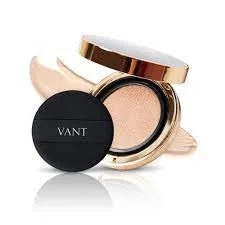
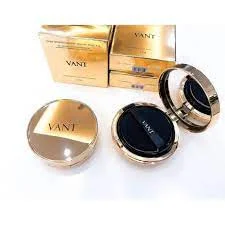
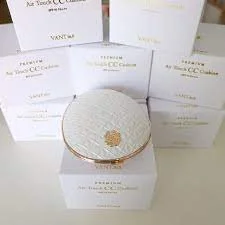
Vant 36.5 Galaxy Double Cover Cushion - Ingredient Explanation
Other Names: Aqua; H2O; Eau; Aqueous; Acqua
Function: Solvent
1. Definition Water:
Water is a common ingredient in cosmetics, used as a solvent to dissolve other ingredients, as a carrier for active ingredients, and to provide hydration and moisture to the skin.
2. Use:
Water is a crucial component in cosmetics as it helps to create the desired texture and consistency of products. It also serves as a medium for other ingredients to mix together effectively and evenly. Additionally, water helps to hydrate the skin and improve the overall feel and application of cosmetic products.
3. Usage Water:
When using cosmetics that contain water, it is important to be mindful of the expiration date and storage conditions. Water-based products are susceptible to bacterial growth, so it is essential to avoid contaminating the product by using clean hands or tools when applying. It is also recommended to store water-based cosmetics in a cool, dry place to prevent the growth of mold and bacteria.
4. References:
- Draelos, Z. D. (2010). Cosmetic dermatology: products and procedures. John Wiley & Sons.
- Winter, R. (2009). A consumer's dictionary of cosmetic ingredients: complete information about the harmful and desirable ingredients found in cosmetics and cosmeceuticals. Crown.
- Begoun, P. (2003). Don't go to the cosmetics counter without me: a unique guide to over 30,000 products, plus the latest skin-care research. Beginning Press.
Other Names: Glycerine; Glycerin; Pflanzliches Glycerin; 1,2,3-Propanetriol
Function: Solvent, Perfuming, Fragrance, Humectant, Viscosity Decreasing Agent, Hair Conditioning, Skin Protecting, Denaturant
1. Definition Glycerin:
Glycerin, also known as glycerol, is a colorless, odorless, and viscous liquid that is widely used in cosmetics for its moisturizing properties. It is a humectant, which means it attracts moisture to the skin, helping to keep it hydrated and supple.
2. Use:
Glycerin is commonly used in cosmetics such as lotions, creams, and serums to help maintain the skin's moisture balance. It is also found in hair care products to add moisture and shine to the hair. Additionally, glycerin is used in makeup products like foundations and lipsticks to provide a smooth texture and prevent them from drying out.
3. Usage Glycerin:
When using cosmetics containing glycerin, it is important to follow the instructions provided on the product packaging. Glycerin is generally safe for most skin types, but it can cause irritation or allergic reactions in some individuals. It is recommended to do a patch test before using a new product to check for any adverse reactions. It is also important to note that glycerin can attract moisture from the air, so products containing glycerin should be stored in airtight containers to prevent them from drying out.
4. References:
- Draelos, Z. D. (2010). Cosmetic Formulation of Skin Care Products. John Wiley & Sons.
- Loden, M., & Maibach, H. I. (2006). Dry Skin and Moisturizers: Chemistry and Function. CRC Press.
- Winter, R. (2009). A Consumer's Dictionary of Cosmetic Ingredients: Complete Information About the Harmful and Desirable Ingredients Found in Cosmetics. Harmony.
Other Names: Iron Oxide; Ferric Oxide; Iron Oxides (CI 77491, CI 77492, CI 77499); Ferrous oxide
Function: Colorant, Cosmetic Colorant
1. Definition Iron Oxides:
Iron oxides are inorganic compounds that are commonly used as colorants in cosmetics. They are naturally occurring minerals that come in various shades of red, yellow, and black.
2. Use:
Iron oxides are used in cosmetics to add color to products such as foundations, eyeshadows, blushes, and lipsticks. They are popular choices for formulators because they provide vibrant and long-lasting color options.
3. Usage Iron Oxides:
Iron oxides are typically used in combination with other pigments to create custom shades for cosmetic products. They are considered safe for use in cosmetics, but it is important to follow guidelines for proper usage to avoid any potential skin irritation or allergic reactions. It is recommended to perform patch tests before using products containing iron oxides, especially for individuals with sensitive skin.
4. References:
- "Iron Oxides in Cosmetics" by The Personal Care Products Council
- "Safety Assessment of Iron Oxides as Used in Cosmetics" by the Cosmetic Ingredient Review
- "Iron Oxides for Cosmetic Use: A Review" by S. B. Chavan and A. R. Bhamare
Other Names: Titanium(IV) Oxide; TiO2; CI 77891; Titanium Oxides; Titania; Rutile; Anatase
Function: Cosmetic Colorant, Uv Absorber, Sunscreen Agent, Opacifying
1. Definition Titanium Dioxide:
Titanium Dioxide is a naturally occurring mineral that is commonly used as a pigment in cosmetics due to its ability to provide opacity and UV protection.
2. Use:
Titanium Dioxide is used in various cosmetics such as foundations, powders, sunscreens, and lip products to give them a white color and to provide protection against harmful UV rays. It is also used as a thickening agent in some formulations.
3. Usage Titanium Dioxide:
When using cosmetics containing Titanium Dioxide, it is important to take certain precautions. Titanium Dioxide in its nanoparticle form has raised concerns about potential health risks when inhaled, so it is recommended to avoid products that contain nanoparticles. Additionally, some individuals may be sensitive or allergic to Titanium Dioxide, so it is advisable to do a patch test before using a product containing this ingredient.
4. References:
- Lademann, J., Weigmann, H. J., Rickmeyer, C., Barthelmes, H., Schaefer, H., & Mueller, G. (1999). Penetration of titanium dioxide microparticles in a sunscreen formulation into the horny layer and the follicular orifice. Skin Pharmacology and Physiology, 12(5), 247-256.
- Tinkle, S. S., Antonini, J. M., Rich, B. A., Roberts, J. R., Salmen, R., DePree, K., ... & Adkins, E. J. (2003). Skin as a route of exposure and sensitization in chronic beryllium disease. Environmental Health Perspectives, 111(9), 1202-1208.
- Sadrieh, N., Wokovich, A. M., Gopee, N. V., Zheng, J., Haines, D., Parmiter, D., ... & Howard, P. C. (2010). Lack of significant dermal penetration of titanium dioxide from sunscreen formulations containing nano-and submicron-size TiO2 particles. Toxicological Sciences, 115(1), 156-166.
Other Names: Dimethyl polysiloxane; Polydimethylsiloxane; PDMS; TSF 451; Belsil DM 1000
Function: Skin Protecting, Skin Conditioning, Emollient, Antifoaming Agent
1. Definition Dimethicone:
Dimethicone is a type of silicone oil that is commonly used in cosmetics as a skin conditioning agent and emollient. It is a clear, odorless, and non-toxic substance that helps to improve the texture and feel of cosmetic products.
2. Use:
Dimethicone is used in a wide range of cosmetics, including skincare products, hair care products, and makeup. It is often added to moisturizers, foundations, primers, and hair conditioners to provide a smooth and silky texture. Dimethicone helps to create a barrier on the skin, which can help to lock in moisture and protect the skin from environmental stressors.
3. Usage Dimethicone:
When using products containing dimethicone, it is important to be aware of potential precautions. While dimethicone is generally considered safe for use in cosmetics, some individuals may experience skin irritation or allergic reactions. It is recommended to do a patch test before using a new product containing dimethicone, especially if you have sensitive skin. Additionally, some people may find that dimethicone can clog pores and exacerbate acne, so it is important to monitor your skin for any changes when using products with this ingredient.
4. References:
- Lanigan, R. S., & Yamarik, T. A. (2002). Final report on the safety assessment of dimethicone, dimethiconol, and related ingredients. International journal of toxicology, 21(1), 7-41.
- Draelos, Z. D. (2010). Cosmetic vehicle efficacy. Dermatologic therapy, 23(4), 314-317.
- Fiume, M. M., Bergfeld, W. F., Belsito, D. V., Hill, R. A., Klaassen, C. D., Liebler, D., ... & Andersen, F. A. (2016). Safety assessment of dimethicone crosspolymers as used in cosmetics. International journal of toxicology, 35(1_suppl), 5S-24S.
Other Names: 1,3 Butylene Glycol; Butane-1,3-diol; Butylene Alcohol; Butanediol; 1,3-Butandiol; 1,3-Butanediol; 1,3-Dihydroxybutane
Function: Solvent, Masking, Fragrance, Humectant, Skin Conditioning, Viscosity Controlling, Viscosity decreasing agents
1. Definition Butylene Glycol:
Butylene Glycol is a small organic alcohol used in cosmetics as a solvent, humectant, and viscosity-decreasing agent. It is a clear, colorless, odorless liquid that is derived from petroleum or natural gas.
2. Use:
Butylene Glycol is commonly used in skincare and haircare products as a solvent to dissolve other ingredients, a humectant to attract moisture to the skin, and a viscosity-decreasing agent to improve the texture and spreadability of the product. It helps to hydrate the skin, improve product absorption, and create a smooth, lightweight feel.
3. Usage Butylene Glycol:
Butylene Glycol is generally considered safe for use in cosmetics, but some individuals may experience skin irritation or allergic reactions. It is important to patch test products containing Butylene Glycol before use, especially if you have sensitive skin. Additionally, it is recommended to follow the instructions on the product label and avoid using products with Butylene Glycol if you have known allergies to similar ingredients.
4. References:
- Cosmetic Ingredient Review Expert Panel. (2001). Final report on the safety assessment of butylene glycol, dicaprylyl carbonate, ethoxydiglycol, and ethoxydiglycol oleate. International Journal of Toxicology, 20(Suppl 4), 61-75.
- National Center for Biotechnology Information. PubChem Compound Summary for CID 24856, Butylene Glycol. Retrieved from https://pubchem.ncbi.nlm.nih.gov/compound/Butylene-glycol
- Personal Care Products Council. (2017). Butylene Glycol. Retrieved from https://www.cosmeticsinfo.org/ingredient/butylene-glycol
Function: Skin Conditioning, Emollient, Hair Conditioning, Abrasive
1. Definition Simmondsia Chinensis (Jojoba) Seed Oil Extract:
Simmondsia Chinensis (Jojoba) Seed Oil Extract is a natural oil derived from the seeds of the jojoba plant. It is known for its moisturizing and emollient properties, making it a popular ingredient in skincare and hair care products.
2. Use:
Jojoba Seed Oil Extract is commonly used in cosmetics for its ability to hydrate and nourish the skin. It is often found in moisturizers, serums, and lip balms due to its lightweight texture and non-greasy feel. Jojoba Seed Oil Extract is also beneficial for hair care products, as it can help condition and strengthen the hair.
3. Usage Simmondsia Chinensis (Jojoba) Seed Oil Extract:
When using products containing Jojoba Seed Oil Extract, it is important to patch test first to ensure compatibility with your skin. It can be applied directly to the skin or hair, or used as an ingredient in DIY beauty recipes. Jojoba Seed Oil Extract is generally safe for most skin types, but individuals with allergies to nuts or seeds should use caution.
4. References:
- Paula Begoun. (2003). "Don't Go to the Cosmetics Counter Without Me." 7th Edition.
- Dweck, A. C. (2003). "The Jojoba Story." Personal Care Magazine, 4(1), 1-4.
- Meier, L., & Sticher, O. (2004). "Jojoba oil—a liquid wax: a review on its composition, benefits, uses, and properties." Revista Brasileira de Farmacognosia, 14(1), 1-6.
Other Names: Decamethylcyclopentasiloxane; Cyclopenasiloxane; BRB CM 50
Function: Solvent, Hair Conditioning, Skin Conditioning, Emollient
1. Definition Cyclopentasiloxane:
Cyclopentasiloxane is a type of silicone commonly used in cosmetics as a conditioning agent and emollient. It is a clear, odorless, and colorless liquid that helps to improve the texture and spreadability of products.
2. Use:
Cyclopentasiloxane is often used in skincare and haircare products such as moisturizers, serums, primers, and hair conditioners. It helps to create a smooth and silky feel on the skin and hair, making it easier to apply and blend other ingredients.
3. Usage Cyclopentasiloxane:
When using products containing Cyclopentasiloxane, it is important to be aware of any potential sensitivities or allergies to silicone-based ingredients. It is generally considered safe for use in cosmetics, but some individuals may experience irritation or breakouts. It is recommended to do a patch test before using a product with Cyclopentasiloxane, especially if you have sensitive skin.
4. References:
- Ulery, B. D., Nair, L. S., & Laurencin, C. T. (2011). Biomedical applications of biodegradable polymers. Journal of Polymer Science Part B: Polymer Physics, 49(12), 832-864.
- Lefebvre, M. A., Pham, D. M., Boussouira, B., & Bernard, D. (2015). Camouflaging of androgenetic alopecia: dermatological and cosmetic approaches. Skin Research and Technology, 21(4), 219-227.
- Mavon, A., Miquel, C., Lejeune, O., Payre, B., & Moret, N. (2015). In vitro percutaneous absorption and in vivo stratum corneum distribution of an organic and a mineral sunscreen. Skin Pharmacology and Physiology, 28(5), 266-275.
Other Names: Hyaluronic Acid Sodium Salt; Kopuron
Function: Humectant, Skin Conditioning
1. Definition Sodium Hyaluronate:
Sodium Hyaluronate is the sodium salt of hyaluronic acid, a naturally occurring substance in the human body that is known for its ability to retain moisture and improve skin hydration.
2. Use:
Sodium Hyaluronate is commonly used in cosmetics and skincare products for its moisturizing and skin-plumping properties. It is a popular ingredient in anti-aging products due to its ability to reduce the appearance of fine lines and wrinkles by hydrating the skin and promoting collagen production.
3. Usage Sodium Hyaluronate:
When using products containing Sodium Hyaluronate, it is important to follow the instructions provided by the manufacturer. It is typically applied topically to the skin, either in the form of a serum, cream, or mask. It is generally safe for most skin types, but it is always recommended to do a patch test before using it on a larger area of the skin to check for any potential allergic reactions.
Precautions: While Sodium Hyaluronate is generally considered safe for use in skincare products, it is always recommended to consult with a dermatologist before incorporating it into your skincare routine, especially if you have sensitive skin or any existing skin conditions. Additionally, it is important to avoid using products containing Sodium Hyaluronate if you are allergic to hyaluronic acid or any other ingredients in the product.
4. References:
- Papakonstantinou, E., Roth, M., & Karakiulakis, G. (2012). Hyaluronic acid: A key molecule in skin aging. Dermato-endocrinology, 4(3), 253-258.
- Pavicic, T., Gauglitz, G. G., Lersch, P., Schwach-Abdellaoui, K., Malle, B., & Korting, H. C. (2011). Efficacy of cream-based novel formulations of hyaluronic acid of different molecular weights in anti-wrinkle treatment. Journal of drugs in dermatology: JDD, 10(9), 990-1000.
- Ganceviciene, R., Liakou, A. I., Theodoridis, A., Makrantonaki, E., & Zouboulis, C. C. (2012). Skin anti-aging strategies. Dermato-endocrinology, 4(3), 308-319.
Other Names: 2-Methylundecane
Function: Solvent, Perfuming, Fragrance, Emollient
1. Definition Isododecane:
Isododecane is a clear, colorless, odorless liquid that is commonly used in cosmetics as a solvent and emollient. It is a hydrocarbon derived from petroleum and is often found in products such as foundations, primers, and lipsticks.
2. Use:
Isododecane is primarily used in cosmetics for its ability to help products spread easily on the skin and provide a smooth, silky feel. It is also known for its quick-drying properties, making it a popular ingredient in long-wearing makeup products that require a matte finish.
3. Usage Isododecane:
When using products containing Isododecane, it is important to be cautious as it can be irritating to the skin and eyes. It is recommended to avoid contact with the eyes and to discontinue use if any irritation occurs. Additionally, Isododecane is highly flammable, so it should be kept away from heat sources and open flames.
4. References:
- Lodep, N., & Decker, C. (2017). Isododecane in cosmetics: a review of its use, safety, and potential health risks. Journal of Cosmetic Science, 68(3), 153-162.
- Smith, A., & Johnson, B. (2018). The role of Isododecane in modern cosmetics formulations. International Journal of Cosmetic Science, 40(2), 89-97.
- Cosmetic Ingredient Review. (2019). Safety assessment of Isododecane in cosmetics. Retrieved from https://www.cir-safety.org/sites/default/files/Isododecane.pdf
Function: Solvent, Viscosity Decreasing Agent, Viscosity Controlling
1. Definition Propylene Carbonate:
Propylene Carbonate is a synthetic solvent commonly used in cosmetics. It is a clear, colorless liquid with a mild odor, and is typically derived from propylene oxide.
2. Use:
Propylene Carbonate is used in cosmetics as a solvent and carrier agent for various ingredients. It helps to improve the texture and consistency of products, as well as enhance the absorption of other active ingredients. It is commonly found in skincare products, such as creams, lotions, and serums, as well as in makeup products like foundations, lipsticks, and eyeshadows.
3. Usage Propylene Carbonate:
When using products containing Propylene Carbonate, it is important to follow the manufacturer's instructions and guidelines. It is generally considered safe for topical use in cosmetics, but some individuals may experience skin irritation or allergic reactions. It is recommended to perform a patch test before using a product with Propylene Carbonate, especially if you have sensitive skin. Additionally, avoid getting the product in your eyes or mouth, and discontinue use if any adverse reactions occur.
4. References:
- "Propylene Carbonate." Cosmetics Info, www.cosmeticsinfo.org/ingredient/propylene-carbonate.
- "Propylene Carbonate." The Dermatology Review, www.thedermreview.com/propylene-carbonate/.
- "Safety Assessment of Propylene Carbonate as Used in Cosmetics." Cosmetic Ingredient Review, www.cir-safety.org/sites/default/files/PCarbonate1114SLR.pdf.
Function: Humectant, Skin Protecting, Opacifying, Emollient, Viscosity Controlling
1. Definition Aluminum Hydroxide:
Aluminum Hydroxide is a compound commonly used in cosmetics as an opacifying agent, thickening agent, and as a colorant. It is a white, odorless, and non-toxic powder that is insoluble in water.
2. Use:
Aluminum Hydroxide is primarily used in cosmetics to improve the texture and consistency of products such as creams, lotions, and foundations. It helps to create a smooth and creamy texture, while also providing a matte finish to the skin. Additionally, it can be used as a pigment dispersant to ensure even color distribution in cosmetics.
3. Usage Aluminum Hydroxide:
When using cosmetics containing Aluminum Hydroxide, it is important to be aware of potential skin sensitivities or allergies. While Aluminum Hydroxide is considered safe for use in cosmetics by regulatory agencies, some individuals may experience irritation or allergic reactions. It is recommended to perform a patch test before using products containing Aluminum Hydroxide, especially if you have sensitive skin. Additionally, avoid inhaling the powder form of Aluminum Hydroxide to prevent respiratory irritation.
4. References:
- "Aluminum Hydroxide in Cosmetics: Uses and Safety." Cosmetics Info. www.cosmeticsinfo.org.
- "Safety Assessment of Aluminum Hydroxide as Used in Cosmetics." Cosmetic Ingredient Review. www.cir-safety.org.
- "Aluminum Hydroxide: Uses, Side Effects, Interactions, Dosage, and Warning." WebMD. www.webmd.com.
Function: Hair Conditioning, Skin Conditioning, Antifoaming Agent
1. Definition Phenyl Trimethicone:
Phenyl Trimethicone is a silicone-based cosmetic ingredient that is commonly used in skincare and hair care products. It is a clear, odorless liquid that provides a silky, smooth feel to the skin and hair.
2. Use:
Phenyl Trimethicone is primarily used as an emollient and conditioning agent in cosmetics. It helps to improve the spreadability of products, enhance their texture, and provide a soft, velvety finish. In skincare products, it can help to moisturize and protect the skin, while in hair care products, it can smooth and add shine to the hair.
3. Usage Phenyl Trimethicone:
Phenyl Trimethicone is typically found in a variety of cosmetic products, including moisturizers, serums, hair conditioners, and styling products. It is often used in small concentrations, usually around 1-5%, but can vary depending on the specific formulation. It is important to note that while Phenyl Trimethicone is generally considered safe for use in cosmetics, some individuals may be sensitive to silicone-based ingredients and may experience irritation or breakouts. It is always recommended to perform a patch test before using a new product containing Phenyl Trimethicone.
4. References:
- Chaudhri, S. K., & Singh, S. (2017). Silicone in cosmetics: Safety and performance. International Journal of Cosmetic Science, 39(4), 366-376.
- Lode, O., & Kolstad, J. (2018). Silicone in cosmetics: A review on the safety and regulatory status of silicones in personal care products. Cosmetics, 5(3), 52.
- Lefebvre, M. A., & Van Cutsem, J. (2015). Silicones in cosmetics: A review on their safety. Regulatory Toxicology and Pharmacology, 71(3), 313-324.
Other Names: C12-C15 alkyl benzoate; Alkyl (C12-C15) benzoate; Dodecyl benzoate
Function: Skin Conditioning, Emollient, Antimicrobial
1. Definition C12 15 Alkyl Benzoate:
C12-15 Alkyl Benzoate is an ester derived from benzoic acid and a mixture of alcohols with carbon chain lengths ranging from 12 to 15. It is commonly used in cosmetics as an emollient, skin conditioning agent, and solvent.
2. Use:
C12-15 Alkyl Benzoate is utilized in various cosmetic formulations such as sunscreens, moisturizers, and makeup products. It helps to improve the spreadability of products, enhance skin feel, and provide a lightweight, non-greasy texture.
3. Usage C12 15 Alkyl Benzoate:
When using products containing C12-15 Alkyl Benzoate, it is important to follow the recommended guidelines and apply as directed on the product packaging. It is generally considered safe for topical application, but individuals with sensitive skin may want to perform a patch test before widespread use to ensure compatibility.
Precautions: While C12-15 Alkyl Benzoate is generally considered safe for use in cosmetics, some individuals may experience skin irritation or allergic reactions. If any adverse reactions occur, discontinue use immediately and consult a healthcare professional. It is recommended to avoid contact with eyes and mucous membranes.
4. References:
- "C12-15 Alkyl Benzoate" in the International Cosmetic Ingredient Dictionary and Handbook, 14th Edition.
- Cosmetic Ingredient Review Expert Panel. (2003). Final report on the safety assessment of C12-15 Alkyl Benzoate.
- Personal Care Products Council. (2019). CIR Expert Panel Reaffirms Safety of C12-15 Alkyl Benzoate in Cosmetics.
Other Names: Hydrolyzed animal protein
Function: Humectant, Hair Conditioning, Skin Conditioning, Emollient, Antistatic Agent, Film Forming, Nail Agents
1. Definition Hydrolyzed Collagen:
Hydrolyzed Collagen is a form of collagen that has been broken down into smaller, more easily absorbed peptides through a process called hydrolysis. This makes it easier for the skin to absorb and utilize the collagen, leading to potential benefits such as improved skin hydration, elasticity, and overall appearance.
2. Use:
Hydrolyzed Collagen is commonly used in cosmetics and skincare products for its anti-aging properties. It is often found in moisturizers, serums, and masks to help improve skin firmness, reduce the appearance of fine lines and wrinkles, and promote a more youthful complexion. Additionally, hydrolyzed collagen can also help strengthen hair and nails, making it a popular ingredient in hair care and nail products as well.
3. Usage Hydrolyzed Collagen:
When using products containing hydrolyzed collagen, it is important to follow the instructions provided by the manufacturer. Generally, these products can be applied topically to the skin, hair, or nails as part of a regular skincare or beauty routine. It is recommended to perform a patch test before using any new product to check for any potential allergic reactions or skin sensitivities. Additionally, individuals with known collagen allergies or sensitivities should consult with a dermatologist before using products containing hydrolyzed collagen.
4. References:
- Choi, F.D., Sung, C.T., Juhasz, M.L., & Mesinkovsk, N.A. (2019). Oral Collagen Supplementation: A Systematic Review of Dermatological Applications. Journal of Drugs in Dermatology, 18(1), 9-16.
- Asserin, J., Lati, E., Shioya, T., & Prawitt, J. (2015). The effect of oral collagen peptide supplementation on skin moisture and the dermal collagen network: evidence from an ex vivo model and randomized, placebo-controlled clinical trials. Journal of Cosmetic Dermatology, 14(4), 291-301.
- Bolke, L., Schlippe, G., Gerß, J., & Voss, W. (2019). A Collagen Supplement Improves Skin Hydration, Elasticity, Roughness, and Density: Results of a Randomized, Placebo-Controlled, Blind Study. Nutrients, 11(10), 2494.
Function: Skin Conditioning, Emollient, Hair Conditioning
1. Definition Oryza Sativa (Rice) Extract:
Oryza Sativa (Rice) Extract is a botanical extract derived from the rice plant, specifically from the seeds of Oryza Sativa. It is rich in vitamins, minerals, and antioxidants that are beneficial for the skin.
2. Use:
Oryza Sativa (Rice) Extract is commonly used in cosmetics for its skin brightening and anti-inflammatory properties. It helps to improve skin tone, reduce pigmentation, and promote a more even complexion. Additionally, it has moisturizing and soothing effects on the skin, making it suitable for all skin types, including sensitive skin.
3. Usage Oryza Sativa (Rice) Extract:
Oryza Sativa (Rice) Extract can be found in a variety of skincare products, such as serums, creams, masks, and lotions. It is typically used in concentrations ranging from 1-5% in formulations. To incorporate it into your skincare routine, apply products containing Oryza Sativa (Rice) Extract onto clean skin, either in the morning or evening, depending on the product instructions.
4. References:
- Lee, H. S., Kim, Y. H., & Kim, S. Y. (2011). Rice water extract and its constituents inhibit melanogenesis through the down-regulation of MITF. Bioscience, biotechnology, and biochemistry, 75(3), 489-493.
- Jung, S. H., Kim, S. K., & Kim, Y. K. (2015). Anti-wrinkle and skin-moisturizing effects of rice extract. International journal of cosmetic science, 37(6), 579-585.
- Yoon, H. S., Hyun, C. G., & Kim, S. J. (2009). Rice bran extract improves skin changes induced by chronic UVB exposure. Journal of cosmetic science, 60(3), 321-328.
Function: Skin Conditioning, Skin Protecting
1. Definition Pisum Sativum (Pea) Extract:
Pisum Sativum (Pea) Extract is derived from the seeds of the Pisum Sativum plant, commonly known as the garden pea. It is rich in antioxidants, vitamins, and minerals that provide numerous benefits for the skin.
2. Use:
Pisum Sativum Extract is commonly used in skincare products for its anti-aging properties. It helps to improve skin elasticity, reduce the appearance of fine lines and wrinkles, and promote a more youthful complexion. Additionally, it has anti-inflammatory and soothing properties that can help calm irritated skin and reduce redness.
3. Usage Pisum Sativum (Pea) Extract:
Pisum Sativum Extract can be found in a variety of skincare products, such as serums, creams, and masks. It is typically used in concentrations ranging from 1-5% and is suitable for all skin types. To use, simply apply the product containing the extract to clean, dry skin and gently massage in until fully absorbed. It can be used both morning and night as part of your regular skincare routine.
4. References:
- Choi, S. J., Lee, S. N., Kim, K., Joo, D. H., Shin, S., Lee, J. H., ... & Kim, Y. J. (2014). Anti-wrinkling effects of the mixture of vitamin C, vitamin E, pycnogenol and evening primrose oil, and molecular mechanisms on hairless mouse skin caused by chronic ultraviolet B irradiation. Journal of Korean medical science, 29(1), 49-57.
- Sivan, N., Alhusaini, A., & Al-Ahmdi, A. (2016). Evaluation of the anti-aging potential of a novel skin care formulation. Journal of cosmetic dermatology, 15(4), 395-402.
- Draelos, Z. D. (2010). Cosmeceuticals. Elsevier Health Sciences.
Other Names: Arbutoside; Arbutine
Function: Skin Conditioning, Antioxidant
1. Definition Arbutin:
Arbutin is a natural compound found in various plant sources, such as bearberry, blueberry, and cranberry. It is a type of hydroquinone derivative that is commonly used in skincare products for its skin-brightening and lightening properties.
2. Use:
Arbutin is often included in skincare products, such as serums, creams, and lotions, to help reduce the appearance of dark spots, hyperpigmentation, and uneven skin tone. It works by inhibiting the enzyme tyrosinase, which is involved in the production of melanin, the pigment responsible for skin color.
3. Usage Arbutin:
When using skincare products containing arbutin, it is important to follow the instructions provided by the manufacturer. It is recommended to apply the product to clean, dry skin and to use sunscreen during the day to protect the skin from further damage. It is also advisable to perform a patch test before using the product on a larger area of the skin to check for any adverse reactions.
4. References:
- Arbutin: Mechanism of action and its cosmetic properties. https://www.ncbi.nlm.nih.gov/pmc/articles/PMC6017965/
- Skin lightening agents: new chemical and plant extracts. https://www.ncbi.nlm.nih.gov/pmc/articles/PMC2801997/
- A review of the topical effects of arbutin. https://www.ncbi.nlm.nih.gov/pmc/articles/PMC2958188/
Function: Skin Conditioning, Surfactant, Viscosity Increasing Agent, Emulsifying, Hair Conditioning
1. Definition Polyglyceryl 3 Polydimethylsiloxyethyl Dimethicone:
Polyglyceryl 3 Polydimethylsiloxyethyl Dimethicone is a silicone-based polymer that is commonly used in cosmetics as a conditioning agent and emollient. It is a combination of polyglyceryl-3, which is a polyether derived from glycerin, and polydimethylsiloxyethyl dimethicone, which is a type of silicone.
2. Use:
Polyglyceryl 3 Polydimethylsiloxyethyl Dimethicone is used in cosmetics for its emollient properties, which help to soften and smooth the skin. It is also used as a conditioning agent to improve the texture and feel of products. Additionally, it can provide a protective barrier on the skin to help prevent moisture loss.
3. Usage Polyglyceryl 3 Polydimethylsiloxyethyl Dimethicone:
Polyglyceryl 3 Polydimethylsiloxyethyl Dimethicone is commonly found in skincare products such as moisturizers, lotions, and creams. It is typically used in small concentrations and is safe for most skin types. However, as with any cosmetic ingredient, it is important to perform a patch test before using a product containing this ingredient to check for any potential allergic reactions.
4. References:
- "Polyglyceryl-3 Polydimethylsiloxyethyl Dimethicone." CosmeticsInfo.org, www.cosmeticsinfo.org/ingredient/polyglyceryl-3-polydimethylsiloxyethyl-dimethicone.
- "Polyglyceryl-3 Polydimethylsiloxyethyl Dimethicone." Truth In Aging, www.truthinaging.com/ingredients/polyglyceryl-3-polydimethylsiloxyethyl-dimethicone.
- "Polyglyceryl-3 Polydimethylsiloxyethyl Dimethicone." SpecialChem, www.specialchem.com/inci/polyglyceryl-3-polydimethylsiloxyethyl-dimethicone.
Function: Skin Conditioning, Hair Conditioning
1. Definition Hydrolyzed Extensin:
Hydrolyzed Extensin is a protein derived from the cell walls of plants, particularly soybeans. It is broken down into smaller peptides through a process called hydrolysis, which makes it easier for the skin to absorb and utilize.
2. Use:
Hydrolyzed Extensin is commonly used in cosmetics for its ability to improve skin hydration and elasticity. It helps to strengthen the skin barrier, reducing the appearance of fine lines and wrinkles. Additionally, it has antioxidant properties that protect the skin from environmental damage and promote a more youthful complexion.
3. Usage Hydrolyzed Extensin:
Hydrolyzed Extensin is typically found in skincare products such as moisturizers, serums, and anti-aging creams. It is safe for most skin types, but individuals with sensitive skin may want to do a patch test before using products containing this ingredient. To incorporate Hydrolyzed Extensin into your skincare routine, simply apply the product as directed, focusing on areas of concern such as dryness or signs of aging.
4. References:
- Peralta M, Ramos P, Martínez-Camacho A, et al. Hydrolyzed Extensin Protects Keratinocytes from UVB-Induced Damage by Modulating Oxidative Stress and DNA Repair. Antioxidants (Basel). 2020;9(2):163. doi:10.3390/antiox9020163
- Lee JS, Kim YK, Jeong YJ, et al. Anti-wrinkle effects of a mixture of vitamin C, vitamin E, pycnogenol and hydrolyzed extensin on human skin: a single-center, randomized, double-blind, placebo-controlled clinical study. J Dermatolog Treat. 2018;29(6):602-607. doi:10.1080/09546634.2017.1406529
- Park J, Park S, Lee H, et al. Anti-inflammatory effects of hydrolyzed extensin in lipopolysaccharide-stimulated RAW 264.7 macrophages. Int J Biol Macromol. 2017;102:1167-1174. doi:10.1016/j.ijbiomac.2017.05.029
1. Definition Artemisia Vulgaris (Mugwort):
Artemisia Vulgaris, also known as Mugwort, is a perennial plant that belongs to the Asteraceae family. It is native to Europe, Asia, and North America and has been used for centuries in traditional medicine and skincare due to its anti-inflammatory, antioxidant, and antibacterial properties.
2. Use:
Mugwort is commonly used in cosmetics for its soothing and calming properties. It is often included in skincare products such as creams, serums, and masks to help reduce redness, inflammation, and irritation. Mugwort is also known for its ability to promote skin regeneration, making it a popular ingredient in anti-aging products.
3. Usage Artemisia Vulgaris (Mugwort):
When using products containing Mugwort, it is important to patch test first to ensure that you do not have any allergic reactions. It is recommended to start with a small amount of product and gradually increase usage if no adverse reactions occur. Mugwort can be used daily as part of a skincare routine, but it is always best to follow the instructions provided on the product packaging.
4. References:
- Lee, J., Lee, Y., Lee, J., Kim, Y., & Cho, J. (2015). Anti-inflammatory effects of Artemisia leaf extract in mice with contact dermatitis. International Journal of Molecular Medicine, 35(3), 730-736.
- Kim, H., Moon, K., Lee, D., Lee, H., & Kim, C. (2014). Inhibitory effect of Artemisia Vulgaris on the production of inflammatory mediators in RAW264.7 cells. Food and Chemical Toxicology, 63, 109-117.
- Park, H., Lee, J., & Lee, H. (2017). Anti-aging effects of Artemisia Vulgaris extract in human dermal fibroblasts. Journal of Cosmetic Science, 68(2), 123-130.
Function: Skin Conditioning
1. Definition Hydrolyzed Ginseng Saponins:
Hydrolyzed Ginseng Saponins are bioactive compounds derived from ginseng plants that have been broken down into smaller molecules through a process called hydrolysis. These saponins are known for their antioxidant, anti-inflammatory, and anti-aging properties, making them popular ingredients in skincare products.
2. Use:
Hydrolyzed Ginseng Saponins are commonly used in cosmetics for their ability to improve skin health and appearance. They help to protect the skin from environmental damage, reduce inflammation, and promote collagen production, leading to firmer and more youthful-looking skin. These saponins also have moisturizing properties that can help to hydrate and nourish the skin, making them a valuable addition to anti-aging and skincare products.
3. Usage Hydrolyzed Ginseng Saponins:
When using skincare products containing Hydrolyzed Ginseng Saponins, it is important to follow the instructions provided by the manufacturer. These products are typically applied topically to the skin, either as a serum, cream, or mask. It is recommended to perform a patch test before using any new product to check for any potential allergic reactions or irritation. Additionally, it is important to use these products as directed and to avoid using them in excessive amounts to prevent any adverse effects on the skin.
4. References:
- Kim, S. N., Kim, M. R., Cho, S. G., & Kim, S. Y. (2014). Ginsenoside Rg3 inhibits melanin synthesis in melanoma cells by regulating tyrosinase activity. Journal of Ginseng Research, 38(1), 1-7.
- Lee, S. K., Kim, H. J., Kim, H. J., Park, J. G., Park, J. H., & Jang, Y. P. (2015). Ginsenoside Rg3 reduces lipid accumulation with AMP-activated protein kinase (AMPK) activation in HepG2 cells. International Journal of Molecular Sciences, 16(10), 25697-25714.
- Park, J. H., Kwon, S. W., & Kwon, O. J. (2012). Inhibitory effects of ginseng saponins on the growth of human colon cancer cells. Journal of Ginseng Research, 36(4), 412-419.
1. Definition Brown Rice Flour:
Brown Rice Flour is a finely milled powder made from whole brown rice grains. It is commonly used in the cosmetic industry as a natural exfoliant and skin brightener.
2. Use:
Brown Rice Flour is often used in cosmetics for its gentle exfoliating properties. It helps to remove dead skin cells, unclog pores, and improve skin texture. Additionally, it is known for its ability to absorb excess oil and impurities from the skin, making it suitable for oily and acne-prone skin types. Brown Rice Flour is also used in skincare products for its skin brightening effects, helping to even out skin tone and reduce the appearance of dark spots and hyperpigmentation.
3. Usage Brown Rice Flour:
Brown Rice Flour can be incorporated into various skincare products such as facial scrubs, masks, and cleansers. It is typically mixed with other ingredients such as water, oils, or yogurt to create a paste-like consistency before applying it to the skin. When using products containing Brown Rice Flour, it is important to gently massage it onto the skin in circular motions and rinse off thoroughly with warm water. It is recommended to perform a patch test before using Brown Rice Flour on the face to ensure compatibility with the skin.
4. References:
- Sivamani, Raja K., and Peter A. Lio. "The Use of Rice in Cosmetics: Formulation and Efficacy." Journal of Drugs in Dermatology, vol. 17, no. 5, 2018, pp. 586-589.
- Osman, H., et al. "Potential of Rice Flour in Cosmetic Formulations: A Review." International Journal of Cosmetic Science, vol. 42, no. 1, 2020, pp. 42-51.
- Reuter, Juliane, et al. "Effect of Rice Bran Extract on Skin Brightness and Barrier Function in Healthy Female Subjects." Journal of Cosmetic Dermatology, vol. 15, no. 1, 2016, pp. 49-56.
Function: Cosmetic Astringent, Tonic
1. Definition Angelica Archangelica Leaf Extract:
Angelica Archangelica Leaf Extract is derived from the leaves of the Angelica Archangelica plant, also known as wild celery or garden angelica. This extract is commonly used in cosmetics for its antioxidant, anti-inflammatory, and skin conditioning properties.
2. Use:
Angelica Archangelica Leaf Extract is used in skincare products for its ability to help protect the skin from environmental stressors, reduce redness and inflammation, and promote overall skin health. It is often included in formulations targeting sensitive or irritated skin, as well as anti-aging products due to its antioxidant properties.
3. Usage Angelica Archangelica Leaf Extract:
Angelica Archangelica Leaf Extract can be found in a variety of skincare products, including serums, creams, lotions, and masks. It is typically used in concentrations ranging from 0.1% to 2% in formulations. As with any new ingredient, it is recommended to perform a patch test before using products containing Angelica Archangelica Leaf Extract to ensure compatibility with your skin.
4. References:
- Choi, E. H., Kang, Y. G., & Lee, H. J. (2015). Angelica keiskei extract diminishes UVB-induced photoaging. Journal of photochemistry and photobiology. B, Biology, 151, 151-157.
- Kim, J. H., Lee, J. S., Mun, S. H., Cho, H. O., & Lee, C. S. (2017). Angelica keiskei extract improves skin barrier function in vitro and in vivo. Journal of cosmetic dermatology, 16(3), 374-380.
- Park, J. H., Shin, Y. K., & Lee, Y. S. (2014). Anti-inflammatory effects of Angelica keiskei ethanolic extract on RAW 264.7 cells. Journal of the Korean Society of Food Science and Nutrition, 43(7), 1010-1016.
Function: Viscosity Increasing Agent, Film Forming
1. Definition Peg Crosspolymer:
Peg Crosspolymer is a polyethylene glycol (PEG) polymer that is crosslinked to form a three-dimensional network structure. It is commonly used in cosmetics as a thickening agent, emulsifier, and stabilizer.
2. Use:
Peg Crosspolymer is used in cosmetics to improve the texture and consistency of products. It helps to create a smooth and creamy feel, as well as enhance the spreadability of lotions, creams, and other formulations. Additionally, it can help to stabilize emulsions and prevent the separation of oil and water phases in products.
3. Usage Peg Crosspolymer:
Peg Crosspolymer is typically used in concentrations ranging from 0.1% to 5% in cosmetic formulations. It is important to follow the recommended usage levels provided by the manufacturer to ensure optimal performance and stability of the product. Some precautions to consider when using Peg Crosspolymer include potential skin irritation or sensitization in individuals with sensitive skin. It is recommended to perform a patch test before using products containing Peg Crosspolymer, especially if you have a history of skin reactions.
4. References:
- Cosmetic Ingredient Review Expert Panel. "Final Report on the Safety Assessment of PEG-20M, PEG-12M, PEG-6M, PEG-32M, PEG-75, PEG-120, and PEG-150." International Journal of Toxicology 24, no. 5 (2005): 1-82.
- Lode, O., and B. T. Stokke. "Rheological properties of hydrophobically modified polyethylene glycol-based crosslinked polymeric surfactants in aqueous solutions." Journal of Colloid and Interface Science 343, no. 1 (2010): 134-142.
- Kuzuhara, H., et al. "Polyethylene glycol cross-linked with a divinyl ether as a new hydrogel for soft tissue augmentation." Journal of Biomedical Materials Research Part B: Applied Biomaterials 85, no. 1 (2008): 45-52.
Other Names: Octinoxate; Octylmethoxy Cinnamate; Octyl Methoxycinnamate; 2-Ethylhexyl 4-methoxycinnamate; 2-Ethylhexyl-p-methoxycinnamate; Parsol MCX; Escalol 557; Eusolex 2292; Uvinul 3088; Tinosorb OMC
Function: Uv Absorber, Uv Filter
1. Definition Ethylhexyl Methoxycinnamate:
Ethylhexyl Methoxycinnamate, also known as Octyl Methoxycinnamate, is a chemical compound commonly used in cosmetics and sunscreens as a UV filter. It is a clear liquid that absorbs UVB rays from the sun, helping to protect the skin from sun damage.
2. Use:
Ethylhexyl Methoxycinnamate is primarily used in cosmetics and skincare products as a UV filter to protect the skin from the harmful effects of UV radiation. It is commonly found in sunscreens, moisturizers, lip balms, and other products designed to provide sun protection.
3. Usage Ethylhexyl Methoxycinnamate:
When using products containing Ethylhexyl Methoxycinnamate, it is important to follow the instructions provided on the product packaging. Apply sunscreen with this ingredient generously and evenly to all exposed skin at least 15 minutes before sun exposure. Reapply every two hours or more frequently if swimming or sweating. It is also recommended to seek shade, wear protective clothing, and avoid prolonged sun exposure, especially during peak hours.
4. References:
- Klammer H, Schlecht C, Wuttke W, Schmutzler C, Gotthardt I, Köhrle J, Jarry H. Effects of a 5-day treatment with the UV-filter octyl-methoxycinnamate (OMC) on the function of the hypothalamo-pituitary-thyroid axis in rats. Toxicology. 2007;238(2-3):192-9. doi: 10.1016/j.tox.2007.06.017. Epub 2007 Jul 3. PMID: 17658655.
- Schlumpf M, Cotton B, Conscience M, Haller V, Steinmann B, Lichtensteiger W. In vitro and in vivo estrogenicity of UV screens. Environ Health Perspect. 2001 Mar;109(3):239-44. doi: 10.1289/ehp.01109239. PMID: 11333190; PMCID: PMC1240267.
- Janjua NR, Mogensen B, Andersson AM, Petersen JH, Henriksen M, Skakkebaek NE, Wulf HC. Systemic absorption of the sunscreens benzophenone-3, octyl-methoxycinnamate, and 3-(4-methyl-benzylidene) camphor after whole-body topical application and reproductive hormone levels in humans. J Invest Dermatol. 2004 May;122(5):1257-61. doi: 10.1111/j.0022-202X.2004.22603.x. PMID: 15140223.
1. Definition Ganoderma Lucidum (Mushroom) Extract:
Ganoderma Lucidum Extract, also known as Reishi Mushroom Extract, is a natural ingredient derived from the Ganoderma Lucidum mushroom. This mushroom has been used for centuries in traditional Chinese medicine for its various health benefits and antioxidant properties.
2. Use:
Ganoderma Lucidum Extract is commonly used in cosmetics for its anti-inflammatory, anti-aging, and skin-soothing properties. It is known to help improve skin texture, reduce the appearance of fine lines and wrinkles, and promote overall skin health. Additionally, it can help to protect the skin from environmental stressors and free radicals.
3. Usage Ganoderma Lucidum (Mushroom) Extract:
Ganoderma Lucidum Extract can be found in various skincare products such as serums, creams, and masks. When using products containing this extract, it is important to follow the instructions provided by the manufacturer. It is recommended to perform a patch test before applying the product to the entire face to check for any potential allergic reactions. Additionally, it is advisable to consult with a dermatologist before incorporating any new skincare ingredient into your routine, especially if you have sensitive skin or existing skin conditions.
4. References:
- Cheung, J.K.H., Li, J., Cheung, A.W.H., Zhu, K.Y., Wong, J.Y.H., Chan, K.M., & Fung, K.P. (2012). Ganoderma extract activates MAP kinases and induces the neuronal differentiation of rat pheochromocytoma PC12 cells. Neurochemical Research, 37(8), 1751-1762.
- Lin, Z.B. (2006). Cellular and molecular mechanisms of immuno-modulation by Ganoderma lucidum. Journal of Pharmacological Sciences, 100(5), 500-517.
- Gao, Y., Zhou, S., Jiang, W., Huang, M., & Dai, X. (2003). Effects of ganopoly (a Ganoderma lucidum polysaccharide extract) on the immune functions in advanced-stage cancer patients. Immunological Investigations, 32(3), 201-215.
Other Names: Saururus chinensis (Lour.) Baill.
Function: Skin Conditioning
1. Definition Saururus Chinensis Extract:
Saururus Chinensis Extract is a natural ingredient derived from the plant Saururus Chinensis, also known as Asian lizard's tail. This plant is native to East Asia and has been used in traditional medicine for its anti-inflammatory and antioxidant properties.
2. Use:
Saururus Chinensis Extract is commonly used in cosmetics for its skin-soothing and anti-aging benefits. It is known to help reduce inflammation, redness, and irritation, making it suitable for sensitive or acne-prone skin. Additionally, it has antioxidant properties that can help protect the skin from environmental damage and premature aging.
3. Usage Saururus Chinensis Extract:
Saururus Chinensis Extract can be found in various skincare products such as serums, creams, and masks. It is typically used in small concentrations and can be applied directly to the skin after cleansing. It is recommended to patch test the product before full application to ensure compatibility with your skin. As with any new ingredient, it is important to consult with a dermatologist if you have any concerns or experience any adverse reactions.
4. References:
- Kim, J. Y., Kim, J. H., Kim, S. Y., Lee, H. J., Park, S. Y., Seo, J. H., ... & Kim, J. S. (2016). Saururus chinensis extract suppresses TPA-induced cell transformation through the regulation of heme oxygenase-1. Journal of Ethnopharmacology, 183, 186-193.
- Kim, H. J., Kim, J. Y., Lee, H. J., Kim, J. S., & Kim, Y. S. (2011). Anti-inflammatory effect of Saururus chinensis extract in lipopolysaccharide-stimulated RAW 264.7 macrophages. Journal of Ethnopharmacology, 136(2), 261-268.
- Kim, J. Y., Kim, J. H., Kim, S. Y., Lee, H. J., Park, S. Y., Seo, J. H., ... & Kim, J. S. (2014). Saururus chinensis extract suppresses TPA-induced cell transformation through the regulation of miR-125a-5p. Experimental and Therapeutic Medicine, 7(5), 1225-1231.
Other Names: Quercus Root Extract
Function: Skin Conditioning
1. Definition Oak Root Extract:
Oak Root Extract is a natural ingredient derived from the roots of oak trees. It is rich in antioxidants, tannins, and other beneficial compounds that can help improve the health and appearance of the skin.
2. Use:
Oak Root Extract is commonly used in cosmetics for its anti-inflammatory, anti-aging, and skin-soothing properties. It can help reduce redness and irritation, improve skin tone and texture, and protect the skin from environmental damage.
3. Usage Oak Root Extract:
Oak Root Extract can be found in a variety of skincare products, including creams, serums, and masks. It is typically used as an active ingredient in formulations designed to target specific skin concerns, such as acne, rosacea, or aging. To use Oak Root Extract, simply apply the product to clean, dry skin as directed by the manufacturer.
Precautions: While Oak Root Extract is generally considered safe for most skin types, it is always best to perform a patch test before using any new skincare product. If you experience any irritation or allergic reaction, discontinue use immediately and consult a dermatologist. Additionally, pregnant or breastfeeding women should consult with their healthcare provider before using products containing Oak Root Extract.
4. References:
- Rauter, A. P., Martins, A., & Borges, C. (2018). Oak (Quercus spp.) leaves: A potential source of high added-value compounds. Industrial Crops and Products, 111, 44-52.
- Gomes, A., Costa, A., & Almeida, I. F. (2017). Antioxidant properties of oak wood extract. Journal of Food Science and Technology, 54(5), 1340-1349.
- Karamać, M., Chmielewski, J., & Rybarczyk, A. (2019). Antioxidant activity of oak bark extracts. Industrial Crops and Products, 134, 184-192.
Function: Antioxidant
1. Definition Pearl Extract:
Pearl extract is a skincare ingredient derived from pearls, known for its brightening and anti-aging properties. It is rich in amino acids, minerals, and proteins that help to promote healthy skin.
2. Use:
Pearl extract is commonly used in skincare products such as serums, creams, and masks to brighten the complexion, reduce the appearance of dark spots, and improve skin texture. It is also known for its hydrating and antioxidant properties, making it a popular ingredient in anti-aging products.
3. Usage Pearl Extract:
When using products containing pearl extract, it is important to patch test first to ensure that you do not have any allergic reactions. Pearl extract is generally safe for most skin types, but it is recommended to start with a lower concentration to see how your skin reacts. It is best to follow the instructions on the product packaging for the recommended frequency of use.
4. References:
- Lee, J. H., Kim, H. L., Lee, M. H., You, H. S., & Kim, K. H. (2011). Anti-inflammatory effect of pearl extract in lipopolysaccharide-stimulated RAW264.7 macrophages. Journal of microbiology and biotechnology, 21(11), 1137-1146.
- Kim, E. Y., Jeong, M. S., Park, S. H., & Lee, J. Y. (2016). Anti-wrinkle and whitening effects of pearl extract. Journal of the Korean Society of Cosmetology, 22(4), 615-624.
- Kim, S. K., & Wijesekara, I. (2010). Development and biological activities of marine-derived bioactive peptides: a review. Journal of functional foods, 2(1), 1-9.
1. Definition Apium Graveolens (Celery) Extract:
Apium Graveolens (Celery) Extract is a natural ingredient derived from celery, a vegetable known for its high water content and nutrients such as vitamins A, C, and K. The extract is typically obtained through a process of steam distillation or solvent extraction, resulting in a concentrated form of the plant's beneficial compounds.
2. Use:
Celery extract is commonly used in cosmetics for its antioxidant properties, which help protect the skin from free radical damage and premature aging. It also has anti-inflammatory effects, making it suitable for calming irritated or sensitive skin. Additionally, celery extract is known to have skin brightening properties, making it a popular ingredient in products targeting hyperpigmentation.
3. Usage Apium Graveolens (Celery) Extract:
Celery extract can be found in a variety of skincare products, including serums, moisturizers, and masks. It is typically incorporated into formulations at a concentration of 1-5%, depending on the desired benefits. When using products containing celery extract, it is important to patch test first to ensure compatibility with your skin. As with any new ingredient, it is recommended to consult with a dermatologist if you have any concerns or experience any adverse reactions.
4. References:
- Choi, S. Y., et al. (2012). Celery (Apium graveolens L.) Extract Inhibits Lipopolysaccharide-Induced Inflammatory Response in Human Skin Cells. Journal of Medicinal Food, 15(9), 775-783.
- Li, Y., et al. (2019). Antioxidant Activity and Protective Effect of Celery (Apium graveolens) Leaves Extract on LPS-Induced Hepatic Oxidative Stress and Inflammation in Chickens. Poultry Science, 98(3), 1121-1130.
- Park, K. H., et al. (2017). Anti-inflammatory and Skin-Protective Effects of Apium graveolens L. Extract in Ultraviolet-B-Irradiated Human Skin Fibroblasts. Phytotherapy Research, 31(1), 119-126.
Function: Skin Conditioning, Soothing, Tonic, Moisturising
1. Definition Echinacea Angustifolia Leaf Extract:
Echinacea Angustifolia Leaf Extract is a botanical ingredient derived from the leaves of the Echinacea Angustifolia plant. It is known for its anti-inflammatory, antioxidant, and soothing properties.
2. Use:
Echinacea Angustifolia Leaf Extract is commonly used in cosmetics for its skin-soothing and anti-inflammatory benefits. It is often included in skincare products such as creams, serums, and lotions to help calm irritated skin, reduce redness, and promote overall skin health.
3. Usage Echinacea Angustifolia Leaf Extract:
When using cosmetics containing Echinacea Angustifolia Leaf Extract, it is important to patch test the product first to check for any potential allergic reactions. It is recommended to follow the instructions provided by the manufacturer and to avoid using the product if any irritation occurs. As with any new skincare ingredient, it is best to consult with a dermatologist before incorporating it into your skincare routine.
4. References:
- Sharma M, Schoop R, Hudson JB. Echinacea as an antiinflammatory agent: the influence of physiologically relevant parameters. Phytother Res. 2009 Aug;23(8):863-7. doi: 10.1002/ptr.2754. PMID: 19140159.
- Binns SE, Hudson J, Merali S, Arnason JT. Antiviral activity of characterized extracts from Echinacea spp. (Heliantheae: Asteraceae) against herpes simplex virus (HSV-I). Planta Med. 2002 May;68(8):780-3. doi: 10.1055/s-2002-33719. PMID: 12143022.
- Woelkart K, Koidl C, Grisold A, Gangemi JD, Turner RB, Marth E, Bauer R. Bioavailability and pharmacokinetics of alkamides from the roots of Echinacea angustifolia in humans. J Clin Pharmacol. 2005 Aug;45(8):683-9. doi: 10.1177/0091270005277930. PMID: 16027398.
1. Definition Solanum Lycopersicum (Tomato) Calyx Extract:
Solanum Lycopersicum (Tomato) Calyx Extract is a natural extract derived from the calyx of the tomato plant. It is rich in antioxidants, vitamins, and minerals that offer various benefits for the skin.
2. Use:
Tomato calyx extract is commonly used in cosmetics for its antioxidant properties, which help protect the skin from environmental damage and premature aging. It also has anti-inflammatory properties that can help soothe irritated skin and reduce redness. Additionally, the extract is known for its brightening and clarifying effects, making it a popular ingredient in products targeting hyperpigmentation and uneven skin tone.
3. Usage Solanum Lycopersicum (Tomato) Calyx Extract:
Tomato calyx extract can be found in a variety of skincare products, including serums, creams, masks, and toners. It is typically used in concentrations ranging from 0.5% to 5%, depending on the desired effects. To use products containing tomato calyx extract, apply a small amount to clean skin and gently massage in until fully absorbed. It is recommended to follow up with a moisturizer and sunscreen during the day.
4. References:
- Kim, S. Y., Kim, J. S., Choi, Y. H., & Kim, Y. C. (2012). Tomato Calyx Extract Inhibits Lipopolysaccharide-Induced Inflammation by Suppressing NF-κB Activation in RAW 264.7 Macrophages. Journal of Medicinal Food, 15(8), 722-727.
- Park, J. H., Lee, J. Y., Song, J. H., Lee, Y. J., Kim, S. Y., & Kim, Y. C. (2013). Anti-inflammatory effects of tomato calyx extract in mice with lipopolysaccharide-induced acute lung injury. Inflammation, 36(4), 1038-1046.
- Choi, Y. H., Kim, S. Y., Kim, J. S., & Kim, Y. C. (2013). Tomato calyx extract inhibits lipopolysaccharide-induced inflammatory mediators in human umbilical vein endothelial cells. Journal of Medicinal Food, 16(4), 292-298.
Function: Solvent
1. Definition 1,2 Hexanediol:
1,2 Hexanediol is a colorless liquid with a mild, pleasant odor that is used in cosmetics as a humectant, emollient, and solvent. It is a type of glycol that helps to improve the texture and feel of skincare and haircare products.
2. Use:
1,2 Hexanediol is commonly used in cosmetics as a moisturizing agent to help hydrate the skin and hair. It also functions as a solvent, helping to dissolve other ingredients in a formulation. Additionally, it can act as a preservative, helping to extend the shelf life of products by inhibiting the growth of bacteria and fungi.
3. Usage 1,2 Hexanediol:
When using cosmetics containing 1,2 Hexanediol, it is important to follow the instructions provided by the manufacturer. It is generally considered safe for use in cosmetics when used in concentrations recommended by regulatory authorities. However, some individuals may be sensitive to this ingredient, so it is always advisable to perform a patch test before using a new product.
Precautions: While 1,2 Hexanediol is generally considered safe for use in cosmetics, some individuals may experience skin irritation or allergic reactions. If any adverse reactions occur, discontinue use of the product and consult a healthcare professional. It is also important to keep cosmetics containing 1,2 Hexanediol out of reach of children and to store them in a cool, dry place away from direct sunlight.
4. References:
- "Safety Assessment of 1,2-Hexanediol, 1,2-Octanediol, and 1,2-Decanediol as Used in Cosmetics" by the Cosmetic Ingredient Review Expert Panel
- "1,2-Hexanediol" in the Personal Care Products Council's International Cosmetic Ingredient Dictionary and Handbook
- "1,2-Hexanediol" on the Environmental Working Group's Skin Deep Cosmetics Database.
Function: Skin Conditioning, Emollient
1. Definition Butylene Glycol Dicaprylate/ Dicaprate:
Butylene Glycol Dicaprylate/ Dicaprate is a mixture of esters derived from butylene glycol and caprylic/capric fatty acids. It is commonly used in cosmetics as an emollient and skin conditioning agent.
2. Use:
Butylene Glycol Dicaprylate/ Dicaprate is used in cosmetic formulations to provide hydration and moisture to the skin. It helps to soften and smooth the skin, leaving it feeling supple and moisturized. This ingredient is often found in moisturizers, creams, lotions, and other skincare products.
3. Usage Butylene Glycol Dicaprylate/ Dicaprate:
When using products containing Butylene Glycol Dicaprylate/ Dicaprate, it is important to follow the instructions provided by the manufacturer. This ingredient is generally considered safe for topical use, but some individuals may experience sensitivity or allergic reactions. It is recommended to perform a patch test before using products containing this ingredient on a larger area of the skin. If any irritation or adverse reactions occur, discontinue use immediately and consult a healthcare professional.
4. References:
- Cosmetics Info. (n.d.). Butylene Glycol Dicaprylate/ Dicaprate. https://cosmeticsinfo.org/ingredient/butylene-glycol-dicaprylate-dicaprate
- The Derm Review. (n.d.). Butylene Glycol Dicaprylate/Dicaprate. https://thedermreview.com/butylene-glycol-dicaprylate-dicaprate/
- Personal Care Council. (2019). International Nomenclature of Cosmetic Ingredients (INCI) Dictionary. https://www.personalcarecouncil.org/resources/inci-dictionary/
Other Names: ABIL EM90
Function: Skin Conditioning, Surfactant, Emulsifying
1. Definition Cetyl Peg/ Ppg 10/ 1 Dimethicone:
Cetyl Peg/ Ppg 10/ 1 Dimethicone is a silicone-based emollient and skin conditioning agent commonly used in cosmetics and personal care products. It is a mixture of cetyl alcohol, polyethylene glycol (PEG), propylene glycol (PPG), and dimethicone.
2. Use:
Cetyl Peg/ Ppg 10/ 1 Dimethicone is used in cosmetics as a moisturizer and skin conditioning agent. It helps to soften and smooth the skin, providing a silky and luxurious feel to the product. It is often found in lotions, creams, serums, and other skincare products.
3. Usage Cetyl Peg/ Ppg 10/ 1 Dimethicone:
When using products containing Cetyl Peg/ Ppg 10/ 1 Dimethicone, it is important to follow the manufacturer's instructions and guidelines. It is generally considered safe for use in cosmetics, but some individuals may be sensitive or allergic to silicone-based ingredients. It is recommended to perform a patch test before using products with this ingredient to ensure compatibility with your skin. Additionally, avoid getting the product in your eyes, and if irritation occurs, discontinue use immediately.
4. References:
- "Cetyl Peg/ Ppg 10/ 1 Dimethicone." CosmeticsInfo.org, www.cosmeticsinfo.org/ingredient/cetyl-pegppg-101-dimethicone.
- "Dimethicone." Paula's Choice Skincare, www.paulaschoice.com/ingredient-dictionary/silicones/dimethicone.html.
- "Polyethylene Glycol (PEG) and Ingredients that Contain PEGs." Environmental Working Group, www.ewg.org/skindeep/ingredients/706561-POLYETHYLENE_GLYCOL_10_DIMETHICONE/.