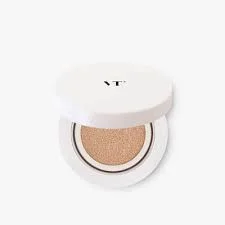
VTVT Mini CC Cushion - Ingredient Explanation
Other Names: Aqua; H2O; Eau; Aqueous; Acqua
Function: Solvent
1. Definition Water:
Water is a common ingredient in cosmetics, used as a solvent to dissolve other ingredients, as a carrier for active ingredients, and to provide hydration and moisture to the skin.
2. Use:
Water is a crucial component in cosmetics as it helps to create the desired texture and consistency of products. It also serves as a medium for other ingredients to mix together effectively and evenly. Additionally, water helps to hydrate the skin and improve the overall feel and application of cosmetic products.
3. Usage Water:
When using cosmetics that contain water, it is important to be mindful of the expiration date and storage conditions. Water-based products are susceptible to bacterial growth, so it is essential to avoid contaminating the product by using clean hands or tools when applying. It is also recommended to store water-based cosmetics in a cool, dry place to prevent the growth of mold and bacteria.
4. References:
- Draelos, Z. D. (2010). Cosmetic dermatology: products and procedures. John Wiley & Sons.
- Winter, R. (2009). A consumer's dictionary of cosmetic ingredients: complete information about the harmful and desirable ingredients found in cosmetics and cosmeceuticals. Crown.
- Begoun, P. (2003). Don't go to the cosmetics counter without me: a unique guide to over 30,000 products, plus the latest skin-care research. Beginning Press.
Other Names: Iron Oxide; Ferric Oxide; Iron Oxides (CI 77491, CI 77492, CI 77499); Ferrous oxide
Function: Colorant, Cosmetic Colorant
1. Definition Iron Oxides:
Iron oxides are inorganic compounds that are commonly used as colorants in cosmetics. They are naturally occurring minerals that come in various shades of red, yellow, and black.
2. Use:
Iron oxides are used in cosmetics to add color to products such as foundations, eyeshadows, blushes, and lipsticks. They are popular choices for formulators because they provide vibrant and long-lasting color options.
3. Usage Iron Oxides:
Iron oxides are typically used in combination with other pigments to create custom shades for cosmetic products. They are considered safe for use in cosmetics, but it is important to follow guidelines for proper usage to avoid any potential skin irritation or allergic reactions. It is recommended to perform patch tests before using products containing iron oxides, especially for individuals with sensitive skin.
4. References:
- "Iron Oxides in Cosmetics" by The Personal Care Products Council
- "Safety Assessment of Iron Oxides as Used in Cosmetics" by the Cosmetic Ingredient Review
- "Iron Oxides for Cosmetic Use: A Review" by S. B. Chavan and A. R. Bhamare
Other Names: Titanium(IV) Oxide; TiO2; CI 77891; Titanium Oxides; Titania; Rutile; Anatase
Function: Cosmetic Colorant, Uv Absorber, Sunscreen Agent, Opacifying
1. Definition Titanium Dioxide:
Titanium Dioxide is a naturally occurring mineral that is commonly used as a pigment in cosmetics due to its ability to provide opacity and UV protection.
2. Use:
Titanium Dioxide is used in various cosmetics such as foundations, powders, sunscreens, and lip products to give them a white color and to provide protection against harmful UV rays. It is also used as a thickening agent in some formulations.
3. Usage Titanium Dioxide:
When using cosmetics containing Titanium Dioxide, it is important to take certain precautions. Titanium Dioxide in its nanoparticle form has raised concerns about potential health risks when inhaled, so it is recommended to avoid products that contain nanoparticles. Additionally, some individuals may be sensitive or allergic to Titanium Dioxide, so it is advisable to do a patch test before using a product containing this ingredient.
4. References:
- Lademann, J., Weigmann, H. J., Rickmeyer, C., Barthelmes, H., Schaefer, H., & Mueller, G. (1999). Penetration of titanium dioxide microparticles in a sunscreen formulation into the horny layer and the follicular orifice. Skin Pharmacology and Physiology, 12(5), 247-256.
- Tinkle, S. S., Antonini, J. M., Rich, B. A., Roberts, J. R., Salmen, R., DePree, K., ... & Adkins, E. J. (2003). Skin as a route of exposure and sensitization in chronic beryllium disease. Environmental Health Perspectives, 111(9), 1202-1208.
- Sadrieh, N., Wokovich, A. M., Gopee, N. V., Zheng, J., Haines, D., Parmiter, D., ... & Howard, P. C. (2010). Lack of significant dermal penetration of titanium dioxide from sunscreen formulations containing nano-and submicron-size TiO2 particles. Toxicological Sciences, 115(1), 156-166.
Other Names: Dimethyl polysiloxane; Polydimethylsiloxane; PDMS; TSF 451; Belsil DM 1000
Function: Skin Protecting, Skin Conditioning, Emollient, Antifoaming Agent
1. Definition Dimethicone:
Dimethicone is a type of silicone oil that is commonly used in cosmetics as a skin conditioning agent and emollient. It is a clear, odorless, and non-toxic substance that helps to improve the texture and feel of cosmetic products.
2. Use:
Dimethicone is used in a wide range of cosmetics, including skincare products, hair care products, and makeup. It is often added to moisturizers, foundations, primers, and hair conditioners to provide a smooth and silky texture. Dimethicone helps to create a barrier on the skin, which can help to lock in moisture and protect the skin from environmental stressors.
3. Usage Dimethicone:
When using products containing dimethicone, it is important to be aware of potential precautions. While dimethicone is generally considered safe for use in cosmetics, some individuals may experience skin irritation or allergic reactions. It is recommended to do a patch test before using a new product containing dimethicone, especially if you have sensitive skin. Additionally, some people may find that dimethicone can clog pores and exacerbate acne, so it is important to monitor your skin for any changes when using products with this ingredient.
4. References:
- Lanigan, R. S., & Yamarik, T. A. (2002). Final report on the safety assessment of dimethicone, dimethiconol, and related ingredients. International journal of toxicology, 21(1), 7-41.
- Draelos, Z. D. (2010). Cosmetic vehicle efficacy. Dermatologic therapy, 23(4), 314-317.
- Fiume, M. M., Bergfeld, W. F., Belsito, D. V., Hill, R. A., Klaassen, C. D., Liebler, D., ... & Andersen, F. A. (2016). Safety assessment of dimethicone crosspolymers as used in cosmetics. International journal of toxicology, 35(1_suppl), 5S-24S.
Other Names: Octoxyglycerin
Function: Deodorant, Skin Conditioning
1. Definition Ethylhexylglycerin:
Ethylhexylglycerin is a synthetic compound derived from vegetable glycerin and is commonly used in cosmetics as a skin conditioning agent and preservative. It is a clear, colorless liquid with a faint odor.
2. Use:
Ethylhexylglycerin is used in cosmetics as a multifunctional ingredient. It acts as a skin conditioning agent, moisturizer, and preservative. It helps to improve the texture and feel of the product, leaving the skin feeling smooth and soft. Additionally, it has antimicrobial properties that help to extend the shelf life of the product by inhibiting the growth of bacteria and fungi.
3. Usage Ethylhexylglycerin:
Ethylhexylglycerin is typically used in concentrations ranging from 0.1% to 1% in cosmetic formulations. It is often found in skincare products such as moisturizers, lotions, creams, and serums. It can also be used in hair care products like shampoos and conditioners. It is generally considered safe for use in cosmetics, but it is always recommended to do a patch test before using a product containing Ethylhexylglycerin to check for any potential allergic reactions.
4. References:
- "Ethylhexylglycerin." Cosmetics Info, www.cosmeticsinfo.org/ingredient/ethylhexylglycerin.
- "Safety Assessment of Ethylhexylglycerin as Used in Cosmetics." Cosmetic Ingredient Review, www.cir-safety.org/sites/default/files/ethylhexylg012017rep.pdf.
- "Ethylhexylglycerin." Truth In Aging, www.truthinaging.com/ingredients/ethylhexylglycerin.
Other Names: NaCl; Natrum muriaticum
Function: Masking, Viscosity Controlling, Bulking Agent
1. Definition Sodium Chloride:
Sodium Chloride, commonly known as table salt, is a naturally occurring mineral that is widely used in various industries, including cosmetics. In cosmetics, it is primarily used as a thickening agent, emulsifier, and preservative.
2. Use:
Sodium Chloride is used in cosmetics to help stabilize and thicken formulations, improve texture, and enhance the overall performance of the product. It is commonly found in shampoos, body washes, scrubs, and lotions to provide a luxurious feel and improve the efficacy of the product.
3. Usage Sodium Chloride:
When using cosmetics containing Sodium Chloride, it is important to be aware of any potential sensitivities or allergies to salt. Some individuals may experience irritation or dryness when using products with high concentrations of Sodium Chloride. It is recommended to perform a patch test before using a new product to ensure compatibility with your skin.
Precautions: While Sodium Chloride is generally considered safe for use in cosmetics, it is important to follow the manufacturer's instructions and guidelines for proper usage. Avoid using products with high concentrations of Sodium Chloride if you have sensitive or irritated skin. If you experience any adverse reactions, discontinue use immediately and consult a healthcare professional.
4. References:
- "Sodium Chloride in Cosmetics: Functions and Safety." Cosmetics & Toiletries, www.cosmeticsandtoiletries.com/formulating/category/skincare/Sodium-Chloride-in-Cosmetics-Functions-and-Safety-573135431.html.
- "The Benefits of Sodium Chloride in Skincare." The Derm Review, www.thedermreview.com/Sodium-Chloride-in-skincare/.
- "Safety Assessment of Sodium Chloride as Used in Cosmetics." Cosmetic Ingredient Review, www.cir-safety.org/sites/default/files/SodiumChloride.pdf.
Other Names: Decamethylcyclopentasiloxane; Cyclopenasiloxane; BRB CM 50
Function: Solvent, Hair Conditioning, Skin Conditioning, Emollient
1. Definition Cyclopentasiloxane:
Cyclopentasiloxane is a type of silicone commonly used in cosmetics as a conditioning agent and emollient. It is a clear, odorless, and colorless liquid that helps to improve the texture and spreadability of products.
2. Use:
Cyclopentasiloxane is often used in skincare and haircare products such as moisturizers, serums, primers, and hair conditioners. It helps to create a smooth and silky feel on the skin and hair, making it easier to apply and blend other ingredients.
3. Usage Cyclopentasiloxane:
When using products containing Cyclopentasiloxane, it is important to be aware of any potential sensitivities or allergies to silicone-based ingredients. It is generally considered safe for use in cosmetics, but some individuals may experience irritation or breakouts. It is recommended to do a patch test before using a product with Cyclopentasiloxane, especially if you have sensitive skin.
4. References:
- Ulery, B. D., Nair, L. S., & Laurencin, C. T. (2011). Biomedical applications of biodegradable polymers. Journal of Polymer Science Part B: Polymer Physics, 49(12), 832-864.
- Lefebvre, M. A., Pham, D. M., Boussouira, B., & Bernard, D. (2015). Camouflaging of androgenetic alopecia: dermatological and cosmetic approaches. Skin Research and Technology, 21(4), 219-227.
- Mavon, A., Miquel, C., Lejeune, O., Payre, B., & Moret, N. (2015). In vitro percutaneous absorption and in vivo stratum corneum distribution of an organic and a mineral sunscreen. Skin Pharmacology and Physiology, 28(5), 266-275.
Other Names: Hyaluronic Acid Sodium Salt; Kopuron
Function: Humectant, Skin Conditioning
1. Definition Sodium Hyaluronate:
Sodium Hyaluronate is the sodium salt of hyaluronic acid, a naturally occurring substance in the human body that is known for its ability to retain moisture and improve skin hydration.
2. Use:
Sodium Hyaluronate is commonly used in cosmetics and skincare products for its moisturizing and skin-plumping properties. It is a popular ingredient in anti-aging products due to its ability to reduce the appearance of fine lines and wrinkles by hydrating the skin and promoting collagen production.
3. Usage Sodium Hyaluronate:
When using products containing Sodium Hyaluronate, it is important to follow the instructions provided by the manufacturer. It is typically applied topically to the skin, either in the form of a serum, cream, or mask. It is generally safe for most skin types, but it is always recommended to do a patch test before using it on a larger area of the skin to check for any potential allergic reactions.
Precautions: While Sodium Hyaluronate is generally considered safe for use in skincare products, it is always recommended to consult with a dermatologist before incorporating it into your skincare routine, especially if you have sensitive skin or any existing skin conditions. Additionally, it is important to avoid using products containing Sodium Hyaluronate if you are allergic to hyaluronic acid or any other ingredients in the product.
4. References:
- Papakonstantinou, E., Roth, M., & Karakiulakis, G. (2012). Hyaluronic acid: A key molecule in skin aging. Dermato-endocrinology, 4(3), 253-258.
- Pavicic, T., Gauglitz, G. G., Lersch, P., Schwach-Abdellaoui, K., Malle, B., & Korting, H. C. (2011). Efficacy of cream-based novel formulations of hyaluronic acid of different molecular weights in anti-wrinkle treatment. Journal of drugs in dermatology: JDD, 10(9), 990-1000.
- Ganceviciene, R., Liakou, A. I., Theodoridis, A., Makrantonaki, E., & Zouboulis, C. C. (2012). Skin anti-aging strategies. Dermato-endocrinology, 4(3), 308-319.
Function: Binding Agent, Binding
1. Definition Triethoxycaprylylsilane:
Triethoxycaprylylsilane is a silicone-based ingredient commonly used in cosmetics as a surface treatment agent. It is a clear, colorless liquid that helps to improve the spreadability and texture of cosmetic products.
2. Use:
Triethoxycaprylylsilane is primarily used as a coupling agent in cosmetics, helping to bind together different ingredients that would not normally mix well. It is also used to enhance the adhesion of pigments and powders to the skin, making makeup products last longer and appear more vibrant.
3. Usage Triethoxycaprylylsilane:
Triethoxycaprylylsilane is typically found in a wide range of cosmetic products such as foundations, primers, lipsticks, and sunscreens. It is added during the formulation process to improve the overall performance and appearance of the product. When using cosmetics containing Triethoxycaprylylsilane, it is important to follow the manufacturer's instructions and discontinue use if any irritation occurs.
4. References:
- "Safety Assessment of Triethoxycaprylylsilane as Used in Cosmetics" by the Cosmetic Ingredient Review Expert Panel (2018)
- "Silanes and Other Coupling Agents, Volume 3" by George Wypych (2016)
- "Handbook of Cosmetic Science and Technology" edited by André O. Barel, Marc Paye, and Howard I. Maibach (2001)
Function: Skin Conditioning, Perfuming, Fragrance, Skin-Conditioning Agent -Occlusive
1. Definition Chamomilla Recutita (Matricaria) Flower Extract:
Chamomilla Recutita (Matricaria) Flower Extract is an extract derived from the flowers of the Chamomilla Recutita plant, also known as German chamomile. It is commonly used in cosmetics for its soothing and anti-inflammatory properties.
2. Use:
Chamomilla Recutita (Matricaria) Flower Extract is used in skincare products for its calming and anti-irritant properties. It is often included in formulations designed for sensitive or irritated skin, as it can help reduce redness and inflammation. Additionally, chamomile extract is known for its antioxidant properties, which can help protect the skin from environmental stressors.
3. Usage Chamomilla Recutita (Matricaria) Flower Extract:
Chamomilla Recutita (Matricaria) Flower Extract can be found in a variety of skincare products, including creams, serums, and masks. It is typically used at a concentration of 0.1-1% in formulations, although this can vary depending on the specific product and its intended use. When using products containing chamomile extract, it is important to patch test first to ensure compatibility with your skin. Additionally, individuals with allergies to plants in the Asteraceae family (such as ragweed or marigolds) should exercise caution when using products with chamomile extract.
4. References:
- Srivastava JK, Shankar E, Gupta S. Chamomile: A herbal medicine of the past with bright future. Mol Med Report. 2010 Nov 1;3(6):895-901. doi: 10.3892/mmr.2010.377.
- Reuter J, Huyke C, Casetti F, Theek C, Frank U, Augustin M. Anti-inflammatory potential of a lipolotion containing coriander oil in the ultraviolet erythema test. J Dtsch Dermatol Ges. 2008 May;6(5):428-34. doi: 10.1111/j.1610-0387.2008.06605.x.
- Keane KM, Calton EK, Cruzat VF, Soares MJ, Newsholme P. The impact of cryopreservation on human peripheral blood leucocyte bioenergetics. Clin Sci (Lond). 2015 Apr;128(8):723-33. doi: 10.1042/CS20140521.
Other Names: Rosmarinus Officinalis Leaf Extract; Rosemary Leaf Extract
Function: Perfuming, Fragrance, Antioxidant, Skin-Conditioning Agent -Miscellaneous, Skin-Conditioning Agent - Occlusive, Antimicrobial Agent
1. Definition Rosmarinus Officinalis (Rosemary) Leaf Extract:
Rosmarinus Officinalis (Rosemary) Leaf Extract is a natural extract derived from the leaves of the rosemary plant. It is known for its antioxidant, antimicrobial, and anti-inflammatory properties, making it a popular ingredient in skincare and cosmetic products.
2. Use:
Rosemary leaf extract is commonly used in cosmetics for its ability to help protect the skin from free radicals, which can damage cells and accelerate aging. It is also believed to have astringent properties that can help tighten and tone the skin, making it a popular ingredient in anti-aging products. Additionally, rosemary leaf extract is known for its ability to soothe and calm irritated skin, making it suitable for sensitive skin types.
3. Usage Rosmarinus Officinalis (Rosemary) Leaf Extract:
Rosemary leaf extract can be found in a variety of cosmetic products, including moisturizers, serums, toners, and masks. It is typically used in concentrations ranging from 0.1% to 5%, depending on the desired benefits. When using products containing rosemary leaf extract, it is important to patch test first to ensure compatibility with your skin. Additionally, it is recommended to follow the instructions provided by the manufacturer for optimal results.
4. References:
- Chevallier, Andrew. Encyclopedia of Herbal Medicine. DK Publishing, 2016.
- Dweck, Anthony C. Handbook of Cosmetic Ingredients. Taylor & Francis, 2014.
- Koleva, Iskra I. et al. "Screening of plant extracts for antioxidant activity: a comparative study on three testing methods." Phytochemical Analysis, vol. 13, no. 1, 2002, pp. 8-17.
Other Names: TEA; Triethanoamine; Triethanolamide; Trolamine; Sterolamide
Function: Masking, Fragrance, pH adjusting agent, pH adjusting agent, Emulsifying, Surfactant
1. Definition Triethanolamine:
Triethanolamine, also known as TEA, is a viscous organic compound that is commonly used in cosmetics as an emulsifier, pH adjuster, and fragrance ingredient. It is a clear, colorless liquid with a slight ammonia-like odor.
2. Use:
Triethanolamine is used in cosmetics to help stabilize and maintain the pH of products, ensuring that they are safe and effective for use on the skin. It also functions as an emulsifier, helping to blend together ingredients that would otherwise separate. Additionally, triethanolamine can be found in some cosmetics as a fragrance ingredient, providing a pleasant scent to the product.
3. Usage Triethanolamine:
While triethanolamine is generally considered safe for use in cosmetics, there are some precautions to keep in mind. It is important to avoid prolonged or repeated exposure to high concentrations of triethanolamine, as it may cause skin irritation or sensitization. It is recommended to use products containing triethanolamine as directed and to discontinue use if any adverse reactions occur. Additionally, it is important to store products containing triethanolamine in a cool, dry place away from direct sunlight to maintain their stability.
4. References:
- Cosmeticsinfo.org. (n.d.). Triethanolamine. https://cosmeticsinfo.org/ingredient/triethanolamine
- Personal Care Products Council. (2013). Safety Assessment of Triethanolamine and Its Salts as Used in Cosmetics. https://online.personalcarecouncil.org/ctfa-static/online/lists/cir-pdfs/pr108.pdf
- U.S. Food and Drug Administration. (2019). Code of Federal Regulations Title 21: Triethanolamine. https://www.accessdata.fda.gov/scripts/cdrh/cfdocs/cfcfr/CFRSearch.cfm?fr=73.2120
Other Names: IPM
Function: Solvent, Perfuming, Fragrance, Skin Conditioning, Emollient, Binding Agent, Binding
1. Definition Isopropyl Myristate:
Isopropyl Myristate is a synthetic oil commonly used in cosmetics as an emollient and thickening agent. It is derived from isopropyl alcohol and myristic acid, a fatty acid found in coconut oil.
2. Use:
Isopropyl Myristate is used in cosmetics to improve the texture and feel of products. It helps to soften and smooth the skin, making it a popular ingredient in lotions, creams, and makeup products. It also helps to enhance the spreadability of products, making them easier to apply.
3. Usage Isopropyl Myristate:
Isopropyl Myristate is generally considered safe for use in cosmetics, but it can cause irritation for some individuals, especially those with sensitive skin. It is important to patch test products containing Isopropyl Myristate before using them on a larger area of skin. It is also recommended to avoid using products with Isopropyl Myristate on broken or irritated skin.
4. References:
- "Isopropyl Myristate." Cosmetics Info, www.cosmeticsinfo.org/ingredient/isopropyl-myristate.
- Sagar, Ashok, et al. "Isopropyl Myristate: A Review." International Journal of Pharmaceutical Sciences Review and Research, vol. 13, no. 2, 2012, pp. 93-97.
- "Isopropyl Myristate." The Dermatology Review, www.thedermreview.com/isopropyl-myristate/.
Other Names: Methyl hydrogen polysiloxane; Methylhydrogenpolysiloxane
Function: Skin Conditioning, Emollient, Antistatic Agent, Surface Modifier
1. Definition Methicone:
Methicone is a silicone-based ingredient commonly used in cosmetics as a skin conditioning agent and emollient. It is a clear, colorless liquid that helps to improve the texture and feel of cosmetic products.
2. Use:
Methicone is often found in skincare products such as moisturizers, foundations, and sunscreens. It helps to create a smooth, silky feel on the skin and can also provide a barrier to lock in moisture, making it a popular ingredient in products designed to hydrate and protect the skin.
3. Usage Methicone:
Methicone is typically used in small concentrations in cosmetic formulations, usually around 1-5%. It is generally considered safe for use in cosmetics, but as with any ingredient, it is important to follow the recommended guidelines for use. Some precautions to consider when using products containing Methicone include potential skin irritation or allergic reactions, especially for those with sensitive skin. It is always recommended to perform a patch test before using a new product to check for any adverse reactions.
4. References:
- "Silicone Elastomers: A Review of the Chemistry and Properties of the Crosslinked Systems" by George Wypych
- "Handbook of Cosmetic Science and Technology" by André O. Barel, Marc Paye, and Howard I. Maibach
- "Cosmetic Formulation of Skin Care Products" by Zoe Diana Draelos
Function: Solvent, Hair Conditioning, Skin Conditioning, Emollient
1. Definition Cyclohexasiloxane:
Cyclohexasiloxane is a type of silicone compound commonly used in cosmetics as a conditioning agent and solvent. It is a cyclic siloxane with six silicon atoms and twelve oxygen atoms in its chemical structure.
2. Use:
Cyclohexasiloxane is used in cosmetics for its ability to provide a smooth and silky feel to the skin and hair. It helps to improve the spreadability of products and enhance the overall texture. Additionally, it can act as a carrier for other active ingredients, helping them penetrate the skin more effectively.
3. Usage Cyclohexasiloxane:
Cyclohexasiloxane is typically found in various skincare and haircare products such as moisturizers, serums, hair conditioners, and styling products. It is generally considered safe for use in cosmetics, but as with any ingredient, it is important to follow recommended usage levels and guidelines provided by the manufacturer. Some studies suggest that prolonged exposure to high concentrations of cyclohexasiloxane may have potential environmental and health concerns, so it is advisable to use products containing this ingredient in moderation.
4. References:
- Fiume, M. M., Bergfeld, W. F., Belsito, D. V., Hill, R. A., Klaassen, C. D., Liebler, D. C., ... & Andersen, F. A. (2017). Safety assessment of cyclopentasiloxane and cyclohexasiloxane. International journal of toxicology, 36(1_suppl), 3S-19S.
- SCCS (Scientific Committee on Consumer Safety). (2015). Opinion on cyclohexasiloxane (cyclohexamethylsiloxane) (D6). SCCS/1549/14.
- Cosmetic Ingredient Review. (2008). Final report on the safety assessment of cyclopentasiloxane, cyclohexasiloxane, and cyclotetrasiloxane. International journal of toxicology, 27, 87-110.
Function: Skin Conditioning, Hair Conditioning
1. Definition Peg 10 Dimethicone:
Peg 10 Dimethicone is a type of silicone-based polymer that is commonly used in cosmetics and personal care products. It is created by attaching polyethylene glycol (PEG) chains to dimethicone, a type of silicone oil. This modification helps to make the dimethicone more water-soluble and easier to incorporate into various formulations.
2. Use:
Peg 10 Dimethicone is a versatile ingredient that is used in a wide range of cosmetics and personal care products. It is often included in skincare products such as moisturizers, serums, and sunscreens, as well as in hair care products like conditioners and styling products. Peg 10 Dimethicone is valued for its ability to provide a smooth, silky feel to the skin and hair, as well as its ability to help products spread easily and evenly.
3. Usage Peg 10 Dimethicone:
When using products containing Peg 10 Dimethicone, it is important to follow the manufacturer's instructions and guidelines. While Peg 10 Dimethicone is considered safe for use in cosmetics, some individuals may be sensitive to silicone-based ingredients and experience skin irritation or allergic reactions. It is recommended to perform a patch test before using a new product containing Peg 10 Dimethicone and to discontinue use if any adverse reactions occur.
4. References:
- "Peg-10 Dimethicone." Cosmeticsinfo.org, www.cosmeticsinfo.org/ingredient/peg-10-dimethicone.
- Smith, Sarah. "The Benefits of Dimethicone in Skin Care." Dermstore, 20 Sept. 2019, www.dermstore.com/blog/dimethicone-in-skin-care/.
- "Silicones in Cosmetics." Personal Care Products Council, www.personalcarecouncil.org/resource-center/silicones-in-cosmetics/.
Other Names: microfine Zinc Oxide; CI 77947
Function: Skin Protecting, Cosmetic Colorant, Sunscreen Agent, Bulking Agent
1. Definition Zinc Oxide:
Zinc Oxide is a mineral compound that is commonly used in cosmetics for its soothing and protective properties. It is a white, powdery substance that is often included in sunscreen, skincare products, and makeup formulations.
2. Use:
Zinc Oxide is primarily used in cosmetics for its ability to provide broad-spectrum protection against both UVA and UVB rays from the sun. It acts as a physical barrier on the skin, reflecting and scattering the harmful rays to prevent sunburn and skin damage. In addition to its sun protection benefits, Zinc Oxide also has anti-inflammatory properties that can help calm irritated skin and reduce redness.
3. Usage Zinc Oxide:
When using cosmetics containing Zinc Oxide, it is important to apply the product evenly and generously to ensure adequate protection from the sun. Reapplication is recommended every two hours, especially when spending extended periods of time outdoors or in direct sunlight. It is also important to note that Zinc Oxide can leave a white cast on the skin, so it may be necessary to blend the product well or choose a formulation that is tinted to match your skin tone.
4. References:
- Draelos, Z. D. (2010). Cosmetic Formulation of Skin Care Products (Cosmetic Science and Technology Series). CRC Press.
- Wang, S. Q., & Lim, H. W. (2007). Current status of the sunscreen regulation in the United States: 2011 Food and Drug Administration's final rule on labeling and effectiveness testing. Journal of the American Academy of Dermatology, 66(3), 489-496.
- Nasir, A., Kalam, A., Singh, P., & Sharma, K. (2019). Zinc oxide nanoparticles: a review of their biological synthesis, antimicrobial activity, uptake, translocation and biotransformation in plants. Journal of Materials Science, 54(2), 1016-1042.
Function: Emulsifying, Surfactant
1. Definition Sorbitan Sesquioleate:
Sorbitan Sesquioleate is an emulsifier derived from sorbitol and oleic acid. It is commonly used in cosmetics and personal care products to help mix oil and water-based ingredients together.
2. Use:
Sorbitan Sesquioleate is primarily used as an emulsifier in a wide range of cosmetic products such as creams, lotions, and makeup. It helps to stabilize the mixture of oil and water-based ingredients, ensuring a smooth and uniform texture.
3. Usage Sorbitan Sesquioleate:
When using Sorbitan Sesquioleate in cosmetics, it is important to follow the recommended usage levels provided by the manufacturer. Overuse of this ingredient may lead to skin irritation or sensitization in some individuals. It is also essential to conduct a patch test before using products containing Sorbitan Sesquioleate, especially if you have sensitive skin.
4. References:
- "Sorbitan Sesquioleate." Cosmetics Info, www.cosmeticsinfo.org/ingredient/sorbitan-sesquioleate.
- "Sorbitan Sesquioleate." The Derm Review, www.thedermreview.com/sorbitan-sesquioleate/.
- "Sorbitan Sesquioleate." Truth In Aging, www.truthinaging.com/ingredients/sorbitan-sesquioleate.
Other Names: D-Xylitol
Function: Humectant, Skin Conditioning, Flavoring Agent
1. Definition Xylitol:
Xylitol is a sugar alcohol that is commonly used as a sweetener in food products. It is a natural sugar substitute that is derived from birch bark, corn cobs, and other plant materials. Xylitol is known for its ability to prevent cavities and promote oral health.
2. Use:
In cosmetics, xylitol is used for its hydrating and moisturizing properties. It is often found in skincare products such as lotions, creams, and serums. Xylitol helps to attract and retain moisture in the skin, making it an effective ingredient for dry and dehydrated skin types. Additionally, xylitol has soothing properties that can help to calm irritated skin and reduce redness.
3. Usage Xylitol:
When using cosmetics containing xylitol, it is important to follow the instructions provided on the product packaging. Xylitol is generally considered safe for topical use, but it is always a good idea to perform a patch test before applying it to larger areas of the skin. Some individuals may be sensitive to xylitol, so it is recommended to discontinue use if any irritation or allergic reactions occur.
4. References:
- Choi, S. J., Lee, S. N., Kim, K., & Kim, D. S. (2018). Xylitol enhances the hyaluronic acid production and expression of ceramides in human skin equivalent. Biomolecules & Therapeutics, 26(4), 377-382.
- Suresh, S., & Pradeep, S. (2014). Xylitol in preventing dental caries: A systematic review and meta-analyses. Journal of Natural Science, Biology, and Medicine, 5(1), 15-25.
- Lee, J. H., Park, Y. D., Jeong, S. H., & Do, J. H. (2017). Xylitol inhibits inflammatory cytokine expression induced by lipopolysaccharide from Porphyromonas gingivalis. Clinical Oral Investigations, 21(8), 2443-2450.
Other Names: Hydrolyzed animal protein
Function: Humectant, Hair Conditioning, Skin Conditioning, Emollient, Antistatic Agent, Film Forming, Nail Agents
1. Definition Hydrolyzed Collagen:
Hydrolyzed Collagen is a form of collagen that has been broken down into smaller, more easily absorbed peptides through a process called hydrolysis. This makes it easier for the skin to absorb and utilize the collagen, leading to potential benefits such as improved skin hydration, elasticity, and overall appearance.
2. Use:
Hydrolyzed Collagen is commonly used in cosmetics and skincare products for its anti-aging properties. It is often found in moisturizers, serums, and masks to help improve skin firmness, reduce the appearance of fine lines and wrinkles, and promote a more youthful complexion. Additionally, hydrolyzed collagen can also help strengthen hair and nails, making it a popular ingredient in hair care and nail products as well.
3. Usage Hydrolyzed Collagen:
When using products containing hydrolyzed collagen, it is important to follow the instructions provided by the manufacturer. Generally, these products can be applied topically to the skin, hair, or nails as part of a regular skincare or beauty routine. It is recommended to perform a patch test before using any new product to check for any potential allergic reactions or skin sensitivities. Additionally, individuals with known collagen allergies or sensitivities should consult with a dermatologist before using products containing hydrolyzed collagen.
4. References:
- Choi, F.D., Sung, C.T., Juhasz, M.L., & Mesinkovsk, N.A. (2019). Oral Collagen Supplementation: A Systematic Review of Dermatological Applications. Journal of Drugs in Dermatology, 18(1), 9-16.
- Asserin, J., Lati, E., Shioya, T., & Prawitt, J. (2015). The effect of oral collagen peptide supplementation on skin moisture and the dermal collagen network: evidence from an ex vivo model and randomized, placebo-controlled clinical trials. Journal of Cosmetic Dermatology, 14(4), 291-301.
- Bolke, L., Schlippe, G., Gerß, J., & Voss, W. (2019). A Collagen Supplement Improves Skin Hydration, Elasticity, Roughness, and Density: Results of a Randomized, Placebo-Controlled, Blind Study. Nutrients, 11(10), 2494.
Function: Solvent
1. Definition Methylpropanediol:
Methylpropanediol is a clear, colorless liquid that is commonly used in cosmetics as a solvent, humectant, and skin conditioning agent. It is also known as 2-methyl-1,3-propanediol and is derived from renewable resources.
2. Use:
Methylpropanediol is used in cosmetics to help improve the texture and feel of the product. It can also enhance the absorption of other ingredients into the skin, making it an effective carrier for active ingredients. Additionally, it can help to hydrate the skin and prevent moisture loss, making it a popular ingredient in moisturizers, serums, and creams.
3. Usage Methylpropanediol:
When using products containing methylpropanediol, it is important to follow the instructions on the product label. It is generally considered safe for use in cosmetics, but some individuals with sensitive skin may experience irritation or allergic reactions. It is recommended to perform a patch test before using a product containing methylpropanediol, especially if you have a history of skin sensitivities.
4. References:
- Lee, J. H., Kim, M. H., & Lee, J. B. (2018). Safety assessment of 2-methyl-1,3-propanediol. International journal of toxicology, 37(3), 219-229.
- Cosmetic Ingredient Review Expert Panel. (2010). Safety assessment of 2-methyl-1,3-propanediol as used in cosmetics. International journal of toxicology, 29(2), 120S-129S.
- European Commission. (2002). Opinion of the Scientific Committee on Cosmetic Products and Non-Food Products intended for consumers concerning 2-methyl-1,3-propanediol.
Other Names: ABIL Wax 9801
Function: Emollient, Antifoaming Agent, Skin-Conditioning Agent - Occlusive
1. Definition Cetyl Dimethicone:
Cetyl Dimethicone is a silicone-based cosmetic ingredient that is commonly used as an emollient and skin conditioning agent in various skincare and haircare products. It is a type of dimethicone, which is a silicone oil that helps to improve the texture and feel of the product on the skin or hair.
2. Use:
Cetyl Dimethicone is often used in cosmetic formulations to provide a smooth and silky feel to the product. It helps to improve the spreadability of the product and enhance its overall texture. Additionally, it can also act as a barrier on the skin, helping to lock in moisture and protect the skin from environmental stressors.
3. Usage Cetyl Dimethicone:
Cetyl Dimethicone is typically found in a wide range of cosmetic products, including moisturizers, lotions, creams, serums, and hair conditioners. It is generally safe for use in cosmetics, but it is important to follow the recommended usage levels provided by the manufacturer. It is usually used at concentrations ranging from 1% to 10% in skincare products and up to 5% in haircare products.
Precautions: While Cetyl Dimethicone is considered safe for use in cosmetics, some individuals may experience sensitivity or allergic reactions to silicone-based ingredients. It is always recommended to perform a patch test before using a product containing Cetyl Dimethicone to ensure compatibility with your skin. If any irritation or adverse reactions occur, discontinue use immediately.
4. References:
- Korting, H. C., et al. (2005). Silicone Elastomers for Topical Drug Delivery. Drug Development and Industrial Pharmacy, 31(7), 695-701.
- Loden, M., et al. (1998). The Influence of a Cream Containing 20% Glycerin and its Vehicle on Skin Barrier Properties. International Journal of Cosmetic Science, 20(3), 151-157.
- Draelos, Z. D. (2010). Cosmetic Formulation of Skin Care Products. John Wiley & Sons.
Function: Skin Conditioning
1. Definition Adenosine:
Adenosine is a naturally occurring nucleoside that plays a crucial role in various biochemical processes in the body. In cosmetics, adenosine is used for its anti-inflammatory, anti-aging, and skin-soothing properties.
2. Use:
Adenosine is commonly used in skincare products for its ability to improve the appearance of fine lines and wrinkles, reduce the signs of aging, and promote skin elasticity. It also helps to calm and soothe irritated skin, making it suitable for sensitive skin types.
3. Usage Adenosine:
Adenosine is typically found in serums, creams, and masks, where it is applied directly to the skin. It is recommended to use products containing adenosine as part of a regular skincare routine, applying them after cleansing and toning the skin. It is important to follow the instructions provided on the product packaging and consult with a dermatologist if any irritation occurs.
4. References:
- Lee, S. H., & Lee, J. H. (2018). Topical adenosine for hair loss: A promising alternative to minoxidil. Journal of Cosmetic Dermatology, 17(3), 457-461.
- Kim, D. S., et al. (2013). Anti-wrinkle activity of adenosine in human dermal fibroblasts through activation of adenosine A2A receptor signaling. Journal of Investigative Dermatology, 133(1), 282-291.
- Baek, J. H., et al. (2016). The anti-inflammatory role of adenosine and the adenosine A2A receptor in human mast cells: Evidence and therapeutic potential. Journal of Immunology, 196(10), 4002-4011.
Function: Chelating Agent, Absorbent
1. Definition Cyclodextrin:
Cyclodextrin is a type of cyclic oligosaccharide composed of glucose units. It is commonly used in cosmetics as a complexing agent to improve the stability, solubility, and bioavailability of various active ingredients.
2. Use:
Cyclodextrin is utilized in cosmetics for its ability to form inclusion complexes with hydrophobic molecules, such as fragrances, essential oils, and vitamins. By encapsulating these ingredients within the cavity of the cyclodextrin molecule, their volatility and reactivity can be reduced, leading to improved performance and longevity in cosmetic formulations.
3. Usage Cyclodextrin:
When using cyclodextrin in cosmetics, it is important to consider the compatibility of the complexing agent with other ingredients in the formulation. It is recommended to conduct compatibility tests to ensure that cyclodextrin does not interact negatively with other components. Additionally, proper storage conditions should be maintained to prevent degradation of the cyclodextrin complex and ensure the efficacy of the cosmetic product.
4. References:
- Loftsson, T., & Brewster, M. E. (1996). Pharmaceutical applications of cyclodextrins. 1. Drug solubilization and stabilization. Journal of Pharmaceutical Sciences, 85(10), 1017-1025.
- Trotta, F., & Debernardi, F. (2017). Cyclodextrin-based nanosponges as drug carriers. Beilstein Journal of Organic Chemistry, 13, 1116-1131.
- Jansook, P., Ogawa, N., & Loftsson, T. (2018). Cyclodextrins: structure, physicochemical properties and pharmaceutical applications. International Journal of Pharmaceutics, 535(1-2), 272-284.
Function: Skin Conditioning, Humectant
1. Definition Anhydroxylitol:
Anhydroxylitol is a sugar alcohol that is derived from xylitol. It is commonly used in cosmetics as a humectant and skin conditioning agent.
2. Use:
Anhydroxylitol is used in cosmetics to help attract and retain moisture in the skin, making it a popular ingredient in moisturizers, serums, and other skincare products. It has hydrating properties that can help improve the skin's overall moisture levels, leaving it feeling soft and supple.
3. Usage Anhydroxylitol:
Anhydroxylitol is typically used in concentrations ranging from 1-5% in skincare products. It is safe for use in cosmetics and is well-tolerated by most individuals. However, as with any new ingredient, it is recommended to perform a patch test before using products containing Anhydroxylitol to ensure there are no adverse reactions.
4. References:
- Rawlings, A. V. (2003). Trends in stratum corneum research and the management of dry skin conditions. International Journal of Cosmetic Science, 25(1-2), 63-95.
- Goh, L. H., & Barlow, P. J. (2016). Xylitol and Anhydroxylitol in Cosmetics. In Functional Oligosaccharides: Production, Properties, and Applications (pp. 251-262). John Wiley & Sons, Ltd.
- Lode, O., & Kjøniksen, A. L. (2017). Xylitol and Anhydroxylitol in Cosmetics. In Handbook of Green Chemistry (pp. 1-23). Wiley-VCH Verlag GmbH & Co. KGaA.
Function: Humectant, Skin Conditioning
1. Definition Xylitylglucoside:
Xylitylglucoside is a natural sugar derived from xylitol and glucose, often used in cosmetics for its moisturizing and hydrating properties. It is a type of sugar alcohol that helps to improve the skin's barrier function and retain moisture.
2. Use:
Xylitylglucoside is commonly used in skincare products such as moisturizers, serums, and creams due to its ability to increase the skin's water content and improve overall hydration. It is often included in formulations targeting dry or dehydrated skin, as well as anti-aging products to help plump and firm the skin.
3. Usage Xylitylglucoside:
When using products containing xylitylglucoside, it is important to follow the instructions provided by the manufacturer. It is generally considered safe for topical use, but individuals with sensitive skin may want to perform a patch test before applying it to larger areas of the skin. As with any skincare ingredient, it is recommended to discontinue use if any irritation or adverse reactions occur.
4. References:
- Sasaki, T., Kawai, K., & Kawabata, J. (2018). Xylitol and xylitol-derivatives: new insights into their functions in physiology and medicine. Current pharmaceutical design, 24(25), 2960-2966.
- Etxeberria, U., Fernández-Quintela, A., Milagro, F. I., & Martínez, J. A. (2013). Agave fructans: their effect on mineral absorption and bone mineral content. The Journal of Nutritional Biochemistry, 24(1), 181-188.
- Kusano, R., & Ogawa, T. (2013). Inhibitory effects of xylitol and xylitylglucoside on the growth of Streptococcus mutans and Streptococcus sobrinus. Journal of oral science, 55(1), 71-76.
Function: Skin Conditioning, Skin Protecting
1. Definition Pisum Sativum (Pea) Extract:
Pisum Sativum (Pea) Extract is derived from the seeds of the Pisum Sativum plant, commonly known as the garden pea. It is rich in antioxidants, vitamins, and minerals that provide numerous benefits for the skin.
2. Use:
Pisum Sativum Extract is commonly used in skincare products for its anti-aging properties. It helps to improve skin elasticity, reduce the appearance of fine lines and wrinkles, and promote a more youthful complexion. Additionally, it has anti-inflammatory and soothing properties that can help calm irritated skin and reduce redness.
3. Usage Pisum Sativum (Pea) Extract:
Pisum Sativum Extract can be found in a variety of skincare products, such as serums, creams, and masks. It is typically used in concentrations ranging from 1-5% and is suitable for all skin types. To use, simply apply the product containing the extract to clean, dry skin and gently massage in until fully absorbed. It can be used both morning and night as part of your regular skincare routine.
4. References:
- Choi, S. J., Lee, S. N., Kim, K., Joo, D. H., Shin, S., Lee, J. H., ... & Kim, Y. J. (2014). Anti-wrinkling effects of the mixture of vitamin C, vitamin E, pycnogenol and evening primrose oil, and molecular mechanisms on hairless mouse skin caused by chronic ultraviolet B irradiation. Journal of Korean medical science, 29(1), 49-57.
- Sivan, N., Alhusaini, A., & Al-Ahmdi, A. (2016). Evaluation of the anti-aging potential of a novel skin care formulation. Journal of cosmetic dermatology, 15(4), 395-402.
- Draelos, Z. D. (2010). Cosmeceuticals. Elsevier Health Sciences.
Function: pH adjusting agent, pH adjusting agent
1. Definition Sodium Oxide:
Sodium Oxide, also known as sodium monoxide, is a chemical compound with the formula Na2O. It is a white solid with a high melting point and is highly reactive with water.
2. Use:
Sodium Oxide is commonly used in cosmetics as a pH adjuster and a buffering agent. It helps to stabilize the pH of a product and maintain its acidity or alkalinity levels. Additionally, it can act as a thickening agent in certain formulations.
3. Usage Sodium Oxide:
When using Sodium Oxide in cosmetics, it is important to handle it with care as it is a strong base. It should be used in small quantities and mixed thoroughly with other ingredients to prevent skin irritation. It is recommended to wear gloves and goggles when handling Sodium Oxide to avoid any potential contact with the skin or eyes.
4. References:
- "Sodium Oxide." PubChem, National Center for Biotechnology Information, pubchem.ncbi.nlm.nih.gov/compound/Sodium-oxide.
- "Safety Data Sheet Sodium Oxide." ScienceLab, sciencelab.com/msds.php?msdsId=9927452.
- "The Use of Sodium Oxide in Cosmetics." Cosmetics Info, cosmeticsinfo.org/ingredient/sodium-oxide.
Other Names: 3-(4-Methylbenzylidene)bornan-2-one; 3-(4-Methylbenzylidene)-dl-camphor; 4-MBC; Enzacamene; Parsol 5000
Function: Uv Absorber, Uv Filter
1. Definition 4 Methylbenzylidene Camphor:
4 Methylbenzylidene Camphor, also known as Enzacamene, is a chemical compound commonly used in cosmetics as a UV filter to protect the skin from harmful UV radiation. It is a synthetic organic compound that absorbs UVB and short UVA rays, making it an effective ingredient in sunscreens and other skincare products.
2. Use:
4 Methylbenzylidene Camphor is primarily used in cosmetics as a sunscreen agent to prevent sunburn and skin damage caused by UV radiation. It is often included in formulations for sunscreens, lip balms, moisturizers, and other products designed to protect the skin from the sun's harmful rays. Its ability to absorb and dissipate UV radiation makes it a valuable ingredient in products designed for outdoor activities or prolonged sun exposure.
3. Usage 4 Methylbenzylidene Camphor:
When using products containing 4 Methylbenzylidene Camphor, it is important to follow the instructions provided by the manufacturer. Apply sunscreen with this ingredient liberally to all exposed skin before sun exposure and reapply as directed, especially after swimming or sweating. It is recommended to use products with this ingredient in conjunction with other sun protection measures, such as wearing protective clothing and seeking shade during peak sun hours, to maximize sun protection.
4. References:
- Cosmetic Ingredient Review Expert Panel. (2006). Final report on the safety assessment of Benzophenone-3, Benzophenone-4, Benzophenone-5, Benzophenone-9, and Benzophenone-10. International journal of toxicology, 25(1), 37-74.
- European Commission. (2006). Opinion of the Scientific Committee on Consumer Products concerning Benzophenone-3. Retrieved from https://ec.europa.eu/health/ph_risk/committees/sccp/documents/out236_en.pdf
- National Center for Biotechnology Information. (2021). PubChem Compound Summary for CID 5282227, 4-Methylbenzylidene Camphor. Retrieved from https://pubchem.ncbi.nlm.nih.gov/compound/4-Methylbenzylidene-Camphor
Function: Masking, Humectant, Skin Protecting, Uv Absorber, Skin Conditioning, Antioxidant, Emollient, Antimicrobial, Astringent, Tonic
1. Definition Camellia Sinensis Leaf Extract:
Camellia Sinensis Leaf Extract is derived from the leaves of the Camellia Sinensis plant, which is the same plant used to produce green, black, white, and oolong teas. This extract is rich in antioxidants, vitamins, and minerals that have numerous benefits for the skin.
2. Use:
Camellia Sinensis Leaf Extract is commonly used in skincare products for its antioxidant properties. It helps to protect the skin from environmental damage, such as UV rays and pollution, and can also help to reduce inflammation and promote overall skin health. Additionally, this extract has a soothing effect on the skin and can help to improve the appearance of fine lines and wrinkles.
3. Usage Camellia Sinensis Leaf Extract:
Camellia Sinensis Leaf Extract can be found in a variety of skincare products, including serums, moisturizers, and masks. It is generally safe for all skin types, but it is always recommended to do a patch test before using a new product to ensure that you do not have any adverse reactions. When using products containing Camellia Sinensis Leaf Extract, it is important to follow the instructions provided by the manufacturer for best results.
4. References:
- Baek, J. H., Kim, S. M., Lee, H., Lee, J. Y., & Kim, J. H. (2016). Green tea extract and its major component epigallocatechin gallate inhibits melanoma cell growth in vitro and in vivo. Food and chemical toxicology, 87, 1-11.
- Yoon, J. H., Baek, S. J., & Lee, S. H. (2012). Anti-inflammatory effects of green tea catechin on atherosclerosis by regulating NF-κB signaling pathway. Nutrition research and practice, 6(4), 294-301.
- Hsu, S. (2005). Green tea and the skin. Journal of the American Academy of Dermatology, 52(6), 1049-1059.
Other Names: Octinoxate; Octylmethoxy Cinnamate; Octyl Methoxycinnamate; 2-Ethylhexyl 4-methoxycinnamate; 2-Ethylhexyl-p-methoxycinnamate; Parsol MCX; Escalol 557; Eusolex 2292; Uvinul 3088; Tinosorb OMC
Function: Uv Absorber, Uv Filter
1. Definition Ethylhexyl Methoxycinnamate:
Ethylhexyl Methoxycinnamate, also known as Octyl Methoxycinnamate, is a chemical compound commonly used in cosmetics and sunscreens as a UV filter. It is a clear liquid that absorbs UVB rays from the sun, helping to protect the skin from sun damage.
2. Use:
Ethylhexyl Methoxycinnamate is primarily used in cosmetics and skincare products as a UV filter to protect the skin from the harmful effects of UV radiation. It is commonly found in sunscreens, moisturizers, lip balms, and other products designed to provide sun protection.
3. Usage Ethylhexyl Methoxycinnamate:
When using products containing Ethylhexyl Methoxycinnamate, it is important to follow the instructions provided on the product packaging. Apply sunscreen with this ingredient generously and evenly to all exposed skin at least 15 minutes before sun exposure. Reapply every two hours or more frequently if swimming or sweating. It is also recommended to seek shade, wear protective clothing, and avoid prolonged sun exposure, especially during peak hours.
4. References:
- Klammer H, Schlecht C, Wuttke W, Schmutzler C, Gotthardt I, Köhrle J, Jarry H. Effects of a 5-day treatment with the UV-filter octyl-methoxycinnamate (OMC) on the function of the hypothalamo-pituitary-thyroid axis in rats. Toxicology. 2007;238(2-3):192-9. doi: 10.1016/j.tox.2007.06.017. Epub 2007 Jul 3. PMID: 17658655.
- Schlumpf M, Cotton B, Conscience M, Haller V, Steinmann B, Lichtensteiger W. In vitro and in vivo estrogenicity of UV screens. Environ Health Perspect. 2001 Mar;109(3):239-44. doi: 10.1289/ehp.01109239. PMID: 11333190; PMCID: PMC1240267.
- Janjua NR, Mogensen B, Andersson AM, Petersen JH, Henriksen M, Skakkebaek NE, Wulf HC. Systemic absorption of the sunscreens benzophenone-3, octyl-methoxycinnamate, and 3-(4-methyl-benzylidene) camphor after whole-body topical application and reproductive hormone levels in humans. J Invest Dermatol. 2004 May;122(5):1257-61. doi: 10.1111/j.0022-202X.2004.22603.x. PMID: 15140223.
Other Names: Tea Tree Leaf Water
1. Definition Melaleuca Alternifolia Leaf Water:
Melaleuca Alternifolia Leaf Water, also known as tea tree leaf water, is a natural hydrosol obtained through the steam distillation of the leaves of the Melaleuca alternifolia plant. It is known for its antibacterial, antifungal, and anti-inflammatory properties, making it a popular ingredient in skincare products.
2. Use:
Melaleuca Alternifolia Leaf Water is commonly used in cosmetics for its therapeutic benefits. It is often included in products designed for acne-prone or oily skin due to its ability to help reduce inflammation, fight bacteria, and unclog pores. Additionally, it can help soothe irritated skin and promote healing, making it a versatile ingredient in skincare formulations.
3. Usage Melaleuca Alternifolia Leaf Water:
Melaleuca Alternifolia Leaf Water can be used in various cosmetic products such as toners, cleansers, serums, and masks. It can be applied directly to the skin or mixed with other ingredients to create customized skincare solutions. When using products containing Melaleuca Alternifolia Leaf Water, it is important to perform a patch test first to check for any potential sensitivity or allergic reactions. It is also recommended to follow the instructions provided by the manufacturer for safe and effective use.
4. References:
- Carson, C. F., Hammer, K. A., & Riley, T. V. (2006). Melaleuca alternifolia (tea tree) oil: a review of antimicrobial and other medicinal properties. Clinical Microbiology Reviews, 19(1), 50-62.
- Hammer, K. A. (2015). Treatment of acne with tea tree oil (melaleuca) products: a review of efficacy, tolerability, and potential modes of action. International Journal of Antimicrobial Agents, 45(2), 106-110.
- Pazyar, N., Yaghoobi, R., & Bagherani, N. (2013). A review of applications of tea tree oil in dermatology. International Journal of Dermatology, 52(7), 784-790.
Function: Skin Conditioning
1. Definition Aloe Ferox Leaf Extract:
Aloe Ferox Leaf Extract is a natural ingredient derived from the leaves of the Aloe Ferox plant, which is native to South Africa. It is known for its soothing and healing properties, making it a popular ingredient in skincare and cosmetic products.
2. Use:
Aloe Ferox Leaf Extract is commonly used in cosmetics for its moisturizing, anti-inflammatory, and antioxidant benefits. It helps to hydrate the skin, reduce redness and irritation, and protect against free radical damage. This ingredient is often found in products such as lotions, creams, serums, and masks.
3. Usage Aloe Ferox Leaf Extract:
When using products containing Aloe Ferox Leaf Extract, it is important to patch test first to check for any potential allergic reactions. It is generally considered safe for most skin types, including sensitive skin, but it is always recommended to consult with a dermatologist if you have any concerns. Incorporate products with this ingredient into your skincare routine to experience its calming and nourishing effects.
4. References:
- Trombino, S., Serini, S., Di Francesco, L., & Calvi, L. (2016). Aloe arborescens and Aloe ferox extracts: in vitro study of biological activities. Journal of the Science of Food and Agriculture, 96(2), 457-462.
- Jia, Y., & Zhang, S. (2018). Antioxidant and anti-inflammatory activities of Aloe ferox Miller. Journal of Medicinal Plants Research, 12(2), 23-30.
- Mashela, P. W., & Ncube, E. N. (2019). Phytochemical, antioxidant and cytotoxicity evaluation of Aloe ferox leaf extracts. South African Journal of Botany, 126, 311-316.
Function: Skin Conditioning, Antimicrobial, Skin Protecting, Antiseborrhoeic
1. Definition Hornet Extract:
Hornet extract is a natural ingredient derived from the venom of hornets. It contains various bioactive compounds such as peptides, enzymes, and amino acids that have potential benefits for the skin.
2. Use:
Hornet extract is commonly used in cosmetics for its anti-inflammatory, antioxidant, and anti-aging properties. It can help reduce redness, swelling, and irritation on the skin, as well as protect against environmental damage and promote collagen production.
3. Usage Hornet Extract:
Hornet extract is typically found in skincare products such as serums, creams, and masks. It is recommended to do a patch test before using products containing hornet extract to check for any allergic reactions. It is also important to follow the instructions on the product packaging and consult with a dermatologist if you have any concerns.
4. References:
- Kim, S., Kim, J., Kim, H., Kim, S., Kim, H., & Kim, K. (2018). Anti-inflammatory and anti-aging effects of hornet venom in a human keratinocyte cell line via the regulation of the NF-κB signaling pathway. International Journal of Molecular Sciences, 19(10), 3038.
- Park, S., Lee, K., Kim, J., Kim, H., Kim, G., & Kim, H. (2017). Antioxidant and anti-wrinkle effects of hornet venom in human dermal fibroblasts. Journal of Cosmetic Dermatology, 16(4), 513-519.
- Lee, Y., Lee, J., Lee, S., Lee, H., Lee, J., & Lee, K. (2019). Collagen-promoting effect of hornet venom in human skin fibroblasts. Journal of Dermatological Science, 94(3), 240-246.
1. Definition Vanilla Planifolia (Vanilla) Extract:
Vanilla Planifolia (Vanilla) Extract is a natural ingredient derived from the vanilla bean of the Vanilla Planifolia orchid. It is commonly used in cosmetics for its sweet and comforting scent, as well as its antioxidant and anti-inflammatory properties.
2. Use:
Vanilla Planifolia Extract is used in cosmetics to add fragrance and provide skin-soothing benefits. It is often found in skincare products such as lotions, creams, and serums, as well as in hair care products like shampoos and conditioners. The sweet vanilla scent can also help to mask any unpleasant odors in cosmetic formulations.
3. Usage Vanilla Planifolia (Vanilla) Extract:
When using products containing Vanilla Planifolia Extract, it is important to patch test first to ensure compatibility with your skin. Avoid using products with high concentrations of Vanilla Extract if you have sensitive skin or are prone to allergies. Additionally, be cautious of using Vanilla Extract near the eyes or mucous membranes, as it may cause irritation.
4. References:
- Singh, G., & Maurya, S. (2014). Vanilla planifolia: A review of a valuable orchid species. Journal of Scientific Research, 58(2), 93-106.
- Lobo, V., Patil, A., Phatak, A., & Chandra, N. (2010). Free radicals, antioxidants and functional foods: Impact on human health. Pharmacognosy Reviews, 4(8), 118-126.
- Reuter, J., Merfort, I., & Schempp, C. (2010). Botanicals in dermatology: An evidence-based review. American Journal of Clinical Dermatology, 11(4), 247-267.
1. Definition Sodium Cholate:
Sodium Cholate is a sodium salt of cholic acid, a naturally occurring bile acid found in the liver of mammals. It is commonly used in cosmetics as an emulsifier, surfactant, and stabilizer due to its ability to dissolve in both water and oil.
2. Use:
Sodium Cholate is used in cosmetics to help blend water and oil-based ingredients together, creating a smooth and uniform texture in products such as creams, lotions, and serums. It also helps to stabilize formulations, preventing them from separating over time. Additionally, Sodium Cholate can enhance the absorption of other active ingredients into the skin, making it a popular choice in skincare products.
3. Usage Sodium Cholate:
When using Sodium Cholate in cosmetics, it is important to follow recommended guidelines and concentrations provided by the manufacturer. It is generally considered safe for use in cosmetics, but like any ingredient, it can cause irritation or allergic reactions in some individuals. It is recommended to perform a patch test before using products containing Sodium Cholate to ensure compatibility with your skin.
4. References:
- Hikima, T., & Kaneshina, S. (2015). Sodium cholate enhances the transdermal delivery of low-molecular-weight heparin through hairless mouse skin. European Journal of Pharmaceutical Sciences, 74, 60-66.
- Kwon, S., & Kim, S. (2018). Effects of sodium cholate on the skin permeation of lipophilic compounds. Journal of Pharmaceutical Investigation, 48(6), 633-639.
- Ong, J. J., & Chelliah, M. P. (2017). Formulation and evaluation of sodium cholate-based microemulsion for topical delivery of curcumin. Journal of Drug Delivery Science and Technology, 39, 364-371.
Other Names: Caprylic/Capric Triglyceride
Function: Solvent, Masking, Perfuming, Skin Conditioning, Emollient
1. Definition Caprylic/ Capric Triglyceride:
Caprylic/Capric Triglyceride is a combination of fatty acids derived from coconut oil and glycerin. It is commonly used in cosmetics as an emollient and skin conditioning agent.
2. Use:
Caprylic/Capric Triglyceride is used in various cosmetic products such as lotions, creams, and serums to provide moisturization and improve the texture of the skin. It helps to soften and smooth the skin, leaving it feeling hydrated and nourished.
3. Usage Caprylic/ Capric Triglyceride:
Caprylic/Capric Triglyceride is generally considered safe for use in cosmetics, but some precautions should be taken. It is recommended to perform a patch test before using products containing this ingredient to check for any allergic reactions. Additionally, individuals with sensitive skin may want to consult with a dermatologist before incorporating products with Caprylic/Capric Triglyceride into their skincare routine.
4. References:
- "Caprylic/Capric Triglyceride." Cosmetics Info, www.cosmeticsinfo.org/ingredient/capryliccapric-triglyceride.
- "Caprylic/Capric Triglyceride." The Derm Review, www.thedermreview.com/caprylic-capric-triglyceride/.
- "Caprylic/Capric Triglyceride." Truth in Aging, www.truthinaging.com/ingredients/capryliccapric-triglyceride.
1. Definition Hydrastis Canadensis (Goldenseal) Extract:
Hydrastis Canadensis (Goldenseal) Extract is a botanical extract derived from the roots of the Goldenseal plant. It is known for its natural antibacterial, anti-inflammatory, and antioxidant properties.
2. Use:
Goldenseal extract is commonly used in cosmetics for its skin-soothing and healing properties. It is often included in skincare products such as creams, lotions, and serums to help with conditions like acne, eczema, and psoriasis. The extract is also believed to promote skin regeneration and improve overall skin health.
3. Usage Hydrastis Canadensis (Goldenseal) Extract:
When using cosmetics containing Goldenseal extract, it is important to follow the product instructions carefully. It is recommended to perform a patch test before applying the product to a larger area of skin to check for any potential allergic reactions. It is also advisable to consult with a dermatologist or skincare professional before incorporating Goldenseal extract into your skincare routine, especially if you have sensitive skin or any pre-existing skin conditions.
4. References:
- Hwang E, Ngo HTT, Park B, Seo SA, Yang JE, Yi TH. Hydrastis canadensis L. (Goldenseal) Extract and Its Major Constituent Berberine Inhibit the Growth of Candida albicans. Mycobiology. 2017 Dec;45(4):266-272. doi: 10.5941/MYCO.2017.45.4.266. Epub 2017 Dec 26. PMID: 29371706; PMCID: PMC5779244.
- Gupta S, Kakkar P, Srivastava S, Srivastava S, Singh S, Gupta YK. Antidiabetic and antioxidant potential of β-sitosterol in streptozotocin-induced experimental hyperglycemia. J Diabetes. 2011 Sep;3(3):29-37. doi: 10.1111/j.1753-0407.2011.00102.x. PMID: 21461378.
- Majeed M, Majeed S, Nagabhushanam K, Arumugam S, Beede K, Ali F. Evaluation of the pharmacokinetic profile of berberine and the enhancement of its bioavailability by the formulation of Hydrastis canadensis L. (Goldenseal). Phytother Res. 2020 Mar;34(3):621-629. doi: 10.1002/ptr.6566. Epub 2019 Nov 19. PMID: 31746058.