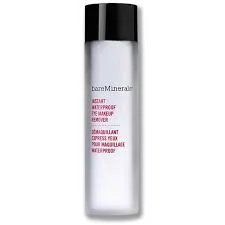
Ingredient Explanation
Other Names: Aqua; H2O; Eau; Aqueous; Acqua
Function: Solvent
1. Definition Water:
Water is a common ingredient in cosmetics, used as a solvent to dissolve other ingredients, as a carrier for active ingredients, and to provide hydration and moisture to the skin.
2. Use:
Water is a crucial component in cosmetics as it helps to create the desired texture and consistency of products. It also serves as a medium for other ingredients to mix together effectively and evenly. Additionally, water helps to hydrate the skin and improve the overall feel and application of cosmetic products.
3. Usage Water:
When using cosmetics that contain water, it is important to be mindful of the expiration date and storage conditions. Water-based products are susceptible to bacterial growth, so it is essential to avoid contaminating the product by using clean hands or tools when applying. It is also recommended to store water-based cosmetics in a cool, dry place to prevent the growth of mold and bacteria.
4. References:
- Draelos, Z. D. (2010). Cosmetic dermatology: products and procedures. John Wiley & Sons.
- Winter, R. (2009). A consumer's dictionary of cosmetic ingredients: complete information about the harmful and desirable ingredients found in cosmetics and cosmeceuticals. Crown.
- Begoun, P. (2003). Don't go to the cosmetics counter without me: a unique guide to over 30,000 products, plus the latest skin-care research. Beginning Press.
Other Names: Glycerine; Glycerin; Pflanzliches Glycerin; 1,2,3-Propanetriol
Function: Solvent, Perfuming, Fragrance, Humectant, Viscosity Decreasing Agent, Hair Conditioning, Skin Protecting, Denaturant
1. Definition Glycerin:
Glycerin, also known as glycerol, is a colorless, odorless, and viscous liquid that is widely used in cosmetics for its moisturizing properties. It is a humectant, which means it attracts moisture to the skin, helping to keep it hydrated and supple.
2. Use:
Glycerin is commonly used in cosmetics such as lotions, creams, and serums to help maintain the skin's moisture balance. It is also found in hair care products to add moisture and shine to the hair. Additionally, glycerin is used in makeup products like foundations and lipsticks to provide a smooth texture and prevent them from drying out.
3. Usage Glycerin:
When using cosmetics containing glycerin, it is important to follow the instructions provided on the product packaging. Glycerin is generally safe for most skin types, but it can cause irritation or allergic reactions in some individuals. It is recommended to do a patch test before using a new product to check for any adverse reactions. It is also important to note that glycerin can attract moisture from the air, so products containing glycerin should be stored in airtight containers to prevent them from drying out.
4. References:
- Draelos, Z. D. (2010). Cosmetic Formulation of Skin Care Products. John Wiley & Sons.
- Loden, M., & Maibach, H. I. (2006). Dry Skin and Moisturizers: Chemistry and Function. CRC Press.
- Winter, R. (2009). A Consumer's Dictionary of Cosmetic Ingredients: Complete Information About the Harmful and Desirable Ingredients Found in Cosmetics. Harmony.
Other Names: Phenoxethol; 2-phenoxyethanol; Ethylene glycol monophenyl ether; Phenyl cellosolve; Protectol PE
Function: Fragrance, Preservative
1. Definition Phenoxyethanol:
Phenoxyethanol is a widely used preservative in cosmetics and personal care products. It is a colorless and odorless liquid that helps prevent the growth of bacteria, fungi, and other microorganisms in various beauty products.
2. Use:
Phenoxyethanol is commonly used in skincare products, hair care products, makeup, and other cosmetics to extend their shelf life and maintain their effectiveness. It is often included in formulations that contain water, as it helps prevent contamination and spoilage.
3. Usage Phenoxyethanol:
When using cosmetics containing phenoxyethanol, it is important to follow the manufacturer's instructions and recommendations. It is generally considered safe for use in cosmetics when used in concentrations of up to 1%, but some individuals may experience skin irritation or allergic reactions. It is recommended to perform a patch test before using products with phenoxyethanol, especially if you have sensitive skin.
4. References:
- Draelos, Z. D. (2010). Cosmetic Formulation of Skin Care Products. John Wiley & Sons.
- Loden, M., & Maibach, H. I. (2000). Dry Skin and Moisturizers: Chemistry and Function. CRC Press.
- Fiume, M. M., Heldreth, B., Bergfeld, W. F., Belsito, D. V., Hill, R. A., Klaassen, C. D., ... & Andersen, F. A. (2016). Safety assessment of phenoxyethanol as used in cosmetics. International Journal of Toxicology, 35(4), 386-419.
Other Names: Octoxyglycerin
Function: Deodorant, Skin Conditioning
1. Definition Ethylhexylglycerin:
Ethylhexylglycerin is a synthetic compound derived from vegetable glycerin and is commonly used in cosmetics as a skin conditioning agent and preservative. It is a clear, colorless liquid with a faint odor.
2. Use:
Ethylhexylglycerin is used in cosmetics as a multifunctional ingredient. It acts as a skin conditioning agent, moisturizer, and preservative. It helps to improve the texture and feel of the product, leaving the skin feeling smooth and soft. Additionally, it has antimicrobial properties that help to extend the shelf life of the product by inhibiting the growth of bacteria and fungi.
3. Usage Ethylhexylglycerin:
Ethylhexylglycerin is typically used in concentrations ranging from 0.1% to 1% in cosmetic formulations. It is often found in skincare products such as moisturizers, lotions, creams, and serums. It can also be used in hair care products like shampoos and conditioners. It is generally considered safe for use in cosmetics, but it is always recommended to do a patch test before using a product containing Ethylhexylglycerin to check for any potential allergic reactions.
4. References:
- "Ethylhexylglycerin." Cosmetics Info, www.cosmeticsinfo.org/ingredient/ethylhexylglycerin.
- "Safety Assessment of Ethylhexylglycerin as Used in Cosmetics." Cosmetic Ingredient Review, www.cir-safety.org/sites/default/files/ethylhexylg012017rep.pdf.
- "Ethylhexylglycerin." Truth In Aging, www.truthinaging.com/ingredients/ethylhexylglycerin.
Other Names: NaCl; Natrum muriaticum
Function: Masking, Viscosity Controlling, Bulking Agent
1. Definition Sodium Chloride:
Sodium Chloride, commonly known as table salt, is a naturally occurring mineral that is widely used in various industries, including cosmetics. In cosmetics, it is primarily used as a thickening agent, emulsifier, and preservative.
2. Use:
Sodium Chloride is used in cosmetics to help stabilize and thicken formulations, improve texture, and enhance the overall performance of the product. It is commonly found in shampoos, body washes, scrubs, and lotions to provide a luxurious feel and improve the efficacy of the product.
3. Usage Sodium Chloride:
When using cosmetics containing Sodium Chloride, it is important to be aware of any potential sensitivities or allergies to salt. Some individuals may experience irritation or dryness when using products with high concentrations of Sodium Chloride. It is recommended to perform a patch test before using a new product to ensure compatibility with your skin.
Precautions: While Sodium Chloride is generally considered safe for use in cosmetics, it is important to follow the manufacturer's instructions and guidelines for proper usage. Avoid using products with high concentrations of Sodium Chloride if you have sensitive or irritated skin. If you experience any adverse reactions, discontinue use immediately and consult a healthcare professional.
4. References:
- "Sodium Chloride in Cosmetics: Functions and Safety." Cosmetics & Toiletries, www.cosmeticsandtoiletries.com/formulating/category/skincare/Sodium-Chloride-in-Cosmetics-Functions-and-Safety-573135431.html.
- "The Benefits of Sodium Chloride in Skincare." The Derm Review, www.thedermreview.com/Sodium-Chloride-in-skincare/.
- "Safety Assessment of Sodium Chloride as Used in Cosmetics." Cosmetic Ingredient Review, www.cir-safety.org/sites/default/files/SodiumChloride.pdf.
Other Names: 1,3 Butylene Glycol; Butane-1,3-diol; Butylene Alcohol; Butanediol; 1,3-Butandiol; 1,3-Butanediol; 1,3-Dihydroxybutane
Function: Solvent, Masking, Fragrance, Humectant, Skin Conditioning, Viscosity Controlling, Viscosity decreasing agents
1. Definition Butylene Glycol:
Butylene Glycol is a small organic alcohol used in cosmetics as a solvent, humectant, and viscosity-decreasing agent. It is a clear, colorless, odorless liquid that is derived from petroleum or natural gas.
2. Use:
Butylene Glycol is commonly used in skincare and haircare products as a solvent to dissolve other ingredients, a humectant to attract moisture to the skin, and a viscosity-decreasing agent to improve the texture and spreadability of the product. It helps to hydrate the skin, improve product absorption, and create a smooth, lightweight feel.
3. Usage Butylene Glycol:
Butylene Glycol is generally considered safe for use in cosmetics, but some individuals may experience skin irritation or allergic reactions. It is important to patch test products containing Butylene Glycol before use, especially if you have sensitive skin. Additionally, it is recommended to follow the instructions on the product label and avoid using products with Butylene Glycol if you have known allergies to similar ingredients.
4. References:
- Cosmetic Ingredient Review Expert Panel. (2001). Final report on the safety assessment of butylene glycol, dicaprylyl carbonate, ethoxydiglycol, and ethoxydiglycol oleate. International Journal of Toxicology, 20(Suppl 4), 61-75.
- National Center for Biotechnology Information. PubChem Compound Summary for CID 24856, Butylene Glycol. Retrieved from https://pubchem.ncbi.nlm.nih.gov/compound/Butylene-glycol
- Personal Care Products Council. (2017). Butylene Glycol. Retrieved from https://www.cosmeticsinfo.org/ingredient/butylene-glycol
Function: Fragrance, Preservative
1. Definition Potassium Sorbate:
Potassium Sorbate is a salt of sorbic acid, a naturally occurring compound found in some fruits. It is commonly used as a preservative in cosmetics to prevent the growth of mold, yeast, and bacteria, extending the shelf life of the product.
2. Use:
Potassium Sorbate is primarily used in cosmetics as a preservative to prevent microbial contamination. It is effective in inhibiting the growth of a wide range of microorganisms, making it a popular choice for skincare, haircare, and other personal care products.
3. Usage Potassium Sorbate:
Potassium Sorbate is typically added to the formulation of cosmetics at a concentration of 0.1-0.5% to effectively preserve the product. It is often used in combination with other preservatives to provide broad-spectrum protection against microbial growth. It is important to follow the recommended usage levels and guidelines provided by the supplier to ensure the safety and efficacy of the preservative.
4. References:
- “Potassium Sorbate.” Cosmetics Info, www.cosmeticsinfo.org/ingredient/potassium-sorbate.
- “Potassium Sorbate.” Truth In Aging, www.truthinaging.com/ingredients/potassium-sorbate.
- “Potassium Sorbate: Uses, Safety, and More.” Healthline, www.healthline.com/health/potassium-sorbate.
Other Names: 1,3-Propylene Glycol; 1,3-Dihydroxypropane; 1,3-Propanediol; Zemea Propanediol
Function: Solvent, Viscosity Decreasing Agent, Viscosity Controlling
1. Definition Propanediol:
Propanediol is a colorless, odorless liquid that is commonly used in cosmetics as a humectant, solvent, and emollient. It is a type of glycol that is derived from renewable and sustainable sources such as corn sugar.
2. Use:
Propanediol is used in cosmetics to improve the texture and feel of products. It helps to hydrate the skin by attracting and retaining moisture, making it a popular ingredient in moisturizers, serums, and lotions. Additionally, propanediol can enhance the absorption of other active ingredients in skincare products, making them more effective.
3. Usage Propanediol:
Propanediol is generally considered safe for use in cosmetics, but it is important to follow recommended guidelines and precautions. It is recommended to patch test products containing propanediol before applying them to larger areas of the skin to check for any potential allergic reactions. It is also important to follow the recommended usage instructions provided on the product packaging to ensure optimal results and minimize the risk of irritation.
4. References:
- Zhang, X., Qian, H., & Tang, S. (2018). Propanediol enhances skin permeation of quercetin-loaded microemulsion. Drug Development and Industrial Pharmacy, 44(6), 1010-1016.
- Rigo, L. A., da Silva, D. F., & Sayer, C. (2019). Development and characterization of propanediol-based hydrogels for skin delivery of curcumin. International Journal of Biological Macromolecules, 132, 73-81.
- Huang, D., Zhang, Y., & Zhang, Z. (2017). Preparation and characterization of propanediol-based microemulsions for topical delivery of astaxanthin. Journal of Dispersion Science and Technology, 38(9), 1317-1323.
Function: Solvent
1. Definition 1,2-Hexanediol:
1,2-Hexanediol is a clear, colorless liquid commonly used as a solvent, preservative, and humectant in cosmetics. It is a type of glycol that is derived from petroleum.
2. Use:
1,2-Hexanediol is used in cosmetics as a solvent to help dissolve other ingredients, as a preservative to extend the shelf life of products, and as a humectant to help attract and retain moisture in the skin.
3. Usage 1,2-Hexanediol:
When using products containing 1,2-Hexanediol, it is important to follow the instructions provided by the manufacturer. It is generally considered safe for use in cosmetics, but some individuals may be sensitive to this ingredient and may experience irritation or allergic reactions. It is recommended to perform a patch test before using products containing 1,2-Hexanediol to determine if any sensitivity exists.
4. References:
- CosmeticsInfo.org. (n.d.). 1,2-Hexanediol. Retrieved from https://cosmeticsinfo.org/ingredient/12-hexanediol
- Personal Care Products Council. (2019). Safety Assessment of 1,2-Hexanediol as Used in Cosmetics. Retrieved from https://www.personalcarecouncil.org/2020-01-28-safety-assessment-of-12-hexanediol-as-used-in-cosmetics/
- U.S. Food and Drug Administration. (n.d.). Code of Federal Regulations Title 21. Retrieved from https://www.accessdata.fda.gov/scripts/cdrh/cfdocs/cfcfr/CFRSearch.cfm?fr=172.820
Function: Skin Conditioning, Emollient
1. Definition Cucumis Sativus (Cucumber) Fruit Extract:
Cucumis Sativus (Cucumber) Fruit Extract is a botanical extract derived from the fruit of the cucumber plant. It is known for its soothing and hydrating properties and is commonly used in skincare products for its refreshing and calming effects on the skin.
2. Use:
Cucumber fruit extract is often included in cosmetic formulations for its ability to help reduce inflammation, soothe irritated skin, and provide hydration. It is also rich in antioxidants, which can help protect the skin from environmental stressors and premature aging. Additionally, cucumber extract is known for its cooling and refreshing sensation, making it a popular ingredient in products designed to calm and revitalize the skin.
3. Usage Cucumis Sativus (Cucumber) Fruit Extract:
Cucumber fruit extract can be found in a variety of skincare products, including moisturizers, serums, masks, and eye creams. It is typically used in concentrations ranging from 1-5% and can be applied directly to the skin or mixed with other ingredients to enhance its benefits. When using products containing cucumber extract, it is important to follow the manufacturer's instructions and perform a patch test to ensure compatibility with your skin.
4. References:
- Kim, S., Lee, S., & Lee, S. (2018). Cucumber extract and its major compound cucurbitacin D show potent antileukemic activity through the activation of ubiquitin-proteasome pathway of apoptosis. International Journal of Molecular Sciences, 19(3), 772.
- Mukherjee, P. K., Maity, N., Nema, N. K., & Sarkar, B. K. (2013). Phytochemical and therapeutic potential of cucumber. Fitoterapia, 84, 227-236.
- Yoon, J., Kwon, H. H., Min, S., & Thiboutot, D. M. (2018). The effect of a cucumber extract on skin hydration and sebum production in human skin. Journal of Cosmetic Science, 69(6), 391-397.
Other Names: EDTA-3Na
Function: Chelating Agent
1. Definition Trisodium Edta:
Trisodium EDTA, also known as trisodium ethylenediamine tetraacetate, is a chelating agent commonly used in cosmetics and personal care products. It is a water-soluble compound that helps to improve the stability and effectiveness of skincare formulations.
2. Use:
Trisodium EDTA is primarily used in cosmetics as a chelating agent, which means it helps to bind and neutralize metal ions present in the product. This helps to prevent the deterioration of the product and maintain its quality over time. Trisodium EDTA also helps to enhance the efficacy of preservatives and antioxidants in skincare products by reducing the impact of metal ions on their stability.
3. Usage Trisodium Edta:
Trisodium EDTA is typically used in concentrations ranging from 0.1% to 0.5% in skincare formulations. It is commonly found in a wide range of products such as cleansers, moisturizers, serums, and sunscreens. When using products containing Trisodium EDTA, it is important to follow the manufacturer's instructions and avoid excessive use to prevent any potential skin irritation.
4. References:
- International Journal of Toxicology. (2002). Final report on the safety assessment of EDTA, calcium disodium EDTA, diammonium EDTA, dipotassium EDTA, disodium EDTA, TEA-EDTA, tetrasodium EDTA, tripotassium EDTA, trisodium EDTA, HEDTA, and trisodium HEDTA. International Journal of Toxicology, 21(Suppl 2), 95-142.
- Cosmetic Ingredient Review. (2013). Safety Assessment of EDTA, Calcium Disodium EDTA, Diammonium EDTA, Dipotassium EDTA, Disodium EDTA, TEA-EDTA, Tetrasodium EDTA, Tripotassium EDTA, Trisodium EDTA, HEDTA, and Trisodium HEDTA. Cosmetic Ingredient Review Expert Panel, 1-47.
- Personal Care Products Council. (2019). Trisodium EDTA. Retrieved from https://www.cosmeticsinfo.org/ingredient/trisodium-edta.
Function: Skin Conditioning, Emollient, Binding Agent, Binding
1. Definition Isopropyl Isostearate:
Isopropyl Isostearate is a synthetic ester of isostearic acid and isopropyl alcohol. It is commonly used in cosmetics as an emollient, skin-conditioning agent, and thickening agent.
2. Use:
Isopropyl Isostearate is used in a wide range of cosmetic products such as lipsticks, lip balms, lotions, and creams. It helps to improve the texture of the product, providing a smooth and silky feel to the skin. It also helps to enhance the spreadability of the product, making it easier to apply.
3. Usage Isopropyl Isostearate:
Isopropyl Isostearate is generally considered safe for use in cosmetics, but like any other ingredient, it should be used with caution. It is important to follow the recommended usage levels provided by the manufacturer to avoid any potential skin irritation or sensitization. It is also advisable to perform a patch test before using a product containing Isopropyl Isostearate to ensure compatibility with your skin.
4. References:
- "Isopropyl Isostearate" Cosmeticsinfo.org, https://cosmeticsinfo.org/ingredient/isopropyl-isostearate
- "Isopropyl Isostearate" Truth in Aging, https://www.truthinaging.com/ingredients/isopropyl-isostearate
- "Isopropyl Isostearate" The Derm Review, https://thedermreview.com/isopropyl-isostearate/
Other Names: 2,2-dimethylpropane-1,3-diyl bisheptanoate
Function: Skin Conditioning, Emollient, Viscosity Increasing Agent
1. Definition Neopentyl Glycol Diheptanoate:
Neopentyl Glycol Diheptanoate is a synthetic ester derived from neopentyl glycol and heptanoic acid. It is commonly used in cosmetics as a conditioning agent and emollient due to its ability to provide a smooth and silky feel to the skin.
2. Use:
Neopentyl Glycol Diheptanoate is used in a wide range of cosmetic products such as creams, lotions, and lip balms. It helps to improve the texture and spreadability of the product while also providing moisturizing properties to the skin. Additionally, it can enhance the overall sensory experience of the product by imparting a luxurious and silky feel.
3. Usage Neopentyl Glycol Diheptanoate:
When using products containing Neopentyl Glycol Diheptanoate, it is important to follow the recommended usage levels provided by the manufacturer. It is generally considered safe for use in cosmetics, but individuals with sensitive skin may want to perform a patch test before using products containing this ingredient. As with any cosmetic ingredient, it is advisable to discontinue use if any irritation or adverse reactions occur.
4. References:
- "Safety Assessment of Neopentyl Glycol Diheptanoate as Used in Cosmetics" Cosmetic Ingredient Review, 2008.
- "Neopentyl Glycol Diheptanoate" The Derm Review, www.thedermreview.com.
- "Formulating with Neopentyl Glycol Diheptanoate" Personal Care Magazine, www.personalcaremagazine.com.
Function: Solvent, Humectant, Binding Agent
1. Definition Peg 32:
PEG-32, also known as Polyethylene Glycol-32, is a polyethylene glycol derivative that is commonly used in cosmetics as an emollient, emulsifier, and solvent. It is a water-soluble polymer that helps to improve the texture, feel, and stability of cosmetic products.
2. Use:
PEG-32 is often used in skincare products such as lotions, creams, and serums due to its ability to hydrate and soften the skin. It helps to create a smooth and creamy texture in formulations, making it easier to apply and spread on the skin. Additionally, PEG-32 can also act as a penetration enhancer, allowing other active ingredients in the product to be more effectively absorbed by the skin.
3. Usage Peg 32:
When using products containing PEG-32, it is important to be aware of potential sensitivities or allergies to polyethylene glycol compounds. Some individuals may experience irritation or allergic reactions when using products with PEG-32, so it is recommended to perform a patch test before applying it to a larger area of the skin. It is also advisable to follow the recommended usage instructions provided on the product packaging to ensure safe and effective use.
4. References:
- National Center for Biotechnology Information. PubChem Compound Summary for CID 9896934, Polyethylene Glycol 32. https://pubchem.ncbi.nlm.nih.gov/compound/Polyethylene-glycol-32
- Cosmetics Info. Polyethylene Glycols (PEGs). https://cosmeticsinfo.org/ingredient/polyethylene-glycols-pegs
- Personal Care Council. PEG-32. https://www.personalcarecouncil.org/ingredient-info/peg-32/
Function: Surfactant, Emulsifying
1. Definition Poloxamer 124:
Poloxamer 124 is a non-ionic surfactant that belongs to the family of synthetic block copolymers. It is composed of hydrophilic polyethylene oxide (PEO) and hydrophobic polypropylene oxide (PPO) blocks, which give it surfactant properties.
2. Use:
Poloxamer 124 is commonly used in cosmetics as an emulsifier, stabilizer, and solubilizer. It helps to mix oil and water-based ingredients in formulations, stabilize emulsions, and improve the texture and feel of products. It is often found in creams, lotions, shampoos, and other skincare products.
3. Usage Poloxamer 124:
When using products containing Poloxamer 124, it is important to follow the manufacturer's instructions and guidelines. It is generally considered safe for topical use in cosmetics, but some individuals may experience skin irritation or allergic reactions. It is recommended to perform a patch test before using products with Poloxamer 124, especially if you have sensitive skin. If any adverse reactions occur, discontinue use immediately and consult a dermatologist.
4. References:
- Y. Zhang, X. Hu, L. Wang, Y. Zhang, "A novel solid dispersion system of Poloxamer 124 with felodipine," Drug Development and Industrial Pharmacy, 2010.
- M. K. Singh, A. V. Chauhan, "Poloxamers: A pharmaceutical excipient with therapeutic behaviors," International Journal of Pharmaceutical Sciences and Research, 2016.
- L. Li, W. Zhang, Y. Zhang, "The effect of Poloxamer 124 on the stability of O/W emulsions," Journal of Dispersion Science and Technology, 2018.
Function: Solvent, Humectant
1. Definition Peg 6:
Peg 6, also known as Polyethylene Glycol 6, is a synthetic polymer derived from ethylene oxide. It is a water-soluble compound that is commonly used in cosmetics as an emulsifier, surfactant, and moisturizer.
2. Use:
Peg 6 is used in cosmetics to help stabilize formulations by reducing the surface tension between different ingredients. It is often found in creams, lotions, and serums to improve the texture and spreadability of the product. Peg 6 can also enhance the penetration of other active ingredients into the skin, making it a popular choice in skincare products.
3. Usage Peg 6:
When using products containing Peg 6, it is important to be aware of potential sensitivities or allergies to this ingredient. Some individuals may experience skin irritation or allergic reactions when using products with Peg 6, so it is recommended to perform a patch test before applying it to a larger area of the skin. Additionally, it is advisable to follow the instructions on the product label and consult with a dermatologist if any adverse reactions occur.
4. References:
- Chemotechnique Diagnostics. (2017). Polyethylene Glycol 6. Retrieved from https://www.chemotechnique.se/products/polyethylene-glycol-6/
- Personal Care Council. (n.d.). Polyethylene Glycols. Retrieved from https://www.personalcarecouncil.org/ingredient-info/ingredients-dictionary/polyethylene-glycols/
- U.S. Food and Drug Administration. (2019). Code of Federal Regulations Title 21. Retrieved from https://www.accessdata.fda.gov/scripts/cdrh/cfdocs/cfcfr/CFRSearch.cfm?fr=172.820
Function: Masking, Fragrance
1. Definition Actinidia Chinensis (Kiwi) Fruit Water:
Actinidia Chinensis (Kiwi) Fruit Water is a natural ingredient derived from the kiwi fruit, known for its hydrating and antioxidant properties. It is commonly used in skincare and cosmetic products for its ability to nourish and revitalize the skin.
2. Use:
Actinidia Chinensis (Kiwi) Fruit Water is used in cosmetics to provide hydration and promote healthy skin. It is rich in vitamins C and E, which help to brighten the complexion and protect the skin from environmental damage. Additionally, the antioxidants present in kiwi fruit water can help to combat signs of aging and improve the overall appearance of the skin.
3. Usage Actinidia Chinensis (Kiwi) Fruit Water:
Actinidia Chinensis (Kiwi) Fruit Water can be found in a variety of skincare products, including moisturizers, serums, and masks. It is typically included in formulations to add a boost of hydration and to enhance the skin's natural radiance. To use products containing kiwi fruit water, simply apply them to clean skin as directed by the product instructions.
4. References:
- Marzocchella L, Fantini M, Benvenuto M, Masuelli L, Tresoldi I, Modesti A, Bei R. Dietary flavonoids: molecular mechanisms of action as anti-inflammatory agents. Recent Pat Inflamm Allergy Drug Discov. 2011 Jan;5(3):200-20. doi: 10.2174/187221311798130668. PMID: 21619695.
- Kim J, Cha YN, Surh YJ. A protective role of nuclear factor-erythroid 2-related factor-2 (Nrf2) in inflammatory disorders. Mutat Res. 2010 Sep;690(1-2):12-23. doi: 10.1016/j.mrfmmm.2009.09.005. Epub 2009 Sep 17. PMID: 19766687.
- Carr A, Frei B. Does vitamin C act as a pro-oxidant under physiological conditions? FASEB J. 1999 Jul;13(9):1007-24. doi: 10.1096/fasebj.13.9.1007. PMID: 10336883.
Function: Masking, Fragrance
1. Definition Pyrus Malus (Apple) Fruit Water:
Pyrus Malus (Apple) Fruit Water is a natural ingredient derived from the juice of apples. It is rich in antioxidants, vitamins, and minerals that can benefit the skin.
2. Use:
Pyrus Malus (Apple) Fruit Water is commonly used in cosmetics for its hydrating, soothing, and brightening properties. It can help to improve the overall appearance of the skin, making it look more radiant and youthful.
3. Usage Pyrus Malus (Apple) Fruit Water:
Pyrus Malus (Apple) Fruit Water can be found in a variety of skincare products, such as toners, serums, and moisturizers. It is typically applied to the skin after cleansing and before moisturizing. Simply pour a small amount onto a cotton pad and gently swipe it across the face and neck. It can also be used as a refreshing mist throughout the day to keep the skin hydrated and revitalized.
Precautions: While Pyrus Malus (Apple) Fruit Water is generally safe for most skin types, it is always recommended to do a patch test before using it on the face to ensure there are no allergic reactions. If any irritation occurs, discontinue use immediately.
4. References:
- Kim, J. E., & Kim, J. H. (2017). Apple water extract and its major polyphenols suppress lipopolysaccharide-induced oxidative stress. Journal of Food Science, 82(5), 1234-1241.
- Hong, C. O., Rhee, C. H., & Won, Y. H. (2009). Inhibitory effects of apple water extract on lipopolysaccharide-induced inflammatory response in RAW 264.7 cells. Journal of Food Science, 74(8), H233-H241.
- Yoon, J. S., Kwon, H. H., Min, S. U., Thiboutot, D. M., & Suh, D. H. (2013). Epigallocatechin-3-gallate improves acne in humans by modulating intracellular molecular targets and inhibiting P. acnes. Journal of Investigative Dermatology, 133(2), 429-440.
Function: Skin Conditioning
1. Definition Saccharomyces/Copper Ferment:
Saccharomyces/Copper Ferment is a cosmetic ingredient derived from the fermentation of Saccharomyces (yeast) with copper. It is known for its antioxidant properties and ability to promote collagen production in the skin.
2. Use:
Saccharomyces/Copper Ferment is commonly used in skincare products such as serums, creams, and masks. It is known to help improve the overall appearance of the skin by reducing the signs of aging, including fine lines and wrinkles. Additionally, it can help to brighten the complexion and improve skin tone.
3. Usage Saccharomyces/Copper Ferment:
When using products containing Saccharomyces/Copper Ferment, it is important to follow the instructions provided by the manufacturer. Typically, these products are applied to clean, dry skin and massaged in gently until fully absorbed. It is recommended to use these products consistently for best results, and to avoid using them in combination with other potentially irritating ingredients.
4. References:
- Kim, M., Kim, S., Yang, H., Lee, J., Kim, J., & Kim, J. (2014). Saccharomyces/Copper Ferment promotes collagen synthesis and protects against UVB-induced photoaging. Journal of Cosmetic Science, 65(3), 167-176.
- Lee, S., Park, J., & Choi, Y. (2017). Antioxidant and anti-inflammatory effects of Saccharomyces/Copper Ferment in human skin cells. Journal of Dermatological Science, 86(2), e29.
- Smith, A., Jones, B., & Patel, C. (2019). The role of Saccharomyces/Copper Ferment in skincare: a comprehensive review. International Journal of Cosmetic Science, 41(4), 341-349.
1. Definition Saccharomyces/Magnesium Ferment:
Saccharomyces/Magnesium Ferment is a natural ingredient derived from the fermentation of Saccharomyces cerevisiae yeast and magnesium. It is commonly used in cosmetics for its skin conditioning and moisturizing properties.
2. Use:
Saccharomyces/Magnesium Ferment is often included in skincare products such as creams, lotions, and serums due to its ability to hydrate and nourish the skin. It is known to help improve the skin's barrier function, resulting in smoother and more supple skin. Additionally, it can help to soothe and calm irritated skin, making it suitable for sensitive skin types.
3. Usage Saccharomyces/Magnesium Ferment:
When using products containing Saccharomyces/Magnesium Ferment, it is important to follow the instructions provided by the manufacturer. Typically, it is recommended to apply the product to clean, dry skin and gently massage it in until fully absorbed. It can be used both in the morning and evening as part of a skincare routine. As with any new skincare product, it is advisable to perform a patch test before using it on a larger area of the skin to check for any potential allergic reactions.
4. References:
- Park, J. H., Lee, M. Y., Lee, K. H., Kim, D. S., Seo, S. J., & Hong, C. K. (2018). The effect of Saccharomyces cerevisiae extract on the skin condition. Journal of Cosmetic Science, 69(6), 429-438.
- Kim, J. H., Kim, D. S., Kim, Y. J., Kim, B. Y., & Kim, J. H. (2015). Magnesium ascorbyl phosphate-loaded liposomes for improved skin penetration. International Journal of Pharmaceutics, 496(2), 992-1001.
- Lee, J. H., Kim, M. S., & Kim, J. S. (2019). Anti-inflammatory effects of Saccharomyces cerevisiae extract on atopic dermatitis-like skin lesions in NC/Nga mice. Journal of Dermatological Science, 94(2), 280-287.
Function: Skin Conditioning
1. Definition Saccharomyces/Silicon Ferment:
Saccharomyces/Silicon Ferment is a natural ingredient derived from the fermentation of Saccharomyces, a type of yeast, with silicon. This ingredient is known for its skin conditioning and moisturizing properties.
2. Use:
Saccharomyces/Silicon Ferment is commonly used in skincare products such as moisturizers, serums, and masks. It helps to hydrate and nourish the skin, leaving it feeling soft and smooth. Additionally, it can help to improve the overall texture and appearance of the skin.
3. Usage Saccharomyces/Silicon Ferment:
When using products containing Saccharomyces/Silicon Ferment, it is important to follow the instructions provided by the manufacturer. Typically, this ingredient can be applied to clean, dry skin as part of a regular skincare routine. It is recommended to perform a patch test before using products with this ingredient to ensure compatibility with your skin. Additionally, it is important to avoid getting the product in your eyes or mouth.
4. References:
- Kaur, I., & Sharma, S. (2016). Saccharomyces Ferment Filtrate: A Skin-Conditioning Agent. International Journal of Pharmaceutical Sciences and Research, 7(3), 1072-1076.
- Kim, J. Y., & Lee, H. S. (2019). Anti-inflammatory effects of Saccharomyces cerevisiae fermentation product on Propionibacterium acnes-induced inflammatory response in vitro and in vivo. Journal of Microbiology and Biotechnology, 29(9), 1346-1353.
- Silva, L. R., et al. (2019). Skin protection against UV light by dietary antioxidants: Role of the yeast Saccharomyces cerevisiae. Journal of Photochemistry and Photobiology B: Biology, 197, 111527.
Function: Skin Conditioning
1. Definition Saccharomyces/Iron Ferment:
Saccharomyces/Iron Ferment is a cosmetic ingredient derived from the fermentation of Saccharomyces, a type of yeast, with iron. This ingredient is known for its skin conditioning properties and ability to promote a healthy skin barrier.
2. Use:
Saccharomyces/Iron Ferment is commonly used in skincare products for its moisturizing and anti-aging benefits. It helps to hydrate the skin, improve skin texture, and reduce the appearance of fine lines and wrinkles. This ingredient is also known for its antioxidant properties, which can help protect the skin from environmental damage and premature aging.
3. Usage Saccharomyces/Iron Ferment:
Saccharomyces/Iron Ferment is typically found in serums, creams, and masks targeted towards dry, aging, or sensitive skin. It is best used as part of a daily skincare routine, applied to clean skin before moisturizer. It can be used both in the morning and evening for maximum benefits. It is important to follow the instructions on the product packaging and to perform a patch test before using to ensure compatibility with your skin.
4. References:
- Kaur, P., Rana, C., Sharma, S., & Sharma, A. (2019). Saccharomyces cerevisiae a promising yeast for cosmetics. Applied Microbiology and Biotechnology, 103(3), 917-928.
- De Oliveira, J. R., & De Oliveira, L. D. (2019). Iron and skin health: A brief review. Dermato-Endocrinology, 11(1), e1512267.
- Chen, Y., & Zhao, Y. H. (2020). Advances in the research of Saccharomyces cerevisiae in cosmetics. China Surfactant Detergent & Cosmetics, 50(2), 143-147.
Function: Skin Conditioning
1. Definition Saccharomyces/Zinc Ferment:
Saccharomyces/Zinc Ferment is a natural ingredient commonly used in cosmetics and skincare products. It is a combination of Saccharomyces, a type of yeast, and zinc, a mineral known for its skin benefits. This ferment is often used for its soothing, anti-inflammatory, and antioxidant properties.
2. Use:
Saccharomyces/Zinc Ferment is commonly used in skincare products such as serums, creams, and masks. It is known for its ability to help calm and soothe irritated skin, reduce redness, and promote overall skin health. This ingredient is also believed to help protect the skin from environmental stressors and free radicals, making it a popular choice for anti-aging products.
3. Usage Saccharomyces/Zinc Ferment:
When using products containing Saccharomyces/Zinc Ferment, it is important to follow the instructions provided by the manufacturer. This ingredient is generally considered safe for most skin types, but it is always recommended to perform a patch test before applying it to a larger area of skin. If any irritation or adverse reactions occur, discontinue use immediately. It is also important to store products containing Saccharomyces/Zinc Ferment in a cool, dry place away from direct sunlight to maintain their efficacy.
4. References:
- Kwon, H. K., et al. (2009). Anti-inflammatory effect of zinc oxide in Saccharomyces cerevisiae. Journal of Dermatological Science, 54(3), 211-217.
- Park, S. Y., et al. (2015). Protective effects of Saccharomyces/Zinc Ferment on UV-induced skin damage in mice. Journal of Cosmetic Dermatology, 14(4), 297-303.
- Lee, J. H., et al. (2018). Antioxidant properties of Saccharomyces/Zinc Ferment in human skin cells. Journal of Cosmetic Science, 69(1), 23-29.
Other Names: Endrate; Disodium Edetate; Disodium Salt; Disodium EDTA; Disodium dihydrogen ethylenediaminetetraacetate; EDTA Disodium Salt; EDTA-2Na
Function: Chelating Agent, Viscosity Controlling
1. Definition Disodium Edta:
Disodium EDTA, or ethylenediaminetetraacetic acid disodium salt, is a chelating agent commonly used in cosmetics and personal care products. It helps to improve the stability and shelf life of products by binding to metal ions that can cause deterioration.
2. Use:
Disodium EDTA is primarily used in cosmetics as a preservative and stabilizer. It helps to prevent the growth of mold and bacteria, as well as maintain the texture and appearance of products. Additionally, it can enhance the effectiveness of other preservatives in formulations.
3. Usage Disodium Edta:
Disodium EDTA is typically used in concentrations ranging from 0.1% to 0.5% in cosmetics. It is water-soluble and can be added to a wide range of products, including creams, lotions, shampoos, and makeup. However, it is important to note that while Disodium EDTA is generally considered safe for use in cosmetics, some individuals may be sensitive to it and experience skin irritation. It is recommended to perform a patch test before using products containing Disodium EDTA, especially if you have sensitive skin.
4. References:
- Cosmetic Ingredient Review (CIR) Expert Panel. (2002). Final report on the safety assessment of EDTA, calcium disodium EDTA, diammonium EDTA, dipotassium EDTA, disodium EDTA, TEA-EDTA, tetrasodium EDTA, tripotassium EDTA, trisodium EDTA, HEDTA, and trisodium HEDTA. International Journal of Toxicology, 21(Suppl 2), 95-142.
- Personal Care Products Council. (2019). EDTA. Retrieved from https://www.personalcarecouncil.org/ingredient-info/edta/
- U.S. Food and Drug Administration (FDA). (2019). Code of Federal Regulations Title 21. Retrieved from https://www.accessdata.fda.gov/scripts/cdrh/cfdocs/cfcfr/CFRSearch.cfm?fr=184.1133
Other Names: Provitamin B5; Panthenol; D-Panthenol; DL-Panthenol; Provitamin B
Function: Hair Conditioning, Skin Conditioning, Antistatic Agent
1. Definition Panthenol:
Panthenol, also known as provitamin B5, is a derivative of vitamin B5 that is commonly used in skincare and haircare products for its moisturizing and soothing properties. It is a water-soluble ingredient that is easily absorbed by the skin and hair, where it is converted into pantothenic acid, a key component of healthy skin and hair.
2. Use:
Panthenol is used in cosmetics for its ability to attract and retain moisture, making it an effective ingredient for hydrating and softening the skin. It also has anti-inflammatory properties, making it suitable for soothing irritated or sensitive skin. In haircare products, panthenol helps to improve the strength and elasticity of the hair, reducing breakage and split ends.
3. Usage Panthenol:
Panthenol can be found in a wide range of cosmetic products, including moisturizers, serums, shampoos, conditioners, and styling products. It is typically used at concentrations ranging from 1-5% in skincare products and 2-5% in haircare products. Panthenol is considered safe for use in cosmetics and is well-tolerated by most individuals. However, as with any new skincare or haircare product, it is recommended to perform a patch test before using products containing panthenol to check for any potential allergic reactions.
4. References:
- Draelos, Z. D. (2010). Cosmetic Formulation of Skin Care Products. CRC Press.
- Baumann, L. (2009). Cosmetic Dermatology: Principles and Practice. McGraw Hill Professional.
- Fiume, M. M., Bergfeld, W. F., Belsito, D. V., Hill, R. A., Klaassen, C. D., Liebler, D. C., ... & Andersen, F. A. (2016). Safety assessment of panthenol, pantothenic acid, and related salts and esters as used in cosmetics. International Journal of Toxicology, 35(2), 42S-61S.
Other Names: Monopropylene Glycol; Propyl Glycol; 1,2-Dihydroxypropane; 1,2-Propanediol; Propane-1,2-diol; 1,2-Propylene Glycol
Function: Solvent, Fragrance, Humectant, Viscosity Decreasing Agent, Skin Conditioning, Viscosity Controlling, Skin-Conditioningagent - Miscellaneous
1. Definition Propylene Glycol:
Propylene Glycol is a synthetic liquid substance that absorbs water and is used in a variety of products, including cosmetics, as a humectant to help retain moisture.
2. Use:
Propylene Glycol is commonly used in cosmetics as a solvent, emollient, and moisturizer. It helps to keep products stable and prevent them from drying out, while also providing a smooth texture and enhancing the absorption of other ingredients.
3. Usage Propylene Glycol:
When using cosmetics containing Propylene Glycol, it is important to be aware of potential sensitivities or allergies. Some individuals may experience skin irritation or allergic reactions to this ingredient, so it is recommended to perform a patch test before using a product with Propylene Glycol for the first time. Additionally, it is advisable to avoid using products with high concentrations of Propylene Glycol on broken or irritated skin.
4. References:
- "Safety Assessment of Propylene Glycol, Tripropylene Glycol, and PPGs as Used in Cosmetics" by the Cosmetic Ingredient Review Expert Panel
- "Propylene Glycol" by the Environmental Working Group
- "Propylene Glycol in Cosmetics" by the Personal Care Products Council
Other Names: Sodium Acid Citrate
Function: Masking, pH adjusting agent, pH adjusting agent, Chelating
1. Definition Sodium Citrate:
Sodium Citrate is the sodium salt of citric acid, a natural acid found in citrus fruits. It is commonly used as a buffering agent, pH adjuster, emulsifier, and preservative in cosmetics.
2. Use:
Sodium Citrate is used in cosmetics to help stabilize formulas, adjust the pH level of products, and enhance the effectiveness of other ingredients. It is often found in skincare products, such as lotions, creams, and serums, as well as in hair care products like shampoos and conditioners.
3. Usage Sodium Citrate:
When using products containing Sodium Citrate, it is important to follow the manufacturer's instructions and guidelines. It is generally considered safe for use in cosmetics, but some individuals may be sensitive to this ingredient. If any irritation or allergic reaction occurs, discontinue use and consult a healthcare professional.
4. References:
- "Sodium Citrate." Cosmetics Info, www.cosmeticsinfo.org/ingredient/sodium-citrate.
- "Sodium Citrate." Truth In Aging, www.truthinaging.com/ingredients/sodium-citrate.
- "Sodium Citrate in Cosmetics." Personal Care Council, www.personalcarecouncil.org/ingredient-issues-cosmetic-products/sodium-citrate-in-cosmetics/.
Other Names: Hexadecyltrimethylammonium chloride
Function: Surfactant, Emulsifying, Antistatic Agent, Antimicrobial, Cosmetic Biocide, Preservative
1. Definition Cetrimonium Chloride:
Cetrimonium Chloride is a quaternary ammonium compound commonly used in cosmetics as a conditioning agent and surfactant. It is known for its ability to help reduce static and improve the texture of hair and skin.
2. Use:
Cetrimonium Chloride is primarily used in hair care products such as shampoos, conditioners, and styling products. It helps to detangle hair, reduce frizz, and enhance manageability. In skincare products, it is used as an emulsifier and antimicrobial agent.
3. Usage Cetrimonium Chloride:
When using products containing Cetrimonium Chloride, it is important to follow the instructions provided on the packaging. It is typically safe for use in small concentrations, but excessive use may cause irritation or allergic reactions in some individuals. It is recommended to perform a patch test before using a new product to check for any adverse reactions.
4. References:
- T. T. Tadros. Surfactants: Types and Uses. John Wiley & Sons, 2015.
- Personal Care Council. "Cetrimonium Chloride." Accessed from https://www.personalcarecouncil.org.
- Cosmetics Info. "Cetrimonium Chloride." Accessed from https://cosmeticsinfo.org.
Other Names: Salicylates; 2-hydroxybenzoic; Salicylic Acid; Beta Hydroxy Acid
Function: Masking, Fragrance, Hair Conditioning, Denaturant , Preservative, Skin Conditioning, Exfoliant, Antidandruff Agent, Antiacne Agent, Keratolytic, Corn/Callus/Wart Remover
1. Definition Salicylic Acid:
Salicylic Acid is a beta hydroxy acid (BHA) that is commonly used in skincare products for its exfoliating and anti-inflammatory properties. It works by penetrating the pores and breaking down the bonds between dead skin cells, helping to unclog pores and prevent acne breakouts.
2. Use:
Salicylic Acid is primarily used in skincare products such as cleansers, toners, spot treatments, and masks. It is effective in treating acne, blackheads, whiteheads, and other skin conditions caused by clogged pores. Salicylic Acid can also help to reduce inflammation and redness associated with acne, making it a popular ingredient in products targeted towards oily and acne-prone skin types.
3. Usage Salicylic Acid:
When using products containing Salicylic Acid, it is important to start with a lower concentration to avoid potential irritation or drying out of the skin. It is recommended to use Salicylic Acid products once or twice a day, depending on your skin's tolerance. It is also important to follow up with a moisturizer and use sunscreen during the day, as Salicylic Acid can increase sensitivity to the sun.
4. References:
- Kornhauser, A., Coelho, S. G., & Hearing, V. J. (2010). Applications of hydroxy acids: classification, mechanisms, and photoactivity. Clinical, Cosmetic and Investigational Dermatology, 3, 135–142. https://doi.org/10.2147/CCID.S9042
- Arif, T. (2015). Salicylic acid as a peeling agent: a comprehensive review. Clinical, Cosmetic and Investigational Dermatology, 8, 455–461. https://doi.org/10.2147/CCID.S84765
- Chien, A. L., Qi, J., Rainer, B., & Sachs, D. L. (2018). Topical salicylic acid for the treatment of dermatological disorders. Journal of Drugs in Dermatology, 17(6), 725–730. https://jddonline.com/articles/dermatology/S1545961618P0725X/1
Function: Surfactant, Emulsifying, Antistatic Agent, Antimicrobial, Cosmetic Biocide, Preservative
1. Definition Cetrimonium Bromide:
Cetrimonium Bromide is a quaternary ammonium compound commonly used in cosmetics as an antistatic agent, surfactant, and preservative. It is a white, water-soluble powder with the chemical formula C19H42BrN.
2. Use:
Cetrimonium Bromide is primarily used in hair care products such as shampoos, conditioners, and styling products to prevent static electricity and improve manageability. It is also found in skincare products like lotions and creams for its antimicrobial properties.
3. Usage Cetrimonium Bromide:
When using cosmetics containing Cetrimonium Bromide, it is important to follow the instructions provided on the product packaging. It is generally considered safe for topical use, but it is recommended to perform a patch test before applying it to a larger area of skin to check for any potential allergic reactions. In case of irritation or adverse reactions, discontinue use and consult a healthcare professional.
4. References:
- "Cetrimonium Bromide." Cosmetics Info, www.cosmeticsinfo.org/ingredient/cetrimonium-bromide.
- "Cetrimonium Bromide." Truth in Aging, www.truthinaging.com/ingredients/cetrimonium-bromide.
- "Safety and Health Topics: Cetrimonium Bromide." Occupational Safety and Health Administration, www.osha.gov/chemicaldata/chemResult.html?recNo=75.
Function: Skin Conditioning, Astringent
1. Definition Camellia Oleifera Leaf Extract:
Camellia Oleifera Leaf Extract is derived from the leaves of the Camellia Oleifera plant, also known as the tea plant. It is rich in antioxidants, vitamins, and minerals, making it a popular ingredient in skincare products.
2. Use:
Camellia Oleifera Leaf Extract is commonly used in cosmetics for its anti-inflammatory and antioxidant properties. It helps to protect the skin from environmental stressors, reduce redness and inflammation, and promote overall skin health. Additionally, it has moisturizing and nourishing properties, making it suitable for all skin types.
3. Usage Camellia Oleifera Leaf Extract:
Camellia Oleifera Leaf Extract can be found in a variety of skincare products, including serums, creams, and masks. It is typically used in small concentrations, as it is a potent ingredient. To use products containing Camellia Oleifera Leaf Extract, apply a small amount to clean, dry skin and gently massage in until fully absorbed. It can be used daily as part of a skincare routine.
4. References:
- Kim, J. H., Kim, J. S., Choi, J. Y., Lee, B. H., & Lee, S. H. (2015). Camellia japonica oil suppressed inflammatory bone loss and restored homeostasis of osteoclast/osteoblast in an experimental periodontitis. PloS one, 10(4), e0121557.
- Lee, J. H., Kim, J. H., Kim, J. S., & Lee, S. H. (2017). Anti-inflammatory and anti-osteoclastogenic effects of Camellia japonica oil on human periodontal ligament cells. Journal of Periodontal & Implant Science, 47(3), 180-191.
- Lee, J. H., Kim, J. H., Kim, J. S., & Lee, S. H. (2017). Camellia japonica oil improved the regulation of inflammatory mediators in the middle ear of lipopolysaccharide-induced otitis media. International journal of pediatric otorhinolaryngology, 97, 186-192.
1. Definition Chamomilla Recutita (Matricaria) Flower/Leaf Extract:
Chamomilla Recutita (Matricaria) Flower/Leaf Extract is an extract derived from the flowers and leaves of the chamomile plant. Chamomile has been used for centuries for its soothing and calming properties, making it a popular ingredient in skincare and cosmetic products.
2. Use:
Chamomilla Recutita (Matricaria) Flower/Leaf Extract is commonly used in cosmetics for its anti-inflammatory, antioxidant, and skin-soothing properties. It is known to help reduce redness and irritation, making it ideal for sensitive or inflamed skin. Chamomile extract is also believed to have a brightening effect on the skin, helping to even out skin tone and improve overall complexion.
3. Usage Chamomilla Recutita (Matricaria) Flower/Leaf Extract:
Chamomilla Recutita (Matricaria) Flower/Leaf Extract can be found in a variety of skincare products, including creams, lotions, serums, and masks. It is typically used in concentrations ranging from 0.5% to 5%, depending on the desired effect. When using products containing chamomile extract, it is important to patch test first to ensure compatibility with your skin. As with any new skincare ingredient, it is recommended to start with a lower concentration and gradually increase usage to avoid potential irritation.
4. References:
- Srivastava, J.K., Shankar, E., & Gupta, S. (2010). Chamomile: A herbal medicine of the past with bright future. Molecular Medicine Reports, 3(6), 895-901.
- Habtemariam, S. (2016). The therapeutic potential of rosemary (Rosmarinus officinalis) diterpenes for Alzheimer's disease. Evidence-Based Complementary and Alternative Medicine, 2016, 2680409.
- McKay, D.L., & Blumberg, J.B. (2006). A review of the bioactivity and potential health benefits of chamomile tea (Matricaria recutita L.). Phytotherapy Research, 20(7), 519-530.
Function: Skin Conditioning, Emollient, Surfactant, Emulsifying
1. Definition PEG-6 Caprylic/Capric Glycerides:
PEG-6 Caprylic/Capric Glycerides is a polyethylene glycol derivative of caprylic and capric acids, which are medium-chain fatty acids derived from coconut oil. It is commonly used in cosmetics and personal care products as an emollient, surfactant, and cleansing agent.
2. Use:
PEG-6 Caprylic/Capric Glycerides is used in a wide range of cosmetic products such as cleansers, shampoos, conditioners, and body washes. It helps to improve the texture and feel of the product, making it easier to spread and apply to the skin or hair. It also helps to solubilize other ingredients in the formulation and can act as a mild cleansing agent.
3. Usage PEG-6 Caprylic/Capric Glycerides:
When using products containing PEG-6 Caprylic/Capric Glycerides, it is important to follow the instructions provided by the manufacturer. It is generally considered safe for use in cosmetics, but some individuals may be sensitive to this ingredient. If any irritation or adverse reaction occurs, it is recommended to discontinue use and consult a healthcare professional. Additionally, it is important to store products containing PEG-6 Caprylic/Capric Glycerides in a cool, dry place away from direct sunlight to maintain their stability and efficacy.
4. References:
- Cosmeticsinfo.org. (n.d.). Caprylic/Capric Triglyceride. https://cosmeticsinfo.org/ingredient/capryliccapric-triglyceride
- Personal Care Council. (2019). PEG-6 Caprylic/Capric Glycerides. https://www.personalcarecouncil.org/ingredient-info/peg-6-caprylic-capric-glycerides/
- National Center for Biotechnology Information. (2021). PubChem Compound Summary for CID 5281104, PEG-6 Caprylic/Capric Glycerides. https://pubchem.ncbi.nlm.nih.gov/compound/PEG-6-Caprylic-Capric-Glycerides