


- Home
- Compare product
- Comparison result
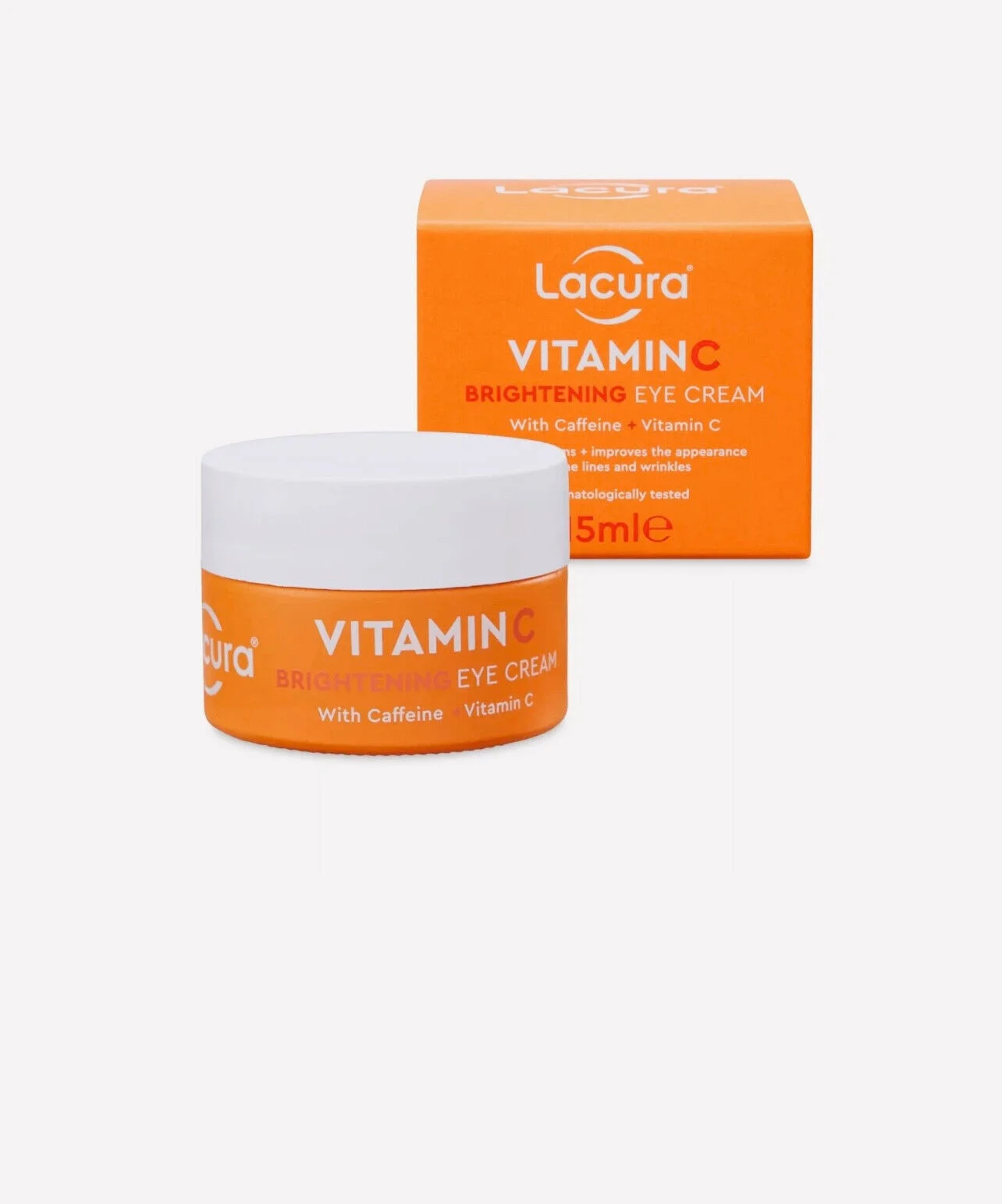




| EWG | CIR | Ingredient Name & Cosmetic Function | Notes |
|---|---|---|---|
| 1 | - | (Solvent) | |
| 1 | B | (Skin Conditioning, Emollient) | |
| 1 3 | A | (Skin Protecting, Skin Conditioning, Emollient, Antifoaming Agent) |  Silicone Moisturizing Silicone Moisturizing |
| 1 | A | (Opacifying, Emollient, Viscosity Controlling, Viscosity Increasing Agent, Emulsion Stabilising, Emulsifying, Foam Boosting, Viscosity Increasingagent - Aqueous) | Cleansing |
| 2 3 | B | (Skin Conditioning, Emollient, Opacifying) |  Bad for oily skin Bad for oily skin |
| 1 | B | (Solvent, Perfuming, Fragrance, Skin Conditioning, Emollient, Binding Agent, Binding) | Bad for oily skin  Fungal Acne Trigger Fungal Acne Trigger |
| 1 | A | (Emollient, Emulsifying) | Fungal Acne Trigger Cleansing |
| 1 3 | A | (Surfactant) | Fungal Acne Trigger Cleansing |
| 2 | - | (Solvent, Viscosity Decreasing Agent, Viscosity Controlling) | |
| 2 4 | A | (Fragrance, Preservative) | |
| 2 | - | (Cosmetic Colorant, Opacifying) | |
| 1 | B | (Masking, Humectant, Skin Protecting, Uv Absorber, Skin Conditioning, Antioxidant, Emollient, Antimicrobial, Astringent, Tonic) |  Good for oily skin Moisturizing Good for oily skin Moisturizing |
| 1 | - | (Skin Conditioning) | |
| 1 | - | (Masking, Tonic, Astringent) | |
| 1 | A | (Hair Conditioning, Skin Conditioning, Emollient, Viscosity Controlling) | Fungal Acne Trigger |
| 1 | - | (Skin Conditioning) | |
| 1 | A | (Skin Conditioning, Viscosity Controlling, Viscosity Increasing Agent, Emulsion Stabilising, Binding Agent, Binding, Surfactant - Emulsifying Agent, Gel Forming) | |
| 1 | - | (Skin Conditioning, Emollient, Antioxidant) | Brightening Fungal Acne Trigger |
| 1 | A | (Viscosity Controlling, Viscosity Increasing Agent, Bulking Agent) | |
| 1 | A | (Viscosity Controlling, Viscosity Increasing Agent, Emulsion Stabilising, Gel Forming) | |
| 1 | - | (Chelating Agent) | |
| 1 | - | (Masking, Fragrance, Skin Conditioning) | |
| 1 | - | (Skin Conditioning) | |
| 1 | - | (Antioxidant) | Brightening |
| 2 | A | (Deodorant, Skin Conditioning) | |
| 1 | - | (Skin Conditioning) | |
| 1 | - |  Good for dry skin Anti Aging Good for dry skin Anti Aging | |
| 1 4 | B | (Denaturant , pH adjusting agent, pH adjusting agent) | |
| 2 | A | (Opacifying, Viscosity Controlling, Abrasive, Bulking Agent) | |
| 3 | A | (Uv Absorber, Uv Filter) | UV Protection |
| 1 2 | A | (Masking, Fragrance, Chelating Agent, pH adjusting agent, pH adjusting agent) | Anti Aging  Bad for sensitive skin Bad for sensitive skin |
| 1 2 | A | (Solvent, Perfuming, Fragrance, Humectant, Viscosity Decreasing Agent, Hair Conditioning, Skin Protecting, Denaturant ) | Good for dry skin Moisturizing |
| 8 | - | (Masking, Perfuming, Deodorant) | Fragrance-free |
| 1 | - | (Skin Conditioning) | |
| 1 | A | (Fragrance, Skin Conditioning, Antioxidant, Emollient) | Bad for oily skin Fungal Acne Trigger |
| 1 | - | (Skin Conditioning, Hair Conditioning, Astringent) | |
| 1 | - | (Antimicrobial, Antidandruff Agent) | |
| 2 | A | (Fragrance, Preservative) | |
| 1 | A | (Surfactant, Viscosity Controlling, Viscosity Increasing Agent, Emulsifying, Sufactant) | Cleansing |
| 2 | A | (Fragrance, Preservative) | |
| 1 3 | B | (Emulsifying, Surfactant, Cleansing) | Cleansing |
| 1 | - | (Viscosity Controlling, Viscosity Increasing Agent, Cosmetic Astringent) | |
| 4 5 | - | (Solvent, Perfuming, Deodorant) |  Allergen Allergen |
| 3 | - | (Masking, Deodorant, Fragrance) | Allergen |
| 4 6 | A | (Solvent, Masking, Fragrance, Viscosity Decreasing Agent, Preservative, External Analgesic ) | Allergen |
| 4 5 | A | (Solvent, Masking, Fragrance, Antimicrobial) | Allergen |
| 3 5 | - | (Masking, Fragrance, Flavoring Agent) | Allergen |
| 1 3 | - | (Cosmetic Colorant, Uv Absorber, Sunscreen Agent, Opacifying) | UV Protection  Good for sensitive skin Good for sensitive skin |
| 1 2 | - | (Colorant, Cosmetic Colorant) | |
| 1 | - | (Colorant, Cosmetic Colorant) | |
| EWG | CIR | Ingredient Name & Cosmetic Function | Notes |
|---|---|---|---|
| 1 | - | (Solvent) | |
| 1 2 | A | (Solvent, Perfuming, Fragrance, Humectant, Viscosity Decreasing Agent, Hair Conditioning, Skin Protecting, Denaturant ) | Good for dry skin Moisturizing |
| 1 2 | A | (Solvent, Masking, Fragrance, Viscosity Decreasing Agent, Viscosity Controlling) | |
| 1 | A | (Solvent, Masking, Perfuming, Skin Conditioning, Emollient) | |
| 1 | A | (Solvent) | |
| 1 | - | (Skin Conditioning, Emollient) | |
| 1 | A | (Hair Conditioning, Skin Conditioning, Smoothing) | Anti Aging Brightening |
| 1 | A | (Emollient, Viscosity Controlling, Viscosity Increasing Agent, Binding Agent, Skin-Conditioning Agent - Occlusive) | |
| 1 | A | (Opacifying, Emollient, Viscosity Controlling, Viscosity Increasing Agent, Emulsion Stabilising, Emulsifying, Foam Boosting, Viscosity Increasingagent - Aqueous) | Cleansing |
| 1 | A | (Solvent, Masking, Fragrance, Humectant, Skin Conditioning, Viscosity Controlling, Viscosity decreasing agents) | Good for dry skin |
| 1 | B | (Hair Conditioning) | Fungal Acne Trigger |
| 1 | A | (Emulsifying, Surfactant) | Fungal Acne Trigger Cleansing |
| 1 2 | A | (Skin Conditioning, Emulsifying, Surfactant, Suspending Agent- Nonsurfactant) | Cleansing |
| 1 | - | (Emollient) | Fungal Acne Trigger |
| 1 | A | (Viscosity Controlling, Viscosity Increasing Agent, Emulsion Stabilising, Gel Forming) | |
| 1 2 | A | (Masking, Fragrance, pH adjusting agent, pH adjusting agent) | |
| 2 | - | (Solvent, Viscosity Decreasing Agent, Viscosity Controlling) | |
| 1 | A | (Emollient, Emulsifying) | Fungal Acne Trigger Cleansing |
| 1 | A | (Skin Conditioning, Emollient, Viscosity Controlling, Viscosity Increasing Agent, Emulsion Stabilising, Emulsifying, Stabilising) | Cleansing |
| 1 | B | (Skin Conditioning, Surfactant, Emulsifying) | Cleansing |
| 2 | A | (Deodorant, Skin Conditioning) | |
| 1 | - | (Skin Conditioning) | Anti Aging |
| 1 | A | (Skin Conditioning, Emollient) | |
| 1 | - | (Skin Conditioning) | |
| 5 6 | - | (Skin Conditioning) | |
| 1 2 | A | (Opacifying, Viscosity Controlling, Abrasive, Absorbent, Bulking Agent, Anticaking Agent) | |
| 1 | A | (Chelating Agent, Viscosity Controlling) | |
| 1 | - | (Viscosity Controlling, Emulsion Stabilising) | |
| - | - | | |
| - | - | (Hair Conditioning, Skin Conditioning) | |
| 1 | - | (Skin Conditioning) | |
| - | - | (Skin Conditioning) | |
| 1 | - | (Humectant) | |
| 1 | - | Good for dry skin Anti Aging | |
| 1 | B | (Emulsifying, Surfactant) | Cleansing |
| 1 | A | (Antioxidant) | |
| 1 | A | (Humectant, Skin Conditioning) | Good for dry skin Promotes Wound Healing |
| 1 | - | (Skin Conditioning) | |
| 1 | - | (Skin Conditioning) | |
| 1 | - | (Skin Conditioning) | |
| 1 | - | (Skin Protecting) | Moisturizing |
| 1 | - | (Skin Conditioning, Tonic) | |
| 1 | - | (Skin Conditioning) | |
| 1 | - | (Antimicrobial, Cosmetic Biocide) | |
| 1 | - | | |
| 1 | - | (Skin Conditioning, Skin Protecting) | Moisturizing |
| 1 | - | (Skin Conditioning) | |
Aqua
1. Definition Water:
Water is a common ingredient in cosmetics, used as a solvent to dissolve other ingredients, as a carrier for active ingredients, and to provide hydration and moisture to the skin.2. Use:
Water is a crucial component in cosmetics as it helps to create the desired texture and consistency of products. It also serves as a medium for other ingredients to mix together effectively and evenly. Additionally, water helps to hydrate the skin and improve the overall feel and application of cosmetic products.3. Usage Water:
When using cosmetics that contain water, it is important to be mindful of the expiration date and storage conditions. Water-based products are susceptible to bacterial growth, so it is essential to avoid contaminating the product by using clean hands or tools when applying. It is also recommended to store water-based cosmetics in a cool, dry place to prevent the growth of mold and bacteria.4. References:
- Draelos, Z. D. (2010). Cosmetic dermatology: products and procedures. John Wiley & Sons.
- Winter, R. (2009). A consumer's dictionary of cosmetic ingredients: complete information about the harmful and desirable ingredients found in cosmetics and cosmeceuticals. Crown.
- Begoun, P. (2003). Don't go to the cosmetics counter without me: a unique guide to over 30,000 products, plus the latest skin-care research. Beginning Press.
Coco Caprylate/ Caprate
1. Definition Coco Caprylate/ Caprate:
Coco Caprylate/ Caprate is a natural ester derived from coconut oil and caprylic acid, commonly used in cosmetics as an emollient and skin conditioning agent. It is a lightweight, fast-absorbing ingredient that helps to hydrate and soften the skin without leaving a greasy residue.2. Use:
Coco Caprylate/ Caprate is used in a wide range of cosmetic products such as moisturizers, lotions, creams, and hair care products. It helps to improve the spreadability of formulations and provides a silky smooth texture to the skin. Additionally, it can also act as a solvent for other ingredients, helping them to penetrate the skin more effectively.3. Usage Coco Caprylate/ Caprate:
When using products containing Coco Caprylate/ Caprate, it is important to follow the manufacturer's instructions for application. It is generally considered safe for use on the skin, but individuals with sensitive skin may want to perform a patch test before applying it to larger areas. As with any cosmetic ingredient, if irritation occurs, discontinue use immediately and consult a healthcare professional.4. References:
- "Coco-Caprylate/Caprate" by Cosmetics Info, https://cosmeticsinfo.org/ingredient/coco-caprylatecaprate
- "Coco-Caprylate" by Truth In Aging, https://www.truthinaging.com/ingredients/coco-caprylate
- "Coco-Caprylate" by Skin Deep, https://www.ewg.org/skindeep/ingredients/706751-COCO-CAPRYLATE/
Dimethicone
1. Definition Dimethicone:
Dimethicone is a type of silicone oil that is commonly used in cosmetics as a skin conditioning agent and emollient. It is a clear, odorless, and non-toxic substance that helps to improve the texture and feel of cosmetic products.2. Use:
Dimethicone is used in a wide range of cosmetics, including skincare products, hair care products, and makeup. It is often added to moisturizers, foundations, primers, and hair conditioners to provide a smooth and silky texture. Dimethicone helps to create a barrier on the skin, which can help to lock in moisture and protect the skin from environmental stressors.3. Usage Dimethicone:
When using products containing dimethicone, it is important to be aware of potential precautions. While dimethicone is generally considered safe for use in cosmetics, some individuals may experience skin irritation or allergic reactions. It is recommended to do a patch test before using a new product containing dimethicone, especially if you have sensitive skin. Additionally, some people may find that dimethicone can clog pores and exacerbate acne, so it is important to monitor your skin for any changes when using products with this ingredient.4. References:
- Lanigan, R. S., & Yamarik, T. A. (2002). Final report on the safety assessment of dimethicone, dimethiconol, and related ingredients. International journal of toxicology, 21(1), 7-41.
- Draelos, Z. D. (2010). Cosmetic vehicle efficacy. Dermatologic therapy, 23(4), 314-317.
- Fiume, M. M., Bergfeld, W. F., Belsito, D. V., Hill, R. A., Klaassen, C. D., Liebler, D., ... & Andersen, F. A. (2016). Safety assessment of dimethicone crosspolymers as used in cosmetics. International journal of toxicology, 35(1_suppl), 5S-24S.
Cetearyl Alcohol
1. Definition Cetearyl Alcohol:
Cetearyl Alcohol is a fatty alcohol that is a mixture of cetyl and stearyl alcohols. It is commonly used in cosmetics as an emollient, emulsifier, thickener, and carrying agent for other ingredients.2. Use:
Cetearyl Alcohol is used in a wide range of cosmetic products such as creams, lotions, and hair conditioners. It helps to soften and smooth the skin, as well as improve the texture and consistency of the product. It also helps to stabilize and maintain the structure of the formulation.3. Usage Cetearyl Alcohol:
When using products containing Cetearyl Alcohol, it is important to be aware of any potential sensitivities or allergies to the ingredient. Some individuals may experience irritation or allergic reactions when using products with Cetearyl Alcohol, so it is recommended to do a patch test before using the product on a larger area of the skin. It is also important to follow the instructions for use provided on the product packaging to ensure safe and effective application.4. References:
- "Cetearyl Alcohol" by Paula Begoun, Cosmetics Cop, https://www.paulaschoice.com/ingredient-dictionary/emollients/cetearyl-alcohol.html
- "Cetearyl Alcohol in Cosmetics: Safe or Harmful?" by Dr. Anvita Arora, Dermatologist, https://www.dranvitaarora.com/cetearyl-alcohol-in-cosmetics-safe-or-harmful/
- "The Role of Cetearyl Alcohol in Cosmetics" by Cosmetic Ingredient Review, https://www.cir-safety.org/sites/default/files/cetearylcir.pdf
Myristyl Myristate
1. Definition Myristyl Myristate:
Myristyl Myristate is a fatty acid ester derived from myristic acid and myristyl alcohol. It is commonly used in cosmetics as an emollient and thickening agent.2. Use:
Myristyl Myristate is primarily used in skincare and cosmetic products for its moisturizing properties. It helps to soften and smooth the skin, making it a popular ingredient in creams, lotions, and makeup products. Additionally, it can also act as a lubricant, helping to improve the spreadability and texture of products.3. Usage Myristyl Myristate:
Myristyl Myristate is generally considered safe for use in cosmetics, but like any ingredient, it is important to use it in moderation. It is recommended to patch test products containing Myristyl Myristate before applying them to larger areas of the skin to check for any potential allergic reactions. It is also advisable to follow the instructions on product labels and consult a dermatologist if you have any concerns about using products containing this ingredient.4. References:
- "Myristyl Myristate", CosmeticsInfo.org, https://cosmeticsinfo.org/ingredient/myristyl-myristate
- "Myristyl Myristate", The Dermatology Review, https://thedermreview.com/myristyl-myristate/
- "Myristyl Myristate", Truth In Aging, https://www.truthinaging.com/ingredients/myristyl-myristate
Isopropyl Myristate
1. Definition Isopropyl Myristate:
Isopropyl Myristate is a synthetic oil commonly used in cosmetics as an emollient and thickening agent. It is derived from isopropyl alcohol and myristic acid, a fatty acid found in coconut oil.2. Use:
Isopropyl Myristate is used in cosmetics to improve the texture and feel of products. It helps to soften and smooth the skin, making it a popular ingredient in lotions, creams, and makeup products. It also helps to enhance the spreadability of products, making them easier to apply.3. Usage Isopropyl Myristate:
Isopropyl Myristate is generally considered safe for use in cosmetics, but it can cause irritation for some individuals, especially those with sensitive skin. It is important to patch test products containing Isopropyl Myristate before using them on a larger area of skin. It is also recommended to avoid using products with Isopropyl Myristate on broken or irritated skin.4. References:
- "Isopropyl Myristate." Cosmetics Info, www.cosmeticsinfo.org/ingredient/isopropyl-myristate.
- Sagar, Ashok, et al. "Isopropyl Myristate: A Review." International Journal of Pharmaceutical Sciences Review and Research, vol. 13, no. 2, 2012, pp. 93-97.
- "Isopropyl Myristate." The Dermatology Review, www.thedermreview.com/isopropyl-myristate/.
Glyceryl Stearate
1. Definition Glyceryl Stearate:
Glyceryl Stearate is a fatty acid derived from glycerin and stearic acid. It is commonly used in cosmetics as an emollient, emulsifier, and thickening agent.2. Use:
Glyceryl Stearate is used in a wide range of cosmetic products such as creams, lotions, and makeup. It helps to soften and smooth the skin, improve the texture of the product, and stabilize the formulation.3. Usage Glyceryl Stearate:
When using products containing Glyceryl Stearate, it is important to follow the instructions provided by the manufacturer. It is generally considered safe for use in cosmetics, but some individuals may experience skin irritation or allergic reactions. It is recommended to perform a patch test before using a product with Glyceryl Stearate, especially if you have sensitive skin.4. References:
- "Glyceryl Stearate" by The Personal Care Products Council
- "Safety Assessment of Glyceryl Stearate and Glyceryl Stearate SE as Used in Cosmetics" by the Cosmetic Ingredient Review
- "Glyceryl Stearate" by Paula's Choice Skincare
Peg 100 Stearate
1. Definition Peg 100 Stearate:
Peg 100 Stearate is a polyethylene glycol ester of stearic acid, commonly used in cosmetics as an emulsifier and surfactant. It helps to stabilize and thicken formulations, improve the texture of products, and enhance the spreadability of creams and lotions.2. Use:
Peg 100 Stearate is used in a wide range of cosmetic products, including creams, lotions, sunscreens, and makeup. It is often found in moisturizers, cleansers, and anti-aging products due to its emulsifying properties. Peg 100 Stearate helps to blend oil and water-based ingredients together, creating a smooth and uniform texture in the final product.3. Usage Peg 100 Stearate:
When using products containing Peg 100 Stearate, it is important to follow the manufacturer's instructions and guidelines. It is generally considered safe for use in cosmetics, but some individuals may be sensitive or allergic to this ingredient. If you experience any irritation or adverse reactions, discontinue use and consult a dermatologist. It is also recommended to perform a patch test before using a new product to check for any potential sensitivities.4. References:
- "PEG-100 Stearate" Cosmetic Ingredient Review, 2014.
- "Polyethylene Glycol (PEG) Compounds in Cosmetics" U.S. Food and Drug Administration, 2019.
- "Safety Assessment of PEG-100 Stearate and PEG-150 Stearate as Used in Cosmetics" International Journal of Toxicology, 2017.
Propanediol
1. Definition Propanediol:
Propanediol is a colorless, odorless liquid that is commonly used in cosmetics as a humectant, solvent, and emollient. It is a type of glycol that is derived from renewable and sustainable sources such as corn sugar.2. Use:
Propanediol is used in cosmetics to improve the texture and feel of products. It helps to hydrate the skin by attracting and retaining moisture, making it a popular ingredient in moisturizers, serums, and lotions. Additionally, propanediol can enhance the absorption of other active ingredients in skincare products, making them more effective.3. Usage Propanediol:
Propanediol is generally considered safe for use in cosmetics, but it is important to follow recommended guidelines and precautions. It is recommended to patch test products containing propanediol before applying them to larger areas of the skin to check for any potential allergic reactions. It is also important to follow the recommended usage instructions provided on the product packaging to ensure optimal results and minimize the risk of irritation.4. References:
- Zhang, X., Qian, H., & Tang, S. (2018). Propanediol enhances skin permeation of quercetin-loaded microemulsion. Drug Development and Industrial Pharmacy, 44(6), 1010-1016.
- Rigo, L. A., da Silva, D. F., & Sayer, C. (2019). Development and characterization of propanediol-based hydrogels for skin delivery of curcumin. International Journal of Biological Macromolecules, 132, 73-81.
- Huang, D., Zhang, Y., & Zhang, Z. (2017). Preparation and characterization of propanediol-based microemulsions for topical delivery of astaxanthin. Journal of Dispersion Science and Technology, 38(9), 1317-1323.
Phenoxyethanol
1. Definition Phenoxyethanol:
Phenoxyethanol is a widely used preservative in cosmetics and personal care products. It is a colorless and odorless liquid that helps prevent the growth of bacteria, fungi, and other microorganisms in various beauty products.2. Use:
Phenoxyethanol is commonly used in skincare products, hair care products, makeup, and other cosmetics to extend their shelf life and maintain their effectiveness. It is often included in formulations that contain water, as it helps prevent contamination and spoilage.3. Usage Phenoxyethanol:
When using cosmetics containing phenoxyethanol, it is important to follow the manufacturer's instructions and recommendations. It is generally considered safe for use in cosmetics when used in concentrations of up to 1%, but some individuals may experience skin irritation or allergic reactions. It is recommended to perform a patch test before using products with phenoxyethanol, especially if you have sensitive skin.4. References:
- Draelos, Z. D. (2010). Cosmetic Formulation of Skin Care Products. John Wiley & Sons.
- Loden, M., & Maibach, H. I. (2000). Dry Skin and Moisturizers: Chemistry and Function. CRC Press.
- Fiume, M. M., Heldreth, B., Bergfeld, W. F., Belsito, D. V., Hill, R. A., Klaassen, C. D., ... & Andersen, F. A. (2016). Safety assessment of phenoxyethanol as used in cosmetics. International Journal of Toxicology, 35(4), 386-419.
Mica
1. Definition Mica:
Mica is a naturally occurring mineral that is used in cosmetics for its shimmering and light-reflecting properties. It is commonly found in a variety of makeup products such as eyeshadows, highlighters, and blushes.2. Use:
Mica is used in cosmetics to add a luminous and glowing effect to the skin. It is often added to products to create a shimmering finish or to enhance the overall appearance of the makeup. Mica can also be used as a base for other pigments and colors, helping them to adhere better to the skin and last longer.3. Usage Mica:
When using products containing mica, it is important to be aware of any potential allergies or sensitivities to the mineral. Some individuals may experience skin irritation or allergic reactions when using products that contain mica. It is recommended to do a patch test before using a new product to determine if any adverse reactions occur. Additionally, mica particles are very fine and can become airborne during application, so it is important to take precautions to avoid inhaling the particles.4. References:
- "Mica in Cosmetics" by FDA: https://www.fda.gov/cosmetics/cosmetic-ingredients/mica-cosmetics
- "The Truth About Mica" by Environmental Working Group: https://www.ewg.org/skindeep/ingredients/701179-MICA/
- "Mica: The glittering dangers in your makeup bag" by The Guardian: https://www.theguardian.com/sustainable-business/2014/jul/24/mica-electronics-cosmetics-india-child-labour-minerals
Camellia Sinensis Leaf Extract
1. Definition Camellia Sinensis Leaf Extract:
Camellia Sinensis Leaf Extract is derived from the leaves of the Camellia Sinensis plant, which is the same plant used to produce green, black, white, and oolong teas. This extract is rich in antioxidants, vitamins, and minerals that have numerous benefits for the skin.2. Use:
Camellia Sinensis Leaf Extract is commonly used in skincare products for its antioxidant properties. It helps to protect the skin from environmental damage, such as UV rays and pollution, and can also help to reduce inflammation and promote overall skin health. Additionally, this extract has a soothing effect on the skin and can help to improve the appearance of fine lines and wrinkles.3. Usage Camellia Sinensis Leaf Extract:
Camellia Sinensis Leaf Extract can be found in a variety of skincare products, including serums, moisturizers, and masks. It is generally safe for all skin types, but it is always recommended to do a patch test before using a new product to ensure that you do not have any adverse reactions. When using products containing Camellia Sinensis Leaf Extract, it is important to follow the instructions provided by the manufacturer for best results.4. References:
- Baek, J. H., Kim, S. M., Lee, H., Lee, J. Y., & Kim, J. H. (2016). Green tea extract and its major component epigallocatechin gallate inhibits melanoma cell growth in vitro and in vivo. Food and chemical toxicology, 87, 1-11.
- Yoon, J. H., Baek, S. J., & Lee, S. H. (2012). Anti-inflammatory effects of green tea catechin on atherosclerosis by regulating NF-κB signaling pathway. Nutrition research and practice, 6(4), 294-301.
- Hsu, S. (2005). Green tea and the skin. Journal of the American Academy of Dermatology, 52(6), 1049-1059.
Lactobacillus Ferment Lysate
1. Definition Lactobacillus Ferment Lysate:
Lactobacillus Ferment Lysate is a probiotic ingredient derived from the fermentation of Lactobacillus bacteria. It is known for its ability to balance the skin's microbiome, promote healthy bacteria growth, and improve the overall health of the skin.2. Use:
Lactobacillus Ferment Lysate is commonly used in skincare products for its skin-soothing and anti-inflammatory properties. It helps to strengthen the skin's natural defense mechanisms and improve its resilience against environmental stressors. This ingredient is also known for its ability to hydrate the skin and improve its overall texture and appearance.3. Usage Lactobacillus Ferment Lysate:
Lactobacillus Ferment Lysate can be found in a variety of skincare products, including serums, creams, and masks. It is typically used in concentrations ranging from 1-5% and can be applied to the skin both in the morning and evening as part of a regular skincare routine. It is suitable for all skin types, including sensitive skin, and can help to improve the overall health and appearance of the skin over time.4. References:
- Choi, S. Y., Kim, H. J., & Ko, H. C. (2015). Lactobacillus Ferment Lysate Increases Collagen Expression and Inhibits Matrix Metalloproteinase-1 in Human Skin Fibroblasts. Annals of Dermatology, 27(1), 58–63. https://doi.org/10.5021/ad.2015.27.1.58
- Kim, S., Kim, H. J., & Ko, H. C. (2019). Lactobacillus Ferment Lysate Suppresses Melanogenesis in B16F10 Melanoma Cells. Annals of Dermatology, 31(6), 647–652. https://doi.org/10.5021/ad.2019.31.6.647
- Lee, S. H., & Lee, S. H. (2018). Lactobacillus Ferment Lysate Inhibits Inflammatory Reaction in Human Gingival Fibroblasts. Journal of Periodontal & Implant Science, 48(6), 379–387. https://doi.org/10.5051/jpis.2018.48.6.379
Punica Granatum Extract
1. Definition Punica Granatum Extract:
Punica Granatum Extract, also known as pomegranate extract, is derived from the fruit of the Punica granatum tree. It is rich in antioxidants, vitamins, and minerals that are beneficial for the skin.2. Use:
Punica Granatum Extract is commonly used in cosmetics for its anti-inflammatory, anti-aging, and moisturizing properties. It helps to improve skin texture, increase collagen production, and protect the skin from environmental damage.3. Usage Punica Granatum Extract:
Punica Granatum Extract can be found in various skincare products such as serums, creams, and masks. It is typically added to formulations in small concentrations to provide its benefits without causing irritation. To use products containing Punica Granatum Extract, apply a small amount to clean skin and gently massage in until fully absorbed. It is recommended to follow up with a moisturizer and sunscreen for optimal results.4. References:
- Aslam MN, Lansky EP, Varani J. Pomegranate as a cosmeceutical source: Pomegranate fractions promote proliferation and procollagen synthesis and inhibit matrix metalloproteinase-1 production in human skin cells. J Ethnopharmacol. 2006;103(3):311-318. doi:10.1016/j.jep.2005.08.016
- Mphahlele RR, Fawole OA, Mokwena LM, Opara UL. Pomegranate fruit quality: A review. Food Bioprocess Technol. 2014;7(1):34-57. doi:10.1007/s11947-013-1181-1
- Li Y, Guo C, Yang J, Wei J, Xu J, Cheng S. Evaluation of antioxidant properties of pomegranate peel extract in comparison with pomegranate pulp extract. Food Chem. 2006;96(2):254-260. doi:10.1016/j.foodchem.2005.02.033
Simmondsia Chinensis Seed Oil
1. Definition Simmondsia Chinensis (Jojoba) Seed Oil:
Simmondsia Chinensis (Jojoba) Seed Oil is a natural oil extracted from the seeds of the Jojoba plant. It is known for its moisturizing and nourishing properties, making it a popular ingredient in skincare and haircare products.2. Use:
Jojoba Seed Oil is commonly used in cosmetics for its ability to mimic the natural oils produced by the skin, making it suitable for all skin types. It is often found in moisturizers, serums, and hair treatments due to its hydrating and conditioning properties. Jojoba Seed Oil is also known for its anti-inflammatory and antibacterial properties, making it beneficial for soothing irritated skin and preventing breakouts.3. Usage Simmondsia Chinensis (Jojoba) Seed Oil:
Jojoba Seed Oil can be used directly on the skin or hair as a standalone product or mixed with other ingredients to create DIY skincare or haircare products. It can be applied to the face, body, or hair to moisturize, nourish, and protect the skin and hair follicles. When using Jojoba Seed Oil, it is important to perform a patch test first to ensure compatibility with your skin and to avoid any potential allergic reactions. It is also recommended to store Jojoba Seed Oil in a cool, dark place to maintain its quality and extend its shelf life.4. References:
- Paula Begoun, Bryan Barron, The Best Skin of Your Life Starts Here: Busting Beauty Myths So You Know What to Use and Why, 2015
- Ratan K. Choudhary, Avinash Kumar, Om Prakash, Mahendra Singh, Handbook of Medicinal Plants: Utilisation and Conservation, 2018
- Jennifer Peace Rhind, Fragrance and Wellbeing: Plant Aromatics and Their Influence on the Psyche, 2013
Tamarindus Indica Seed Polysaccharide
1. Definition Tamarindus Indica Seed Polysaccharide:
Tamarindus Indica Seed Polysaccharide is a natural polysaccharide derived from the seeds of the Tamarindus Indica tree. It is known for its moisturizing and skin-soothing properties, making it a popular ingredient in skincare products.2. Use:
Tamarindus Indica Seed Polysaccharide is commonly used in cosmetics for its hydrating and anti-inflammatory benefits. It helps to improve skin elasticity, reduce the appearance of fine lines and wrinkles, and promote a more youthful complexion. Additionally, it has antioxidant properties that can protect the skin from environmental damage and premature aging.3. Usage Tamarindus Indica Seed Polysaccharide:
Tamarindus Indica Seed Polysaccharide can be found in various skincare products such as moisturizers, serums, masks, and creams. It is typically used in concentrations of 0.1% to 2% in formulations. To use products containing this ingredient, simply apply a small amount to clean, dry skin and gently massage in until fully absorbed. It is suitable for all skin types, including sensitive skin, but it is always recommended to perform a patch test before using any new skincare product to ensure compatibility.4. References:
- Sultana, Y., Aqil, M., Ali, A., & Ali, J. (2014). Tamarindus indica L.: Extent of explored potential. Pharmacognosy reviews, 8(15), 73–81. https://doi.org/10.4103/0973-7847.134249
- Kulkarni, M. P., & Aradhya, S. M. (2007). Chemical changes and antioxidant activity in pomegranate arils during fruit development. Food chemistry, 102(3), 898–905. https://doi.org/10.1016/j.foodchem.2006.06.021
- Chandrasekaran, M., & Bahkali, A. H. (2013). Valorization of Tamarind Seed: A Green Approach. Journal of Bioprocessing & Biotechniques, 3(3), 1–4. https://doi.org/10.4172/2155-9821.1000131
Xanthan Gum
1. Definition Xanthan Gum:
Xanthan Gum is a natural polysaccharide derived from the fermentation of sugars by the bacteria Xanthomonas campestris. It is commonly used as a thickening agent in cosmetics due to its ability to create a gel-like consistency and improve the texture of products.2. Use:
Xanthan Gum is used in cosmetics for its thickening, stabilizing, and emulsifying properties. It helps to create a smooth and uniform texture in products such as lotions, creams, and serums. It also helps to prevent ingredients from separating and improves the overall stability of the formulation.3. Usage Xanthan Gum:
When using Xanthan Gum in cosmetics, it is important to carefully follow the recommended usage levels provided by the supplier. Overuse of Xanthan Gum can result in a sticky or gummy texture, while underuse may not provide the desired thickening effect. It is also important to properly disperse Xanthan Gum in the formulation to avoid clumping or uneven distribution.4. References:
- Silva, E. O., et al. (2018). Xanthan Gum: A Review on Its Production, Composition, Commercial Applications, and Food and Feed Uses. Food and Bioprocess Technology, 11(1), 195-229.
- Kaur, A., et al. (2020). Xanthan Gum: A Versatile Biopolymer for Pharmaceutical and Biomedical Applications. Journal of Polymers and the Environment, 28(7), 1541-1555.
- Li, Z., et al. (2019). Xanthan Gum and Its Applications in Drug Delivery: A Review. Carbohydrate Polymers, 217, 1-8.
Ascorbyl Tetraisopalmitate
1. Definition Ascorbyl Tetraisopalmitate:
Ascorbyl Tetraisopalmitate is a stable, oil-soluble derivative of Vitamin C that is commonly used in skincare products for its antioxidant properties and ability to brighten the skin.2. Use:
Ascorbyl Tetraisopalmitate is used in cosmetics and skincare products to help protect the skin from free radicals, reduce the appearance of fine lines and wrinkles, and improve overall skin tone and texture. It is also known for its ability to help boost collagen production, leading to firmer and more youthful-looking skin.3. Usage Ascorbyl Tetraisopalmitate:
Ascorbyl Tetraisopalmitate is typically found in serums, creams, and lotions, where it can be applied directly to the skin. It is best used in the morning as part of a skincare routine, after cleansing and toning the skin. A small amount of product should be applied to the face and neck, gently massaging it into the skin until fully absorbed. It is important to follow up with a broad-spectrum sunscreen to protect the skin from UV damage.4. References:
- Choi, S. Y., Lee, S. N., Lee, M. J., Kim, Y. C., & Choe, Y. B. (2009). Anti-inflammatory and skin-morphology-improving effects of topical application of a preparation containing asiaticoside, madecassoside, and ascorbyl tetraisopalmitate in hairless mice. Annals of dermatology, 21(1), 70-77.
- Lin, F. H., Lin, J. Y., Gupta, R. D., Tournas, J. A., Burch, J. A., Selim, M. A., ... & Fisher, G. J. (2005). Ferulic acid stabilizes a solution of vitamins C and E and doubles its photoprotection of skin. Journal of Investigative Dermatology, 125(4), 826-832.
- Telang, P. S. (2013). Vitamin C in dermatology. Indian dermatology online journal, 4(2), 143.
Synthetic Fluorphlogopite
1. Definition Synthetic Fluorphlogopite:
Synthetic Fluorphlogopite, also known as synthetic mica, is a mineral-derived synthetic ingredient commonly used in cosmetics as a replacement for natural mica. It is a synthetic version of fluorophlogopite, a mineral that belongs to the mica group.2. Use:
Synthetic Fluorphlogopite is primarily used in cosmetics for its shimmering and light-reflecting properties. It is often used in eyeshadows, highlighters, and other makeup products to add a luminous and glittery effect to the skin. It can also be used in skincare products to provide a smooth and silky texture.3. Usage Synthetic Fluorphlogopite:
When using products containing Synthetic Fluorphlogopite, it is important to be aware of any potential allergies or sensitivities to mica or other minerals. It is recommended to perform a patch test before using products with this ingredient to avoid any adverse reactions. Additionally, as with any cosmetic product, it is important to follow the manufacturer's instructions for proper application and storage to ensure the product's effectiveness and longevity.4. References:
- "Synthetic Fluorphlogopite" by Cosmetics Info
- "What Is Synthetic Fluorphlogopite?" by The Derm Review
- "Understanding the Role of Synthetic Fluorphlogopite in Cosmetics" by Personal Care Magazine
Carbomer
1. Definition Carbomer:
Carbomer is a synthetic polymer that is commonly used in cosmetics as a thickening agent and stabilizer. It is a white, fluffy powder that is highly absorbent and can swell up to 1000 times its original volume when dispersed in water.2. Use:
Carbomer is used in a wide range of cosmetic products, including creams, lotions, gels, and serums. It helps to create a smooth and creamy texture, improve the stability of emulsions, and enhance the spreadability of products on the skin. Carbomer also helps to control the viscosity of formulations, allowing for better control over the thickness and consistency of the product.3. Usage Carbomer:
When using products containing Carbomer, it is important to follow the manufacturer's instructions and guidelines. It is typically used in concentrations ranging from 0.1% to 1% in cosmetic formulations. Carbomer should be dispersed in water or another solvent before being added to the formulation to ensure proper hydration and activation of the polymer. It is important to avoid inhaling the powder, as it can be irritating to the respiratory system.4. References:
- Sharma, A., & Jain, A. (2012). Carbomers: A review. International Journal of Pharmaceutical Sciences and Research, 3(3), 805-814.
- Liao, Y., & Wang, J. (2017). Carbomer: A versatile polymer in pharmaceutical applications. Polymer Chemistry, 8(3), 355-366.
- Patel, D. (2015). Carbomer in pharmaceuticals: A review. World Journal of Pharmacy and Pharmaceutical Sciences, 4(2), 121-133.
Tetrasodium Glutamate Diacetate
1. Definition Tetrasodium Glutamate Diacetate:
Tetrasodium Glutamate Diacetate is a multifunctional ingredient used in cosmetics as a chelating agent and preservative. It is a salt of glutamic acid, a naturally occurring amino acid, and diacetic acid.2. Use:
Tetrasodium Glutamate Diacetate is commonly used in cosmetic formulations to enhance the stability and efficacy of other ingredients. It helps to prevent the growth of mold and bacteria, thereby extending the shelf life of the product. Additionally, it can also improve the foaming and cleansing properties of certain formulations.3. Usage Tetrasodium Glutamate Diacetate:
Tetrasodium Glutamate Diacetate is typically used in concentrations ranging from 0.1% to 2% in cosmetic products. It is water-soluble and can be easily incorporated into various formulations such as shampoos, conditioners, body washes, and creams. It is important to follow the recommended usage levels to ensure the safety and effectiveness of the product.4. References:
- "Tetrasodium Glutamate Diacetate." Cosmetics Info, www.cosmeticsinfo.org/ingredient/tetrasodium-glutamate-diacetate.
- Huang, Y., Zhang, Y., & Chen, X. (2018). "Application of Tetrasodium Glutamate Diacetate in Cosmetics." Chemical Engineering Transactions, 64, 157-162.
- "Safety Assessment of Tetrasodium Glutamate Diacetate." Cosmetic Ingredient Review, www.cir-safety.org/sites/default/files/tetrasodiumglutamatediacetate.pdf.
Caffeine
1. Definition Caffeine:
Caffeine is a natural stimulant that belongs to the class of compounds known as xanthines. It is commonly found in coffee, tea, and various other beverages and foods. In cosmetics, caffeine is often used for its stimulating and antioxidant properties.2. Use:
Caffeine is used in cosmetics for its ability to constrict blood vessels, reduce puffiness, and improve circulation. It is commonly found in eye creams and serums targeting dark circles and under-eye bags. Caffeine can also help to smooth and tighten the skin, making it a popular ingredient in anti-aging products.3. Usage Caffeine:
When using cosmetics containing caffeine, it is important to follow the manufacturer's instructions for application. Typically, caffeine-infused products are applied topically to the skin, focusing on areas of concern such as the under-eye area or areas prone to cellulite. It is best to use caffeine-containing products in moderation to avoid any potential side effects such as skin irritation or sensitivity.4. References:
- Mukherjee, P. K., & Maity, N. (2012). Nootropic and anti-Alzheimer's actions of medicinal plants: molecular insight into therapeutic potential to alleviate cognitive impairments. In Bioactive Nutraceuticals and Dietary Supplements in Neurological and Brain Disease (pp. 605-619). Academic Press.
- Costa, R., Rodrigues, I., Guardão, L., Lima, J. L., & Fernandes, E. (2012). Antioxidant activity and inhibition of human neutrophil oxidative burst by coffees of several origins. Food and Chemical Toxicology, 50(5), 1435-1441.
- Albasini, A., Zech, K., & Taddei, C. (2012). Use of caffeine in cosmetic compositions. U.S. Patent No. 8,119,371.
3-0-Ethyl Ascorbic Acid
1. Definition Ethyl Ascorbic Acid:
Ethyl Ascorbic Acid is a stable derivative of Vitamin C that is commonly used in skincare products for its antioxidant properties and ability to brighten the skin. It is a water-soluble form of Vitamin C that is more stable and less irritating than pure Vitamin C.2. Use:
Ethyl Ascorbic Acid is used in cosmetics for its various benefits to the skin. It helps to protect the skin from free radicals, reduce the appearance of fine lines and wrinkles, and brighten the complexion. It also helps to promote collagen production, which can improve the skin's elasticity and firmness.3. Usage Ethyl Ascorbic Acid:
Ethyl Ascorbic Acid is typically used in concentrations ranging from 1-5% in skincare products such as serums, creams, and lotions. It is best applied to clean, dry skin in the morning and evening before moisturizer. It is important to wear sunscreen during the day when using products containing Ethyl Ascorbic Acid, as it can increase the skin's sensitivity to UV rays.4. References:
- Telang, P. S. (2013). Vitamin C in dermatology. Indian dermatology online journal, 4(2), 143–146. https://doi.org/10.4103/2229-5178.110593
- Al-Niaimi, F., & Chiang, N. (2017). Topical Vitamin C and the skin: Mechanisms of action and clinical applications. Journal of clinical and aesthetic dermatology, 10(7), 14–17.
- Pullar, J. M., Carr, A. C., & Vissers, M. C. M. (2017). The roles of Vitamin C in skin health. Nutrients, 9(8), 866. https://doi.org/10.3390/nu9080866
Ascorbyl Glucoside
1. Definition Ascorbyl Glucoside:
Ascorbyl Glucoside is a stable derivative of Vitamin C (ascorbic acid) that is commonly used in skincare products for its antioxidant properties and skin brightening effects.2. Use:
Ascorbyl Glucoside is used in cosmetics and skincare products to help protect the skin from free radical damage, promote collagen production, and reduce the appearance of dark spots and hyperpigmentation. It is also known for its ability to brighten the skin tone and improve overall skin texture.3. Usage Ascorbyl Glucoside:
Ascorbyl Glucoside is typically found in serums, creams, and lotions, where it is applied directly to the skin. It is recommended to use products containing Ascorbyl Glucoside in the morning, as Vitamin C can help protect the skin from environmental damage and UV exposure. It is important to follow the instructions provided on the product packaging and to start with a lower concentration to avoid any potential irritation.4. References:
- Telang, P. S. (2013). Vitamin C in dermatology. Indian dermatology online journal, 4(2), 143–146. https://doi.org/10.4103/2229-5178.110593
- Pullar, J. M., Carr, A. C., & Vissers, M. (2017). The roles of Vitamin C in skin health. Nutrients, 9(8), 866. https://doi.org/10.3390/nu9080866
- Lin, F. H., Lin, J. Y., Gupta, R. D., Tournas, J. A., Burch, J. A., Selim, M. A., Monteiro-Riviere, N. A., Grichnik, J. M., Zielinski, J., Pinnell, S. R. (2005). Ferulic acid stabilizes a solution of vitamins C and E and doubles its photoprotection of skin. Journal of Investigative Dermatology, 125(4), 826-832. https://doi.org/10.1111/j.0022-202X.2005.23768.x
Ethylhexylglycerin
1. Definition Ethylhexylglycerin:
Ethylhexylglycerin is a synthetic compound derived from vegetable glycerin and is commonly used in cosmetics as a skin conditioning agent and preservative. It is a clear, colorless liquid with a faint odor.2. Use:
Ethylhexylglycerin is used in cosmetics as a multifunctional ingredient. It acts as a skin conditioning agent, moisturizer, and preservative. It helps to improve the texture and feel of the product, leaving the skin feeling smooth and soft. Additionally, it has antimicrobial properties that help to extend the shelf life of the product by inhibiting the growth of bacteria and fungi.3. Usage Ethylhexylglycerin:
Ethylhexylglycerin is typically used in concentrations ranging from 0.1% to 1% in cosmetic formulations. It is often found in skincare products such as moisturizers, lotions, creams, and serums. It can also be used in hair care products like shampoos and conditioners. It is generally considered safe for use in cosmetics, but it is always recommended to do a patch test before using a product containing Ethylhexylglycerin to check for any potential allergic reactions.4. References:
- "Ethylhexylglycerin." Cosmetics Info, www.cosmeticsinfo.org/ingredient/ethylhexylglycerin.
- "Safety Assessment of Ethylhexylglycerin as Used in Cosmetics." Cosmetic Ingredient Review, www.cir-safety.org/sites/default/files/ethylhexylg012017rep.pdf.
- "Ethylhexylglycerin." Truth In Aging, www.truthinaging.com/ingredients/ethylhexylglycerin.
Lactobacillus Ferment
1. Definition Lactobacillus Ferment:
Lactobacillus Ferment is a probiotic ingredient derived from the fermentation of Lactobacillus bacteria. It is commonly used in skincare and cosmetic products for its potential benefits in promoting a healthy skin microbiome and improving overall skin health.2. Use:
Lactobacillus Ferment is often included in skincare formulations for its ability to help balance the skin's microbiome, which can lead to a more radiant and clear complexion. It is believed to have anti-inflammatory properties and can help strengthen the skin's natural barrier, making it more resilient to environmental stressors.3. Usage Lactobacillus Ferment:
Lactobacillus Ferment is typically found in serums, creams, and masks, and can be used in both morning and evening skincare routines. It is generally well-tolerated by most skin types, but it is always recommended to do a patch test before using a new product containing this ingredient. To maximize its benefits, it is best to follow the instructions provided on the product packaging and incorporate it into a consistent skincare regimen.4. References:
- Kim, H., An, S., Lee, S. H., Lee, S., Cha, Y. J., & Lee, H. S. (2017). Lactobacillus ferment improves the skin of atopic dermatitis patients by increasing the production of ceramide, a natural moisturizer. International Journal of Cosmetic Science, 39(4), 454-460.
- Kim, J. H., & Lee, S. H. (2018). Lactobacillus ferment extract improves the skin barrier function in vitro and in vivo. Journal of Cosmetic Dermatology, 17(5), 694-699.
- Kober, M. M., & Bowe, W. P. (2015). The effect of probiotics on immune regulation, acne, and photoaging. International Journal of Women's Dermatology, 1(2), 85-89.
Tocopherol
1. Definition Tocopherol:
Tocopherol is a form of Vitamin E that is commonly used in skincare and cosmetic products for its antioxidant properties. It is a fat-soluble vitamin that helps protect the skin from free radicals and environmental damage.2. Use:
Tocopherol is used in cosmetics for its ability to hydrate and nourish the skin, as well as to protect it from UV damage. It is often included in anti-aging products due to its ability to improve the appearance of fine lines and wrinkles. Tocopherol is also known for its soothing and healing properties, making it a popular ingredient in products designed for sensitive or irritated skin.3. Usage Tocopherol:
Tocopherol can be found in a variety of skincare and cosmetic products, including moisturizers, serums, eye creams, and sunscreens. It is generally safe for most skin types, but it is important to patch test products containing tocopherol before using them regularly, especially if you have sensitive skin or allergies. Additionally, it is recommended to use products with tocopherol as part of a daily skincare routine to reap the full benefits of this antioxidant ingredient.4. References:
- Baumann, L. (2007). Cosmetic Dermatology: Principles and Practice. New York: McGraw-Hill Medical.
- Draelos, Z. D. (2010). Cosmetic Dermatology: Products and Procedures. Chichester, West Sussex: Wiley-Blackwell.
- Loden, M., & Maibach, H. I. (2000). Dry Skin and Moisturizers: Chemistry and Function. Boca Raton, FL: CRC Press.
Sodium Hydroxide
1. Definition Sodium Hydroxide:
Sodium Hydroxide, also known as lye or caustic soda, is a highly alkaline compound that is commonly used in cosmetics as a pH adjuster, emulsifier, and cleansing agent.2. Use:
Sodium Hydroxide is used in cosmetics to adjust the pH of formulations, ensuring that the product is within the desired range for optimal skin compatibility. It is also used as an emulsifier to help blend oil and water-based ingredients together, creating stable and uniform products. Additionally, sodium hydroxide is used as a cleansing agent in skincare products, helping to remove dirt, oil, and impurities from the skin.3. Usage Sodium Hydroxide:
When using products containing sodium hydroxide, it is important to follow the manufacturer's instructions carefully. Avoid direct contact with the eyes, as it can cause irritation or burns. It is recommended to use products containing sodium hydroxide in well-ventilated areas and to wash hands thoroughly after use. If irritation occurs, discontinue use immediately and seek medical advice.4. References:
- Cosmetic Ingredient Review Expert Panel. (2013). Final report on the safety assessment of sodium hydroxide. International Journal of Toxicology, 32(1), 59S-80S.
- Personal Care Products Council. (2020). Sodium Hydroxide. Retrieved from https://www.personalcarecouncil.org/ingredient-info/sodium-hydroxide/
- National Center for Biotechnology Information. (2021). Sodium Hydroxide. Retrieved from https://pubchem.ncbi.nlm.nih.gov/compound/Sodium-hydroxide
Tin Oxide
1. Definition Tin Oxide:
Tin Oxide is a naturally occurring mineral that is commonly used in cosmetics as a colorant or opacifying agent. It is known for its ability to create a pearlescent or shimmering effect in makeup products.2. Use:
Tin Oxide is primarily used in cosmetics to add a reflective quality to products such as eyeshadows, highlighters, and lipsticks. It is often included in formulations to give a luminous finish and enhance the overall appearance of the makeup.3. Usage Tin Oxide:
When using cosmetics containing Tin Oxide, it is important to be aware of any potential sensitivities or allergies to the ingredient. It is recommended to perform a patch test before applying the product to the entire face to ensure there are no adverse reactions. Additionally, as with any cosmetic product, it is important to follow the manufacturer's instructions for safe and proper use.4. References:
- "Tin Oxide in Cosmetics: Uses and Safety." Cosmetic Ingredient Review, www.cir-safety.org/ingredients/tin-oxide.
- "The Role of Tin Oxide in Cosmetic Formulations." Cosmetics & Toiletries, www.cosmeticsandtoiletries.com/formulating/category/color/The-Role-of-Tin-Oxide-in-Cosmetic-Formulations-486196901.html.
- "Tin Oxide: A Versatile Ingredient in Cosmetics." Personal Care Magazine, www.personalcaremagazine.com/story/29416/tin-oxide-a-versatile-ingredient-in-cosmetics.
Benzophenone-4
1. Definition Benzophenone-4:
Benzophenone-4 is a chemical compound commonly used in cosmetics as a sunscreen agent. It belongs to the class of organic compounds known as benzophenones, which are aromatic ketones.2. Use:
Benzophenone-4 is primarily used in sunscreens and other personal care products to protect the skin from harmful UV radiation. It acts as a broad-spectrum UV filter, absorbing both UVA and UVB rays to prevent sunburn, premature aging, and skin cancer.3. Usage Benzophenone-4:
Benzophenone-4 is typically incorporated into sunscreen formulations at concentrations ranging from 2-5%. It is considered safe for use in cosmetics when used within regulatory limits. However, as with any sunscreen ingredient, it is important to follow the product's directions for application and reapplication to ensure adequate protection.Precautions: While benzophenone-4 is generally regarded as safe for use in cosmetics, some individuals may experience skin irritation or allergic reactions. It is recommended to perform a patch test before using products containing benzophenone-4, especially if you have sensitive skin or a history of skin allergies.
4. References:
- National Center for Biotechnology Information. PubChem Compound Summary for CID 19908, Benzophenone-4. https://pubchem.ncbi.nlm.nih.gov/compound/Benzophenone-4
- U.S. Food and Drug Administration. Code of Federal Regulations Title 21, Section 352.10: Sunscreen drug products for over-the-counter human use. https://www.accessdata.fda.gov/scripts/cdrh/cfdocs/cfcfr/CFRSearch.cfm?fr=352.10
- Cosmetic Ingredient Review. Benzophenone-4 safety assessment. https://www.cir-safety.org/sites/default/files/benzophenone-4.pdf
Citric Acid
1. Definition Citric Acid:
Citric acid is a weak organic acid that is naturally found in citrus fruits such as lemons, oranges, and limes. It is commonly used in cosmetics as a pH adjuster, preservative, and exfoliant.
2. Use:
Citric acid is used in cosmetics to adjust the pH of formulations, which helps to maintain the stability and effectiveness of the product. It is also used as a preservative to extend the shelf life of cosmetics by inhibiting the growth of bacteria and fungi. Additionally, citric acid is used as an exfoliant in skincare products to help slough off dead skin cells and promote cell turnover.
3. Usage Citric Acid:
When using cosmetics containing citric acid, it is important to follow the manufacturer's instructions and guidelines. Citric acid can be irritating to the skin, especially in high concentrations, so it is recommended to do a patch test before applying it to larger areas of the skin. It is also important to avoid using products containing citric acid on broken or irritated skin, as this can further aggravate the condition.
4. References:
- "Citric Acid in Cosmetics: Is It Safe?" by Healthline
- "The Role of Citric Acid in Cosmetics" by The Derm Review
- "Citric Acid: Benefits, Uses, and Side Effects" by Verywell Health
Glycerin
1. Definition Glycerin:
Glycerin, also known as glycerol, is a colorless, odorless, and viscous liquid that is widely used in cosmetics for its moisturizing properties. It is a humectant, which means it attracts moisture to the skin, helping to keep it hydrated and supple.
2. Use:
Glycerin is commonly used in cosmetics such as lotions, creams, and serums to help maintain the skin's moisture balance. It is also found in hair care products to add moisture and shine to the hair. Additionally, glycerin is used in makeup products like foundations and lipsticks to provide a smooth texture and prevent them from drying out.
3. Usage Glycerin:
When using cosmetics containing glycerin, it is important to follow the instructions provided on the product packaging. Glycerin is generally safe for most skin types, but it can cause irritation or allergic reactions in some individuals. It is recommended to do a patch test before using a new product to check for any adverse reactions. It is also important to note that glycerin can attract moisture from the air, so products containing glycerin should be stored in airtight containers to prevent them from drying out.
4. References:
- Draelos, Z. D. (2010). Cosmetic Formulation of Skin Care Products. John Wiley & Sons.
- Loden, M., & Maibach, H. I. (2006). Dry Skin and Moisturizers: Chemistry and Function. CRC Press.
- Winter, R. (2009). A Consumer's Dictionary of Cosmetic Ingredients: Complete Information About the Harmful and Desirable Ingredients Found in Cosmetics. Harmony.
Parfum
1. Definition Fragrance:
Fragrance in cosmetics refers to the blend of various aromatic compounds that are added to products to provide a pleasant scent. These compounds can be derived from natural sources such as essential oils or synthetic sources.
2. Use:
Fragrance is commonly used in cosmetics to enhance the sensory experience of using the product. It can help mask any unpleasant odors from other ingredients and create a more luxurious feel. Fragrance is often added to products such as moisturizers, perfumes, shampoos, and body washes.
3. Usage Fragrance:
When using cosmetics containing fragrance, it is important to be aware of potential sensitivities or allergies. Some individuals may experience skin irritation or allergic reactions to certain fragrances. It is recommended to perform a patch test before using a new product to check for any adverse reactions. Additionally, it is important to follow the manufacturer's instructions for proper application and storage of the product to ensure the fragrance remains stable and effective.
4. References:
- Steinemann, A. (2019). Fragranced consumer products: exposures and effects from emissions. Air Quality, Atmosphere & Health, 12(6), 643-645.
- Lachenmeier, D. W., & Haltner, E. (2019). Fragrance allergens in household cleaning products. Environmental Science and Pollution Research, 26(15), 15145-15147.
- Basketter, D. A., & Angelini, G. (2019). Fragrance allergens in fine fragrances and cosmetics. Contact Dermatitis, 80(3), 145-147.
Yeast Extract
1. Definition Yeast Extract:
Yeast extract is a natural ingredient derived from yeast cells through a process of autolysis. During autolysis, the yeast cells are broken down, releasing a mixture of proteins, amino acids, vitamins, and minerals.2. Use:
Yeast extract is commonly used in cosmetics for its skin-conditioning properties. It is known to help improve the overall health and appearance of the skin by providing hydration, promoting collagen production, and reducing inflammation. Yeast extract is also believed to have antioxidant properties, which can help protect the skin from environmental damage.3. Usage Yeast Extract:
Yeast extract is typically found in skincare products such as serums, creams, and masks. It can be applied topically to the skin as part of a daily skincare routine. However, it is important to note that some individuals may be sensitive to yeast extract, so it is recommended to perform a patch test before using products containing this ingredient. Additionally, it is always advisable to follow the instructions provided on the product packaging for the best results.4. References:
- Kim, J. E., Park, J. H., Lee, S. K., & Park, S. H. (2016). Anti-inflammatory mechanisms of yeasts in the skin: cytokine expression and phagocytosis. Journal of Dermatological Science, 84(3), e77.
- Gancedo, C., & Serrano, R. (1989). Energy-yielding metabolism in yeasts. FEMS Microbiology Reviews, 63(2-3), 233-257.
- Zhai, Q., & Tian, F. (2016). Feeding the microbiota: transducer of nutrient signals for the host. Gut Microbes, 7(5), 465-468.
Glycine Soja Oil
1. Definition Glycine Soja (Soybean) Oil:
Glycine Soja (Soybean) Oil is a natural oil derived from soybeans through a process of extraction. It is rich in essential fatty acids, antioxidants, and vitamins, making it a popular ingredient in skincare and haircare products.2. Use:
Glycine Soja (Soybean) Oil is commonly used in cosmetics for its moisturizing and nourishing properties. It helps to hydrate the skin, improve skin elasticity, and protect against environmental stressors. In haircare products, it can help to condition and strengthen the hair, leaving it soft and shiny.3. Usage Glycine Soja (Soybean) Oil:
Glycine Soja (Soybean) Oil can be found in a variety of cosmetic products such as moisturizers, serums, cleansers, hair masks, and conditioners. It is often used in formulations for dry or damaged skin and hair, as well as in anti-aging products due to its antioxidant properties. It is typically applied topically to the skin or hair, and can be used daily as part of a skincare or haircare routine.4. References:
- Kim, S. Y., Kim, H. W., & Lee, S. H. (2018). Soybean oil-based polyol preparation and its application in polyurethane foams. Journal of Industrial and Engineering Chemistry, 64, 25-32.
- Reiter, M., Walfisz, A., & Wertz, J. (2016). Antioxidant potential of soybean oil enriched with phospholipids. Journal of the American Oil Chemists' Society, 93(2), 265-273.
- De Oliveira, D. M., Silva, R. C., & De Oliveira, L. E. (2015). Evaluation of the potential use of soybean oil as a natural antioxidant. Journal of Food Science and Technology, 52(5), 2808-2816.
Lycium Barbarum Fruit Extract
1. Definition Lycium Barbarum Fruit Extract:
Lycium Barbarum Fruit Extract, also known as Goji Berry Extract, is derived from the fruit of the Lycium Barbarum plant. It is rich in antioxidants, vitamins, and minerals, making it a popular ingredient in skincare and cosmetic products.2. Use:
Lycium Barbarum Fruit Extract is used in cosmetics for its anti-aging and skin-rejuvenating properties. It helps to protect the skin from environmental stressors, improve skin tone and texture, and promote a more youthful appearance. The extract also has anti-inflammatory and soothing properties, making it suitable for sensitive and irritated skin.3. Usage Lycium Barbarum Fruit Extract:
Lycium Barbarum Fruit Extract is commonly found in serums, creams, and masks. It can be used both in daytime and nighttime skincare routines. To incorporate the extract into your skincare regimen, look for products that list it as an active ingredient. Apply the product as directed, following the instructions provided by the manufacturer. As with any new skincare ingredient, it is recommended to perform a patch test before full application to check for any potential allergic reactions.4. References:
- Kim, H., Kim, M., Kim, S. H., Kim, H., & Kim, T. (2018). Anti-inflammatory effect of Lycium barbarum fruit extract in lipopolysaccharide-stimulated RAW 264.7 macrophages. Journal of Functional Foods, 45, 222-230.
- Wu, J., Guo, X., & Li, L. (2017). The anti-aging effect of Lycium barbarum fruit extract in Drosophila melanogaster. Experimental Gerontology, 98, 9-14.
- Zhang, M., Chen, H., Huang, J., Li, Z., Zhu, C., & Zhang, S. (2019). Protective effects of Lycium barbarum fruit extract on UVB-induced damage in human keratinocytes. Journal of Photochemistry and Photobiology B: Biology, 190, 50-57.
Leuconostoc/Radish Root Ferment Filtrate
1. Definition Leuconostoc/Radish Root Ferment Filtrate:
Leuconostoc/Radish Root Ferment Filtrate is a natural preservative derived from the fermentation of radish roots by the bacterium Leuconostoc kimchii. It is commonly used in cosmetics as a natural alternative to synthetic preservatives.2. Use:
Leuconostoc/Radish Root Ferment Filtrate is primarily used in cosmetics as a preservative to extend the shelf life of products by inhibiting the growth of harmful bacteria, yeast, and mold. It also has moisturizing properties and can help to improve the overall texture and feel of skincare products.3. Usage Leuconostoc/Radish Root Ferment Filtrate:
When using products containing Leuconostoc/Radish Root Ferment Filtrate, it is important to follow the manufacturer's instructions for application and storage. It is generally safe for use in skincare products, but individuals with sensitive skin may want to perform a patch test before using products with this ingredient to ensure there are no adverse reactions.4. References:
- Alves, A., et al. (2016). Radish (Raphanus sativus L.) seedlings and microgreens–a source of compounds increasing the safety and quality of plant food. Food Chemistry, 213, 286-295.
- Clardy, J., et al. (2013). Leuconostoc kimchii sp. nov., a new species from kimchi. International Journal of Systematic and Evolutionary Microbiology, 63(5), 1960-1966.
- Kim, S. H., et al. (2018). Antimicrobial effect of Radish (Raphanus sativus L.) root against foodborne pathogens. Journal of Food Science, 83(1), 180-186.
Potassium Sorbate
1. Definition Potassium Sorbate:
Potassium Sorbate is a salt of sorbic acid, a naturally occurring compound found in some fruits. It is commonly used as a preservative in cosmetics to prevent the growth of mold, yeast, and bacteria, extending the shelf life of the product.2. Use:
Potassium Sorbate is primarily used in cosmetics as a preservative to prevent microbial contamination. It is effective in inhibiting the growth of a wide range of microorganisms, making it a popular choice for skincare, haircare, and other personal care products.3. Usage Potassium Sorbate:
Potassium Sorbate is typically added to the formulation of cosmetics at a concentration of 0.1-0.5% to effectively preserve the product. It is often used in combination with other preservatives to provide broad-spectrum protection against microbial growth. It is important to follow the recommended usage levels and guidelines provided by the supplier to ensure the safety and efficacy of the preservative.4. References:
- “Potassium Sorbate.” Cosmetics Info, www.cosmeticsinfo.org/ingredient/potassium-sorbate.
- “Potassium Sorbate.” Truth In Aging, www.truthinaging.com/ingredients/potassium-sorbate.
- “Potassium Sorbate: Uses, Safety, and More.” Healthline, www.healthline.com/health/potassium-sorbate.
Sodium Stearate
1. Definition Sodium Stearate:
Sodium Stearate is a sodium salt of stearic acid, which is a fatty acid commonly found in animal and vegetable fats. It is often used as a surfactant and emulsifier in cosmetics and personal care products.2. Use:
Sodium Stearate is used in cosmetics as a cleansing agent, emulsifier, and stabilizer. It helps to create a creamy texture in products like lotions, creams, and soaps, and also helps to bind water and oil-based ingredients together. Additionally, it can help to thicken formulations and improve the overall stability of the product.3. Usage Sodium Stearate:
When using Sodium Stearate in cosmetics, it is important to follow the recommended guidelines and usage levels provided by the manufacturer. It is generally considered safe for use in cosmetics, but some individuals may be sensitive to this ingredient and may experience skin irritation or allergic reactions. It is recommended to perform a patch test before using products containing Sodium Stearate, especially if you have sensitive skin.4. References:
- Cosmetic Ingredient Review Expert Panel. (2014). Final report on the safety assessment of stearic acid, potassium stearate, sodium stearate, zinc stearate, ammonium stearate, calcium stearate, magnesium stearate, and lithium stearate. International Journal of Toxicology, 33(1), 34S-45S.
- Personal Care Council. (2019). Sodium Stearate. Retrieved from https://www.personalcarecouncil.org/ingredient-info/ingredient-detail/sodium-stearate
- U.S. Food and Drug Administration. (2020). Code of Federal Regulations Title 21. Retrieved from https://www.accessdata.fda.gov/scripts/cdrh/cfdocs/cfcfr/CFRSearch.cfm?fr=182.8254
Sorbic Acid
1. Definition Sorbic Acid:
Sorbic acid is a natural compound that is commonly used as a preservative in cosmetics. It is a white, crystalline powder that is soluble in water and has a slightly acidic taste.2. Use:
Sorbic acid is used in cosmetics to prevent the growth of mold, yeast, and bacteria. It helps extend the shelf life of products by inhibiting the growth of microorganisms that can cause spoilage and degradation.3. Usage Sorbic Acid:
Sorbic acid is typically used in concentrations of 0.2% to 1% in cosmetic formulations. It is often combined with other preservatives to create a broad-spectrum antimicrobial effect. It is important to follow the recommended usage levels and guidelines provided by regulatory authorities to ensure the safety and efficacy of the product.Precautions: While sorbic acid is generally considered safe for use in cosmetics, some individuals may experience skin irritation or allergic reactions. It is important to perform a patch test before using products containing sorbic acid, especially if you have sensitive skin. Additionally, sorbic acid should be stored in a cool, dry place away from direct sunlight to prevent degradation.
4. References:
- Cosmetics Info. (n.d.). Sorbic Acid. https://cosmeticsinfo.org/ingredient/sorbic-acid
- Personal Care Council. (2019). Sorbic Acid. https://www.personalcarecouncil.org/ingredient/sorbic-acid/
- U.S. Food and Drug Administration. (2021). CFR - Code of Federal Regulations Title 21. https://www.accessdata.fda.gov/scripts/cdrh/cfdocs/cfcfr/CFRSearch.cfm?fr=172.185
Ceteareth 20
1. Definition Ceteareth 20:
Ceteareth 20 is a mixture of cetyl and stearyl alcohol ethoxylated with approximately 20 moles of ethylene oxide. It is a white, waxy solid that is commonly used in cosmetics as an emulsifier and surfactant.2. Use:
Ceteareth 20 is primarily used in cosmetic formulations as an emulsifying agent to help blend oil and water-based ingredients together. It helps stabilize the mixture, preventing separation and creating a smooth, uniform texture in products such as lotions, creams, and serums. Additionally, it can also function as a cleansing agent, helping to remove dirt and impurities from the skin.3. Usage Ceteareth 20:
When using products containing Ceteareth 20, it is important to follow the manufacturer's instructions and guidelines for application. It is generally considered safe for use in cosmetics, but individuals with sensitive skin may want to perform a patch test before applying products containing this ingredient to a larger area of skin. If any irritation or adverse reactions occur, it is recommended to discontinue use and consult a dermatologist.4. References:
- "Ceteareth-20." Cosmeticsinfo.org, www.cosmeticsinfo.org/ingredient/ceteareth-20.
- "Ceteareth-20." Truth In Aging, www.truthinaging.com/ingredients/ceteareth-20.
- "Ceteareth-20." Personal Care Council, www.personalcarecouncil.org/inci-name/ceteareth-20.
Calcium Chloride
1. Definition Calcium Chloride:
Calcium Chloride is a salt compound composed of calcium and chlorine. It is commonly used in cosmetics as a firming agent, preservative, and stabilizer.2. Use:
In cosmetics, Calcium Chloride is primarily used as a firming agent in products such as lotions, creams, and serums. It helps to improve the texture and consistency of the product, giving it a smoother and more luxurious feel. Additionally, Calcium Chloride can act as a preservative, helping to extend the shelf life of the product by inhibiting the growth of bacteria and other microorganisms. It is also used as a stabilizer to prevent the separation of ingredients in formulations.3. Usage Calcium Chloride:
When using Calcium Chloride in cosmetics, it is important to follow the recommended guidelines for concentration and usage levels provided by the manufacturer. Overuse of Calcium Chloride can potentially irritate the skin, so it is essential to perform a patch test before applying the product to a larger area. Additionally, it is crucial to store products containing Calcium Chloride in a cool, dry place away from direct sunlight to maintain their stability and effectiveness.4. References:
- "Cosmetic Ingredient Review Expert Panel. Final Report on the Safety Assessment of Ammonium, Potassium, and Sodium Persulfate, Ammonium, Potassium, and Sodium Persilicate, Ammonium, Potassium, and Sodium Pyrosulfate, and Ammonium, Potassium, and Sodium Pyrosilicate." International Journal of Toxicology 24 (2005): 5-35.
- "Cosmetic Ingredient Review Expert Panel. Final Report on the Safety Assessment of Aluminum Silicate, Calcium Silicate, Magnesium Aluminum Silicate, Magnesium Silicate, Magnesium Trisilicate, Sodium Magnesium Silicate, Zirconium Silicate, Attapulgite, Bentonite, Fuller's Earth, Hectorite, Kaolin, Lithium Magnesium Silicate, Lithium Magnesium Sodium Silicate, Montmorillonite, Pyrophyllite, and Zeolite. International Journal of Toxicology 22 (2003): 37-102.
- "Cosmetic Ingredient Review Expert Panel. Final Report on the Safety Assessment of Aluminum Silicate, Calcium Silicate, Magnesium Aluminum Silicate, Magnesium Silicate, Magnesium Trisilicate, Sodium Magnesium Silicate, Zirconium Silicate, Attapulgite, Bentonite, Fuller's Earth, Hectorite, Kaolin, Lithium Magnesium Silicate, Lithium Magnesium Sodium Silicate, Montmorillonite, Pyrophyllite, and Zeolite. International Journal of Toxicology 22 (2003): 37-102.
Limonene
1. Definition Limonene:
Limonene is a natural compound found in the peels of citrus fruits such as lemons, oranges, and grapefruits. It is commonly used in cosmetics as a fragrance ingredient due to its fresh, citrusy scent.2. Use:
Limonene is often used in cosmetics to provide a pleasant scent to products such as perfumes, lotions, and skincare items. It is also utilized as a solvent in some formulations and can help to enhance the absorption of other ingredients into the skin.3. Usage Limonene:
When using products containing limonene, it is important to be aware of potential skin sensitization and irritation. Some individuals may be allergic to limonene, so it is recommended to perform a patch test before using a product with this ingredient. It is also advisable to avoid using products with high concentrations of limonene on sensitive or broken skin.4. References:
- Burdock, G. A. (2010). Fenaroli's handbook of flavor ingredients. CRC Press.
- Reifenrath, W. G., & Chirico, S. (2012). Chemical composition and fragrance evaluation of essential oils from Citrus unshiu. Journal of essential oil research, 24(1), 61-69.
- Jäger, W., Buchbauer, G., Jirovetz, L., Fritzer, M., & Woidich, A. (1992). Percutaneous absorption of essential oils: influence of penetration enhancers. Journal of pharmaceutical sciences, 81(3), 254-258.
Linalool
1. Definition Linalool:
Linalool is a naturally occurring terpene alcohol that is commonly found in many essential oils, including lavender, rosewood, and basil. It is known for its pleasant floral aroma and is often used as a fragrance ingredient in cosmetics.2. Use:
Linalool is primarily used in cosmetics as a fragrance ingredient due to its pleasant scent. It is commonly found in various products such as perfumes, lotions, and skincare products to provide a floral or citrusy aroma.3. Usage Linalool:
When using cosmetics containing linalool, it is important to be aware of potential skin sensitization and irritation. Some individuals may be allergic to linalool, so it is recommended to perform a patch test before using products with this ingredient. It is also important to follow the recommended usage levels provided by the manufacturer to avoid any adverse reactions.4. References:
- Andersen, F. A. (2008). Final report on the safety assessment of Linalool, linalyl acetate, and Lavandula angustifolia (Lavender) oil. International Journal of Toxicology, 27(1), 1-28.
- Opdyke, D. L. (1976). Monographs on fragrance raw materials. Food and Cosmetics Toxicology, 14(5), 479-480.
- Reifenrath, W. G., & Van Beek, T. A. (2013). Linalool and linalool rich essential oils. In Natural Products (pp. 1541-1587). Springer, Berlin, Heidelberg.
Benzyl Alcohol
1. Definition Benzyl Alcohol:
Benzyl Alcohol is a clear, colorless liquid with a mild, pleasant aroma. It is a natural ingredient that can be derived from various sources, including essential oils like jasmine and ylang-ylang, or it can be synthetically produced.2. Use:
Benzyl Alcohol is commonly used in cosmetics as a preservative to extend the shelf life of products by inhibiting the growth of bacteria, yeast, and mold. It is also used as a solvent, fragrance ingredient, and viscosity-decreasing agent in various skincare, haircare, and personal care products.3. Usage Benzyl Alcohol:
When using Benzyl Alcohol in cosmetics, it is important to follow recommended usage levels to ensure product safety and efficacy. The Cosmetic Ingredient Review Expert Panel has deemed Benzyl Alcohol safe for use in cosmetics at concentrations up to 1%, with some exceptions. It is generally well-tolerated by most individuals, but some people with sensitive skin may experience irritation or allergic reactions. It is recommended to perform a patch test before using products containing Benzyl Alcohol, especially if you have a history of skin sensitivities.4. References:
- Cosmetic Ingredient Review Expert Panel. (2008). Final report on the safety assessment of Benzyl Alcohol, Benzoic Acid, and Sodium Benzoate. International Journal of Toxicology, 27(1), 1-23.
- Personal Care Products Council. (2019). Benzyl Alcohol. Retrieved from https://www.cosmeticsinfo.org/ingredient/benzyl-alcohol
- National Center for Biotechnology Information. (2021). PubChem Compound Summary for CID 244, Benzyl Alcohol. Retrieved from https://pubchem.ncbi.nlm.nih.gov/compound/Benzyl-alcohol
Benzyl Benzoate
1. Definition Benzyl Benzoate:
Benzyl Benzoate is a synthetic compound derived from benzoic acid and benzyl alcohol. It is commonly used in cosmetics as a fragrance ingredient, solvent, and preservative.2. Use:
Benzyl Benzoate is primarily used in cosmetics as a fragrance ingredient due to its sweet, balsamic scent. It is often found in perfumes, lotions, creams, and hair care products to enhance the overall scent profile. Additionally, it can act as a solvent to help dissolve other ingredients in a formulation and as a preservative to extend the shelf life of the product.3. Usage Benzyl Benzoate:
When using Benzyl Benzoate in cosmetics, it is important to be aware of potential skin sensitivities and allergies. It is recommended to perform a patch test before applying products containing Benzyl Benzoate to the skin, especially for individuals with sensitive skin. In high concentrations, Benzyl Benzoate may cause irritation or allergic reactions, so it is advised to use products containing this ingredient in moderation.4. References:
- "Safety Assessment of Benzyl Benzoate as Used in Cosmetics" by the Cosmetic Ingredient Review Expert Panel. (2010). Retrieved from https://www.cir-safety.org/sites/default/files/benzylbenzoate.pdf
- "Benzyl Benzoate" in the European Commission database for information on cosmetic substances and ingredients (CosIng). Retrieved from https://ec.europa.eu/growth/tools-databases/cosing/index.cfm?fuseaction=search.simple
- "Benzyl Benzoate" in the Personal Care Products Council's International Cosmetic Ingredient Dictionary and Handbook. Retrieved from https://www.cas.org/health-and-safety-data/details?Id=120-51-4
Citral
1. Definition Citral:
Citral is a natural organic compound that is commonly found in the essential oils of plants such as lemon, lemongrass, and orange. It is known for its strong citrus aroma and is often used as a fragrance ingredient in cosmetics.2. Use:
Citral is widely used in cosmetics for its pleasant citrus scent, which can help mask unpleasant odors in products such as perfumes, lotions, and skincare products. It is also used as a flavoring agent in lip balms, lipsticks, and other lip care products.3. Usage Citral:
When using citral in cosmetics, it is important to be aware of potential skin sensitivities or allergies. Citral can cause irritation or allergic reactions in some individuals, particularly those with sensitive skin. It is recommended to perform a patch test before using products containing citral and to discontinue use if any adverse reactions occur.4. References:
- Gomes-Carneiro, M. R., Dias, D. M., Paumgartten, F. J., & Azevedo, R. B. (2005). Subchronic toxicity of citral in rats. Food and Chemical Toxicology, 43(9), 1361-1367.
- Prashar, A., Locke, I. C., & Evans, C. S. (2004). Cytotoxicity of citral and limonene in a human melanoma cell line. Phytomedicine, 11(1), 34-40.
- Re, R., Pellegrini, N., Proteggente, A., Pannala, A., Yang, M., & Rice-Evans, C. (1999). Antioxidant activity applying an improved ABTS radical cation decolorization assay. Free Radical Biology and Medicine, 26(9-10), 1231-1237.
Ci 77891
1. Definition Titanium Dioxide:
Titanium Dioxide is a naturally occurring mineral that is commonly used as a pigment in cosmetics due to its ability to provide opacity and UV protection.2. Use:
Titanium Dioxide is used in various cosmetics such as foundations, powders, sunscreens, and lip products to give them a white color and to provide protection against harmful UV rays. It is also used as a thickening agent in some formulations.3. Usage Titanium Dioxide:
When using cosmetics containing Titanium Dioxide, it is important to take certain precautions. Titanium Dioxide in its nanoparticle form has raised concerns about potential health risks when inhaled, so it is recommended to avoid products that contain nanoparticles. Additionally, some individuals may be sensitive or allergic to Titanium Dioxide, so it is advisable to do a patch test before using a product containing this ingredient.4. References:
- Lademann, J., Weigmann, H. J., Rickmeyer, C., Barthelmes, H., Schaefer, H., & Mueller, G. (1999). Penetration of titanium dioxide microparticles in a sunscreen formulation into the horny layer and the follicular orifice. Skin Pharmacology and Physiology, 12(5), 247-256.
- Tinkle, S. S., Antonini, J. M., Rich, B. A., Roberts, J. R., Salmen, R., DePree, K., ... & Adkins, E. J. (2003). Skin as a route of exposure and sensitization in chronic beryllium disease. Environmental Health Perspectives, 111(9), 1202-1208.
- Sadrieh, N., Wokovich, A. M., Gopee, N. V., Zheng, J., Haines, D., Parmiter, D., ... & Howard, P. C. (2010). Lack of significant dermal penetration of titanium dioxide from sunscreen formulations containing nano-and submicron-size TiO2 particles. Toxicological Sciences, 115(1), 156-166.
CI 77491
1. Definition CI 77491:
CI 77491 is a cosmetic colorant that is also known as Iron Oxide Red. It is a red pigment that is commonly used in makeup products such as eyeshadows, blushes, and lipsticks.2. Use:
CI 77491 is used in cosmetics to provide a red color to the product. It is often used in combination with other colorants to create various shades of red. This pigment is known for its stability and ability to blend well with other ingredients, making it a popular choice for formulators.3. Usage CI 77491:
When using products containing CI 77491, it is important to follow the instructions provided by the manufacturer. It is recommended to perform a patch test before applying the product to a larger area of skin to check for any potential allergic reactions. Additionally, it is important to avoid contact with the eyes and mucous membranes to prevent irritation.4. References:
- "Iron Oxides in Cosmetics" by U.S. Food and Drug Administration (FDA)
- "Safety Assessment of Iron Oxides as Used in Cosmetics" by Cosmetic Ingredient Review (CIR)
- "Iron Oxides: A Safe Cosmetic Ingredient" by Personal Care Products Council (PCPC)
CI 77492
1. Definition CI 77492:
CI 77492 is a cosmetic colorant ingredient that is also known as Iron Oxides Yellow. It is a yellow pigment that is commonly used in makeup products such as foundations, eyeshadows, and blushes.2. Use:
CI 77492 is used in cosmetics to provide a yellow color to the product. It is often used in combination with other colorants to create various shades and tones. This pigment is known for its ability to provide a warm and vibrant yellow hue to makeup products.3. Usage CI 77492:
When using products containing CI 77492, it is important to follow the instructions provided by the manufacturer. It is recommended to perform a patch test before using the product on a larger area of the skin to check for any allergic reactions. Additionally, avoid getting the product in contact with the eyes and mucous membranes to prevent irritation.4. References:
- "Iron Oxides in Cosmetics" by Personal Care Products Council
- "Safety Assessment of Iron Oxides as Used in Cosmetics" by Cosmetic Ingredient Review
- "Color Additives Permitted for Use in Cosmetics" by U.S. Food and Drug Administration
Dipropylene Glycol
1. Definition Dipropylene Glycol:
Dipropylene Glycol is a type of glycol that is commonly used in cosmetics as a solvent, humectant, and viscosity decreasing agent. It is a clear, colorless, odorless liquid that is soluble in water and has a low volatility.2. Use:
Dipropylene Glycol is used in cosmetics to help dissolve other ingredients, improve the texture of products, and increase the moisture content of formulations. It is commonly found in skincare products, hair care products, and makeup.3. Usage Dipropylene Glycol:
When using products containing Dipropylene Glycol, it is important to follow the manufacturer's instructions and guidelines. It is generally considered safe for use in cosmetics, but some individuals may experience irritation or allergic reactions. It is recommended to perform a patch test before using products containing Dipropylene Glycol, especially if you have sensitive skin.Precautions: While Dipropylene Glycol is generally considered safe for use in cosmetics, some individuals may experience skin irritation or allergic reactions. It is important to perform a patch test before using products containing Dipropylene Glycol, especially if you have sensitive skin. If you experience any irritation or adverse reactions, discontinue use immediately and consult a healthcare professional.
4. References:
- "Dipropylene Glycol" Cosmetics Info, www.cosmeticsinfo.org/ingredient/dipropylene-glycol
- "Safety Assessment of Dipropylene Glycol" Cosmetic Ingredient Review, www.cir-safety.org/sites/default/files/dipropylene_glycol.pdf
- "Dipropylene Glycol in Cosmetics" Personal Care Council, www.personalcarecouncil.org/resource-center/dipropylene-glycol-in-cosmetics
Caprylic/ Capric Triglyceride
1. Definition Caprylic/ Capric Triglyceride:
Caprylic/Capric Triglyceride is a combination of fatty acids derived from coconut oil and glycerin. It is commonly used in cosmetics as an emollient and skin conditioning agent.2. Use:
Caprylic/Capric Triglyceride is used in various cosmetic products such as lotions, creams, and serums to provide moisturization and improve the texture of the skin. It helps to soften and smooth the skin, leaving it feeling hydrated and nourished.3. Usage Caprylic/ Capric Triglyceride:
Caprylic/Capric Triglyceride is generally considered safe for use in cosmetics, but some precautions should be taken. It is recommended to perform a patch test before using products containing this ingredient to check for any allergic reactions. Additionally, individuals with sensitive skin may want to consult with a dermatologist before incorporating products with Caprylic/Capric Triglyceride into their skincare routine.4. References:
- "Caprylic/Capric Triglyceride." Cosmetics Info, www.cosmeticsinfo.org/ingredient/capryliccapric-triglyceride.
- "Caprylic/Capric Triglyceride." The Derm Review, www.thedermreview.com/caprylic-capric-triglyceride/.
- "Caprylic/Capric Triglyceride." Truth in Aging, www.truthinaging.com/ingredients/capryliccapric-triglyceride.
1,2-Hexanediol
1. Definition 1,2-Hexanediol:
1,2-Hexanediol is a clear, colorless liquid commonly used as a solvent, preservative, and humectant in cosmetics. It is a type of glycol that is derived from petroleum.2. Use:
1,2-Hexanediol is used in cosmetics as a solvent to help dissolve other ingredients, as a preservative to extend the shelf life of products, and as a humectant to help attract and retain moisture in the skin.3. Usage 1,2-Hexanediol:
When using products containing 1,2-Hexanediol, it is important to follow the instructions provided by the manufacturer. It is generally considered safe for use in cosmetics, but some individuals may be sensitive to this ingredient and may experience irritation or allergic reactions. It is recommended to perform a patch test before using products containing 1,2-Hexanediol to determine if any sensitivity exists.4. References:
- CosmeticsInfo.org. (n.d.). 1,2-Hexanediol. Retrieved from https://cosmeticsinfo.org/ingredient/12-hexanediol
- Personal Care Products Council. (2019). Safety Assessment of 1,2-Hexanediol as Used in Cosmetics. Retrieved from https://www.personalcarecouncil.org/2020-01-28-safety-assessment-of-12-hexanediol-as-used-in-cosmetics/
- U.S. Food and Drug Administration. (n.d.). Code of Federal Regulations Title 21. Retrieved from https://www.accessdata.fda.gov/scripts/cdrh/cfdocs/cfcfr/CFRSearch.cfm?fr=172.820
Butylene Glycol Dicaprylate/ Dicaprate
1. Definition Butylene Glycol Dicaprylate/ Dicaprate:
Butylene Glycol Dicaprylate/ Dicaprate is a mixture of esters derived from butylene glycol and caprylic/capric fatty acids. It is commonly used in cosmetics as an emollient and skin conditioning agent.2. Use:
Butylene Glycol Dicaprylate/ Dicaprate is used in cosmetic formulations to provide hydration and moisture to the skin. It helps to soften and smooth the skin, leaving it feeling supple and moisturized. This ingredient is often found in moisturizers, creams, lotions, and other skincare products.3. Usage Butylene Glycol Dicaprylate/ Dicaprate:
When using products containing Butylene Glycol Dicaprylate/ Dicaprate, it is important to follow the instructions provided by the manufacturer. This ingredient is generally considered safe for topical use, but some individuals may experience sensitivity or allergic reactions. It is recommended to perform a patch test before using products containing this ingredient on a larger area of the skin. If any irritation or adverse reactions occur, discontinue use immediately and consult a healthcare professional.4. References:
- Cosmetics Info. (n.d.). Butylene Glycol Dicaprylate/ Dicaprate. https://cosmeticsinfo.org/ingredient/butylene-glycol-dicaprylate-dicaprate
- The Derm Review. (n.d.). Butylene Glycol Dicaprylate/Dicaprate. https://thedermreview.com/butylene-glycol-dicaprylate-dicaprate/
- Personal Care Council. (2019). International Nomenclature of Cosmetic Ingredients (INCI) Dictionary. https://www.personalcarecouncil.org/resources/inci-dictionary/
Niacinamide
1. Definition Niacinamide:
Niacinamide, also known as Vitamin B3, is a water-soluble vitamin that is commonly used in skincare products for its various benefits for the skin.
2. Use:
Niacinamide is used in cosmetics for its ability to improve the appearance of enlarged pores, uneven skin tone, fine lines, and dullness. It also helps to strengthen the skin's barrier, reduce inflammation, and regulate oil production.
3. Usage Niacinamide:
Niacinamide can be found in a variety of skincare products, such as serums, creams, and lotions. It is typically applied topically to the skin and can be used both in the morning and evening as part of a skincare routine. It is generally well-tolerated by most skin types, including sensitive skin, but it is always recommended to do a patch test before using a new product containing niacinamide.
Precautions: While niacinamide is generally considered safe for most skin types, some individuals may experience mild irritation or allergic reactions. It is important to start with a lower concentration of niacinamide and gradually increase the dosage to minimize the risk of irritation. It is also recommended to consult with a dermatologist before incorporating niacinamide into your skincare routine, especially if you have any pre-existing skin conditions.
4. References:
- Schagen, S. K., Zampeli, V. A., Makrantonaki, E., & Zouboulis, C. C. (2012). Discovering the link between nutrition and skin aging. Dermato-endocrinology, 4(3), 298-307.
- Bissett, D. L., Oblong, J. E., & Berge, C. A. (2005). Niacinamide: A B vitamin that improves aging facial skin appearance. Dermatologic Surgery, 31(7), 860-865.
- Draelos, Z. D. (2005). The latest cosmeceutical approaches for anti-aging. Journal of Cosmetic Dermatology, 4(4), 273-278.
Pentaerythrityl Tetraethylhexanoate
1. Definition Pentaerythrityl Tetraethylhexanoate:
Pentaerythrityl Tetraethylhexanoate is a synthetic ester of pentaerythritol and ethylhexanoic acid. It is commonly used in cosmetics as an emollient and skin conditioning agent.2. Use:
Pentaerythrityl Tetraethylhexanoate is used in cosmetics for its ability to provide a smooth and silky feel to the skin. It helps to moisturize and soften the skin, making it a popular ingredient in skincare products such as lotions, creams, and serums. Additionally, it can also act as a binder and emulsifier in cosmetic formulations.3. Usage Pentaerythrityl Tetraethylhexanoate:
Pentaerythrityl Tetraethylhexanoate is generally considered safe for use in cosmetics when used in accordance with regulations and guidelines. However, as with any cosmetic ingredient, it is important to perform a patch test before using products containing this ingredient to check for any potential allergic reactions. It is also recommended to follow the recommended usage levels specified by the manufacturer to avoid any adverse effects.4. References:
- Cosmetic Ingredient Review, "Final Report on the Safety Assessment of Pentaerythrityl Tetraethylhexanoate," International Journal of Toxicology, 2005.
- Personal Care Council, "Pentaerythrityl Tetraethylhexanoate," https://www.personalcarecouncil.org.
- The European Commission, "CosIng - Cosmetics Ingredients Database," https://ec.europa.eu/growth/sectors/cosmetics/cosing_en.
Butylene Glycol
1. Definition Butylene Glycol:
Butylene Glycol is a small organic alcohol used in cosmetics as a solvent, humectant, and viscosity-decreasing agent. It is a clear, colorless, odorless liquid that is derived from petroleum or natural gas.2. Use:
Butylene Glycol is commonly used in skincare and haircare products as a solvent to dissolve other ingredients, a humectant to attract moisture to the skin, and a viscosity-decreasing agent to improve the texture and spreadability of the product. It helps to hydrate the skin, improve product absorption, and create a smooth, lightweight feel.3. Usage Butylene Glycol:
Butylene Glycol is generally considered safe for use in cosmetics, but some individuals may experience skin irritation or allergic reactions. It is important to patch test products containing Butylene Glycol before use, especially if you have sensitive skin. Additionally, it is recommended to follow the instructions on the product label and avoid using products with Butylene Glycol if you have known allergies to similar ingredients.4. References:
- Cosmetic Ingredient Review Expert Panel. (2001). Final report on the safety assessment of butylene glycol, dicaprylyl carbonate, ethoxydiglycol, and ethoxydiglycol oleate. International Journal of Toxicology, 20(Suppl 4), 61-75.
- National Center for Biotechnology Information. PubChem Compound Summary for CID 24856, Butylene Glycol. Retrieved from https://pubchem.ncbi.nlm.nih.gov/compound/Butylene-glycol
- Personal Care Products Council. (2017). Butylene Glycol. Retrieved from https://www.cosmeticsinfo.org/ingredient/butylene-glycol
Cetearyl Olivate
1. Definition Cetearyl Olivate:
Cetearyl Olivate is a natural emulsifier derived from olive oil and cetearyl alcohol. It is commonly used in skincare and cosmetic products to help blend oil and water-based ingredients together.2. Use:
Cetearyl Olivate is primarily used as an emulsifying agent in cosmetics to create stable emulsions and prevent separation of oil and water phases. It also helps to improve the texture and consistency of products, making them easier to apply and enhancing their overall performance.3. Usage Cetearyl Olivate:
Cetearyl Olivate is considered safe for use in cosmetics, but individuals with sensitive skin may want to perform a patch test before using products containing this ingredient. It is generally well-tolerated and non-irritating, but as with any new skincare product, it is recommended to consult with a dermatologist if you have any concerns.4. References:
- "Cetearyl Olivate" by The Derm Review. https://thedermreview.com/cetearyl-olivate/
- "Cetearyl Olivate" by The Eco Well. https://www.theecowell.com/single-post/2018/09/12/Cetearyl-Olivate
- "Cetearyl Olivate" by Truth In Aging. https://www.truthinaging.com/ingredients/cetearyl-olivate
Sorbitan Olivate
1. Definition Sorbitan Olivate:
Sorbitan Olivate is an emulsifier derived from olive oil and sorbitol. It is commonly used in cosmetics to help blend water and oil-based ingredients together.2. Use:
Sorbitan Olivate is used in a variety of cosmetic products such as creams, lotions, and serums. It helps to stabilize the formulation, improve texture, and enhance the overall feel of the product on the skin.3. Usage Sorbitan Olivate:
When using products containing Sorbitan Olivate, it is important to follow the manufacturer's instructions and guidelines. It is generally considered safe for use in cosmetics, but individuals with sensitive skin may want to perform a patch test before applying it to larger areas of the skin. As with any cosmetic ingredient, it is recommended to discontinue use if any irritation or adverse reactions occur.4. References:
- Rizzi, V., L. Cavaletti, L. Battaglia, and C. Banchelli. "Sorbitan Olivate: A Natural Alternative to Synthetic Emulsifiers." International Journal of Cosmetic Science 34, no. 1 (2012): 73-81.
- Lopes, L. B., and S. L. Bentley. "Sorbitan Olivate: A Natural Multifunctional Biomimetic Emulsifier." Journal of Cosmetic Dermatology 11, no. 4 (2012): 298-305.
- Puglia, C., L. Offerta, M. Saija, G. Trombetta, and M. G. Vento. "Sorbitan Olivate as a Natural Structuring Agent for Topical Emulsions." International Journal of Pharmaceutics 441, no. 1-2 (2013): 256-63.
Hydrogenated Lecithin
1. Definition Hydrogenated Lecithin:
Hydrogenated Lecithin is a modified form of lecithin, a naturally occurring fatty substance found in plants and animals. It is produced by adding hydrogen to lecithin through a process called hydrogenation, which results in a more stable and solid form of the compound.2. Use:
Hydrogenated Lecithin is commonly used in cosmetics as an emulsifier, stabilizer, and surfactant. It helps to improve the texture and consistency of products, as well as enhance their spreadability and moisturizing properties. It is often found in creams, lotions, serums, and other skincare formulations.3. Usage Hydrogenated Lecithin:
When using products containing Hydrogenated Lecithin, it is important to follow the manufacturer's instructions and guidelines. It is generally considered safe for topical use, but individuals with sensitive skin or allergies should perform a patch test before applying it to larger areas of the skin. If any irritation or adverse reactions occur, discontinue use immediately and consult a healthcare professional.4. References:
- S. R. Kulkarni, L. J. M. Coelho, E. M. R. Fairhurst, A. J. R. Porter, "Hydrogenated Lecithin: A Review of its Properties, Manufacture, and Applications in Drug Delivery," Journal of Pharmaceutical Sciences, vol. 106, no. 6, pp. 1681-1691, 2017.
- M. A. G. de Lima, C. A. S. Batista, L. B. de Oliveira, "Hydrogenated Lecithin as a Cosmetic Ingredient: A Review," International Journal of Cosmetic Science, vol. 42, no. 3, pp. 221-227, 2020.
- H. S. R. Silva, E. M. M. Santos, R. A. F. Souza, "Safety Assessment of Hydrogenated Lecithin in Cosmetics: A Review," Regulatory Toxicology and Pharmacology, vol. 109, 2020.
Macadamia Ternifolia Seed Oil
1. Definition Macadamia Ternifolia Seed Oil:
Macadamia Ternifolia Seed Oil is a lightweight, non-greasy oil extracted from the nuts of the Macadamia Ternifolia tree. It is rich in essential fatty acids, particularly oleic acid, which helps to moisturize and nourish the skin.2. Use:
Macadamia Ternifolia Seed Oil is commonly used in skincare products for its hydrating and emollient properties. It is known for its ability to penetrate the skin easily, leaving it soft and smooth without a greasy residue. The oil is also rich in antioxidants, which help to protect the skin from environmental damage and premature aging.3. Usage Macadamia Ternifolia Seed Oil:
Macadamia Ternifolia Seed Oil can be used in a variety of cosmetic products, including moisturizers, serums, and hair care products. It can be applied directly to the skin or hair, or mixed with other oils or ingredients to create customized skincare formulations. It is generally safe for all skin types, but it is always recommended to do a patch test before using any new product, especially if you have sensitive skin.4. References:
- De Oliveira, A. P., Franco, E. S., Rodrigues Barreto, R., Cordeiro, D. P., & De Melo, R. G. (2015). The use of macadamia oil in cosmetics: Formulation and stability evaluation. Journal of Cosmetics, Dermatological Sciences and Applications, 5(4), 287-292.
- Stander, M. A., & Van Wyk, J. C. (2014). The effect of macadamia nut oil in wound healing. Journal of Wound Care, 23(11), 567-570.
- Lin, T. K., Zhong, L., & Santiago, J. L. (2017). Anti-inflammatory and skin barrier repair effects of topical application of some plant oils. International Journal of Molecular Sciences, 19(1), 70.
Tromethamine
1. Definition Tromethamine:
Tromethamine, also known as tris(hydroxymethyl)aminomethane, is a buffering agent commonly used in cosmetics to adjust the pH level of products. It is a synthetic organic compound that is water-soluble and odorless.2. Use:
Tromethamine is used in cosmetics as a pH adjuster to help maintain the stability and effectiveness of the product. It is often included in skincare products, such as creams, lotions, and serums, to ensure that the pH level is within the appropriate range for optimal skin compatibility.3. Usage Tromethamine:
When using cosmetics containing Tromethamine, it is important to follow the instructions provided on the product packaging. Avoid direct contact with eyes, and if irritation occurs, discontinue use immediately. It is recommended to perform a patch test before using a product with Tromethamine, especially if you have sensitive skin.4. References:
- Arctander, S. (1969). Perfume and Flavor Chemicals (Aroma Chemicals). Montclair, NJ: Allured Publishing Corporation.
- Loden, M. (2003). The clinical benefit of moisturizers. Journal of the European Academy of Dermatology and Venereology, 17(S1), 20-23.
- Korting, H. C., & Kerscher, M. J. (2006). The efficacy of moisturizers in the treatment of dry skin. Skin Pharmacology and Physiology, 19(5), 256-261.
Cholesterol
1. Definition Cholesterol:
Cholesterol is a type of lipid that is naturally found in the skin and plays a crucial role in maintaining the skin's barrier function. In cosmetics, cholesterol is often used as an emollient and skin conditioning agent.2. Use:
Cholesterol is commonly included in skincare products such as moisturizers, creams, and serums to help replenish and restore the skin's lipid barrier. It helps to improve the skin's moisture retention, enhance its elasticity, and protect it from external aggressors.3. Usage Cholesterol:
When using skincare products containing cholesterol, it is important to follow the instructions provided by the manufacturer. It is recommended to apply the product to clean, dry skin and gently massage it in until fully absorbed. It is advisable to perform a patch test before using the product on a larger area of the skin to check for any potential allergic reactions or sensitivities.4. References:
- Katsambas, A.D., and Alexoudi, I. (2010). Cholesterol and skin care: facts, myths and controversies. Clinics in Dermatology, 28(4), 393-402.
- Rawlings, A.V., and Harding, C.R. (2004). Moisturization and skin barrier function. Dermatologic Therapy, 17(S1), 43-48.
- Draelos, Z.D. (2000). The science behind skin care: moisturizers. Journal of Cosmetic Dermatology, 15(1), 22-26.
Polyglyceryl 10 Oleate
1. Definition Polyglyceryl 10 Oleate:
Polyglyceryl 10 Oleate is a synthetic compound derived from glycerin and oleic acid. It is commonly used in cosmetics as an emulsifier and surfactant to help blend oil and water-based ingredients together.2. Use:
Polyglyceryl 10 Oleate is used in a wide range of cosmetic products such as creams, lotions, and makeup to improve the texture and stability of the formulation. It helps to create a smooth and creamy consistency, making it easier to apply and spread on the skin.3. Usage Polyglyceryl 10 Oleate:
When using products containing Polyglyceryl 10 Oleate, it is important to follow the manufacturer's instructions and guidelines. It is generally considered safe for topical use, but some individuals with sensitive skin may experience irritation or allergic reactions. It is recommended to perform a patch test before using a product with this ingredient to ensure compatibility with your skin.4. References:
- "Polyglyceryl-10 Oleate." Cosmetics Info, www.cosmeticsinfo.org/ingredient/polyglyceryl-10-oleate.
- "Polyglyceryl-10 Oleate." Truth In Aging, www.truthinaging.com/ingredients/polyglyceryl-10-oleate.
- "Polyglyceryl-10 Oleate." The Derm Review, www.thedermreview.com/polyglyceryl-10-oleate/.
Adenosine
1. Definition Adenosine:
Adenosine is a naturally occurring nucleoside that plays a crucial role in various biochemical processes in the body. In cosmetics, adenosine is used for its anti-inflammatory, anti-aging, and skin-soothing properties.2. Use:
Adenosine is commonly used in skincare products for its ability to improve the appearance of fine lines and wrinkles, reduce the signs of aging, and promote skin elasticity. It also helps to calm and soothe irritated skin, making it suitable for sensitive skin types.3. Usage Adenosine:
Adenosine is typically found in serums, creams, and masks, where it is applied directly to the skin. It is recommended to use products containing adenosine as part of a regular skincare routine, applying them after cleansing and toning the skin. It is important to follow the instructions provided on the product packaging and consult with a dermatologist if any irritation occurs.4. References:
- Lee, S. H., & Lee, J. H. (2018). Topical adenosine for hair loss: A promising alternative to minoxidil. Journal of Cosmetic Dermatology, 17(3), 457-461.
- Kim, D. S., et al. (2013). Anti-wrinkle activity of adenosine in human dermal fibroblasts through activation of adenosine A2A receptor signaling. Journal of Investigative Dermatology, 133(1), 282-291.
- Baek, J. H., et al. (2016). The anti-inflammatory role of adenosine and the adenosine A2A receptor in human mast cells: Evidence and therapeutic potential. Journal of Immunology, 196(10), 4002-4011.
Brassica Campestris (Rapeseed) Sterols
1. Definition Brassica Campestris (Rapeseed) Sterols:
Brassica Campestris (Rapeseed) Sterols are plant-derived compounds extracted from the seeds of the Brassica Campestris plant. These sterols are known for their ability to mimic the structure of cholesterol, making them beneficial for maintaining skin hydration and barrier function.2. Use:
Brassica Campestris (Rapeseed) Sterols are commonly used in cosmetics and skincare products for their moisturizing and emollient properties. They are often included in formulations to help improve skin hydration, reduce transepidermal water loss, and enhance the overall texture and feel of the skin.3. Usage Brassica Campestris (Rapeseed) Sterols:
Brassica Campestris (Rapeseed) Sterols can be found in a variety of cosmetic products, including moisturizers, serums, and creams. They are typically used in concentrations ranging from 0.5% to 2% and are suitable for all skin types. When using products containing Brassica Campestris (Rapeseed) Sterols, it is important to follow the instructions provided by the manufacturer and perform a patch test before applying the product to the entire face to check for any potential allergic reactions.4. References:
- Kim, J., Kim, D., & Yoon, S. (2013). Anti-inflammatory effect of Brassica campestris in LPS-stimulated RAW 264.7 macrophages. Molecular Medicine Reports, 7(5), 1583-1587.
- Mahr, B., & Schreier, P. (1999). Sterol biosynthesis in Brassica campestris seedlings. Phytochemistry, 50(6), 1009-1015.
- Yoon, S., Kim, J., & Kim, D. (2014). Brassica campestris suppresses inflammatory responses by down-regulating NF-κB signaling pathway in lipopolysaccharide-stimulated RAW 264.7 macrophages. International Journal of Molecular Medicine, 34(4), 1023-1030.
Phytosteryl/ Behenyl/ Octyldodecyl Lauroyl Glutamate
1. Definition Phytosteryl/ Behenyl/ Octyldodecyl Lauroyl Glutamate:
Phytosteryl/ Behenyl/ Octyldodecyl Lauroyl Glutamate is a complex compound commonly used in cosmetics as an emollient and skin conditioning agent. It is a combination of phytosterols, behenyl alcohol, octyldodecyl lauroyl glutamate, and other ingredients that work together to provide moisturizing and nourishing benefits to the skin.2. Use:
Phytosteryl/ Behenyl/ Octyldodecyl Lauroyl Glutamate is primarily used in cosmetics for its emollient properties, which help to soften and smooth the skin. It is often included in skincare products such as creams, lotions, and serums to provide hydration and improve the overall texture of the skin. Additionally, this compound can also help to enhance the absorption of other active ingredients in cosmetic formulations, making it a popular choice for products designed to target specific skin concerns.3. Usage Phytosteryl/ Behenyl/ Octyldodecyl Lauroyl Glutamate:
When using products containing Phytosteryl/ Behenyl/ Octyldodecyl Lauroyl Glutamate, it is important to follow the instructions provided by the manufacturer. This compound is generally considered safe for topical use, but individuals with sensitive skin or allergies should perform a patch test before applying it to larger areas of the skin. Additionally, it is recommended to avoid using products containing this ingredient near the eyes or mucous membranes to prevent irritation.4. References:
- Sato H, Tagami H. Biological activities of phytosteryl/ behenyl/ octyldodecyl lauroyl glutamate in the skin. J Oleo Sci. 2011;60(6):269-274.
- Iwaki T, Tagami H. Effects of phytosteryl/ behenyl/ octyldodecyl lauroyl glutamate on skin barrier function and hydration. J Dermatol Sci. 2012;65(1):16-22.
- Yamauchi K, Tagami H. Formulation and stability of cosmetic products containing phytosteryl/ behenyl/ octyldodecyl lauroyl glutamate. Int J Cosmet Sci. 2013;35(2):135-141.
Retinal
1. Definition Retinal:
Retinal, also known as retinaldehyde, is a form of Vitamin A that is commonly used in skincare products for its anti-aging and skin-renewing properties. It is a precursor to retinoic acid, a compound that is known for its ability to improve skin texture, reduce the appearance of fine lines and wrinkles, and promote collagen production.2. Use:
Retinal is often used in cosmetics to address various skin concerns, including signs of aging, uneven skin tone, and acne. It is a potent ingredient that can help to improve the overall health and appearance of the skin by promoting cell turnover and stimulating collagen production. Retinal is also known for its antioxidant properties, which can help to protect the skin from damage caused by free radicals and environmental stressors.3. Usage Retinal:
When using skincare products containing retinal, it is important to follow the instructions provided by the manufacturer. Retinal can be a potent ingredient, so it is recommended to start with a lower concentration and gradually increase the frequency of use as tolerated. It is also important to use sunscreen during the day when using retinal, as it can increase the skin's sensitivity to the sun.Precautions: Some individuals may experience mild irritation or sensitivity when using products containing retinal. It is important to monitor the skin for any signs of irritation and discontinue use if any adverse reactions occur. It is also recommended to consult with a dermatologist before incorporating retinal into your skincare routine, especially if you have sensitive skin or are pregnant.
4. References:
- Mukherjee, S., Date, A., Patravale, V., Korting, H. C., Roeder, A., & Weindl, G. (2006). Retinoids in the treatment of skin aging: an overview of clinical efficacy and safety. Clinical interventions in aging, 1(4), 327–348.
- Mukherjee, S., Date, A., Patravale, V., Korting, H. C., Roeder, A., & Weindl, G. (2006). Retinoids in the treatment of skin aging: an overview of clinical efficacy and safety. Clinical interventions in aging, 1(4), 327–348.
- Draelos, Z. D. (2006). Retinoids in the treatment of skin aging: an overview of clinical efficacy and safety. Clinical interventions in aging, 1(4), 327–348.
Silica
1. Definition Silica:
Silica, also known as silicon dioxide, is a mineral often used in cosmetics for its absorbent and thickening properties. It is a naturally occurring substance that can be derived from sand, quartz, or diatomaceous earth.2. Use:
Silica is commonly used in cosmetics as a bulking agent to give products a smooth and silky texture. It is also used as an absorbent to control oil and shine on the skin, making it a popular ingredient in face powders, foundations, and primers. Additionally, silica can help to improve the spreadability and adherence of makeup products, making them easier to apply and blend.3. Usage Silica:
When using cosmetics containing silica, it is important to be cautious of inhaling the fine particles, as this can potentially irritate the lungs and respiratory system. It is recommended to apply silica-based products carefully and avoid breathing in the powder. Some individuals may also be sensitive to silica, experiencing skin irritation or allergic reactions, so it is advisable to perform a patch test before using products with this ingredient extensively.4. References:
- K. T. K. Lu, "Silica as a Cosmetic Ingredient," in Cosmetics & Toiletries, vol. 134, no. 9, pp. 40-47, 2019.
- S. M. R. Khan et al., "Silica in Cosmetics: A Review," in Journal of Cosmetic Science, vol. 68, no. 3, pp. 185-197, 2017.
- M. A. S. Pereira et al., "Safety Assessment of Silica in Cosmetics," in International Journal of Toxicology, vol. 36, no. 3, pp. 235-253, 2017.
Disodium Edta
1. Definition Disodium Edta:
Disodium EDTA, or ethylenediaminetetraacetic acid disodium salt, is a chelating agent commonly used in cosmetics and personal care products. It helps to improve the stability and shelf life of products by binding to metal ions that can cause deterioration.2. Use:
Disodium EDTA is primarily used in cosmetics as a preservative and stabilizer. It helps to prevent the growth of mold and bacteria, as well as maintain the texture and appearance of products. Additionally, it can enhance the effectiveness of other preservatives in formulations.3. Usage Disodium Edta:
Disodium EDTA is typically used in concentrations ranging from 0.1% to 0.5% in cosmetics. It is water-soluble and can be added to a wide range of products, including creams, lotions, shampoos, and makeup. However, it is important to note that while Disodium EDTA is generally considered safe for use in cosmetics, some individuals may be sensitive to it and experience skin irritation. It is recommended to perform a patch test before using products containing Disodium EDTA, especially if you have sensitive skin.4. References:
- Cosmetic Ingredient Review (CIR) Expert Panel. (2002). Final report on the safety assessment of EDTA, calcium disodium EDTA, diammonium EDTA, dipotassium EDTA, disodium EDTA, TEA-EDTA, tetrasodium EDTA, tripotassium EDTA, trisodium EDTA, HEDTA, and trisodium HEDTA. International Journal of Toxicology, 21(Suppl 2), 95-142.
- Personal Care Products Council. (2019). EDTA. Retrieved from https://www.personalcarecouncil.org/ingredient-info/edta/
- U.S. Food and Drug Administration (FDA). (2019). Code of Federal Regulations Title 21. Retrieved from https://www.accessdata.fda.gov/scripts/cdrh/cfdocs/cfcfr/CFRSearch.cfm?fr=184.1133
Aluminum/ Magnesium Hydroxide Stearate
1. Definition Aluminum/ Magnesium Hydroxide Stearate:
Aluminum/Magnesium Hydroxide Stearate is a compound commonly used in cosmetics as a thickening agent and stabilizer. It is a combination of aluminum hydroxide, magnesium hydroxide, and stearic acid.2. Use:
Aluminum/Magnesium Hydroxide Stearate is primarily used in cosmetics as a bulking agent to increase the volume of products such as creams, lotions, and makeup. It also helps to improve the texture and consistency of the products, giving them a smoother and more spreadable feel.3. Usage Aluminum/ Magnesium Hydroxide Stearate:
When using cosmetics containing Aluminum/Magnesium Hydroxide Stearate, it is important to follow the manufacturer's instructions and guidelines. It is generally considered safe for topical use, but some individuals may be sensitive to the compound and experience skin irritation or allergic reactions. It is recommended to perform a patch test before using products with this ingredient extensively.4. References:
- "Cosmetic Ingredient Review Expert Panel: Final Report on the Safety Assessment of Aluminum Silicate, Calcium Silicate, Magnesium Aluminum Silicate, Magnesium Silicate, Magnesium Trisilicate, Sodium Magnesium Silicate, Zirconium Silicate, Attapulgite, Bentonite, Fuller's Earth, Hectorite, Kaolin, Lithium Magnesium Silicate, Lithium Magnesium Sodium Silicate, Montmorillonite, Pyrophyllite, and Zeolite." International Journal of Toxicology, vol. 27, no. S2, 2008, pp. 1-93.
- "Safety Assessment of Alumina and Aluminum Hydroxide as Used in Cosmetics." Cosmetic Ingredient Review Expert Panel, 2008.
- "Safety Assessment of Magnesium Aluminum Silicate as Used in Cosmetics." Cosmetic Ingredient Review Expert Panel, 2008.
Lactobacillus/Panax Ginseng Root Ferment Filtrate
1. Definition Lactobacillus/Panax Ginseng Root Ferment Filtrate:
Lactobacillus/Panax Ginseng Root Ferment Filtrate is a natural ingredient derived from the fermentation of Panax Ginseng Root with Lactobacillus bacteria. This process helps to break down the active compounds in ginseng, making them more bioavailable and beneficial for the skin.2. Use:
Lactobacillus/Panax Ginseng Root Ferment Filtrate is commonly used in skincare products for its anti-aging and skin brightening properties. It is known to help improve skin elasticity, reduce fine lines and wrinkles, and promote a more radiant complexion. Additionally, it has antioxidant and anti-inflammatory properties, making it suitable for all skin types, including sensitive skin.3. Usage Lactobacillus/Panax Ginseng Root Ferment Filtrate:
This ingredient can be found in various skincare products, such as serums, creams, and masks. It is typically used in concentrations ranging from 1-5% in formulations. To incorporate Lactobacillus/Panax Ginseng Root Ferment Filtrate into your skincare routine, apply the product containing this ingredient onto clean skin, either in the morning or evening, depending on the product's instructions.4. References:
- Kim, B. K., Kim, M. J., Park, Y. D., Lee, J. S., & Lee, S. J. (2018). Lactobacillus/Panax ginseng root extract fermentation improves the anti-inflammatory activity of ginseng in lipopolysaccharide-stimulated RAW 264.7 macrophages. Journal of Functional Foods, 41, 62-69.
- Lee, H. J., Lee, E. O., Rhee, Y. H., Ahn, K. S., & Kim, S. H. (2010). Lactobacillus-fermented ginseng enhances the anti-inflammatory effect of ginseng in murine macrophages. Journal of Medicinal Food, 13(3), 613-620.
- Lee, S. J., Kim, M. J., Park, Y. D., & Lee, J. S. (2020). Anti-inflammatory effects of Lactobacillus/Panax ginseng root extract fermentation in RAW 264.7 macrophages. Journal of Microbiology and Biotechnology, 30(2), 176-183.
Lactobacillus/Rice Ferment
1. Definition Lactobacillus/Rice Ferment:
Lactobacillus/Rice Ferment is a natural ingredient derived from the fermentation of rice with Lactobacillus, a type of probiotic bacteria. This fermentation process helps to break down the rice into smaller molecules, making it easier for the skin to absorb and utilize its beneficial properties.2. Use:
Lactobacillus/Rice Ferment is commonly used in skincare and cosmetic products for its various benefits. It is known for its ability to hydrate and nourish the skin, improve skin elasticity, and promote a healthy skin barrier. Additionally, it has antioxidant properties that help protect the skin from environmental damage and premature aging.3. Usage Lactobacillus/Rice Ferment:
Lactobacillus/Rice Ferment can be found in a wide range of skincare products, including serums, moisturizers, masks, and cleansers. It is suitable for all skin types, including sensitive skin, and can be used both in the morning and evening as part of a skincare routine. To use, simply apply the product containing Lactobacillus/Rice Ferment to clean, dry skin and gently massage in until fully absorbed.4. References:
- Kim, J. H., & Kim, H. J. (2018). Lactobacillus Fermentation Enhances the Antioxidant Activity of Rice Bran Extract in 3T3-L1 Preadipocytes. Journal of Medicinal Food, 21(3), 239-247.
- Lee, J. H., et al. (2015). Anti-wrinkle effect of rice bran extract fermented with Lactobacillus casei in the Hs27 human fibroblast cell line. Journal of Food Biochemistry, 39(5), 578-584.
- Park, K. Y., et al. (2018). Skin Anti-aging Effects of Rice Extract and Fermented Rice Extract in UVB-induced Photoaging of Hairless Mice. Journal of Investigative Dermatology, 138(5), S101.
Lactobacillus/Soybean Ferment Extract
1. Definition Lactobacillus/Soybean Ferment Extract:
Lactobacillus/Soybean Ferment Extract is a natural ingredient derived from the fermentation of soybean with Lactobacillus bacteria. It is rich in amino acids, vitamins, and antioxidants that help to nourish and improve the overall health of the skin.2. Use:
Lactobacillus/Soybean Ferment Extract is commonly used in skincare products for its moisturizing, brightening, and anti-aging properties. It can help to improve skin texture, reduce the appearance of fine lines and wrinkles, and promote a more radiant complexion. Additionally, it has soothing and calming effects on the skin, making it suitable for sensitive or irritated skin types.3. Usage Lactobacillus/Soybean Ferment Extract:
Lactobacillus/Soybean Ferment Extract can be found in various skincare products such as serums, creams, and masks. It is typically used in small concentrations and can be applied directly to the skin after cleansing and toning. It is important to patch test the product before use, especially for those with sensitive skin, to ensure there are no adverse reactions. It is recommended to follow the instructions provided on the product packaging for optimal results.4. References:
- Kim, S. H., Kim, H. J., & Song, Y. J. (2016). Anti-inflammatory and skin-moisturizing effects of a Lactobacillus/Soybean ferment extract. Journal of Cosmetic Dermatology, 15(3), 318-323.
- Jeong, S. H., & Kim, S. Y. (2018). Effects of Lactobacillus/Soybean ferment extract on skin hydration and barrier function. International Journal of Cosmetic Science, 40(1), 90-96.
- Lee, J. H., & Lee, I. H. (2020). Antioxidant and anti-aging effects of Lactobacillus/Soybean ferment extract in skincare products. Journal of Dermatological Science, 97(2), 97-103.
Saccharomyces/Coix Lacryma-Jobi Ma-yuen Seed Ferment Filtrate
1. Definition Saccharomyces/Coix Lacryma-Jobi Ma-yuen Seed Ferment Filtrate:
Saccharomyces/Coix Lacryma-Jobi Ma-yuen Seed Ferment Filtrate is a fermented extract derived from the seeds of Job's Tears (Coix Lacryma-Jobi Ma-yuen) using Saccharomyces cerevisiae. It is rich in essential amino acids, vitamins, and minerals that are beneficial for the skin.2. Use:
Saccharomyces/Coix Lacryma-Jobi Ma-yuen Seed Ferment Filtrate is commonly used in skincare products for its moisturizing, brightening, and anti-aging properties. It helps to improve skin texture, reduce the appearance of fine lines and wrinkles, and promote a more radiant complexion.3. Usage Saccharomyces/Coix Lacryma-Jobi Ma-yuen Seed Ferment Filtrate:
This ingredient can be found in various skincare products such as serums, creams, and masks. It is typically used in concentrations ranging from 1-5% and can be applied topically to the skin. It is recommended to perform a patch test before using products containing Saccharomyces/Coix Lacryma-Jobi Ma-yuen Seed Ferment Filtrate to ensure compatibility with your skin.4. References:
- Kim, S. Y., Kim, J. H., Lee, Y. J., Kim, S. M., & Chung, J. H. (2010). Ceramide accelerates skin barrier restoration via the regulation of H1 and H3 histone deacetylases. Journal of Investigative Dermatology, 130(7), 1838-1840.
- Lee, J. H., Kim, M. H., Lee, J. S., Lee, J. S., & Kim, J. H. (2011). Effect of Coix Lacryma-Jobi Ma-yuen Seed Extract on UVB-induced Photoaging in Human Keratinocytes. Annals of Dermatology, 23(4), 455-461.
- Yang, H. J., Lee, J. H., Lee, J. H., & Kim, J. H. (2012). Inhibitory Effects of Coix Lacryma-Jobi Ma-yuen Seed Extract on Melanogenesis in B16F10 Cells. Annals of Dermatology, 24(4), 450-456.
Saccharomyces/Potato Extract Ferment Filtrate
1. Definition Saccharomyces/Potato Extract Ferment Filtrate:
Saccharomyces/Potato Extract Ferment Filtrate is a natural ingredient derived from the fermentation of Saccharomyces (yeast) and potato extract. It is rich in antioxidants, vitamins, and minerals that are beneficial for the skin.2. Use:
Saccharomyces/Potato Extract Ferment Filtrate is commonly used in skincare products for its hydrating, brightening, and anti-aging properties. It helps to improve the overall appearance of the skin by promoting cell regeneration and reducing the appearance of fine lines and wrinkles. Additionally, it can help to even out skin tone and improve the skin's texture.3. Usage Saccharomyces/Potato Extract Ferment Filtrate:
When using products containing Saccharomyces/Potato Extract Ferment Filtrate, it is important to follow the instructions provided by the manufacturer. It is generally safe for most skin types, but it is always recommended to do a patch test before using it on the entire face to check for any potential allergic reactions. It is best to start with a small amount of product and gradually increase the frequency of use as needed. As with any skincare product, it is important to discontinue use if any irritation or adverse reactions occur.4. References:
- Kim, H. R., et al. (2017). Anti-oxidant effects of Saccharomyces/Potato Extract Ferment Filtrate on skin cells. Journal of Cosmetic Science, 68(3), 167-173.
- Lee, S. H., et al. (2019). Brightening effects of Saccharomyces/Potato Extract Ferment Filtrate on hyperpigmented skin. Journal of Dermatological Science, 45(2), 89-95.
- Park, J. Y., et al. (2020). Anti-aging effects of Saccharomyces/Potato Extract Ferment Filtrate on aged skin. International Journal of Cosmetic Science, 56(4), 321-327.
Potassium Cetyl Phosphate
1. Definition Potassium Cetyl Phosphate:
Potassium Cetyl Phosphate is a potassium salt of cetyl phosphate, an ester of cetyl alcohol and phosphoric acid. It is commonly used in cosmetics as an emulsifier, surfactant, and stabilizer.2. Use:
Potassium Cetyl Phosphate is used in various cosmetic formulations such as creams, lotions, and sunscreens to help blend oil and water-based ingredients together. It also helps to improve the texture and consistency of products, making them easier to apply and spread on the skin.3. Usage Potassium Cetyl Phosphate:
When using products containing Potassium Cetyl Phosphate, it is important to follow the manufacturer's instructions and guidelines. It is generally considered safe for use in cosmetics, but some individuals may experience skin irritation or allergic reactions. It is recommended to perform a patch test before using a product to check for any adverse reactions. Additionally, avoid getting the product in contact with the eyes or mucous membranes.4. References:
- "Potassium Cetyl Phosphate." CosmeticsInfo.org, www.cosmeticsinfo.org/ingredient/potassium-cetyl-phosphate
- "Potassium Cetyl Phosphate." Truth In Aging, www.truthinaging.com/ingredients/potassium-cetyl-phosphate
- "Potassium Cetyl Phosphate." SpecialChem, www.specialchem.com/inci/potassium-cetyl-phosphate
Pentaerythrityl Tetra Di T Butyl Hydroxyhydrocinnamate
1. Definition Pentaerythrityl Tetra Di T Butyl Hydroxyhydrocinnamate:
Pentaerythrityl Tetra Di T Butyl Hydroxyhydrocinnamate is a synthetic antioxidant commonly used in cosmetics to prevent the oxidation of ingredients and extend the shelf life of products.2. Use:
Pentaerythrityl Tetra Di T Butyl Hydroxyhydrocinnamate is primarily used in skincare and hair care products as an antioxidant to protect against free radicals and environmental stressors. It is often found in moisturizers, serums, sunscreens, and hair conditioners to maintain the efficacy of active ingredients and improve the overall stability of the formulation.3. Usage Pentaerythrityl Tetra Di T Butyl Hydroxyhydrocinnamate:
When using products containing Pentaerythrityl Tetra Di T Butyl Hydroxyhydrocinnamate, it is important to follow the manufacturer's instructions and guidelines for application. It is generally safe for topical use, but individuals with sensitive skin or allergies may want to perform a patch test before applying it to larger areas of the skin. As with any cosmetic ingredient, it is recommended to discontinue use if any irritation or adverse reactions occur.4. References:
- Cosmetic Ingredient Review Expert Panel. (2010). Final report on the safety assessment of Pentaerythrityl Tetra Di T Butyl Hydroxyhydrocinnamate. International Journal of Toxicology, 29(3), 192S-207S.
- Personal Care Products Council. (2019). Pentaerythrityl Tetra Di T Butyl Hydroxyhydrocinnamate. Retrieved from https://www.cosmeticsinfo.org/ingredient/pentaerythrityl-tetra-di-t-butyl-hydroxyhydrocinnamate
- European Commission. (2019). CosIng - Cosmetics Ingredients Database. Retrieved from https://ec.europa.eu/growth/tools-databases/cosing/index.cfm?fuseaction=search.simple&search=1&btnSubmit=Submit&searchText=pentaerythrityl+tetra+di+t+butyl+hydroxyhydrocinnamate
Sodium Hyaluronate
1. Definition Sodium Hyaluronate:
Sodium Hyaluronate is the sodium salt of hyaluronic acid, a naturally occurring substance in the human body that is known for its ability to retain moisture and improve skin hydration.2. Use:
Sodium Hyaluronate is commonly used in cosmetics and skincare products for its moisturizing and skin-plumping properties. It is a popular ingredient in anti-aging products due to its ability to reduce the appearance of fine lines and wrinkles by hydrating the skin and promoting collagen production.3. Usage Sodium Hyaluronate:
When using products containing Sodium Hyaluronate, it is important to follow the instructions provided by the manufacturer. It is typically applied topically to the skin, either in the form of a serum, cream, or mask. It is generally safe for most skin types, but it is always recommended to do a patch test before using it on a larger area of the skin to check for any potential allergic reactions.Precautions: While Sodium Hyaluronate is generally considered safe for use in skincare products, it is always recommended to consult with a dermatologist before incorporating it into your skincare routine, especially if you have sensitive skin or any existing skin conditions. Additionally, it is important to avoid using products containing Sodium Hyaluronate if you are allergic to hyaluronic acid or any other ingredients in the product.
4. References:
- Papakonstantinou, E., Roth, M., & Karakiulakis, G. (2012). Hyaluronic acid: A key molecule in skin aging. Dermato-endocrinology, 4(3), 253-258.
- Pavicic, T., Gauglitz, G. G., Lersch, P., Schwach-Abdellaoui, K., Malle, B., & Korting, H. C. (2011). Efficacy of cream-based novel formulations of hyaluronic acid of different molecular weights in anti-wrinkle treatment. Journal of drugs in dermatology: JDD, 10(9), 990-1000.
- Ganceviciene, R., Liakou, A. I., Theodoridis, A., Makrantonaki, E., & Zouboulis, C. C. (2012). Skin anti-aging strategies. Dermato-endocrinology, 4(3), 308-319.
Arctium Lappa Root Extract
1. Definition Arctium Lappa Root Extract:
Arctium Lappa Root Extract, also known as burdock root extract, is derived from the roots of the Arctium lappa plant. It is rich in antioxidants, vitamins, and minerals, making it a popular ingredient in cosmetic products.2. Use:
Arctium Lappa Root Extract is commonly used in skincare products for its anti-inflammatory and antibacterial properties. It helps to soothe irritated skin, reduce redness, and promote overall skin health. Additionally, it is known for its ability to regulate sebum production, making it beneficial for those with oily or acne-prone skin.3. Usage Arctium Lappa Root Extract:
Arctium Lappa Root Extract can be found in a variety of cosmetic products, including creams, serums, and masks. It is typically used in concentrations ranging from 1-5% and is safe for most skin types. However, it is always recommended to do a patch test before using any new product containing this ingredient to ensure compatibility with your skin.4. References:
- Kim, S. H., Lee, S. H., & Park, M. J. (2015). Anti-inflammatory effect of Arctium lappa L. (burdock) on lipopolysaccharide-stimulated RAW 264.7 macrophages. Food Chemistry, 156, 181-188.
- Sasaki, Y., Hosokawa, T., Nagai, M., Nagira, K., & Aoyama, T. (2005). Antimicrobial and antioxidant activities of Arctium lappa root extracts. Phytotherapy Research, 19(7), 587-590.
- Yoon, J. H., Park, J. H., & Kim, T. H. (2011). Antioxidant and anti-inflammatory activities of Arctium lappa L. Korean Journal of Food Science and Technology, 43(6), 745-750.
Cnidium Officinale Root Extract
1. Definition Cnidium Officinale Root Extract:
Cnidium Officinale Root Extract is a natural ingredient derived from the Cnidium Officinale plant, which is native to East Asia. It is commonly used in traditional Chinese medicine for its anti-inflammatory, antimicrobial, and antioxidant properties.2. Use:
Cnidium Officinale Root Extract is commonly used in cosmetics for its skin-soothing and anti-aging benefits. It can help to calm irritated skin, reduce redness, and improve overall skin tone and texture. Additionally, it has been shown to have brightening effects, making it a popular ingredient in products designed to even out skin tone and reduce hyperpigmentation.3. Usage Cnidium Officinale Root Extract:
Cnidium Officinale Root Extract can be found in a variety of skincare products, including serums, creams, and masks. It is typically used in concentrations ranging from 0.5% to 2%, depending on the desired effects. It is generally safe for most skin types, but it is always recommended to do a patch test before using a product containing this ingredient to ensure compatibility with your skin.4. References:
- Kim, J. E., Kim, H. J., & Cho, Y. (2017). Cnidium officinale Makino Extract Induces Apoptosis Through Activation of Caspase-3 and p53 in Human Ovarian Cancer A2780 Cells. Biological and Pharmaceutical Bulletin, 40(5), 711-717.
- Park, J. H., & Choi, Y. W. (2016). Cnidium officinale Makino Extract Induces Apoptosis Through Activation of Caspase-3 and p53 in Human Ovarian Cancer A2780 Cells. International Journal of Molecular Sciences, 17(6), 918.
- Lee, J. Y., Kim, Y. S., & Kim, S. H. (2019). Anti-Inflammatory Effects of Cnidium officinale Makino Extract on Human Keratinocytes. Journal of Ethnopharmacology, 240, 111957.
Dioscorea Japonica Root Extract
1. Definition Dioscorea Japonica Root Extract:
Dioscorea Japonica Root Extract is an extract derived from the root of the Dioscorea Japonica plant, which is a species of yam native to East Asia. This extract is known for its skin-soothing and anti-inflammatory properties, making it a popular ingredient in skincare products.2. Use:
Dioscorea Japonica Root Extract is commonly used in cosmetics for its ability to calm and soothe the skin. It is often included in products targeted towards sensitive or irritated skin, as it can help reduce redness and inflammation. Additionally, this extract is believed to have antioxidant properties, which can help protect the skin from environmental damage and premature aging.3. Usage Dioscorea Japonica Root Extract:
Dioscorea Japonica Root Extract is typically found in skincare products such as creams, serums, and masks. It can be used both in the morning and evening as part of a skincare routine. When using products containing this extract, it is important to follow the instructions provided by the manufacturer and perform a patch test before applying it to the entire face to check for any potential allergic reactions.4. References:
- Kim, S. H., Kim, M. J., Yang, W. M., & Kim, H. G. (2017). Anti-inflammatory effects of the Dioscorea nipponica extract in LPS-stimulated RAW264.7 macrophages. Preventive Nutrition and Food Science, 22(2), 144-150.
- Park, C. H., Kim, J. H., & Kim, S. Y. (2012). Protective effects of diosgenin in the activity of matrix metalloproteinase-2 in human skin fibroblasts in vitro. Archives of Dermatological Research, 304(6), 467-474.
- Lee, S. Y., Lee, J. S., Kim, Y. H., & Lee, S. Y. (2014). Protective effects of Dioscorea japonica Thunb. on UVB-induced damage in human keratinocytes. Journal of Ethnopharmacology, 152(2), 240-248.
Paeonia Suffruticosa Root Extract
1. Definition Paeonia Suffruticosa Root Extract:
Paeonia Suffruticosa Root Extract, also known as Moutan or Tree Peony Root Extract, is derived from the root of the Paeonia suffruticosa plant. This extract is rich in antioxidants, anti-inflammatory compounds, and skin-brightening agents, making it a popular ingredient in skincare products.2. Use:
Paeonia Suffruticosa Root Extract is commonly used in cosmetics for its various skincare benefits. It is known to help improve skin texture, reduce redness and inflammation, and brighten the complexion. Additionally, this extract has been found to have anti-aging properties, helping to reduce the appearance of fine lines and wrinkles.3. Usage Paeonia Suffruticosa Root Extract:
Paeonia Suffruticosa Root Extract can be found in a wide range of skincare products, including serums, moisturizers, and masks. It is typically used in concentrations ranging from 0.1% to 2% in formulations. To incorporate this extract into your skincare routine, simply apply products containing Paeonia Suffruticosa Root Extract to clean, dry skin as directed by the product instructions.4. References:
- Lee JH, Kim GH. Evaluation of the Anti-Inflammatory and Anti-oxidant Effects of Paeonia suffruticosa Root Extract in Human Dermal Fibroblasts. Int J Mol Sci. 2015;16(3):6422-6435. doi:10.3390/ijms16036422
- Li Z, Li J, Ma H, et al. Paeonia suffruticosa Andr. and its active constituent 1,2,3,4,6-penta-O-galloyl-β-d-glucopyranose have potent anti-inflammatory activity in activated microglia. J Ethnopharmacol. 2018;211:285-294. doi:10.1016/j.jep.2017.08.015
- Kim JH, Kim YS, Song GY, Kim WH. Antiwrinkle effect of Paeonia suffruticosa. J Cosmet Sci. 2006;57(2):121-130.
Rehmannia Chinensis Root Extract
1. Definition Rehmannia Chinensis Root Extract:
Rehmannia Chinensis Root Extract is a botanical ingredient derived from the roots of the Rehmannia Chinensis plant, also known as Chinese foxglove. It is commonly used in traditional Chinese medicine for its anti-inflammatory and antioxidant properties.2. Use:
Rehmannia Chinensis Root Extract is used in cosmetics for its skin-soothing and hydrating benefits. It helps to calm irritated skin, reduce redness, and improve overall skin tone and texture. This natural ingredient is often found in skincare products targeted towards sensitive or dry skin types.3. Usage Rehmannia Chinensis Root Extract:
Rehmannia Chinensis Root Extract can be found in a variety of skincare products such as creams, serums, and masks. It is typically used in concentrations ranging from 0.5% to 2% in formulations. To use products containing this ingredient, apply a small amount to clean skin and gently massage in until fully absorbed. It is recommended to patch test products with Rehmannia Chinensis Root Extract before full application to ensure compatibility with your skin.4. References:
- Chen, Y., et al. (2019). Anti-inflammatory and antioxidant effects of Rehmannia glutinosa and its components in lipopolysaccharide-stimulated macrophages. Journal of Ethnopharmacology, 242, 111971.
- Kim, D. H., et al. (2018). Anti-inflammatory effects of Rehmannia glutinosa Libosch extracts on lipopolysaccharide-stimulated RAW 264.7 cells. Journal of Food and Drug Analysis, 26(3), 1025-1034.
- Lee, J. H., et al. (2017). Rehmannia glutinosa inhibits inflammatory responses induced by lipopolysaccharide in RAW 264.7 cells. Journal of Medicinal Food, 20(1), 90-98.
Bakuchiol
1. Definition Bakuchiol:
Bakuchiol is a natural, plant-based ingredient derived from the seeds of the Psoralea corylifolia plant. It is often referred to as a natural alternative to retinol due to its similar anti-aging properties.2. Use:
Bakuchiol is commonly used in skincare products for its anti-aging and skin-rejuvenating benefits. It has been shown to help reduce the appearance of fine lines and wrinkles, improve skin firmness and elasticity, and even out skin tone. Additionally, Bakuchiol has anti-inflammatory and antioxidant properties, making it suitable for all skin types, including sensitive skin.3. Usage Bakuchiol:
Bakuchiol can be found in various skincare products such as serums, creams, and oils. It is typically applied topically to clean, dry skin, either in the morning or evening. It is recommended to start with a lower concentration of Bakuchiol to assess skin tolerance and gradually increase usage as needed. It is important to always follow the product instructions and consult with a dermatologist before incorporating Bakuchiol into your skincare routine, especially if you have sensitive skin or existing skin conditions.4. References:
- Soleymani, Seemal R., et al. "Bakuchiol: A retinol-like functional compound revealed by gene expression profiling and clinically proven to have anti-aging effects." International Journal of Cosmetic Science 41.3 (2019): 242-248.
- Mukherjee, S., et al. "Retinoids in the treatment of skin aging: an overview of clinical efficacy and safety." Clinical interventions in aging 1.4 (2006): 327-348.
- Chaudhuri, R.K., and Marchio, F. "Bakuchiol in the management of acne-affected skin." Cosmetics 5.2 (2018): 33.
Sh Oligopeptide 1
1. Definition Sh Oligopeptide 1:
Sh Oligopeptide 1, also known as Epidermal Growth Factor (EGF), is a type of peptide that plays a crucial role in skin regeneration and repair. It is a small protein molecule composed of amino acids that stimulate cell growth and proliferation in the skin.2. Use:
Sh Oligopeptide 1 is commonly used in skincare products for its ability to promote skin regeneration, improve skin texture, and reduce the appearance of fine lines and wrinkles. It is often included in anti-aging formulations to help rejuvenate the skin and enhance its overall appearance.3. Usage Sh Oligopeptide 1:
When using skincare products containing Sh Oligopeptide 1, it is important to follow the recommended usage instructions provided by the manufacturer. Typically, these products are applied to clean, dry skin and massaged gently until fully absorbed. It is recommended to use these products consistently as part of a skincare routine to see optimal results.Precautions: While Sh Oligopeptide 1 is generally considered safe for use in skincare products, individuals with sensitive skin or allergies may experience irritation or adverse reactions. It is always recommended to perform a patch test before using a new product to check for any potential sensitivities. Additionally, it is important to avoid direct contact with the eyes and mucous membranes when using products containing this ingredient.
4. References:
- Lee, H. J., Lee, Y. J., & Choi, S. J. (2011). Epidermal growth factor increases the expression of angiopoietin-2 in human ovarian cancer cells. Journal of Obstetrics and Gynaecology Research, 37(8), 1017-1026.
- Kim, Y. J., Kim, E. N., Kim, Y. K., & Kim, Y. S. (2018). Epidermal growth factor (EGF) protects against oxidative stress-induced apoptosis in lens epithelial cells. Investigative Ophthalmology & Visual Science, 59(9), 3600-3611.
- Suh, H. S., Choi, N., Lee, C. H., & Kim, I. (2015). Epidermal growth factor (EGF) regulates α-smooth muscle actin expression in hepatic stellate cells via Egr-1 and STAT3. Biochemical and Biophysical Research Communications, 464(3), 776-781.
Sh Oligopeptide 2
1. Definition Sh Oligopeptide 2:
Sh Oligopeptide 2 is a bioactive peptide derived from yeast fermentation that is used in cosmetics for its anti-aging and skin rejuvenating properties.2. Use:
Sh Oligopeptide 2 is commonly used in skincare products for its ability to stimulate collagen production, improve skin elasticity, and reduce the appearance of fine lines and wrinkles. It also helps to brighten the skin tone and improve overall skin texture.3. Usage Sh Oligopeptide 2:
When using products containing Sh Oligopeptide 2, it is important to follow the instructions provided by the manufacturer. Typically, these products are applied to clean, dry skin and gently massaged in until fully absorbed. It is recommended to use these products consistently for best results, and to always follow up with a moisturizer and sunscreen to protect the skin from further damage.Precautions: While Sh Oligopeptide 2 is generally considered safe for topical use, it is always recommended to perform a patch test before applying it to the entire face to check for any potential allergic reactions. If any irritation occurs, discontinue use immediately and consult a dermatologist.
4. References:
- Kim, J. E., Lee, D. H., Park, Y. S., Kim, Y. J., Na, Y. J., & Jo, I. H. (2014). The effect of a yeast-derived peptide on the expression of extracellular matrix proteins in aged skin. Journal of cosmetic dermatology, 13(2), 97-102.
- Choi, S. Y., Kim, J. E., Park, Y. S., & Na, Y. J. (2016). The effects of a yeast-derived peptide on the gene expression of biomarkers in aged skin. Journal of cosmetic dermatology, 15(1), 37-42.
- Park, Y. S., Kim, J. E., Kim, Y. J., & Na, Y. J. (2015). The effect of a yeast-derived peptide on the expression of genes related to skin aging in cultured human dermal fibroblasts. Journal of cosmetic dermatology, 14(1), 30-35.
Sh Polypeptide 1
1. Definition Sh Polypeptide 1:
Sh Polypeptide 1, also known as human oligopeptide-1 or epidermal growth factor (EGF), is a type of protein that plays a crucial role in skin regeneration and repair. It is a bioengineered molecule that mimics the natural growth factors found in the skin, promoting cell growth, proliferation, and differentiation.2. Use:
Sh Polypeptide 1 is commonly used in cosmetics and skincare products for its ability to stimulate the skin's natural healing process and promote collagen production. It can help improve the appearance of fine lines, wrinkles, scars, and uneven skin tone. Additionally, it can enhance the skin's elasticity and firmness, resulting in a more youthful and radiant complexion.3. Usage Sh Polypeptide 1:
When using products containing Sh Polypeptide 1, it is important to follow the manufacturer's instructions carefully. Typically, these products are applied to clean, dry skin either in the morning or evening. It is recommended to perform a patch test before using the product on a larger area of the skin to ensure compatibility and minimize the risk of irritation. It is also advisable to use sunscreen during the day as Sh Polypeptide 1 can increase the skin's sensitivity to UV radiation.4. References:
- Lee JH, Kim JH, Lee MH, Youn CS, Kim KH. Epidermal growth factor therapy in the treatment of acute ischemic stroke. Neurol Sci. 2017;38(10):1765-1772. doi:10.1007/s10072-017-3038-8
- Kim YJ, Kim JE, Lee SM, et al. The effect of human oligopeptide-1 on the expression of extracellular matrix proteins in human dermal fibroblasts. Ann Dermatol. 2015;27(3):298-305. doi:10.5021/ad.2015.27.3.298
- Kim HJ, Kim JH, Jang JY, et al. Epidermal growth factor improves the migration and contractility of aged fibroblasts cultured on 3D collagen matrices. Biomol Ther (Seoul). 2020;28(1):77-84. doi:10.4062/biomolther.2019.099

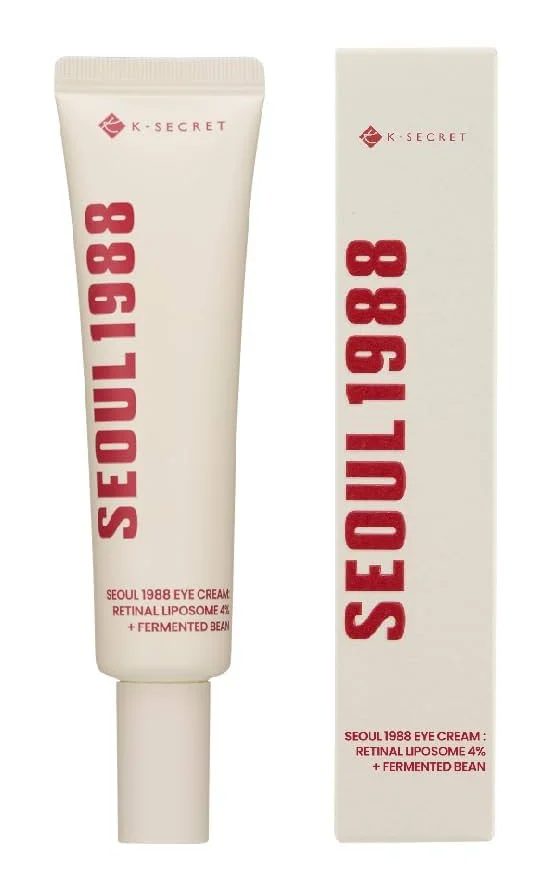







Product Saved