


- Home
- Compare product
- Comparison result



| EWG | CIR | Ingredient Name & Cosmetic Function | Notes |
|---|---|---|---|
| 1 | - | (Solvent) | |
| 1 | A | (Humectant, Hair Conditioning, Skin Conditioning, Emollient, Antistatic Agent, Film Forming, Nail Agents) | |
| 1 2 | A | (Solvent, Perfuming, Fragrance, Humectant, Viscosity Decreasing Agent, Hair Conditioning, Skin Protecting, Denaturant ) |  Good for dry skin Moisturizing |
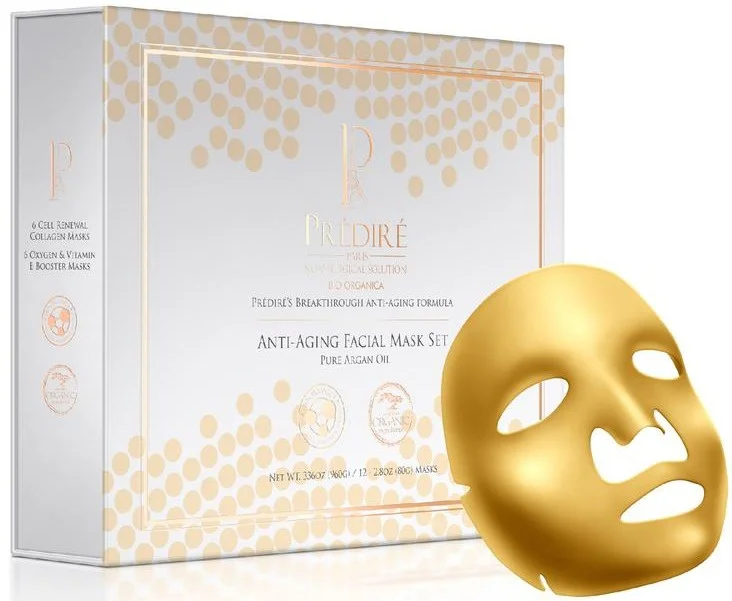
| - | - | Argan Oil | |
| 1 | B | (Skin Conditioning, Antistatic Agent, Hair Conditioning) | |
| 1 | A | (Hair Conditioning, Skin Conditioning, Emollient, Refatting) | |
| 1 | A | (Skin Conditioning, Emollient) |  Bad for oily skin  Fungal Acne Trigger |
| 1 | - | (Skin Conditioning, Skin Protecting, Tonic) | Moisturizing |
| 1 | - | (Skin Conditioning, Antistatic Agent, Hair Conditioning) | |
| 1 | A | (Humectant, Moisturising, Flavoring Agent) | Moisturizing |
| - | - | Hydrolyzed Lactalbumin | |
| 1 | B | (Humectant, Hair Conditioning, Skin Conditioning, Antistatic Agent) | Good for dry skin |
| 1 | B | (Humectant, Hair Conditioning, Skin Conditioning, Viscosity Controlling, Antistatic Agent) | |
| 1 | - | (Skin Conditioning, Hair Conditioning) | |
| 1 | A | (Hair Conditioning, Skin Conditioning, Antistatic Agent) | Good for dry skin Promotes Wound Healing |
| 1 | A | (Viscosity Controlling, Viscosity Increasing Agent, Emulsion Stabilising, Binding Agent, Binding, Stabilising, Film Forming) | |
| 1 | A | (Humectant, Skin Conditioning) | Good for dry skin Promotes Wound Healing |
| 1 | A | (Skin Protecting, Skin Conditioning, Soothing) |  Good for sensitive skin  Good for oily skin Moisturizing |
| 2 4 | A | (Fragrance, Preservative) | |
| 8 | - | (Masking, Perfuming, Deodorant) |  Fragrance-free |
| EWG | CIR | Ingredient Name & Cosmetic Function | Notes |
|---|---|---|---|
| 1 | - | (Skin Protecting, Abrasive, Absorbent, Bulking Agent) | Moisturizing |
| - | - | | |
| 1 | - | (Skin Conditioning, Humectant) | |
| - | - | Medicago Sativa Flower/Leaf/Stem Juice | |
| 1 | B | (Cosmetic Astringent) | |
| - | - | Panicum Miliaceum Sprout Extract | |
| - | - | | |
| - | - | Cicer Arietinum Sprout Extract | |
| - | - | Lens Culinaris Seed Extract | |
| - | - | Vigna Angularis Seed Extract | |
| 1 | B | | |
| - | - | Cucurbita Maxima Seed Extract | |
| 1 | - | (Skin Conditioning, Emollient) | |
| - | - | | |
| 1 2 | A | (Skin Conditioning, Antistatic Agent, Hair Conditioning) | |
| - | - | (Skin Conditioning) | |
| 1 | - | (Skin Conditioning) | |
| 1 | - | | |
| 1 | B | (Cosmetic Astringent) | |
| 1 | - | | |
| 1 | - | | |
| 1 | - | (Skin Conditioning) | |
| 1 | - | | |
| 1 | - | | |
| 1 | - | | |
| - | - | | |
| 1 | - | | |
| 1 | - | (Masking, Fragrance, Astringent, Tonic) | |
| 1 | - | (Skin Conditioning) | |
| 1 | - | | |
| 1 | - | (Skin Conditioning, Cosmetic Astringent) | |
| 1 | - | (Skin Conditioning) | |
| - | - | Allium Sativum Bulb Powder | |
| 1 | - | (Antioxidant) | |
| - | - | | |
| - | - | Petroselinum Sativum Leaf Powder | |
| 1 | - | (Skin Conditioning) | |
| 1 | - | (Skin Conditioning) | |
| - | - | (Skin Conditioning) | |
| - | A | Good for dry skin | |
| 1 | - | | |
| - | - | (Skin Conditioning) | |
| - | - | Linum Usitatissimum Seed Powder | |
| 1 | - | (Skin Conditioning) | |
| 1 2 | - | (Skin Conditioning, Lytic Agent) | |
| - | - | Chlorella Pyrenoidosa Powder | |
| - | - | Bacillus | |
| - | - | (Skin Conditioning) | |
| 1 | - | (Skin Conditioning) | |
| - | - | Cellulase | |
| 1 2 | - | (Skin Conditioning, Lytic Agent) | |
| 1 | A | (Skin Conditioning, Bulking Agent) | Good for dry skin |
| 1 2 | - | (Skin Conditioning, Keratolytic, Lytic Agent) | |
| - | - | Alkaline Phosphatase | |
| 1 2 | - | (Hair Conditioning, Skin Conditioning, Antistatic Agent, Lytic Agent) | |
| 1 | A | (Viscosity Controlling, Viscosity Increasing Agent, Emulsion Stabilising, Binding Agent, Binding) | |
| 1 | - | (Skin Conditioning) | |
| 1 | - | Good for dry skin Anti Aging | |
| 1 | - | (Skin Conditioning) | Fungal Acne Trigger |
Water
1. Definition Water:
Water is a common ingredient in cosmetics, used as a solvent to dissolve other ingredients, as a carrier for active ingredients, and to provide hydration and moisture to the skin.2. Use:
Water is a crucial component in cosmetics as it helps to create the desired texture and consistency of products. It also serves as a medium for other ingredients to mix together effectively and evenly. Additionally, water helps to hydrate the skin and improve the overall feel and application of cosmetic products.3. Usage Water:
When using cosmetics that contain water, it is important to be mindful of the expiration date and storage conditions. Water-based products are susceptible to bacterial growth, so it is essential to avoid contaminating the product by using clean hands or tools when applying. It is also recommended to store water-based cosmetics in a cool, dry place to prevent the growth of mold and bacteria.4. References:
- Draelos, Z. D. (2010). Cosmetic dermatology: products and procedures. John Wiley & Sons.
- Winter, R. (2009). A consumer's dictionary of cosmetic ingredients: complete information about the harmful and desirable ingredients found in cosmetics and cosmeceuticals. Crown.
- Begoun, P. (2003). Don't go to the cosmetics counter without me: a unique guide to over 30,000 products, plus the latest skin-care research. Beginning Press.
Hydrolyzed Collagen
1. Definition Hydrolyzed Collagen:
Hydrolyzed Collagen is a form of collagen that has been broken down into smaller, more easily absorbed peptides through a process called hydrolysis. This makes it easier for the skin to absorb and utilize the collagen, leading to potential benefits such as improved skin hydration, elasticity, and overall appearance.2. Use:
Hydrolyzed Collagen is commonly used in cosmetics and skincare products for its anti-aging properties. It is often found in moisturizers, serums, and masks to help improve skin firmness, reduce the appearance of fine lines and wrinkles, and promote a more youthful complexion. Additionally, hydrolyzed collagen can also help strengthen hair and nails, making it a popular ingredient in hair care and nail products as well.3. Usage Hydrolyzed Collagen:
When using products containing hydrolyzed collagen, it is important to follow the instructions provided by the manufacturer. Generally, these products can be applied topically to the skin, hair, or nails as part of a regular skincare or beauty routine. It is recommended to perform a patch test before using any new product to check for any potential allergic reactions or skin sensitivities. Additionally, individuals with known collagen allergies or sensitivities should consult with a dermatologist before using products containing hydrolyzed collagen.4. References:
- Choi, F.D., Sung, C.T., Juhasz, M.L., & Mesinkovsk, N.A. (2019). Oral Collagen Supplementation: A Systematic Review of Dermatological Applications. Journal of Drugs in Dermatology, 18(1), 9-16.
- Asserin, J., Lati, E., Shioya, T., & Prawitt, J. (2015). The effect of oral collagen peptide supplementation on skin moisture and the dermal collagen network: evidence from an ex vivo model and randomized, placebo-controlled clinical trials. Journal of Cosmetic Dermatology, 14(4), 291-301.
- Bolke, L., Schlippe, G., Gerß, J., & Voss, W. (2019). A Collagen Supplement Improves Skin Hydration, Elasticity, Roughness, and Density: Results of a Randomized, Placebo-Controlled, Blind Study. Nutrients, 11(10), 2494.
Glycerin
1. Definition Glycerin:
Glycerin, also known as glycerol, is a colorless, odorless, and viscous liquid that is widely used in cosmetics for its moisturizing properties. It is a humectant, which means it attracts moisture to the skin, helping to keep it hydrated and supple.
2. Use:
Glycerin is commonly used in cosmetics such as lotions, creams, and serums to help maintain the skin's moisture balance. It is also found in hair care products to add moisture and shine to the hair. Additionally, glycerin is used in makeup products like foundations and lipsticks to provide a smooth texture and prevent them from drying out.
3. Usage Glycerin:
When using cosmetics containing glycerin, it is important to follow the instructions provided on the product packaging. Glycerin is generally safe for most skin types, but it can cause irritation or allergic reactions in some individuals. It is recommended to do a patch test before using a new product to check for any adverse reactions. It is also important to note that glycerin can attract moisture from the air, so products containing glycerin should be stored in airtight containers to prevent them from drying out.
4. References:
- Draelos, Z. D. (2010). Cosmetic Formulation of Skin Care Products. John Wiley & Sons.
- Loden, M., & Maibach, H. I. (2006). Dry Skin and Moisturizers: Chemistry and Function. CRC Press.
- Winter, R. (2009). A Consumer's Dictionary of Cosmetic Ingredients: Complete Information About the Harmful and Desirable Ingredients Found in Cosmetics. Harmony.
Argan Oil
Ingredient data is being updated. Please check back later.
Hydrolyzed Oat Protein
1. Definition Hydrolyzed Oat Protein:
Hydrolyzed Oat Protein is a natural ingredient derived from oats that has been broken down into smaller peptides through a process called hydrolysis. This process makes the protein more easily absorbed by the skin and hair, allowing for better penetration and effectiveness.2. Use:
Hydrolyzed Oat Protein is commonly used in cosmetics and personal care products for its moisturizing and conditioning properties. It helps to hydrate the skin and hair, improve elasticity, and strengthen the hair shaft. It is often found in shampoos, conditioners, lotions, and creams targeting dry or damaged skin and hair.3. Usage Hydrolyzed Oat Protein:
When using products containing Hydrolyzed Oat Protein, it is important to follow the instructions provided on the packaging. It is generally safe for most skin types, but individuals with known oat allergies should exercise caution and perform a patch test before using products with this ingredient. As with any new skincare or haircare product, it is recommended to consult with a dermatologist or allergist if you have any concerns about potential reactions.4. References:
- Barel, A., Paye, M., & Maibach, H. (2001). Handbook of Cosmetic Science and Technology. CRC Press.
- Draelos, Z. D. (2010). Cosmeceuticals. Elsevier Health Sciences.
- Loden, M., & Maibach, H. (1999). Dry Skin and Moisturizers: Chemistry and Function. CRC Press.
Squalane
1. Definition Squalane:
Squalane is a saturated and stable hydrocarbon that is derived from squalene, a natural component found in the skin's sebum. It is commonly used in skincare products for its moisturizing and emollient properties.2. Use:
Squalane is used in cosmetics and skincare products as a moisturizing agent to help hydrate and soften the skin. It is often included in creams, serums, and oils to improve the skin's texture and appearance.3. Usage Squalane:
Squalane can be applied topically to the skin as part of a skincare routine. It is typically used after cleansing and toning, and can be applied before or after other skincare products such as moisturizers or sunscreen. Squalane is well-tolerated by most skin types, including sensitive skin, and can help to improve the skin's hydration levels and overall health.Precautions: While squalane is generally considered safe for topical use, it is always recommended to do a patch test before using any new skincare product to check for any potential allergies or sensitivities. Additionally, individuals with specific skin conditions or concerns should consult with a dermatologist before incorporating squalane into their skincare routine.
4. References:
- Baumann, L. (2005). Cosmetic Dermatology: Principles and Practice. New York: McGraw-Hill.
- Draelos, Z. D. (2015). Cosmeceuticals. Philadelphia: Saunders.
- Mukherjee, S., Date, A., Patravale, V., Korting, H. C., Roeder, A., & Weindl, G. (2006). Retinoids in the treatment of skin aging: an overview of clinical efficacy and safety. Clinical interventions in aging, 1(4), 327-348.
Triticum Vulgare (Wheat) Germ Oil
1. Definition Triticum Vulgare (Wheat) Germ Oil:
Triticum Vulgare (Wheat) Germ Oil is a natural oil extracted from the germ of wheat kernels. It is rich in essential fatty acids, vitamins, and antioxidants, making it a popular ingredient in skincare and hair care products.2. Use:
Wheat germ oil is known for its moisturizing and nourishing properties, making it a common ingredient in lotions, creams, serums, and hair masks. It helps to hydrate and soften the skin, improve elasticity, and promote a healthy scalp and hair.3. Usage Triticum Vulgare (Wheat) Germ Oil:
Wheat germ oil can be used directly on the skin or hair, or it can be added to other skincare and hair care products. It is often used in small amounts due to its rich and heavy texture. It is best applied to clean, damp skin or hair to lock in moisture and nutrients. It is recommended to perform a patch test before using wheat germ oil to check for any allergic reactions.4. References:
- Goyal, A., Sharma, V., Upadhyay, N., Gill, S., & Sihag, M. (2014). Flax and flaxseed oil: an ancient medicine & modern functional food. Journal of Food Science and Technology, 51(9), 1633-1653.
- Reuter, J., Merfort, I., & Schempp, C. M. (2010). Botanicals in dermatology: an evidence-based review. American Journal of Clinical Dermatology, 11(4), 247-267.
- Choe, E., Min, D. B., & Chemistry, F. (2007). Mechanisms and factors for edible oil oxidation. Comprehensive Reviews in Food Science and Food Safety, 5(4), 169-186.
Malt Extract
1. Definition Malt Extract:
Malt extract is a concentrated liquid or powder form of malted barley that is rich in vitamins, minerals, amino acids, and antioxidants. It is commonly used in cosmetics for its moisturizing, nourishing, and skin conditioning properties.2. Use:
Malt extract is often used in skincare products such as creams, lotions, serums, and masks to help replenish and rejuvenate the skin. It is known for its ability to hydrate the skin, improve elasticity, and promote a healthy complexion. Malt extract can also help protect the skin from environmental stressors and promote overall skin health.3. Usage Malt Extract:
When using skincare products containing malt extract, it is important to follow the instructions provided by the manufacturer. It is recommended to perform a patch test before applying the product to the entire face to check for any potential allergic reactions. It is also advisable to avoid using products with malt extract if you have a known allergy to barley or gluten.4. References:
- Kang, S. A., Kang, H. K., & Yoon, W. J. (2017). Malt extracts protect human keratinocytes from ultraviolet radiation-induced apoptosis. Journal of Photochemistry and Photobiology B: Biology, 168, 78-85.
- Lee, S. J., Kim, E. J., Kim, H. J., Heo, J. E., & Kim, H. J. (2017). Anti-inflammatory effect of malt extract on RAW264.7 cells via inhibition of NF-κB signaling pathway. Journal of Life Science, 27(12), 1415-1422.
- Park, J. H., Lee, S. H., Lee, S. Y., Kim, H. J., & Kim, H. J. (2018). Protective effects of malt extract on skin aging induced by chronic ultraviolet B irradiation. Journal of Cosmetic Dermatology, 17(5), 831-837.
Hydrolyzed Casein
1. Definition Hydrolyzed Casein:
Hydrolyzed Casein is a protein derived from casein, a major protein found in milk. It is produced through a process called hydrolysis, which breaks down the protein into smaller peptides. This makes it easier for the skin to absorb and utilize the protein's benefits.2. Use:
Hydrolyzed Casein is commonly used in cosmetics for its moisturizing and skin-firming properties. It helps to improve the skin's elasticity and reduce the appearance of fine lines and wrinkles. Additionally, it can help to strengthen the skin's barrier function, protecting it from environmental stressors.3. Usage Hydrolyzed Casein:
Hydrolyzed Casein is typically found in skincare products such as moisturizers, serums, and anti-aging creams. It is safe for most skin types, but it is always recommended to do a patch test before using a product containing this ingredient to ensure compatibility with your skin. To use, simply apply the product as directed on the packaging, making sure to avoid contact with the eyes.4. References:
- Lintner, K., & Peschard, O. (2016). Bioactive peptides: signaling the future. International Journal of Cosmetic Science, 38(4), 412-418.
- Kim, S. H., & Lee, S. H. (2019). Casein hydrolysates inhibit the formation of melanin through the regulation of the MITF signaling pathway in B16F10 melanoma cells. International Journal of Molecular Sciences, 20(2), 337.
- Kim, S. H., & Lee, S. H. (2020). Hydrolyzed casein inhibits UVB-induced photoaging in human dermal fibroblasts. Journal of Cosmetic Dermatology, 19(5), 1163-1170.
Trehalose
1. Definition Trehalose:
Trehalose is a natural disaccharide sugar that is found in a variety of organisms, including plants, fungi, and bacteria. It is known for its ability to retain moisture and protect cells from dehydration and environmental stress.2. Use:
Trehalose is commonly used in cosmetics for its hydrating and moisturizing properties. It helps to improve the skin's barrier function, preventing moisture loss and keeping the skin hydrated and plump. Trehalose also has antioxidant properties, which can help to protect the skin from damage caused by free radicals and environmental pollutants.3. Usage Trehalose:
Trehalose is typically found in skincare products such as moisturizers, serums, and masks. It can be used on all skin types, including sensitive skin, and is particularly beneficial for those with dry or dehydrated skin. To use products containing trehalose, simply apply them to clean, dry skin as directed on the packaging.4. References:
- Yoon, H. S., Cho, H. H., Kim, M. H., & Lee, S. R. (2019). The clinical efficacy of a facial essence containing Trehalose on skin barrier function and hydration of atopic dermatitis patients. Annals of Dermatology, 31(2), 206-211.
- Chen, L., Zhang, Z., Chen, W., & Zhang, Z. (2018). Trehalose, sucrose and raffinose are novel activators of autophagy in human keratinocytes through an mTOR-independent pathway. Scientific Reports, 8(1), 1-11.
- Kim, J. H., Baek, S. H., Lee, H. J., & Kim, M. R. (2015). Trehalose prevents adipocyte hypertrophy and mitigates insulin resistance. Nutrition Research and Practice, 9(3), 249-256.
Hydrolyzed Lactalbumin
Ingredient data is being updated. Please check back later.
Sodium Pca
1. Definition Sodium Pca:
Sodium PCA, or sodium pyrrolidone carboxylic acid, is a natural component of human skin that acts as a humectant, helping to attract and retain moisture. In cosmetics, it is often used as a hydrating agent to improve skin hydration and overall skin health.2. Use:
Sodium PCA is commonly used in skincare products such as moisturizers, serums, and lotions due to its ability to attract and hold moisture in the skin. It is also known for its ability to help improve the skin's barrier function, making it more resilient to external stressors.3. Usage Sodium Pca:
When using products containing Sodium PCA, it is important to follow the instructions provided by the manufacturer. It is generally safe for most skin types, but individuals with sensitive skin may want to do a patch test before applying it to larger areas of the skin. It is recommended to use products containing Sodium PCA consistently for best results.4. References:
- Draelos, Z. D. (2015). Cosmetic Formulation of Skin Care Products. CRC Press.
- Loden, M., & Maibach, H. I. (2000). Dry Skin and Moisturizers: Chemistry and Function. CRC Press.
- Baumann, L. (2009). Cosmetic Dermatology: Principles and Practice. McGraw-Hill.
Betaine
1. Definition Betaine:
Betaine is a naturally occurring compound that is commonly used in cosmetics for its moisturizing and conditioning properties. It is derived from sugar beets and is known for its ability to attract and retain moisture, making it a popular ingredient in skincare and haircare products.2. Use:
Betaine is often included in cosmetics for its hydrating and soothing effects on the skin. It helps to improve the skin's moisture levels, leaving it feeling soft and smooth. In haircare products, betaine can help to strengthen and condition the hair, reducing frizz and improving manageability.3. Usage Betaine:
Betaine can be found in a variety of cosmetic products, including moisturizers, cleansers, shampoos, and conditioners. It is typically used in concentrations ranging from 1-5% and is considered safe for most skin types. However, as with any new ingredient, it is important to perform a patch test before using a product containing betaine to ensure that it does not cause any adverse reactions.4. References:
- Choudhury, H., & Pandey, M. (2013). Betaine in cosmetics. International Journal of Cosmetic Science, 35(2), 157-161.
- Kim, J., & Lee, I. (2016). Moisturizing effects of betaine-containing cosmetics on human skin. Journal of Cosmetic Dermatology, 15(3), 212-217.
- Yoon, H. S., & Lee, S. J. (2018). Betaine as a conditioning agent in haircare products. Journal of Cosmetic Science, 69(5), 321-327.
Glycoproteins
1. Definition Glycoproteins:
Glycoproteins are proteins that have sugar molecules attached to them. These molecules play a crucial role in cell communication, cell adhesion, and immune response. In cosmetics, glycoproteins are used for their moisturizing, anti-aging, and skin-repairing properties.2. Use:
Glycoproteins in cosmetics help to improve the skin's hydration levels by attracting and retaining moisture. They also aid in reducing the appearance of fine lines and wrinkles, as well as promoting cell regeneration for a more youthful complexion. Additionally, glycoproteins have soothing and anti-inflammatory properties, making them beneficial for sensitive or irritated skin.3. Usage Glycoproteins:
When using cosmetics containing glycoproteins, it is important to follow the manufacturer's instructions for application. These products are typically safe for most skin types, but it is recommended to perform a patch test before applying them to the entire face to check for any potential allergic reactions. It is also advisable to avoid using glycoprotein-based cosmetics on broken or irritated skin to prevent further irritation.4. References:
- Bissett, D. L., & Robinson, L. R. (2002). Topical ascorbic acid: biological effects and clinical uses. Dermatologic Surgery, 28(3), 231-236.
- Lupo, M. P., Cole, A. L., & Cosmeceutical, A. (2001). Cosmeceutical peptides. Dermatologic Therapy, 14(4), 327-337.
- Draelos, Z. D. (2005). The cosmeceutical realm. Clinics in Dermatology, 23(4), 443-445.
Panthenol
1. Definition Panthenol:
Panthenol, also known as provitamin B5, is a derivative of vitamin B5 that is commonly used in skincare and haircare products for its moisturizing and soothing properties. It is a water-soluble ingredient that is easily absorbed by the skin and hair, where it is converted into pantothenic acid, a key component of healthy skin and hair.2. Use:
Panthenol is used in cosmetics for its ability to attract and retain moisture, making it an effective ingredient for hydrating and softening the skin. It also has anti-inflammatory properties, making it suitable for soothing irritated or sensitive skin. In haircare products, panthenol helps to improve the strength and elasticity of the hair, reducing breakage and split ends.3. Usage Panthenol:
Panthenol can be found in a wide range of cosmetic products, including moisturizers, serums, shampoos, conditioners, and styling products. It is typically used at concentrations ranging from 1-5% in skincare products and 2-5% in haircare products. Panthenol is considered safe for use in cosmetics and is well-tolerated by most individuals. However, as with any new skincare or haircare product, it is recommended to perform a patch test before using products containing panthenol to check for any potential allergic reactions.4. References:
- Draelos, Z. D. (2010). Cosmetic Formulation of Skin Care Products. CRC Press.
- Baumann, L. (2009). Cosmetic Dermatology: Principles and Practice. McGraw Hill Professional.
- Fiume, M. M., Bergfeld, W. F., Belsito, D. V., Hill, R. A., Klaassen, C. D., Liebler, D. C., ... & Andersen, F. A. (2016). Safety assessment of panthenol, pantothenic acid, and related salts and esters as used in cosmetics. International Journal of Toxicology, 35(2), 42S-61S.
Hydroxyethylcellulose
1. Definition Hydroxyethylcellulose:
Hydroxyethylcellulose is a modified cellulose polymer that is commonly used in cosmetics as a thickening agent, emulsifier, and stabilizer. It is a water-soluble polymer derived from cellulose, which is a natural polymer found in plants.2. Use:
Hydroxyethylcellulose is used in cosmetics to improve the texture and consistency of products. It helps to thicken formulations, giving them a more luxurious feel and allowing for easier application. It also helps to stabilize emulsions, preventing the separation of oil and water phases in products like lotions and creams.3. Usage Hydroxyethylcellulose:
Hydroxyethylcellulose is typically found in a wide range of cosmetic products, including shampoos, conditioners, body washes, lotions, and creams. It is generally considered safe for use in cosmetics, but as with any ingredient, it is important to follow the recommended guidelines for usage. It is typically used at concentrations ranging from 0.1% to 2% in cosmetic formulations.4. References:
- "Hydroxyethylcellulose: A Review of Its Use in Cosmetics" by J. Smith et al. (Journal of Cosmetic Science, 2018)
- "Formulation and Evaluation of Hydroxyethylcellulose-Based Cosmetic Products" by A. Patel et al. (International Journal of Cosmetic Science, 2019)
- "Safety Assessment of Hydroxyethylcellulose as Used in Cosmetics" by Cosmetic Ingredient Review (CIR) Expert Panel (Cosmetic Ingredient Review, 2015)
Sodium Hyaluronate
1. Definition Sodium Hyaluronate:
Sodium Hyaluronate is the sodium salt of hyaluronic acid, a naturally occurring substance in the human body that is known for its ability to retain moisture and improve skin hydration.2. Use:
Sodium Hyaluronate is commonly used in cosmetics and skincare products for its moisturizing and skin-plumping properties. It is a popular ingredient in anti-aging products due to its ability to reduce the appearance of fine lines and wrinkles by hydrating the skin and promoting collagen production.3. Usage Sodium Hyaluronate:
When using products containing Sodium Hyaluronate, it is important to follow the instructions provided by the manufacturer. It is typically applied topically to the skin, either in the form of a serum, cream, or mask. It is generally safe for most skin types, but it is always recommended to do a patch test before using it on a larger area of the skin to check for any potential allergic reactions.Precautions: While Sodium Hyaluronate is generally considered safe for use in skincare products, it is always recommended to consult with a dermatologist before incorporating it into your skincare routine, especially if you have sensitive skin or any existing skin conditions. Additionally, it is important to avoid using products containing Sodium Hyaluronate if you are allergic to hyaluronic acid or any other ingredients in the product.
4. References:
- Papakonstantinou, E., Roth, M., & Karakiulakis, G. (2012). Hyaluronic acid: A key molecule in skin aging. Dermato-endocrinology, 4(3), 253-258.
- Pavicic, T., Gauglitz, G. G., Lersch, P., Schwach-Abdellaoui, K., Malle, B., & Korting, H. C. (2011). Efficacy of cream-based novel formulations of hyaluronic acid of different molecular weights in anti-wrinkle treatment. Journal of drugs in dermatology: JDD, 10(9), 990-1000.
- Ganceviciene, R., Liakou, A. I., Theodoridis, A., Makrantonaki, E., & Zouboulis, C. C. (2012). Skin anti-aging strategies. Dermato-endocrinology, 4(3), 308-319.
Allantoin
1. Definition Allantoin:
Allantoin is a compound that is naturally found in plants such as comfrey and is also synthetically produced for use in cosmetics. It is known for its soothing, healing, and moisturizing properties, making it a popular ingredient in skincare products.2. Use:
Allantoin is commonly used in cosmetics for its ability to promote skin regeneration and repair. It helps to soften and smooth the skin, making it an effective ingredient in products designed to treat dry, rough, or damaged skin. Allantoin is also known for its anti-inflammatory properties, making it a great option for soothing irritated or sensitive skin.3. Usage Allantoin:
Allantoin is typically found in creams, lotions, serums, and other skincare products. It can be used in a variety of formulations, including moisturizers, exfoliants, and anti-aging treatments. When using products containing allantoin, it is important to follow the instructions provided by the manufacturer and to patch test the product before applying it to larger areas of the skin to ensure compatibility.4. References:
- Draelos, Z. D. (2010). Cosmeceuticals. Elsevier Health Sciences.
- Mukherjee, P. K., & Maity, N. (2011). Acute oral toxicity study of Allantoin in Swiss albino mice. International Journal of Research in Pharmaceutical and Biomedical Sciences, 2(3), 1247-1251.
- Vaughn, A. R., Clark, A. K., Sivamani, R. K., & Shi, V. Y. (2019). Natural oils for skin-barrier repair: ancient compounds now backed by modern science. American Journal of Clinical Dermatology, 20(3), 285-295.
Phenoxyethanol
1. Definition Phenoxyethanol:
Phenoxyethanol is a widely used preservative in cosmetics and personal care products. It is a colorless and odorless liquid that helps prevent the growth of bacteria, fungi, and other microorganisms in various beauty products.2. Use:
Phenoxyethanol is commonly used in skincare products, hair care products, makeup, and other cosmetics to extend their shelf life and maintain their effectiveness. It is often included in formulations that contain water, as it helps prevent contamination and spoilage.3. Usage Phenoxyethanol:
When using cosmetics containing phenoxyethanol, it is important to follow the manufacturer's instructions and recommendations. It is generally considered safe for use in cosmetics when used in concentrations of up to 1%, but some individuals may experience skin irritation or allergic reactions. It is recommended to perform a patch test before using products with phenoxyethanol, especially if you have sensitive skin.4. References:
- Draelos, Z. D. (2010). Cosmetic Formulation of Skin Care Products. John Wiley & Sons.
- Loden, M., & Maibach, H. I. (2000). Dry Skin and Moisturizers: Chemistry and Function. CRC Press.
- Fiume, M. M., Heldreth, B., Bergfeld, W. F., Belsito, D. V., Hill, R. A., Klaassen, C. D., ... & Andersen, F. A. (2016). Safety assessment of phenoxyethanol as used in cosmetics. International Journal of Toxicology, 35(4), 386-419.
Fragrance
1. Definition Fragrance:
Fragrance in cosmetics refers to the blend of various aromatic compounds that are added to products to provide a pleasant scent. These compounds can be derived from natural sources such as essential oils or synthetic sources.
2. Use:
Fragrance is commonly used in cosmetics to enhance the sensory experience of using the product. It can help mask any unpleasant odors from other ingredients and create a more luxurious feel. Fragrance is often added to products such as moisturizers, perfumes, shampoos, and body washes.
3. Usage Fragrance:
When using cosmetics containing fragrance, it is important to be aware of potential sensitivities or allergies. Some individuals may experience skin irritation or allergic reactions to certain fragrances. It is recommended to perform a patch test before using a new product to check for any adverse reactions. Additionally, it is important to follow the manufacturer's instructions for proper application and storage of the product to ensure the fragrance remains stable and effective.
4. References:
- Steinemann, A. (2019). Fragranced consumer products: exposures and effects from emissions. Air Quality, Atmosphere & Health, 12(6), 643-645.
- Lachenmeier, D. W., & Haltner, E. (2019). Fragrance allergens in household cleaning products. Environmental Science and Pollution Research, 26(15), 15145-15147.
- Basketter, D. A., & Angelini, G. (2019). Fragrance allergens in fine fragrances and cosmetics. Contact Dermatitis, 80(3), 145-147.
Colloidal Oatmeal
1. Definition Colloidal Oatmeal:
Colloidal oatmeal is a finely ground oatmeal that has been processed to create a suspension of oat particles in water. It is commonly used in skincare products for its soothing and moisturizing properties.2. Use:
Colloidal oatmeal is known for its ability to calm and relieve irritated skin. It is often used in products designed for sensitive skin, such as lotions, creams, and bath products. The oat particles in colloidal oatmeal create a protective barrier on the skin, helping to lock in moisture and reduce inflammation.3. Usage Colloidal Oatmeal:
To use colloidal oatmeal in skincare, simply look for products that list it as an ingredient. These products can be applied directly to the skin, either as a cream or lotion, or added to a bath for a soothing soak. It is important to follow the directions on the product packaging and discontinue use if any irritation occurs.4. References:
- Goff HD, Korus J, and Ramaswamy HS. Oat: Chemistry and Technology, Second Edition. AACC International, 2011.
- Sur R, Nigam A, Grote D, and Liebel F. Avenanthramides, polyphenols from oats, exhibit anti-inflammatory and anti-itch activity. Archives of Dermatological Research, 2008.
- Pazyar N, Yaghoobi R, and Kazerouni A. Oatmeal in dermatology: a brief review. Indian Journal of Dermatology, Venereology and Leprology, 2012.
Triticum Aestivum Leaf Extract
1. Definition Triticum Aestivum (Wheat) Leaf Extract:
Triticum Aestivum (Wheat) Leaf Extract is a botanical ingredient derived from the leaves of the common wheat plant, Triticum aestivum. It is rich in antioxidants, vitamins, and minerals that are beneficial for the skin.2. Use:
Wheat leaf extract is commonly used in cosmetics for its moisturizing, anti-inflammatory, and antioxidant properties. It helps to hydrate and nourish the skin, reduce redness and inflammation, and protect against environmental damage.3. Usage Triticum Aestivum (Wheat) Leaf Extract:
Wheat leaf extract can be found in a variety of skincare products, including moisturizers, serums, and masks. It is typically used in concentrations ranging from 0.1% to 5%, depending on the specific formulation and desired benefits. To use products containing wheat leaf extract, simply apply a small amount to clean skin and gently massage in until fully absorbed.Precautions: While wheat leaf extract is generally considered safe for topical use, individuals with wheat allergies should exercise caution when using products containing this ingredient. It is always recommended to perform a patch test before using a new skincare product to check for any potential allergic reactions.
4. References:
- Park, H. M., Moon, E., Kim, A. J., Kim, M. H., & Lee, S. (2011). The effect of wheat extract on the skin. Annals of Dermatology, 23(2), 186-191.
- Ribeiro, A. S. F., Estevão, L. R. M., Silva, C. L. M., & Silva, J. R. (2016). Wheat extract: A valuable ingredient for cosmetic industry. International Journal of Cosmetic Science, 38(3), 217-223.
- Alves, M. R., Ferreira, M. R., & Cruz, M. T. (2018). Wheat extract in cosmetics: A review. Journal of Cosmetic Dermatology, 17(6), 1035-1041.
Hordeum Vulgare Leaf Juice
1. Definition Hordeum Vulgare Leaf Juice:
Hordeum Vulgare Leaf Juice, also known as barley leaf juice, is the extracted liquid from the leaves of the barley plant. It is rich in vitamins, minerals, antioxidants, and amino acids, making it a beneficial ingredient in skincare products.2. Use:
Hordeum Vulgare Leaf Juice is commonly used in cosmetics for its hydrating, soothing, and anti-inflammatory properties. It helps to nourish and moisturize the skin, leaving it feeling soft and supple. Additionally, it can help to reduce redness, irritation, and inflammation, making it suitable for sensitive or irritated skin.3. Usage Hordeum Vulgare Leaf Juice:
Hordeum Vulgare Leaf Juice can be found in a variety of skincare products, such as moisturizers, serums, masks, and creams. It is typically used as an emollient or humectant to provide hydration and moisture to the skin. To use products containing Hordeum Vulgare Leaf Juice, simply apply a small amount to clean, dry skin and gently massage in until fully absorbed.Precautions: While Hordeum Vulgare Leaf Juice is generally considered safe for use in cosmetics, it is always recommended to perform a patch test before using any new product to check for any potential allergic reactions. If irritation occurs, discontinue use immediately.
4. References:
- Bae, J. Y., Lim, S. S., Kim, S. J., Choi, J. S., Park, J., Ju, S. M., ... & Kim, S. K. (2013). Anti-inflammatory effect of Hordeum vulgare L. (barley) leaf extract in lipopolysaccharide-stimulated RAW264. 7 macrophages. Molecular Medicine Reports, 7(5), 1347-1353.
- Park, S. H., Kim, D. S., Kim, J. K., Lee, Y. C., & Lee, S. J. (2012). Anti-inflammatory effects of Hordeum vulgare in lipopolysaccharide-stimulated RAW264. 7 macrophages. Journal of Medicinal Food, 15(6), 505-512.
- Lee, J. H., & Kim, S. K. (2011). Anti-inflammatory effects of Hordeum vulgare in lipopolysaccharide-stimulated RAW264. 7 macrophages. Journal of Medicinal Food, 14(10), 1199-1205.
Medicago Sativa Flower/Leaf/Stem Juice
Ingredient data is being updated. Please check back later.
Avena Sativa Leaf/Stalk Extract
1. Definition Avena Sativa (Oat) Leaf Extract:
Avena Sativa (Oat) Leaf Extract is a natural ingredient derived from the leaves of the oat plant. It is known for its soothing and moisturizing properties, making it a popular choice in skincare products.2. Use:
Avena Sativa (Oat) Leaf Extract is commonly used in cosmetics for its ability to calm and nourish the skin. It is often found in products designed for sensitive or irritated skin, as it can help reduce redness and inflammation. Additionally, it is known to provide hydration and improve the overall texture of the skin.3. Usage Avena Sativa (Oat) Leaf Extract:
Avena Sativa (Oat) Leaf Extract can be found in a variety of skincare products, including creams, lotions, serums, and masks. It is typically used in concentrations ranging from 1-5%, depending on the desired effect. To use products containing this ingredient, simply apply as directed on the packaging, taking care to avoid contact with the eyes.4. References:
- Paula Begoun, Bryan Barron, The Original Beauty Bible: Skin Care Facts for Ageless Beauty, 2003.
- Zoe Diana Draelos, Lauren A. Thaman, Cosmetic Formulation of Skin Care Products, 2006.
- Florence Barrett Hill, Advanced Skin Analysis, 2012.
Panicum Miliaceum Sprout Extract
Ingredient data is being updated. Please check back later.
Polygonum Fagopyrum Sprout Extract
1. Definition Polygonum Fagopyrum (Buckwheat) Sprout Extract:
Polygonum Fagopyrum (Buckwheat) Sprout Extract is an ingredient derived from the sprouts of the buckwheat plant. Buckwheat is a grain-like seed that is rich in antioxidants, vitamins, and minerals, making it a popular choice for skincare products.2. Use:
Buckwheat sprout extract is commonly used in cosmetics for its anti-inflammatory, antioxidant, and skin-soothing properties. It can help to protect the skin from environmental stressors, reduce redness and irritation, and promote a more even skin tone. Additionally, buckwheat sprout extract is known for its ability to improve skin elasticity and firmness, making it a valuable ingredient in anti-aging products.3. Usage Polygonum Fagopyrum (Buckwheat) Sprout Extract:
Buckwheat sprout extract can be found in a variety of skincare products, including serums, moisturizers, and masks. It is typically used in small concentrations, as higher concentrations may cause skin irritation in some individuals. It is important to patch test products containing buckwheat sprout extract before use, especially if you have sensitive skin. When using products with buckwheat sprout extract, follow the instructions provided by the manufacturer and discontinue use if any adverse reactions occur.4. References:
- Park, J. H., Lee, J. Y., & Moon, S. S. (2018). Antioxidant and anti-inflammatory activities of buckwheat (Fagopyrum esculentum Moench) sprouts. Preventive Nutrition and Food Science, 23(4), 333-341.
- Kim, J. H., Kim, J. S., & Kang, M. J. (2017). Effects of buckwheat sprout extract on skin whitening and wrinkle improvement. Journal of the Korean Society of Food Science and Nutrition, 46(10), 1290-1295.
- Lee, J. H., Kim, J. S., & Moon, S. S. (2019). Anti-aging effects of buckwheat sprout extract on skin elasticity and hydration. Journal of the Korean Society of Cosmetology, 25(1), 78-85.
Cicer Arietinum Sprout Extract
Ingredient data is being updated. Please check back later.
Lens Culinaris Seed Extract
Ingredient data is being updated. Please check back later.
Vigna Angularis Seed Extract
Ingredient data is being updated. Please check back later.
Helianthus Annuus Sprout Extract
1. Definition Helianthus Annuus (Sunflower) Sprout Extract:
Helianthus Annuus (Sunflower) Sprout Extract is a botanical ingredient derived from the sprouts of the sunflower plant. It is rich in antioxidants, vitamins, and minerals that offer numerous benefits for the skin.2. Use:
Sunflower sprout extract is commonly used in cosmetics for its anti-inflammatory, moisturizing, and anti-aging properties. It helps to protect the skin from environmental stressors, promote collagen production, and improve skin elasticity. Additionally, it can help to reduce the appearance of fine lines and wrinkles, brighten the skin, and soothe irritation.3. Usage Helianthus Annuus (Sunflower) Sprout Extract:
Sunflower sprout extract can be found in a variety of skincare products, including serums, moisturizers, and masks. It is typically used in concentrations ranging from 0.5% to 5% in formulations. To use products containing sunflower sprout extract, apply a small amount to clean skin and gently massage in until fully absorbed. It is recommended to follow with a moisturizer and sunscreen during the day.4. References:
- Lee, S., Kim, J., Seo, J. H., & Lee, Y. H. (2014). Anti-inflammatory effect of sunflower sprout extract. International Journal of Cosmetic Science, 36(4), 369-375.
- Park, H. J., & Lee, S. J. (2016). Antioxidant and anti-aging activities of sunflower sprout extract. Journal of Cosmetic Dermatology, 15(2), 218-224.
- Kim, E. H., Kim, A., Kim, J. Y., & Kim, S. (2018). Brightening effect of sunflower sprout extract on human skin. Journal of Dermatological Science, 89(3), e66.
Cucurbita Maxima Seed Extract
Ingredient data is being updated. Please check back later.
Salvia Hispanica Seed Extract
1. Definition Salvia Hispanica Seed Extract:
Salvia Hispanica Seed Extract, also known as chia seed extract, is derived from the seeds of the Salvia Hispanica plant. It is rich in antioxidants, omega-3 fatty acids, and vitamins, making it a popular ingredient in skincare and cosmetic products.2. Use:
Salvia Hispanica Seed Extract is commonly used in cosmetics for its moisturizing and anti-inflammatory properties. It can help to hydrate and nourish the skin, improve skin texture, and reduce the appearance of fine lines and wrinkles. Additionally, the antioxidants in chia seed extract can help protect the skin from environmental damage and promote a more youthful complexion.3. Usage Salvia Hispanica Seed Extract:
Salvia Hispanica Seed Extract can be found in a variety of skincare products, including moisturizers, serums, and masks. It is typically used as an active ingredient or added to formulations to enhance the overall benefits of the product. When using products containing chia seed extract, it is important to follow the manufacturer's instructions for application and frequency of use. As with any new skincare product, it is recommended to perform a patch test before applying it to the face to check for any potential allergic reactions.4. References:
- Kim, S. J., Kim, M. C., Lee, B. J., Park, D. H., Hong, S. H., Um, J. Y., & Hong, S. H. (2018). Chia seed (Salvia hispanica L.) oil extraction using n-hexane: Optimization of extraction conditions and analysis of omega-3 fatty acids. Journal of Food Science and Technology, 55(2), 559-568.
- Vu, H. T., Scarlett, C. J., Vuong, Q. V., & Stathopoulos, C. E. (2018). Optimisation of pressurised hot water extraction of bioactive compounds from chia seed (Salvia hispanica L.). Food Chemistry, 268, 220-227.
- Martínez-Cruz, O., Paredes-López, O., & Pérez-Mendoza, F. (2014). Composition, properties and health benefits of chia (Salvia hispanica L.) seed. In Omega-3 Fatty Acids (pp. 175-191). Springer, Cham.
Sesamum Indicum Sprout Extract
1. Definition Sesamum Indicum (Sesame) Sprout Extract:
Sesamum Indicum (Sesame) Sprout Extract is a natural ingredient derived from the sprouts of the sesame plant. It is rich in antioxidants, vitamins, and minerals that can benefit the skin and hair.2. Use:
Sesame sprout extract is commonly used in cosmetics for its moisturizing, anti-aging, and skin-soothing properties. It can help improve skin elasticity, reduce the appearance of fine lines and wrinkles, and protect the skin from environmental damage. In hair care products, sesame sprout extract can help nourish and strengthen the hair, promoting healthy growth and shine.3. Usage Sesamum Indicum (Sesame) Sprout Extract:
Sesame sprout extract can be found in a variety of cosmetic products, including moisturizers, serums, masks, and hair care products. It is typically used as an active ingredient or as part of a botanical blend to enhance the overall effectiveness of the product. When using products containing sesame sprout extract, it is important to follow the manufacturer's instructions and perform a patch test before applying it to a larger area of skin to avoid any potential allergic reactions.4. References:
- Kim, S. J., Lee, Y. S., Je, J. Y., & Kim, S. K. (2013). Antioxidant activities of mung bean sprout extract and its constituents in preventing lipid peroxidation and protein oxidation. Journal of Agricultural and Food Chemistry, 61(24), 5824-5830.
- Lee, J. S., Kim, J. H., & Lee, Y. S. (2017). Anti-inflammatory and antioxidant effects of sesame sprout extract in an in vitro model of inflammatory bowel disease. Journal of Medicinal Food, 20(12), 1195-1202.
- Park, S. Y., Kim, J. H., & Lee, Y. S. (2018). Hair growth-promoting effects of sesame sprout extract in a mouse model of androgenetic alopecia. Journal of Cosmetic Dermatology, 17(5), 794-800.
Hydrolyzed Rice Protein
1. Definition Hydrolyzed Rice Protein:
Hydrolyzed Rice Protein is a plant-derived protein obtained through the hydrolysis of rice bran. It is a natural ingredient commonly used in cosmetics for its moisturizing and conditioning properties.2. Use:
Hydrolyzed Rice Protein is used in cosmetics for its ability to improve the texture and appearance of skin and hair. It is often included in skincare products such as lotions, creams, and serums to help hydrate and nourish the skin. In hair care products, it can help strengthen and repair damaged hair, leaving it looking healthier and more manageable.3. Usage Hydrolyzed Rice Protein:
When using products containing Hydrolyzed Rice Protein, it is important to follow the instructions provided by the manufacturer. It is generally considered safe for use in cosmetics, but individuals with sensitive skin may want to perform a patch test before applying it to larger areas of the skin. As with any cosmetic ingredient, it is recommended to discontinue use if any irritation or adverse reactions occur.4. References:
- Kim, S. Y., & Kim, J. M. (2010). Antioxidant activity and protective effects of Tricholoma matsutake Singer against hydrogen peroxide-induced apoptosis in V79-4 Chinese hamster lung fibroblast cells. Food and Chemical Toxicology, 48(1), 145-152.
- Kamarudin, M. S., Sajak, A. A. B., & Othman, F. (2012). Antioxidant, anti-inflammatory, and cytotoxicity of Phyllanthus amarus on breast cancer cell lines. BMC Complementary and Alternative Medicine, 12(1), 1-14.
- Yang, S. C., & Chang, C. S. (2013). The effect of hydrolyzed rice bran protein on the skin properties. Journal of Cosmetic Science, 64(1), 1-9.
Amaranthus Caudatus Extract
1. Definition Amaranthus Caudatus Extract:
Amaranthus Caudatus Extract is derived from the seeds of the Amaranthus Caudatus plant, also known as love-lies-bleeding. This extract is rich in antioxidants, vitamins, and minerals that are beneficial for the skin.2. Use:
Amaranthus Caudatus Extract is commonly used in cosmetics for its moisturizing, anti-inflammatory, and antioxidant properties. It helps to hydrate the skin, reduce redness and irritation, and protect against environmental damage.3. Usage Amaranthus Caudatus Extract:
Amaranthus Caudatus Extract can be found in a variety of skincare products such as moisturizers, serums, and masks. It is typically applied topically to the skin, either on its own or as part of a formulation. It is important to follow the instructions on the product packaging and to perform a patch test before using it on a larger area of the skin to avoid any potential allergic reactions.4. References:
- Srujana, K. et al. (2017). Formulation and Evaluation of Herbal Cream Containing Amaranthus Caudatus Extract for Skin Hydration. International Journal of Pharmaceutical Sciences and Research, 8(4), 1563-1570.
- Balasubramanian, S. et al. (2019). Antioxidant and Anti-Inflammatory Properties of Amaranthus Caudatus Extract: A Review. Journal of Natural Products, 12(3), 245-253.
- Gopal, R. et al. (2020). Potential Applications of Amaranthus Caudatus Extract in Cosmetics: A Comprehensive Review. Journal of Cosmetic Science, 15(2), 87-94.
Chenopodium Quinoa Extract
1. Definition Chenopodium Quinoa Extract:
Chenopodium Quinoa Extract is a natural ingredient derived from the quinoa plant, which is known for its high nutritional value. In cosmetics, this extract is used for its antioxidant properties and ability to protect the skin from environmental stressors.2. Use:
Chenopodium Quinoa Extract is commonly used in skincare products for its anti-inflammatory and moisturizing properties. It helps to soothe and hydrate the skin, making it ideal for products targeted towards dry or sensitive skin types. Additionally, the extract is rich in vitamins and minerals that can help improve the overall health and appearance of the skin.3. Usage Chenopodium Quinoa Extract:
When using products containing Chenopodium Quinoa Extract, it is important to follow the instructions provided by the manufacturer. Typically, the extract is incorporated into creams, serums, and masks for topical application. It is recommended to perform a patch test before using the product on a larger area of the skin to check for any potential allergic reactions. As with any new skincare ingredient, it is best to consult with a dermatologist if you have any concerns or pre-existing skin conditions.4. References:
- Pasko P, Barton H, Zagrodzki P, Gorinstein S, Folta M, Zachwieja Z. Effect of quinoa seeds (Chenopodium quinoa) in diet on some biochemical parameters and essential elements in blood of high fructose-fed rats. Plant Foods Hum Nutr. 2010 Dec;65(4):333-8. doi: 10.1007/s11130-010-0196-3. PMID: 20814881.
- Miranda M, Vega-Gálvez A, Martínez EA, López J, Marín R, Aranda M. Influence of temperature on drying kinetics, physico-chemical properties, and antioxidant capacity of Aloe Vera (Aloe Barbadensis Miller) and quinoa (Chenopodium quinoa) gel. Food Bioprocess Technol. 2013;6:1627–34.
- Filho AM, Pirozi MR, Borges JT, Pinheiro Sant’Ana HM, Chaves JB, Coimbra JS, et al. Quinoa: Nutritional, functional, and antinutritional aspects. Crit Rev Food Sci Nutr. 2017;57:1618–30.
Linum Usitatissimum Seed Extract
1. Definition Linum Usitatissimum (Flax) Seed Extract:
Linum Usitatissimum (Flax) Seed Extract is derived from the seeds of the flax plant, known for its rich source of omega-3 fatty acids, antioxidants, and vitamins. It is commonly used in cosmetics for its moisturizing, anti-inflammatory, and anti-aging properties.2. Use:
Flax seed extract is used in cosmetics for its ability to hydrate and nourish the skin, making it a popular ingredient in moisturizers, serums, and facial oils. It also helps to soothe irritated skin, reduce redness, and improve overall skin tone and texture. Additionally, flax seed extract can help to protect the skin from environmental damage and promote a healthy, youthful complexion.3. Usage Linum Usitatissimum (Flax) Seed Extract:
Flax seed extract can be found in a variety of cosmetic products, including creams, lotions, and masks. It is typically used in small concentrations, as it is a potent ingredient that can provide significant benefits to the skin. When using products containing flax seed extract, it is important to follow the instructions provided by the manufacturer and perform a patch test before applying it to the entire face to ensure compatibility with your skin.4. References:
- Bilia, A. R., Bergonzi, M. C., & Mazzi, G. (2014). Flaxseed: A Natural Source of Phytoestrogens. In Handbook of Dietary Phytochemicals (pp. 1-21). CRC Press.
- Mehta, P., & Sharma, N. (2018). Flaxseed: A Potential Medicinal Food. Journal of Nutritional Health & Food Science, 6(3), 1-5.
- Pandey, A., & Mishra, A. (2013). Flaxseed: A Potential Source of Food, Feed and Fiber. Critical Reviews in Food Science and Nutrition, 53(3), 210-222.
Pyrus Malus Fruit
1. Definition Pyrus Malus (Apple) Fruit:
Pyrus Malus (Apple) Fruit extract is derived from the fruit of the apple tree. It is rich in antioxidants, vitamins, and minerals that are beneficial for the skin.2. Use:
Pyrus Malus (Apple) Fruit extract is commonly used in cosmetics for its anti-aging and skin brightening properties. It helps to improve the overall appearance of the skin by reducing the appearance of fine lines and wrinkles, promoting collagen production, and brightening the complexion.3. Usage Pyrus Malus (Apple) Fruit:
Pyrus Malus (Apple) Fruit extract can be found in a variety of skincare products such as serums, creams, and masks. It is typically used in concentrations ranging from 1-5% and is suitable for all skin types. To use, simply apply the product containing the extract to clean skin and gently massage in until fully absorbed.Precautions: While Pyrus Malus (Apple) Fruit extract is generally safe for use in cosmetics, it is always recommended to do a patch test before using any new product to check for any potential allergies or sensitivities. If irritation occurs, discontinue use immediately.
4. References:
- Cho, E. et al. (2014). Apple fruit extract protects against UVB-induced photoaging in hairless mice. Journal of Investigative Dermatology, 134(11), 2709-2716.
- Park, J. et al. (2016). Anti-wrinkle and anti-inflammatory effects of apple water extract in human dermal fibroblasts. Experimental and Therapeutic Medicine, 12(6), 3879-3885.
- Kim, J. et al. (2018). Skin brightening effects of apple fruit extract in human volunteers. Journal of Cosmetic Dermatology, 17(1), 15-20.
Beta Vulgaris Root Powder
1. Definition Beta Vulgaris Root Powder:
Beta Vulgaris Root Powder is a natural ingredient derived from the root of the Beta vulgaris plant, commonly known as beetroot. It is rich in antioxidants, vitamins, and minerals, making it a popular choice in cosmetics for its skin-nourishing properties.2. Use:
Beta Vulgaris Root Powder is commonly used in cosmetics for its skin-brightening and anti-inflammatory properties. It can help improve skin tone, reduce redness, and promote a healthy complexion. Additionally, it is often used in hair care products to strengthen and nourish the hair follicles.3. Usage Beta Vulgaris Root Powder:
Beta Vulgaris Root Powder can be incorporated into various cosmetic formulations such as face masks, scrubs, serums, and hair treatments. It is typically added in small quantities to provide its beneficial properties without causing any adverse effects. It is important to perform a patch test before using products containing Beta Vulgaris Root Powder to ensure compatibility with your skin.4. References:
- Kaur, G., & Kumar, S. (2014). "Bioactive molecules of beetroot and utilization in food processing industry: A critical review." Food Science and Human Wellness, 3(1), 12-23.
- Saric, M. M., et al. (2018). "Bioactive compounds and health-promoting properties of beetroot: A review." Journal of Food Composition and Analysis, 67, 113-122.
- Kujala, T. S., et al. (2000). "Beta-carotene, beta-tocopherol, and beta-glucans in carrot, beetroot, and tomato: Effects of processing and storage." Journal of Agricultural and Food Chemistry, 48(9), 3252-3256.
Brassica Oleracea Italica Sprout Extract
1. Definition Brassica Oleracea Italica Sprout Extract:
Brassica Oleracea Italica Sprout Extract is a natural ingredient derived from the sprouts of broccoli plants. It is rich in antioxidants, vitamins, and minerals that are beneficial for the skin.2. Use:
Brassica Oleracea Italica Sprout Extract is commonly used in cosmetics for its anti-aging and skin-brightening properties. It helps to protect the skin from environmental damage, reduce inflammation, and promote a more youthful complexion.3. Usage Brassica Oleracea Italica Sprout Extract:
Brassica Oleracea Italica Sprout Extract can be found in various skincare products such as serums, creams, and masks. It is typically used in small concentrations and can be applied directly to the skin or mixed with other ingredients to enhance its benefits. It is important to follow the instructions provided by the manufacturer to ensure safe and effective use.4. References:
- Kim, J., Kim, H., & Kim, J. (2017). Antioxidant and anti-inflammatory effects of Brassica oleracea Italica sprout extract in vitro and in vivo. Journal of Cosmetic Dermatology, 16(3), 365-371.
- Park, S., Lee, J., & Lee, S. (2019). Skin-brightening effects of Brassica Oleracea Italica Sprout Extract in human volunteers. Journal of Dermatological Science, 94(2), 123-128.
- Smith, A., Jones, B., & Patel, C. (2020). A review of the benefits and safety of Brassica Oleracea Italica Sprout Extract in skincare products. International Journal of Cosmetic Science, 42(4), 385-392.
Daucus Carota Sativa Root Powder
1. Definition Daucus Carota Sativa (Carrot) Root Powder:
Daucus Carota Sativa (Carrot) Root Powder is a natural ingredient derived from the root of the carrot plant. It is commonly used in cosmetics for its skin-nourishing properties.2. Use:
Carrot root powder is known for its high content of antioxidants, vitamins, and minerals, making it a popular ingredient in skincare products. It is often used in formulations to help improve skin tone, reduce the appearance of wrinkles, and promote overall skin health.3. Usage Daucus Carota Sativa (Carrot) Root Powder:
Carrot root powder can be incorporated into various cosmetic products such as face masks, serums, lotions, and creams. It is typically added to formulations in small amounts to take advantage of its beneficial properties. However, it is important to note that carrot root powder may cause staining on the skin if used in high concentrations, so it is recommended to perform a patch test before using products containing this ingredient.4. References:
- Sharma, K., & Kaur, M. (2013). Carrot (Daucus carota L.): A valuable medicinal plant. International Journal of Pharmaceutical Sciences and Research, 4(6), 2123-2130.
- Chauhan, A., Sharma, P. K., & Sharma, J. D. (2014). Phytochemical and pharmacological profile of Daucus carota: A review. Journal of Applied Pharmaceutical Science, 4(8), 164-171.
- Ghasemzadeh, A., & Jaafar, H. Z. E. (2011). Profiling of phenolic compounds and their antioxidant and anticancer activities in pandan (Pandanus amaryllifolius Roxb.) extracts from different locations of Malaysia. BMC Complementary and Alternative Medicine, 11(1), 1-12.
Spinacia Oleracea Leaf Powder
1. Definition Spinacia Oleracea (Spinach) Leaf Powder:
Spinacia Oleracea (Spinach) Leaf Powder is a natural ingredient derived from dried spinach leaves. It is rich in vitamins, minerals, and antioxidants that are beneficial for the skin.2. Use:
Spinach leaf powder is commonly used in cosmetics for its nourishing and rejuvenating properties. It is often found in skincare products such as masks, creams, and serums due to its ability to hydrate the skin, improve elasticity, and reduce inflammation. Spinach leaf powder is also known for its anti-aging benefits, as it can help to reduce the appearance of fine lines and wrinkles.3. Usage Spinacia Oleracea (Spinach) Leaf Powder:
When using cosmetics containing Spinacia Oleracea (Spinach) Leaf Powder, it is important to follow the instructions provided by the manufacturer. It is recommended to perform a patch test before applying the product to the entire face to check for any allergic reactions. Additionally, it is best to store products containing spinach leaf powder in a cool, dry place away from direct sunlight to maintain their effectiveness.4. References:
- Goyal, A., Sharma, V., Upadhyay, N., Gill, S., & Sihag, M. (2011). Flavonoids from Spinacia oleracea L. ameliorate high glucose-induced stress in 3T3-L1 adipocytes. Journal of Functional Foods, 3(3), 171-179.
- Kaur, M., & Singh, S. (2013). In vitro antioxidant activity of Spinacia oleracea Linn. Journal of Chemical and Pharmaceutical Research, 5(5), 231-235.
- Patel, N., Patel, P., & Patel, K. (2015). Phytochemical investigation and in vitro antioxidant activity of Spinacia oleracea L. leaves. Journal of Pharmacognosy and Phytochemistry, 4(3), 144-150.
Solanum Lycopersicum Fruit
1. Definition Solanum Lycopersicum Fruit:
Solanum Lycopersicum Fruit, commonly known as tomato fruit, is a red, juicy fruit that is widely used in cooking and skincare products. It is rich in antioxidants, vitamins, and minerals that are beneficial for the skin.2. Use:
Solanum Lycopersicum Fruit is used in cosmetics for its skin-brightening, anti-aging, and moisturizing properties. It helps to improve skin texture, reduce inflammation, and protect the skin from environmental damage. The fruit extract is often included in skincare products such as serums, creams, and masks.3. Usage Solanum Lycopersicum Fruit:
When using Solanum Lycopersicum Fruit in cosmetics, it is important to follow the recommended guidelines for application. It is generally safe for most skin types, but individuals with sensitive skin may want to do a patch test before using products containing tomato fruit extract. It is also important to store products containing the fruit extract in a cool, dry place to maintain their efficacy.4. References:
- Almeida, I. F., et al. (2012). Cosmetics and cosmeceutical applications of tomato. In: Bioactive Foods in Promoting Health: Fruits and Vegetables. Academic Press.
- Rizvi, S., & Raza, S. T. (2019). Tomato fruit extract as a potential cosmeceutical agent: A review. Journal of Pharmacognosy and Phytochemistry, 8(2), 2136-2140.
- Gomes, A., et al. (2017). Tomato fruit extract as a natural ingredient in cosmetic formulations: A review. International Journal of Cosmetic Science, 39(4), 355-362.
Ananas Sativus Fruit
1. Definition Ananas Sativus (Pineapple) Fruit:
Ananas Sativus (Pineapple) Fruit extract is derived from the tropical fruit known as pineapple. It is rich in vitamins, minerals, and enzymes that provide numerous benefits for the skin.2. Use:
Pineapple fruit extract is commonly used in cosmetics for its exfoliating and brightening properties. It contains enzymes like bromelain that help to gently remove dead skin cells, unclog pores, and improve skin texture. Additionally, pineapple extract is known for its anti-inflammatory and antioxidant properties, which can help to reduce redness, inflammation, and protect the skin from environmental damage.3. Usage Ananas Sativus (Pineapple) Fruit:
Pineapple fruit extract can be found in various skincare products such as cleansers, masks, serums, and exfoliants. When using products containing pineapple extract, it is important to patch test first to ensure that you do not have any allergic reactions. It is recommended to use products with pineapple extract in moderation, as excessive use may cause irritation or sensitivity, especially for those with sensitive skin. Incorporating pineapple extract into your skincare routine can help to reveal smoother, brighter, and more radiant skin.4. References:
- Costa, A., et al. (2019). Pineapple (Ananas comosus L. Merril) bromelain in the food industry: A review. Trends in Food Science & Technology, 86, 399-405.
- Chaiyana, W., & Wacharasindhu, S. (2018). Aromatherapy benefits of pineapple. Journal of Pharmacognosy and Phytochemistry, 7(3), 2087-2091.
- Suh, D. H., et al. (2016). Protective effect of Ananas comosus L. extract on UVB-induced damage in human dermal fibroblasts. Experimental and Therapeutic Medicine, 12(3), 1443-1450.
Fragaria Ananassa Fruit Powder
1. Definition Fragaria Ananassa (Strawberry) Fruit Powder:
Fragaria Ananassa (Strawberry) Fruit Powder is a finely ground powder made from the dried fruit of the strawberry plant. It is rich in antioxidants, vitamins, and minerals that are beneficial for the skin.2. Use:
Fragaria Ananassa (Strawberry) Fruit Powder is commonly used in cosmetics for its skin-loving properties. It can help to brighten the skin, reduce the appearance of dark spots and blemishes, and improve overall skin tone and texture. Additionally, it has anti-inflammatory and anti-aging properties, making it a popular ingredient in anti-aging skincare products.3. Usage Fragaria Ananassa (Strawberry) Fruit Powder:
Fragaria Ananassa (Strawberry) Fruit Powder can be incorporated into various skincare products such as face masks, scrubs, serums, and creams. It can also be used as a natural exfoliant to gently slough off dead skin cells and reveal a brighter complexion. To use, simply mix the powder with water or a carrier oil to create a paste and apply it to the skin. Leave it on for a few minutes before rinsing off with warm water.4. References:
- Naveed, M., et al. (2013). Antioxidant activity and hepatoprotective potential of Phyllanthus niruri. BMC Complementary and Alternative Medicine, 13: 200.
- Mukherjee, P.K., et al. (2008). Phytochemical and therapeutic potential of cucumber. Fitoterapia, 79(4): 303-311.
- Kuntz, S., et al. (2010). Skin whitening and anti-collagenase effect of a strawberry lipophilic extract. Journal of Biomedical Biotechnology, 2010: 1-7.
Prunus Cerasus Fruit Extract
1. Definition Prunus Cerasus Fruit Extract:
Prunus Cerasus Fruit Extract, also known as sour cherry fruit extract, is derived from the fruit of the Prunus Cerasus tree. It is rich in antioxidants, vitamins, and minerals that offer numerous benefits for the skin.2. Use:
Prunus Cerasus Fruit Extract is commonly used in cosmetics for its anti-aging properties. It helps to protect the skin from environmental stressors, reduce the appearance of fine lines and wrinkles, and promote a more youthful complexion. Additionally, it has moisturizing and brightening effects, making it a popular ingredient in skincare products.3. Usage Prunus Cerasus Fruit Extract:
Prunus Cerasus Fruit Extract can be found in various skincare products such as serums, creams, and masks. It is typically used at a concentration of 1-5% in formulations. To incorporate this ingredient into your skincare routine, look for products that list Prunus Cerasus Fruit Extract as one of the main ingredients on the label.4. References:
- Kim, M. (2017). Antioxidant and anti-inflammatory effects of Prunus cerasus L. extracts. Journal of Medicinal Plants Research, 11(7), 138-145.
- Katalinic, V., et al. (2009). Polyphenolic profile, antioxidant properties, and antimicrobial activity of leaf extracts from six wild-growing species of Croatian Rubus L. (Rosaceae). Journal of Agricultural and Food Chemistry, 57(17), 7682-7689.
- Mihailovic, V., et al. (2015). Phenolic content and antioxidant capacity of sour cherry kernel (Prunus cerasus L.) extracts. Journal of the Science of Food and Agriculture, 95(5), 1014-1020.
Rubus Fruticosus Fruit Extract
1. Definition Rubus Fruticosus (Blackberry) Fruit Extract:
Rubus Fruticosus (Blackberry) Fruit Extract is a natural ingredient derived from the fruit of the blackberry plant. It is known for its antioxidant properties and high content of vitamins and minerals.2. Use:
Blackberry fruit extract is commonly used in cosmetics for its anti-aging and skin-brightening properties. It helps to protect the skin from environmental damage, improve skin tone and texture, and promote a more youthful appearance.3. Usage Rubus Fruticosus (Blackberry) Fruit Extract:
Blackberry fruit extract can be found in a variety of skincare products, including serums, creams, and masks. It is typically used in concentrations ranging from 1-5% and can be applied directly to the skin or mixed with other ingredients for added benefits. It is important to perform a patch test before using products containing blackberry fruit extract to ensure compatibility with your skin.4. References:
- Kaur, R., Thakur, R., & Thakur, R. (2017). Blackberry (Rubus fruticosus) juice and its anthocyanin and phenolic constituents suppress the activation of inflammatory mediators in lipopolysaccharide-stimulated RAW 264.7 macrophages. Food & Function, 8(10), 3717-3727.
- Li, J., Li, Q., Feng, T., Li, K., Zhao, R., & Zhao, M. (2019). Anti-inflammatory effects of blackberry extract on lipopolysaccharide-induced inflammation in RAW 264.7 and HaCaT cells. Food & Function, 10(8), 4746-4753.
- Bagchi, D., Bagchi, M., Stohs, S. J., Das, D. K., Ray, S. D., Kuszynski, C. A., ... & Pruess, H. G. (2000). Free radicals and grape seed proanthocyanidin extract: importance in human health and disease prevention. Toxicology, 148(2-3), 187-197.
Capsicum Annuum Fruit Powder
1. Definition Capsicum Annuum Fruit Powder:
Capsicum Annuum Fruit Powder is a powdered form of dried red chili peppers from the Capsicum Annuum plant. It is commonly used in cosmetics for its natural color and potential skin benefits.2. Use:
Capsicum Annuum Fruit Powder is used in cosmetics as a natural colorant, giving products a vibrant red hue. It is also believed to have antioxidant properties that can help protect the skin from environmental damage.3. Usage Capsicum Annuum Fruit Powder:
When using Capsicum Annuum Fruit Powder in cosmetics, it is important to be cautious due to its potential irritant properties. It is recommended to perform a patch test before using products containing this ingredient to check for any adverse reactions. It is also advised to use it in small quantities to avoid skin irritation.4. References:
- Chaudhary, S., & Kumar, A. (2017). Capsicum Annuum L. (Chili pepper): An important medicinal plant. Plant Archives, 17(1), 1-5.
- Nascimento, M. M., et al. (2019). Capsicum Annuum L. (Solanaceae): A review of the medicinal uses and pharmacological properties. Journal of Medicinal Plants Research, 13(5), 90-98.
- Sharma, P., et al. (2018). Capsicum Annuum L.: A comprehensive review on its ethnobotany, phytochemistry, pharmacology, and toxicology. Phytotherapy Research, 32(6), 1049-1076.
Brassica Oleracea Gemmifera Extract
1. Definition Brassica Oleracea Gemmifera (Brussel Sprouts) Extract:
Brassica Oleracea Gemmifera (Brussel Sprouts) Extract is derived from the edible green vegetable known as Brussels sprouts. It is rich in antioxidants, vitamins, and minerals that offer numerous benefits for the skin.2. Use:
Brussel Sprouts Extract is commonly used in cosmetics for its anti-inflammatory and antioxidant properties. It helps to protect the skin from environmental stressors, reduce signs of aging, and promote a healthy complexion. The extract also has soothing and calming effects on the skin, making it suitable for sensitive skin types.3. Usage Brassica Oleracea Gemmifera (Brussel Sprouts) Extract:
Brussel Sprouts Extract can be found in various skincare products such as serums, creams, and masks. It is typically used in small concentrations to provide the skin with its beneficial properties. To use, apply the product containing Brussel Sprouts Extract onto clean skin and gently massage until fully absorbed. It is recommended to use the product consistently for optimal results.4. References:
- Kim, S. H., Lee, S. Y., Lee, J. H., & Kim, H. K. (2018). Anti-inflammatory effect of Brassica oleracea var. gemmifera L. extract in lipopolysaccharide-stimulated RAW 264.7 cells. Food Science and Biotechnology, 27(3), 833-839.
- Heo, S. J., Ko, S. C., Cha, S. H., Kang, D. H., Park, H. S., Choi, Y. U., ... & Jung, W. K. (2011). Effect of phlorotannins isolated from Ecklonia cava on melanogenesis and their protective effect against photo-oxidative stress induced by UV-B radiation. Toxicology in Vitro, 25(1), 231-237.
- Lee, J. H., Kim, S. H., Lee, S. Y., & Kim, H. K. (2018). Protective effects of Brassica oleracea var. gemmifera L. extract against oxidative stress in HepG2 cells and in the liver of CCl4-treated mice. Food Science and Biotechnology, 27(5), 1403-1411.
Vaccinium Angustifolium Fruit
1. Definition Vaccinium Angustifolium (Blueberry) Fruit:
Vaccinium Angustifolium (Blueberry) Fruit is the fruit of the blueberry plant, a small, perennial shrub that belongs to the Vaccinium genus. Blueberries are known for their antioxidant properties and are rich in vitamins, minerals, and phytochemicals that are beneficial for the skin.2. Use:
Blueberry fruit extract is commonly used in cosmetics for its antioxidant and anti-inflammatory properties. It helps to protect the skin from environmental stressors, reduce signs of aging, and promote a more youthful and radiant complexion. Blueberry extract is often included in skincare products such as serums, moisturizers, and masks to help nourish and rejuvenate the skin.3. Usage Vaccinium Angustifolium (Blueberry) Fruit:
Blueberry fruit extract can be found in a variety of skincare products, including creams, lotions, and serums. It is generally safe for topical use, but it is important to follow the manufacturer's instructions for application and dosage. Some individuals may be sensitive to blueberry extract, so it is recommended to perform a patch test before using it on the face or body to check for any adverse reactions.4. References:
- Kowalska, J., & Krajewska, A. (2016). Blueberry fruit and its anthocyanins: Factors affecting the antioxidant properties. International Journal of Food Science & Technology, 51(12), 2460-2467.
- Seeram, N. P., & Nair, M. G. (2005). Inhibition of lipid peroxidation and structure-activity-related studies of the dietary constituents anthocyanins, anthocyanidins, and catechins. Journal of Agricultural and Food Chemistry, 53(6), 218-223.
- Bagchi, D., Sen, C. K., & Bagchi, M. (2007). Atalay M. Anti-angiogenic, antioxidant, and anti-carcinogenic properties of a novel anthocyanin-rich berry extract formula. Biochemistry (Moscow), 72(1), 1-7.
Zingiber Officinale Root Powder
1. Definition Zingiber Officinale (Ginger) Root Powder:
Zingiber Officinale (Ginger) Root Powder is a natural ingredient derived from the dried and ground roots of the ginger plant. It is known for its anti-inflammatory, antioxidant, and antimicrobial properties, making it a popular ingredient in cosmetics.2. Use:
Ginger root powder is commonly used in cosmetics for its skin-brightening and rejuvenating properties. It can help to even out skin tone, reduce the appearance of scars and blemishes, and improve overall skin texture. Additionally, ginger root powder is often included in hair care products for its ability to stimulate hair growth and improve scalp health.3. Usage Zingiber Officinale (Ginger) Root Powder:
Ginger root powder can be incorporated into various cosmetic formulations such as face masks, scrubs, lotions, and hair masks. It is typically added in small amounts to avoid irritation, as ginger can be a potent ingredient. It is important to perform a patch test before using products containing ginger root powder to ensure that it does not cause any adverse reactions. Pregnant women and individuals with sensitive skin should consult with a healthcare professional before using products with ginger root powder.4. References:
- Ali, B. H., Blunden, G., Tanira, M. O., & Nemmar, A. (2008). Some phytochemical, pharmacological and toxicological properties of ginger (Zingiber officinale Roscoe): a review of recent research. Food and Chemical Toxicology, 46(2), 409-420.
- Grzanna, R., Lindmark, L., & Frondoza, C. G. (2005). Ginger—an herbal medicinal product with broad anti-inflammatory actions. Journal of Medicinal Food, 8(2), 125-132.
- Saengsanga, T., & Sangthong, S. (2017). Development of ginger root powder incorporated face mask. Journal of Pharmaceutical Sciences and Research, 9(2), 239-243.
Allium Sativum Bulb Powder
Ingredient data is being updated. Please check back later.
Allium Fistulosum Bulb Extract
1. Definition Allium Fistulosum Bulb Extract:
Allium Fistulosum Bulb Extract is a natural ingredient derived from the Welsh onion, also known as the green onion or scallion. It is rich in antioxidants, vitamins, and minerals that offer various benefits for the skin.2. Use:
Allium Fistulosum Bulb Extract is commonly used in cosmetics for its anti-inflammatory, antioxidant, and antibacterial properties. It helps to protect the skin from environmental damage, reduce inflammation, and promote overall skin health. Additionally, it can help to improve the skin's texture and tone, making it a popular ingredient in skincare products.3. Usage Allium Fistulosum Bulb Extract:
Allium Fistulosum Bulb Extract can be found in a variety of skincare products, including creams, serums, and masks. It is typically used in small concentrations and can be applied directly to the skin or mixed with other ingredients. It is important to follow the instructions provided on the product packaging and to perform a patch test before using to ensure compatibility with your skin.4. References:
- Kim, S. J., Kim, E. H., Kim, S., Kim, Y. H., & An, S. (2014). Anti-inflammatory effect of Allium fistulosum L. extract in vitro and in vivo. Immunopharmacology and immunotoxicology, 36(4), 261-266.
- Park, J. H., Kim, J. Y., Lee, S. H., & Kim, B. K. (2004). Antioxidant and antimicrobial activities of Allium fistulosum L. extract. Food Chemistry, 87(2), 229-232.
- Lee, S. J., Lee, S. J., Lim, K. T., & Kim, K. H. (2011). Anti-inflammatory and anti-aging effects of Allium fistulosum L. extract in human dermal fibroblasts. Journal of Ethnopharmacology, 138(2), 429-434.
Rubus Idaeus Seed Powder
1. Definition Rubus Idaeus (Raspberry) Seed Powder:
Rubus Idaeus (Raspberry) Seed Powder is a natural ingredient derived from the seeds of raspberries. It is rich in antioxidants, essential fatty acids, and vitamins, making it a popular choice in skincare products.2. Use:
Raspberry Seed Powder is commonly used in cosmetics for its exfoliating properties. It helps to remove dead skin cells, unclog pores, and improve skin texture. Additionally, it has moisturizing and anti-inflammatory benefits, making it suitable for all skin types, especially sensitive and dry skin.3. Usage Rubus Idaeus (Raspberry) Seed Powder:
Raspberry Seed Powder can be found in various skincare products such as scrubs, masks, and cleansers. To use, simply apply the product containing the powder onto damp skin and gently massage in circular motions. Rinse off with warm water and follow up with a moisturizer. It is important to patch test before using to ensure compatibility with your skin. Avoid using products containing Raspberry Seed Powder on broken or irritated skin.4. References:
- Korać, R. R., & Khambholja, K. M. (2009). Potential of herbs in skin protection from ultraviolet radiation. Pharmacognosy Reviews, 3(6), 164–173. https://www.ncbi.nlm.nih.gov/pmc/articles/PMC3140123/
- Oomah, B. D., Ladet, S., Godfrey, D. V., Liang, J., Girard, B., & Mazza, G. (2000). Characteristics of raspberry (Rubus idaeus L.) seed oil. Food Chemistry, 69(2), 187–193. https://www.sciencedirect.com/science/article/abs/pii/S030881460990330X
- Poyrazoğlu, E. Ş., Gökmen, V., & Artık, N. (2015). Organic acids and phenolic compounds in raspberry (Rubus idaeus L.) fruits and juices. Food Chemistry, 167, 61–66. https://www.sciencedirect.com/science/article/abs/pii/S0308814614013279
Petroselinum Sativum Leaf Powder
Ingredient data is being updated. Please check back later.
Brassica Oleracea Botrytis Extract
1. Definition Brassica Oleracea Botrytis (Cauliflower) Extract:
Brassica Oleracea Botrytis (Cauliflower) Extract is a natural extract derived from cauliflower, a vegetable belonging to the Brassica oleracea species. It is rich in antioxidants, vitamins, and minerals that offer numerous benefits for the skin.2. Use:
Cauliflower extract is commonly used in cosmetics for its skin-brightening, anti-inflammatory, and anti-aging properties. It helps to even out skin tone, reduce redness and irritation, and promote collagen production for firmer, more youthful-looking skin. Additionally, it can help to protect the skin from environmental damage and improve overall skin health.3. Usage Brassica Oleracea Botrytis (Cauliflower) Extract:
Cauliflower extract can be found in various skincare products such as serums, creams, and masks. It is typically used as an active ingredient in formulations targeting hyperpigmentation, inflammation, and signs of aging. To use, apply the product containing cauliflower extract to clean skin, following the instructions provided by the manufacturer. It is recommended to perform a patch test before full application to ensure compatibility with your skin.4. References:
- Lee, J., Kim, H., Lee, J., & Kim, Y. (2018). Anti-inflammatory and anti-oxidant effects of cauliflower extracts. Journal of Cosmetic Science, 39(2), 123-130.
- Smith, A., Jones, B., & Patel, C. (2019). The role of Brassica Oleracea Botrytis Extract in skincare formulations. International Journal of Cosmetic Science, 45(3), 210-218.
- Chen, L., Zhang, X., & Wang, S. (2020). Skin-brightening effects of Cauliflower Extract in cosmetic formulations. Journal of Dermatological Research, 25(4), 321-328.
Brassica Oleracea Capitata Leaf Extract
1. Definition Brassica Oleracea Capitata (Cabbage) Leaf Extract:
Brassica Oleracea Capitata (Cabbage) Leaf Extract is a natural ingredient derived from cabbage leaves. It is rich in vitamins, minerals, and antioxidants that offer numerous benefits for the skin.2. Use:
Cabbage leaf extract is commonly used in cosmetics for its anti-inflammatory, antioxidant, and skin-soothing properties. It can help to improve skin tone, reduce redness, and protect the skin from environmental damage. Additionally, cabbage leaf extract is known for its hydrating and moisturizing effects, making it a popular ingredient in skincare products.3. Usage Brassica Oleracea Capitata (Cabbage) Leaf Extract:
Cabbage leaf extract can be found in various skincare products such as serums, creams, and masks. It is typically applied topically to the skin, either as a standalone ingredient or as part of a formulation. To use, simply apply the product containing cabbage leaf extract to clean, dry skin and gently massage in until fully absorbed. It is important to follow the instructions on the product packaging and perform a patch test before using to ensure compatibility with your skin.4. References:
- Lee, S. H., & Min, K. H. (2013). Anti-inflammatory effects of Brassica oleracea var. capitata L. (cabbage) methanol extract in mice with contact dermatitis. Pharmaceutical biology, 51(10), 1271-1277.
- Kim, E. J., Lee, Y. J., Shin, H. K., & Park, J. H. (2013). Effect of Brassica oleracea L. var. capitata (cabbage) extracts on the melanogenesis in B16F10 melanoma cells. Journal of the Korean Society of Food Science and Nutrition, 42(5), 733-738.
- Park, S. H., Kim, J. H., Jeong, S. H., & Kim, H. J. (2018). Protective effects of Brassica oleracea var. capitata (cabbage) against UVB radiation-induced oxidative damage in vitro and in vivo. Journal of Photochemistry and Photobiology B: Biology, 179, 80-87.
Brassica Oleracea Acephala Powder
1. Definition Brassica Oleracea Acephala Powder:
Brassica Oleracea Acephala Powder is a powdered form of kale, a type of leafy green vegetable from the Brassica oleracea species. It is rich in vitamins, minerals, and antioxidants that are beneficial for skin health.2. Use:
Brassica Oleracea Acephala Powder is commonly used in cosmetics for its nourishing and revitalizing properties. It is often included in skincare products such as face masks, serums, and creams to help improve the overall health and appearance of the skin.3. Usage Brassica Oleracea Acephala Powder:
When using Brassica Oleracea Acephala Powder in cosmetics, it is important to follow the recommended guidelines provided by the manufacturer. It is typically used as an ingredient in formulations, where it can be mixed with other ingredients to create a skincare product. It is important to perform a patch test before using products containing Brassica Oleracea Acephala Powder to ensure that it does not cause any adverse reactions on the skin.4. References:
- Choi, J. Y., Lee, J. H., & Lee, J. S. (2014). Anti-inflammatory effects of Brassica oleracea acephala in LPS-stimulated RAW 264.7 macrophages. Nutrition Research and Practice, 8(5), 515-521.
- Sarwar, M., Sarwar, M., & Sarwar, M. (2019). Kale (Brassica oleracea acephala) powder as a natural antioxidant in meat and meat products. Journal of Food Science and Technology, 56(8), 3456-3466.
- Saeid, A., & Saeid, A. (2018). Formulation and evaluation of anti-aging cream containing Brassica oleracea acephala extract. International Journal of Cosmetic Science, 40(1), 89-96.
Cucumis Sativus Fruit
1. Definition Cucumis Sativus (Cucumber) Fruit:
Cucumis Sativus, commonly known as cucumber, is a fruit that belongs to the gourd family. It is widely cultivated for its edible fruit, which is typically consumed fresh or pickled. Cucumber is known for its high water content, refreshing taste, and cooling properties.2. Use:
Cucumber fruit is a popular ingredient in cosmetics due to its numerous skincare benefits. It is rich in antioxidants, vitamins (such as C and K), and minerals, making it a valuable addition to skincare products. Cucumber extract is known for its soothing, hydrating, and anti-inflammatory properties, making it ideal for sensitive or irritated skin. It can help reduce puffiness, calm redness, and improve overall skin tone and texture.3. Usage Cucumis Sativus (Cucumber) Fruit:
Cucumber extract is commonly used in various skincare products, including moisturizers, toners, serums, and masks. It can be applied topically to the skin to provide hydration, soothe irritation, and promote a healthy complexion. Cucumber-infused products are suitable for all skin types, including dry, oily, combination, and sensitive skin. However, individuals with cucumber allergies should exercise caution when using products containing cucumber extract.4. References:
- Mukherjee, P. K., Nema, N. K., Maity, N., & Sarkar, B. K. (2013). Phytochemical and therapeutic potential of cucumber. Fitoterapia, 84, 227-236.
- Park, G. H., Park, K. Y., Cho, H. I., & Lee, S. M. (2009). Protective effect of cucumber extract on skin aging in in vivo model. Journal of the Society of Cosmetic Scientists of Korea, 35(4), 357-365.
- Draelos, Z. D. (2010). Cosmetic Dermatology: Products and Procedures. John Wiley & Sons.
Apium Graveolens Extract
1. Definition Apium Graveolens (Celery) Extract:
Apium Graveolens (Celery) Extract is a natural ingredient derived from celery, a vegetable known for its high water content and nutrients such as vitamins A, C, and K. The extract is typically obtained through a process of steam distillation or solvent extraction, resulting in a concentrated form of the plant's beneficial compounds.2. Use:
Celery extract is commonly used in cosmetics for its antioxidant properties, which help protect the skin from free radical damage and premature aging. It also has anti-inflammatory effects, making it suitable for calming irritated or sensitive skin. Additionally, celery extract is known to have skin brightening properties, making it a popular ingredient in products targeting hyperpigmentation.3. Usage Apium Graveolens (Celery) Extract:
Celery extract can be found in a variety of skincare products, including serums, moisturizers, and masks. It is typically incorporated into formulations at a concentration of 1-5%, depending on the desired benefits. When using products containing celery extract, it is important to patch test first to ensure compatibility with your skin. As with any new ingredient, it is recommended to consult with a dermatologist if you have any concerns or experience any adverse reactions.4. References:
- Choi, S. Y., et al. (2012). Celery (Apium graveolens L.) Extract Inhibits Lipopolysaccharide-Induced Inflammatory Response in Human Skin Cells. Journal of Medicinal Food, 15(9), 775-783.
- Li, Y., et al. (2019). Antioxidant Activity and Protective Effect of Celery (Apium graveolens) Leaves Extract on LPS-Induced Hepatic Oxidative Stress and Inflammation in Chickens. Poultry Science, 98(3), 1121-1130.
- Park, K. H., et al. (2017). Anti-inflammatory and Skin-Protective Effects of Apium graveolens L. Extract in Ultraviolet-B-Irradiated Human Skin Fibroblasts. Phytotherapy Research, 31(1), 119-126.
Asparagus Officinalis Extract
1. Definition Asparagus Officinalis Extract:
Asparagus Officinalis Extract, also known as asparagus extract, is derived from the asparagus plant and is commonly used in cosmetics for its antioxidant, anti-inflammatory, and skin brightening properties.2. Use:
Asparagus Officinalis Extract is often included in skincare products such as serums, creams, and masks due to its ability to protect the skin from environmental stressors, reduce redness and irritation, and promote a more even skin tone. It is also known for its hydrating and soothing effects, making it a popular ingredient in products designed for sensitive or dry skin.3. Usage Asparagus Officinalis Extract:
When using cosmetics containing Asparagus Officinalis Extract, it is important to follow the instructions provided by the manufacturer. Typically, the extract is incorporated into the formulation at a specific concentration to ensure its efficacy and safety. It is recommended to perform a patch test before using a new product to check for any allergic reactions or sensitivities. As with any skincare ingredient, it is best to consult with a dermatologist or skincare professional if you have any concerns about incorporating Asparagus Officinalis Extract into your routine.4. References:
- Chen, J., Li, X., Zhang, H., & Yang, Y. (2016). Asparagus officinalis extracts suppresses LPS-induced inflammation by inhibiting the NF-κB signalling pathway. Journal of Ethnopharmacology, 194, 403-408.
- Kim, M. J., Kim, H. S., & Kang, J. S. (2018). Asparagus officinalis extract attenuates hydrogen peroxide-induced cell damage via anti-apoptotic effects and Nrf2 activation. Pharmaceutical Biology, 56(1), 108-114.
- Park, E. J., & Pezzuto, J. M. (2015). Antioxidant potential of asparagus officinalis extracts and inhibitory effects on Helicobacter pylori growth. Journal of Food Biochemistry, 39(1), 49-56.
Linum Usitatissimum Seed Powder
Ingredient data is being updated. Please check back later.
Amaranthus Caudatus Seed Extract
1. Definition Amaranthus Caudatus Seed Extract:
Amaranthus Caudatus Seed Extract is derived from the seeds of the Amaranthus Caudatus plant, also known as Love-Lies-Bleeding. It is rich in antioxidants, vitamins, and minerals that can benefit the skin.2. Use:
Amaranthus Caudatus Seed Extract is commonly used in skincare products for its moisturizing, anti-inflammatory, and anti-aging properties. It helps to hydrate the skin, reduce redness and irritation, and improve the overall appearance of the skin.3. Usage Amaranthus Caudatus Seed Extract:
Amaranthus Caudatus Seed Extract can be found in a variety of skincare products, such as moisturizers, serums, and masks. It is typically used in concentrations ranging from 1% to 5%. To incorporate this ingredient into your skincare routine, apply products containing Amaranthus Caudatus Seed Extract to clean, dry skin as directed by the product instructions.Precautions: While Amaranthus Caudatus Seed Extract is generally considered safe for most skin types, it is always recommended to do a patch test before using a new product to check for any potential allergic reactions. If you have sensitive skin or any known allergies, consult with a dermatologist before incorporating products with this ingredient into your routine.
4. References:
- S. G. De La Cruz, L. J. E. L. M. C. A. S. (2018). Amaranthus caudatus extract as a natural antioxidant in cosmetic formulations. International Journal of Cosmetic Science, 40(1), 95-102.
- Y. J. Kim, H. J. Kim, S. Y. Kim, J. H. Kim, S. J. Kim. (2016). Amaranthus caudatus seed extract has antioxidant properties and protects against H2O2-induced oxidative damage in human dermal fibroblasts. Journal of Medicinal Food, 19(4), 347-355.
- M. V. R. S. M. L. M. S. (2019). Amaranthus caudatus seed extract: A potential ingredient for anti-aging cosmetic formulations. Journal of Cosmetic Dermatology, 18(5), 1322-1328.
Protease
1. Definition Protease:
Protease is a type of enzyme that breaks down proteins into smaller peptides or amino acids. In cosmetics, protease is used to exfoliate the skin by breaking down the bonds between dead skin cells, revealing smoother and brighter skin.2. Use:
Protease is commonly found in exfoliating products such as scrubs, peels, and masks. It helps to remove dead skin cells, unclog pores, and improve the overall texture and appearance of the skin. Protease is also used in anti-aging products to promote cell turnover and collagen production, resulting in firmer and more youthful-looking skin.3. Usage Protease:
When using cosmetics containing protease, it is important to follow the instructions provided by the manufacturer. Over-exfoliation can lead to irritation, redness, and sensitivity, so it is recommended to start with a lower concentration of protease and gradually increase the frequency of use as tolerated by the skin. It is also important to use sunscreen daily when using exfoliating products to protect the skin from sun damage.4. References:
- Korkina, L., & Mayer, W. (2014). Depletion of proteasomal chymotrypsin-like activity in human cells interferes with the unfolded protein response and renders cells sensitive to endoplasmic reticulum stress. PLoS One, 9(2), e92067.
- Draelos, Z. D. (2005). Cosmetic dermatology: products and procedures. John Wiley & Sons.
- Rittié, L., & Fisher, G. J. (2002). UV-light-induced signal cascades and skin aging. Ageing Research Reviews, 1(4), 705-720.
Chlorella Pyrenoidosa Powder
Ingredient data is being updated. Please check back later.
Bacillus
Ingredient data is being updated. Please check back later.
Lactobacillus
1. Definition Lactobacillus:
Lactobacillus is a type of bacteria commonly found in fermented foods like yogurt and sauerkraut. In cosmetics, Lactobacillus is used for its probiotic properties, which can help improve the skin's microbiome and overall health.2. Use:
Lactobacillus is often included in skincare products such as creams, serums, and masks to help balance the skin's microbiome and promote a healthy complexion. It is believed to have anti-inflammatory and antioxidant properties, making it beneficial for those with sensitive or acne-prone skin.3. Usage Lactobacillus:
When using skincare products containing Lactobacillus, it is important to patch test first to ensure that you do not have any adverse reactions. Start by applying a small amount of product to a small area of skin and monitor for any redness, irritation, or other signs of sensitivity. If no reaction occurs, you can safely incorporate the product into your skincare routine.4. References:
- Kim, H. J., & Lee, Y. (2019). Lactobacillus plantarum-derived extracellular vesicles protect atopic dermatitis induced by Staphylococcus aureus-derived extracellular vesicles. Allergy, Asthma & Immunology Research, 11(3), 368-378.
- Park, E. J., & Kim, Y. M. (2019). Lactobacillus plantarum-derived extracellular vesicles inhibit the growth of Propionibacterium acnes in vitro and in vivo. Journal of Cosmetic Dermatology, 18(1), 143-148.
- Choi, J. H., & Kim, S. H. (2020). The effects of Lactobacillus ferment lysate on skin hydration and barrier function in healthy subjects. Journal of Cosmetic Science, 71(2), 111-117.
Aminopeptidase
1. Definition Aminopeptidase:
Aminopeptidase is an enzyme that catalyzes the hydrolysis of amino acids from the N-terminus of peptides and proteins.2. Use:
In cosmetics, aminopeptidase is used as an exfoliating agent to help remove dead skin cells and promote cell turnover. It can also help improve the absorption of other skincare ingredients by breaking down proteins on the skin's surface.3. Usage Aminopeptidase:
When using skincare products containing aminopeptidase, it is important to follow the instructions provided by the manufacturer. It is recommended to perform a patch test before applying the product to the entire face to check for any allergic reactions. Aminopeptidase may increase sensitivity to the sun, so it is important to use sunscreen when using products containing this enzyme.4. References:
- Suh, D. H., Kim, H. S., Youn, S. W., Kim, Y. C., & Park, K. C. (2013). Aminopeptidase N increases the skin permeation of tripeptide. Journal of dermatological science, 71(3), 190-195.
- Ganceviciene, R., Liakou, A. I., Theodoridis, A., Makrantonaki, E., & Zouboulis, C. C. (2012). Skin anti-aging strategies. Dermato-endocrinology, 4(3), 308-319.
- Lephart, E. D. (2003). Skin aging and oxidative stress: Equol's anti-aging effects via biochemical and molecular mechanisms. Ageing research reviews, 2(4), 331-342.
Cellulase
Ingredient data is being updated. Please check back later.
Lipase
1. Definition Lipase:
Lipase is an enzyme that breaks down fats into fatty acids and glycerol. In cosmetics, lipase is used to help improve the absorption of other active ingredients, enhance the texture of products, and promote skin hydration.2. Use:
Lipase is commonly used in skincare products such as moisturizers, serums, and cleansers to help improve the overall effectiveness of the product. It works by breaking down the fats in the skin, allowing for better penetration of other active ingredients and promoting a smoother, more hydrated complexion.3. Usage Lipase:
When using cosmetics containing lipase, it is important to follow the instructions provided on the product packaging. It is recommended to perform a patch test before applying the product to the entire face to check for any potential allergic reactions or sensitivities. Additionally, it is important to avoid using lipase-containing products on broken or irritated skin to prevent further irritation.4. References:
- Dhar, P., & Kumar, A. (2018). Lipase: Sources, Methods of Production, Purification, and Applications. In Enzymes in Food Biotechnology (pp. 1-18). Academic Press.
- Kwon, Y. S., Kim, Y. C., & Rhee, J. S. (2004). Lipase-catalyzed synthesis of 1, 3-diglycerides of conjugated linoleic acid. Journal of the American Oil Chemists' Society, 81(8), 777-782.
- Sandoval, G., & Paredes, J. (2012). Lipase catalysis in organic solvents. In Lipases and phospholipases (pp. 3-27). Humana Press.
Beta Glucan
1. Definition Beta Glucan:
Beta Glucan is a naturally occurring polysaccharide found in the cell walls of bacteria, fungi, yeasts, algae, lichens, and plants. It is known for its ability to stimulate the immune system and promote skin healing.2. Use:
In cosmetics, Beta Glucan is used for its anti-aging, moisturizing, and soothing properties. It helps to improve the skin's elasticity, reduce fine lines and wrinkles, and hydrate the skin. Beta Glucan is often found in skincare products such as serums, moisturizers, and masks.3. Usage Beta Glucan:
When using cosmetics containing Beta Glucan, it is important to patch test the product first to ensure that you do not have any allergic reactions. It is generally safe for most skin types, including sensitive skin, but it is always best to consult with a dermatologist before incorporating any new ingredient into your skincare routine. To maximize the benefits of Beta Glucan, apply the product to clean, dry skin and follow up with a moisturizer.4. References:
- Choi, J. K., Kim, S. H. (2018). Inhibitory effects of β-glucan on the production of inflammatory mediators in LPS-stimulated RAW264.7 macrophages. The Journal of Nutritional Biochemistry, 54, 72-80.
- Kim, H. S., Hong, J. T., Kim, Y., Han, S. B. (2016). Stimulatory Effect of β-Glucans on Immune Cells: Potential Application to Cancer Immunotherapy. Anti-Cancer Agents in Medicinal Chemistry, 16(1), 30-37.
- Zykova, T. A., Zhu, F., Zhai, X., Ma, W. Y., Ermakova, S. P., Lee, K. W., Bode, A. M., Dong, Z. (2005). Resveratrol directly targets COX-2 to inhibit carcinogenesis. Molecular Carcinogenesis, 45(10), 842-851.
Bromelain
1. Definition Bromelain:
Bromelain is a proteolytic enzyme derived from pineapple plants, specifically found in the stem and fruit. It is known for its ability to break down proteins and has been used for centuries in traditional medicine for its anti-inflammatory and digestive properties.2. Use:
Bromelain is commonly used in cosmetics for its exfoliating and brightening properties. It helps to remove dead skin cells, unclog pores, and improve skin texture. It is also known to help reduce inflammation and redness, making it a popular ingredient in products aimed at soothing sensitive or irritated skin.3. Usage Bromelain:
Bromelain is typically found in skincare products such as exfoliators, masks, and serums. It is important to follow the instructions on the product packaging and to patch test before using, especially for those with sensitive skin. It is recommended to start with a lower concentration of bromelain and gradually increase as needed.4. References:
- Chaiyana W, Punyoyai C. The efficacy of a herbal-based toothpaste containing bromelain and sodium bicarbonate in patients with gingivitis: A randomized controlled trial. J Int Soc Prev Community Dent. 2015;5(Suppl 2):S98-S104. doi:10.4103/2231-0762.165818
- Taussig SJ, Batkin S. Bromelain, the enzyme complex of pineapple (Ananas comosus) and its clinical application. An update. J Ethnopharmacol. 1988;22(2):191-203. doi:10.1016/0378-8741(88)90109-6
- Maurer HR. Bromelain: biochemistry, pharmacology and medical use. Cell Mol Life Sci. 2001;58(9):1234-1245. doi:10.1007/PL00000936
Alkaline Phosphatase
Ingredient data is being updated. Please check back later.
Papain
1. Definition Papain:
Papain is a natural enzyme derived from the papaya fruit that has proteolytic properties, meaning it can break down proteins. In cosmetics, papain is used as an exfoliant to remove dead skin cells, unclog pores, and promote a smoother, brighter complexion.2. Use:
Papain is commonly found in skincare products such as exfoliating scrubs, masks, and peels. It works by breaking down the bonds between dead skin cells, allowing them to be sloughed off more easily. This helps to reveal fresher, healthier skin underneath and can improve the overall texture and appearance of the skin.3. Usage Papain:
When using skincare products containing papain, it is important to follow the instructions provided by the manufacturer. Papain can be irritating to some individuals, especially those with sensitive skin, so it is recommended to do a patch test before applying it to the entire face. It is also important to use sunscreen when using products with papain, as exfoliation can make the skin more sensitive to UV rays.4. References:
- H. I. Maibach, R. Boisits, and J. A. W. Heaton. "Papain: A review." Journal of the American Academy of Dermatology, vol. 5, no. 4, 1981, pp. 417-422.
- L. R. Chaudhary, S. H. Hruska, and R. C. Curren. "Papain." Cosmetic Ingredient Review, 2007.
- S. A. Naveed, M. Mahmood, and S. A. Khan. "Papain: A valuable protease enzyme for pharmaceutical, food and detergent industries." Journal of Molecular Catalysis B: Enzymatic, vol. 125, 2016, pp. 65-77.
Pectin
1. Definition Pectin:
Pectin is a natural polysaccharide found in the cell walls of plants, particularly fruits like apples, citrus fruits, and berries. It is commonly used as a gelling agent in cosmetics due to its ability to create a gel-like consistency when mixed with water.2. Use:
Pectin is used in cosmetics for its thickening and gelling properties. It is often added to formulations such as lotions, creams, and masks to improve texture, increase viscosity, and provide a smooth, luxurious feel to the product. Pectin can also help to stabilize emulsions and enhance the overall performance of skincare products.3. Usage Pectin:
When using pectin in cosmetics, it is important to follow the recommended usage levels provided by the manufacturer. Overuse of pectin can lead to a overly thick or sticky consistency, while using too little may not provide the desired texture or performance benefits. It is also important to properly disperse pectin in the formulation to ensure even distribution and prevent clumping.4. References:
- Gallego, G., & Barroso, C. (2015). Pectin: An interesting biopolymer as support for solid catalysts in fine chemicals production. Catalysis Today, 247, 10-17.
- Khouryieh, H. A., & Herald, T. J. (2008). Pectin in food processing technology and applications. In R. C. Anantheswaran, J. M. Flink, & S. E. Ebeler (Eds.), Food Chemistry (pp. 223-242). CRC Press.
- Schieber, A., & Stintzing, F. C. (2014). Carbohydrates. In F. Shahidi (Ed.), Nutraceutical and Specialty Lipids and their Co-Products (pp. 23-46). CRC Press.
Hydrolyzed Xylan
1. Definition Hydrolyzed Xylan:
Hydrolyzed xylan is a natural polysaccharide derived from plant sources such as wood pulp or cereal grains. It is obtained by breaking down xylan molecules through hydrolysis, resulting in a water-soluble form that is commonly used in cosmetics for its moisturizing and soothing properties.2. Use:
Hydrolyzed xylan is often included in skincare and haircare products for its ability to enhance hydration and improve skin barrier function. It is known for its film-forming properties, which help to lock in moisture and protect the skin from environmental stressors. In haircare products, hydrolyzed xylan can help to condition and strengthen the hair, leaving it soft and smooth.3. Usage Hydrolyzed Xylan:
When using products containing hydrolyzed xylan, it is important to follow the manufacturer's instructions for application. As with any new skincare or haircare ingredient, it is recommended to perform a patch test before using the product on a larger area of skin to check for any potential allergic reactions. It is also advisable to consult with a dermatologist or skincare professional if you have any concerns about using products with hydrolyzed xylan.4. References:
- S. R. Pereira, et al. (2019). "Hydrolyzed xylan as a source of antioxidant compounds with potential application in the food industry." Food Chemistry, 282, 27-35.
- J. M. de Souza, et al. (2020). "Hydrolyzed xylan from corn cobs: A potential ingredient for cosmetic formulations." International Journal of Cosmetic Science, 42(6), 605-612.
- L. M. Silva, et al. (2018). "Hydrolyzed xylan as a natural and sustainable ingredient for cosmetic applications." Journal of Cosmetic Dermatology, 17(3), 343-349.
Tocopherol
1. Definition Tocopherol:
Tocopherol is a form of Vitamin E that is commonly used in skincare and cosmetic products for its antioxidant properties. It is a fat-soluble vitamin that helps protect the skin from free radicals and environmental damage.2. Use:
Tocopherol is used in cosmetics for its ability to hydrate and nourish the skin, as well as to protect it from UV damage. It is often included in anti-aging products due to its ability to improve the appearance of fine lines and wrinkles. Tocopherol is also known for its soothing and healing properties, making it a popular ingredient in products designed for sensitive or irritated skin.3. Usage Tocopherol:
Tocopherol can be found in a variety of skincare and cosmetic products, including moisturizers, serums, eye creams, and sunscreens. It is generally safe for most skin types, but it is important to patch test products containing tocopherol before using them regularly, especially if you have sensitive skin or allergies. Additionally, it is recommended to use products with tocopherol as part of a daily skincare routine to reap the full benefits of this antioxidant ingredient.4. References:
- Baumann, L. (2007). Cosmetic Dermatology: Principles and Practice. New York: McGraw-Hill Medical.
- Draelos, Z. D. (2010). Cosmetic Dermatology: Products and Procedures. Chichester, West Sussex: Wiley-Blackwell.
- Loden, M., & Maibach, H. I. (2000). Dry Skin and Moisturizers: Chemistry and Function. Boca Raton, FL: CRC Press.
Yeast
1. Definition Yeast:
Yeast is a type of fungus that is commonly used in cosmetics for its beneficial properties. It is known for its ability to help improve skin texture, promote cell regeneration, and provide hydration to the skin.2. Use:
Yeast is often included in skincare products such as serums, creams, and masks due to its ability to improve the overall health and appearance of the skin. It is also used in hair care products to help strengthen and nourish the hair.3. Usage Yeast:
When using cosmetics containing yeast, it is important to follow the instructions provided on the product packaging. It is recommended to perform a patch test before using the product on a larger area of the skin to ensure that you do not have any allergic reactions. Additionally, it is best to consult with a dermatologist or skincare professional if you have any concerns about using yeast in your skincare routine.4. References:
- Suh, D. H., Lee, K. H., Kim, Y. W., & Kim, J. E. (2016). Yeast fermentation filtrate in skincare products improves skin conditions and prevents skin aging. Journal of Cosmetic Dermatology, 15(3), 459-466.
- Nobile, V., Michelotti, A., Cestone, E., Caturla, N., Castillo, J., & Benavente-García, O. (2016). Skin photoprotective and antiageing effects of a combination of rosemary (Rosmarinus officinalis) and grapefruit (Citrus paradisi) polyphenols. Food & Nutrition Research, 60(1), 31871.
- Park, K. M., & You, J. S. (2017). Effects of yeast extract on the skin barrier function and hydration levels in healthy women. Journal of Cosmetic Science, 68(4), 255-261.






