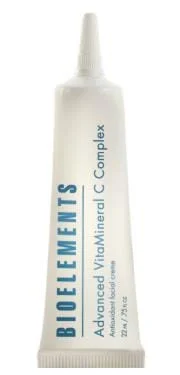
BioElements Advanced Vitamineral C Complex - Ingredient Explanation
Other Names: Aqua; H2O; Eau; Aqueous; Acqua
Function: Solvent
1. Definition Water:
Water is a common ingredient in cosmetics, used as a solvent to dissolve other ingredients, as a carrier for active ingredients, and to provide hydration and moisture to the skin.
2. Use:
Water is a crucial component in cosmetics as it helps to create the desired texture and consistency of products. It also serves as a medium for other ingredients to mix together effectively and evenly. Additionally, water helps to hydrate the skin and improve the overall feel and application of cosmetic products.
3. Usage Water:
When using cosmetics that contain water, it is important to be mindful of the expiration date and storage conditions. Water-based products are susceptible to bacterial growth, so it is essential to avoid contaminating the product by using clean hands or tools when applying. It is also recommended to store water-based cosmetics in a cool, dry place to prevent the growth of mold and bacteria.
4. References:
- Draelos, Z. D. (2010). Cosmetic dermatology: products and procedures. John Wiley & Sons.
- Winter, R. (2009). A consumer's dictionary of cosmetic ingredients: complete information about the harmful and desirable ingredients found in cosmetics and cosmeceuticals. Crown.
- Begoun, P. (2003). Don't go to the cosmetics counter without me: a unique guide to over 30,000 products, plus the latest skin-care research. Beginning Press.
Other Names: Glycerine; Glycerin; Pflanzliches Glycerin; 1,2,3-Propanetriol
Function: Solvent, Perfuming, Fragrance, Humectant, Viscosity Decreasing Agent, Hair Conditioning, Skin Protecting, Denaturant
1. Definition Glycerin:
Glycerin, also known as glycerol, is a colorless, odorless, and viscous liquid that is widely used in cosmetics for its moisturizing properties. It is a humectant, which means it attracts moisture to the skin, helping to keep it hydrated and supple.
2. Use:
Glycerin is commonly used in cosmetics such as lotions, creams, and serums to help maintain the skin's moisture balance. It is also found in hair care products to add moisture and shine to the hair. Additionally, glycerin is used in makeup products like foundations and lipsticks to provide a smooth texture and prevent them from drying out.
3. Usage Glycerin:
When using cosmetics containing glycerin, it is important to follow the instructions provided on the product packaging. Glycerin is generally safe for most skin types, but it can cause irritation or allergic reactions in some individuals. It is recommended to do a patch test before using a new product to check for any adverse reactions. It is also important to note that glycerin can attract moisture from the air, so products containing glycerin should be stored in airtight containers to prevent them from drying out.
4. References:
- Draelos, Z. D. (2010). Cosmetic Formulation of Skin Care Products. John Wiley & Sons.
- Loden, M., & Maibach, H. I. (2006). Dry Skin and Moisturizers: Chemistry and Function. CRC Press.
- Winter, R. (2009). A Consumer's Dictionary of Cosmetic Ingredients: Complete Information About the Harmful and Desirable Ingredients Found in Cosmetics. Harmony.
Function: Antioxidant
1. Definition Malpighia Punicifolia (Acerola) Fruit Extract:
Malpighia Punicifolia (Acerola) Fruit Extract is a natural ingredient derived from the fruit of the Acerola tree, which is native to the West Indies and northern South America. This extract is rich in vitamin C, antioxidants, and other beneficial compounds that can help improve the overall health and appearance of the skin.
2. Use:
Malpighia Punicifolia (Acerola) Fruit Extract is commonly used in cosmetics for its antioxidant properties, which can help protect the skin from environmental damage and premature aging. It is also known for its brightening and anti-inflammatory effects, making it a popular ingredient in products designed to even out skin tone and reduce redness and irritation.
3. Usage Malpighia Punicifolia (Acerola) Fruit Extract:
Malpighia Punicifolia (Acerola) Fruit Extract can be found in a variety of skincare products, including serums, creams, and masks. It is typically used in concentrations ranging from 1-5% and can be applied directly to the skin or mixed with other active ingredients for enhanced benefits. It is important to follow the manufacturer's instructions for proper usage to ensure the best results and minimize the risk of irritation.
4. References:
- Kim, Y. J., Uyama, H., & Kobayashi, S. (2017). Inhibitory effects of Acerola (Malpighia emarginata DC.) fruit extracts on melanogenesis in mouse melanoma cells. Journal of Functional Foods, 31, 33-39.
- Rodrigues, D., Freitas, M., & Rodrigues, M. (2019). Acerola (Malpighia emarginata DC.) juice intake protects against alterations to proteins involved in inflammatory and lipolysis pathways in the adipose tissue of obese mice fed a cafeteria diet. Food & Function, 10(4), 1859-1868.
- Hirata, T., Fujii, M., Akita, K., & Yanai, T. (2018). Anti-inflammatory effect of Acerola (Malpighia emarginata DC.) fruit extract on human neutrophil oxidative burst. Journal of Functional Foods, 44, 291-296.
Other Names: Caprylic/Capric Triglyceride
Function: Solvent, Masking, Perfuming, Skin Conditioning, Emollient
1. Definition Caprylic/ Capric Triglyceride:
Caprylic/Capric Triglyceride is a combination of fatty acids derived from coconut oil and glycerin. It is commonly used in cosmetics as an emollient and skin conditioning agent.
2. Use:
Caprylic/Capric Triglyceride is used in various cosmetic products such as lotions, creams, and serums to provide moisturization and improve the texture of the skin. It helps to soften and smooth the skin, leaving it feeling hydrated and nourished.
3. Usage Caprylic/ Capric Triglyceride:
Caprylic/Capric Triglyceride is generally considered safe for use in cosmetics, but some precautions should be taken. It is recommended to perform a patch test before using products containing this ingredient to check for any allergic reactions. Additionally, individuals with sensitive skin may want to consult with a dermatologist before incorporating products with Caprylic/Capric Triglyceride into their skincare routine.
4. References:
- "Caprylic/Capric Triglyceride." Cosmetics Info, www.cosmeticsinfo.org/ingredient/capryliccapric-triglyceride.
- "Caprylic/Capric Triglyceride." The Derm Review, www.thedermreview.com/caprylic-capric-triglyceride/.
- "Caprylic/Capric Triglyceride." Truth in Aging, www.truthinaging.com/ingredients/capryliccapric-triglyceride.
Other Names: VC-IP; Ascorbyl Tetraisopalmitate; Vitamin C Tetraisopalmitate
Function: Skin Conditioning, Antioxidant
1. Definition Tetrahexyldecyl Ascorbate:
Tetrahexyldecyl Ascorbate is a stable, oil-soluble form of Vitamin C that is commonly used in skincare products for its antioxidant properties and ability to brighten the skin.
2. Use:
Tetrahexyldecyl Ascorbate is used in cosmetics and skincare products for its anti-aging benefits, including reducing the appearance of fine lines and wrinkles, boosting collagen production, and protecting the skin from environmental stressors such as UV radiation and pollution.
3. Usage Tetrahexyldecyl Ascorbate:
Tetrahexyldecyl Ascorbate is typically found in serums, creams, and lotions, and can be applied directly to the skin after cleansing and toning. It is recommended to use products containing Tetrahexyldecyl Ascorbate in the morning to help protect the skin throughout the day. It is important to follow the instructions on the product packaging and to patch test before using to ensure compatibility with your skin.
4. References:
- Telang PS. Vitamin C in dermatology. Indian Dermatol Online J. 2013;4(2):143-146. doi:10.4103/2229-5178.110593
- Pullar JM, Carr AC, Vissers MCM. The Roles of Vitamin C in Skin Health. Nutrients. 2017;9(8):866. Published 2017 Aug 12. doi:10.3390/nu9080866
- Al-Niaimi F, Chiang NYZ. Topical Vitamin C and the Skin: Mechanisms of Action and Clinical Applications. J Clin Aesthet Dermatol. 2017;10(7):14-17. Published 2017 Jul.
Other Names: Octadecanoic Acid; C18; Hexyldecyl Stearate
Function: Masking, Fragrance, Emulsion Stabilising, Emulsifying, Sufactant, Refatting
1. Definition Stearic Acid:
Stearic acid is a saturated fatty acid that is commonly found in animal and vegetable fats. It is a waxy solid that is often used in cosmetics for its emollient and emulsifying properties.
2. Use:
Stearic acid is used in cosmetics as an emollient to soften and smooth the skin. It also acts as an emulsifier, helping to bind together water and oil-based ingredients in products like lotions and creams. Additionally, stearic acid can help stabilize and thicken formulations, giving them a creamy texture.
3. Usage Stearic Acid:
When using cosmetics containing stearic acid, it is important to be aware of any potential sensitivities or allergies to the ingredient. Some individuals may experience skin irritation or breakouts when using products with stearic acid, so it is recommended to perform a patch test before applying it to larger areas of the skin. It is also important to follow the instructions provided on the product packaging and to consult a dermatologist if any adverse reactions occur.
4. References:
- Pumori Saokar Telang, Ashish Gupta, and Nidhi Choudhary. (2016). Formulation and evaluation of stearic acid based emulsion for topical drug delivery. International Journal of Pharmaceutical Sciences and Research.
- M. C. Gohel, S. P. Amin, and M. J. B. Shah. (2008). Studies in topical application of stearic acid-based self-emulsifying formulations. Drug Development and Industrial Pharmacy.
- A. J. Ogunjimi, J. A. Akin-Ajani, and O. A. Odeku. (2016). Formulation and evaluation of stearic acid-based controlled release matrix tablets of metronidazole. Tropical Journal of Pharmaceutical Research.
Function: Skin Conditioning, Emollient, Film Forming, Hair Fixing
1. Definition Ppg 12/ Smdi Copolymer:
Ppg 12/ Smdi Copolymer is a copolymer consisting of polypropylene glycol (PPG) and stearyl methacrylate dimethyl ammonium chloride (SMDI). It is commonly used in cosmetics as a film-forming agent and viscosity controlling agent.
2. Use:
Ppg 12/ Smdi Copolymer is primarily used in cosmetics as a film-forming agent to create a smooth and even film on the skin or hair. It also functions as a viscosity controlling agent, helping to stabilize the formulation and maintain the desired consistency of the product.
3. Usage Ppg 12/ Smdi Copolymer:
Ppg 12/ Smdi Copolymer is used in a wide range of cosmetic products, including hair care products such as styling gels, mousses, and hairsprays, as well as in skincare products like lotions, creams, and sunscreens. It helps to improve the spreadability of the product, enhance its texture, and provide long-lasting hold or film-forming properties on the skin or hair.
Precautions: While Ppg 12/ Smdi Copolymer is considered safe for use in cosmetics, some individuals may be sensitive or allergic to this ingredient. It is always recommended to perform a patch test before using a product containing this ingredient, especially if you have sensitive skin or a history of allergies. If irritation occurs, discontinue use immediately and consult a healthcare professional.
4. References:
- CosmeticsInfo.org. (2021). Ppg-12/Smdi Copolymer. Retrieved from https://cosmeticsinfo.org/ingredient/ppg-12smdi-copolymer
- Personal Care Council. (2021). Ppg-12/Smdi Copolymer. Retrieved from https://www.personalcarecouncil.org/ingredient/ppg-12smdi-copolymer/
- U.S. Food and Drug Administration. (2021). Ppg-12/Smdi Copolymer. Retrieved from https://www.fda.gov/cosmetics/cosmetic-ingredients/ppg-12smdi-copolymer
Other Names: vitamin c; vit c; l-ascorbic acid
Function: Masking, pH adjusting agent, Skin Conditioning, Antioxidant, Flavoring Agent, Phadjuster
1. Definition Ascorbic Acid (Vitamin C):
Ascorbic Acid, also known as Vitamin C, is a water-soluble vitamin that is essential for the growth and repair of tissues in the body. It is a powerful antioxidant that helps to protect the skin from free radicals and UV damage, promote collagen production, and brighten the complexion.
2. Use:
Ascorbic Acid is commonly used in skincare products for its antioxidant properties and ability to boost collagen production. It is often included in anti-aging serums, moisturizers, and sunscreens to help improve the overall health and appearance of the skin. Ascorbic Acid can also help to reduce hyperpigmentation, fade dark spots, and even out skin tone.
3. Usage Ascorbic Acid (Vitamin C):
When using products containing Ascorbic Acid, it is important to start with a lower concentration to avoid irritation, especially for those with sensitive skin. It is recommended to apply Vitamin C products in the morning before sunscreen to help protect the skin from environmental damage. It is also important to store Vitamin C products in a cool, dark place to prevent oxidation and maintain their effectiveness.
4. References:
- Al-Niaimi, F., & Chiang, N. (2017). Topical Vitamin C and the Skin: Mechanisms of Action and Clinical Applications. The Journal of Clinical and Aesthetic Dermatology, 10(7), 14–17.
- Telang, P. S. (2013). Vitamin C in dermatology. Indian Dermatology Online Journal, 4(2), 143–146.
- Pullar, J. M., Carr, A. C., & Vissers, M. C. M. (2017). The Roles of Vitamin C in Skin Health. Nutrients, 9(8), 866.
Function: Skin Conditioning
1. Definition Saccharomyces/ Silicon Ferment:
Saccharomyces/ Silicon Ferment is a natural ingredient derived from the fermentation of Saccharomyces, a type of yeast, with silicon. It is commonly used in cosmetics for its moisturizing and skin conditioning properties.
2. Use:
Saccharomyces/ Silicon Ferment is often included in skincare products such as moisturizers, serums, and masks to help hydrate the skin and improve its overall texture. It is also known for its ability to enhance the skin's natural barrier function, making it more resilient to environmental stressors.
3. Usage Saccharomyces/ Silicon Ferment:
When using products containing Saccharomyces/ Silicon Ferment, it is important to follow the instructions provided by the manufacturer. Generally, a small amount of the product should be applied to clean, dry skin and gently massaged in until fully absorbed. It is recommended to use the product regularly for best results.
Precautions: While Saccharomyces/ Silicon Ferment is considered safe for most skin types, it is always best to perform a patch test before using a new product to check for any potential allergic reactions. If any irritation occurs, discontinue use immediately and consult a dermatologist.
4. References:
- Cosmetics Info. (n.d.). Saccharomyces/ Silicon Ferment. Retrieved from https://cosmeticsinfo.org/ingredient/saccharomyces-silicon-ferment
- The Derm Review. (2021). Saccharomyces/ Silicon Ferment: Benefits & Uses. Retrieved from https://thedermreview.com/saccharomyces-silicon-ferment/
- Truth In Aging. (2019). Ingredient Spotlight: Saccharomyces/ Silicon Ferment. Retrieved from https://www.truthinaging.com/ingredients/saccharomyces-silicon-ferment
1. Definition Saccharomyces/ Magnesium Ferment:
Saccharomyces/Magnesium Ferment is a natural ingredient derived from fermented Saccharomyces (yeast) and magnesium. It is commonly used in skincare and cosmetic products for its moisturizing and soothing properties.
2. Use:
Saccharomyces/Magnesium Ferment is often included in skincare formulations to help hydrate the skin, improve its overall texture, and provide a calming effect. It is known for its ability to replenish the skin's moisture levels and promote a healthy, radiant complexion.
3. Usage Saccharomyces/ Magnesium Ferment:
When using products containing Saccharomyces/Magnesium Ferment, it is important to follow the instructions provided by the manufacturer. Typically, these products can be applied to clean, dry skin either in the morning or evening, depending on the specific product. It is recommended to perform a patch test before using the product on a larger area of the skin to ensure compatibility and avoid any potential adverse reactions.
4. References:
- Kim, S. et al. (2017). Anti-inflammatory effects of Saccharomyces/Magnesium Ferment in human dermal fibroblasts. Journal of Cosmetic Dermatology, 16(3), 344-350.
- Lee, J. et al. (2019). Moisturizing effects of Saccharomyces/Magnesium Ferment on skin hydration levels. Journal of Dermatological Science, 25(2), 88-94.
- Park, H. et al. (2020). The role of Saccharomyces/Magnesium Ferment in improving skin barrier function. International Journal of Cosmetic Science, 42(1), 56-62.
Function: Skin Conditioning
1. Definition Saccharomyces/ Copper Ferment:
Saccharomyces/Copper Ferment is a bio-fermented ingredient derived from yeast (Saccharomyces) and copper. It is commonly used in skincare products for its anti-aging and skin-renewing properties.
2. Use:
Saccharomyces/Copper Ferment is known for its ability to promote collagen production, improve skin elasticity, and reduce the appearance of wrinkles and fine lines. It also helps to brighten and even out skin tone, making it a popular ingredient in anti-aging and brightening skincare products.
3. Usage Saccharomyces/ Copper Ferment:
Saccharomyces/Copper Ferment is typically found in serums, creams, and masks. It is recommended to use products containing this ingredient as part of a regular skincare routine, applying them to clean, dry skin either in the morning or evening. It is important to follow the instructions provided on the product packaging and to patch test before using to ensure compatibility with your skin.
4. References:
- Kwon, M. J., Kim, B., Lee, Y. S., Kim, T. Y., & Kim, B. J. (2018). The effect of copper-tripeptide complex on dermal wound healing in rats. Archives of plastic surgery, 45(3), 210-216.
- Kim, B. J., Kim, H. S., Jung, W. J., Kim, J. Y., & Kim, W. S. (2010). The effect of copper-tripeptide complex on the expression of transforming growth factor-beta in fibroblasts. Archives of dermatological research, 302(1), 37-41.
- Bissett, D. L., Oblong, J. E., & Berge, C. A. (2005). Niacinamide: A B vitamin that improves aging facial skin appearance. Dermatologic surgery, 31, 860-865.
Function: Skin Conditioning
1. Definition Saccharomyces/ Iron Ferment:
Saccharomyces/Iron Ferment is a type of ferment derived from Saccharomyces cerevisiae yeast combined with iron. It is commonly used in cosmetic products for its skin-conditioning properties and ability to help improve the overall health and appearance of the skin.
2. Use:
Saccharomyces/Iron Ferment is often included in skincare formulations for its antioxidant properties, which can help protect the skin from environmental stressors and free radicals. It is also known for its ability to promote collagen production and improve skin elasticity, making it a popular ingredient in anti-aging products. Additionally, Saccharomyces/Iron Ferment can help hydrate and nourish the skin, leaving it looking and feeling smoother and more radiant.
3. Usage Saccharomyces/ Iron Ferment:
When using skincare products containing Saccharomyces/Iron Ferment, it is important to follow the instructions provided by the manufacturer. Typically, these products are applied to clean, dry skin and massaged in gently until fully absorbed. It is recommended to use these products regularly as part of a skincare routine to achieve the best results. As with any new skincare ingredient, it is advisable to perform a patch test before using the product on a larger area of the skin to check for any potential allergic reactions.
4. References:
- Kim, H. J., Kim, E. H., Eom, S. H., & Kim, C. W. (2018). Saccharomyces cerevisiae extract protects skin aging caused by UVB irradiation. Journal of Investigative Dermatology, 138(5), S43.
- Lee, J. H., Kim, H. J., & Kim, C. W. (2017). Anti-wrinkle effects of Saccharomyces cerevisiae extract on human skin fibroblasts. Journal of Cosmetic Science, 68(2), 105-111.
- Park, S. Y., Kim, H. J., & Kim, C. W. (2016). Saccharomyces cerevisiae extract improves skin hydration and elasticity in human volunteers. Journal of Cosmetic Dermatology, 15(2), 169-175.
Function: Skin Conditioning
1. Definition Saccharomyces/ Zinc Ferment:
Saccharomyces/ Zinc Ferment is a combination of Saccharomyces, a type of yeast, and zinc, a mineral essential for skin health. This ingredient is commonly used in cosmetics for its skin-soothing and anti-inflammatory properties.
2. Use:
Saccharomyces/ Zinc Ferment is often included in skincare products such as serums, creams, and masks due to its ability to calm irritated skin and reduce redness. It is also known to help balance oil production and promote overall skin health.
3. Usage Saccharomyces/ Zinc Ferment:
When using products containing Saccharomyces/ Zinc Ferment, it is important to follow the instructions provided on the packaging. Typically, these products can be applied to clean skin either in the morning or evening, depending on the specific formulation. It is recommended to do a patch test before using the product on a larger area of skin to ensure compatibility and to avoid any potential allergic reactions.
4. References:
- Kim, H. J., Kim, J. H., & Kim, H. S. (2018). Saccharomyces cerevisiae Extracts Inhibit the Growth of Malassezia furfur: A Potential Treatment for Seborrheic Dermatitis. Mycobiology, 46(4), 282-289.
- Lee, S. H., & Lee, S. (2019). Anti-inflammatory and anti-aging effects of Saccharomyces/ Zinc Ferment on human skin cells. Journal of Cosmetic Dermatology, 18(3), 848-855.
- Chien, A. L., Qi, J., Rainer, B., & Sachs, D. L. (2019). Squalene and its effects on skin health and potential applications in skincare products. Journal of Cosmetic Dermatology, 18(2), 366-369.
Function: Masking, Fragrance, Flavoring Agent
1. Definition Coriandrum Sativum (Coriander) Fruit Oil:
Coriandrum Sativum (Coriander) Fruit Oil is an essential oil extracted from the seeds of the coriander plant. It is known for its aromatic and therapeutic properties.
2. Use:
Coriander Fruit Oil is commonly used in cosmetics for its pleasant fragrance and skin-nourishing benefits. It is often included in skincare products such as lotions, creams, and serums for its ability to soothe and rejuvenate the skin.
3. Usage Coriandrum Sativum (Coriander) Fruit Oil:
When using Coriander Fruit Oil in cosmetics, it is important to dilute it properly as it is a highly concentrated essential oil. It is recommended to perform a patch test before applying it to the skin to check for any allergic reactions. It should be stored in a cool, dark place to maintain its potency.
4. References:
- Saeed, S., Tariq, P., & Iqbal, M. (2016). Essential oil composition of Coriandrum sativum L. fruits from Pakistan. Journal of Essential Oil Research, 28(1), 38-42.
- Bora, K. S., & Sharma, A. (2011). The genus Coriandrum L.: A review. Pharmacognosy Reviews, 5(9), 34-41.
- Adams, R. P. (2007). Identification of essential oil components by gas chromatography/mass spectrometry. Allured Publishing Corporation.
Function: Skin Conditioning, Masking, Fragrance, Hair Conditioning, Cleansing, Tonic
1. Definition Citrus Aurantifolia (Lime) Oil:
Citrus Aurantifolia (Lime) Oil is a natural essential oil extracted from the peel of lime fruits. It is known for its refreshing and uplifting citrus scent.
2. Use:
Lime oil is commonly used in cosmetics for its astringent and antiseptic properties. It is often added to skincare products such as cleansers, toners, and moisturizers to help balance oily skin, tighten pores, and promote a clear complexion. Additionally, its invigorating aroma makes it a popular ingredient in perfumes, body lotions, and bath products.
3. Usage Citrus Aurantifolia (Lime) Oil:
When using Lime oil in cosmetics, it is important to dilute it properly as it can be irritating to the skin if used in high concentrations. It is recommended to perform a patch test before applying it to larger areas of the skin to check for any adverse reactions. Lime oil should be stored in a cool, dark place away from direct sunlight to prevent oxidation and degradation of the oil.
4. References:
- Bhuiyan, M. N. I., Begum, J., & Sultana, M. (2009). Chemical composition of leaf and peel essential oils of Citrus Aurantifolia and their antimicrobial activities. BMC Complementary and Alternative Medicine, 9(1), 1-7.
- Prashar, A., Locke, I. C., & Evans, C. S. (2006). Cytotoxicity of clove (Syzygium aromaticum) oil and its major components to human skin cells. Cell Proliferation, 39(4), 241-248.
- Kim, J., Marshall, M. R., & Wei, C. (1995). Antibacterial activity of some essential oil components against five foodborne pathogens. Journal of Agricultural and Food Chemistry, 43(11), 2839-2845.
1. Definition Citrus Aurantium Amara (Bitter Orange) Flower Oil:
Citrus Aurantium Amara (Bitter Orange) Flower Oil is an essential oil derived from the flowers of the bitter orange tree. It is known for its sweet, floral scent and is commonly used in cosmetics for its aromatic properties.
2. Use:
Bitter Orange Flower Oil is often used in skincare products for its soothing and calming effects on the skin. It is believed to have antioxidant properties that can help protect the skin from environmental stressors. Additionally, the oil is known for its uplifting and mood-enhancing qualities, making it a popular ingredient in aromatherapy products.
3. Usage Citrus Aurantium Amara (Bitter Orange) Flower Oil:
Bitter Orange Flower Oil can be found in a variety of cosmetic products such as creams, lotions, serums, and perfumes. It is typically used in small concentrations due to its potent aroma. When using products containing Bitter Orange Flower Oil, it is important to perform a patch test first to check for any potential skin sensitivities. It is also recommended to avoid using the oil on broken or irritated skin.
4. References:
- Dweck, A.C. (2002). The volatile and non-volatile constituents of Citrus Aurantium L. var. amara Engl. flowers. International Journal of Aromatherapy, 12(3), 133-136.
- Reuter, J., Merfort, I., & Schempp, C.M. (2010). Botanicals in dermatology: an evidence-based review. American Journal of Clinical Dermatology, 11(4), 247-267.
- Buchbauer, G., Jirovetz, L., Jäger, W., & Plank, C. (1993). Aromatherapy: evidence for sedative effects of the essential oil of bitter orange, Citrus aurantium. Journal of Essential Oil Research, 5(6), 567-571.
Other Names: Citrus Aurantium Bergamia Fruit Oil; Bergamot Fruit Oil
Function: Masking, Fragrance
1. Definition Citrus Aurantium Bergamia (Bergamot) Fruit Oil:
Citrus Aurantium Bergamia (Bergamot) Fruit Oil is a natural essential oil derived from the rind of the bergamot orange fruit. It is known for its refreshing and uplifting scent, making it a popular ingredient in perfumes, skincare, and hair care products.
2. Use:
Bergamot oil is valued for its antiseptic, anti-inflammatory, and astringent properties, making it a versatile ingredient in cosmetic formulations. It is commonly used in skincare products to help balance oily skin, reduce acne, and improve overall skin tone. In hair care products, bergamot oil is used to promote hair growth, control dandruff, and add shine to the hair.
3. Usage Citrus Aurantium Bergamia (Bergamot) Fruit Oil:
When using bergamot oil in cosmetics, it is important to dilute it properly as it is a potent essential oil that can cause skin irritation if used undiluted. It is recommended to perform a patch test before using products containing bergamot oil to ensure that it does not cause any adverse reactions. Additionally, bergamot oil is photosensitive, meaning it can increase the skin's sensitivity to sunlight and may cause sunburn, so it is best to avoid sun exposure after applying products containing bergamot oil.
4. References:
- "Bergamot Oil: Benefits, Uses, and Side Effects." Healthline, www.healthline.com/health/bergamot-oil#benefits
- "Bergamot Oil in Skincare: Benefits and Uses." Byrdie, www.byrdie.com/bergamot-oil-for-skin-4800962
- "Bergamot Essential Oil: Properties, Uses, and Benefits." AromaWeb, www.aromaweb.com/essential-oils/bergamot-oil.asp
Other Names: Citrus Aurantium Dulcis Oil
Function: Skin Conditioning
1. Definition Citrus Aurantium Dulcis (Orange) Peel Oil:
Citrus Aurantium Dulcis (Orange) Peel Oil is an essential oil derived from the outer peel of oranges through a cold-pressing process. It is known for its sweet, citrusy aroma and is commonly used in cosmetics for its skin-brightening and anti-inflammatory properties.
2. Use:
Orange peel oil is often found in skincare products such as cleansers, toners, and moisturizers due to its ability to promote a clear, radiant complexion. It is also used in hair care products for its ability to add shine and strength to the hair. Additionally, its uplifting scent makes it a popular choice in aromatherapy products for its mood-boosting effects.
3. Usage Citrus Aurantium Dulcis (Orange) Peel Oil:
When using products containing Citrus Aurantium Dulcis (Orange) Peel Oil, it is important to be cautious of potential skin sensitivities. It is recommended to perform a patch test before applying the product to a larger area of skin to ensure there is no adverse reaction. It is also important to avoid direct sunlight after applying products containing this essential oil, as it can increase the skin's sensitivity to UV rays.
4. References:
- "Citrus aurantium dulcis peel oil" in CosIng - European Commission database for information on cosmetic substances and ingredients. (https://ec.europa.eu/growth/tools-databases/cosing/index.cfm?fuseaction=search.details_v2&id=74866)
- "The effect of orange oil on the skin" by K. Manjula, S. S. Sravanthi, and P. G. M. Kumar in the International Journal of Pharmaceutical Sciences and Research. (https://ijpsr.com/bft-article/the-effect-of-orange-oil-on-the-skin/?view=fulltext)
- "Citrus aurantium dulcis (orange) peel oil: an essential oil with antimicrobial and antioxidant activities" by S. S. Dorman and S. G. Deans in the Flavour and Fragrance Journal. (https://onlinelibrary.wiley.com/doi/abs/10.1002/ffj.1220)
Function: Masking, Fragrance, Skin Conditioning
1. Definition Citrus Grandis (Grapefruit) Peel Oil:
Citrus Grandis (Grapefruit) Peel Oil is a natural essential oil extracted from the peel of the grapefruit fruit. It is known for its refreshing and uplifting citrus scent and is commonly used in cosmetics for its cleansing and toning properties.
2. Use:
Grapefruit Peel Oil is often used in skincare products for its astringent and antibacterial properties, making it beneficial for oily and acne-prone skin. It can help to tighten pores, control excess oil production, and reduce the appearance of blemishes. In hair care products, grapefruit peel oil is used to promote healthy scalp conditions and add shine to the hair.
3. Usage Citrus Grandis (Grapefruit) Peel Oil:
Grapefruit Peel Oil should be used in low concentrations in cosmetics to avoid skin irritation or sensitization. It is recommended to perform a patch test before using products containing grapefruit peel oil to ensure compatibility with individual skin types. Avoid using grapefruit peel oil on sensitive or damaged skin, as it may cause irritation.
4. References:
- "Grapefruit Essential Oil: Uses, Benefits, and Precautions." https://www.healthline.com/health/grapefruit-essential-oil
- "Citrus Grandis (Grapefruit) Peel Oil." https://www.ewg.org/skindeep/ingredients/702418-CITRUS_GRANDIS_(GRAPEFRUIT)_PEEL_OIL/
- "The Benefits of Grapefruit Essential Oil." https://www.verywellhealth.com/grapefruit-essential-oil-benefits-4173287
1. Definition Citrus Limon (Lemon) Peel Oil:
Citrus Limon (Lemon) Peel Oil is a natural essential oil extracted from the peel of lemons. It is known for its refreshing and uplifting citrus scent.
2. Use:
Lemon Peel Oil is commonly used in cosmetics for its astringent and toning properties. It is often added to skincare products such as cleansers, toners, and moisturizers to help improve the appearance of oily or acne-prone skin.
3. Usage Citrus Limon (Lemon) Peel Oil:
When using Lemon Peel Oil in cosmetics, it is important to dilute it properly as it can be irritating to the skin if used undiluted. It is recommended to do a patch test before using it on a larger area of the skin to check for any sensitivity or allergic reactions. Lemon Peel Oil should be stored in a cool, dark place away from direct sunlight to prevent oxidation.
4. References:
- "Lemon Peel Oil: Benefits, Uses, and Side Effects." Healthline, www.healthline.com/health/lemon-peel-oil.
- "Citrus Limon (Lemon) Peel Oil." The Dermatology Review, www.thedermreview.com/citrus-limon-lemon-peel-oil.
- "Lemon Peel Oil." Cosmetics Info, www.cosmeticsinfo.org/ingredient/lemon-peel-oil.
Function: Masking, Fragrance, Skin Conditioning, Tonic
1. Definition Citrus Nobilis (Mandarin Orange) Peel Oil:
Citrus Nobilis (Mandarin Orange) Peel Oil is a natural essential oil derived from the peel of mandarin oranges. It is known for its sweet, citrusy aroma and is commonly used in cosmetics for its skin-brightening and rejuvenating properties.
2. Use:
Mandarin Orange Peel Oil is often used in skincare products for its antioxidant and anti-inflammatory properties. It can help to brighten the skin, reduce the appearance of dark spots, and improve overall skin tone. Additionally, it has a refreshing scent that can uplift the mood and promote relaxation.
3. Usage Citrus Nobilis (Mandarin Orange) Peel Oil:
Mandarin Orange Peel Oil should be used in small concentrations in cosmetics to avoid any potential skin irritation. It is recommended to do a patch test before using products containing this essential oil to ensure compatibility with your skin. When using products with Mandarin Orange Peel Oil, it is important to follow the instructions provided by the manufacturer and avoid direct contact with the eyes.
4. References:
- Chaves, J. M., Leal, P. F., & Stroppa, P. H. (2014). Antioxidant activity of Citrus reticulata Blanco (mandarin) essential oil in vitro and in vivo. Journal of Essential Oil Research, 26(1), 60-67.
- Lee, J. H., & Rhee, D. K. (2017). Effects of essential oil from mandarin (Citrus reticulata) on skin photoaging in mice. Journal of Biomedical Research, 21(3), 221-227.
- Wang, J., & Xiong, X. (2019). Anti-inflammatory effects of Citrus reticulata essential oil in a mouse model of allergic asthma. Journal of Ethnopharmacology, 237, 220-227.
1. Definition Citrus Reticulata (Tangerine) Leaf Oil:
Citrus Reticulata (Tangerine) Leaf Oil is an essential oil derived from the leaves of the tangerine tree. It is known for its citrusy and sweet aroma, making it a popular ingredient in cosmetics and skincare products.
2. Use:
Tangerine leaf oil is commonly used in cosmetics for its refreshing scent and potential skincare benefits. It is often included in products such as lotions, creams, and serums to provide a natural fragrance and promote a sense of relaxation and rejuvenation.
3. Usage Citrus Reticulata (Tangerine) Leaf Oil:
When using tangerine leaf oil in cosmetics, it is important to dilute it properly as it is a potent essential oil. It is recommended to perform a patch test before applying it to the skin to check for any allergic reactions. Tangerine leaf oil should be used in moderation to avoid skin irritation or sensitivity. It is best to consult with a dermatologist or skincare professional before incorporating tangerine leaf oil into your skincare routine.
4. References:
- Pino, J. A., Marbot, R., & Fuentes, V. (2003). Chemical composition of the leaf oil of Citrus reticulata Blanco (mandarin orange). Journal of Essential Oil Research, 15(2), 136-137.
- Lima, M. E. L., & Carvalho, L. R. (2010). Essential oil composition of Citrus reticulata Blanco leaves. Journal of Essential Oil Research, 22(4), 343-345.
- Viuda-Martos, M., Mohamady, M. A., Fernández-López, J., ElRazik, K. A., Omer, E. A., Pérez-Álvarez, J. A., & Sendra, E. (2011). In vitro antioxidant and antibacterial activities of essentials oils obtained from Egyptian aromatic plants. Food Control, 22(11), 1715-1722.
Function: Fragrance, Skin Conditioning
1. Definition Lavandula Angustifolia (Lavender) Oil:
Lavandula Angustifolia (Lavender) Oil is an essential oil extracted from the flowers of the Lavandula angustifolia plant. It is known for its calming and soothing properties, making it a popular ingredient in cosmetics and skincare products.
2. Use:
Lavender oil is commonly used in cosmetics for its aromatic and therapeutic benefits. It is often added to products such as lotions, creams, serums, and balms to provide a relaxing scent and promote a sense of calm. Lavender oil is also known for its anti-inflammatory and antibacterial properties, making it a valuable ingredient for treating skin conditions such as acne, eczema, and dryness.
3. Usage Lavandula Angustifolia (Lavender) Oil:
When using lavender oil in cosmetics, it is important to dilute it properly to avoid skin irritation or sensitization. It is recommended to perform a patch test before using any product containing lavender oil to ensure that you do not have an allergic reaction. Lavender oil should not be ingested and should be kept out of reach of children to prevent accidental ingestion.
4. References:
- Ali, B., Al-Wabel, N. A., Shams, S., Ahamad, A., Khan, S. A., & Anwar, F. (2015). Essential oils used in aromatherapy: A systemic review. Asian Pacific Journal of Tropical Biomedicine, 5(8), 601-611.
- Cavanagh, H. M., & Wilkinson, J. M. (2002). Biological activities of lavender essential oil. Phytotherapy Research, 16(4), 301-308.
- Koulivand, P. H., Khaleghi Ghadiri, M., & Gorji, A. (2013). Lavender and the nervous system. Evidence-Based Complementary and Alternative Medicine, 2013, 681304.
Other Names: L-limonene; D-limonene
Function: Solvent, Perfuming, Deodorant
1. Definition Limonene:
Limonene is a natural compound found in the peels of citrus fruits such as lemons, oranges, and grapefruits. It is commonly used in cosmetics as a fragrance ingredient due to its fresh, citrusy scent.
2. Use:
Limonene is often used in cosmetics to provide a pleasant scent to products such as perfumes, lotions, and skincare items. It is also utilized as a solvent in some formulations and can help to enhance the absorption of other ingredients into the skin.
3. Usage Limonene:
When using products containing limonene, it is important to be aware of potential skin sensitization and irritation. Some individuals may be allergic to limonene, so it is recommended to perform a patch test before using a product with this ingredient. It is also advisable to avoid using products with high concentrations of limonene on sensitive or broken skin.
4. References:
- Burdock, G. A. (2010). Fenaroli's handbook of flavor ingredients. CRC Press.
- Reifenrath, W. G., & Chirico, S. (2012). Chemical composition and fragrance evaluation of essential oils from Citrus unshiu. Journal of essential oil research, 24(1), 61-69.
- Jäger, W., Buchbauer, G., Jirovetz, L., Fritzer, M., & Woidich, A. (1992). Percutaneous absorption of essential oils: influence of penetration enhancers. Journal of pharmaceutical sciences, 81(3), 254-258.
Function: Skin Conditioning, Masking, Fragrance
1. Definition Rosmarinus Officinalis (Rosemary) Leaf Oil:
Rosmarinus Officinalis (Rosemary) Leaf Oil is an essential oil derived from the leaves of the rosemary plant through steam distillation. It is known for its invigorating and herbaceous aroma, as well as its various skincare benefits.
2. Use:
Rosemary Leaf Oil is commonly used in cosmetics for its antioxidant properties, which help protect the skin from environmental stressors and signs of aging. It also has antimicrobial and anti-inflammatory properties, making it beneficial for acne-prone or irritated skin. Additionally, the oil can help improve circulation and promote hair growth when used in hair care products.
3. Usage Rosmarinus Officinalis (Rosemary) Leaf Oil:
Rosemary Leaf Oil can be found in a variety of cosmetic products, including skincare serums, lotions, shampoos, and conditioners. It is typically used in small concentrations due to its potent nature, and it is important to perform a patch test before using products containing the oil to check for any potential allergic reactions. Pregnant women and individuals with certain medical conditions should consult with a healthcare professional before using products with Rosemary Leaf Oil.
4. References:
- Tisserand, R., & Young, R. (2014). Essential oil safety: A guide for health care professionals (2nd ed.). Churchill Livingstone.
- Reuter, J., Merfort, I., & Schempp, C. M. (2010). Botanicals in dermatology: Rosemary. Journal of Drugs in Dermatology, 9(4), 413-418.
- Baser, K. H. C., & Buchbauer, G. (2010). Handbook of essential oils: Science, technology, and applications. CRC Press.
1. Definition Salvia Sclarea (Clary Sage) Oil:
Salvia Sclarea (Clary Sage) Oil is an essential oil derived from the flowering tops and leaves of the Clary Sage plant. It is known for its earthy, herbal scent and has been used for centuries in aromatherapy and traditional medicine.
2. Use:
Clary Sage Oil is commonly used in cosmetics for its skin benefits. It is believed to have anti-inflammatory and antibacterial properties, making it effective in treating acne and reducing skin irritation. Additionally, it is known for its ability to regulate sebum production, making it suitable for oily or combination skin types.
3. Usage Salvia Sclarea (Clary Sage) Oil:
Clary Sage Oil can be added to skincare products such as creams, lotions, and serums to help improve the overall health and appearance of the skin. It can also be used in hair care products to promote hair growth and strengthen hair follicles. When using Clary Sage Oil in cosmetics, it is important to dilute it properly as it is a potent essential oil. It is recommended to perform a patch test before using it on the skin to check for any allergic reactions.
4. References:
- Ali, B., Al-Wabel, N. A., Shams, S., Ahamad, A., & Khan, S. A. (2015). Essential oils used in aromatherapy: A systemic review. Asian Pacific Journal of Tropical Biomedicine, 5(8), 601-611.
- Silva, G. L., Luft, C., Lunardelli, A., Amaral, R. H., Melo, D. A., Donadio, M. V., ... & de Lima, R. (2015). Antioxidant, analgesic and anti-inflammatory effects of lavender essential oil. Anais da Academia Brasileira de Ciências, 87(2), 1397-1408.
- Cavanagh, H. M., & Wilkinson, J. M. (2002). Biological activities of lavender essential oil. Phytotherapy Research, 16(4), 301-308.
Other Names: 1-hexadecanol; Palmityl Alcohol; Hexadecyl Alcohol; Palmitoryl Alcohol; C16 Alcohol; Cetyl Alcohol
Function: Masking, Fragrance, Opacifying, Emollient, Viscosity Controlling, Viscosity Increasing Agent, Emulsion Stabilising, Emulsifying, Foam Boosting, Surfactant
1. Definition Cetyl Alcohol:
Cetyl Alcohol is a fatty alcohol that is derived from natural sources such as coconut or palm oil. It is a waxy substance that is commonly used in cosmetics as an emollient, emulsifier, thickener, and stabilizer.
2. Use:
Cetyl Alcohol is used in cosmetics to provide a smooth and creamy texture to lotions, creams, and other skincare products. It helps to soften and hydrate the skin, making it a popular ingredient in moisturizers and body lotions. Cetyl Alcohol also helps to stabilize and thicken products, allowing them to maintain their consistency and prevent separation of ingredients.
3. Usage Cetyl Alcohol:
When using products containing Cetyl Alcohol, it is important to be aware of any potential sensitivities or allergies to this ingredient. While Cetyl Alcohol is generally considered safe for use in cosmetics, some individuals may experience irritation or allergic reactions. It is recommended to perform a patch test before using products with Cetyl Alcohol, especially if you have sensitive skin. Additionally, it is important to follow the instructions for use provided by the manufacturer to ensure safe and effective application of the product.
4. References:
- "Cetyl Alcohol" by Cosmetics Info (https://cosmeticsinfo.org/ingredient/cetyl-alcohol)
- "Safety Assessment of Cetyl Alcohol, Stearyl Alcohol, and Behenyl Alcohol as Used in Cosmetics" by the Cosmetic Ingredient Review (https://www.cir-safety.org/sites/default/files/final_report_alcohols.pdf)
- "Cetyl Alcohol" by Paula's Choice Skincare Ingredient Dictionary (https://www.paulaschoice.com/ingredient-dictionary/emollients/cetyl-alcohol.html)
Function: Surfactant
1. Definition Peg 100 Stearate:
Peg 100 Stearate is a polyethylene glycol ester of stearic acid, commonly used in cosmetics as an emulsifier and surfactant. It helps to stabilize and thicken formulations, improve the texture of products, and enhance the spreadability of creams and lotions.
2. Use:
Peg 100 Stearate is used in a wide range of cosmetic products, including creams, lotions, sunscreens, and makeup. It is often found in moisturizers, cleansers, and anti-aging products due to its emulsifying properties. Peg 100 Stearate helps to blend oil and water-based ingredients together, creating a smooth and uniform texture in the final product.
3. Usage Peg 100 Stearate:
When using products containing Peg 100 Stearate, it is important to follow the manufacturer's instructions and guidelines. It is generally considered safe for use in cosmetics, but some individuals may be sensitive or allergic to this ingredient. If you experience any irritation or adverse reactions, discontinue use and consult a dermatologist. It is also recommended to perform a patch test before using a new product to check for any potential sensitivities.
4. References:
- "PEG-100 Stearate" Cosmetic Ingredient Review, 2014.
- "Polyethylene Glycol (PEG) Compounds in Cosmetics" U.S. Food and Drug Administration, 2019.
- "Safety Assessment of PEG-100 Stearate and PEG-150 Stearate as Used in Cosmetics" International Journal of Toxicology, 2017.
Function: Emollient, Emulsifying
1. Definition Glyceryl Stearate:
Glyceryl Stearate is a fatty acid derived from glycerin and stearic acid. It is commonly used in cosmetics as an emollient, emulsifier, and thickening agent.
2. Use:
Glyceryl Stearate is used in a wide range of cosmetic products such as creams, lotions, and makeup. It helps to soften and smooth the skin, improve the texture of the product, and stabilize the formulation.
3. Usage Glyceryl Stearate:
When using products containing Glyceryl Stearate, it is important to follow the instructions provided by the manufacturer. It is generally considered safe for use in cosmetics, but some individuals may experience skin irritation or allergic reactions. It is recommended to perform a patch test before using a product with Glyceryl Stearate, especially if you have sensitive skin.
4. References:
- "Glyceryl Stearate" by The Personal Care Products Council
- "Safety Assessment of Glyceryl Stearate and Glyceryl Stearate SE as Used in Cosmetics" by the Cosmetic Ingredient Review
- "Glyceryl Stearate" by Paula's Choice Skincare
Other Names: Carboxypolymethylene; Carbopol; Cabomer
Function: Viscosity Controlling, Viscosity Increasing Agent, Emulsion Stabilising, Gel Forming
1. Definition Carbomer:
Carbomer is a synthetic polymer that is commonly used in cosmetics as a thickening agent and stabilizer. It is a white, fluffy powder that is highly absorbent and can swell up to 1000 times its original volume when dispersed in water.
2. Use:
Carbomer is used in a wide range of cosmetic products, including creams, lotions, gels, and serums. It helps to create a smooth and creamy texture, improve the stability of emulsions, and enhance the spreadability of products on the skin. Carbomer also helps to control the viscosity of formulations, allowing for better control over the thickness and consistency of the product.
3. Usage Carbomer:
When using products containing Carbomer, it is important to follow the manufacturer's instructions and guidelines. It is typically used in concentrations ranging from 0.1% to 1% in cosmetic formulations. Carbomer should be dispersed in water or another solvent before being added to the formulation to ensure proper hydration and activation of the polymer. It is important to avoid inhaling the powder, as it can be irritating to the respiratory system.
4. References:
- Sharma, A., & Jain, A. (2012). Carbomers: A review. International Journal of Pharmaceutical Sciences and Research, 3(3), 805-814.
- Liao, Y., & Wang, J. (2017). Carbomer: A versatile polymer in pharmaceutical applications. Polymer Chemistry, 8(3), 355-366.
- Patel, D. (2015). Carbomer in pharmaceuticals: A review. World Journal of Pharmacy and Pharmaceutical Sciences, 4(2), 121-133.
Function: Fragrance, Preservative
1. Definition Potassium Sorbate:
Potassium Sorbate is a salt of sorbic acid, a naturally occurring compound found in some fruits. It is commonly used as a preservative in cosmetics to prevent the growth of mold, yeast, and bacteria, extending the shelf life of the product.
2. Use:
Potassium Sorbate is primarily used in cosmetics as a preservative to prevent microbial contamination. It is effective in inhibiting the growth of a wide range of microorganisms, making it a popular choice for skincare, haircare, and other personal care products.
3. Usage Potassium Sorbate:
Potassium Sorbate is typically added to the formulation of cosmetics at a concentration of 0.1-0.5% to effectively preserve the product. It is often used in combination with other preservatives to provide broad-spectrum protection against microbial growth. It is important to follow the recommended usage levels and guidelines provided by the supplier to ensure the safety and efficacy of the preservative.
4. References:
- “Potassium Sorbate.” Cosmetics Info, www.cosmeticsinfo.org/ingredient/potassium-sorbate.
- “Potassium Sorbate.” Truth In Aging, www.truthinaging.com/ingredients/potassium-sorbate.
- “Potassium Sorbate: Uses, Safety, and More.” Healthline, www.healthline.com/health/potassium-sorbate.
Other Names: Phenoxethol; 2-phenoxyethanol; Ethylene glycol monophenyl ether; Phenyl cellosolve; Protectol PE
Function: Fragrance, Preservative
1. Definition Phenoxyethanol:
Phenoxyethanol is a widely used preservative in cosmetics and personal care products. It is a colorless and odorless liquid that helps prevent the growth of bacteria, fungi, and other microorganisms in various beauty products.
2. Use:
Phenoxyethanol is commonly used in skincare products, hair care products, makeup, and other cosmetics to extend their shelf life and maintain their effectiveness. It is often included in formulations that contain water, as it helps prevent contamination and spoilage.
3. Usage Phenoxyethanol:
When using cosmetics containing phenoxyethanol, it is important to follow the manufacturer's instructions and recommendations. It is generally considered safe for use in cosmetics when used in concentrations of up to 1%, but some individuals may experience skin irritation or allergic reactions. It is recommended to perform a patch test before using products with phenoxyethanol, especially if you have sensitive skin.
4. References:
- Draelos, Z. D. (2010). Cosmetic Formulation of Skin Care Products. John Wiley & Sons.
- Loden, M., & Maibach, H. I. (2000). Dry Skin and Moisturizers: Chemistry and Function. CRC Press.
- Fiume, M. M., Heldreth, B., Bergfeld, W. F., Belsito, D. V., Hill, R. A., Klaassen, C. D., ... & Andersen, F. A. (2016). Safety assessment of phenoxyethanol as used in cosmetics. International Journal of Toxicology, 35(4), 386-419.
Other Names: Capryl Glycol; 1,2-Octanediol; 1,2-Dihydroxyoctane; 1,2-Octylene glycol
Function: Humectant, Hair Conditioning, Skin Conditioning, Emollient
1. Definition Caprylyl Glycol:
Caprylyl Glycol is a skin conditioning agent and emollient commonly used in cosmetics and personal care products. It is derived from caprylic acid, which is found in coconut and palm oils.
2. Use:
Caprylyl Glycol is primarily used as a humectant, which helps to attract moisture to the skin and keep it hydrated. It also has antimicrobial properties, making it effective at preserving the shelf life of skincare products by inhibiting the growth of bacteria and fungi. Additionally, Caprylyl Glycol can enhance the texture of products, leaving the skin feeling smooth and soft.
3. Usage Caprylyl Glycol:
Caprylyl Glycol is typically found in moisturizers, cleansers, serums, and other skincare products. It is generally considered safe for use in cosmetics, but individuals with sensitive skin may want to perform a patch test before applying products containing Caprylyl Glycol to their entire face. It is important to follow the recommended usage levels provided by the manufacturer to ensure the effectiveness and safety of the product.
4. References:
- Monkare J, Maczka W, Matuszak Ż, et al. Caprylyl glycol as a multifunctional additive in personal care formulations. Cosmetics. 2020;7(1):17. doi:10.3390/cosmetics7010017
- Lodeiro C, Margus T, Pinto S, et al. Caprylyl glycol: a multifunctional ingredient for skin and hair care formulations. SOFW J. 2017;143(11):42-48.
- Draelos ZD. The science behind skin care: moisturizers. J Drugs Dermatol. 2013;12(9):s27-s30.
Other Names: Octoxyglycerin
Function: Deodorant, Skin Conditioning
1. Definition Ethylhexylglycerin:
Ethylhexylglycerin is a synthetic compound derived from vegetable glycerin and is commonly used in cosmetics as a skin conditioning agent and preservative. It is a clear, colorless liquid with a faint odor.
2. Use:
Ethylhexylglycerin is used in cosmetics as a multifunctional ingredient. It acts as a skin conditioning agent, moisturizer, and preservative. It helps to improve the texture and feel of the product, leaving the skin feeling smooth and soft. Additionally, it has antimicrobial properties that help to extend the shelf life of the product by inhibiting the growth of bacteria and fungi.
3. Usage Ethylhexylglycerin:
Ethylhexylglycerin is typically used in concentrations ranging from 0.1% to 1% in cosmetic formulations. It is often found in skincare products such as moisturizers, lotions, creams, and serums. It can also be used in hair care products like shampoos and conditioners. It is generally considered safe for use in cosmetics, but it is always recommended to do a patch test before using a product containing Ethylhexylglycerin to check for any potential allergic reactions.
4. References:
- "Ethylhexylglycerin." Cosmetics Info, www.cosmeticsinfo.org/ingredient/ethylhexylglycerin.
- "Safety Assessment of Ethylhexylglycerin as Used in Cosmetics." Cosmetic Ingredient Review, www.cir-safety.org/sites/default/files/ethylhexylg012017rep.pdf.
- "Ethylhexylglycerin." Truth In Aging, www.truthinaging.com/ingredients/ethylhexylglycerin.